




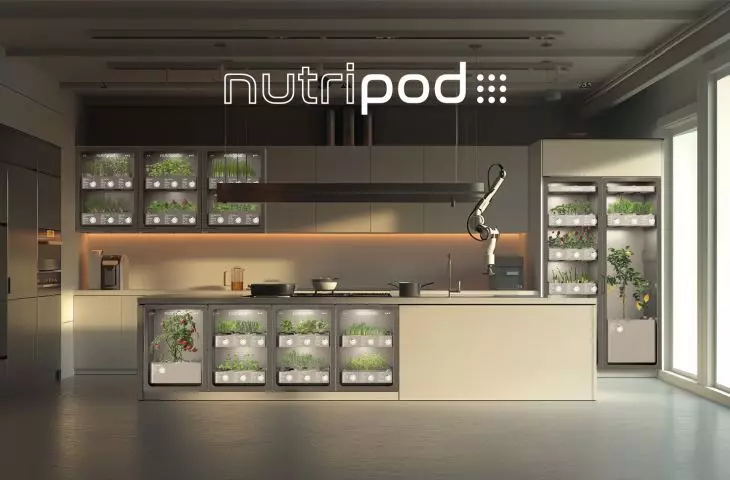
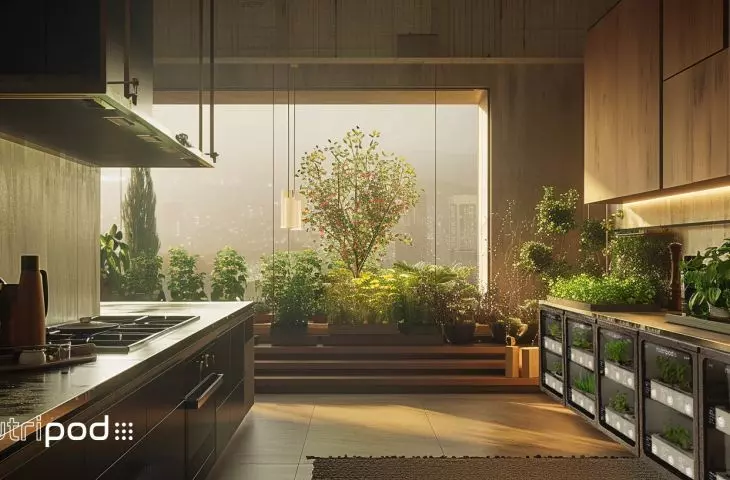

What does a kitchen adapted to a changing world look like? Ewelina Dzienyńska of School of Form designed a device that could become a standard piece of kitchen equipment - the NutriPod, which is used to effectively grow edible plants.
The starting point was a reflection on everyday life and an attempt to predict how these changes might affect the way we cook, store and source food in 2050
- explains the author.
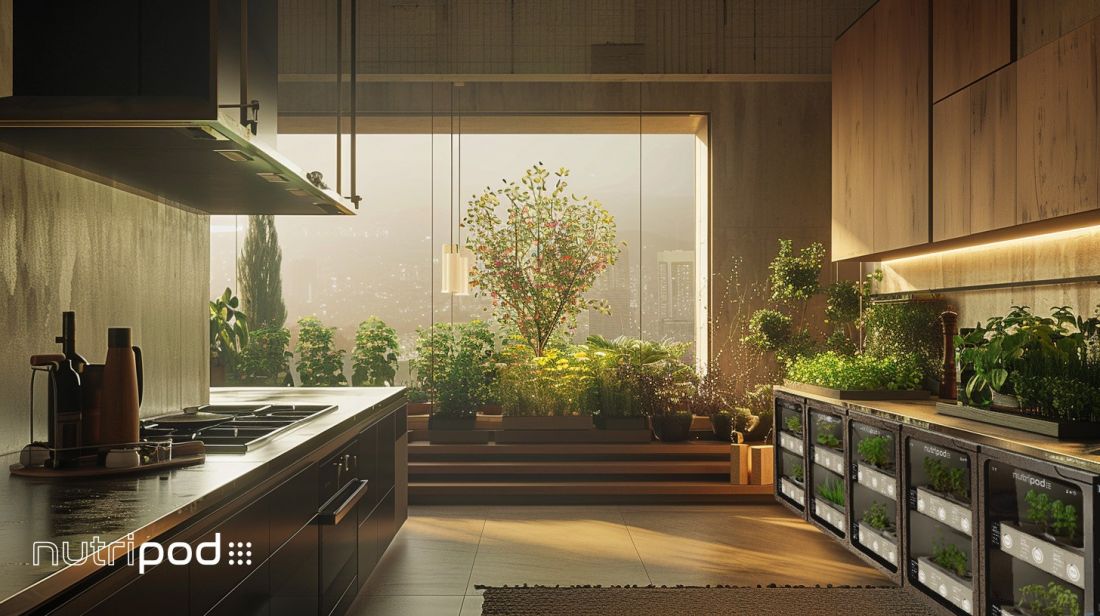
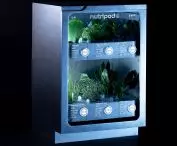
NutriPod - a household appliance
proj.: Ewelina Dzienyńska
Growing plants in a kitchen cabinet
The design work was preceded by a theoretical part, in which the author analyzes the future of food and changes in diet and food sources in the context of climate change. The project is also based on research into the history of kitchen space throughout history and a review of current practices in kitchen design with technological solutions.
The author also applied foresight research based on generative artificial intelligence to analyze the possible trajectories of home environments and the diet that societies will follow in the future.
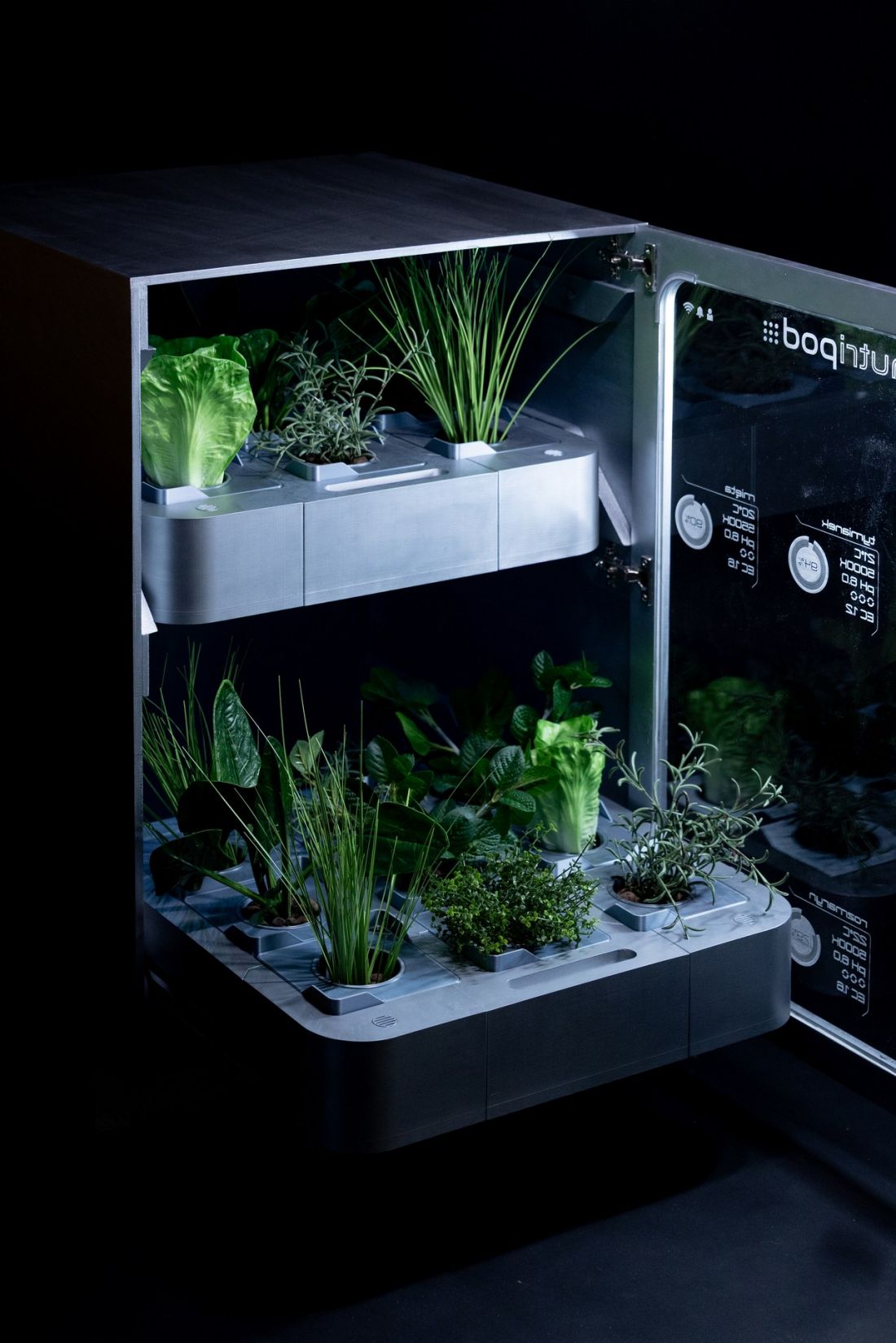
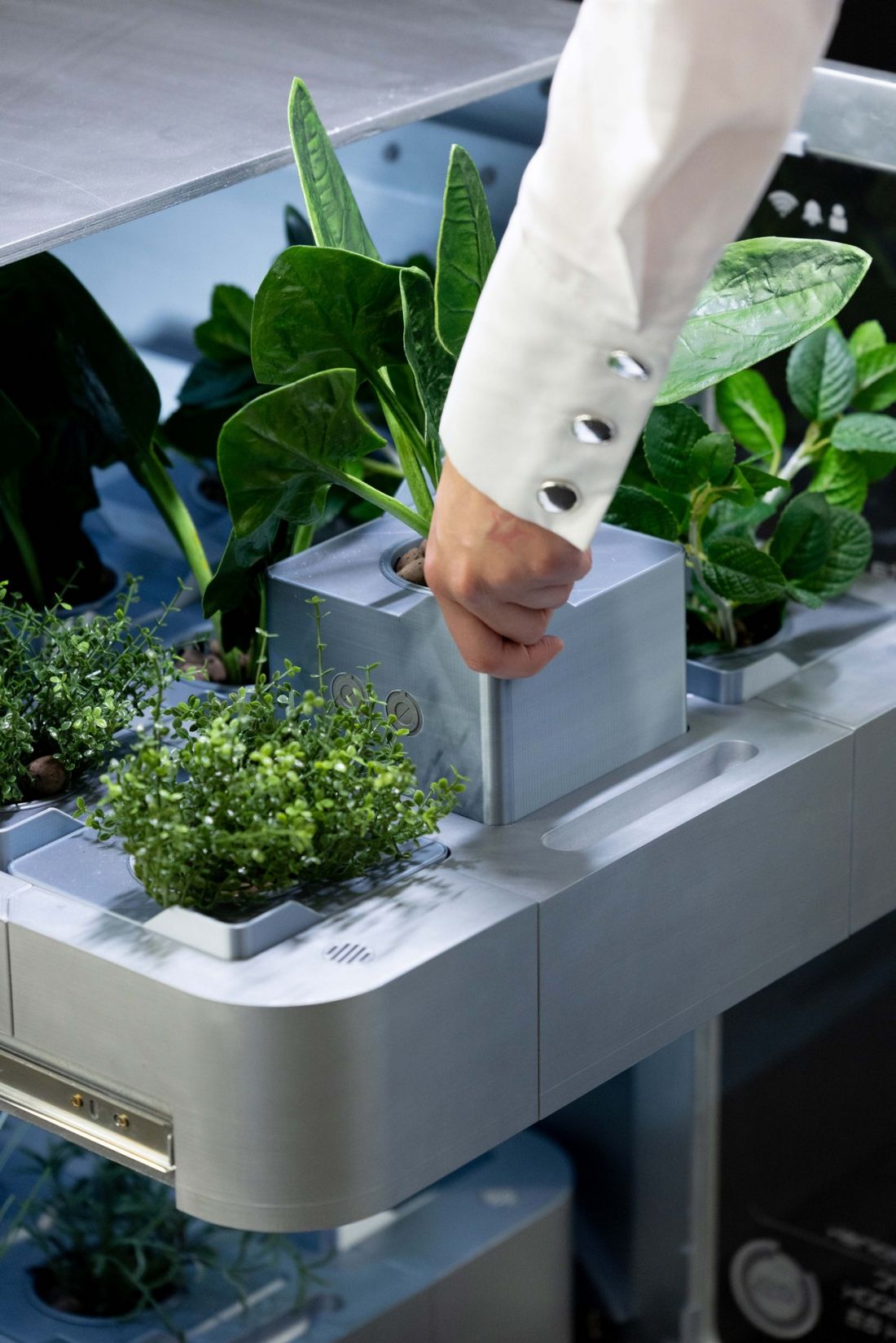
NutriPod - a household appliance
proj.: Ewelina Dzienyńska
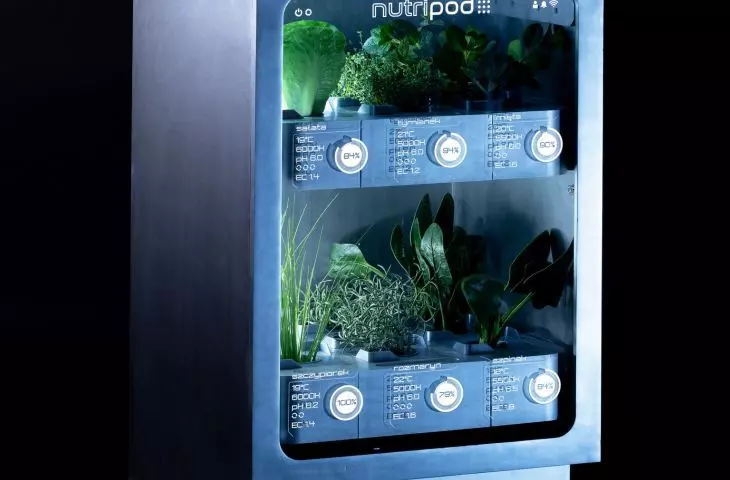
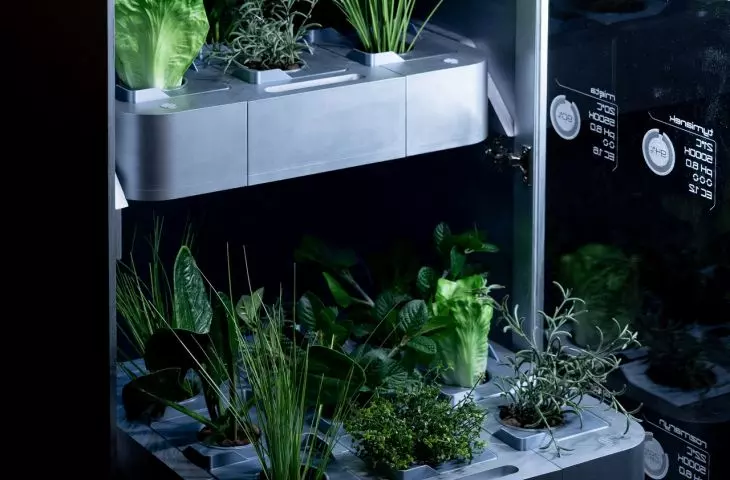
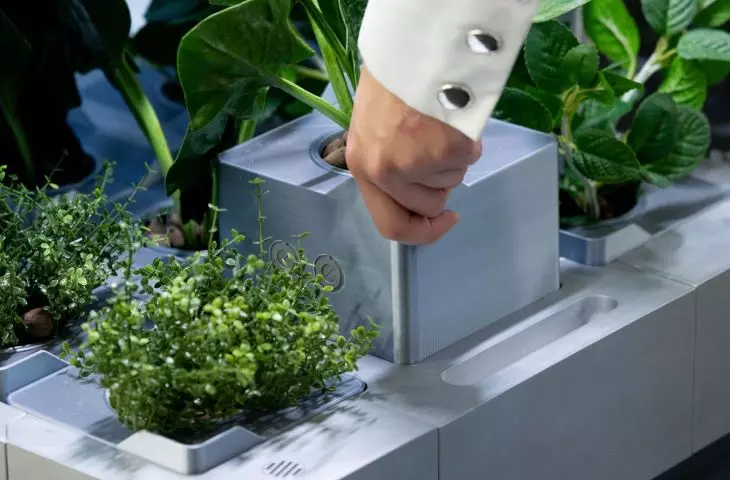
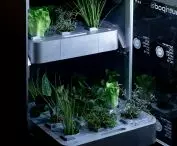
The NutriPod device is used to grow edible plants at home. It is a solution that supports the development of local and autonomous activities. The system allows growing with hydroponic technology, that is, technology in which plants do not need soil to grow.
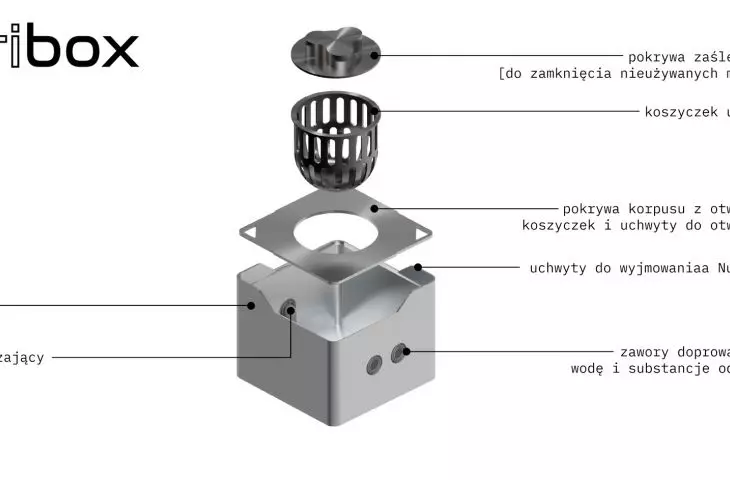
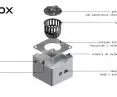
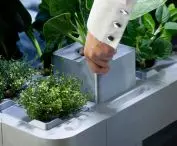
The designed device can be a standard accessory in a home kitchen - alongside a dishwasher or oven. It consists of an outer housing and inner drawers called NutriDrawers. These hold NutriBoxes, or smaller growing units. The planting, transplanting and harvesting of the grown plants is done in a natural, manual manner - emphasizing the importance of human participation in the growing process. However, the unit automatically helps monitor the condition of the plants and maintain optimal conditions for their growth.
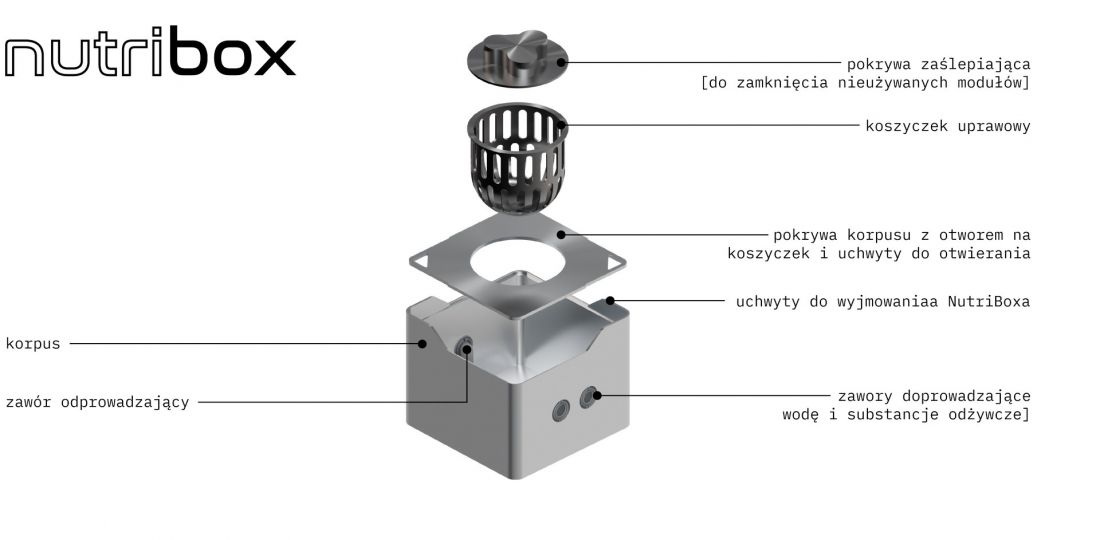
NutriBox - cultivation unit
proj.: Ewelina Dzienyńska
what will we be eating in 20 years?
The concept is speculative - its goal is to make us reflect on everyday life in 2050 and how it might evolve in the face of upcoming challenges. The narrative is built around daily rituals and well-being - it presents NutriPod as an element that redefines the function of the kitchen and restores its status as the "heart of the home."
-adds the author.
The NutriPod system is modular and customizable to fit the kitchen. The project includes detailed instructions for use, a future scenario, technical documentation, as well as a critical evaluation of the concept and tests of the completed prototype.
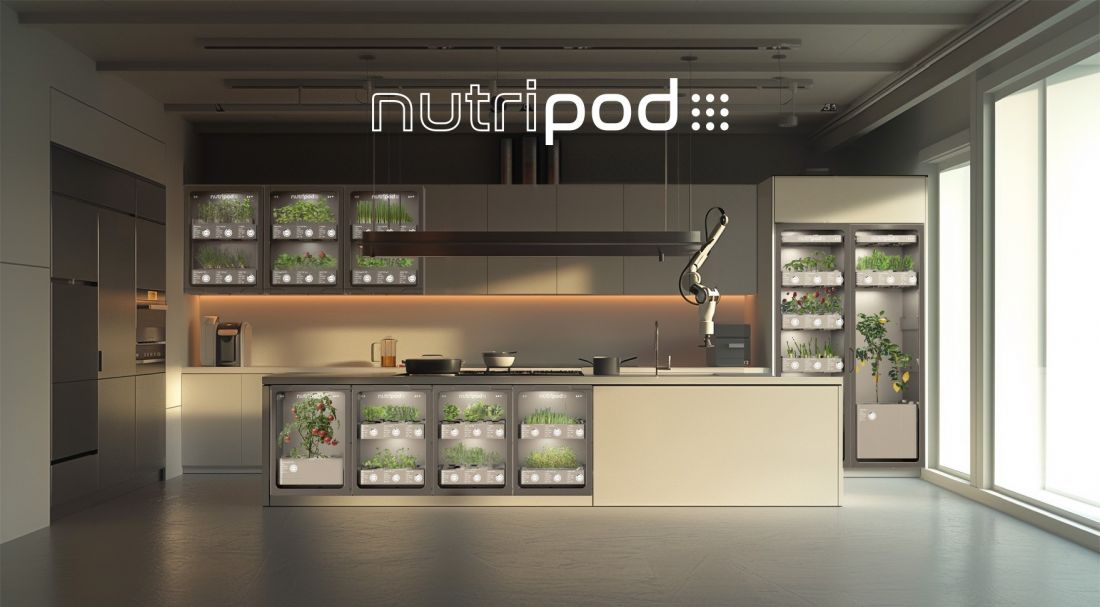
NutriPod - a household appliance
proj.: Ewelina Dzienyńska
Ewelina Dzienyńska's project is part of the biophilic design trend - it makes use of modern technologies, while responding to the need to re-root humans in nature.
NutriPod is also an attempt to respond to potential problems with the uncertainty of supply chains in emergencies related to climate change, among other things. The project is a thesis completed in the Industrial Design course at the School of Form.