


























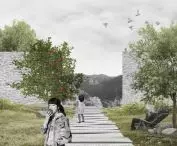
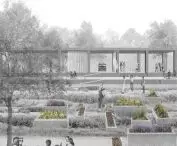

{tag:studenci}, from the Faculty of Architecture at the Silesian University of Technology, takes up the topic of post-traumatic urbanism and the role of architecture in the process of rebuilding places marked by collective trauma in his master's thesis. The project, prepared under the direction of Dr. Jan Kubec, focuses on Srebrenica, a city whose contemporary identity has been permanently marked by the 1995 genocide.
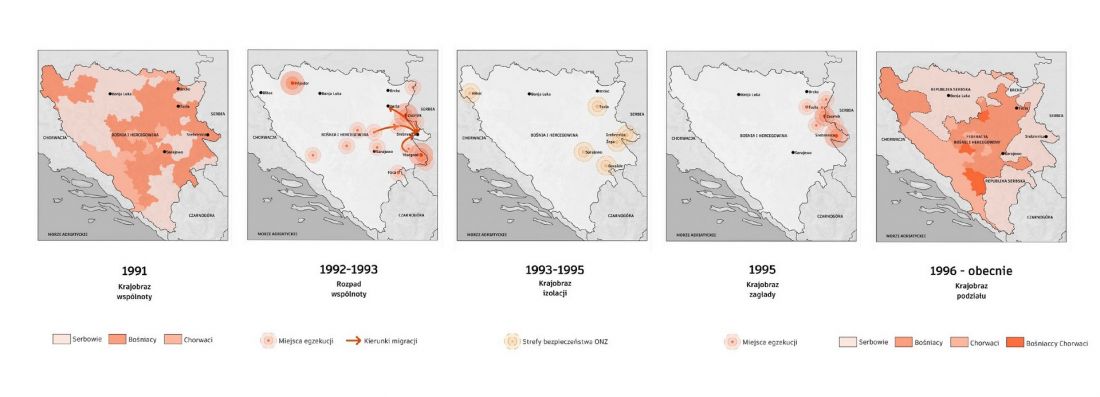
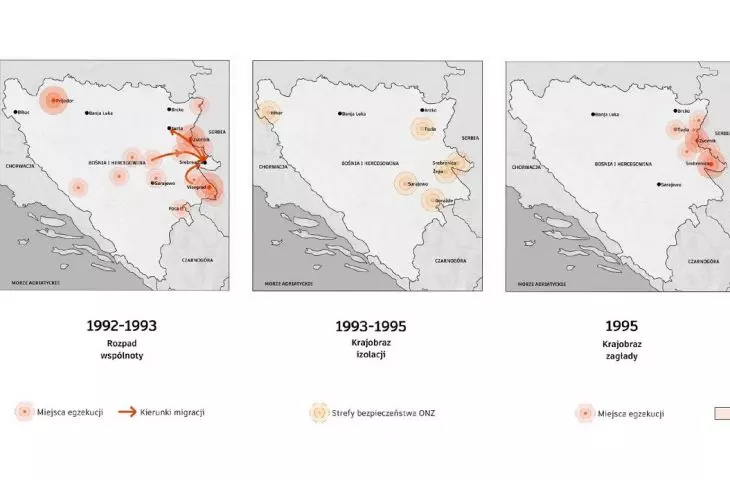
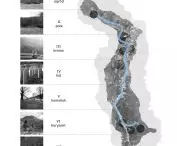
historical analysis
© Aleksandra Chylak
a city arrested by trauma
In the project, trauma is not understood solely as a psychological experience, but as a real spatial phenomenon affecting the functioning of the city and its inhabitants. The tragic history of Srebrenica brought natural urban and social processes to a halt, creating a space described by the author as "social debris."
In response to this diagnosis, the project consciously rejects the classic strategies of monumentalizing suffering or attempting to literally reconstruct the lost urban fabric. Instead, it proposes an architecture of empathy and actions in the nature of spatial acupuncture.
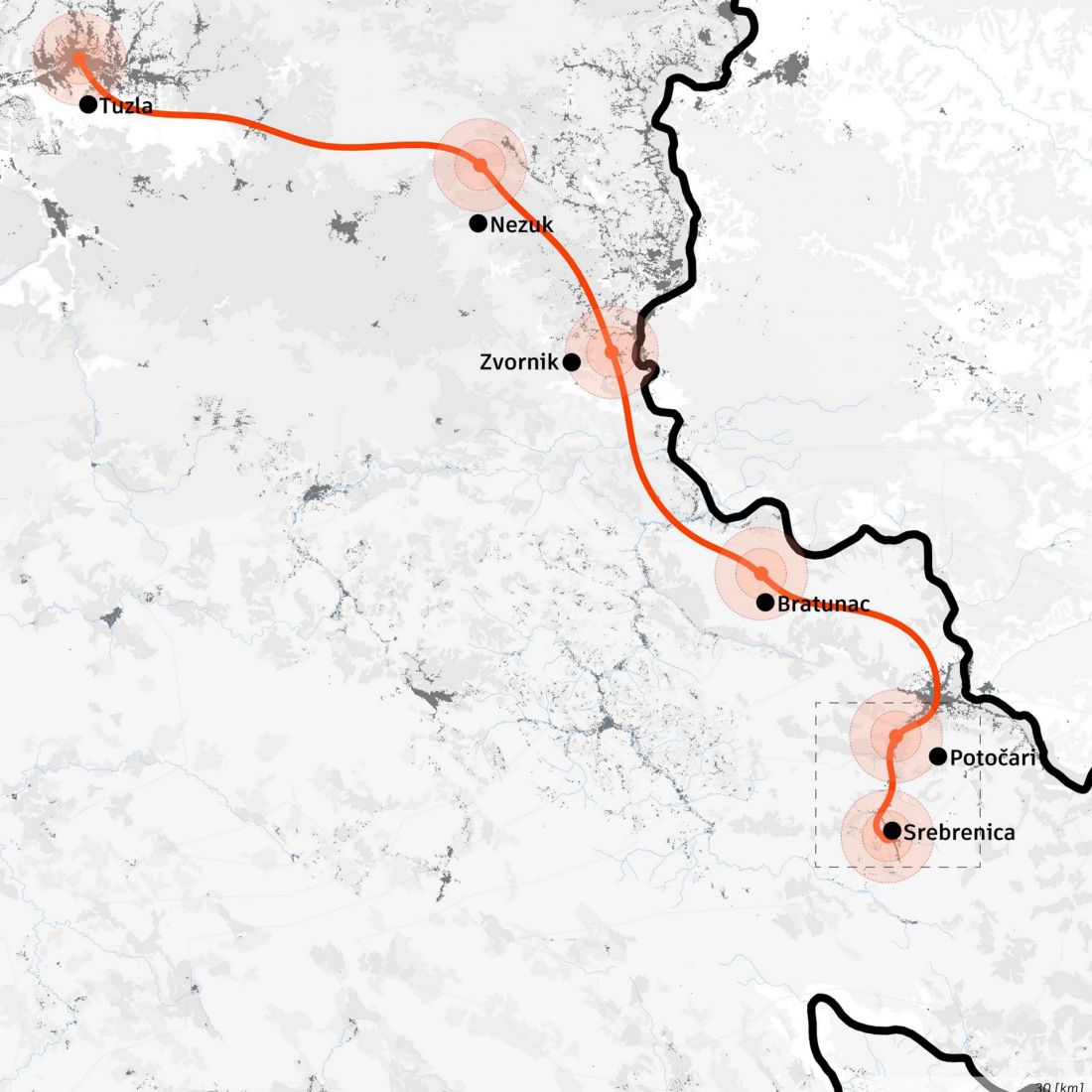
death march route
© Aleksandra Chylak
convalescence path as a new narrative of the city
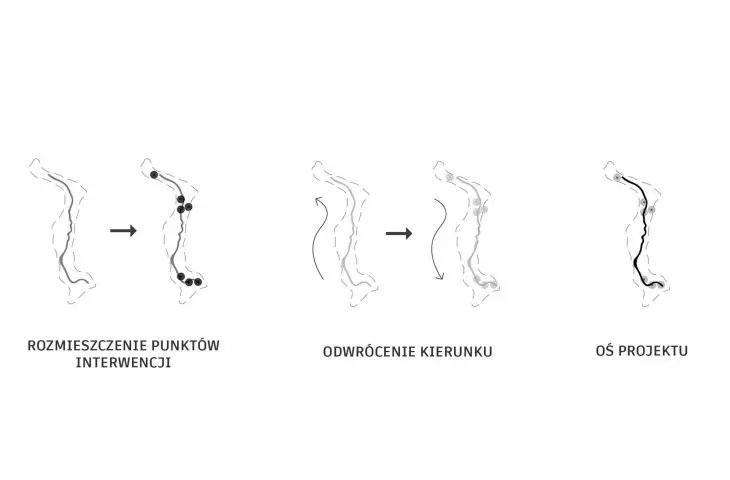
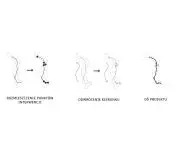
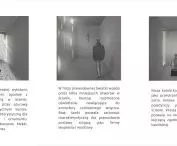
The main axis of the project is the "Path of Reconvalescence". - a sequence of spaces inspired by the symbolic reversal of the tragic "Death March" of 1995. The former escape route is transformed into a path of return and a process of gradual healing of space and social relations.
The whole project is based on seven subtle urban-architectural interventions that use landscape, light, water and everyday rituals as tools for building memory and the coexistence of the sacred and profane zones.
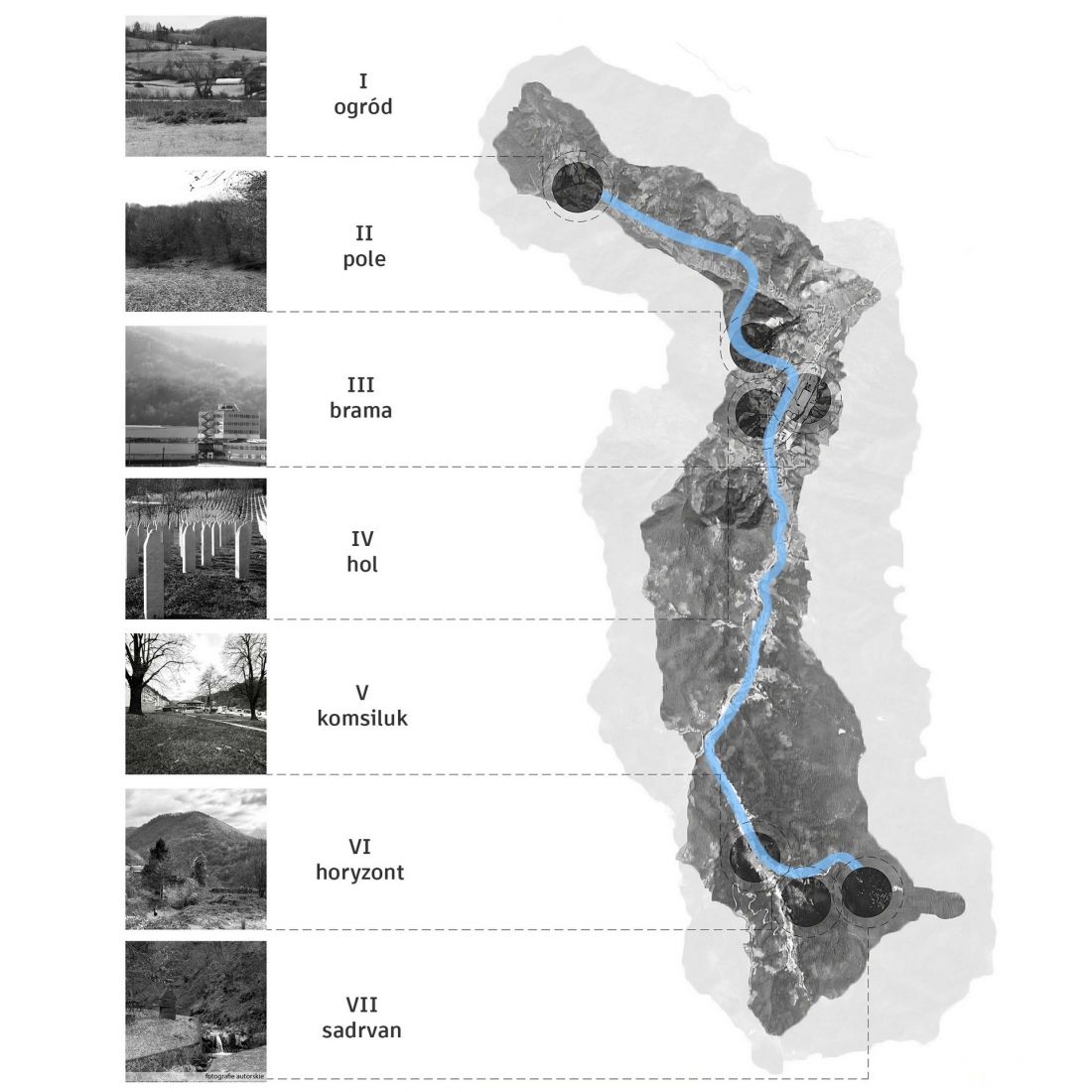
convalescence path
© Aleksandra Chylak
process-based memory architecture
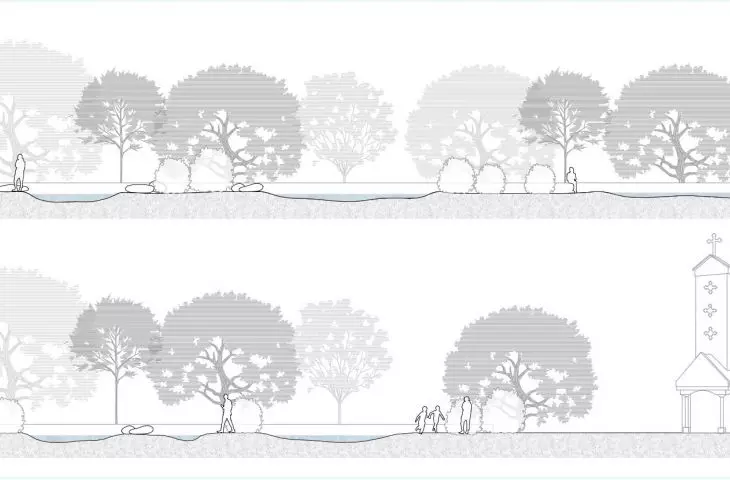
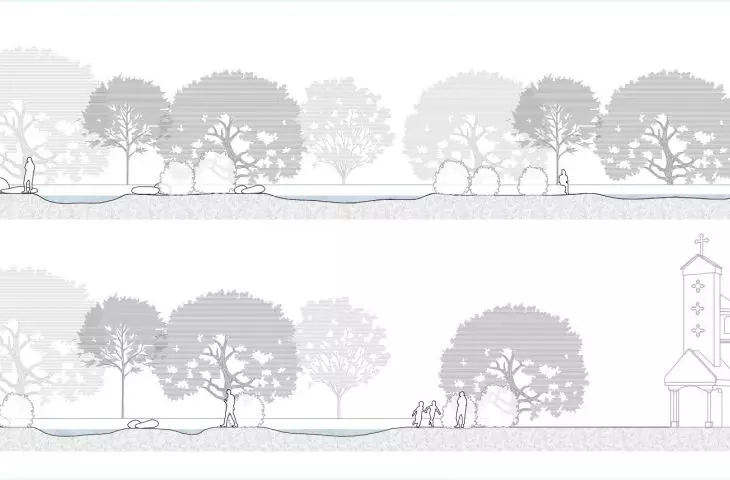
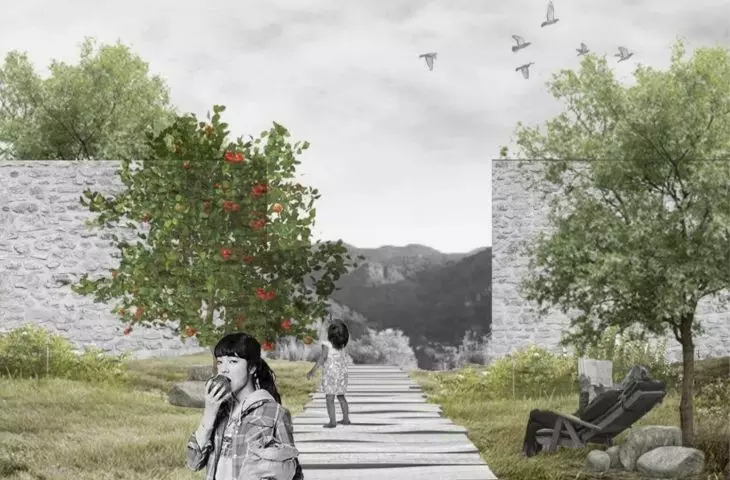
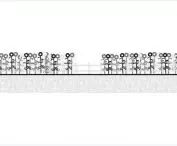
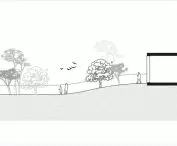
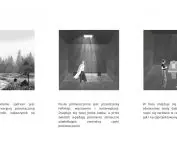
The first point of the path is Glogova, the site of the original mass grave, where the author proposes an ephemeral commemoration in the form of a seasonal field of sunflowers. Planting and tending the plants become a form of living memorial and a symbol of the rebirth of life.
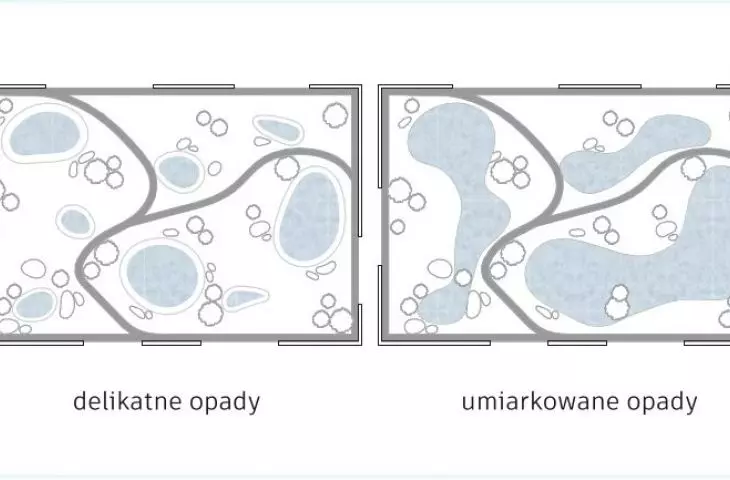
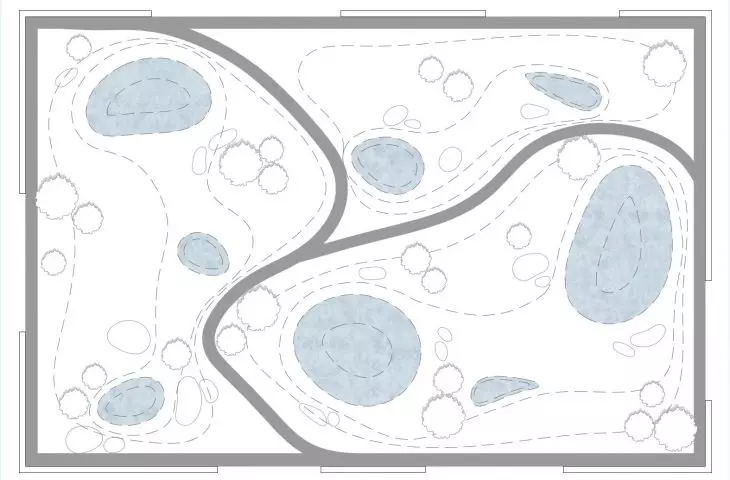
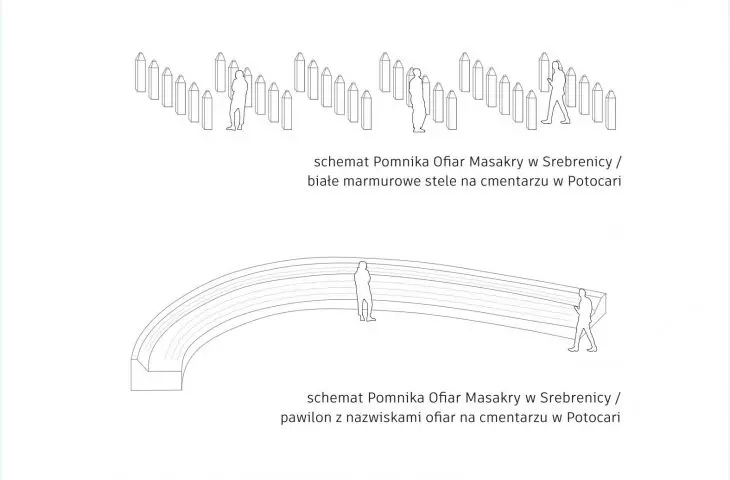
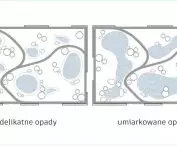
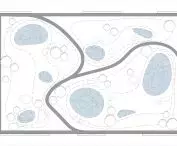
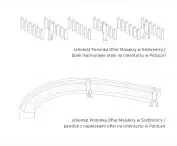
A microclimatic field with water mirrors responding to atmospheric conditions is designed at Budak, creating a space for tranquility and reflection. Existing memorials - the Potočari Factory and the Memorial Cemetery - are incorporated into the new narrative without interfering with their structure.
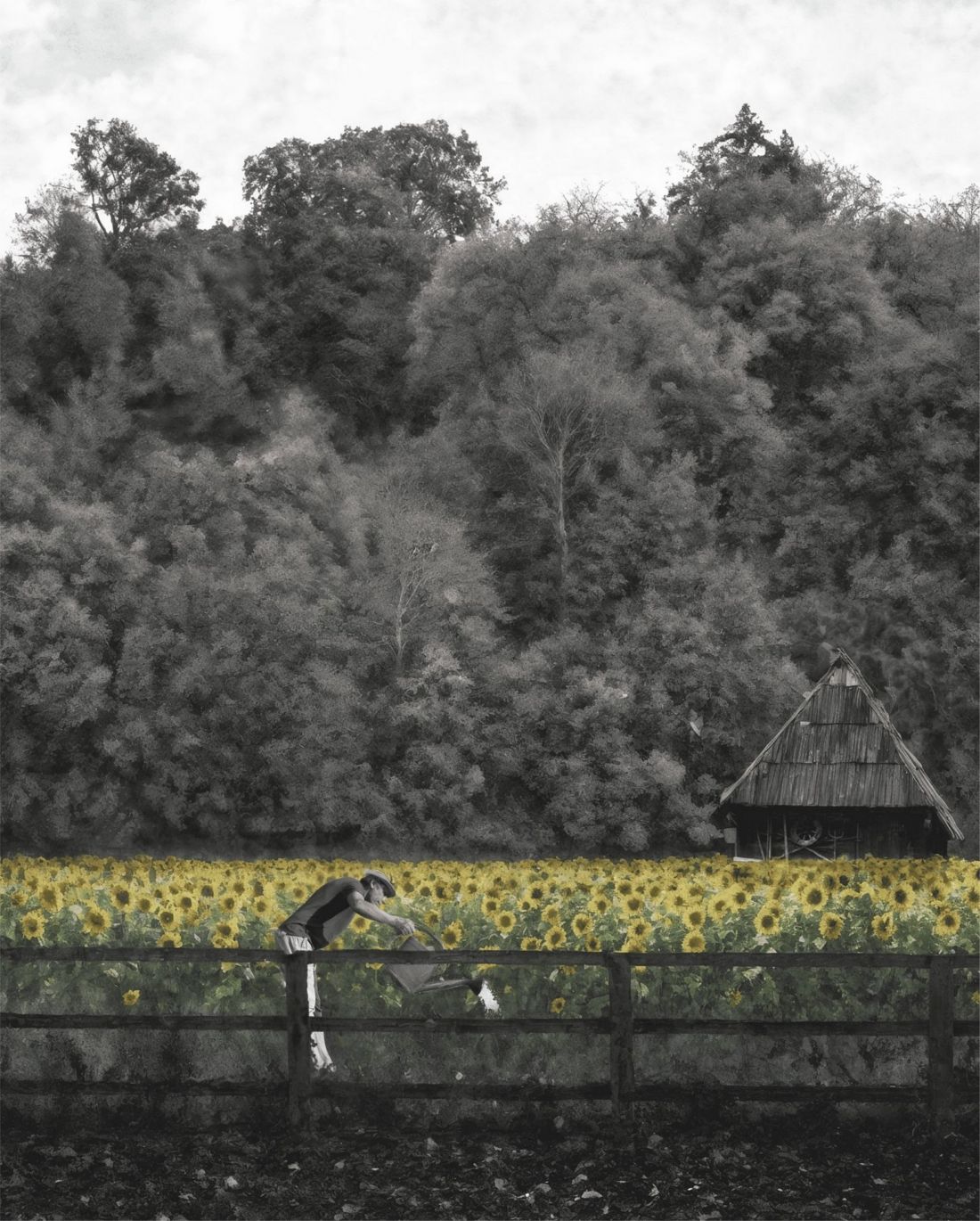
sunflowers
© Aleksandra Chylak
space for rebuilding social relations
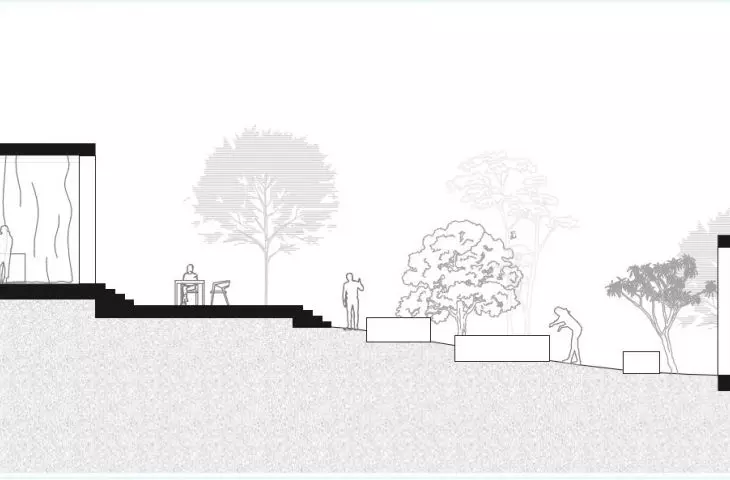
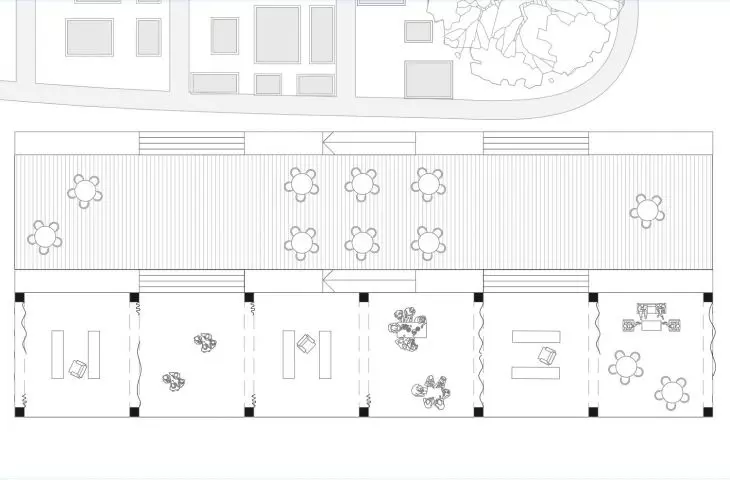
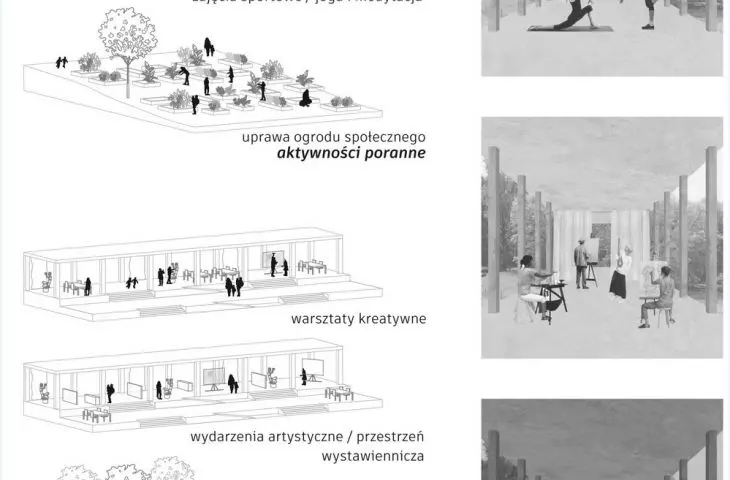
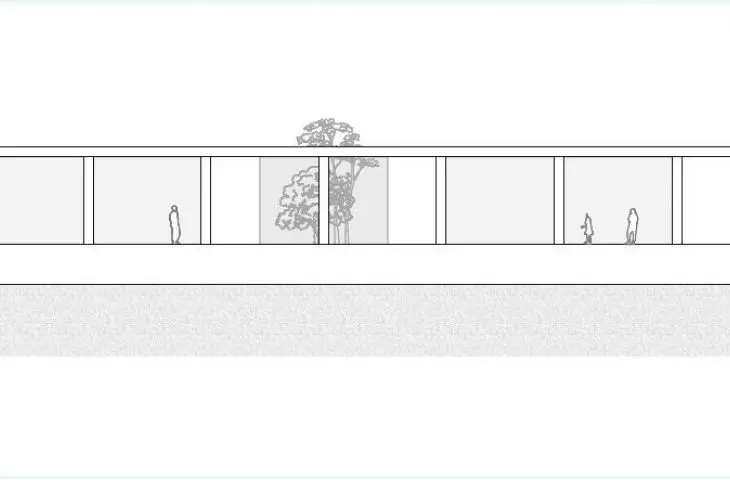
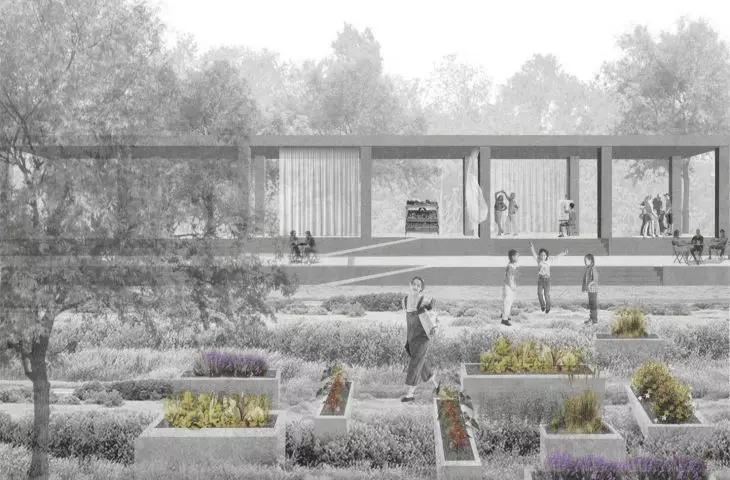
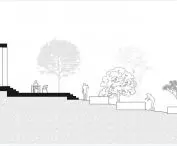
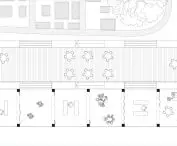
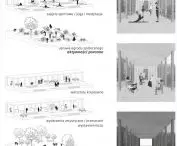
The centerpiece of the project is the Srebrenica Square with the "Komsiluk" pavilion, whose name in Bosnian means good neighborhood. The lightweight wooden structure connected to a community garden serves as an open space for meetings, markets, workshops and community events.
The project aims to rebuild community through daily activities and sharing of space, instead of creating only symbolic forms of memory.
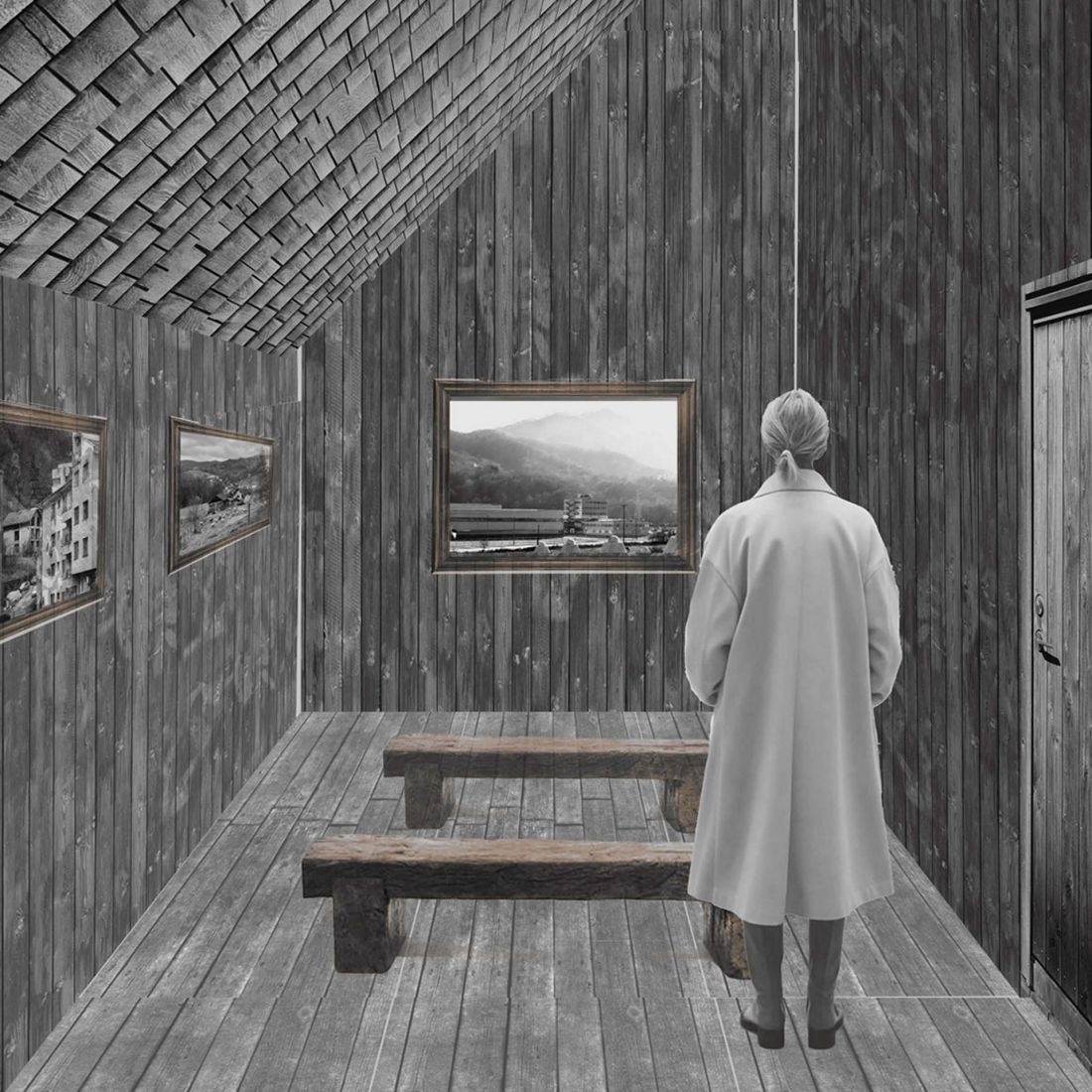
shed
© Aleksandra Chylak
architecture as a background for the healing process
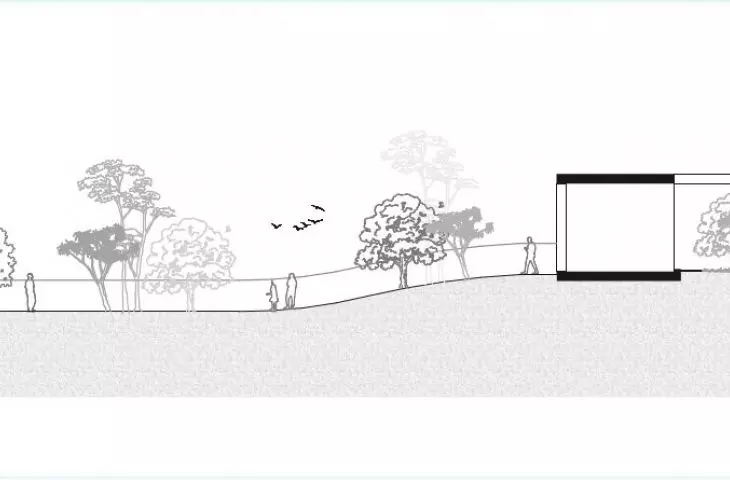
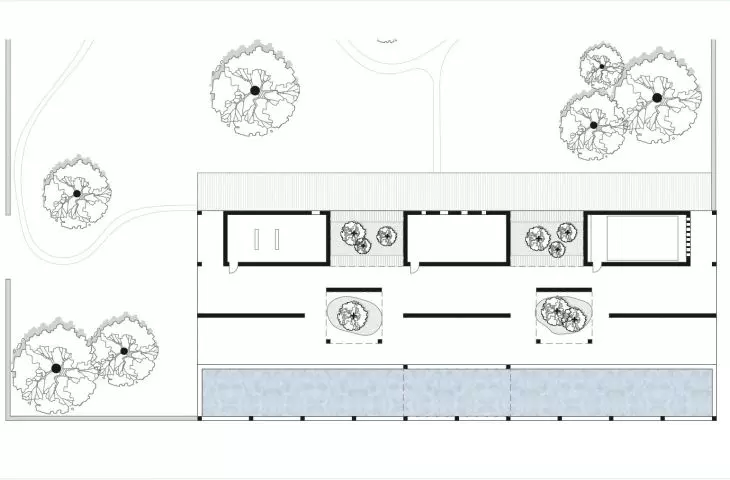
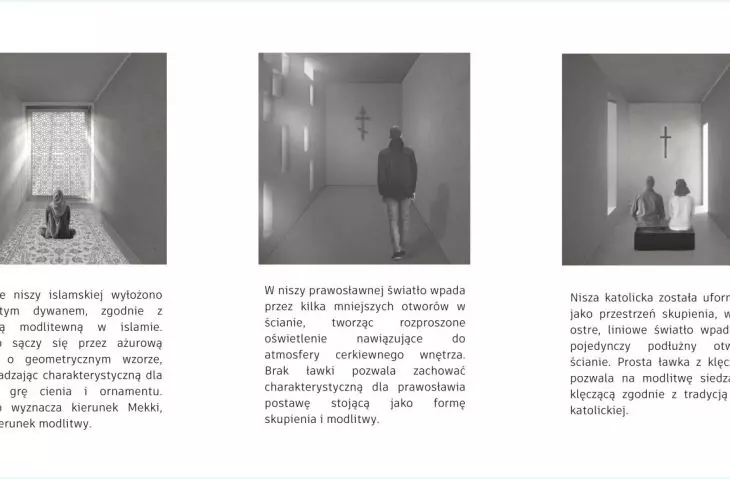
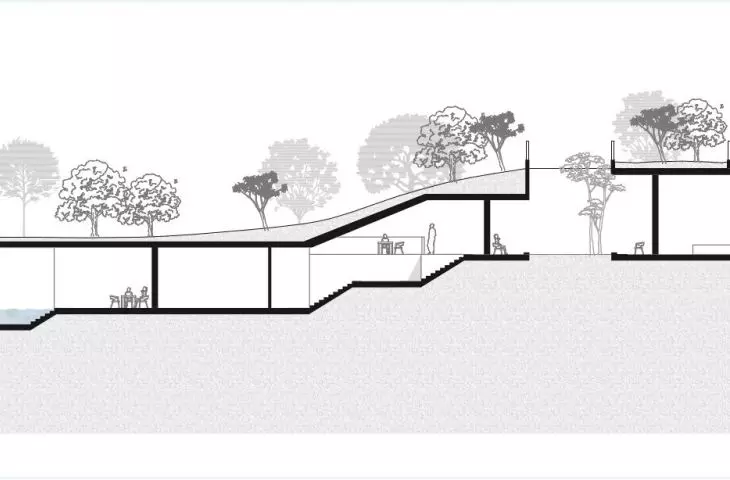
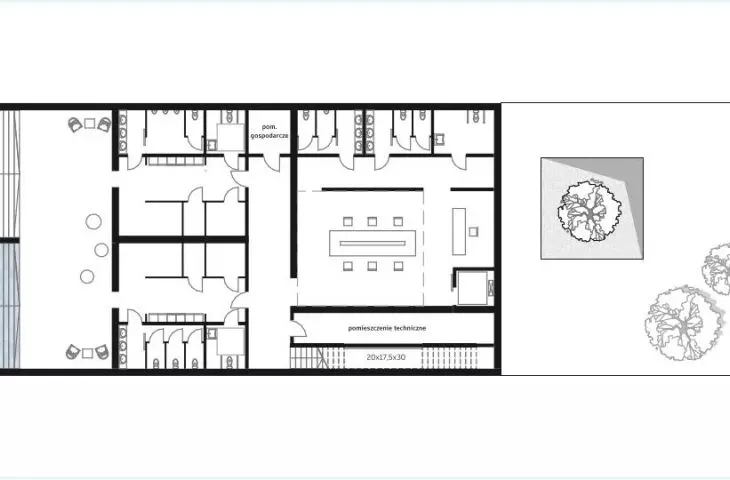
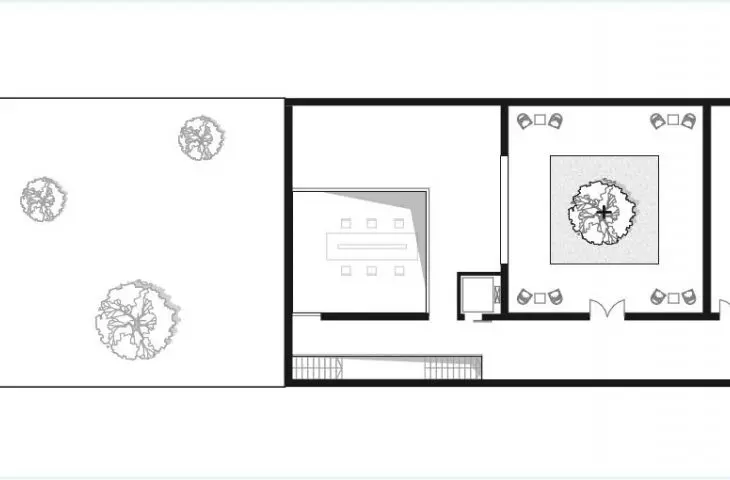
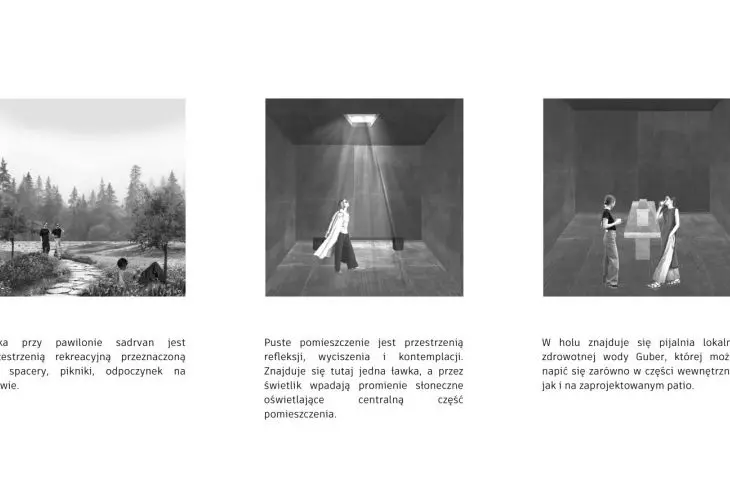
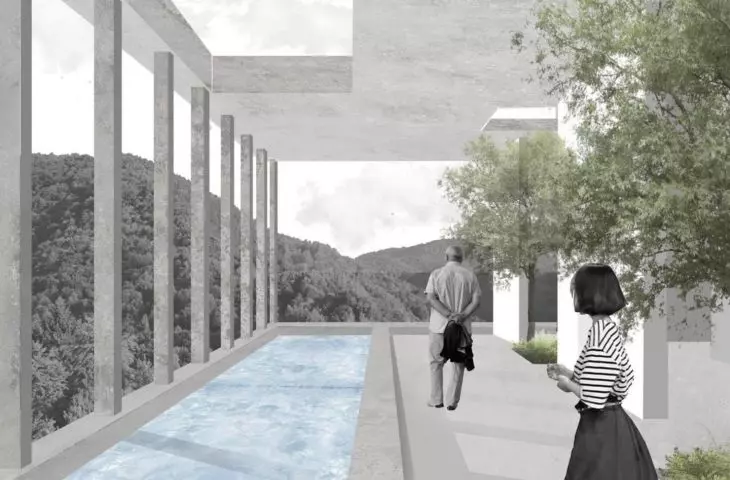
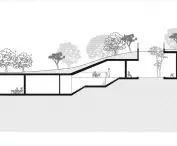
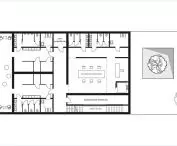
Other elements of the path are the "Horizon" - a pavilion of the sacred dedicated to three religions - and "Sadrvan," underground baths inspired by the Ottoman tradition of purification and integrated with the local Guber healing springs.
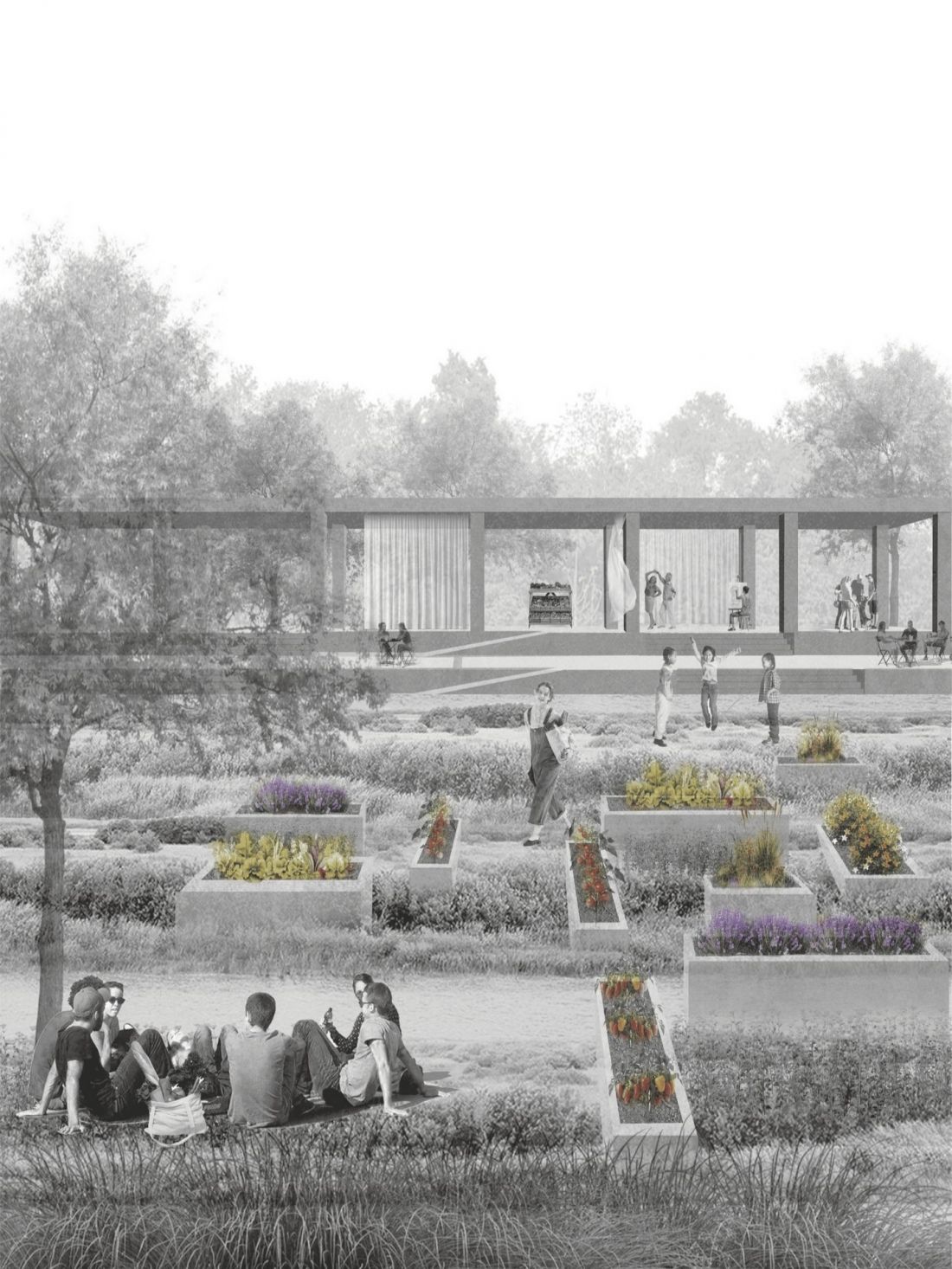
comsiluk
© Aleksandra Chylak
Aleksandra Chylak's project treats architecture not as a tool to resolve trauma, but as a safe backdrop for long-term processes of social and emotional healing. Instead of monumental gestures, she proposes processuality, mundanity and the reconstruction of a person's relationship with place.