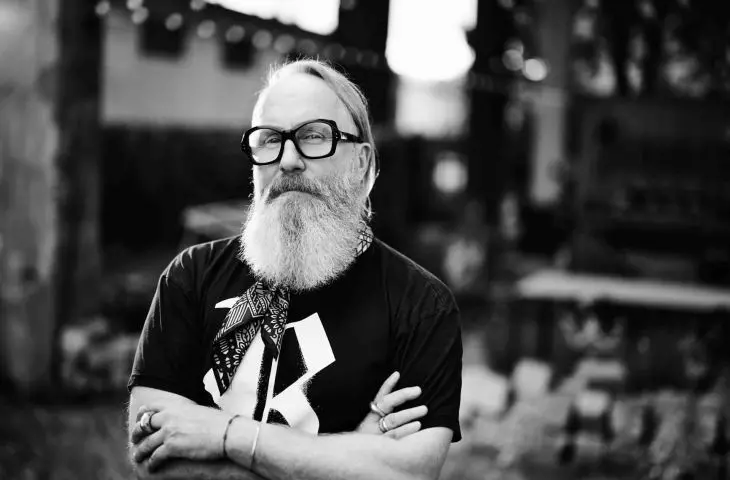
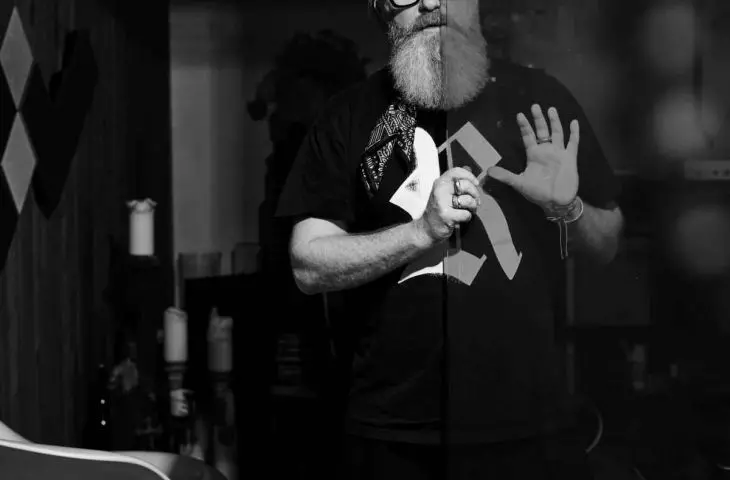
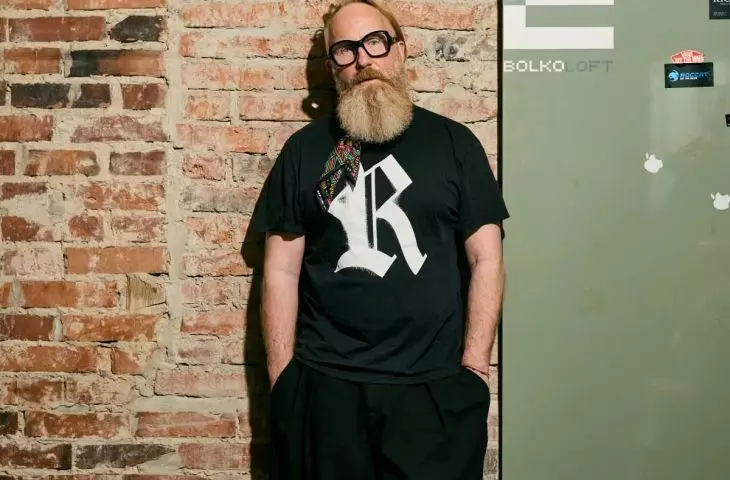
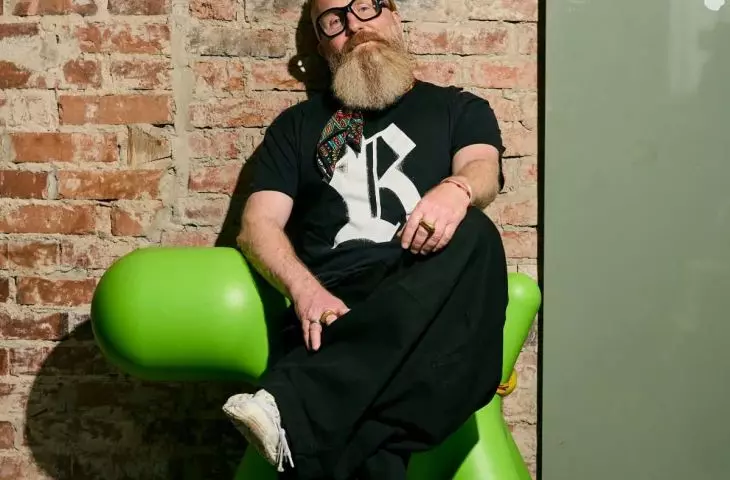
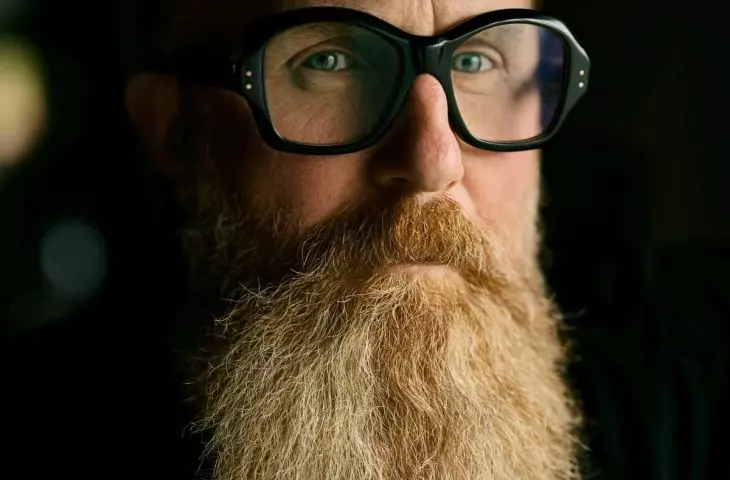
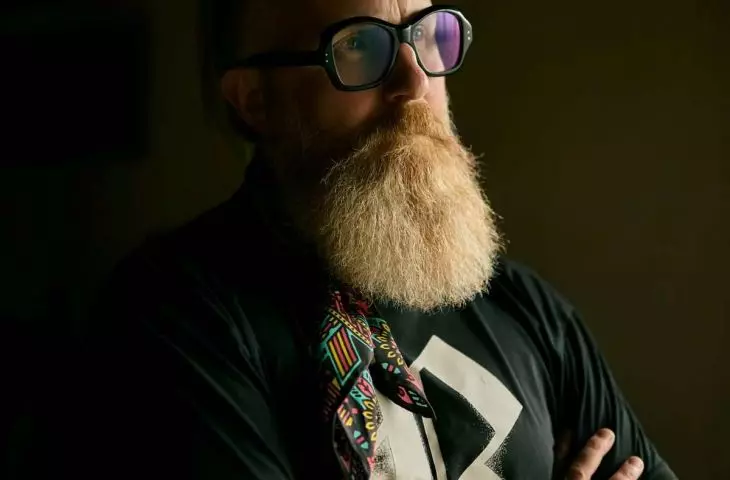
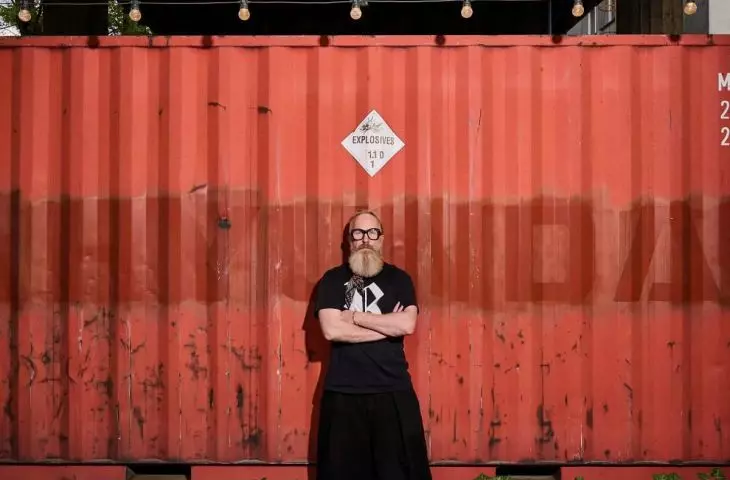
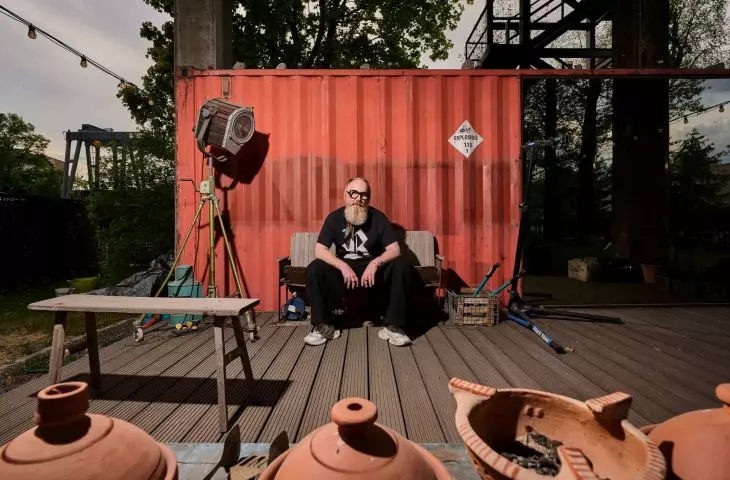
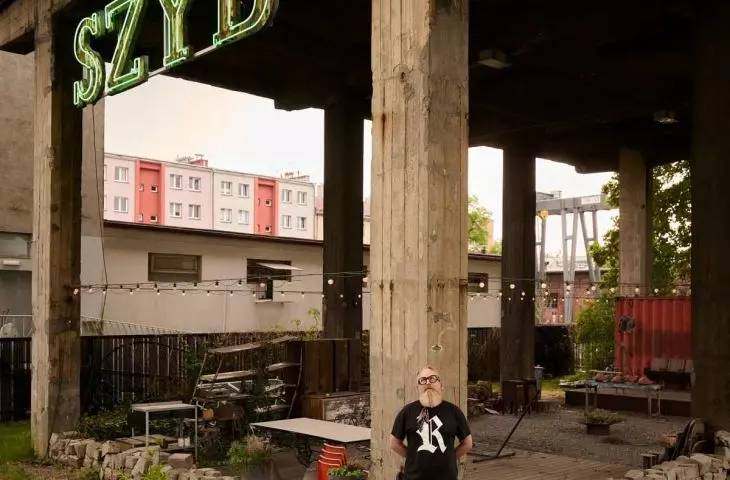


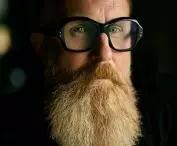

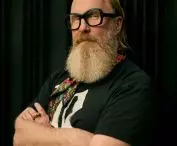
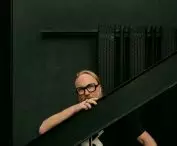
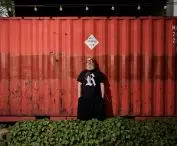
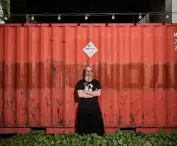
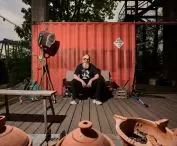
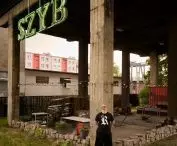
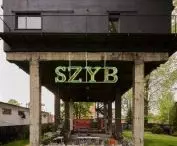
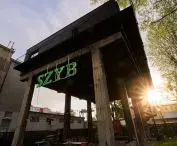
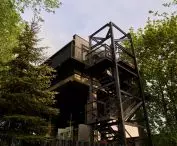

Przemo Łukasik, co-founder of Medusa Group, has been working alongside Łukasz Zagała for nearly three decades to build one of Poland’s most recognizable architectural firms. In an interview with Olga Kisiel-Konopka of OKK! PR, he discusses an architect’s responsibilities, the limits of compromise, and how to remain true to one’s values while leading a firm with dozens of employees.
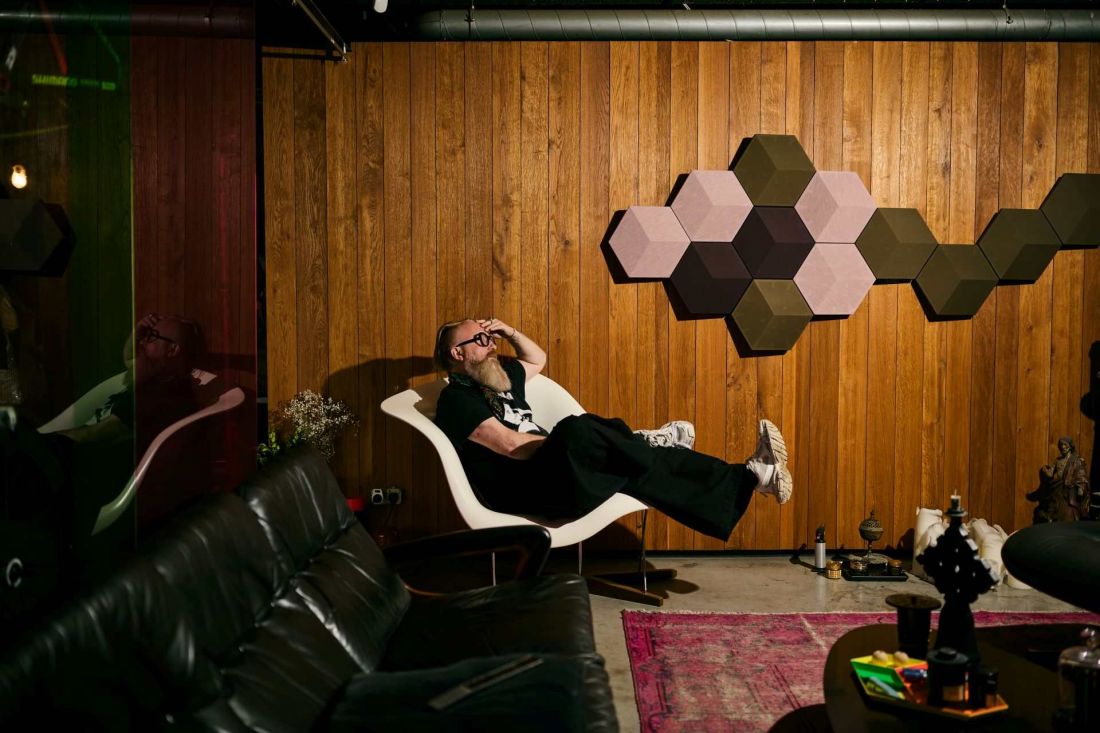
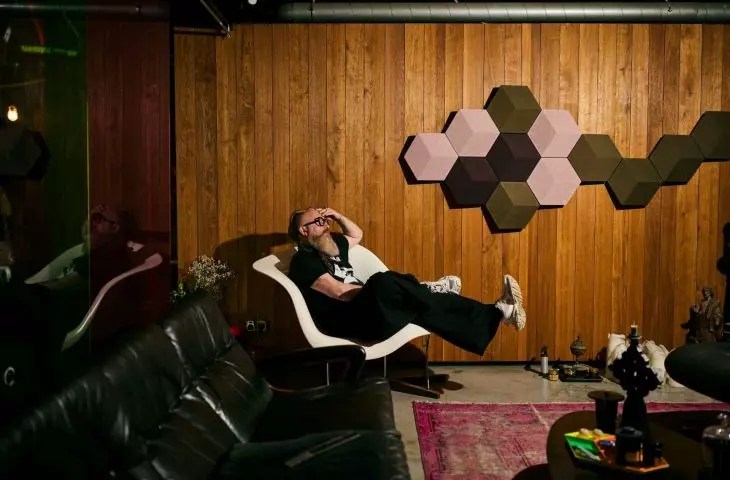
Photo: Radosław Kaźmierczak for Poszetka
OKK. Przemo, for years, architects have been seen as visionaries, creators, and people who give space form and meaning. Today, architects are increasingly expected to also be sociologists, ecologists, negotiators, psychologists, and sometimes mediators between the investor’s interests and the public good. Have we reached a point where we demand that architects take responsibility for things over which they have less and less influence? Where do you personally draw the line when it comes to compromises?
Przemo Łukasik: Architecture has always been created for a specific purpose, place, and time. The architect’s role is not to create reality, but to understand it properly. We have long been responsible for matters over which we have less and less influence. There’s no point in hiding this, but I can’t imagine an alternative. Sometimes we’re the only ones at the table who try to remember that behind the drawing there’s someone who isn’t at that table: a future resident, a neighbor, and a child playing on the playground twenty years from now. That’s why I prefer not to think of these additional roles as a burden. Sociologist, ethnographer, ecologist, or mediator are just new names for an old, important skill: listening and observation. Today, more often than in the past, we supplement our own knowledge with the expertise of consultants, appraisers, and specialists in fields not always directly associated with construction. Their expertise and diverse perspectives make our projects more responsible. Compromise is an integral part of this profession, just as it is in life. Design involves constant negotiations with the budget, time, regulations, and technical parameters. I can make concessions regarding form, materials, colors, or the schedule. The line is crossed when a compromise undermines the very purpose of the project, when someone stands to lose something that cannot be compensated for later—such as safety, accessibility, or shared space—or when the project becomes a caricature of itself and begins to pretend to be something it is not. The most challenging aspect of this profession is that the consequences of such decisions aren’t always immediately apparent. Sometimes they only become evident years later.
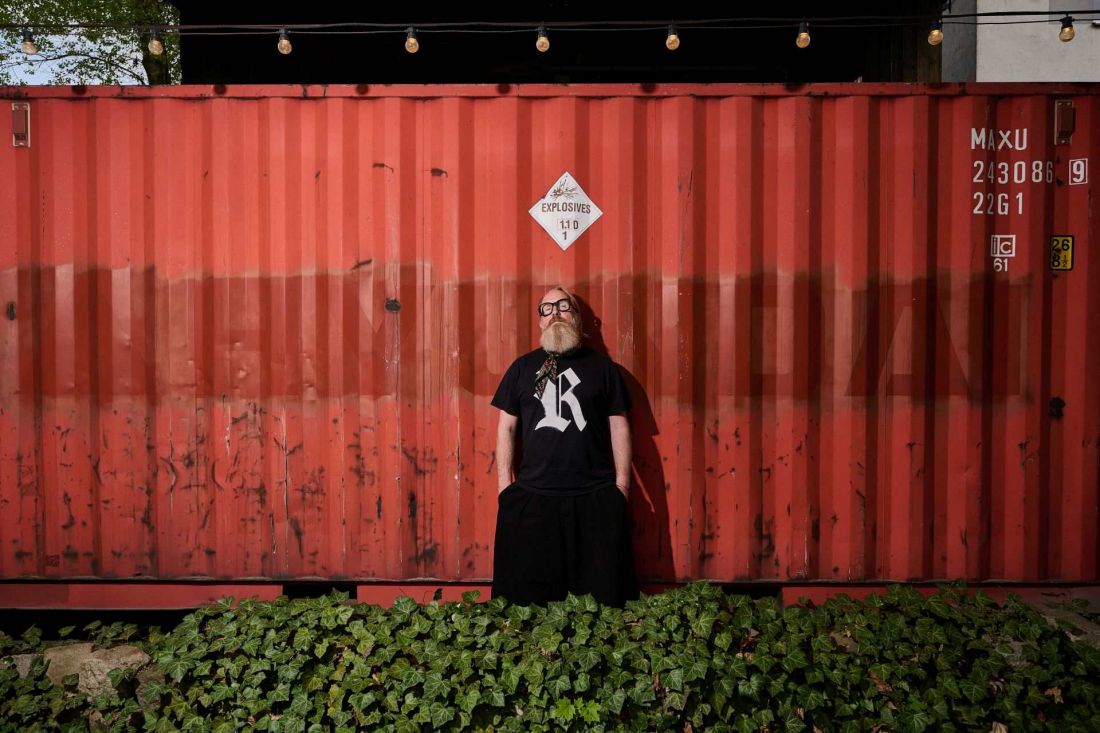
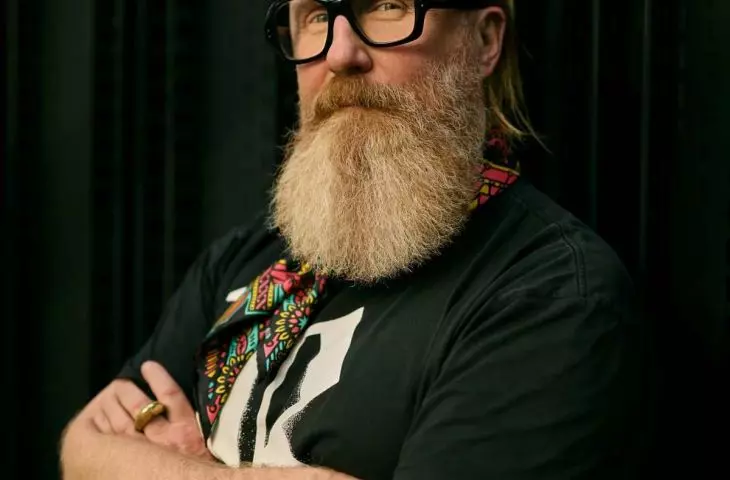
Photo: Radosław Kaźmierczak for Poszetka
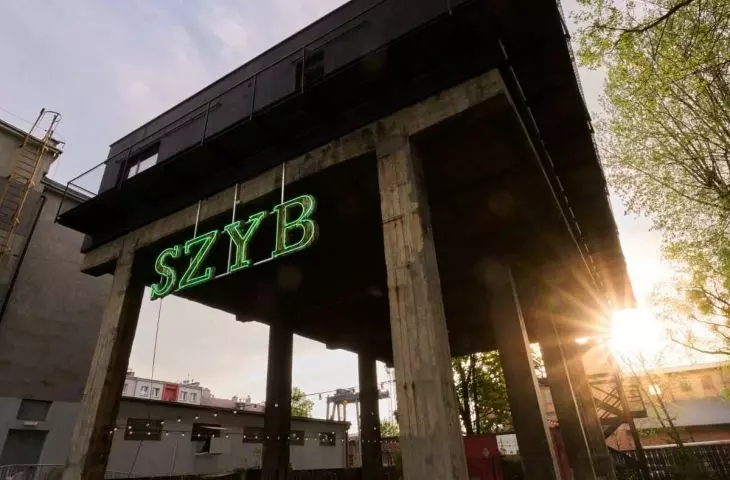
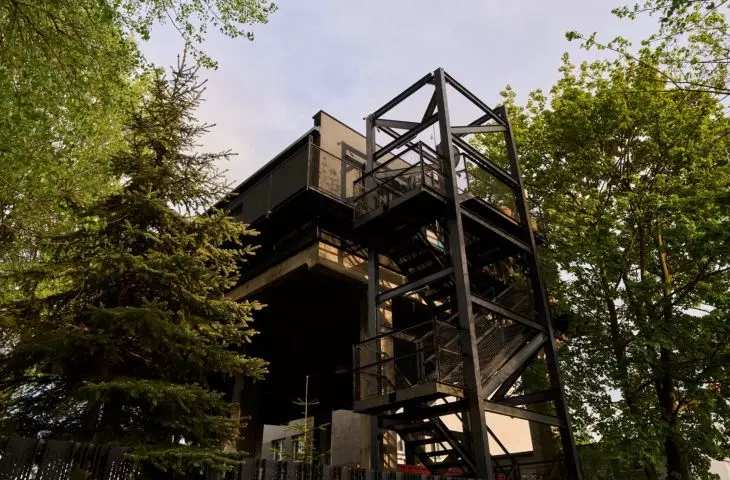
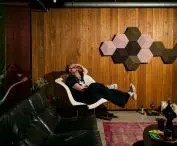
OKK. Bolko Loft is one of those projects that cannot be separated from the architect’s personal story. You created your home in a place where others saw the end of a certain chapter. Today, it’s spoken of as an icon, an example of responsible design, a vision of architecture ahead of its time. But you simply lived there, raised your children, and built your everyday life. I’m curious—after more than twenty years, how do you view the house where I had the pleasure of visiting and drinking the world’s best coffee with you? Do you still see it as an architectural experiment, or primarily as a record of your own life? And is there anything you’d design differently today—not as an architect, but as a person who’s experienced that space over all these years?
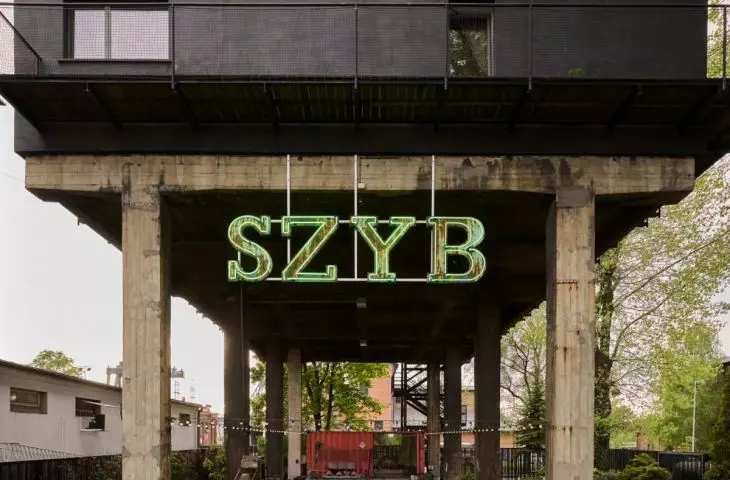
PŁ. Living in a former lamp room wasn’t a whim or a planned statement. It stemmed from necessity, and my architect’s imagination told me that there are paths other than those already well-trodden. Like any architect, I’m prone to pride, but when I talk about Bolko Loft, I’m talking first and foremost about a home that I neither authored nor designed. I merely designed the process of its transformation and rehabilitation. I was not only the initiator but also the contractor and investor. I won’t deny that for a young architect, it was a difficult but incredibly instructive experience. At Bolko Loft, I sought the right proportions while grappling with the site’s history, a modest budget, salvaged materials and objects, the absence of a general contractor, and an unconventional space elevated above the ground. I was simultaneously the architect, the site supervisor, and the investor. I had to respond to situations I’d never encountered before. It was a lesson in humility and patience, but also in the right mindset—so important in the process of rehabilitation, not just architectural rehabilitation. The word “icon” seems exaggerated to me. An experiment has its hypothesis, conclusions, and an end. A house, on the other hand, has mornings. I remember that first one: the buzz of children on their bikes, who had taken shelter from the rain under the structure of my lamp room. No one designed that. It was the best “technical acceptance test” this building could have undergone. Today, after more than twenty years, I see in it, above all, a record of our family life. Baby carriers with my sons and firewood carried up the stairs, conversations and Christmas Eve dinners at the table, Jakub’s first bath in the big tub. This industrial space was gradually filled with the warmth and ordinariness of family rituals. The experiment ended long ago. What remains is a home.
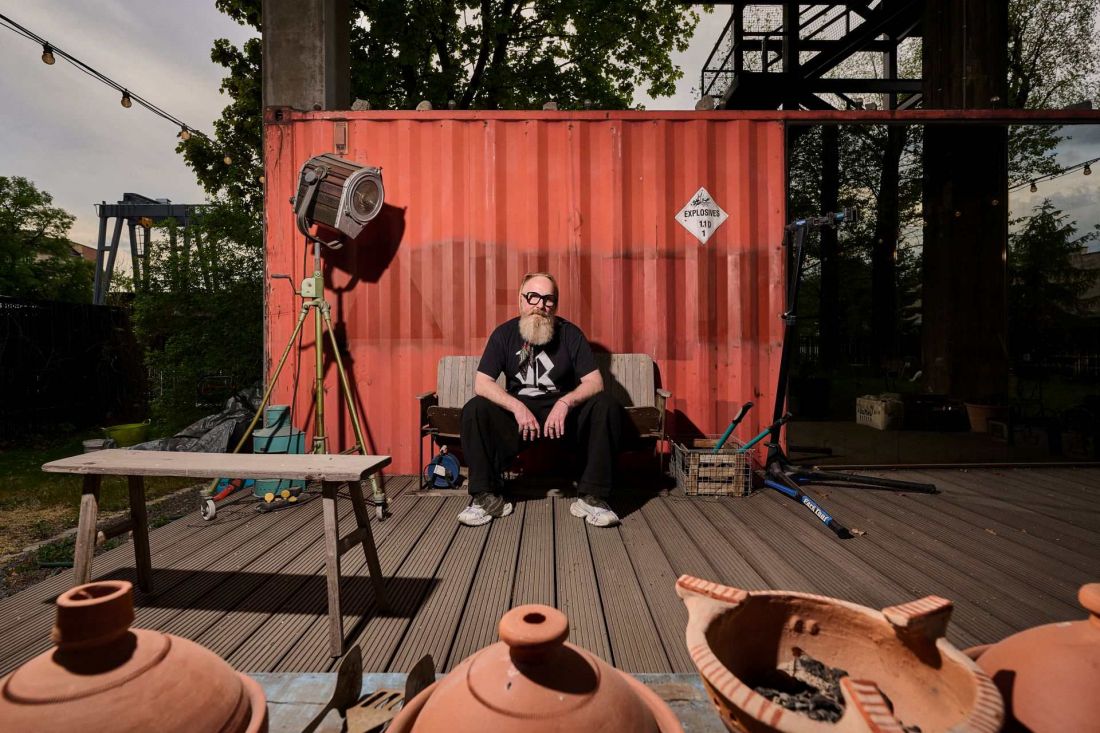
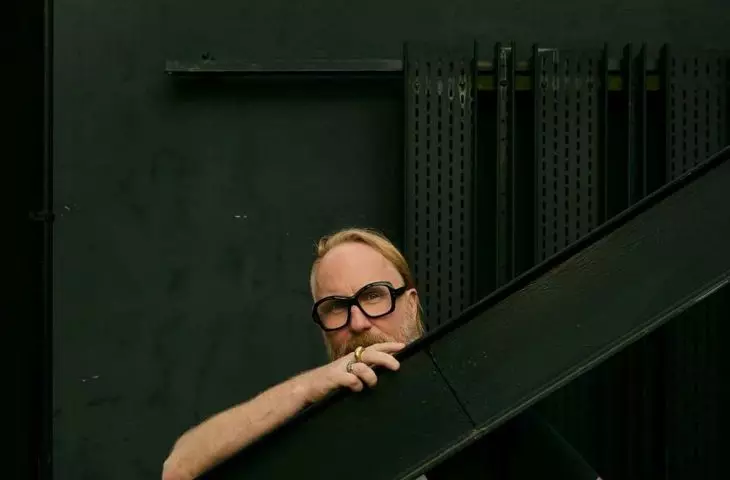
Photo by Radosław Kaźmierczak for Poszetka
What would I change? Not much, I suppose, though today the house feels a little empty because my sons are studying far away. I watch closely as my dad makes his way up the restored staircase, grappling with the limitations that come with old age. I know that a house on stilts comes at a real cost. It’s a harder lesson than the one about children sheltering from the rain under a streetlamp, but just as true: a building doesn’t automatically grow alongside a person. You have to anticipate this—or at least honestly admit that architecture has its limitations. Taming post-industrial materials isn’t for everyone. And coffee? No, thank you. It tastes better within walls that must have seen worse drinks.
OKK. Your architecture is deeply rooted in Silesia—in its industrial history, its harshness, but also in the experience of transformation. Today, “revitalization” has become almost a mandatory term in the language of architecture and real estate developers. But by breathing new life into old factories and mines, are we truly giving something back to local communities? Aren’t we sometimes simply creating a beautiful, expensive backdrop out of someone else’s history? In your opinion, how can we recognize the moment when revitalization ceases to serve the place and begins to serve only a new image?
PŁ. I’m from Silesia, and to me, Silesia has always been distinctive, honest, pragmatic, sometimes fierce, and bold. Silesia lives for the future because it knows that the present is only fleeting. Transformation, the search for new technological solutions and applications—these are in the DNA of this land and its architecture. Adaptation, changes in rhythm and function, standardization, and prefabrication are the main characteristics of industrial architecture. Its beauty is profound, hidden behind brick and steel facades. It is the beauty of functionality, a readiness for transformation, and the courage to seek out new possibilities. Today, “revitalization” has become a buzzword that opens the door to funding and image-building, but not always to the place itself.
I recognize three signs that something has gone wrong. First: who’s inside after the opening? If there are no people there who used to work here, or who understood this building’s essence, or who lived here—or at least have neighbors here—it means the story is being told to them from behind a pane of glass. Second: what happened to the traces of the past? A catalog-perfect patina, walls cleaned to sterility and then dirtied “for atmosphere”—that’s not continuity; it’s mere window dressing. Third: where did the concept come from? If it arose from the needs of the place, then life springs from it. If it stems from a marketing need, then a “postcard” emerges from it. Silesia doesn’t need its history explained in a display case. It’s embedded in its walls, under its roofs, in the layout of its streets, and in the way people walk to work here. Good revitalization is often almost invisible. It simply allows a place to continue being useful.
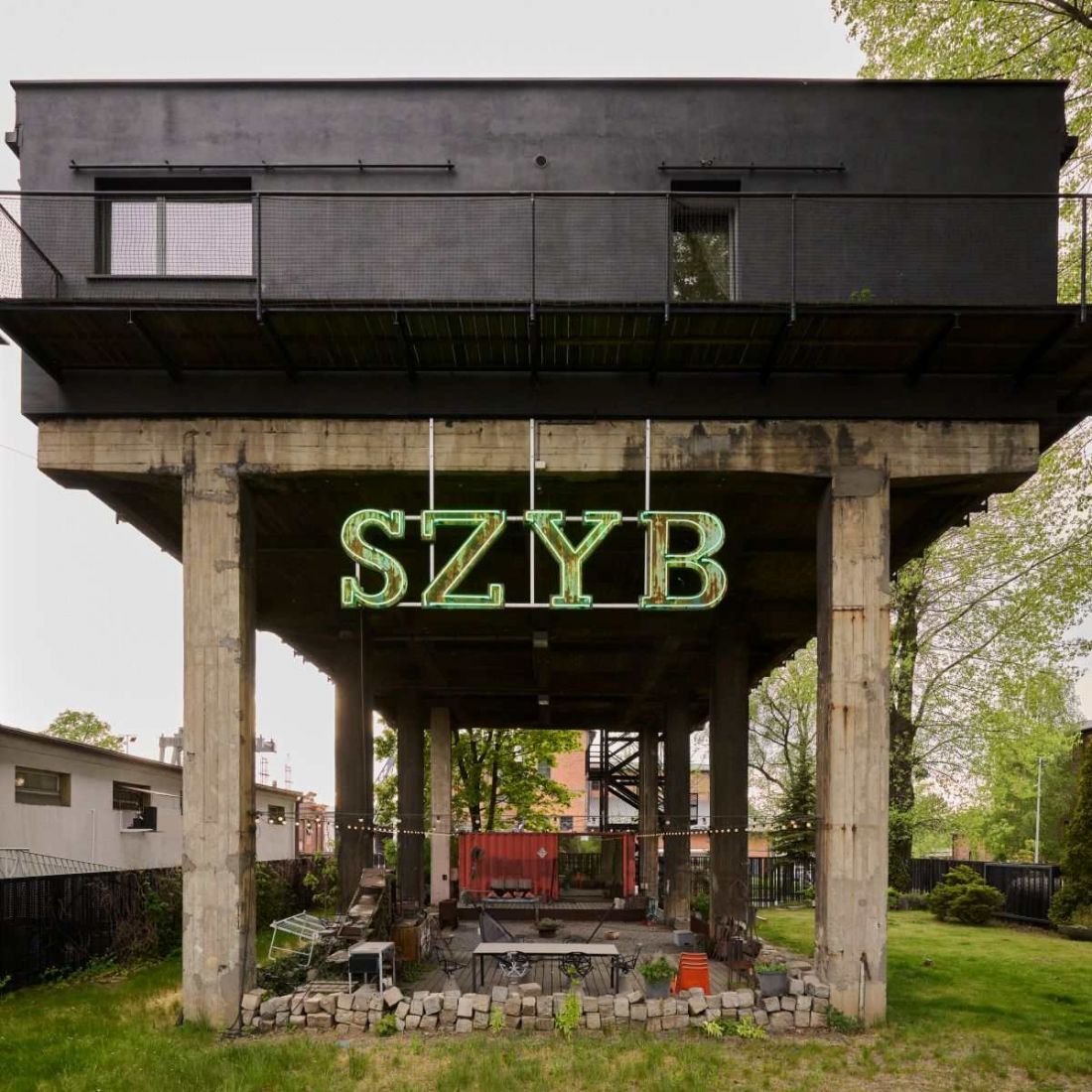
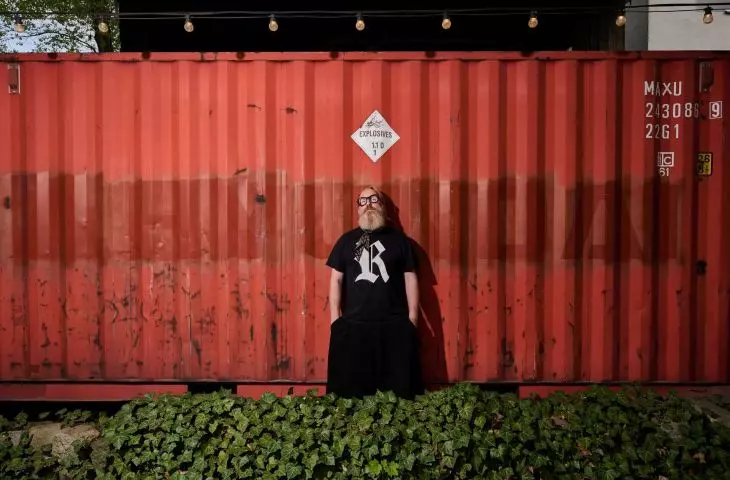
Photo: Radosław Kaźmierczak for Poszetka
OKK. Together with Łukasz Zagała, you founded Medusa Group, a firm recognized far beyond Poland’s borders. You have nearly three decades of collaboration behind you, projects of various scales, and prestigious awards. I wonder if success brings with it a certain paradox: at the beginning of one’s career, one fights for the opportunity to design, and later, perhaps the greatest value becomes the ability to say “no.” Are you freer today as an architect than you were twenty years ago? And what’s more difficult for you: defending a bold idea against an investor, or turning down a project that would be professionally and financially attractive but doesn’t align with your values? Personally, I really appreciate the authenticity that comes through in your projects,
PŁ. Łukasz and I wanted, above all, to build a team—a team of people, friends, and colleagues with whom we can boldly yet responsibly tackle the most incredible challenges entrusted to us by our investors. We run a studio with over eighty employees, and every “no” comes at a cost—one that’s borne not only by Łukasz and me. That’s why saying no isn’t a luxury—it’s a decision we have to live with. Defending a bold idea against an investor is harder intellectually but easier emotionally. There’s adrenaline in it—a cause you stand behind and an idea you believe in. Declining a project that would be professionally and financially attractive but goes against the values you believe in is a decision you make alone. No one applauds or admires the project you turned down and didn’t do. There are no photos, accolades, awards, comments, or even gratitude for it. There is only inner peace, which becomes apparent only with the passage of time. These are decisions that critics—who find it so easy to pass judgment, and for whom “clickbait” is often more important than the complex truth—fail to see.
OKK. Finally, I’d like to move away from buildings themselves. In your home, Bolko Loft, you raised two sons who also chose architecture. Over the years, as an architect, you’ve developed a certain way of looking at the world—with respect for what already exists and the conviction that it’s worth seeing potential where others see a problem. Does your thinking about what’s worth leaving behind change as you get older? If you had to name one thing you’d like to pass on to your sons and the younger generation of architects, would it be knowledge of design, the courage to think for yourself, or perhaps the ability to lead a good life in which architecture isn’t everything?
PŁ. As I’ve gotten older, I’ve avoided giving advice. I know how responsible a task that is, and the world is changing so rapidly today that I often feel lost in it myself. The values I was raised with—and in which I believe—are being censored today. If I had to choose one thing for my sons and young architects, it would be the ability to lead a life in which architecture isn’t everything. Not because knowledge and courage are less important. Knowledge can be acquired; courage can be learned. But a life in which one’s profession does not completely consume a person is a choice that must be made anew, every day. An architect’s best project is his own life. One must take responsibility for it and build it from dreams, even if there is no deadline. My sons think differently than I did at their age. Probably for the better. They grew up within these old walls, which they know inside and out; they have a personal connection to the idea of the “underground,” and they understand its advantages, paradoxes, and imperfections. They’re better prepared for the challenges of the future than I was, so I won’t be giving them advice—rather, I’ll set an example and support them.
OKK. A few years ago, you said that architecture is “pragmatism, responsibility, and moderation.” I wonder if you’d choose exactly those same three words today?
PŁ. Responsibility is architecture’s inseparable companion. You cannot be an architect if you disregard that word. Moderation is even more important than it used to be. In a world that builds too much, too quickly, on a grand scale, and not always where there are real needs, moderation is an act of courage. I would swap pragmatism for respect, which is an absolute requirement—toward oneself, in family, friendship, love, and at work. It is the bond that most enduringly unites humanity. I see its absence very clearly today; it is as scarce as rare earth minerals.
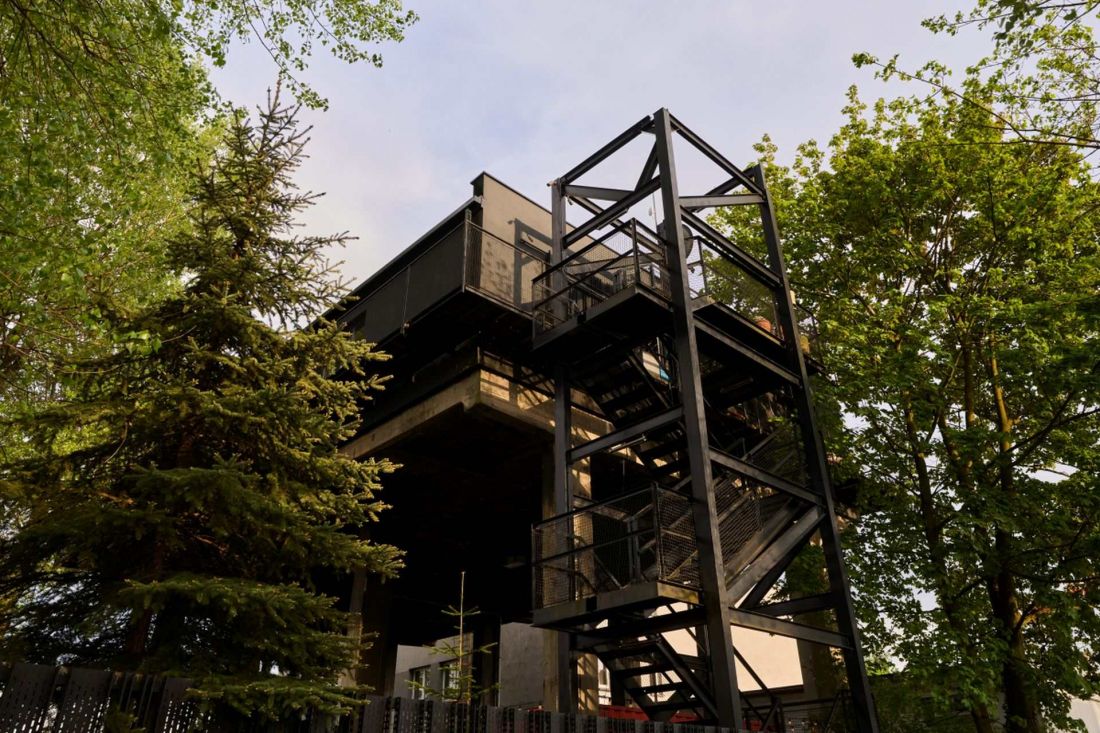
Photo: Radosław Kaźmierczak for Poszetka
Additional information: www.medusagroup.pl