





It's been two weeks since the Clean Transportation Zone came into effect in Krakow. Some drivers driving in the capital of Małopolska have to face new restrictions, which include gasoline cars that do not meet the Euro 4 standard and those with diesel engines that do not comply with the Euro 6 standard. At the same time, there are echoes of criticism directed at the local government, which, according to some residents, introduced the restrictions in too broad a scope. However, is there any justification for such resistance? We examine the arguments of opponents of the Clean Transportation Zone and how similar solutions have worked in other European cities.
After long months of preparation, in the face of protests from some and with the approval of others, the Clean Transport Zone was launched in Krakow on January 1, 2026. This is the third approach - successful this time - after the 2022 and 2025 attempts. Although the legality and legitimacy of the introduction of this solution was confirmed by the Regional Administrative Court in Krakow, the brawl around the SCT in Krakow has not quieted down, and the disgruntled opponents of the restrictions do not stop in their effortsefforts to discredit the actions taken by the Cracow local government - they organize protests, write articles and comment on social media announcements, and even commit acts of vandalism, destroying road infrastructure. Do the arguments shouted in emotion really make sense?
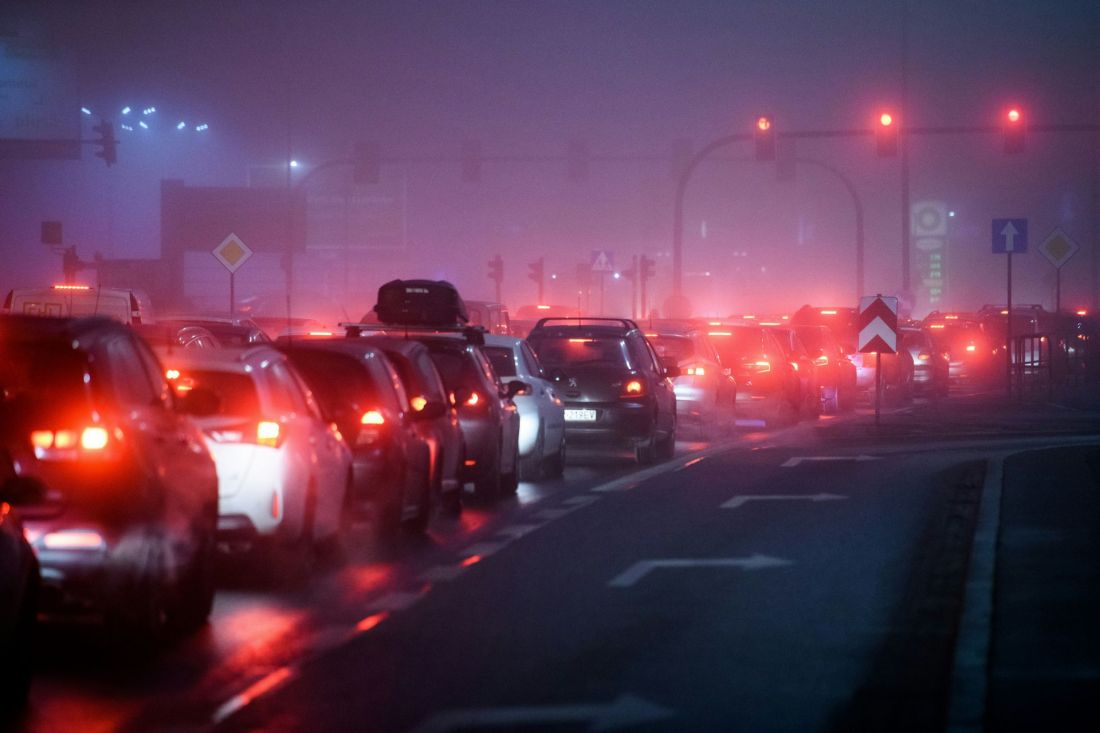
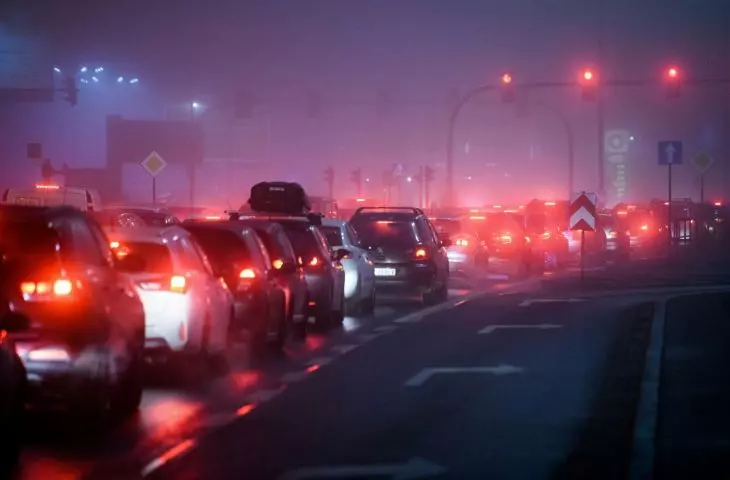
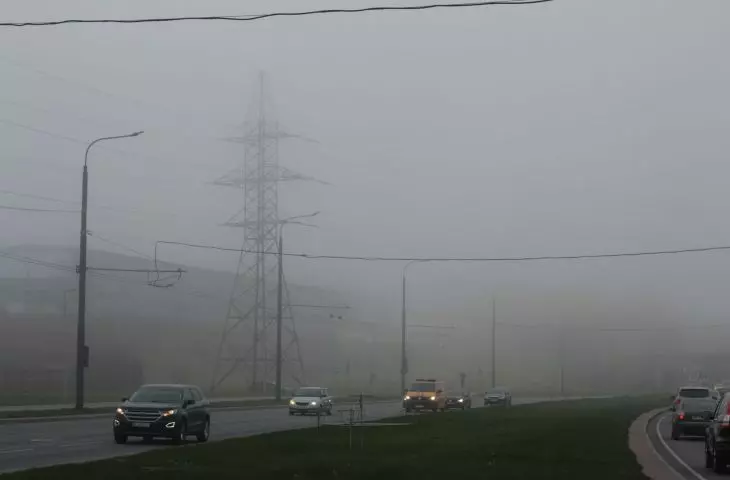
Smog in Krakow
Photo: Jacek Dylag © Unsplash free
How exhaust fumes in cities kill
One of the more frequently raised arguments is the disproportionality of the solutions adopted in Krakow's Clean Transportation Zone compared to the scale of the emissions problem. However, as the Health and Environment Alliance report points out, long-term exposure to nitrogen dioxide, the main source of which in cities is car exhaust, has a multifaceted negative impact on the human body [1]. Among other things, exposure to this gas causes neurodevelopmental problems in children, promotes the development of asthma and more frequent respiratory infections. In adults, asthma is also joined by chronic obturative lung disease, increased risk of diabetes and cardiovascular disease, and even death.
Will the entry fee improve air quality?
Some of those opposed to the Clean Transport Zone in Krakow believe that introducing the possibility of entering the zone with a substandard vehicle after paying the appropriate fee negates the effectiveness of the SCT in improving air quality, revealing that it is actually about bolstering Krakow's budget at the expense of the poorest residents of neighboring municipalities.Such argumentation, however, does not take into account the long-term plans that Krakow's magistrate has for the Clean Transportation Zone.
According to the City Hall's plans, entry fees for the Clean Transport Zone will steadily increase. For example - in 2026 the cost of a monthly ticket will be PLN 100, in 2027 it will be PLN 250, and in 2028 owners of substandard vehicles will pay PLN 500. From the beginning of 2029, it will be impossible to enter Krakow with cars that do not meet certain emission standards. The three years of SCT zone entry fees are thus a transitional period, with rising ticket prices intended to motivate a gradual shift to more modern vehicles.
Another argument raised by opponents of the SCT is the increase in traffic exclusion among people living in neighboring municipalities. Here, too, the solutions adopted during the transition period come with an answer. Over the next three years, revenues to the municipal budget will be significant - as calculated by the LoveKraków.pl portal, already in the first week of the Clean Transportation Zone's operation the city collected PLN 2.2 million. However, the money will be used precisely for the benefit of residents of neighboring municipalities - they will support not only the modernization of heating stoves, but also the subsidization of public transportation and the construction of more P+R parking lots.
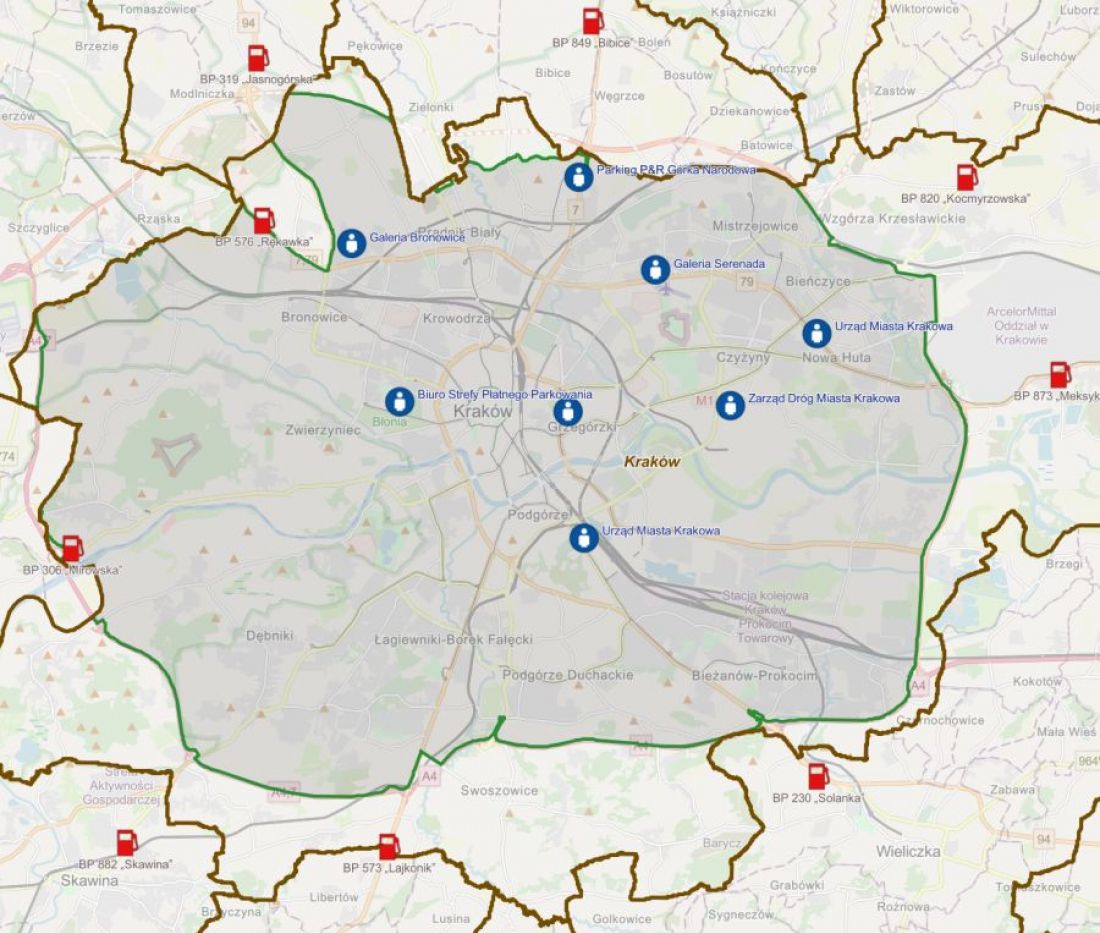
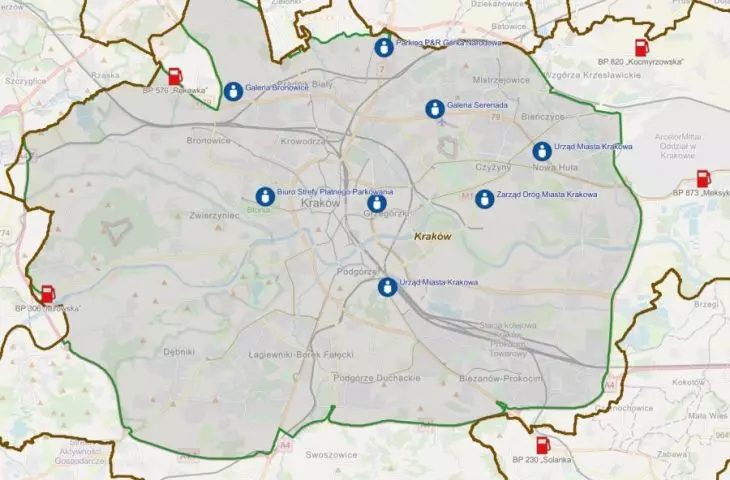
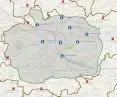
Map of the Clean Transport Zone in Krakow
© UM Krakow
size matters
The size of Krakow's SCT, which covers 60% of the city, is also considered to be overestimated. At the same time, it is the people living in these areas who are most exposed to the negative impact of exhaust fumes on health - according to the Chief Inspectorate for Environmental Protection, as many as 77% of Krakow's residents (about 620,000 people) live in areas where the average content of nitrogen dioxide in the air exceeds standards. At the same time, it's worth mentioning that 80% of the cars circulating in Krakow, i.e. those belonging to both residents of the city and neighboring municipalities, meet the standards introduced by the Clean Transportation Zone. Many of the vehicles are subject to exceptions - primarily those belonging to people who pay taxes in Krakow and travel to health care centers. What's more, as the examples of other cities show, the size of zones limiting the movement of cars with the highest emissions directly correlates with improvements in air quality. What else has been achieved by the introduction of clean transport zones in European cities?
30 years with clean transport zones
Although clean transport zones are popping up all over the world (including in Hong Kong, Indonesia and Vietnam), Europe currently has the largest number - more than 360 areas with restricted access for cars that do not meet certain emission standards. The first of these was established as early as 1996 in Stockholm, and since then their number has been growing regularly. After 30 years of clean transport zones in European cities, their positive impact on air cleanliness, and thus on the health of residents, is undeniable. Of course, the effects achieved vary depending on the terrain and urban characteristics of the city, as well as its economy or the details of the solutions adopted, but the aggregate data included in the 2025 meta-analysis clearly show that clean transport zones work and have a direct impact on the health of city residents. In most of the centers studied, reductions in harmful nitrogen dioxide and PM10 particulate matter ranged between 5 and 25% [2].
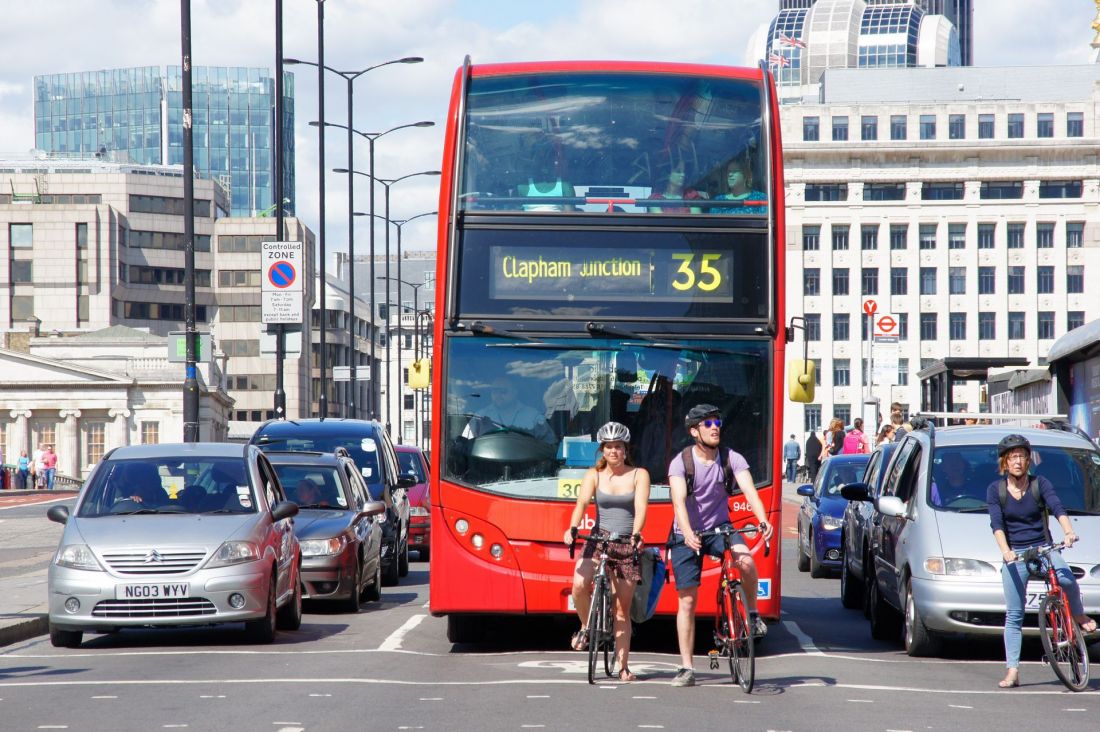
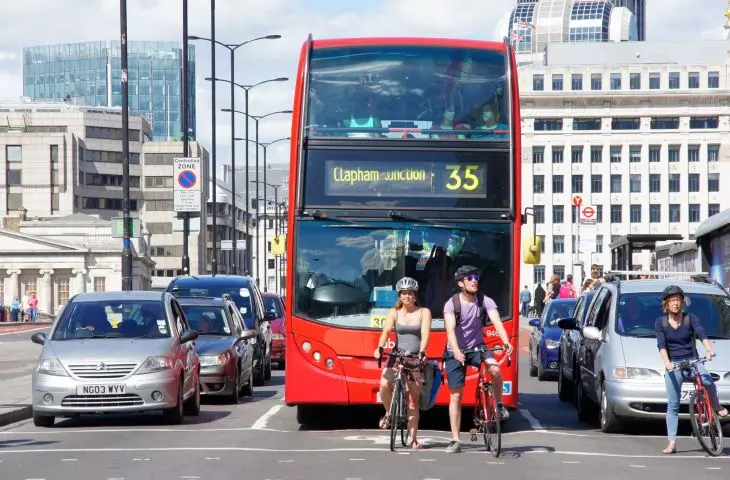
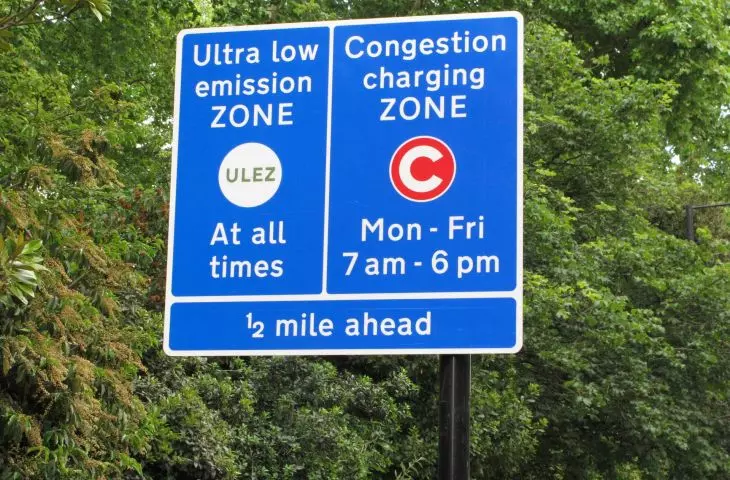
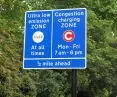
Ultra Low Emission Zone in London
Photo: Chris Sampson © CC BY-SA 2.0 | Wikimedia Commons
do clean transportation zones work?
Good examples are coming from individual cities - for example, London, Madrid and Paris.
London
In the spring of 2019, London Mayor Sadiq Khan introduced the Ultra Low Emission Zone, the equivalent of the national Clean Transport Zone, in a central area in the city. The rules in the area were similar to those introduced by the Clean Transport Zone in Krakow - gasoline cars entering the city must meet the Euro 4 standard, while diesel engines must meet the Euro 6 standard. In 2021, the restrictions covered much of Inner London, and in August 2023, the Ultra Low Emission Zone was extended to all 32 London boroughs. As in Krakow, the introduction of the ULEZ, and each subsequent expansion of the zone, was met with strong opposition from some residents.
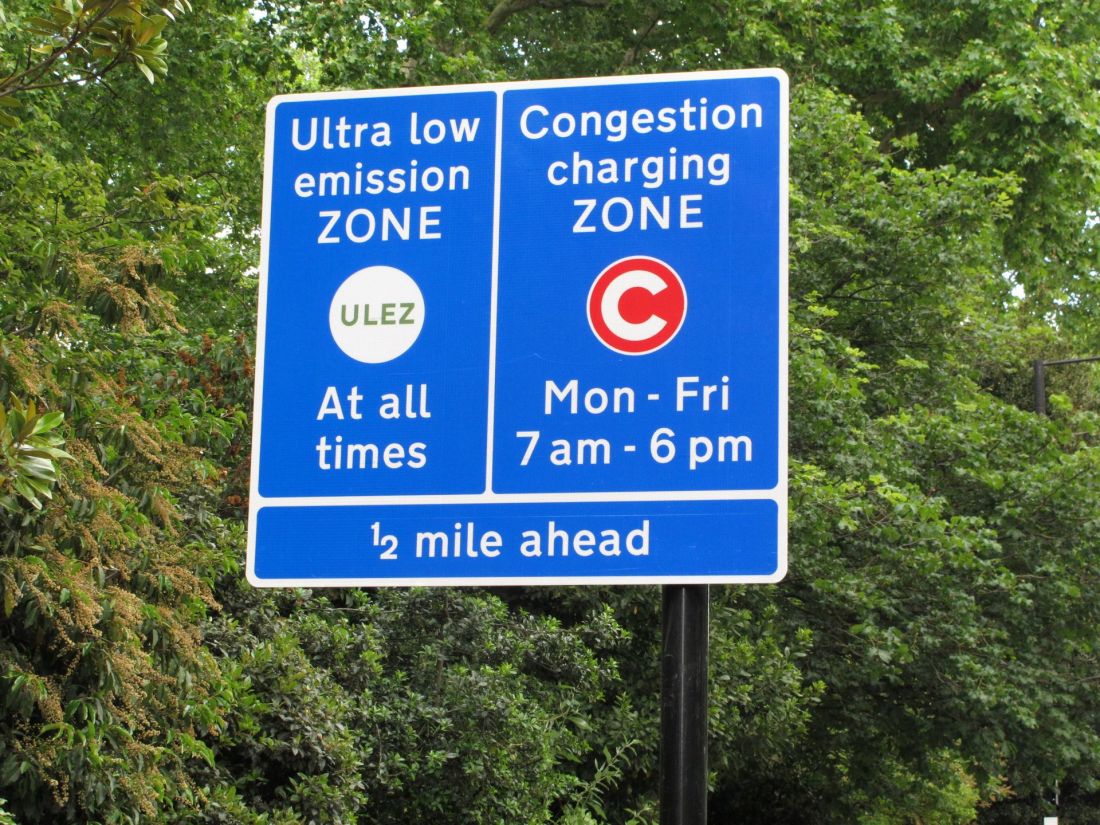
Ultra Low Emission Zone in London
Photo: David Hawgood © CC BY-SA 2.0 | Wikimedia Commons
The city did not introduce restrictions in more areas based on predictions and policies not reflected in the facts. London has regularly commissioned studies to determine the impact of the introduction of the Ultra Low Emission Zone on air pollution levels. Although the first study, published by the Center for Transport Studies in Imperial College London in November 2021, showed that the reduction in air concentrations of nitrogen oxides in the first nine months of the zone's operation was lower than expected, hovering around 3%, subsequent reports showed a definite improvement. The 2022 study showed that the reduction in nitrogen dioxide reached 12%, and the amount of the harmful gas that did not enter the atmosphere between 2019 and2022 was equal to the emissions generated by all aircraft takeoffs and landings at London Heathrow and London-City airports during the same period [3]. Last year's study showed that in 2024 there was 27% less nitrogen dioxide in London's air than if the Ultra Low Emission Zone had not been introduced.
As it turned out, air quality had a tangible impact on residents' health. Compared to areas of the UK with no restrictions, the amount of sick leave issued in London dropped by 18.5% after the Ultra Low Emission Zone was introduced. Respiratory-related health problems dropped by 10.2%, and annual spending on health services fell by £37 million [4].
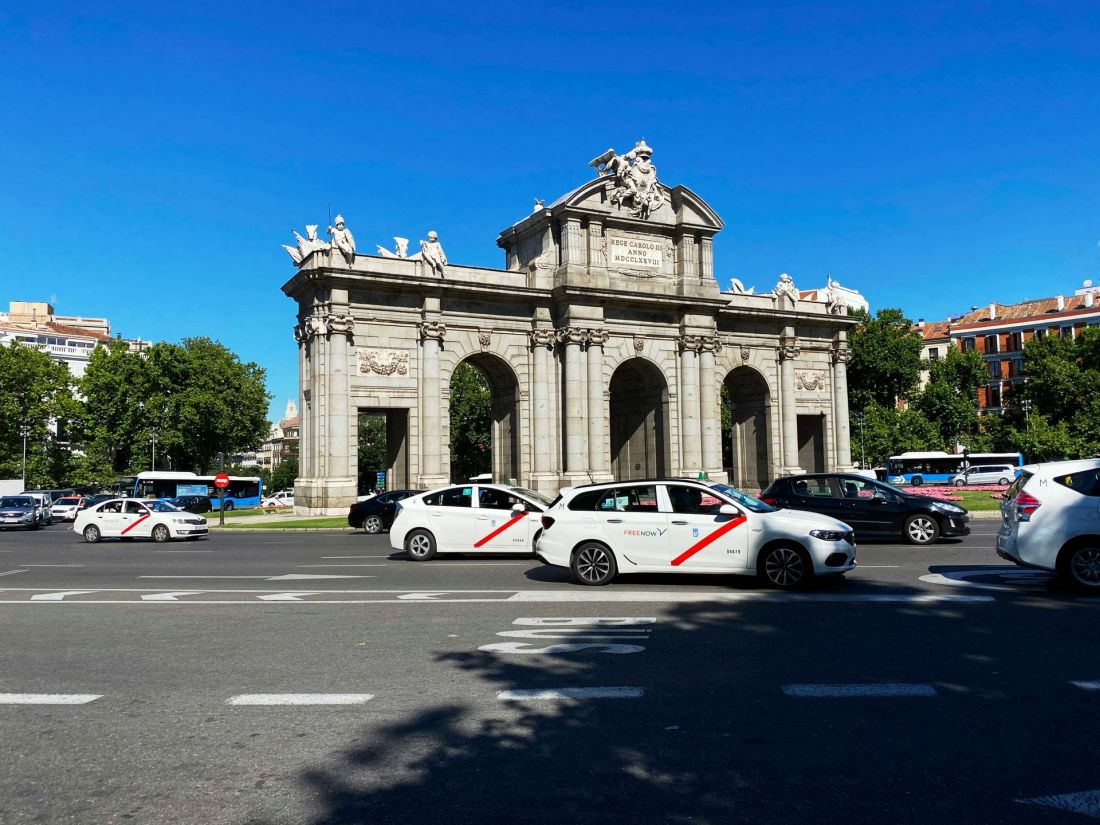
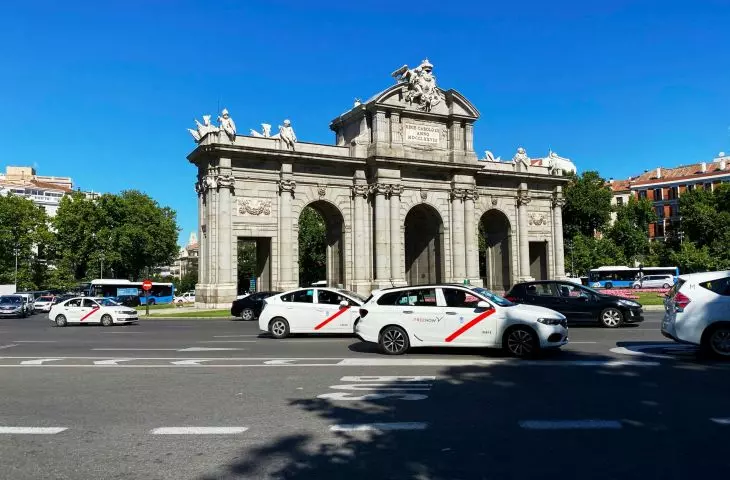
Zona de Bajas Emisiones
Photo: Miguel Angel Sanz © Unsplash Free
Madrid
Madrid's Zona de Bajas Emisiones has been in effect since 2018, restricting entry to certain areas for cars with standards lower than Euro 4 for benzon engines and Euro 6 for oil-powered units. A 2021 study included data from 5 years before the restriction and the year after the implementation of the Madrid Clean Transportation Zone, showing that reductions in nitrogen dioxide concentrations in the air ranged from 14% in summer to 38% in spring [5]. A similar study conducted at the same time showed even greater effects, ranging from 23 to 34% depending on the location [6].
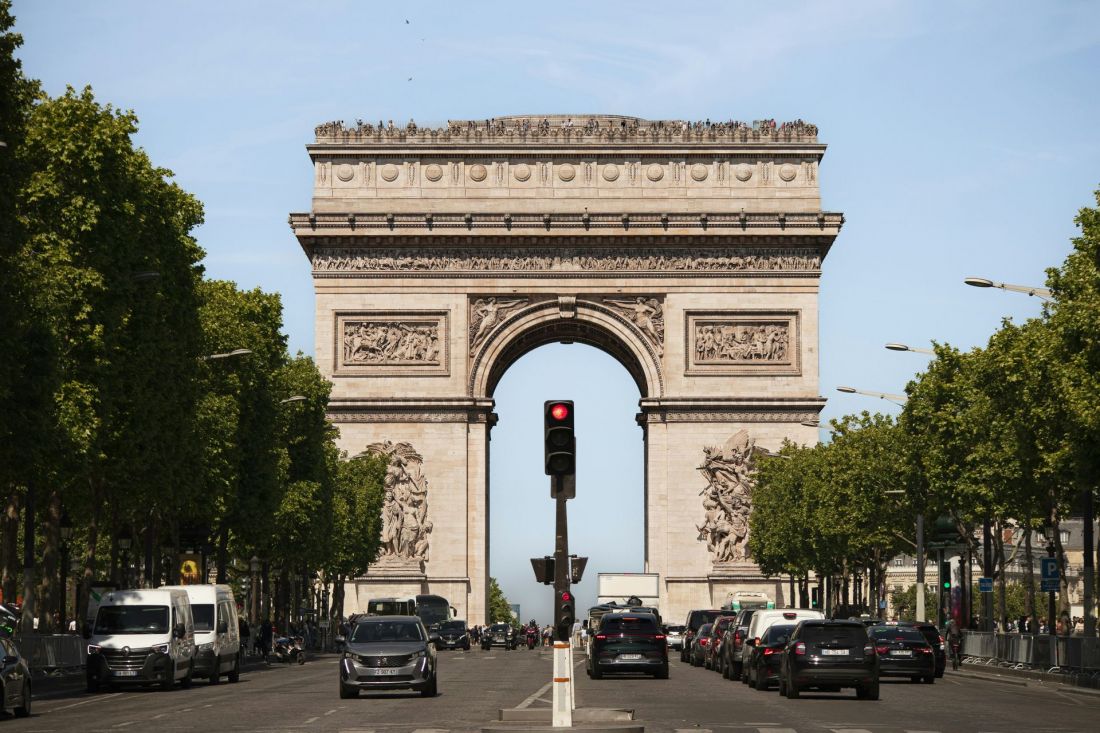
Zone à Faibles Émissions métropolitaine in Paris
photo by Simpson Wyatt © Unsplash free
Paris
The introduction of the Paris equivalent of the Clean Transportation Zone was characterized by similar effectiveness. In that city, reports focused on demonstrating the health benefits of introducing the Zone à Faibles Émissions métropolitaine, showing that 811 deaths of city residents and the diagnosis of 3,200 new cases of asthma were prevented during the restriction period [7].
SCT with positive side effects
The introduction of clean transportation zones also has a number of positive side effects. The authors and authors of the 2025 meta-analysis mentioned above pointed to, among other things, an acceleration of the modernization of fleets and fleets of vehicles used in public transportation, as well as an increase in the number of people using public transportation services and healthy modes of transportation [8].
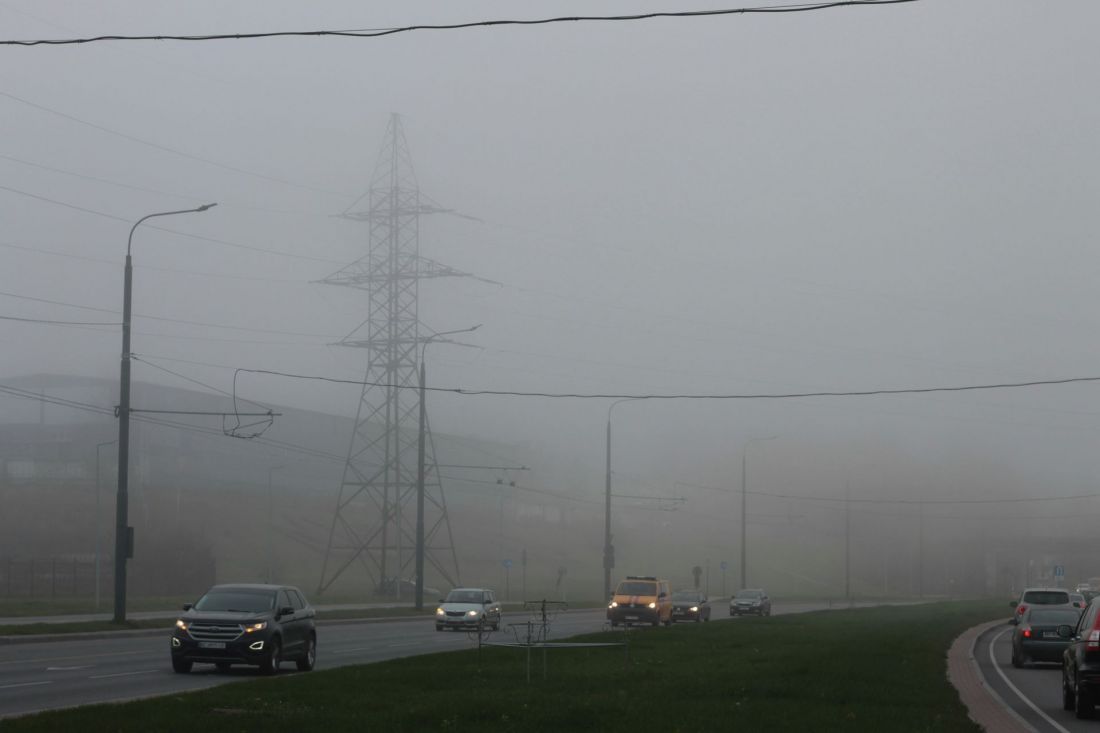
Exhaust fumes are the main source of nitrogen dioxide in cities
Photo: Khrystyna Mishkevych © Unsplash free
How does the Clean Transportation Zone work in Krakow?
The city has been preparing for the introduction of the SCT for a long time, installing the appropriate infrastructure and engaging additional people to verify vehicles entering the restricted area. Incoming vehicles are checked by 200 cameras, city guard units and police. According to the LoveKraków.pl website, as of January 7, 1.1 million vehicles had crossed the borders of the Clean Transportation Zone, according to statistics. At the same time, people registered and paying taxes in Krakow submitted 84.3 thousand applications for an exception to the rules. In the future, this process is to be fully automated. As for the state of Krakow's air, we still have to wait for the results - at least until the first reports and analyses comparing the amount of pollution before and after the introduction of the Clean Transportation Zone in Krakow are published. Examples from hundreds of European cities are reassuring - the SCT ultimately can not only help save health care, but also save the lives of hundreds of residents.
Przemysław Ciępka
[1] M. Krzyzanowski, The health impacts of nitrogen dioxide (NO2) pollution, 2023 , https://www.env-health.org/wp-content/uploads/2023/06/NO2_briefing_EN.pdf, accessed on: 14.01.2026
[2] M. Delgado-Lindeman, R. Cordera, J. Luis-Mouara, A. Rodriguez, Characteristics and effects of low emission zones in Europe. A systematic literature review, "European Transport Research Review" vol. 17, 2025.
[3] J. F. H. Bishop, A. Bornioli, Effectiveness of London's Ultra Low Emission Zone in Reducing Air Pollution: A Pre- and Post-Comparison of NO2 and PM10 Levels, "Journal of Environmental Health" 85, 2022, pp. 16-23.
[4] https://www.bath.ac.uk/announcements/londons-low-emission-zones-save-lives-and-money-new-study-finds/, accessed on: 14.01.2026
[5] I. Lebrusán, J. Toutouh, Car restriction policies for better urban health: A low emission zone in Madrid, Spain, "Air Quality, Atmosphere & Health" 14(3), 2021, pp. 333-342.
[6] R. Salas, M. J. Perez-Villadoniga, J. Prieto-Rodriguez, A. Russo, Were traffic restrictions in Madrid effective at reducing NO2 levels?, "Transportation Research Part D: Transport and Environment" 91, 2021.
[7] E. Moreno, L. Schwarz, S. Host, O. Chanel, T. Benmarhnia, The environmental justice implications of the Paris low emission zone: A health and economic impact assessment, "Atmosphere & Health" 15(12), 2022, pp. 2171-2184.
[8] M. Delgado-Lindeman, R. Cordera, J. Luis-Mouara, A. Rodriguez, op. cit.