




What kind of budget is needed to create a 15-minute city? How do neighborhood council decisions affect the functioning of the entire city? The City Deal board game allows participants to take on the role of neighborhood councilors, who work together to develop the city. Lukasz Wrona, president of the Pospolite Ruszenie association , talks about the project and teenage visions of an ideal city to live in in an interview with Maria Cipinska.
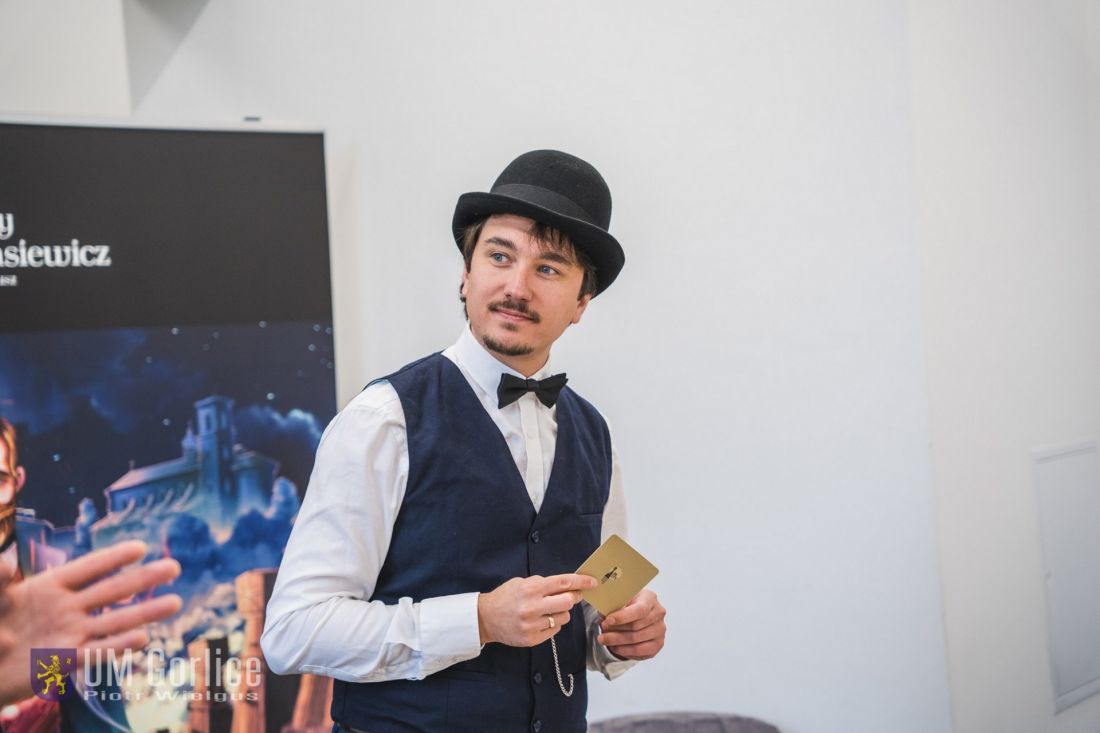
Lukasz WRONA - historian, educator, board game designer - author of more than 30 published games in Poland and abroad, including the game "Miejskie Rozdanie", creator of role-playing and urban games, cooperates with cultural institutions, associations and foundations, teaches how to gamify non-obvious topics. President of the association Pospolite Ruszenie.
Maria Cipinska: What is the Urban Hand game about?
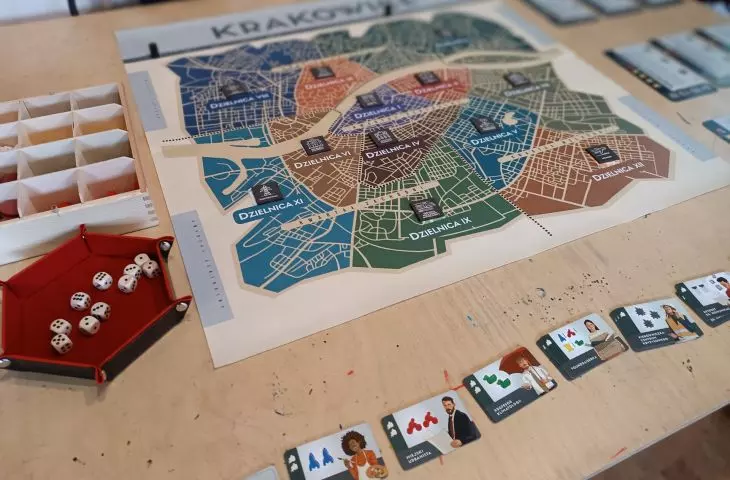
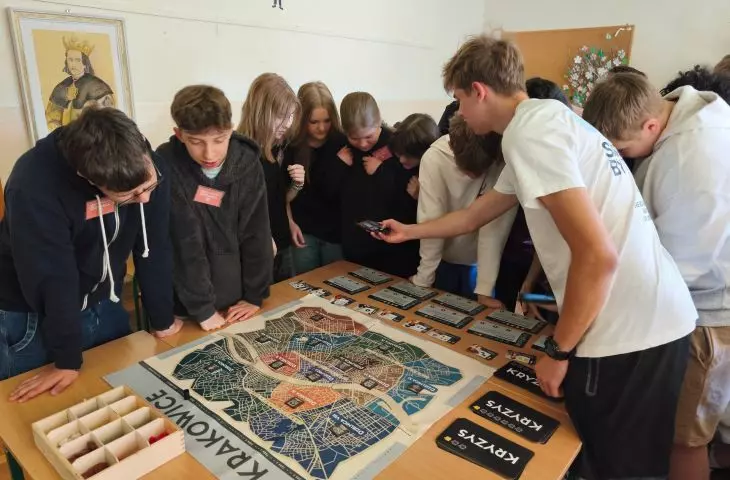
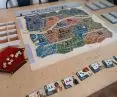
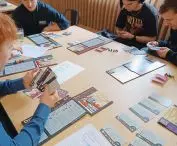
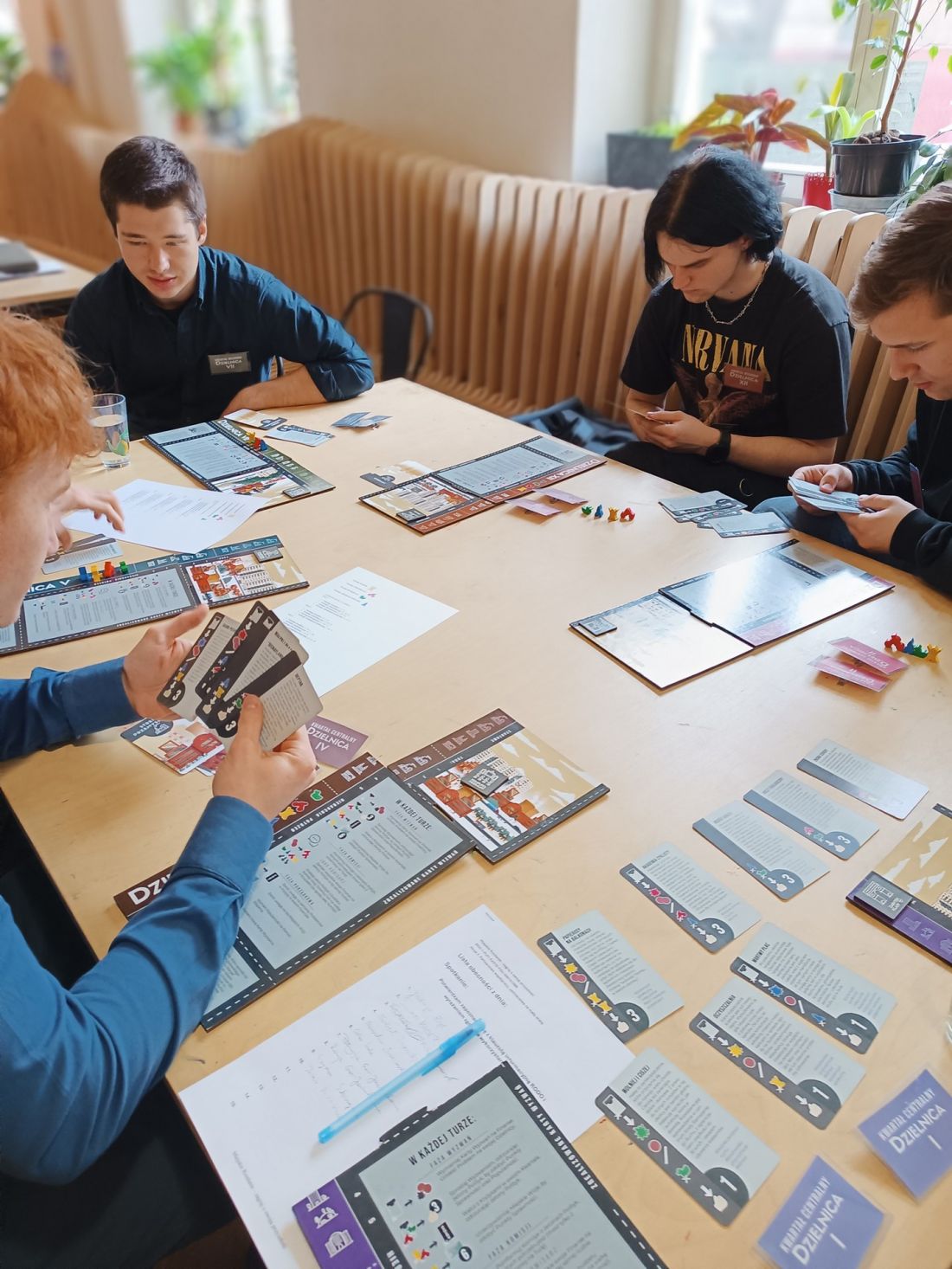
Lukasz Wrona: The Urban Deal game is a multiplayer board game, which can be played by up to 36 people at once . It's a team game - players divide themselves into districts of a fictional city (Krakopolis or Krakowice), which is depicted on a board one meter by one meter in size. Each district depicted on it has special objects, and the one with an airport and the one with a college town have different tasks.
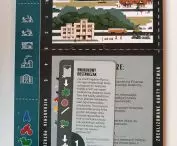
In the gameplay we use about 200 different kinds of cards, each is some kind of urban case. You have to get acquainted with them, think about them, present them to the board and make sure that the other players finance our idea, for example. Just like in a real city council.
Maria Cipinska: What kind of cases could these be?
Lukasz Wrona: The cards are about the lack of greenery in the district, for example - then one solution is to green the roofs. Another is about how students complain that the dorms are stuffy and steamy and lack social space. Some of the players sit on the council and decide what to spend the funds on. This is the theatrical aspect of the game, while the mechanical one involves the players recalculating their resources and figuring out what to spend them on, with whom to contribute to the city's vision together, and deciding whether to try to create a low-carbon city or perhaps one that will host the Olympics in the future.
Maria Cipinska: Is the game available somewhere, how was it created?
Lukasz Wrona: Urban Distribution is an educational initiative , not a commercial one. So our game cannot be bought. We created it in the project "Urban Distribution - play for your future" under the Erasmus+ Program. The project, which is slowly coming to an end, involved young people from Malopolska and our partners from the You in Europe association in Greece. However, this does not mean that there will be no more meetings over the board. On the contrary, we have good news.
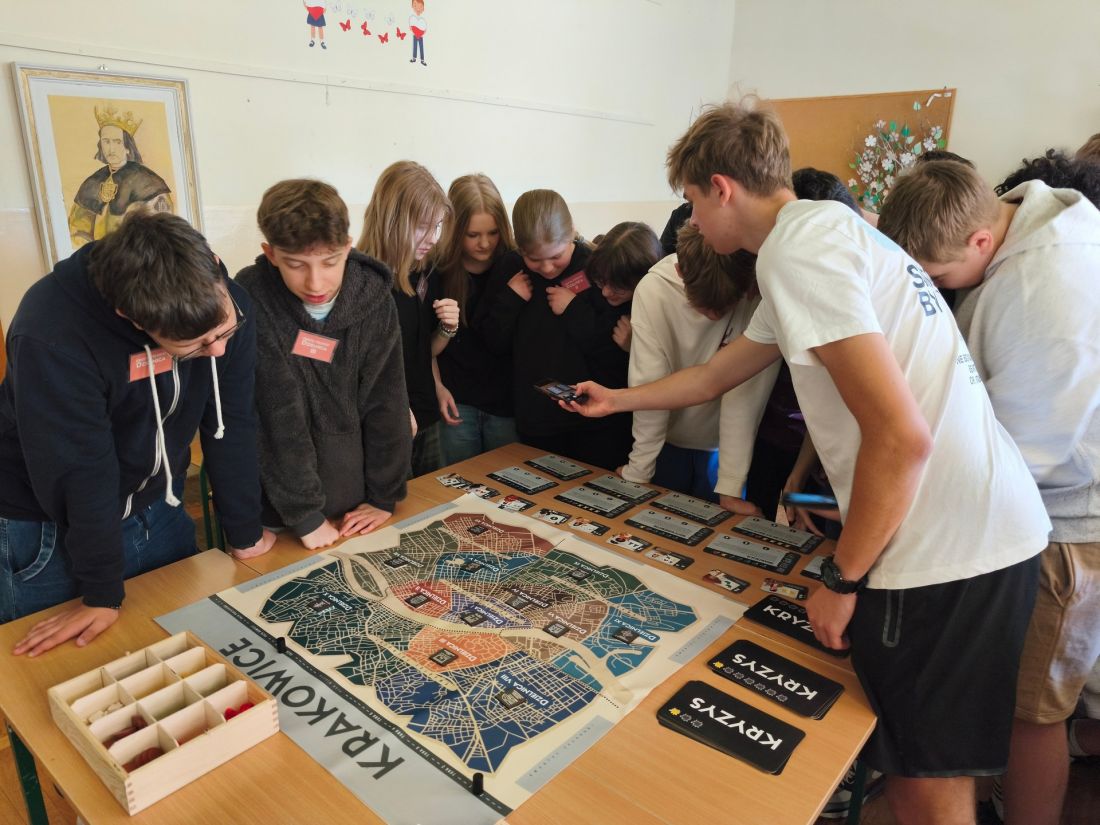
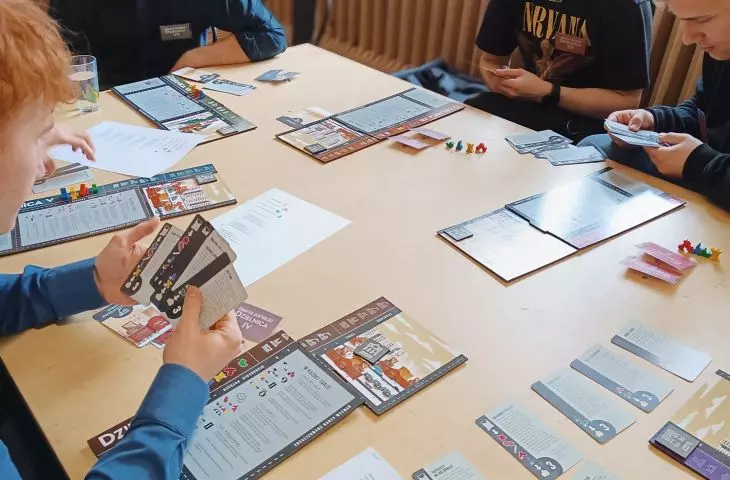
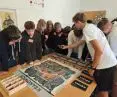
The gameplay at the Primary School in Więcławice Stary
© Pospolite Ruszenie
Maria Cipinska: So where can you play Urban Distribution?
Lukasz Wrona: This fall we intend to visit 12 high schools in Małopolska and conduct three-day activities. A total of almost 150 hours of valuable workshops. On the first day, we will conduct a gameplay. We are now printing the game in 30 copies and intend to leave it in each school. The game is very easy to use and we hope it will be used in future years of teaching.
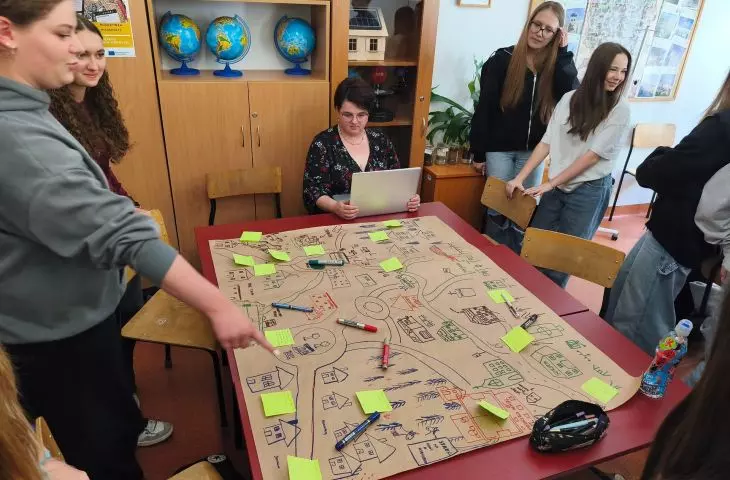
On the second day, we are planning a civic workshop with students - we will map the problems of their immediate neighborhoods and think about why they arose and their long-range effects. Then we will come up with small grassroots projects that could neutralize these effects or causes. This is part of shaping the civic attitudes of young people. On the third day, there will be an urban walk with an expert to show just these analyzed places. We are also trying to invite local decision-makers to these meetings, so that students can consult their ideas with someone who deals with the issues raised on a daily basis.
The above activities are made possible by obtaining a grant from the Ministry of Education in the "Young Citizens" program for the project "Urban Deal 2.0 - a game and workshop on urban participation."
Maria Cipinska: For which group is the game intended?
Lukasz Wrona: Mainly for high schools, but we also did tests in classes VII-VIII of elementary schools. I think the limit is that age when children become independent explorers of the city.
We've been doing the project for two years, and so far we've conducted activities just in schools, but also with students. We also conducted a game with teachers from Ukraine, because we wanted to see if such a game could be applied in a country that will have to face the need to rebuild cities destroyed by the Russians.
Maria Cipinska: What can be learned by playing Urban Distribution?
Lukasz Wrona: It can be divided into three layers: knowledge, skills and attitudes. Even we, during the development of this game, reading publications or articles, discovered topics and concepts we didn't know before. We learned ideas on how to green something, how to solve communication problems. The game explores topics such as soft edges or the 15-minute city. In the questionnaires that students filled out before the games, students mostly answered that they didn't know these concepts, and in post-game tests they were able to explain them. The game teaches them to understand what problems suburban residents have with commuting and why certain areas are less popular. These are topics that a 14-year-old most often doesn't read or listen to a podcast about. And in the game he has direct contact with them.
The game has an important larp element - role-playing, speaking, convincing others. In a public forum, you have to argue your ideas for solving the problems on the challenge cards. To do this, students have to work in a group, collect data, select it, use it in the argument and try to prepare a speech that will grab the hearts of the listeners - that is, the players acting as city councilors. Thus, during the game, competencies useful in civic life are strengthened.
However, we were most interested in shaping attitudes - to win the game, you need to cooperate and learn to speak in favor of your ideas. To win, you need to be active and not ignore the troubles of your own neighborhood.
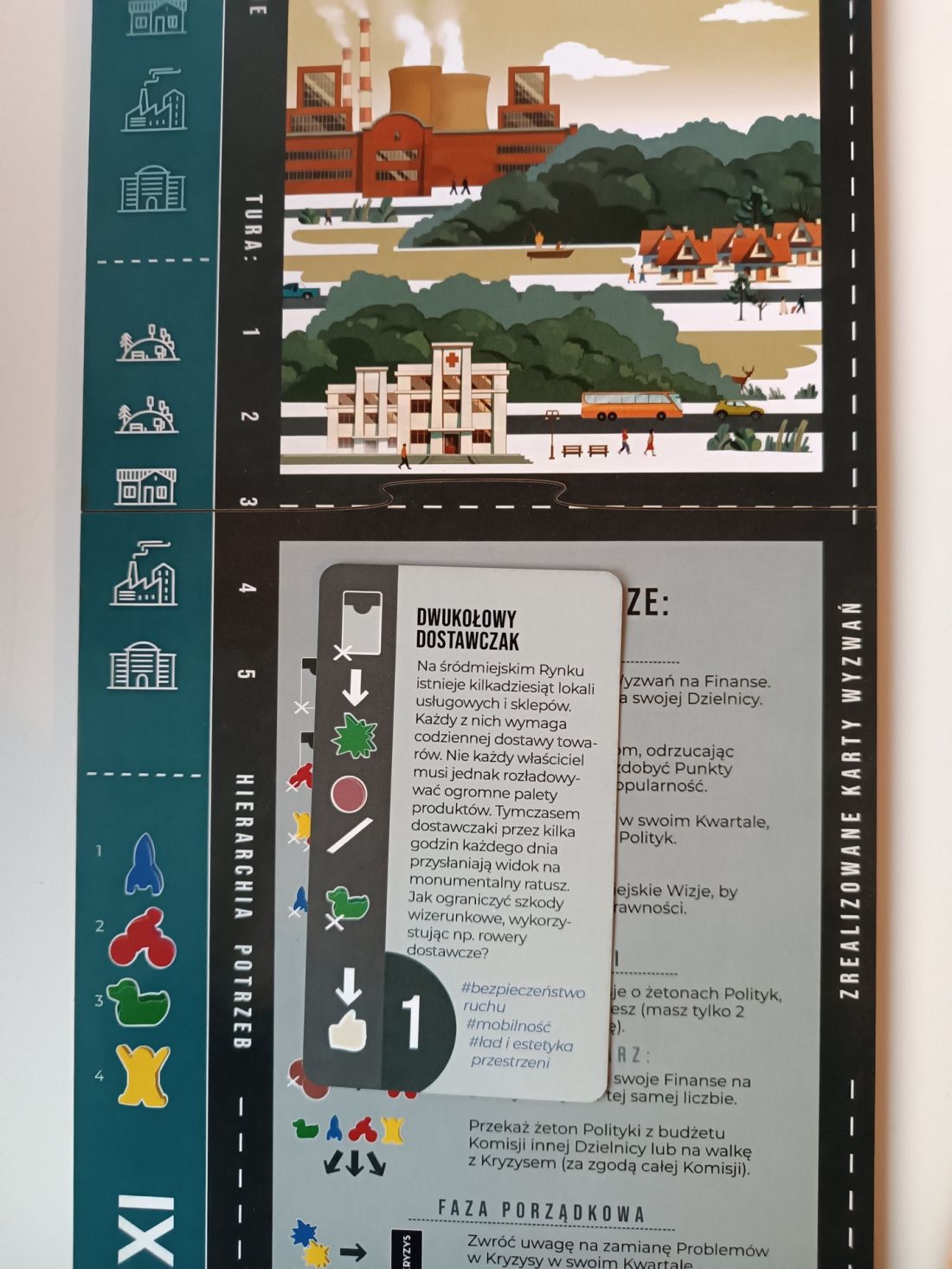
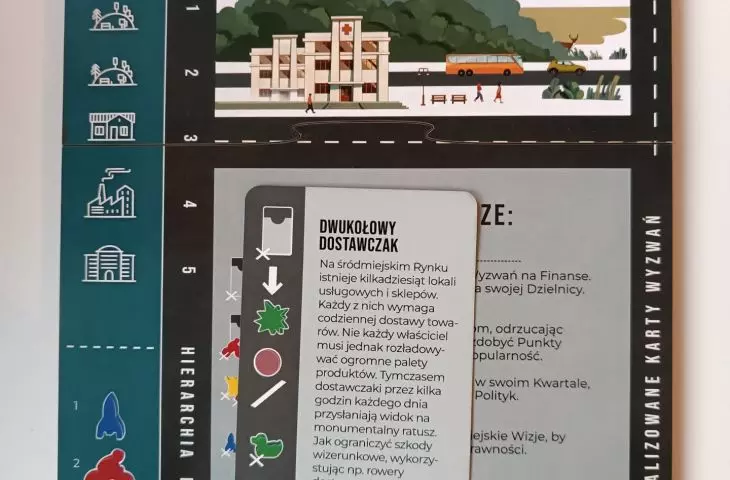
Neighborhood board and challenge card - one of 165 | premiere game at the Krakow Climate Education Center
© Pospolite Ruszenie
Maria Cipinska: How to present such complex issues as ecology or urban planning in a board game?
Lukasz Wrona: Before the game, we always introduce the participants to the topic and for the first 30 minutes explain the concepts that appear in the game. You can learn from the game itself how small decisions affect the development of a city. If players in many neighborhoods fail to meet the challenges that the cards will bring them, crises will arise throughout the city. Each turn, participants must then explain how they resolved the crisis in question. The districts compete with each other to see which one can solve the problems of the residents most efficiently, but at the same time they must work together to fight the crises.
Maria Cipinska: What did the participants surprise you with?
Lukasz Wrona: We were certainly surprised by some of the statements and ideas, which were sometimes really remarkable. Maybe unrealistic from a budget perspective, but cool in terms of imagination. For example, the students proposed including Świątniki Górne - located 15 kilometers south of Krakow, cut off from the city by transportation - in the city's scooter system. This may be a dangerous solution, but it would certainly improve at least communication within the town itself and neighboring villages. The group has even already been developing an advertising campaign to convince the transportation company responsible for the scooter applications to invest in Świątniki.
This also shows that not all problems can be solved just by looking for money in the budget. Sometimes connections of people or the use of deteriorating facilities are needed. At the beginning of the game, the players thought they only needed money to deal with their challenge. As time went on - and we were very pleased - they noticed that the solutions could be more diverse. They pointed to using existing premises, taking advantage of know-how, synergizing activities, using waste, etc.
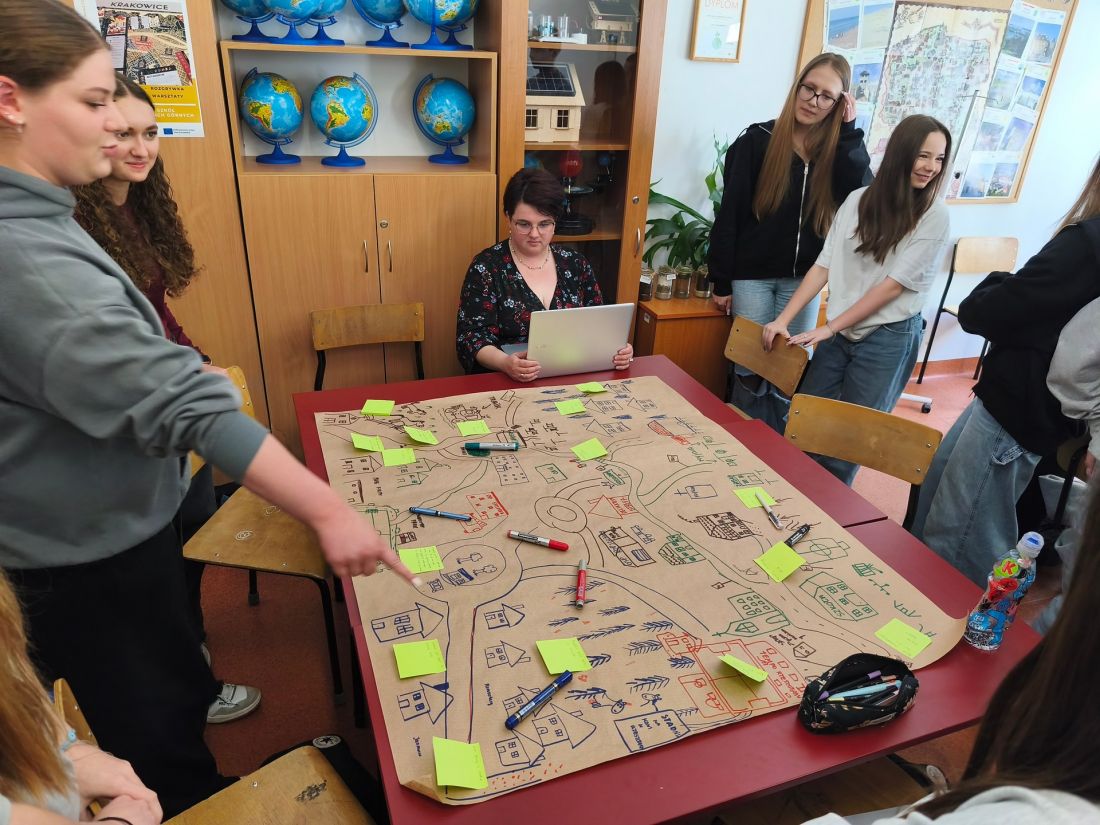
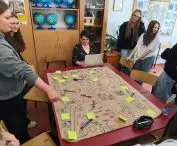
workshop in Świątniki Górne
© Pospolite Ruszenie
Maria Cipinska: Did anything in the games or workshops surprise you negatively?
Lukasz Wrona: In the pre-test, we asked participants what their ideal place to live was, but also what bothered them most about the city. Most often, young people are bothered by transportation and commuting problems, while at the same time 80% of participants cited a house near the city as their dream place to live. This is a clash - they want to live in a place that generates this problem. Such a lack of awareness of the consequences of their preferences confirms the need for projects such as ours.
Maria Cipinska: What differences in responses did you observe after the game?
Lukasz Wrona: There was an increasing percentage of people who expressed a desire to engage in grassroots initiatives. At the same time, most of those asked admit that they don't know how to do it. That's why in the second edition of the project we plan to prepare a small guide on participation in the city. Each participant who takes part in the class,will receive a brochure with information on how to start a small civic project.
Interestingly, this rate is slightly higher in Greek youth than in Polish youth. The Greek association You in Europe was a partner in the project . When its members came to our kick-off meeting two years ago, they were catching their heads! They asked why we were doing this project if the problems in Krakow were so small compared to those in many cities in Greece, often really difficult to live in. This spring we piloted the game in a Greek school. We left the Greek-language game in the hands of educators from Nea Moudania, near Thessaloniki.
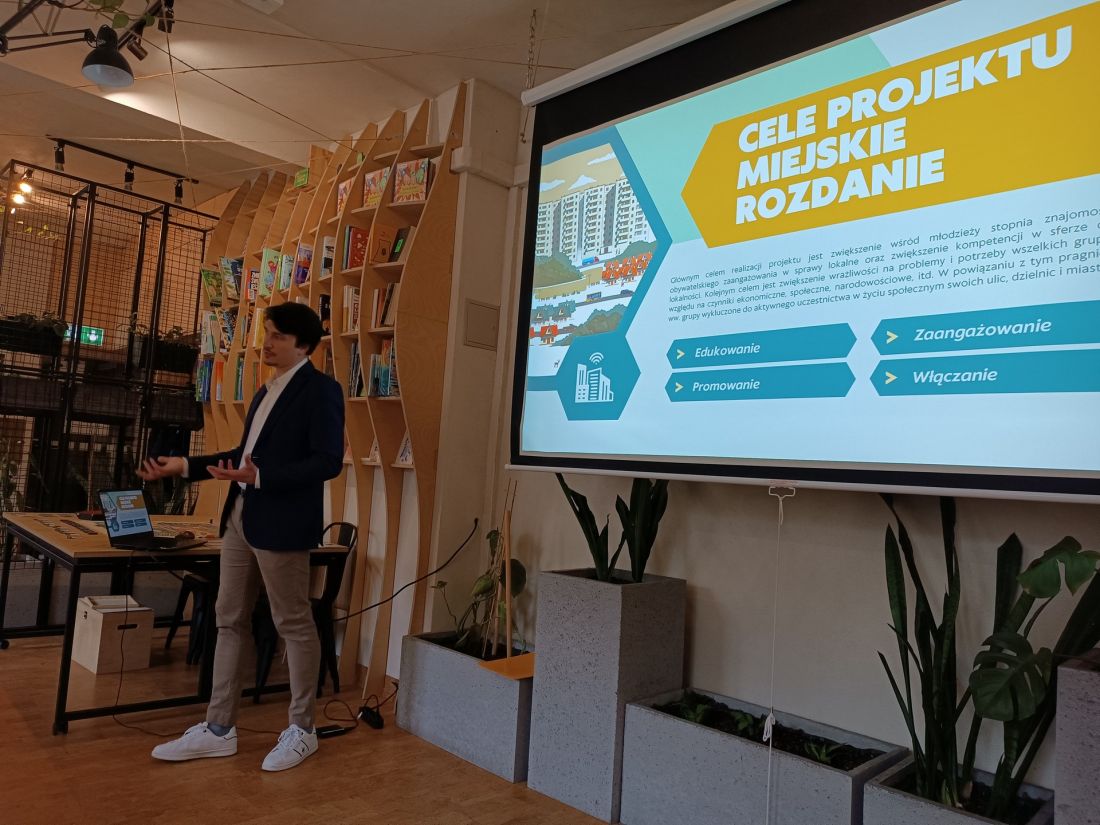
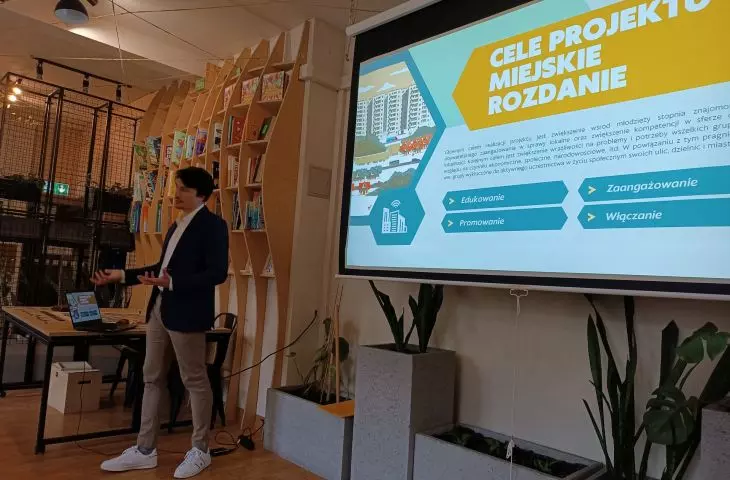
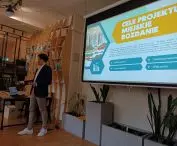
Lukasz Wrona at the launch of the game at the Krakow Center for Climate Education
© Pospolite Ruszenie
Maria Cipinska: Who is the creator of the game? What do you do?
Łukasz Wrona: Pospolite Ruszenie is an association that has been active for 16 years. We started as a historical reconstruction group. This is because my colleagues and I are supporters of the Old Polish era. Today we are primarily engaged in informal education in the field of cultural heritage and history. We design board games, role-playing games and field games, we cooperate with museums and NGOs. We train and teach how to gamify important topics. For several years now, we have been using our experience of creating historical games to design tools on other needed topics. In surveys for previous projects, we asked participants what the next educational game they would like to play would be about - one of the issues that came up was urban planning.
Our association has nearly 30 members. Among us are historians, archaeologists, lawyers and psychologists. You are welcome to join our ranks: www.pospoliteruszenie.net
In addition to me , Urszula Wrona, Sebastian Wacięga and Piotr Krzystek were involved in the project on Urban Distribution.
Maria Cipinska: Urban Distribution is not the first multiplayer game you have created.
Lukasz Wrona: A few years ago we released a game calledEurope: New Deal 1989-2019. It was a game about foreign policy, European integration and geopolitics. The game was based on similar principles to City Deal, but there each team was a different country. There were games for 45 people at a time. This was our multiplayer game laboratory, after which we wanted to do another one, because we see extraordinary educational potential in the competition of multiple teams. Emotions promote memorization of information and, above all, make us think and look for the best solutions.
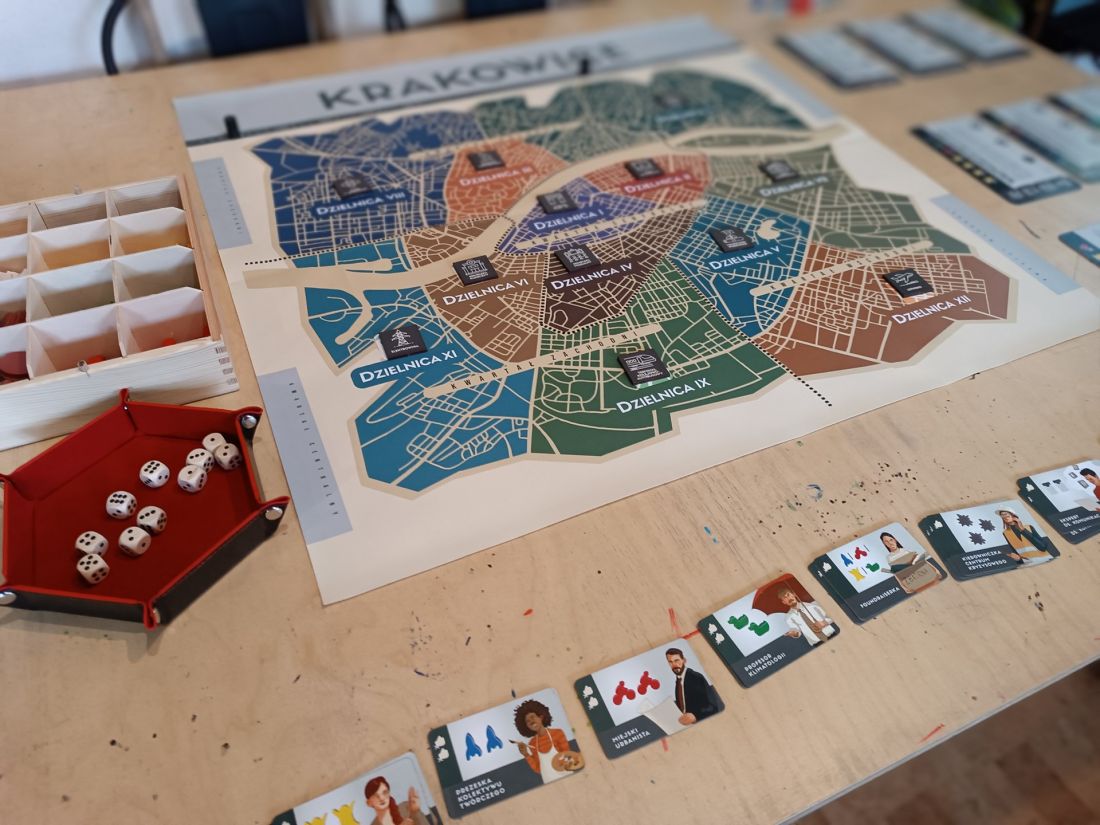
Urban hand - game board
© Pospolite Ruszenie
Maria Cipinska: Is it possible to play Urban Deal with you?
Lukasz Wrona: It would be our pleasure. We invite our readers to play the game. As part of the Erasmus project that is coming to an end, we have scheduled games in Cracow during the Great Ecology Lesson (September 21) and on the "eve" of the International Cities Day at the Design Pharmacy (October 29). Meanwhile, as part of the new initiative, we are planning workshops for educators, urban planners and local government officials, during which we will teach the use of our game. Workshop participants will be able to obtain the game for their institutions for free. In order not to miss these opportunities, we recommend watching our Facebook profile.
Maria Cipinska: Thank you for the interview!