





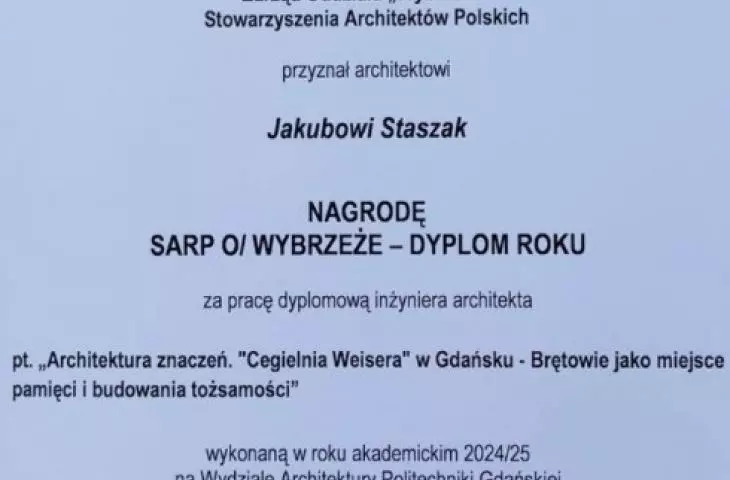


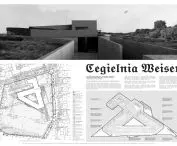
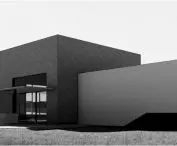
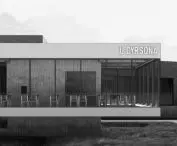
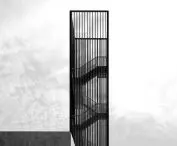

Can a piece of literature be transferred to the real space of a city? The engineering diploma of Jakub Staszak shows that architecture can become a medium of memory and interpretation, as well as a place where imagination and history meet. The project "Architecture of Meaning. Weiser's Brickworks in Gdańsk-Brętowo as a Place of Memory and Identity Building," awarded the title Diploma of the Year by SARP O/Wybrzeże, draws inspiration from the novel "Weiser Dawidek" by Pawel Huelle and proves that space can be a story.
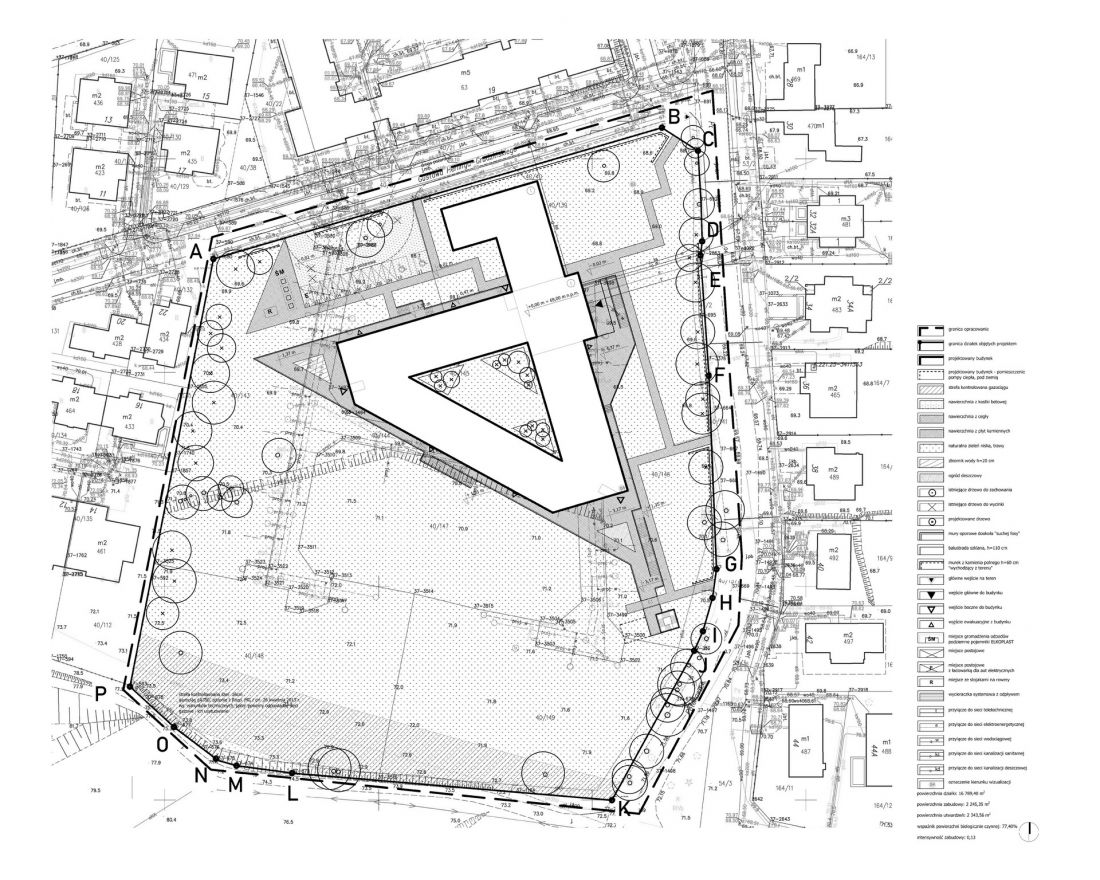
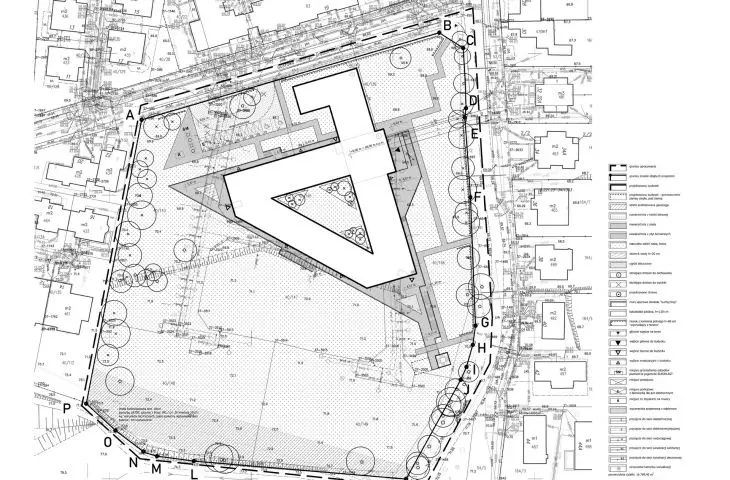
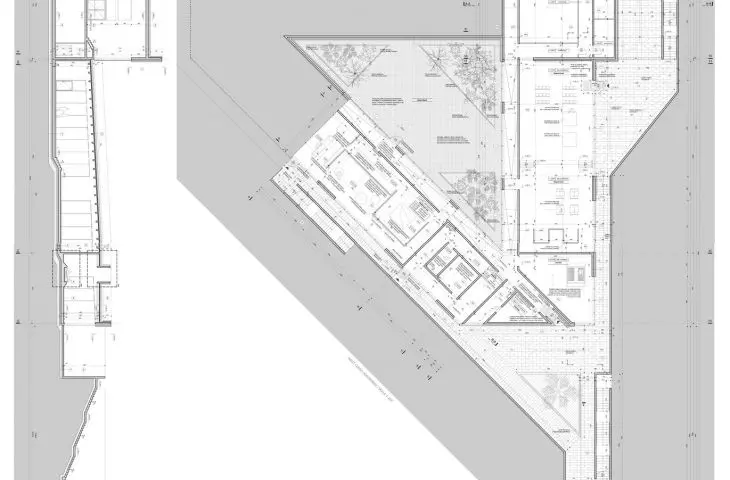
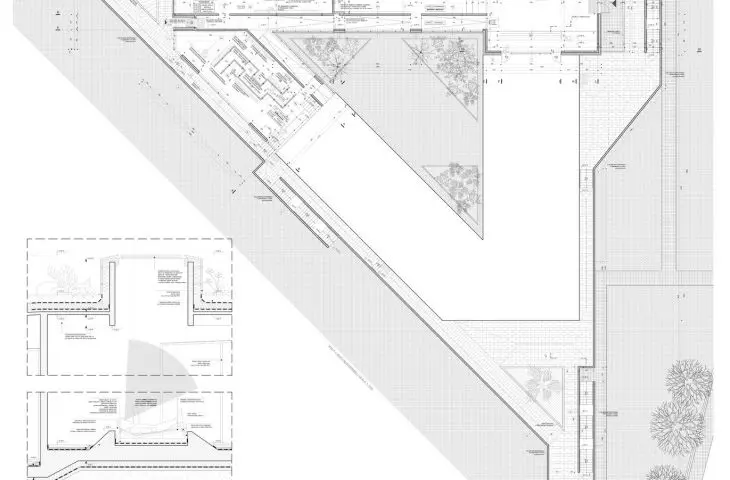
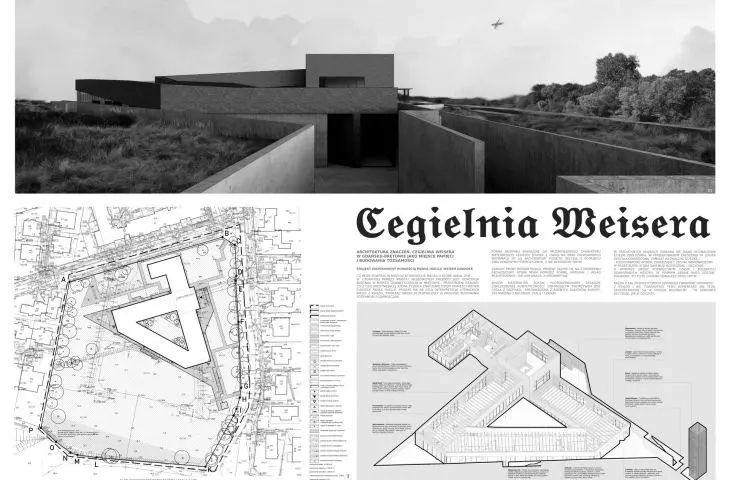
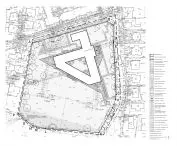
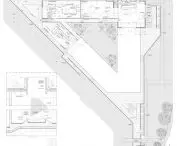
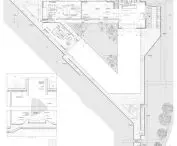
site plan
© Jakub Staszak
Gdansk and the need for new stories
Gdansk is a city with a rich but complicated identity. Today's metropolis is growing rapidly and attracting new residents who are often not yet rooted in local history. In this context, architecture can play a unique role - to be a bridge between the past and the present, between the memory of past generations and the contemporary experience of living in the city.
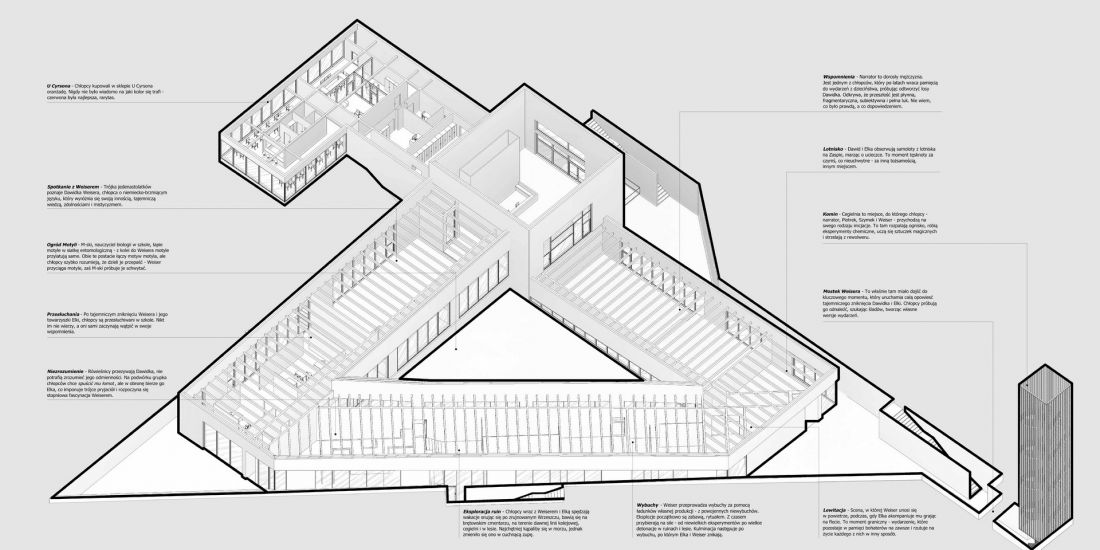
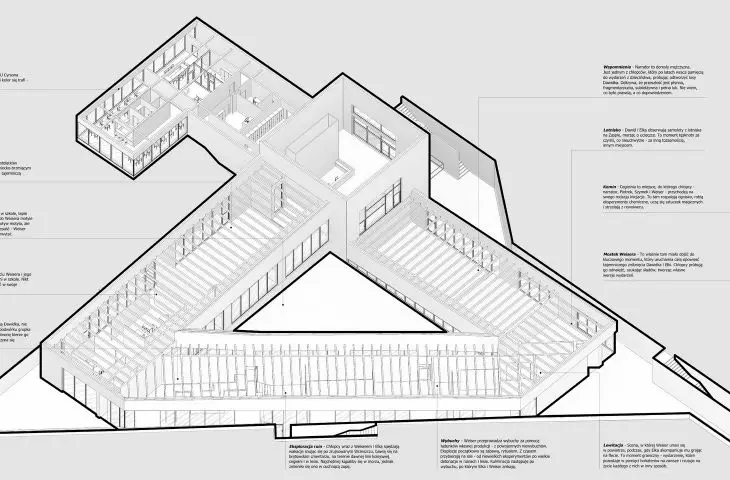
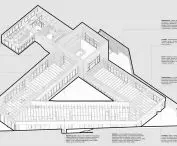
axonometry
© Jakub Staszak
Jakub Staszak's project does not aim to create another monument or museum. On the contrary, his goal was to create a space open to individual interpretation. This is architecture that does not impose one version of history, but creates conditions for reflection, asking questions and building one's own narratives. It is the polyphony, understatement and symbolism that constitute the strength of the concept.
The brickyard in Brętowo - a real and literary space
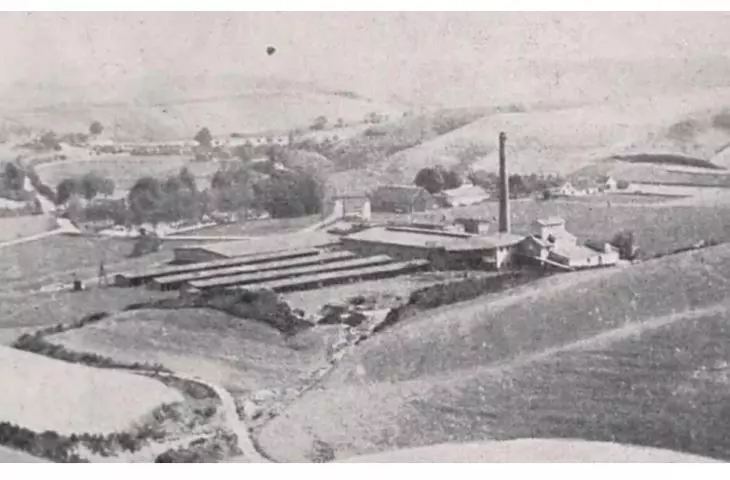
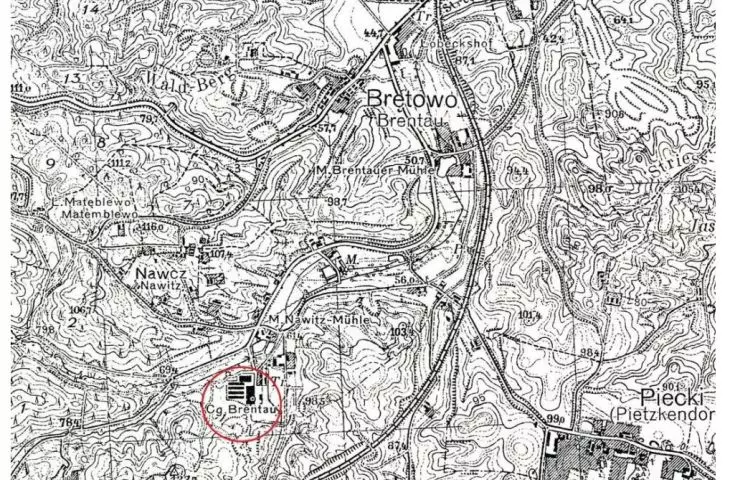
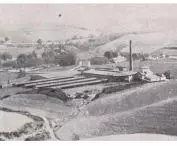
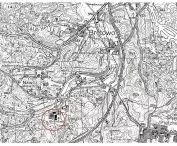
One of the most interesting themes in the novel "Weiser Dawidek" is the former brickyard in the city of Brętowo, Gdansk. In reality, this plant really existed, but today all that remains of it is an empty site and traces in the urban fabric. For the designer, this place became a meeting point between the literary and real worlds. The brickyard - both the imagined and the real one - becomes a symbol of the search for identity and the need to discover meaning in the city space.
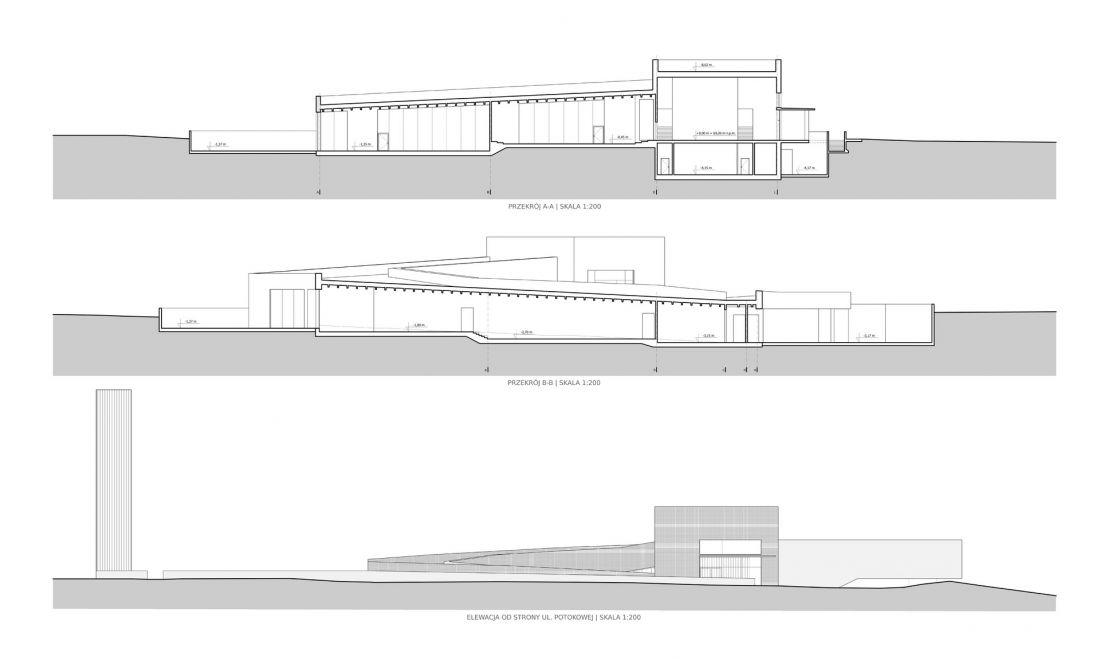
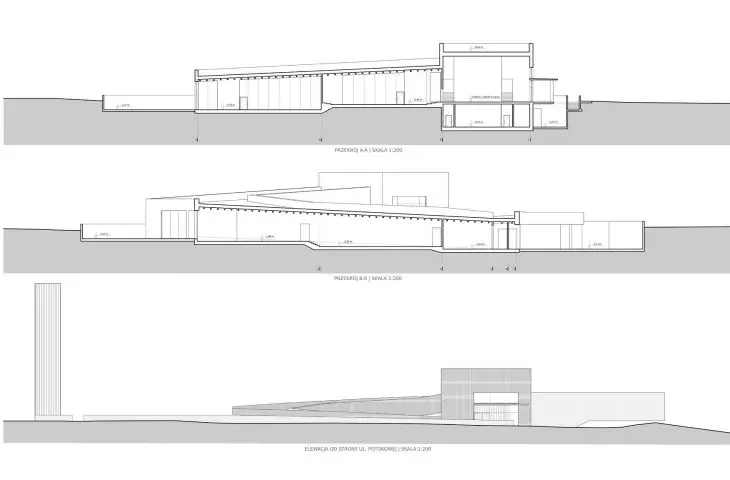
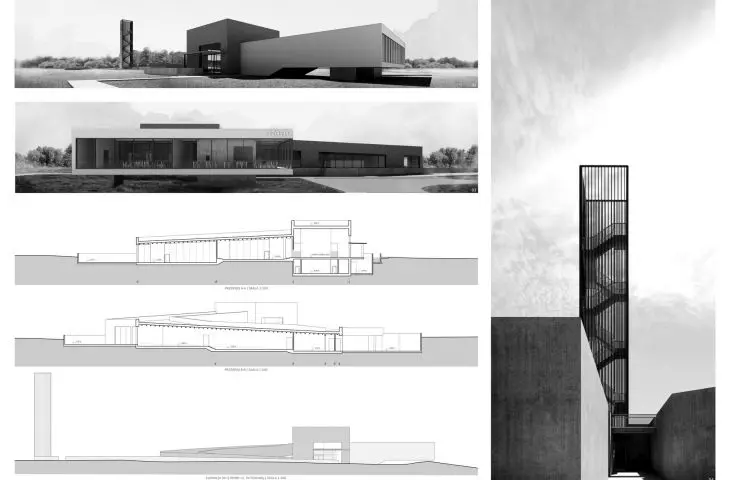
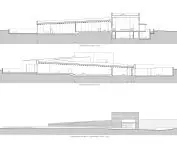
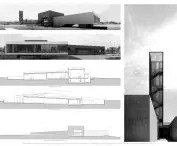
sections, elevation
© Jakub Staszak
The lack of surviving documents and sources about the brickyard allowed the author to move away from reconstruction and focus on symbolic interpretation. As a result, an architecture of meaning was created - a form that does not so much reconstruct as narrate through materials, layout and atmosphere. It is an architecture that suggests, provokes and leaves space for the viewer's imagination.
a form that tells
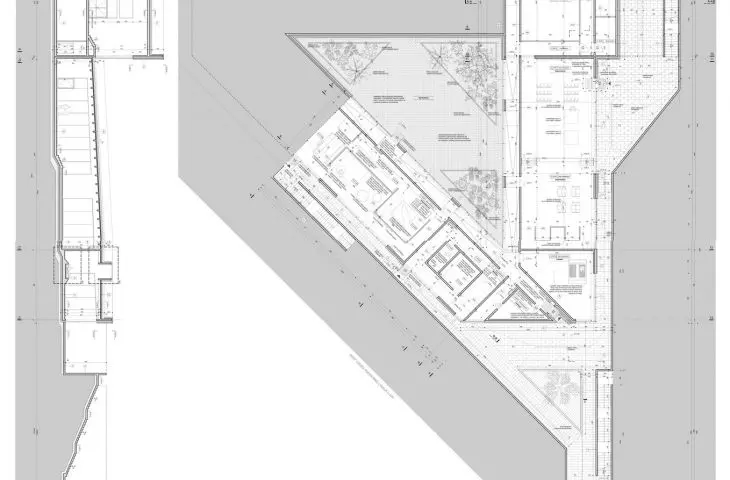
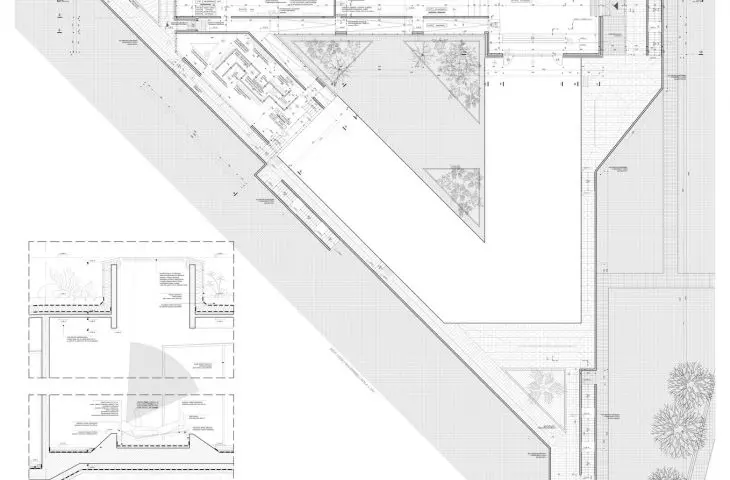
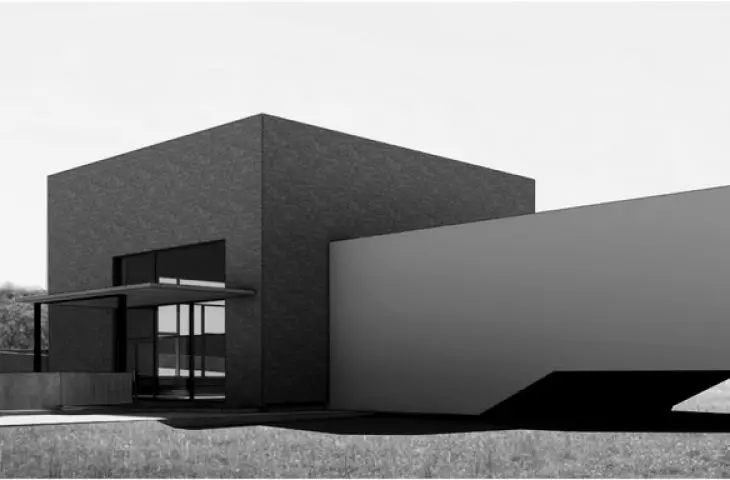
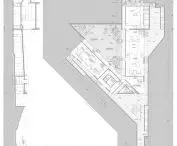
The project is composed of several separate but interpenetrating solids, each carrying a specific meaning.
-
A glass-brick cube serves as the entrance and integrates the entire premise.
-
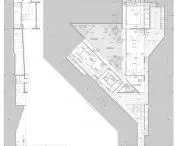
The triangle-shaped exhibition section has been symbolically sunk into the ground, which evokes the image of a hidden history.
-
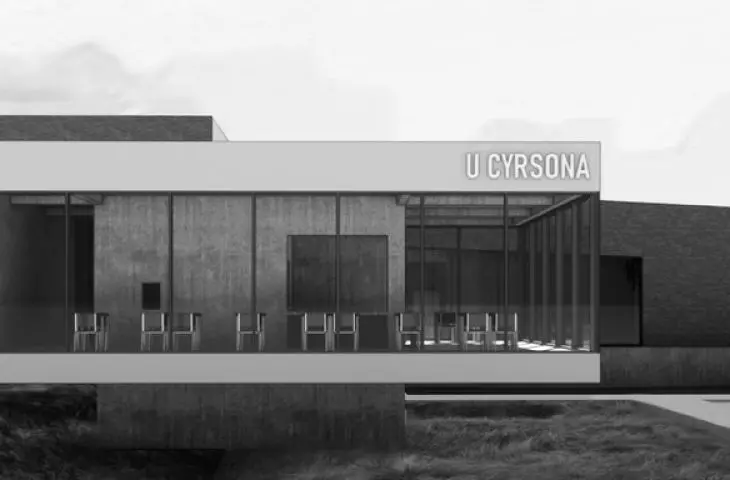
The letter L suspended above the ground is an architectural metaphor for Weiser's levitation - a form that escapes logic.
-
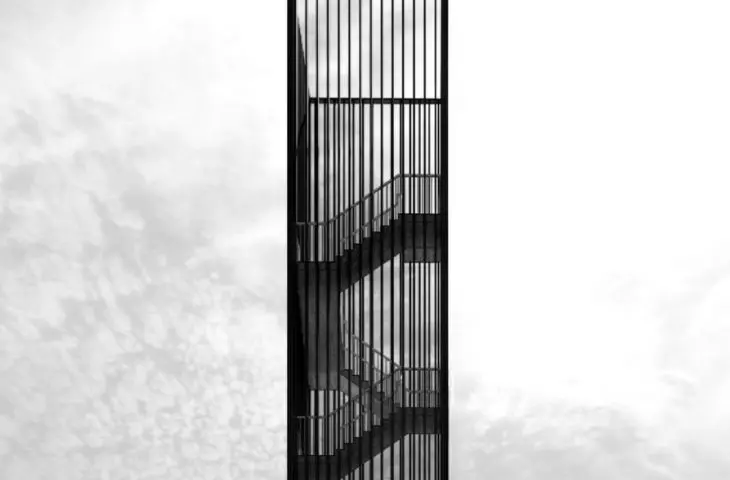
The tower-chimney alludes to the industrial buildings of the brickyard and provides a vantage point overlooking the Tri-City Landscape Park.
The whole builds a spatial narrative, in which each solid is a fragment of a larger story.
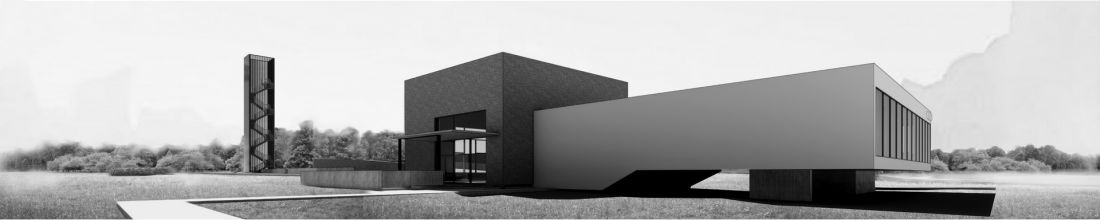
visualization
© Jakub Staszak
The dominant material is recycled brick, imported from various places in Europe, juxtaposed with concrete, steel and glass. The rawness of these materials emphasizes the sincerity and authenticity of the project, while at the same time inscribing the architecture in a dialogue with history and transience. These are materials that themselves become carriers of memory.
architecture without a single path
Instead of a set tour route, the project allows visitors to decide for themselves the direction and pace of exploration. It's a labyrinth of meaning without hierarchy, in which one can get lost to find one's own rhythm. The visitor chooses the order of the space, creates his own story - just like a reader of Huelle's novel interprets the unsaid fragments.
Jakub Staszak's work has been recognized and awarded the title of Diploma of the Year by SARP O/Wybrzeże, which confirms its high artistic and social value. It is not only an architectural project, but also a reflection on the role of space in the modern city and its importance in building a community.
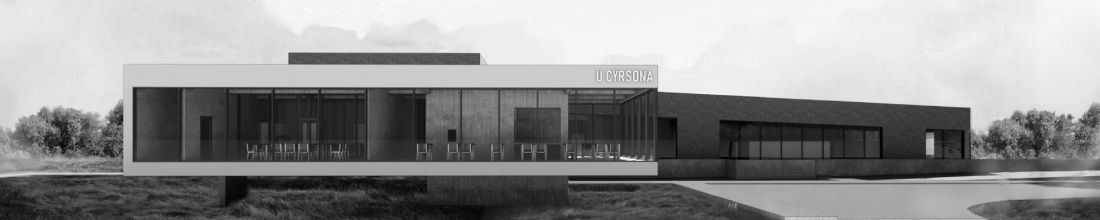
visualization
© Jakub Staszak
Jakub Staszak's diploma shows that architecture can be more than a functional object. It can become a medium of memory, a space for dialogue and a point of contact between literature and reality. Weiser's Brickworks, in his interpretation, is a place that opens up the possibility for the viewer to rediscover the city - through memories, imagination and personal experience.