




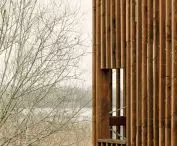
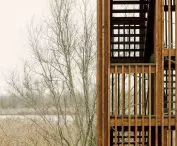
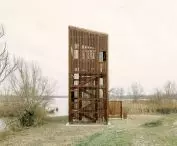
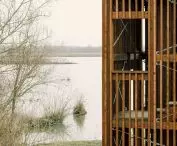



Brittleness is one of the less desirable characteristics of concrete, which is why some mixtures are enriched with additional ingredients to prevent cracks and cavities. However, there are architects who go a step further and design their buildings as "anti-brittle." But what does this actually mean? Przemek Ciępka talks with Zuzanna Kletschka, an architect who designs at FLO , a Milan-based studio, about the difficulties involved in setting up an architectural studio from scratch, urban planning in Italy and the meanderings of local regulations.
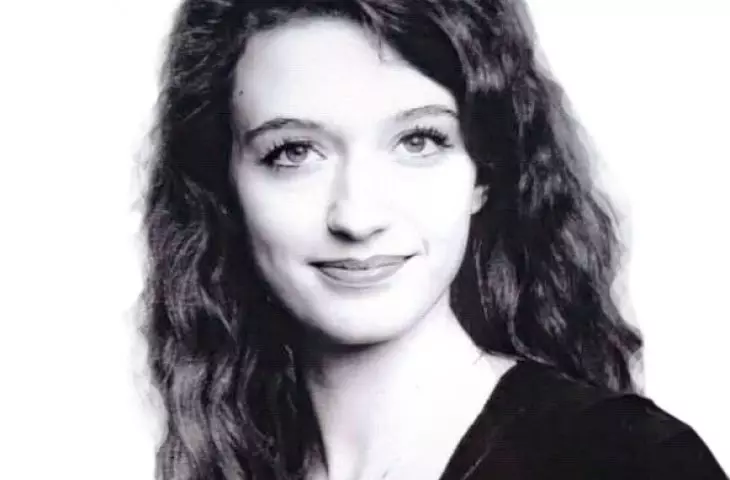
Zuzanna KLETSCHKA - a graduate of the Cracow University of Technology (Architecture major) and VIA University College in Denmark (Architectural Technology and Construction Management), has been living and working in Italy for more than four years. She is responsible not only for the implementation of architectural and urban planning projects, but also for coordinating one of the Milan offices. Winner of architectural awards, including a double award in the international City "Scape competition, and author of the project presented at the Venice Biennale, she combines her passion for architecture with her curiosity about the world. Her work focuses on creating comfortable and functional urban spaces that respond to users' needs. She is also the co-inventor of an innovative lighting product, currently in the patent phase.
Przemek Ciępka: You design for FLO studio based in Milan, but you are from Poland. How did you find yourself in Italy?
Zuzanna Kletschka: While I was still a student at the Faculty of Architecture at the Cracow University of Technology, I decided to go to Denmark. Initially it was an exchange within the framework of the Erasmus program, then in Denmark I did my engineering degree, and then decided to continue my education on a full degree program. Since the Danish program focused more on construction technology and project management than on architectural design itself, I decided to get a second diploma at the same time to broaden my competence and complete my architectural education. Most of the people I met there were not from Denmark, but just from Italy, and they instilled in me the spirit of Italian openness and joie de vivre. For my next student exchange, I chose Milan. Unfortunately, it was held mostly online due to the pandemic, so I didn't get a chance to experience Italian culture and daily life the way I imagined.
After Erasmus, I returned to Poland for a few months to defend my thesis, but then, feeling unsatisfied, I decided to take a job in Italy. I came across an ad for the FLO studio, founded before Davide Felloni, sent my application and after just three days received a reply. At first I wasn't fully convinced by the prospect of working in Bologna, since that was the city the offer was for. However, I thought it was a good place to start, because in a smaller town it was easier to find myself, integrate with the locals and learn the language.
After five months, my employer decided to open a new branch of the studio in Milan. I received an offer to participate in this venture. That was in early 2022 - I went there alone, initially sharing the only desk with my employer. However, we were both driven by a huge appetite for growth and ambitious goals. We are zodiac lions - maybe that's why! After less than four years, we form a 12-person multidisciplinary team in a studio in the heart of Milan.
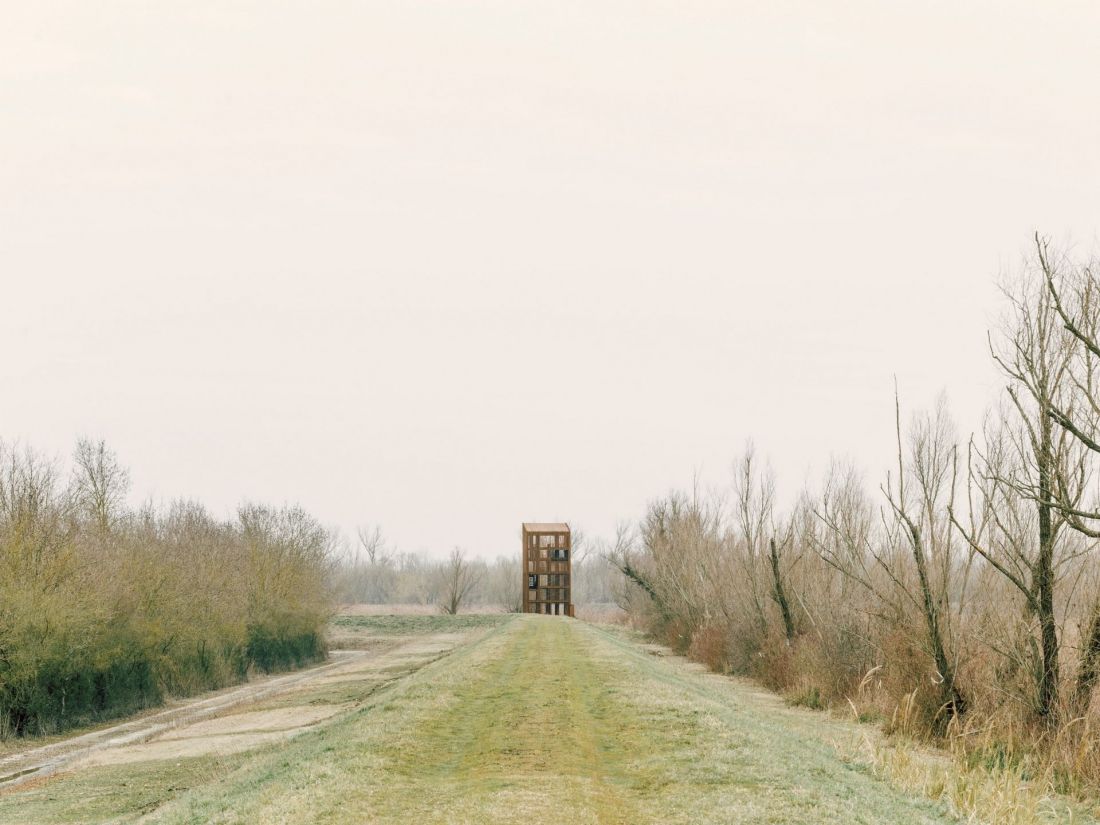
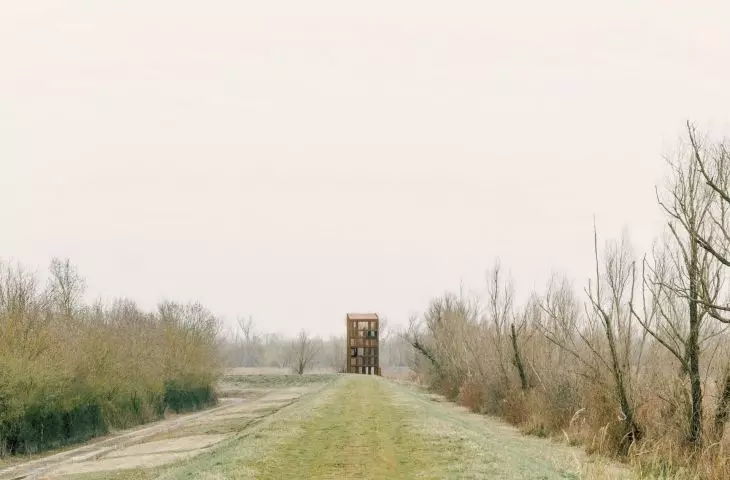
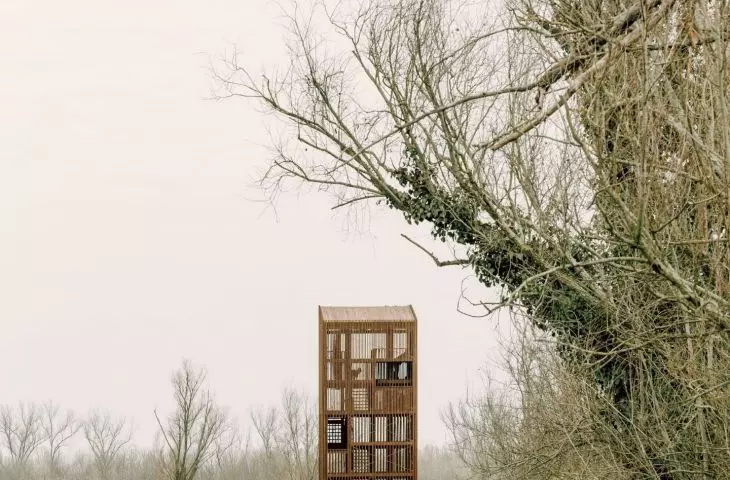
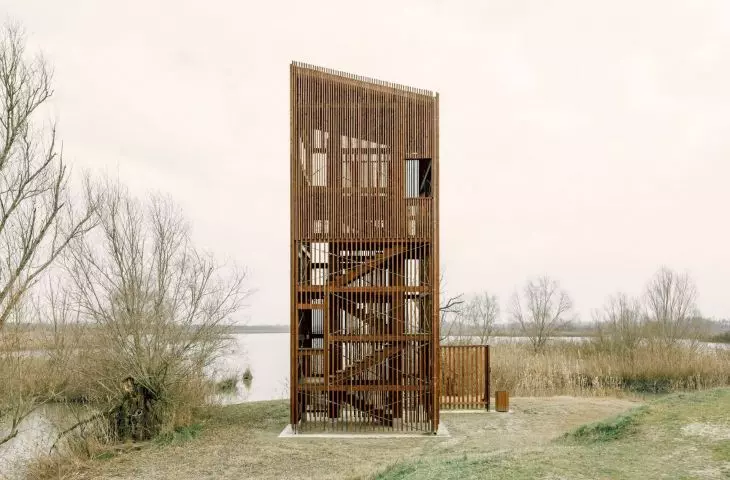
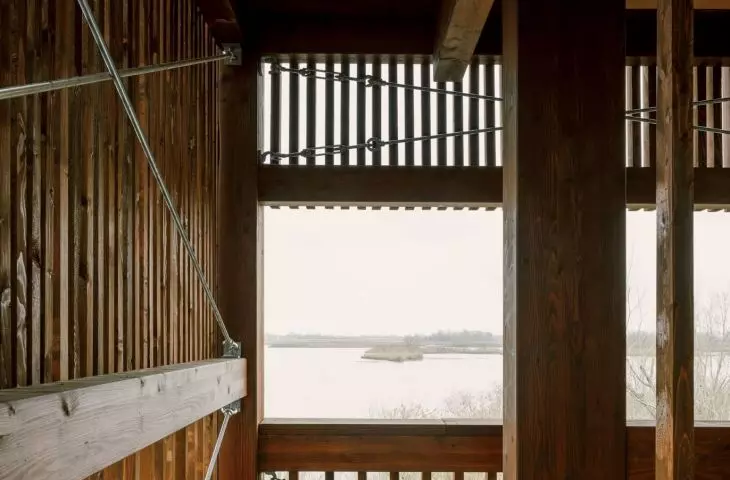
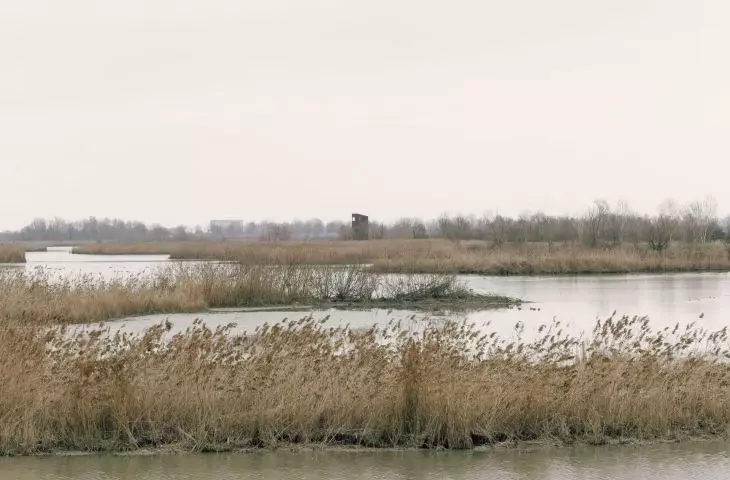
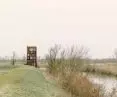
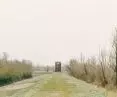
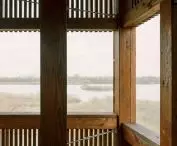
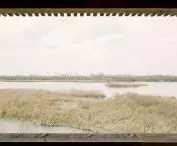
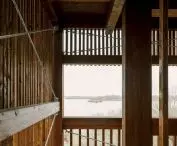
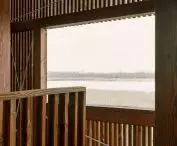
An observation tower in the town of Argenta, Italy
photo: Nicolo Panzeri proj.: FLO
Przemek Ciępka: Did you build this unit from scratch?
Susanna Kletschka: Yes, we built this branch from scratch. This experience brought me great satisfaction - together with the team we went through ups and difficult moments, learning every day. Thanks to this, I fully appreciate all young professionals, entrepreneurs and architects who are starting their journey from scratch - I have experienced this myself and I fully understand the challenges and determination that such a start requires.
Przemek Ciępka: What were the biggest challenges you encountered while forming your new team?
Zuzanna Kletschka: When we arrived in Milan, we didn't know anyone. Age didn't help either - I came to this city at 24 years old. I talked to architects and investors aged 50-60, mostly men. Of course, language was also a barrier in the beginning, which fortunately I no longer have a problem with today. At first it was difficult to find partners - not only designers, but also people related to the activities of our studio, who would decide to trust such a young team. Davide gave me a lot of trust, gave me a free hand, saying: try, learn from mistakes, only in this way you can really develop.
Looking back, at that moment we never imagined that our work would result in such great achievements - we would be selected to represent Pavilion Italia at this year's Venice Architecture Biennale and the Pisa Architecture Biennale. Today you can see the results of our efforts, and our activities are increasingly attracting attention and gaining recognition in the architectural community.
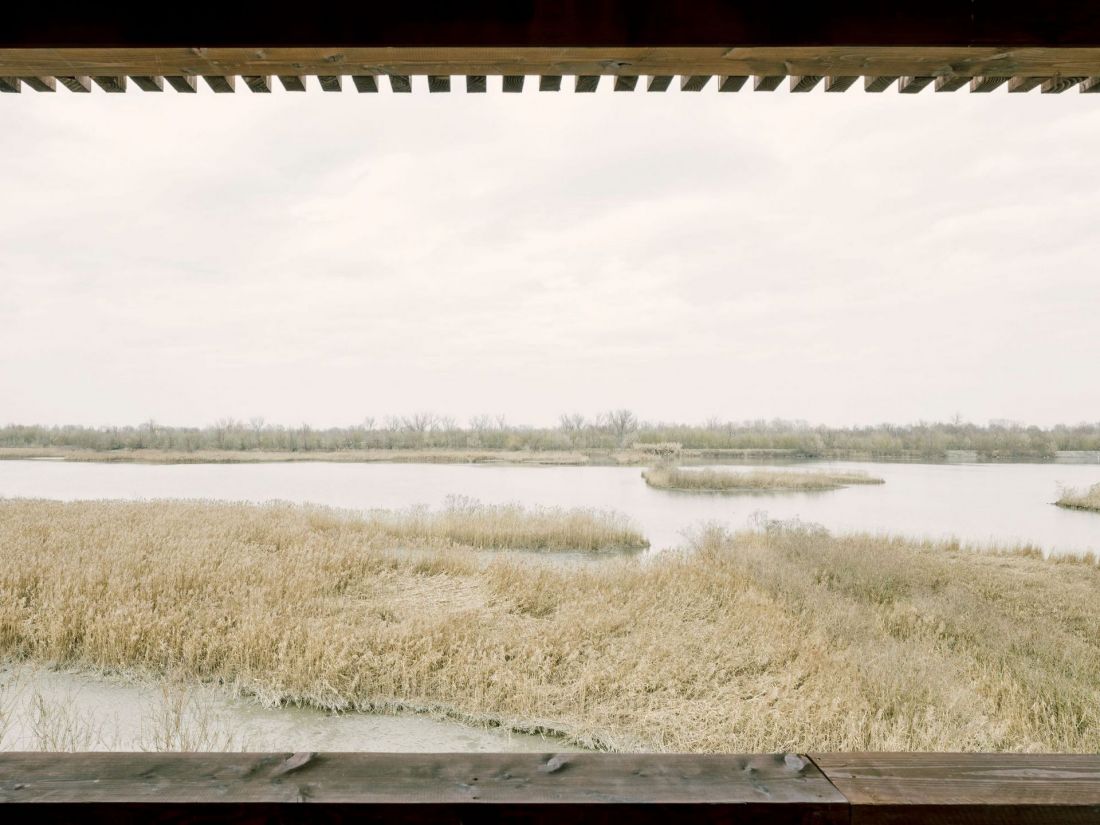
An observation tower in the town of Argenta, Italy
photo: Nicolo Panzeri proj.: FLO
Przemek Ciępka: Do you employ only architects, or are there representatives of other disciplines in your team as well ?
Susanna Kletschka: Our team consists of 12 people, plus external consultants. Studio FLO employs not only architects, but also urban planners, planners or graphic designers. We don't like to define ourselves as an architectural studio, we are an interdisciplinary office. Our work goes beyond designing buildings - we also design public spaces, urban planning and outdoor lighting systems. We recently applied for a patent for an innovative lighting system, of which I am a co-inventor. This system aims to improve the quality of urban spaces and introduce more resident-friendly solutions in the public environment. In my work, I combine design responsibilities with managing the development of the company, also engaging in strategic and entrepreneurial aspects of FLO.
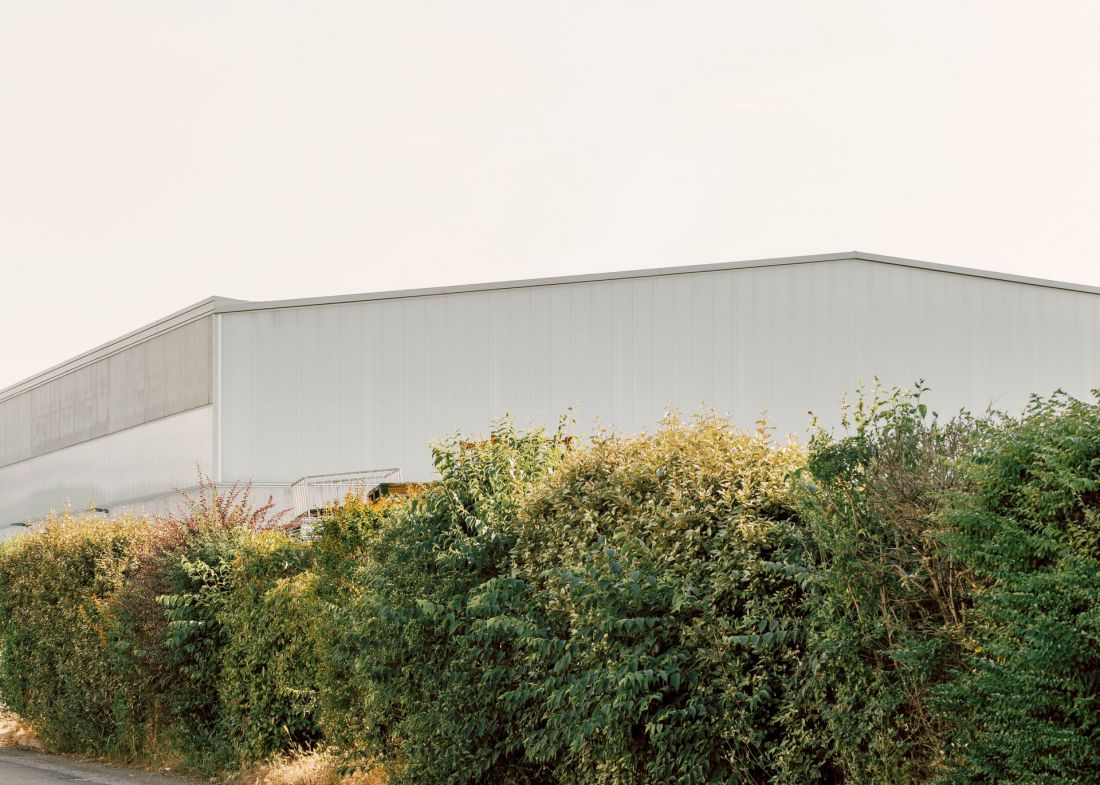
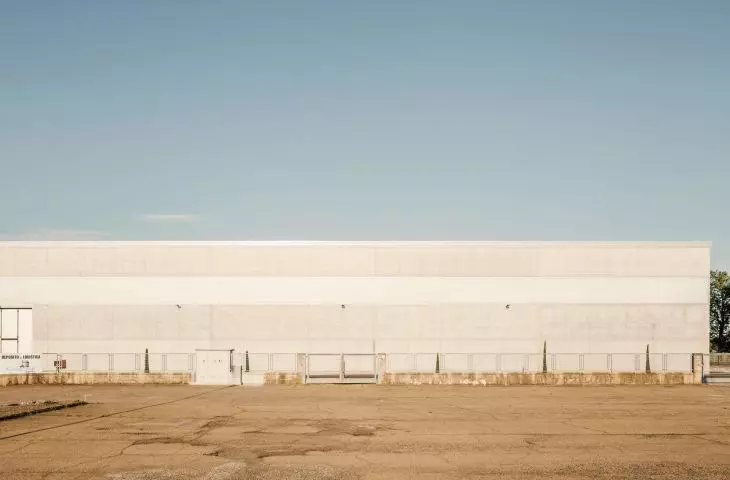
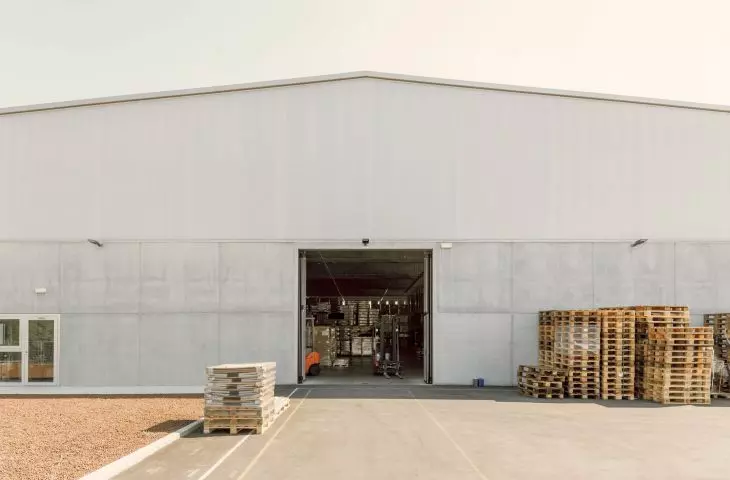
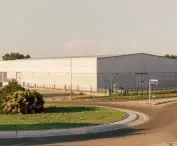
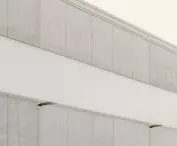
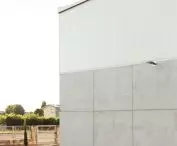
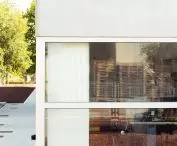
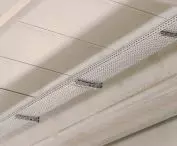
Land Hub in Finale Emilia, Italy
photo: Nicolo Panzeri proj.: FLO
Przemek Ciępka: Is it profitable to work as an architect in Italy?
Susanna Kletschka: When the conversation comes down to the topic of earnings, the question is often asked: why didn't you stay in Denmark? That is where many Italian architects go. Of course, in Italy you can also achieve a lot in the architectural profession, but for me the most important things are the peace and quiet and the opportunities for development that the place offers. Northern Italy is very different from the established stereotypes - people are motivated, punctual and organized, and the working atmosphere is conducive to efficiency and professionalism.
Przemek Ciępka: In Poland, the activities of architects are strongly animated by associations and institutions, including SARP and the Chamber of Architects of Poland. Do similar structures operate in Italy?
Zuzanna Kletschka: In Italy it looks similar to Poland. We have an Italian equivalent of the Chamber of Architects. Various entities organize a large number of events of an architectural nature. However, I am not limited to the architectural community - I actively seek a variety of opportunities and perspectives that allow me to develop my curiosity, skills and professional potential.
An observation tower in the town of Argenta, Italy
photo: Nicolo Panzeri proj.: FLO
Przemek Ciępka: What aspects are paid attention to in urban planning in Italy?
Zuzanna Kletschka: I've been designing in Italy since the beginning of my professional career, so I don't have a direct comparison. Here, a lot of emphasis is placed on adapting existing buildings and improving the quality of public spaces. While other countries, including Poland, are building more and more, in Italy they invest in what is already there. Of course, we associate Italy with historic architecture, but it is not the only one I have in mind here. Even industrial or warehouse buildings here are subject to investment, renovation or expansion. We erect very few new buildings.
The differences are not only in urban planning, but also in architecture and interior design, and are largely due to different cultures and mentalities. In Poland, interiors are often renovated and aesthetically decorated, as guests are invited into homes. In Italy, buildings and apartments tend to be less transformed, and resources are more often spent on shared experiences, such as dinners, outings or other social activities, rather than renovations. For Italians, it is more important to share moments and be together than to focus solely on looks or appearances.
An observation tower in the town of Argenta, Italy
photo: Nicolo Panzeri proj.: FLO
Przemek Ciępka: And what are the most important trends in the design of public spaces in Italy?
Susanna Kletschka: In our studio, we attach great importance to enriching public spaces with greenery, which is often lacking in historic Italian cities. It is also important to us to ensure the comfort of users, including by using permeable paving and creating shaded areas where one can relax even during the greatest heat. In Italy, urban infrastructure elements such as seating areas and functional furnishings are often lacking, so we design so that people want to stay in them, not just traverse them.
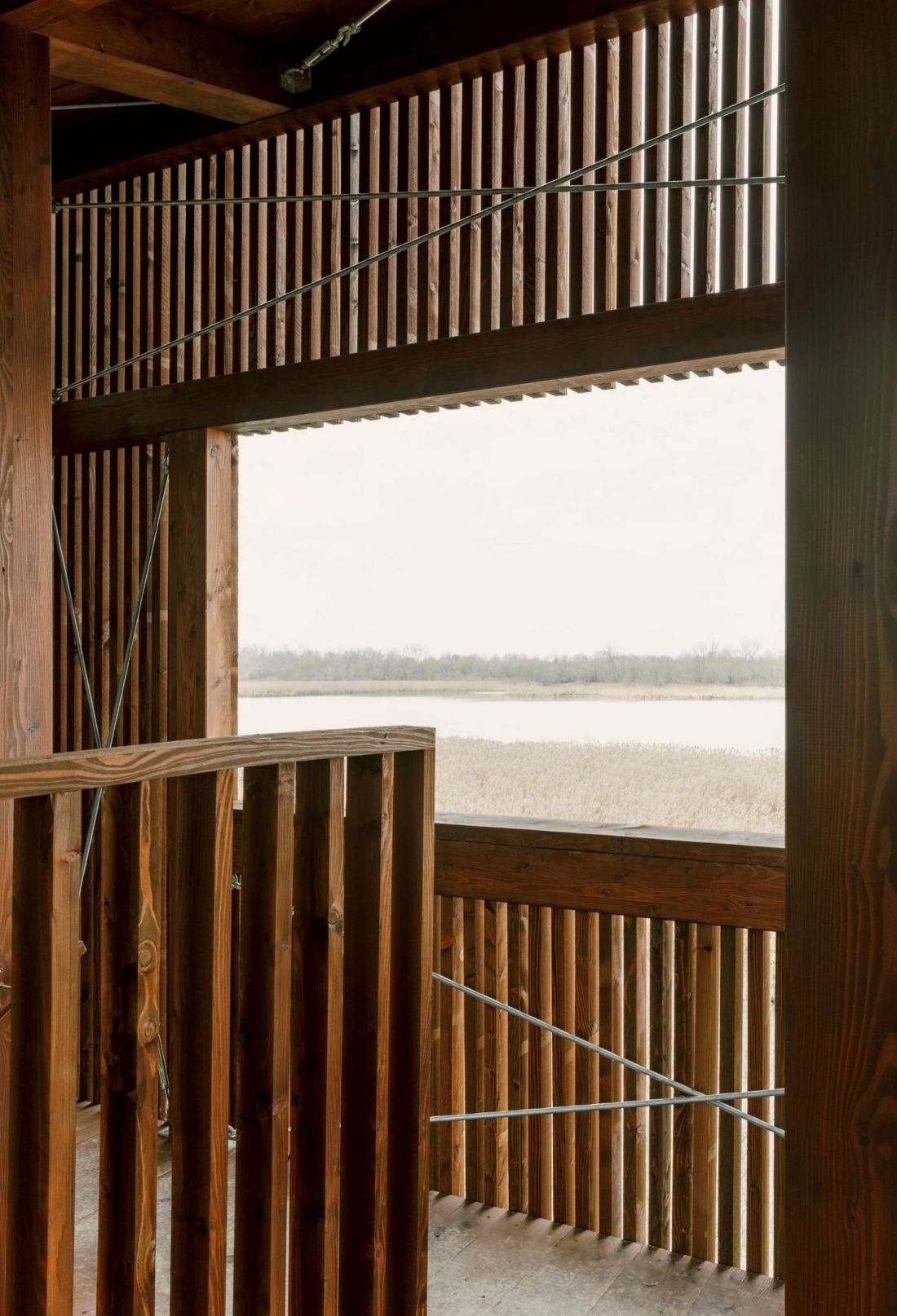
An observation tower in the town of Argenta, Italy
photo: Nicolo Panzeri proj.: FLO
Przemek Ciępka: A significant part of Italian cities are places with a long history and historic architecture. For many years, in Polish cities, attempts at greening were met with reluctance from services and conservation circles. Is it similar in Italy?
Zuzanna Kletschka: It all depends on the building law in force. Of course, there is a state-wide law regulating architecture and urban planning, but Italy is divided into regions and municipalities, each with its own set of specific guidelines. The differences between areas can be significant, so when working in different regions I often have to re-learn local regulations. Given the "length" of the country and its geographic diversity, this arrangement is perfectly reasonable.
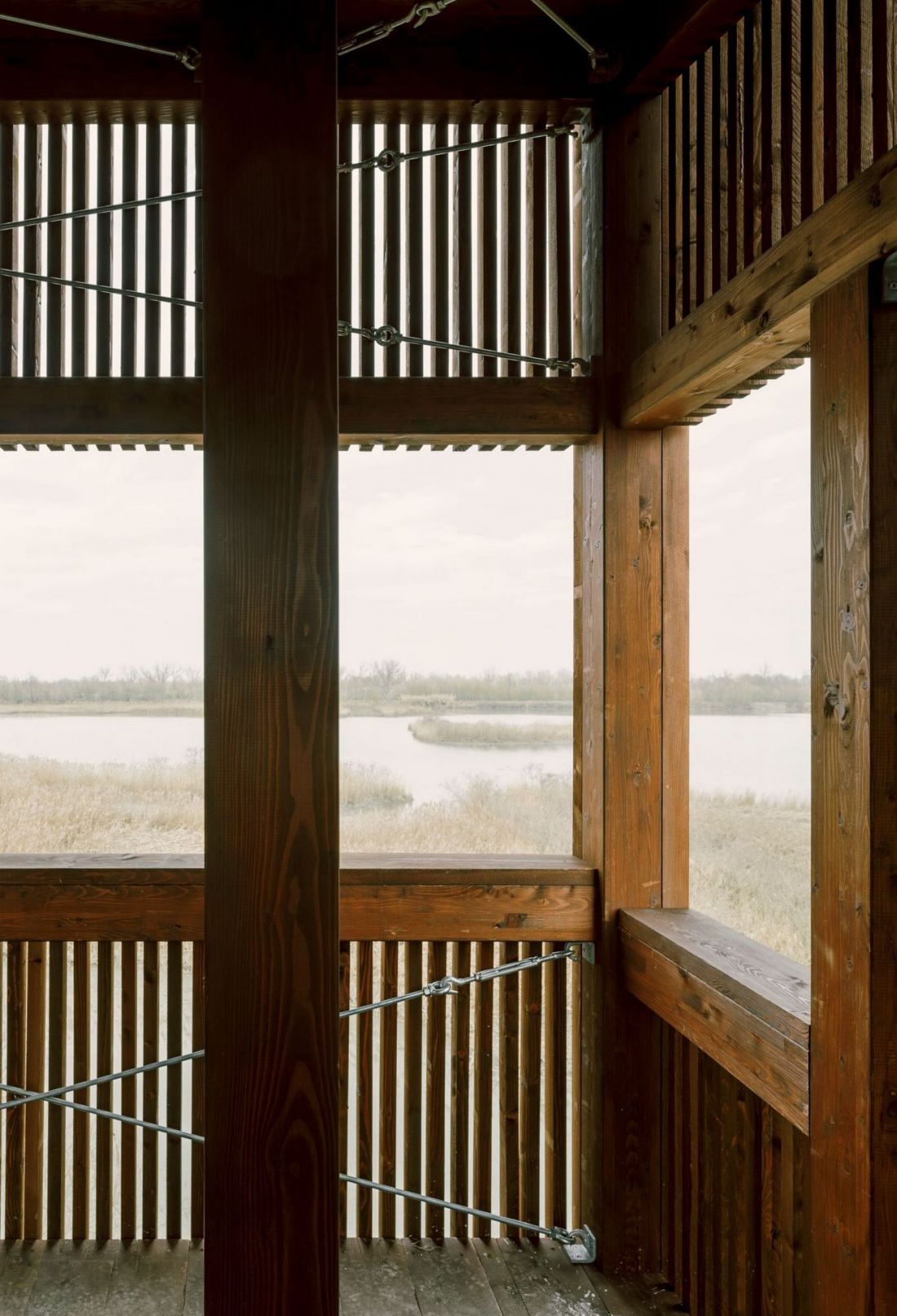
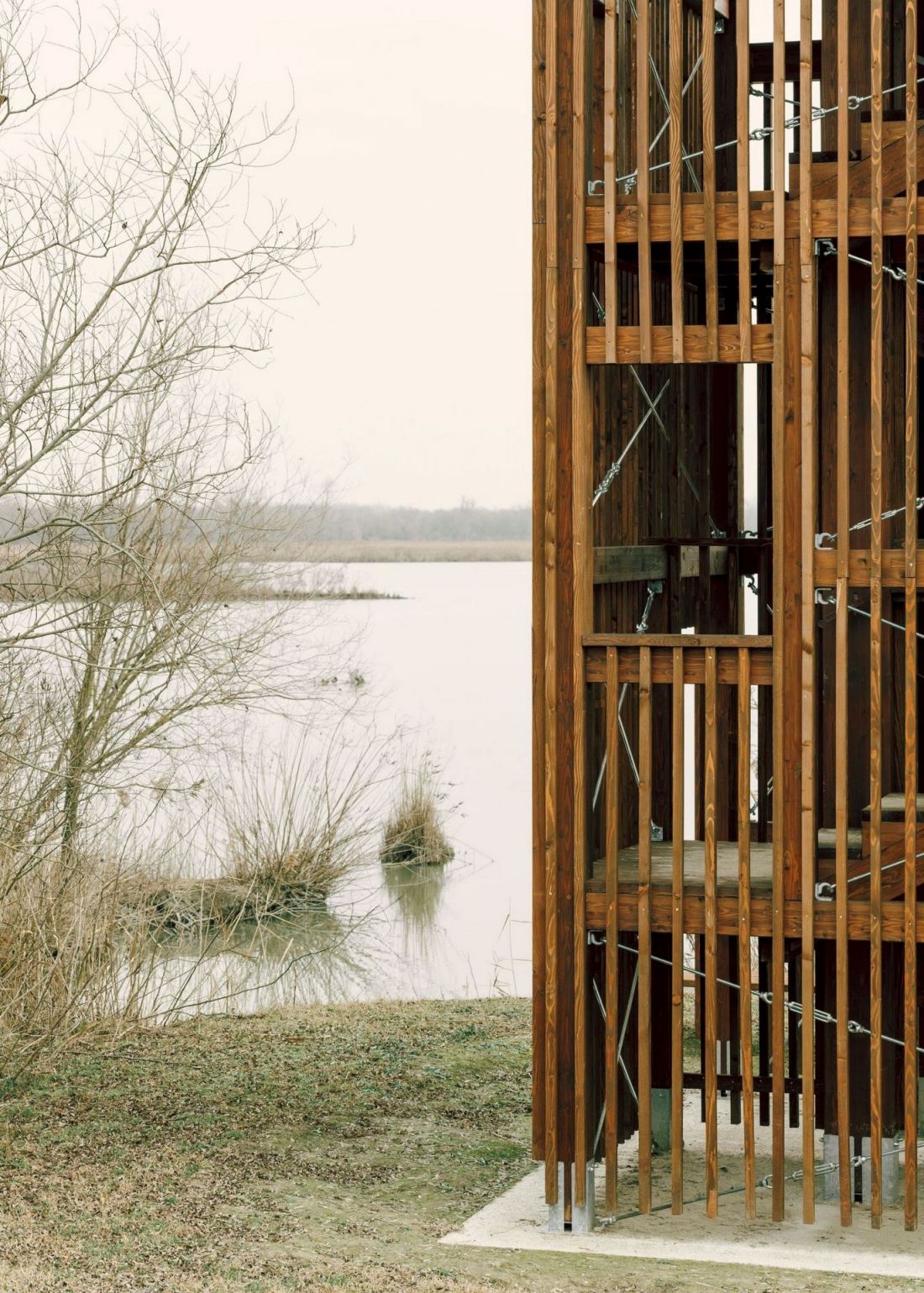
An observation tower in the town of Argenta, Italy
photo: Nicolo Panzeri proj.: FLO
Przemek Ciępka: You work for the Italian design studio FLO. What is your design philosophy?
Susanna Kletschka: At FLO studio, we try to apply the philosophy of anti-fragility, whose creator is Lebanese economist and philosopher Nassim Nicholas Taleb. Our projects are not so much resilient, but precisely antifragile - they can not only survive in the face of challenges, but should grow under them, generating functional, environmental, cultural and social value. FLO was created during a period of dynamic change, both climatic and social, which creates opportunities to experiment with new design approaches - from modifying established systems to shaping new user behavior. In our design of public spaces, this means creating places that are flexible and adaptive, resilient to the effects of climate change, while promoting health, comfort and active spending by users. We view innovation as a constant form of experimentation, and see critical challenges - both technological and social - as opportunities to create valuable solutions.
An observation tower in the town of Argenta, Italy
photo: Nicolo Panzeri proj.: FLO
Przemek Ciępka: At FLO, you designed an observation tower near the Ferrara town of Argenta. Observation towers, although loved by tourists, are often seen as structures that disrupt the beauty of the natural landscape. Did you consider such a perspective in your project?
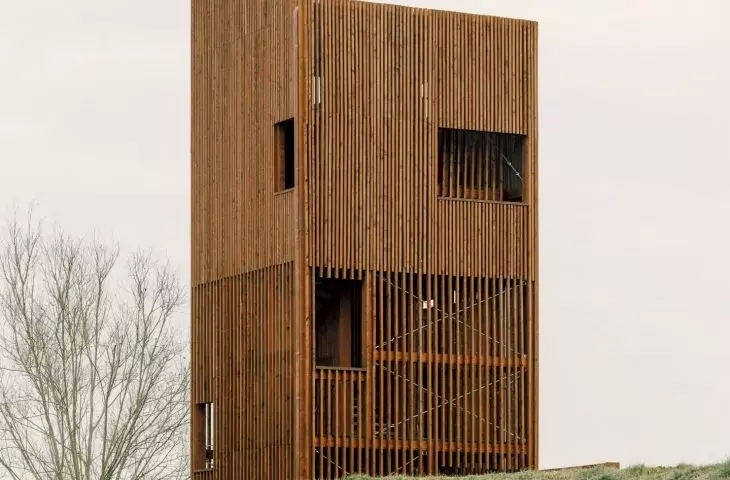
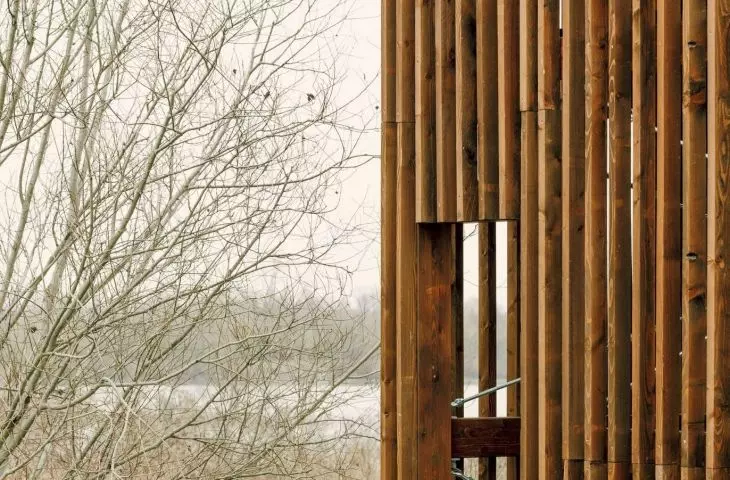
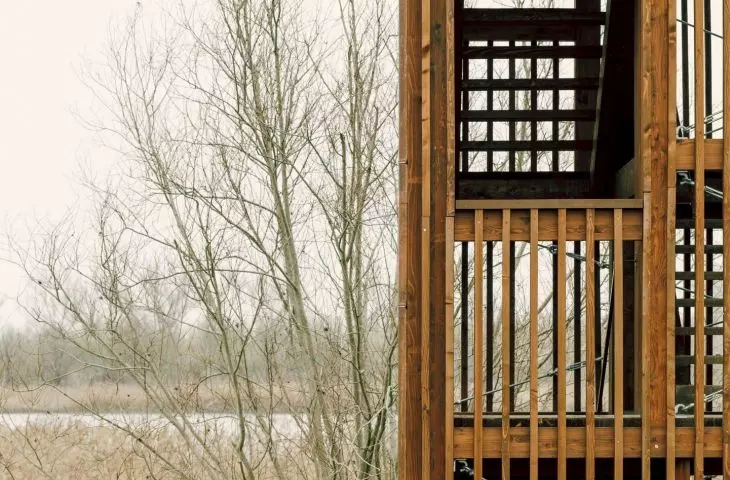
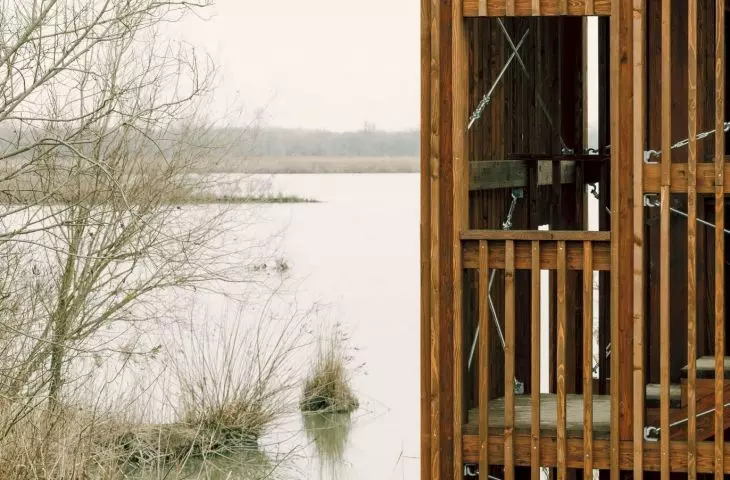
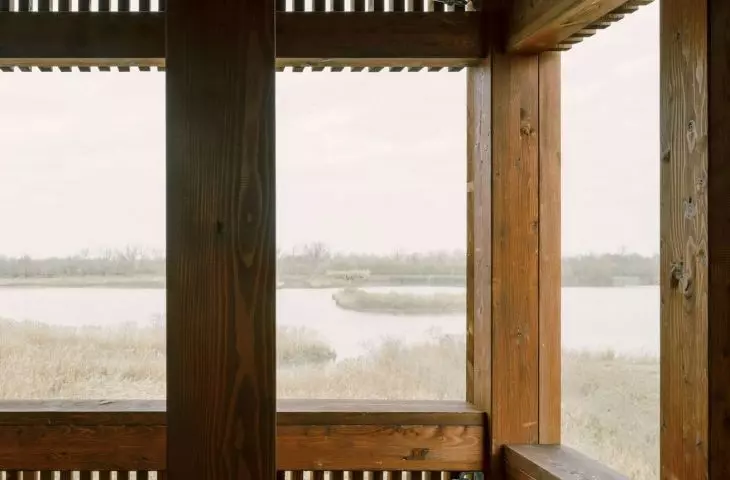
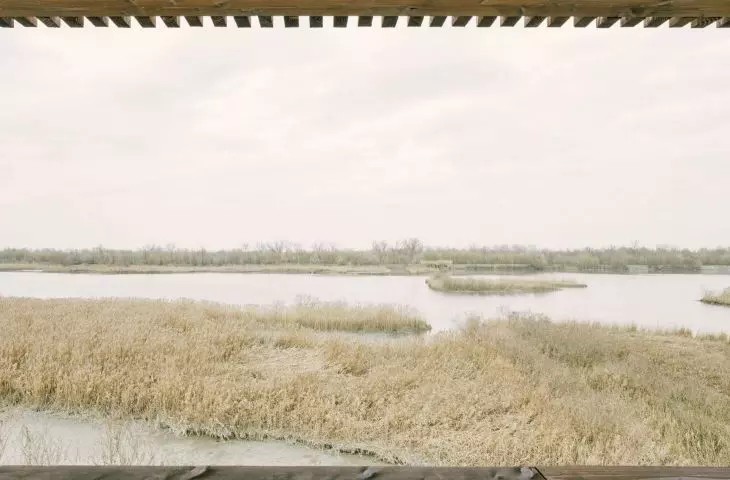
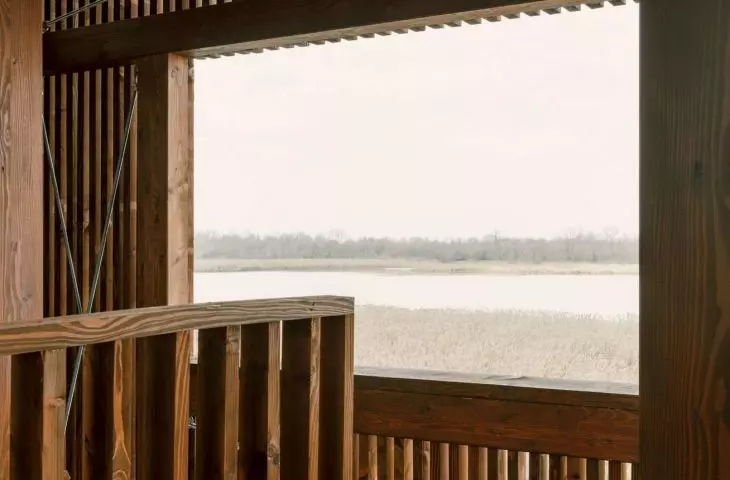
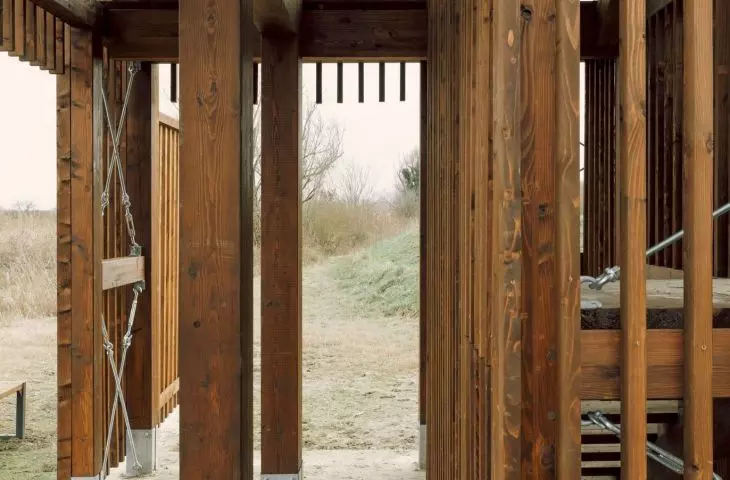
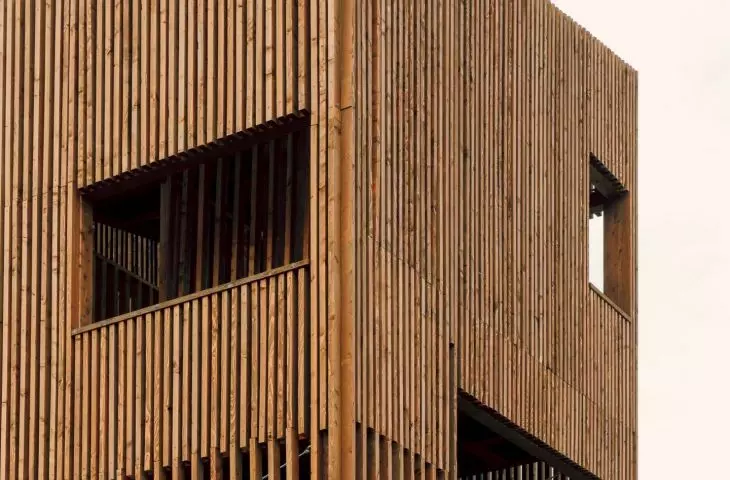
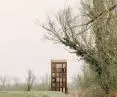
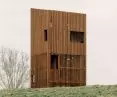
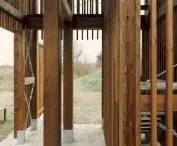
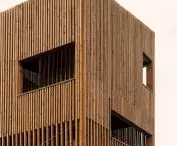
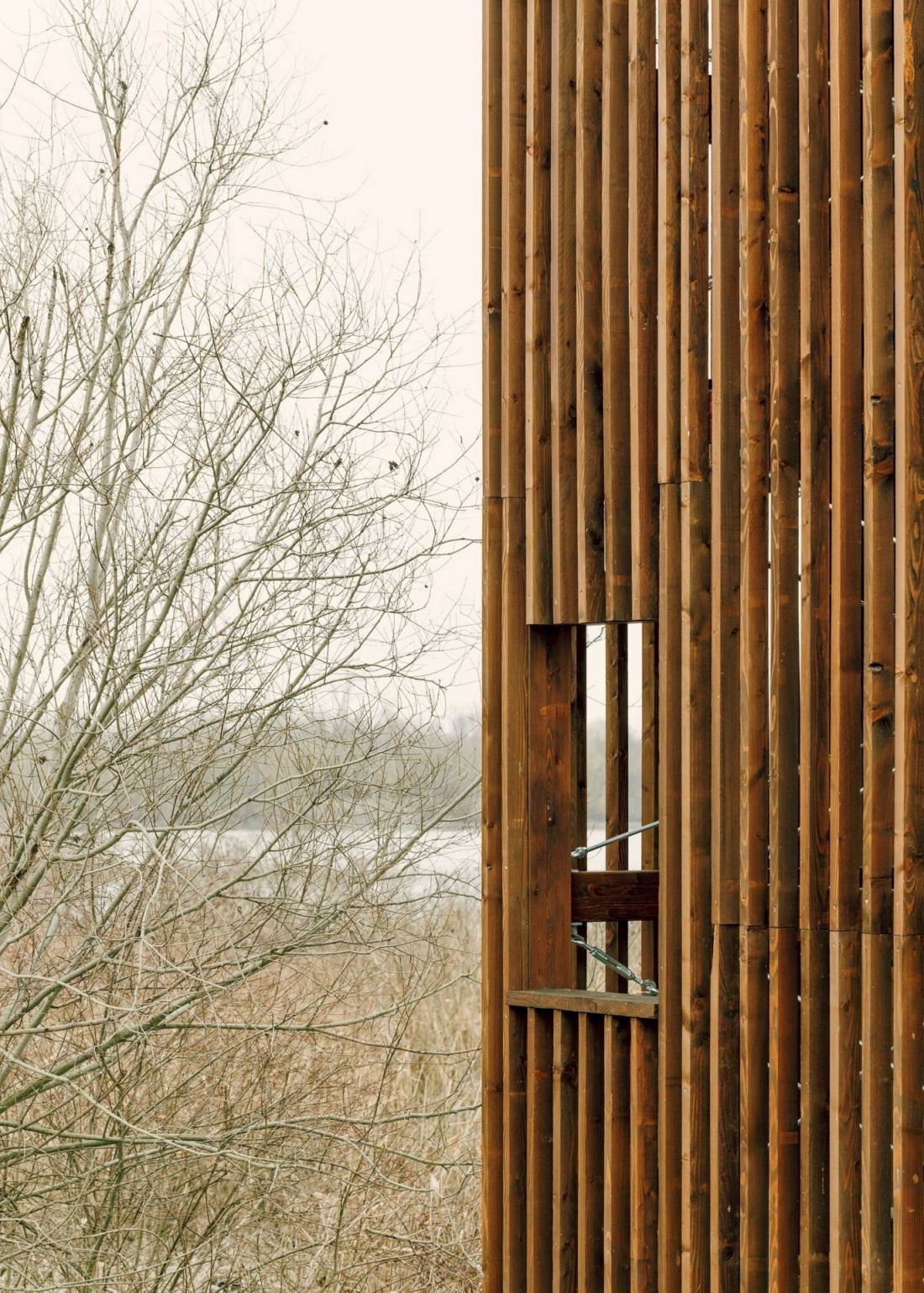
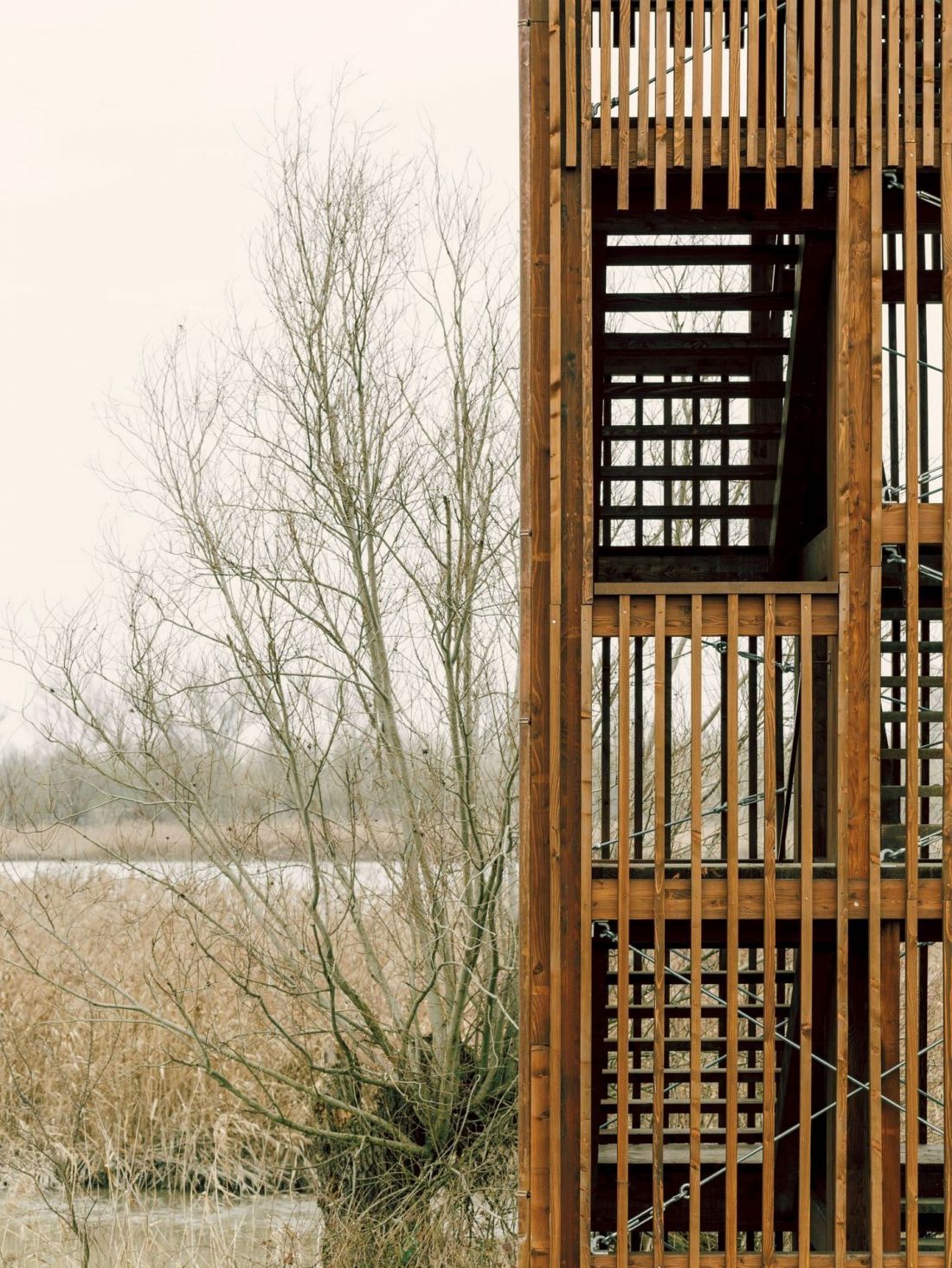
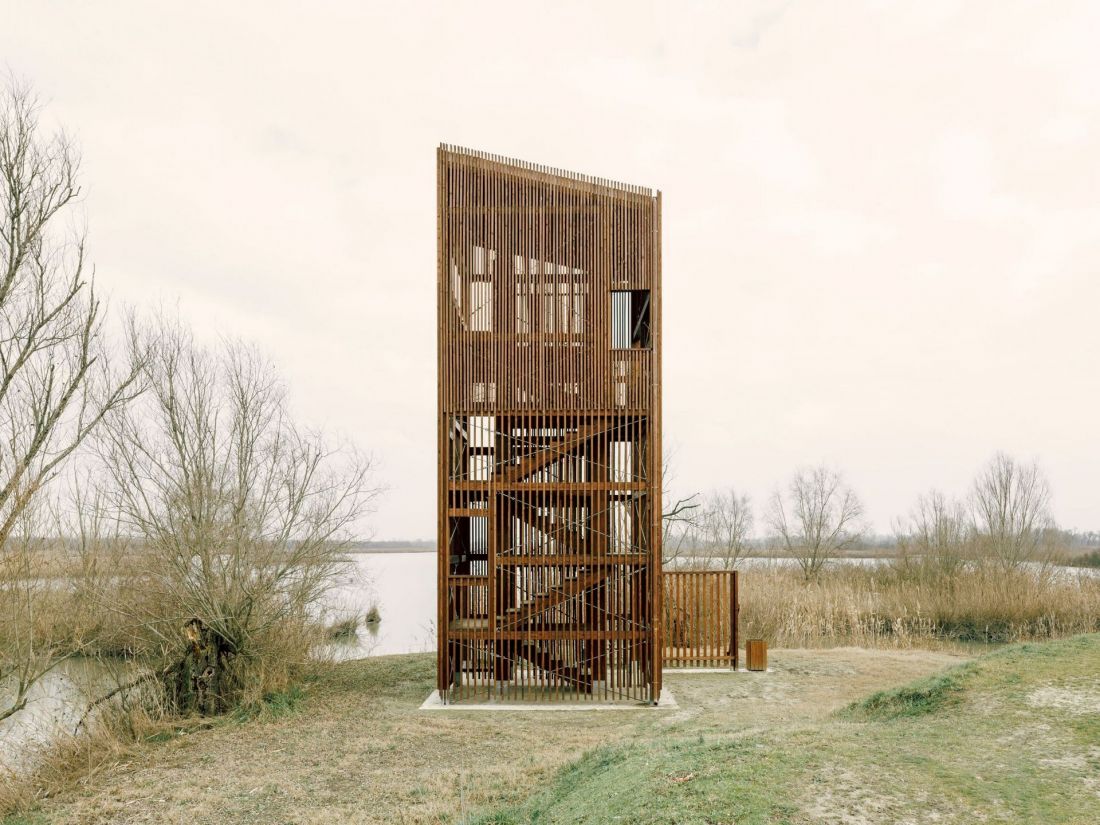
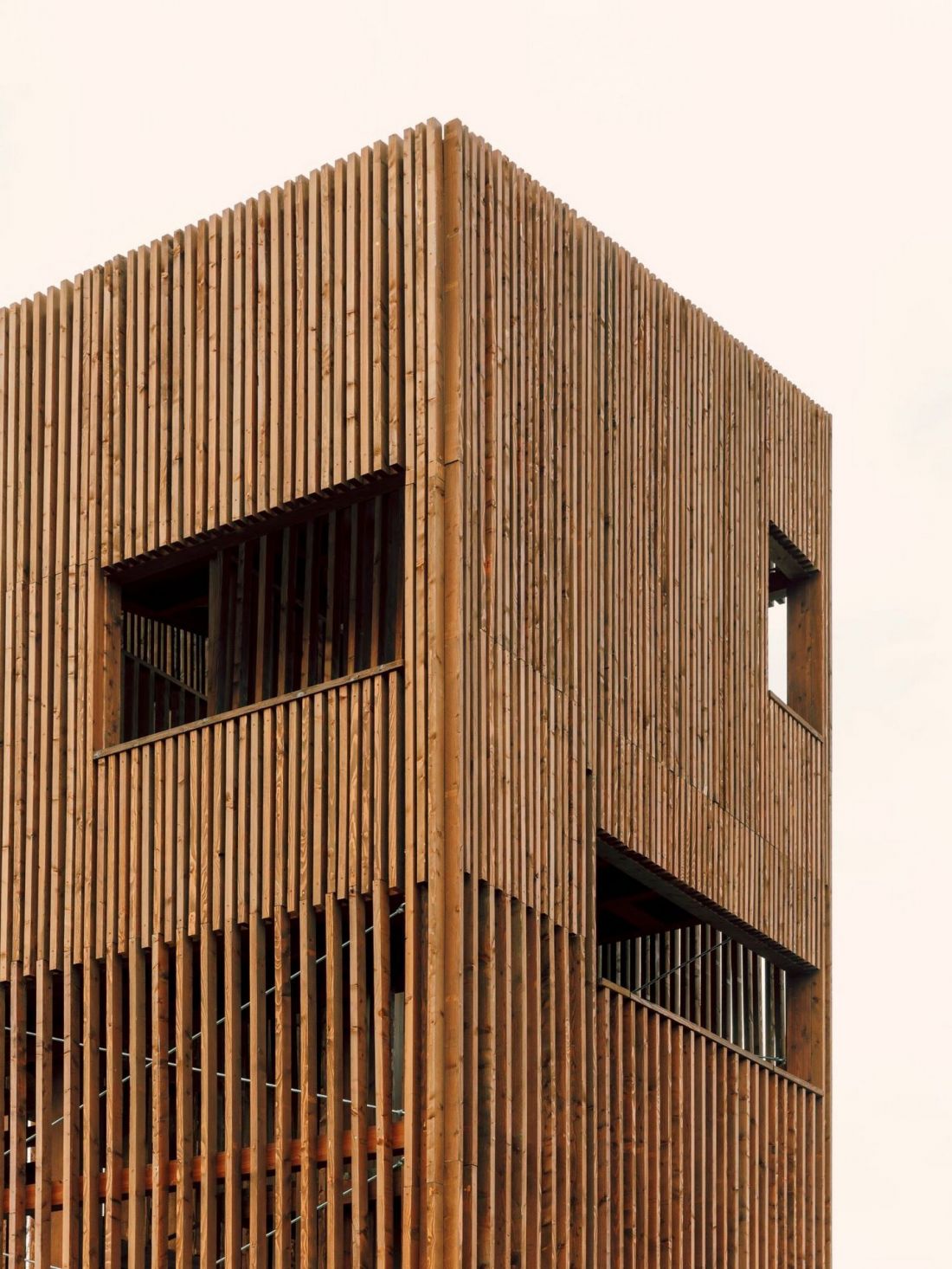
Zuzanna Kletschka: Previously, another tower already existed at this location, but its condition did not allow for further use. So we designed a new structure that fits harmoniously into the Vallesanta Valley landscape, highlighting its qualities. The tower, made of larch wood with metal fasteners, has carefully placed viewing openings that create thoughtful landscape frames, directing users' gaze to the most beautiful parts of the surroundings, with minimal impact on the ecosystem. There are even comments that it is extremely photogenic.
Przemek Ciępka: In addition to facilitating landscape observation, does the Vallesanta Valley tower perform any other function?
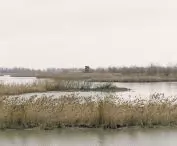
Zuzanna Kletschka: The AL.BA.CO nature and culture bike path runs near the tower. Situated in a wetland with high environmental values, the tower allows viewing the rich vegetation and numerous bird species from higher levels of the structure, without interfering with the delicate ecosystem.
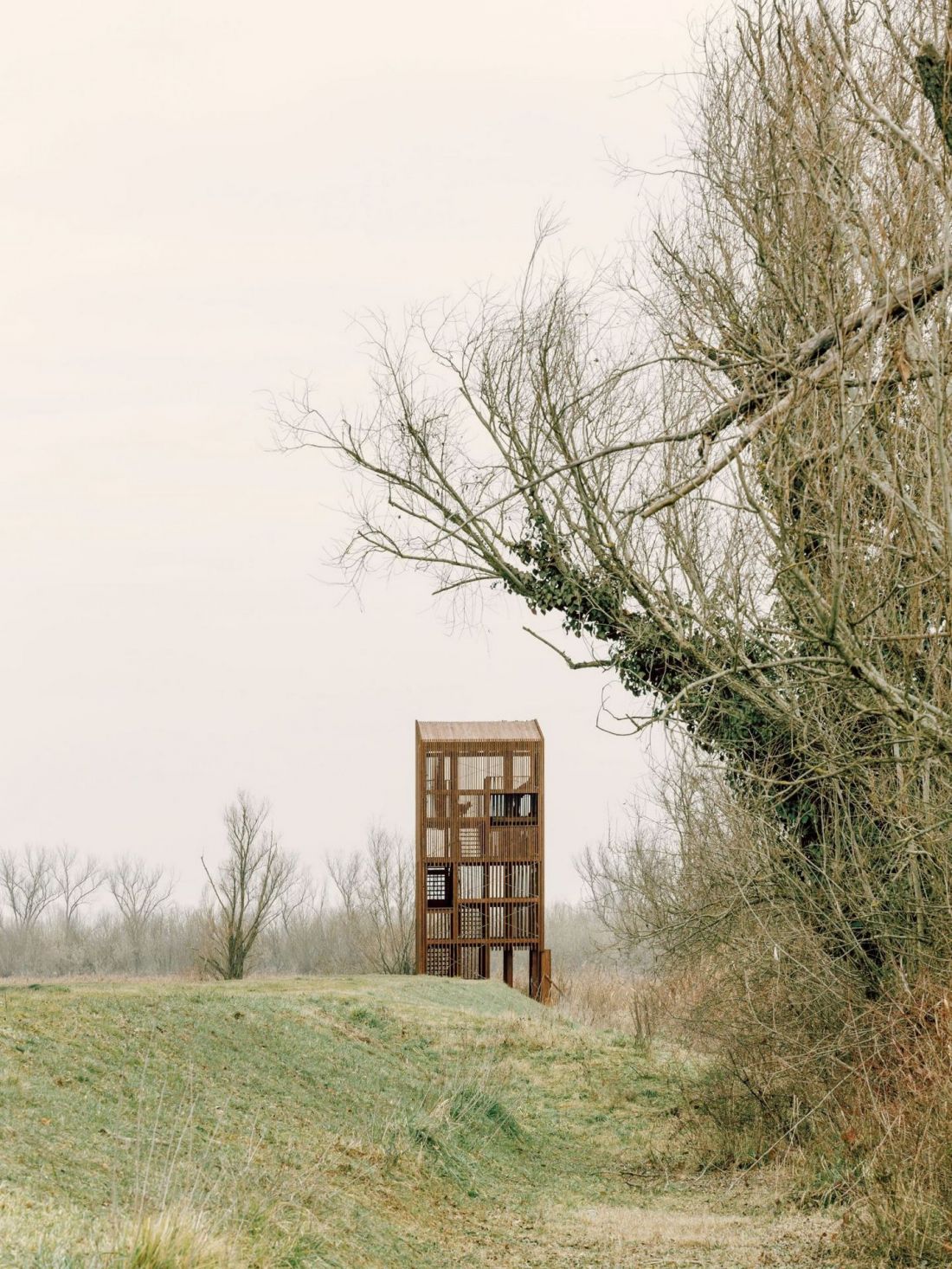
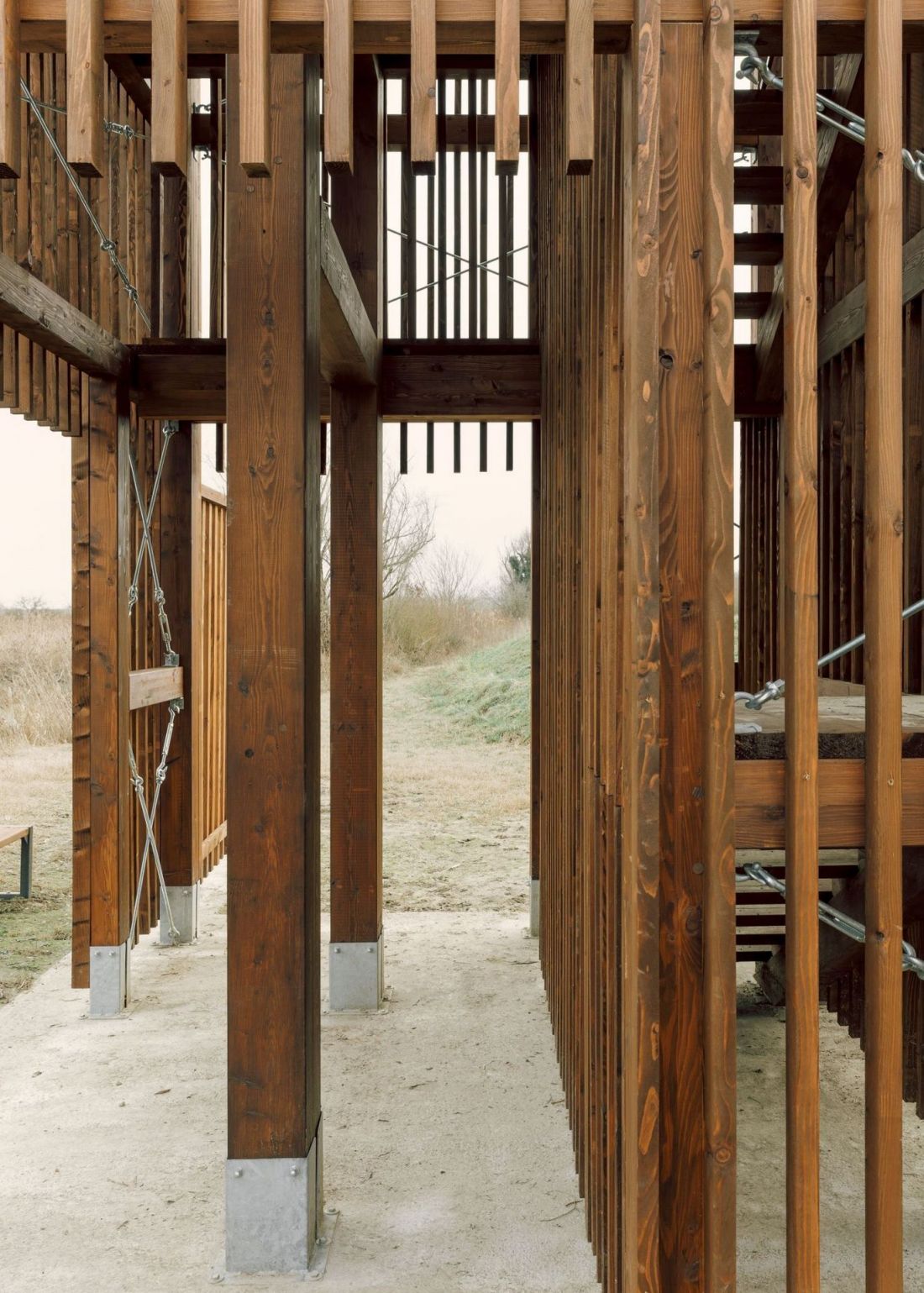
An observation tower in the village of Argenta, Italy
photo: Nicolo Panzeri proj.: FLO
Przemek Ciępka: This building was constructed using wood. Is this a material often used in this country?
Susanna Kletschka: Wood is increasingly appearing in Italian construction, although it is still not the dominant material. It is used in both residential and public buildings, mainly because of its sustainable nature, good structural properties and low carbon footprint. It's a material that requires a high level of design awareness and proper certifications, but its role is steadily growing, especially in northern regions such as Lombardy, Trentino-Alto Adige and Veneto.
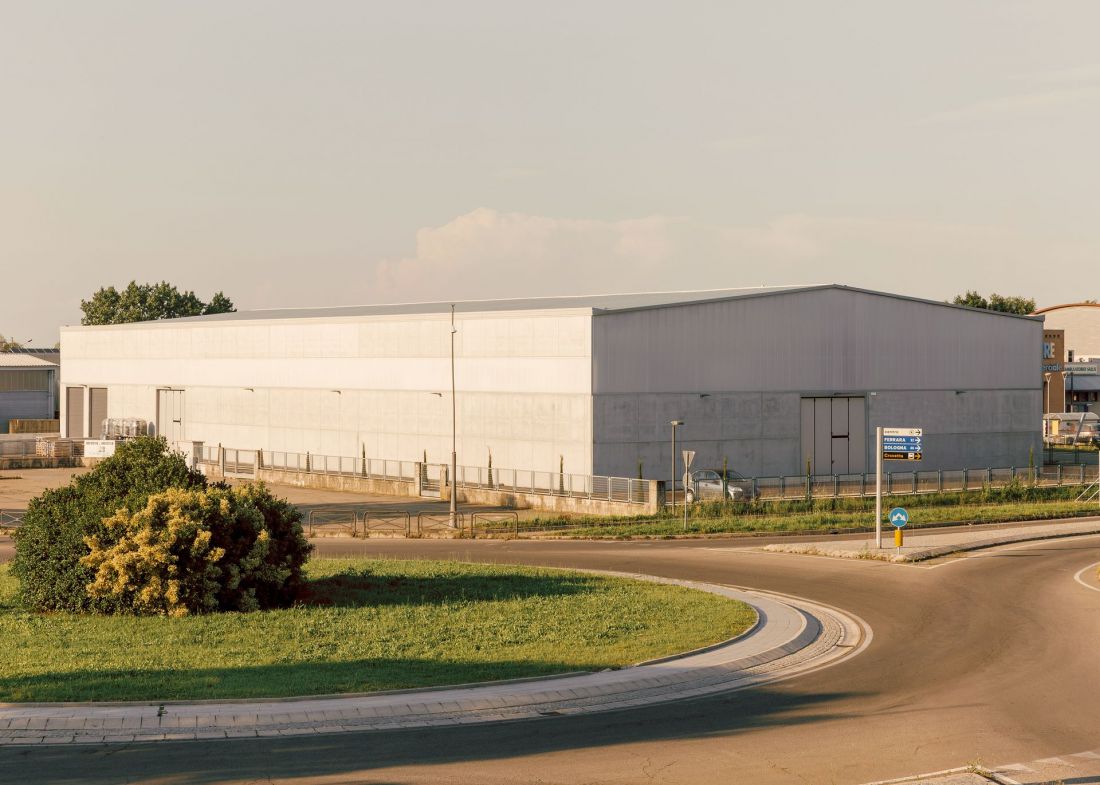
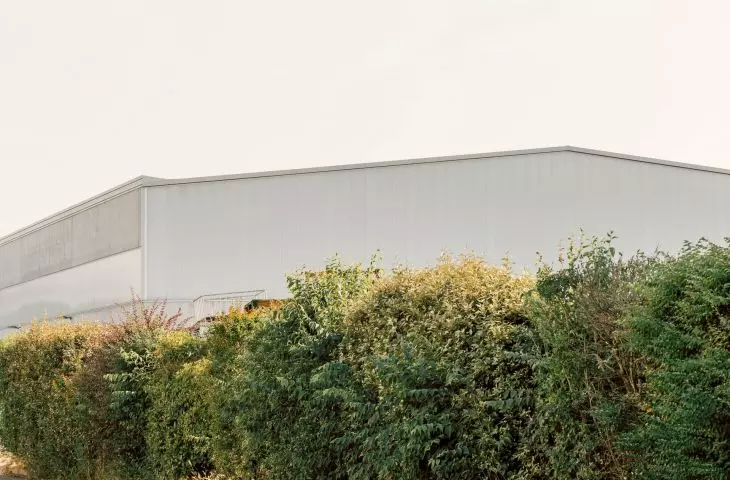
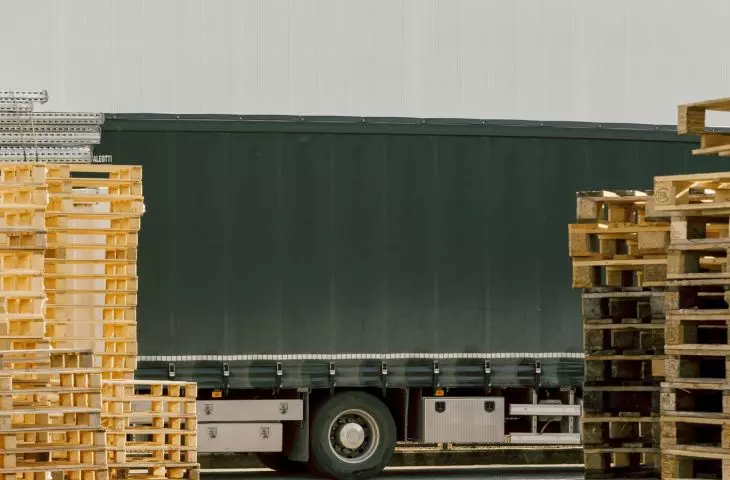
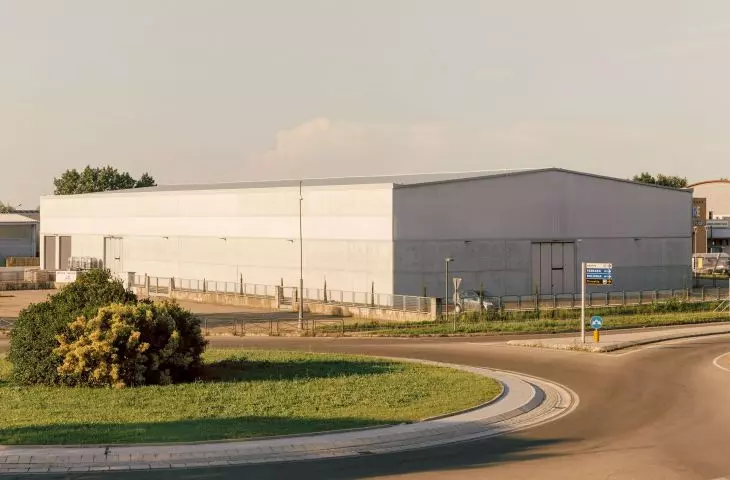
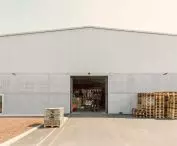
Land Hub in Finale Emilia, Italy
photo: Nicolo Panzeri proj.: FLO
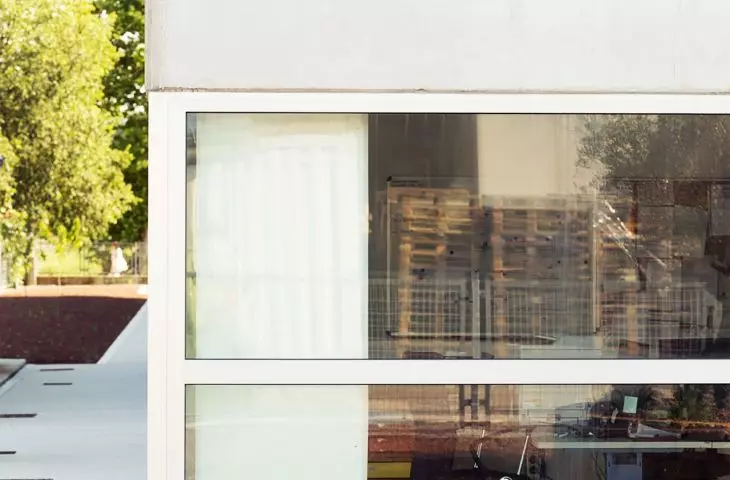
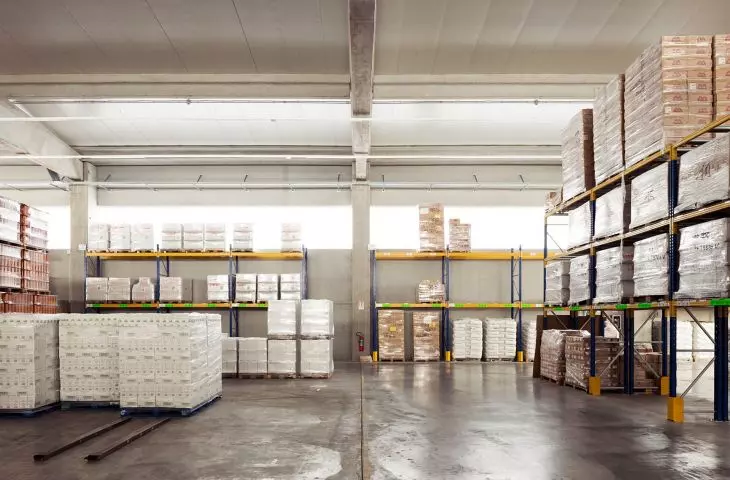
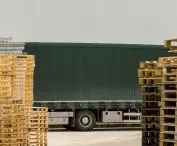
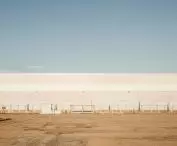
Przemek Ciępka: You mentioned earlier that in Italy even old warehouse and production halls are being remodeled. You carried out one such project in Finale Emilia. What did this modernization consist of?
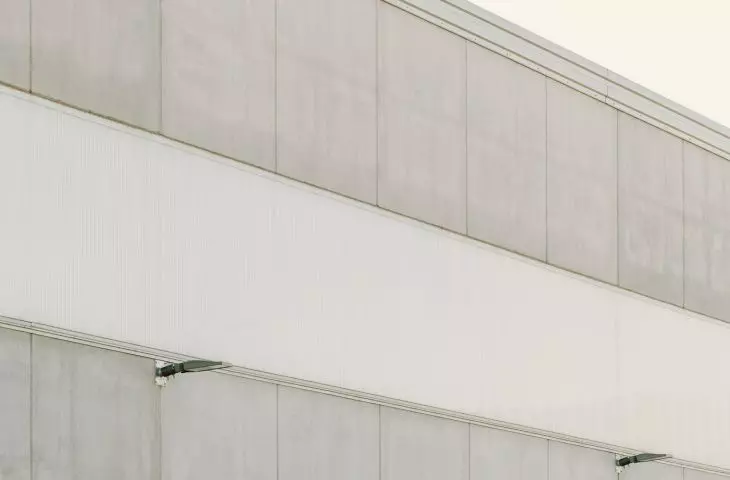
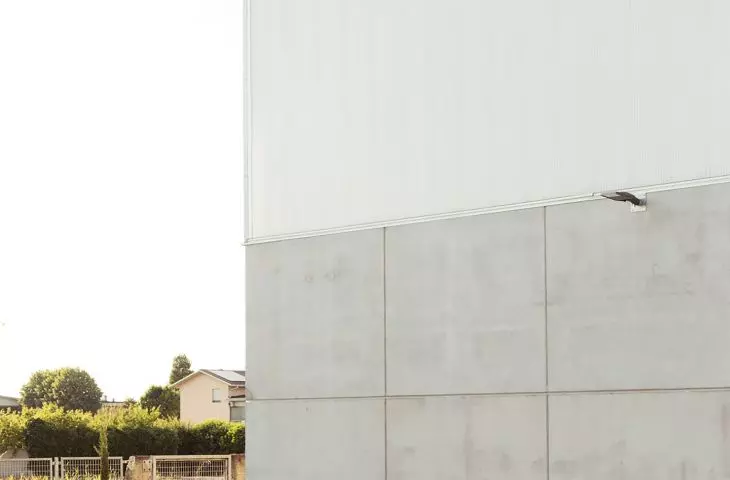
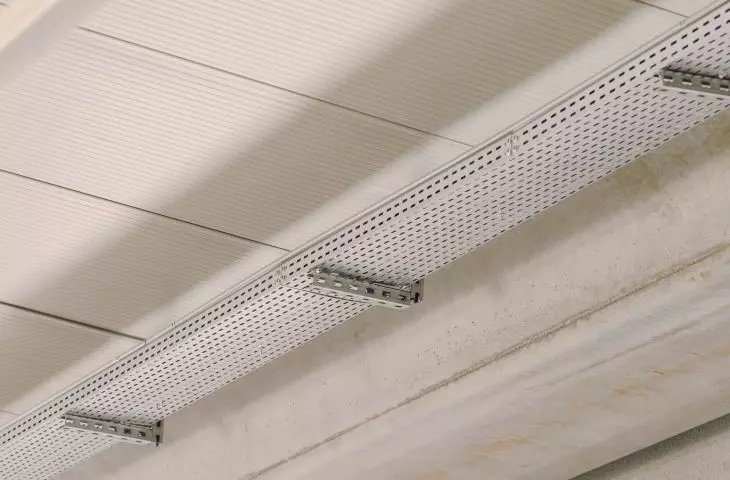
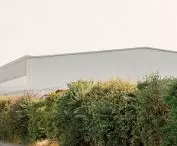
Susanna Kletschka: I joined the team designing this building in the middle of the work. We transformed an old, unused warehouse into a new logistics space that fits harmoniously into the surroundings. The design included a layout that responds to climatic and spatial conditions, as well as green belts to increase rainwater infiltration, so the facility not only serves a functional purpose, but also supports the environment and the comfort of those who use it every day.
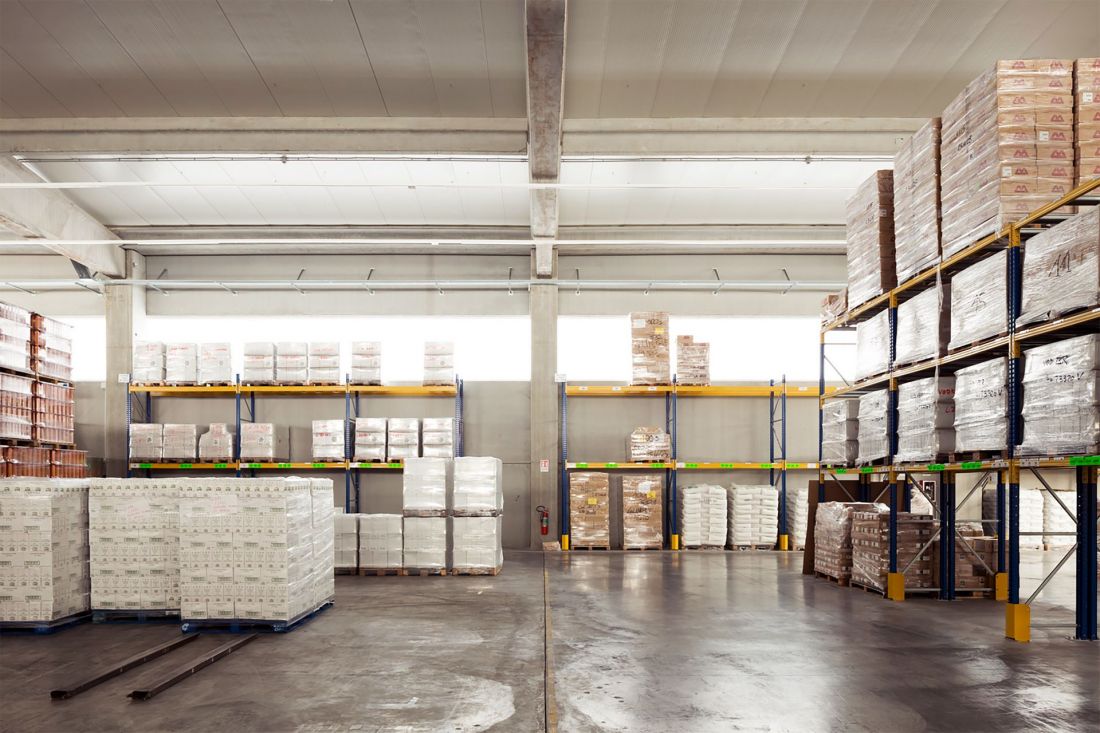
Land Hub in Finale Emilia, Italy
photo: Nicolo Panzeri proj.: FLO
Przemek Ciępka: Do you think Italy will be the country where you will design forever? Or would you like to change the environment?
Susanna Kletschka: I don't like to plan... I live what is here and now. Usually, when we make plans, our life eventually verifies them anyway. For that, I can say that I am very happy with the path I have taken. We will never be 100% sure of the results of our actions, but it is worth the risk - only by trying can we grow.
Przemek Ciępka: Thank you for the interview!