












Today's cities mainly operate under a linear economic model, based on relentless growth and intensive consumption of natural resources. Such a system, while it has fueled development for years, today is increasingly revealing its limitations - leading to environmental degradation, resource deficits and widening social inequalities. The Closed Circuit Economy, which assumes reuse of materials, regeneration of ecosystems and design based on renewable resources, is becoming the answer to these challenges. Agata Fiałkowska's diploma project, created at the Faculty of Architecture of the Gdansk University of Technology under the direction of dryMalgorzata Kostrzewska, attempts to translate these assumptions into an urban scale. The work is an exploratory vision of transforming a degraded section of the city into a self-sufficient, sustainable neighborhood of the future.
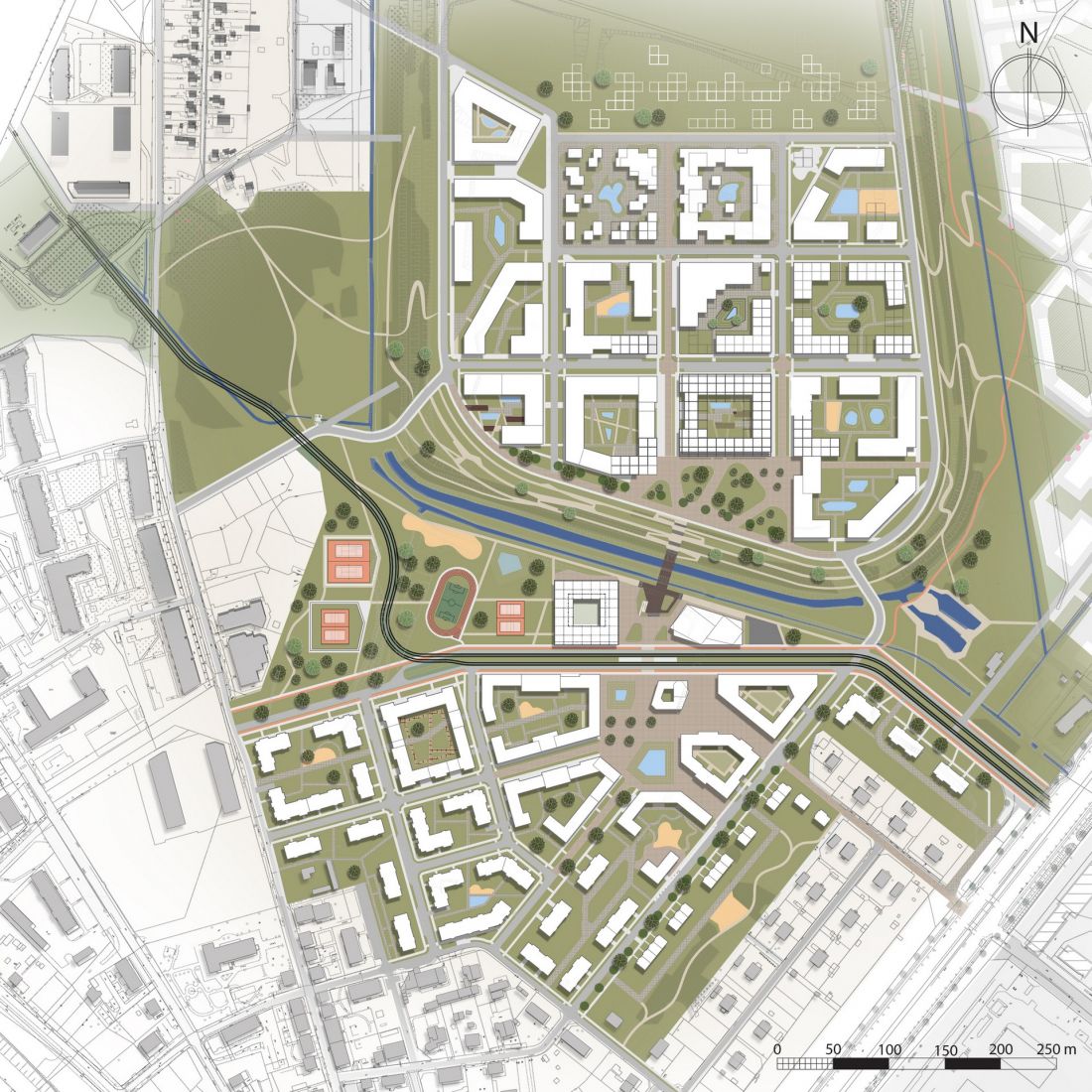
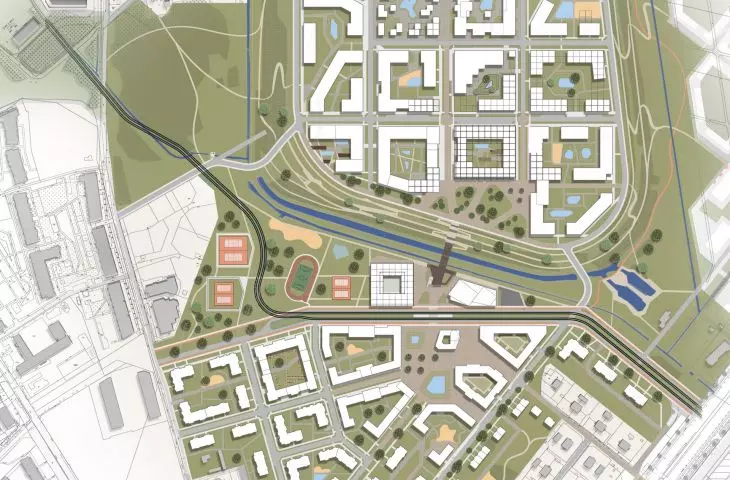
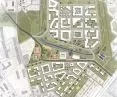
site development plan
© Agata Fiałkowska
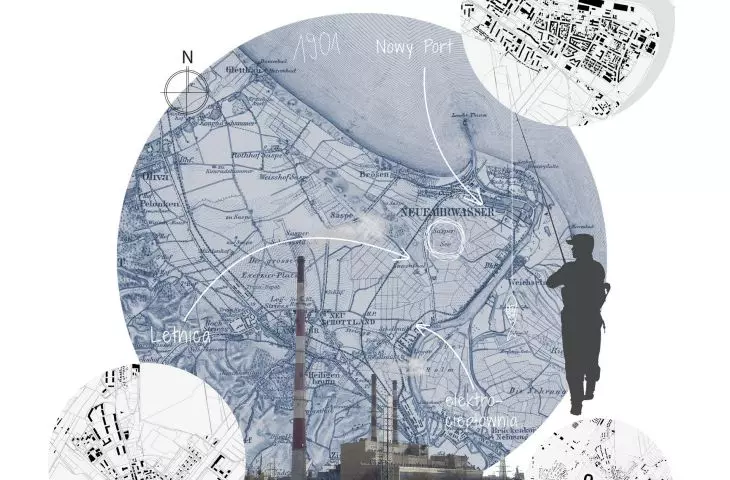
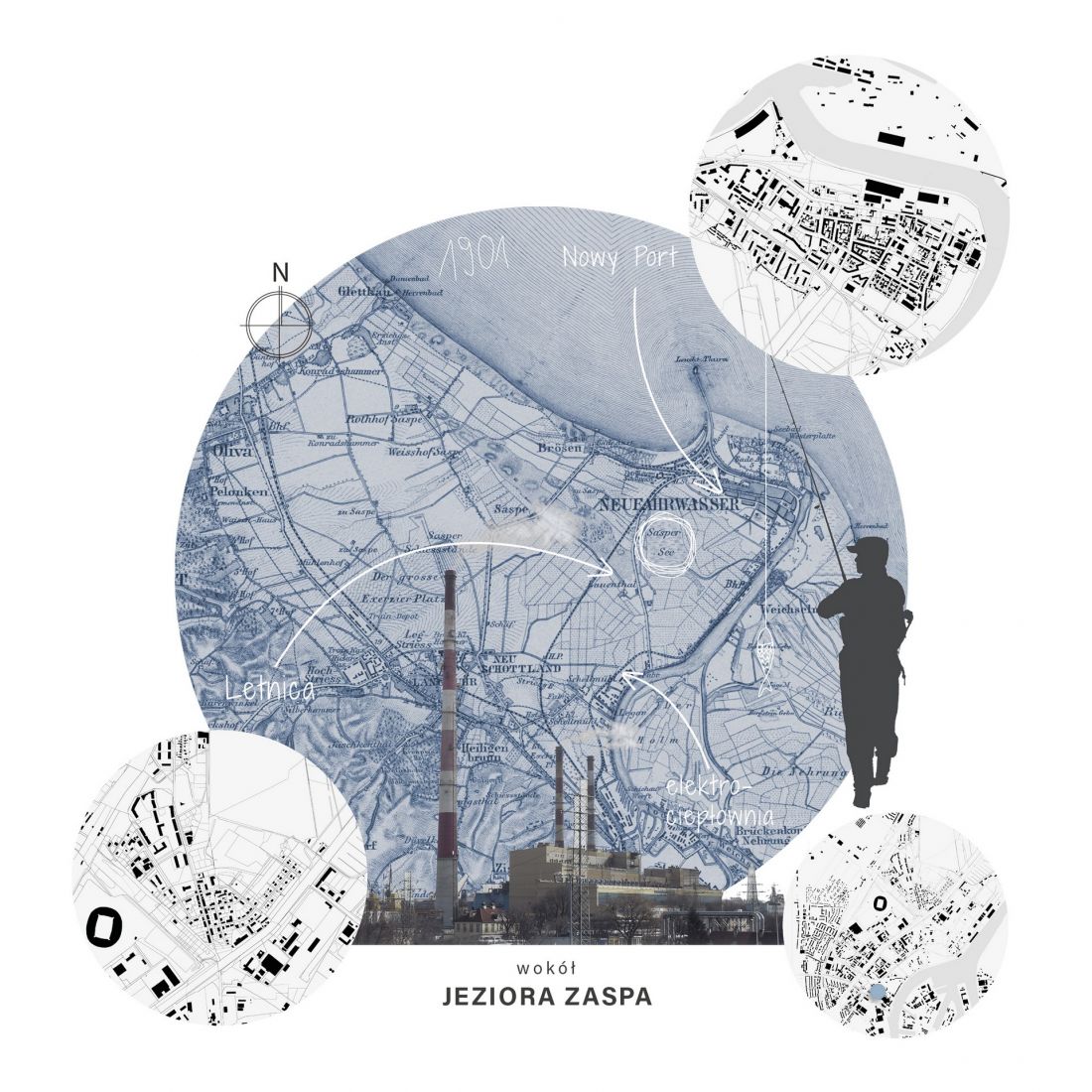
Letnica and Lake Zaspa as a starting point
The study area is the site of the former Lake Zaspa in the Letnica district - a place with a difficult environmental history. Since the 1970s, there was an inactive ash dump here, a result of the activities of the Gdańsk Combined Heat and Power Plant. For decades, the site remained a breach in the urban fabric and a symbolic vestige of inefficient management of non-renewable resources.
The author treated the site as a transformative potential - a space where it is possible to implement new models of urban development based on the principles of circularity, regeneration and adaptability.
around the lake
© Agata Fiałkowska
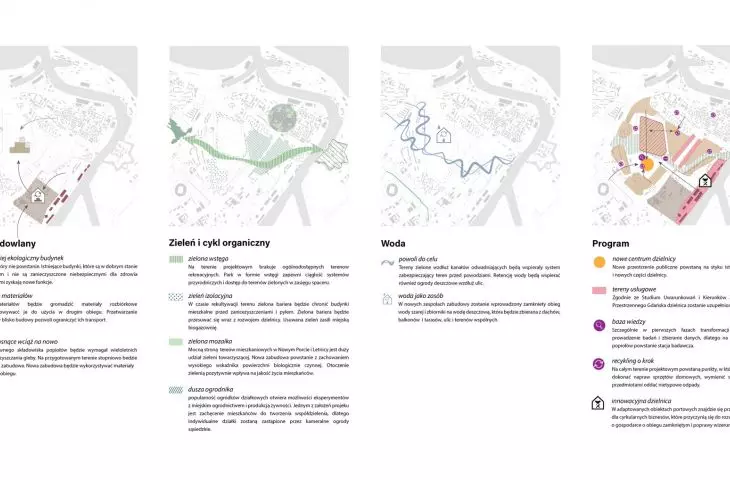
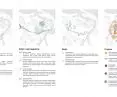
three pillars of a circular neighborhood
Based on spatial and environmental analyses, three key areas of activity were identified: The building sector, the organic cycle and water management. These form the foundation of the vision for the development of the new district.
In the building sector, it was proposed to create a Living Urban Laboratory - a space for testing circular building models. The area has been divided into quarters, which are gradually subjected to reclamation and development, allowing a flexible response to the development of technology and knowledge. Complementing this strategy is the Material Bank in the Letnica waterfront area, responsible for the acquisition and reuse of materials from the demolition of industrial infrastructure.
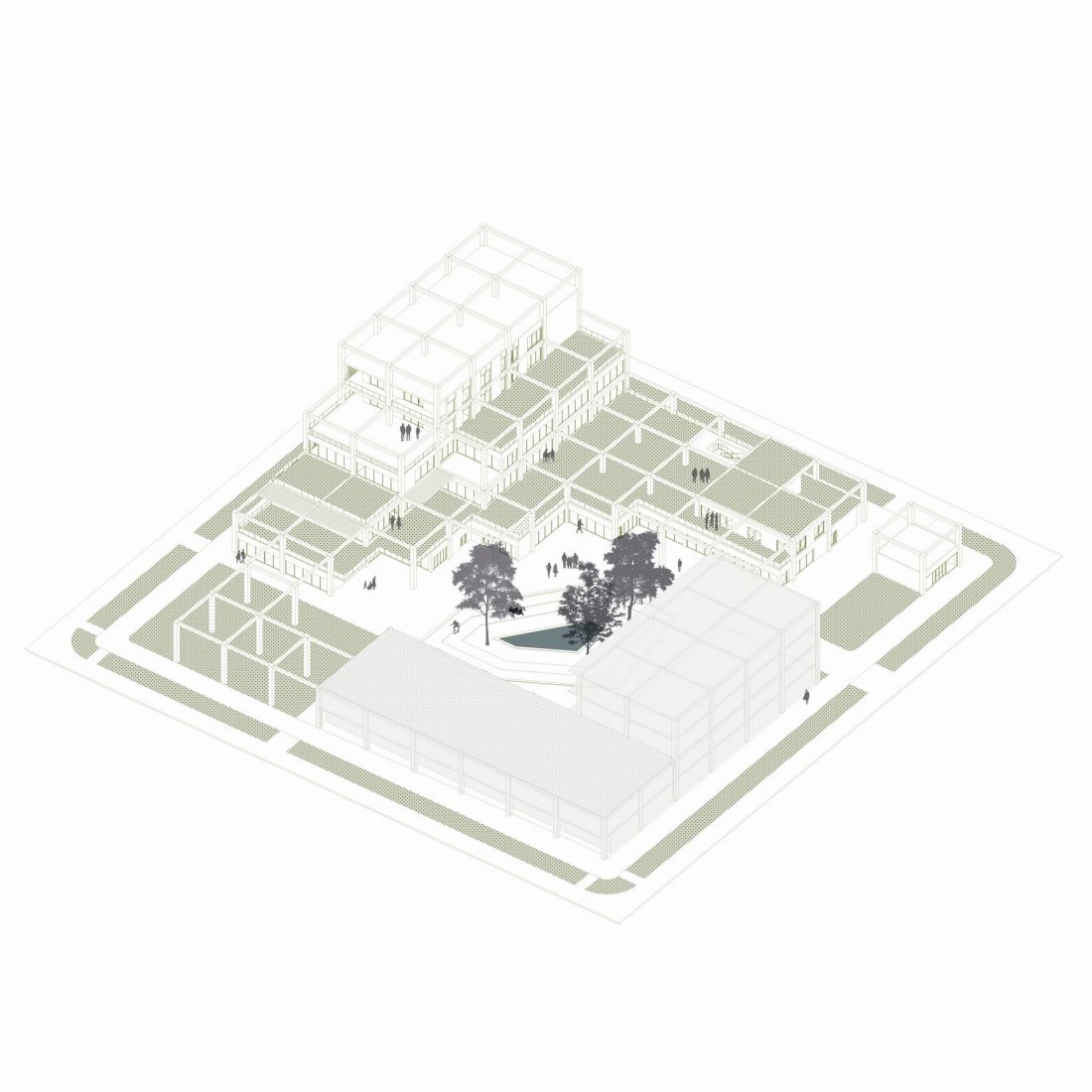
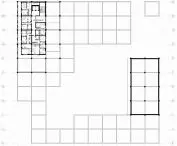
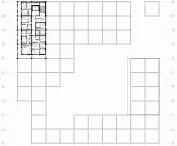
diagram of the building
© Agata Fiałkowska
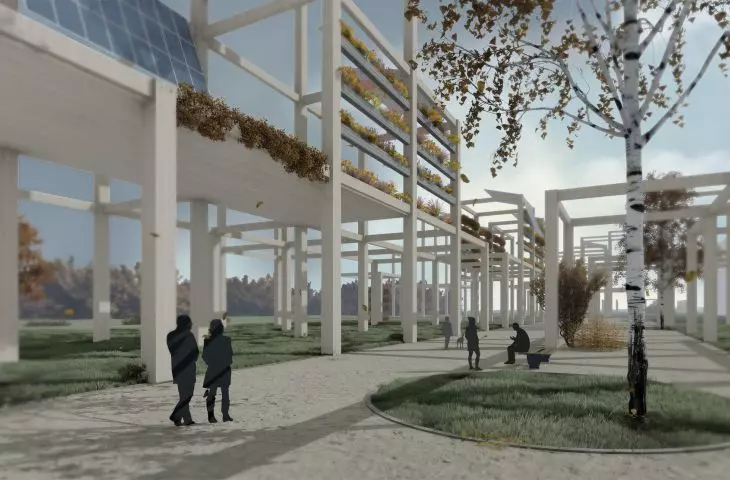
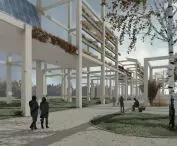
The organic cycle is based on the phased remediation of the landfill site. In the first stage, a vertical park is created, acting as a green buffer zone. Over time, it gives way to residential and commercial development, maintaining the continuity of the green system. The central element of the establishment is a linear park, complemented by pocket parks and community gardens inside the quarters, promoting the integration of residents.
Water management was based on natural rainwater retention. Rain gardens along the streets and appropriate landscaping support the existing drainage system, reducing the need for mechanical drainage.
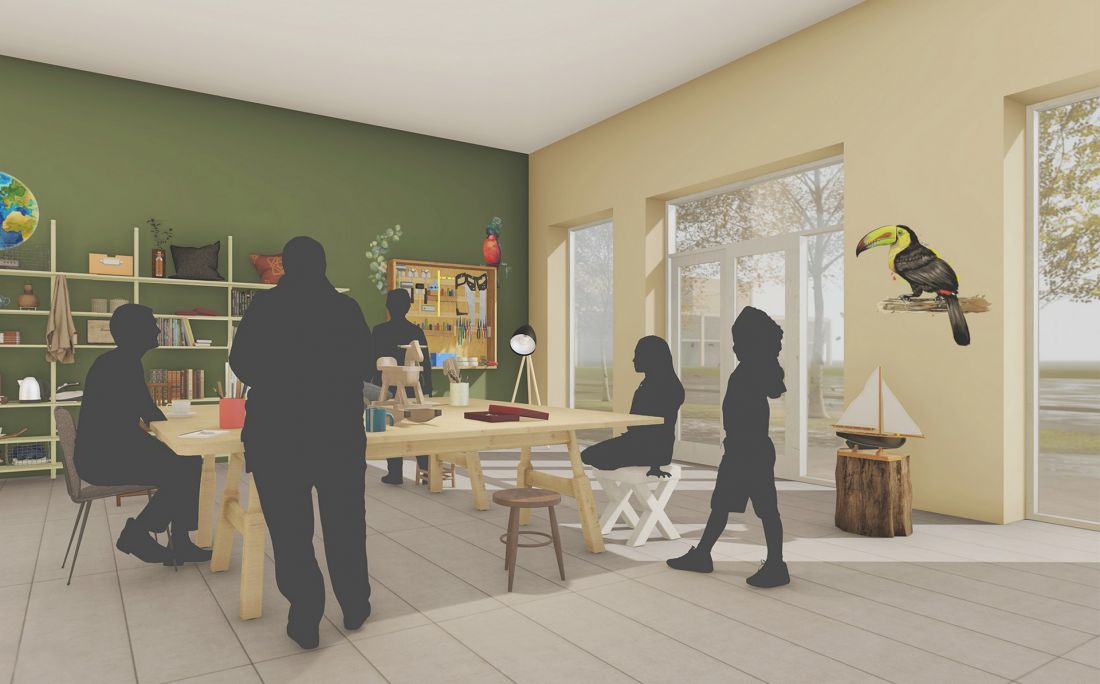
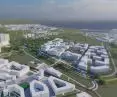
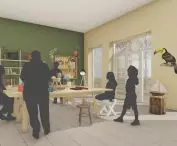
visualization
© Agata Fiałkowska
modular architecture as a tool for adaptation
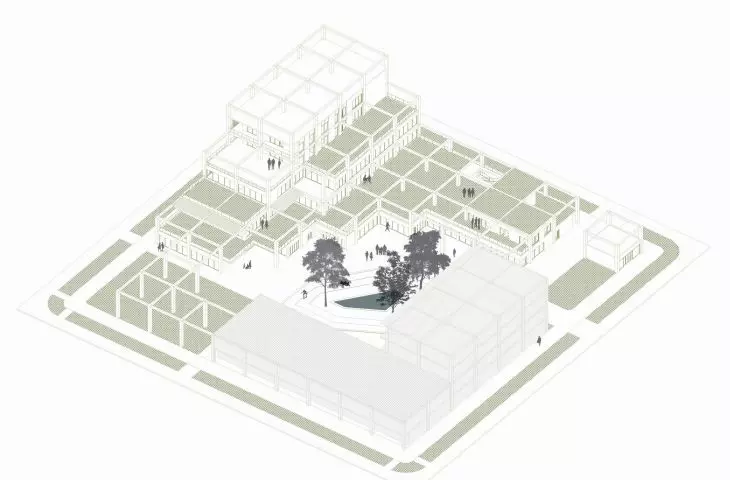
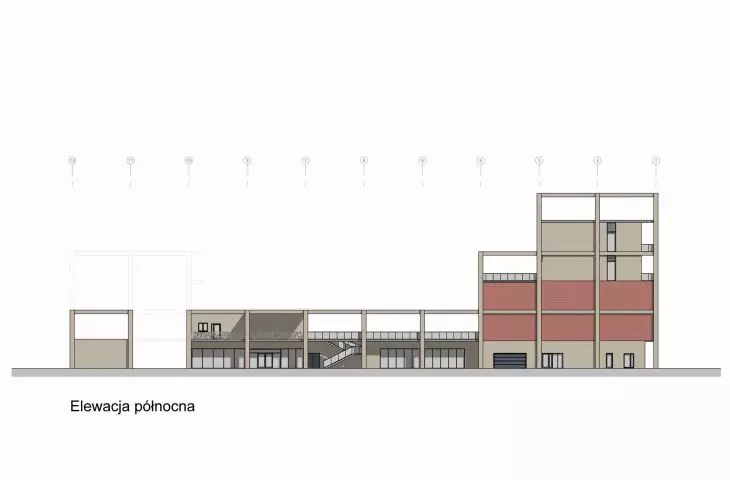
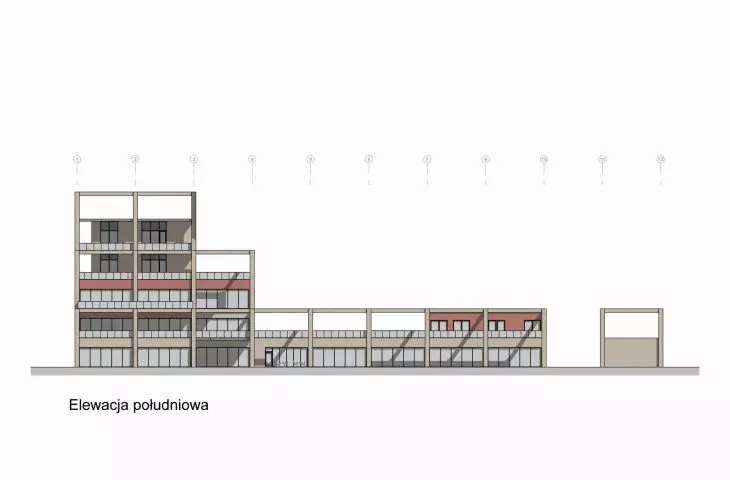
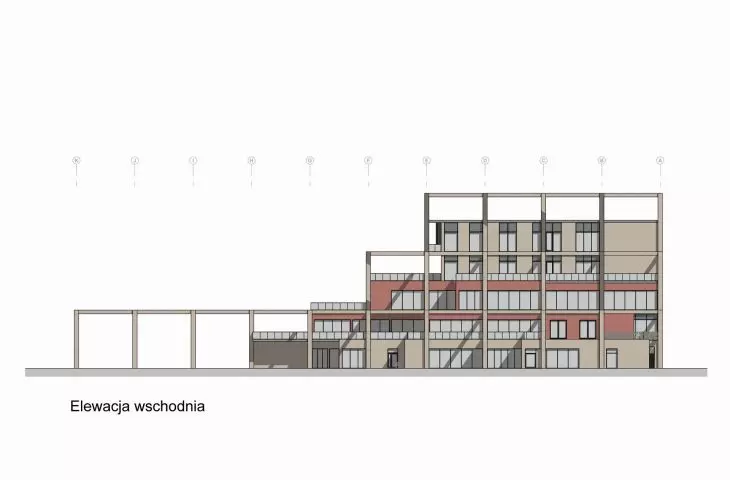
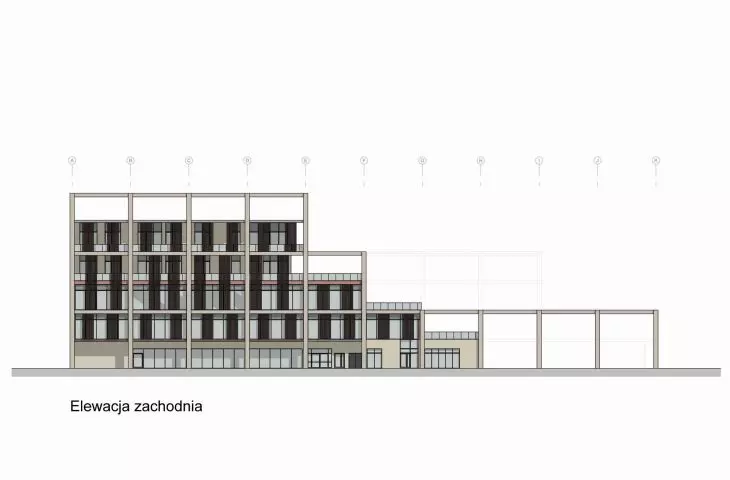
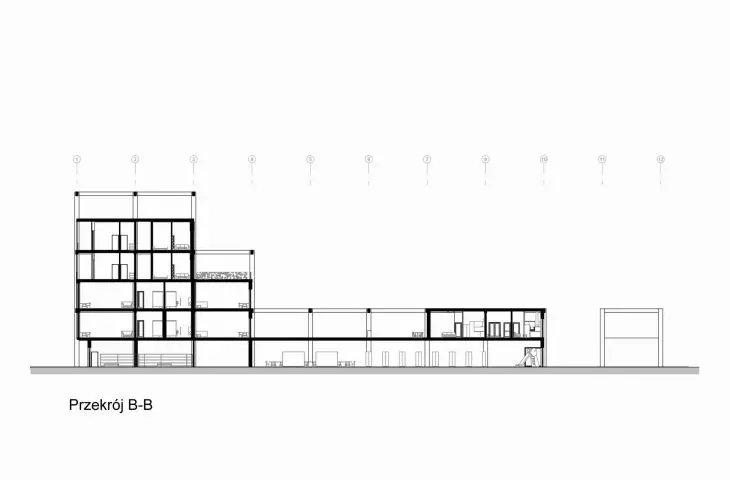
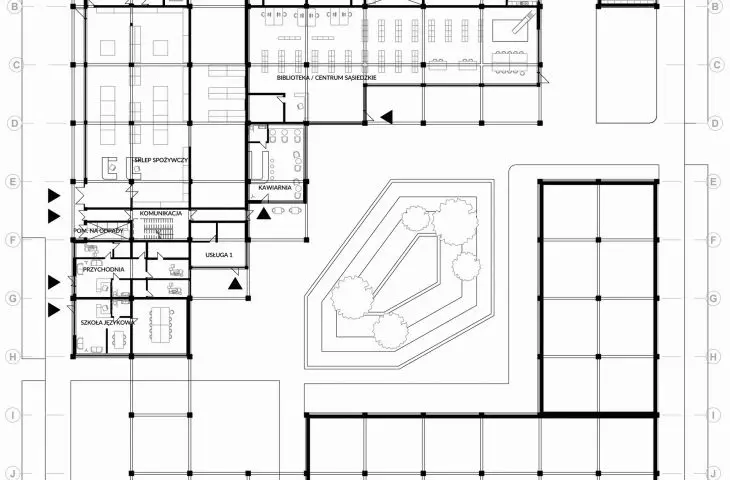
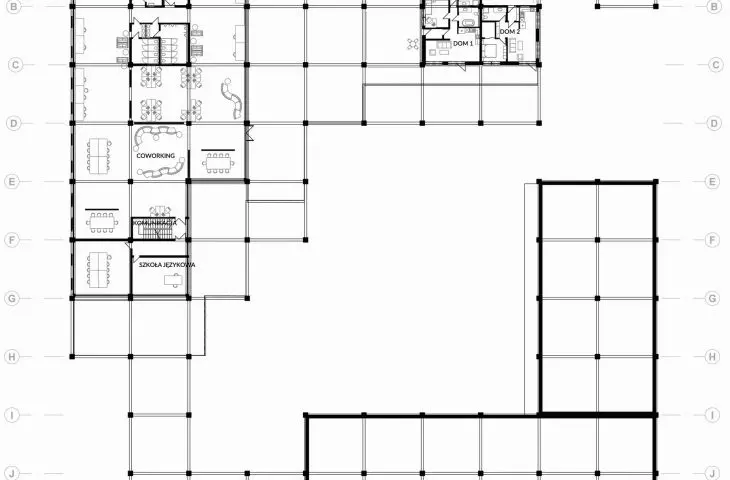
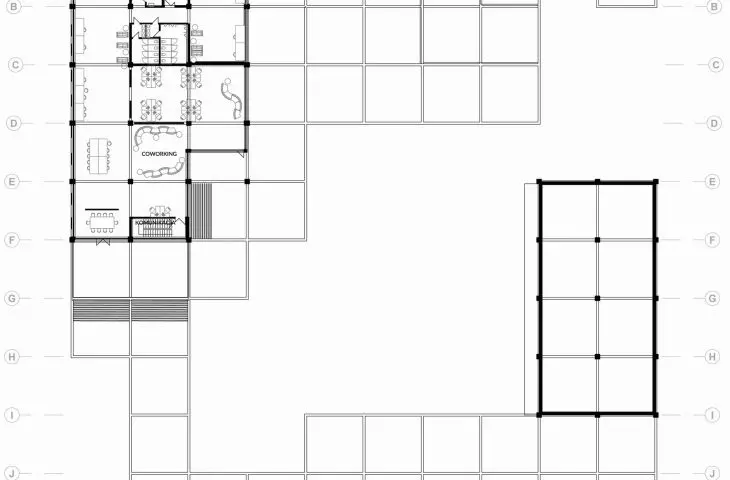
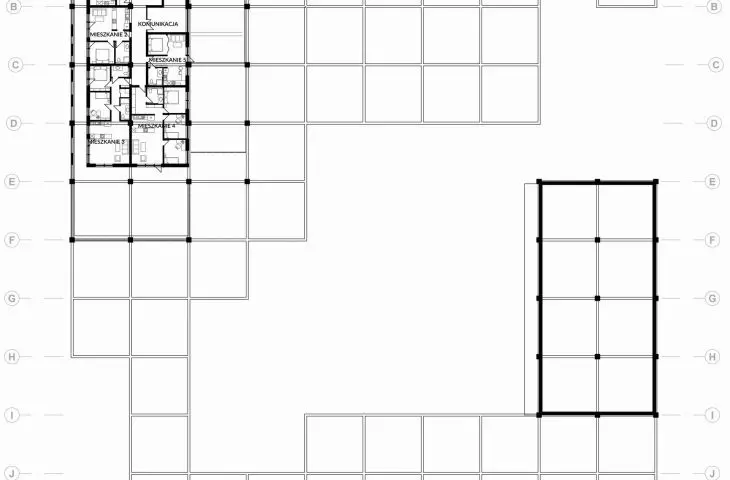
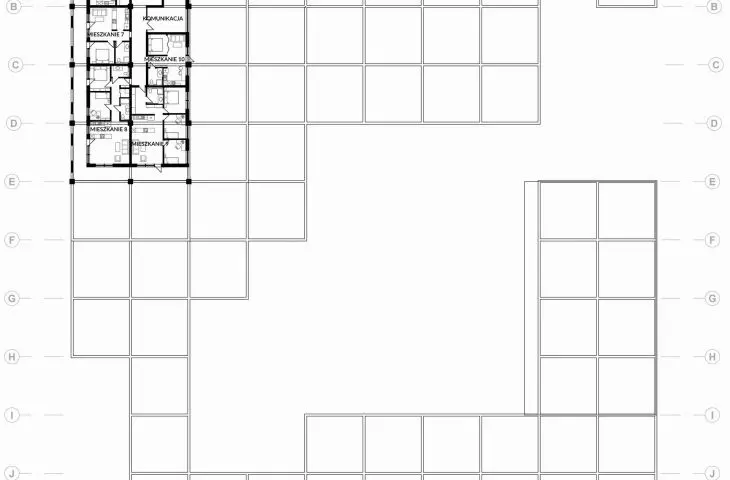
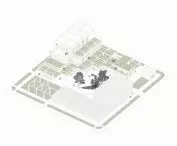
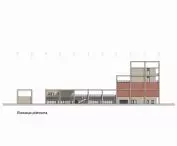
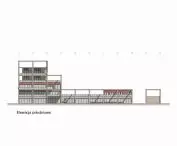
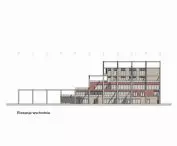
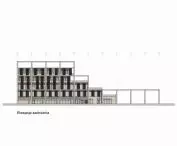
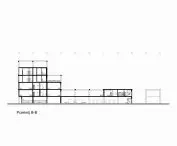
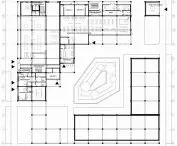
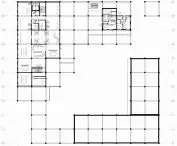
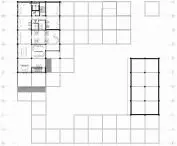
The urban concept is complemented by the design of a modular, multifunctional building, inspired by solutions used in cities leading in the implementation of circular economy, such as Amsterdam or Stockholm. The building is based on an 8 × 8 × 8 meter module, which makes it possible to expand, reduce or change its function depending on the needs of users.
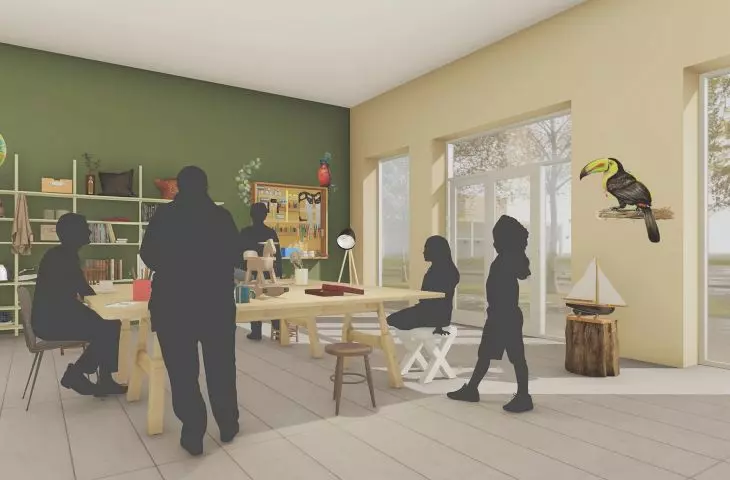
The glulam structure can be filled with materials obtained from demolition, extending the building's life cycle. The program includes apartments, offices, services and a repair café - a place for repairing, exchanging items and building a local community.
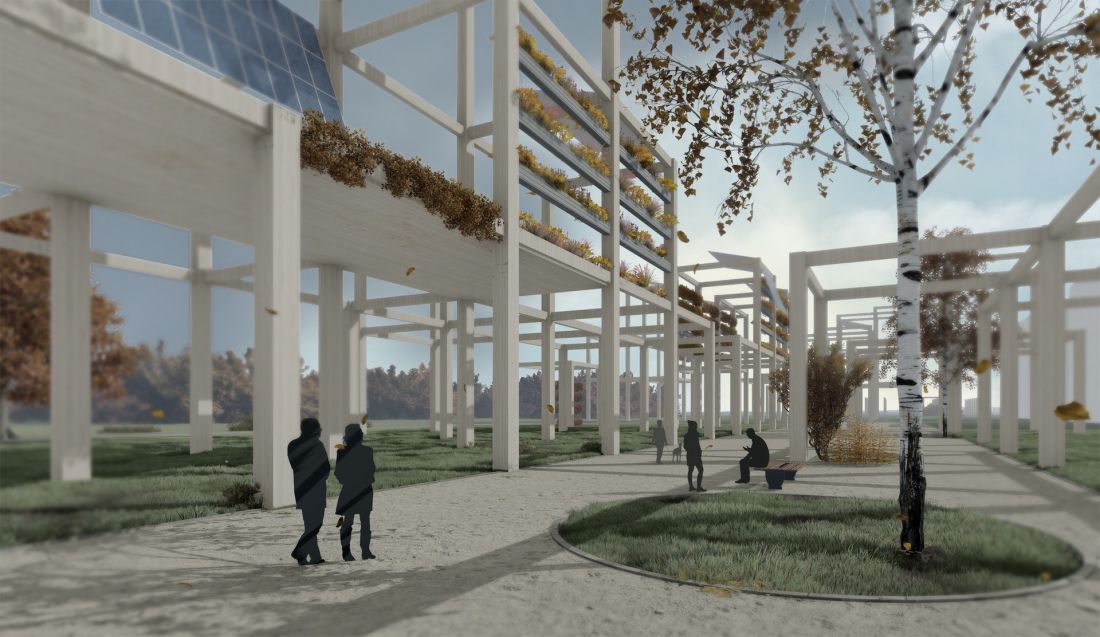
visualization, buffer zone
© Agata Fiałkowska
Agata Fiałkowska's project does not propose a single, closed solution, but opens a discussion about the role of circular neighborhoods as catalysts for urban transformation. It shows that degraded areas can become laboratories for new ideas, and that architecture and urban planning can become tools for real change toward a more responsible, resilient city.