





#Artistic Education in Poland_Faculties of Architecture
How do Faculties of Architecture prepare students for the profession? What competencies should an arcitecture graduate have in 2030? We ask deans and deans of Architecture Faculties of Polish universities about this. The series opens with representatives of Lublin University of Technology - Prof. Anna Życzyńska and Prof. Natalia Przesmycka.
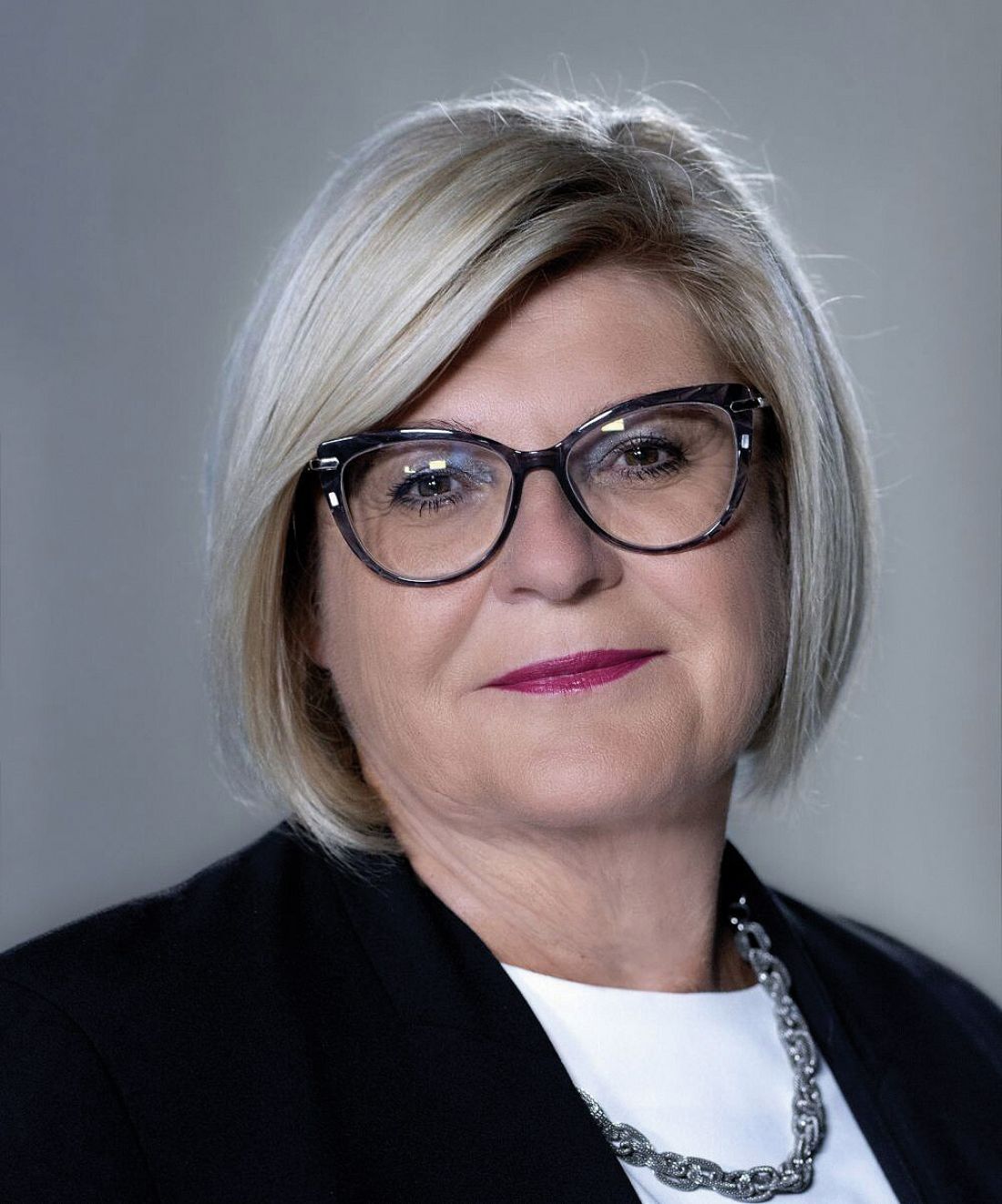
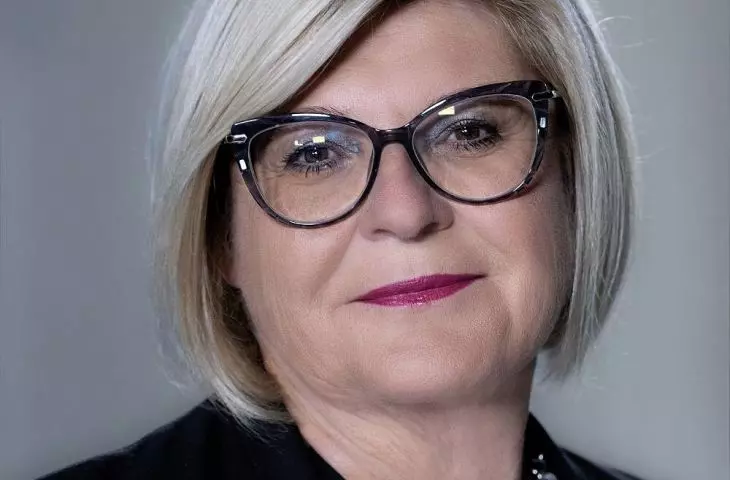
Prof. Anna ŻYCZYÑSKA - Dean of the Faculty of Construction and Architecture. She has been working at Lublin University of Technology since 1986, passing through all levels of academic teacher promotion. She received her doctoral degree in environmental engineering from the Faculty of Environmental Engineering of the Warsaw University of Technology in 1996; she received her postdoctoral degree in engineering and technical sciences in the discipline of environmental engineering, mining and power engineering for her scientific achievement in 2021. She is the author of energy audits of buildings, energy performance certificates for buildings, technical and economic analyses related to thermal energy management in buildings, and projects in the field of sanitary installations and networks. Head of the implementation team of the "Concept of reconstruction of the district heating system in the Z.W. Nałkowskich housing estate in Lublin", as well as the "Technical-economic analysis concerning the selection of a heat source for energy supply for co, cw, ct purposes in the facilities of the dispatching and distribution node of the Polish Post Office in Lublin". Author of more than seventy scientific publications.
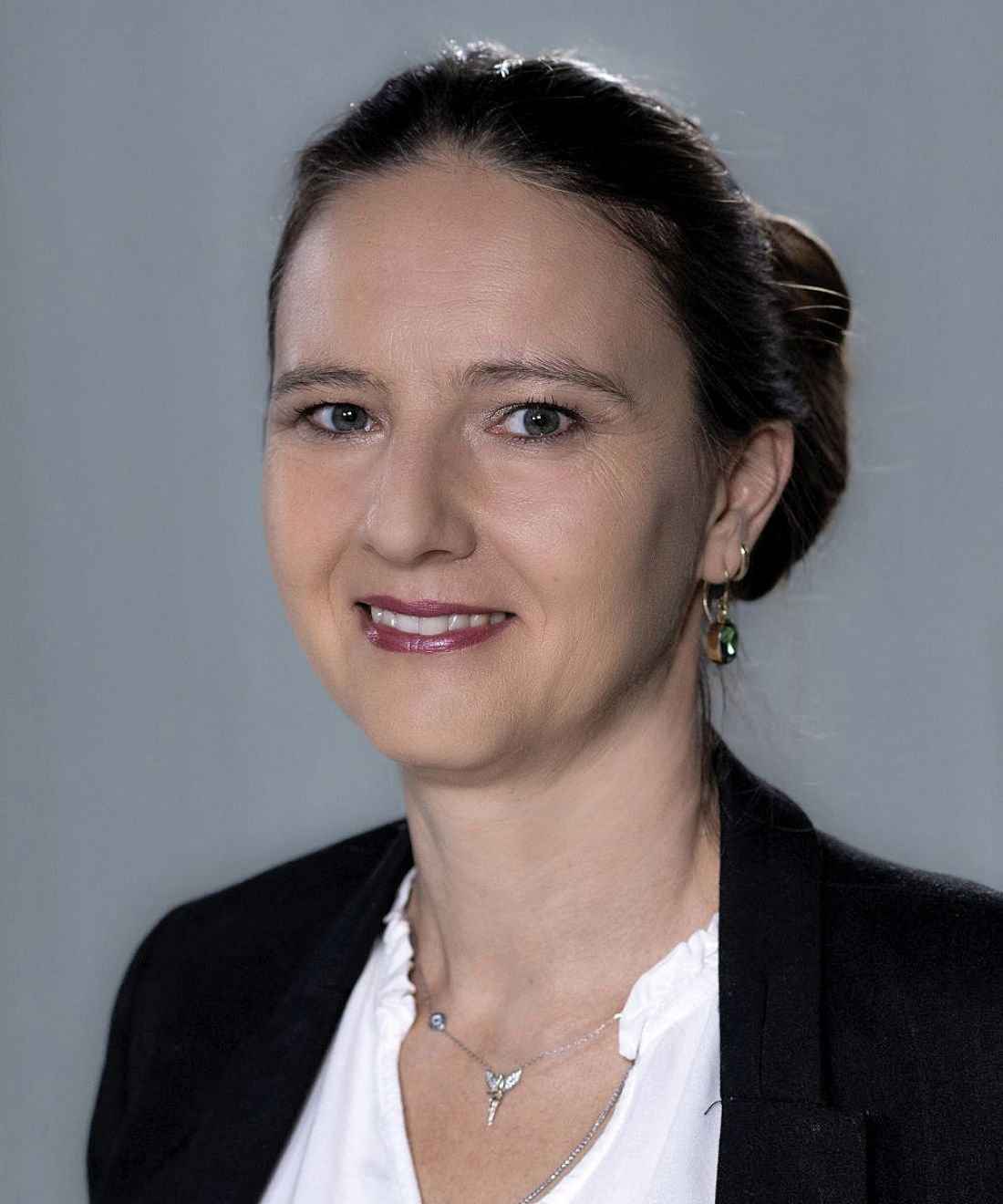
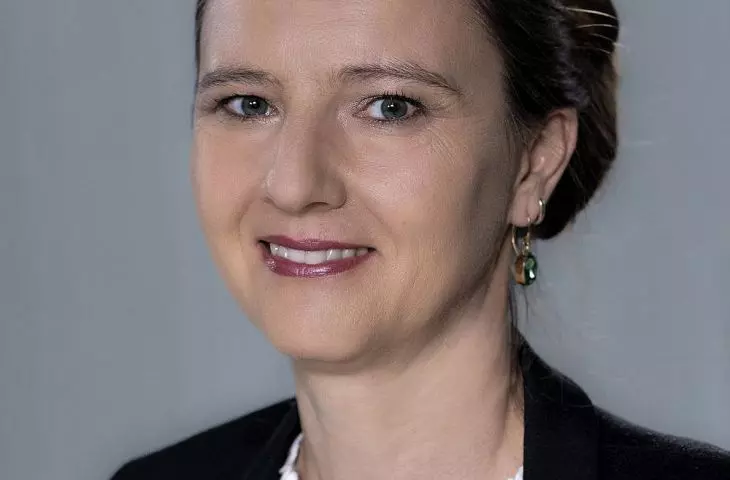
Prof. Natalia PRZESMYCKA - Vice Dean for Student Affairs at the faculty of architecture. She has worked at the Lublin University of Technology for more than twenty years, professor at the Faculty of Construction and Architecture of Lublin University of Technology, heads the Department of Architecture, Urbanism and Spatial Planning. graduate of the Faculty of Architecture of Krakow University of Technology (2003), postgraduate master of European Urban Design (Tilburg 2007) and painting (UMCS 2021). She completed her doctoral studies at the Faculty of Architecture, Wroclaw University of Technology, in 2010 she received the title of Doctor of Technical Sciences, architecture, specialization: urban planning, in 2020 she received the degree of Doctor of Technical Sciences in the discipline of architecture and urban planning. In 2018-2020, she was a member of the General Commission for Urban Planning and Architecture. An active architect, member of the Lublin District Chamber of Architects of the Republic of Poland, currently deputy chairman of the LOIA council. She tries to combine her scientific interests with design practice and work for the cooperation of the professional community with universities. She is the author of many projects for the development of public spaces, service and residential buildings and health care facilities, as well as more than ninety scientific and popularizing publications, promoter of engineering and master's theses.
How do you define the most important mission of your department in today's world of architecture?
Lublin University of Technology is an important educational center, especially for southeastern Poland. The launch of the faculty more than twenty years ago filled an important gap in the job market for architects. Today, many of our graduates are active architects - they have construction licenses, work in public administration and use their education in other ways. Of course, not all of them stayed in the region, but the presence of young architects in the Lublin region is increasingly noticeable. The quality of architecture, public spaces and our wider environment is improving.
What competencies should an architecture graduate have in 2030 - and how do you help develop them?
The desired competencies of architects are changing very rapidly. This causes the ability to keep up with changes and adapt to new conditions of practice to be the most necessary. A modern architect should keep abreast of legal conditions, as well as be able to work in a team. Constant self-improvement, openness to novelties, technologies and the surrounding world with all its problems are key qualities of a modern architect. Such competencies require various forms of education that confront young people with real social needs, market or environmental problems.
The Faculty of Construction and Architecture at Lublin University of Technology cooperates with local government units, public institutions and business representatives, which provides opportunities to organize design workshops, competitions, didactic tours and meetings with stakeholders - these are permanent elements of education. Such events are held several times a year.
Which elements of the curriculum do you consider key, and which need the most change today?
We view the very existence of educational standards positively. Of course, each university has its own specifics of education. At the Faculty of Construction and Architecture at Lublin University of Technology, we try to make the most of the presence of engineering professionals and architects. Knowledge of construction technologies and designer's tools, as well as the directions in which they are developing, are no less important than knowledge of the history of architectural heritage and awareness of the impact of architects' activities.
How does the university combine the traditional workshop (drawing, mock-ups) with new technologies such as AI and BIM?
The traditional architect's workshop develops imagination and artistic sensitivity. After the first year, as part of the mandatory internship, our students have the opportunity to participate in a painting plein air abroad. We are also developing sculpture and modeling studios, especially here we can see the possibilities of combining modern technologies: modeling and 3D printing support imagination, but without going through the traditional methods of creating architectural form, it is not possible to take full advantage of them.
Similarly with BIM and AI tools - conscious use of them facilitates work and enriches the workshop, allows to optimize working time. We are open to new technologies and tools, we talk about them with students and integrate them into the educational process.
How do you provide students with real contact with practice - architectural offices, construction sites, investors?
The Faculty of Construction and Architecture at PL works closely with the Lublin District Chamber of Architects. This academic year we have initiated lectures on the realities of the profession, which are very popular among students and provide an opportunity to meet new people from the design community. Cooperation in the organization of semester-long internships in design studios, which we consider an important part of education, is also very good. As part of various activities, students have the opportunity to visit interesting construction sites, which are fortunately not lacking in Lublin and the region.
What is the biggest challenge for architecture students today and how does the university support them in this?
Most students, especially in the upper years, combine work and study, which is due to the need to support themselves. Reconciling work and study is a huge challenge, but also learning how to self-organize and manage time. Studying architecture is time-consuming and requires working mainly in front of a computer, which can put additional strain on health. We try to help students in crisis situations, support them in achieving their goals and be open to individual needs. There are many places at the university where students can get help, first and foremost, of course, the dean's office and our academic staff. It is important to be open to the needs and problems of young people.
How do you integrate issues of sustainability and environmental responsibility into the curriculum?
These issues are addressed in the following subjects: environmentally sustainable design, retrofitting of built-up areas or energy-efficient construction, and are present in virtually every design subject.
How does the university build relationships with business, local governments and community organizations?
An important link between the university and business are our graduates who have achieved professional success. Lublin University of Technology and our faculty cooperate with many companies, local governments and organizations. We weave the needs reported by our partners into the topics of classes, internships and research work conducted as a response to real problems. We cooperate with professional self-governments in the ongoing monitoring of the educational process. It is also important to work together for the benefit of society, as exemplified by the execution of projects in workshops, study circles and theses. Public presentation of the work or handing it in is a very important experience for architecture students. Among important institutional partners we can mention: Hospice of the Good Samaritan in Lublin, the Planning Department of the Lublin City Hall, the Lublin Village Museum, the Lublin Medicine Cluster, as well as the municipalities of Rybczewice, Ostrów Lubelski, Garbów.
Prof. Anna ŻYCZYÑSKA
Prof. Natalia PRZESMYCKA
more: A&B 2/2026 - Education,
download free e-publications of A&B