






What is Szklarska Poreba famous for? In addition to impressive waterfalls, scenic mountain trails and alpine climatic conditions, this small Lower Silesian town has for decades set the trends for the glass industry. Although the transformative 1990s left a mark on the local glassworks, its fortunes may soon change.
Josephine or Julia?
The noble Schaffgotsch family left behind many architectural gems in what is now Lower and Upper Silesia. Among other things, the enterprising family invested in industry, as exemplified by the thriving "Josephine" glassworks in Szklarska Poreba.
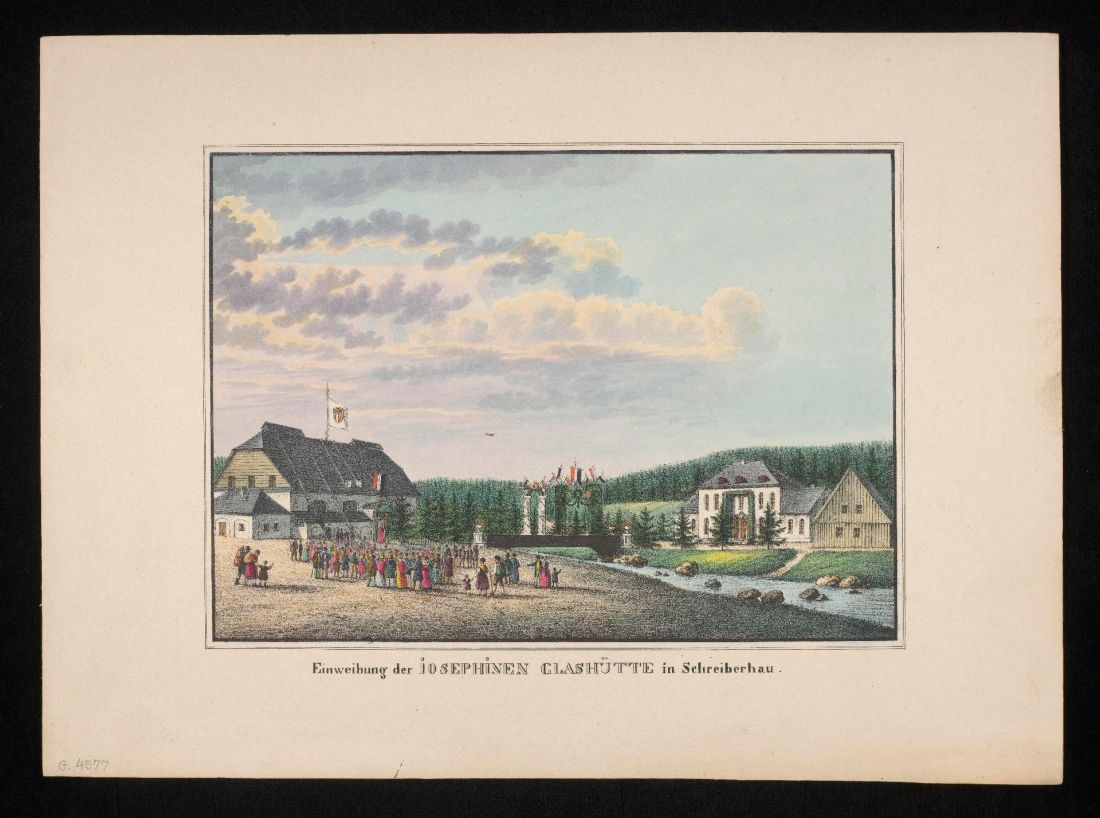
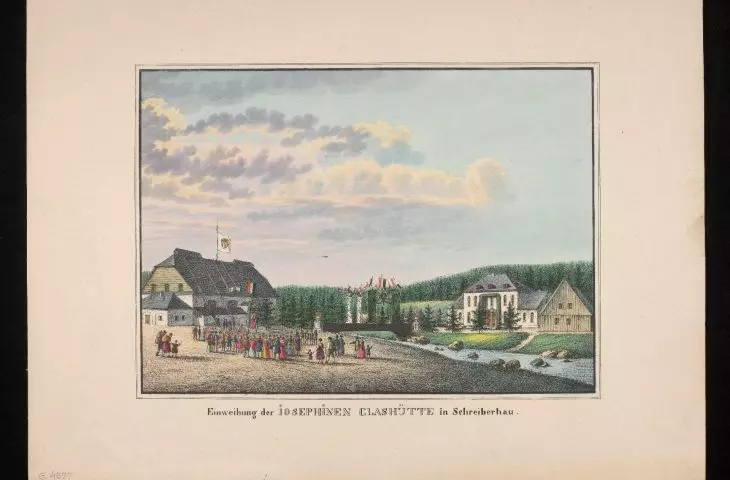
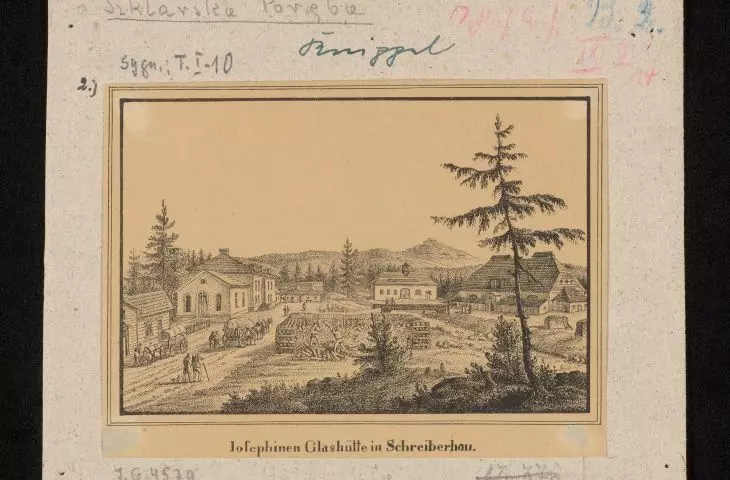
Lithograph depicting the Josephine glassworks in Szklarska Poreba
Source: Polona, National Library | Public Domain
In the spring of 1841, Count Leopold Christian Gotthard Gräf Schaffgotsch commissioned the construction of a glassworkss on the Kamienna River in Szklarska Poreba, a town where glass products were made as early as the 14th century. The construction of the buildings, designed by Albert Tolberg, a student of the famous Karl Friedrich Schinkel, was supervised by the future director of the glassworks and master glassmaker Franz Pohl. In turn, it was named after the count's wife, Josephine Clementine Gräfin von Zieten - "Josephinenhütte." Opened in 1842, the Krkonoše glassworks was for years considered one of the best, which was confirmed by awards and distinctions won at world exhibitions in London, Paris and Vienna.
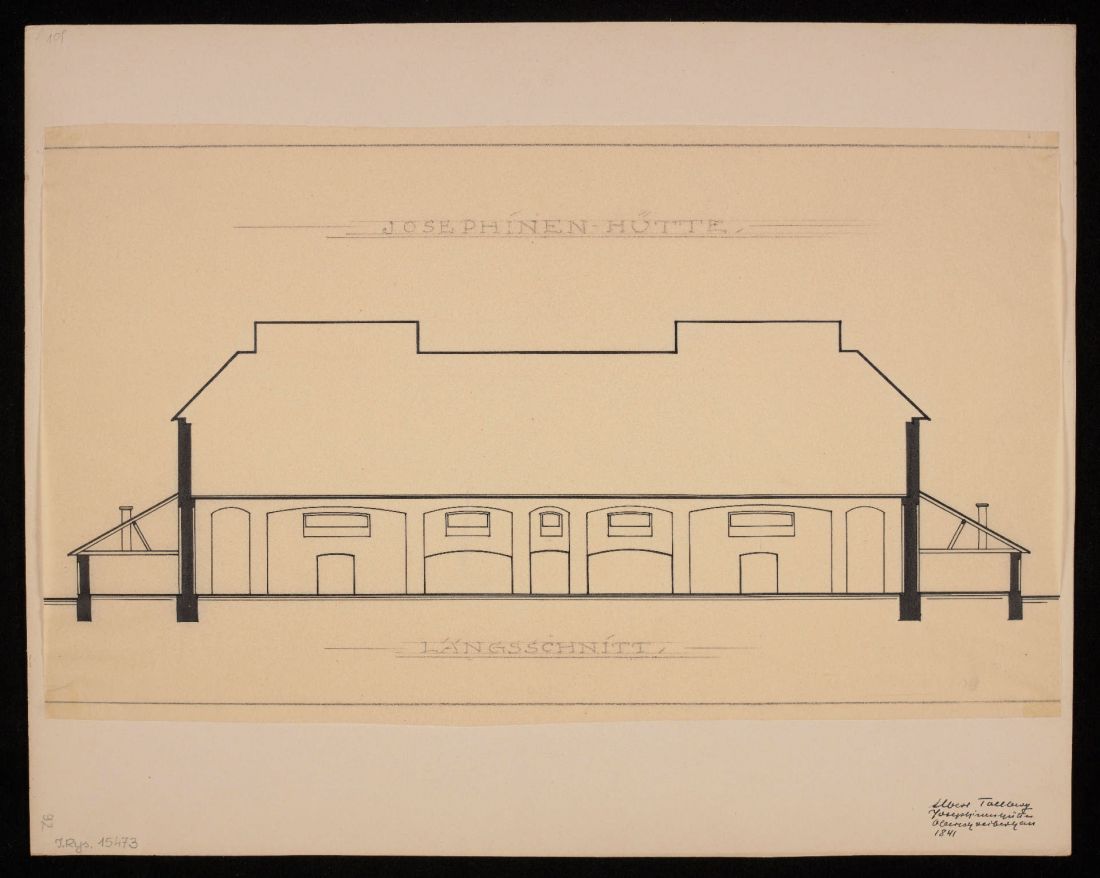
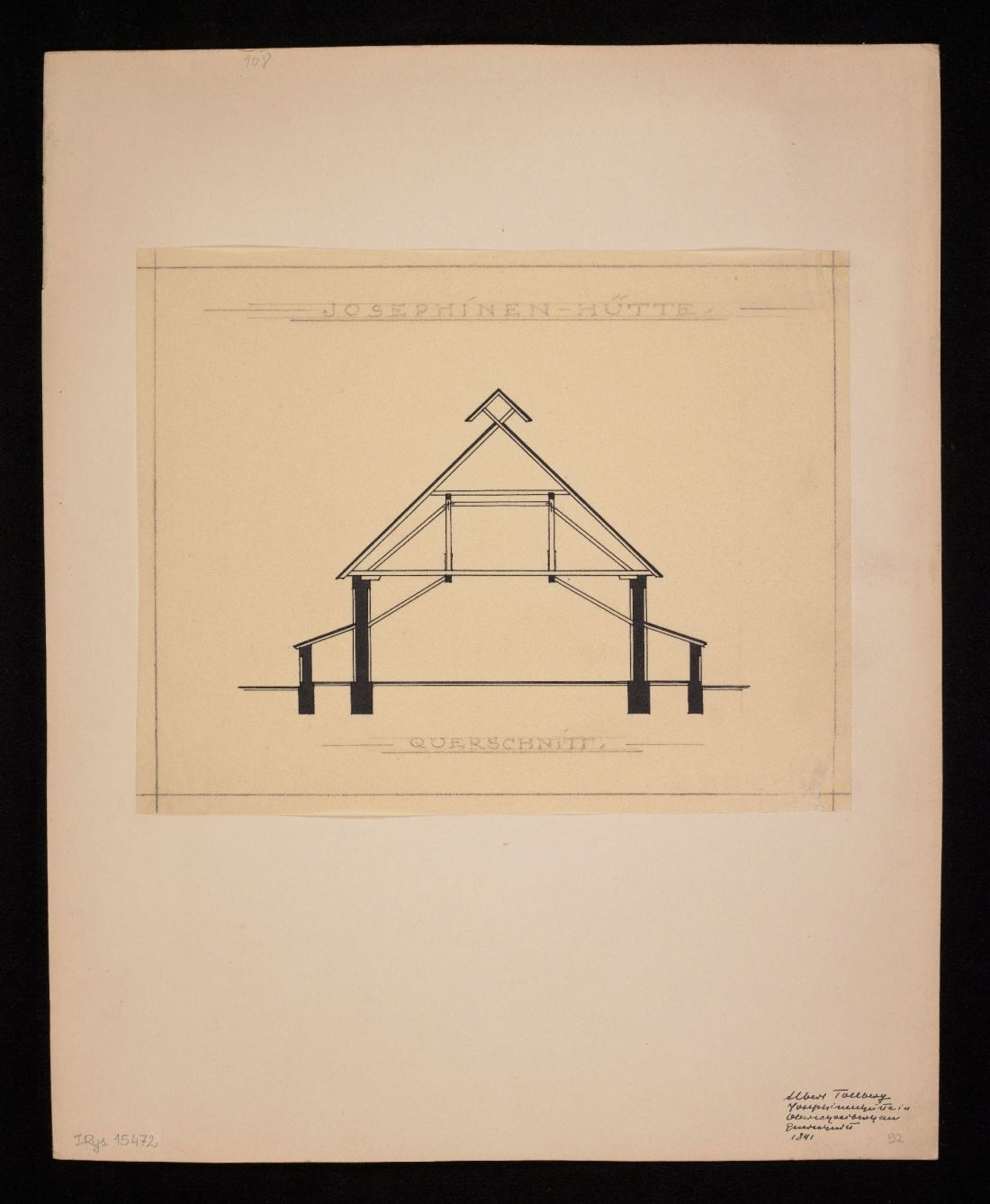
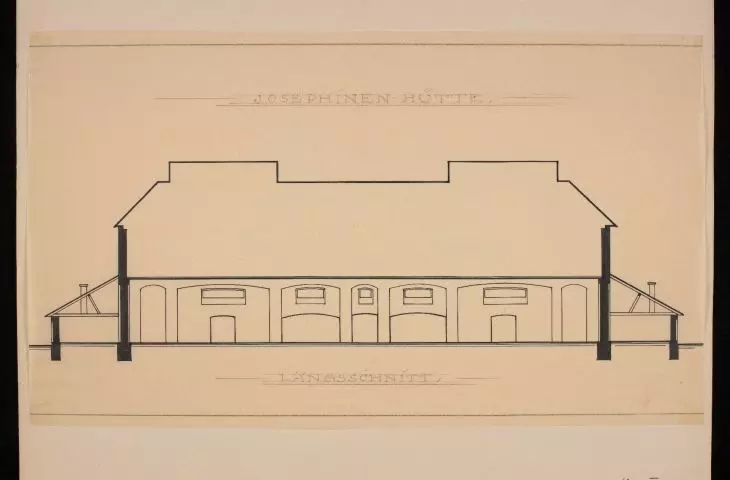
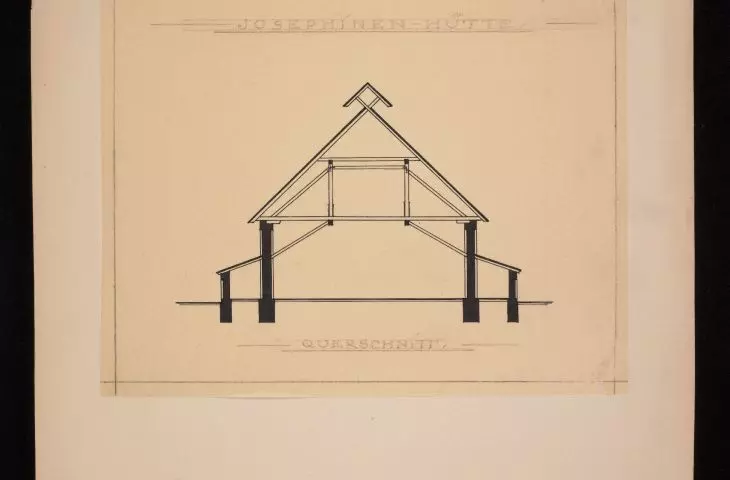
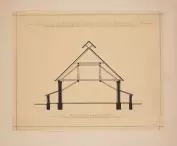
Cross-section of the main building of the Josephine glassworks in Szklarska Poreba
Source: Polona, National Library | Public Domain
Over the following years, the glassworks expanded its assortment, created new designs, also underwent changes related to its organizational structure and became a permanent part of the town's fabric. After World War II, the glassworks resumed production as early as 1946, and ten years later changed its name to "Julia Crystal Glassworks" (now the glassworks is located in Piechowice, neighboring Szklarska Poreba). After privatization in the 1990s, production ceased, many people lost their jobs, and the post-factory buildings began to fall into disrepair. For many years, concerned residents of Szklarska Poreba looked for a way to protect the complex, which was in private hands.
© Strimeo
Hope to stop the progressive process of destruction has recently appeared. On December 18, 2024, the complex fell into the hands of the Arche group (known, among other things, for its award-winning adaptation of the Żnin Sugar Factory), which is betting on using the existing fabric rather than erecting a new one. What idea does it have for the post-industrial architecture of the former glassworks and the nearly three-hectare site that surrounds it, which is in a deplorable state today?
an industrial pearl in Sudetes' crown
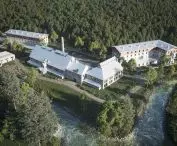
The complex, located just around the bend of the river, consisted of a main building with two melting furnaces (on the left bank) and auxiliary buildings - a pestle mill, grinding shop and warehouses (on the right bank).
© DjiR Urbex Drone
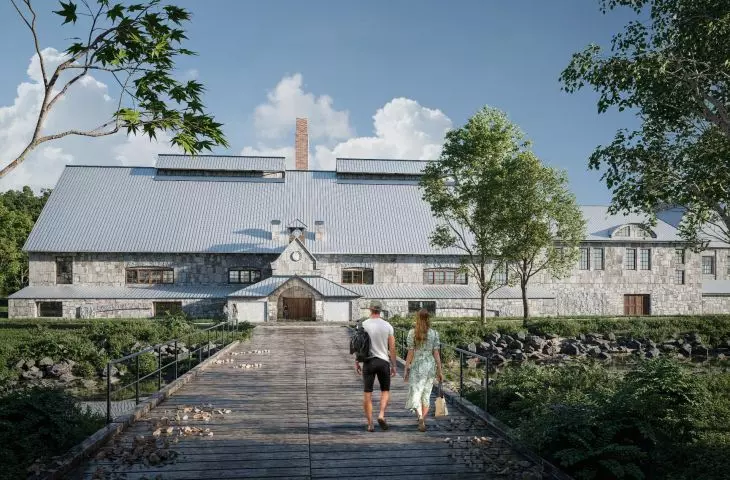
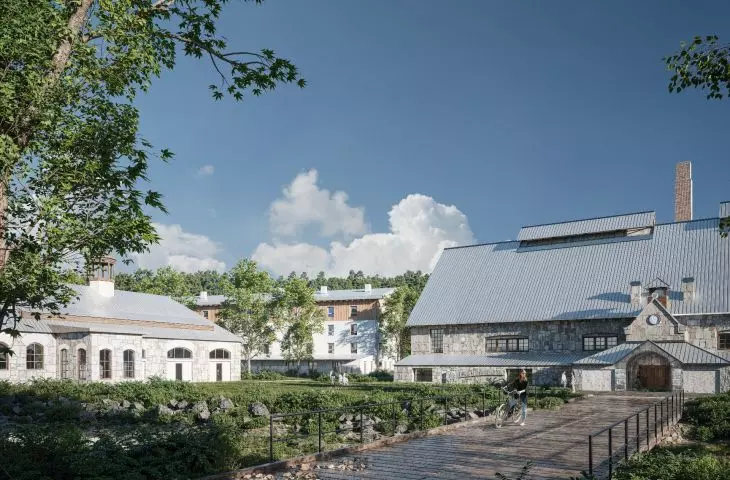
A bridge built over the river leads to the main building of the former smelter. The stone-covered block on a rectangular plan is covered by a gabled, hipped roof with massive slopes, characteristic of Sudeten architecture. The ridge of the roof has been slightly raised in two places, allowing for the creation of skylights that bring the sun's rays into the impressive, spacious production hall. The entrance is highlighted by a stone porch topped by a bell turret. The lump, which at first glance seems squat, hides a visually light, industrial interior. The factory building of the smelter was entered in the register of monuments back in the 1960s.
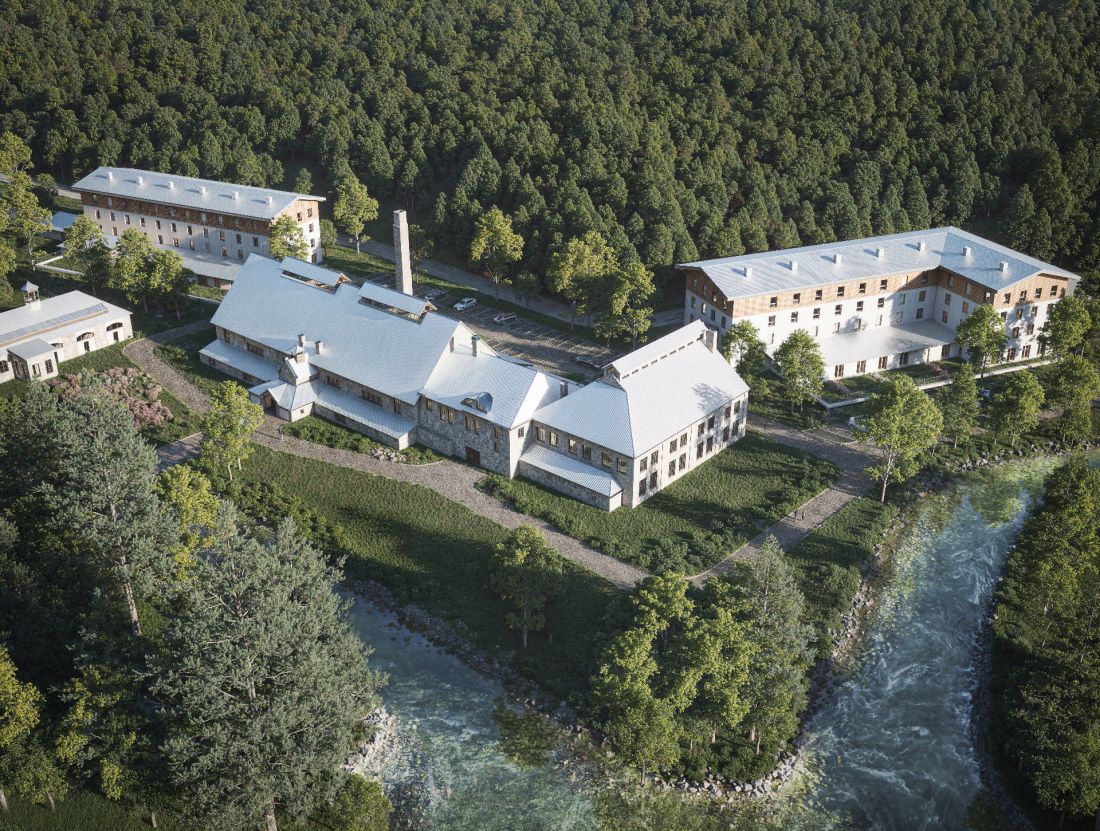
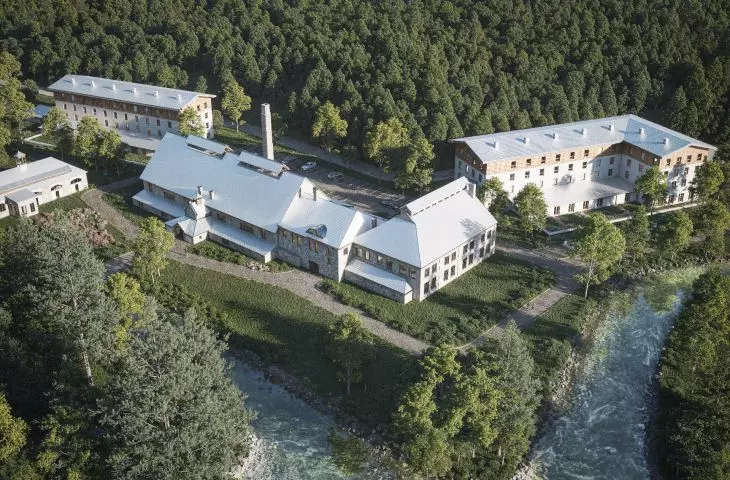
A bird's-eye view of the rebuilt complex of the Jozefina steelworks in Szklarska Poreba
© Arche
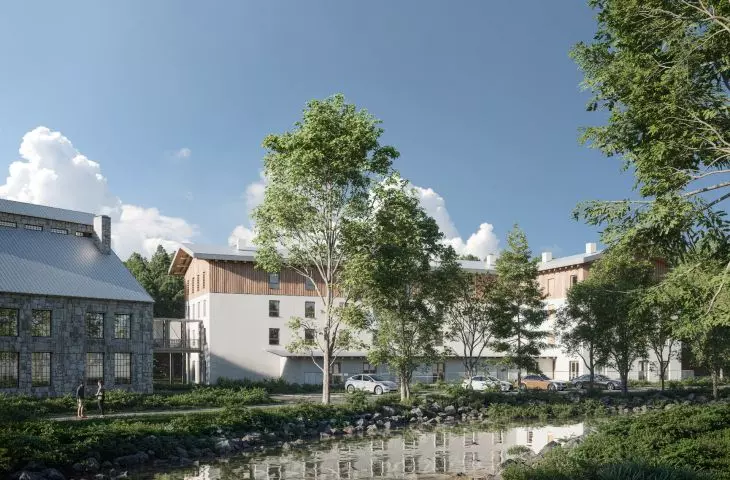
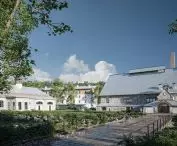
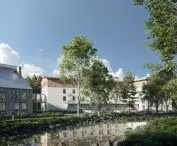
The glassworks has been a strong part of the identity of Szklarska Poreba for 150 years, which even refers to the glass production traditions in its coat of arms (the upper field features a ruby glass goblet). Such a special object for the local community requires an equally special approach. As announced by Arche Group representatives, residents will be invited to co-create new solutions for the historic building. These are not empty promises, the first meeting with residents, as well as former employees of the smelter took place in May this year - it was an opportunity to present preliminary visions for the development of the area. Among the plans are a museum related to glassmaking, a cultural and conference space to be located in the former production hall, a hotel with three hundred seats, restaurants, a swimming pool with a recreation area and a picnic beach by the river.
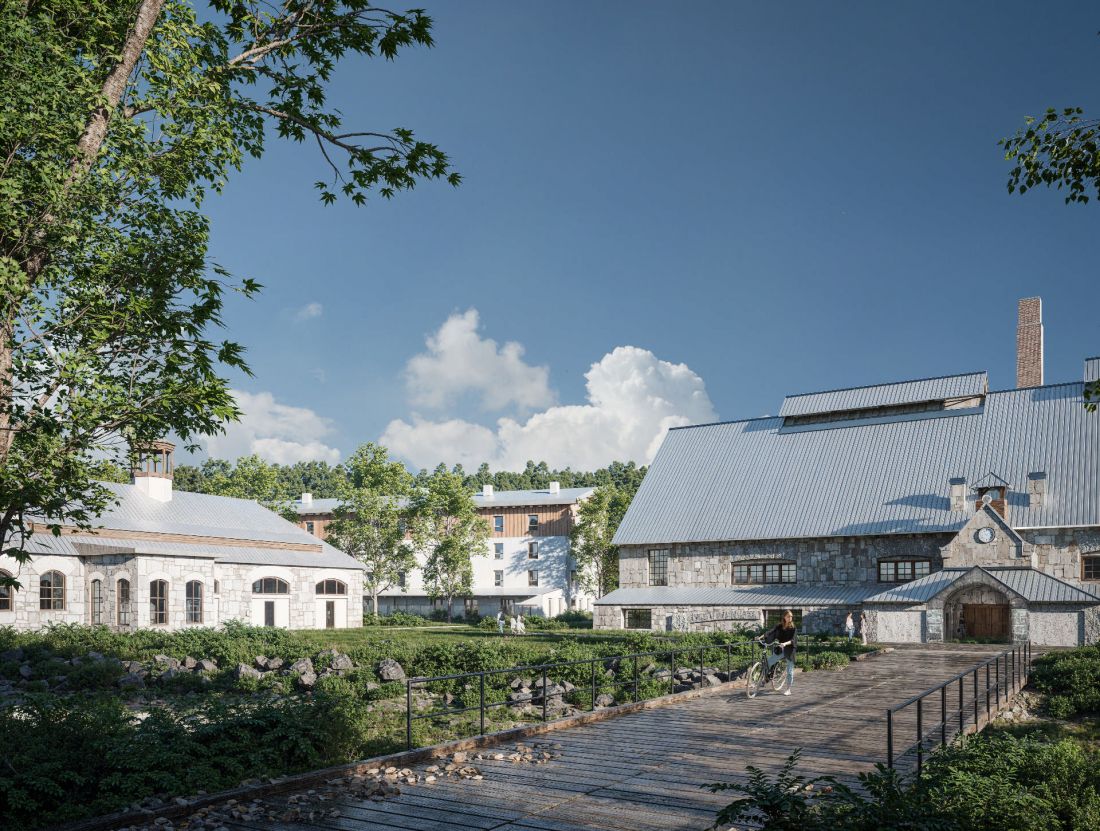
The building on the left is to house a museum, and on the right - a conference space
© Arche
The redeveloped complex is to combine cultural, conference and craft functions (the reactivation of a glass manufactory in the historic buildings is planned) with modern hotel infrastructure in complementary buildings. Although the details and scope of the work are not yet known, they give hope that the "Josephine", forgotten for years, will get a new life.