






In the context of escalating crises and forced displacement,humanitarian architecture is becoming not only a response to the lack of shelter, but also a tool for rebuilding lives and communities. These experiences make it particularly clear that architecture begins where real need meets compassion for others. We speak with Patricia Muñiz Núñez, a Spanish architect and researcher who has been involved in humanitarian aid in the field of architecture—both in practice and in academic research—for many years.
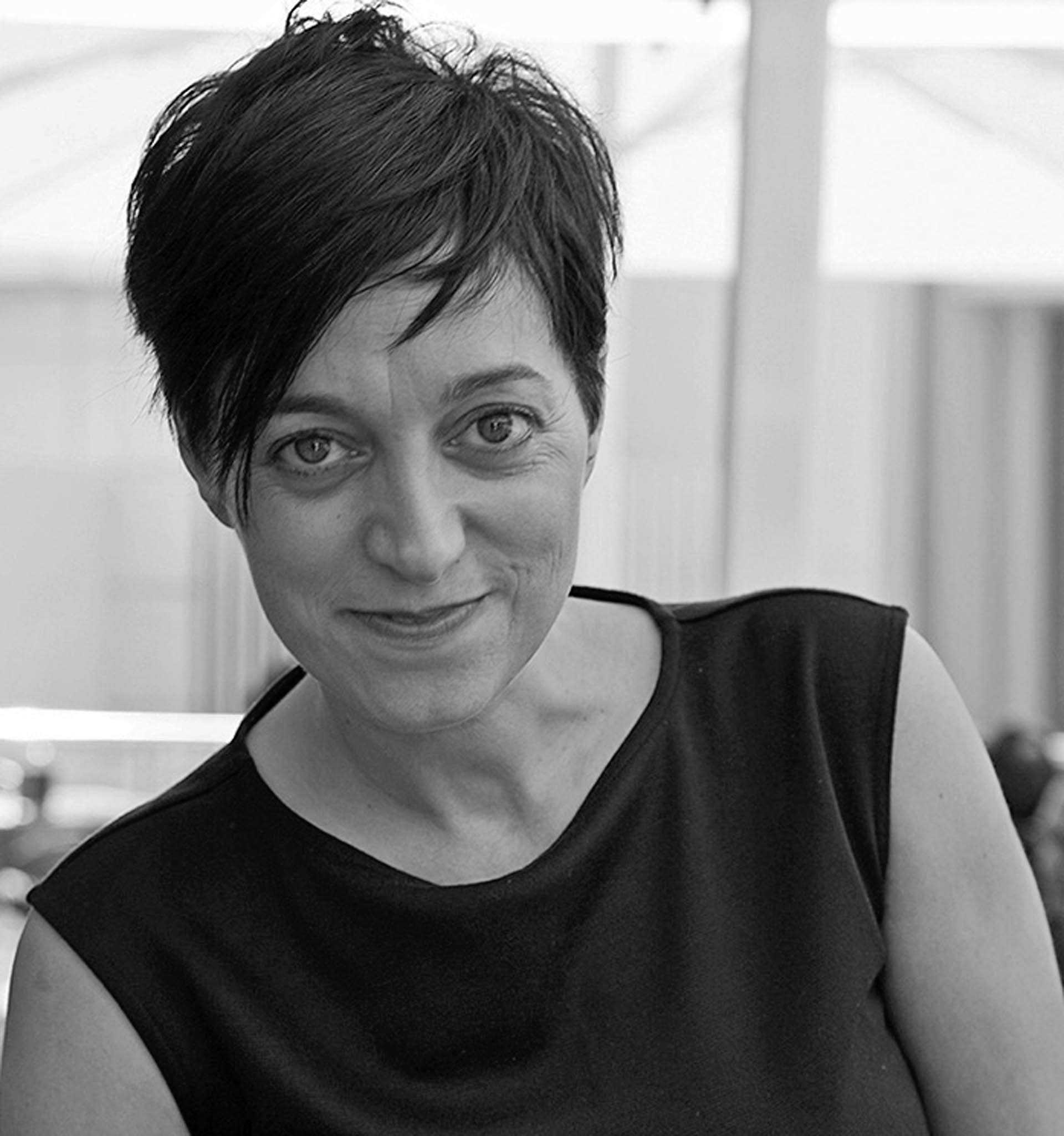
Patricia Muñiz Núñez —a Spanish architect and researcher affiliated with the University of A Coruña. She has collaborated with numerous international organizations on various projects involving temporary housing for refugees and internally displaced persons, participating as an expert throughout the entire process: from assessment visits to the development and implementation of technical solutions. She is also a co-founder of the organization Habitamos and the recipient of numerous awards for her academic and social work in the fields of architecture, global education, and innovation in international cooperation. Together with Luciano González Alfaya, she co-founded the architectural studio MMASA.
Agata Ruchlewicz‑Dzianach: How long have you been involved in humanitarian architecture?
Patricia Muñiz Núñez: It all began in 2011 with my doctoral dissertation on prefabricated temporary housing for refugees and internally displaced persons. Just one year after I began my research, the Spanish private nongovernmental organization FPSC asked me to help organize a fact-finding visit to settlements for Syrian refugees in Lebanon and Jordan. The goal was to assess housing needs in both countries, analyze potential improvements, and propose new strategies in collaboration with UNHCR [the United Nations High Commissioner for Refugees—Ed.]. Since that project, I have been working primarily in the field of temporary and transitional housing.
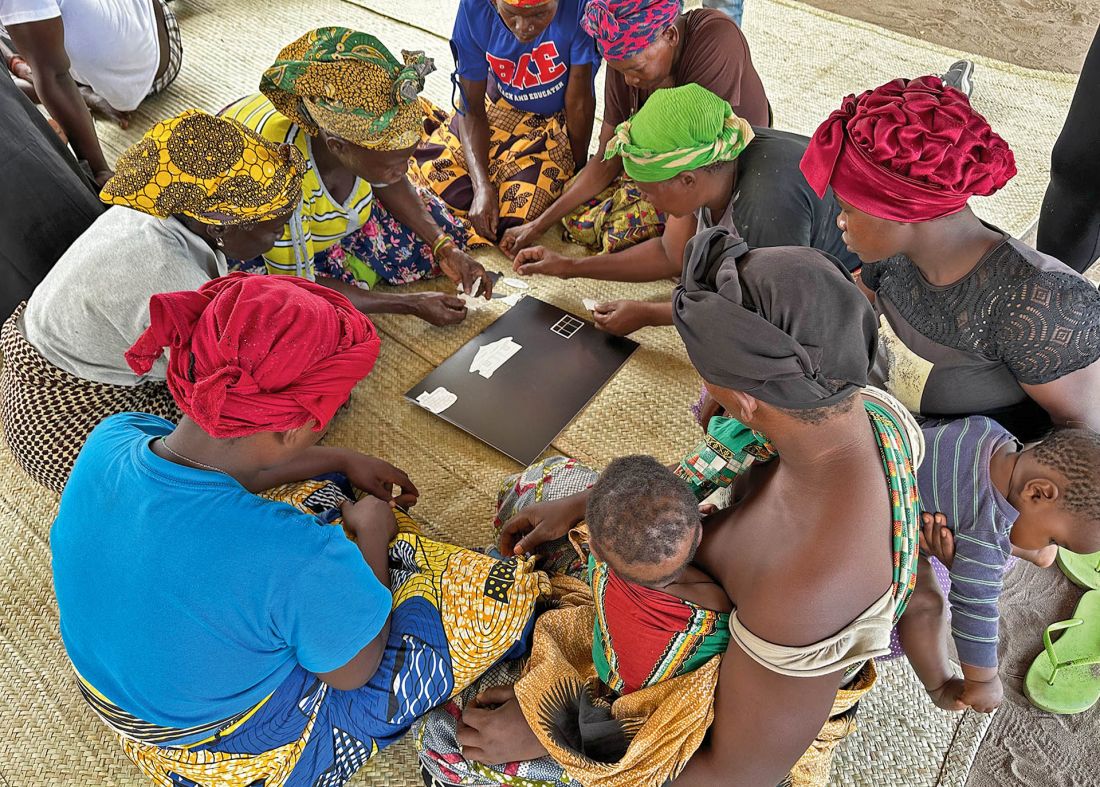
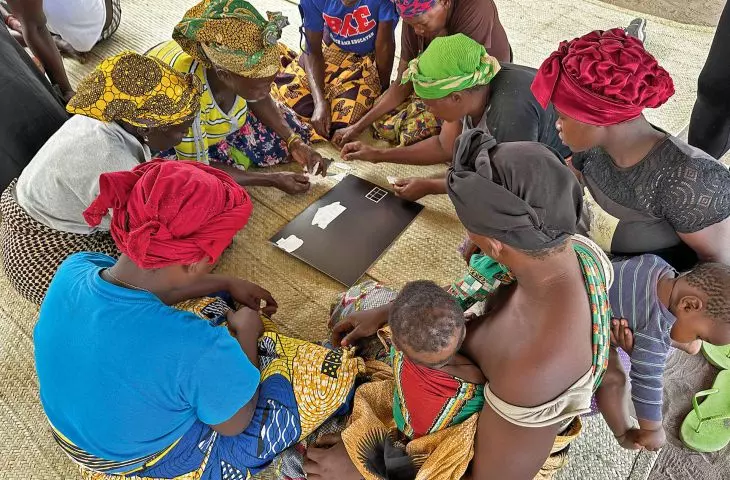
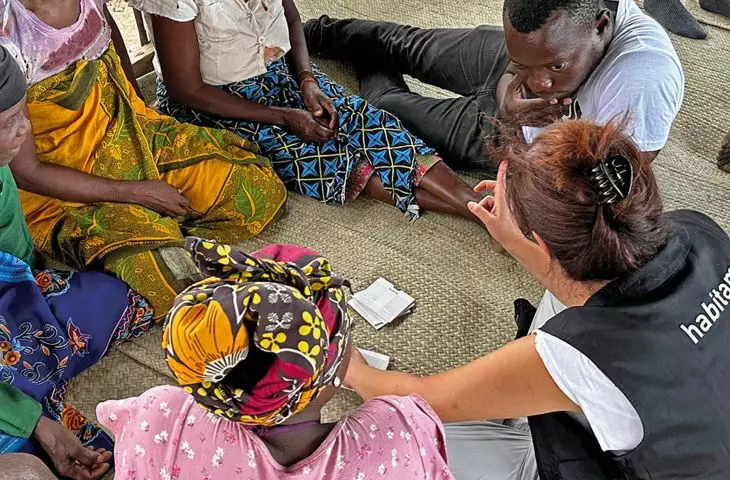
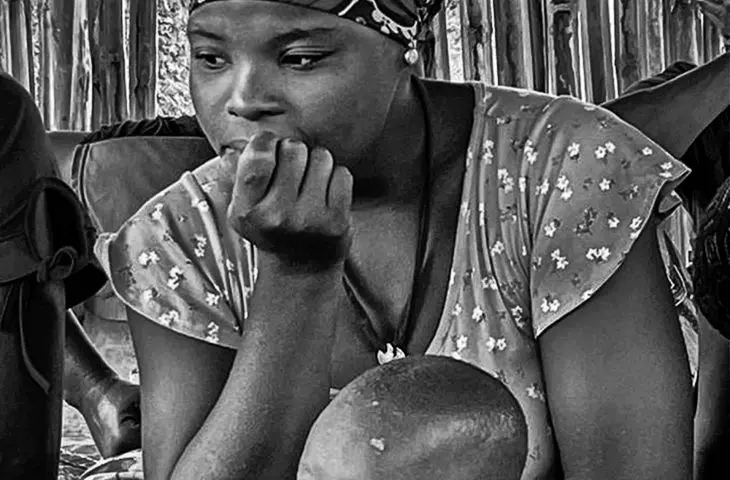
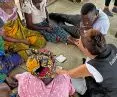
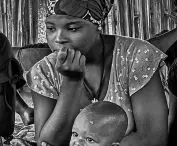
participatory sessions with refugee women
Photo: Patricia Muñiz © Ayuda en Acción
Anna Wejkowska-Lipska: You’ve participated in humanitarian aid projects in Lebanon, Jordan, Palestine, Syria, Mozambique, and Ukraine, among other places. Was any of them particularly important to you?
Patricia Muñiz Núñez: A project I carried out in Mozambique in 2023, together with the Ayuda en Acción Foundation and the Habitamos association, is particularly close to my heart. It involved designing temporary housing in response to the humanitarian crisis that began in the Cabo Delgado region in 2018. Due to a terrorist insurgency, more than one million people were displaced there. The situation was further exacerbated by weather events caused by climate change.
Anna Wejkowska-Lipska: In this project, you worked with diverse user groups. What was most important when defining its objectives?
Patricia Muñiz Núñez: Transitional housing is defined as a stage between temporary shelter and a permanent place of residence and should be understood not as a product, but as a process of returning to a stable life. This approach is based on the so-called crisis-development continuum, which encompasses successive phases: from crisis, through recovery and stabilization, to lasting solutions and development.
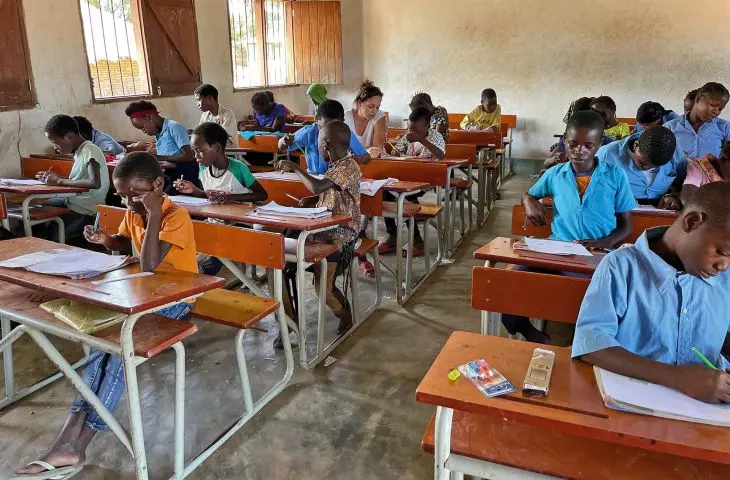
In this project, we analyzed the needs of various social groups, such as people with disabilities, foster families, families in difficult circumstances, and older adults. The goal was to develop comprehensive, tailored solutions based on this approach. We also paid special attention to women and girls. One of the most positive aspects of this project was the involvement of this particularly vulnerable group, which faces greater adversity due to their gender. From the very beginning, even during the design phase, refugee women were included in the process through participatory workshops, and the prototype was designed so that they could build it themselves.
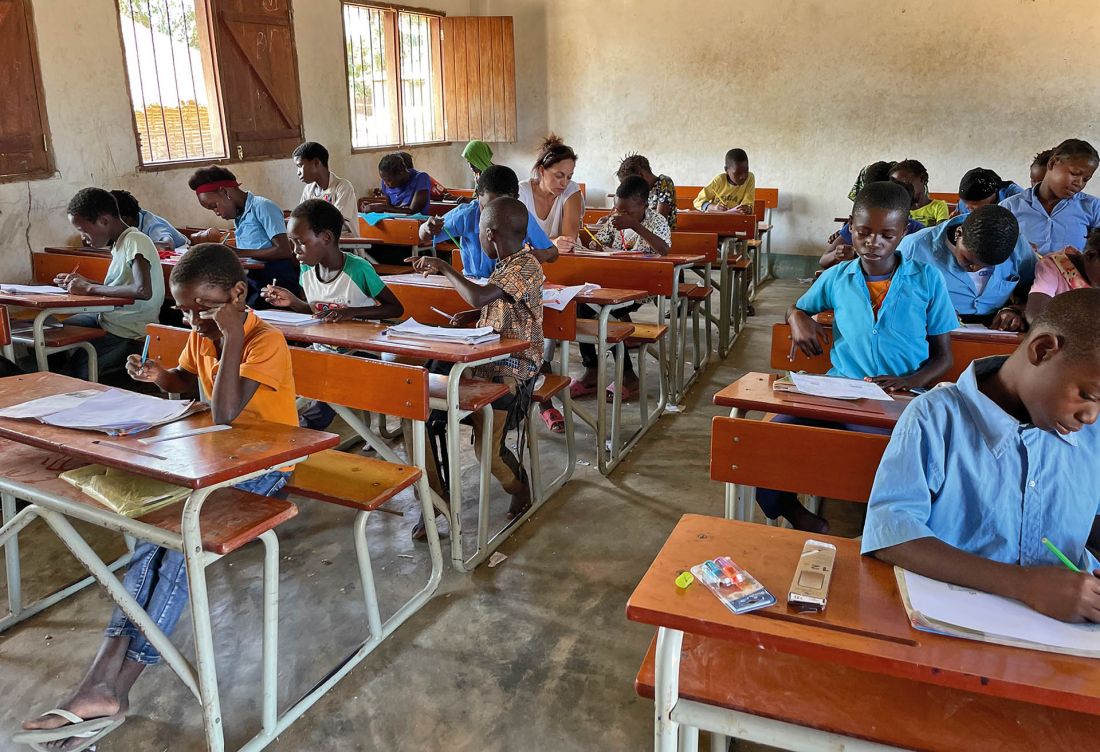
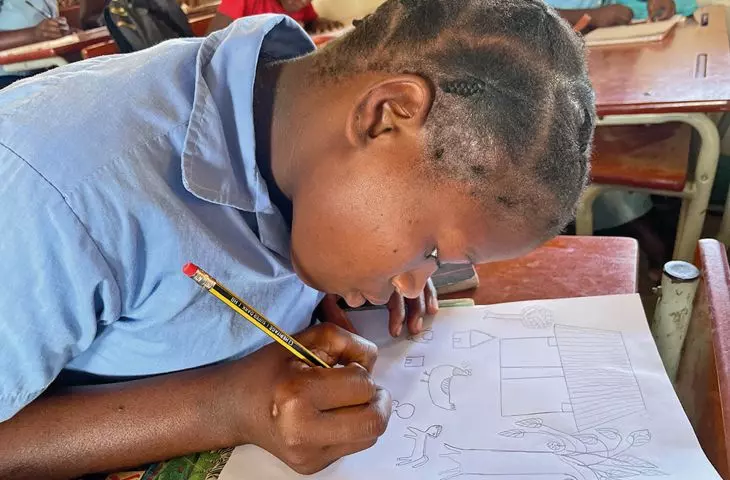
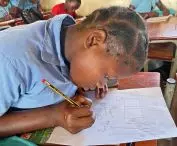
Participatory activities with children in Cabo Delgado (Mozambique)
Photo: Patricia Muñiz © Ayuda en Acción
Agata Ruchlewicz-Dzianach: Another of your projects, for which you received the Premio González Llanos award, is also connected to Mozambique, and the publication “De la emergencia a la recuperación” (“From Emergency to Recovery”) about this project was among the finalists of the 17th BEAU—the Spanish Biennial of Architecture and Urbanism.
Patricia Muñiz Núñez: Yes, that’s a project carried out a year after the one we were just discussing. It also concerned Cabo Delgado and focused on developing a methodology for building housing for displaced people who had returned to their original communities or settled permanently in new ones. It was developed in collaboration between the Ayuda en Acción Foundation and the University of A Coruña, which allowed us to involve representatives from various disciplines, such as architects, engineers, sociologists, and psychologists. Thanks to this, our approach was more comprehensive.
Beyond the design of the housing units themselves, the project aimed to strengthen the most vulnerable communities, taking into account aspects such as access to water and sanitation, protection, and household livelihoods. The goal was to develop an innovative housing solution that would not only address the need for shelter but also support the gradual return of displaced persons to normal life.
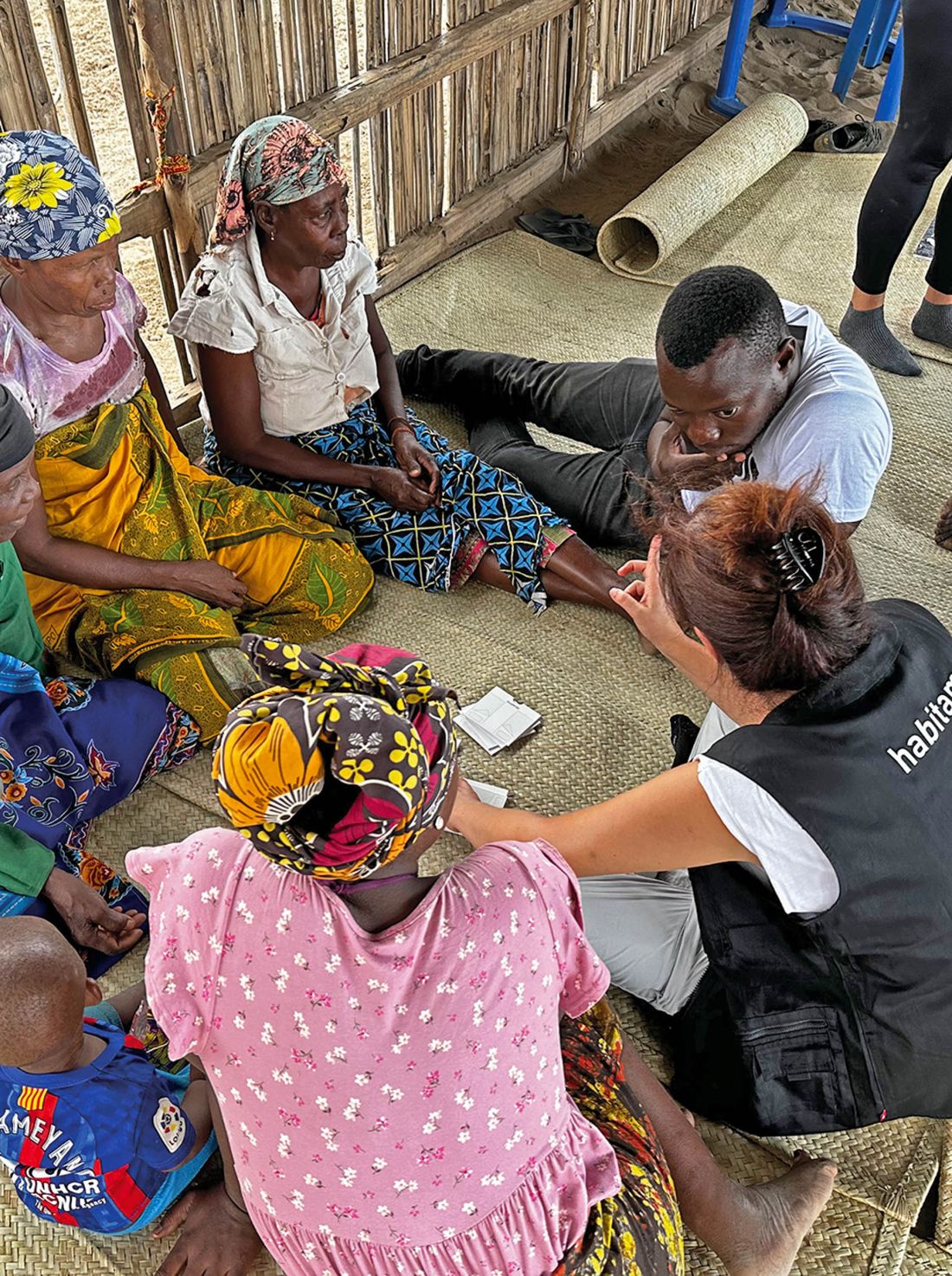
participatory sessions with refugee women
Photo: Patricia Muñiz © Ayuda en Acción
Agata Ruchlewicz-Dzianach: That’s a very important aspect. How does it work in practice?
Patricia Muñiz Núñez: We use technology based on local materials and labor, aiming to help project participants become self-sufficient so they can continue construction work and solve problems that arise after the external support phase ends. Every project must meet this requirement. Under this project, 200 homes have already been built by displaced people using this approach. In such efforts, it is essential to avoid a paternalistic approach. At the same time, because this is a “methodology” rather than merely a product design, the results can be adapted to many other crisis situations around the world.
Anna Wejkowska-Lipska: When we talk about transitional housing, what time frame are we referring to?
Patricia Muñiz Núñez: This type of shelter is intended to meet the housing needs of disaster-affected populations between a state of emergency and a permanent solution. After a natural disaster, the reconstruction process typically takes two to five years. However, the duration of an armed conflict can never be predicted. Some have been going on for decades. We can, however, consider five years to be the maximum “reasonable” period.
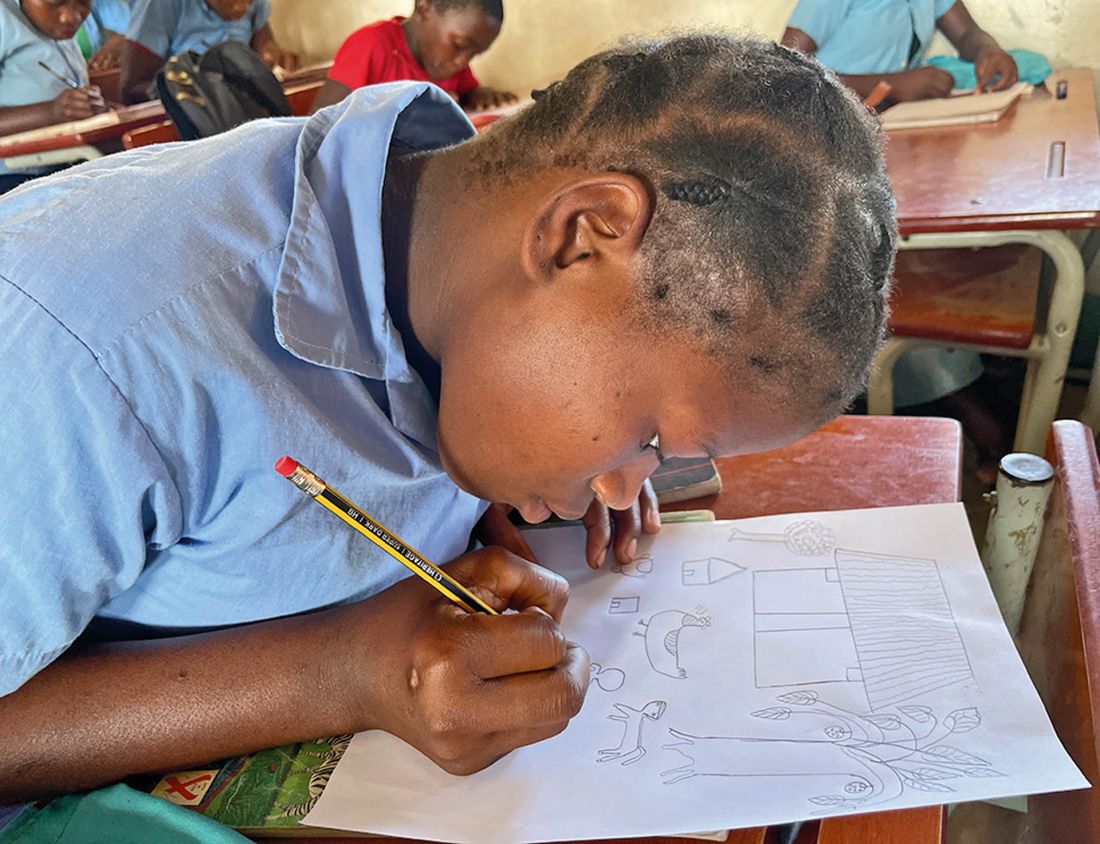
participatory activities with children in Cabo Delgado (Mozambique)
Photo: Patricia Muñiz © Ayuda en Acción
Anna Wejkowska-Lipska: Regardless of the temporary nature of the solution, the goal is to create a home. And we’re not just talking about the building design here.
Patricia Muñiz Núñez: Of course, for all of us, “home” is more than just a building—and even more so in situations like these. It’s a place where we feel safe, where we can raise our children, where we don’t get sick because of poor living conditions, located close to sources of livelihood, family, or friends, and providing a minimum level of security and a sense of belonging. Temporary housing should offer all of this. Unfortunately, a very large percentage of people in the world will never experience this. And we’re not just talking about displaced people here…
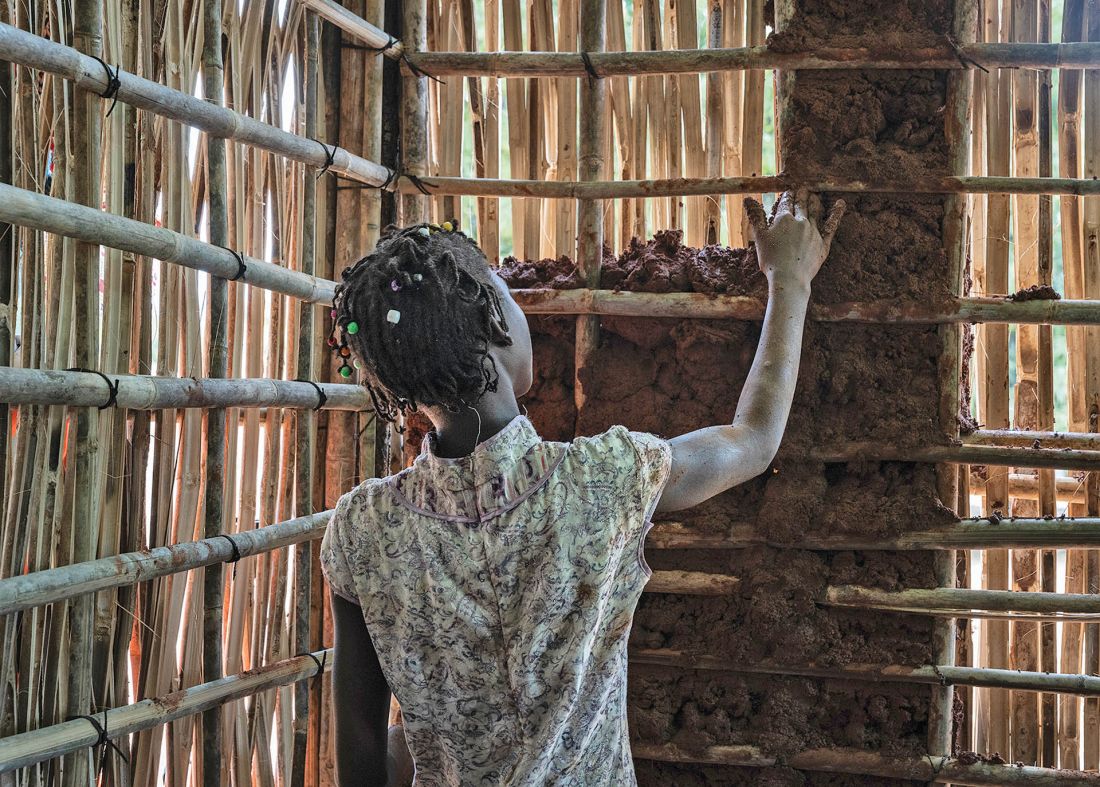
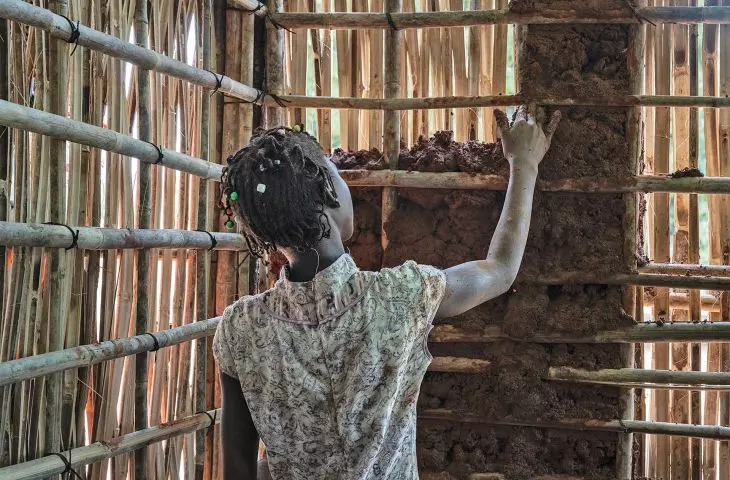
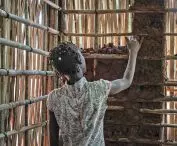
a teenager helping to build a designed temporary shelter
© Ayuda en Acción
Agata Ruchlewicz-Dzianach: What does the design process for temporary shelters look like? Where do you start?
Patricia Muñiz Núñez: First and foremost, it must provide protection from the elements, a basic living space, and a place to store personal belongings, as well as a sense of privacy and emotional security. That is why the design of every temporary housing unit should begin with a participatory process that is as inclusive as possible. This is particularly important when gender issues are involved. Housing arrangements following displacement often result in discrimination against refugee women, ignoring issues such as limited autonomy, failure to adapt to local customs, lack of privacy, or an increased risk of gender-based violence.
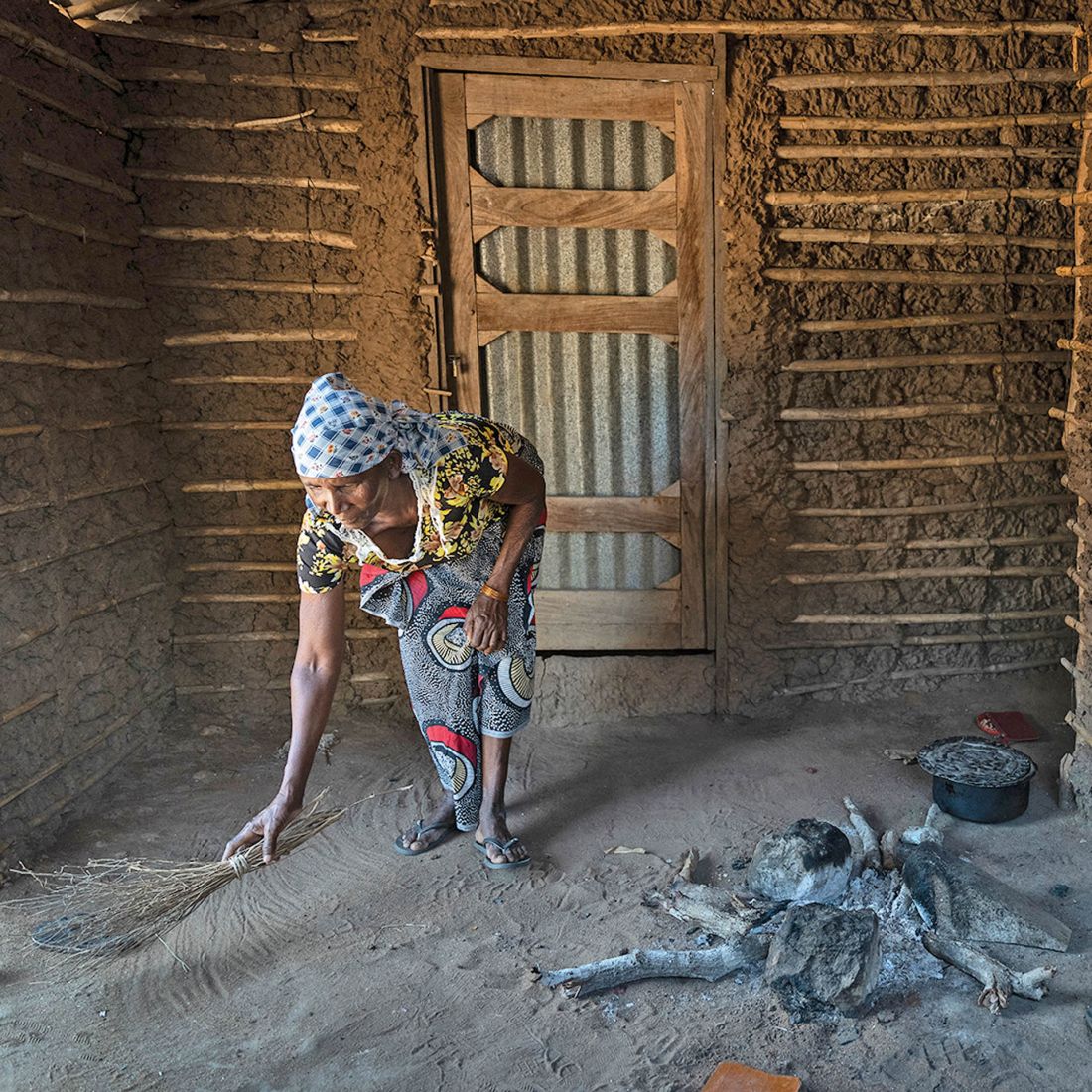
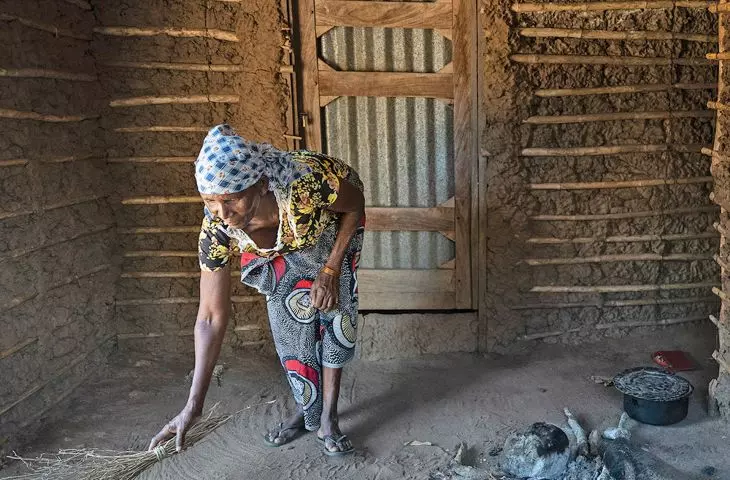
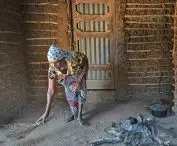
Rosa Mario sweeping her home, built with support from Ayuda en Acción
© Ayuda en Acción
Agata Ruchlewicz‑Dzianach: What else is important in this process?
Patricia Muñiz Núñez: Definitely the use of local materials and technologies familiar to the community. It is common to use materials sourced from the immediate surroundings, though caution is needed here as well, because without sufficient efforts to replenish them, resources may dwindle. It is important that solutions be adapted to the geographic location, culture, and customs of the target group.
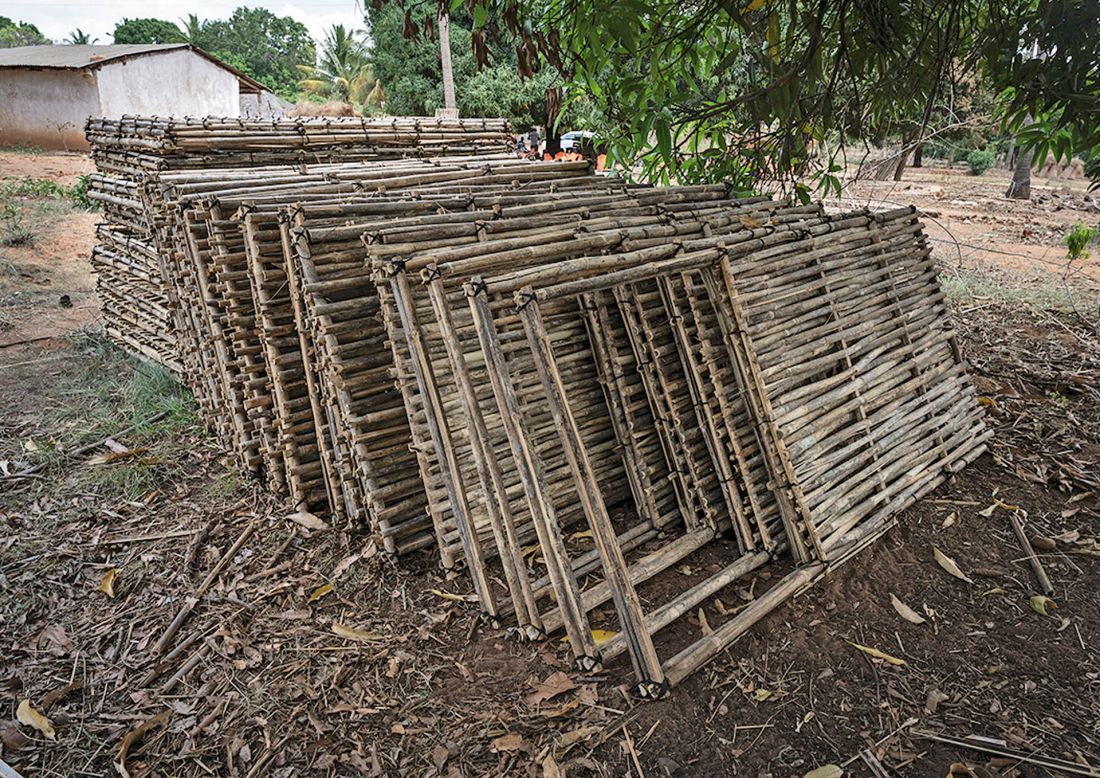
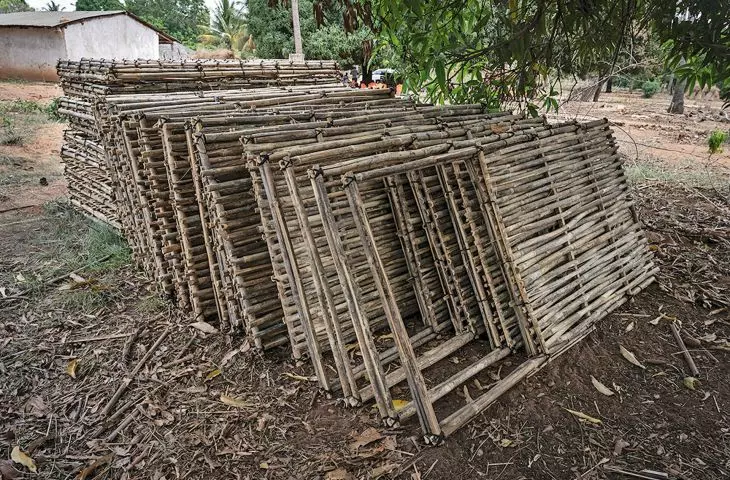
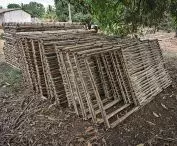
prefabricated panels for a designed temporary shelter
© Ayuda en Acción
Anna Wejkowska‑Lipska: For years, you have worked as an expert with, among others, Caritas Lebanon, UNHCR, the Causas Comúns — Utopia Project association, and the aforementioned FPSC Foundation. In 2022, you co-founded Habitamos. Where did the idea to create your own organization come from?
Patricia Muñiz Núñez: We thought about it for a long time… Why create a new organization when there are already so many, and we can continue to collaborate with them? There were two reasons. First, there was a need to bring together a group of people who share similar values and concerns. Second, and equally important, Habitamos was created to promote research and collaboration among the various sectors involved in development efforts.
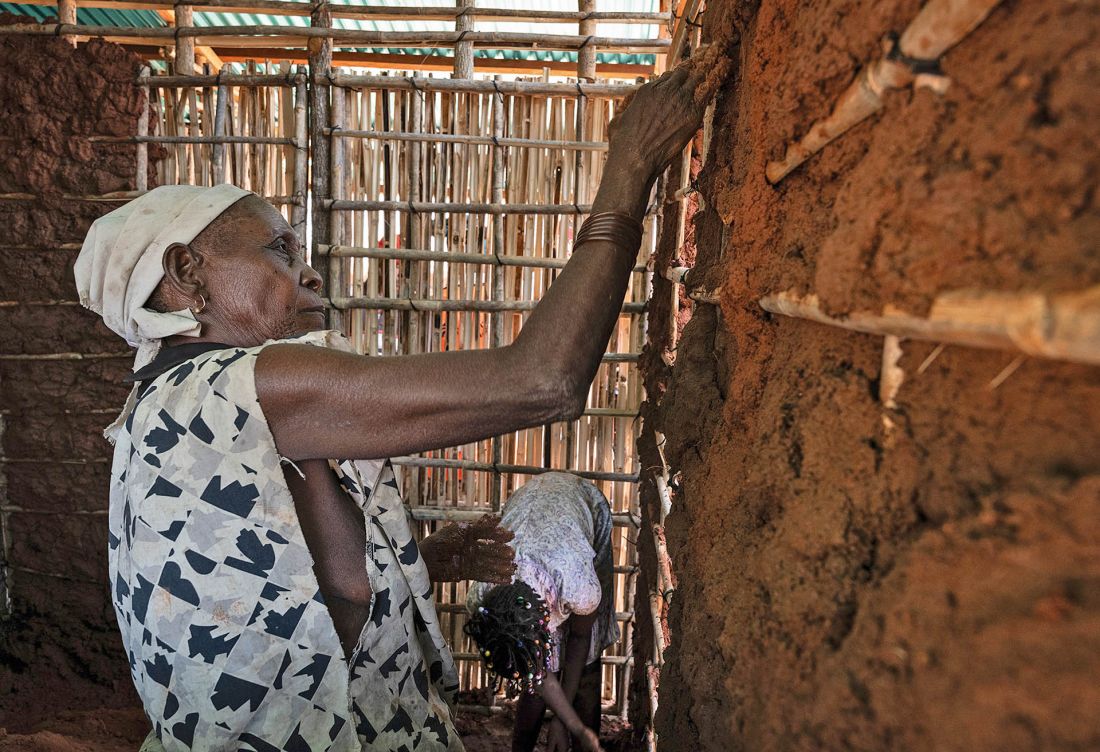
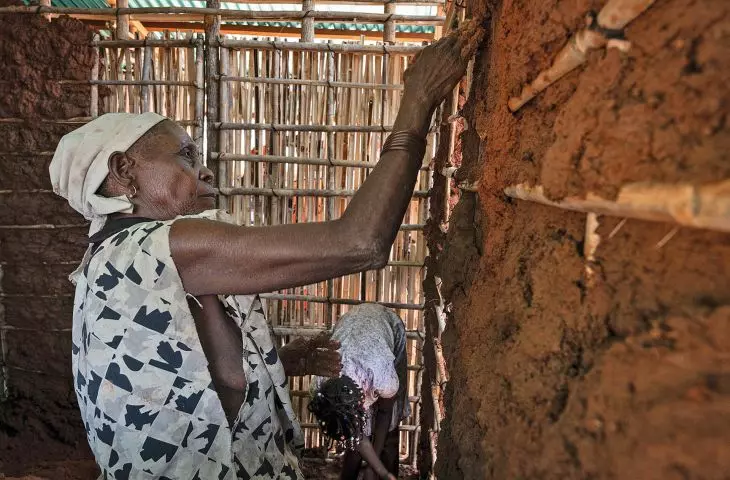
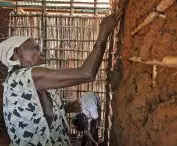
An elderly woman participating in the construction of a designed temporary shelter
© Ayuda en Acción
Anna Wejkowska-Lipska: Does that mean Habitamos is intended to serve as a bridge between the academic community and the professional world and industry?
Patricia Muñiz Núñez: Many of the activities carried out at the university remain at the theoretical level and rarely translate into practice. As members of the university community, we wanted to share this knowledge with the outside world while also creating a space where the public could turn to us for support. And we succeeded! The association has enabled us to build various cross-sector relationships. We work together by disseminating and exchanging information and best practices in the areas of research, training, and the implementation of joint projects.
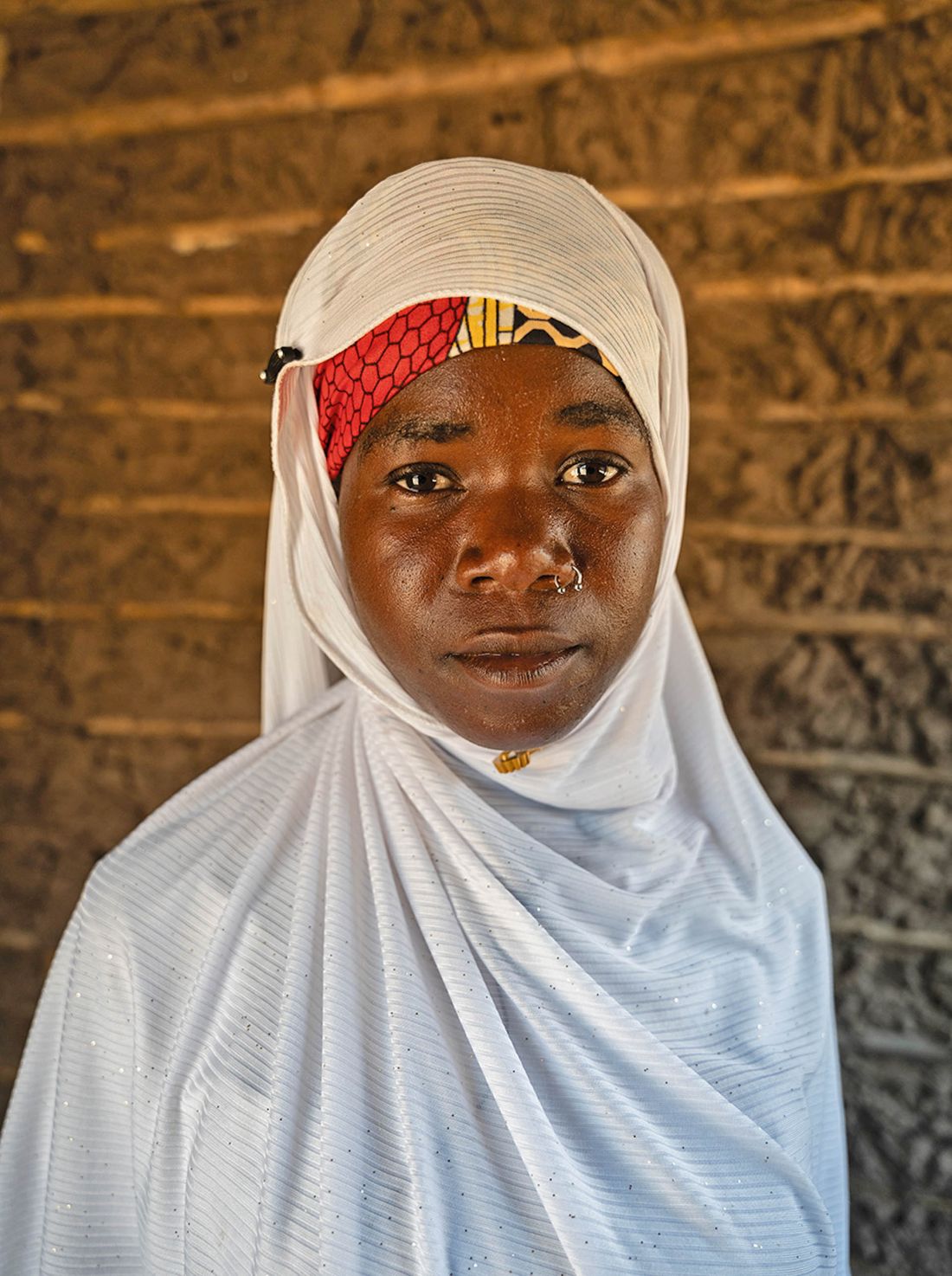
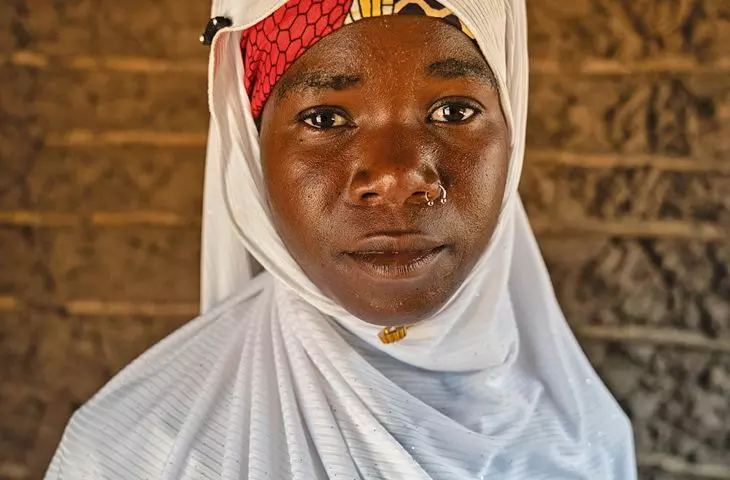
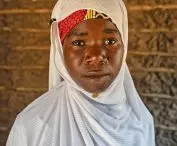
Amelia Mussa, a refugee selected for training in temporary shelter construction, where she learned many building techniques; she also received a toolkit (machete, hammer, pliers, shovel, rope, measuring tape) and a certificate
© Ayuda en Acción
Agata Ruchlewicz-Dzianach: Now, after fifteen years of working in humanitarian architecture, how do you assess the scale of the challenges you face?
Patricia Muñiz Núñez: Currently, more than 123 million people have been forced to leave their homes due to persecution, conflict, or human rights violations. Every year, mass displacements occur due to natural disasters. Since the UNHCR was established in 1950, these numbers have only been rising. The challenges are growing ever larger and more urgent. Every day, we see reports of mass displacement in the media: nearly 13 million people have fled their homes in Sudan due to the deadly conflict ravaging the country. Years of drought in the Horn of Africa have caused the number of internally displaced people in Ethiopia, Kenya, and Somalia to rise steadily. In the first month of the current war in the Middle East, hundreds of thousands of people were displaced… I could go on and on… We are not prepared for such widespread displacement.
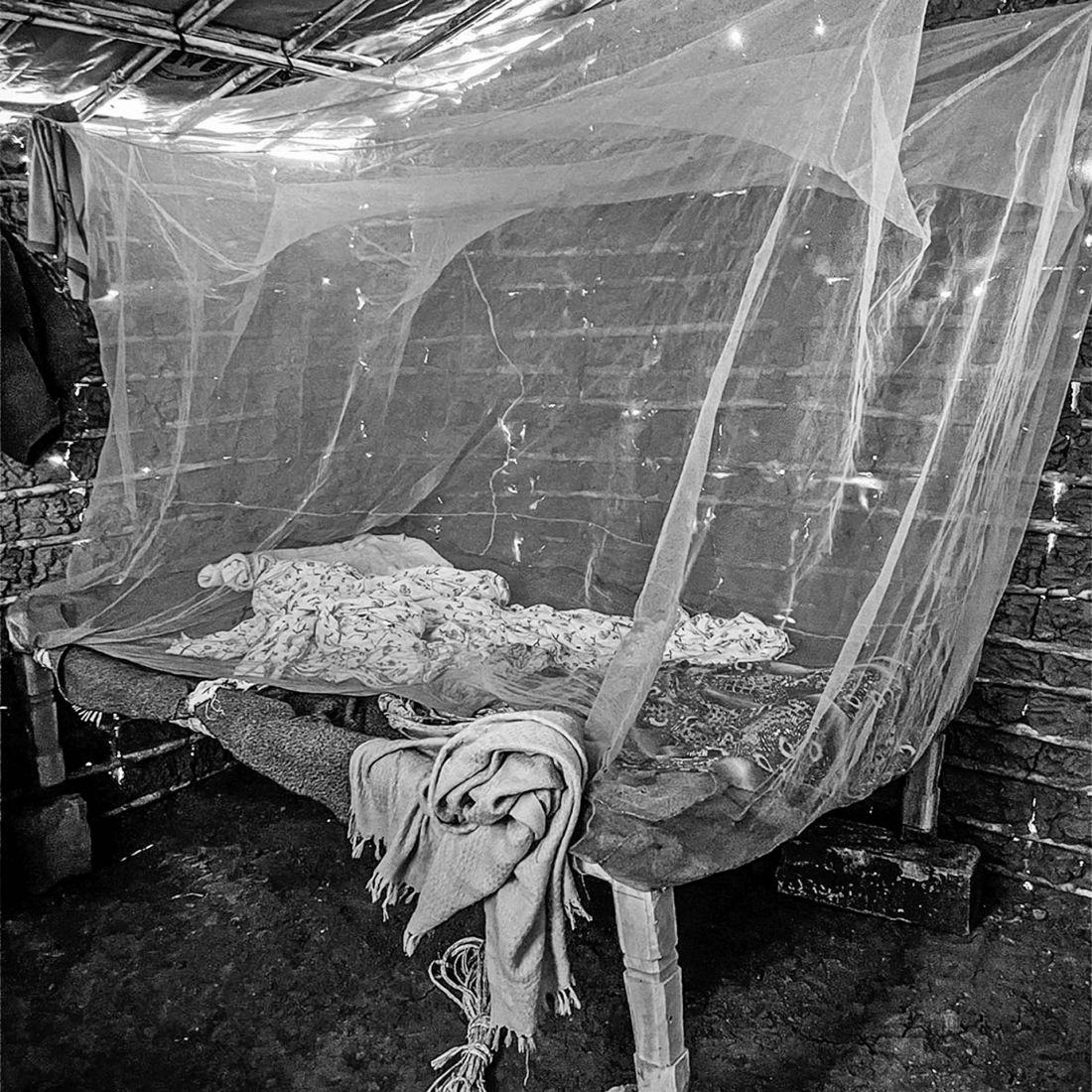
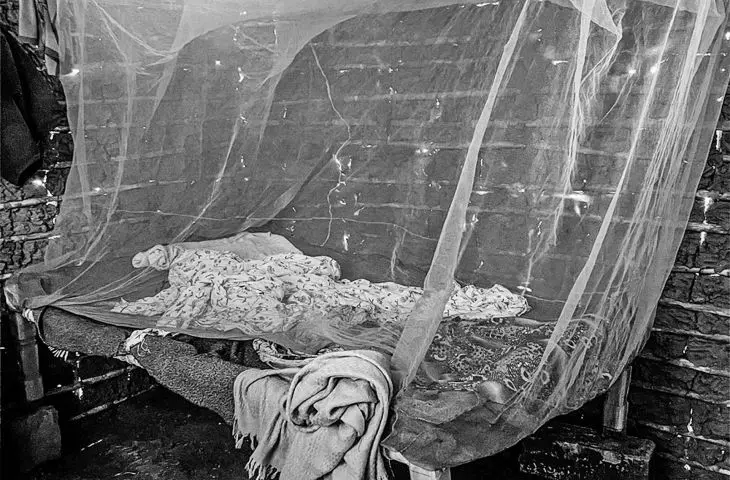
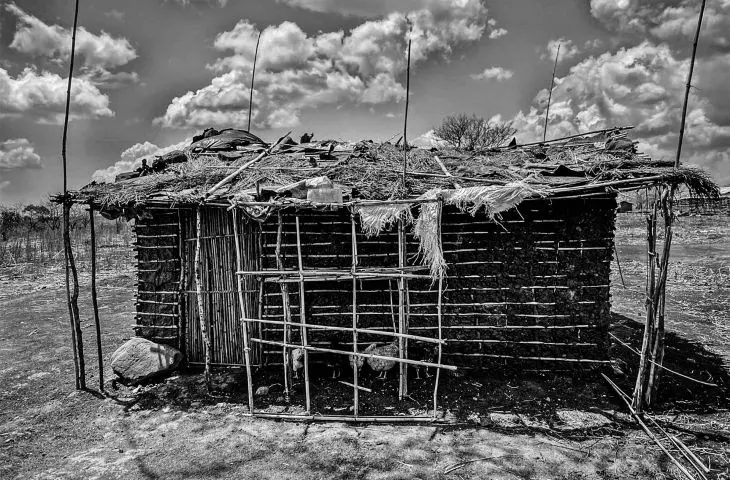
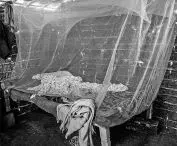
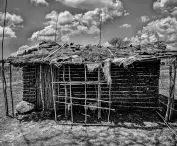
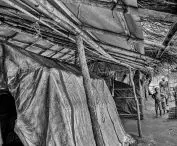
A temporary shelter and its interior in Cabo Delgado (Mozambique)
Photo: Patricia Muñiz
Agata Ruchlewicz-Dzianach: What is proving to be the most difficult aspect of this situation today?
Patricia Muñiz Núñez: The main challenge is finding a durable solution—such as voluntary repatriation, local integration, or resettlement—that breaks the cycle of displacement and allows people to return to a stable life in a safe environment. However, until these durable solutions are achieved, the urgent priority is to provide shelter for displaced persons with minimum sanitary conditions.
Anna Wejkowska-Lipska: In this context, what are the threats posed by climate change? What is the scale of these threats? Can we predict and prevent them?
Patricia Muñiz Núñez: I don’t think we can predict them, but I believe we can and must be better prepared. 75 percent of the population lives in areas that have been affected by at least one natural hazard, and now, more than ever, natural disasters are causing a significant increase in the number of people left homeless. According to the Internal Displacement Monitoring Centre’s 2025 report on global disaster risk reduction, there were 45.8 million people displaced by natural disasters worldwide in 2024. This is nearly double the annual average for the past decade. The situation is clearly not improving. We are not investing enough in risk reduction, even though we know we must prepare for mass displacement caused by the effects of climate change.
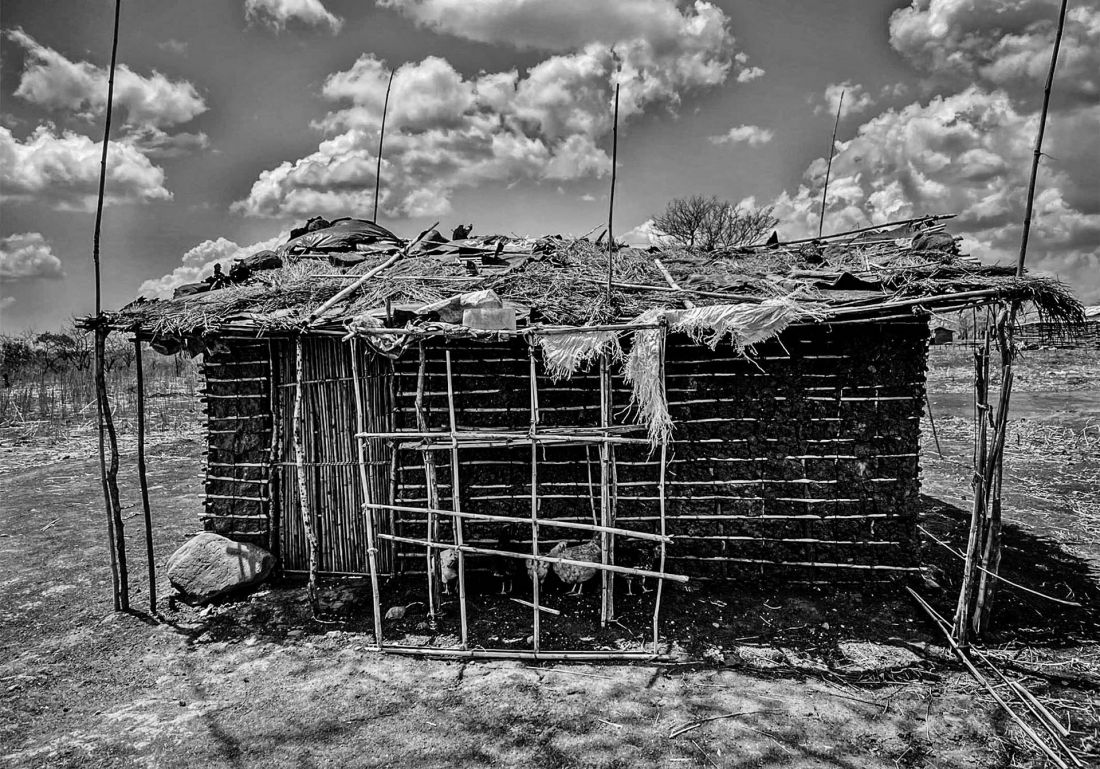
A temporary shelter and its interior in Cabo Delgado (Mozambique)
photo: Patricia Muñiz
Agata Ruchlewicz-Dzianach: In a broader sense, how do you view the role of architecture in supporting communities that, in a crisis, have to start all over again?
Patricia Muñiz Núñez: Architecture has the power to influence every aspect of people’s lives, not just during crises. In fact, it plays a fundamental role in preventing such crises from occurring in the first place. This means that all our decisions—from where and how we build our homes to land management—can either increase or decrease the impact of a threat. In the event of a disaster, its impact on the population depends not only on its intensity but also on the degree of exposure and vulnerability of the surrounding environment. That is why risk-reduction best practices are a priority.
Agata Ruchlewicz-Dzianach: What do you mean?
Patricia Muñiz Núñez: In crisis situations, architecture influences whether those affected by the crisis feel alienated or not. It can facilitate a gradual return to normalcy. It can strengthen the autonomy and physical and mental recovery of those affected, as well as free them from unsanitary and dangerous conditions. It is said that housing construction is the Achilles’ heel of humanitarian aid, as it is one of the most costly and complex areas of implementation. Despite the difficulties associated with introducing innovations into the day-to-day work of humanitarian aid, it is crucial to support them through essential collaboration with industry, academic institutions, and specialists. It is essential to design with the present in mind, while planning for the future and seeking material solutions combined with social mechanisms.
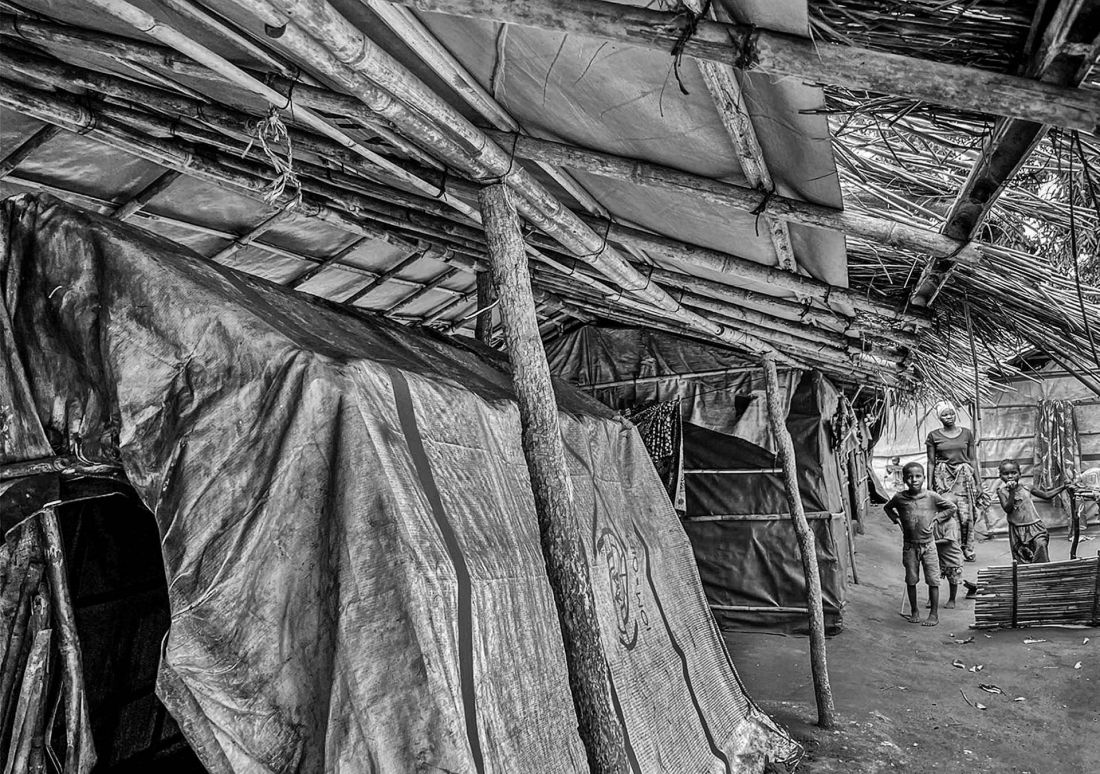
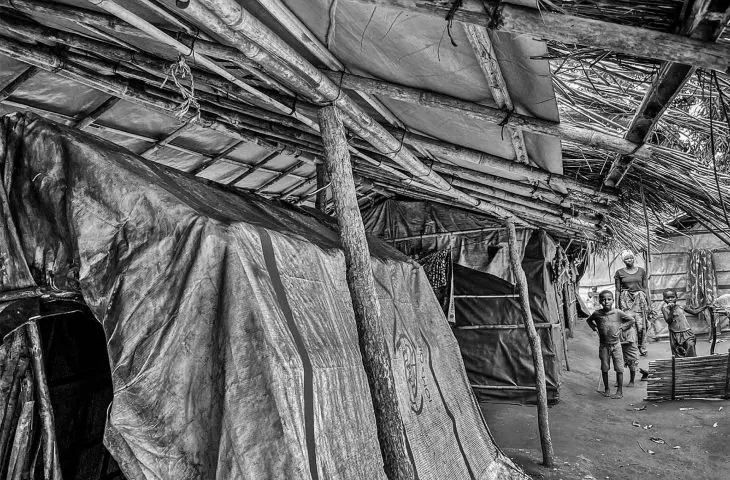
Emergency shelter in the Saul refugee camp
Photo: Patricia Muñiz
Anna Wejkowska-Lipska: Working in regions affected by conflicts and disasters involves confronting extremely intense human experiences. To what extent have these experiences influenced the way you design today?
Patricia Muñiz Núñez: That’s not an easy question, because working in such diverse contexts forces you to think and design differently. I’ve learned to set aside unnecessary aspects of architecture and focus on what’s essential and important. In fact, most of the projects currently being carried out at our firm, Estudio MMASA, are social housing projects.
Anna Wejkowska-Lipska: Can experiences from humanitarian projects inspire architects to think more broadly about cities and sustainable design?
Patricia Muñiz Núñez: There is no architecture more human-centered than that which resolves crises with minimal resources, while thoroughly analyzing the needs of a given community and the local context. Architecture that draws on traditional systems and renewable materials, and that engages the community from the very beginning through to the final training phase, so that the project becomes self-sustaining. This is exactly what humanitarian architecture must be. It seems that if we applied this methodology to the design of our cities and buildings, it wouldn’t be a bad thing, would it?
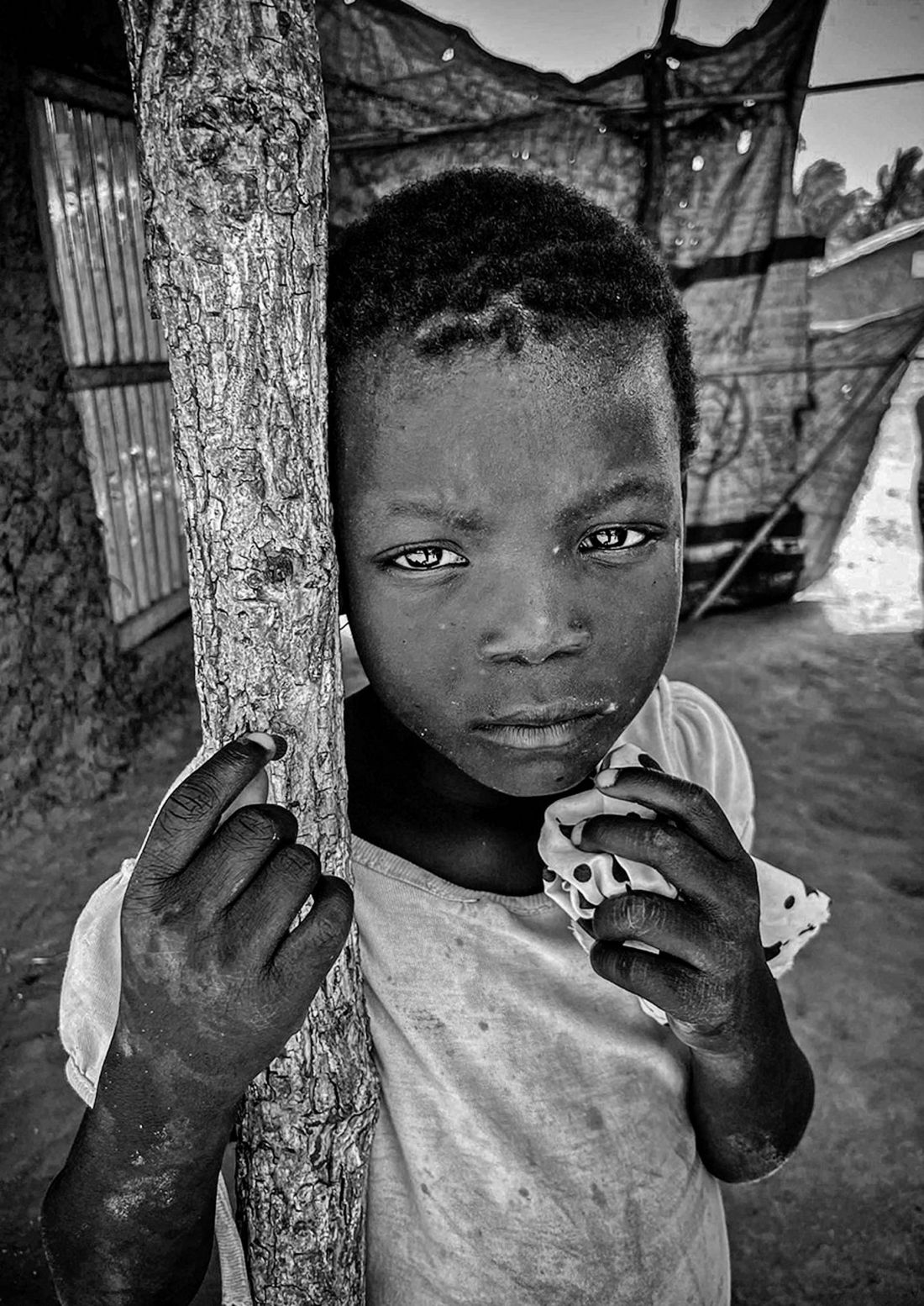
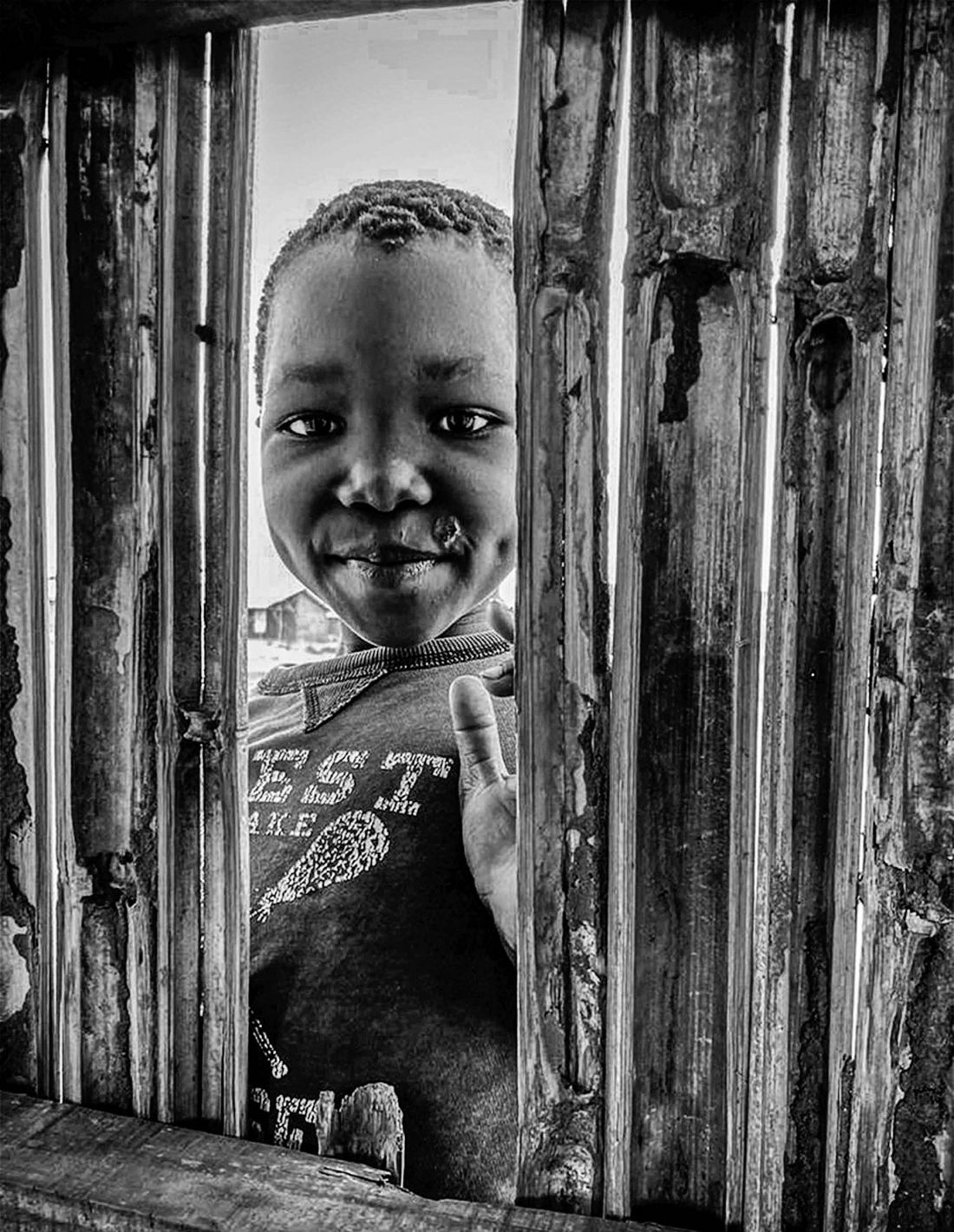
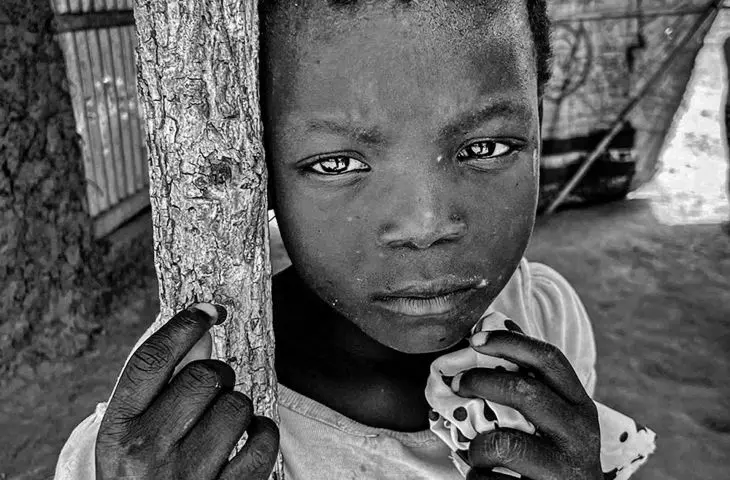
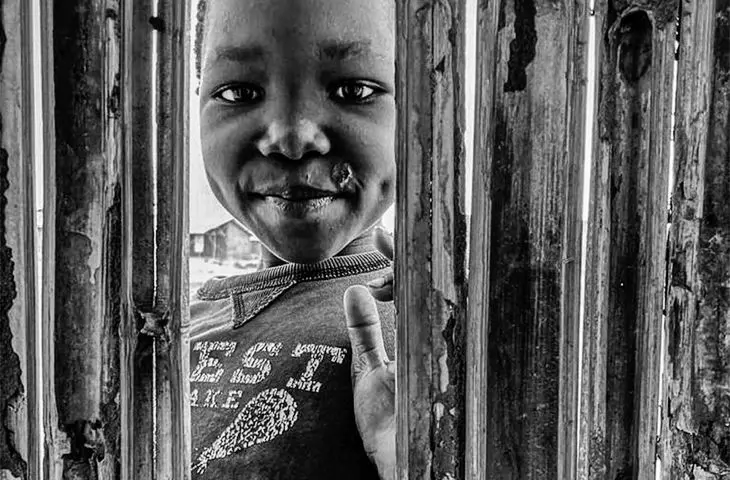
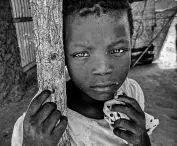
Children from Mozambique in a refugee camp
Photo: Patricia Muñiz
Anna Wejkowska-Lipska: Definitely, that would be very valuable.
Agata Ruchlewicz-Dzianach: In closing: What would you say to young architects who want to design with people in mind and with a sense of responsibility in a broader, global context?
Patricia Muñiz Núñez: Architecture has the power to profoundly change the world; we hold in our hands a powerful tool for improving our surroundings. First and foremost, our immediate surroundings. We don’t have to travel to a country engulfed in conflict to apply the knowledge we’ve gained for the good of the community and to fight for the rights of those who would never have access to an architect on their own. I don’t consider myself anyone special. There are many architects around the world who have dedicated their lives to fighting for these rights and have much more to share. But if you think my words might inspire young people, I’d simply like to tell them to understand just how small a role we play in the world. We probably won’t change it completely, but every seed we plant is important. We can all make things better.
Agata Ruchlewicz-Dzianach, Anna Wejkowska-Lipska: Thank you for the interview.
Interviewers: Agata RUCHLEWICZ-DZIANACH, Anna WEJKOWSKA-LIPSKA
more: A&B 5/2026 – Ecology,
Download free digital issues of A&B