




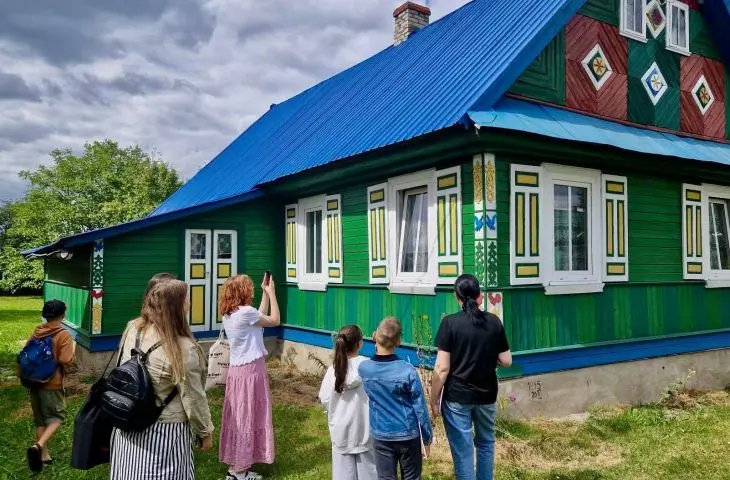
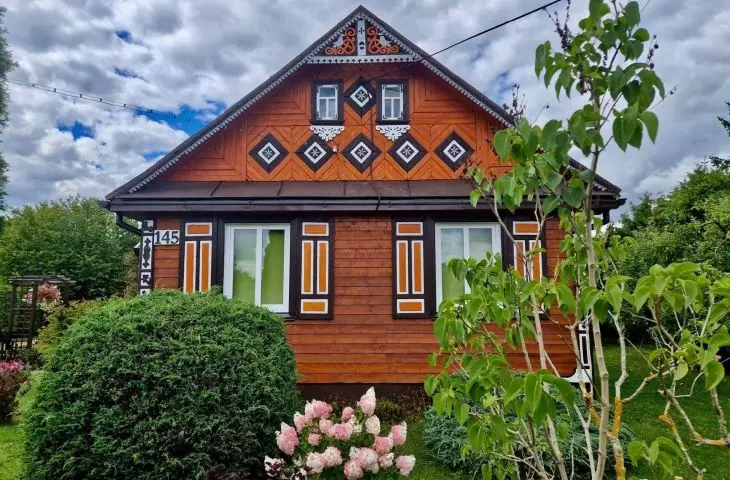
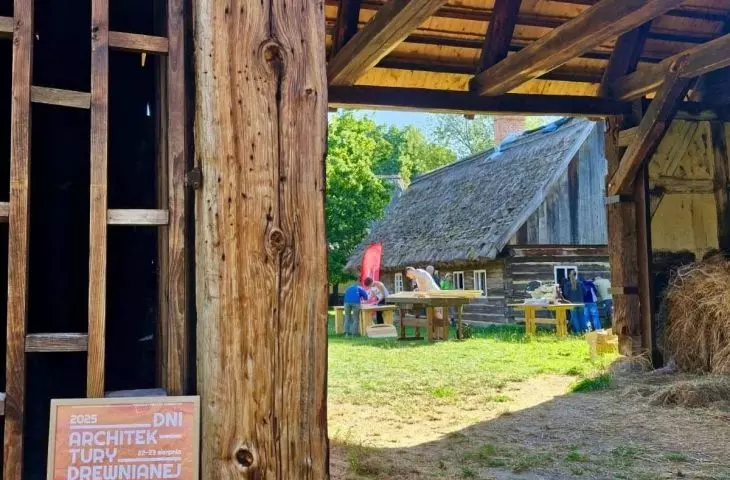
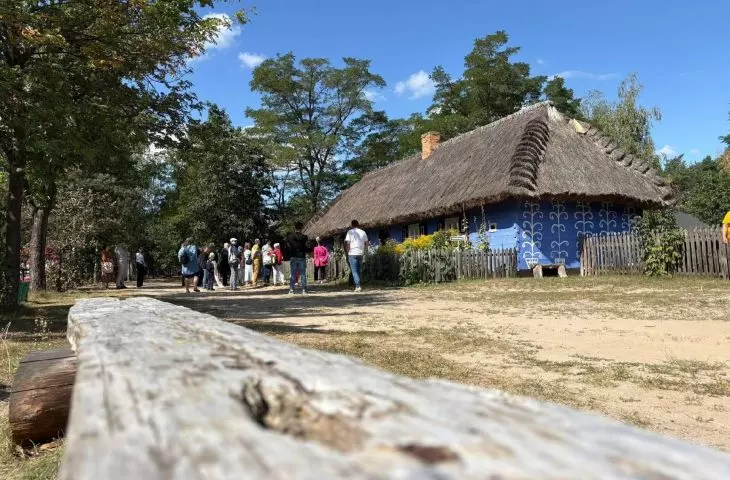




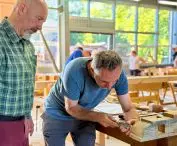


Wood is experiencing an architectural renaissance. However, in the shadow of the admiration for houses, libraries and even office buildings made of modern wooden composites, the memory of traditional craftsmanship techniques, which for hundreds of years allowed the erection of buildings that are healthy, beautiful and environmentally friendly, still smolders. Przemek Ciępka talks about the superiority of wood over concrete, authenticity in the absence of original fabric, and the original sins of preserving wooden architecture with Marlena Happach, Director of the National Heritage Institute.
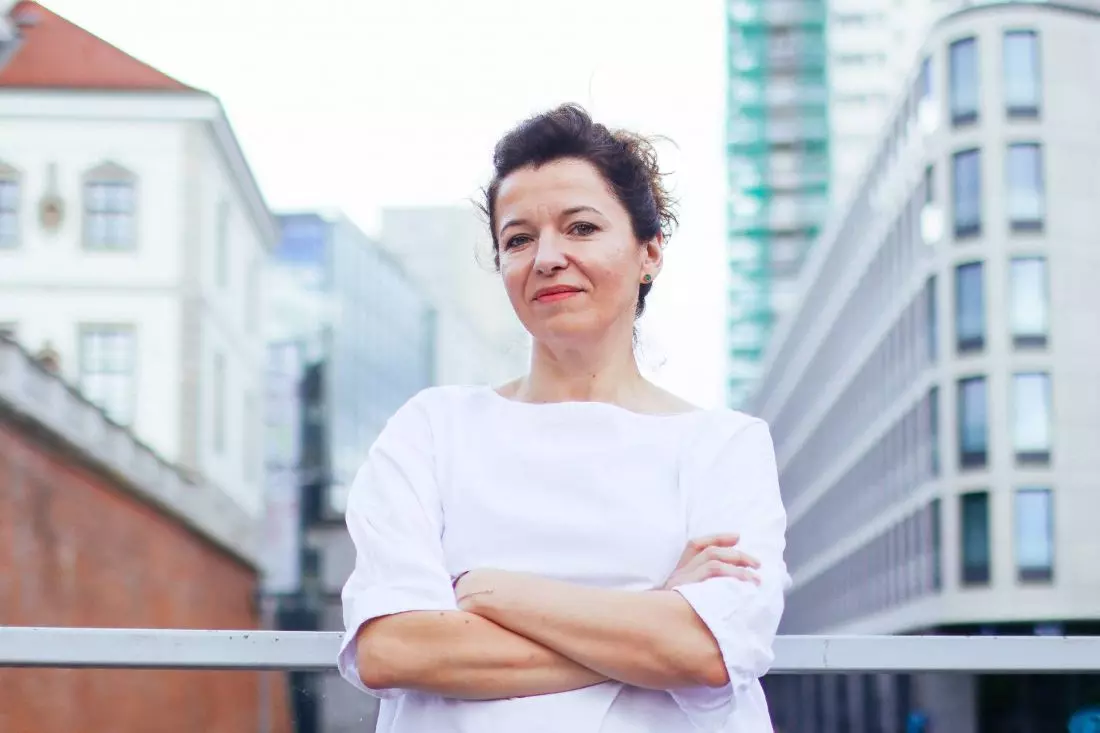
Marlena HAPPACH - dArchitect, urban planner, director of the National Heritage Institute. A graduate of the Faculty of Architecture at the Warsaw University of Technology, within which she studied at L'École nationale supérieure d'architecture de Paris-La Villette and the Technische Universität in Berlin. Her thesis, "Concept for the Transformation of the Stegny Estate," was awarded the Erhard Busk Prize. From 2010-2016, she was president of the Unblock Association. Vice president and president of the Warsaw Branch of SARP from 2012-2016. She implemented the socio-urban revitalization projects "odNowa", "Yellow Line" and "Block, yard, tenements" in Warsaw's Praga district. Initiator of the M3 pavilion in Sluzew and M4 in Rakowiec. From 2016 to 2024, Architect of the City of Warsaw and Director of the Office of Architecture and Spatial Planning in the Warsaw City Hall. In April 2024, she became deputy director for investments of the Warsaw Zoological Garden.
Przemek Ciępka: We are talking on the occasion of the seminar summarizing the Days of Wooden Architecture, co-organized by the National Heritage Institute. What are the challenges of preserving buildings made of wood, especially as opposed to brick or concrete architecture?
Marlena Happach: Wooden architecture requires constant, ongoing care. If cared for regularly, buildings can perform just as well as those erected from other materials. Unfortunately, wood is very sensitive to inappropriate approaches. The use of inappropriate technologies or interventions - such as insulating buildings with Styrofoam, restricting ventilation or installing underfloor heating, which is completely inappropriate for wooden structures - can lead to irreversible losses. Once damaged, moldy wood, for example, is no longer salvageable. In addition, there are biological threats, such as parasites, and physical threats, primarily fire. Fortunately, in the latter case, today we have effective methods of protecting wood. Properly cared for, wood turns out to be an excellent, extremely durable material, with advantages that other materials do not have.
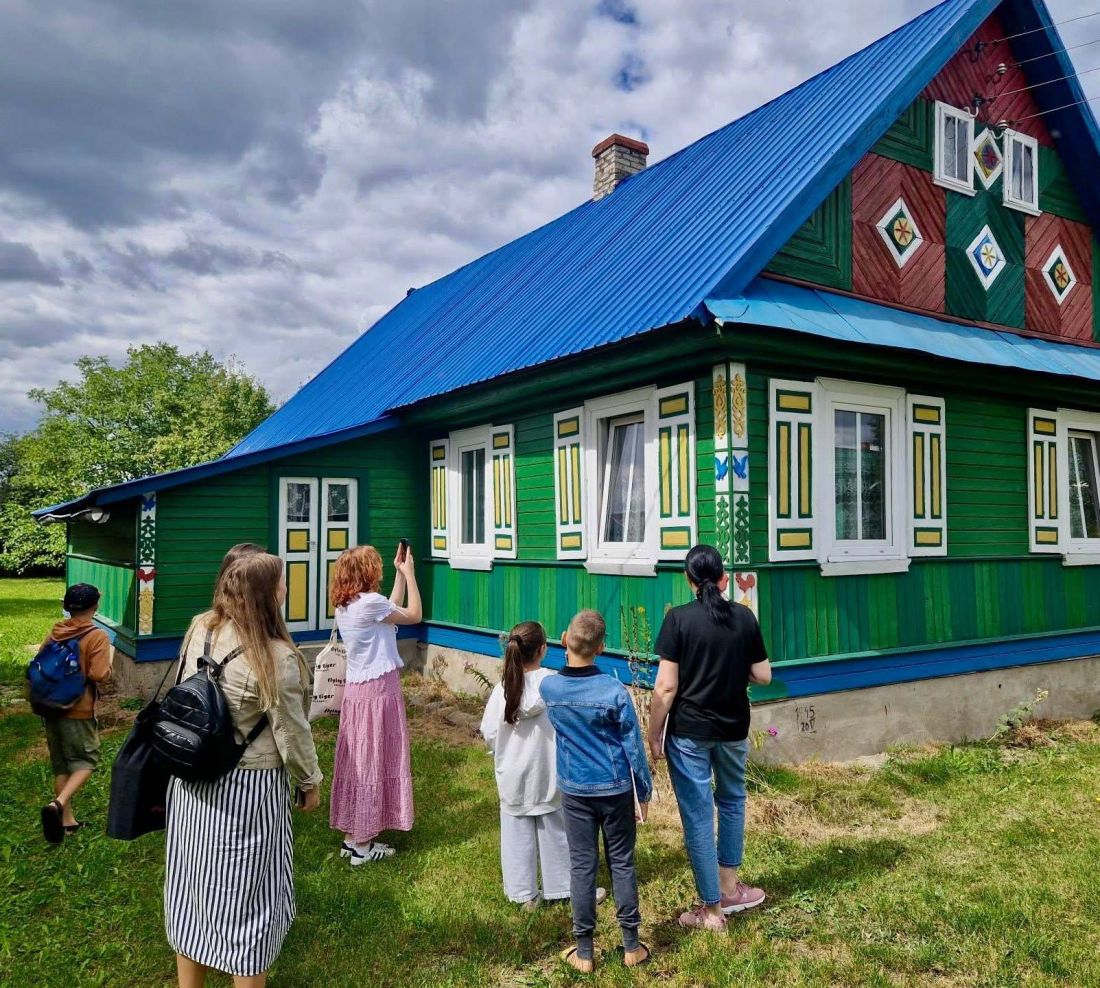
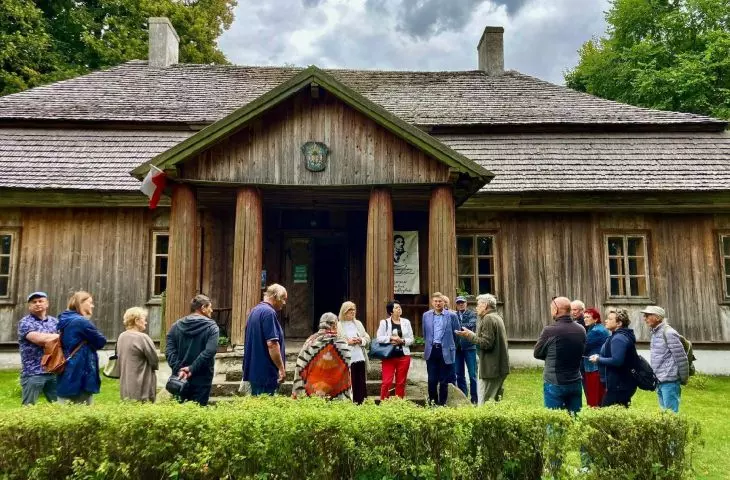
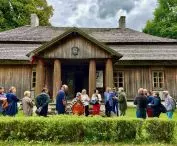
event coordinated by OT NID in Bialystok
Photo: Iwona Górska | © NID
Przemek Ciępka: During the opening presentations of today's seminar, the "Nara Document on Authenticity" was mentioned, which lists tradition and technology among the sources of information about monuments. What role does the tradition of craftsmanship play in the preservation of wooden architecture?
Marlena Happach: Craftsmen - along with the quality of the material itself - play a key role in the preservation of wooden architecture. Although a certain continuity of knowledge has survived, adept carpenters are unfortunately very few today. This is an area where we have lessons to learn.
You mentioned Japanese achievements in this field - the model operating in Japan can be an important reference point for us. The Japanese not only protect craftsmanship, but also strongly support the development of such skills; there are state-funded professional groups, for example. Of course, it is not always possible to transfer solutions from another country, but it must be honestly admitted that in Poland today we have a crisis in vocational education. At some point we moved away from vocational schools at the secondary level, relying almost exclusively on general education. At technical universities, a different model of education prevails - one focused on design and management of building-scale investment. What is missing is work on manual skills, building an awareness of how different materials behave and what tools can be used to machine them. This is knowledge that survives virtually only in the practice of those still in traditional professions.
Interestingly, these skills are slowly starting to make a comeback today. On the one hand, this is happening due to fashion - people who do not deal with manual labor on a daily basis are increasingly turning to crafts in their free time, treating them as a hobby. On the other hand, it is clear that the market increasingly needs specialists. Polish craftsmen are finding great success abroad, they are even sometimes "kidnapped" by investors from various countries. More and more people are also recognizing that traditional craftsmanship can be not only a passion, but also quite a lucrative occupation.
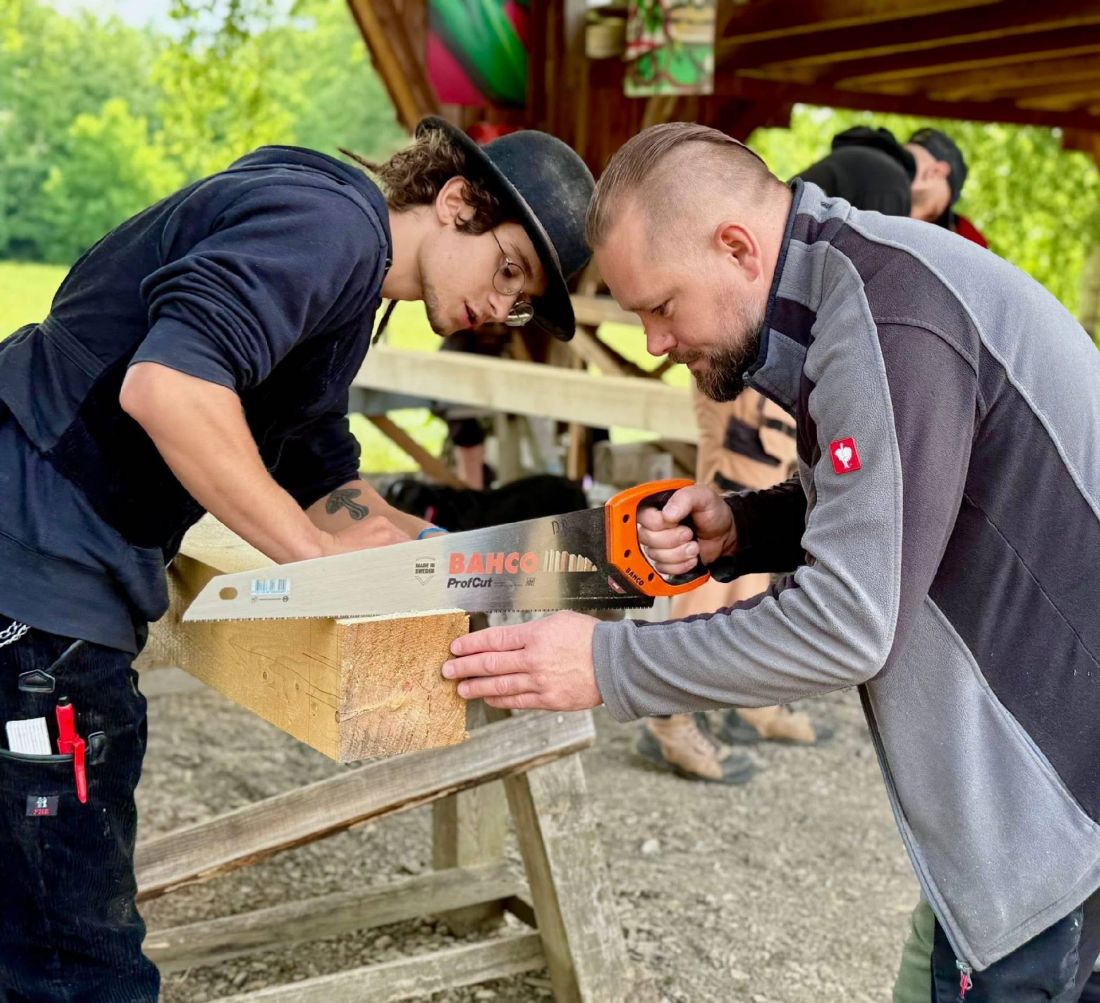
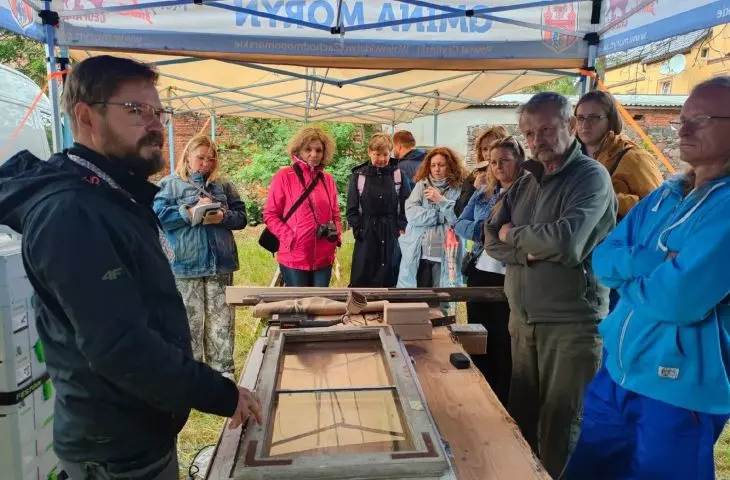
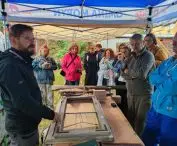
carpentry schools
Photo: Patrycja Adamczyk | © NID
Przemek Ciępka: Can you talk about the achievements of Polish craftsmen working with wood?
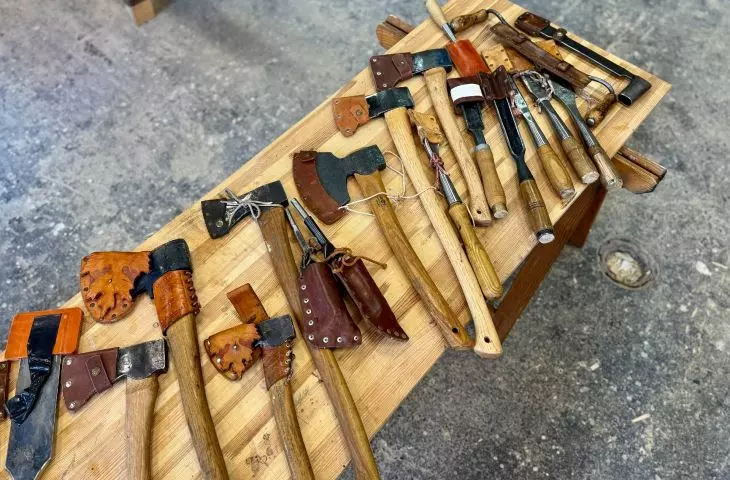
Marlena Happach: For example, Polish carpenters worked on the restoration of the roof truss of Notre-Dame Cathedral in Parisafter the 2019 fire. Its structure was built using traditional methods - the beams were not cut by machine or even with saws, but sawn off with axes and hatchets, which, by the way, were also made according to medieval traditions. During the opening of the Days of Wooden Architecture seminar, we spoke about authenticity - we are not able to reproduce the substance of Notre-Dame's damaged canopy, but the use of traditional, historical methods gives it originality.
Przemek Ciępka: Apart from vocational training , are there any other initiatives underway to raise the level of craftsmanship in our country?
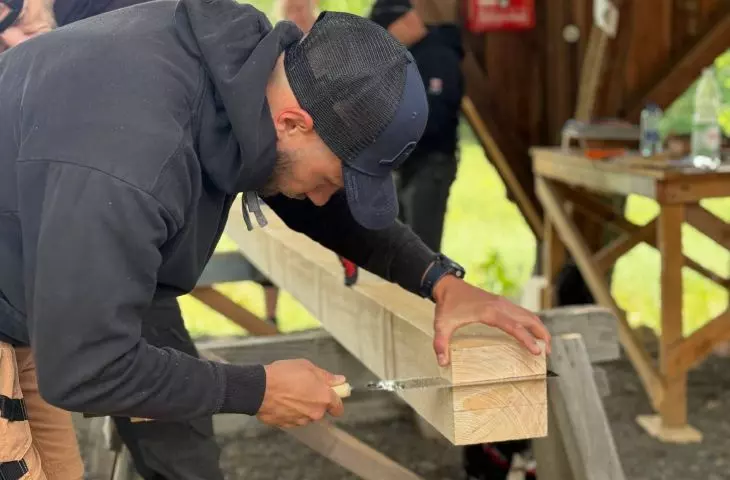
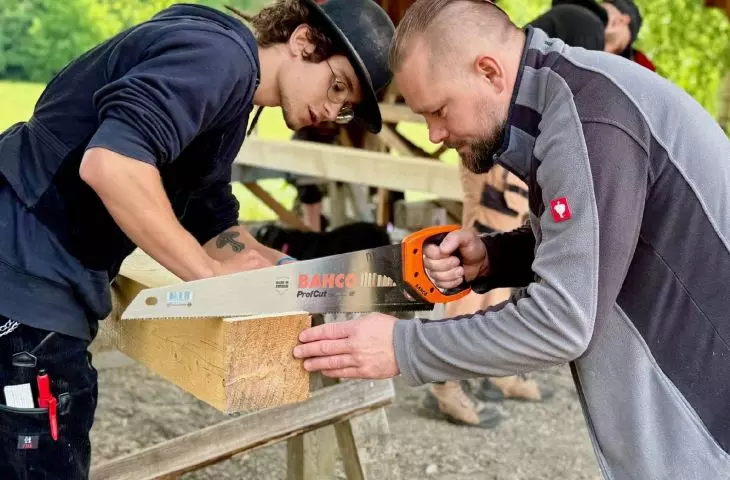
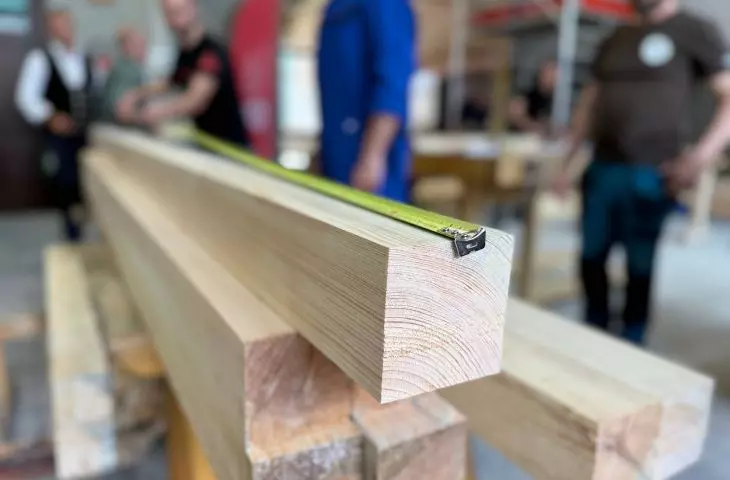
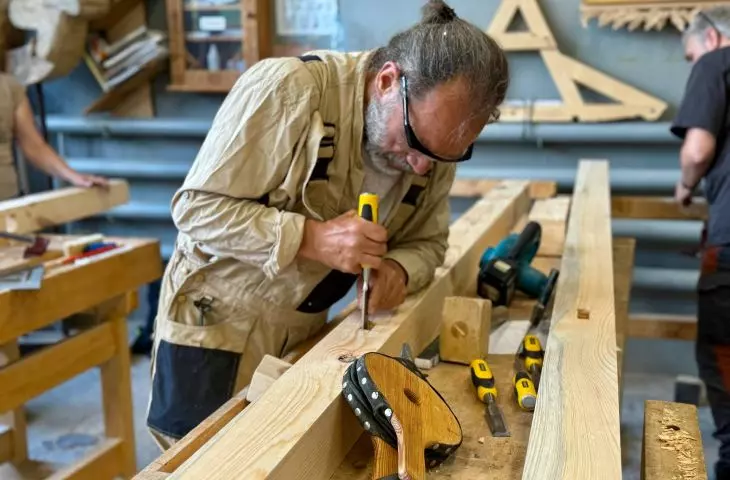
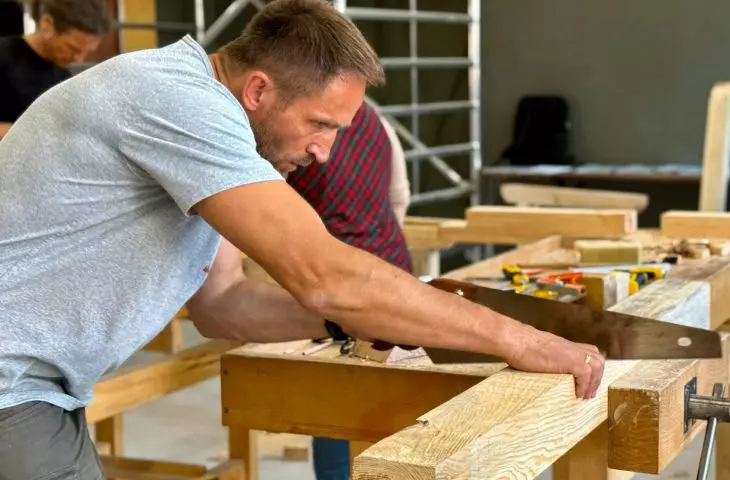
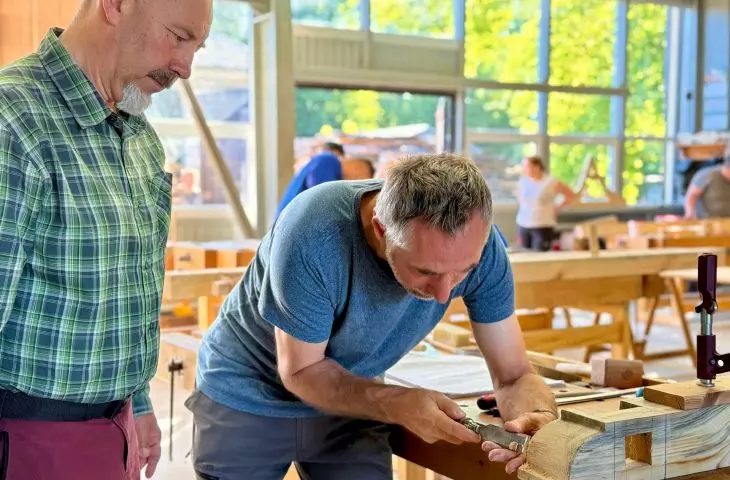
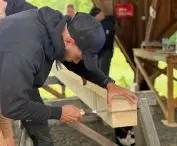
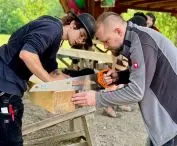
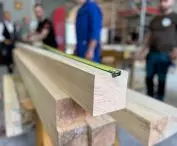
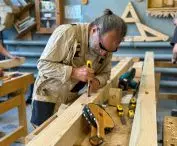
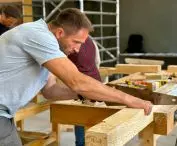
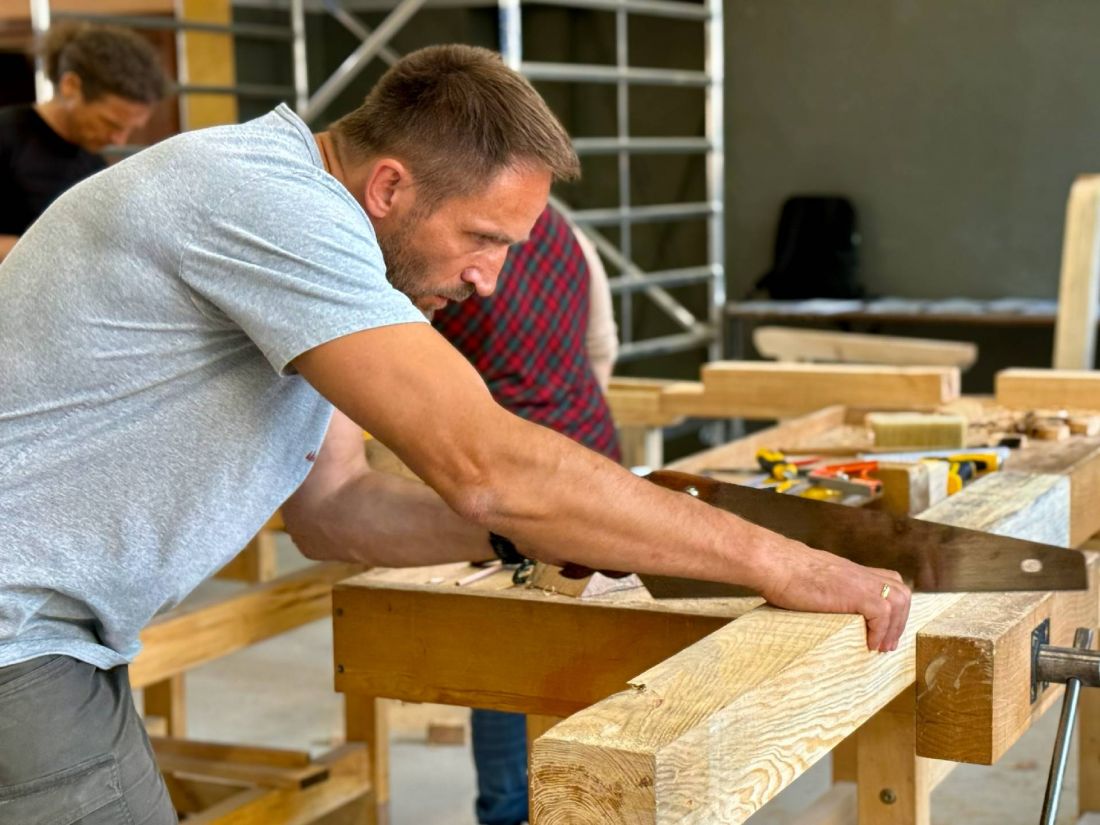
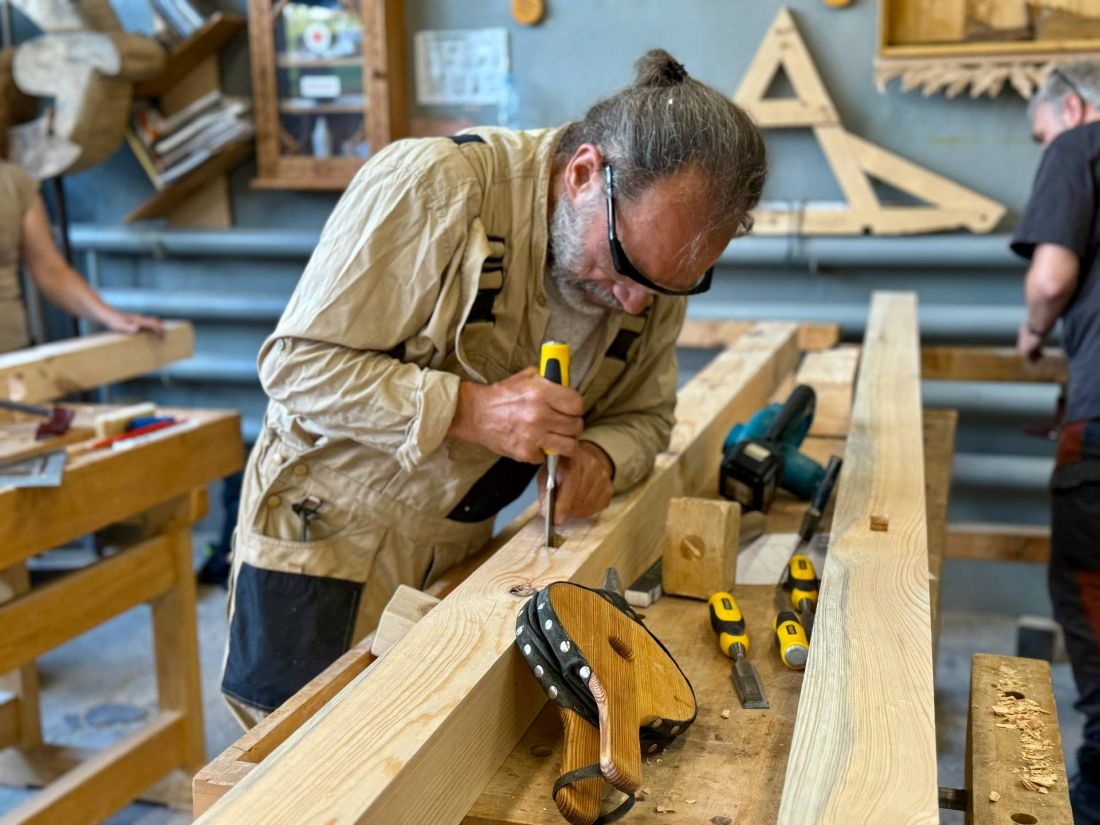
Marlena Happach: The National Heritage Institute is conducting very interesting activities. Among other things, we organize carpentry schools aimed at professionals - last season we held two editions each in two different locations. The practical dimension of these activities is key for us - this year, during the school in the Jizera Mountains, we worked on making a specific section of a wall in a real building. The classes have a master-apprentice character, and participants can also attend lectures, to which we invite specialists in various fields. In one edition of the workshop, a carpenter - actually a handyman - who was part of the team working on the restoration of the trusses of the Paris Cathedral, demonstrated his skills. In front of our eyes, he transformed a debarked trunk into a 15×15 centimeter beam, using only string, a plumb line and an axe.
I believe that such classes should become a permanent part of architectural education. Participating in them allows students to gain knowledge in a completely different way than what they are used to at the university. Drawing a carpentry knot is something completely different from understanding its properties and how it works in practice - and something even different when you can make it yourself. I also think that this is accompanied by great joy and satisfaction, coming from direct contact with the material.
carpentry schools
Photo: Patrycja Adamczyk | © NID
Przemek Ciępka: A significant part of the preserved heritage of wooden architecture are single-family buildings in private hands. Not all owners see valuein them - for many, owning an object with monument status is a heavy burden.
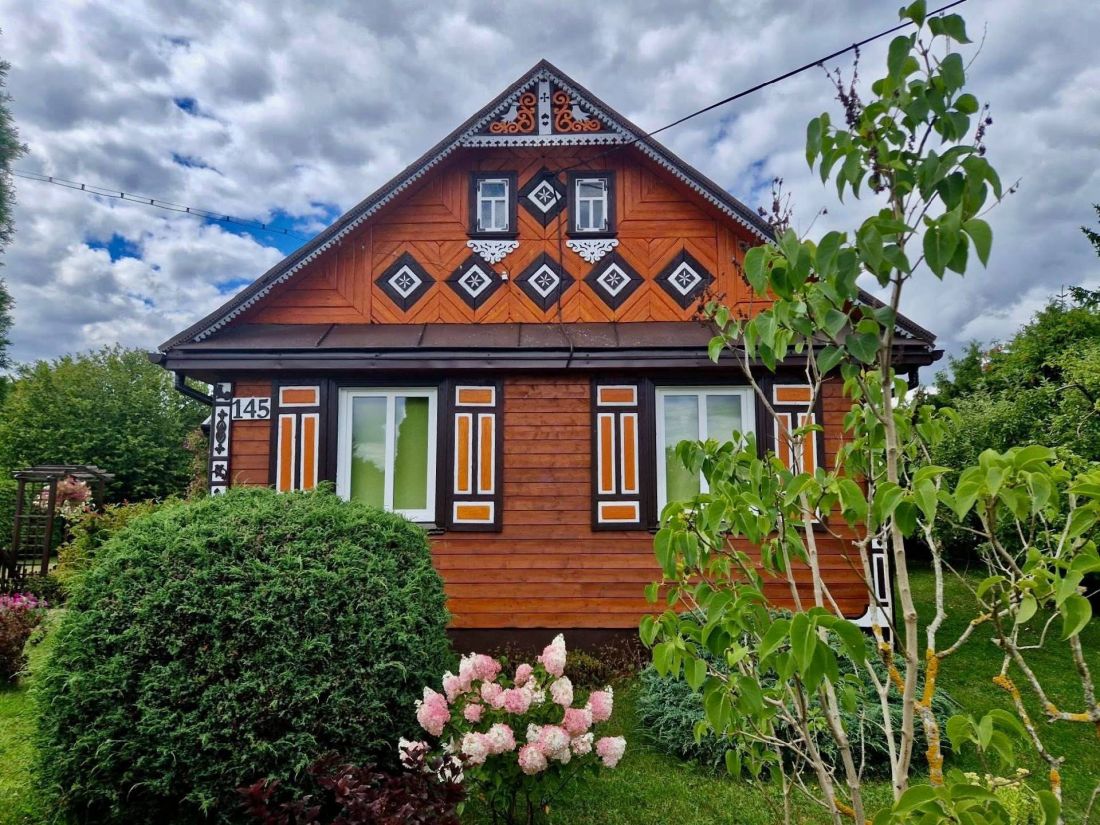
Marlena Happach: In the current legal system ,owning a landmark isvery often seen as a problem rather than a value. However, I hope that this will change as awareness grows. This is because we are often unaware of the hidden costs that architecture generates. A good example is the Supreme Chamber of Control's report on the state of urban planning in Poland. It shows that instead of coherent, long-term principles of spatial management, administrative decisions detached from the accepted assumptions still prevail. The regulations in force since 2003 do not ensure rational spatial order, which leads to landscape degradation and increasingly dispersed development. According to the Supreme Administrative Court (NIK), spatial chaos generates costs of up to 83 billion zlotys a year - costs that in practice we all bear.
I think similar calculations could be made for heritage as well. The erection of more buildings involves the creation of a carbon footprint, the appropriation of more pieces of landscape and the destruction of biologically active areas. These, too, are shared costs, which is why any preserved building can be considered the greenest solution.
Returning to the issue of preservation:a wooden building lives in the rhythm of the seasons. The key is not to neglect it and to react as soon as possible when the first problems appear. Then you can use such a building for many years without incurring costs greater than those generated by new construction.
event coordinated by OT NID in Bialystok
Photo: Iwona Górska | © NID
Przemek Ciępka: Is wooden architecture easily adaptable to other functions?
Marlena Happach: Of course, we have to remember that in the case of historical buildings, we are mostly dealing with residential buildings - and these are the functions that are most in demand today. There are also buildings of a religious nature, but due to cultural conditions and tradition in our country, the possibilities of giving them new functions are quite limited. The most frequently adapted are post-industrial and farm buildings, such as mills, windmills or granaries. They have large volumes, so that their adaptation to residential, hotel or restaurant functions is usually not a major problem.
Przemek Ciępka: Wood is also increasingly used in contemporary architecture . What advantages does this material have , especially compared to concrete?
Marlena Happach: Wood construction technology has developed a lot, especially when it comes to the use of glulam. In Poland, too, the first realizations are already appearing - office buildings or multi-family buildings in wooden construction. In Scandinavian countries it is one of the most widely used construction systems. It also seems that many of the limitations of wood as a building material are gradually losing their significance, if only in terms of scale and span of structures.
Nevertheless - Dubai's high-rise buildings will not be built from wood, and not only because this raw material is hard to come by in the desert. In terms of advantages, wood is first of all a renewable raw material with a relatively low carbon footprint. Of course, we must strike a balance between production capacity and real needs, but similar arguments can be made for concrete or stone - after all, our planet is a finite resource.
Wood is a flexible material, perfectly insulating, enabling the design of structures that seamlessly transition between the interior and exterior of a building. It helps reduce the formation of thermal bridges, and works well both as a structural material and as a wall filler, helping to maintain a stable temperature in interiors. It also reacts to moisture in a characteristic way - it is no coincidence that large bays made of glulam are used in swimming pool halls.
In wooden buildings a specific microclimate is created due to the natural ventilation of the material. An important feature of such architecture is also the possibility of replacing individual elements - in contrast to concrete structures, where the monolithic structure often prevents effective repair of damaged sections. Added to this is the aesthetic value of wood, depending on the species and treatment. As long as it grows faster.
carpentry schools
Photo: Patrycja Adamczyk | © NID
Przemek Ciępka: Then we would build even more! Or is it the constraints that wood imposes that are the strength of the architecture that emerges from it?
Marlena Happach: This is true. A good example of this is the adaptation of the scale of buildings to the possibilities offered by this material. It is no coincidence that we feel comfortable in wooden architecture. Urban planners often say that humans function best up to the height of the treetops. Of course, living in tall buildings has its advantages - looking at the distant horizon allows the eyes to rest, and the views can sometimes be impressive. However, complete detachment from the ground is not without its effects on our psyche. We have not escaped evolution, we are still biological beings, and it is the trees that set the scale for us, where we feel most natural.
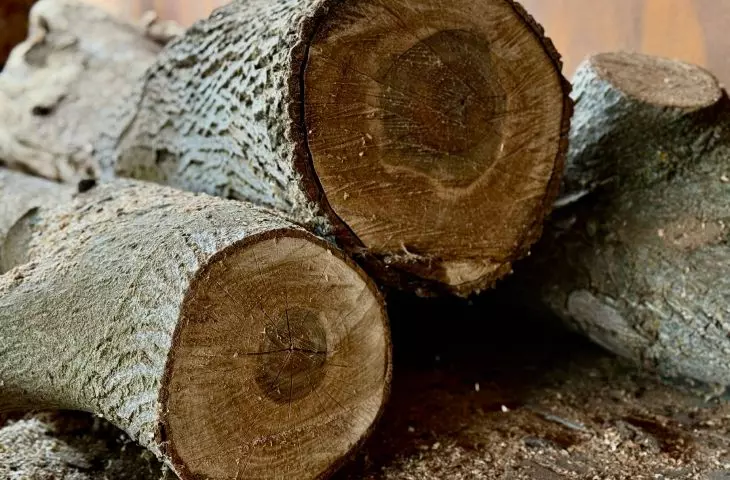
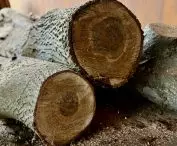
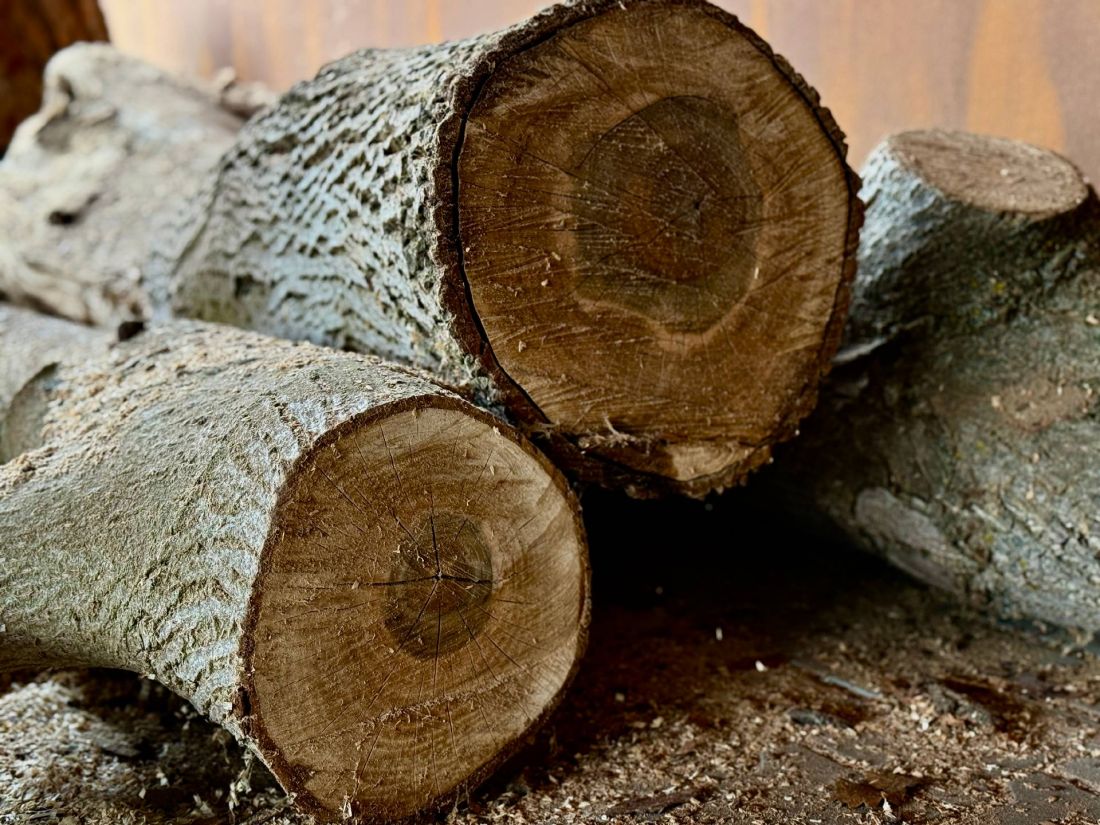
Returning to limitations - there is another issue that is unfortunately difficult to prevent. In the past, winters were much harsher, and trees grew more slowly. If you look at a cross-section of a tree trunk cut a hundred years ago, you will see a very dense grain - the wood was more compact, heavier and at the same time more resistant. Today, as a result of climate change, annual increments are much larger and the grain of the trunks is sparser. Such raw material has inferior structural properties and is more vulnerable to pests.
Przemek Ciępka: Does modern wooden architecture take advantage of the knowledge accumulated in thousands of years of carpentry traditions?
Marlena Happach: I think so - although it could benefit from this knowledge to a much greater extent. I'm thinking, for example, of traditional ways of regulating temperature and ventilating interiors: proper location of the building in relation to the world's sides, taking into account its height or form. Many buildings erected using old methods did not use additional ventilation systems - instead, they used gravity, properly placed openings or the shape of the building itself. With the development of technologies that allow us to maintain a constant temperature, humidity and other parameters in the interiors, we stopped paying attention to which side of the world the windows face, where the entrance is located, what is the pitch of the roof. And this is, after all, knowledge available "for free", allowing us to reduce the use of additional equipment, and therefore energy and resource consumption.
A huge advantage of traditional wooden construction is also the value of the work of human hands - something that can't be easily encapsulated in numbers and charts, and which has a real impact on our well-being. It seems to me that modern architecture could benefit more from the skills of craftsmen, and thus from the ornamentation, ornaments and aesthetic qualities of natural materials.
The aesthetics of the structural system - its simplicity and logic - are expressed today, for example, in the popular Scandinavian style. However, if we talk about the decorative possibilities of wood, we still often associate it with cepelia or retro styling. Repetitiveness still dominates, rather than the search for something new in wood.
carpentry schools
Photo: Patrycja Adamczyk | © NID
Przemek Ciępka: Do you imagine that one day there will be more wood than concretein our cities ?
Marlena Happach: I don't know if I'd like to talk about proportions, but there could certainly be more wood in our cities - especially real wood. It's worth noting that although we don't always realize it directly, we feel a certain longing for this material. We have floor panels, ceramics that imitate wood or plastic objects that only pretend to be made of it. And yet for some reason we are still afraid of wood: we avoid it on facades, floors or countertops. Meanwhile, it's a material that performs perfectly, even if we're not talking about solid wood, but layered structures or panels formed from dust and splinters.
I would very much like to see more wood in our environment. And I can't help but add that I also dream of more trees themselves. It's hard to imagine a better way to regulate the temperature in the city than planting them. The ability of a surface to absorb heat energy is, in the case of trees, something that cannot be reproduced by any other anthropogenic methods.
Przemek Ciępka: Despite all the advantages you mentioned, we still build primarily with concrete. Can we talk about a bias against wood?
Marlena Happach: Poorly treated wood is indeed prone to mold, parasites or cracking - a real problem, although one that can be effectively prevented. Wood also stands up badly to technologies that were not developed with wooden structures in mind. I think everyone is familiar with facade siding or insulating wooden walls with Styrofoam, which deprive them of the possibility of natural ventilation.
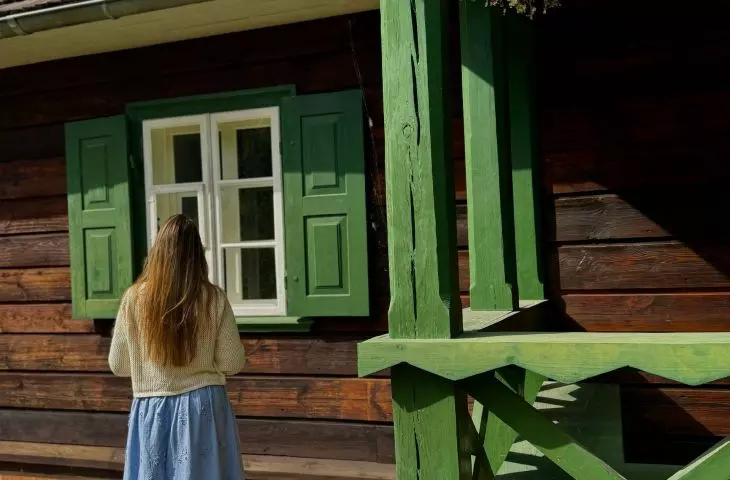
It is these "original sins" that have led to the perception of wood as a perishable, weather-prone and even unhealthy material - after all, mold is indeed not conducive to health. However, the problem lies not in the material itself, but in its improper protection. Traditional technologies, such as burning the top layer of wood, did not come from nowhere - this is how poles and logs were protected from moisture penetrating from the ground. Not surprisingly, untreated wood does not behave as we would expect.
There is another issue that affects our attitude to wood - modern notions of comfort, especially when it comes to interior temperatures. We are used to the fact that it should be relatively high, even and draught-free. This is different in wooden buildings: there is natural ventilation, and the temperature varies depending on where in the house it is. However, if we are willing to make some compromises, we gain something in return - the pleasure of staying in buildings that are healthy, have soul, age and history. For many people, these values more than compensate for the need to wear an extra sweater in winter. It's also worth remembering that in Scandinavian countries, keeping public buildings at a temperature that allows you to walk around in a T-shirt is not at all standard. In the lobby of the Munch Museum in Oslo, for example, the temperature is so low that visitors remain in their jackets - it is warmer only in a separate, smaller cafe area. This is because there is no need to heat such a huge volume.
Przemek Ciępka: Thank you for the interview!
interviewed: {tag:AuthorA&B}
more: A&B 2/2026 - Education,
download free e-publications of A&B