







Constant stress, exhaustion and overload of responsibilities, working under time pressure from deadline to deadline are taking a toll on our well-being and, consequently, on our mental health. Adding to the professional burnout affecting more and more people is also the reality of the world around us, the polycrisis, the uncertainty of tomorrow. It turns out that coping with this overwhelming experience can be supported by... art, which the World Health Organization recently recognized as one of the key components supporting our health and well-being. We talk to Dellfina Dellert - an art therapist and member of the Neuroarts Resource Center - about how to interact with it to open up to its supportive effects.
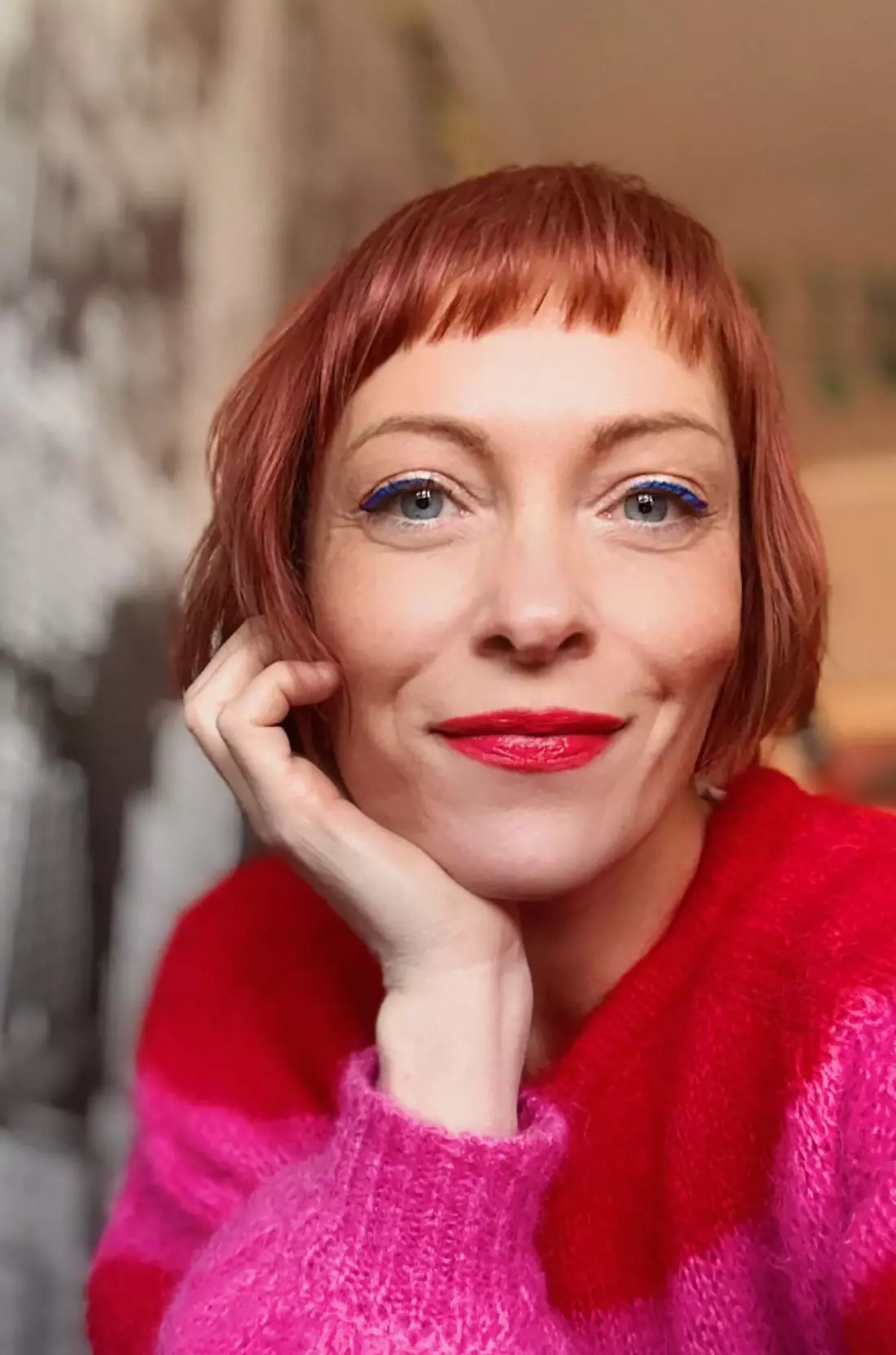
Dellfina DELLERT - Art therapist, founder of the Flow.Lab+ART creative development laboratory, member of the Neuroarts Resource Center, promoter of neuroart and neuroaesthetics and art on prescription, author of the concept of microdosing art, multidisciplinary artist, documentary director, journalist. www.flowlabart.com
Ola Kloc: As of 2019, WHO recognizes art as one of the key components supporting our mental health, physical health and well-being. So let me ask you to be specific: what, how and what does it affect?
Dellfina Dellert: This is a huge question, especially since there is no system in the human body that art, properly applied, does not affect, but I will try to answer it. I consider 2019 to be a revolutionary year. That's when a new research field - Neuroarts - has emerged, working at the intersection of science, art and technology to study how art and aesthetic experiences measurably affect our brains, bodies and behavior, and how this knowledge translates into very concrete practices that support our health, development and well-being, such as. reduction of loneliness, reduction of stress, anxiety or depression, increase in empathy, self-esteem, motivation, sense of purpose, reduction of pain, improvement of motor skills, even in people with Parkinson's disease or cognitive function, slowing of degenerative processes of the brain, faster recovery from diseases and surgeries.
The arts in a broad sense can, literally, support us from birth to death. Singing or playing music to premature babies in the ICU, for example, calms their nervous system, improves their metabolism, and as a result they gain weight faster and leave the hospital sooner. Humming and singing also has an effect on reducing postpartum depression in women.
Ola Kloc: Regardless of the genre of music?
Dellfina Dellert: I don't know what would happen if you played trash metal to a freshly born baby, but if the mother listened to it all through her pregnancy and it had a soothing effect on her then chances are it will work on the baby too. Professor Daisy Fancourt, a psychobiologist and epidemiologist at UCL and director of the Center for Arts and Health at the World Health Organization, describes in an interview that when she gave birth to a premature daughter, she set out to empirically test this research and started singing to her. And indeed, the baby came out of the hospital faster. It also turns out that terminally ill people who write diaries live a third longer than those who don't.
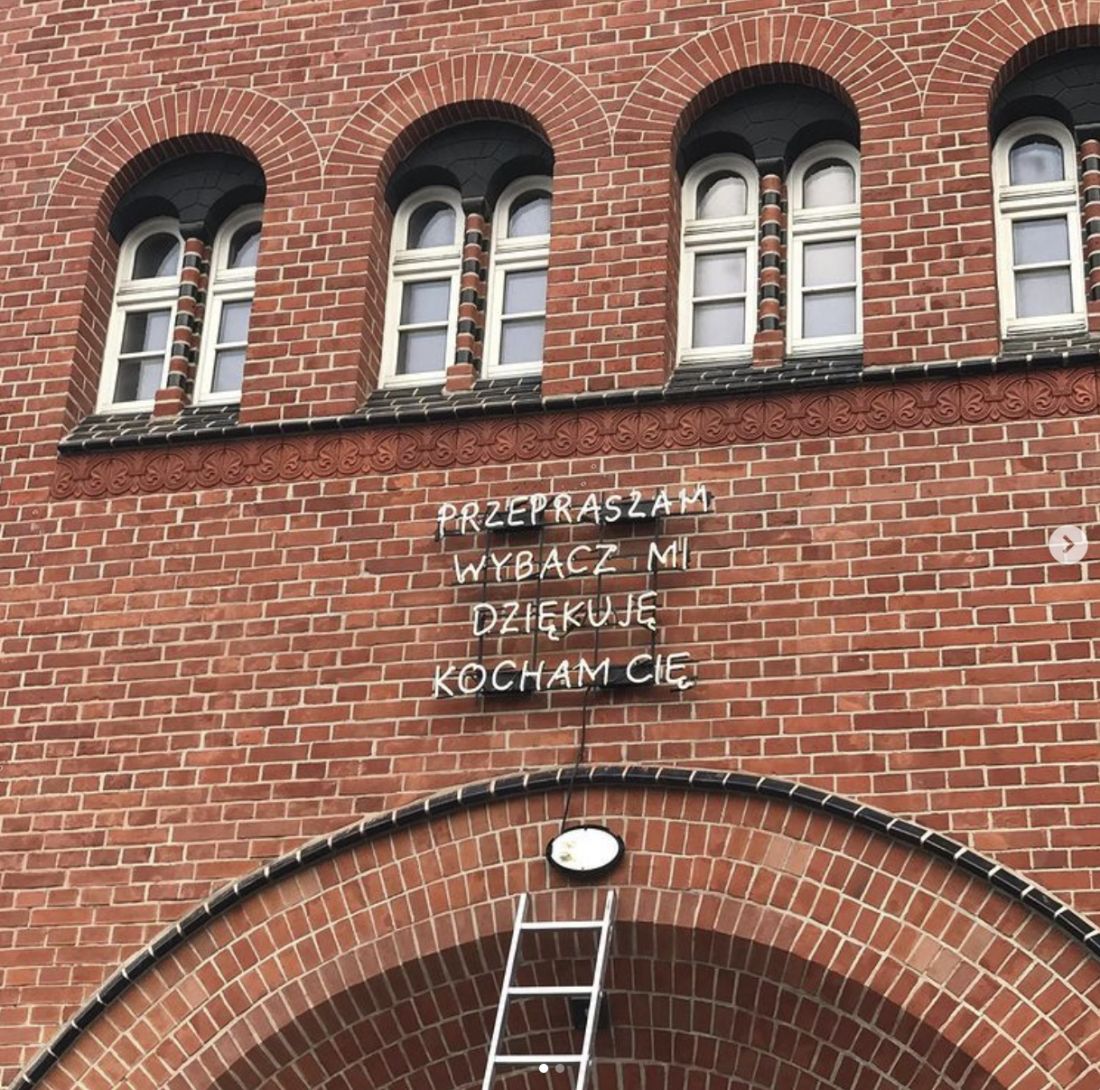
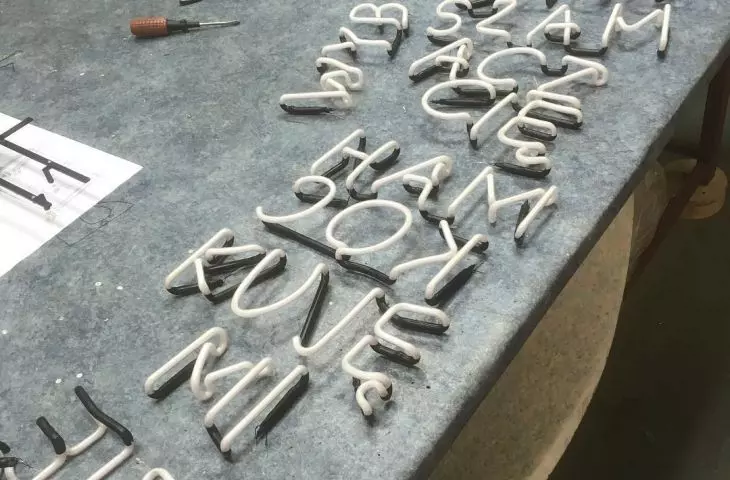
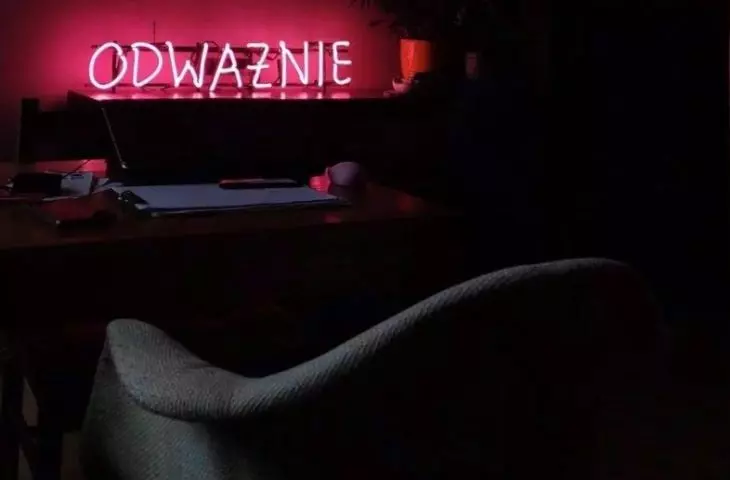
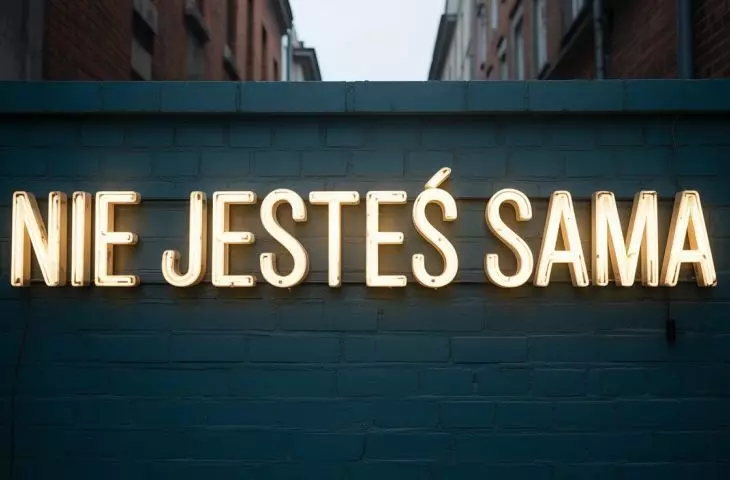
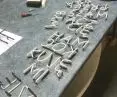
neon signs designed by Dellfina Dellert
© Dellfina Dellert
Ola Kloc: How is this actually researched?
Dellfina Dellert: For example, by EEG, MRI, biometric armbands, blood tests, saliva, eye movement, through longitudinal and cohort studies, surveys. A special rigorous research method of "impact thinking" has also been developed to study the impact of art, architecture and music, involving a broad and interdisciplinary team of about thirty scientists from different fields.
To give an example, Professor Daisy Fancourt, who is a reference for me in many activities, did a cohort study examining whether recreational engagement in art once a week can help prevent the development of mental disorders. She conducted this research on a large group of people in the UK and found that regardless of background, gender, economic status, social status, illness, and a myriad of other factors, regular engagement in the arts significantly reduces the risk of developing depression.
Ola Kloc: Does it also support recovery from illness?
Dellfina Dellert: Yes. There are studies that prove that people suffering from depression who start engaging in various creative activities recover from it twice as fast. Interestingly, the level of artistic skill doesn't matter at all. What matters is the participation itself.
Ola Kloc: I'm afraid that for a person suffering from depression, going to an art class or going to a museum can be quite a challenge in itself.
Dellfina Dellert: I think it's just as hard to mobilize such a person to go to therapy, and sometimes even to get out of bed. Fortunately, even in bed one can draw, paint, write a journal or poetry. Also this mobilization depends on knowledge. If we treat art only as an aesthetic and rather superfluous addition to reality, we will certainly not go to an exhibition, concert or workshop, but once we know that it is a powerful and effective tool, it will be easier.
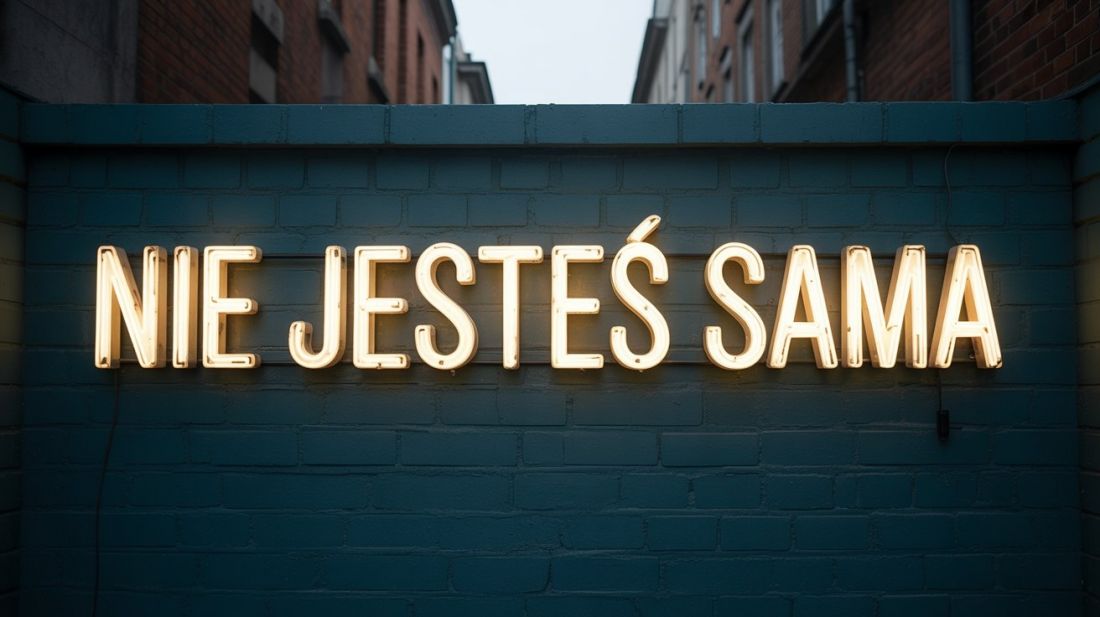
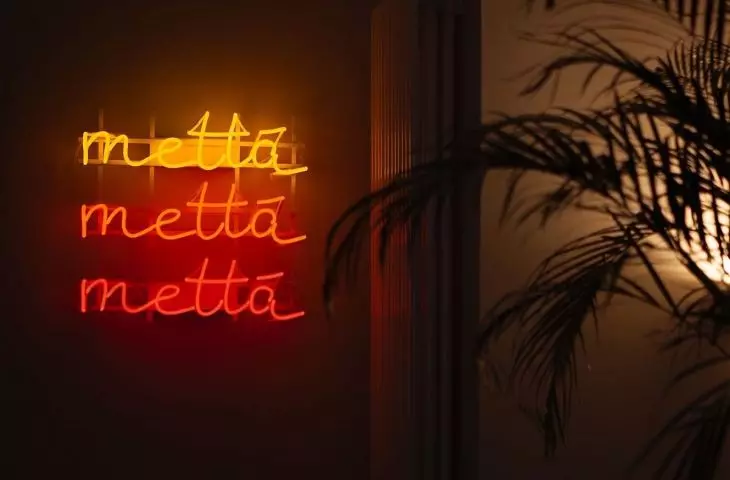
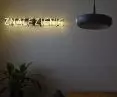
neon signs designed by Dellfina Dellert
© Dellfina Dellert
Ola Kloc: So how do you get started?
Dellfina Dellert: Starting with small steps to develop new habits and see what works best on us. That's why I created the concept of microdosing art - small, frequent art experiences and practices. It's a great preventative measure. I start my day with a morning dance. But you can sing in the shower, knit, sew on a machine, DIY, make flower compositions, take photographs.
Ola Kloc: What should such a dosage of art look like?
Dellfina Dellert: Regularity is more important than random experience. Going to the opera once a year is great, but what matters most is what we feed our senses on a daily basis. Scientists say that along with healthy sleep, proper nutrition, sports or contact with nature, it is art that is the fifth pillar of our well-being. We have seen this all along. As far back as forty thousand years ago, we sat in circles, sang songs, danced, told each other stories and painted on rocks. Art was part of our lives and was treated like medicine. Today we are returning to this thinking, as highlighted by the creation of Neuroarts and the World Health Organization's focus on art.
Many scientists believe that we are standing on the threshold of a cultural shift, and that broadening the definition and field of influence of art can make a real difference in the lives of billions of people around the world. It is a personalized, non-addictive, effective preventive and therapeutic measure, but also a health measure, as it helps people recover faster from surgeries. The right music played in the ED relieves pain, in the operating room it makes the surgeon more stable, and the patient is given less sedation drugs. This is truly amazing research!
Ola Kloc: So what should we change?
Dellfina Dellert: First of all, our approach. If a pharmaceutical company came on the market now with a drug that does all the things I'm talking about and without side effects, everyone would rave. And we, with art at hand, completely fail to take advantage of its benefits. Probably because it has been pushed out of our educational system and out of our lives. It has become either a profession for a select few, an expensive hobby, or a way to avoid taxes. However, we can change this perspective. Art doesn't have to belong only to museums and cultural institutions, it should be for everyone. I am against the divisions between high and low art, better and worse, pretty and ugly. This dualism has contempt and evaluation in it, and nothing limits our self-expression more than the fear of this evaluation.
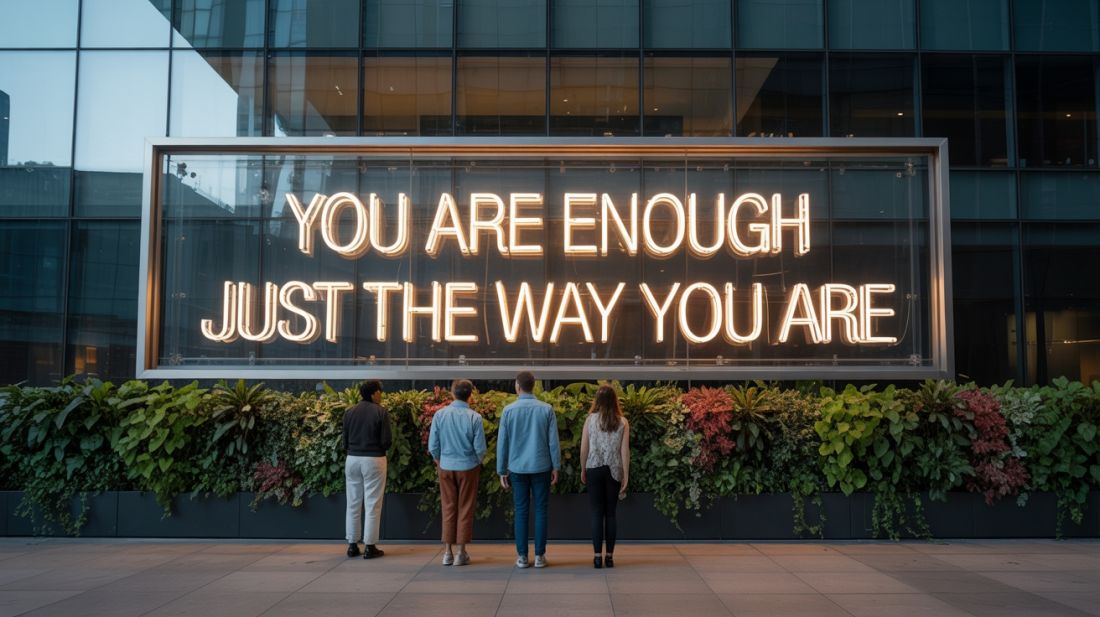
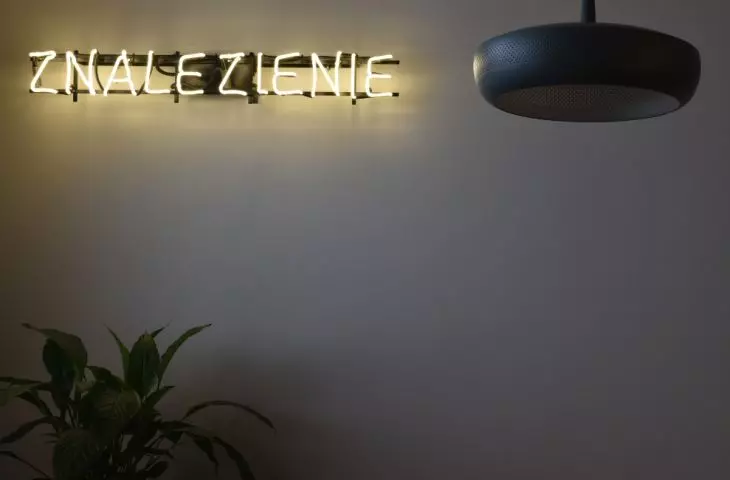
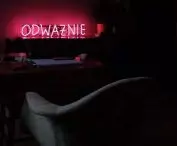
neon signs designed by Dellfina Dellert
© Dellfina Dellert
Ola Kloc: You mentioned the beneficial effect of viewing art. However, not everyone feels comfortable in a museum or gallery, especially if they are dealing with modern art that they "don't understand."
Dellfina Dellert: While in figurative art everything is simple: a man is a man, a tree is a tree and a horse is a horse, when we look at modern works, it is impossible to "understand" them. That's why I always encourage people to feel art first and foremost. And to be completely unconcerned with "I don't know," replacing anxiety with curiosity.
I always encourage you to listen to your body. It knows a lot. For example, we can go into a museum and see which job we are drawn to and spend more time with it. We can think about what it stirs in us, what it reminds us of, what emotions it evokes. By treating it as a "mirror" of what's inside us, we give ourselves a chance to experience something. I deplore the fact that we live in a time when we prefer not to feel, and we call all difficult emotions bad. There is a reason why the consumption of opioids and psychotropics is steadily increasing. After all, every emotion is information, and through art it is possible to access and sublimate them in a beautiful way.
Ola Kloc: And how is it with space and architecture? Can and how well-designed spaces, architecture and interiors have a therapeutic effect on the viewer?
Dellfina Dellert: The Covid-19 pandemic, when we were confined to our homes, greatly advanced thinking about architecture. The Intentional Spaces initiative, which I have been following closely since 2023, aims to influence the design of the spaces and places where we work, heal, learn and live. One of the promoters of this initiative, architect Tye Farrow, said that people today spend more time in buildings than whales do underwater. This sentence is memorable to me, because it shows well the scale of the impact of the environment we live in. Therefore, the design of urban spaces, whether public, private or workplaces, should take into account not only function and finances, but also the mental and physical health of users. This is the ethical responsibility of architects and developers.
Intentionally designed space can promote mental regeneration, reduce stress, improve concentration, promote well-being and accelerate healing. Environmental psychology identifies four characteristics of the environment that promote such regeneration. The first is fascination - subtle stimuli, such as light, greenery, water or art, which attract attention naturally and allow the mind to relax. The second is a sense of remoteness, or the experience of stepping out of one's daily context - this can be provided by a garden, atrium, gallery or well-designed public space. The third is extent, or the sense of coherence and vastness of a place, which allows one to mentally immerse oneself in it and explore it. The fourth is compatibility, or the matching of space to human needs - when a place supports what we want to do, we feel freer and safer in it. When architecture combines these four elements, it can be realistically supportive. For example, hospitals that incorporate art, natural materials, daylight or contact with nature report shorter patient hospitalization times and less staff burnout.
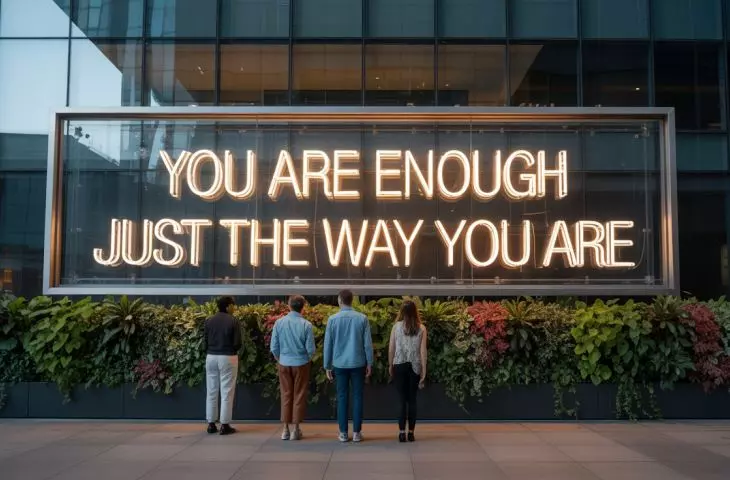
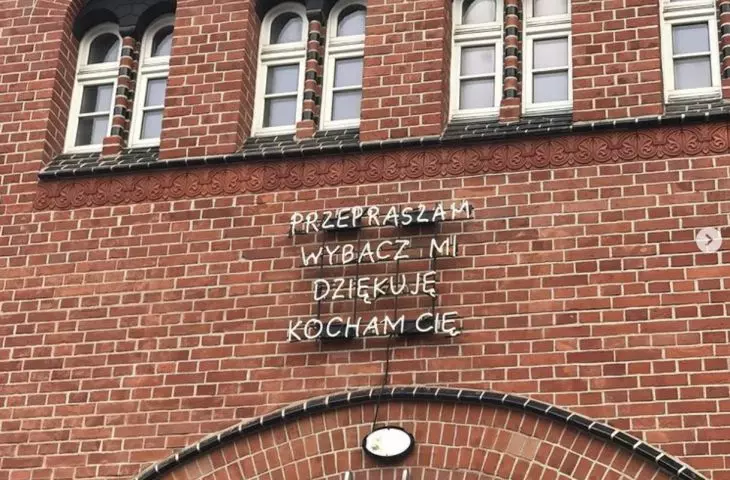
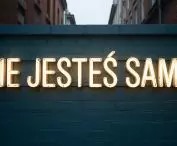
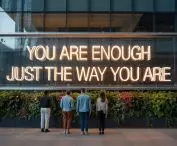
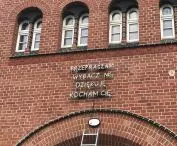
Public space is also a natural field for collaboration between architects and artists. I myself, as part of the concept of intentional spaces, create neon installations in public places, which aim to illuminate not only what is outside, but also what is inside us.
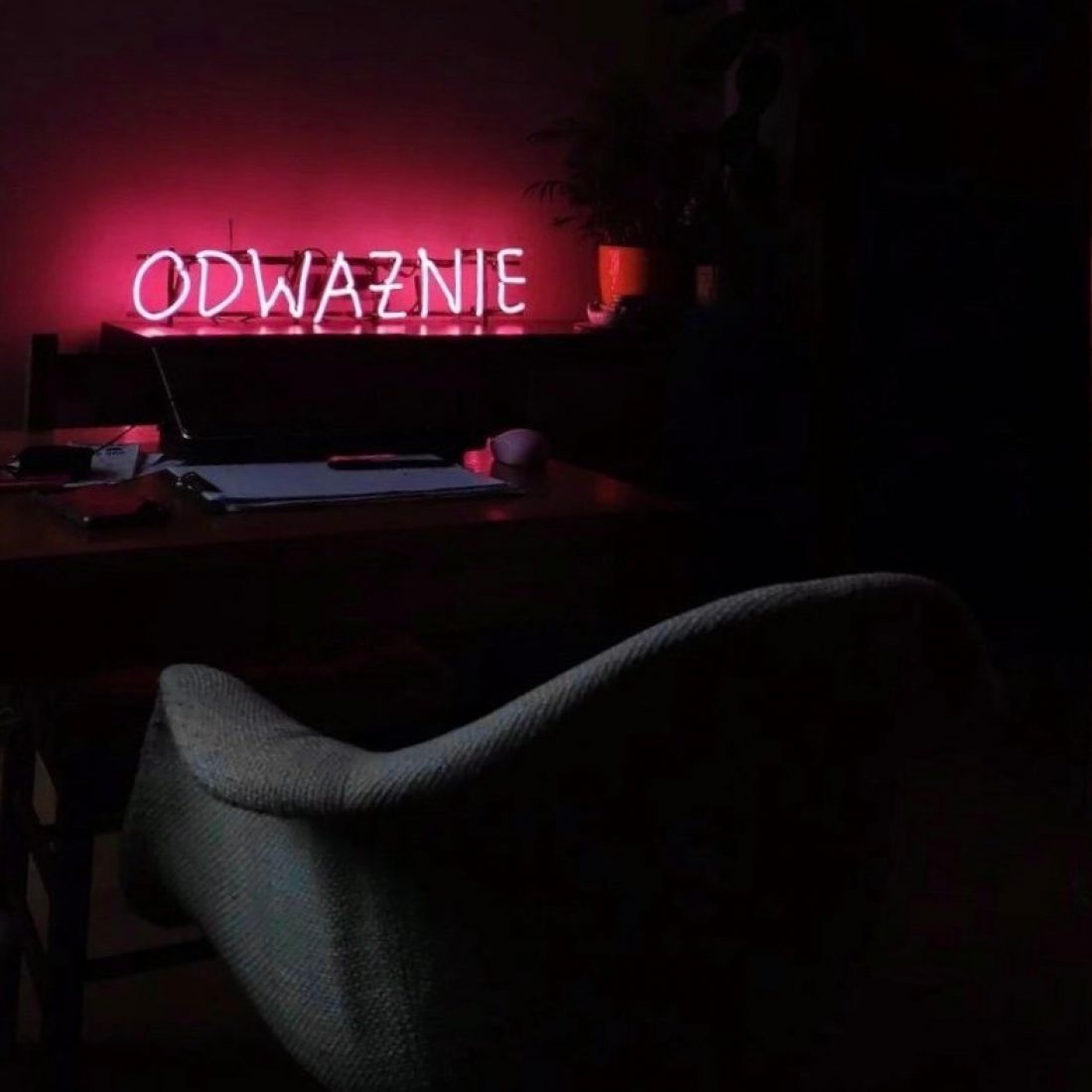
Neon signs designed by Dellfina Dellert
© Dellfina Dellert
Ola Kloc: It puzzles me why, if art has such a beneficial effect on us, artists also face mental problems. Two years ago, a study was conducted on the mental condition of architecture students and faculty. As many as 78 percent of those surveyed felt that studying architecture negatively affected their mental state.
Dellfina Dellert: And it is known how they defined the causes of this condition?
Ola Kloc: One of the factors was the overloaded program and the way students are treated by those who teach them. The teaching system is failing, young architects face mental challenges before they enter the market, and then - already working in the profession - burnout. I suppose it can be similar among artists.
Dellfina Dellert: The outdated, hierarchical educational system, from elementary school to universities, often limits our creativity and authenticity. The social situation of artists, whose work is still not recognized, is also depressing. If the young knew that by graduating from the Academy of Fine Arts or the Faculty of Architecture, they would be able to support themselves by doing something of value for others, then perhaps they would not have problems with burnout, which is closely related to a lack of a sense of purpose.
Artists are often labeled as unbalanced, but I was just reading about a Swedish study conducted over forty years on a population of one million two hundred people that looked at whether there was a link between being an artist and mental problems. It turned out that the myth of the mad artist has no support in the research! Quite the contrary. The families of artists were also studied, and it turned out that although there were cases of mental illness in them, people who were creatively active functioned much better. It follows that an artist, thanks to art, can stand on the edge of the precipice of insanity, but does not fall into it, because thanks to art he has the resources to cope.
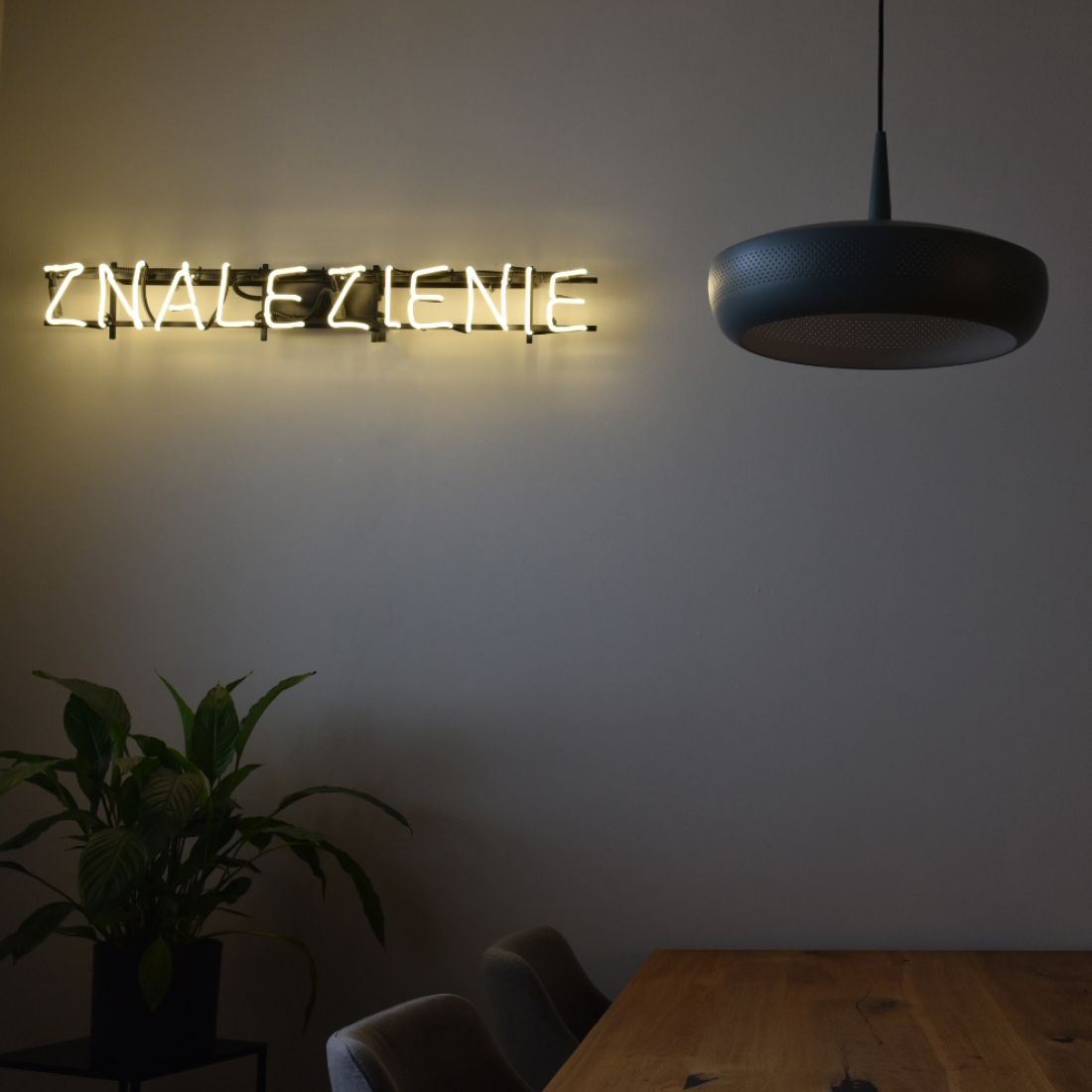
neon signs designed by Dellfina Dellert
© Dellfina Dellert
Ola Kloc: So what should we do? Go out to the museum, to the philharmonic, draw, sing?
Dellfina Dellert: Of course, going to museums, theaters or philharmonics is healthy for us, but it is clear that not everyone wants to or can do it often, and we need support on a daily basis. We live in a world of multicrisis, stress and uncertainty, and health care is more of a disease service and not concerned with prevention. So in the first place, I come back to microdosing art, which is a great way to support building mental resilience.
Studies also show that recreational practice of the arts, such as enrolling in a ceramics workshop, a painting course, singing in a local choir, or dance lessons, practiced once a week for a minimum of six weeks can already produce visible and long-lasting results.
Professional art therapy is also a great option. Nowadays, the profession I practice has begun to be recognized as the profession of the future, and there is increasing talk that every institution or company should hire an art therapist. I recently read a study that showed that art therapy classes implemented for medical personnel halved the risk of professional burnout. The study included doctors from four British hospitals. In contrast, U.S. Army soldiers who return from military mission, freshly traumatized, attending art therapy can reduce their risk of PTSD by more than 80 percent. The method was developed by the National Endowment for the Arts, the Department of Defense, the Department of Veterans Affairs and state arts agencies with twelve clinical centers across the United States.
Ola Kloc: And what is done as part of art therapy? What does it look like?
Dellfina Dellert: Art therapy is a very broad term, encompassing the developmental, preventive and therapeutic use of many creative techniques. These include painting, sculpting, drawing, photography, collage, embroidery, mask-making, puppet-making, working with text, including poetry, fairy tales, journals, improvisation, drama, dance, music-making, singing, among others. Sky is the limit. But these are not ordinary art, music or dance classes. In art therapy we don't judge, we don't compare with others to prove who is better, we don't focus on the result in the form of a final work. The whole focus is on experience, experimentation and process. Among other things, to get out of perfectionism and get rid of internal critics.
Importantly, art therapy works regardless of skill. It lowers stress hormone levels, raises happiness hormones, lowers blood pressure, increases neuroplasticity, and helps build relationships. It also teaches people to express thoughts and emotions safely, and to learn about and integrate different parts of themselves. And what does it look like? Art therapy can be a support of traditional psychotherapy or an independent form. It can be individual sessions, single workshops or cyclical. The latter, of course, work best.
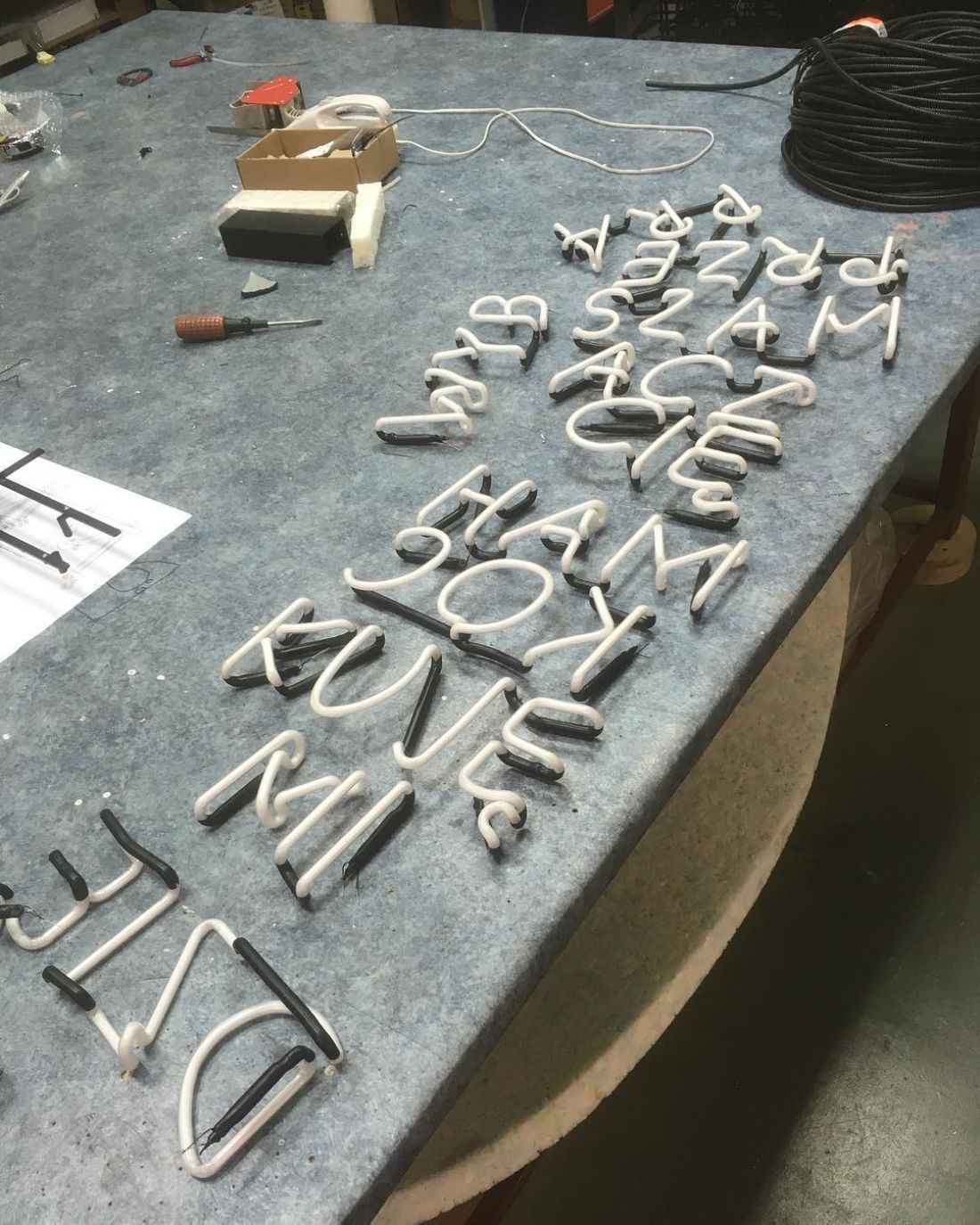
Dellfina Dellert's neon design
© Dellfina Dellert
Ola Kloc: Are people willing to participate in such activities?
Dellfina Dellert: Today, in more than thirty countries, art is already more or less part of the health care system and doctors can prescribe it as part of social prescription programs. In Poland, art as medicine is still a fresh topic. Therefore, my mission is to change the way people experience and practice it.
Sometimes I encounter the attitude that art therapy or creative development, because I prefer that name, is not serious, because it is fun. And it's not surprising that some people think this way, since for decades we were told in school that without suffering, stress, competition and effort there are no results. The thing is, the opposite of fun is not work at all, but depression. Play is not a waste of time, but one of the foundations of our development. Mammalian brains are equipped with a play system. We learn the fastest by playing, and empathy, creativity, trust and a sense of justice are formed right in the communal "playground."
There is one more important thing I want to mention. Creating allows us to enter a state of flow, the state in which, according to scientists, we are happiest. Just being in this state is so pleasant that we have no need for further gratification. We stop judging ourselves and others, and focus on the here and now and the sensory experience of the world. Without fear, ambition or pressure to be someone we are not yet or no longer are. Such a return to the lightness, joy and spontaneity of the child we sometimes never had the chance to be before can be very freeing, in a world where everyone's worth is calculated by their productivity. It is impossible to fill life with mere concretes. We are not merely rational. And it's through art that we can reconnect.
Ola Kloc: Thank you for the interview.