





Work submitted for the competition
"Best Diploma Architecture".
The purpose of the master's thesis was to show new means of expression in the formation of memorials. The thesis focused on the analysis of contemporary monument assumptions created after World War II concerning the commemoration of victims of tragic events.

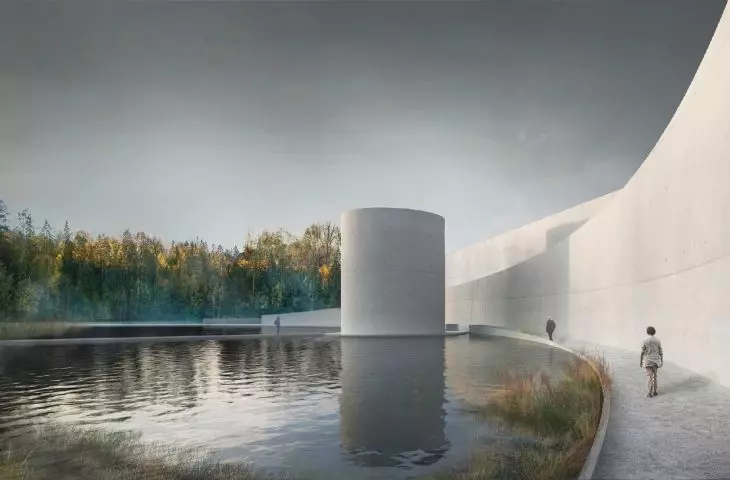
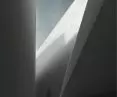
visualization of the museum
© Martyna Olesik
For this purpose, the research method used was the analysis of the agenda of examples of architectural memorials, which focuses on the multisensory perception of the work, using structure, form, material, elements of urban composition, elements responsible for the atmosphere of the place - light and shadow, and elements of the natural environment.
The analytical part is preceded by a characterization of the concepts of collective memory and memorial. An important issue in this chapter is also its functions: identity and legitimization. Thanks to this, the sense and need to create new places was shown, as memorial sites strengthen social identity and allow it to survive, through knowledge of the common past.


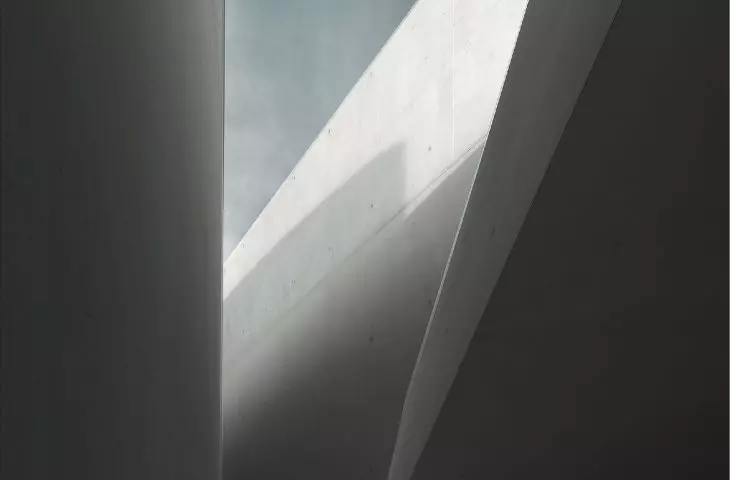
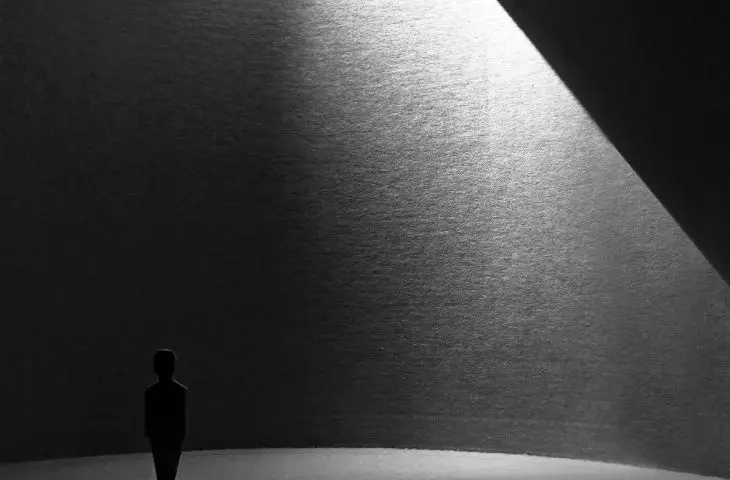
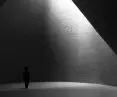
interior visualizations
© Martyna Olesik
An equally important part of this thesis was the characterization of the transformations of historical memorial objects, where an effort was made to show the memorials and their forms that have been created over the centuries from the first forms - barrows - to monumental assumptions embodying the new visions of totalitarian regimes. In addition, it was shown that memorials were a form of expression of social status and the hierarchy of society, which was expressed, among other things, by location, scale and material as in the Augustus Mausoleum or the Jagiellonian Mausoleum. After World War I, a new relationship emerged between the memorial and the landscape, perceived through a distant perspective, which was confirmed by objects designed by Giovanni Greppi in Redipuglia or Monte Grappa, among others.

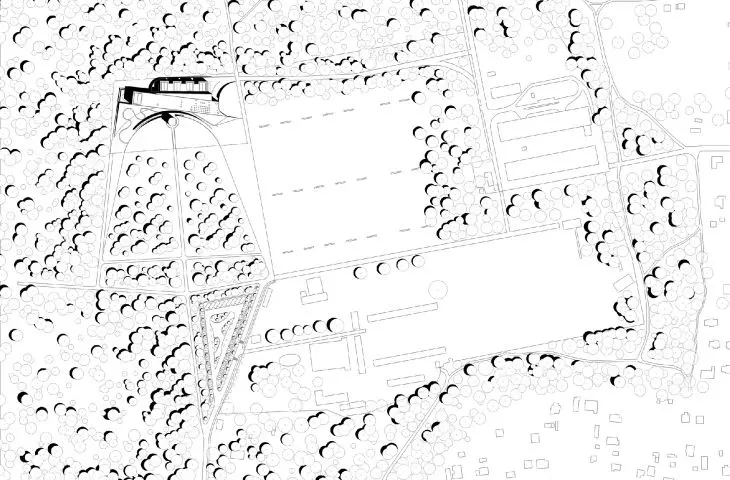
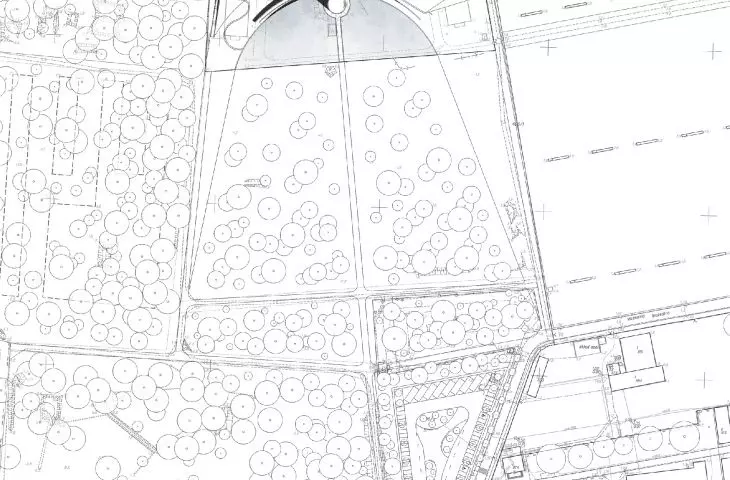
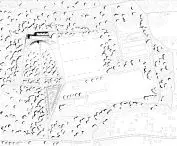
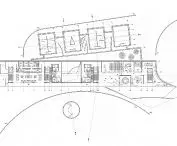
site development plan
© Martyna Olesik
The last chapter of the theoretical part shows the social aspects of memorials - positive and negative effects. With the increase in public interest in "attractive" museum buildings, a phenomenon called dark tourism has emerged. This term, introduced in the 1990s by John Lennon and Malcolm Foley, refers to the treatment of memorials as a tourist attraction, as exemplified by the Belin Jewish Museum. Such a phenomenon has a positive aspect in the form of popularizing the site, while a negative aspect as a tourist attraction and disrespect for a place often marked by suffering.
All this was intended to confirm the main assumptions and theses of the work, which were as follows: first, the atrocities of the 20th and 21st centuries, i.e. wars, acts of terror and disasters, require new memorials, since the old forms have lost their power of commemoration and do not express the scale of the victims, the tragedy of war and acts of genocide. Secondly, new memorials require a multisensory impact in order to be noticed by a discerning modern audience that has undergone social and cultural changes.

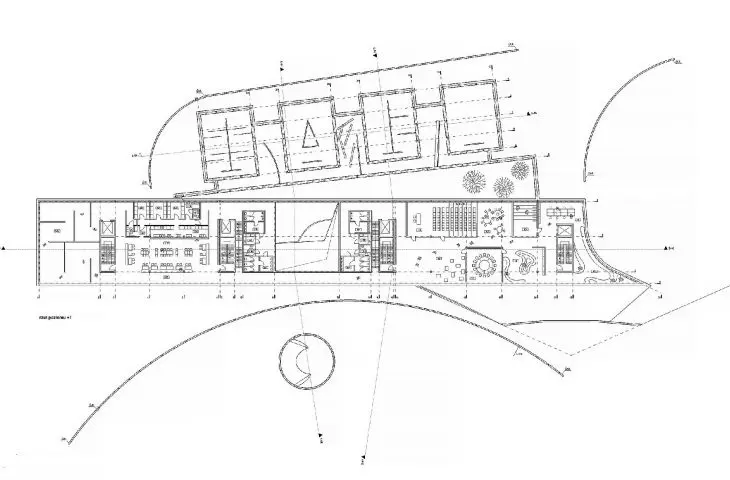
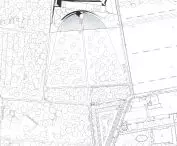
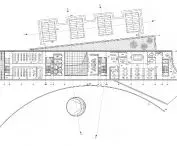
level 0 projection
© Martyna Olesik
The results of the analysis confirmed the above theses, additionally indicating new means of expression that provide a multi-layered emotional experience, through the impact of the deconstructed structure, monumental form, new materials, varied environments, emphasis on the individual sacrifice, multimedia effects and many other elements that make the viewer actively participate in the commemoration process, which strengthens remembrance and protects it from being forgotten.
The result of the theoretical part was the project of the Museum in Stutthof, which aimed to create a memorial site that will tell the story of 110,000 prisoners from 28 countries of the Nazi concentration and extermination camp KL Stutthof, not only through the artifacts it contains, but also through means of expression such as form, light, shadow and water. As a result, the site will provide a multi-layered emotional experience, which will strengthen the commemoration and protect the site from being forgotten.


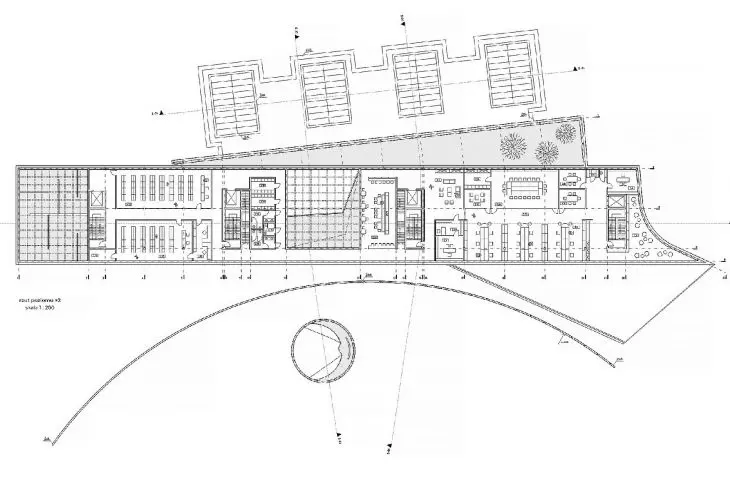
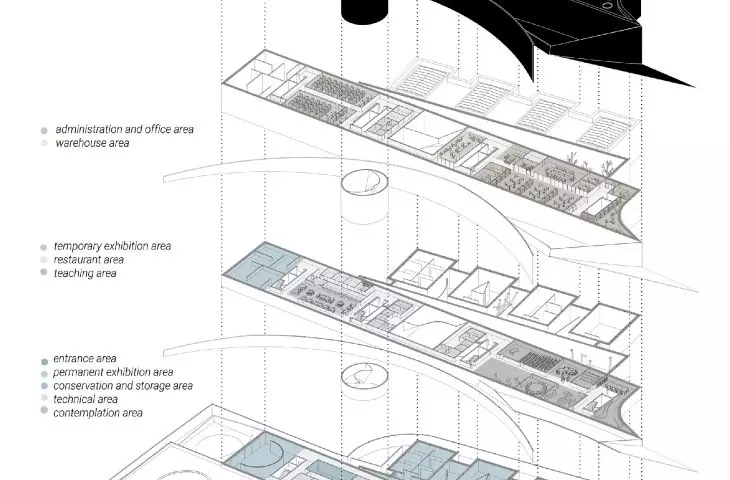
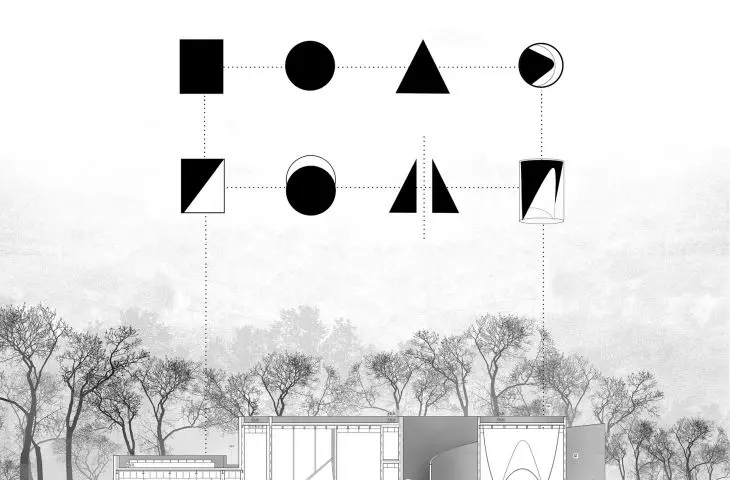
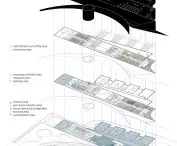
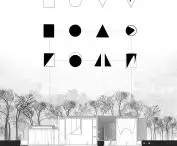
functional layout; cross-section with diagram
© Martyna Olesik
In addition to the aforementioned means of expression, an important factor in creating the object was the form of the tour - a path that the viewer must follow according to a scenario. The layout was subordinated to the history of the prisoners from the moment of transport to the death march, leading the viewer through various spatial environments designed to affect perception, evoke emotions and perpetuate the memory of the place. Therefore, the viewer begins his or her journey from the entrance topped by a triangular structure, which is a slice of the surface of a paraboloid - hyperbolic, ending the tour at the contemplation room situated amidst a mirror of water - a symbol of rebirth, hope and the merging of the worlds of heaven and earth. In addition, the museum function was complemented by a teaching and administrative-office program.
Martyna OLESIK
Illustrations © Author