






Contemporary architecture is increasingly confronted with the consequences of intensive urbanization and human activity. It was in this context that the project “Architecture of Necessity: Implementing a Circular Materials Economy in Warsaw, ” authored by Natalia Maria Szczepaniak—a graduate of the Warsaw University of Technology and the KTH Royal Institute of Technology. The project, which received an honorable mention and was presented at the Royal Swedish Academy of Fine Arts, offers a critical analysis of the contemporary model of urban development and proposes a systemic change to it.
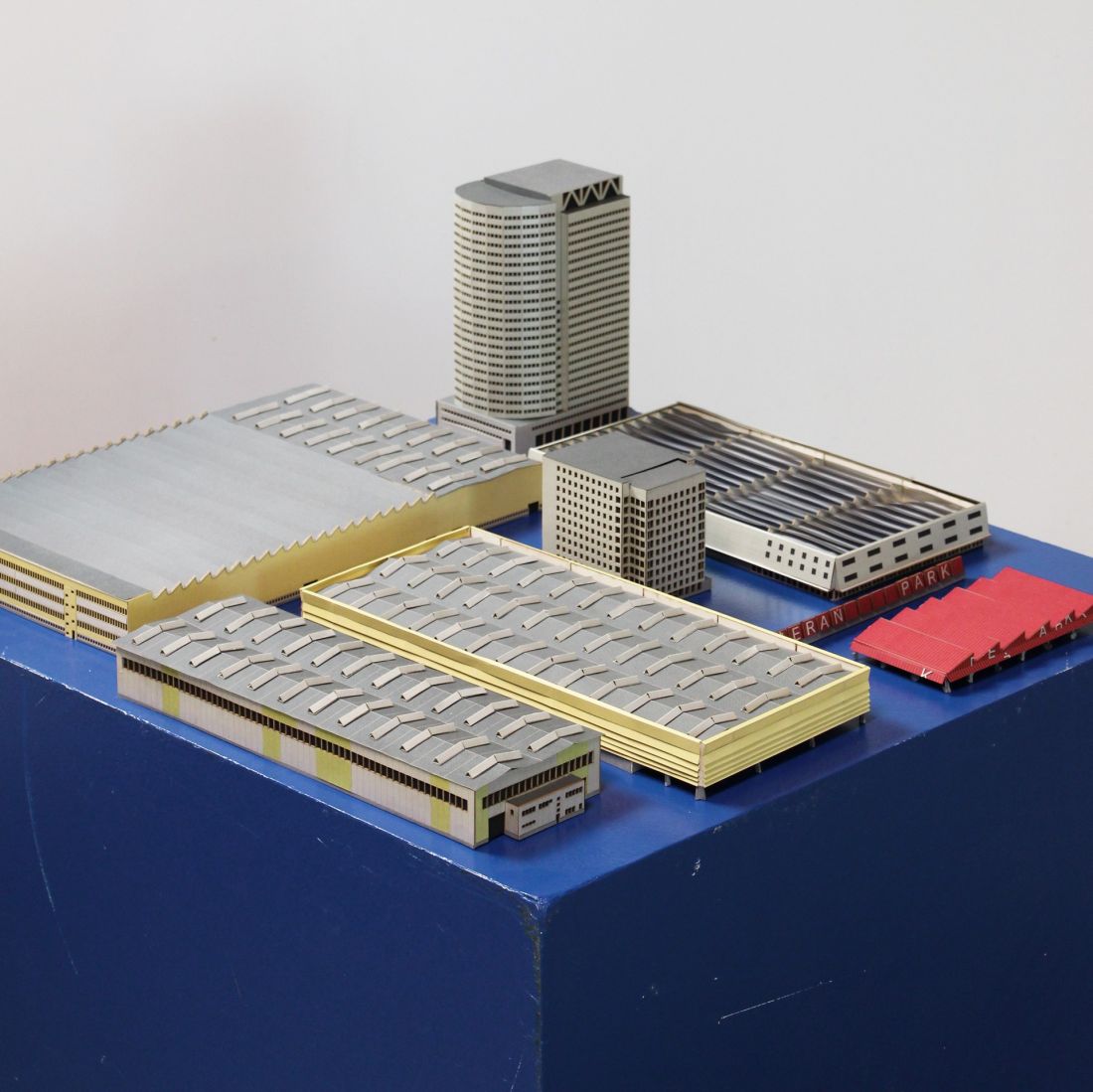
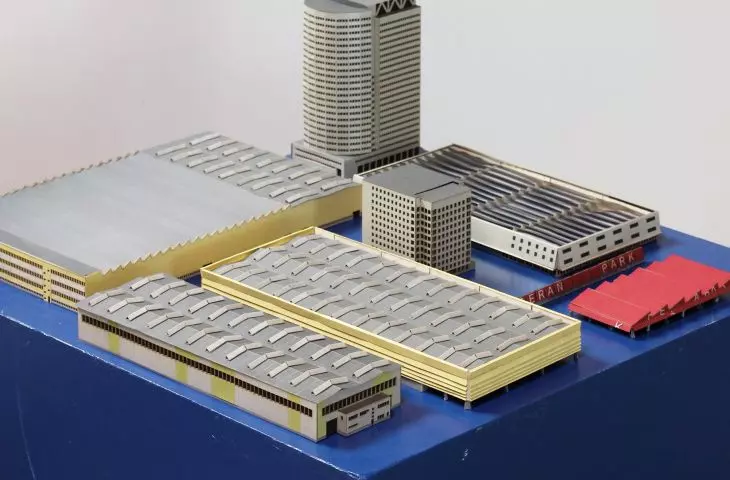
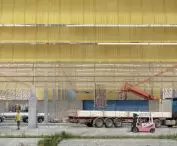
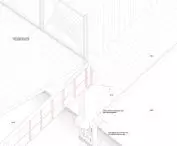
model
© Natalia Szczepaniak
Architecture in the Anthropocene
The 20th and 21st centuries have been dominated by human activity, the effects of which are increasingly visible in the natural environment. The project begins with the question of how to challenge the current system of construction and demolition waste management. The author emphasizes that despite growing climate awareness, cities continue to develop intensively, and demolitions are often driven solely by economic calculations. The lack of true circularity in the construction sector has become a key problem.

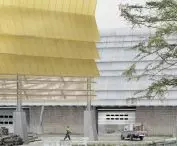
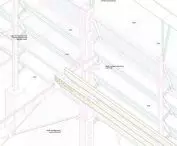
Industrial Waste
© Natalia Szczepaniak
In response to these challenges, the concept of “architecture of necessity” has emerged, redefining the way we think about materials and the value of buildings. Instead of demolition, the proposal is to deconstruct and reuse components; instead of disposal, to reintegrate them into new structures.
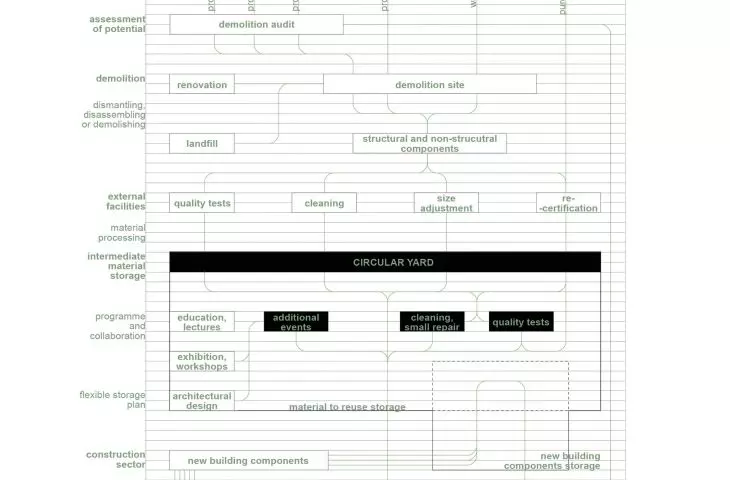
The project aims to create a new typology: the Urban Materials Depot, which addresses the problem of temporary storage for demolition materials. A shift in the approach to materials is becoming a prerequisite for the future transformation of architecture.
Warsaw as a Research Field for Transformation
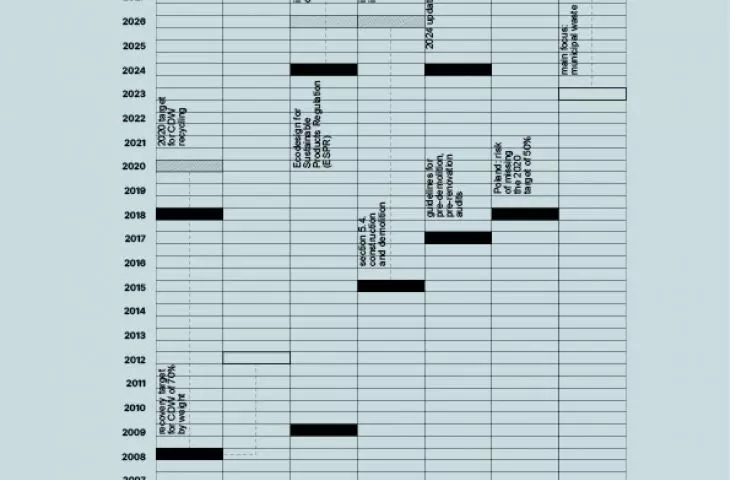
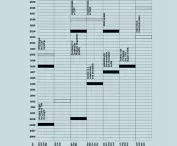
The design work began with an analysis of planned demolitions in Warsaw. Data indicates that as much as 2 billion m² of existing buildings may be demolished in Europe by 2050, illustrating the scale of the problem. At the same time, cities continue to grow, and by 2050, approximately 47,000 new apartments may be built in the analyzed areas of Warsaw. This contrast reveals a paradox of contemporary urban planning: the simultaneous growth and destruction of the existing urban fabric.
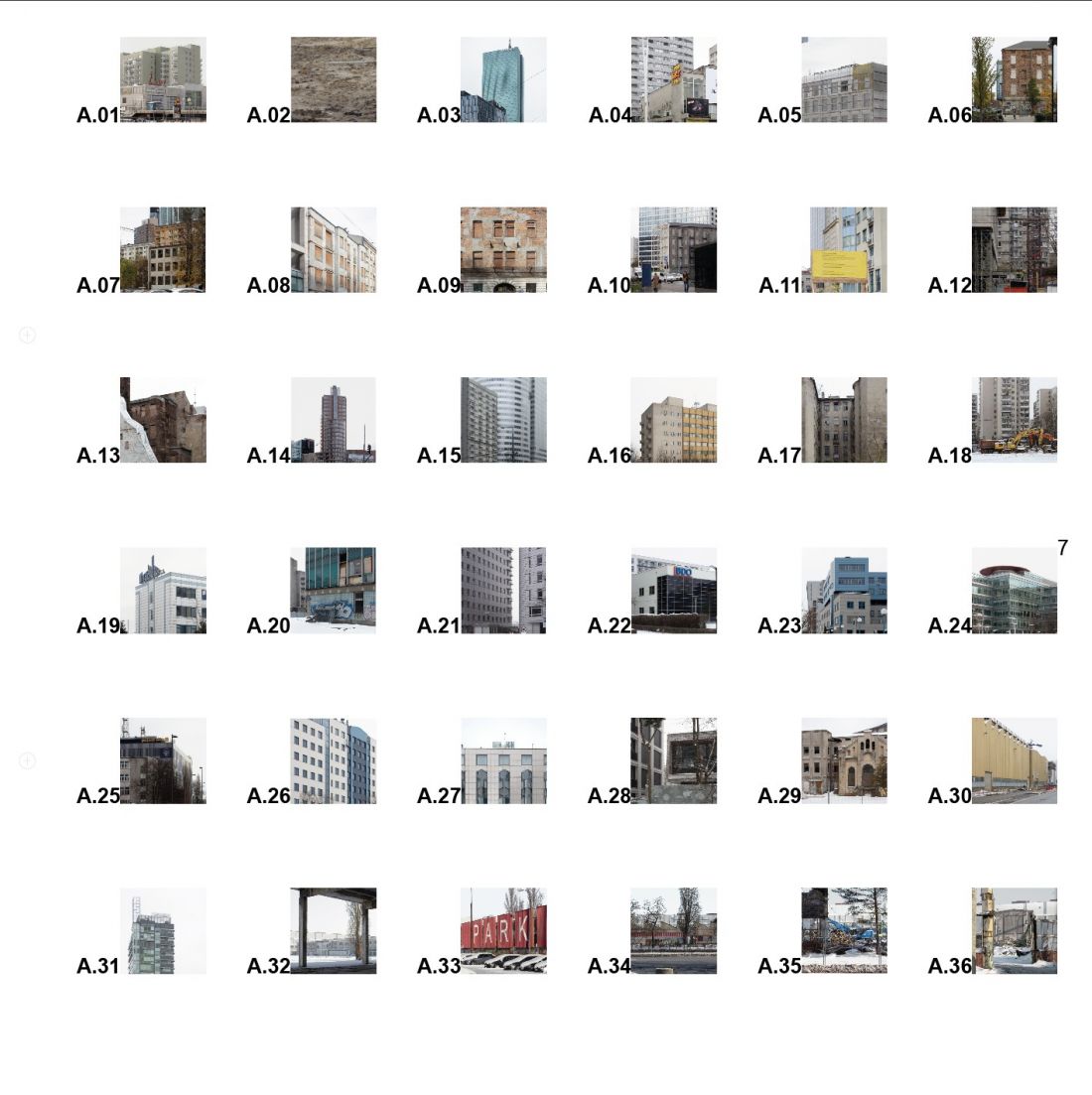
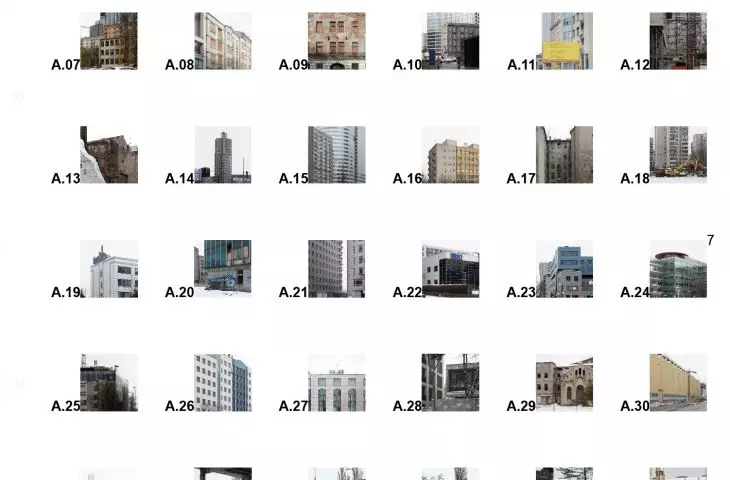
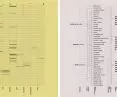
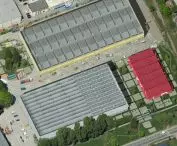
Warsaw’s Demolition List
© Natalia Szczepaniak
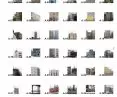
The author’s analysis showed that the most frequently demolished structures are:
-
office buildings from the last 20 years
-
shopping centers from the 1990s and early 21st century
-
industrial buildings from 50–60 years ago
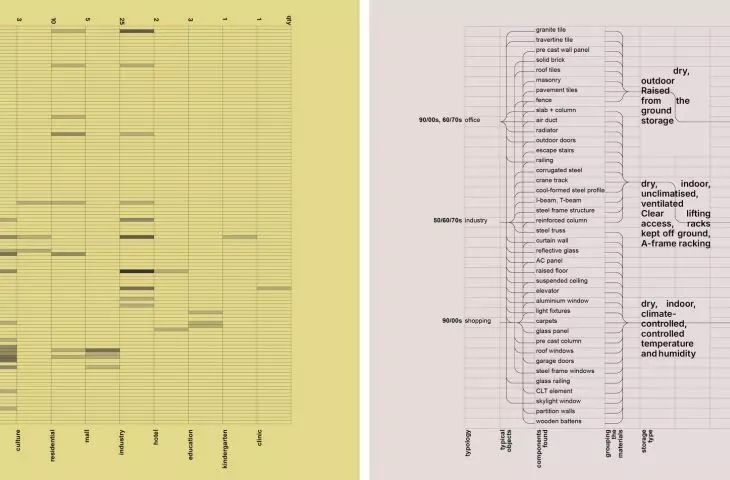
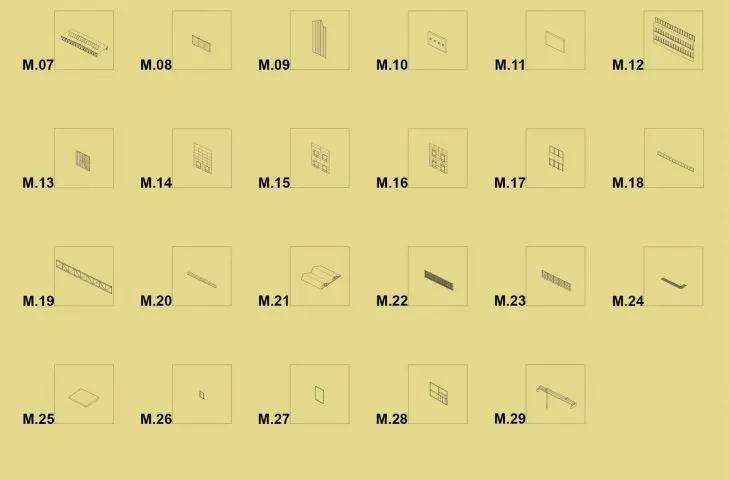
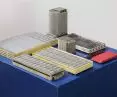
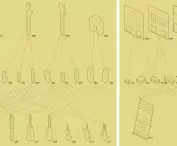
Based on this, a catalog of typical materials was created that can be assigned to specific storage zones in the Municipal Materials Database. Buildings cease to be waste—they become a resource bank.
The City Materials Database—a new circular infrastructure
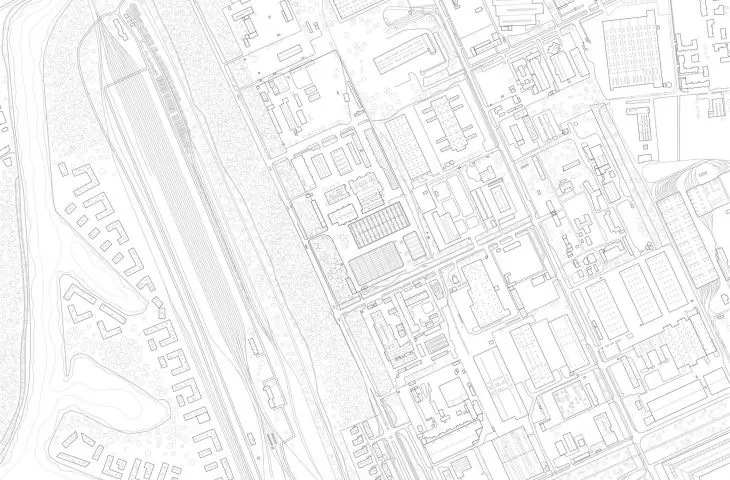
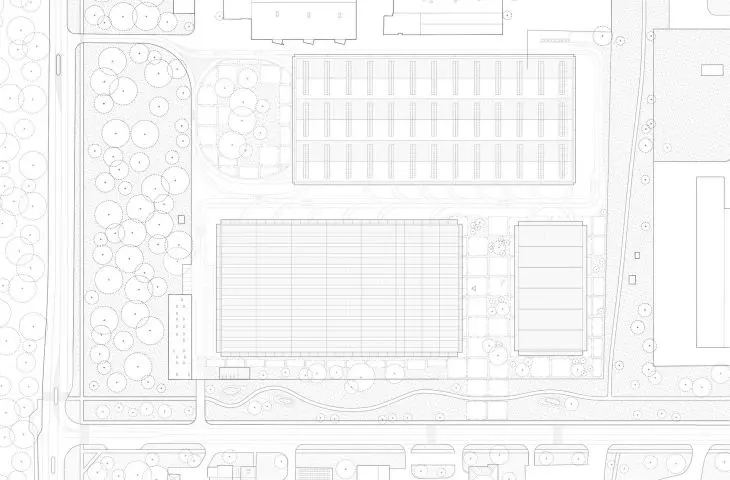
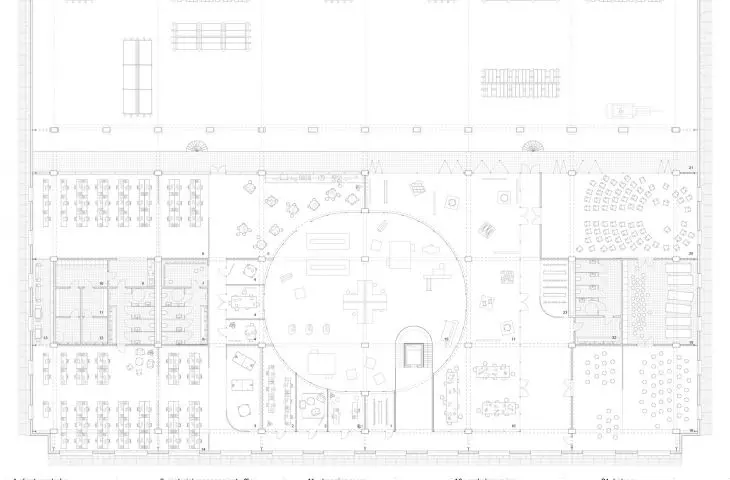
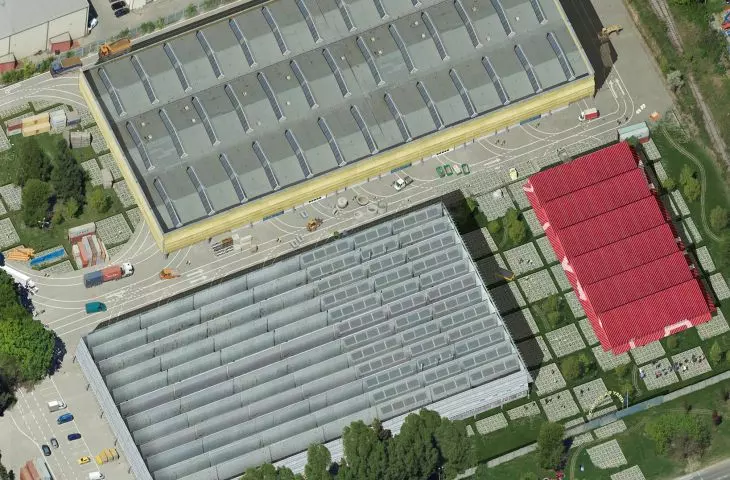
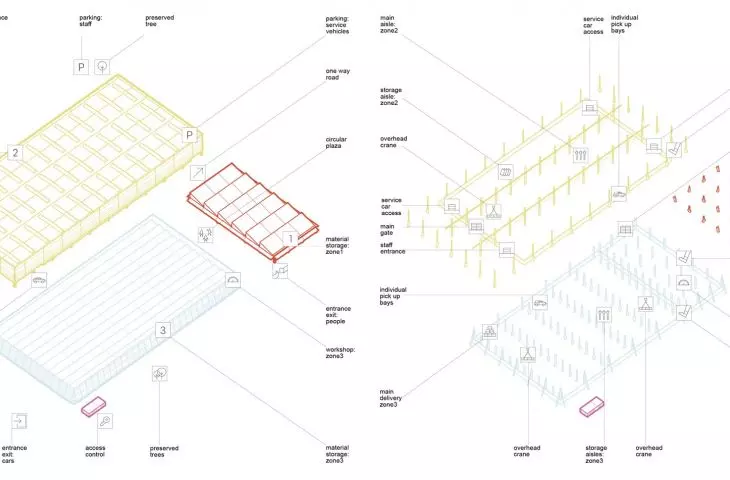
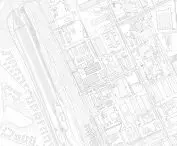
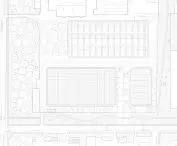
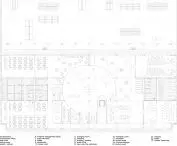
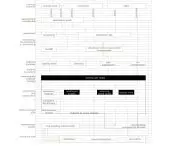
The project involves creating a system of five storage locations that enable the collection of materials from demolition sites throughout the city and their redistribution to ongoing construction projects.
It is anticipated that these facilities will operate for approximately 30–40 years, after which they can be dismantled and reused.
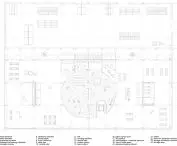
The system includes:
-
weather-resistant material storage facilities
-
large, unheated, and ventilated halls
-
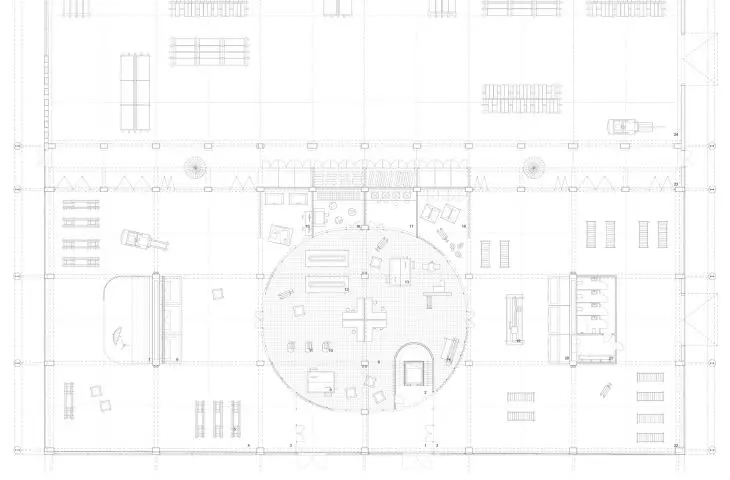
workshop spaces for repairs and recertification
-
audit offices and educational spaces
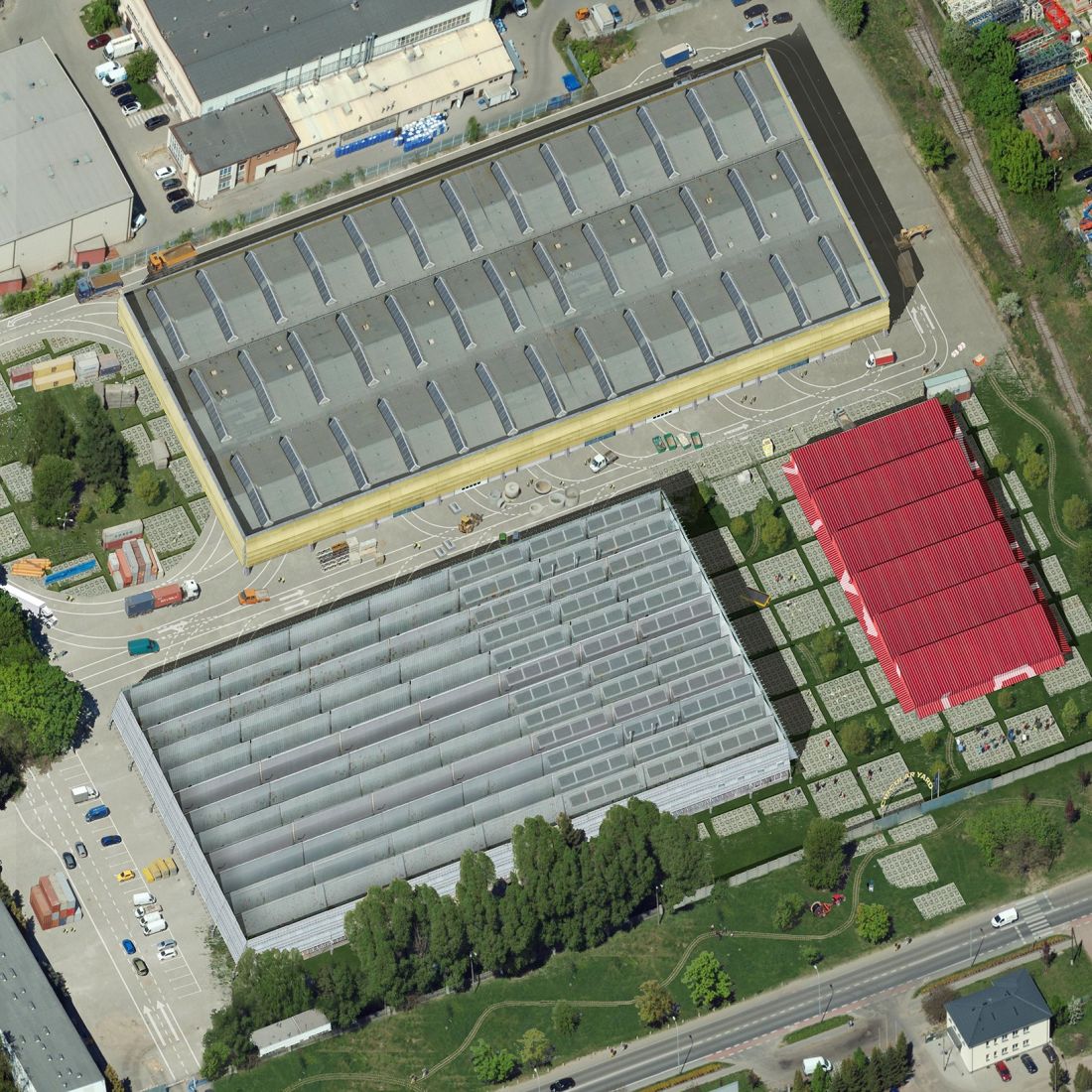
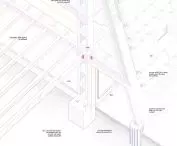
a municipal materials depot
© Natalia Szczepaniak
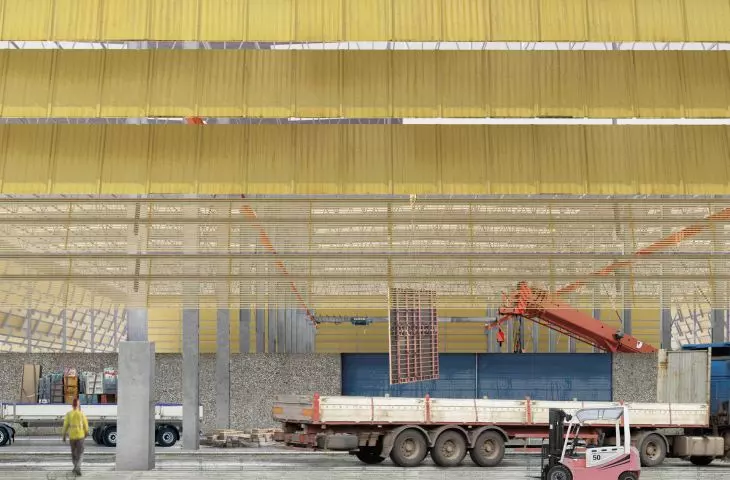
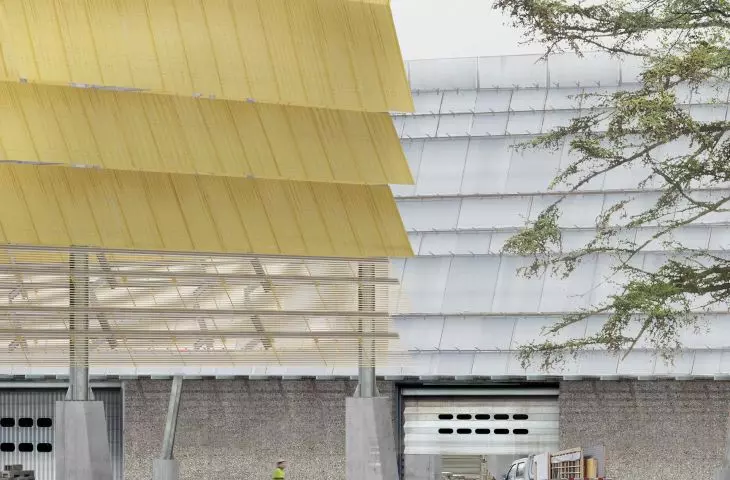
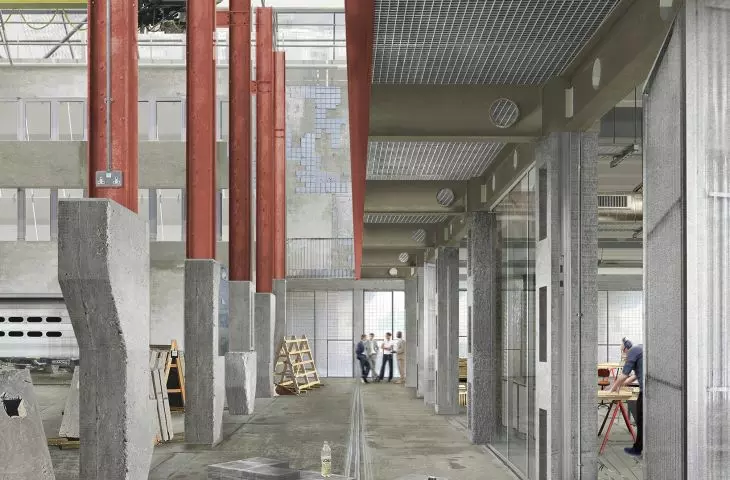
a new architectural language—the aesthetics of necessity
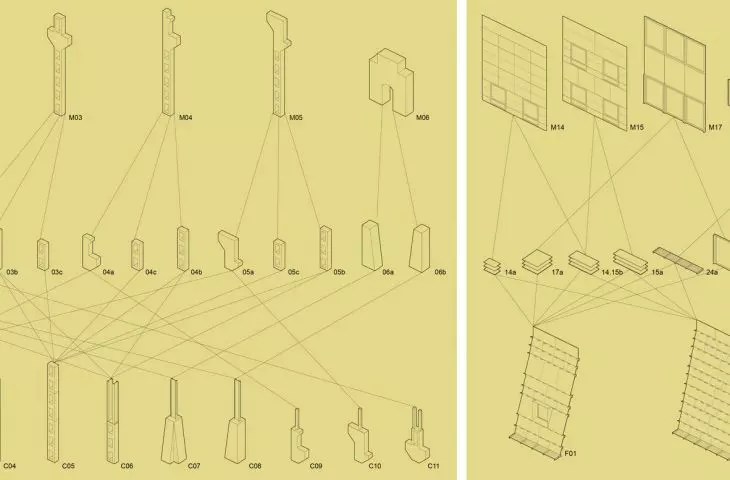
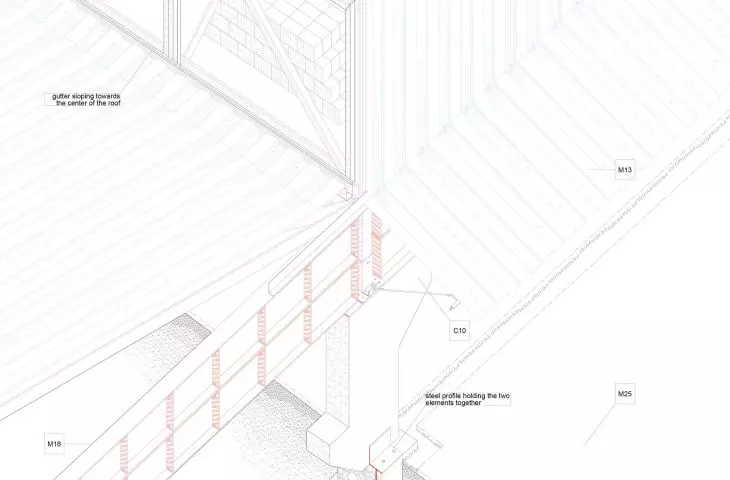
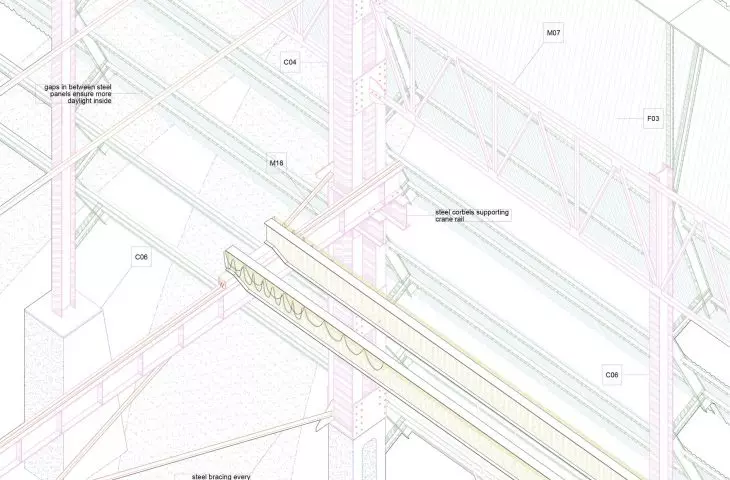
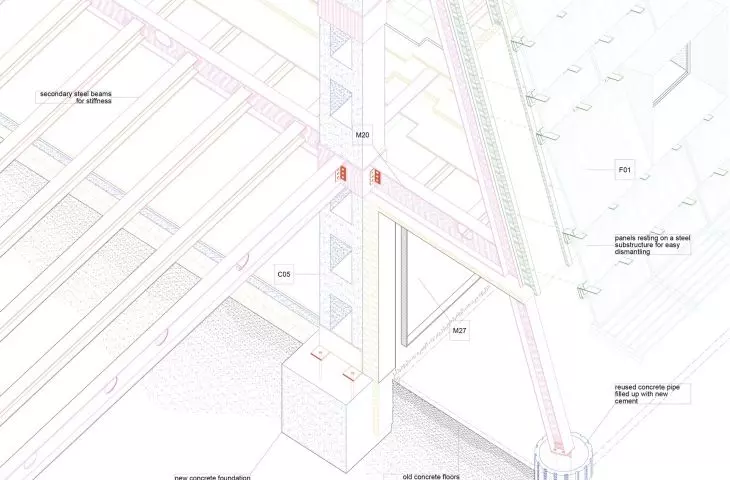
The design process was reversed compared to the traditional approach. Instead of designing the form and then selecting materials, the architect began by analyzing the resources available in the city. A digital catalog of materials from demolition sites was created, which became the basis for the composition of the spaces. Here, the architecture stems directly from what already exists.
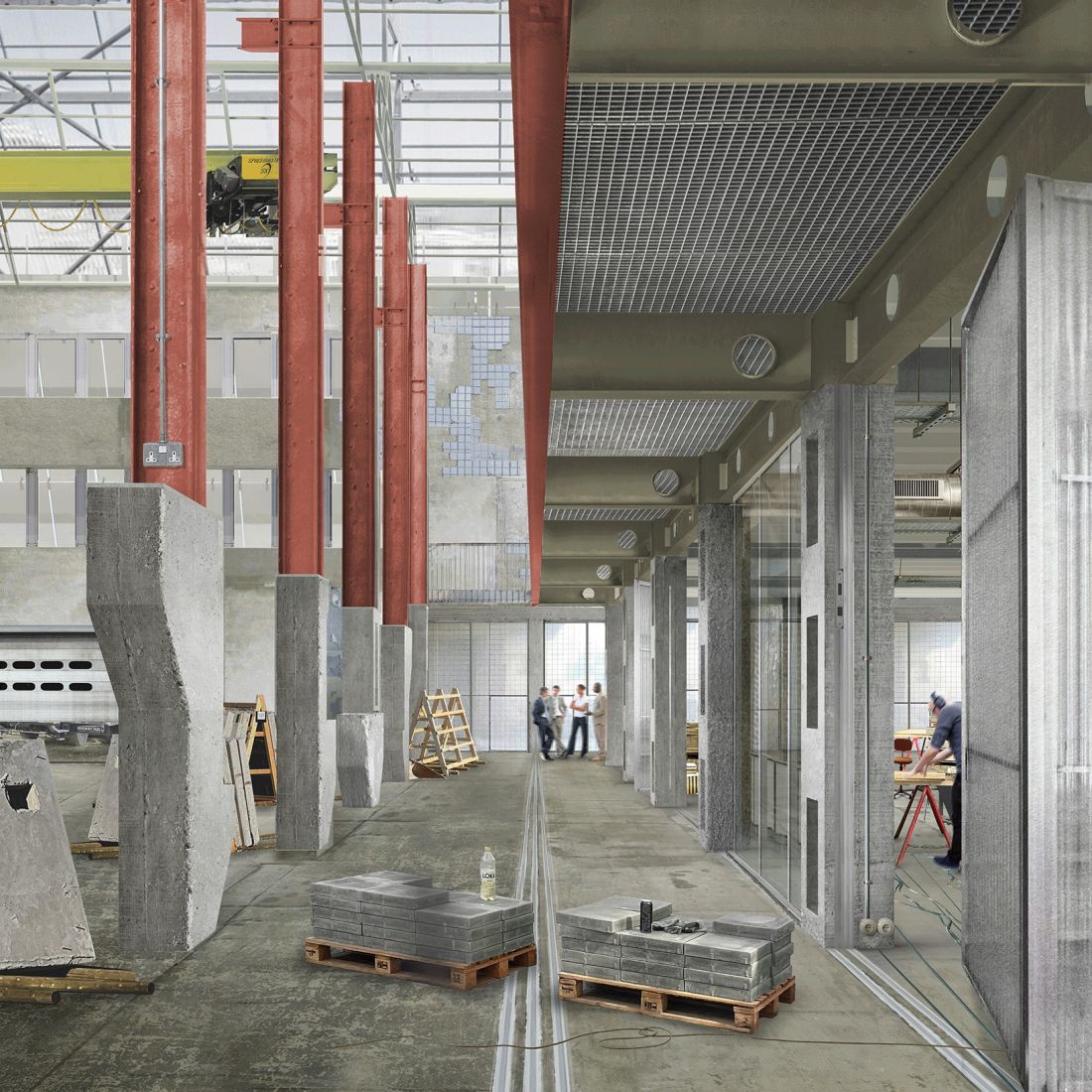
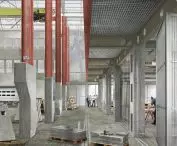
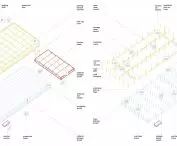
Between a Warehouse and a Workshop
© Natalia Szczepaniak
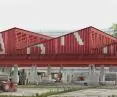
The result is a new aesthetic— honest, contextual, and shaped by resource constraints. Natalia Maria Szczepaniak’s project redefines the role of architecture in the context of the climate and materials crises. Instead of designing new structures, it proposes a systemic approach to existing resources. Architecture ceases to be merely the creation of forms and becomes the management of the life cycle of materials.