





#mies2026
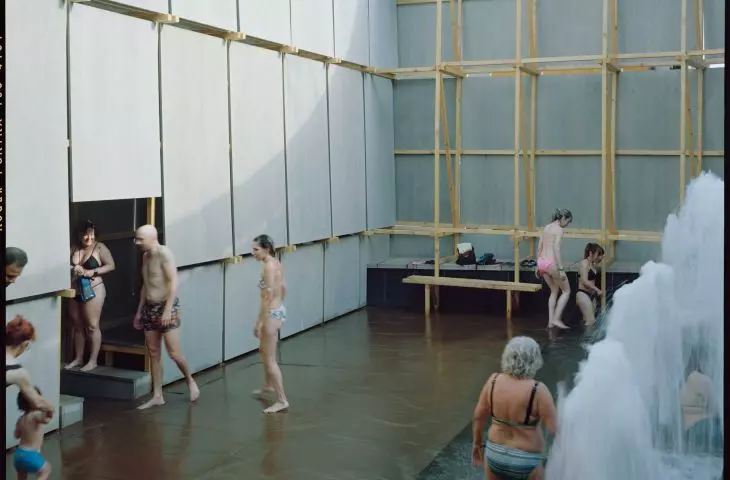
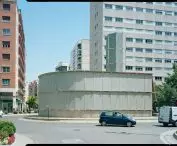
In the center of the Spanish city of Logroño, in a traffic circle hitherto subordinated solely to automobile traffic, a realization has been created that reverses the logic of how urban space functions. "Round About Baths "is a temporary bathhouse designed by Leopold Banchini Architects, which transforms an unused fountain into a place of encounter, regeneration and physical presence. Completed as part of Festival Concéntrico, the project not only redefines the function of a specific location, but also provokes reflection on who and how the contemporary city serves. It is one of the projects on the shortlist for the 2026 Mies van der Rohe Prize.
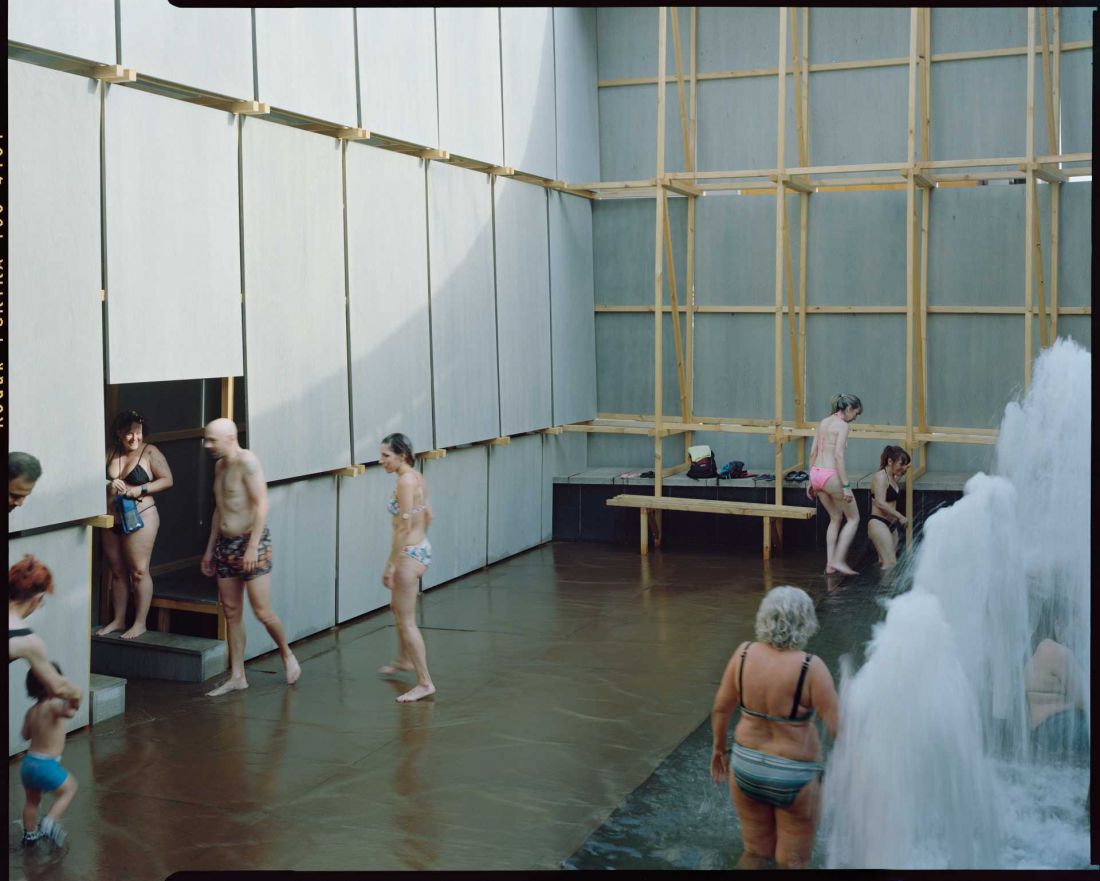
Baths in the center of the Spanish city of Logroño
© Gregori Civera
Logroño traffic circle as space reclaimed for residents
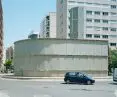
The intervention encompasses 205 square meters in Plaza Salón, a space that until now has remained out of the real reach of pedestrians. The introduction of a public bath program into the middle of the traffic system marks a conscious stopping of traffic and a shift in priorities. Where road infrastructure previously dominated, a space focused on people and their needs is emerging. The project responds to the clear lack of accessible bathing spaces in the city, while bringing out the potential of a marginalized place. The defunct fountain ceases to play a decorative role - it is integrated into the new functional layout and becomes part of the user experience.
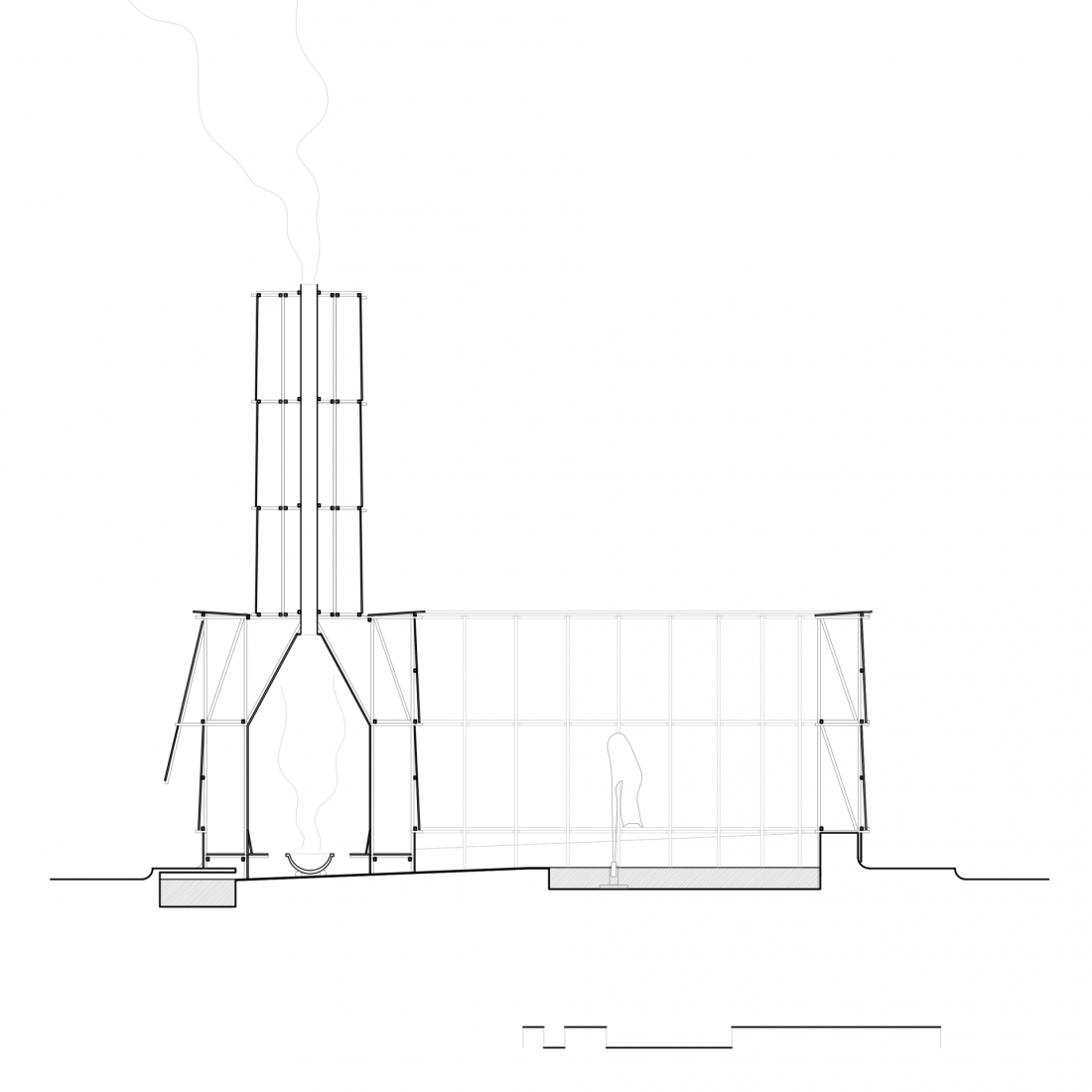
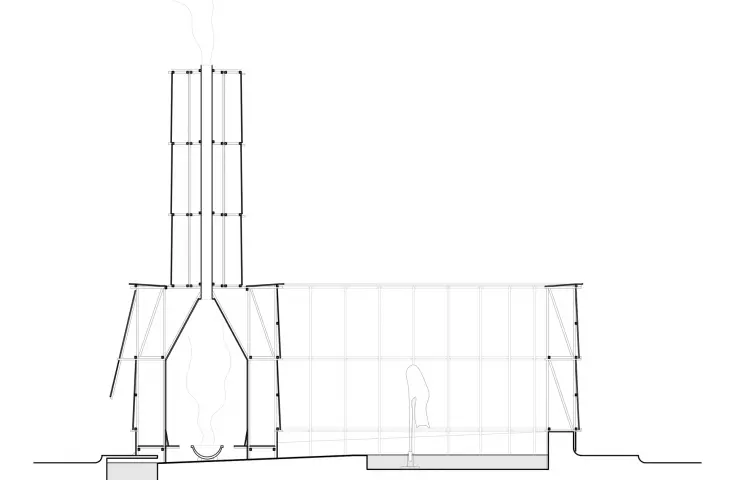
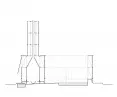
Baths in the center of the Spanish city of Logroño - cross section
© Leopold Banchini Architects
Architecture as ritual: from steam to immersion
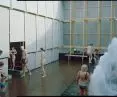
The project's concept is based on a simple, but rarely seen in urban spaces: to enable a full bathing ritual in the city center. The program includes a steam room, outdoor cold-water pools and relaxation areas. Central to the design is the way in which the user is guided through the stages of the experience - from closure and focus, to contact with the water, to a moment of tranquility. The design operates on the tension between the openness of the public space and the need for privacy, creating the conditions for their coexistence. Introducing the body - including the naked body - into the middle of the city is not a provocative gesture. Rather, it's an attempt to shift attention: from movement to presence, from infrastructure to human beings.
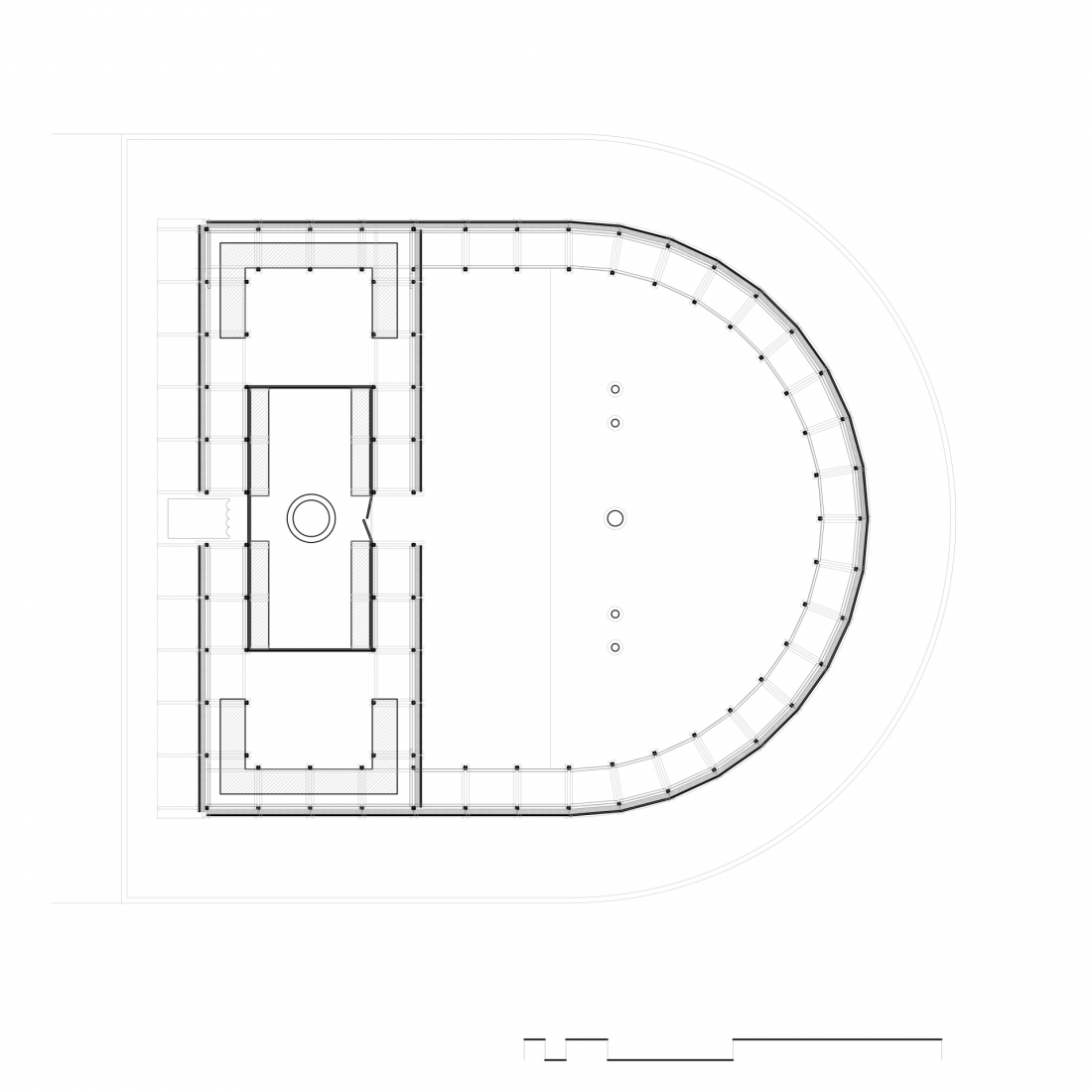
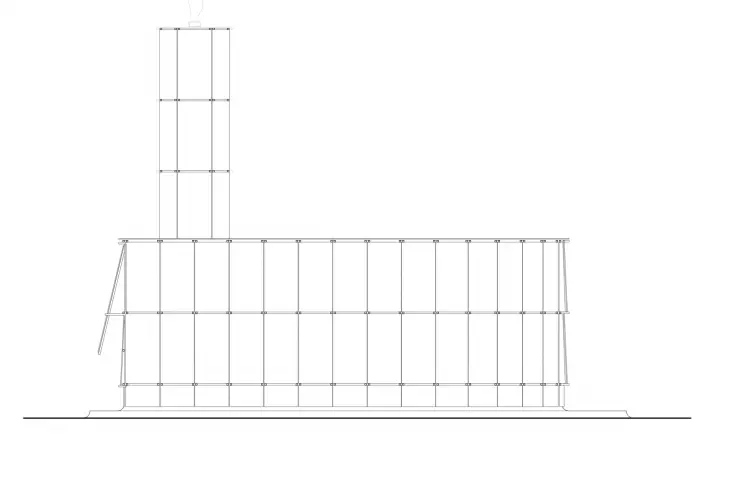
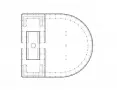
Baths in the center of the Spanish city of Logroño - a projection of the object
© Leopold Banchini Architects
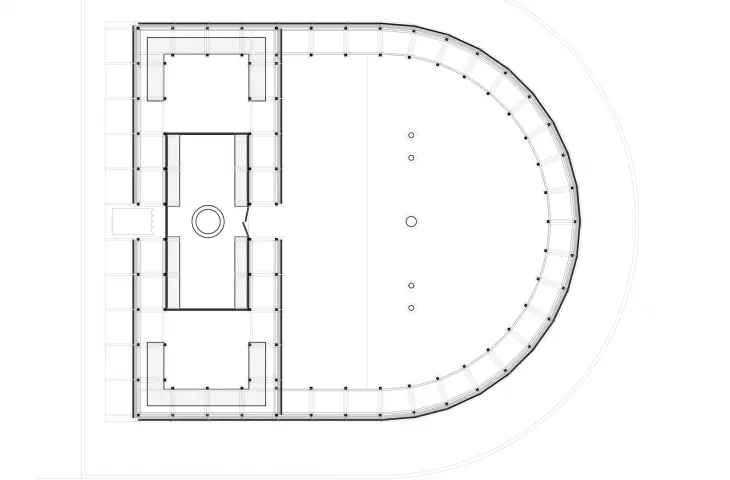
The projection, plan and massing - the logic of form
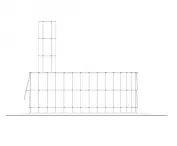
The spatial layout is based on a clear, modular structure inscribed in the geometry of a traffic circle. The focal point is the steam bath, dominated by a 13.5-meter high chimney. This vertical element organizes the space and gives it a clear hierarchy. Around the core are arranged changing rooms and passageways leading to the cold water pools. The plan is subordinated to the logic of ritual - the successive stages of the user experience. The lump has an introverted character, which allows to separate from the intense street environment without losing contact with the context of the place. The repetition of wooden panels organizes the facades and builds coherence throughout the structure, avoiding formal excess.
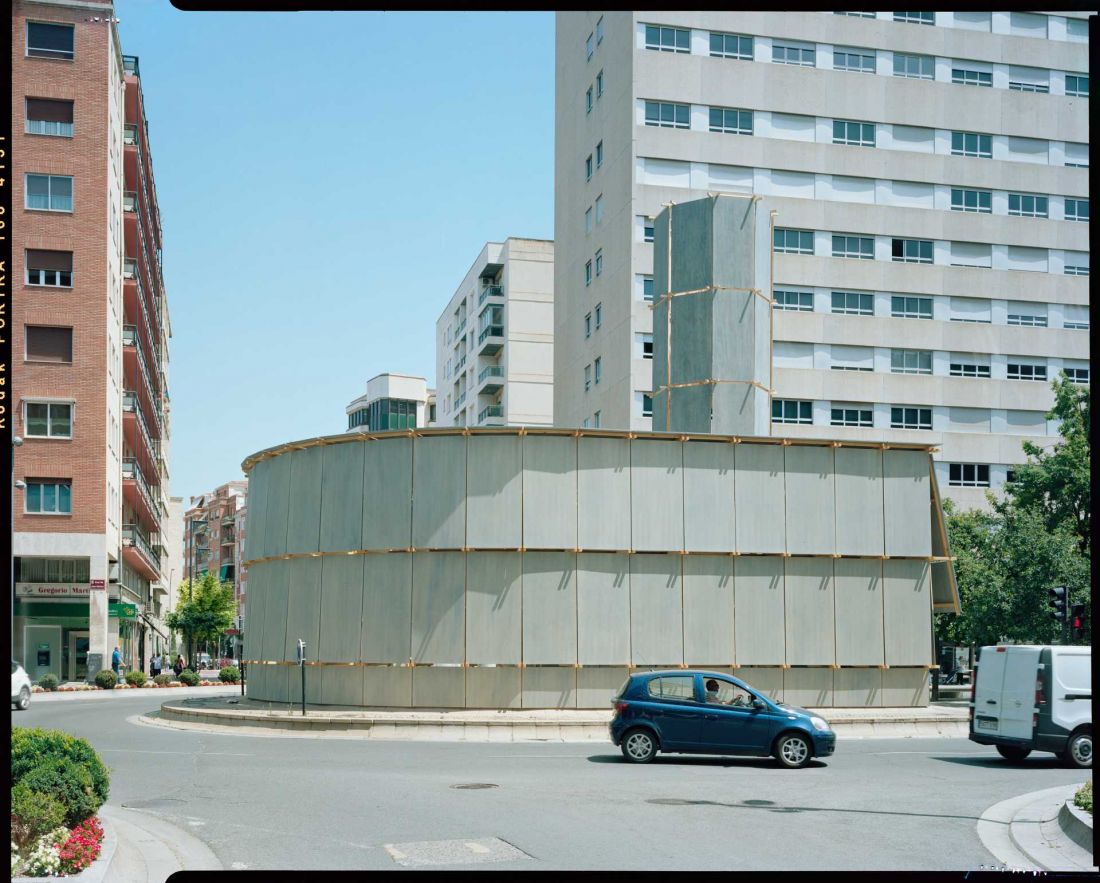
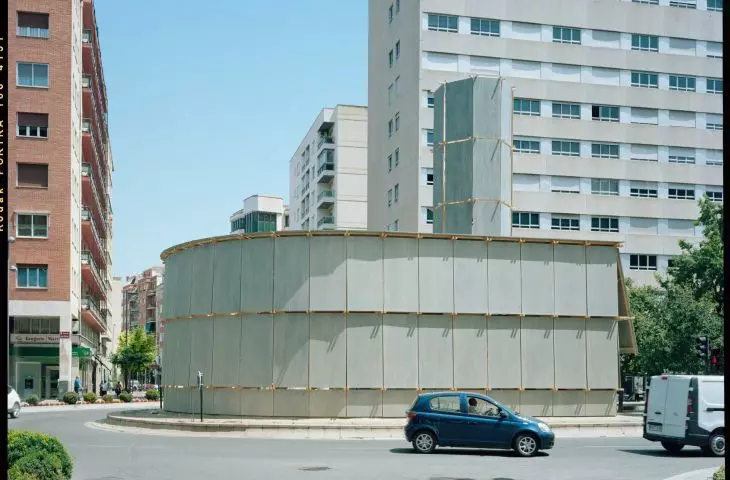
Baths in the center of the Spanish city of Logroño - view from the street.
© Gregori Civera
Materials and construction: locality and reuse
The design is based on simple, local materials. The structure is made of pine wood sourced from the Rioja region, and the enclosure is made of raw, untreated panels covered with water-based paint in a shade of gray. The choice is driven by both environmental considerations and the nature of the installation. An important element is the use of existing urban resources. The pots were transformed into cast-iron hearths, while the signage was made of local granite. The entire project was designed with dismantling and reuse of materials in mind, fitting the project into the principles of circular economy. Implementation by local carpenters emphasizes the connection to the site and reduces the need for transportation, which has both practical and environmental significance.
Temporary as a tool for changing the city
The project functions as a temporary installation, but its significance extends beyond the duration of the festival. The object demonstrates that even a short-term intervention can set in motion a lasting change in the way urban space is perceived. It is architecture that does not impose ready-made solutions, but initiates the process - it encourages testing alternative scenarios of city use. The traffic circle, hitherto a symbol of infrastructure subordinated to cars, becomes a place of community and experience.
Engaged architecture: more than an installation
The realization by Leopold Banchini's studio is part of the trend of socially engaged architecture, which operates with limited means but addresses important topics. "Round About Baths " is not just an object - it is a tool for redefining urban relations. The project shows that even the most obvious elements of infrastructure can be read anew. All it takes is a change of perspective - and the courage to stop traffic for a while.