





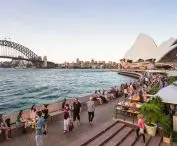

Sydney Opera House,
designed by Jørn Utzon
In 1973, Sydney witnessed an event that transformed its identity - a building that already aroused global excitement at the time of its unveiling was opened on the Bennelong Point waterfront, in the presence of Queen Elizabeth II. The Sydney Opera House, the work of Danish architect Jørn Utzon, quickly ceased to be "just" a concert hall. Over the decades it grew into a symbol of Australia, recognizable as easily as the Eiffel Tower or the Empire State Building. It made it to the UNESCO list, and every year more than 10 million people come to the building to see for themselves how architecture can combine vision, risk and courage.
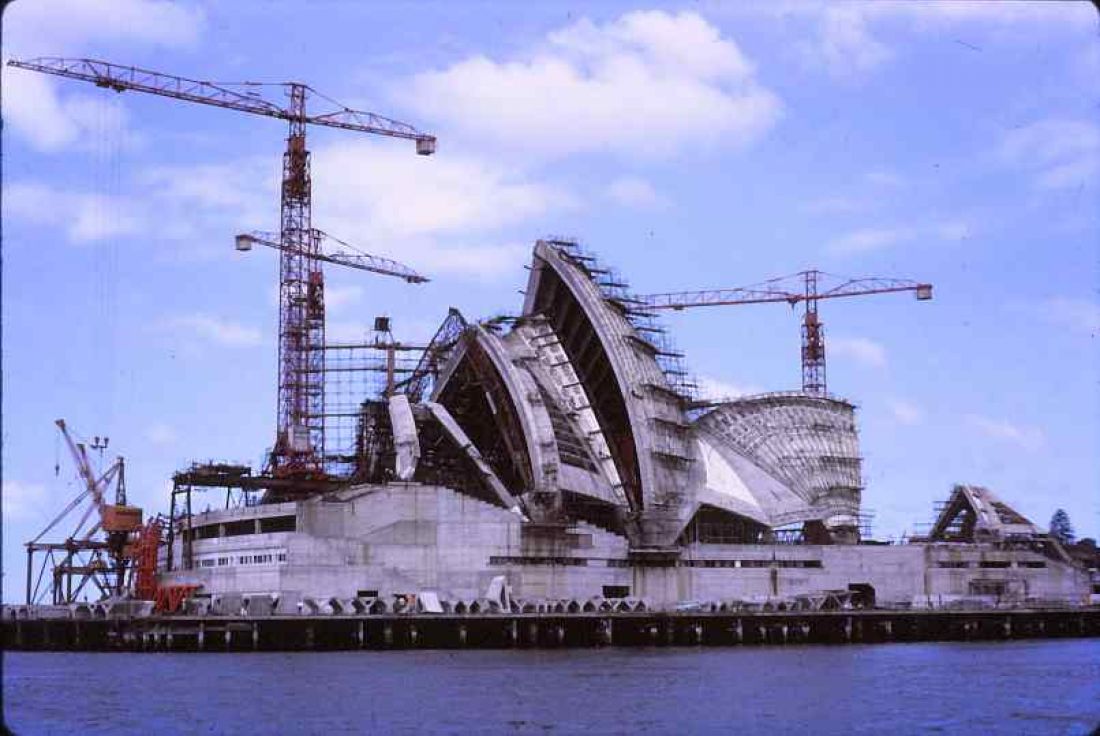
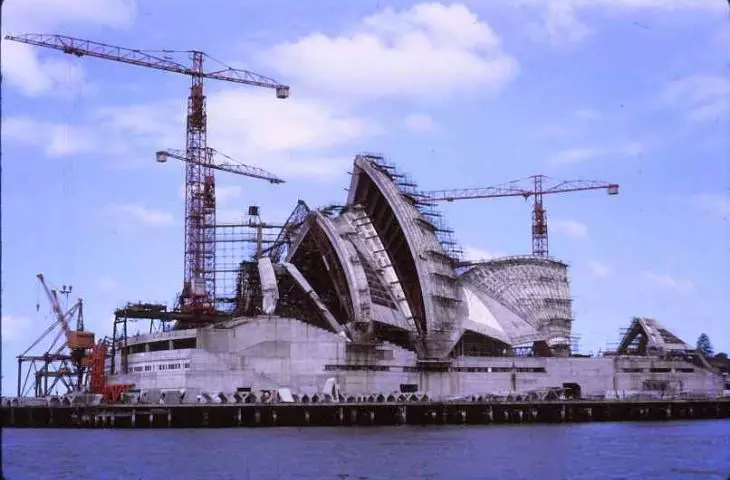
Sydney Opera House under construction
© Sydney Opera House
The sketch that changed history
However, it all started much earlier, in 1957, when a competition to design a new opera house was decided. Out of 233 proposals from 32 countries, the one chosen was the one that... did not meet the formal requirements. Utzon submitted only a sketch. A vague, handwritten concept, yet evocative enough to convince the jury that here was a project the world had not yet seen. At the time, it was not easy to imagine monumental concrete shells floating above the water like a fleet of white sails. Today it is difficult to imagine the Sydney skyline without them.
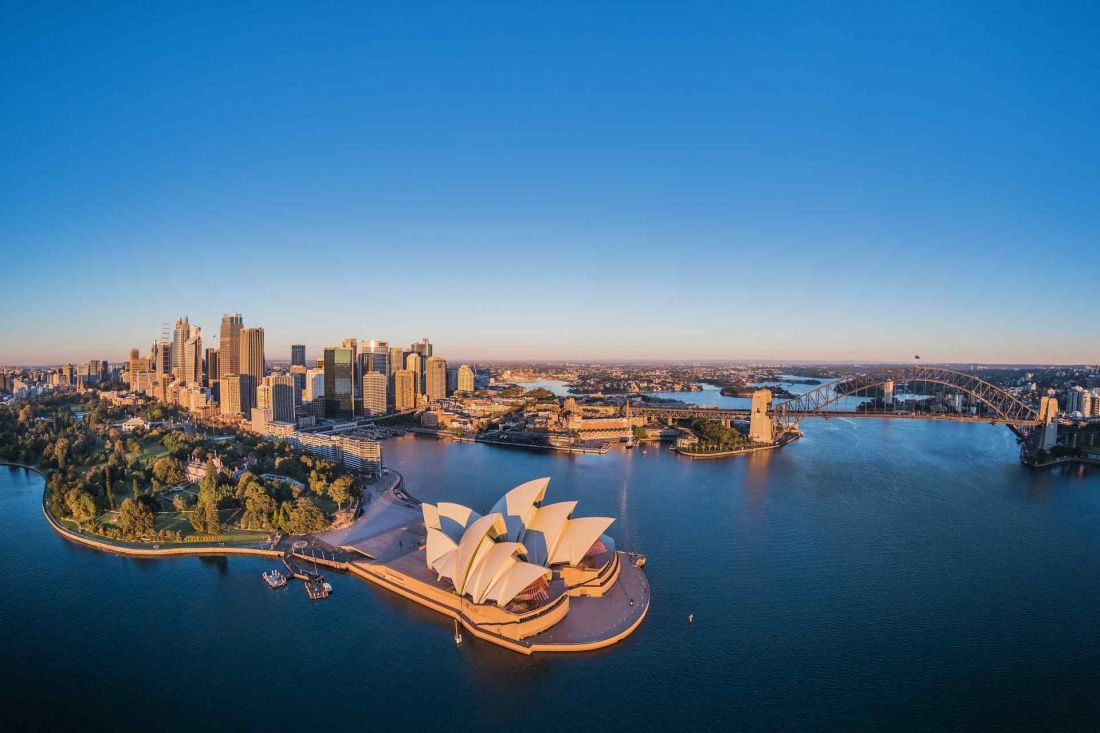
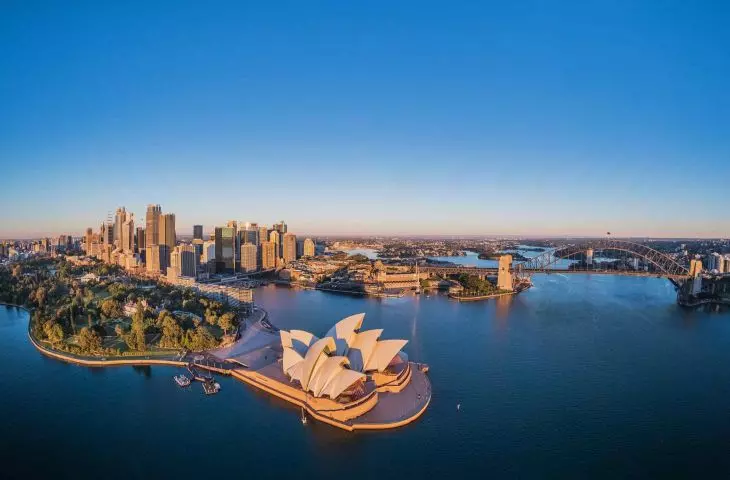
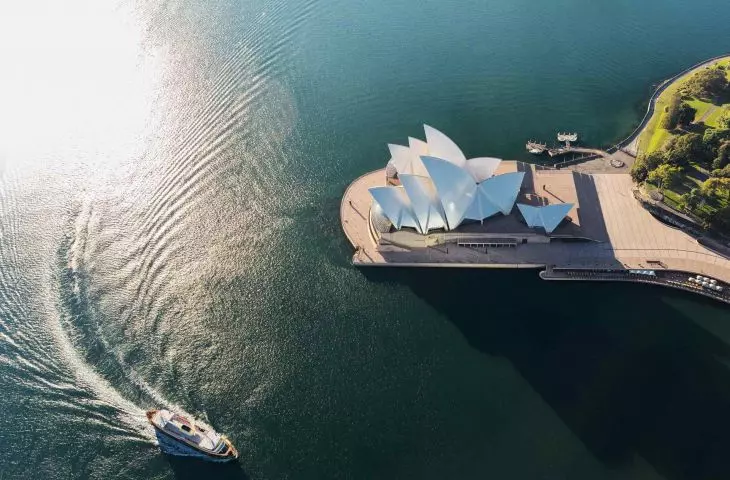
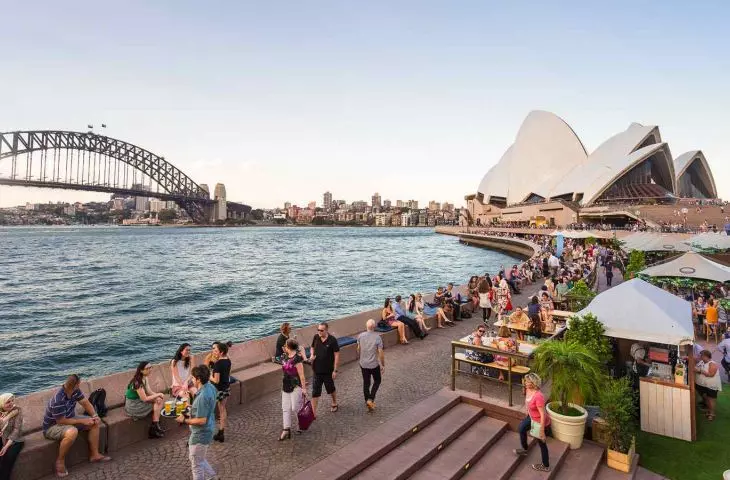
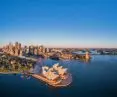
Sydney Opera House - a bird's eye view
Photo: Hamilton Lund
Construction full of tensions and breakthroughs
However, construction proved to be a test of patience, technology and human relations. The plan called for $6 million and several years of work. The reality? 14 years of construction and more than $100 million in expenses. During construction, Utzon came into sharp conflict with the authorities and left Australia in 1966 without seeing the final result. The edifice was completed by Australian architects, and the creator - instead of flashes and fanfare - watched the opening from afar.
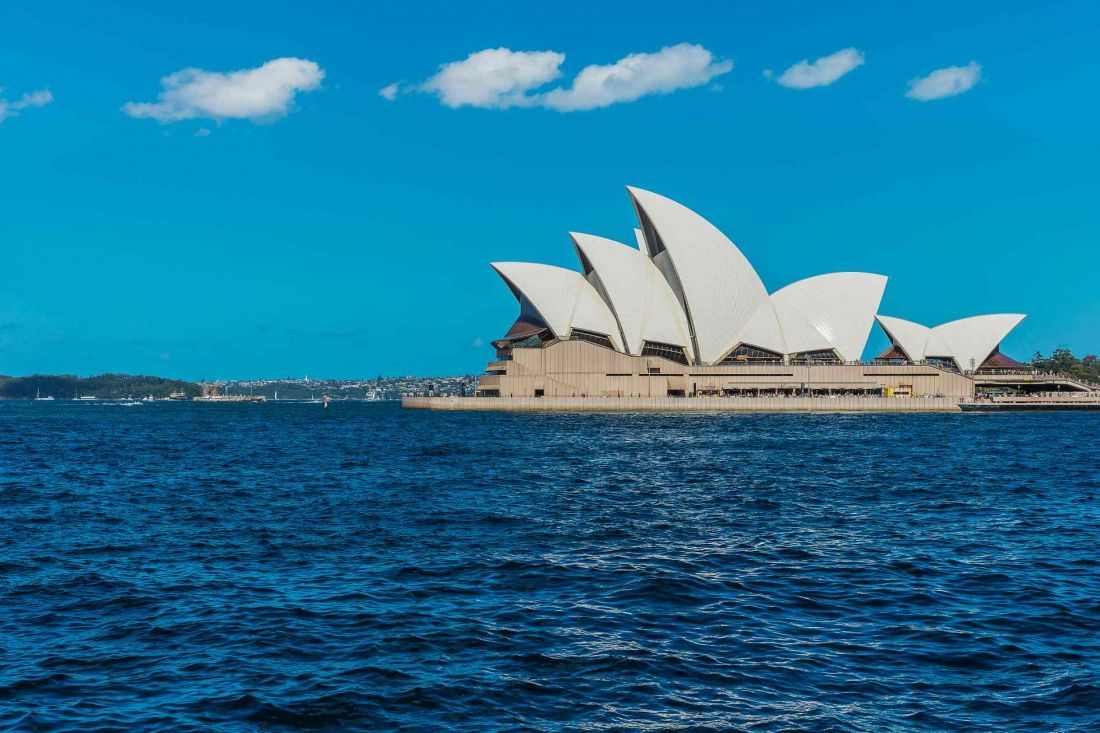
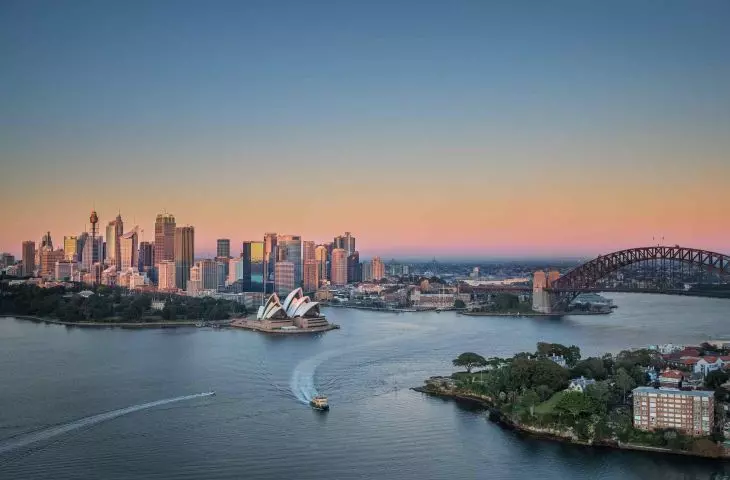
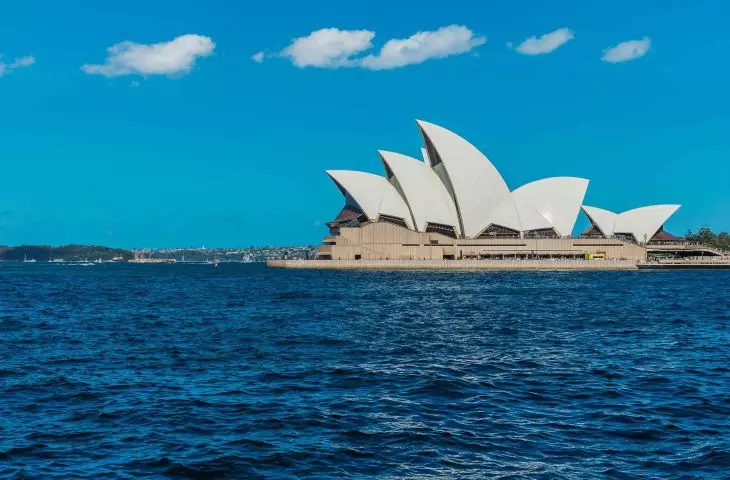
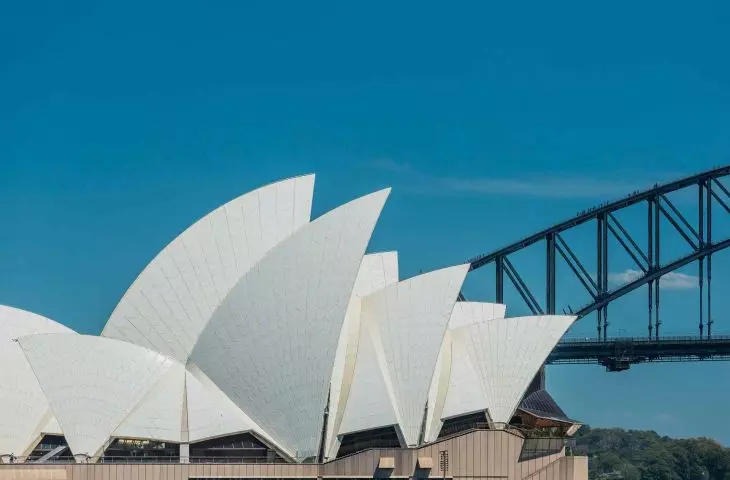
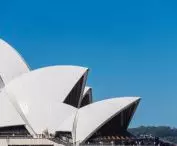
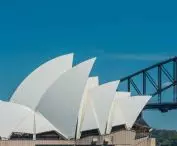
The Sydney Opera House - a distinctive feature is the monumental concrete shells floating above the water
photo: Hamilton Lund
The opening moment and the first sounds
The grand opening ceremony on October 20, 1973 marked the beginning of a new chapter. Beethoven's Ninth Symphony and an opera by Prokofiev were heard in the halls. But even earlier, on the construction site, Paul Robeson sang Ol' Man River to the workers - a gesture that remains to this day one of those moments that is spoken of half-heartedly but with awe. After the inauguration, the first recital was performed by Wanda Wiłkomirska in duet with Geoffrey Parsons. In 1987, Pope John Paul II spoke in the building. The opera house became a stage for history - not only artistic history.
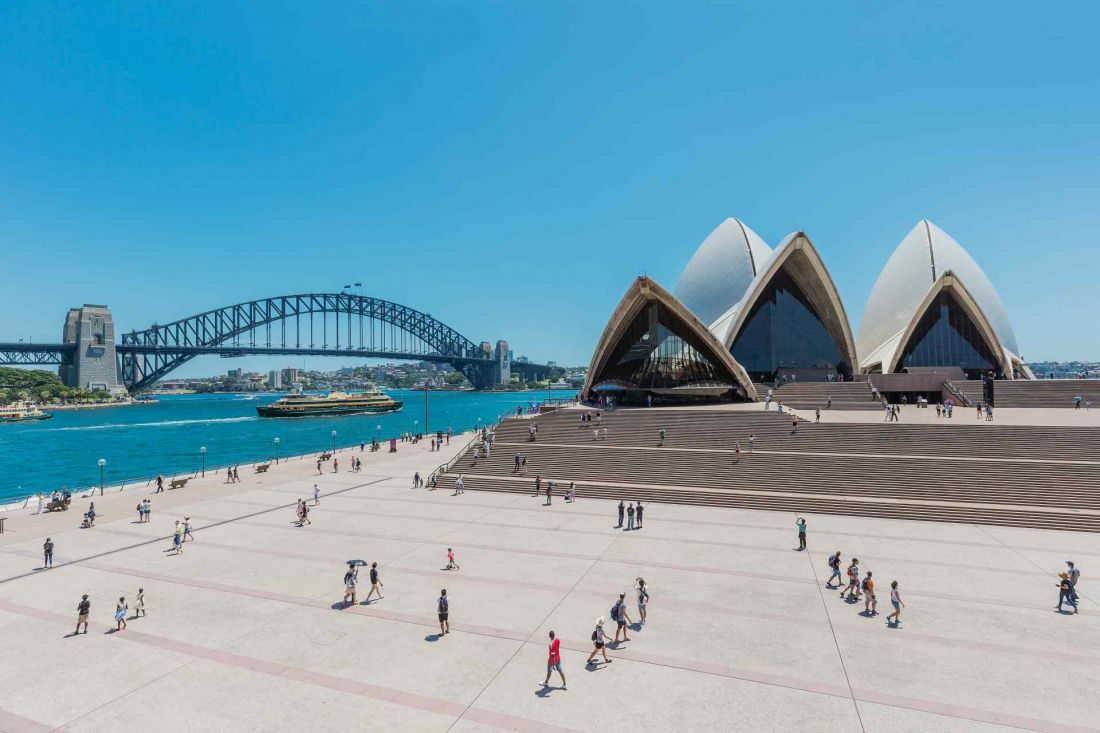
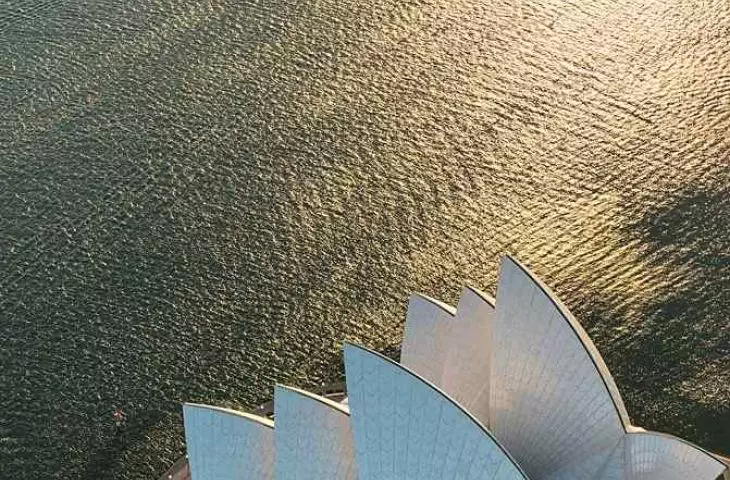
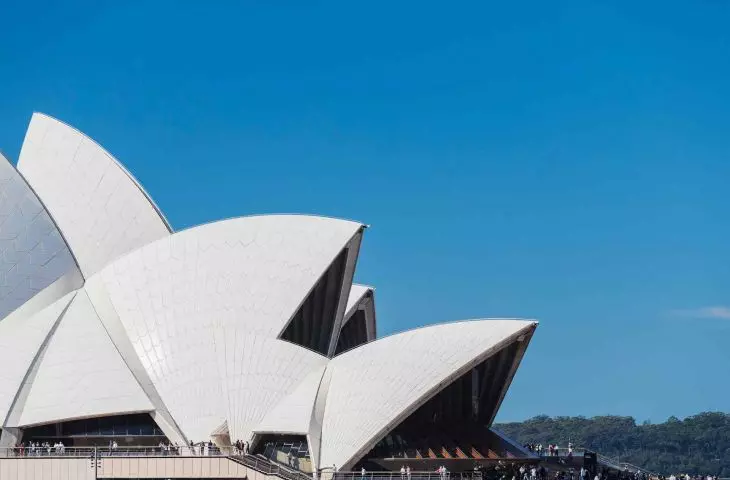
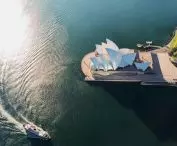
The Sydney Opera House - the concrete "sails" are covered with a million ceramic tiles
photo by Hamilton Lund
The projection, plan, massing and form
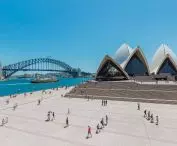
The Sydney Opera House is not a single block, but a complex layout in which each part has a precisely defined function. Inside are five halls, ranging from a nearly 2,700-seat concert hall to intimate spaces of a more intimate nature. A cinema, restaurants, a wide foyer and a monumental staircase create a structure that resembles not so much an edifice as a multilayered art city.
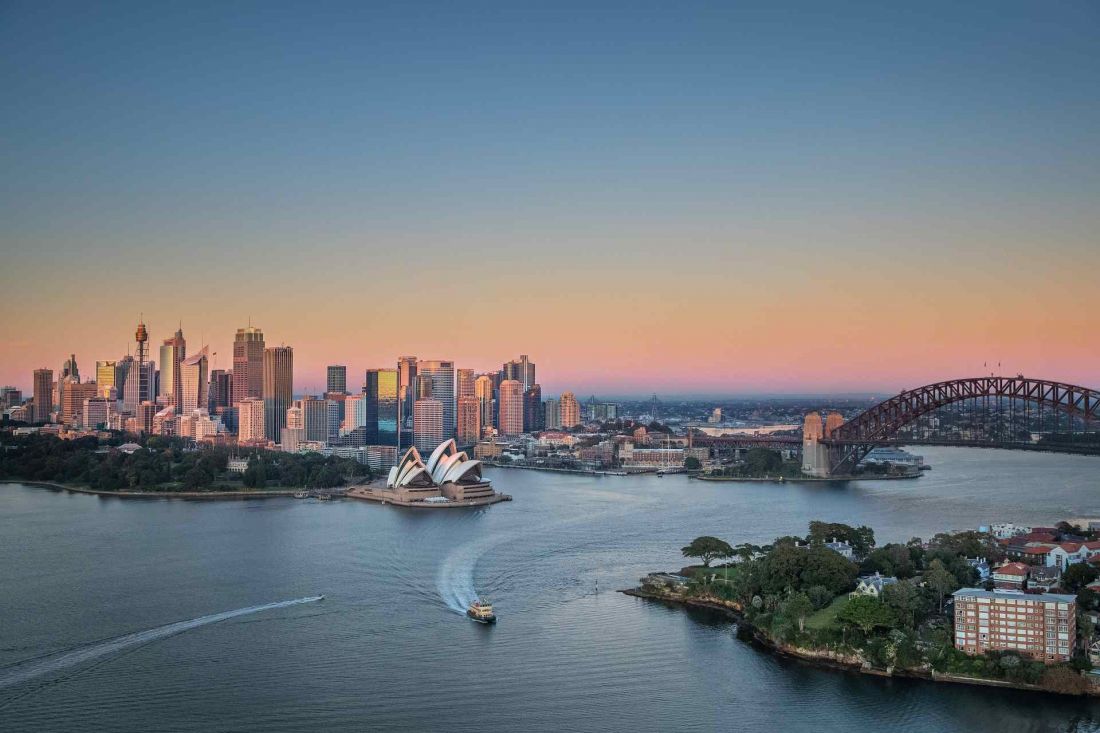
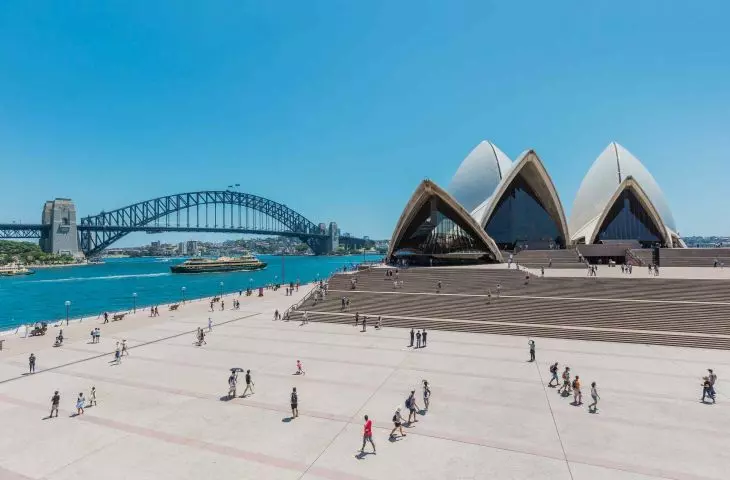
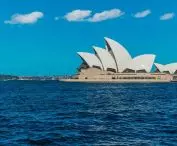
Sydney Opera House
photo by Hamilton Lund
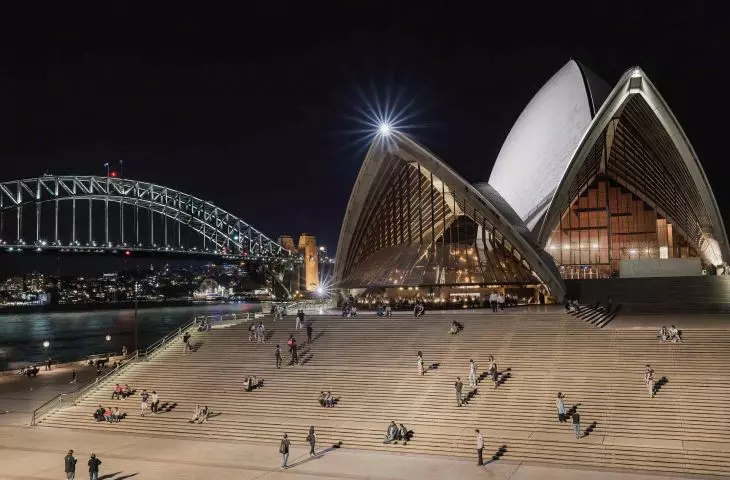
The strongest impression, however, is made by the exterior form. The concrete "sails" covered with a million ceramic tiles are not an ornament, but a structure that has set a new direction in architecture. With 5223 square meters of glazing, the interiors open up to the bay, and daylight subtly permeates the halls and foyers, giving them dynamic depth. Every line and passageway leads the eye toward the water and the horizon - as if the building is in constant dialogue with Sydney and the ocean.
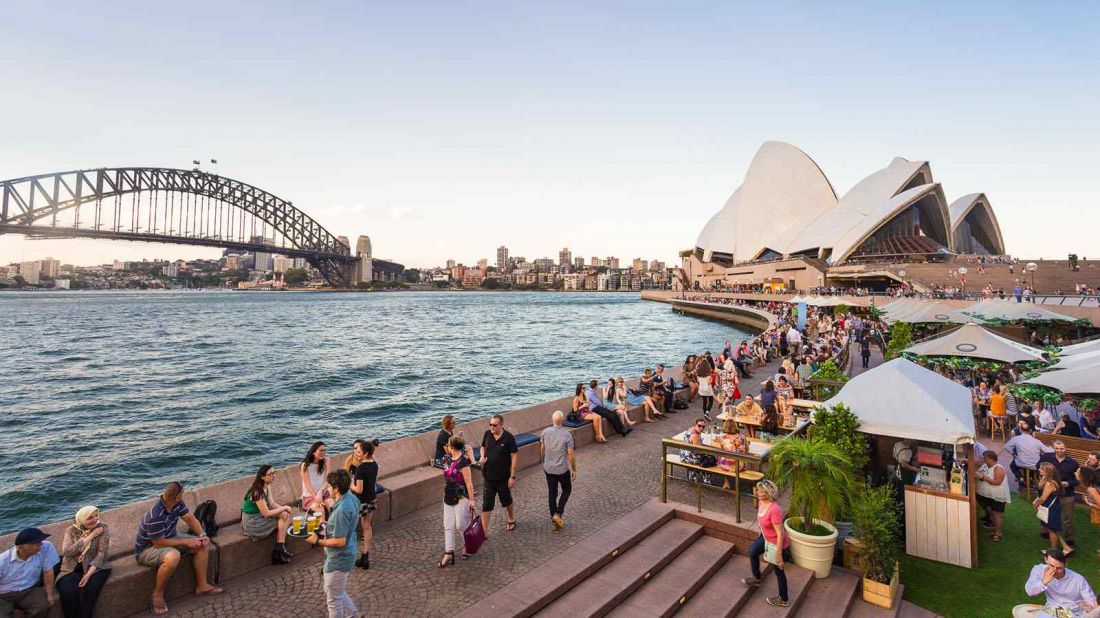
Sydney Opera House
photo by Hamilton Lund
The return of a master and a symbolic finale
Although Utzon did not appear at the opening, history has come full circle symbolically. In the late 1990s, when it became clear that the structure needed improvements, he was invited to consult. He worked from a distance. In 2003, he was awarded the Pritzker Prize, and a room named after him was opened in the edifice with the tapestry Homage to Carl Philipp Emanuel Bach. He died in 2008, aged 90. His work lives on, pulsates, and continues to attract those who want to see where the building ends and the vision begins.
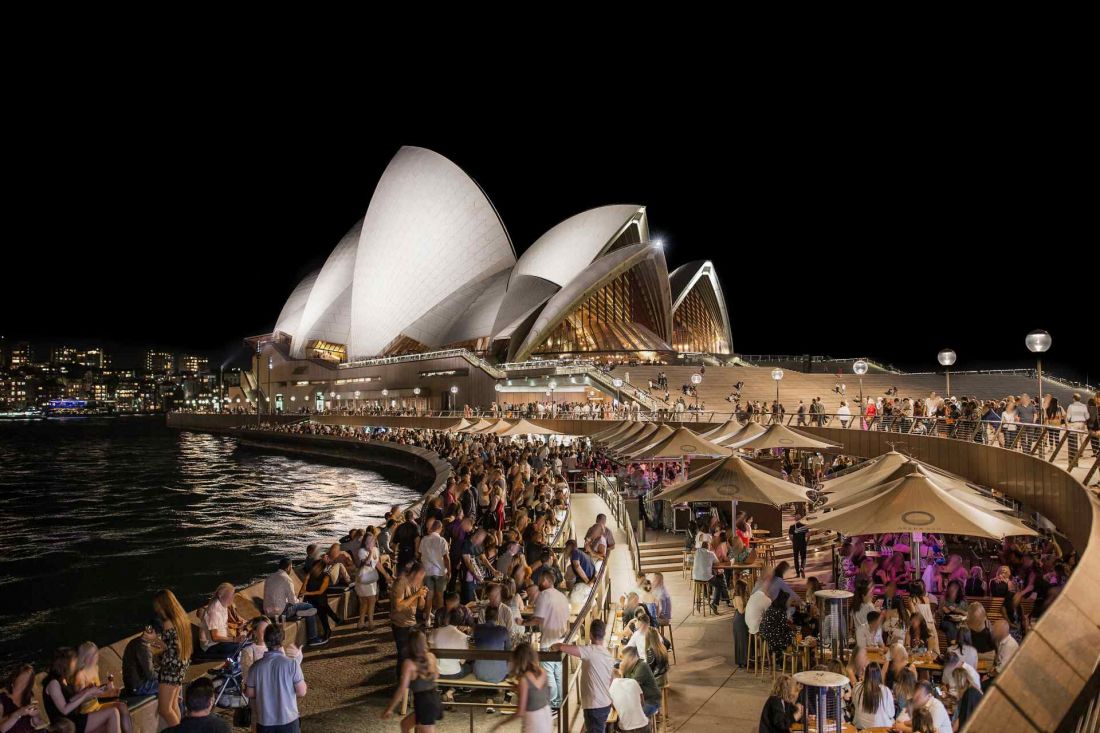
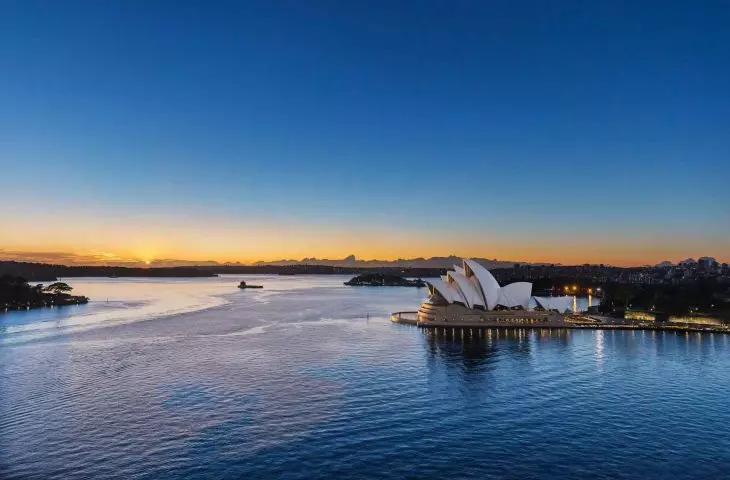
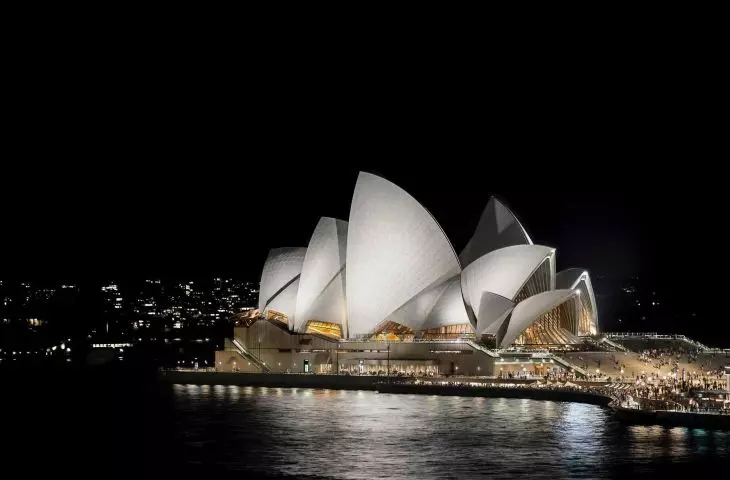
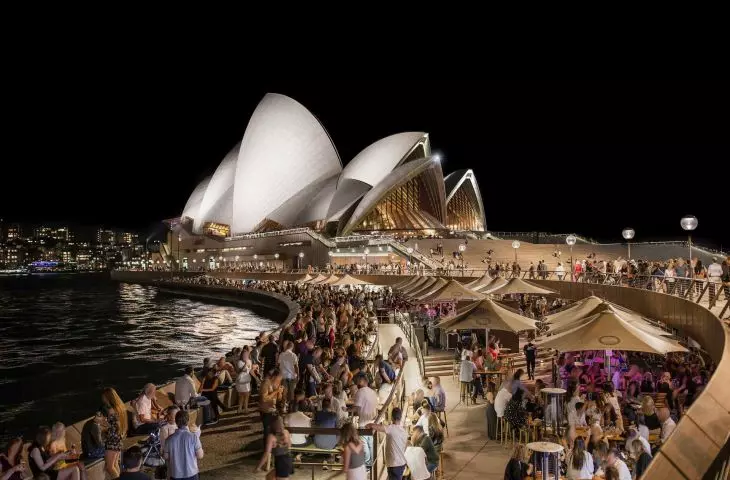
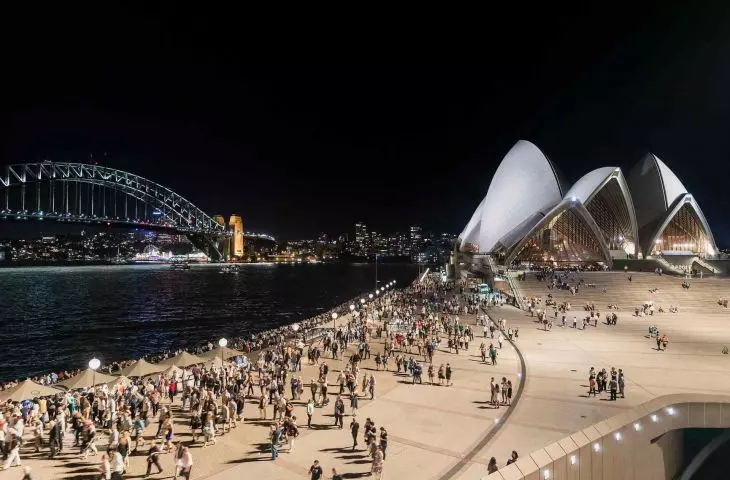
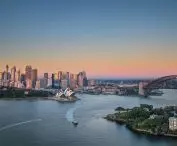
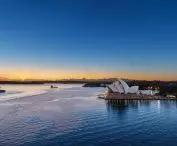
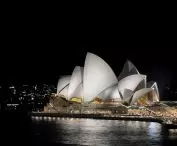
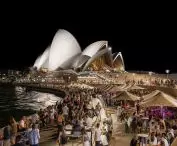
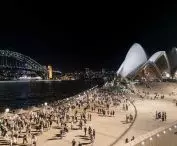
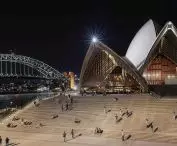
Sydney Opera House - a view at night
photo by Hamilton Lund
A legacy that continues to inspire
The Sydney Opera House is not just an example of masterful architecture. It's the story of a project that broke through the limitations of technology, of an ambition that thrived against difficulties, and of a city that gained an icon that defined its identity. Where Port Jackson's waves reflect light and concrete sails turn energy into culture, the architecture continues to remind us that the greatest ideas often start with a handwritten sketch - and the courage to trust it.