





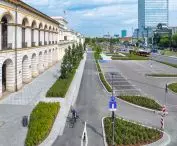
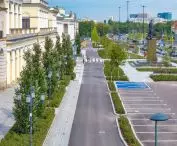
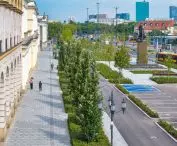
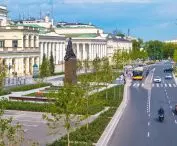
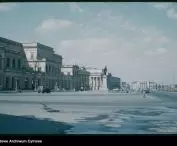
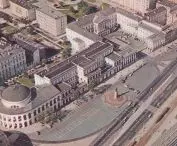

The new green center of Warsaw is slowly gaining color. Another stage of the metamorphosis of Bank Square has recently been completed, which is about to turn from a concrete pan into a friendly, green space. Has Warsaw's bristling smile gotten rid of another cavity, how has Bank Square changed and what else is it missing?
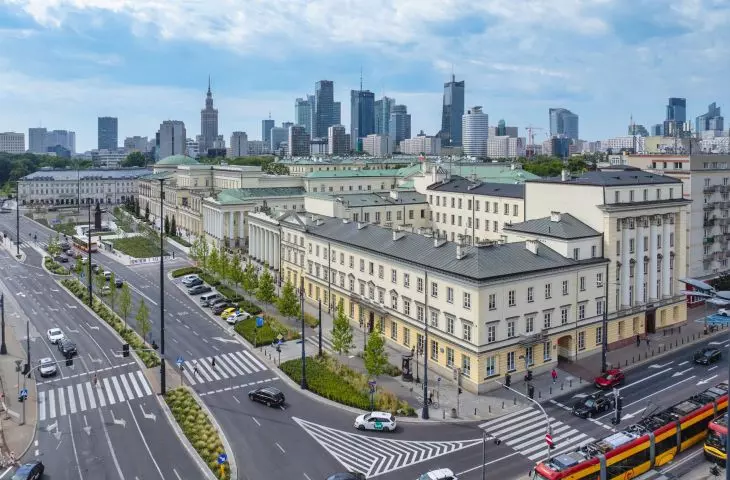
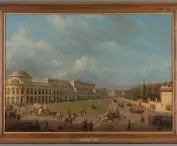
Bank Square has undergone a myriad of changes in its history, but almost from the very beginning its most important, western boundary was marked by three edifices built according to designs created by Antonio Corazzi, an Italian architect, one of the leading designers active in Warsaw during the Congress Kingdom era. It was at the behest of the Congress Kingdom authorities that he designed the reconstruction of the existing palaces in the area, which belonged to Polish noble families - the Leszczynskis and Oginskis. In their place were built the Palace of the Government Commission of Revenue and Treasury and the Palace of the Minister of Treasury. On the south side Antonio Corazzi added to them the corner edifice of the Exchange and the Bank of Poland, wrapping around towards Elektoralna Street.
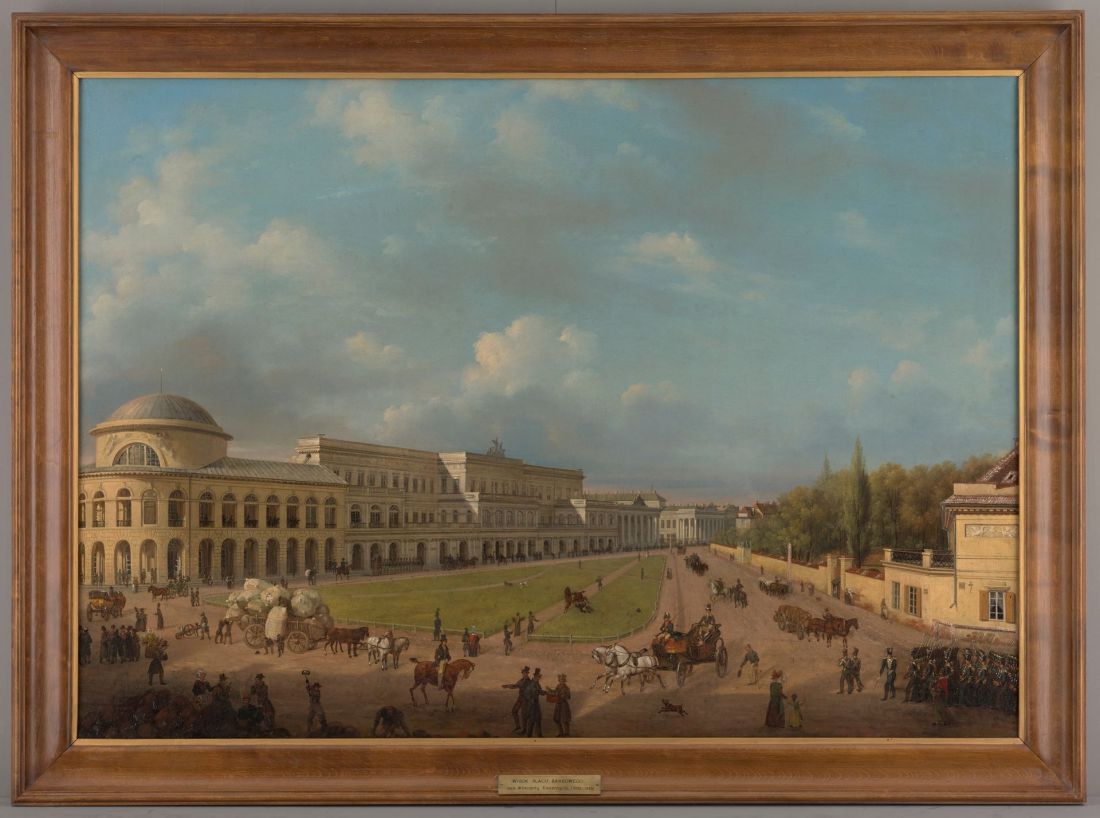
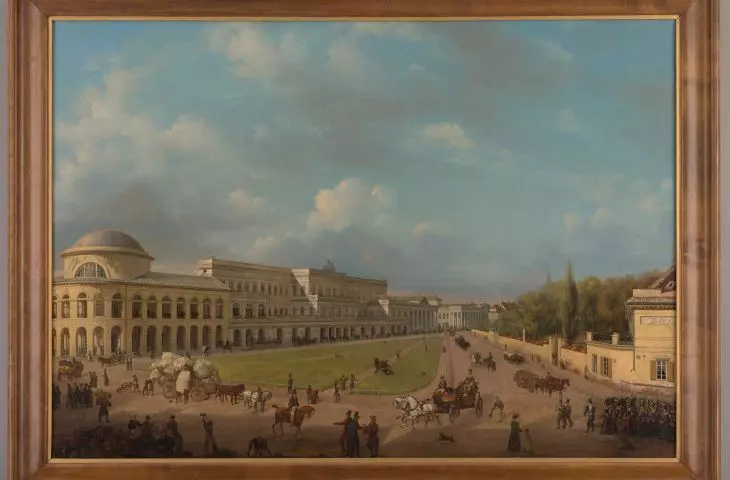
Bank Square in 1833
Wincenty Kasprzycki, public domain
Like today, the original Bank Square was triangular in shape, instead its surface was almost entirely covered with greenery. On the eastern side was the Walicki Palace, designed by architect Frederick Albert Lessel in 1806. The palace was located on the site of what was then Rymarska Street, visible in an 1833 painting by Wincenty Kasprzycki.
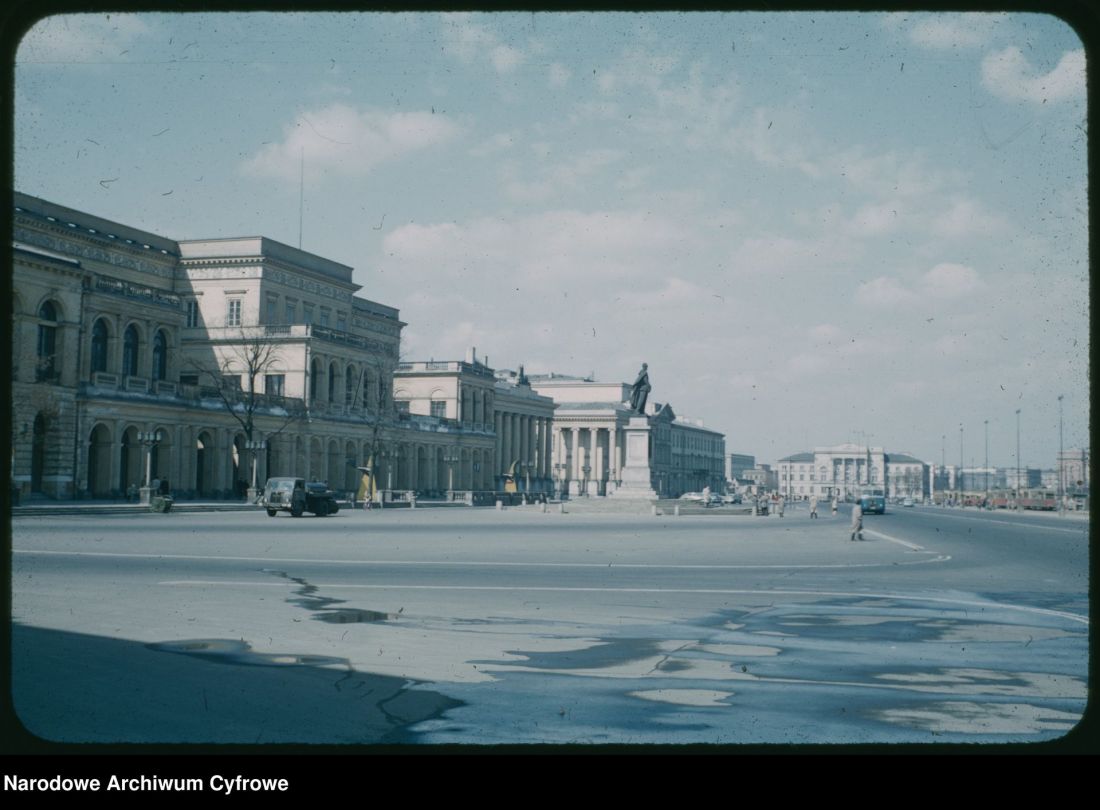
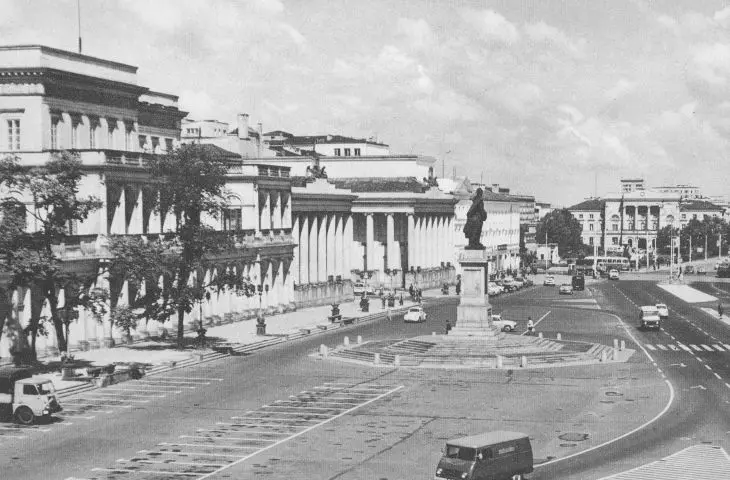
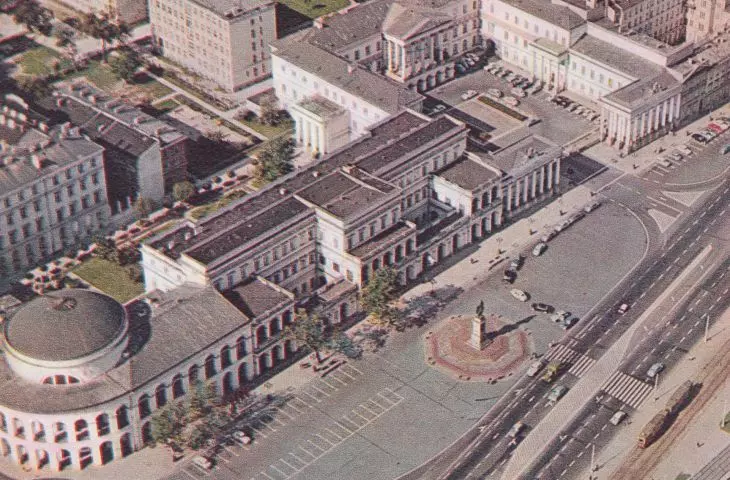
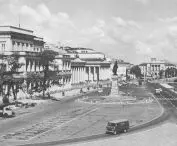
Bank Square in 1959
© National Digital Archive
Bank Square rectangle
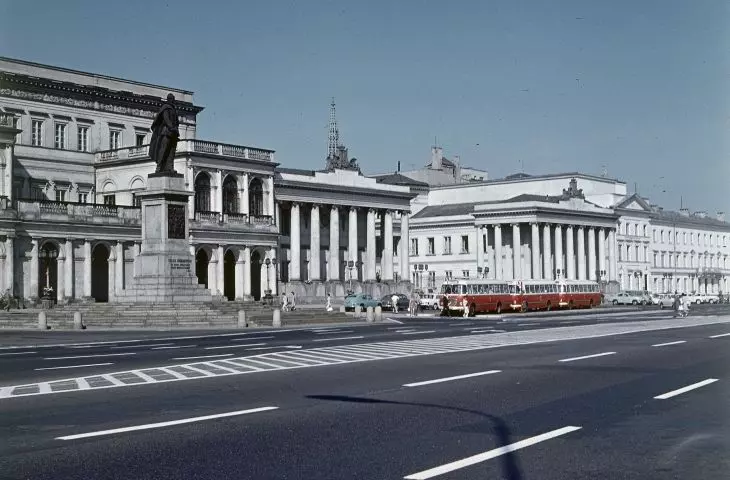
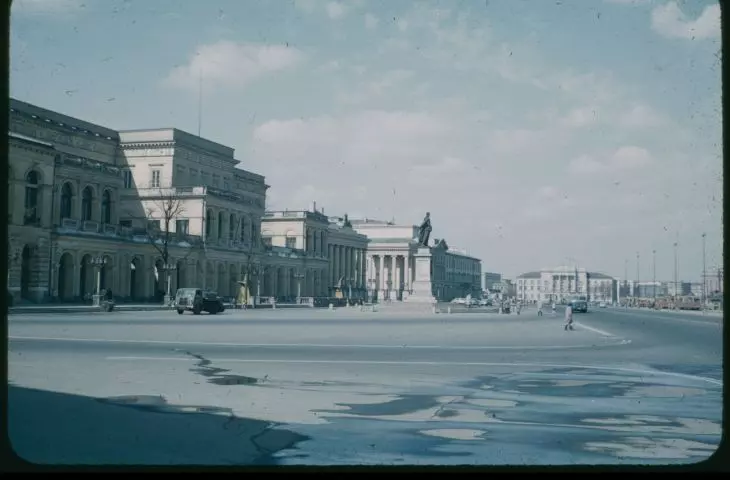
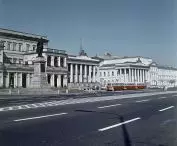
Major changes for Bank Square came after World War II - as a result of bombing, its buildings suffered heavily, the three "temples of finance" erected by Corazzi had to be reconstructed anyway. Wartime actions enabled significant transformations for the function that Bank Square had on the map of Warsaw. In the 1940s, Marszałkowska Street reached it from the south, while General Władysław Anders Street, then Marcelli Nowotki Street, reached it from the north. The remains of the Walicki Palace and other buildings on the eastern side of the square were demolished, giving it a rectangular shape.
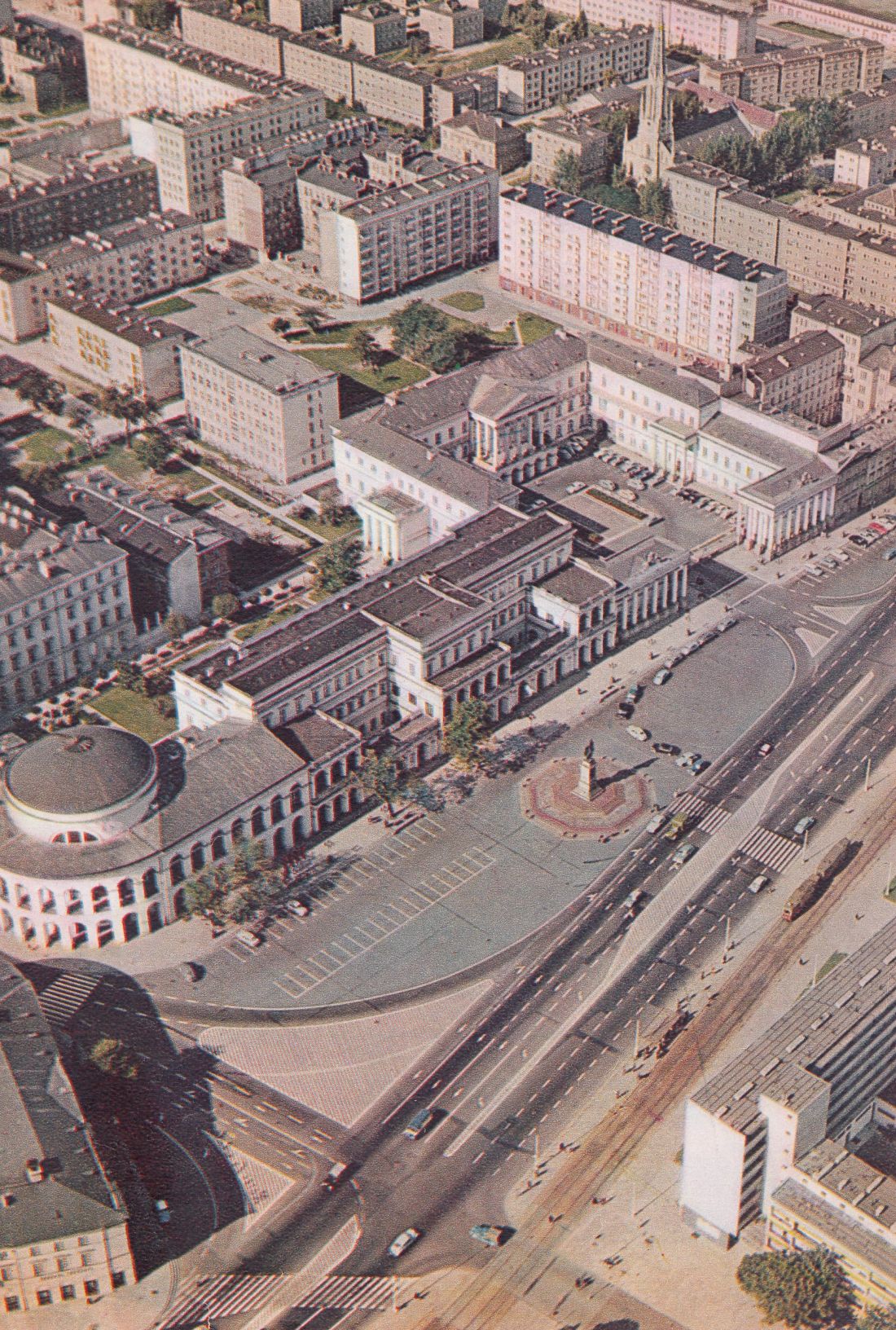
Bank Square in the 1960s
Public domain | Wikimedia Commons
The name change applied not only to Anders Street - for almost 40 years Bankowy Square was named after Feliks Dzerzhinsky, whose monument, sculpted by Zbigniew Dunajewski and located in front of the Treasury Minister's Palace, was ceremonially unveiled in 1951.
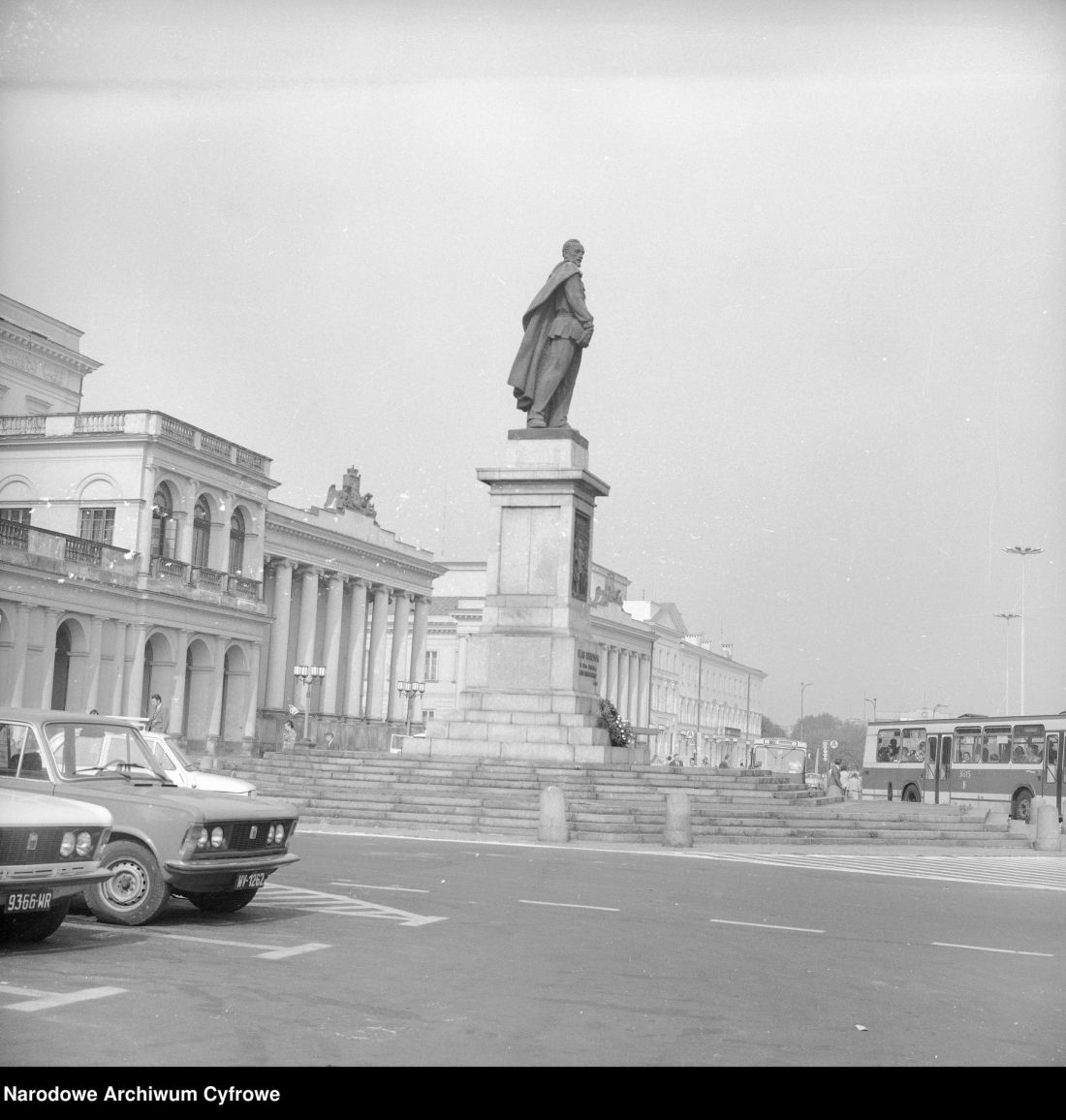
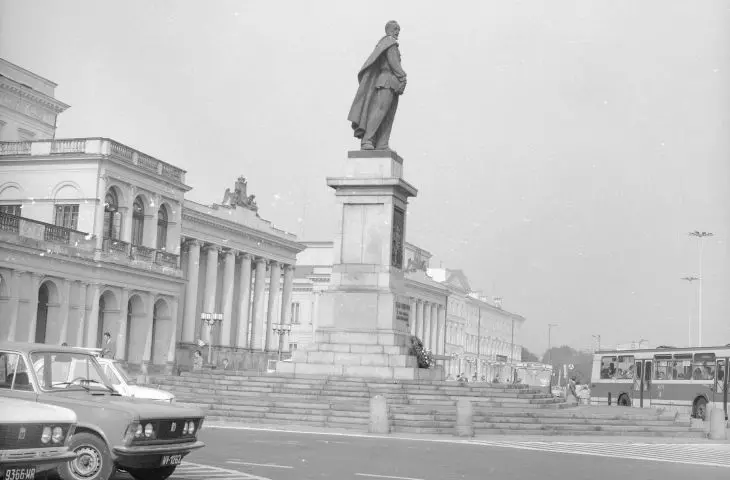
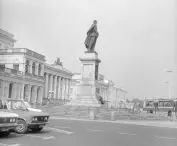
Bank Square in 1977
© National Digital Archive
In 1987, one could already feel the whiff of impending change. At that time, the construction of the only block of flats on Bank Square, located more or less parallel (though at some distance) to the square's historic eastern frontage, was completed. So the space regained its triangular outline, and the original name returned in its wake - a little over five months after the first free elections, Bank Square reappeared on the map of Warsaw. The symbol of this transformation was the dismantling of the Dzerzhinsky monument, which was replaced by a statue depicting Juliusz Slowacki. In 1991, on the northern side of the Square, the Blue Skyscraper, designed by Jerzy Czyż and his team, was completed.
square solidified like concrete
From the late 1980s and early 1990s until the beginning of the third decade of the current century, not much has changed in Bank Square. Throughout this time it has served a primarily transportation function, playing the role of an interchange and a place "where you can park." While the eastern side, built up with blocks of flats from the late 1980s, is characterized by a more human dimension, whose tone is set by the residential buildings and the preceding, already quite tall trees, the central part, defined by the expressway and streetcar tracks, and the western part - which is basically a paved pedestrian-parking plaza - definitely did not deserve such a term. Suffice it to say that in addition to the dominance of cars, in the summer in some parts of Bank Square the temperature reached 50 degrees Celsius, as shown by measurements of the capital's City Is Ours association in 2022
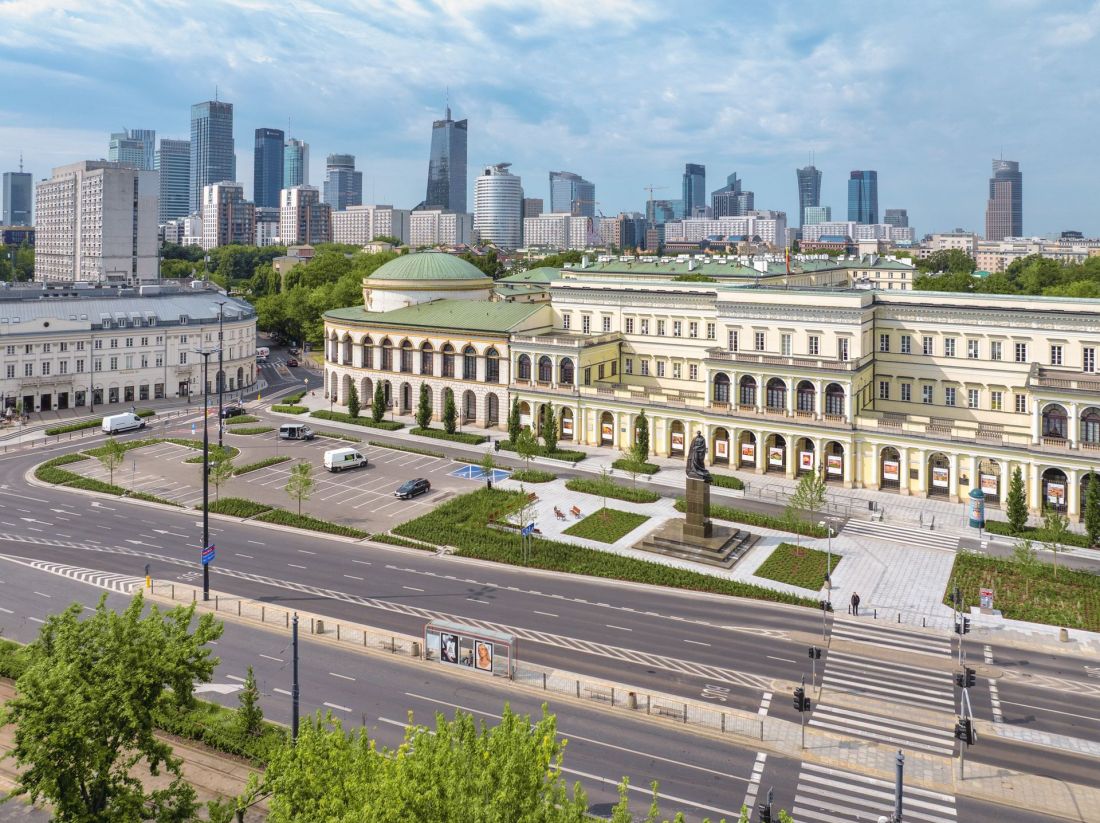
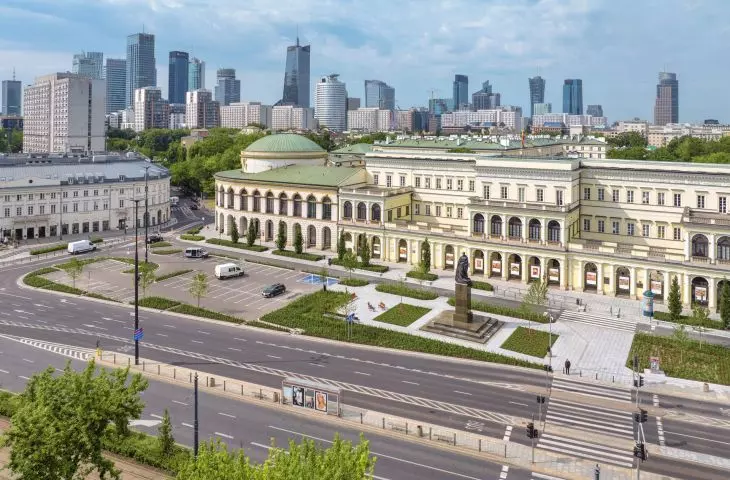
Bank Square in Warsaw after the changes
photo: Cezary Warś, © UM Warszawa
temporary prototype for one million
Prototyping began as early as July 2019, when the city set up the infamous "Relax Zone" at the site. At the time, Bank Square was closed to vehicular traffic for two months, turning it into a space for relaxation, gastronomy and various events. Purchased at a cost of nearly a million zlotys, the "infrastructure" provided residents with more than half a thousand seats, a mist and a bit of greenery. A few dozen europallets and pots with shrubs and ungrown trees did not solve the "burning" problem of Bank Square, but it showed that it is a space that, with the right transformations, can attract people living in the capital.
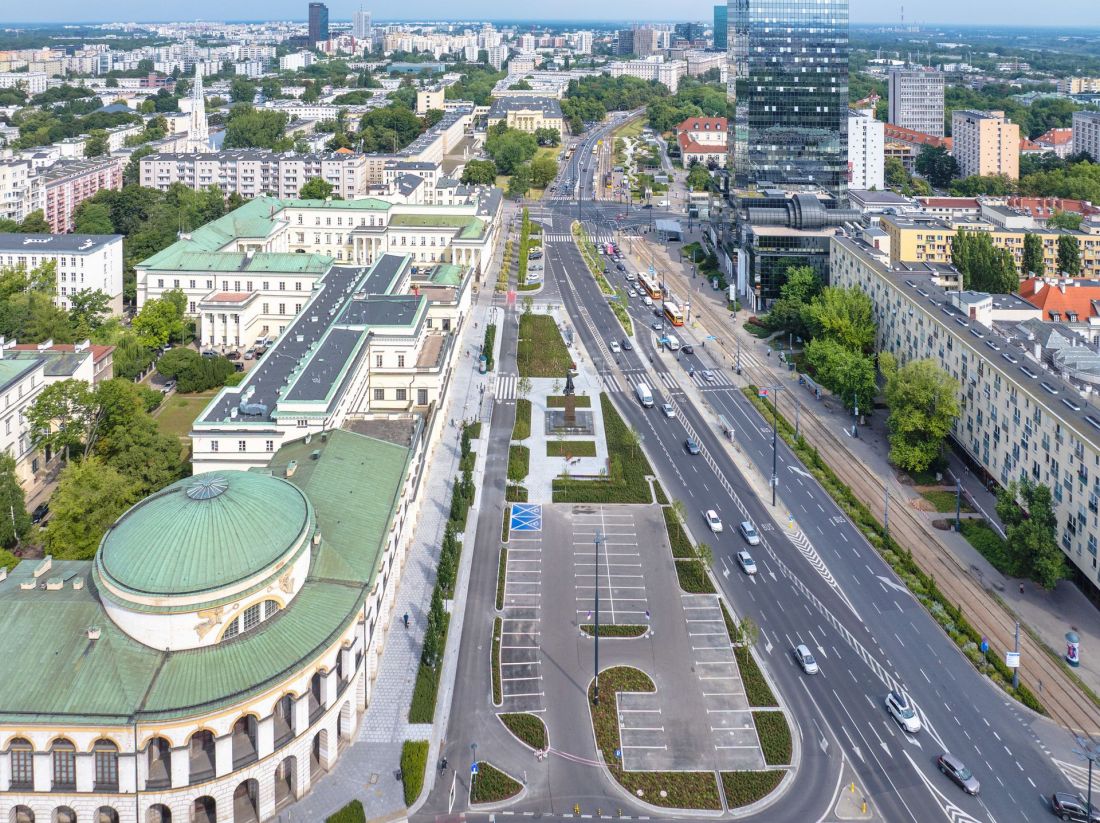
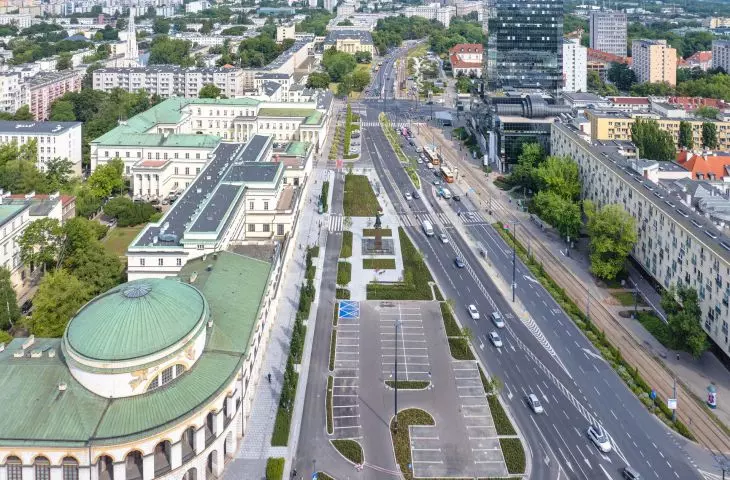
Bank Square in Warsaw after the changes
photo: Cezary Warś, © UM Warszawa
The next step, therefore, became public consultations and workshops conducted in the proven charette formula. Their result became the design documentation prepared by the Mau Mycielski Architecture&Urbanism studio. In its assumptions, it was to result in the transformation of Bank Square into a space dominated by greenery and pedestrian traffic, cut by two roadways and streetcar tracks, running between dense rows of trees. In the presented version of the project, the parking lot next to the Exchange and Bank of Poland building was to disappear, and a green square and fountain were designed instead. How does the project presented in March 2024 compare to reality?
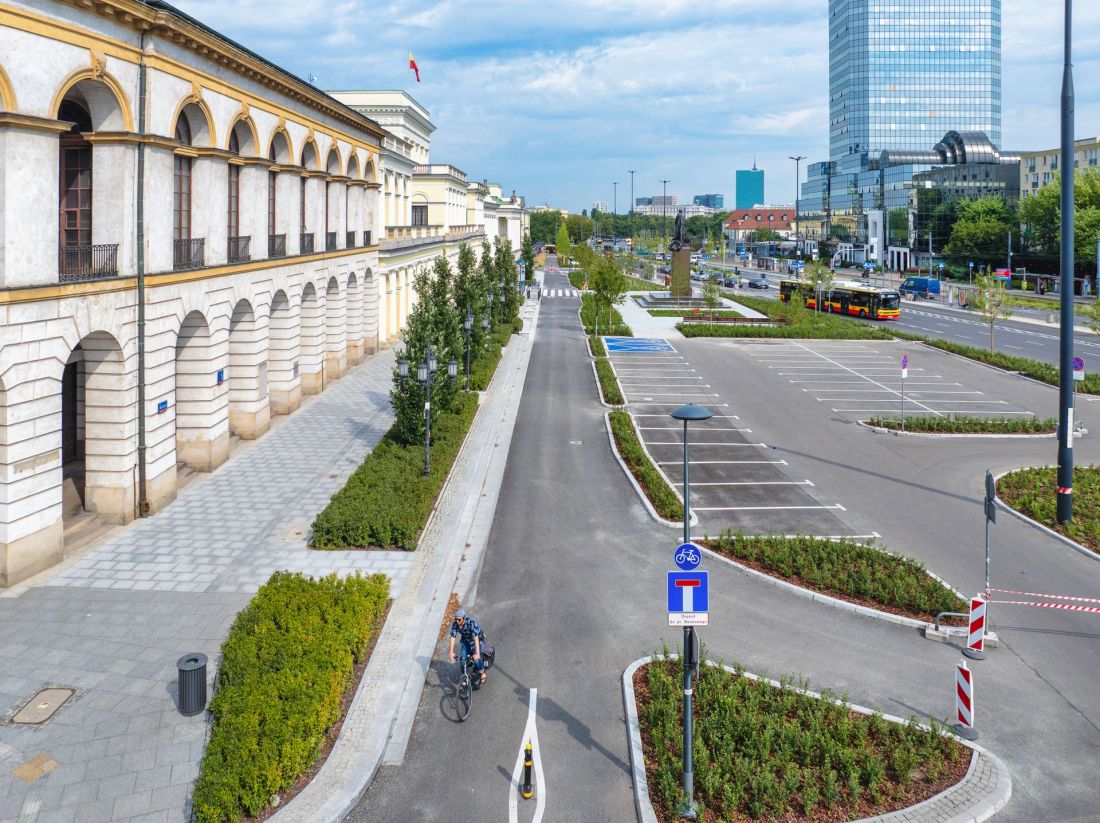
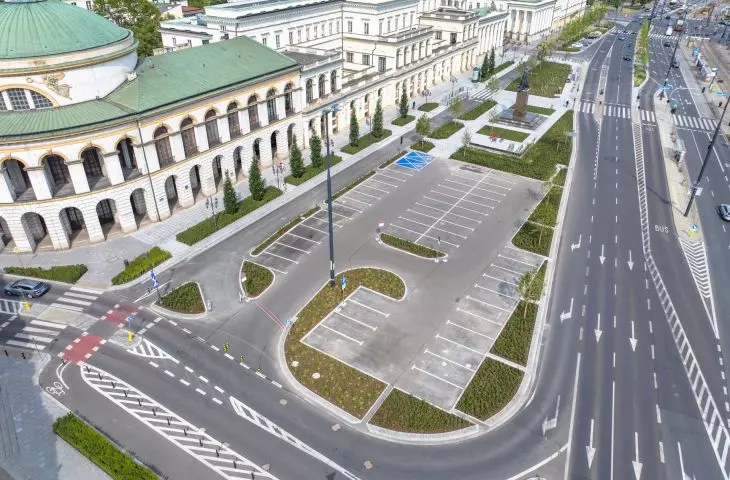
Bank Square in Warsaw after the changes
photo: Cezary Warś, © UM Warszawa
a square without a "wow effect"?
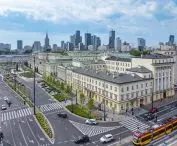
Already at the conceptual stage, the Mau Mycielski Architecture&Urbanism studio divided the implementation of Bank Square into several stages. Today, therefore, it is difficult to speak of a "wow effect," as Bank Square still has a long way to go to achieve the form envisioned by the project. However, it would be an abuse to say that nothing has changed, especially in view of City Hall's declarations that the work has reached the halfway point. So what does Bank Square look like today?
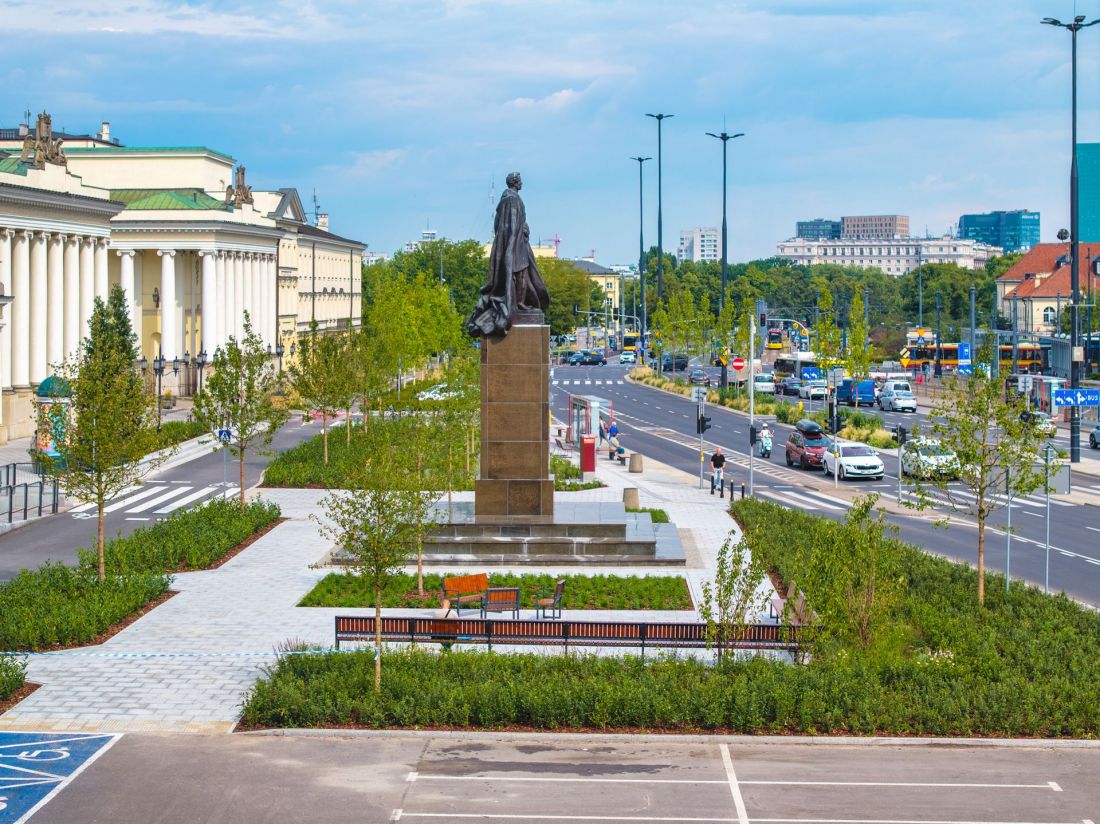
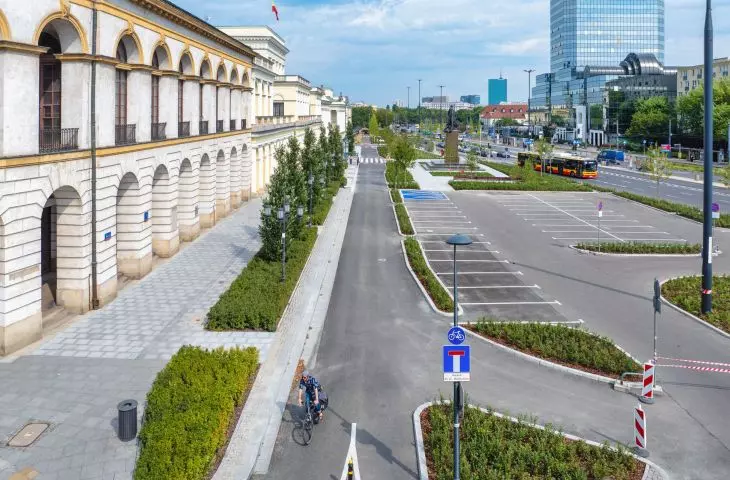
Bank Square in Warsaw after the changes
Photo: Cezary Warś, © UM Warszawa
a bard among Warszawians
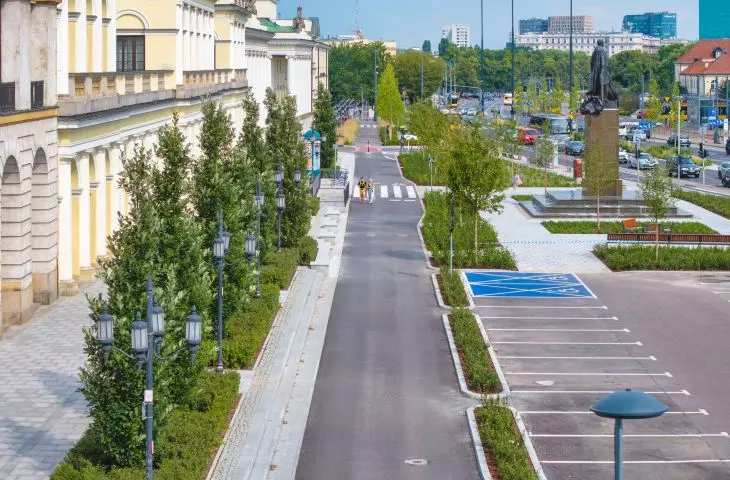
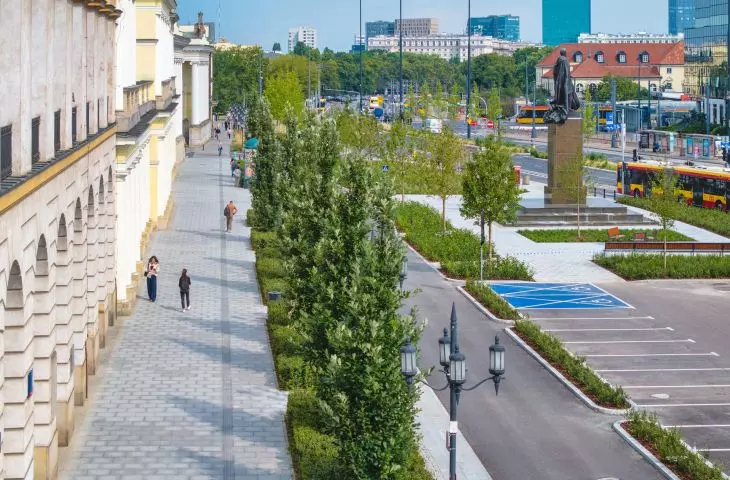
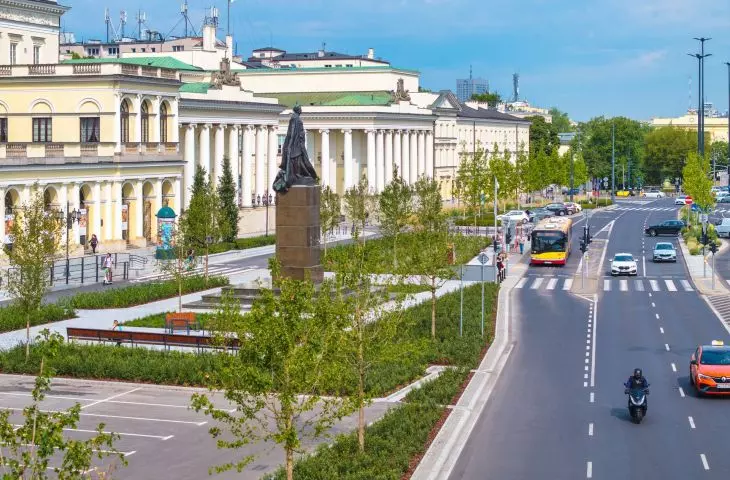
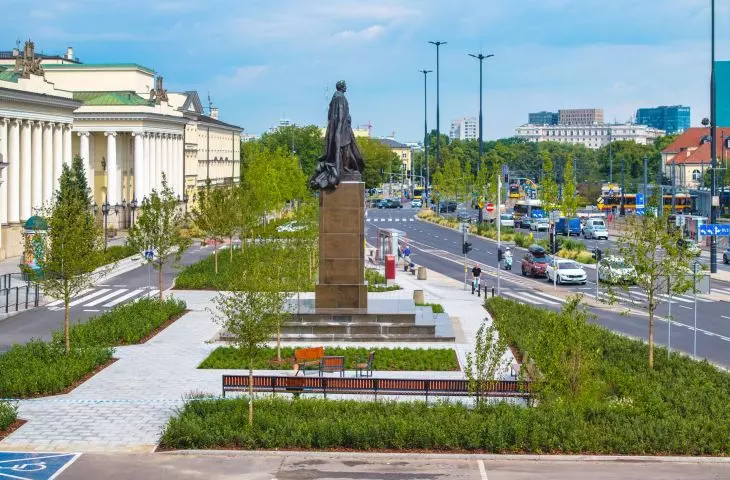
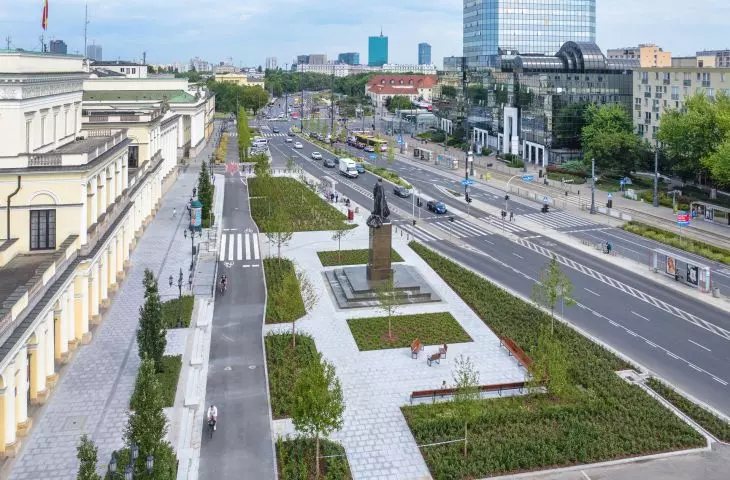
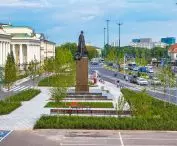
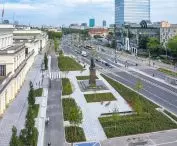
The metamorphosis has been mainly on the west side. One of the biggest changes is the emphasis on the square's dominant feature, which is the Juliusz Słowacki monument. Until now, its central role in this space was based on the verticality of the statue, contrasted with the flatness of the concrete pan. Now a flowerbed has appeared in its surroundings, which has built a proper environment for the bard's monument.
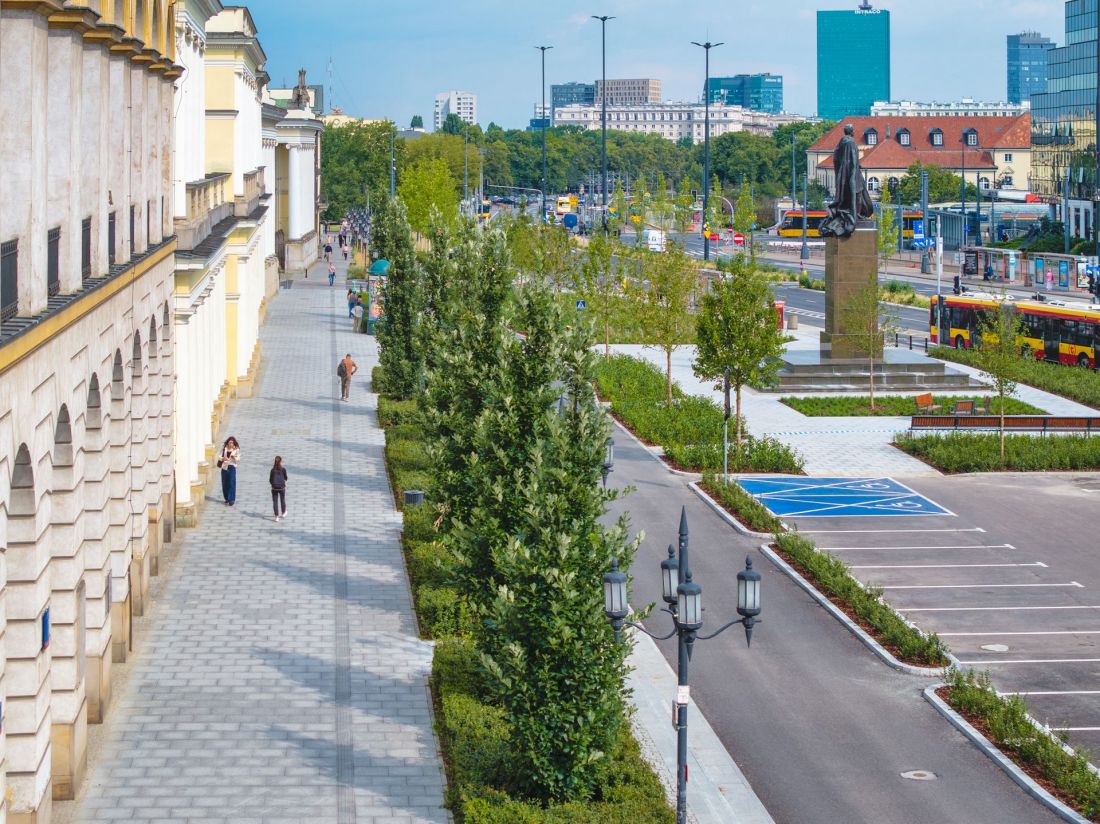
Bank Square in Warsaw after the changes
photo: Cezary Warś, © UM Warszawa
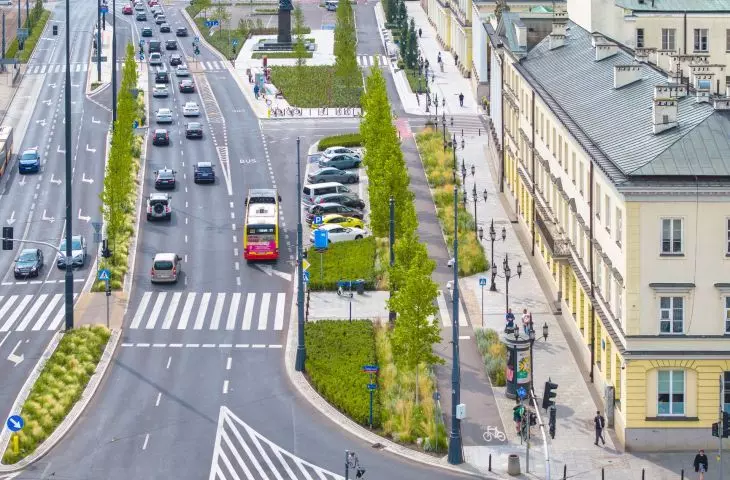
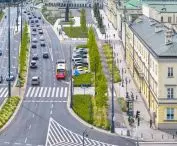
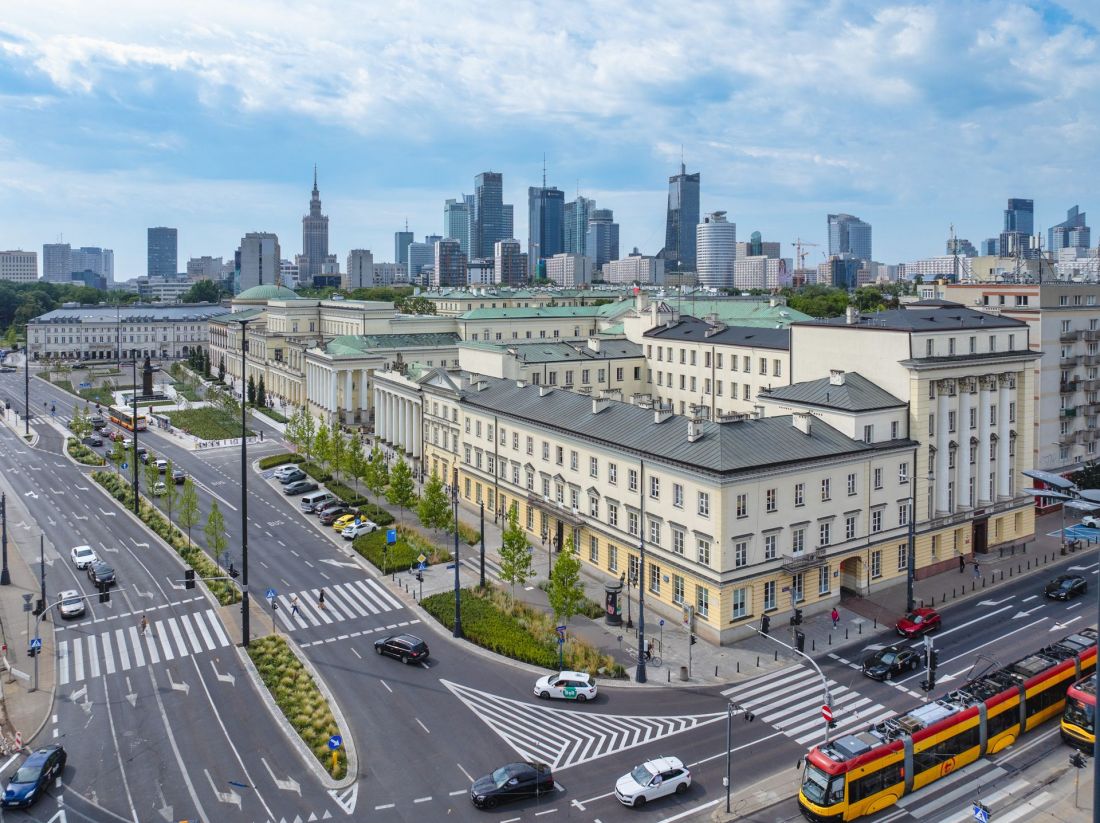
A lot of new greenery has also appeared in the square space. In the current stage, in addition to low plantings - including numerous "Cosmos" flowers - 16 field maples have appeared in the flower bed around the Słowacki monument, while 18 more plane trees and 19 oaks have been planted over the past year. The former were planted in the form of a row - their vertically shaped crowns emphasize the vertical divisions on the facades of the Treasury Minister's Palace. The whole was complemented by pedestrian and bicycle paths, facilities for people with impaired mobility and small architecture.
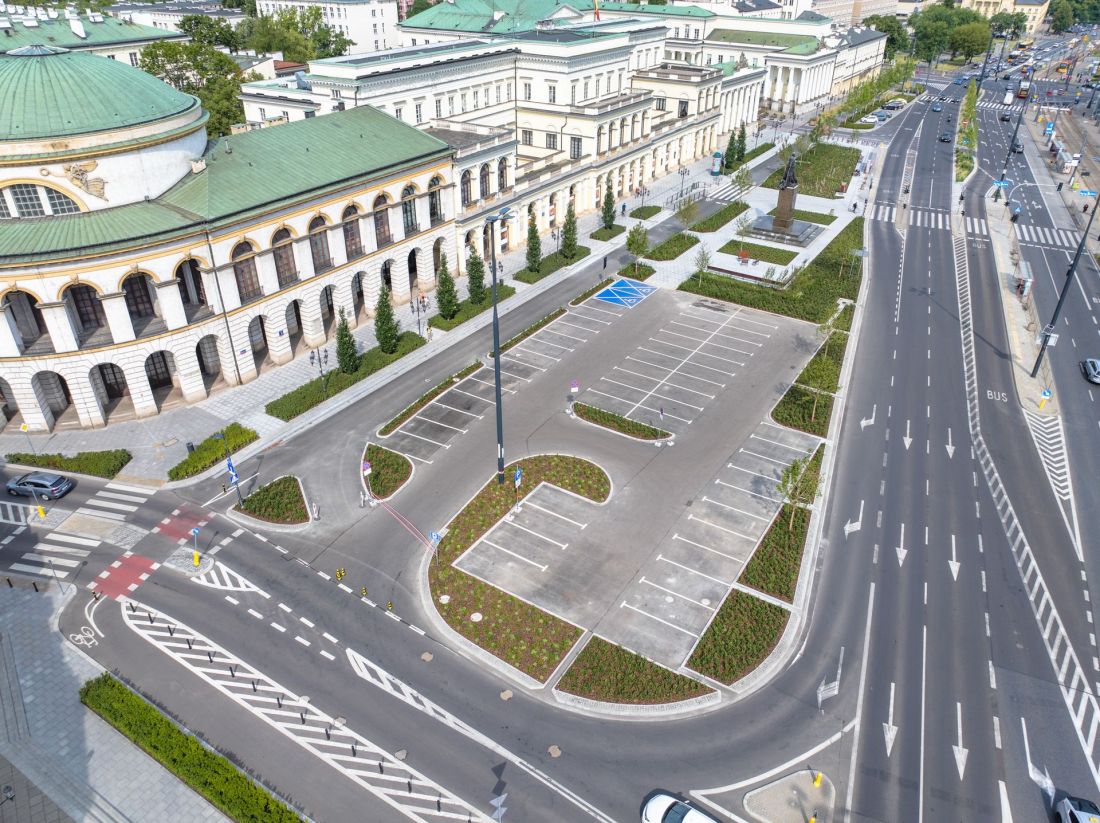
Bank Square in Warsaw after the changes
photo: Cezary Warś, © UM Warszawa
unsatisfactory compromise
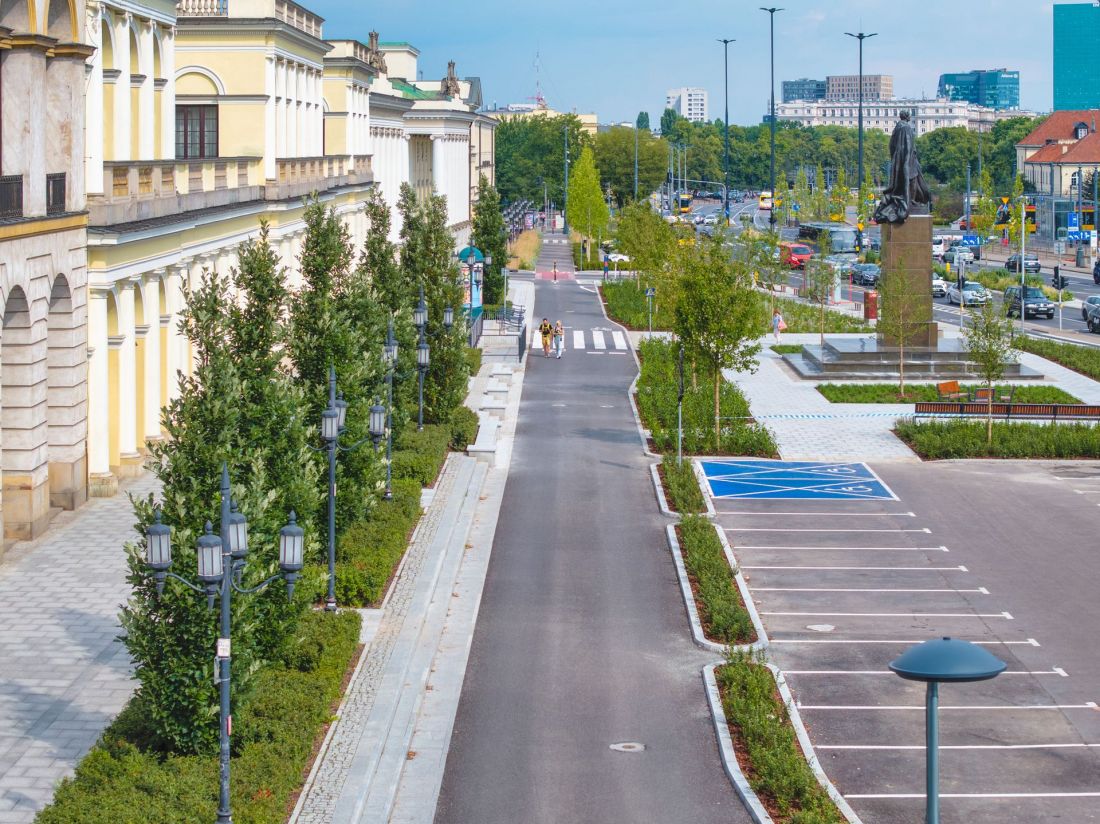
The metamorphosis of Bank Square has not gone unnoticed, and in addition to its many advantages, its shortcomings are also mentioned. As the commentators of Portaly Warszawski note, the investment squandered the chances (or money) to build an underground parking lot in this place, promised, incidentally, by the Mayor of the City in the 2018 campaign. The underground parking lot at Powstańców Warszawy Square, which the city opened to residents last year, is quite a distance from Bankowy Square, which previously offered dozens of parking spaces, useful, among other things, for people using City Hall services.
Bank Square in Warsaw after the changes
photo: Cezary Warś, © UM Warszawa
Instead, a compromise was chosen for the moment, which seems to satisfy no one - the Bank Square parking lot, in the form of a paved square, remained in its place (reserved in the design for a green space and a fountain), but was reduced in size and symbolically surrounded by scraps of greenery. As a result, parking spaces are still scarce, and the green concept has been truncated from biologically active space and blue infrastructure. Cars will still be parked in front of Warsaw City Hall, surrounded by some of the capital's most beautiful classical buildings.
Bank Square in Warsaw after the changes
photo: Cezary Warś, © UM Warszawa
a rose without thorns?
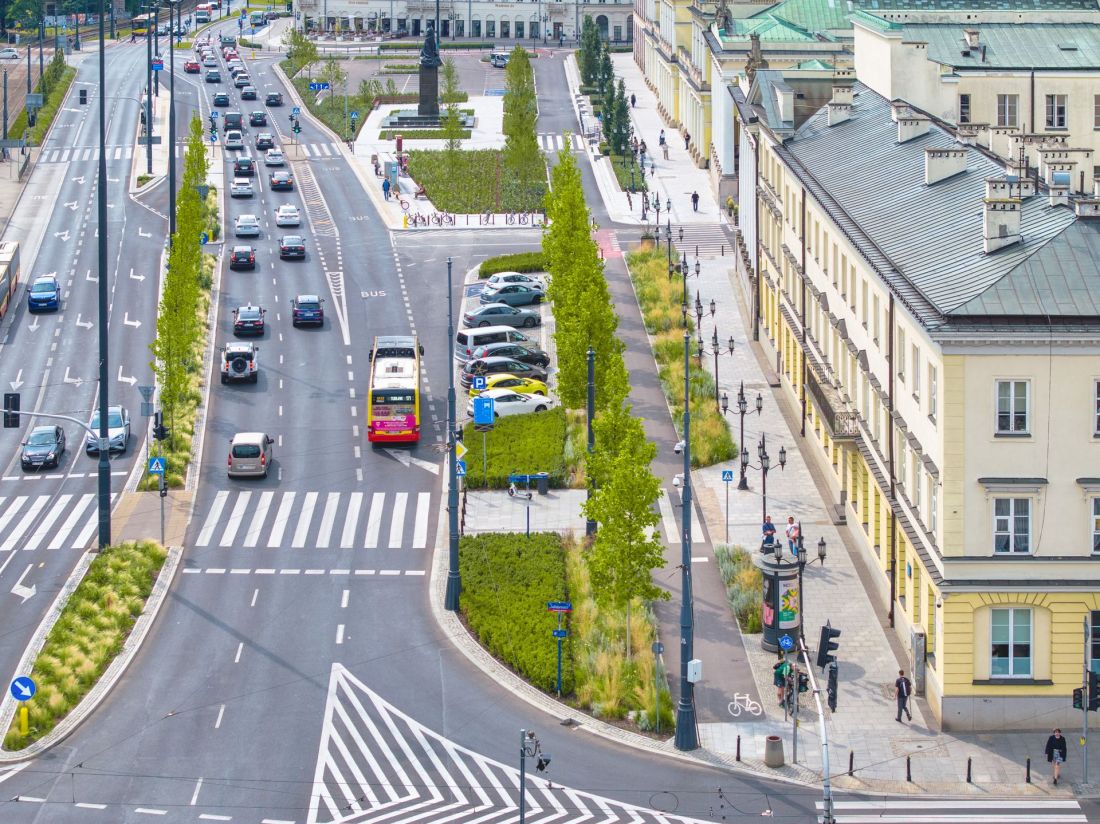
Of course, this is not the end of work on Bank Square. Activities have just begun on the southeastern side of the premise, by the Blue Skyscraper and an apartment block. Already, individual sections of the square's surface from the side of Solidarności Avenue are being slabbed.
The flowerbed located in front of the skyscraper will also be enlarged. More greenery, including trees, will appear around the monument to President Stefan Starzynski. There will also be roses. Among the selected species is the brand-new "President Stefan Starzyński" variety - an orange one, bred in Poland and named in honor of the aforementioned hero of the capital.
- reads the Warsaw City Hall website.
Bank Square in Warsaw after the changes
photo: Cezary Warś, © UM Warszawa
The completion date for all the work is unknown. It is also unknown what the final shape of Bankowy Square will be, as it already differs slightly from the project presented in March 2024, where the schematics did not envisage a parking lot next to the Stock Exchange and Bank of Poland building. So will a rose without thorns grow in front of Warsaw City Hall?