





Revitalization of
Lalla Yeddoun Square in Fez,
design: Mossessian Architecture
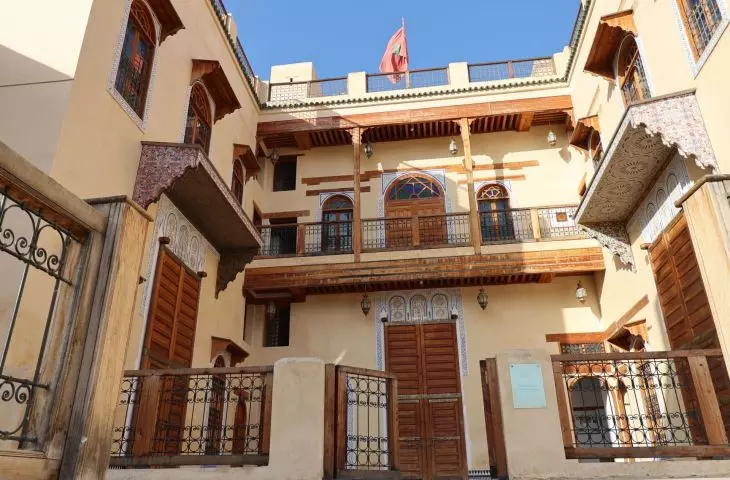
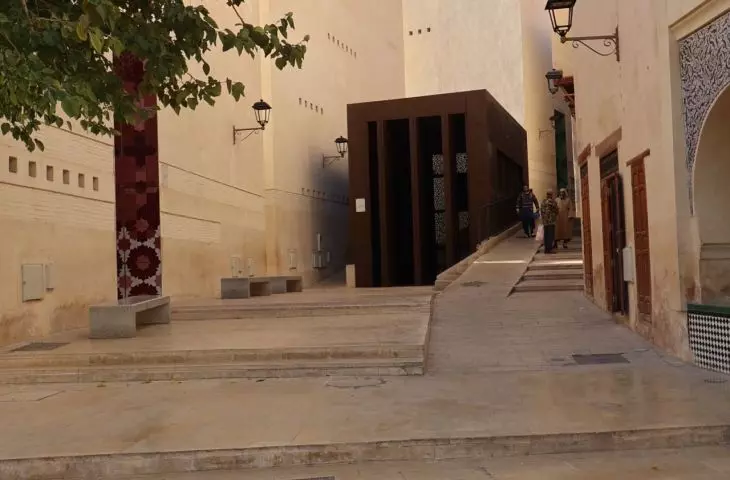
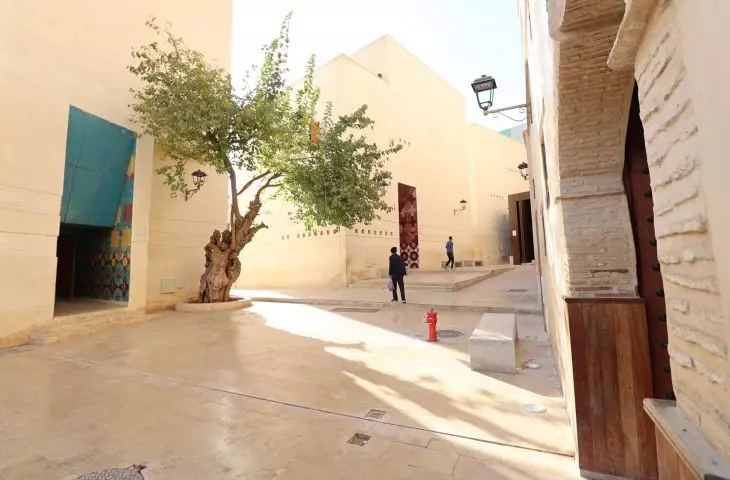
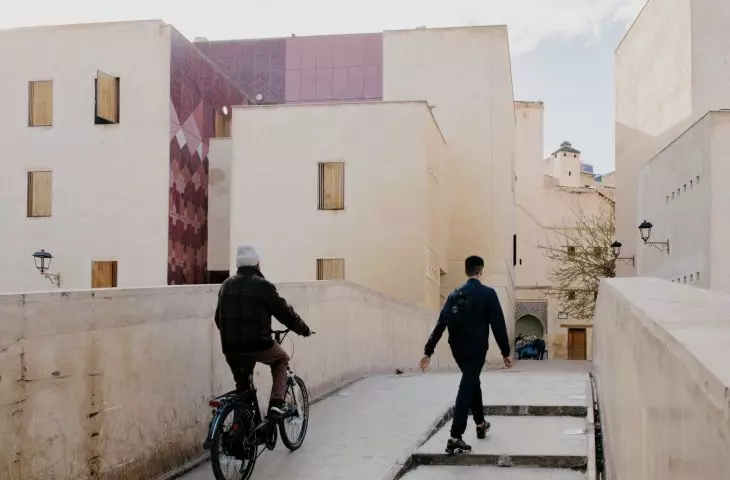
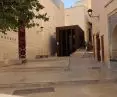
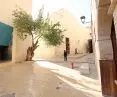
In the heart of the medina of Fez, one of the best-preserved medieval cities in the Islamic world, is Lalla Yeddouna Square, which has undergone a comprehensive revitalization developed by Mossessian Architecture in collaboration with Yassir Khalil's studio. The winning proposal in a 2011 international competition, in which more than 800 teams competed, won praise from the local community and became an example of thoughtful intervention in cultural heritage. The project aimed to bring life back to the public space and create a seamless pedestrian route connecting the square to the riverfront, while integrating craft workshops, food venues, educational programs, a kindergarten and a women's center.
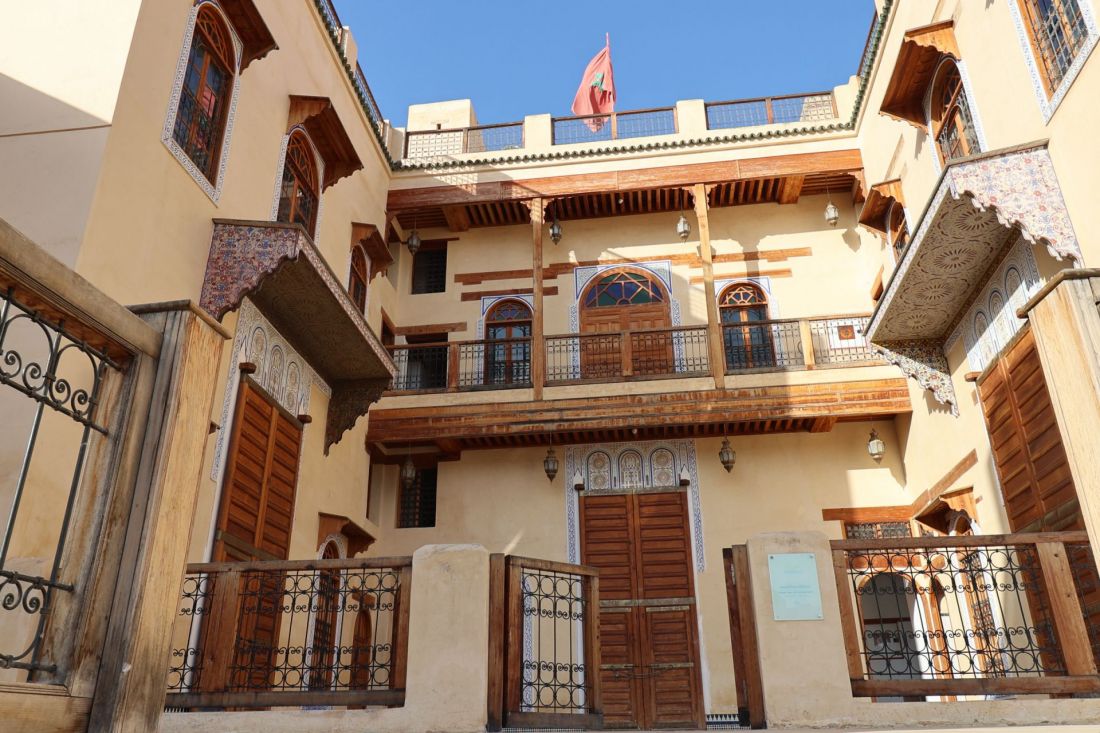
The revitalization of Lalla Yeddoun Square in Fez
Photo: Aga Khan Trust for Culture / Amine Houari © Mossessian Architecture / Yassir Khalil Studio
Fez medina - the historic heart of Morocco
Medina Fez is the oldest and first of Morocco's four historic capitals. It served as the capital intermittently until 1912, when the French administration finally moved the capital to Rabat. Today, Fez remains one of the country's most important artisanal centers, and its historic fabric is still vibrant. At the heart of the medina is Lalla Yeddoun Square, whose revitalization was part of the $698 million MCA-Morocco program. The project, funded by the Millennium Challenge Corporation, was designed to reduce poverty in Morocco by stimulating economic growth and supporting local socioeconomic initiatives.
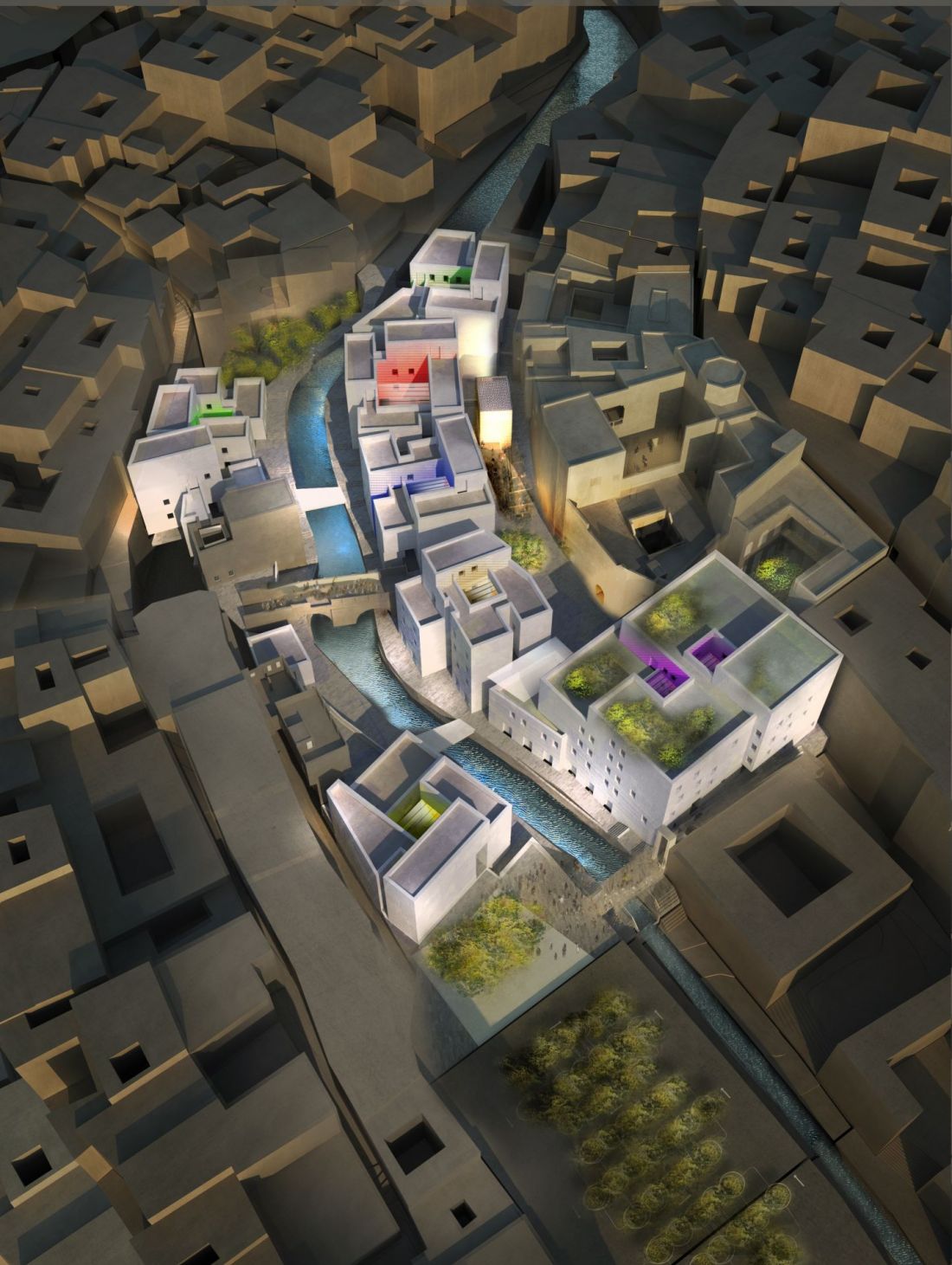
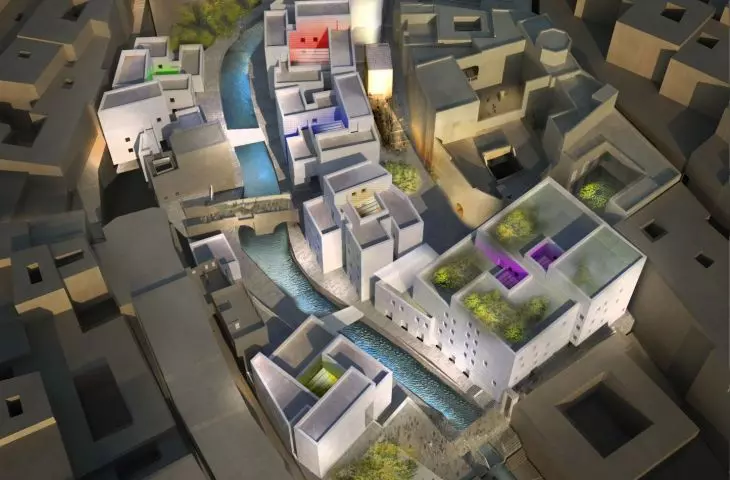
Revitalization of Lalla Yeddoun Square in Fez - visualization
Photo: Aga Khan Trust for Culture / Amine Houari © Mossessian Architecture / Yassir Khalil Studio
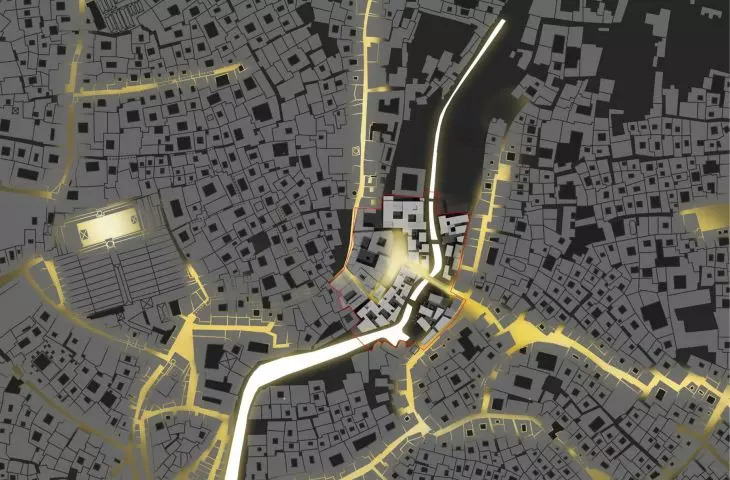
plan, mass and spatial structure
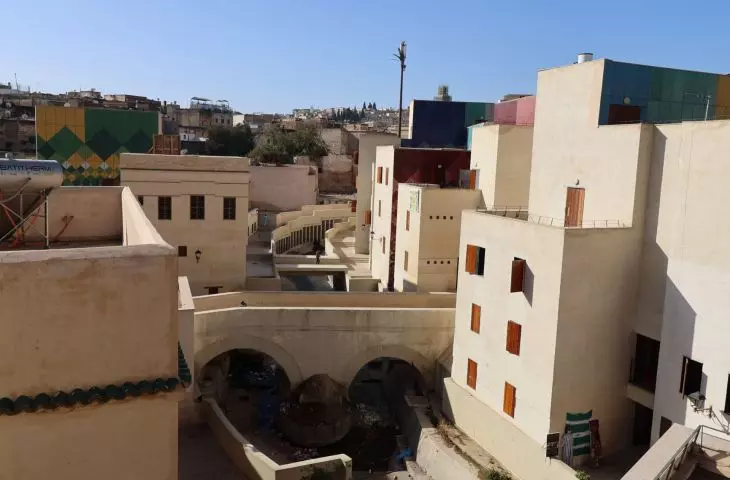
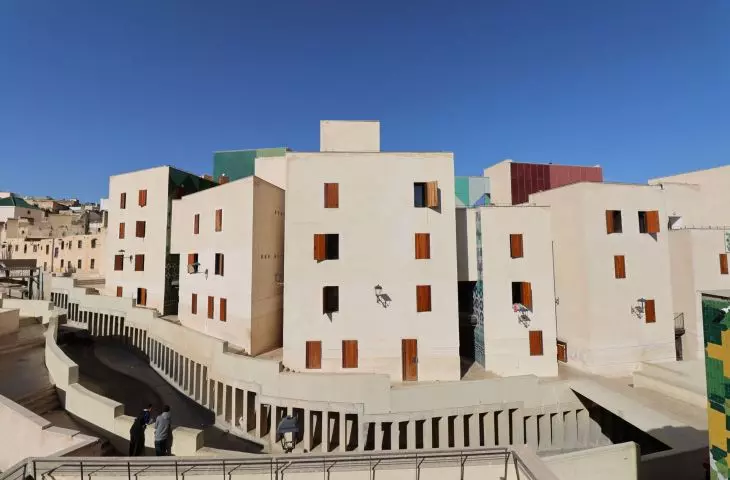
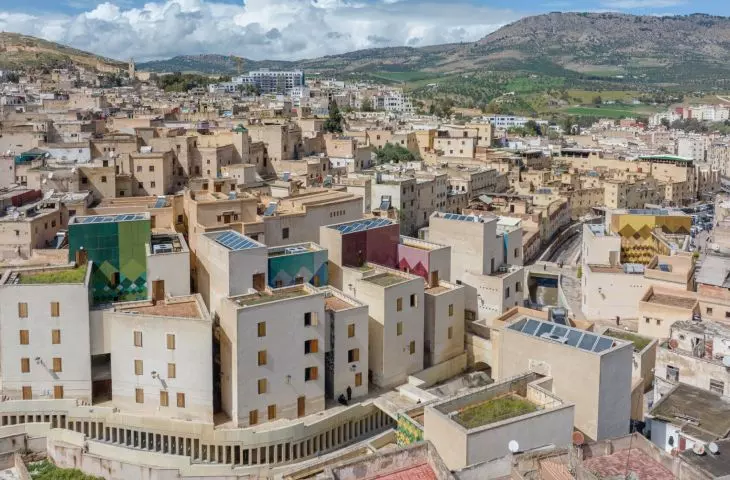
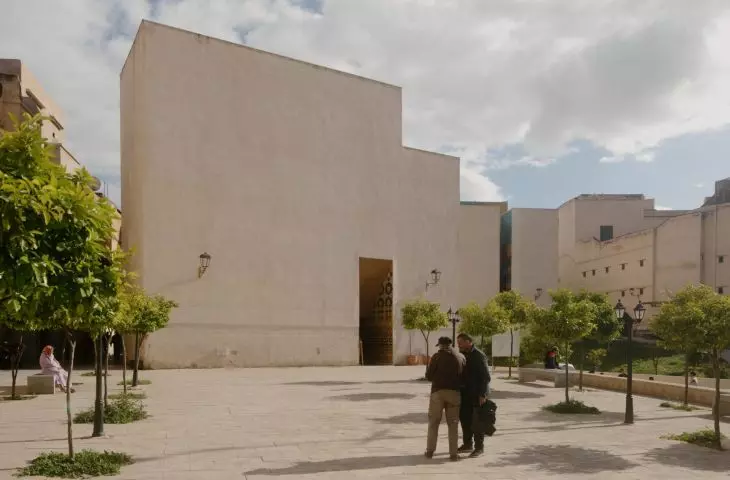
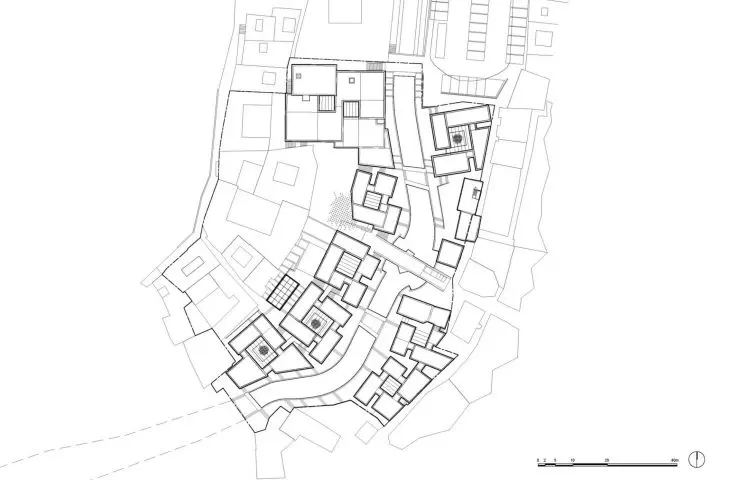
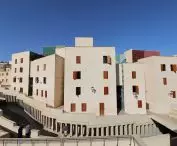
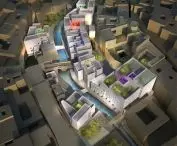
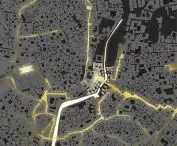
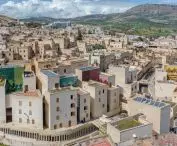
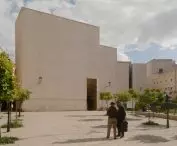
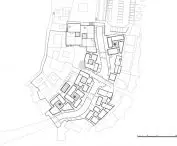
The floor plan of Lalla Yeddouna Square show a finely balanced composition that preserves the historic grid of the medina's streets, while introducing nine new buildings to complement the existing eleven structures. The masses of the new structures fit harmoniously into the historical context - their scale, proportions and materials are in keeping with local tradition, while introducing contemporary functions.
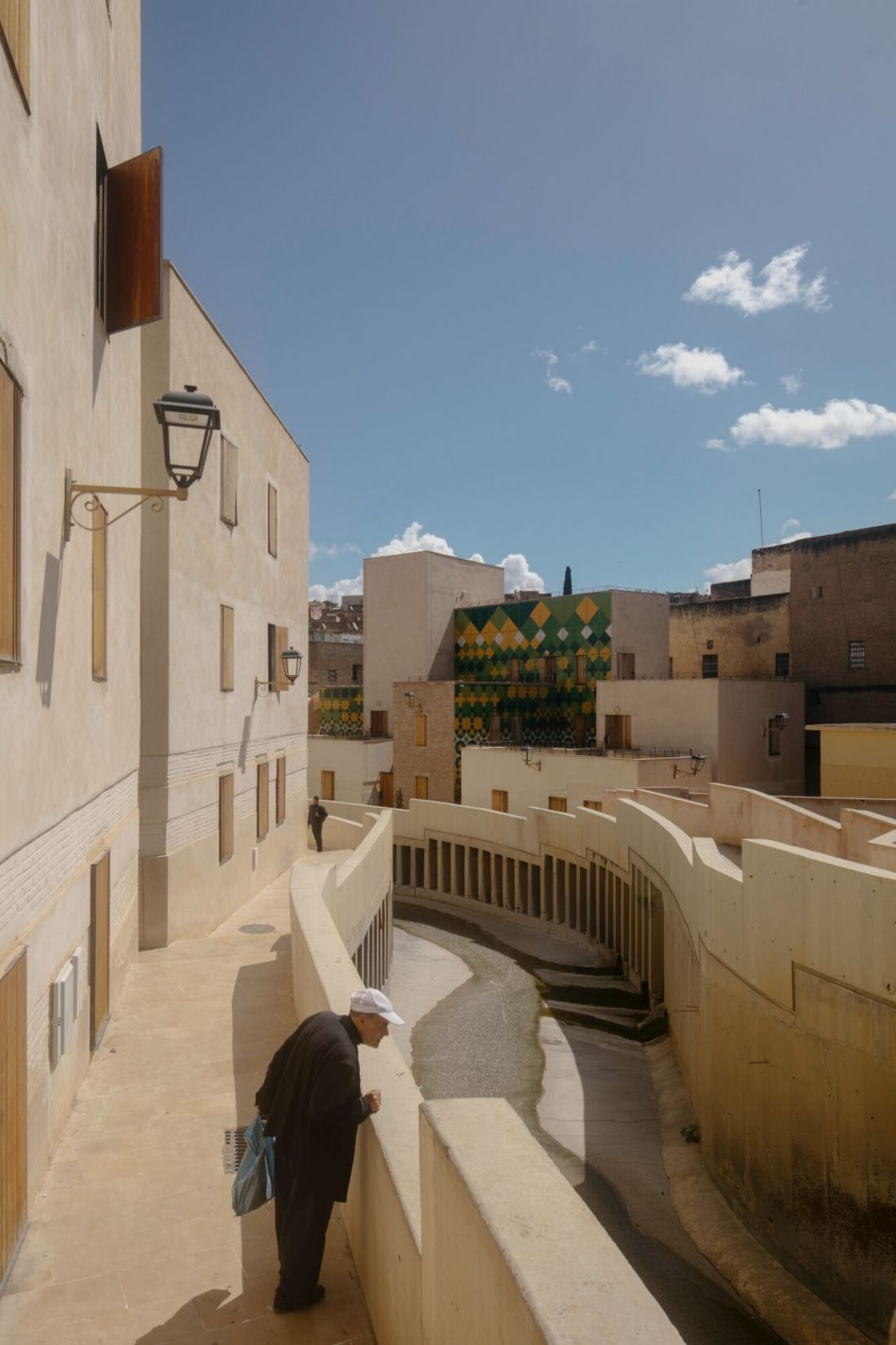
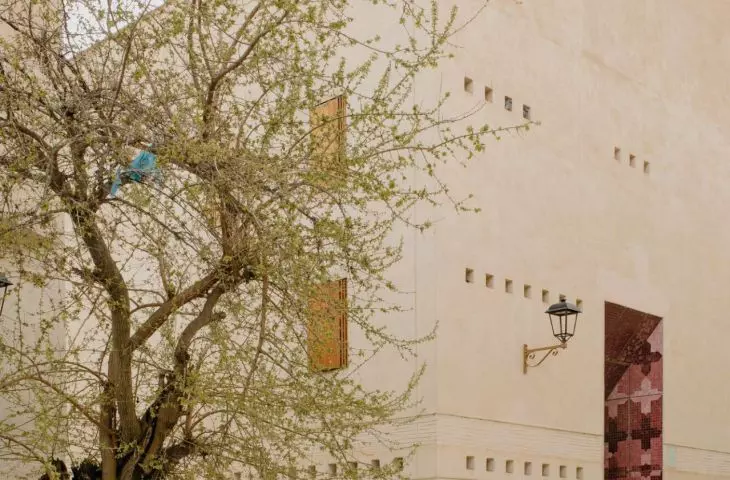
Revitalization of Lalla Yeddoun Square in Fez
Photo: Aga Khan Trust for Culture / Amine Houari © Mossessian Architecture / Yassir Khalil Studio
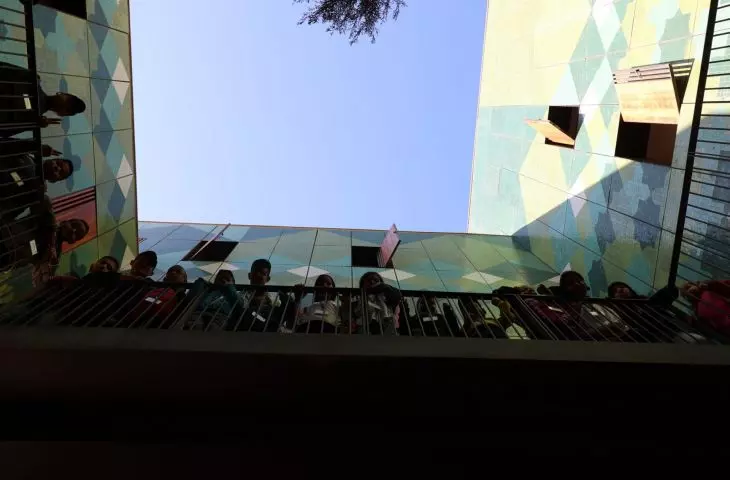
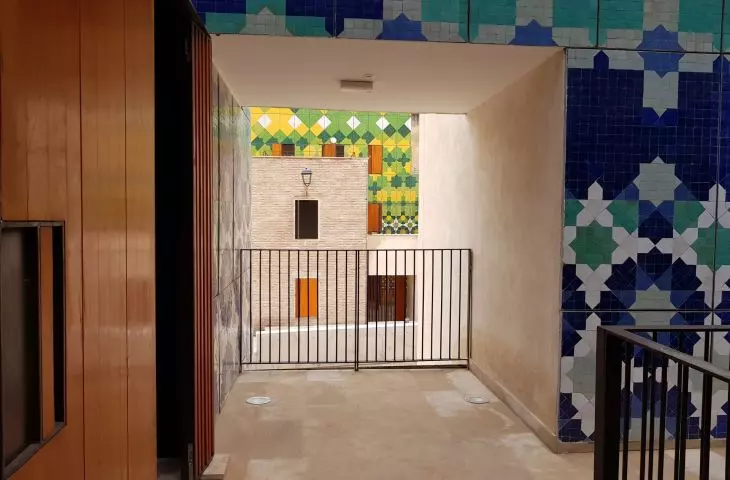
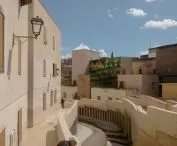
Courtyards and arcades create comfortable microclimates that promote natural ventilation and passive temperature control, ensuring year-round comfort. Repeated geometric forms lend coherence to the design, while subtle variations in details introduce visual diversity while emphasizing cultural continuity. The overall design acts as an "urban room" in which the daily lives of residents, artisanal commerce and the presence of visitors coexist in a natural and orderly manner.
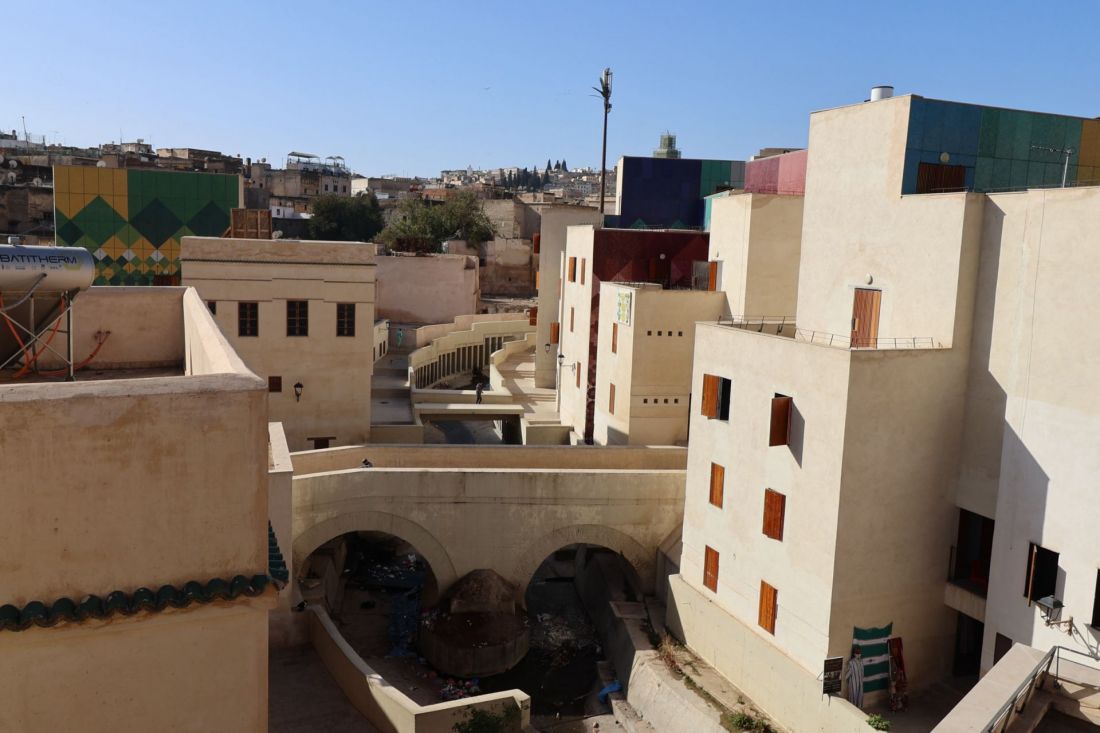
Revitalization of Lalla Yeddoun Square in Fez - nine new buildings have been introduced, complementing the existing eleven structures
Photo: Aga Khan Trust for Culture / Amine Houari © Mossessian Architecture / Yassir Khalil Studio
The river as an axis connecting the space
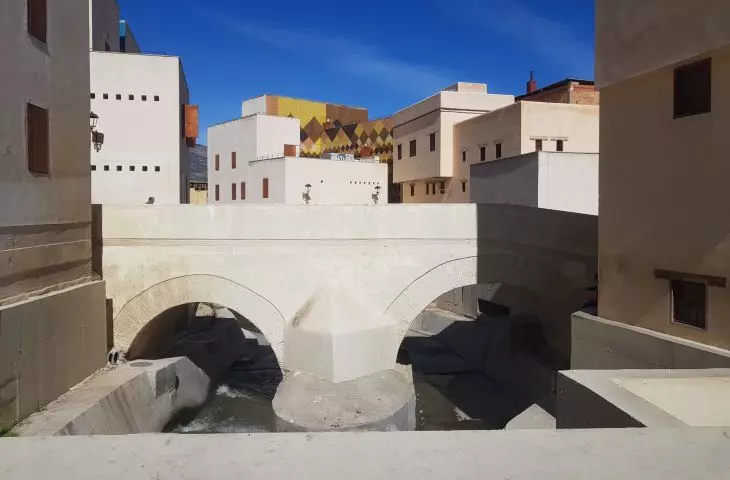
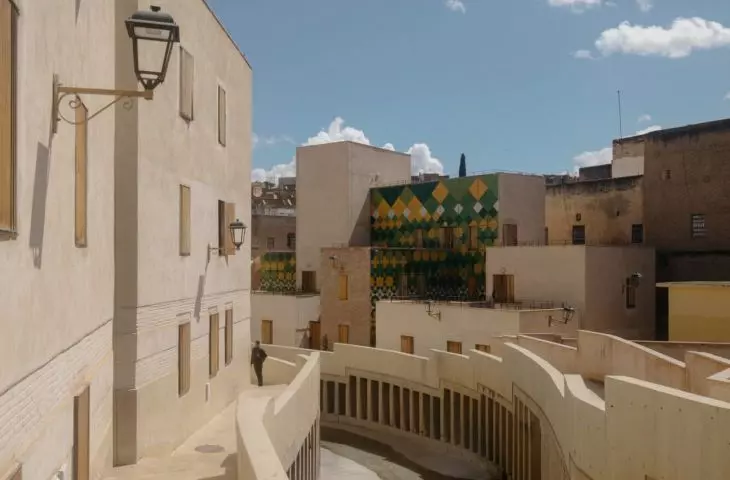
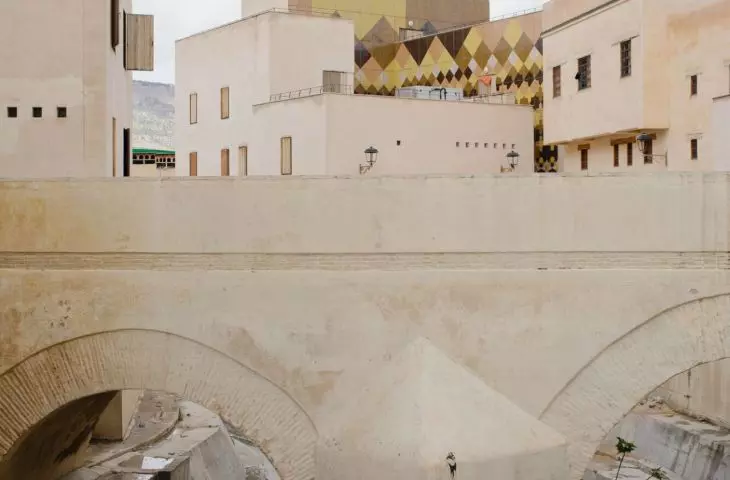
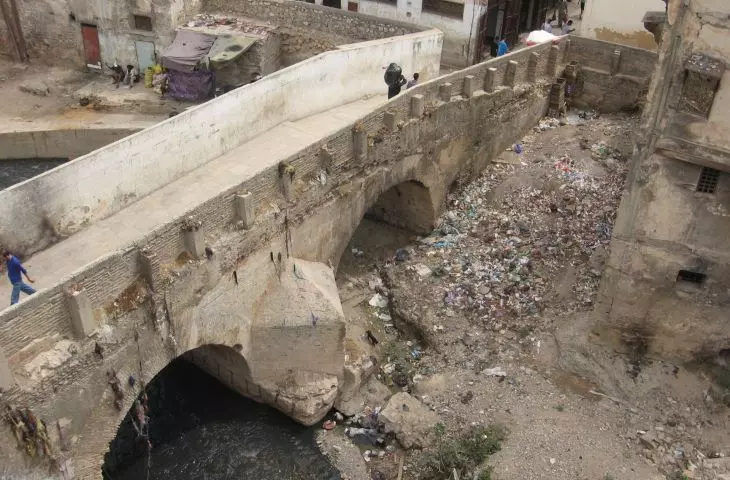
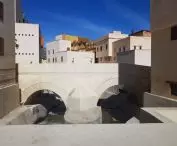
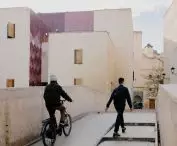
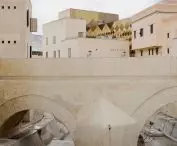
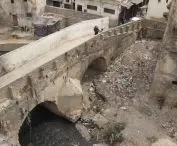
A key element of the revitalization was to restore the river as the centerpiece of the square. By reconstructing the historic bridge and building new pedestrian crossings, the project allowed easy access to the water and connected the two banks of the river, previously inaccessible and used for landfill. The riverbed was reshaped for flood control, improving safety during the rainy season while restoring ecological functions. Thanks to these measures, water has become not an obstacle, but an axis that organizes the square's space and gives it a new functional quality.
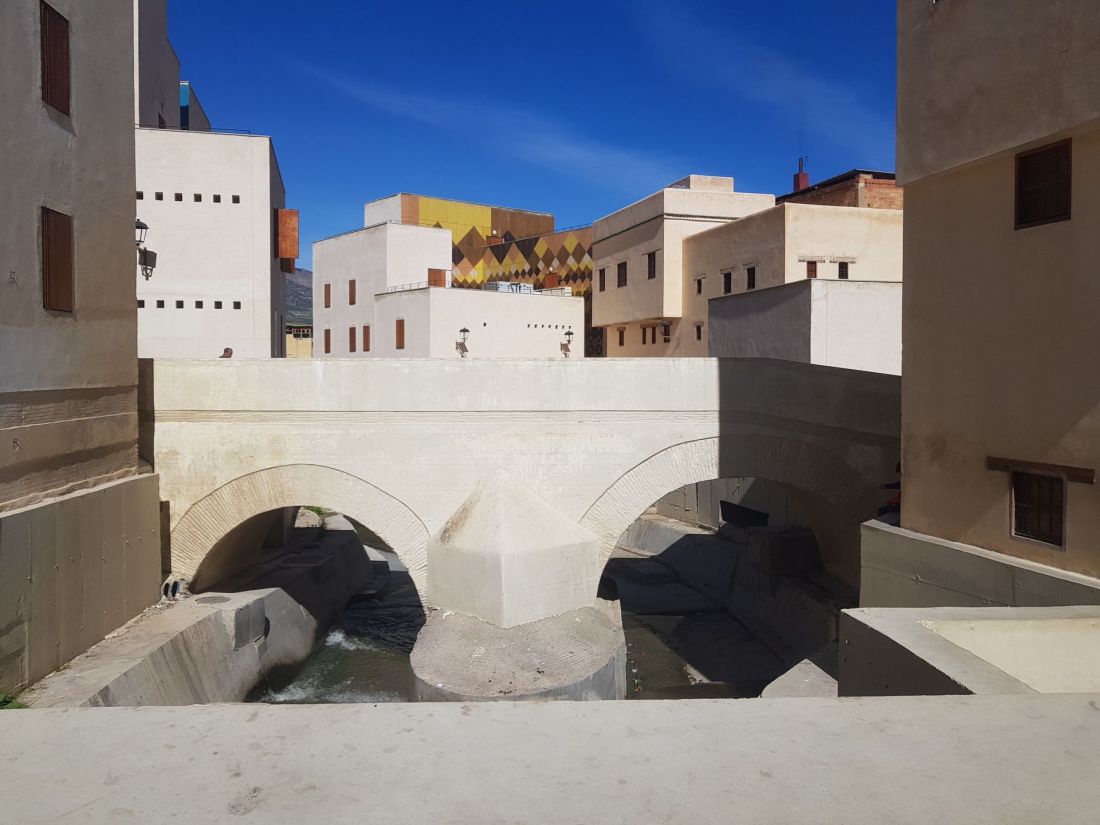
Revitalization of Lalla Yeddoun Square in Fez - the project allowed easy access to water and connected the two banks of the river
Photo: Aga Khan Trust for Culture / Amine Houari © Mossessian Architecture / Yassir Khalil Studio
tradition with a modern twist
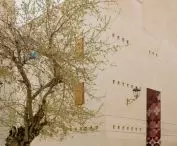
The renovation was carried out respecting the principles of minimal interference, using traditional materials and reversible methods, which ensures the authenticity and durability of the historic urban fabric. The new buildings, although contemporary in form, refer to local tradition, creating a harmonious whole. The passive climate control strategies used - natural shading, air flow and thermal massing of the buildings - make the spaces comfortable for users with minimal energy consumption.
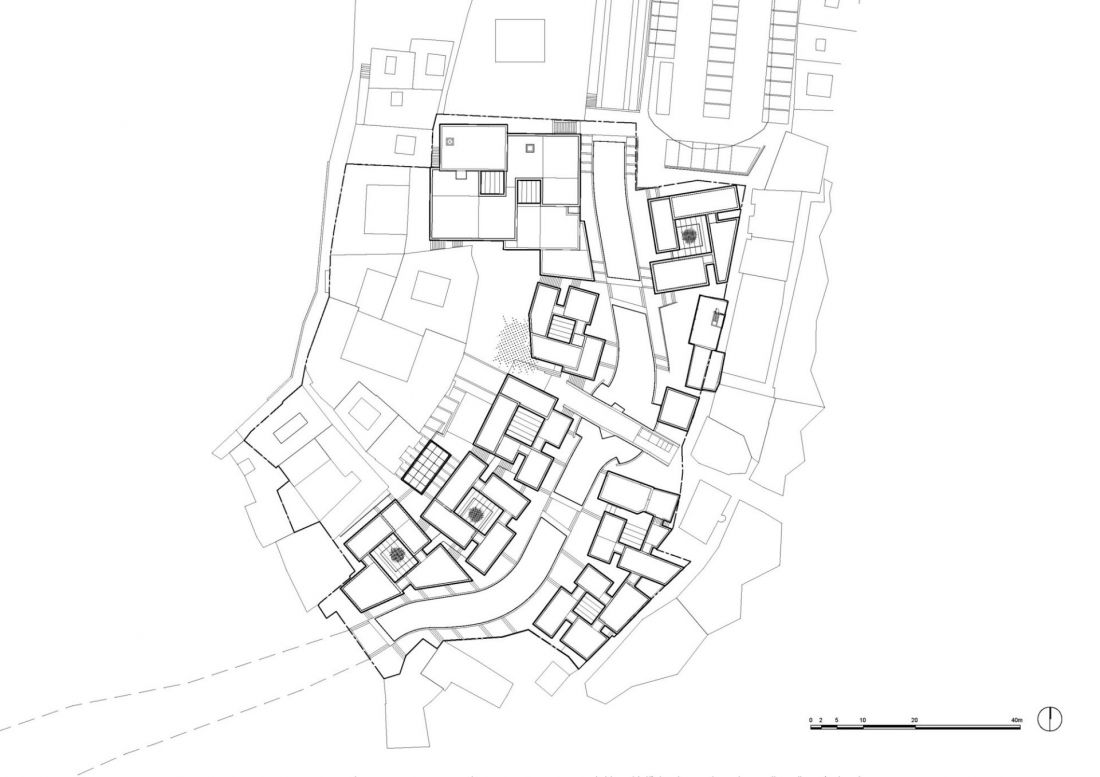
Revitalization of Lalla Yeddoun Square in Fez - square plan
© Mossessian Architecture / Yassir Khalil Studio
Ceramic mosaic - the artistic identity of the square
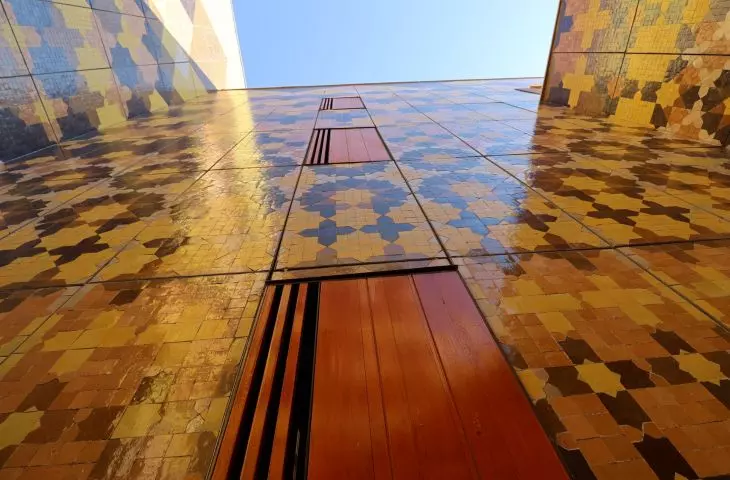
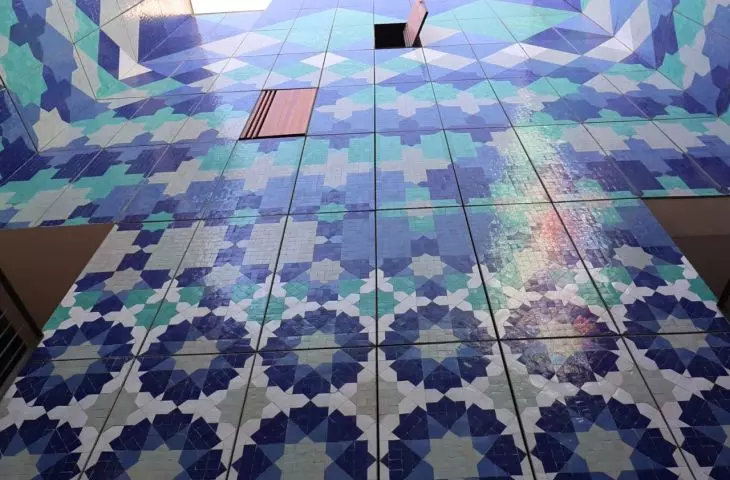
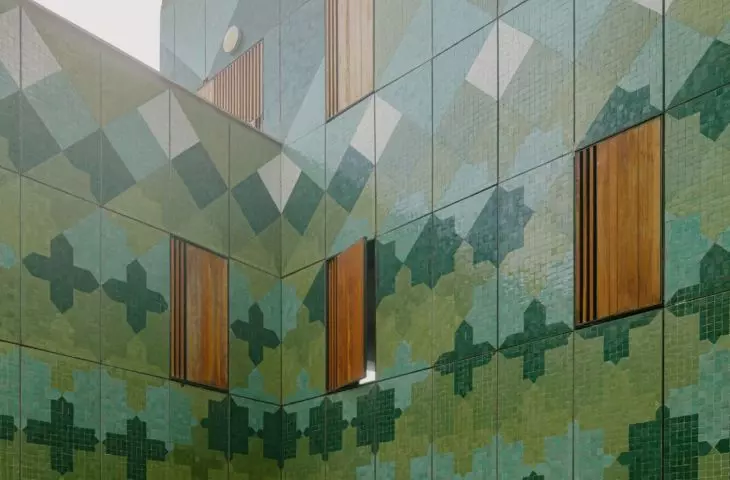
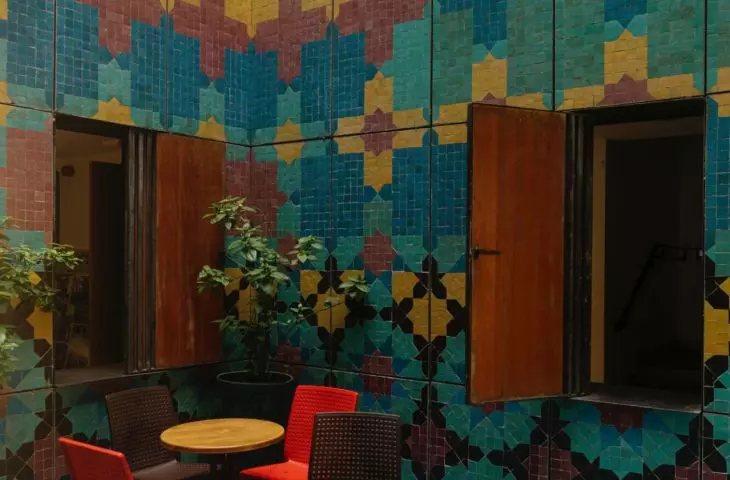
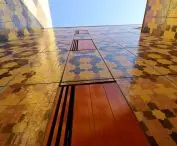
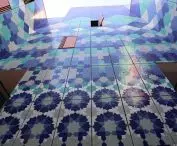
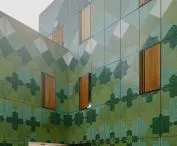
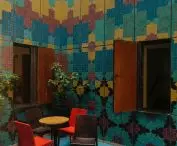
One of the most distinctive elements of the revitalization is the ceramic mosaic, developed by British artist Michael Pinsky in collaboration with Michel Mossessian and local artisans.
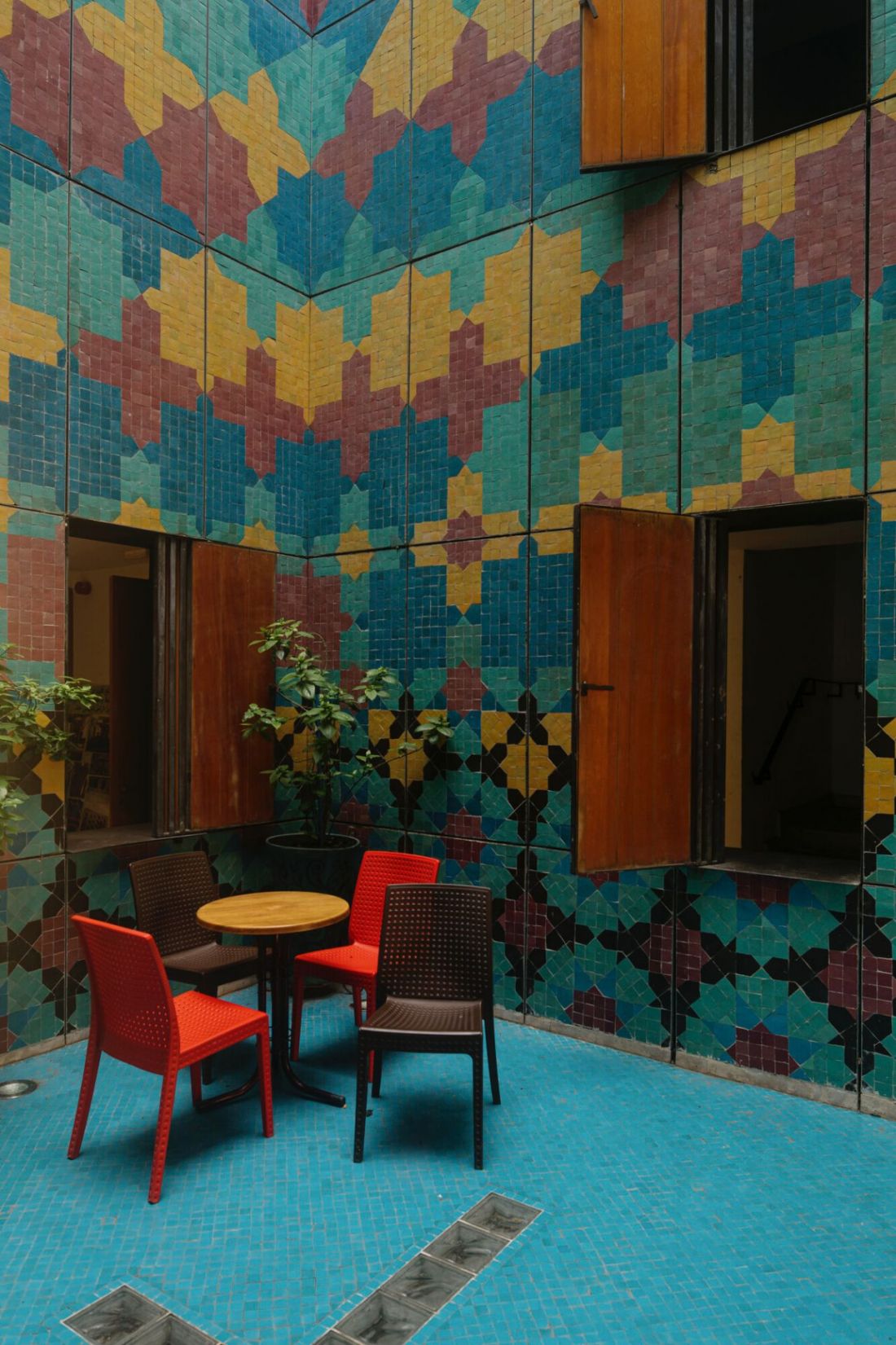
The revitalization of Lalla Yeddoun Square in Fez - the mosaics are based on the long-standing tradition of zellige
Photo: Aga Khan Trust for Culture / Amine Houari © Mossessian Architecture / Yassir Khalil Studio
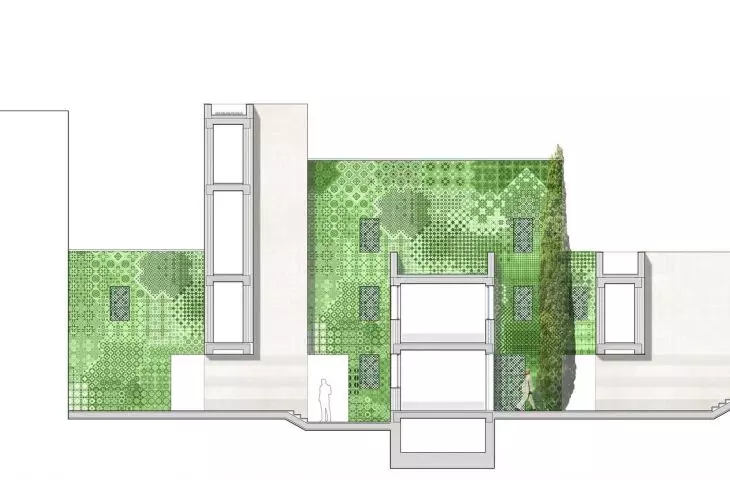
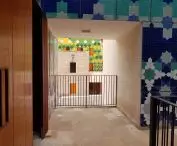
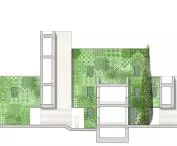
The mosaic is based on the thousand-five hundred-year-old tradition of zellige (traditional Moroccan ceramic tiles that are hand-formed and glazed) in Fez, incorporating classic Moroccan motifs, Spanish variations and modern abstract patterns. The colorful tiles serve not only a decorative function, but also a practical one - they cool the courtyards and indicate the type of each craft workshop, acting as an intuitive orientation system.
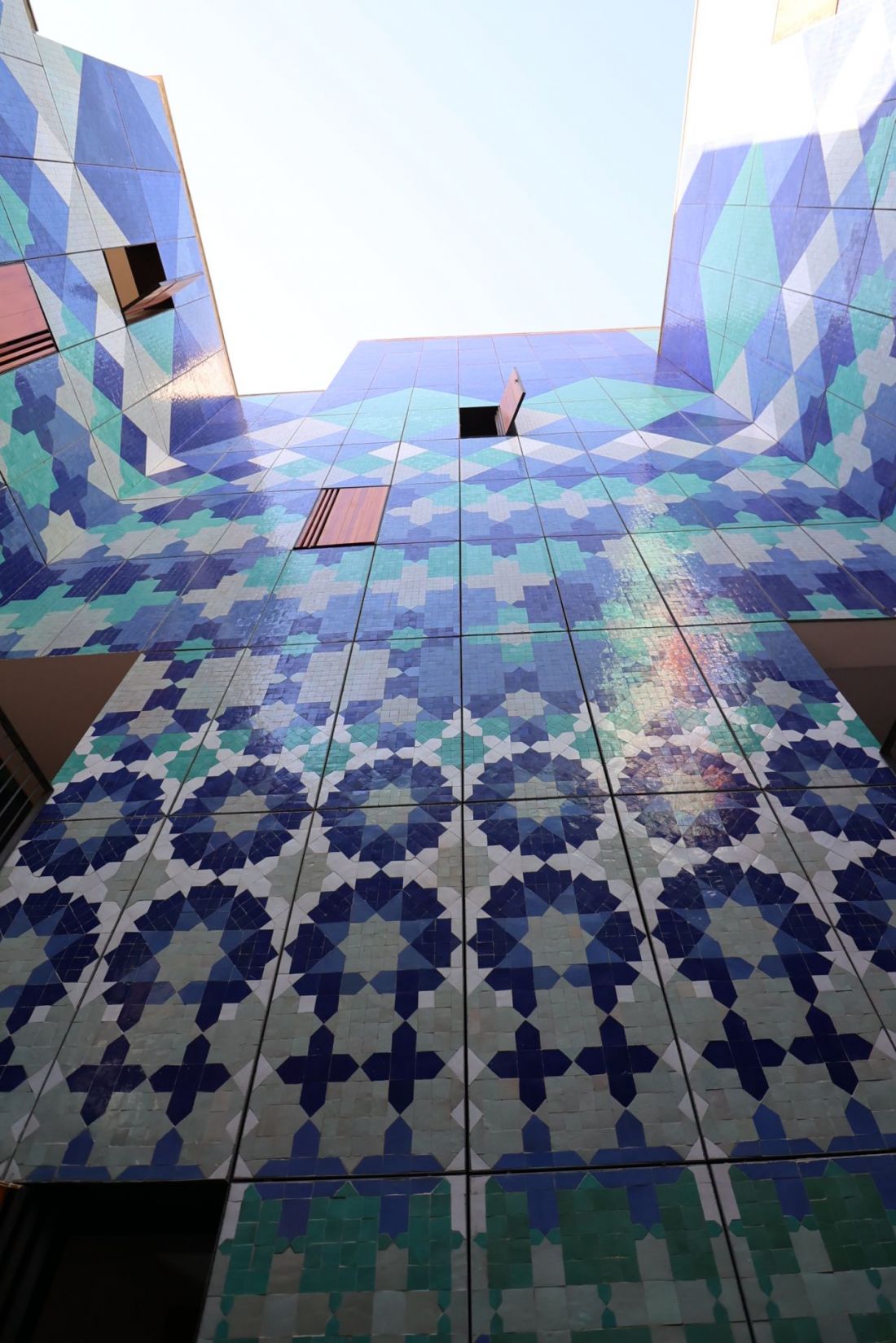
Revitalization of Lalla Yeddouna Square in Fez - one of the most distinctive elements of the revitalization is the ceramic mosaics
Photo: Aga Khan Trust for Culture / Amine Houari © Mossessian Architecture / Yassir Khalil Studio
social and educational functions
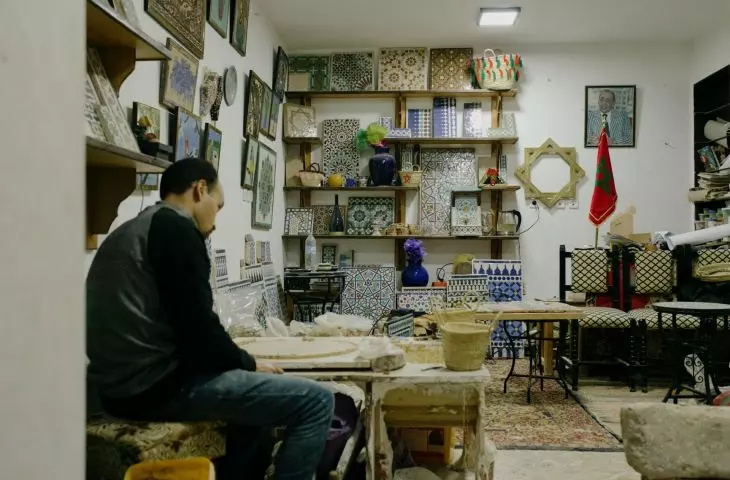
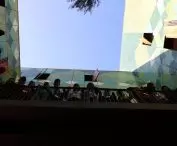
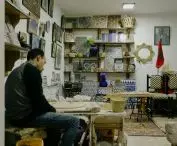
The revitalization of Lalla Yeddoun Square is also a social intervention. The project includes educational programs, a kindergarten and a women's center to support the local community. Artisan workshops and stores along the pedestrian routes create an active economic zone, fostering the coexistence of traditional crafts and daily life in the medina. The participation of local artisans in the project has strengthened the sense of ownership and authenticity of the site, while supporting its long-term sustainability.
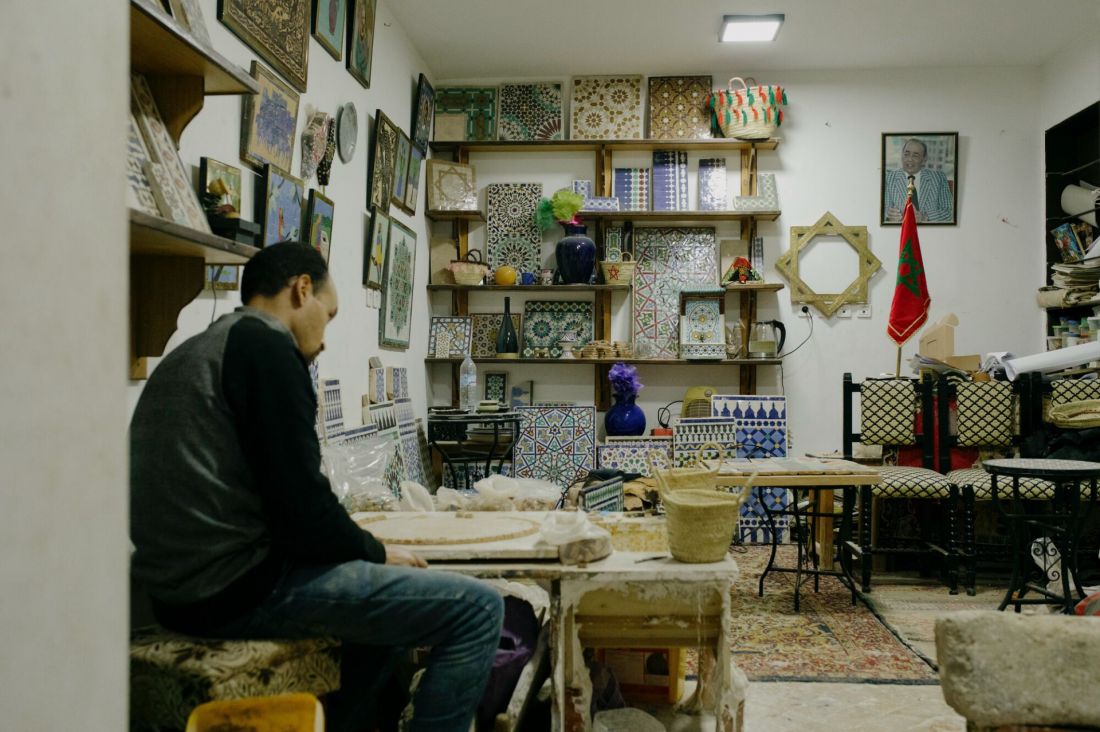
Revitalization of Lalla Yeddoun Square in Fez - local artisans participated in the project
Photo: Aga Khan Trust for Culture / Amine Houari © Mossessian Architecture / Yassir Khalil Studio
sustainability and local materials
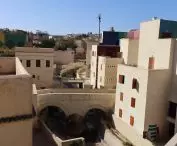
The project is also distinguished by its high environmental standards. The use of local materials and traditional construction techniques minimizes the project's environmental impact and supports the preservation of cultural continuity. The entire project - from the transformed riverbed to the courtyards and arcades - was built with sustainability and energy efficiency in mind.
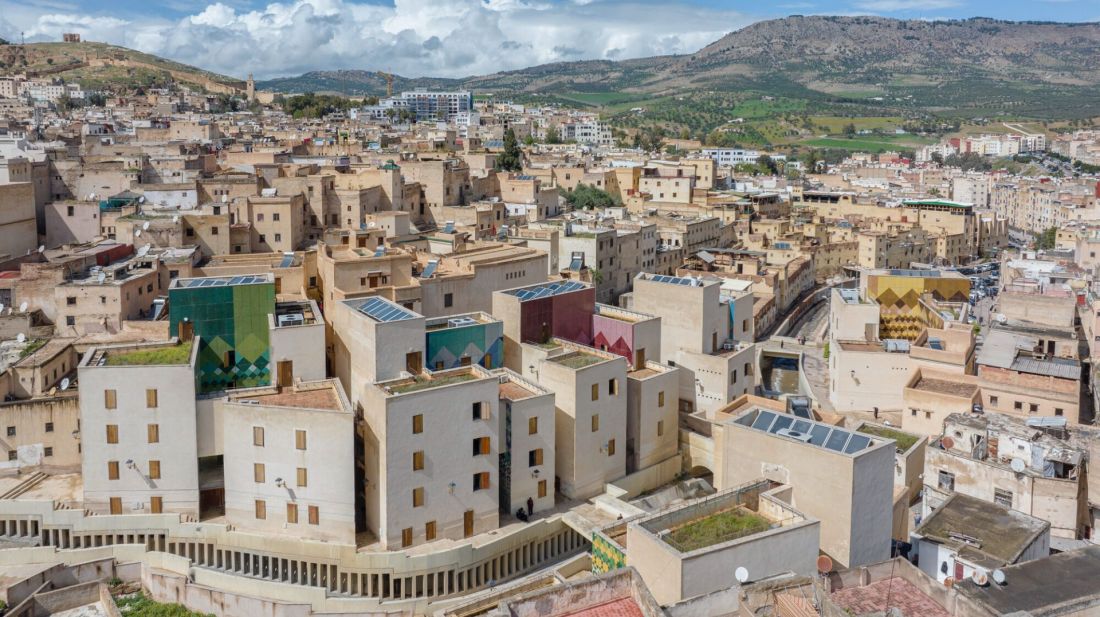
The revitalization of Lalla Yeddoun Square in Fez - an aerial view
Photo: Aga Khan Trust for Culture / Amine Houari © Mossessian Architecture / Yassir Khalil Studio
an example of heritage-based revitalization
The revitalization of Lalla Yeddoun Square shows how heritage preservation, modern architecture, ecology and community needs can be combined. The project has revitalized a key part of Fez's medina, enhancing its social, educational and cultural functions while preserving the historic identity of the space. The square has become a place where history meets modernity, and local traditions coexist with innovative urban planning and architectural solutions.
Elaborated: Anastazja Gibas
Illustrations provided courtesy of Mossessian Architecture studio.