




Two glass towers, and between them an undersized section of the historic March Station in Wroclaw. Visualizations depicting this image circulated the Internet, provoking discussion about the aesthetics, functionality and legitimacy of this solution. Somewhat in the background remained the subject of the procedure under which the investment would be carried out - the debate on Wrocław ' s first Integrated Investment Plan has a chance to establish the principles under which cooperation between the City and investors will take place. Will it assume the role of an active moderator in the game for the city?
The Integrated Investment Plan (IIP) is a tool that is still "getting there" in Polish urban planning. It allows for a dialogue between the municipality and the investor and the development of specific benefits within the framework of main and supplementary investments.
In this formula, the March Residence is planned in Wroclaw - the construction of a residential development (main investment) and the renovation of a former railway station building (complementary investment) for social needs.
However, the discussion was aroused by visualizations of the planned investment, in which a small historic building is flanked by two tall (up to 30 meters and 10 stories), glazed blocks, in which a total of about 153 apartments, more than 1,000 square meters of commercial space and 62 parking spaces would be built.
Source: Facebook: Wroclaw - Budolwane Investments
As of today, the proposal requires a great many formal additions, and the visualizations circulating on the Internet are very preliminary. They absolutely should not be treated as a firm announcement that this will be such a composition of the development and such connections between the building blocks
- emphasized in an interview with TuWroclaw.com Michał Guz from the press office of the Wrocław City Hall.
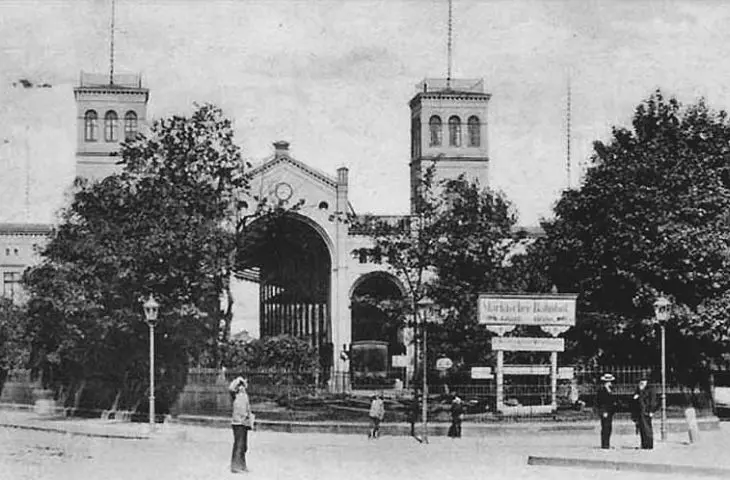
The structure to be fortified by the new towers is a surviving remnant of the 19th-century building of the former March Station, designed by Julius Manger, an important transportation hub of the city. Built in the spirit of the Neo-Renaissance Italianate villa, the edifice lost its importance over time, and after World War I, its demolition began.
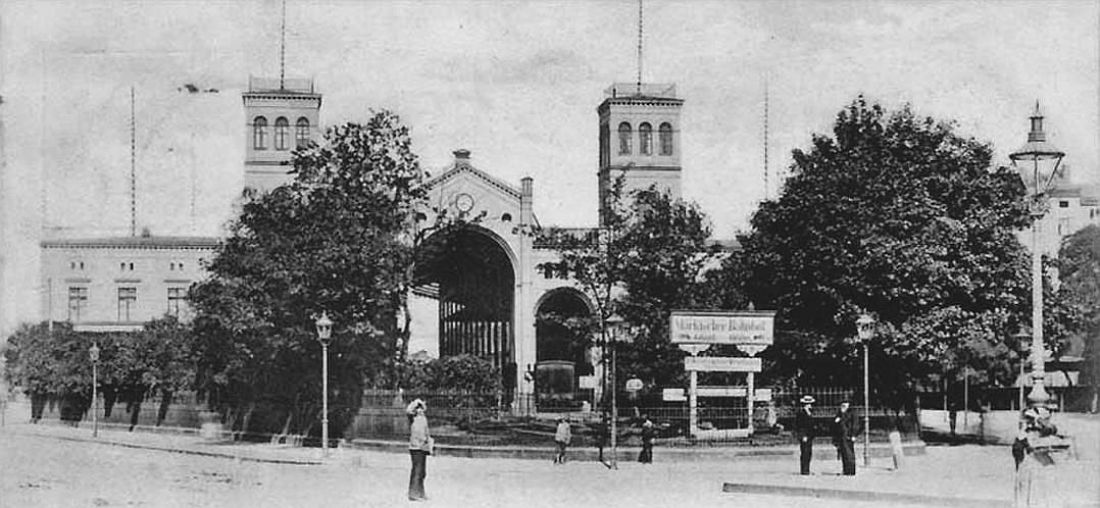
The March Station on a postcard from before 1902
© public domain
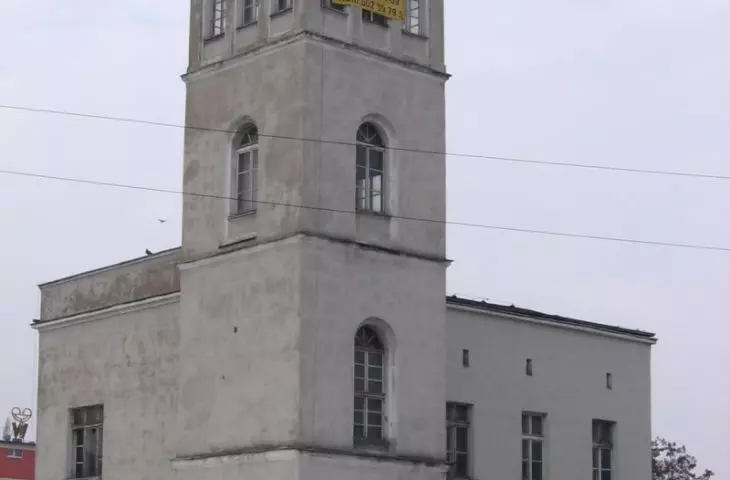
Only a fragment survived - the northern wing, which was entered in the register of monuments in 1985. Today it stands on a very attractive plot of land near the very center of the city, right next to the Świebodzki Station, which has been closed since the 1990s - now a market and restaurant space - to which rail traffic is expected to return in 2029, according to PKP's announcement, and along the Bus and Tramway Route (TAT), the largest post-war investment of its kind in the city.
© Google Maps
On the project's website, the developer, West Station, emphasizes the value of the station's remains, and explains that its legible display and integration with the contemporary context are key objectives of the project:
To that end: the key view axis from Podwale has been preserved. This is the historic perspective that once exposed the monumental facade of the station. The new development was shaped to reinforce this perception and lead the eye toward the historic section. A sequence of views from pedestrian and public transportation levels was planned. The principle of controlled height and offset of buildings was introduced.
In this way, the relic remains legible, while the new architecture creates a contemporary, elegant frame for it. These are exactly the measures that modern urban planning uses to protect heritage in spaces rich in new developments
- reads the investment's website.
There are also consultations on the site dedicated to the investment - the investor asks, among other things, whether the respondent_ believes that cleaning up degraded areas and giving them new urban and social functions is a good direction for the city's development, or whether the height of the new development should match the height of other new buildings being built in the neighborhood.
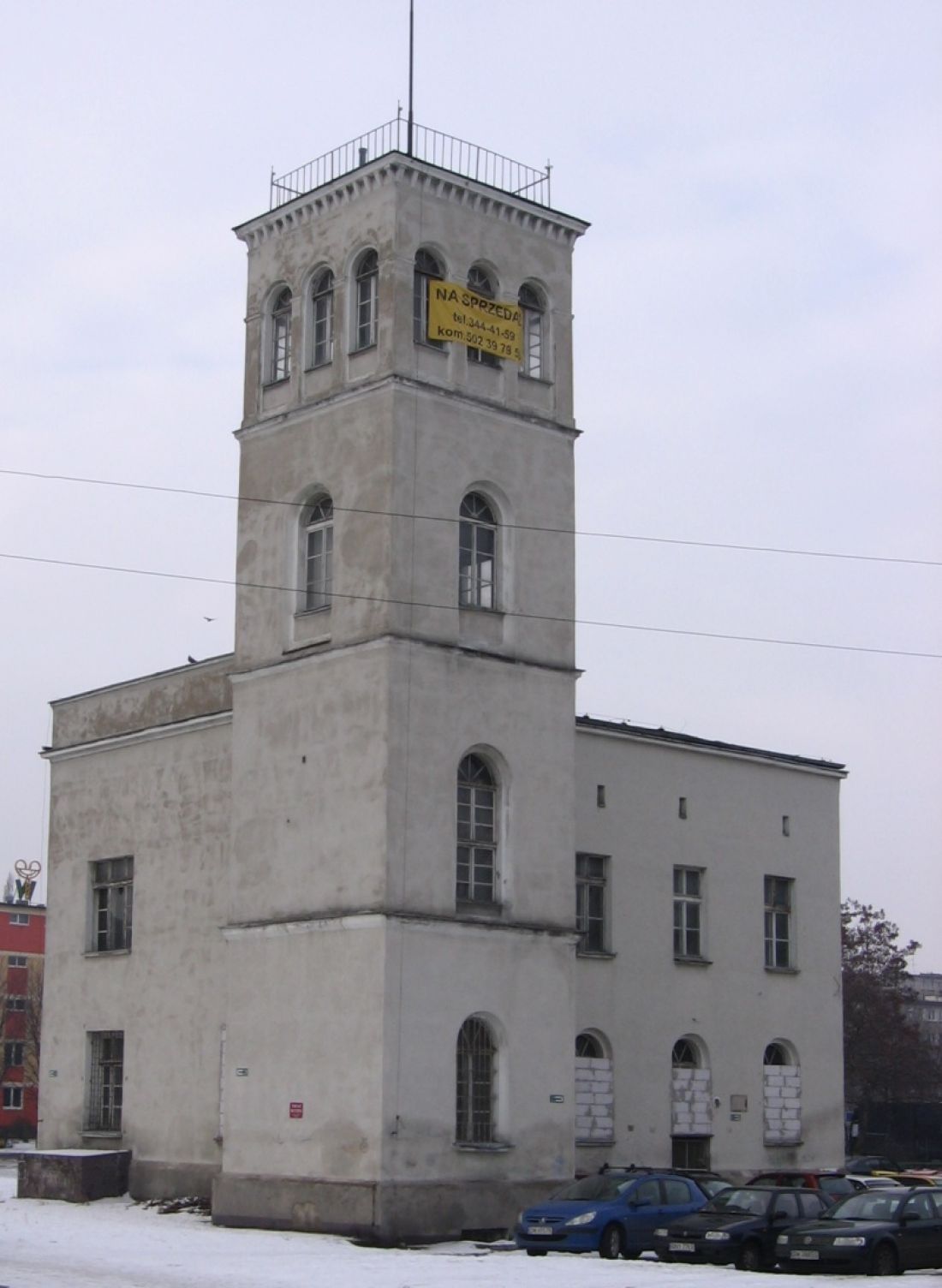
A preserved section of the March Station building, state in 2006
© public domain
To date, the ZPI procedure has not yet been used in practice in Wroclaw. Its undoubted advantage is the possibility for municipalities to address their needs, thus limiting the risk of adopting solutions to benefit only the investor. It is a tool that has a chance to put the City in the position of a moderator of development and shaping of space, and it will depend on the first applications to be processed how the roles in this game for space will be distributed.