




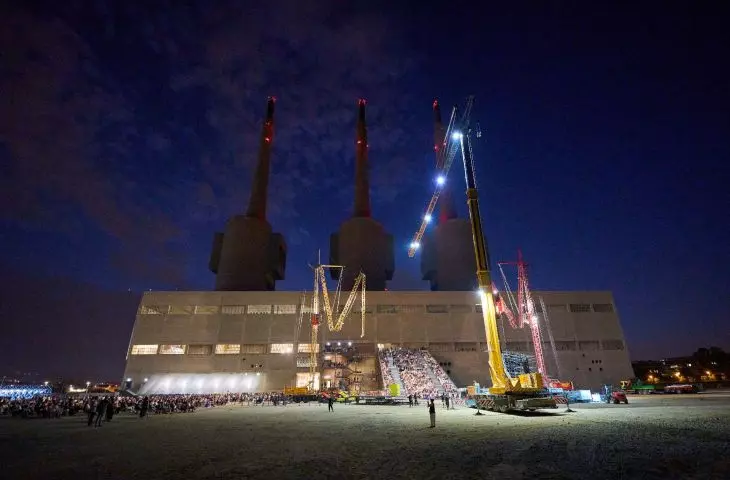
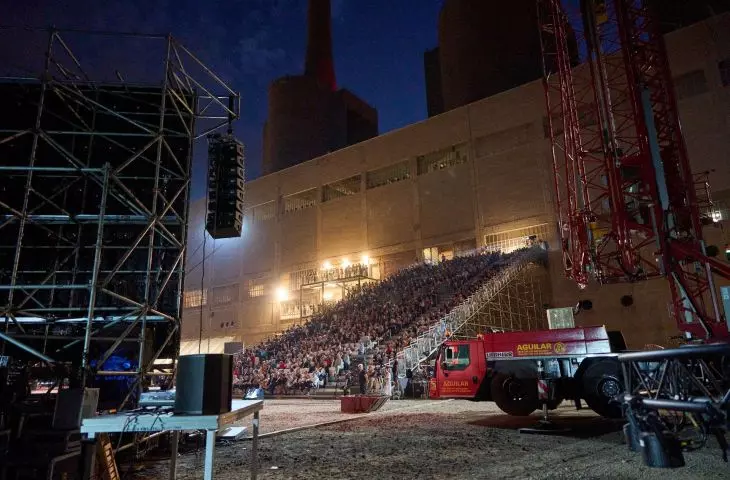
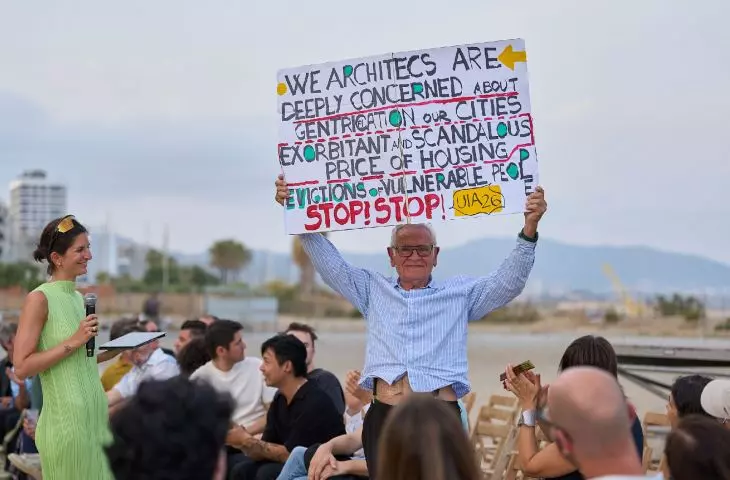
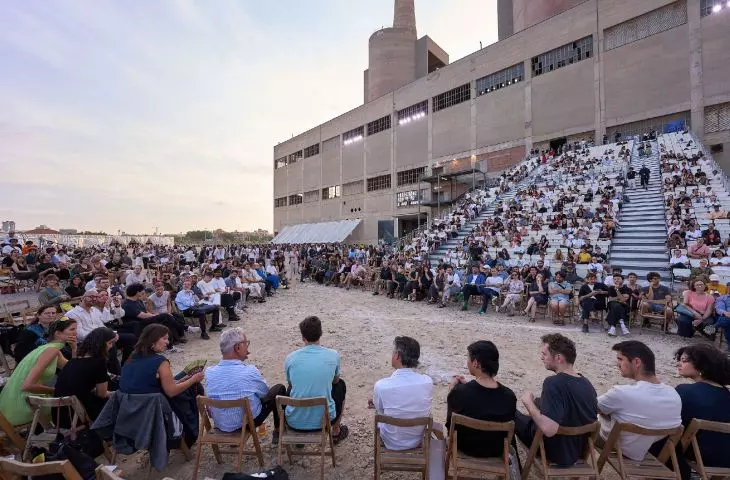
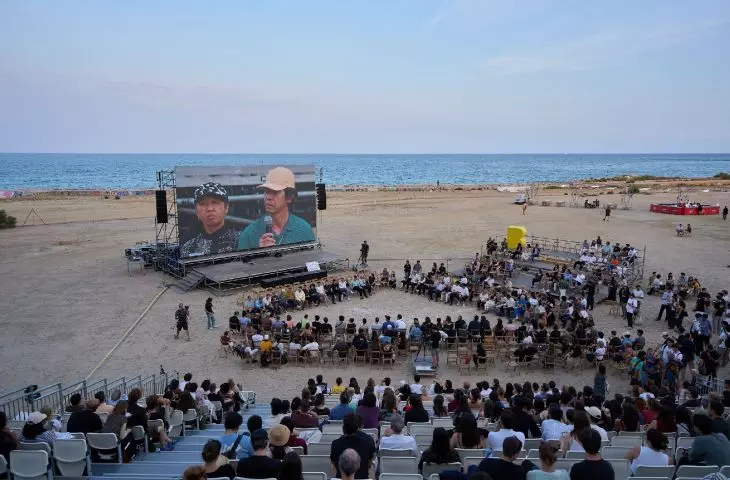
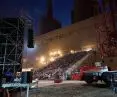
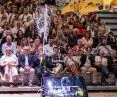
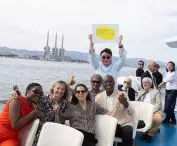
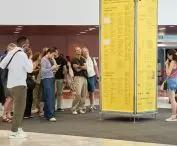

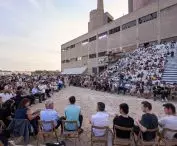
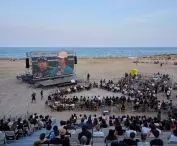
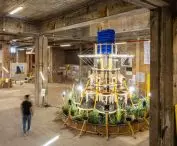

Two funnel-shaped containers, attached to wheeled cranes, were supposed to form an elegant cross on the ground. On top of it, a third crane was to place a construction bucket filled with water. The plan was clear, almost geometric. Except that one of the funnels got clogged, pouring unevenly, and instead of a crisp “X,” something resembling a lopsided “ł” appeared. A letter less international, but all the more familiar for it. The event’s conductor tried to salvage the situation by hand—literally. He fiddled with the nozzle, hoping the material would yield to human will. It did not. In moments like these, matter tends to have its own artistic agenda.
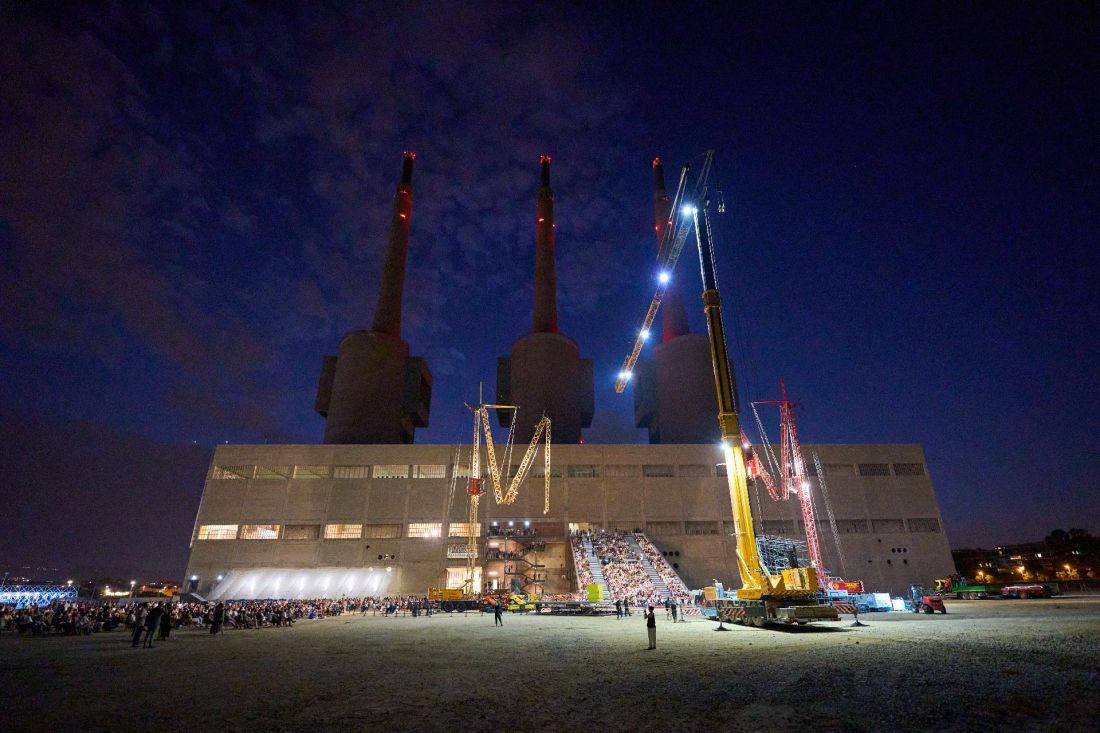
Congress opening gala
photo: Anna Mas | Illustrations courtesy of the organizers
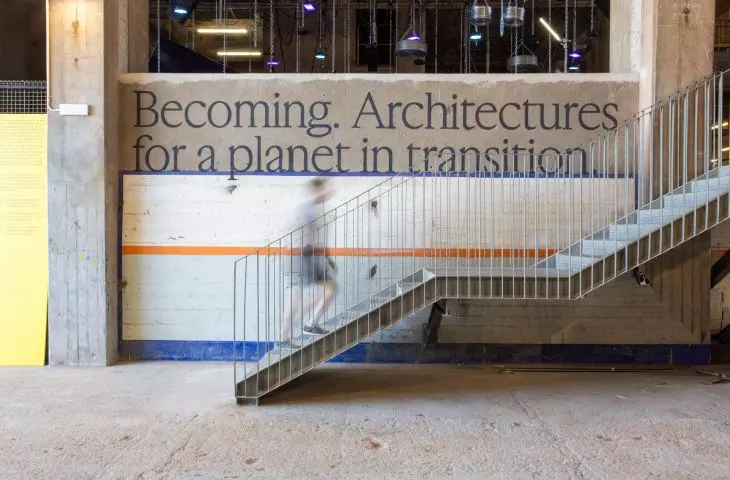
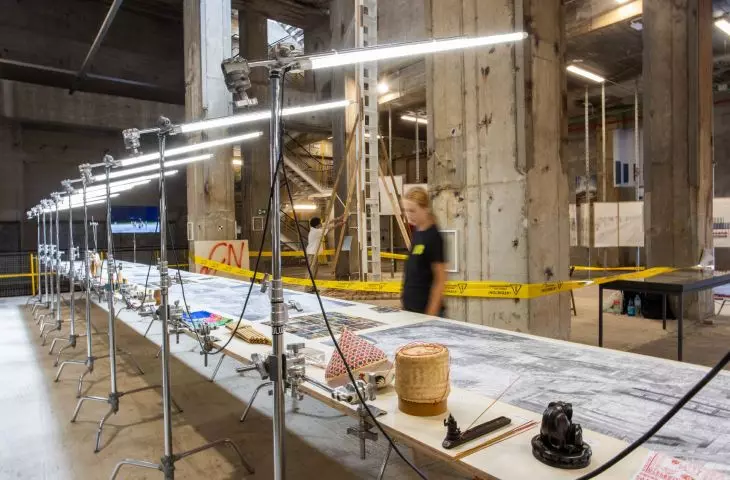
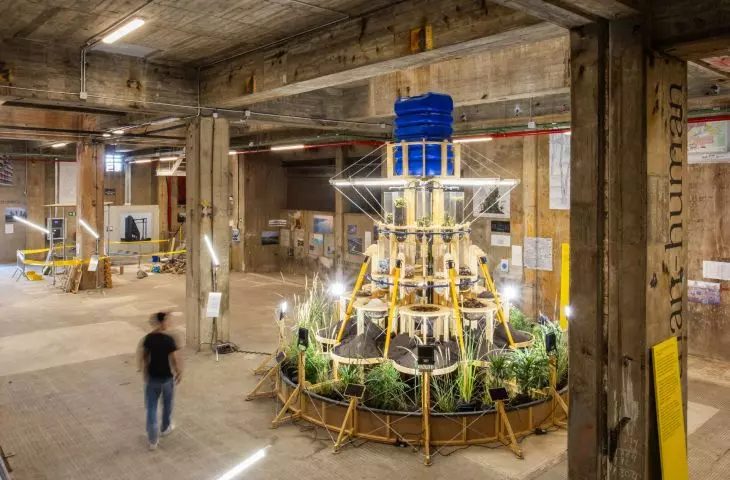
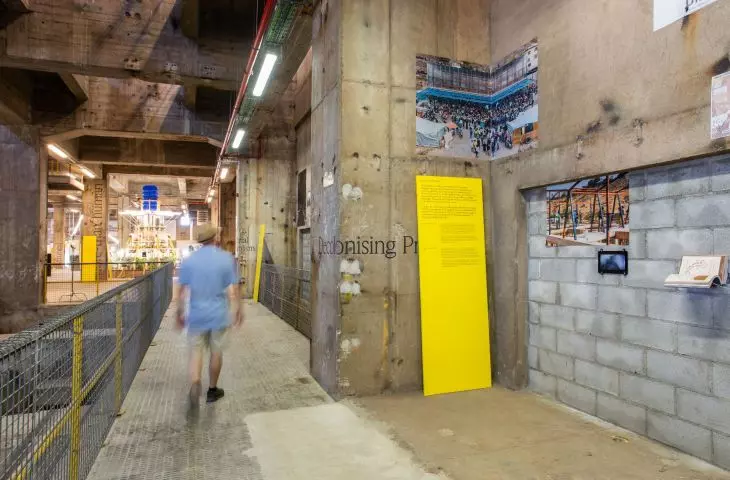
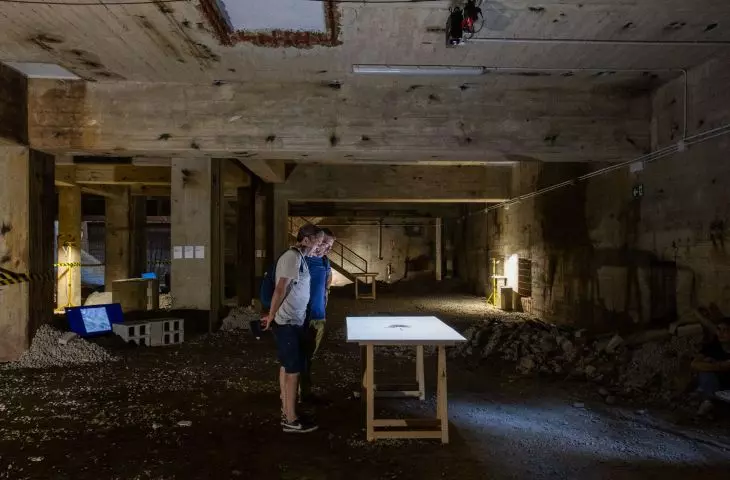
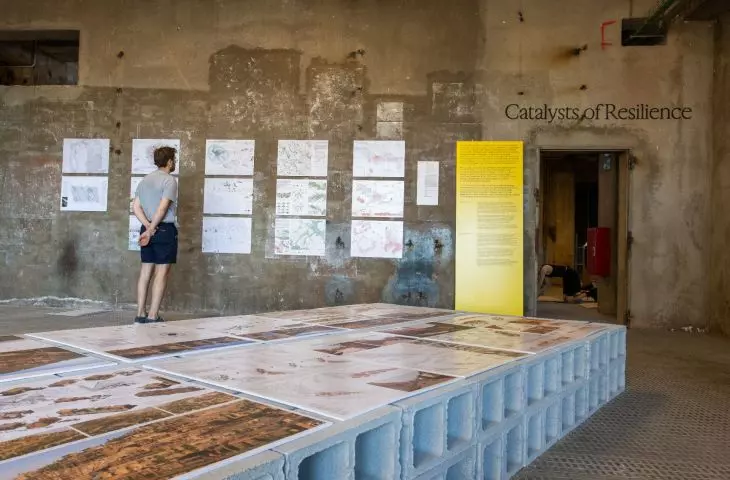
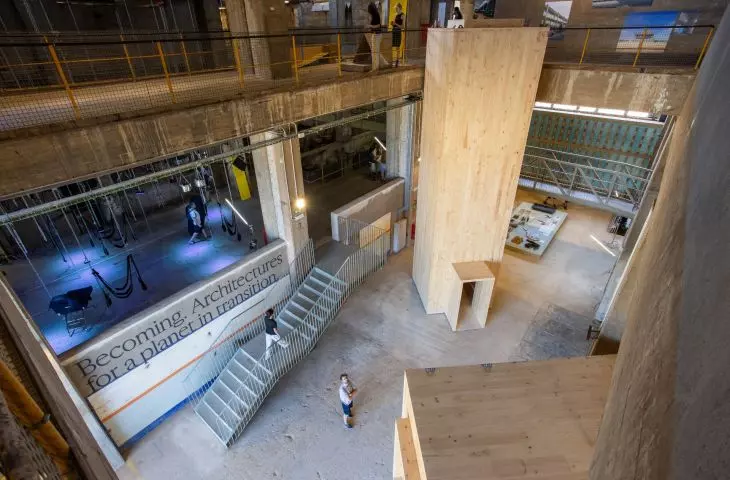
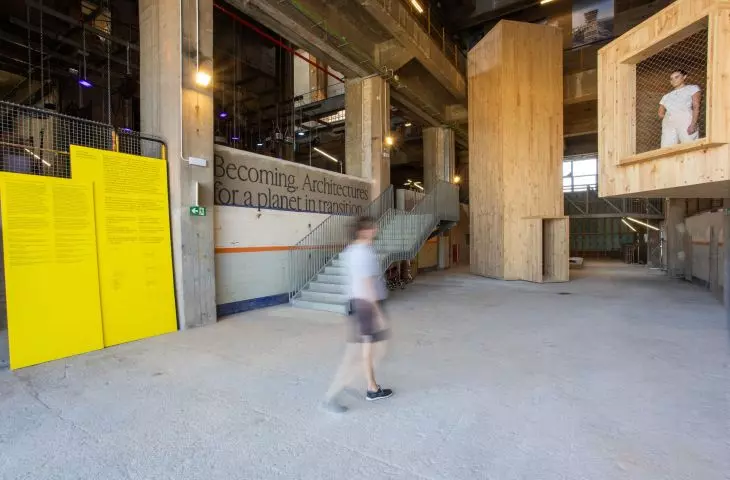
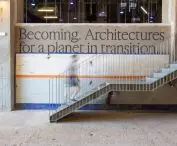
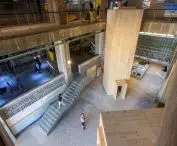
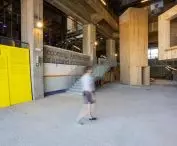
The UIA 2026 World Congress of Architects in Barcelona was held under the theme “Becoming. Architectures for a planet in transition.” This was not a theme about architecture understood as a finished, closed object. Rather, it was about architecture treated as a process: one that unfolds over time, dependent on place, matter, climate, politics, and social relations. The word “becoming” fit the congress well, but it fit the opening scene even better—a scene in which even the simplest sign had to overcome the resistance of reality.
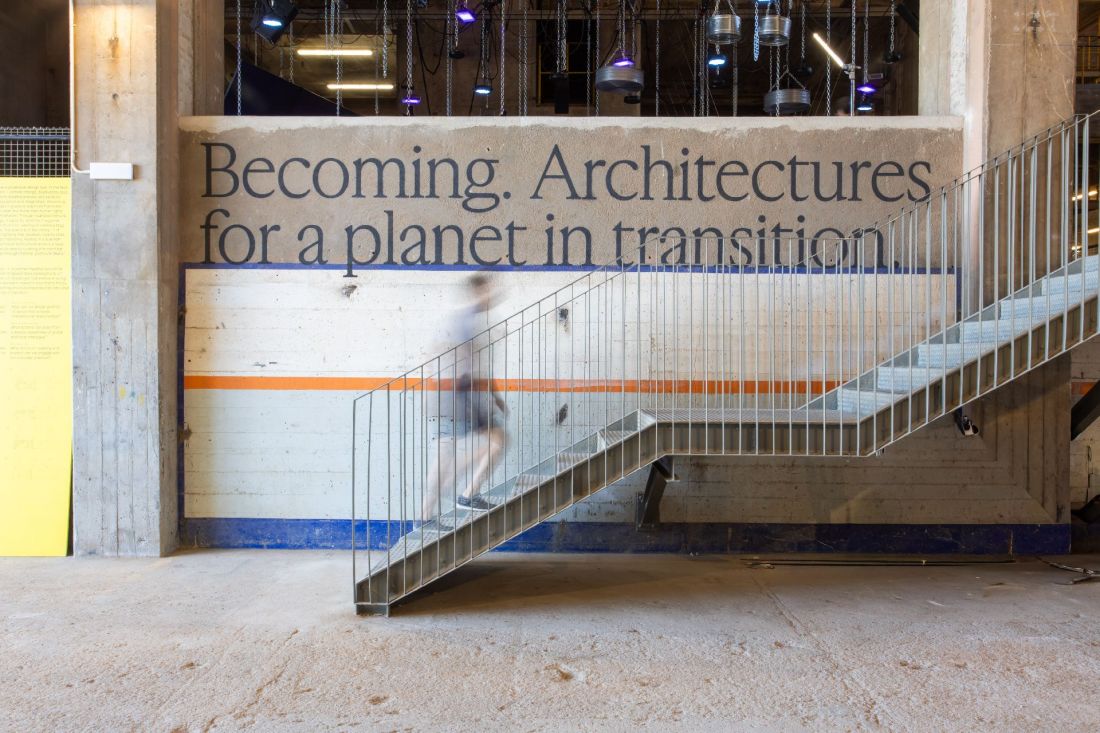
The UIA 2026 World Congress of Architects in Barcelona was held under the theme “Becoming. Architectures for a planet in transition”
Photo: Anna Mas | Illustrations courtesy of the organizers
The choice of Barcelona was no accident. The city was designated the UNESCO-UIA World Capital of Architecture 2026, but its role was not limited to serving as a prestigious backdrop. Barcelona was presented as an urban laboratory where architecture has long been an integral part of public policy. Ildefons Cerdà’s plan, the legacy of Modernisme, the Olympic transformations, and contemporary urban projects provided the context for a discussion on how cities change not through a single gesture, but through the accumulation of decisions made by successive generations.
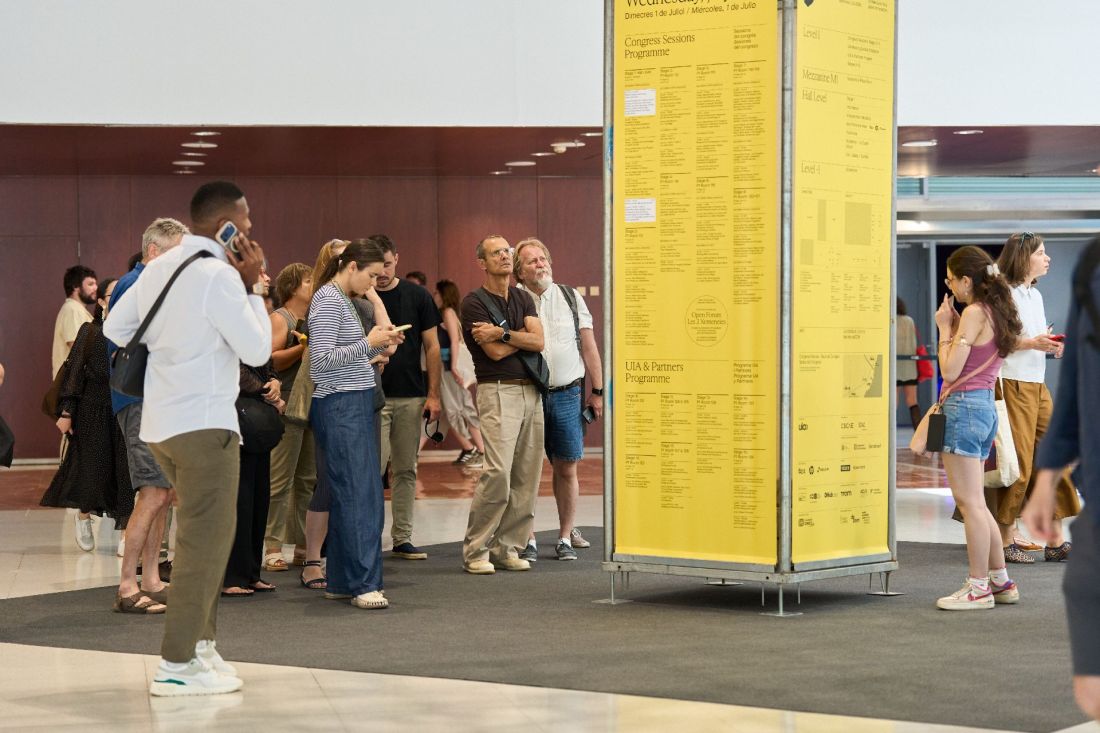
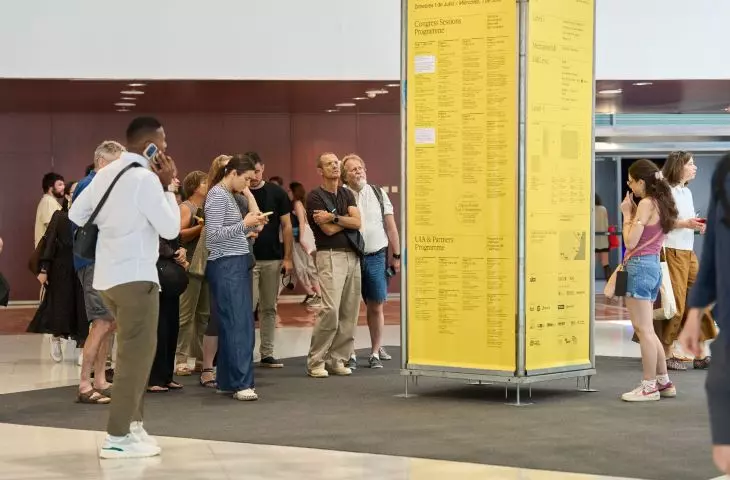
The congress program was organized into six themes: from ecology to global interdependencies
Photo: Anna Mas | Illustrations courtesy of the organizers
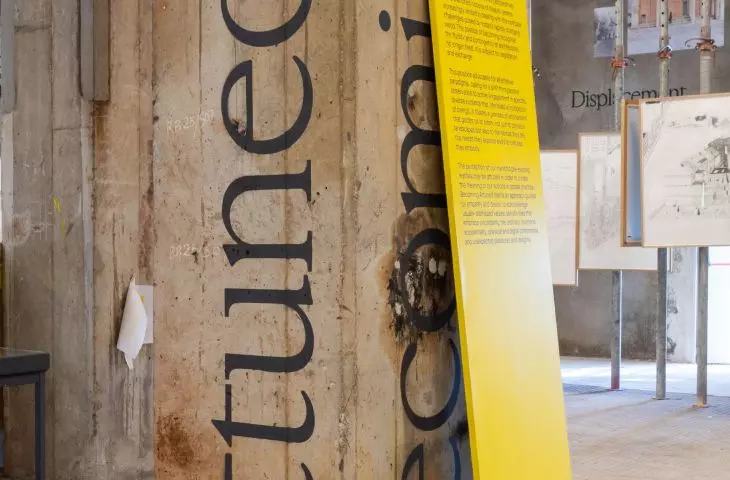
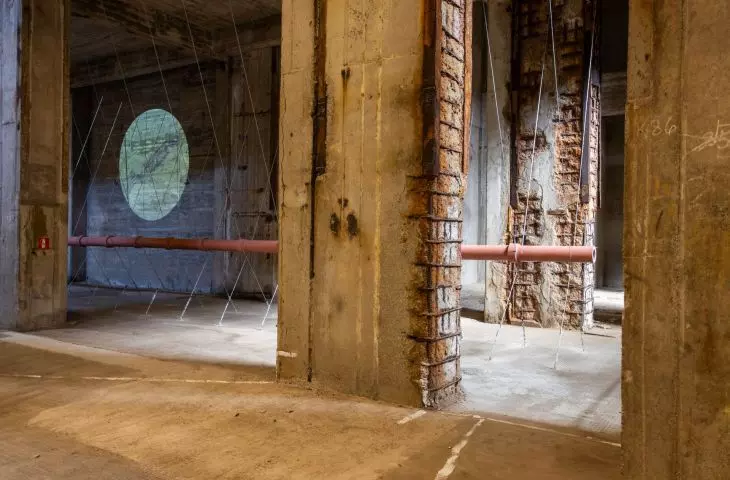
The congress program shifted the focus from designing from scratch to working with what already exists. The starting point was the landscape: physical, cultural, social, and ecological. It was not, therefore, about a blank slate or a simple replacement of one order with another, but about a careful examination of the layers that already shape a place. That is why time was such an important concept, understood more broadly than just an investment schedule. It served as a design tool for thinking about change, duration, and the consequences of decisions.
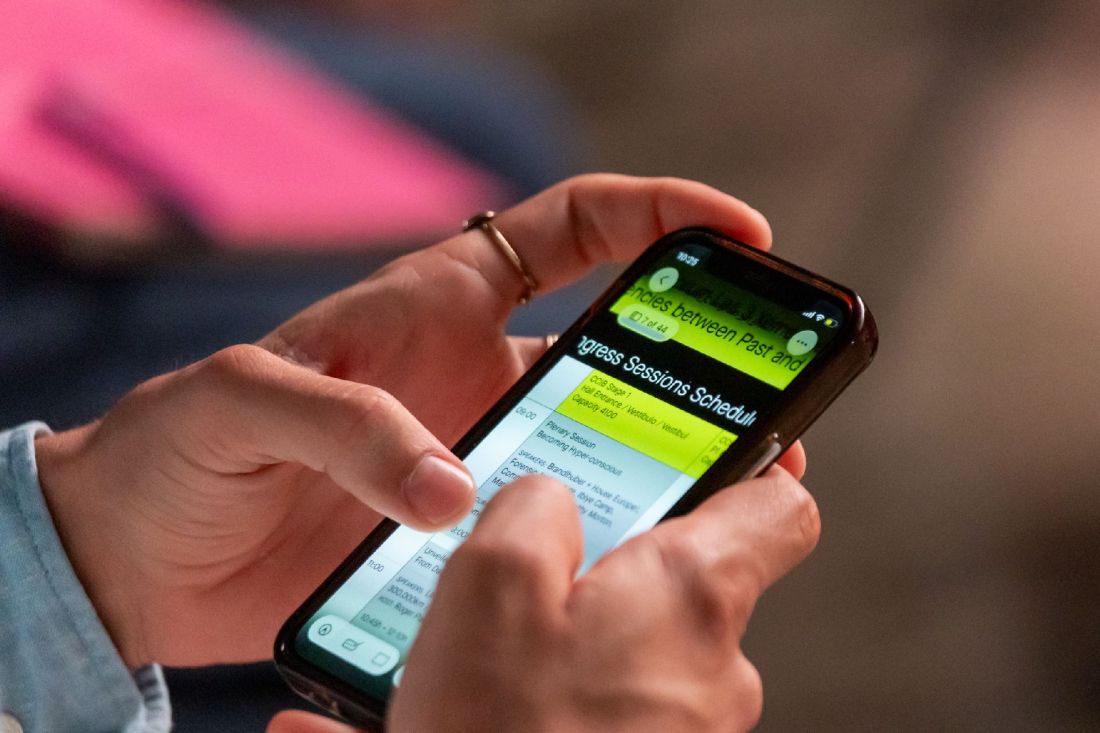
The congress program was organized into six themes: from ecology to global interdependencies
Photo: Anna Mas | Illustrations courtesy of the organizers
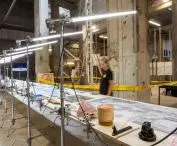
The program was organized into six themes: from a more-than-human ecology, through closed-loop systems and the materiality of building, to the politics of space, global interdependencies, and mindfulness toward place. This sounded broad—sometimes very broad—but it accurately captured the congress’s fundamental issue: architecture had to stop pretending that it operates in isolation. The climate crisis, biodiversity loss, economic pressures, the housing crisis, digitalization, and artificial intelligence were not presented as separate technical topics, but as a system of interconnections influencing how spaces are designed, built, and used.
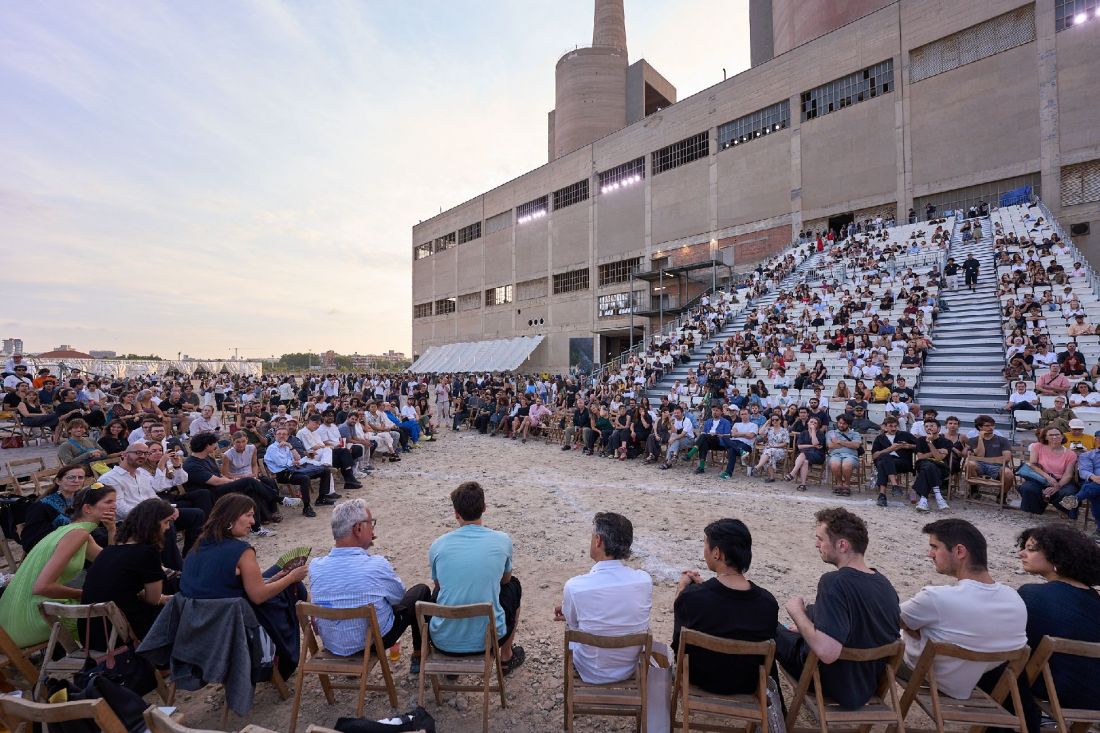
Day 3 of the congress
Photo: Anna Mas | Illustrations courtesy of the organizers
From this perspective, architecture ceased to be merely a discipline of form. It became a way of negotiating the relationships between resources, people, institutions, technology, and the environment. This sounded good in the congress hall. But the opening ceremony stubbornly reminded us that every negotiation with matter has its breaking point.
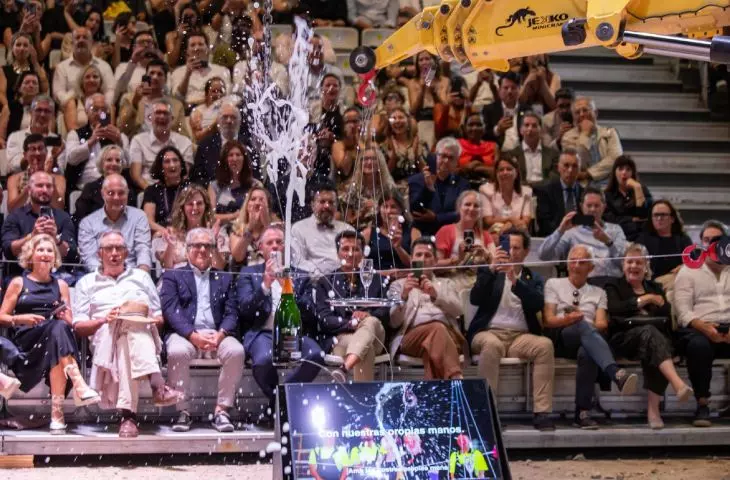
Meanwhile, the cranes continued to dance. Their long arms passed one another, delivering successive elements of the performance with surprising grace. One delivered a crate of Spanish cava; another precisely removed a bottle and placed it in a tank of water. A third was already carrying a tub full of ice. Everything was building toward the cool elegance of the finale. Then something got stuck again. The ice didn’t fall. The creator of the performance made further attempts to unblock the jammed load, but to no avail. Finally, he waved his hand at the operators to have them remove the tub. It was the gesture of a man who understood that one can only negotiate with matter up to a certain point. Three smaller cranes rolled onto the stage. They took hold of the bottle, grabbed the cork, and, with the verve befitting sparkling wine, uncorked the bottle. One held out a glass on a silver tray, while the other two tilted the bottle and began pouring. The proportions, however, were quite avant-garde: one in nine drops made it into the glass; the rest splattered across the tray and the dry ground. Instead of making a toast, Cava caused a local downpour.
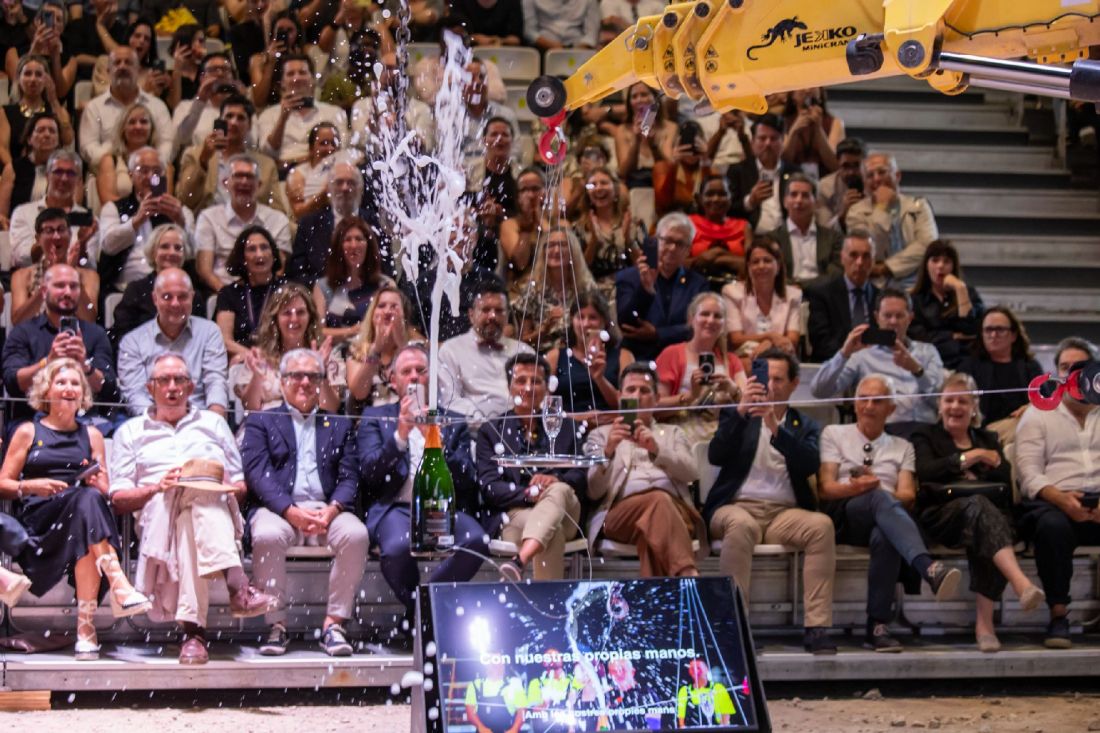
Instead of making a toast, Cava caused a local downpour
Photo: Anna Mas | Illustrations courtesy of the organizers
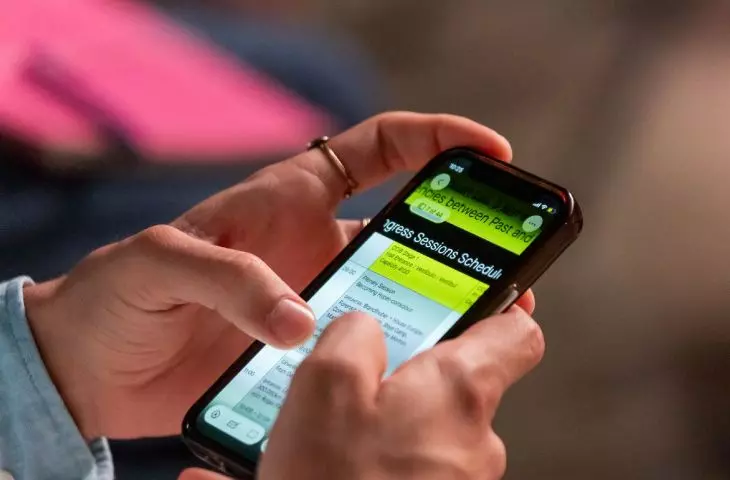
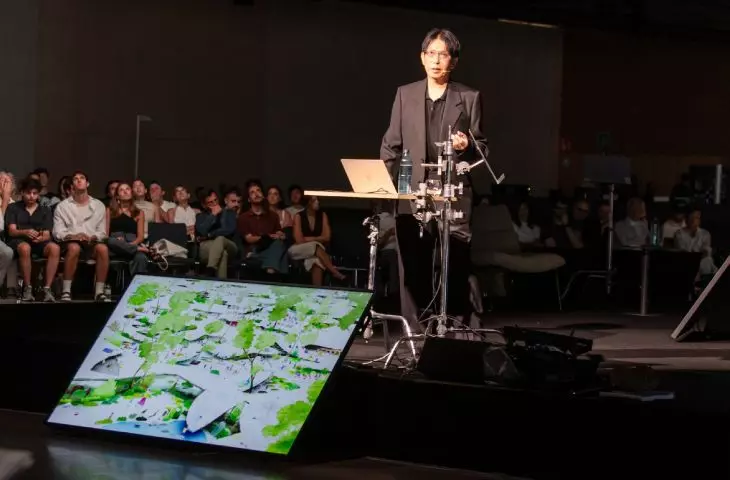
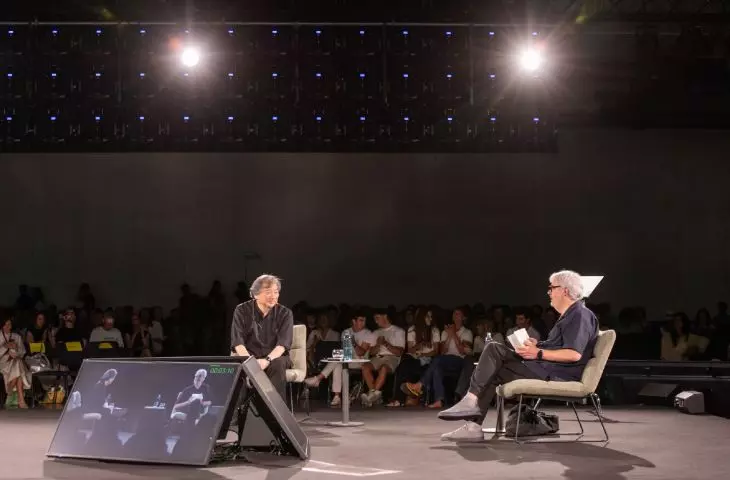
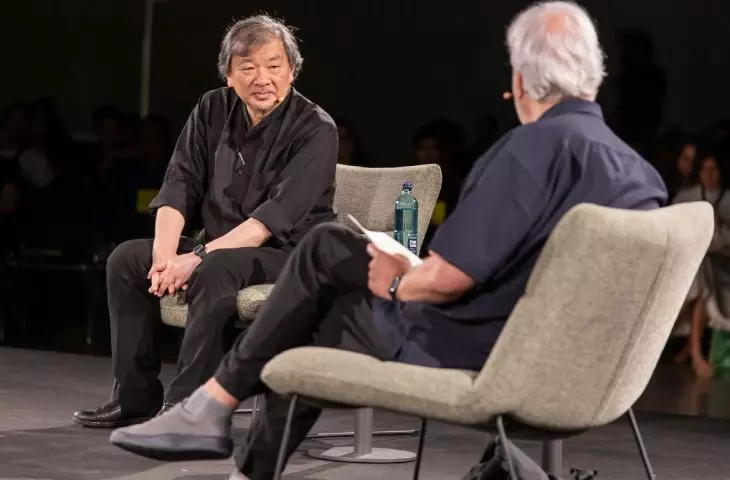
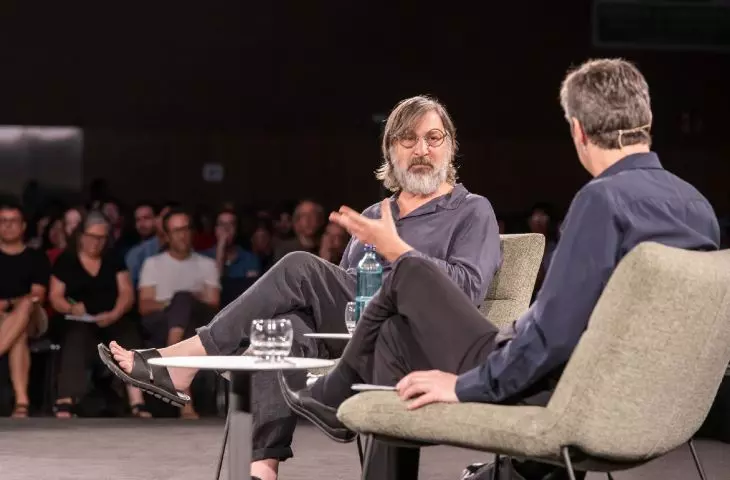
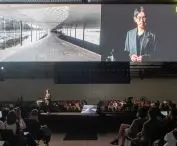
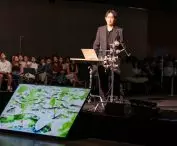
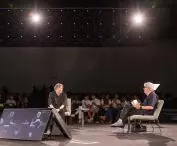
The conference schedule was so packed that the first task wasn’t listening, but choosing. Panels were held simultaneously, so every “yes” to one room meant “no” to several others. I looked for topics closest to my own work: ecological architecture, biogenic materials, wood, education, and new ways of representing a project. And alongside these were Shigeru Ban, Smiljan Radić, and Junya Ishigami. At moments like these, cloning began to seem like a sensible tool for the job.
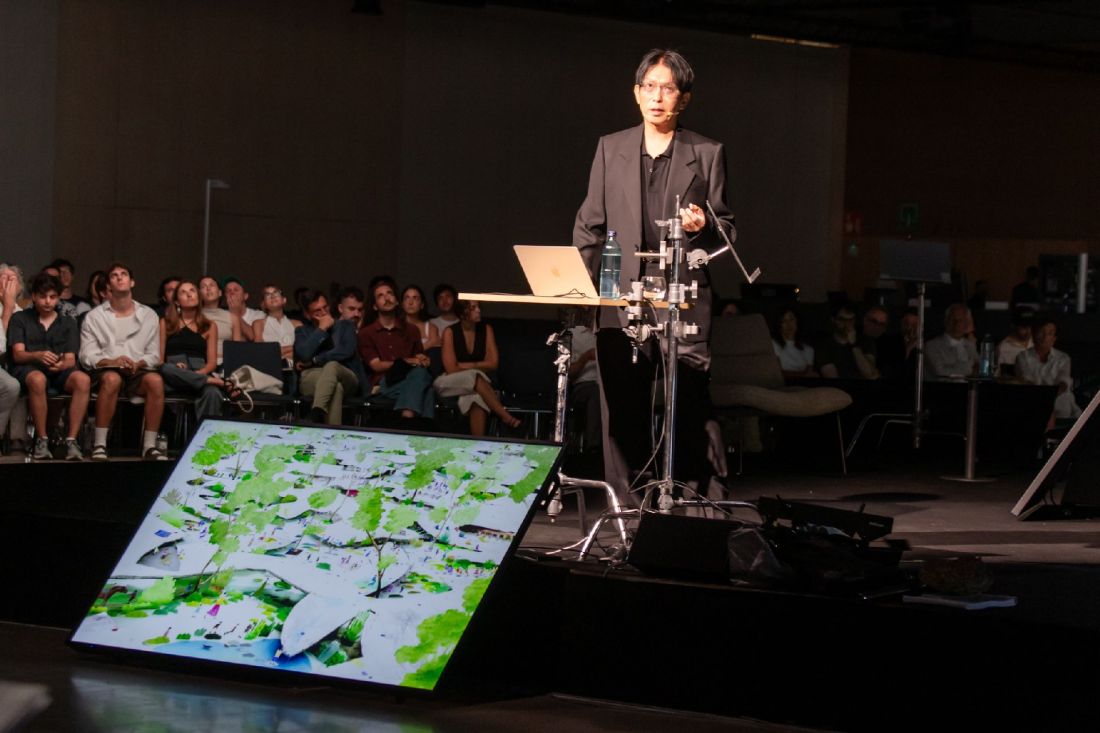
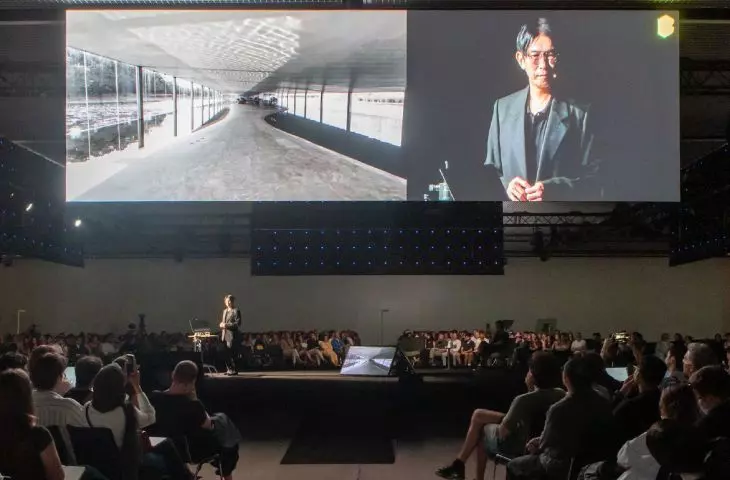
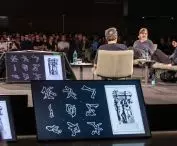
Junya Ishigami, Day 1 of the congress
Photo: Anna Mas | Illustrations courtesy of the organizers
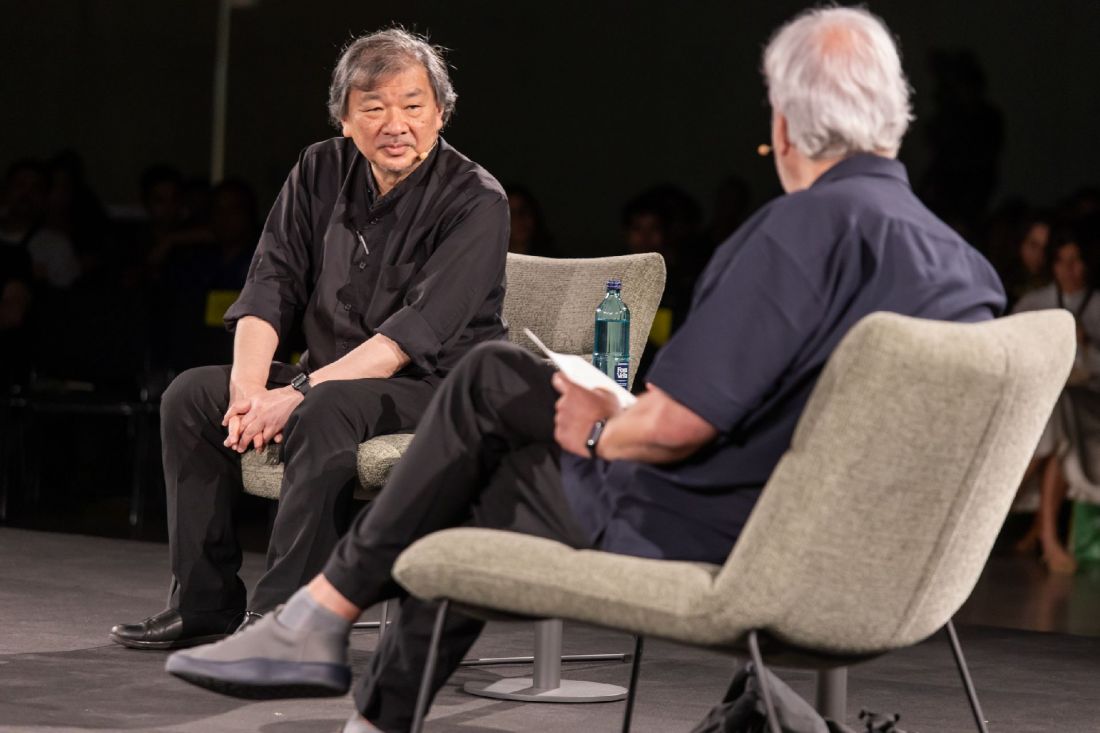
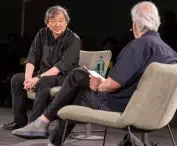
Shigeru Ban, Day 2 of the congress
photo: Anna Mas | Images courtesy of the organizers
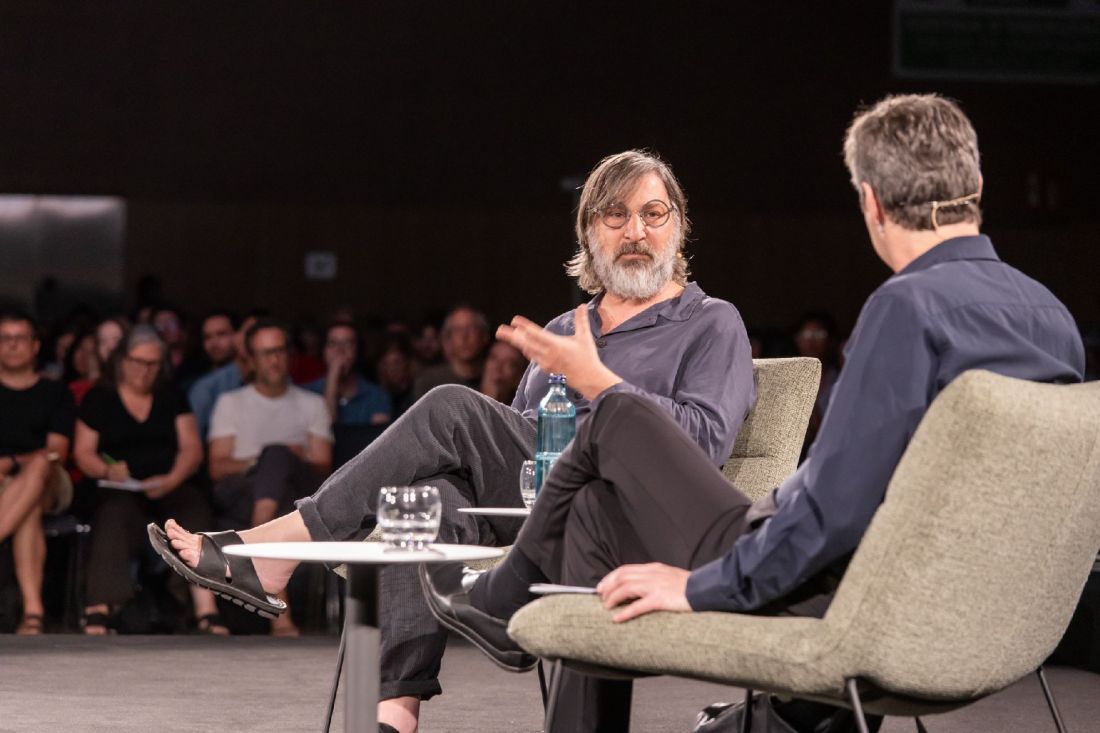
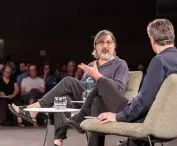
Smiljan Radić, Day 3 of the Congress
Photo: Anna Mas | Images courtesy of the organizers
During the first panel opening the congress, strong opposition to architecture understood in static terms was voiced. Once again, the word “Becoming” was highlighted as movement, adaptation, and dependence on the conditions in which a building is created and exists. This was followed by panels on radical ecologies, reuse infrastructures, local material cycles, construction, and climate. If one were to focus solely on the titles, the picture would be consistent: architecture was supposed to be more cautious, more responsible, and less greedy.
Except that the congress served as a reminder that architecture cannot be summed up in such a simple statement. Ishigami, for example, showcased the Zaishui Art Museum—a kilometer-long concrete structure set within an artificial lake—and the KAIT Workshop, a hall supported by 305 columns, each one unique. Fascinating projects, but not necessarily model examples of ecological replicability. In another panel, the Melopee School by XDGA was featured: bold, urban, photogenic, but so heavily glazed that questions about comfort and sunlight naturally arose in the room.
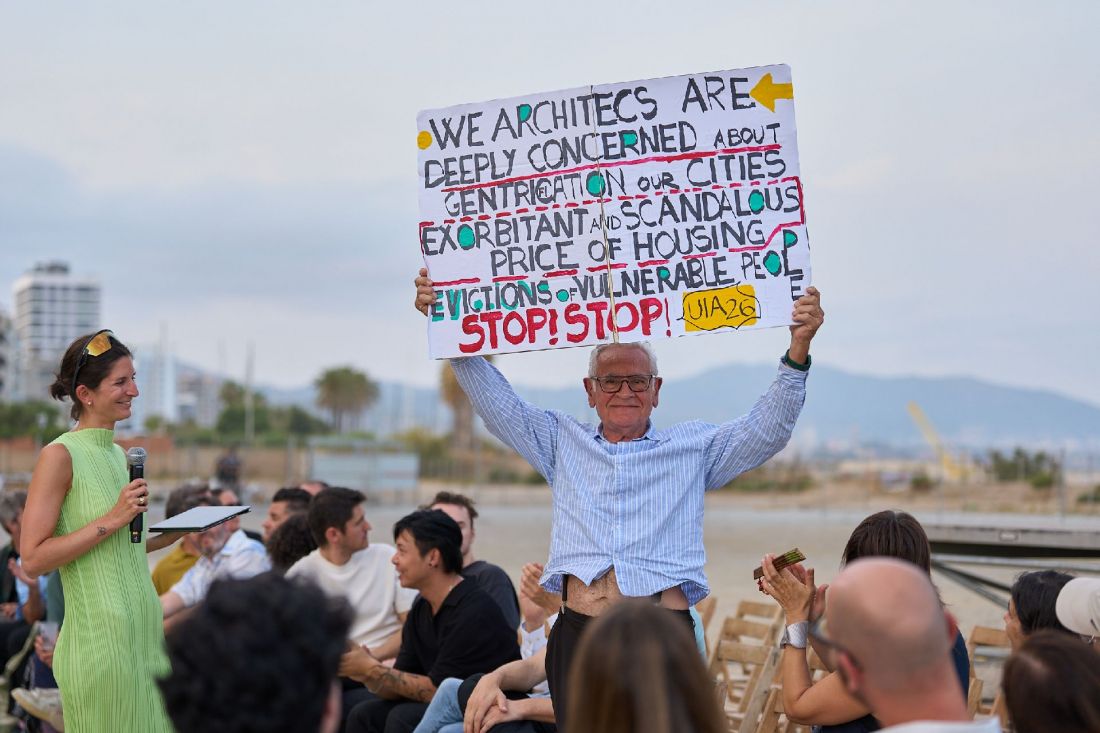
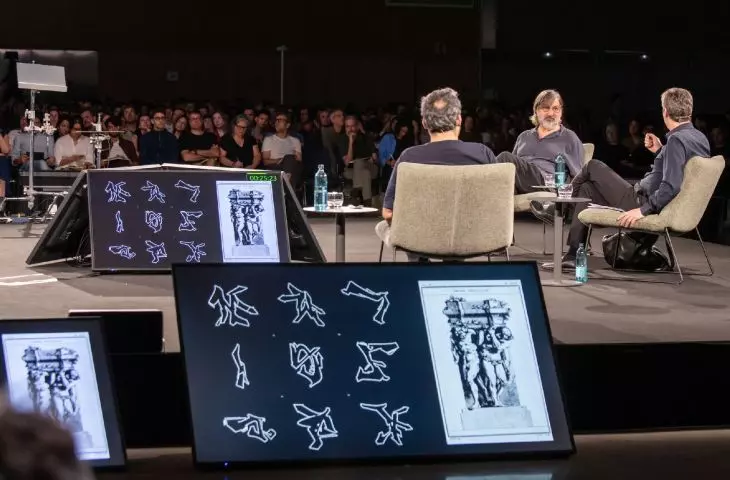
Day 3 of the congress
Photo: Anna Mas | Illustrations courtesy of the organizers
And this is where the more interesting problem began. It’s easy to talk about climate, biophilia, locality, and responsibility. It’s harder to admit that when we look at the actual implementation, we’re still seduced by things that aren’t quite “correct”: formal tension, composition, risk, a gesture that can’t be immediately classified as “good” or “bad.” Architecture is not a multiple-choice test. It can be ecological and boring. It can be environmentally questionable, yet intellectually significant. It was in this contradiction that the congress became interesting: between the declaration and the building, there is always room for unease.
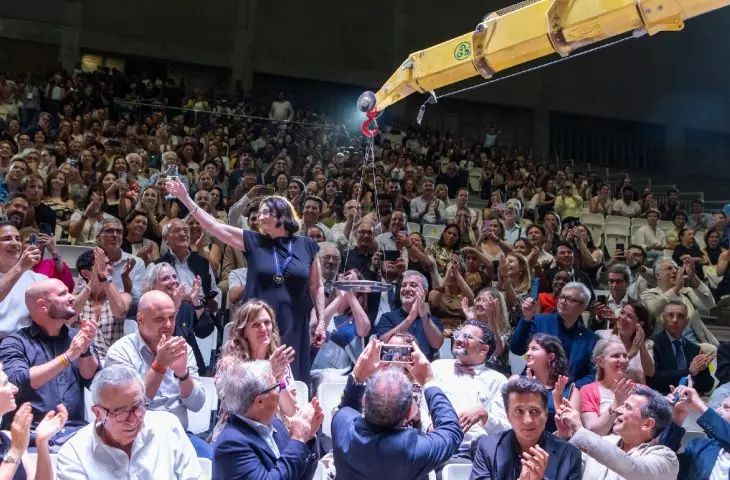
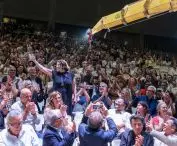
The final act of the ceremony—and at the same time the symbolic beginning of the congress—was to be the delivery of a glass by a crane to Ms. Regina Gonthier, president of the UIA. The telescopic arm reached across the entire stage. The glass was almost in place. The president stood up, reached out her hand, the audience held its breath, and the cameras focused on the finale. And then the crane operator lost contact with the machine. The glass hovered a meter from its target. A meter—a short distance in architecture, a considerable one in the theater, and at a moment like this, downright cosmic. For two, maybe three minutes, nothing happened. The music, intended for the climax, continued in an endless loop at its peak. It swelled, though it had nowhere left to go. The audience watched, the crane was silent, the glass hung there. Finally, the signal returned. The glass reached its recipient, and the director collapsed to the ground, exhausted. It’s hard to find a better metaphor for the construction process.
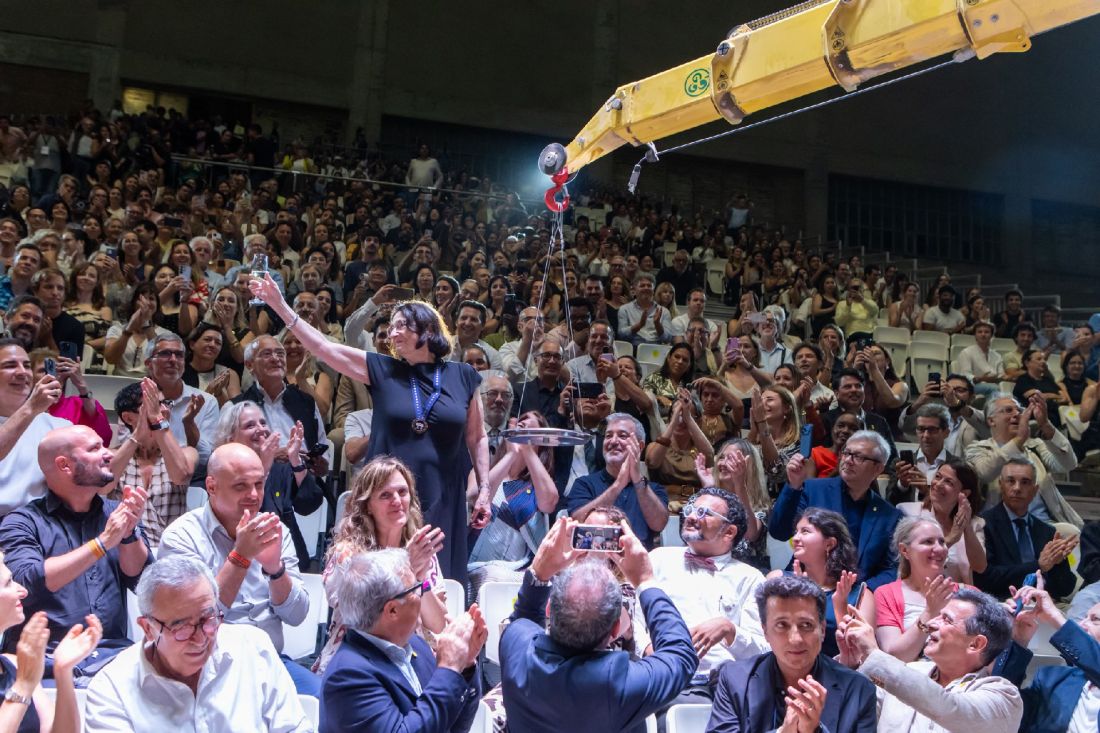
The symbolic start of the congress was to be the crane delivering a glass to Ms. Regina Gonthier, president of the UIA
Photo: Anna Mas | Illustrations courtesy of the organizers
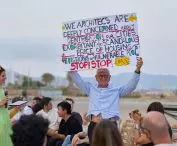
Several films were also screened during the congress, which effectively highlighted the tension present in discussions about the future of architecture: the right to housing is one thing, but a home as a tool for well-being is quite another.
“Right to Housing! Now and Forever,” a film from the HouseEurope! campaign, depicted housing as a state of constant uncertainty. The renovation of a tenement building did not signal an improvement in living standards, but rather a rent increase and yet another move. Housing was not a point of stability, but a transitional phase. The phrase “others have it worse” sounded less like consolation and more like surrender.
© HouseEurope!
On the other hand, there was *Outside In*, Danny Berish’s film about biophilia and a healthy home. It told a personal story—a child’s illness, the effort of building, and the conclusion: a home of one’s own as a space for healing, peace, and connection with nature. Light, wood, water, greenery outside the window—everything came together in a story about architecture that influences the body and emotions.
It was impossible to watch these two films with a detached eye. Biophilia seemed like a universal remedy, but it came with a high price tag: a plot of land, a budget, privacy, and the ability to frame the world in such a way that neighbors and the pressures of the city remained out of the picture.
This does not invalidate the film. Rather, it invalidates the ease with which architecture shifts from the right to housing to the right to a beautiful view. Both topics are important, but they are not equivalent. One concerns a roof over one’s head. The other—the quality of life under that roof. The problem begins when the latter starts to masquerade as the former.
Congress opening
Photo: Anna Mas | Illustrations courtesy of the organizers
Perhaps that is why this ceremony was so memorable. Not because it was perfect, but because it wasn’t. It had something of today’s architecture about it: the ambition to be, all at once, a symbol, a structure, a spectacle, a technological gesture, and a story about the future. When too many meanings are suspended on a single arrangement of people, machines, and matter, something eventually begins to resist.
Architecture today finds itself in a similar place. It is supposed to be beautiful, intriguing, ecological, biophilic, resource-efficient, context-sensitive, and socially responsible. No wonder it doesn’t always coalesce into a clear symbol.
A design on paper can seem logical and convinced of its own inevitability. The execution, however, involves bottlenecks, gridlocks, frozen ice, broken communication, and people trying to salvage the project’s meaning with one hand in the jet stream. Sometimes the result matches the design. But the path to it rarely resembles a straight line. More often, it’s a crooked “L” pretending to be an “X”—a sign that architecture begins with a concept but only comes into being once the plan survives its encounter with the world.
Bartosz DENDURA
architect, Studio4Space