





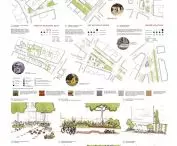

Can a city be child-friendly? Zofia Frączek of the Cracow University of Technology analyzed a Vienna neighborhood and proposed transforming a city square into a playground of new quality. The work was awarded in the TUP competition for the best thesis in the Landscape Architecture category.
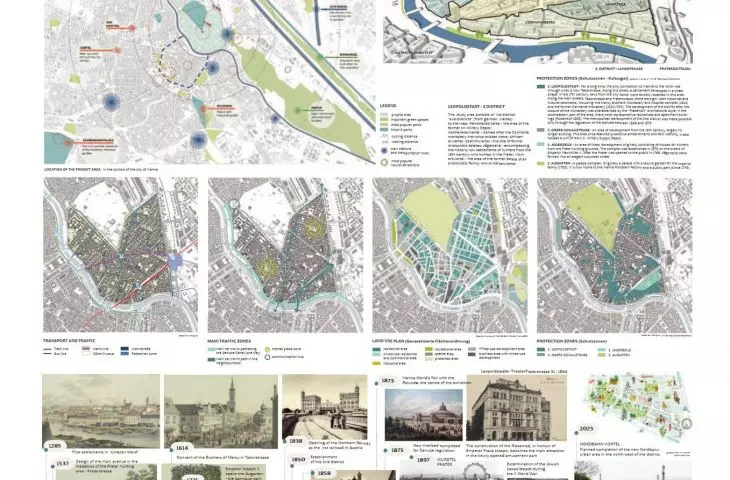
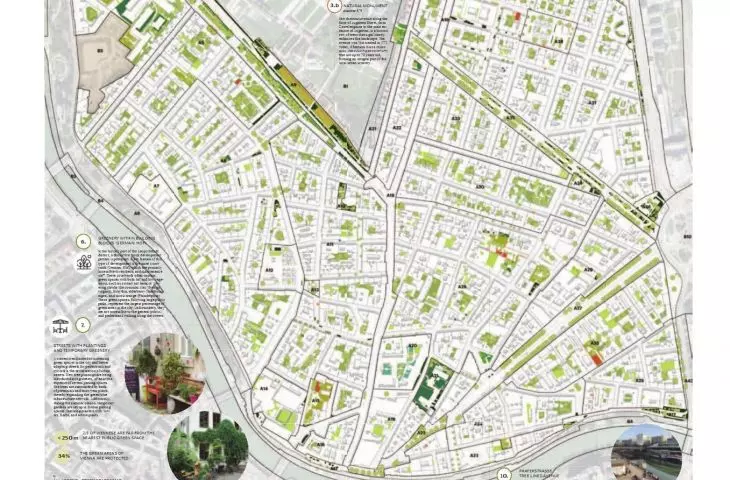
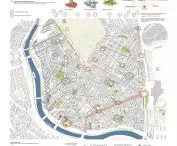
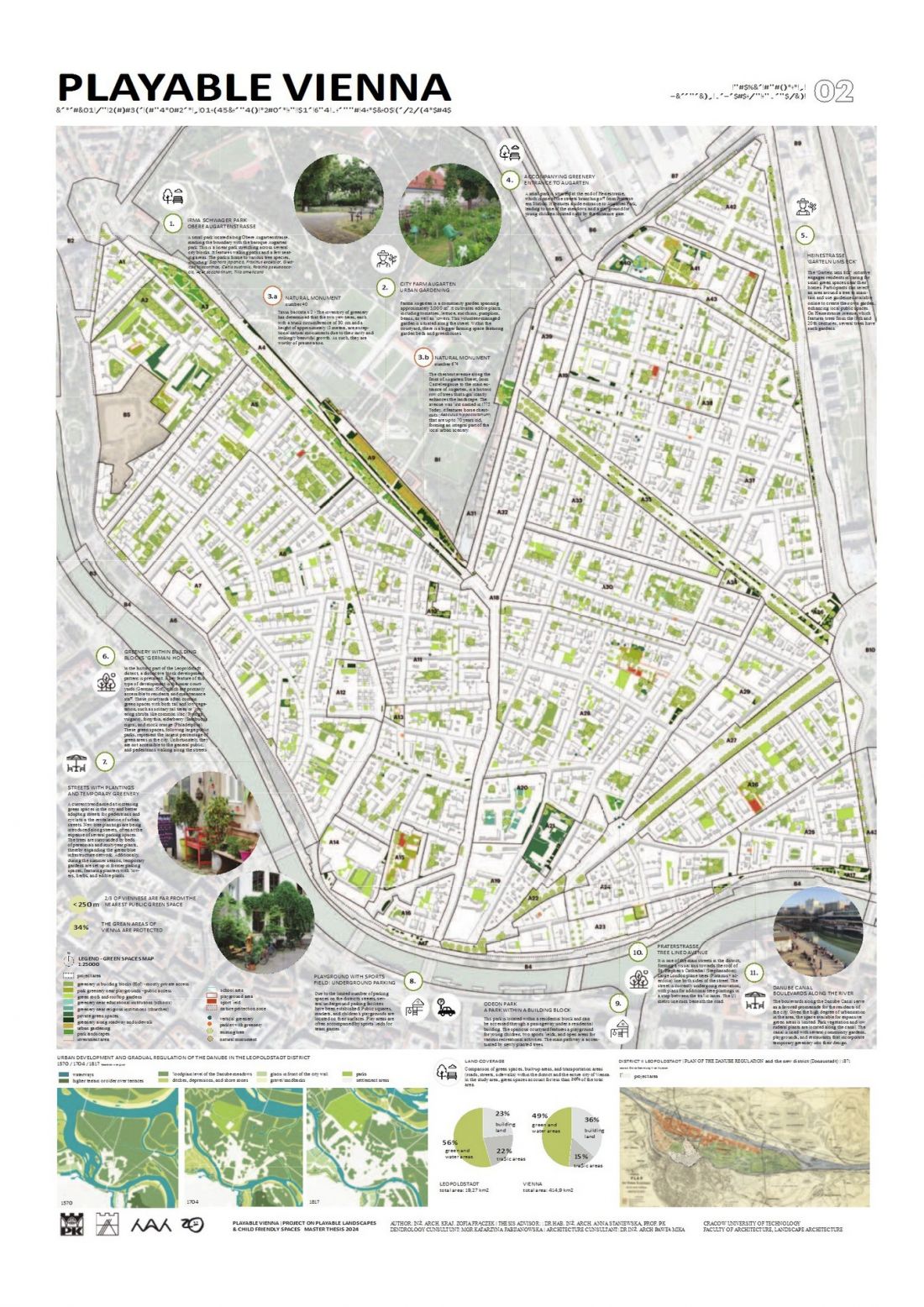
The author analyzed five areas in the Leopoldstadt district of Vienna. The study area includes Irma Schwager's park routed along Obere Augartenstrasse. It is a linear park with tree species such as Sophora japonica, Fraxinus exelsior and Celtis australis.
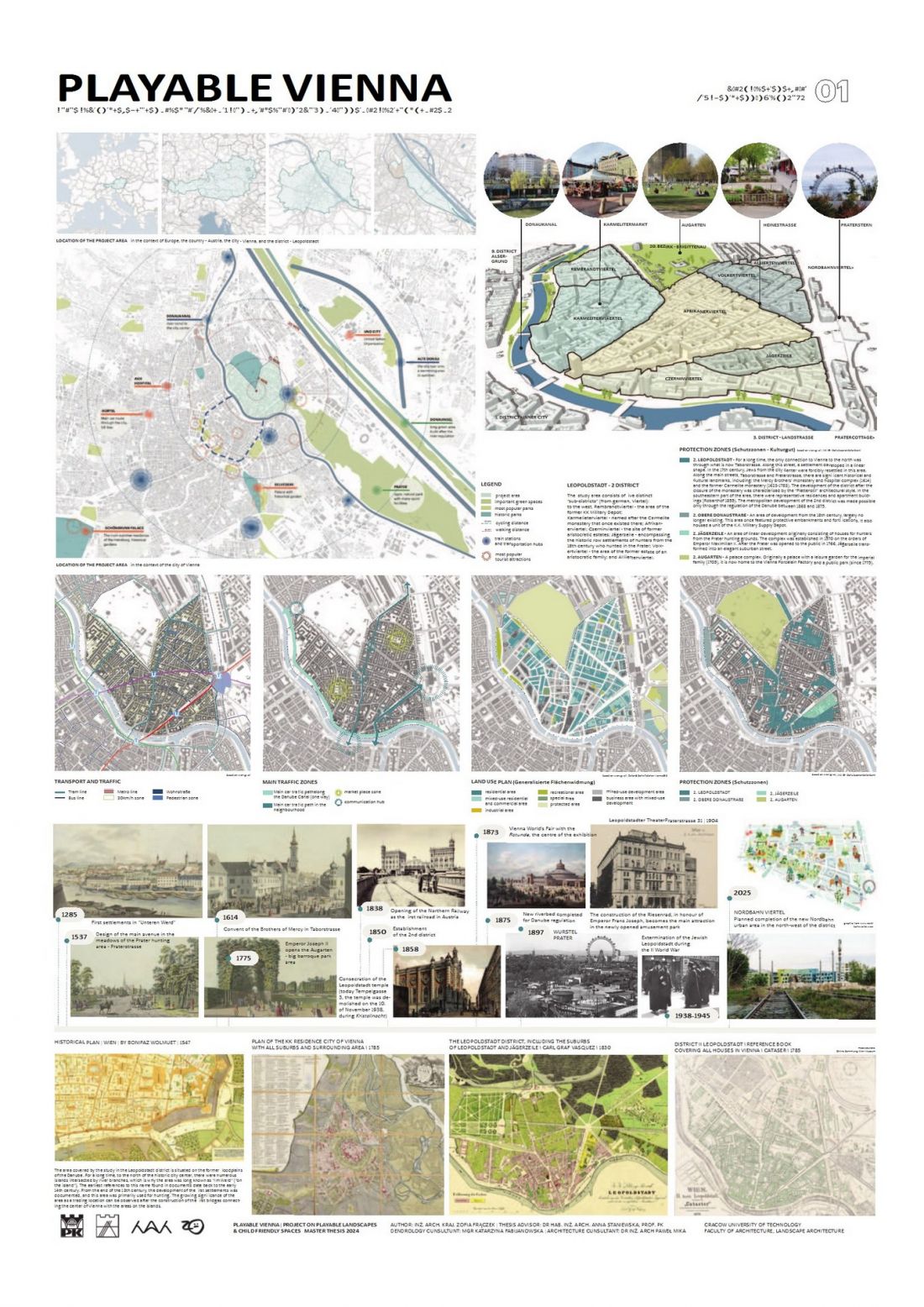
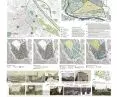
design boards
designed by Zofia Frączek
Another noteworthy area on the district's map is the Augarten urban farm, a community garden of about 3,000 square meters. On its grounds, volunteers grow edible plants. It is adjacent to a small park, a meadow and a children's playground.
A joint initiative called "Garteln ums Eck" has been established among residents of Heinestrasse, in which they take care of small gardens near their homes. The gardens are clustered around large trees and run according to specific rules. On the eastern side, i.e. in the historic part of the district, the developments are characterized by inner courtyards - often greened. However, they are not open to the general public, but only to residents.
What should be the space for children?
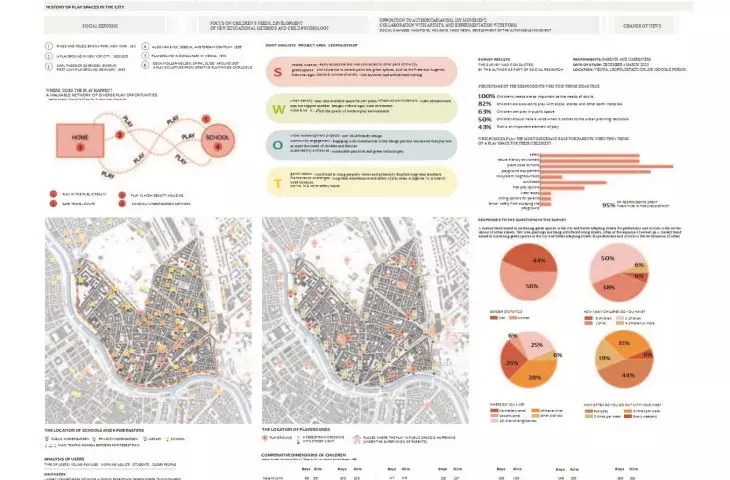
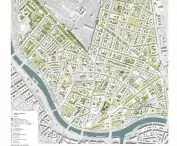
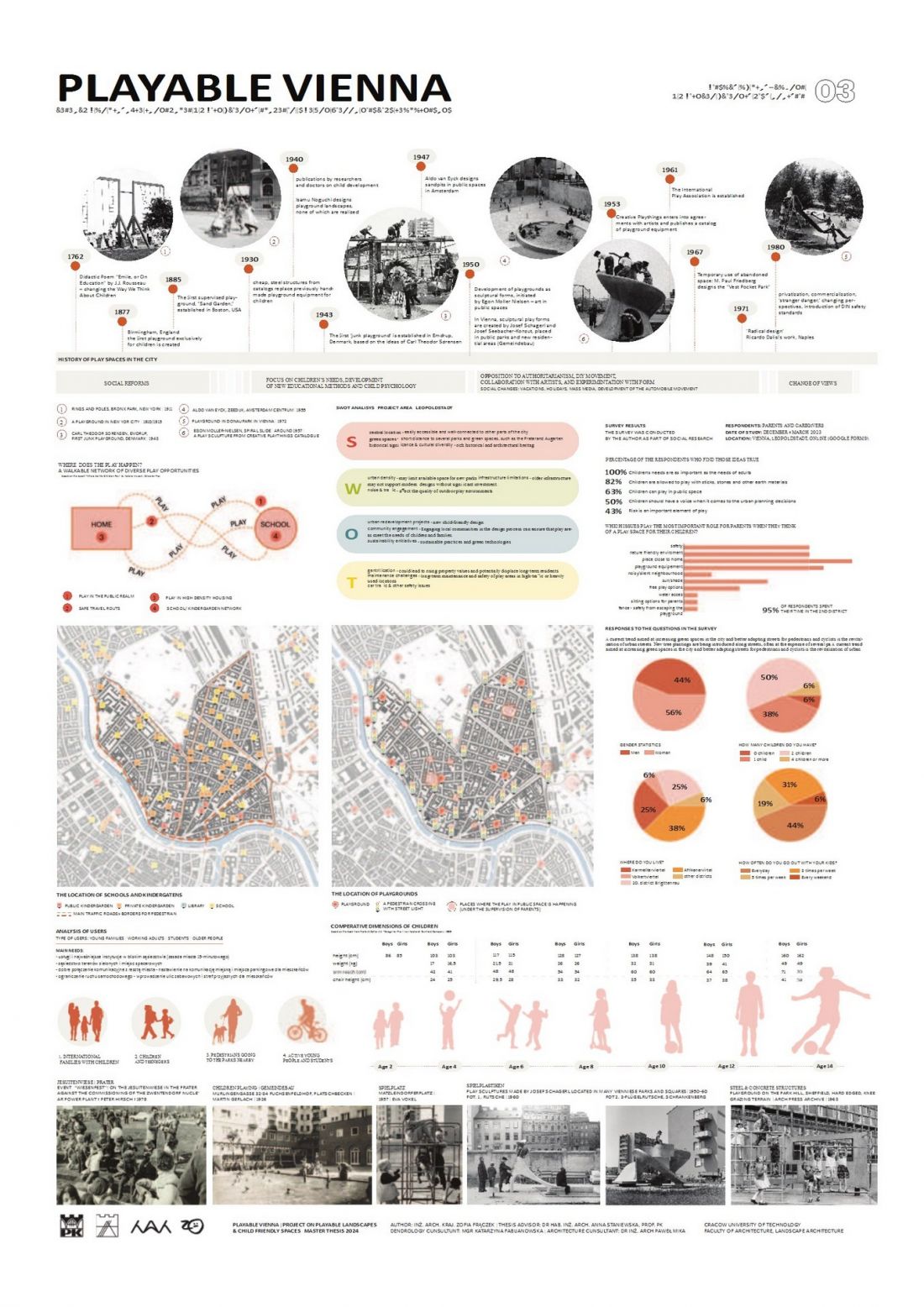
The author points out that many playgrounds are located on the surface of underground parking lots. In view of the above observations, the author conducted a survey of residents of the district, the main issue of which was the availability of play space for children. The survey found that half of the district's residents have two children, and another 38% have one child.
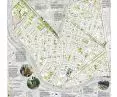
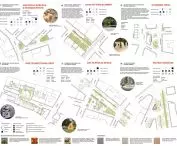
design boards
proj.: Zofia Frączek
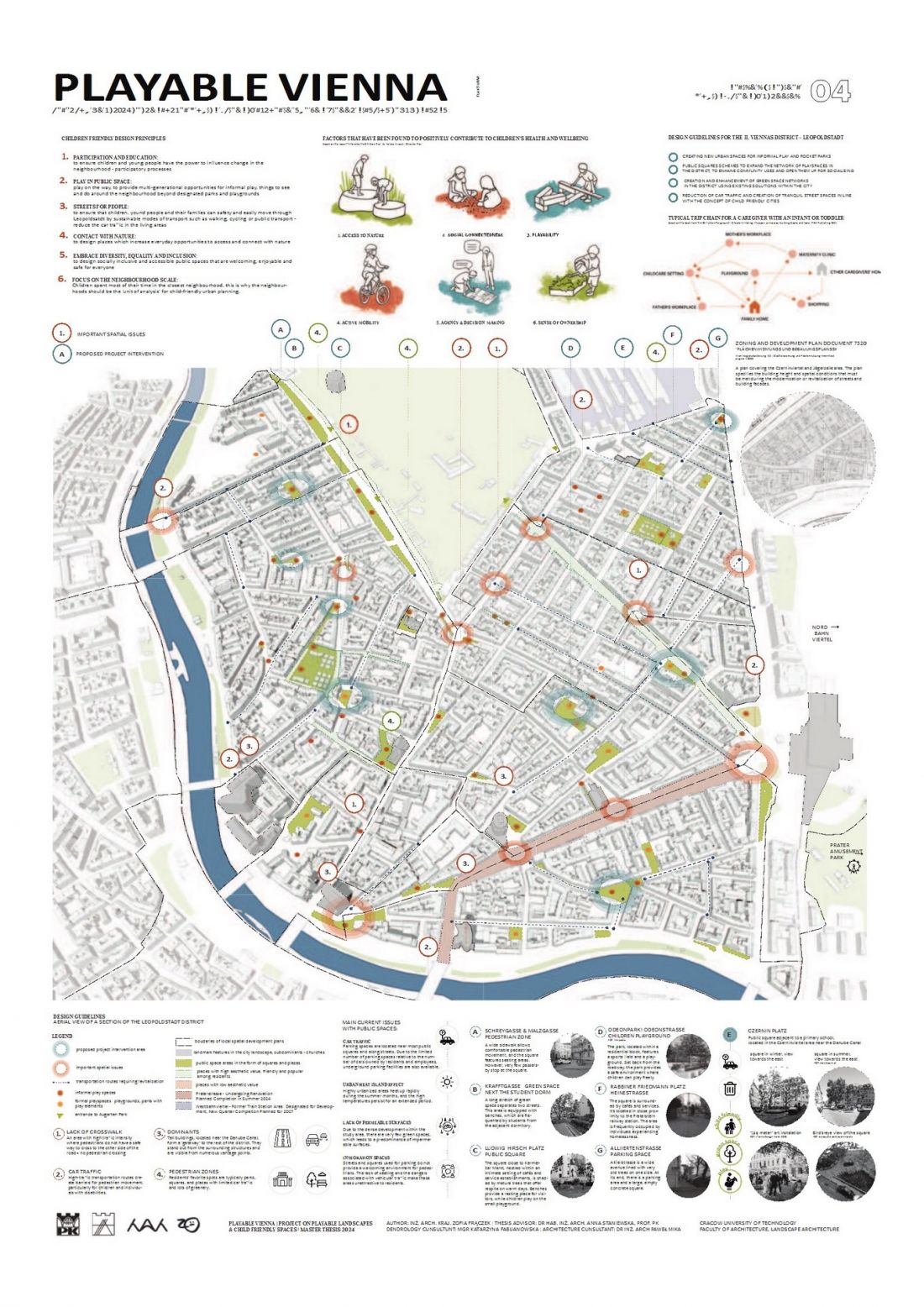
The main needs identified by respondents were the availability of services and institutions in close proximity - in line with the 15-minute city principle . They also consider proximity to green areas and walking places as equally important, as well as good transportation links to the rest of the city and reduced car traffic.
design boards
proj.: Zofia Frączek
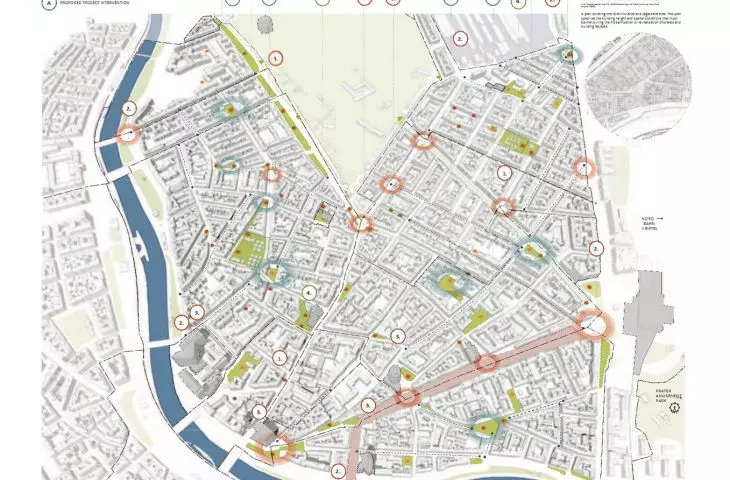
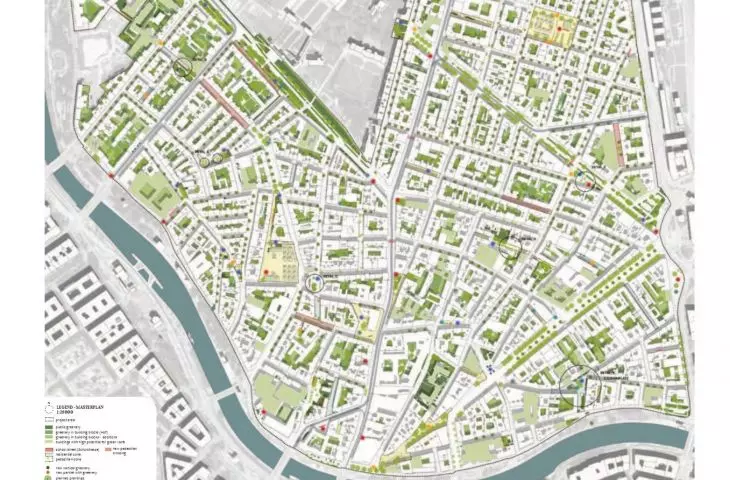
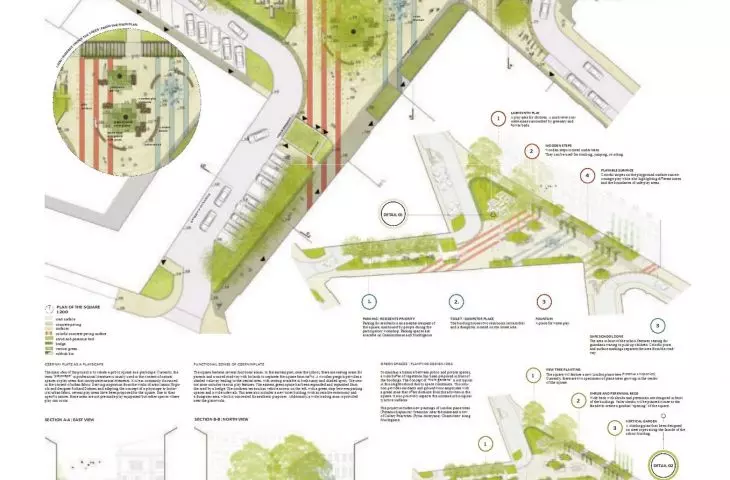
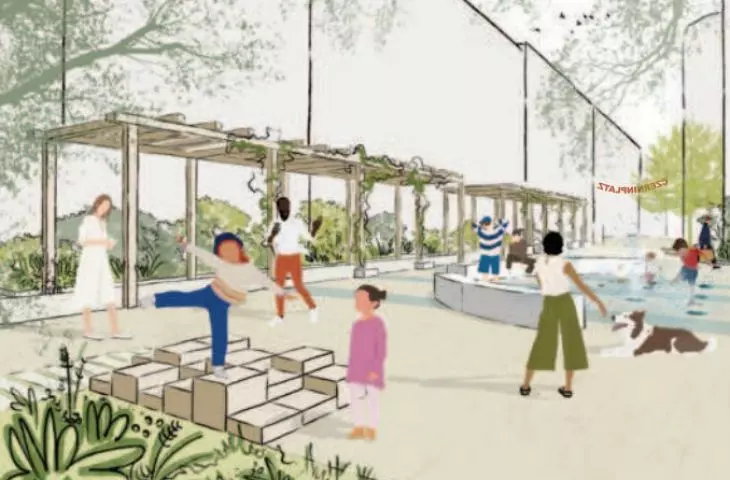
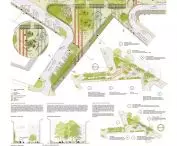
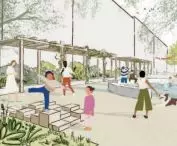
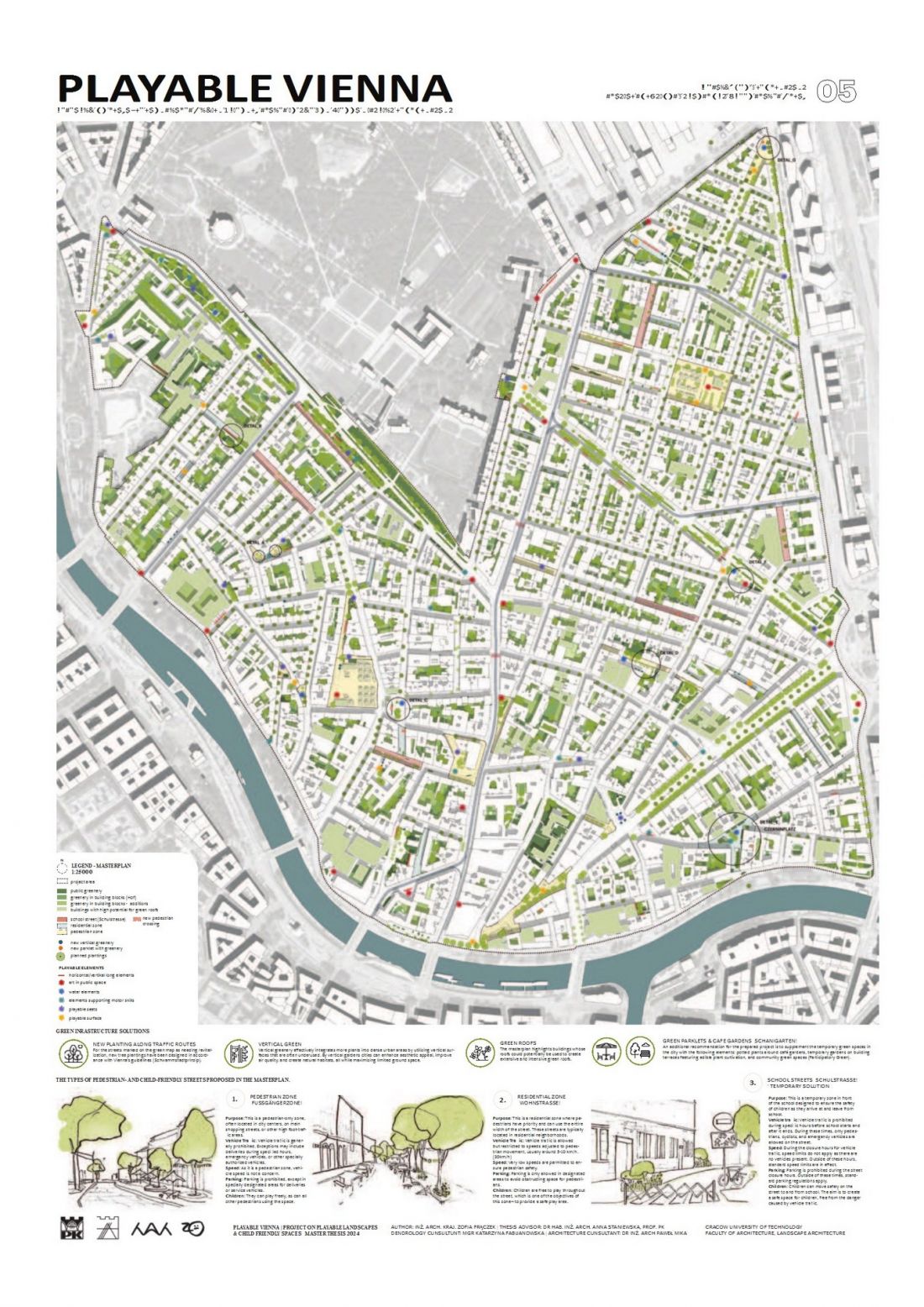
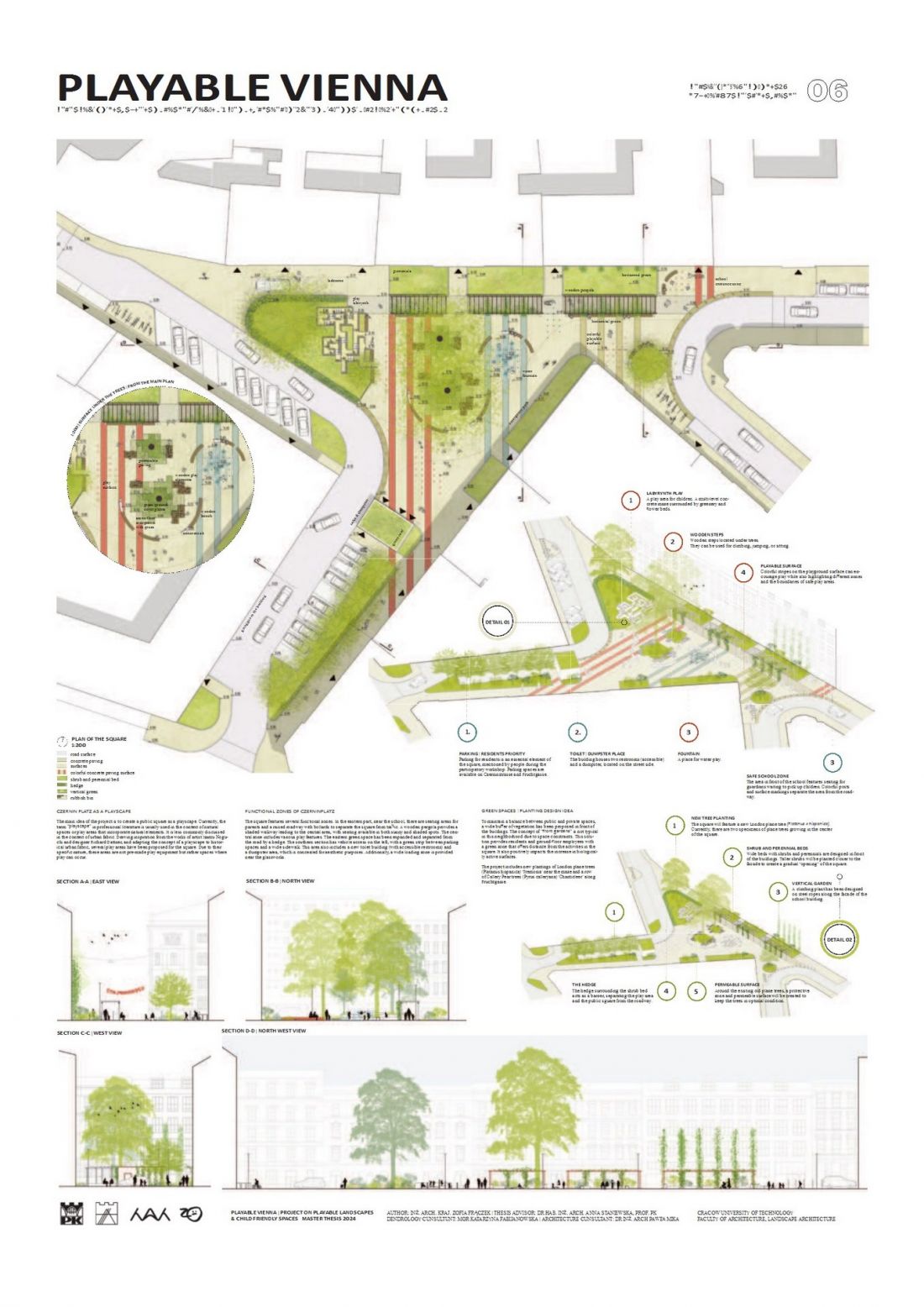
The work includes the design of an urban square that will serve as a play space. In the study, Czernin Platz is transformed into a so-called "playscape" (a combination of the words playground and landscape) - a play space where nature is present.
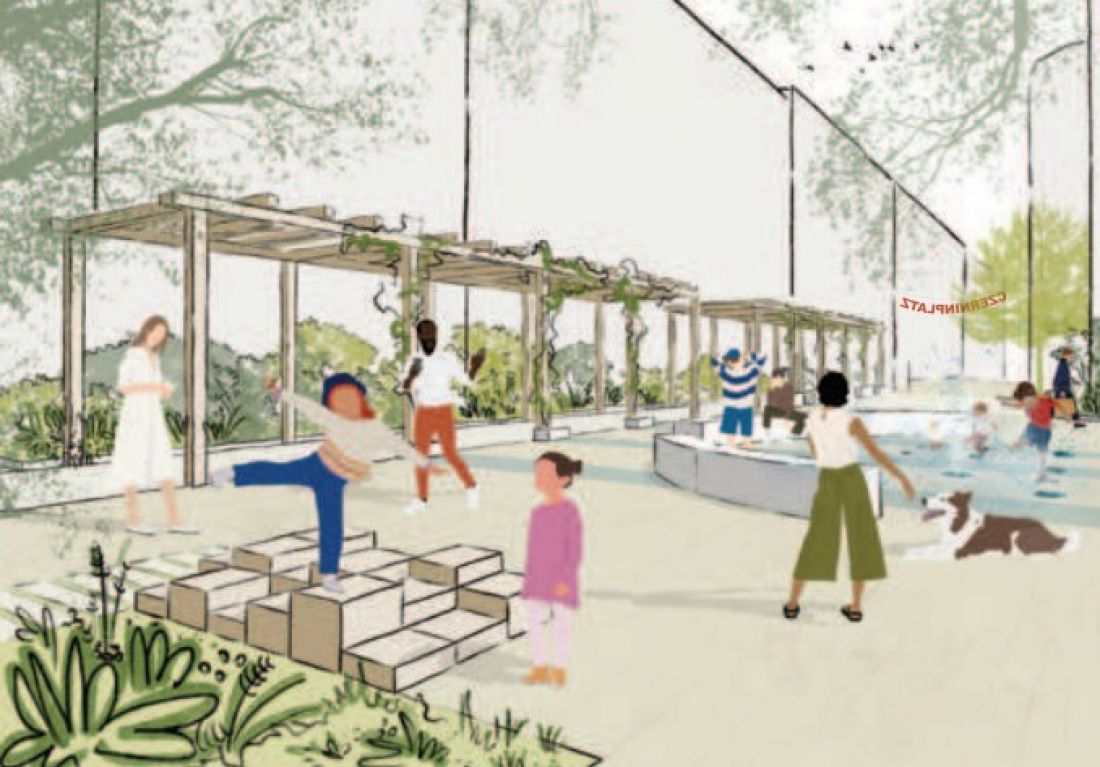
Functional zones have been delineated within the square . In the eastern part there is a school, and next to it seating areas for parents. The street is elevated and separated by posts. A wooden pergola shades the road toward the center of the square, intended for play.
design board
designed by Zofia Frączek
On the west side of the square, parking lots for residents were separated from the recreational space by a lawn.
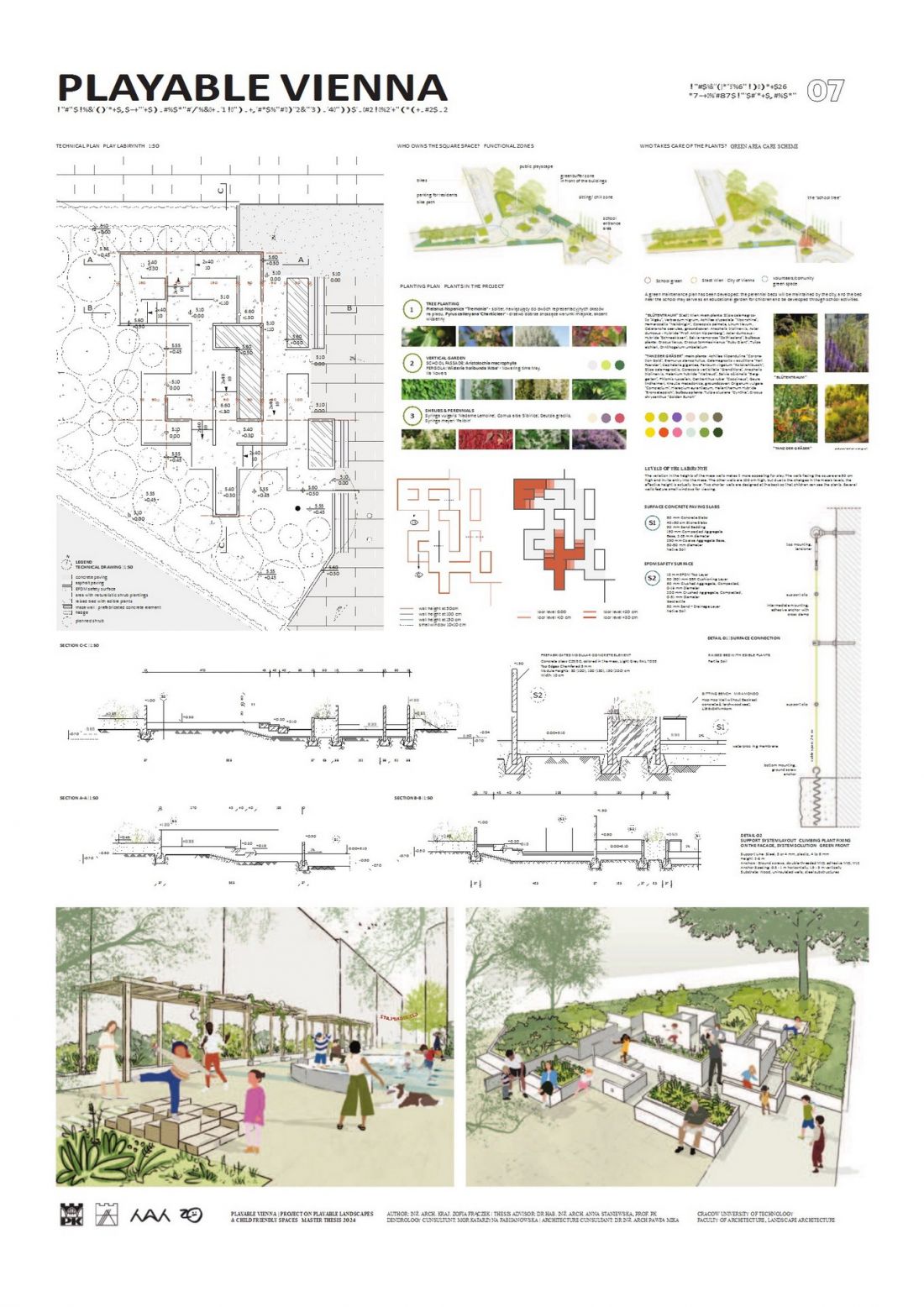
To provide a balance between public and private spaces, a wide green buffer in front of the buildings was proposed. The concept of "front gardens" is not typical in the neighborhood due to limited space. However, this solution provides access to green spaces for residents and employees of the premises on the first floors of the buildings, while separating them from the activity in the center of the square. At the same time, it has a positive effect on the increase of biologically active area
- explains the author.
Fun in nature in the city center?
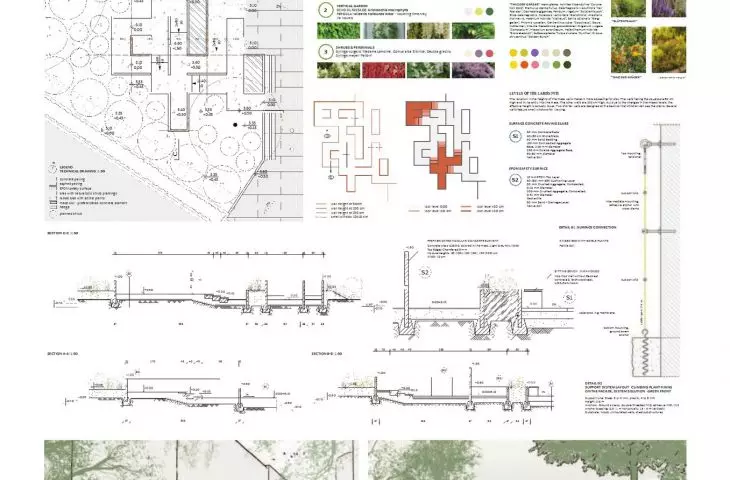
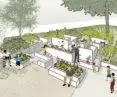
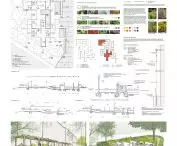
A maze for children's play has also been designed within the square. It differs from standard playground structures in the presence of plants in pots, which are part of the maze. The varying heights of the labyrinth's walls encourage play all the more.
projections - elements of the square
designed by Zofia Frączek
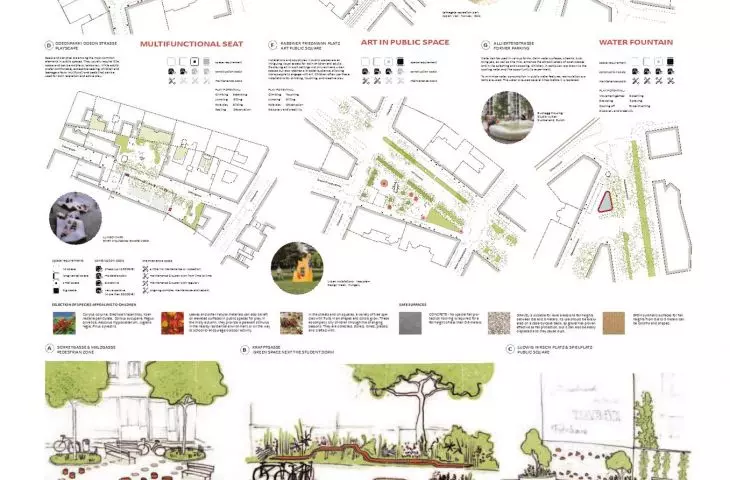
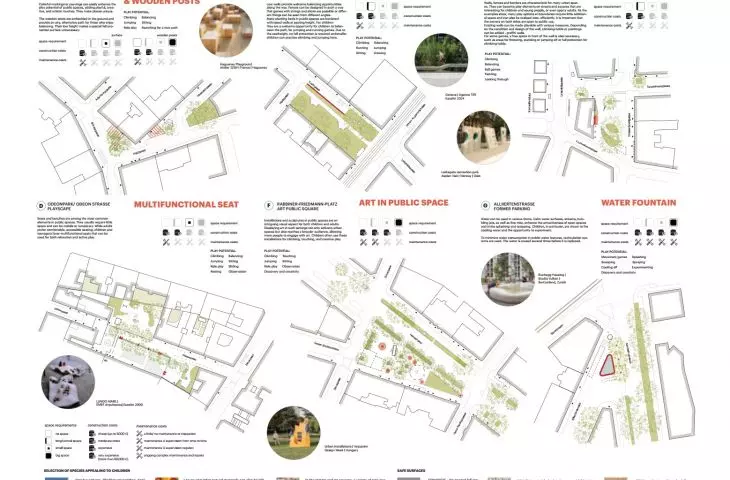
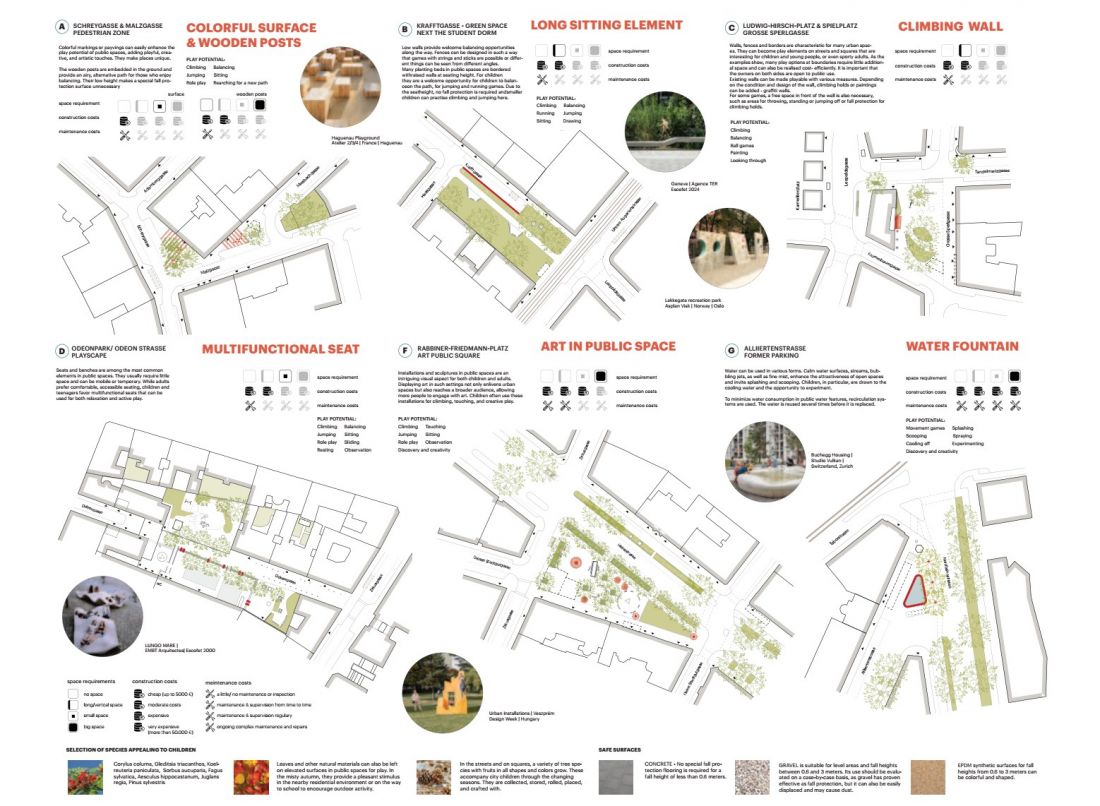
The author also suggests diversifying the surface with colorful markings, also with children in mind. Wooden footbridges were created for children to balance and climb on. They are also encouraged by low seats, which also serve as walls of plant pots.
In addition to the multifunctional elements of the square, which can be used for both adult relaxation and children's play, the author also proposes to place artworks there.
Presenting art under such conditions not only enlivens the urban space, but also reaches a larger audience and allows more people to interact with the art. Children often use such installations to climb, touch and play creatively
- adds the author.
visualization
proj.: Zofia Frączek
Enriching an ordinary urban square with appropriate objects with a variety of uses can prove crucial to children's development and well-being. Zofia Frączek's project shows that it is not necessary to install mottled, out-of-context playgrounds to make a space more child-friendly.