




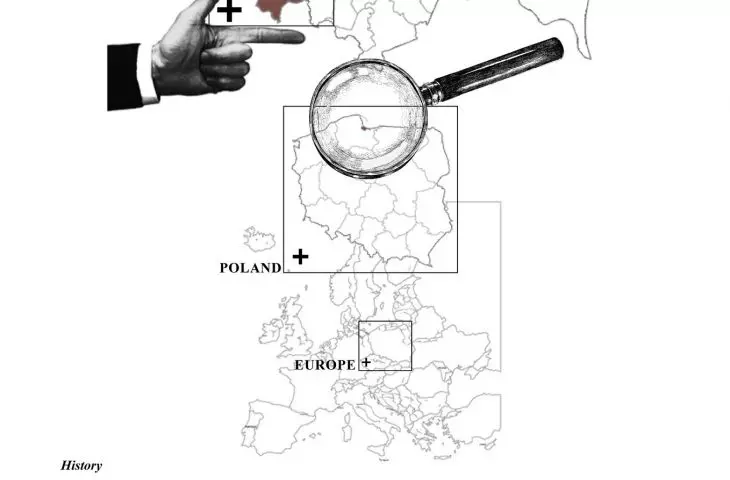

Graduate presentations at European universities include projects that go beyond architecture - they touch on local identity, memory, landscape and community. Among this group is the work of Julia Margas, a graduate of the Willem de Kooning Academy of Fine Arts in Rotterdam and TU Delft's Faculty of Architecture, who has proposed a bold and highly sensitive transformation of a former railroad station in Gdańsk's Kokoszki.
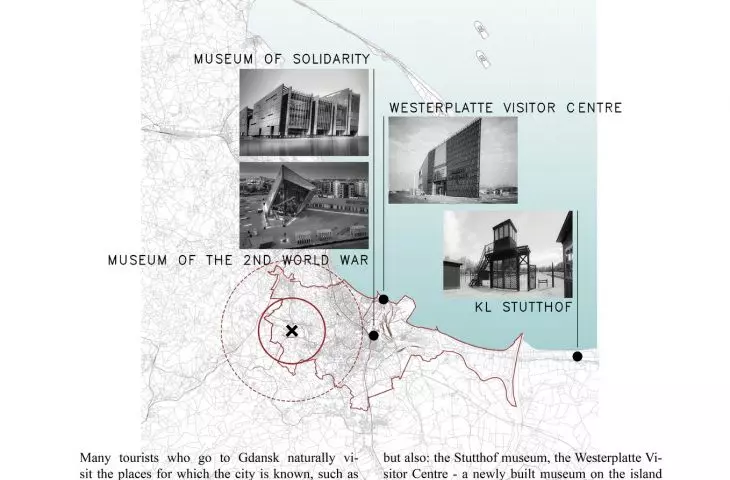
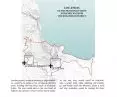
location
© Julia Margas
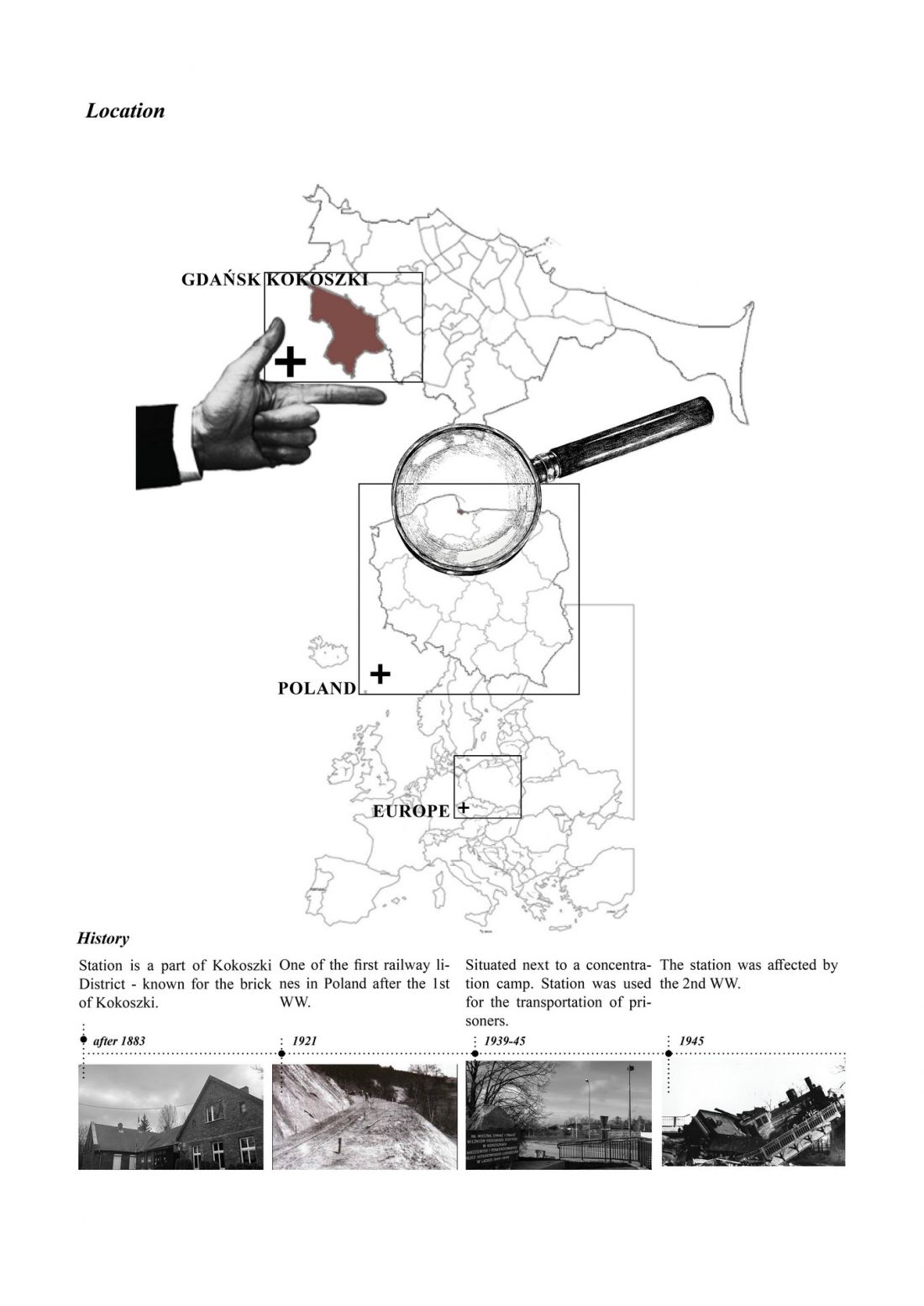
Her project "Dworzec Kokoszki" is a tribute to a place embedded in a rich and at times tragic history. Kokoszki - today a somewhat forgotten district of Gdansk - hides the traces of railroad development from the early 20th century, but also the drama of prisoners of the Stutthof sub-camp. Margas, using the idea of adaptive reuse, restores these stories to their rightful rank, combining the past with the needs of contemporary residents.
between history and the present
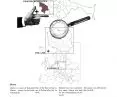
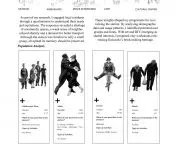
The starting point of the project was an analysis of the identity of Kokoszki: from the development of the railroad in 1914-1921, through the operation of the local brickyard, to the wartime fate of the neighborhood. The author decided to preserve the historical value of the building, while giving it a new function - a museum of local memory, which would document both the development of the railroad and the history of the Stutthof sub-camp.
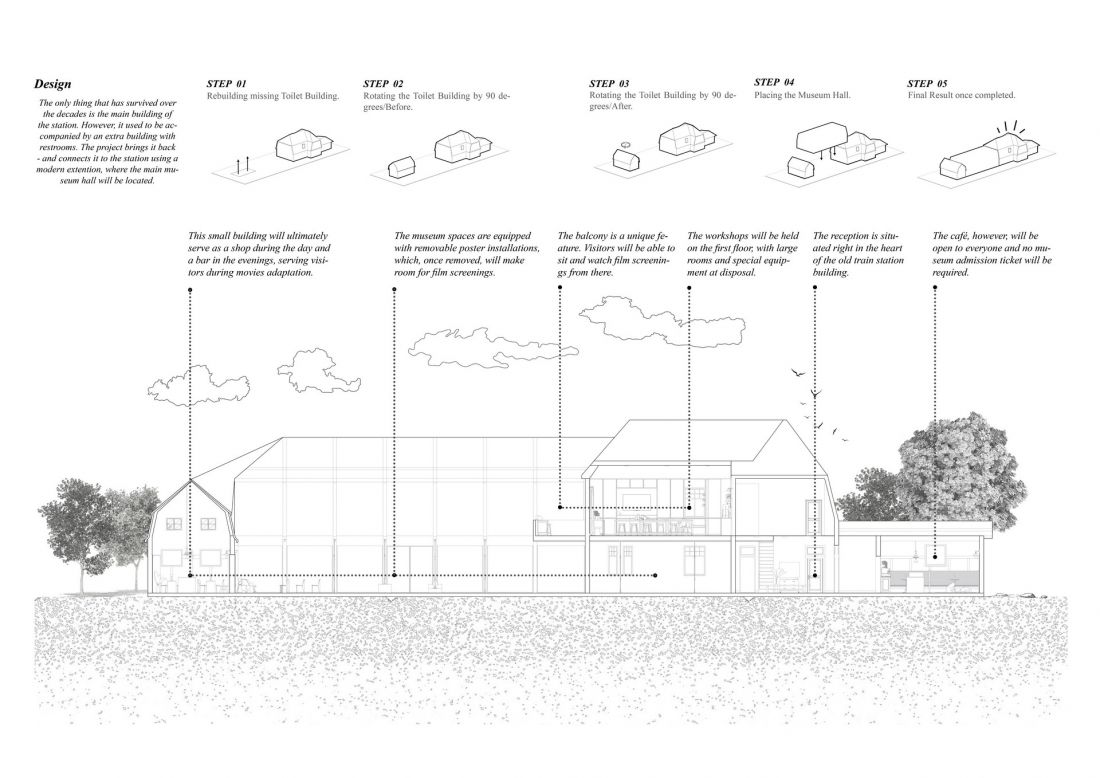
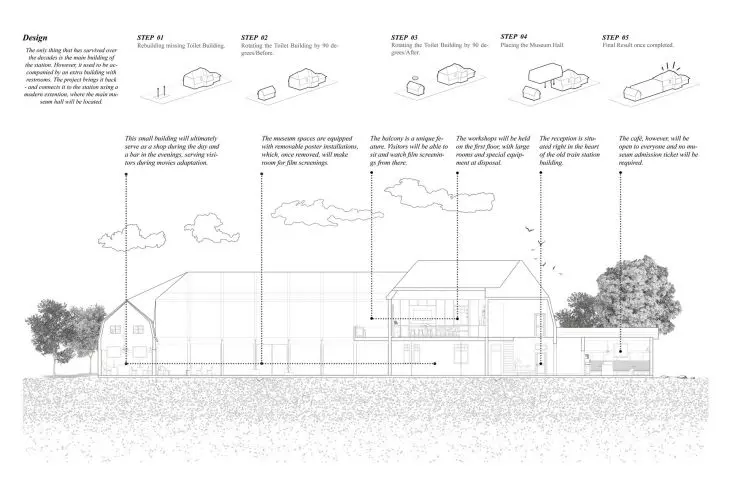
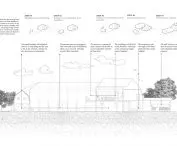
cross section
© Julia Margas
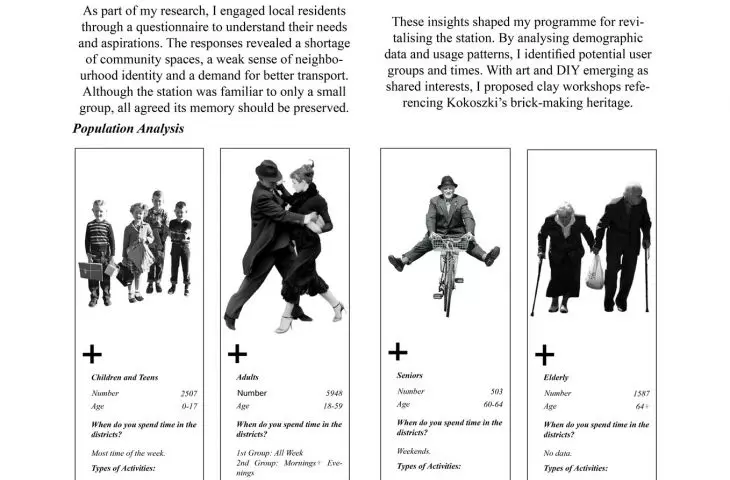
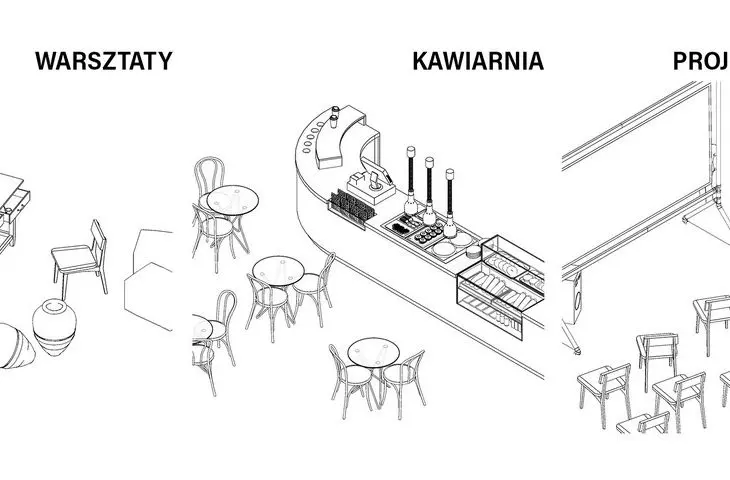
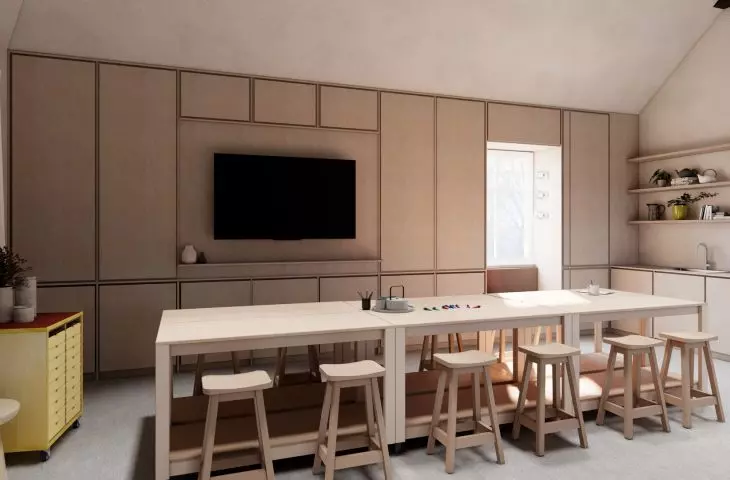
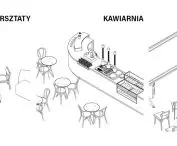
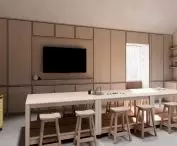
Consultations with residents, who emphasized the lack of meeting space, poor communication and the need to nurture the memory of the site, became an important element. It was they who became co-authors of the functional program of the site: ceramic workshops (referring to the history of the Kokoszkowska Brick), exhibition space, educational spaces and DIY activities appeared.
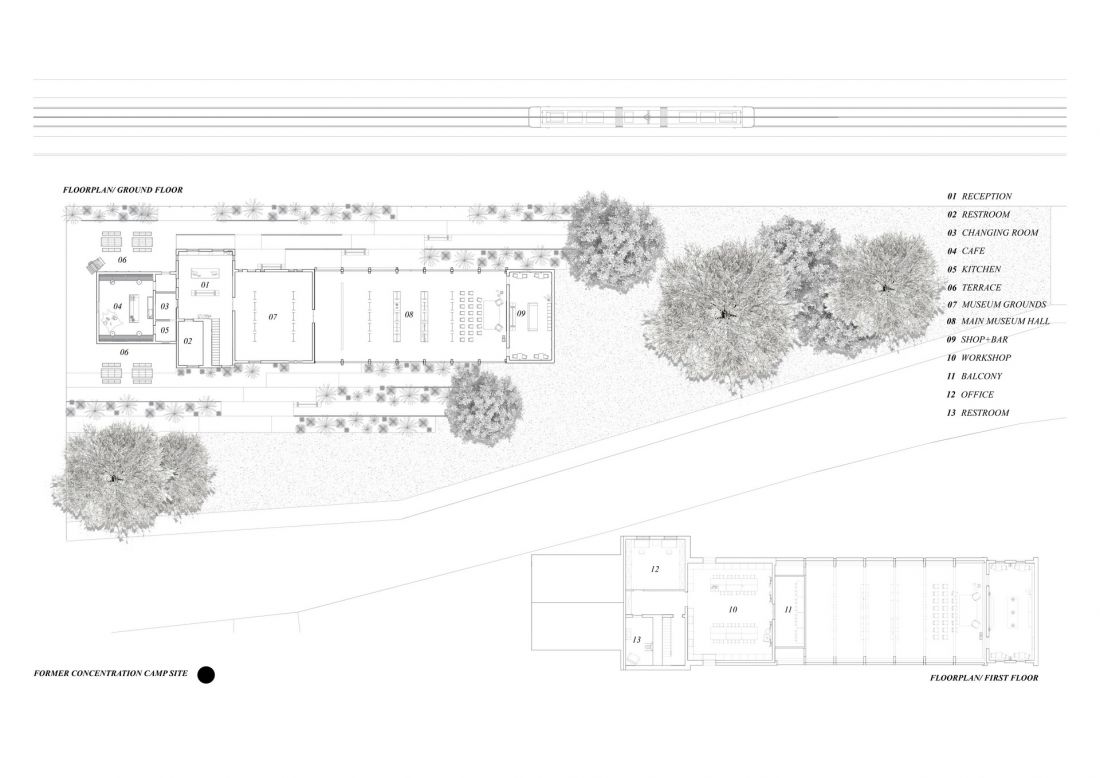
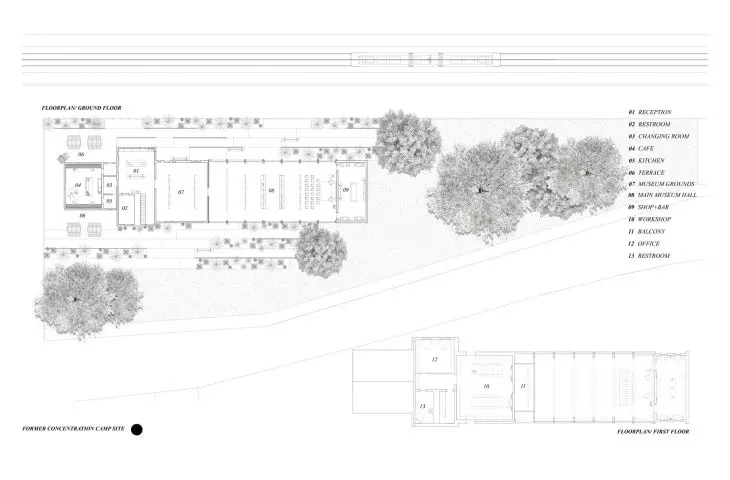
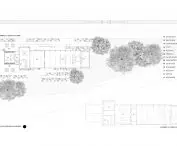
projection
© Julia Margas
architecture as a tool of memory
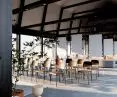
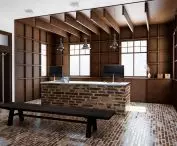
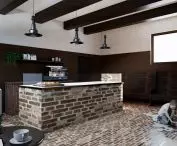
The renovation is based on the idea of adaptive reuse. The preserved station building is supplemented with a contemporary structure connecting it to the restored historic restroom facility. The new extension serves as an exhibition hall - formally sparing, but firmly embedded in the context.
The project defines a clear narrative of the space: from memorial to education to recreation and local community building. It's a form that treats history with respect, but doesn't lock it up in a museum display case - it allows people to experience it.
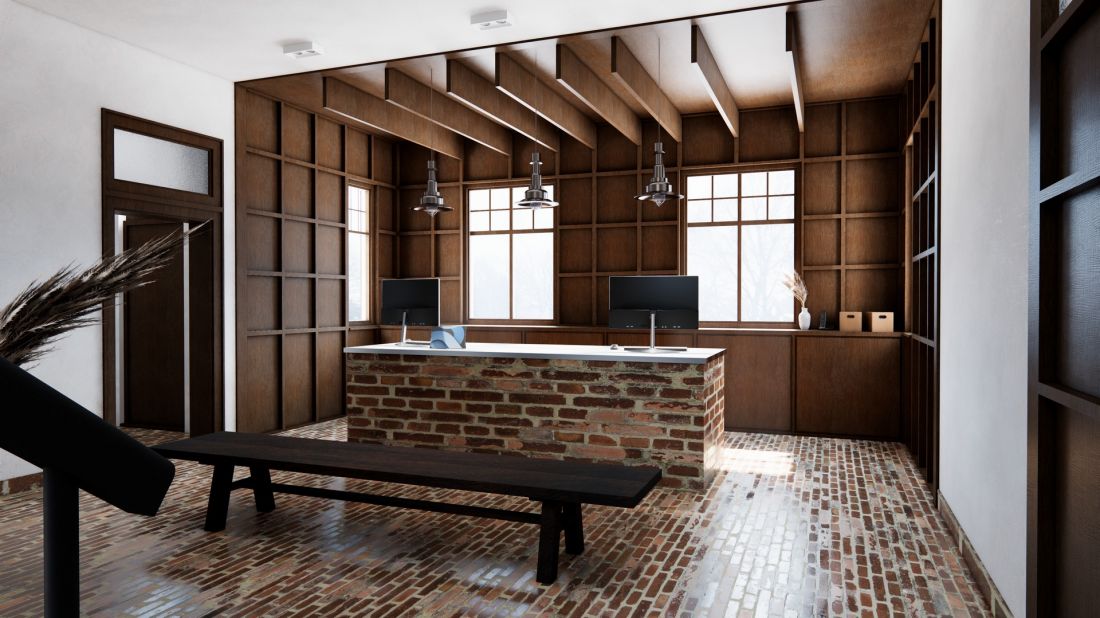
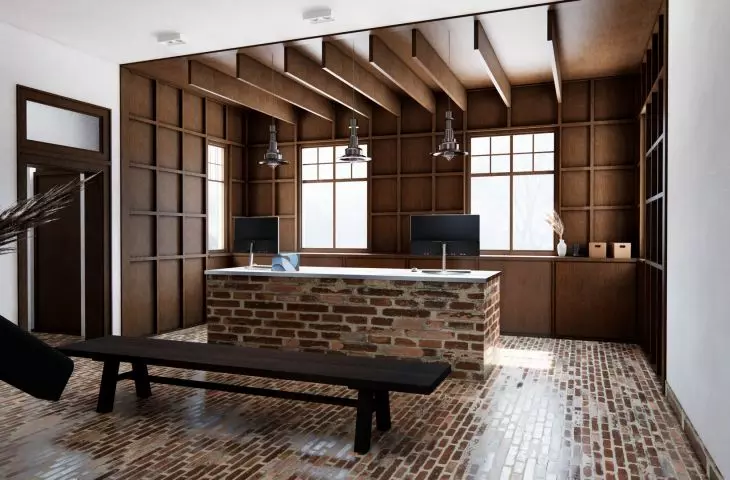
reception
© Julia Margas
collaboration and the future of place
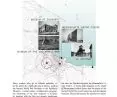
The author proposed two programs to strengthen the station's role in the network of Gdansk institutions:
-
A connection to the World War II museums, creating a coherent narrative about the history of the region,
-
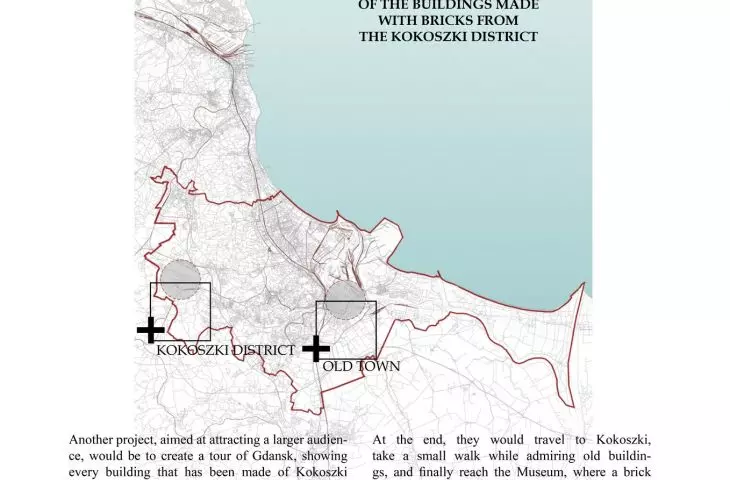
the Kokoszki Brick Trail, ending with ceramic workshops at the new museum.
Thanks to them, Kokoszki can become an important point on the map of Gdansk - not only as a trace of history, but as a living part of the city.
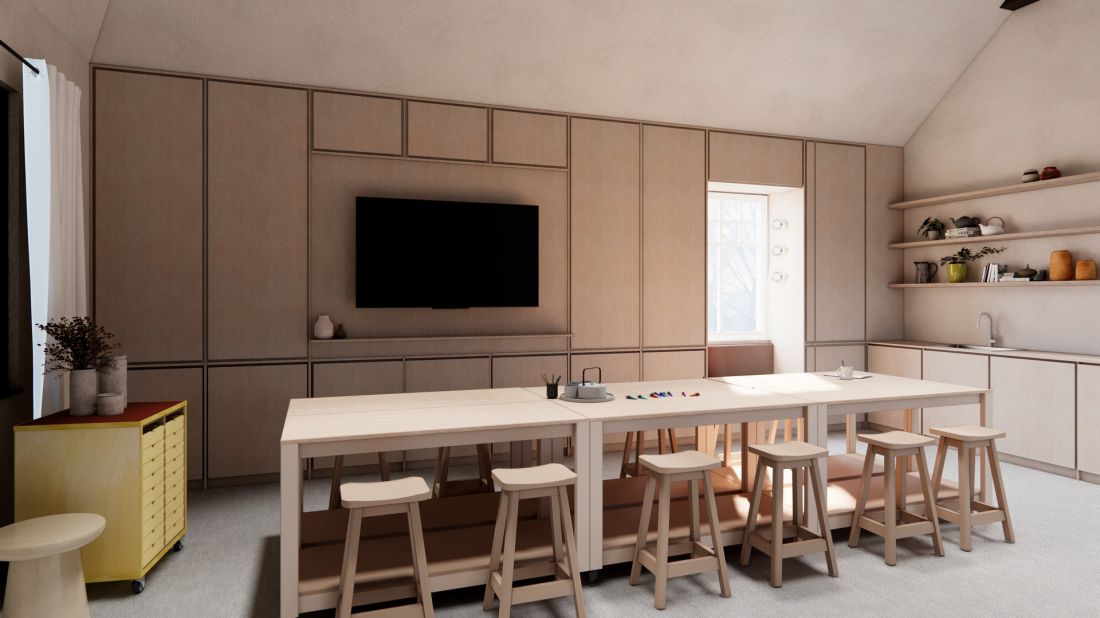
workshop space
© Julia Margas
"Dworzec Kokoszki" is an example of how modern design can engage in a dialogue with history, the sensitivity of residents and the identity of a place. Margas proves that architecture can not only protect heritage, but also revitalize it, opening the former train station to people, stories and new possibilities.