





Bouwmeester literally means “master builder.” It is also the title of the chief architect of the Brussels-Capital Region, which is diverse both spatially and administratively: bouwmeester-maître architecte (BMA). Although appointed by the regional government, the Bouwmeester ensures the quality of urban space from an independent position. Kristiaan Borret held this position for ten years, stimulating the city’s development and overseeing the quality of new architecture. “If you want to work on quality, you need independence,” he says in an interview with A&B.
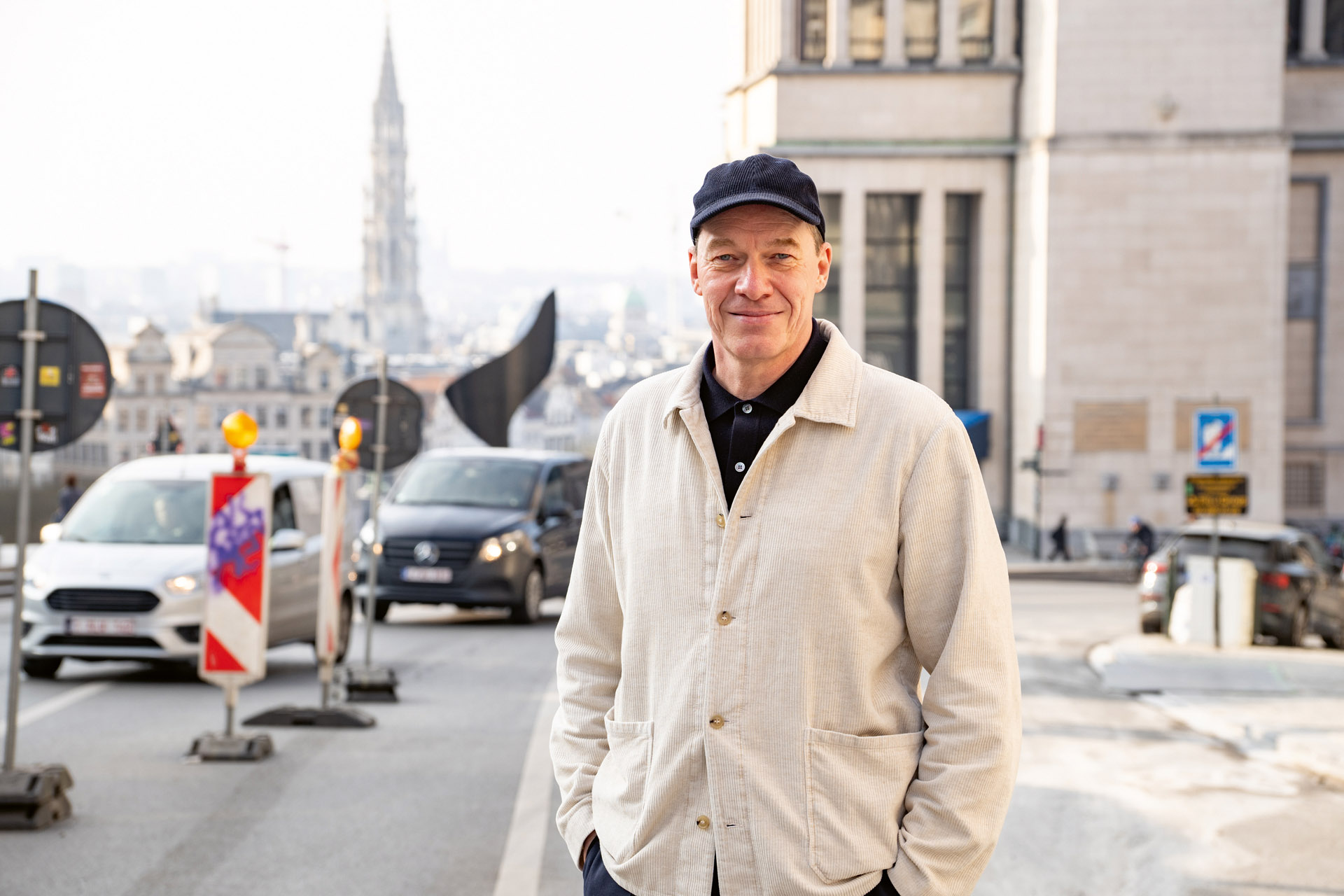 Kristiaan Borret is a graduate of the engineering and architecture program at the Catholic University of Leuven, with a degree in political science and public affairs (UCL, Louvain-la-Neuve) and a master’s degree in urban planning (UPC, Barcelona). From 2006 to 2014, he served as Bouwmeester in Antwerp, and from 2015 to 2025, in the Brussels-Capital Region. Since 2005, he has been a professor of urban planning at Ghent University, and since 2007, he has worked for the City of Amsterdam as a quality specialist for two major urban transformation areas—Oostenburg and Hamerkwartier. In his work, he combines theory and practice, design and policy, architecture and urban planning, and the private and public sectors. He is the author of the book *Soft Power: 10 Years of Bouwmeester Maître Architecte in Brussels*.
Ola Kloc: The position of bouwmeester in Brussels was created in 2009; at that time, his main tasks included establishing procedures related to public procurement and striving to improve the quality of architecture. You were the second person to hold this position, serving for two terms (2015–2025). Previously (2006–2014), you held a similar position in Antwerp. How did this role differ in these two Belgian cities?
Kristiaan Borret: Before 2000, there was no “bouwmeester” in Belgium. These positions were first established at the regional level in Antwerp and Flanders, in Brussels in 2009, and later also in Ghent and Charleroi. So this is a completely new position. Its introduction was not easy in any of these cities. Sometimes a politician’s support was needed, and sometimes—as in Ghent, for example—it was brought about by a scandal: politicians were too closely tied to developers, so it was decided that someone was needed who could act as a mediator in these processes—a sort of buffer. Today in Belgium, this role is more or less established, though still somewhat fragile. There will always be people who oppose the bouwmeester and try to limit his or her powers whenever there is a change in that position.
Ola Kloc: Just as happened in Brussels in 2024?
Kristiaan Borret: Yes and no. According to the idea behind this system, a new person should take on this role from time to time to bring a fresh perspective. So I decided not to run for a third term. This sparked a lot of debate among opponents, who argued that urban planning was going so well that the Bouwmeester was no longer needed. It also received enormous support, including a petition and campaigns led by Brussels architects. It was a time of political crisis; it took nearly two years to form a new government [for the Brussels Region—Ed.] after the elections. During this transitional period, the situation was unclear, with many rumors and opinions circulating. Ultimately, however, the government confirmed that the position would be retained, and today it is held by Lisa De Visscher.
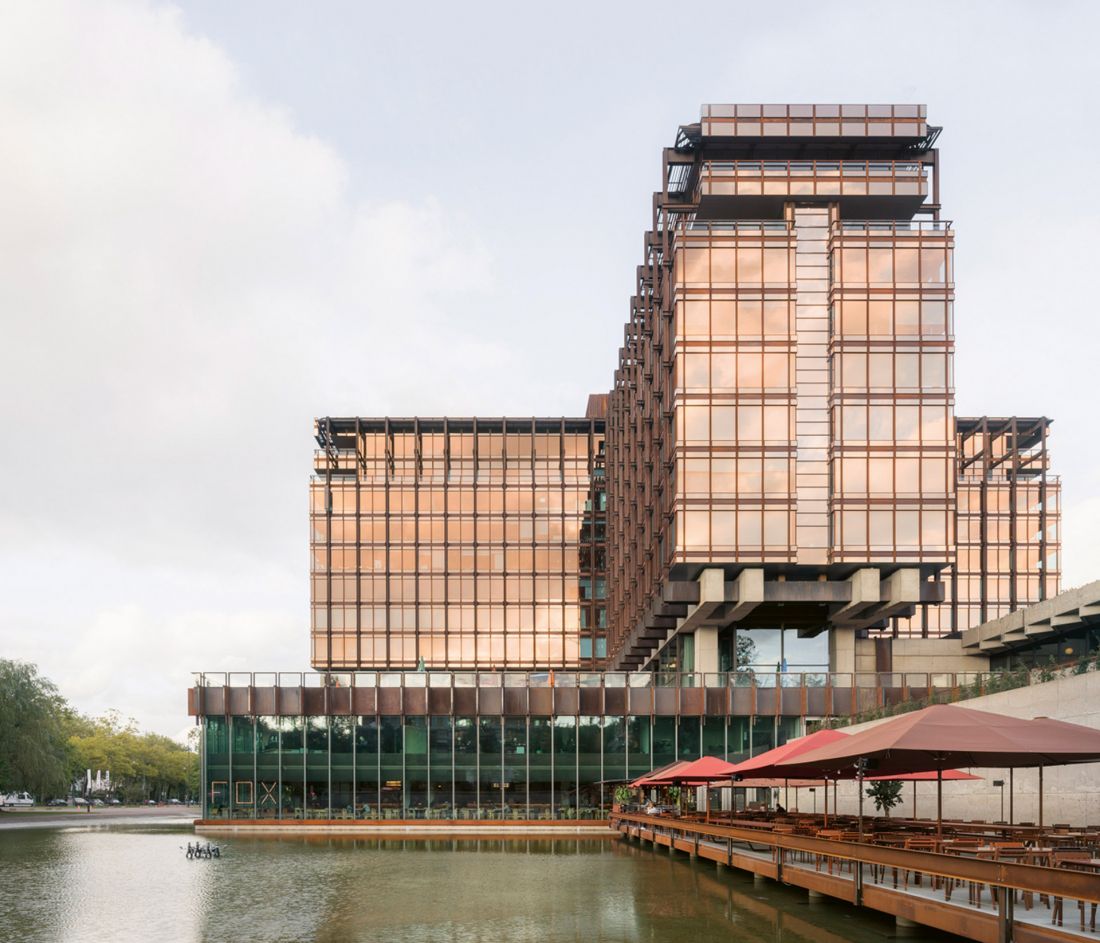
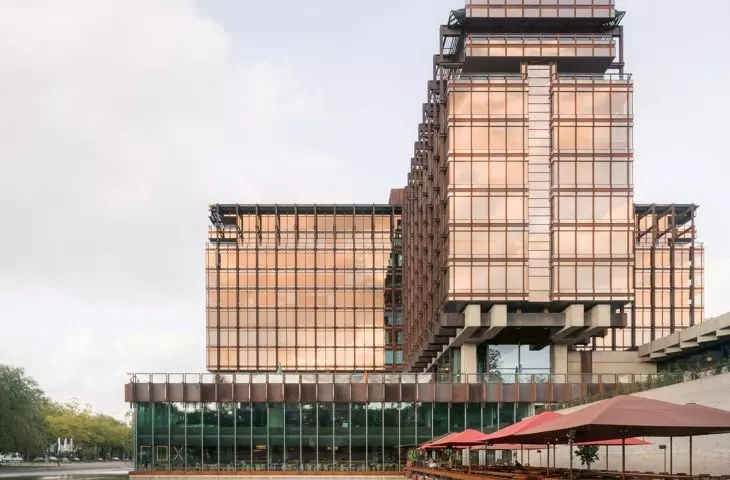
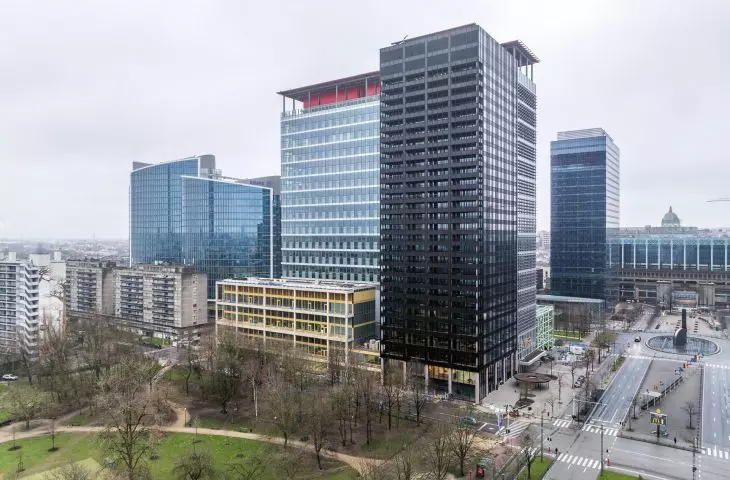
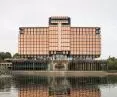
Royale Belge, designed by: Bovenbouw Architectuur, Caruso St John Architects, DDS+ architects — the 1970s building in Brussels that once housed the insurance company Royale Belge has undergone a thorough renovation and adaptation to accommodate, among other things, offices, a hotel, a dining area, and conference spaces
photo: © Filip Dujardin
Ola Kloc: There are nineteen municipalities under the Bouwmeester’s supervision—how does that work?
Kristiaan Borret: The administrative system in Brussels is very complex because there is a regional level here that is, in fact, an urban region comprising nineteen municipalities. Each municipality has a certain degree of autonomy, which, however, is gradually decreasing, making the situation more transparent. For example, many building permits are now processed at the regional level rather than the municipal level. The matter is complicated by the fact that above the regional level there is a national level, and the state also allocates significant funds to Brussels’ development. Therefore, one must address not only lower-level issues but also those at higher levels. Bouwmeester is both inside and outside the system. Inside, because he is appointed by the government [of the Brussels-Capital Region—ed.], and it is an official position, but at the same time, he is not part of the administrative hierarchy. He reports directly to the government but does not form part of any administrative structure, which facilitates interdepartmental cooperation. I am convinced that this kind of independence on the part of the bouwmeester fosters cooperation both with municipalities and at the national level.
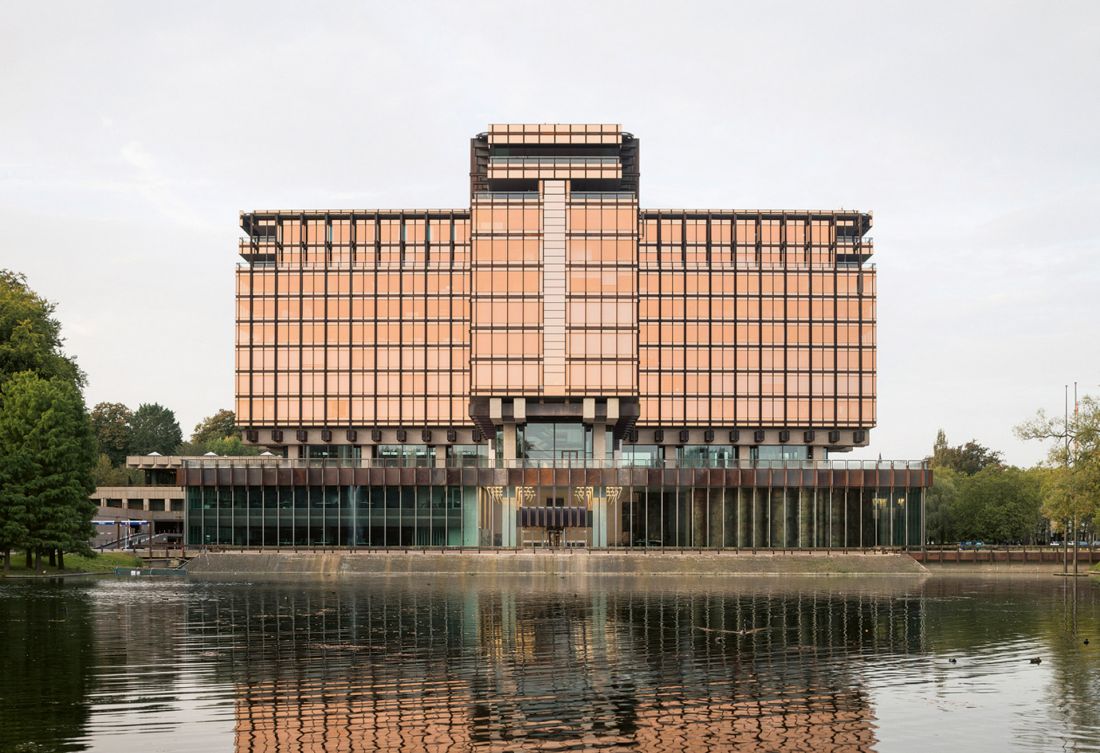
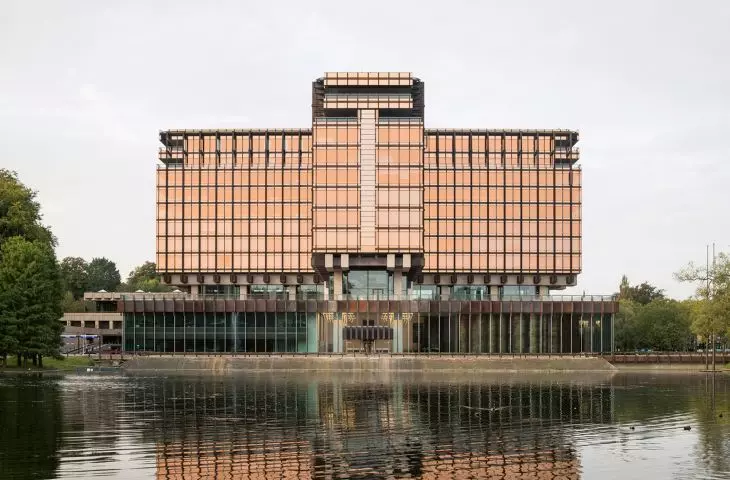
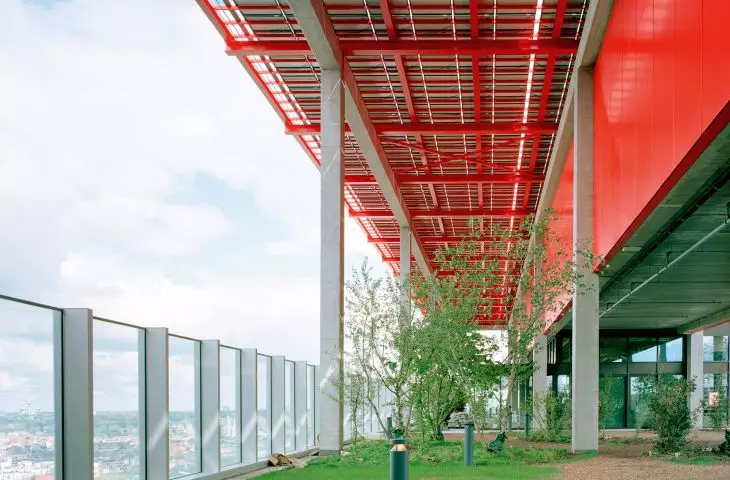
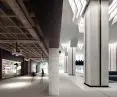
Royale Belge, designed by: Bovenbouw Architectuur, Caruso St John Architects, DDS+ architects — the project’s goal was to minimize interference with the historic building, maximize the reuse and recycling of materials, and improve energy efficiency
photo: © Stijn Bollaert
Ola Kloc: Why is independence so important?
Kristiaan Borret: It matters on two levels. The first concerns institutional administration: thanks to this independence, the person in this position is not seen as belonging to a single department but can move freely between departments and disciplines. Spatial planning today faces many challenges—problems that cannot be solved on its own, within the confines of a single discipline—which is why we must seek collaboration, and this is easier when one is institutionally independent.
The second reason is a matter of substance. Freedom of expression regarding the quality of urban space and design—and the ability to form one’s own opinion— is essential . Sometimes I or members of my team had a negative opinion about a particular project; we would say that it wasn’t good enough and needed time to be improved, which might not have sat well with the authorities, who wanted to speed up the implementation process. If you want to work on quality, you need independence.
Ola Kloc: What happened in situations where the regional government wanted to implement a project, but you felt it wasn’t good enough?
Kristiaan Borret: It depends—sometimes you win, sometimes you lose; that’s part of the job. At the beginning of a project, there are many consultations; the government wants to hear our opinions and begins to understand why, in our view, something isn’t good enough. It’s important for the bouwmeester to always try to get involved early in the investment process, because if he issues a negative opinion right before a building permit is granted, everyone will be unhappy that they’ve wasted time and money. That is why we organize many competitions, which allow us to have a significant influence on what will ultimately be built.
Ola Kloc: The Bouwmeester doesn’t work alone; the team consists of a dozen or so people, and although the Bouwmeester’s role is term-based, the others remain in their positions, which ensures continuity of operations. How was the decision made to form the team, and is teamwork the most effective model for this type of task?
Kristiaan Borret: From the very beginning, it was considered important for the Bouwmeester to have a team. During my predecessor’s term [Olivier Bastin—Ed.], the team consisted of no more than five people. When I began my term, I said that I would like to take on more tasks: not just competitions, but also, among other things, research by design, so I asked for the team to be expanded. From time to time, another person would join us, and eventually we built a team of fifteen people; if the team gets too large, it starts to resemble a parallel administration. The Bouwmeester should collaborate with the traditional administration and seek allies, rather than trying to do everything on their own. On the other hand, organizing competitions—which is time-consuming—requires people who can handle that work. The team is also essential for ensuring continuity following a change in the Bouwmeester position; it also serves as a kind of internal advisory group of trusted individuals with whom new ideas and plans can be discussed.
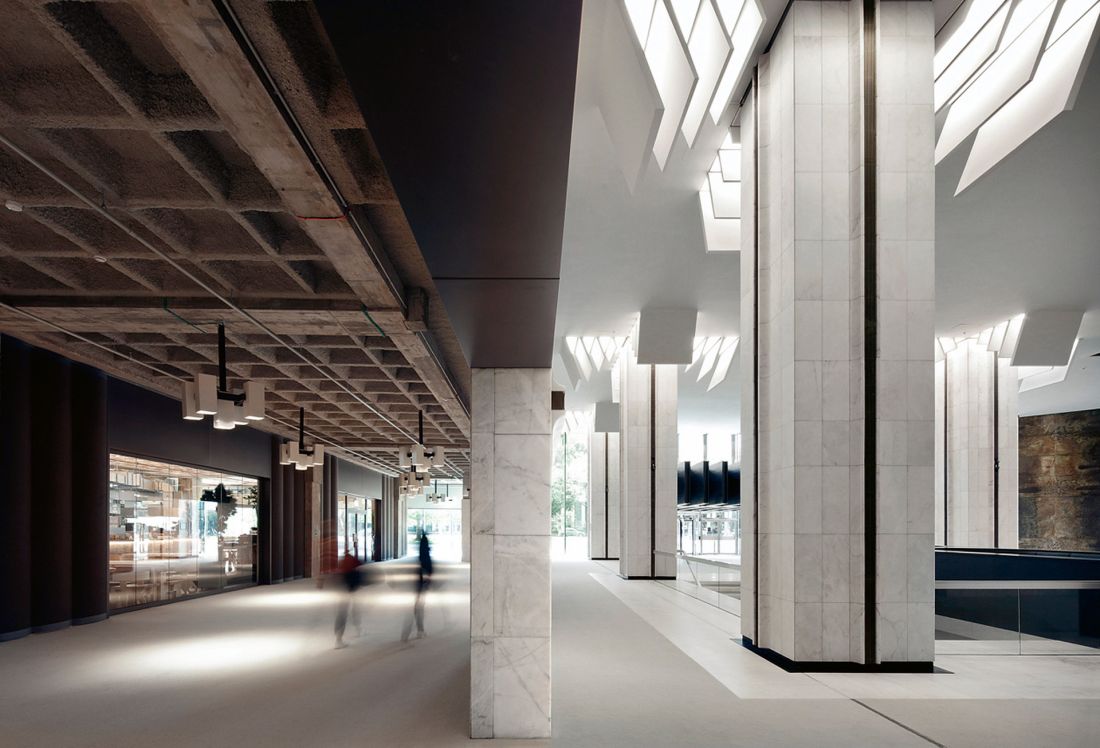
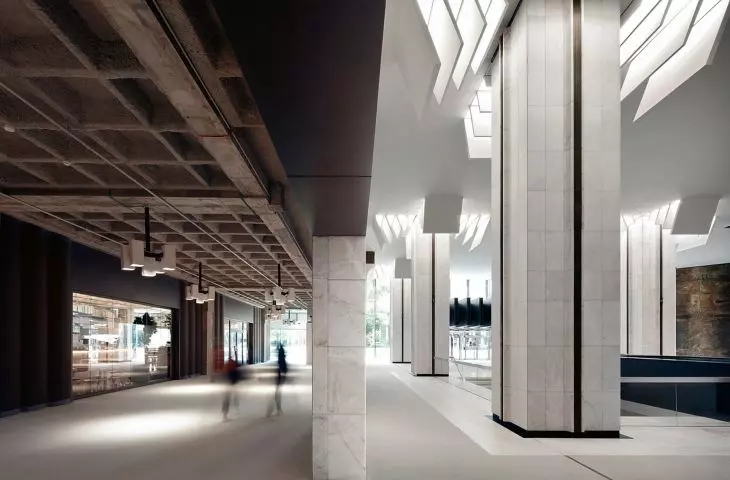
Royale Belge, designed by: Bovenbouw Architectuur, Caruso St John Architects, DDS+ architects — the project’s goal was to minimize interference with the historic building, maximize the reuse and recycling of materials, and improve energy efficiency
photo: © Filip Dujardin
Ola Kloc: What challenges did you face when you started working in Brussels? What tools did you introduce, and how has the scope of your responsibilities changed over the past ten years?
Kristiaan Borret: When it comes to spatial challenges, the bouwmeester can choose the issues he wants to address and accelerate work on. During my first term, we devoted a great deal of attention to the issue of urban densification in the context of Brussels, a city that is already very densely built-up. In light of the growing population, we sought ways to achieve qualitative densification of the city. The main focus was on what we call the “productive city”—how to increase residential density without displacing jobs from the city, especially for manual workers employed in the manufacturing sector. We organized competitions, using our tools to develop model projects that combine workplaces and housing.
Over the past five years, as is evident in all cities, there has been a paradigm shift. Climate change is becoming increasingly significant, and we are feeling its effects, for example, in the form of flooding caused by heavy rains, the heat island effect, and so on. That is why the main focus of my second term was the reuse of buildings —their maintenance and renovation rather than demolition and new construction—because this has a huge impact on CO₂ emissions. In Brussels, after the pandemic, it turned out that many office buildings were standing empty. So we encouraged developers not to demolish them, but to convert them into apartments.
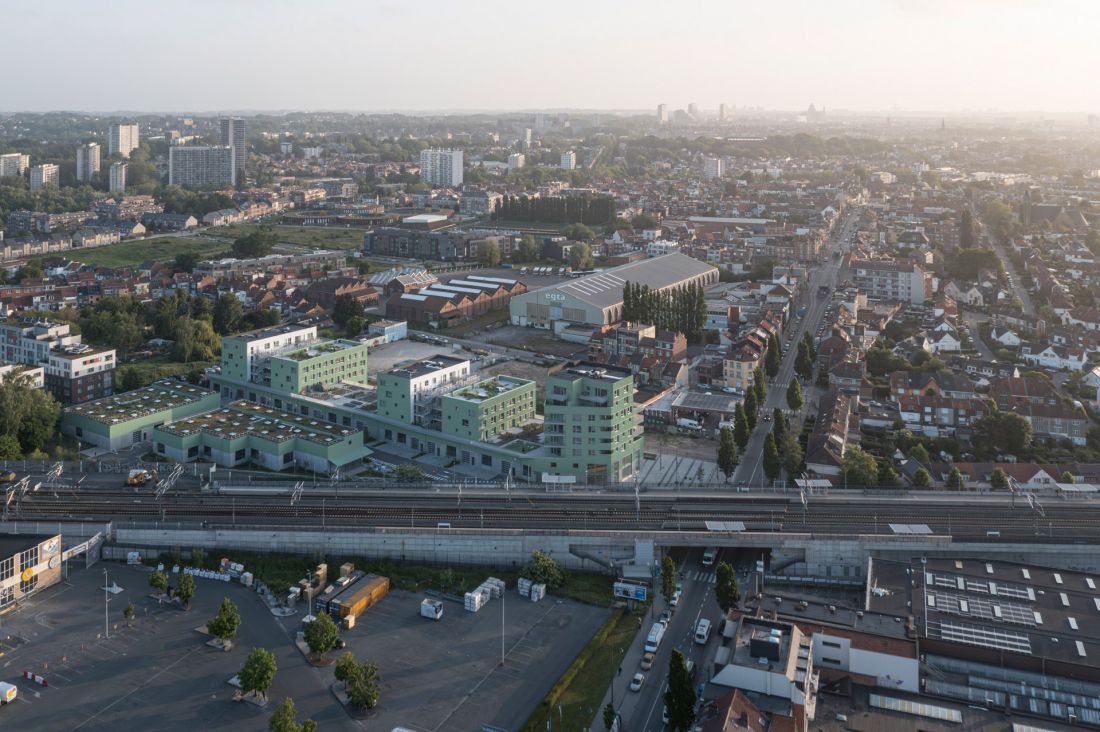
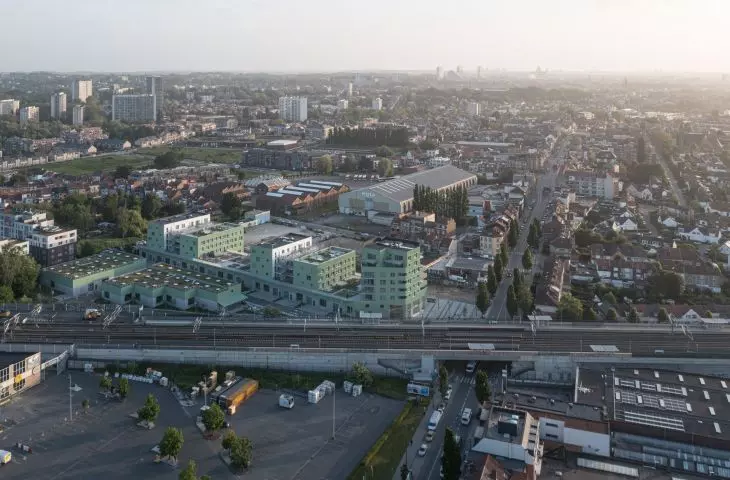
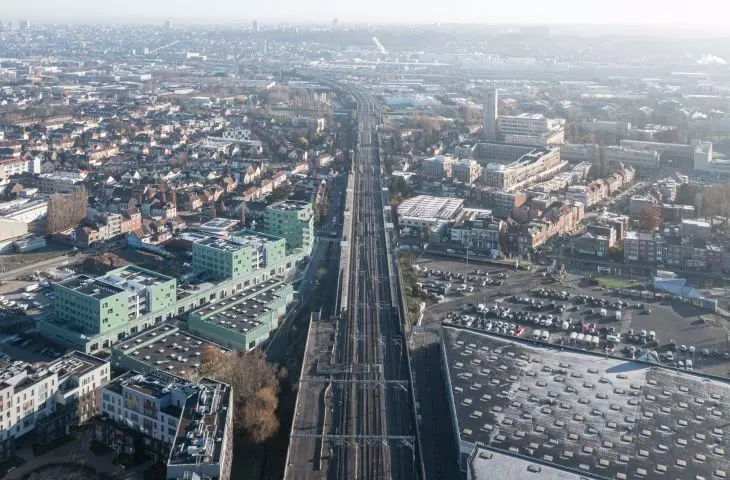
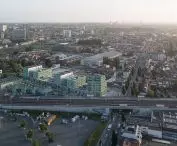
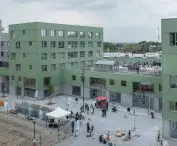
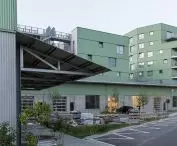
NovaCity I, designed by DDS+ and bogdan — in Anderlecht, one of the municipalities of the Brussels-Capital Region, the process of transforming a post-industrial site into an area combining residential and industrial functions is underway
photo: © Laurian Ghinitoiu
I was Brussels’ second bouwmeester; the position was still new. My predecessor focused mainly on design competitions, while I sought to broaden the scope of activities and organize more competitions—not only for the architecture of public buildings but also urban planning competitions for both the public sector and private developers. So I began organizing competitions in collaboration with private developers, which was a novelty in Belgium at the time and remains a unique approach in Brussels.“Research by design” was also important. My team included three or four people involved in design, not because we wanted to be practicing architects ourselves, but because we wanted to explore the potential of a given area, create a counter-proposal, and demonstrate that a topic could be approached differently, without sacrificing square meters in the process. I believe that in discussions about quality, it’s important to make your case not only with words and Excel documents, but also with drawings. Drawing is an architect’s tool, and it can be used to fuel the debate on quality.
Ola Kloc: I also read that one of the main goals of your first term was to bring about a cultural shift in Brussels’ government offices regarding architectural issues. What does that actually mean?
Kristiaan Borret: We can talk about competitions and research through design, about large or small teams, and so on, but the ultimate goal is cultural change. Ideally, everyone—not just the Bouwmeester, but also the administration and developers—would be striving for quality. Over time, you discover that as Bouwmeester you’re not alone, that there are many people around you who want to do a good job. The trick, then, is to find these allies quickly. Conversations with officials working in the administration have helped us create a kind of culture of quality. It takes time, but it’s not a completely lost cause. I’m an optimist by nature, and I believe that if you present good arguments, there will be many good people who will join you.
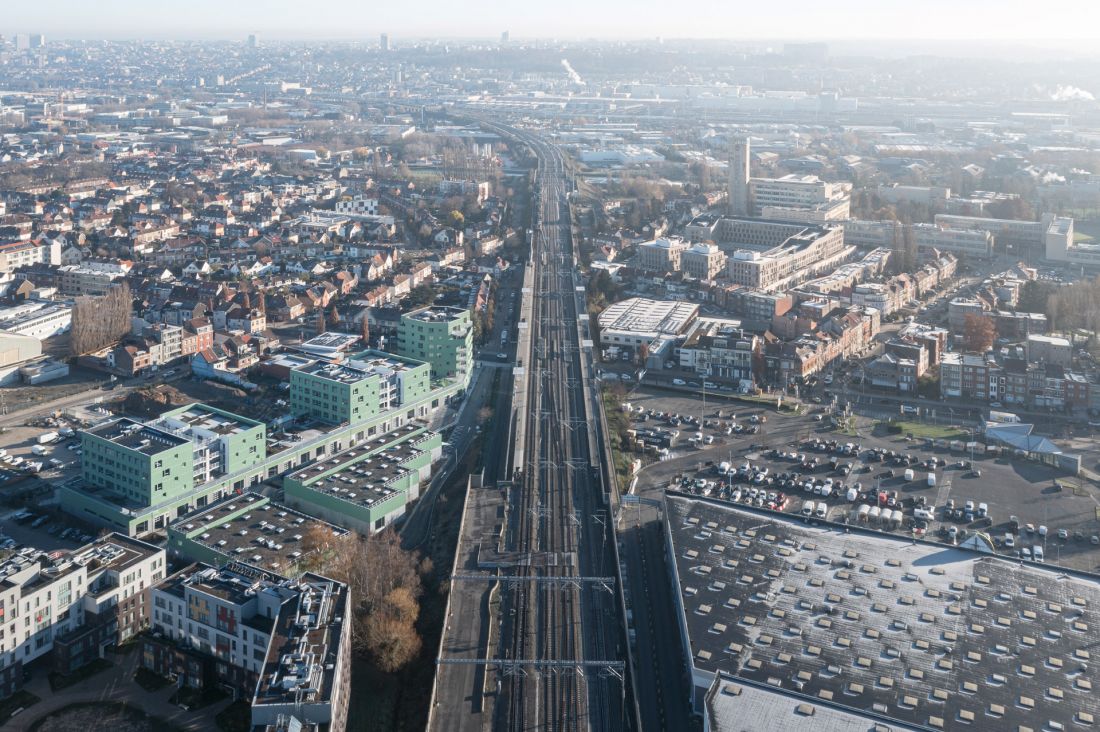
NovaCity I, design: DDS+, &bogdan — in Anderlecht, one of the municipalities of the Brussels-Capital Region, the process of transforming a post-industrial site into an area combining residential and industrial functions is underway
photo: © Laurian Ghinitoiu
Ola Kloc: You began your second term in 2020 by reflecting on the activities of the BMA (Visitatie)—what needed to be reviewed and changed, and what had proven effective over the ten years since the position was established?
Kristiaan Borret: I felt that an evaluation was necessary after the first term. We couldn’t do this on our own, so we asked external experts to examine what others thought of the bouwmeester. This proved to be very useful. It confirmed some of our hunches; it would have been strange, in fact, if the result had been completely surprising—that would have meant we weren’t doing our job very well, since we wouldn’t know what others think of us. The Bouwmeester should show empathy toward others.
It turned out that the Bouwmeester functioned well in a professional environment—among architects, civil servants, and developers—but had less contact with civil society, organized groups, associations, and cultural institutions. This is precisely what we sought to develop during our second term—to increase citizen participation. Currently, in competitions concerning public spaces, the jury always includes a citizen panel. We believe that—especially when it comes to public spaces—the residents of a given area are also experts and should therefore serve on the jury. I think this is one of the tasks of the new Bouwmeester—to bring about a cultural shift in the perception of architectural quality, greater communication with the public and citizen engagement are essential.
Ola Kloc: Is that how the BMA label project began?
Kristiaan Borret: It’s another outcome of the Visitatie. This initiative was conceived many years ago by the Flemish bouwmeester; following the conclusions of the Visitatie, we decided to implement it in Brussels as well.
Ola Kloc: What does it involve?
Kristiaan Borret: Usually, when a public body initiates a project, competition, or research endeavor to examine a given issue, it is the public body itself—as the client—that defines the task: “We want you to conduct research on this matter.” Under the BMA label program, we do the opposite: we issue an open call and invite all citizens and experts to submit ideas that public authorities haven’t yet addressed or that they believe should be included in public policy. We then select three of them, provide them with some funding and access to our network of contacts so they can further develop their idea, which may one day become part of public policy. One group of citizens and architects came up with a wonderful idea; they said, “Did you know that there are about 200 natural water sources in Brussels?” I didn’t know that! In many cases, this water is wasted—it’s channeled away and ends up straight in the sewer system. In the era of climate change, we could use it to cool the city or water the trees in the summer. So they developed a program aimed at raising awareness of this issue. I think that thanks to this, the issue will gain importance and eventually become part of public policy.
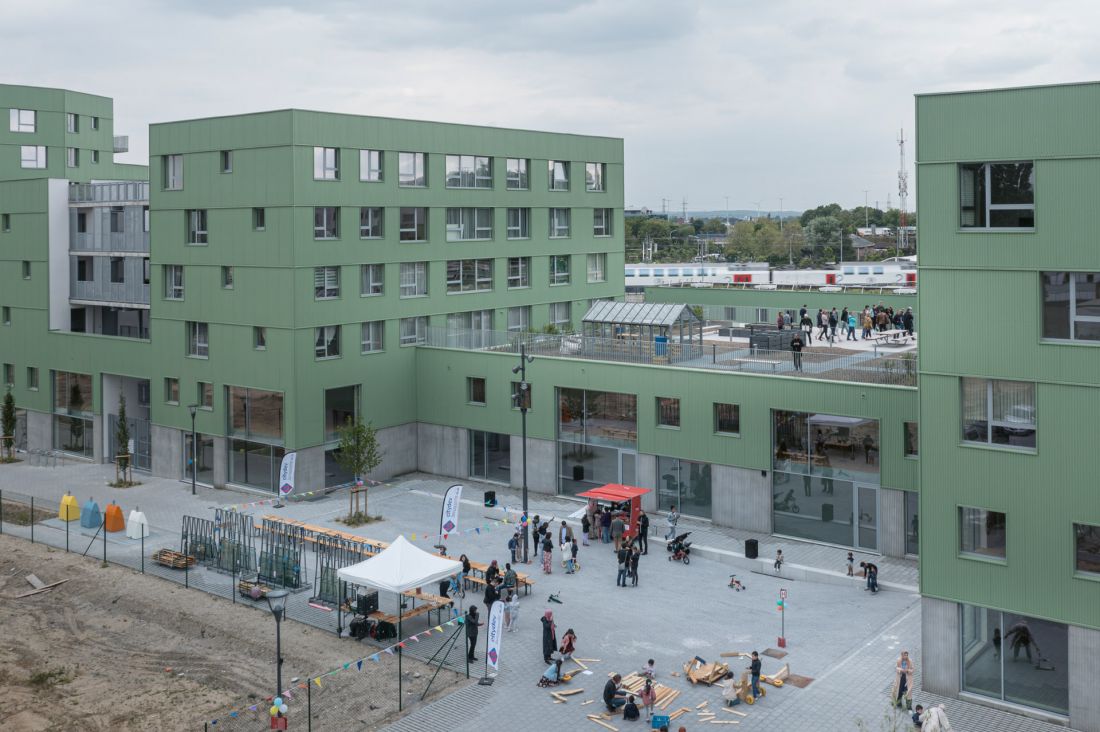
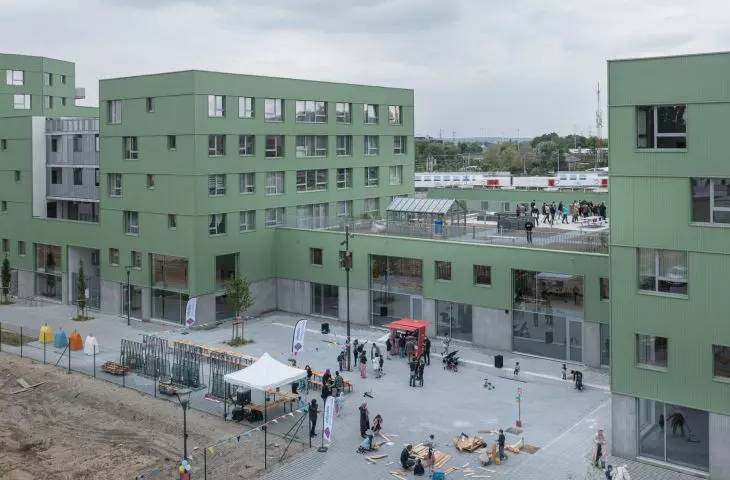
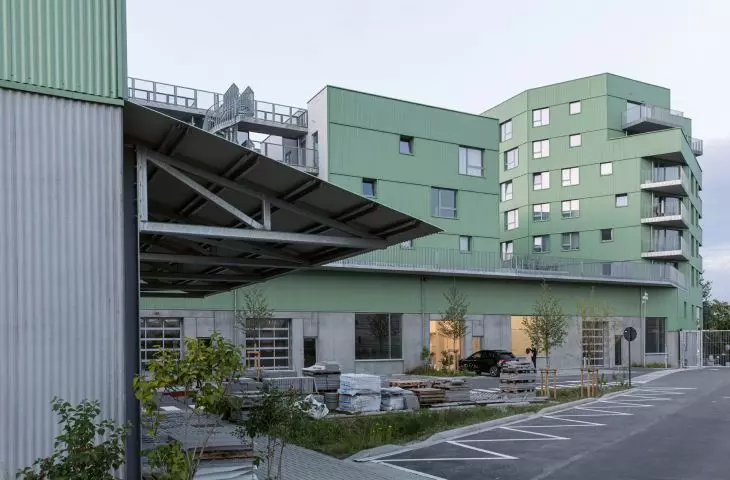
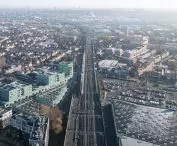
NovaCity I, design: DDS+, &bogdan — NovaCity I is distinguished by its bright green facades, which emphasize the strong identity of the neighborhood. The project combines residential units with spaces for small and medium-sized businesses located on the ground floors; the complex is complemented by communal spaces that foster integration, vegetable gardens, a greenhouse, and a playground
photo: © Laurian Ghinitoiu
Ola Kloc: Competitions make up the largest part of a bouwmeester’s work: fifty are organized every year—that’s one competition a week! Why so many?
Kristiaan Borret: We used to organize fifty competitions a year during our heyday, when we had the most financial resources. Now, due to budget cuts, there will be fewer of them. Brussels is a very complex city; it’s difficult to create a single, comprehensive action plan for it. So I thought I’d try to change it not through long-term, abstract plans, but through many different projects. You always have a general idea in mind—a vision of where you want to go—but you implement it through specific projects. It was important to me to prove that the bouwmeester doesn’t just work on paper but also has an impact on the projects being carried out. That’s why we actively sought out clients who would like to organize competitions with us. Currently in Brussels, 90 percent of all public projects are carried out through public procurement competitions involving the Bouwmeester. The remaining 10 percent are carried out by private developers. Competitions were therefore a tool to demonstrate that the Bouwmeester can influence the quality of the built environment.
Ola Kloc: What do competitions look like when it comes to the development of entire neighborhoods?
Kristiaan Borret: We call them “neighborhood agreements.” Municipal districts—that is, individual neighborhoods—compete with one another for grants. The funds come from the regional budget, which decides each year which three or four of them will receive a specific amount of support. The first competition, therefore, takes place between public entities—the municipalities and the region. Next, we jointly organize a competition for urban planners, who submit proposals for how to use these funds. Some of these funds may be allocated to a new school, new housing, or a new public space, as well as to intervention measures and priority tasks. Subsequently, an architectural competition is organized for each of the projects defined by the urban planner.
Ola Kloc: How did this system come about?
Kristiaan Borret: The grant system under “neighborhood agreements” already existed; we expanded it to include competitions to select urban planners and architects, so that the process would be more transparent and also give young architects a chance. It applies exclusively to Brussels; it does not exist in other Belgian cities, though similar solutions can be found, for example, in Flanders. It is quite common for a higher-level institution to award grants to a lower-level one for the purpose of improving the urban environment or living conditions.
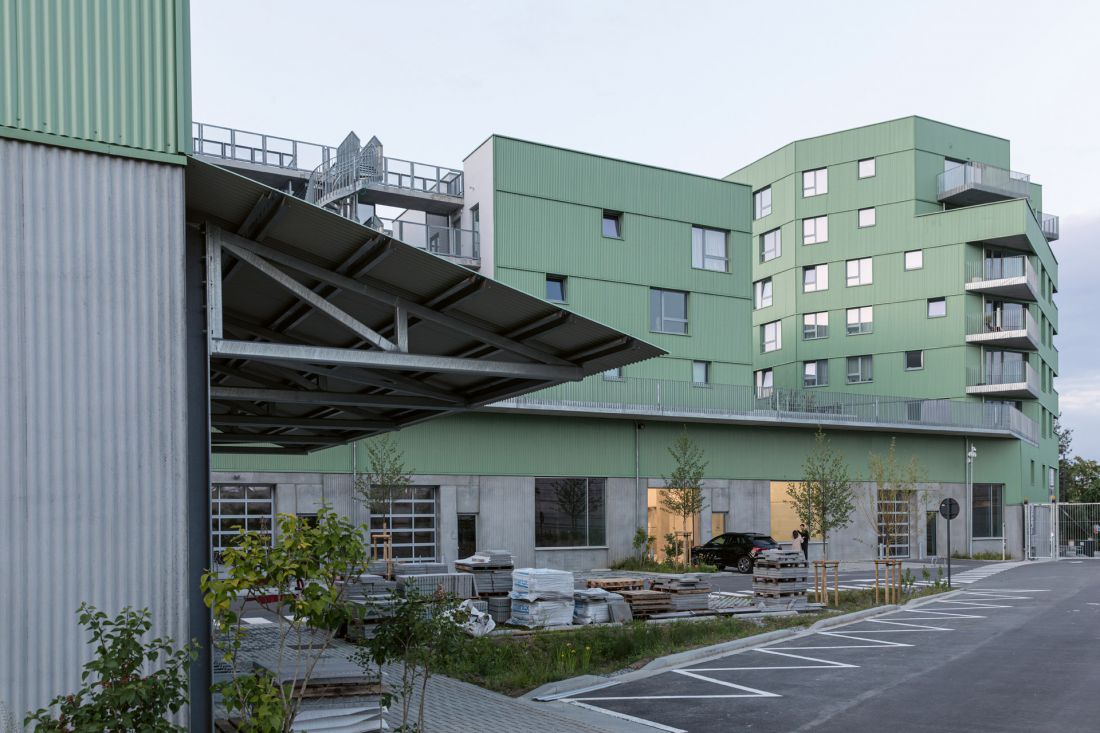
NovaCity I, design: DDS+, &bogdan — NovaCity I is distinguished by its bright green facades, which emphasize the neighborhood’s strong identity; the project combines residential units with spaces for small and medium-sized businesses located on the ground floors; the whole is complemented by communal spaces that foster integration, vegetable gardens, a greenhouse, and a playground
photo: © Laurian Ghinitoiu
Ola Kloc: Are the competitions open exclusively to local architects?
Kristiaan Borret: They’re always open. Many architects from abroad participate in competitions in Brussels, but of course, for smaller projects, it’s not as cost-effective for them, which is why local architects tend to apply more often.
Ola Kloc: Competitions in Brussels are distinguished by very clear rules: they are two-stage, the second stage requires a fee, the terms of participation are favorable for young architects, they are not anonymous, and projects submitted in the second stage do not have to be fully developed. Do you think this is the most effective method for making decisions about public spaces? How well does it work?
Kristiaan Borret: All Belgian bouwmeesters share a commitment to improving the conditions surrounding architectural competitions. The BMA website features a document outlining the ten principles of a good architectural competition. It’s important that architects aren’t overburdened or forced to work without compensation, which is why we’ve established fair conditions for them. It’s not a perfect solution yet—you mentioned, for example, that not everything has to be designed in detail in the second stage of the competition—but many clients still require it. We try to convince them that this isn’t necessary, since the winning design usually undergoes changes anyway due to budget constraints or fire safety issues. In many cases, this works, but not always. The fee for the second stage, in turn, never fully covers the architects’ workload.
Ola Kloc: Are there any other institutions in Belgium that organize architectural competitions? In Poland, this is mainly the responsibility of the Association of Polish Architects.
Kristiaan Borret: Not only in Poland—I think the situation is similar in Germany as well. I know that in some countries, where architectural competitions are organized by an architects’ association—which considers this its domain—the association sometimes opposes the creation of the position of bouwmeester, because it views the bouwmeester as a competitor in this field. In Belgium, this has never been the case; even before the position was created, public authorities or institutions organized competitions on their own. Of course, this isn’t their job—they don’t have the necessary expertise—so ever since the Bouwmeester’s office was established, they’ve been turning to it for help. There are also several other private and public organizations that assist public authorities in organizing competitions.
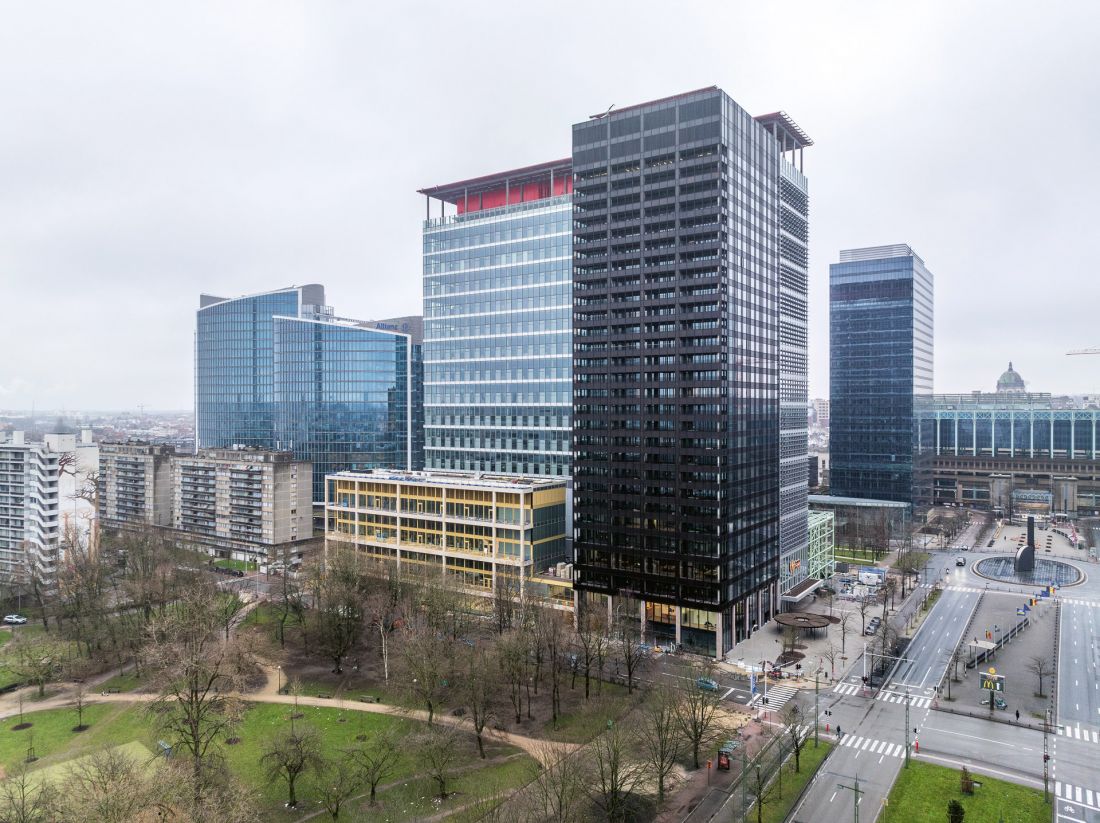
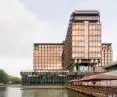
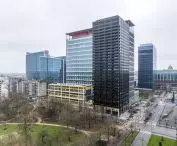
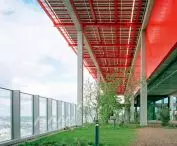
ZIN in No(o)rd, design by: 51N4E, Jaspers-Eyers, l”AUC — the architects connected two existing towers from the 1970s located in the Northern Quarter business district in Brussels, thereby creating a hybrid, multifunctional structure
photo: © Vlaamse Overheid
Ola Kloc: Another of the bouwmeester’s tasks is the design review—all building permit applications for structures larger than 5,000 square meters must be preceded by a BMA opinion on the design. What are the advantages of this process?
Kristiaan Borret: Although the bouwmeester possesses both soft power and actual authority, it is worth considering giving him a slightly more formal role. For all major projects covering an area of approximately 5,000 square meters, a design review must be obtained before submitting a building permit application. We have established a quality committee, which allows the person preparing the permit application to request that the public administration organize a meeting with all public parties involved in the subsequent issuance of the permit. This is, therefore, a kind of preliminary discussion regarding the building permit. The idea is to devote more time at the beginning of the process in order to save time in the next stage. By discussing issues before formal decisions are made, it is easier to engage in debate, make changes, and collaborate. That was the goal of the project review—to give these kinds of negotiations a more or less official status from the very beginning. These discussions had always taken place—developers would talk with the mayor or the administration—but I wanted these negotiations to be more transparent and effective, and to take place during a single joint meeting. This approach also helped me convince developers to organize competitions—since they’ll have to go through the design review anyway, why not start talks with the bouwmeester earlier, or perhaps even organize a competition?
Ola Kloc: You mentioned the official status of the bouwmeester. Do you think he should be more deeply integrated into the administrative and legislative structure?
Kristiaan Borret: It’s about finding a balance. The bouwmeester’s strength lies in his hybrid position—being both inside and outside the system. If I were the one deciding on building permits, I would lose my ability to negotiate; I would have to be very strict, know the law, and apply it—which, in a sense, limits my room to maneuver. On the other hand, if the Bouwmeester didn’t have official status, he’d be just one of many consultants, which doesn’t make sense.
It is important that the person in this position be appointed by the local government, as this grants them official status. In Brussels, the role of the bouwmeester is enshrined in urban planning regulations, so it has a legal basis. At the same time, this independence must be respected, and bouwmeesters must be given sufficient freedom to act and take the initiatives they deem important. I think the fact that this is an intermediary position is the key to its success.
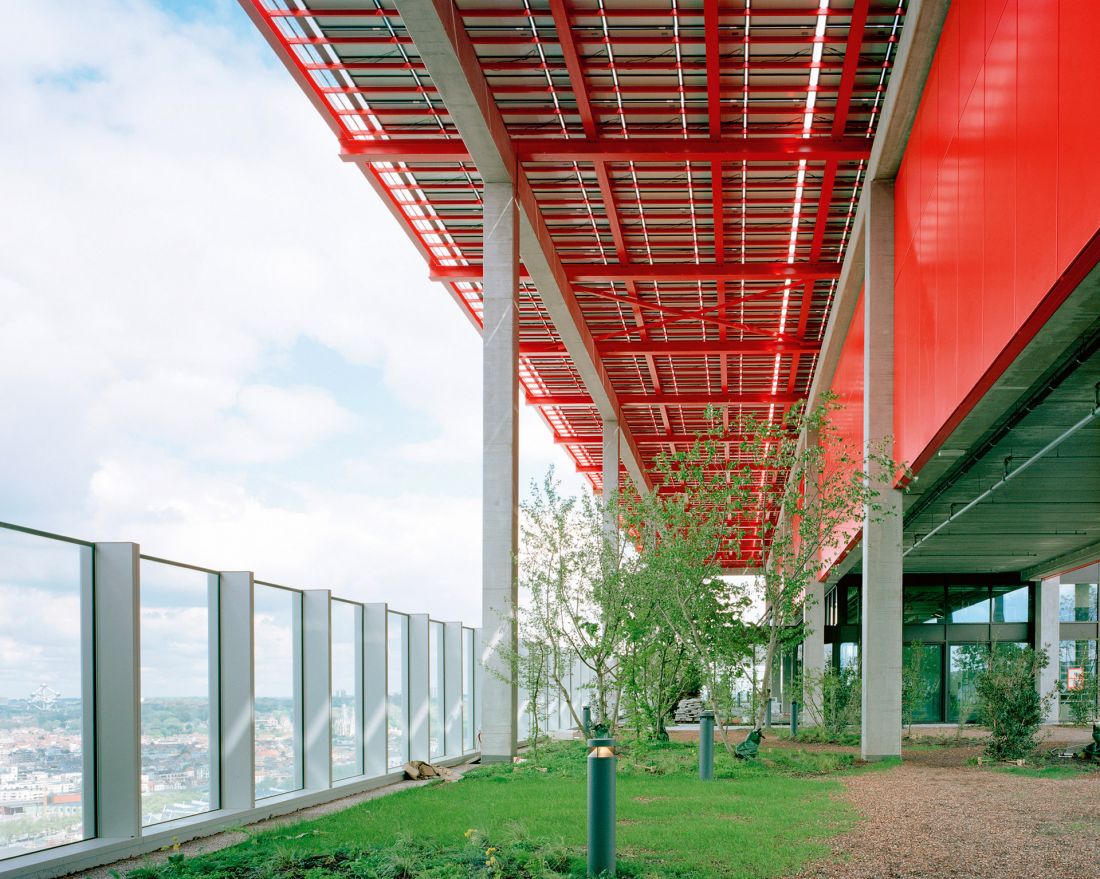
ZIN in No(o)rd, design by: 51N4E, Jaspers-Eyers, l’AUC — the architects connected two existing towers from the 1970s located in the Northern Quarter business district in Brussels, thereby creating a hybrid, multifunctional structure
photo: © Maxime Delvaux
Ola Kloc: What should be the responsibilities of an effective urban architect or team? What should the optimal set of competencies be?
Kristiaan Borret: It depends on the city. In Brussels, I’d say it’s also about cultural change and raising awareness among residents. However, in some cities, architectural institutes are very active, and in such cases, this line of action isn’t necessary. So I’d say you have to strategically identify what’s missing. You shouldn’t try to do what others are already doing well. The role of the bouwmeester is to innovate, to bring something new to the table. I mentioned the project review and the quality committee—I worked on implementing this system in Brussels to make negotiations more transparent. After some time, the system began to function well, and now the process is organized by the administration itself. The Bouwmeester should therefore strive for new solutions and have the ability to innovate and embrace continuous change. That’s important.
Ola Kloc: Thank you for the interview.
Ola Kloc
more: A&B 4/2026 – City Architect,
download free e-issues of A&B