




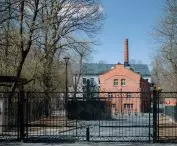

There can never be too much greenery in cities. To ensure that residents have adequate access to nature, local governments must prudently manage their resources, often resisting investment pressures while keeping in mind the still unsatisfied "hunger for housing." However, there are cases in which the interests of developers, the City and its residents seem to intersect at a common point, and one such situation is occurring in Krakow. Why is the "Duck Park" in Nowa Huta still not being built?
Nowa Huta in Krakow, especially its older part, built according to plans developed by Tadeusz Ptaszycki's team, is a model example of a housing development where residents have access to a really large amount of greenery. It's not just the inner courtyards and the large distances between individual blocks, but also the numerous parks and recreational areas, including those where water plays first fiddle. Among the latter, the Nowa Huta Reservoir reigns supreme, a favorite of residents who throng it every weekend. However, Nowa Huta offers many more blue areas, among which a special place is occupied by a small pond on Kaczeńcowa Street.
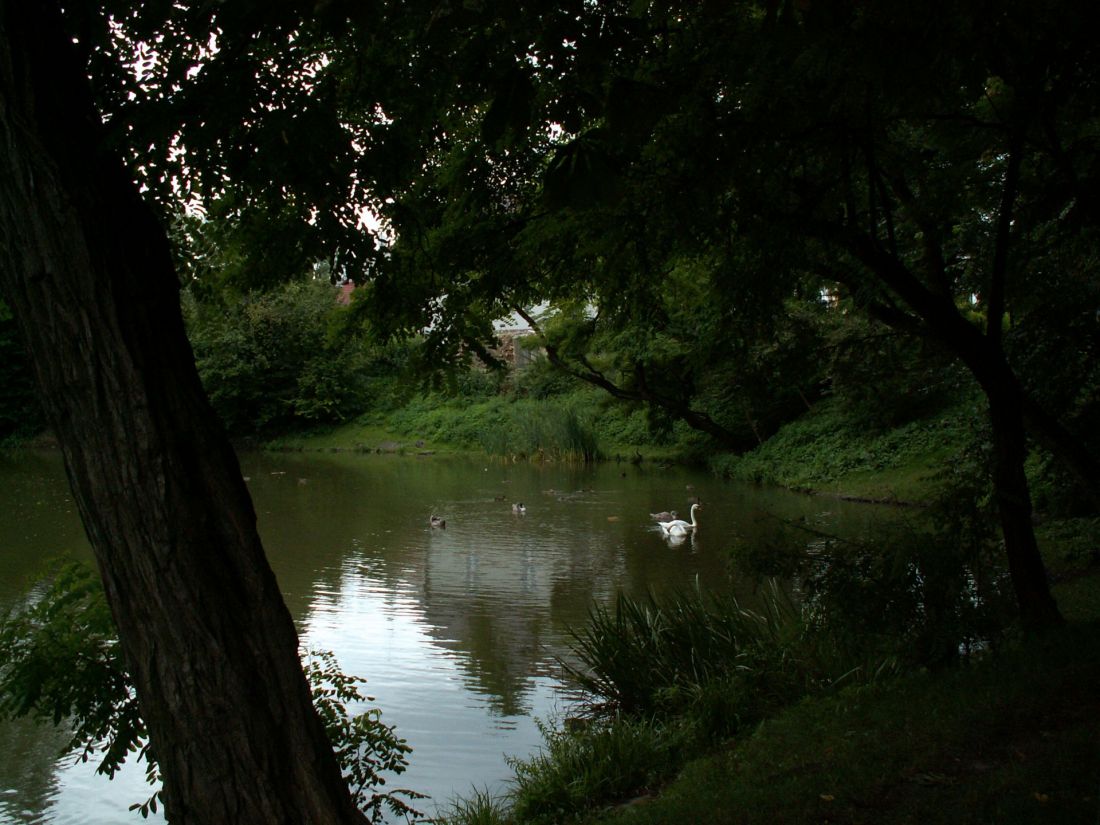
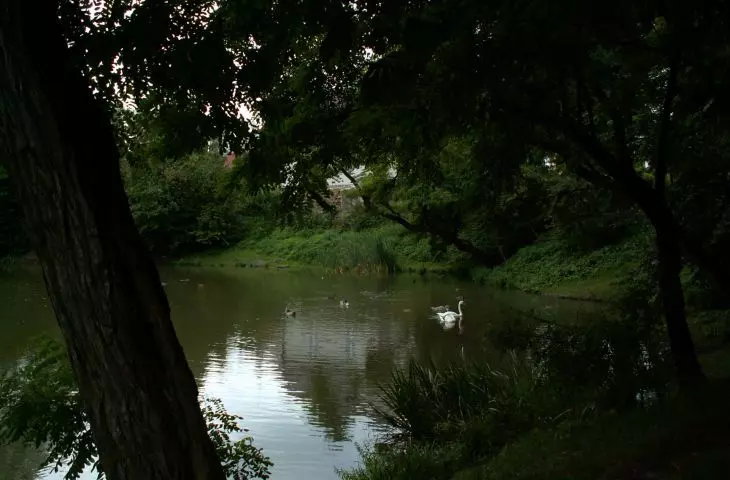
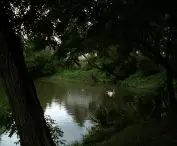
Swans swimming in the pond on Kaczeńcowa Street
Photo: Zygmunt Put © CC BY-SA 4.0 | Wikimedia Commons
A green enclave in Nowa Huta
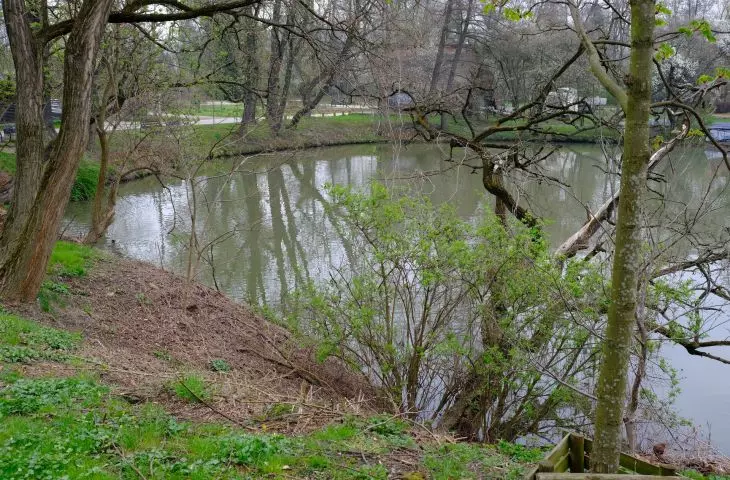
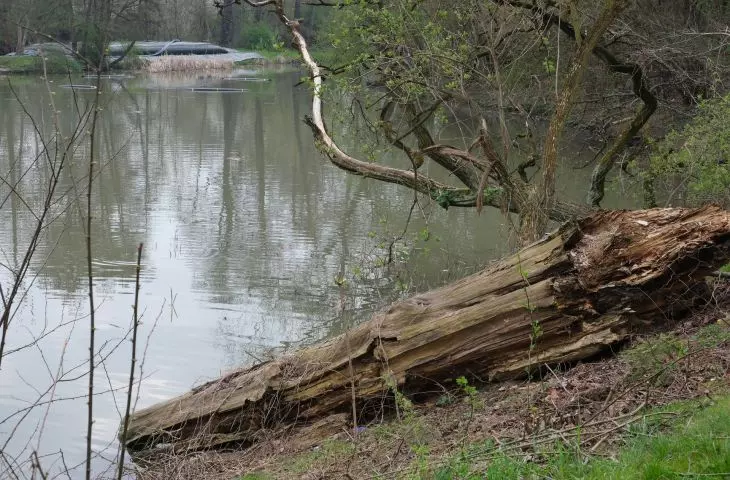
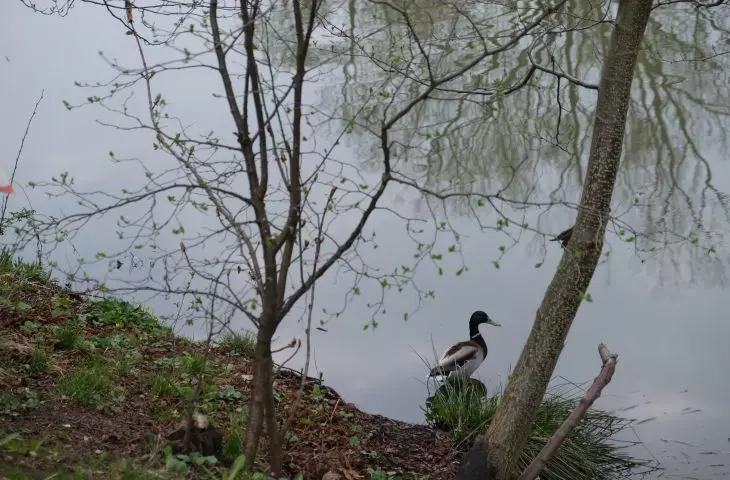
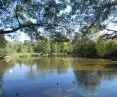
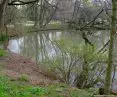
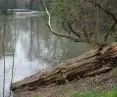
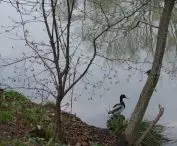
The pond at Kaczeńcowa Street is a picturesque green corner, located in Bieńczyce, in the heart of Nowa Huta. In 2007 it became an Ecological Land Use - not without reason. A flock of mallard ducks regularly swims around the small body of water, whose area is only 0.82 hectares, while mute swans or water coots also appear, and even the exotic mandarin duck. The Duck Pond is also home to numerous insects, including 14 species of butterflies, and mollusks, including the long-haired snail, whose shell is overgrown with small hairs. Toads and frogs, such as the fire-bellied toad, can be found in the water's depths, as well as several species of fish that flock to the reservoir to spawn.
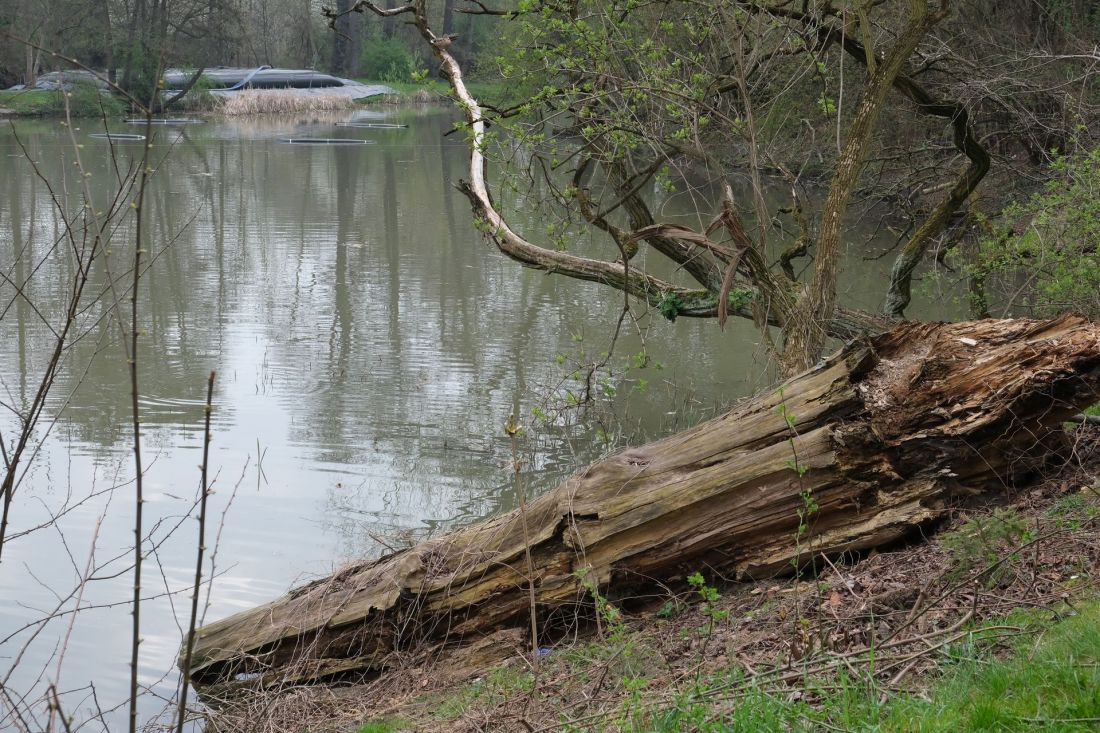
The pond at Kaczeńcowa Street in Nowa Huta
photo: Przemek Ciępka
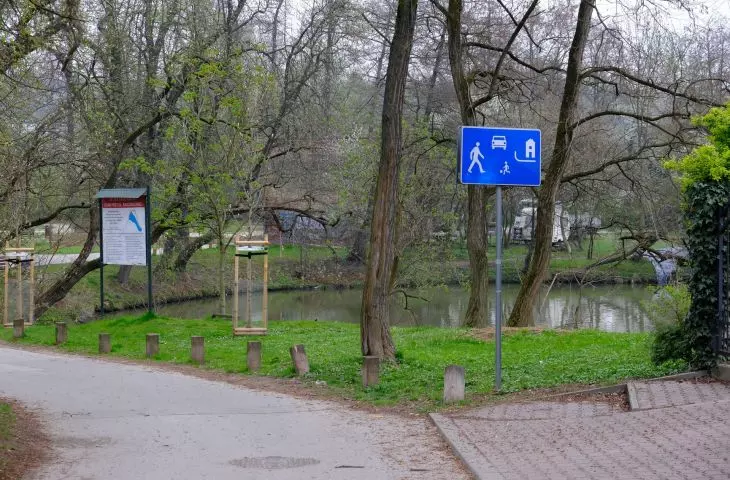
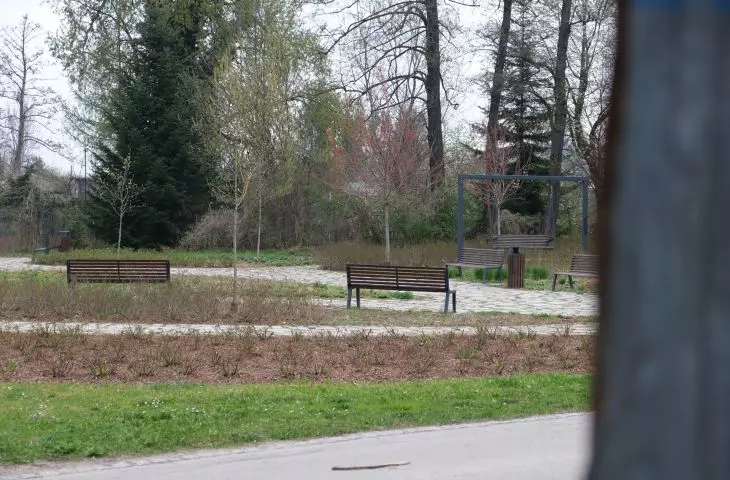
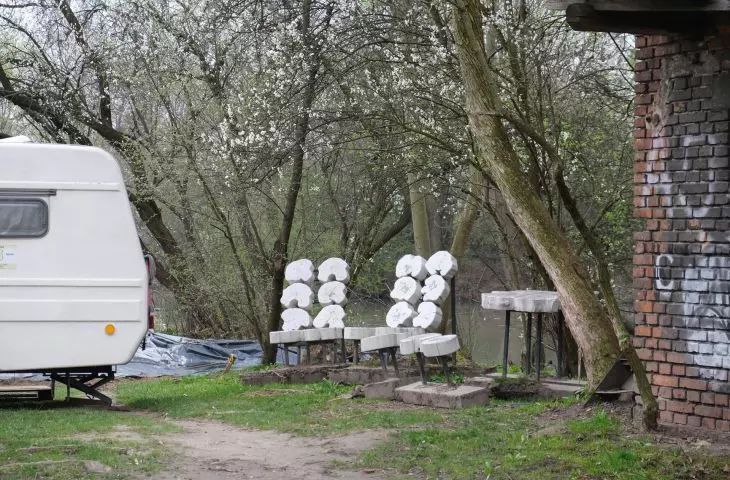
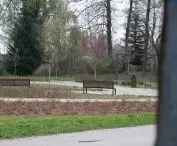
The city is aware of the natural value of the area and its recreational potential, so the immediate surroundings of the pond have undergone minimalist landscaping. Benches and seats with backs shaped to resemble tree trunks have appeared, partially paved paths, and to the west of the pond a small square with several trees, low plantings, benches and swings. The water in the Duck Street pond is also regularly cleaned.
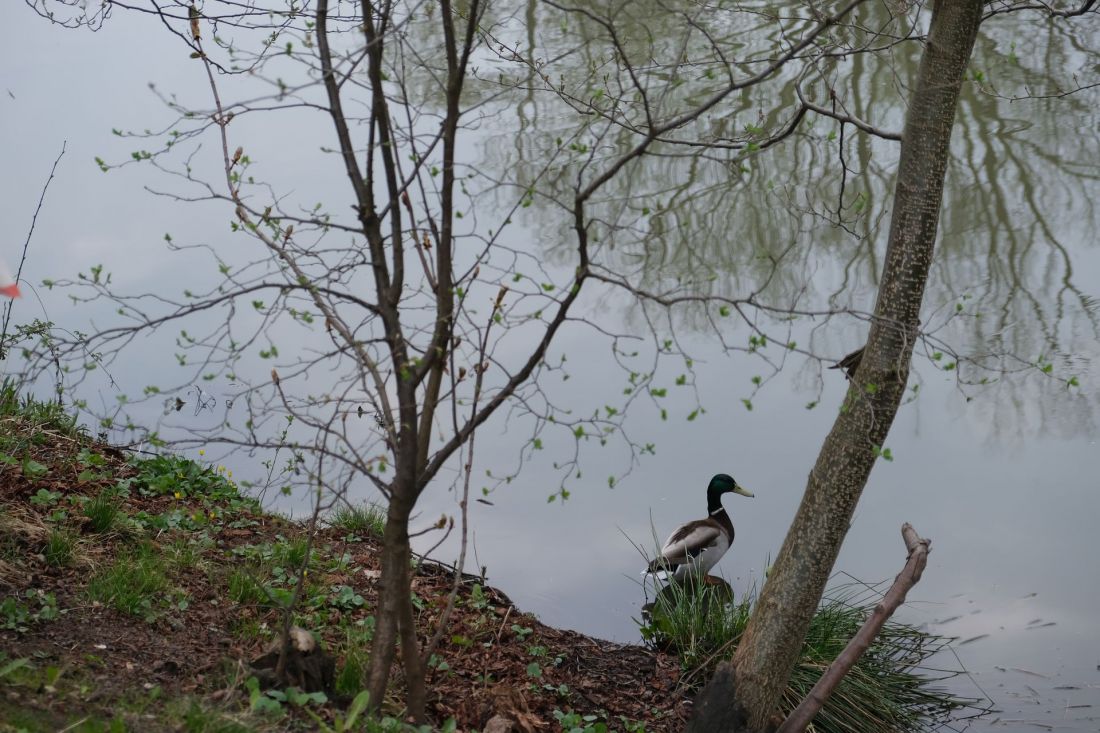
The pond at Kaczeńcowa Street in Nowa Huta
Photo: Przemek Ciępka
Although one of the biggest advantages of the green enclave at Kaczeńcowa Street is its intimate scale, Nowa Huta residents have long been asking for more comprehensive development of the area within the planned Dłubnia River Park.
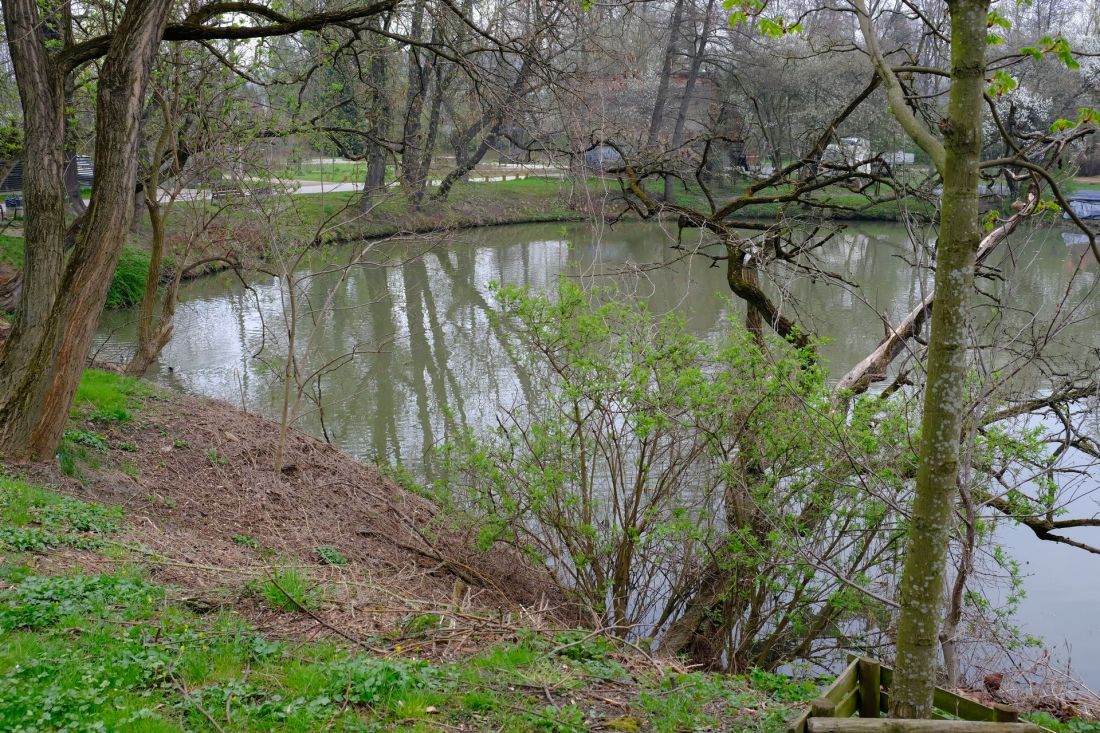
The pond at Kaczeńcowa Street in Nowa Huta
photo: Przemek Ciępka
New park in Krakow
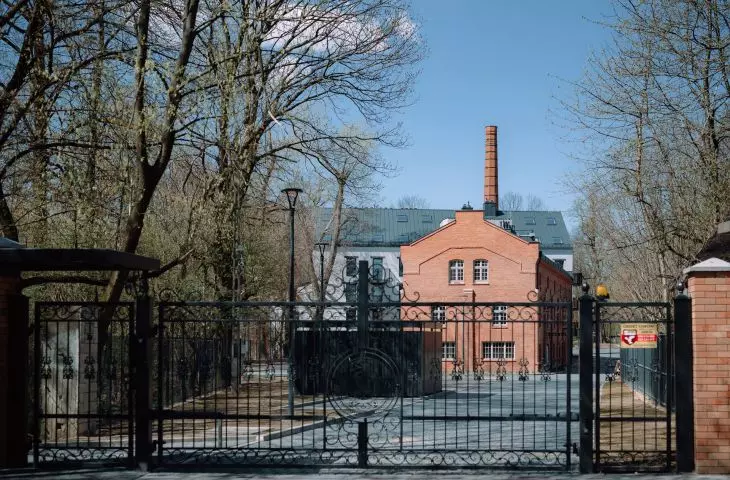
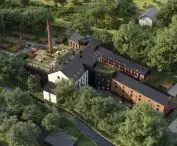
As it turns out, for several years the City has had the opportunity to contribute one of the bricks needed to complete this project. Plot of land No. 69/1, within 9-Nowa Huta, extending across one of the Dłubnia riverbeds, northeast of the pond on Kaczeńcowa Street, is currently in private hands. The valuable natural area of about 1.4 hectares, designated in the local plan as an Area of Managed Greenery, belongs to the Faktoria Młyn company, responsible for the revitalization of the nearby 19th-century Lelit Mill. The investor has long declared its desire to resell the plot, holding talks with the City Treasury Department, which would value it in-house and later buy it back. But who would benefit from such a transaction, and is it really needed by the City?
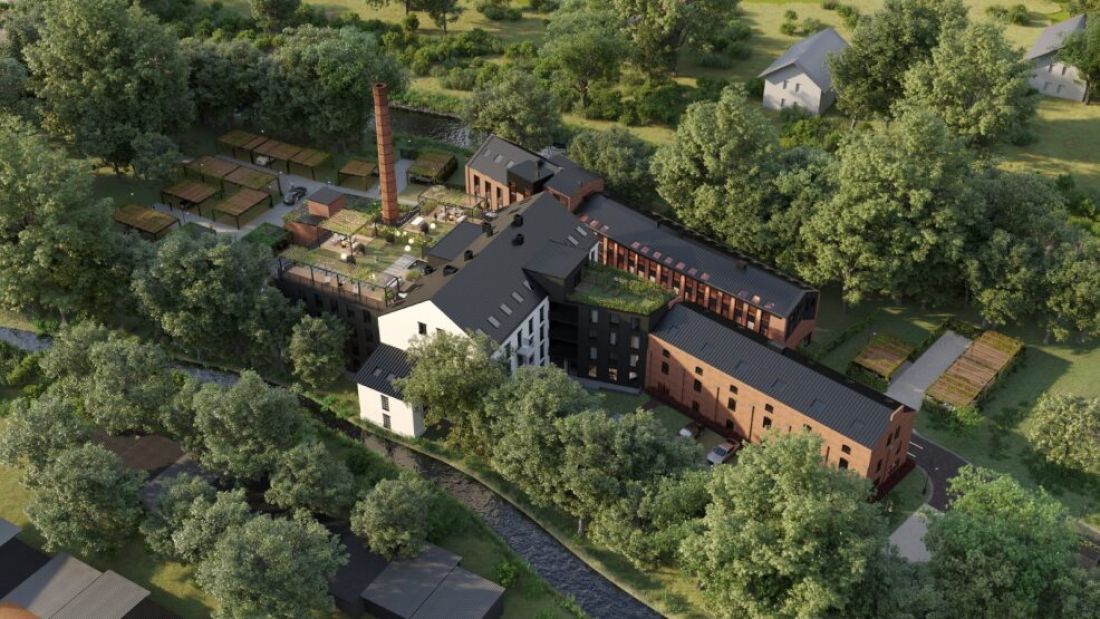
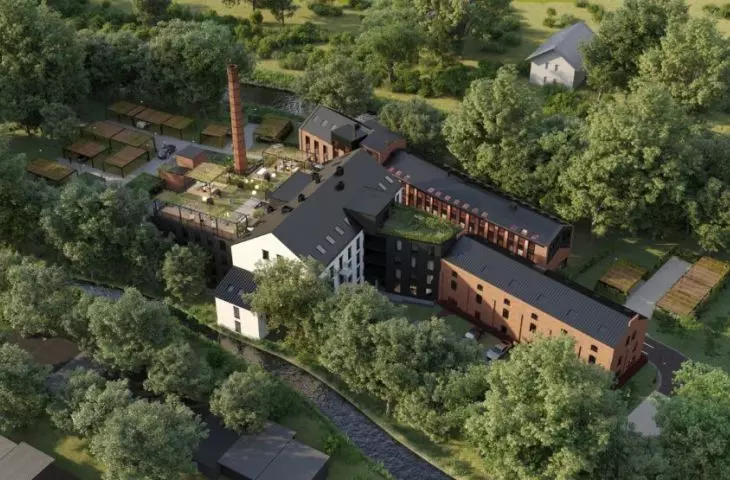
Faktoria Młyn in Nowa Huta - proj.: Matik Studio
© press mat.
The Board of Urban Greenery has put forward a proposal informing about the legitimacy of acquiring this plot of land. It is an important site, located in the Dłubnia River Park, situated on the river itself near the Duck Pond. Acquiring it will make this site more attractive due to its size and the possibility of introducing residents there. This area is part of the River Park, falling within the scope of ecological and landscape parks, where, as the Urban Greening Board, we are guided primarily by the properties and protection of nature. At the same time, we make these areas available to residents and introduce recreational opportunities in them in harmony with natural conditions. Examples of such spaces are already the second stage of the Wilga River Park or the Alexandra River Park.
- says Łukasz Pawlik, director of the Board of Urban Greenery in Krakow.
Local residents and local government officials also express themselves in similar terms. The Council of District XVI Bieńczyce has passed a resolution at least twice, asking the Mayor and the Office of the City of Cracow to buy the green wasteland in order to arrange a park there.
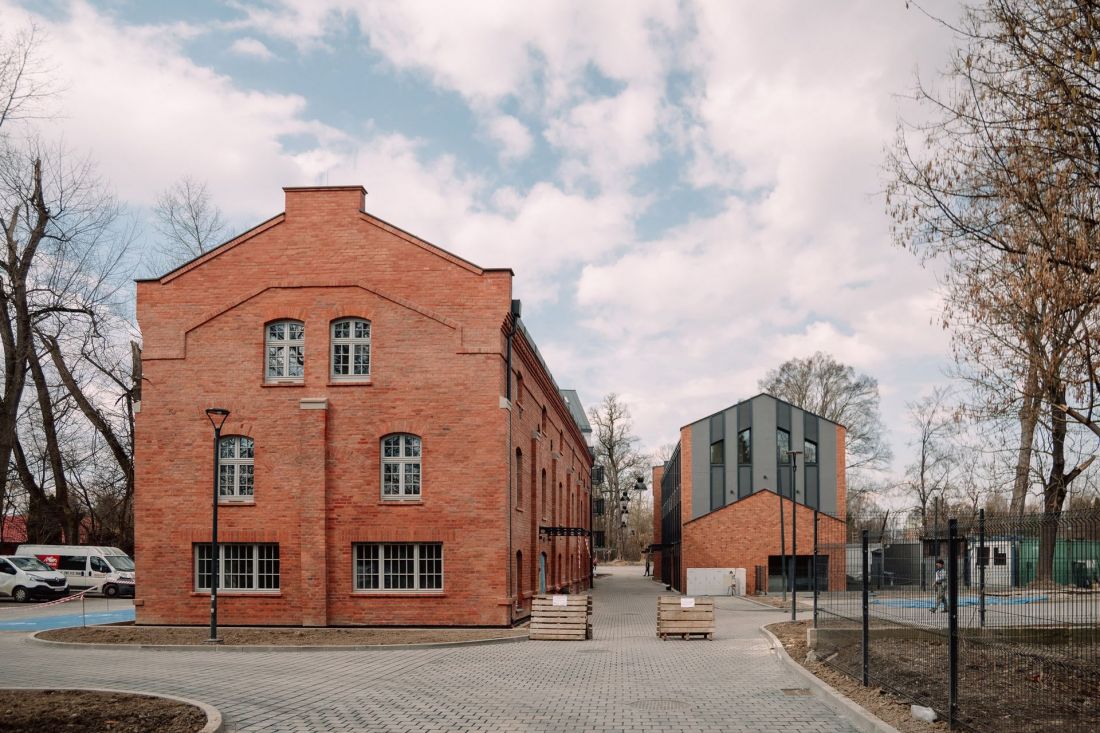
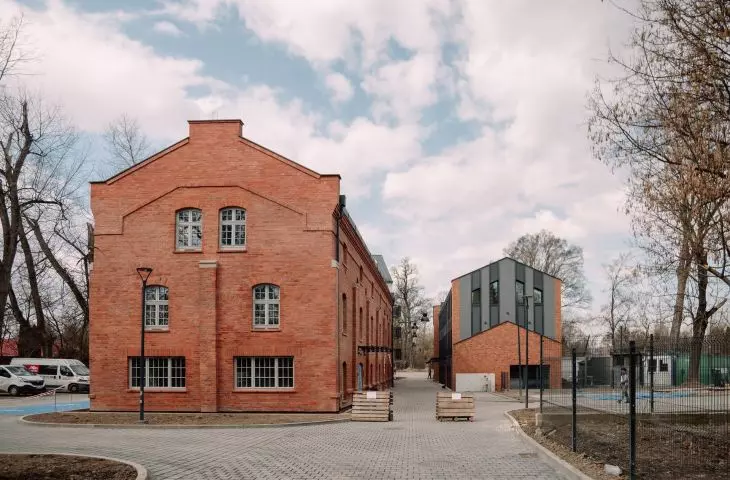
Faktoria Młyn in Nowa Huta - design: Matik Studio
photo: Klaudyna Schubert © press mat.
We can't ignore the fact that the transaction would also be very lucrative for the developer himself - not only would he get back the money for the plot on which he can't build more apartments, but he would also increase the attractiveness of the neighboring Faktoria Młyn development, whose residents would gain direct access to a large area of landscaped greenery. At the same time, the benefits of such an arrangement are so great for the landowner that , along with his offer to sell the plot, he has also offered to carry out the planting of some 263 new trees, as well as support in the design process, allowing the local government to minimize the costs incurred to arrange a potential park.
The owner of the plot proposed a number of measures to make the whole process easier and more attractive to the City. In view of the difficult financial situation in the city's coffers, the investor suggested the possibility of a land swap, even indicating a plot of land that could become the subject of the transaction - with the express stipulation that it could be any other investment land of equivalent value. With the development of Faktoria Mill, care was taken to provide additional connectivity to the potential park by establishing an easement through the development site, as well as the possibility of connecting to utilities for future park infrastructure. There was also a proposal to design this future public space, as well as to make appropriate plantings in the area of the potential park.
- says attorney Pawel Pucher, attorney for the owner of the plot.
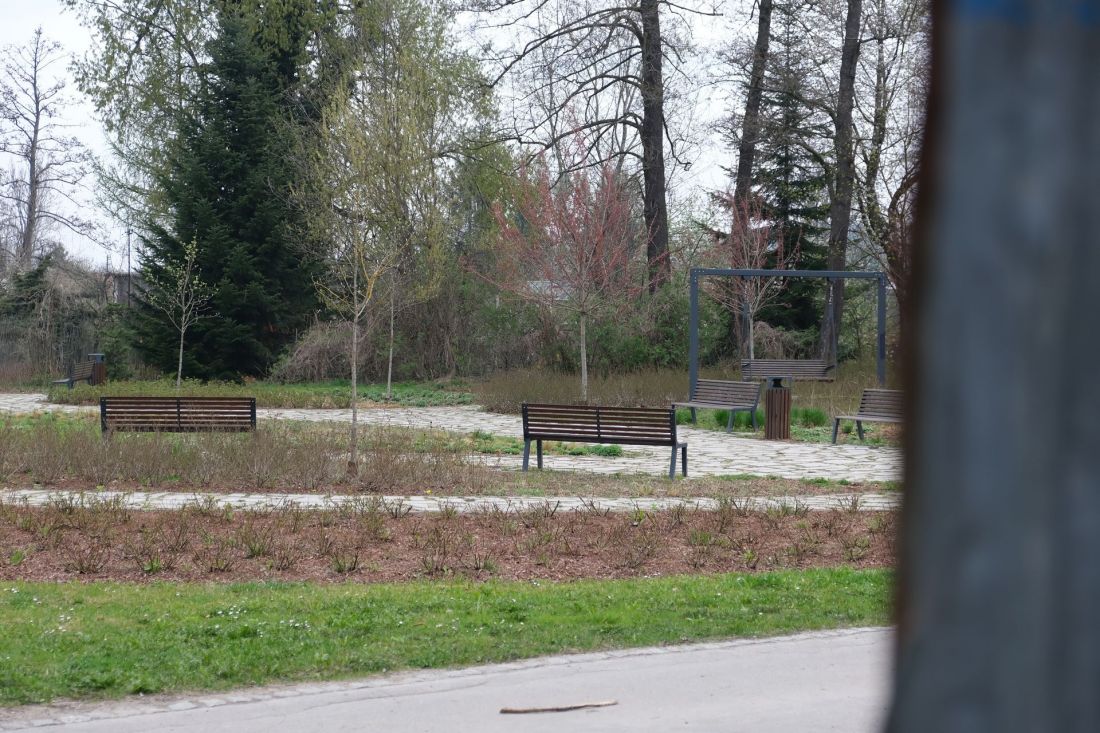
The pond at Kaczeńcowa Street in Nowa Huta
Photo: Przemek Ciępka
Kaczeńcowy Park in Krakow
A simple development project for the area has already been created by Matik Studio, which was responsible for the concept of revitalizing the nearby Lelit Mill. Between the pond on Kaczeńcowa Street and the Faktoria Młyn buildings, the architects proposed a park filled with a large number of plantings, including trees, interspersed with a grid of paths with both permeable and unpaved surfaces.
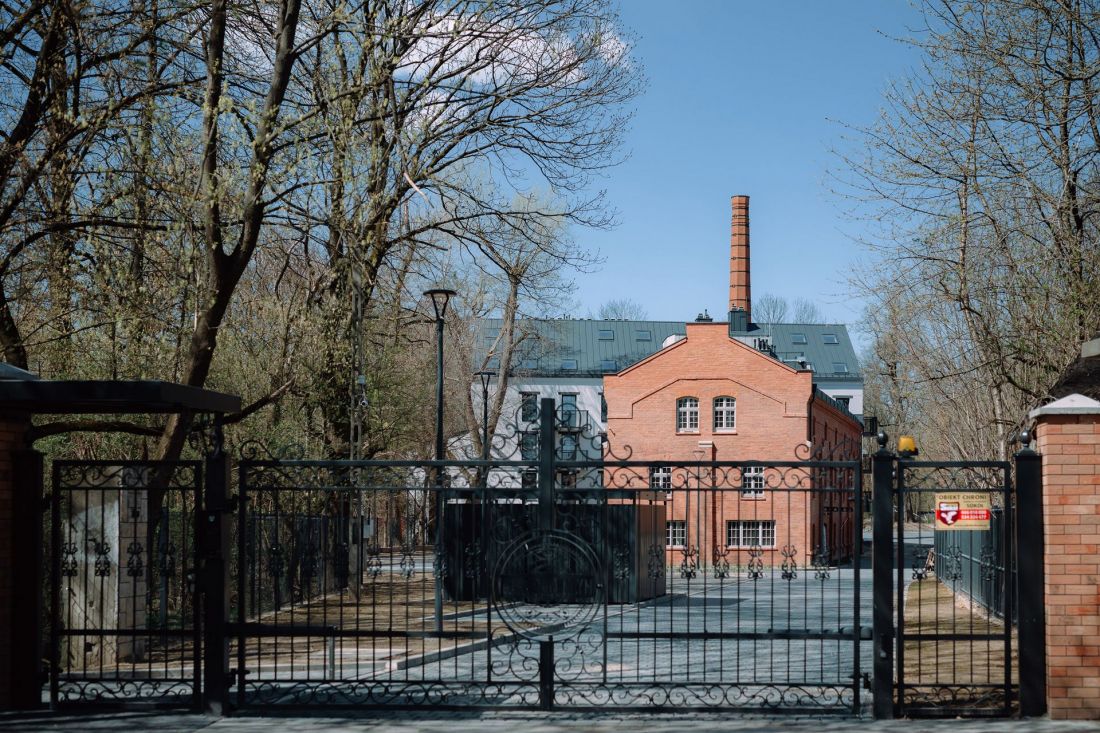
Faktoria Młyn in Nowa Huta - proj.: Matik Studio
photo: Klaudyna Schubert © press mat.
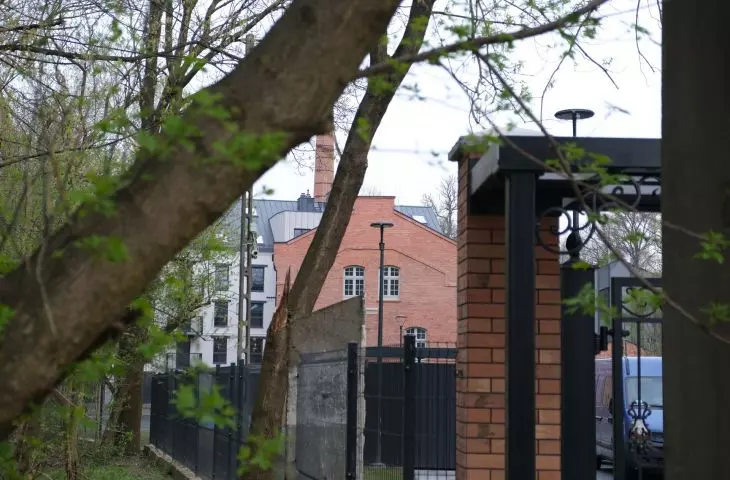
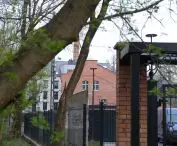
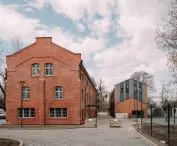
Although a gated development has been built on the site of the revitalized mill, access to the proposed park has been planned in several places - via a pedestrian route along the northern border of the development and a designed footbridge over one of the Dłubnia River's courses, accessible from Cienista Street. The new park with the pond could be connected by a footbridge, located at the end of Duck Street.
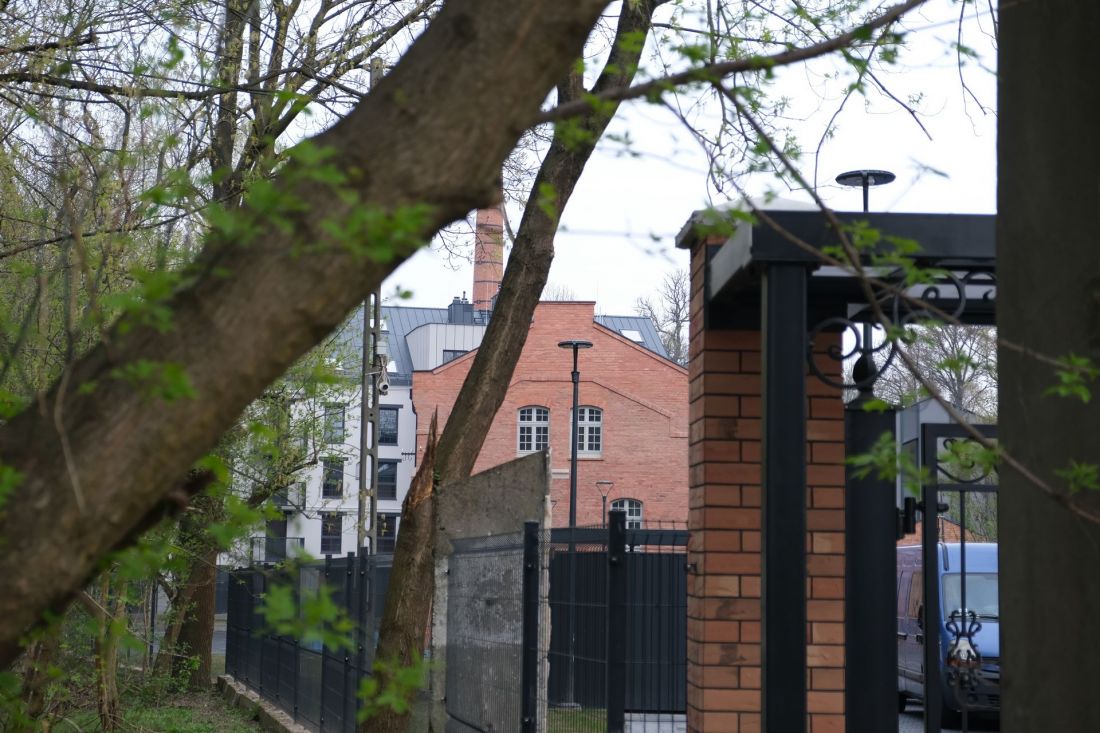
Faktoria Młyn in Nowa Huta
photo: Przemek Ciępka
Why, then, has the matter, the solution of which would result in greater or lesser benefits for the City, its residents and the investor, still not found its finale?
The City Treasury Department, responsible for such transactions, expresses willingness to buy or swap plots, the Urban Greenery Board declares that the project fits in with its priorities, and the creation of the park is also supported by the Bieńczyce District Council, which recently passed another relevant resolution. The enlargement of the green space at the Duck Pond is also received with great enthusiasm by the local community. In my opinion, there is a lack of coordination of the process and a decision linking all these elements, and the city's budget situation probably casts a shadow over this situation.
- Pawel Pucher concludes.