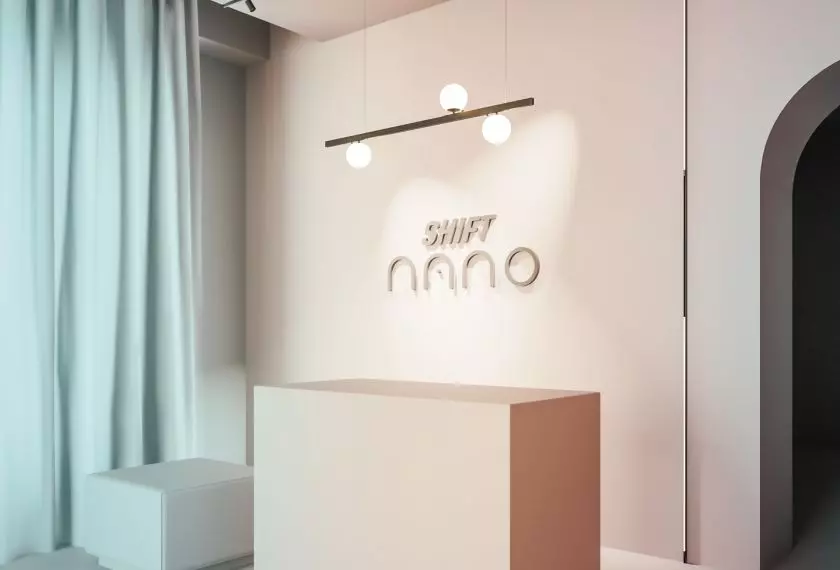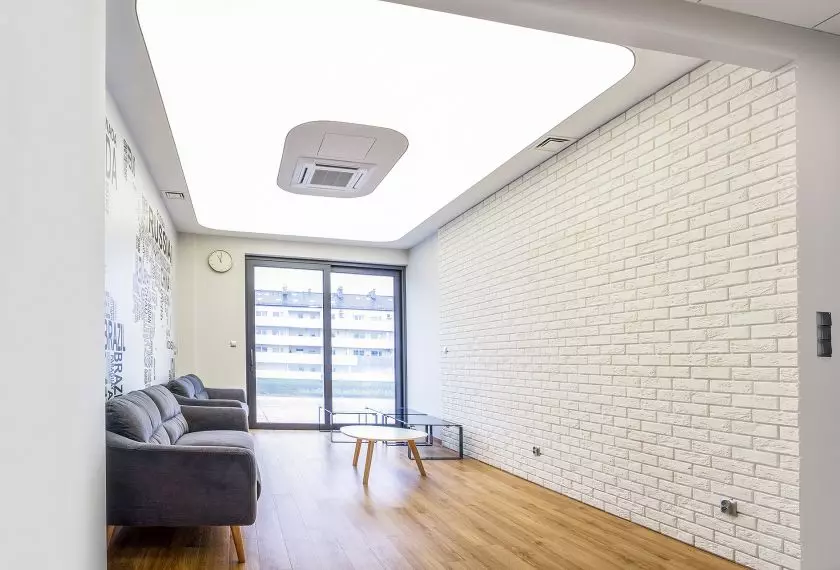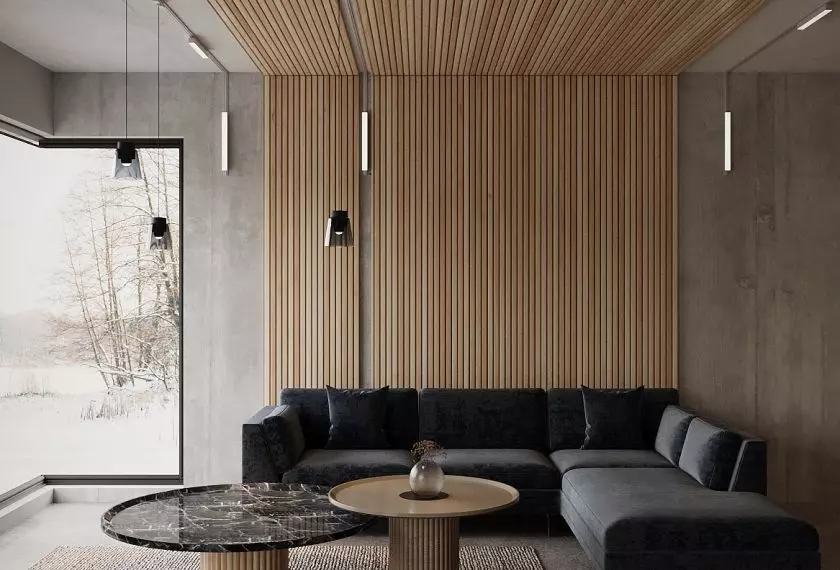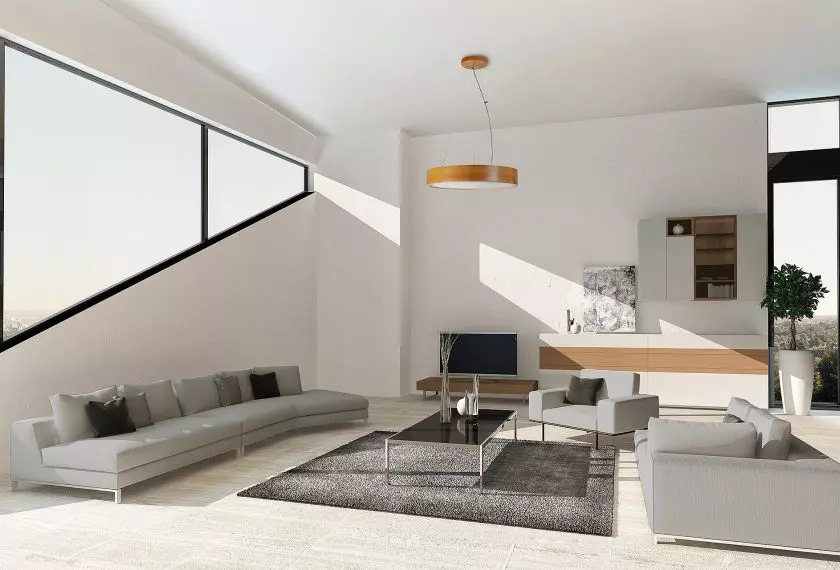



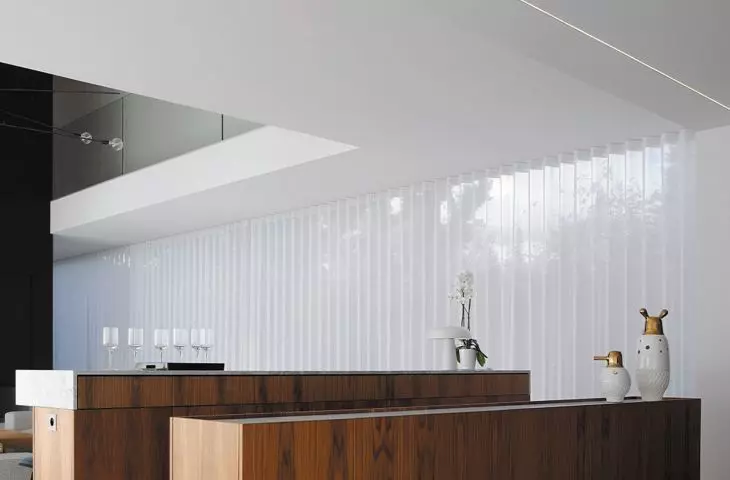
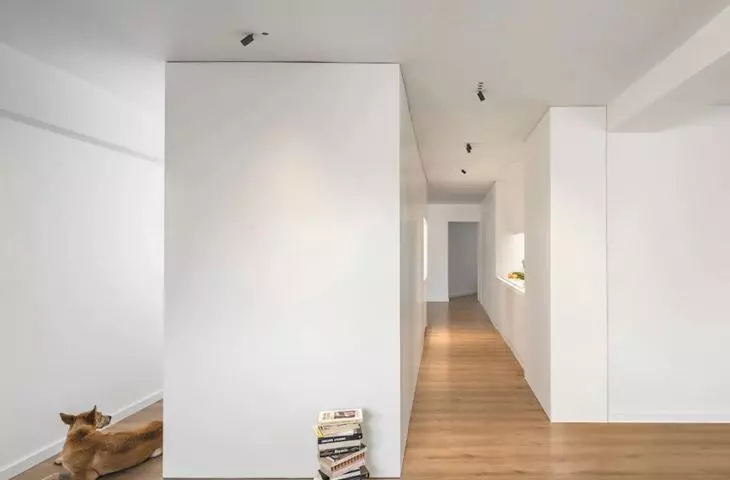
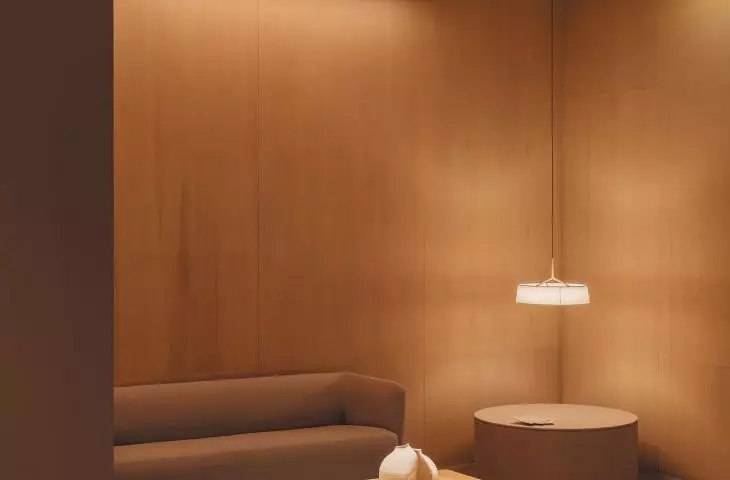
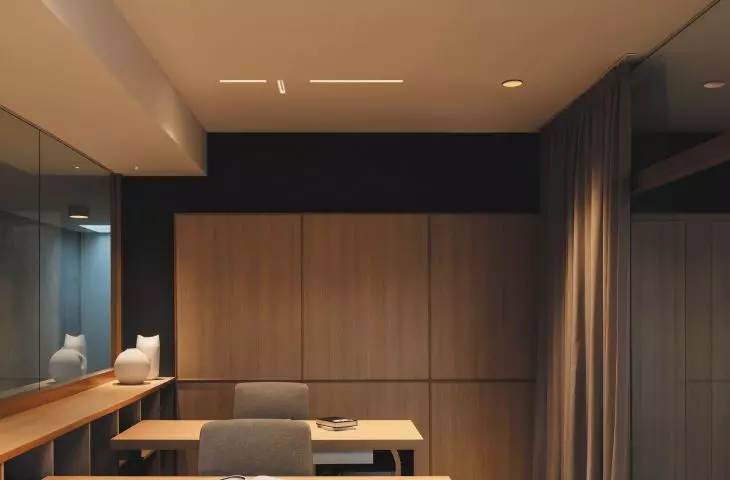
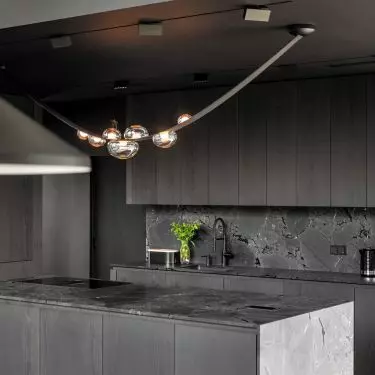
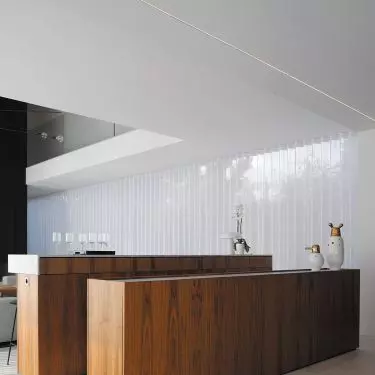
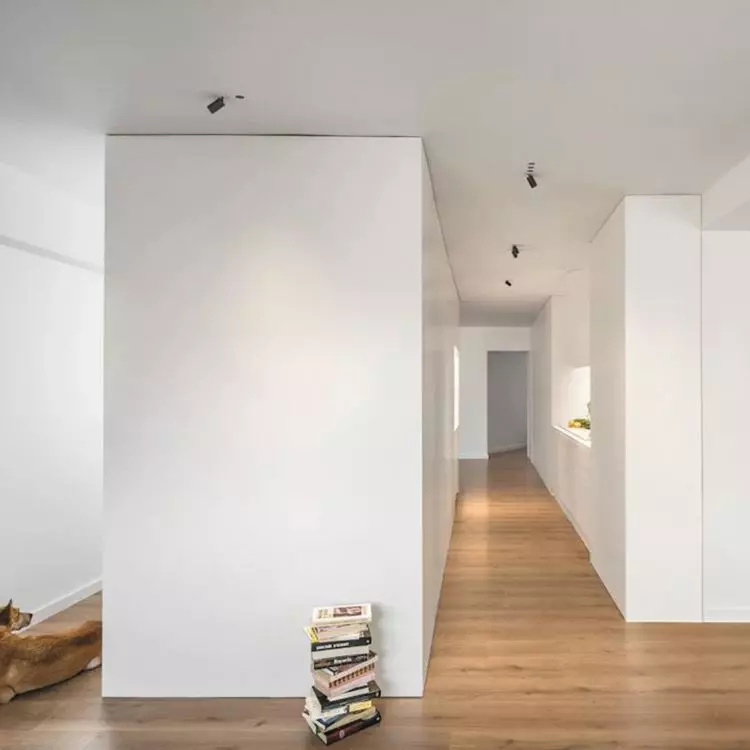
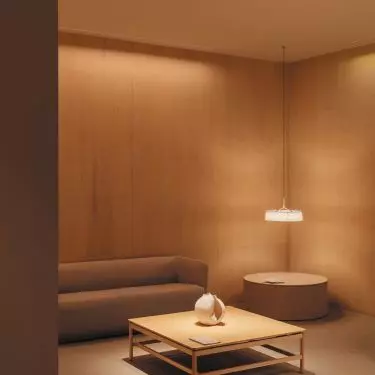
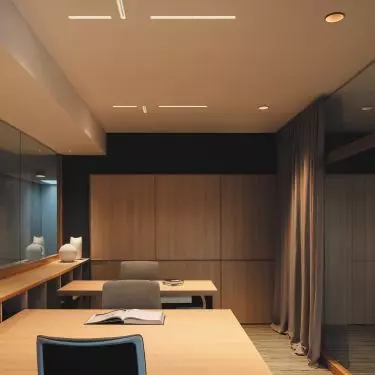

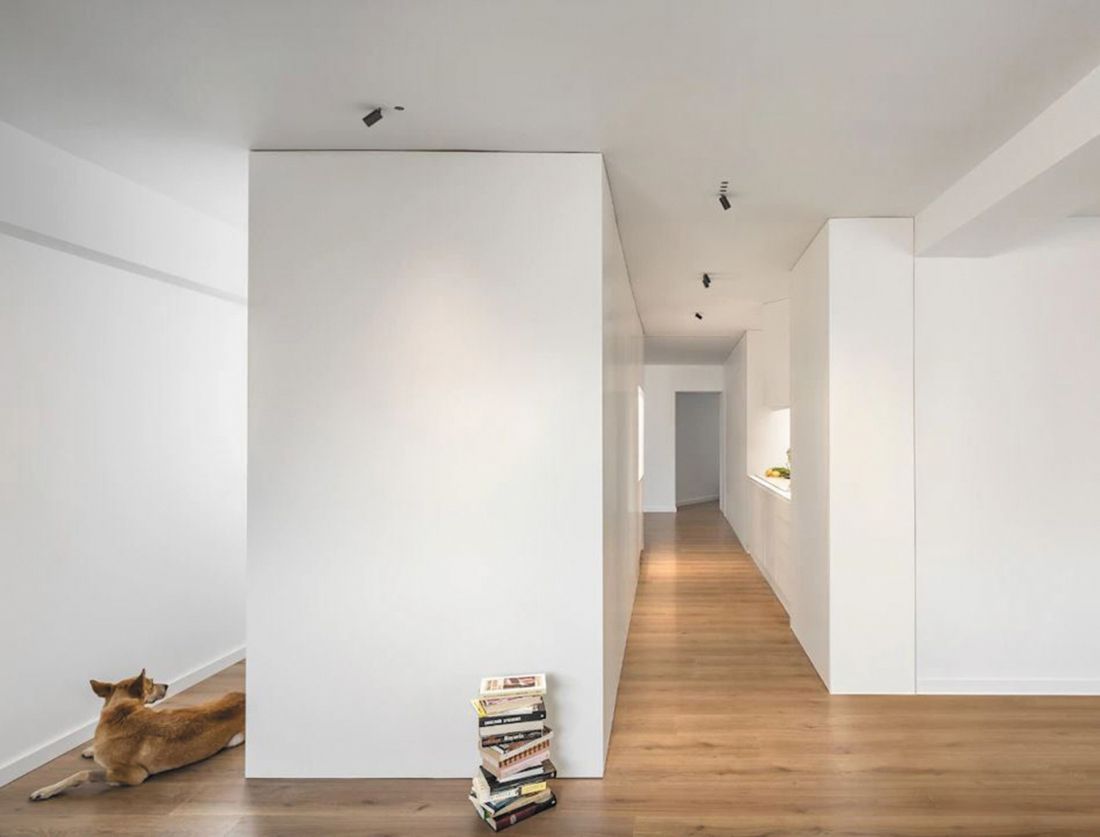
Minimalism in interior design has been evolving for years. It is no longer just simple forms, reduction of detail or dominance of natural materials. Today's minimalism is quiet, functional and balanced. Increasingly, its key protagonist is becoming... light, which does not want to be seen at all. The trend of "invisible lighting" shifts attention from the fixtures to the effect. Instead of looking at the lamps, we look through them.
© BERCAL
Where did this trend come from?
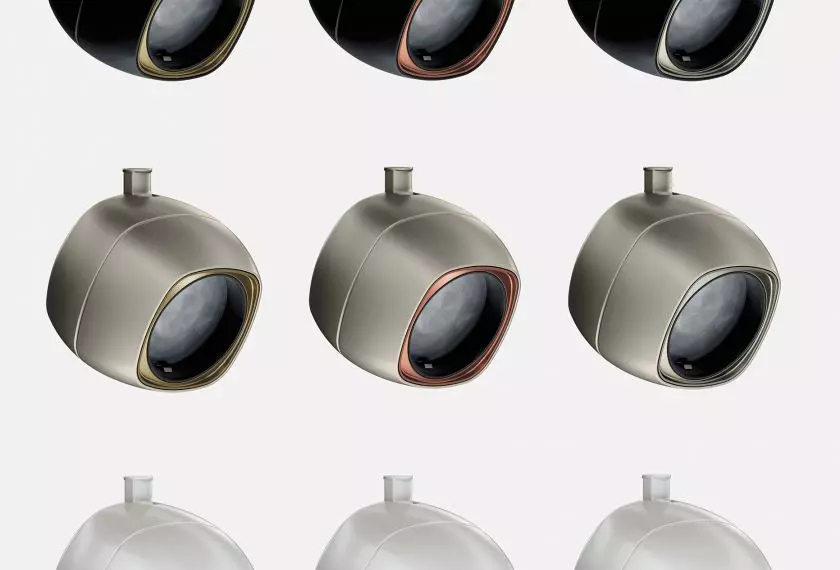
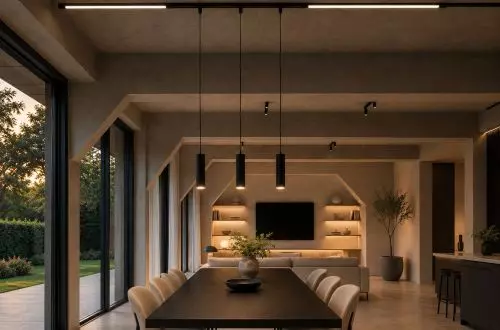
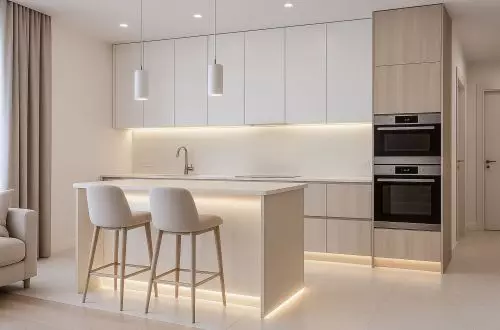
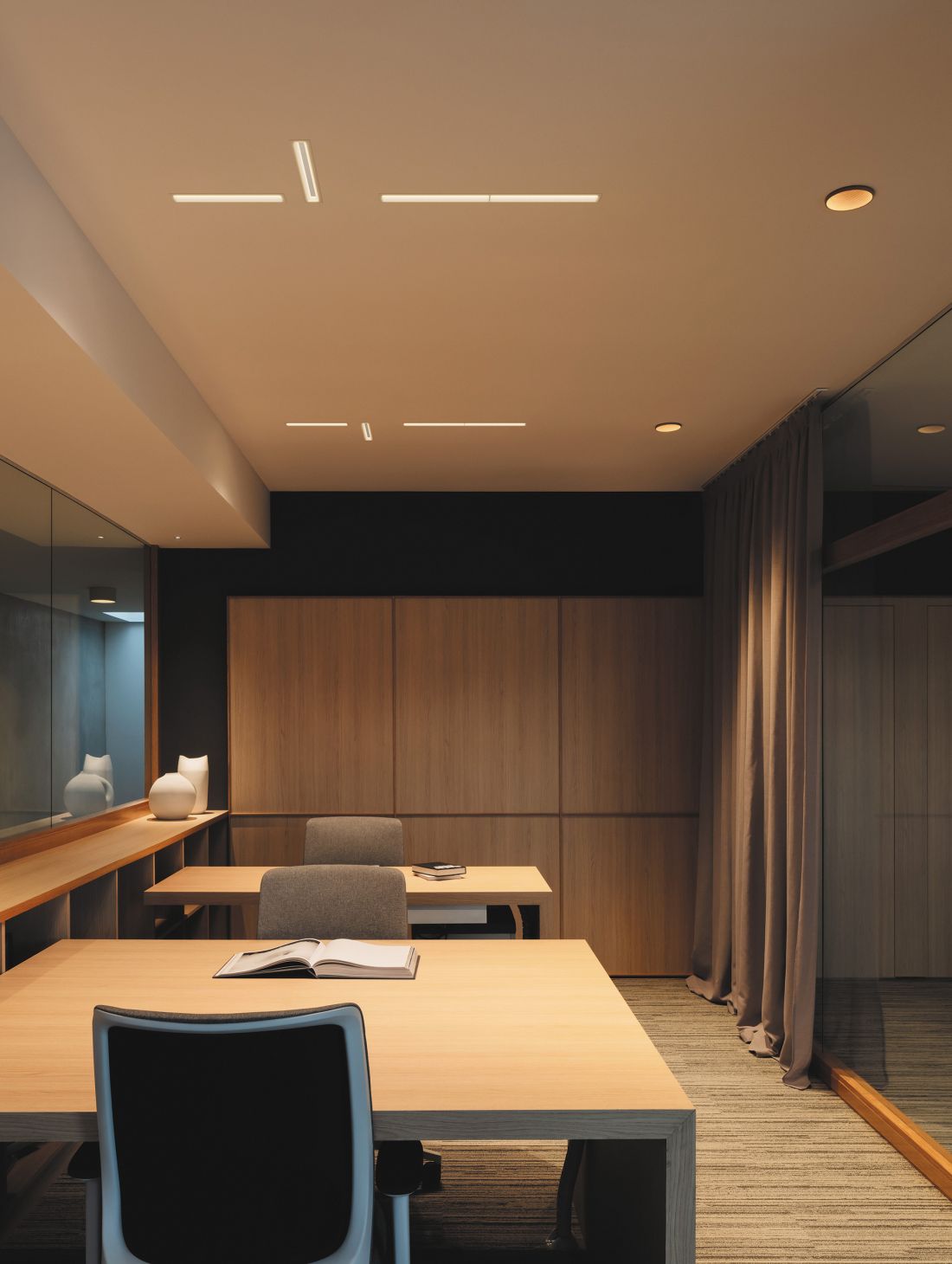
Modern interiors have become more malleable thanks to optical technologies and the miniaturization of LED sources. Designers no longer need to mask luminaires - they can simply make them invisible. Profiles recessed into the ceiling and wall, micro-point luminaires with a diameter of a few millimeters or magnetic systems hidden in thin slits allow composing light like a drawing. At the same time, users' expectations are growing. They want interiors that are elegant, visually "clean", without an excess of stimuli. If an element does not bring value - it disappears. Even the lamps.
Light models the space (instead of decorating it)
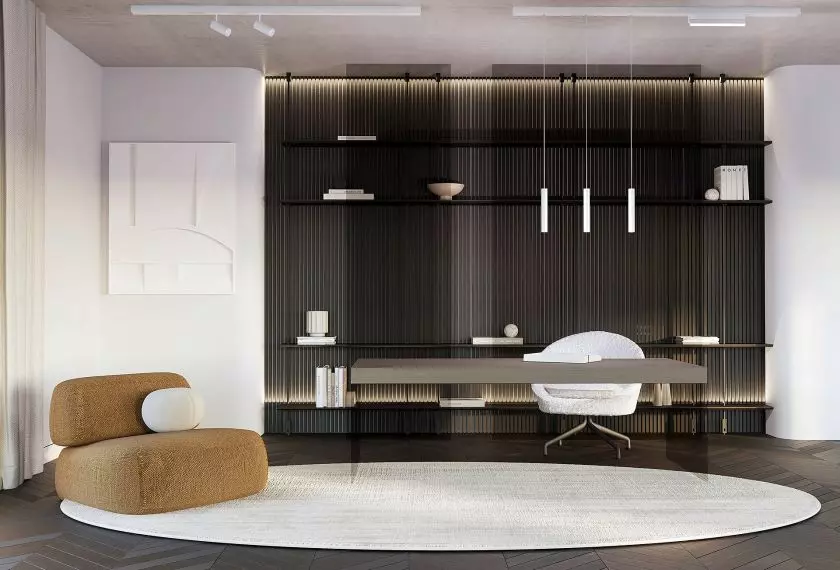
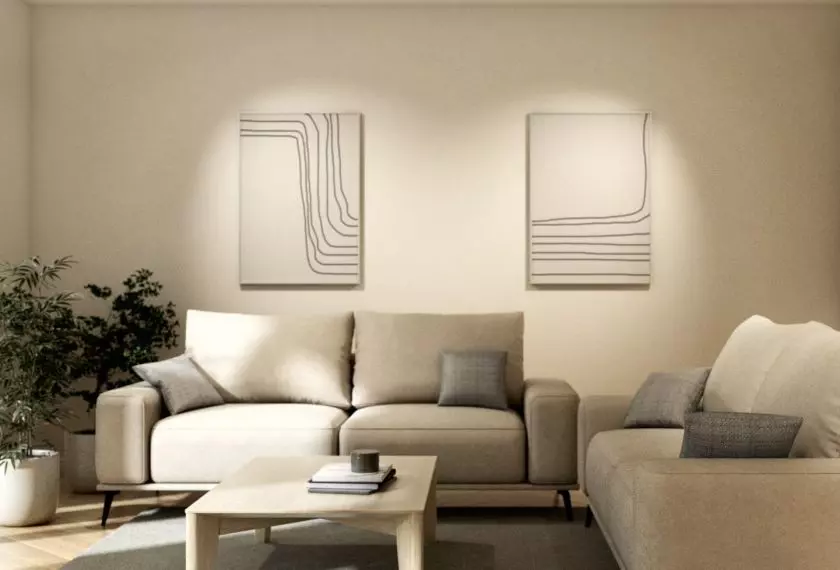
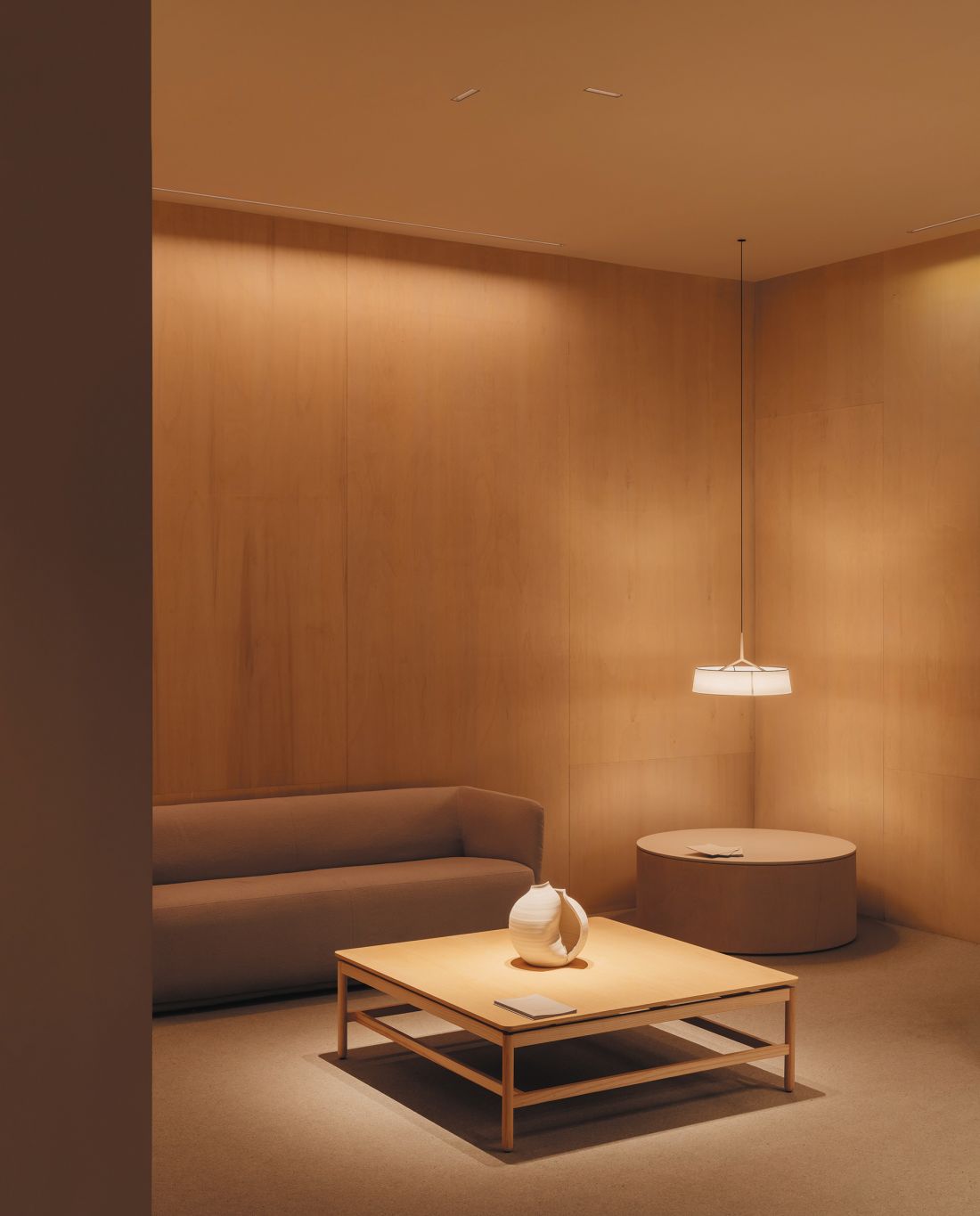
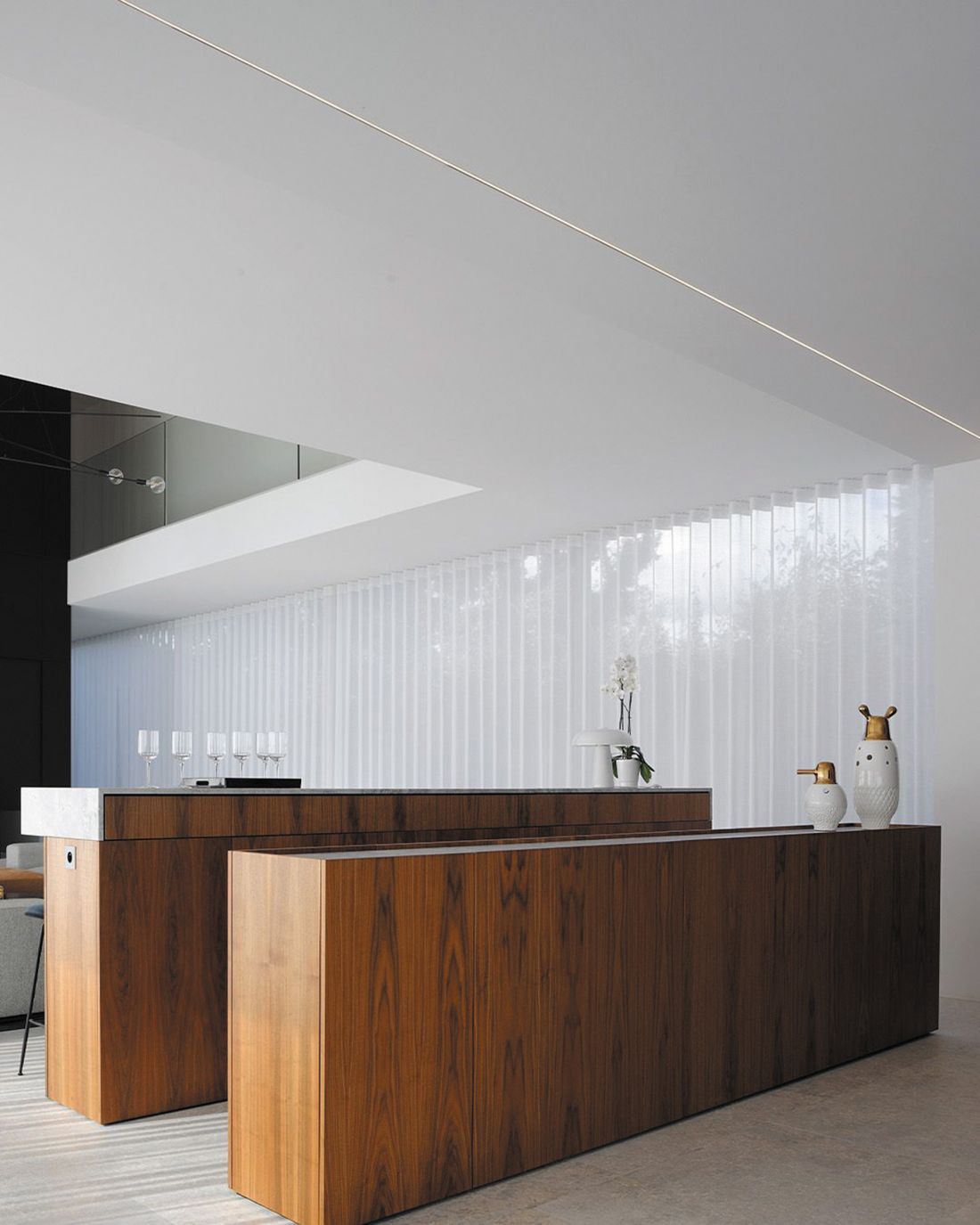
Invisible light does not compete for attention. It builds tension: it brings out the texture of the wood, emphasizes the gentle curve of the walls, guides the eye along the line of a table or staircase. It's no longer decoration. It's architecture with light.
Minimalist interiors are sometimes acoustically hard and materially cool. Properly designed lighting - directional, warm and soft - can fix what marble, steel or glass did not.
© BERCAL
Invisible doesn't mean simple
The paradox is that the less you can see, the more you have to plan:
- proper ceiling depths for profiles,
- anticipation of power points,
- well-planned electrical installation,
- anticipated locations for power supplies with access to them
- predetermined control issues
© BERCAL
Minimalism requires discipline. And an invisible mistake can be costly.
Therefore, increasingly, it is not the luminaire that is the problem, but the entire coordination process. This is where the role of the lighting consultant grows - someone who can align the architect's ideas with the realities of workmanship and technology.
The conscious role of decorative lamps
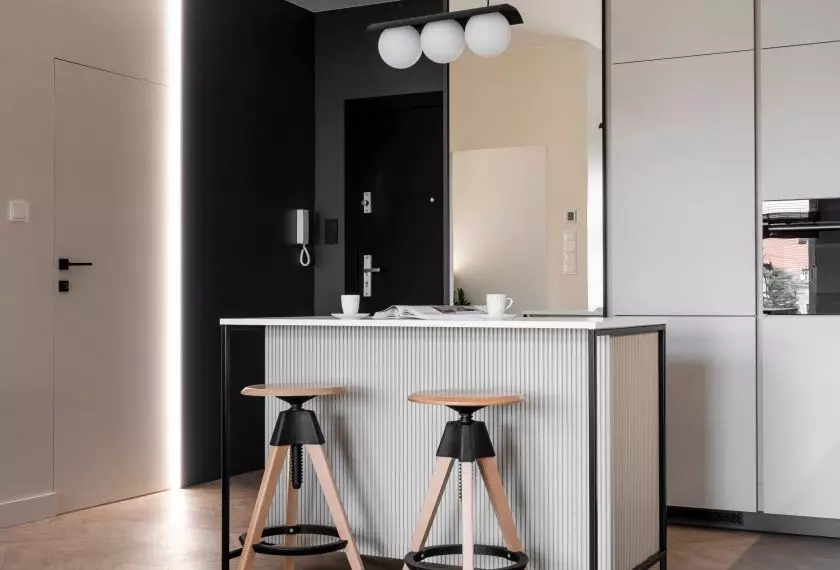
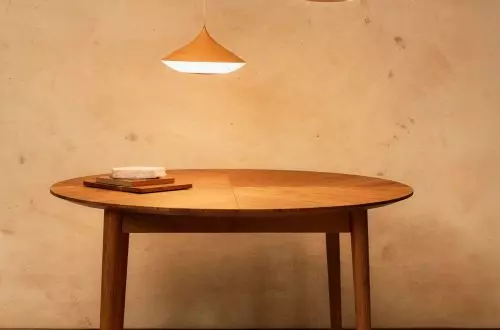
Interestingly, the use of concealed lighting in most of the interior enhances the power of single, consciously chosen decorative fixtures. When the overall light is discreet, one or two lamps can take over the role of the protagonist of the composition: above the table, in the lounge area or above the stairs. Then they are not a competition for hundreds of light points - they become a sculptural element that attracts attention and gives the interior character. Minimalism paradoxically raises their importance, allowing form, material and proportion to ring out in the architecture. Thus, decorative lamps cease to be just an accessory, and become an important element that gives the interior character.
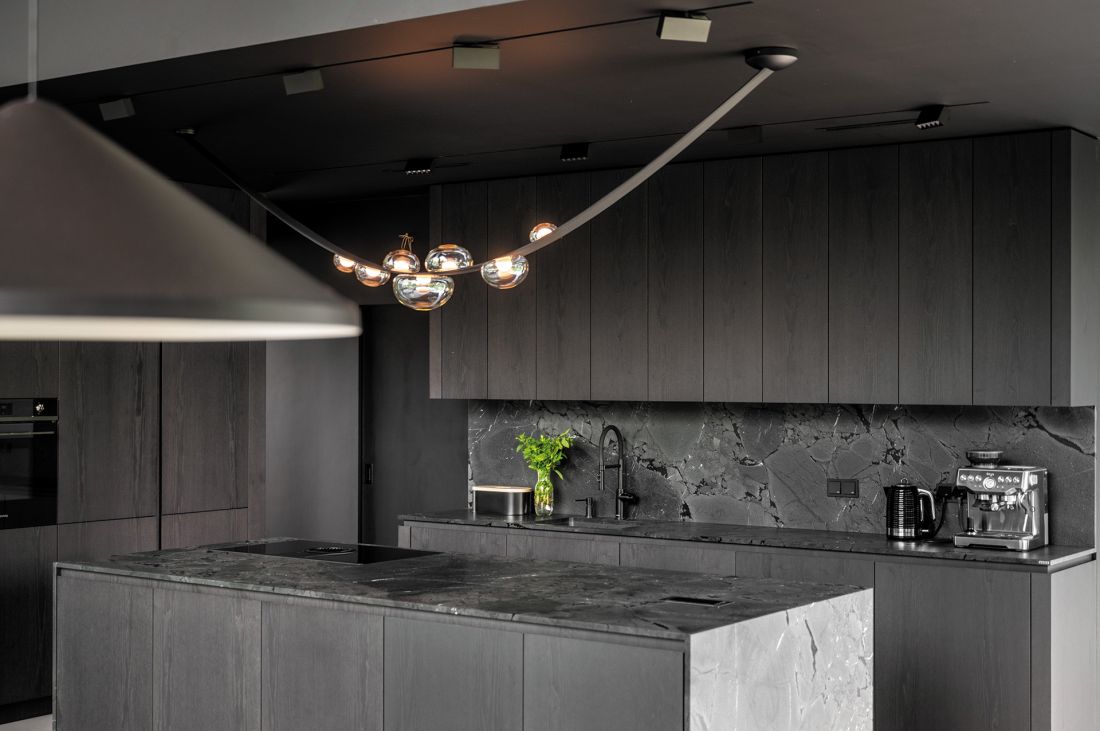
Minimalism and "invisible light": designing spaces that don't glow - but breathe
© BERCAL
Control: light you don't touch
Minimalism doesn't like excess... including on the walls. A multitude of switches disturbs the simple composition. The answer becomes intelligent control, including the KNX system - a standard that allows you to:
- organize functions in a single panel,
- integrate lighting scenes,
- automatically adjust intensity to daylight,
- minimize energy consumption.
Scene "work" in the office, "dinner" in the kitchen or "relaxation" in the living room - all accessible with a single gesture, without an excess of visible buttons on the walls.
The role of the design consultant
In practice, "invisible" light requires really good knowledge. The client often sees pretty pictures on the Internet, but is unaware of hidden problems, such as:
- too much light reflecting in shiny surfaces,
- visible shadows on the face at the mirror,
- inability to create different moods for an evening or meeting.
That's why it's so important to work with a person who can plan lighting not only for aesthetics, but also for daily use of the space. At BERCAL, we often work with architects already at the concept stage - before the installation is created. As a result, minimalism is not a compromise, but an intention.
© BERCAL
Ecology in the shadow of aesthetics
Despite appearances, invisible light can be more ecological. It delivers light where it is needed and in a quantity that does not generate waste. Integration with occupancy sensors, daylight and KNX controllers allows real reductions in energy consumption - without loss of ambience.
In summary, a space without visible fixtures is not poor - it is intentional. Light becomes a medium that builds mood, protects against visual chaos, respects the proportions and rhythm of architecture. To achieve this effect, you need:
- early planning,
- competent selection of luminaires,
- control automation,
- good workmanship.
Invisible light is like good background music - you only notice it when it stops playing.
For more information, visit the company's BERCAL page on the A&B portal.