








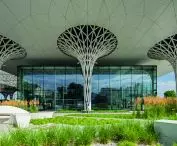

Some time ago in one of the Polish trade magazines I came across a statement that PR in architecture is a bad thing. I was very surprised by this statement. When I curated the Masters of Architecture lecture series from 2017-2024 on behalf of the Katowice branch of SARP, I met with representatives of many large international architecture firms, such as Foster+Partners, Snøhetta and Henning Larsen Architects, who spend a lot of money on PR. During their visits to the Silesian capital, these architects told me that through PR they can popularize architecture and urbanism, and thus common space as a value. This increases architectural public awareness in their countries, which in turn translates into better earnings for the entire industry. To disenchant the subject of PR and learn how to build coverage around Polish architecture, I talk to Olga Kisiel-Konopka, who handles PR for Poland's largest studios.
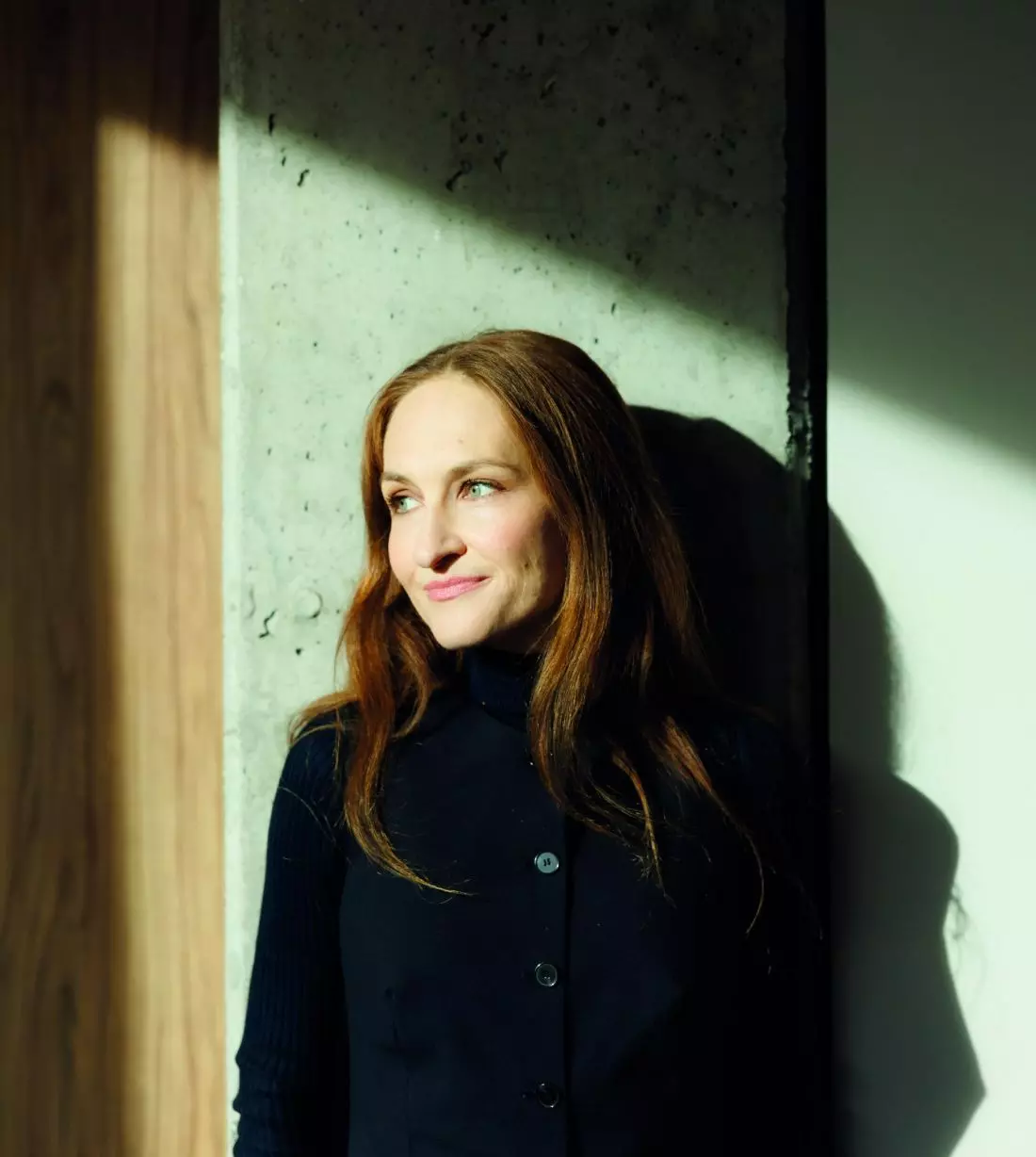
Olga KISIEL-KONOPKA - has been involved in the interior design industry, public relations and media since 2006. Since 2012 she has been running the agency OKK! PR, which specializes in communication of interior, architectural and construction brands, and organizes a series of meetings for architects and designers: OKK! design. For almost twenty years, she has been active in the industry as an organizer, promoter and juror of interior and architectural competitions. She has experience as a curator of exhibitions of good design, including at the Lodz Design Festival, Arena Design, as well as a panelist and participant in conferences and industry events. She organizes and hosts webinars on interior design and architecture. She is involved in the promotion of brands and companies, and connects the industry community: manufacturers, suppliers with architects and designers. In terms of consulting, she cooperates with the best architectural studios. She was responsible for communication and image building of such brands and studios as Geberit, KOŁO, BoConcept, Vasco, Profim, FLOKK, Cosentino, Forbo, Marbet Style, SAW, Anna Koszela, Studio Organic, Kulczyński Architekt, Tremend, Decoroom, WXCA, BBGK, Accessible Art Fair and many, many others.
Wojciech Fudala: OKK! PR is the most recognized agency serving architects and designers today when it comes to PR. I'd like to know what your beginnings were like. Has PR always been your passion, where you wanted to realize yourself professionally?
Olga Kisiel-Konopka: This decision matured over time. In high school I belonged to an amateur theater, and it was my great passion then. Among other things, we played "Świtezianka" by Adam Mickiewicz, in which I was given the title role, as well as "Raisins with Almonds" - a beautiful Jewish play based on poetry from Jerusalem. After high school graduation, I passed to the theater academy, but eventually decided to study Polish philology. However, I did not abandon theater - at the university I ran the Dream Tworzywo Theater and initiated the festival of amateur theaters "Teatromania", which was active in Podlasie for many years. It was then that I realized that what I was really passionate about was contact with other people - building relationships, conversations, meetings. This gave me the greatest satisfaction. While I was still a student, I started working at Publikator publishing house. At the time, it was one of the largest companies of its kind in Poland, publishing such titles as "Salon and Bedroom," "Świat Łazienek i Kuchni" and "100% Wnętrza." I spent four intense years there, engaging in numerous marketing and PR campaigns. I felt that this was my world. From A to Z, I coordinated the "My World Is EKO" or "Young Design of the Year" projects, as well as promotional campaigns, such as "Close Encounters with the Living Room and Bedroom."
Wojciech Fudala: I suspect that the transition from philology to such a specialized industry as architecture must have been difficult.
Olga Kisiel-Konopka: I believe that when taking up any business, one should study the subject in depth. When I started working with architects and designers, I was keen to understand the specifics of the profession as much as possible. Therefore, in parallel with my work at Publikator, I decided to take a design course at the Academy of Fine Arts. From that moment, the design industry completely absorbed me.
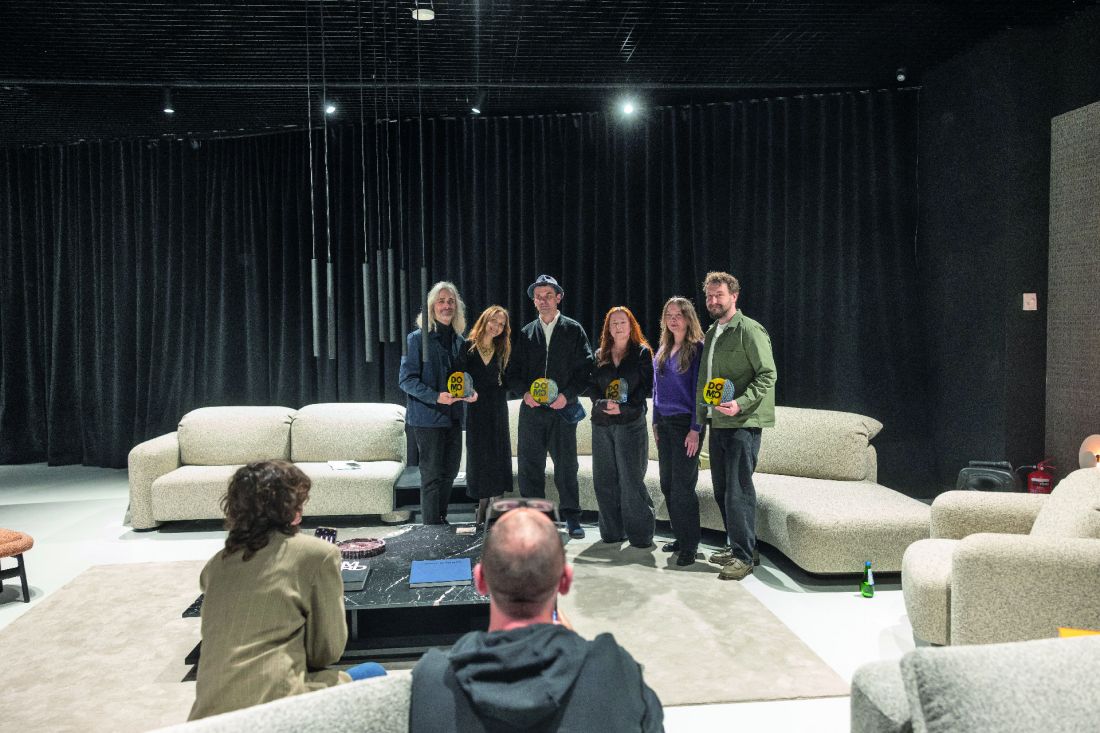
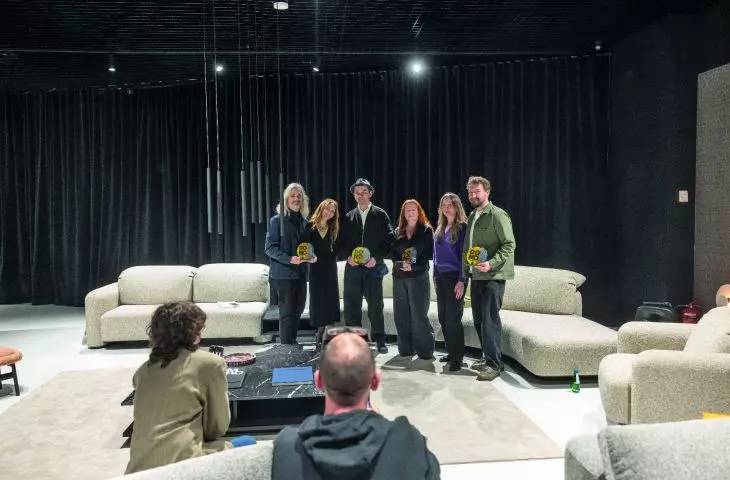
DOMODESIGN - a cyclical meeting organized by Domoteka; pictured from left: Krystian Kowalski, Olga Kisiel-Konopka, Paweł Jasiewicz, Małgorzata Szczepańska, Marta Niemywska-Grynasz, Dawid Grynasz
Photo: Bartek Barczyk
Wojciech Fudala: What happened in the period between your departure from the publishing house in 2009 and the establishment of your own agency three years later?
Olga Kisiel-Konopka: After working at Publikator, I moved to the Te-Jot publishing house, which publishes the trade magazine Weranda. I was head of marketing and PR there for more than two years. Later, I still worked on the first editions of "DesignAlive" magazine.
Parallel to my editorial and marketing work, I was also a curator of exhibitions. Among other things, I cooperated with the Łódź Design Festival and participated in the creation of the first editions of Gdynia Design Days and Arena Design. It was a time of intense contacts with designers, many of them were starting their professional path at that time, and today they are among the most recognizable creators of Polish design, among them: Tomek Rygalik, Marta Niemywska-Grynasz, Dawid Grynasz, Krystian Kowalski, Maja Ganszyniec or Szymon Hanczar.
A full-time job gave me a sense of stability, but regardless of where I was employed, I always engaged in my work as if it were my own company. I worked with full commitment, often from early mornings to late evenings. Over time, I began to see the need for more independence and flexibility, which led me to start my own PR agency. I approached this step responsibly and graduated with a degree in public relations from the Warsaw School of Economics.
Wojciech Fudala: Initially , however, you didn't do PR for architects, but only for brands offering products that these architects use.
Olga Kisiel-Konopka: Indeed, in the beginning we worked mainly with brands that offered interior design products, such as BoConcept, PEKA, Samsung, Ege, Profim, Geberit. From the very beginning, however, I was keen to build a space for dialogue between these companies and the design community. So we organized events aimed at architects and interior designers - motivational meetings, trainings, presentations of novelties, and in 2012 our OKK! design series was launched.
Over time, these formats began to attract architects involved in public space or greenery as well, and we increasingly understood the specific needs of this group. The natural result of these activities was that after a year or so, the first architectural and interior design studios began to join our client base.
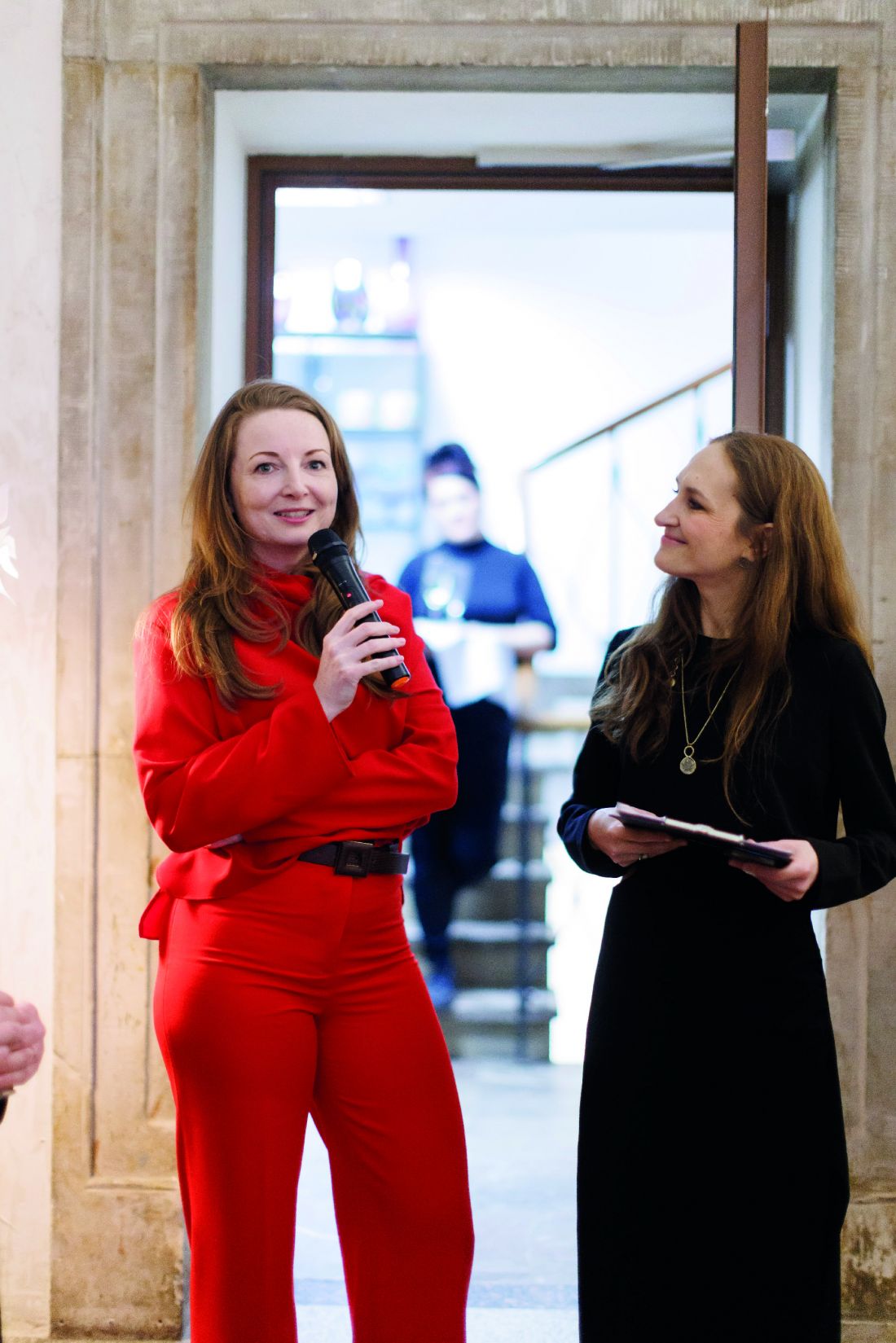
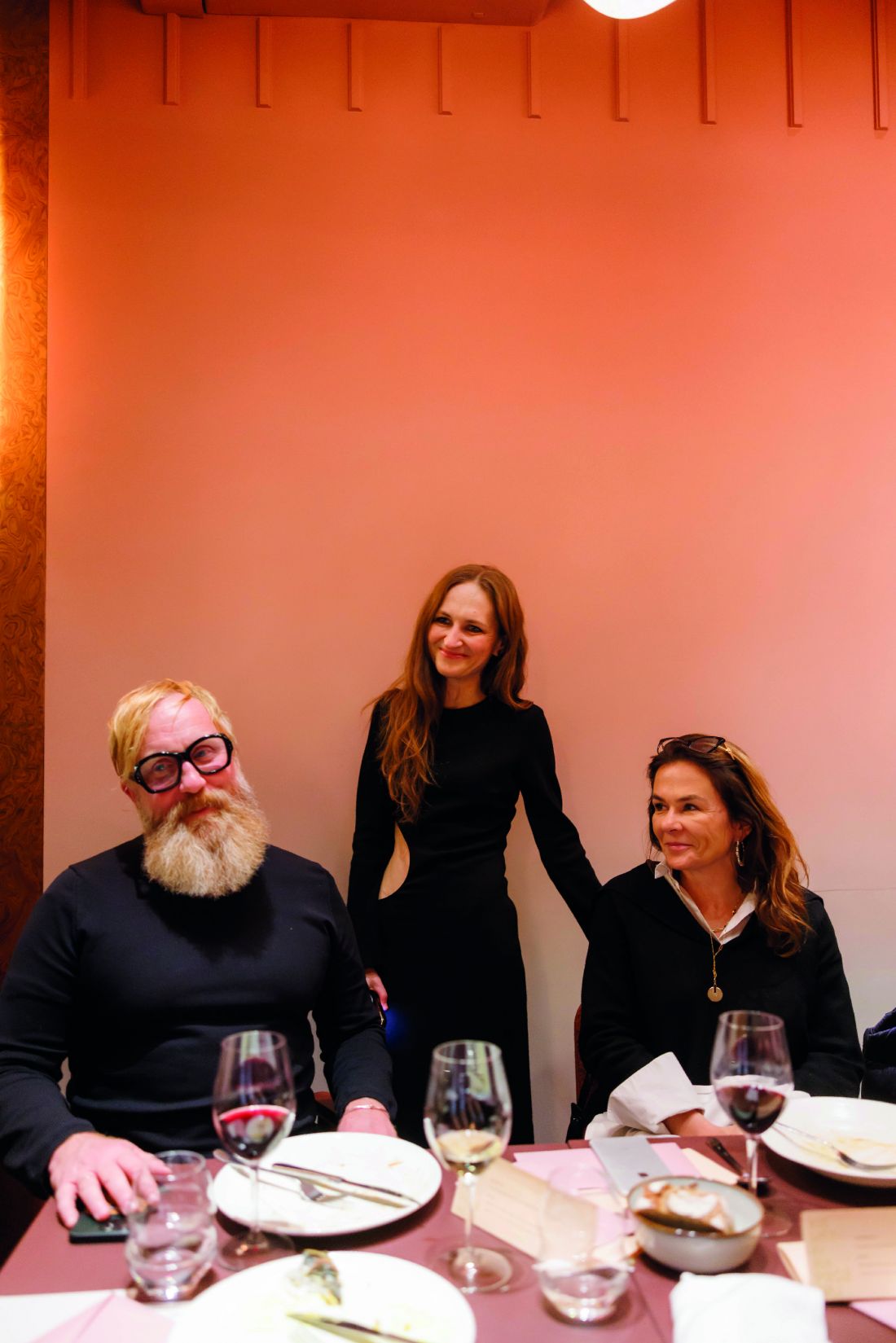
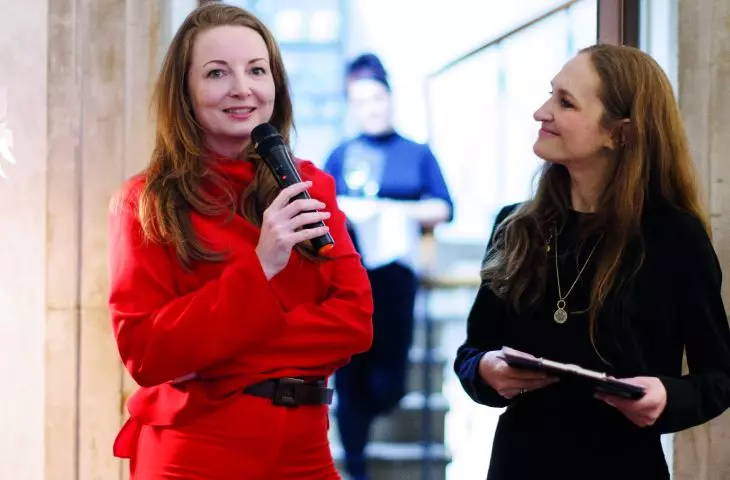
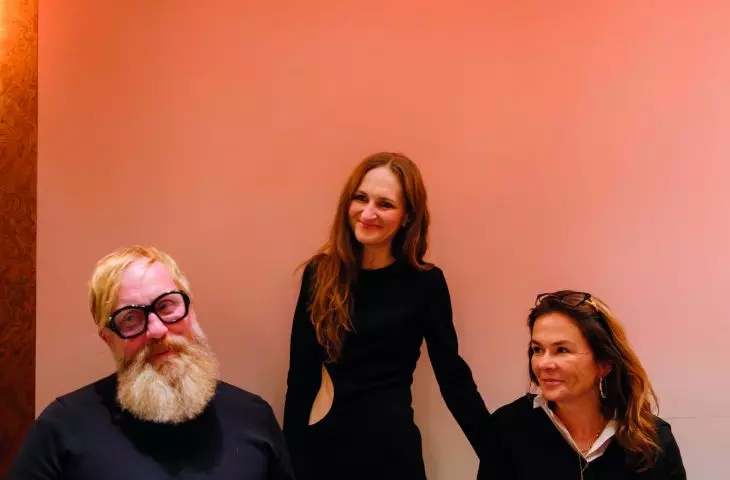
The ARCHITECTS Dinner - an original project of the agency OKK! PR agency, which was created with the idea of integrating the community of architects and designers; meetings are held in unique locations, conducive to the exchange of experience and inspiration; it is a unique space for dialogue, where business meets culture, art and design; pictured: Marta Sękulska-Wronska (WXCA) and Olga Kisiel-Konopka (OKK! PR) | ARCHITECTS Dinner - at Kieliszki on Próżna Street in Warsaw; pictured: Przemo Łukasik, Magda Federowicz-Boule and Olga Kisiel-Konopka
Photo: Bartek Barczyk
Wojciech Fudala: Do you remember who was your first architecturalclient ?
Olga Kisiel-Konopka: Yes, interior designer Robert Majkut. We met at a Samsung press conference, where he was presenting one of his projects. He was already recognizable by his interior designs for the Multikino cinema chain, banks, restaurants and other public spaces. Soon after, OKK! PR was also joined by Anna Koszela, Studio Organic, Decoroom, Kulczyński Architekt or JIO studio. Significantly, we are still working with some of them today.
Wojciech Fudala: There are many design studios that are reluctant to admit to working with PR agencies. There are even voices in the architectural community that PR is something unethical and architects should not promote themselves , because good PR does itself, after all. How do you address this?
Olga Kisiel-Konopka: If we call something unethical, we assume that it is wrong, misrepresented or hurtful to another person. PR in its concept is not about lying. It is not artificial image creation, but conscious relationship building based on truth and credibility. Our agency works only with brands and studios that are guided by integrity and operate in accordance with ethical principles.
I believe that every studio needs consistent and well-thought-out communication, regardless of whether it uses a PR agency or employs a PR person in-house. An image is never created on its own. It is a long-term, carefully planned and systematic process. There are indeed agencies in the industry that encourage architects to take on celebrity roles and create controversy. Our approach is completely different. We also do not use "Poodle" PR. We don't create sensational media "bombshells" or work on the principle of "it doesn't matter what they say, it matters that they say it."
PR is first and foremost a tool for building credibility and a relationship with an audience - a client, partner or journalist. In this view, it is difficult to consider PR as something unethical, since its purpose is transparent communication, which is based on reliable information and mutual trust.
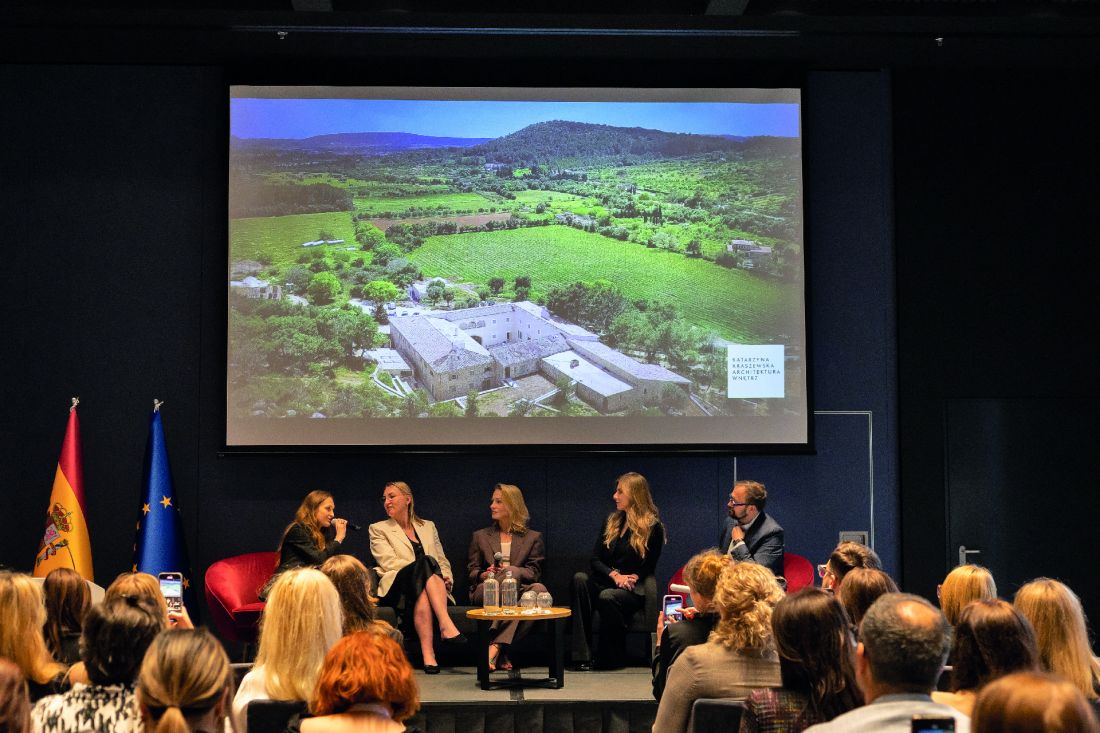
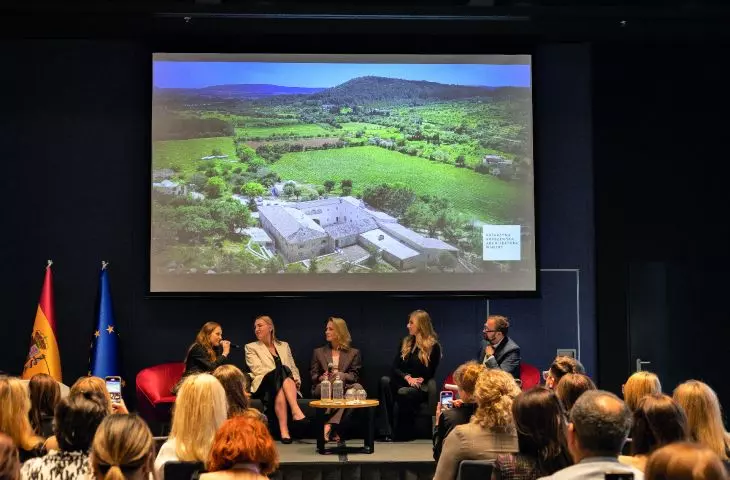
SPAIN IS IN - an international project organized around the world, dedicated to architects and interior designers; OKK! PR, working with the Embassy of Spain, twice oversaw the event in Poland; its goal is to promote Spanish design and create a space for the exchange of inspiration and experience; the events also invite world stars of architecture and design
Photo: Dagmara Maroszek-Bździuch
Wojciech Fudala: And what do you think about paid competitions, in which you enter your realization by paying an entry fee? I have encountered opinions that this is "buying prizes."
Olga Kisiel-Konopka: I think it is not worth lumping all paid competitions together. If an atelier is successful in the local market and would like to enter the international market, a well-chosen contest can help with that. We have at OKK! PR examples of studios that have attracted investors from abroad thanks to such competitions.
It is worth remembering that one of the most recognized Polish architects Robert Konieczny also participated in paid competitions. In 2018, his German Design Award for Dom po Drodze was hailed as the Oscar of design by established industry media. This strongly influenced public opinion.
Now I am surprised to see the same editors ridicule the use of such a phrase against another winner of the same award. I think it's not fair and can undermine trust in industry awards, as well as negatively affect young designers who are just starting to build their brand and trying to stand out in the industry.
Wojciech Fudala: I acutely believe that awards such as the German Design Award can be an impulse to get people talking about architecture in general. Even if the competition is paid, the title of Oscar of design makes architecture present in the media, not only in the industry.
Olga Kisiel-Konopka: I agree, such an award provides an excellent pretext for a wider presentation of the realization. It is known that some titles are sometimes overly flashy and can offend the environment, but let's remember that it is not PR agencies that create them. Editors themselves choose such headlines that attract the reader's attention. From the perspective of an ordinary viewer, it is much easier to assimilate a title like "Oscar of architecture" than the name of a particular competition, which says little. If such simplification can help popularize architecture and create greater spatial awareness in the public, I think it is worth looking at it with a bit of understanding.
Wojciech Fudala: You do PR for architects, but also for brands in the broader design industry, such as furniture manufacturers. How does PR for architects differ from PR for other industries?
Olga Kisiel-Konopka: Regardless of the industry, PR is always based on three foundations: building relationships, creating brand awareness and reaching the right target audience. In this context, both architects and commercial brands operate in a similar way: they strive to be seen and understood by a specific audience, crucial to their success.
However, I believe that PR for architects is much easier to implement. Although we serve companies that offer really interesting and innovative products, their messages are definitely harder to break through to the media. In trade titles, such as "Architecture & Business," it is much easier to get a publication about a particular building or interior than about a new product. This type of information is often treated as paid material. I taught a class at SWPS about product PR and we came to some interesting conclusions with the students, but I'll talk about them "live."
Wojciech Fudala: How do you see architects as a professional group?
Olga Kisiel-Konopka: The world of architects is fascinating! I think it's a fantastic professional group with huge demands on their shoulders. On the one hand, you are psychologists who must understand people and their needs. On the other hand, you are very familiar with technical and technological issues. An architect creates reality and has a real impact on the world around us - on how we live, function or feel. This is a profession that carries great responsibility, but also offers unlimited possibilities for creation.
Wojciech Fudala: Many architects today feel undervalued, lamenting the lack of understanding of the value of their work. In addition to attracting new clients, can PR also help build an architect's position in society?
Olga Kisiel-Konopka: Definitely yes. It is known that the main benefit of PR cooperation is to attract new clients, i.e. investors, but if we look at the broader context, PR has great potential in building public trust towards the entire professional group.
Today we also face a very different level of public criticism than in the past. The Internet, and especially social media, gives everyone the opportunity to express their opinions anonymously, which often leads to the appearance of hejt. In the case of architecture, which is a field closely related to aesthetics and emotions, opinions are sometimes extreme. Some like the modern form, others may find it too bold. Criticism is inevitable, but unfortunately it is often superficial, based on an incomplete understanding of the project or the context in which it was created. Anonymity on the Internet makes some people express negative opinions in ways that would be unthinkable in traditional forms of communication. However, I believe that in recent years the profession
of architecture has gained a lot of ground. Leading names are recognized and respected. This can be seen, for example, in the cooperation of renowned brands with architects. Why does Lexus want to work with Tomasz Konior? Because it sees him as a socially valuable person with a strong image. This shows how much value good PRcarries .
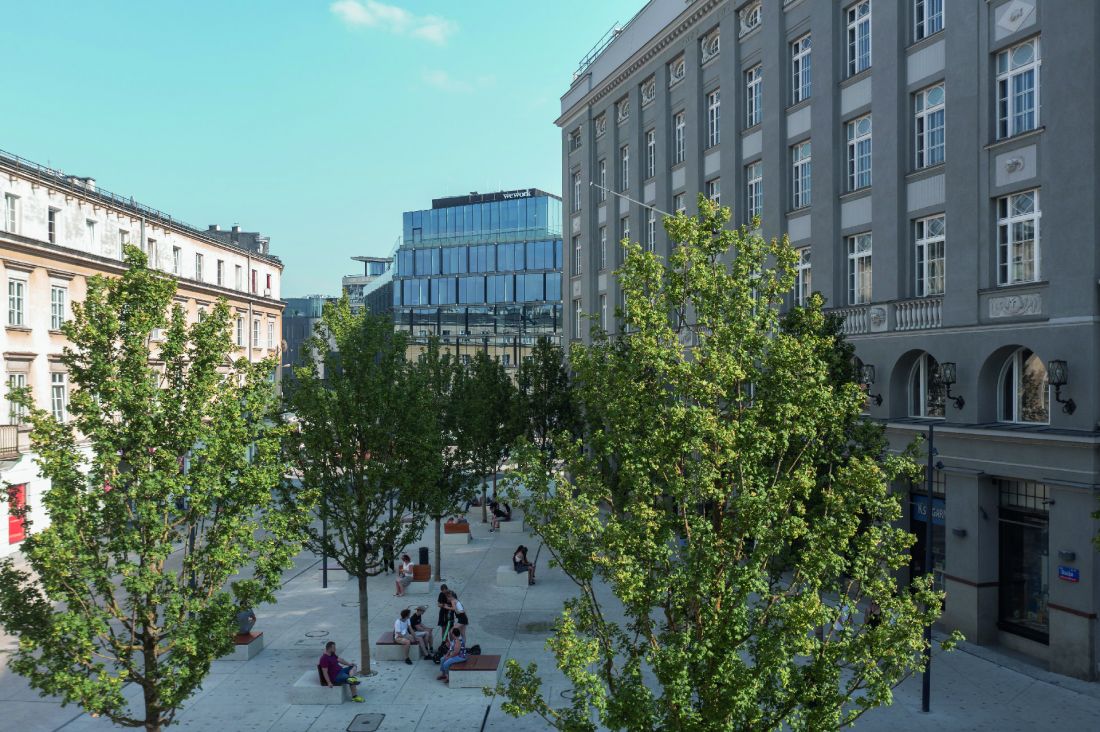
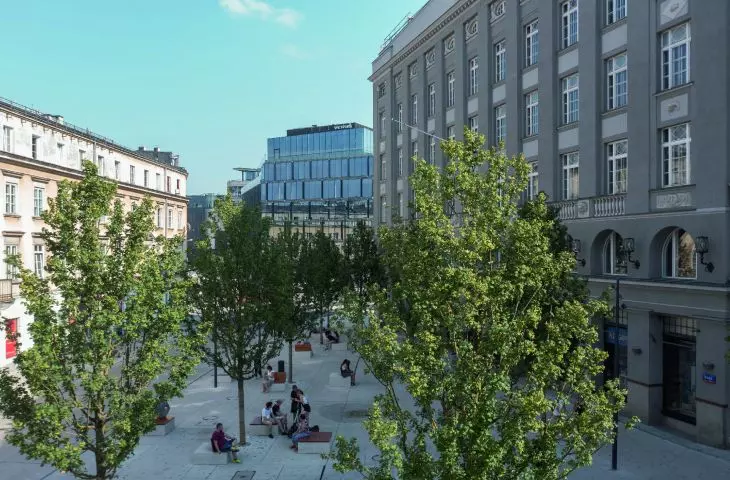
Pięciu Rogów Square in Warsaw - designed by the WXCA studio; this is an example of reclaiming urban space for pedestrians, where car traffic has been reduced and the center of the square has been filled with greenery and small architecture conducive to meetings; the project has become a symbol of modern, inclusive public space, combining functionality with aesthetics; OKK! PR was responsible for the communication of this space
Photo: Bartek Barczyk
Wojciech Fudala: What situations in working with architects have you found particularly difficult or challenging?
Olga Kisiel-Konopka: A very challenging case study for us was the Pięciu Rogów Square in Warsaw (proj. WXCA, 2022). There used to be a busy intersection there, and today it's a beautifully designed space, with more than twenty large maple trees. Unfortunately, after the opening of the square, there were allegations. A well-known activist publicly referred to the site as "concrete," suggesting that the trees would not survive because they "grow in concrete." The media and residents of Warsaw picked up on this, and the topic spread across the country. No one checked the facts or looked at the documentation to see how the irrigation system worked. Then our intensive work began: dozens of meetings with journalists, preparation of corrigenda, conversations with architects who had to explain themselves for a job well done. It is worth noting that such controversies are a natural part of the urban planning process - every such site has its supporters and opponents. The trees are, of course, still growing today. The square functions fantastically, and Varsovians like it very much. For us, however, it was a huge lesson, through which we learned how to act in emergency situations. This experience helped us a lot in building good PR for other socially difficult projects, such as the Polish History Museum in Warsaw (designed by WXCA),the Metropolitan Railway Station in Lublin (designed by Tremend) or the Dworcowa Quarter in Katowice (designed by Konior Studio).
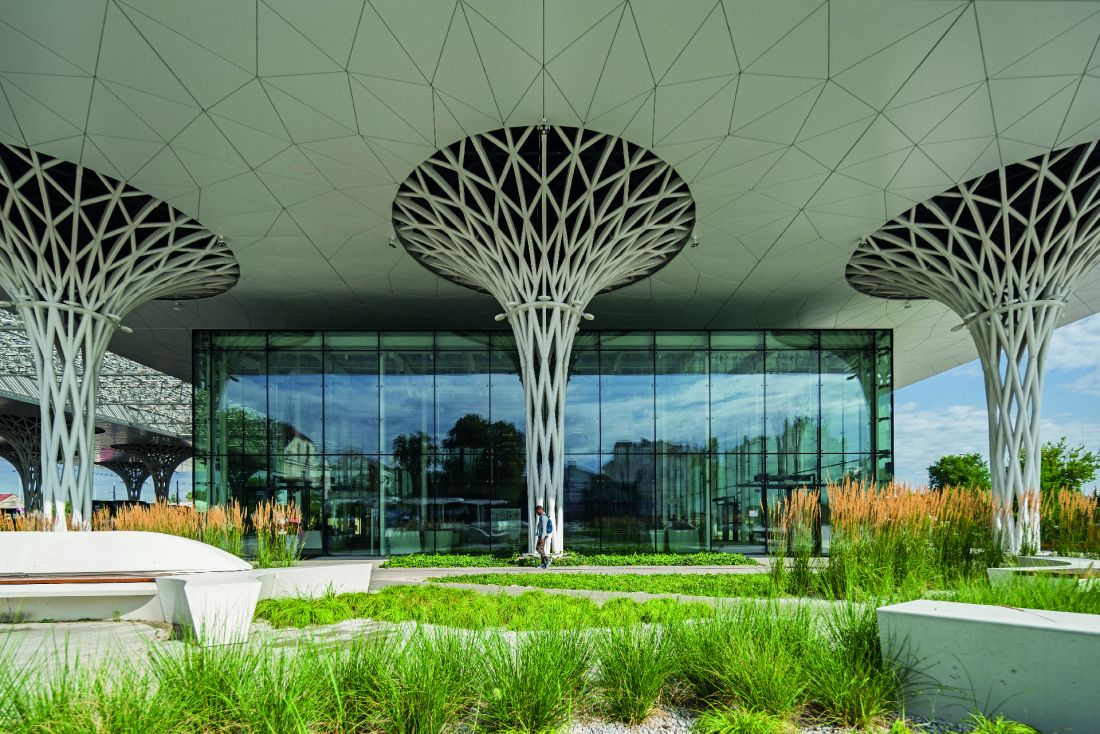
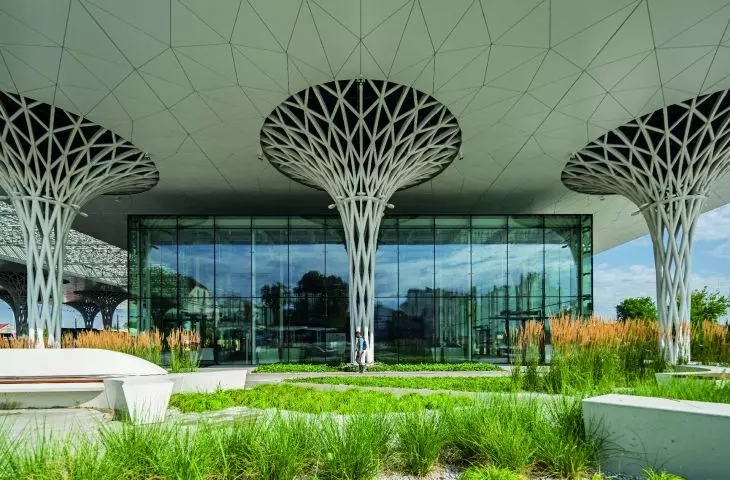
Metropolitan Station in Lublin - the station in Lublin of the Tremend project; OKK! PR has been communicating this project for several years; the building has won numerous international awards
Photo: Rafał Chojnacki
Wojciech Fudala: Many names of well-known and established studios came up in our conversation . Do you also cooperate with younger, emerging architects?
Olga Kisiel-Konopka: Of course. We are often approached by studios that have already completed their first projects - sometimes through acquaintances, and sometimes after winning a competition - and feel that they are stuck. In such cases, we offer comprehensive support and walk with them through the entire process: from the joint development of the brief, through the creation of a communication strategy, to its effective implementation.
It is worth noting that as OKK! PR we were and are responsible for the organization of most of the competitions intended for young, but not only, architects in cooperation with the brands Geberit/KOŁO, Saint-Gobain Glass, Samsung, Ceramika Paradyż or Forbo. Participation in such competitions is an excellent starting point for building an architectural career and gaining recognition in the industry. It's usually not just about image. Often it's a matter of organizing activities and determining precisely who they actually want to speak to. When a studio begins to communicate with the world in a coherent and conscious way, its projects
gain visibility, are noticed by the media and are commented on. This is the moment when we are assured that our work has had a real impact.
Wojciech Fudala: You have a whole host of brands to your credit that you have helped break through to wider awareness. Are there any more professional dreams you would like to realize?
Olga Kisiel-Konopka: There are definitely still brands I would like to cooperate with. One of my professional dreams is to collaborate with IKEA - a brand that I value immensely for its innovative approach, commitment to sustainability and creating products that make a real difference in the way we perceive and shape our everyday space.
I would also be happy to teach classes on personal branding and designer image at architecture departments. I already have experience in this area, including at the Academy of Fine Arts in Warsaw and at SWPS. I know the immense value of such activities - they can realistically support young designers in entering the market and finding their way in the increasingly demanding professional reality. This is my mission!
I love my work - I treat it like a passion. I always say that a PR person is being, not being. I work 24/7, but thanks to my fantastic team at OKK! PR and the brands that trust us, I feel that together we can develop our industry beautifully.
Wojciech Fudala: Thank you for the interview.
interviewed: Wojciech Fudala
more: A&B 10/2025 - U40 - the business of a young architect,
download free e-publications of A&B