





{tag:studenci} from the Faculty of Architecture at the Cracow University of Technology, won second place in the international World Landscape Architecture Awards competition in the Concept - Large Design category, presenting a project that combines sensitivity, courage and scientific precision. Her work, created under the supervision of Prof. Urszula Forczek-Brataniec, is a proposal that not only interprets history, but also responds to urgent ecological challenges.
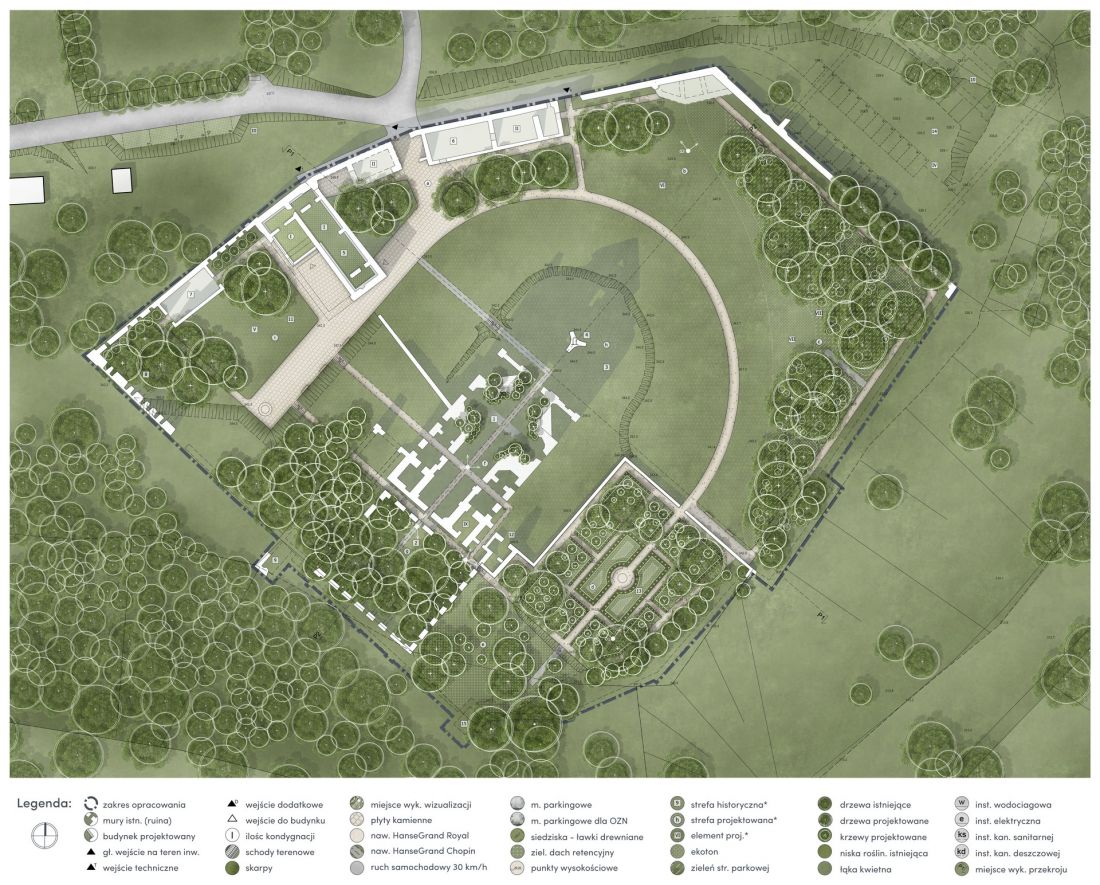
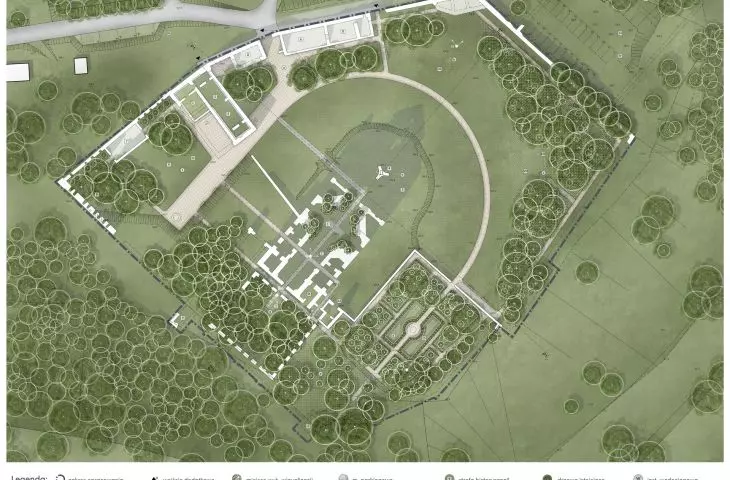
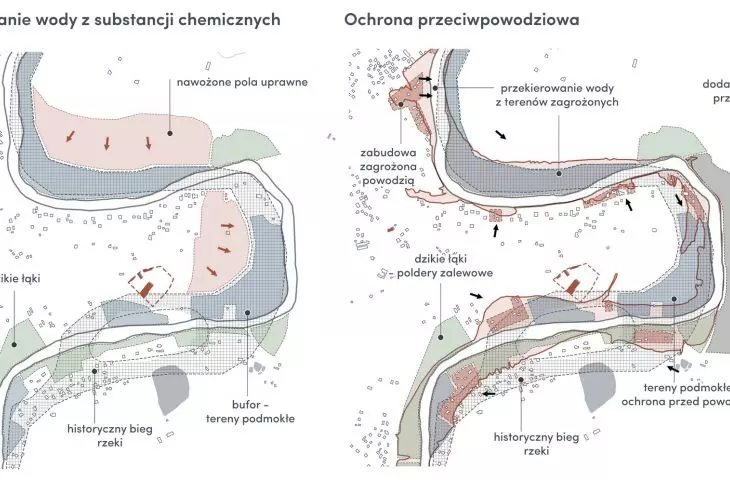
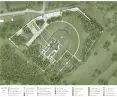
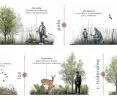
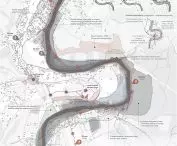
site development concept
© Katarzyna Jamiol
international success - what are the WLA Awards?
The World Landscape Architecture Awards is one of the most prestigious industry events, recognizing projects that demonstrate innovation, sustainability and real environmental impact. The awards honor both global studios and young creatives whose concepts set new directions in thinking about space. In addition to the Polish winner, previous years' awardees include Sasaki, DELVA, OLIN and Felixx.
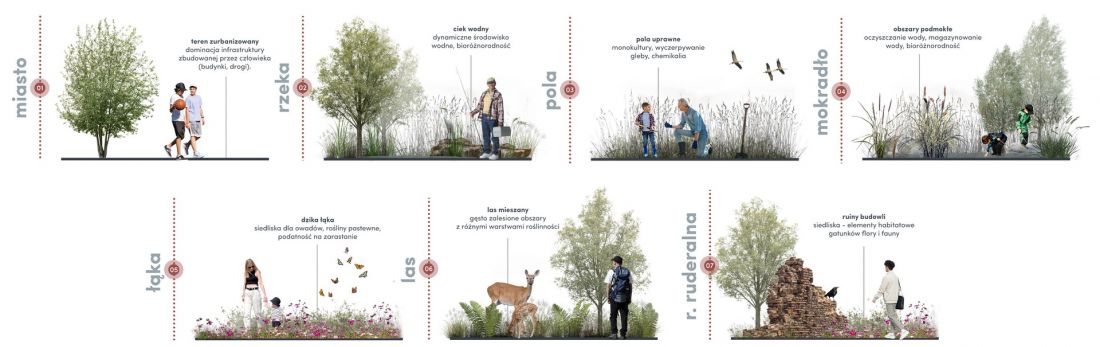
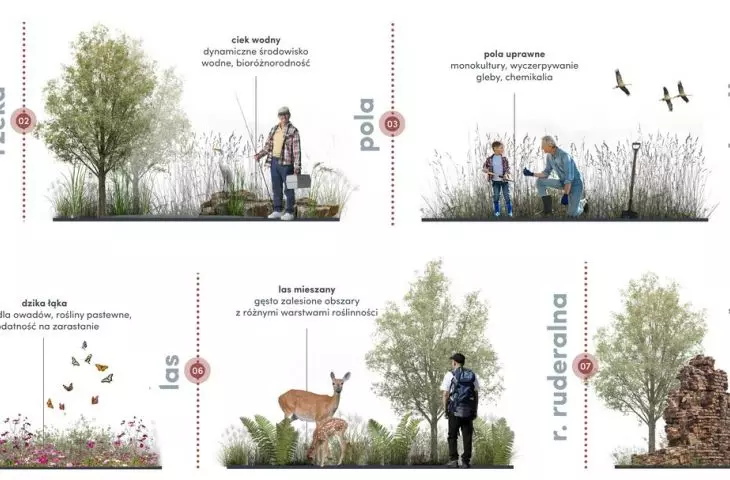
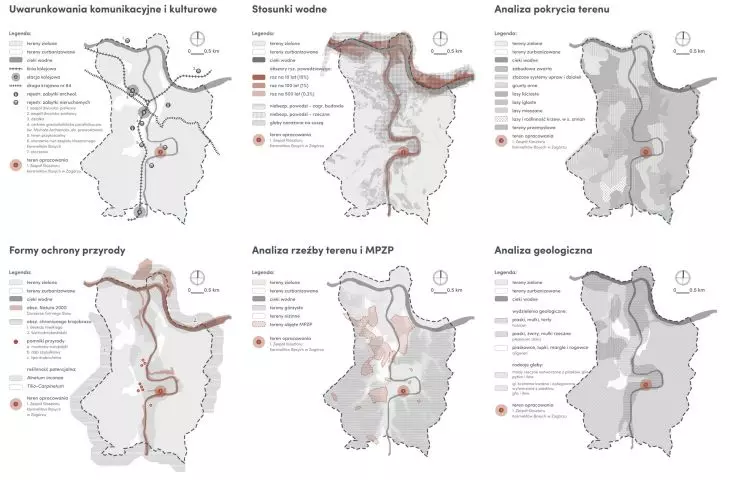
ecosystems
© Katarzyna Jamiol
The fact that the engineering work of a PK student was included in this group underscores the high level of Krakow's education and the international recognition of its graduates.
"Nature's Sanctuary" - when a ruin becomes a living organism
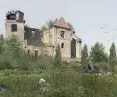
Katarzyna Jamioł's project is a daring proposal: instead of reconstructing the former monastery, the author proposes to consider its contemporary form - co-created by nature - as a full-fledged value.
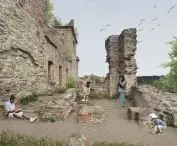
"Nature's Sanctuary" shows the ruins as a living landscape, where ecological and cultural processes intertwine to create a harmonious structure that changes over time.
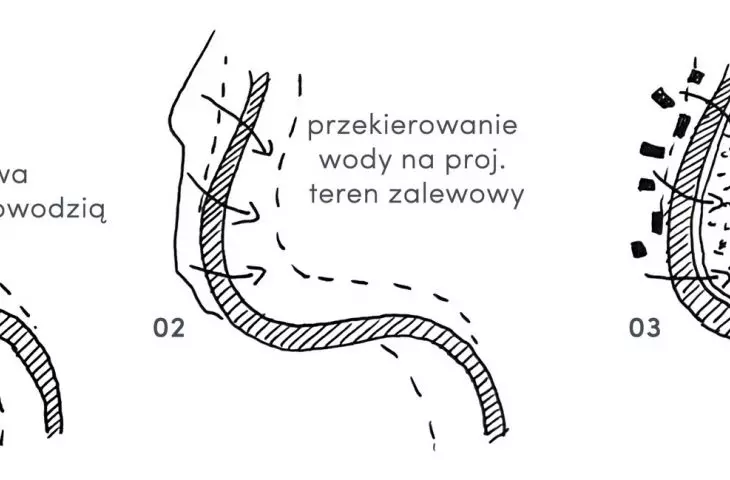
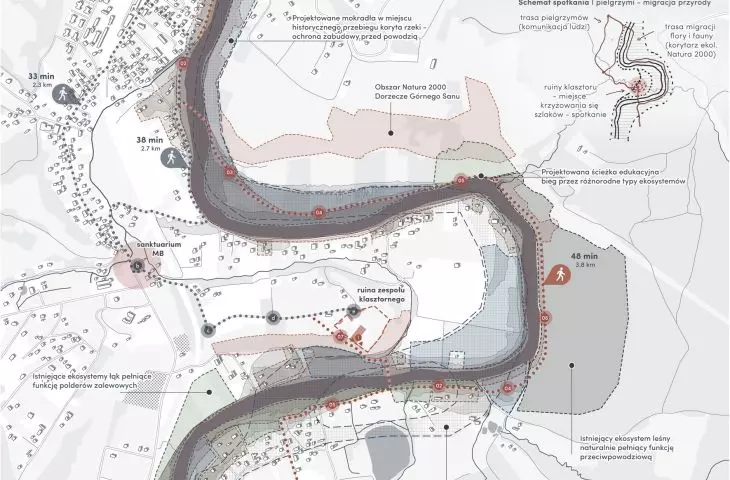
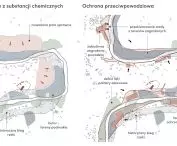
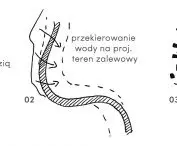
On a broad scale, the project encompasses the river valley, where the author introduces floodplains and wetland zones designed to protect the area from flooding, stop fertilizer runoff and increase the landscape's resilience to drought. This is a response to the consequences of climate change and an attempt to restore natural retention.
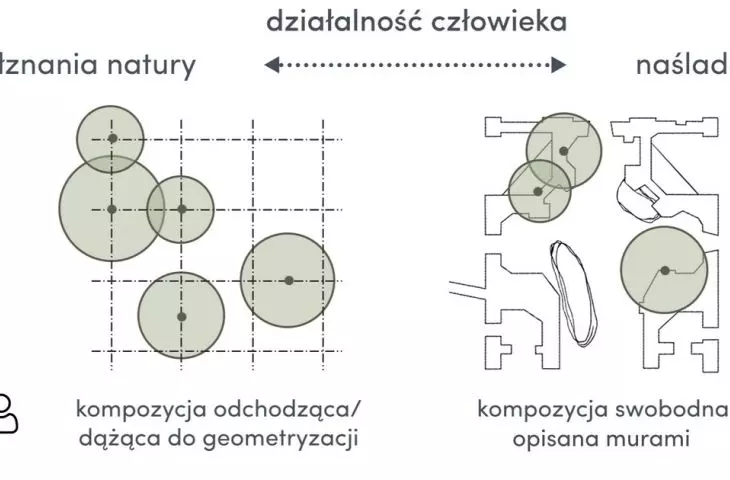
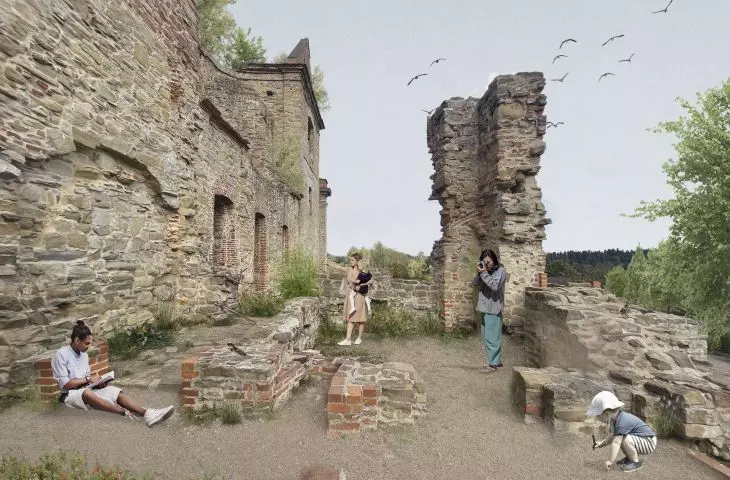
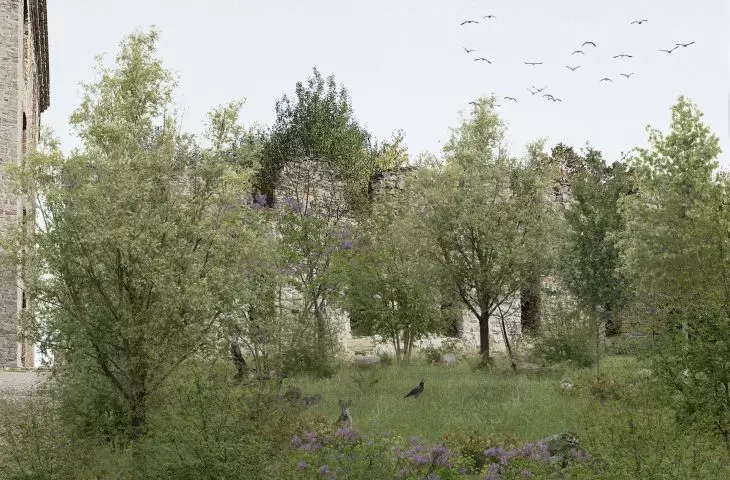
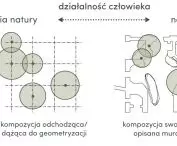
The key concept here is "fourth nature " - spontaneous ecological processes occurring in areas abandoned by humans. The monastery ruins, overgrown with vegetation like limestone rock walls, create a unique habitat that enriches local biodiversity.
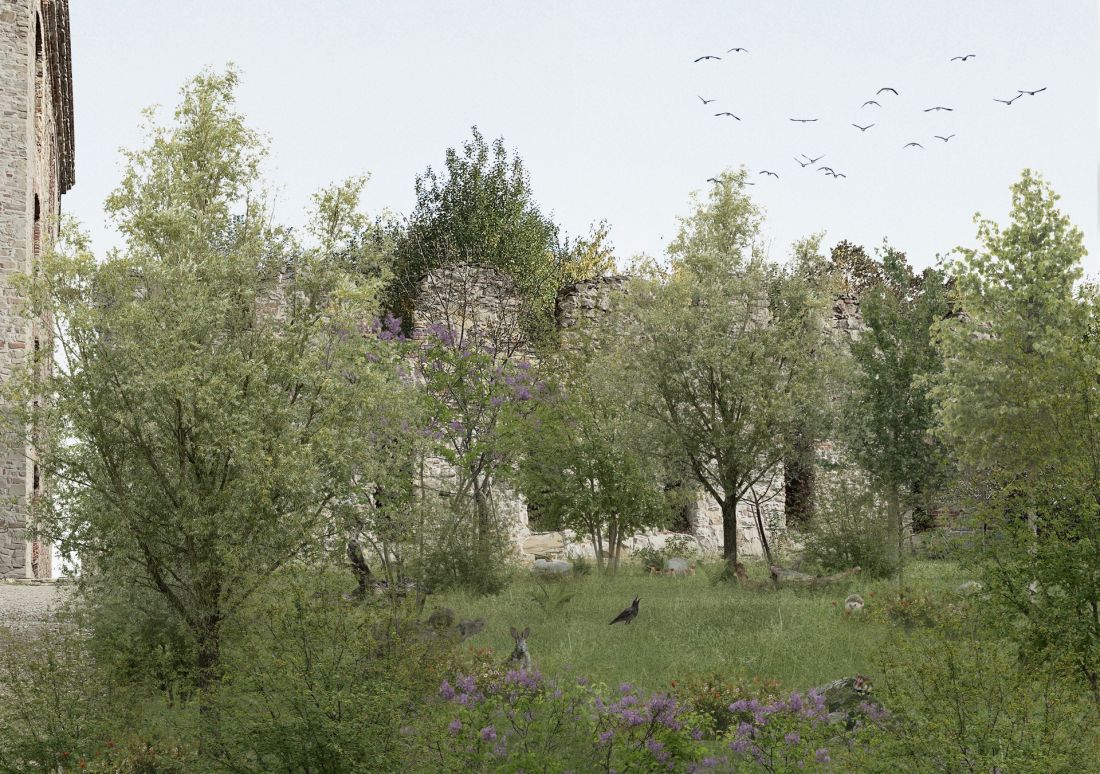
fourth nature
© Katarzyna Jamiol
The author emphasizes that the value of the ruins is not only due to their historicity, but because they are spaces of transformation. Design of minimal interference, monitoring of vegetation, protection of polychrome - these are the elements that allow a balance between the protection of heritage and the freedom of natural processes.
six zones, six interpretations of heritage
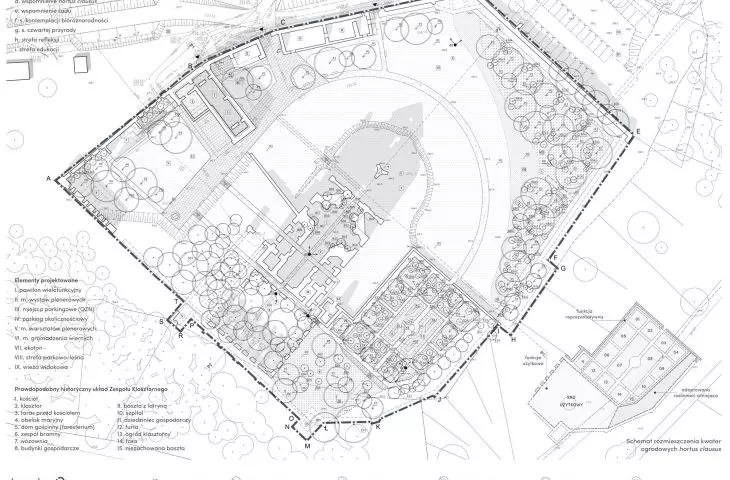
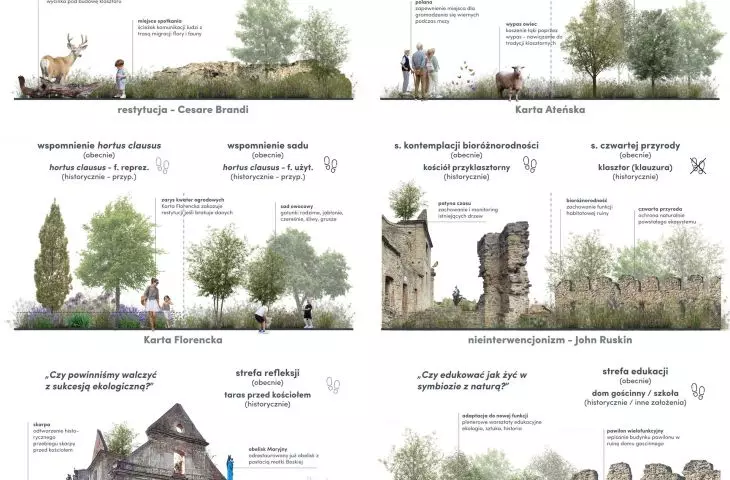
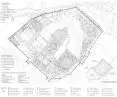
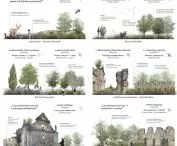
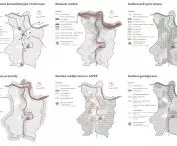
The project divides the site into six functional zones, each relating to a different conservation doctrine: from Ruskin to Viollet-le-Duc to Brandi. It's an intellectual discussion of how to think today about protecting places whose significance goes beyond materiality.
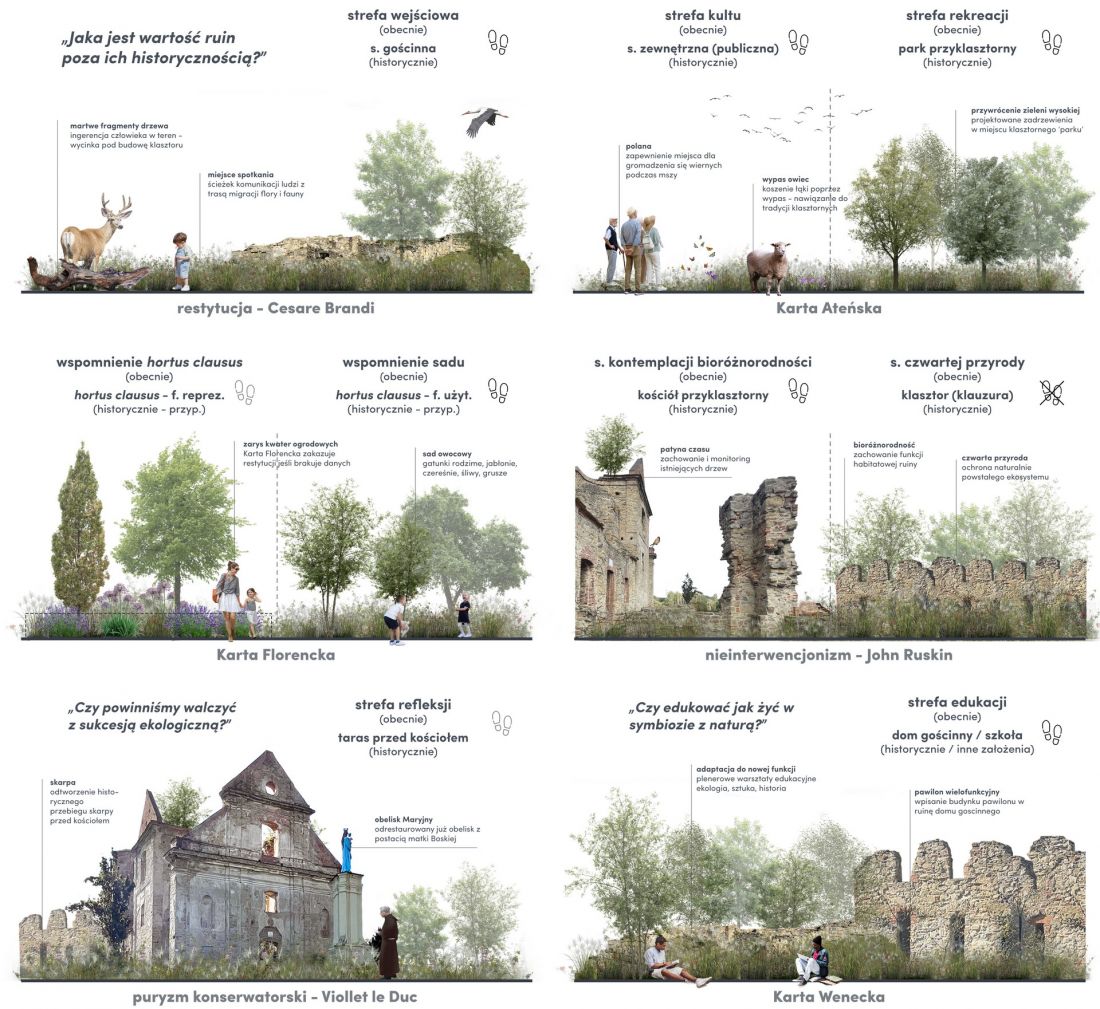
doctrines
© Catherine Jamiol
"Sanctuary of Nature" proposes a "third way". - harmonious coexistence of cultural and natural landscape, in which neither element dominates, and both layers complement each other.