

































Electric vehicle charging park,
design: ADEPT
Can a car charging station resemble a park, and turn a short stop on a trip into an experience of contact with nature and architecture? Danish energy giant Norlys, together with studio ADEPT, is proving that yes. The first electric vehicle charging park has been built in Odense, redefining the role of infrastructure in public spaces. The realization paves the way for a network of similar facilities across Denmark and sets the stage for the future of electromobility.
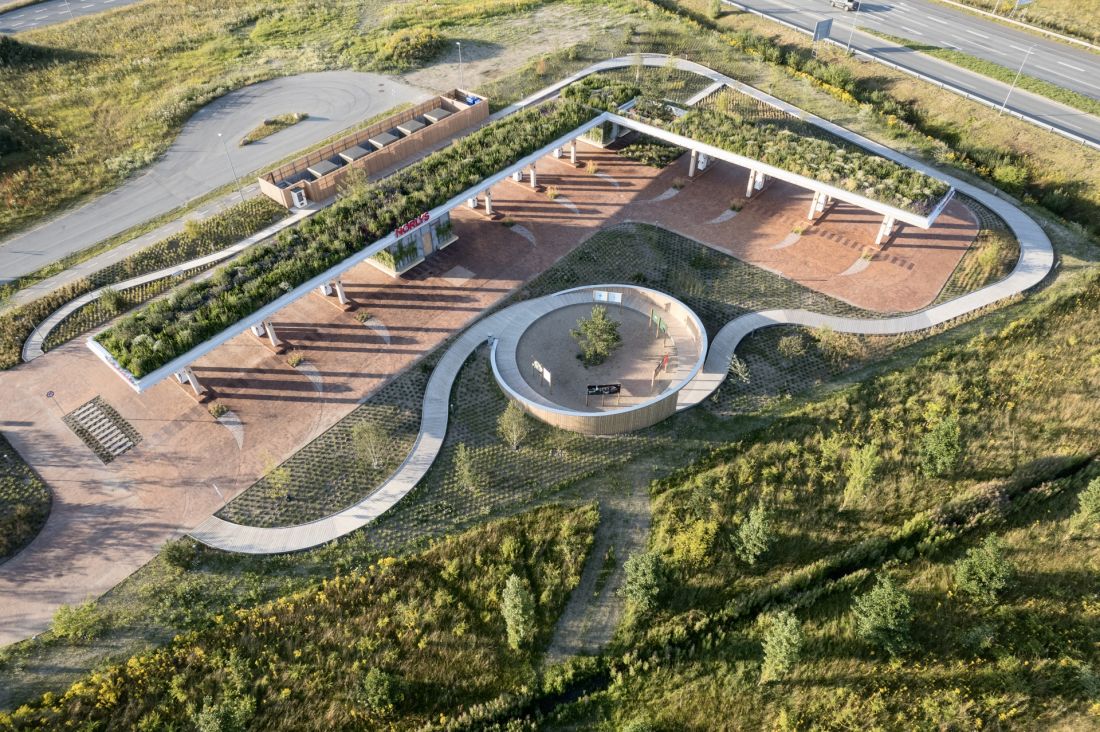
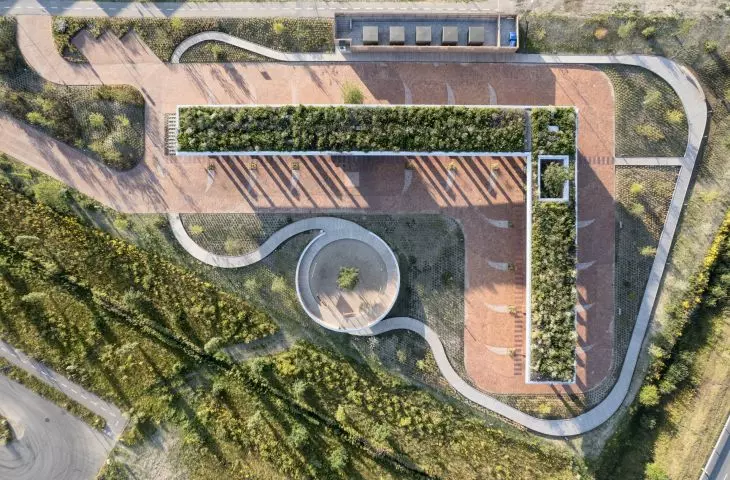
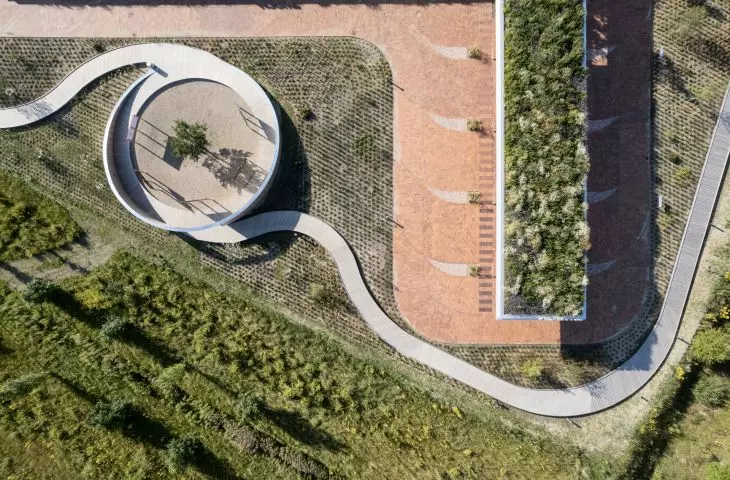
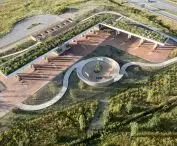
Electric vehicle charging station in Odense - bird's eye view
Photo: Morten Aagaard Krogh © ADEPT
flexibility and sustainability
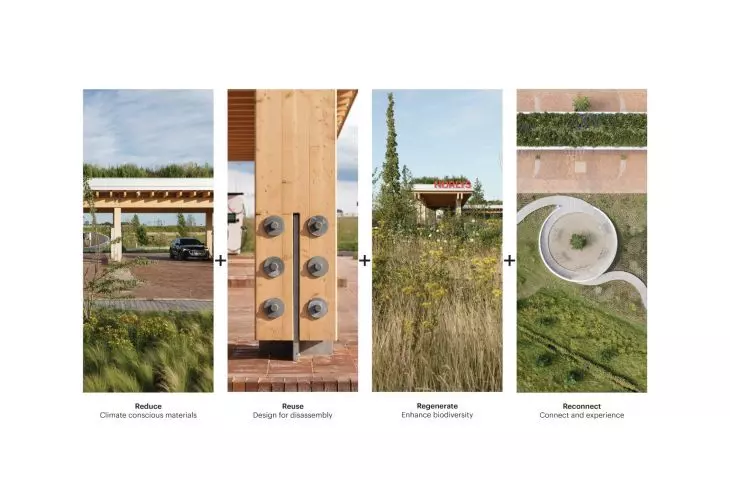
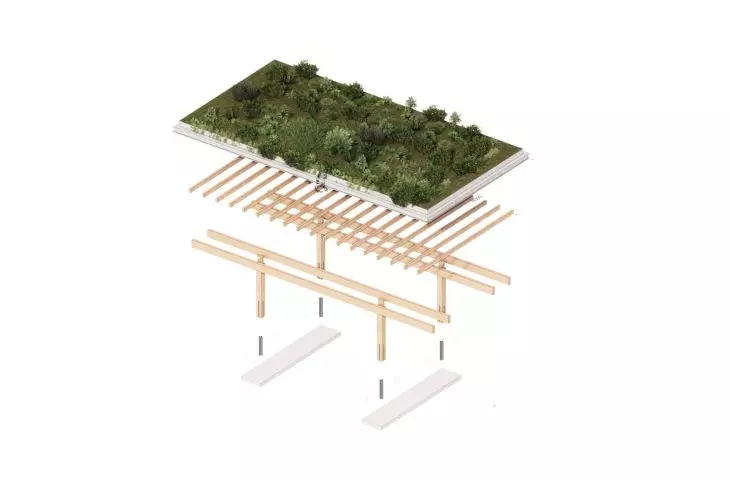
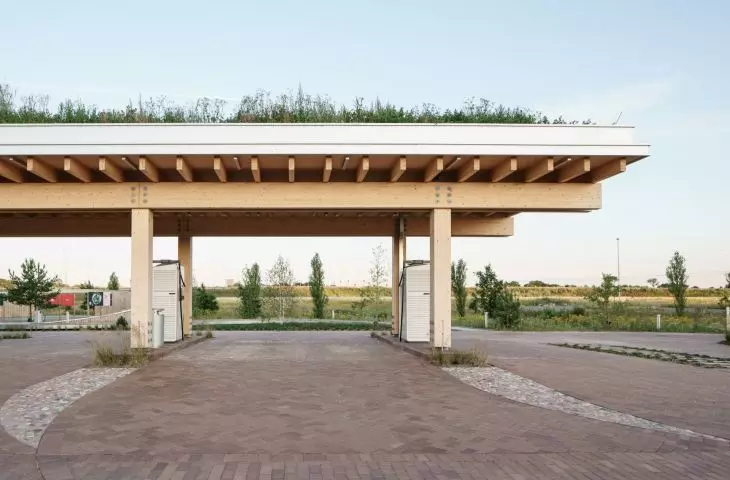
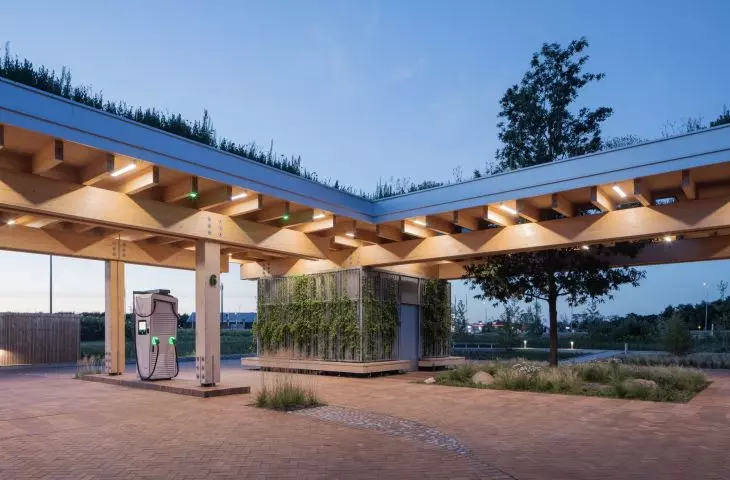
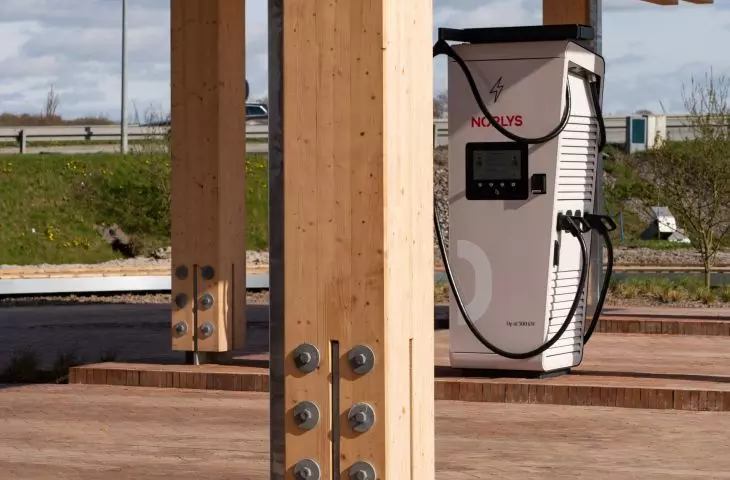
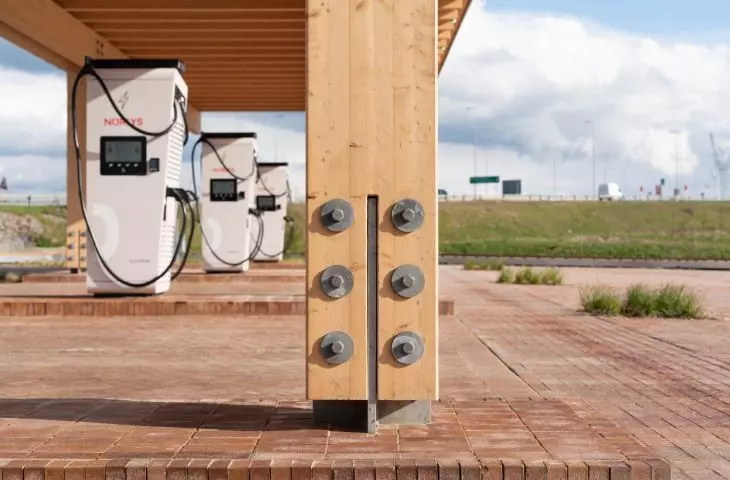
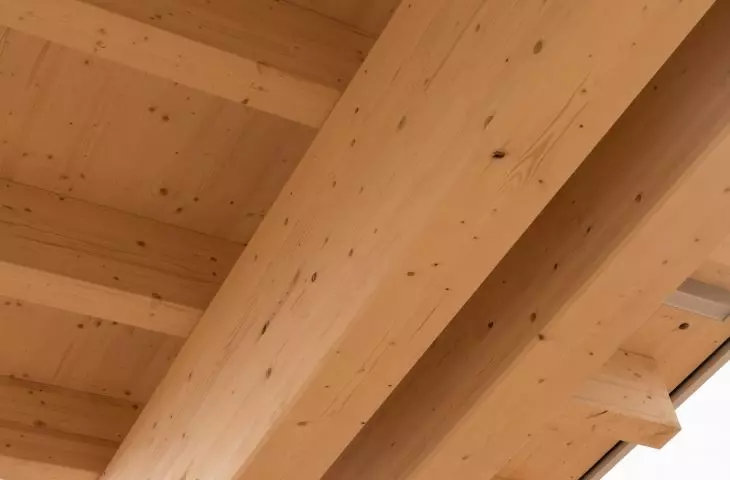
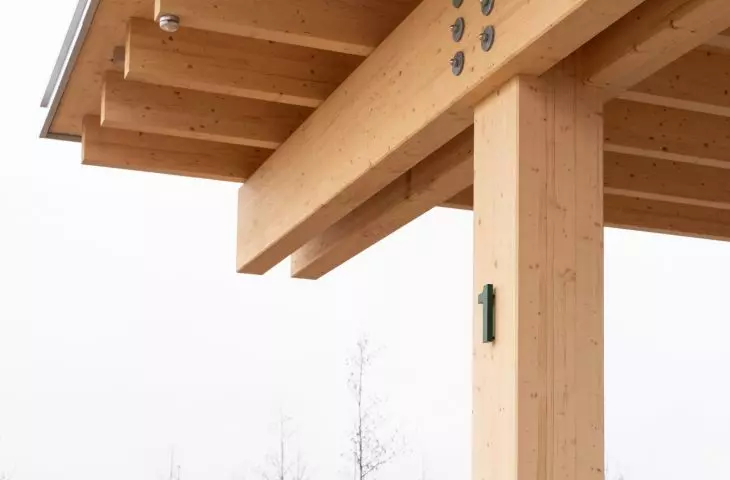
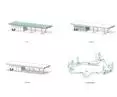
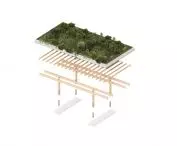
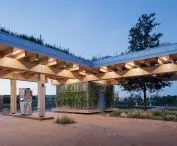
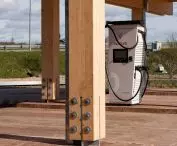
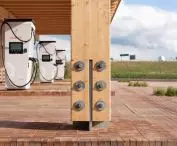
The park's design was created with disassembly and easy adaptation to different locations in mind. ADEPT created a modular system: wooden structures, exposed mechanical details and carefully selected materials allow the park to be quickly transformed if the needs of users or the market change. This approach reduces the carbon footprint while allowing the network to grow without repeating typical, one-off solutions.
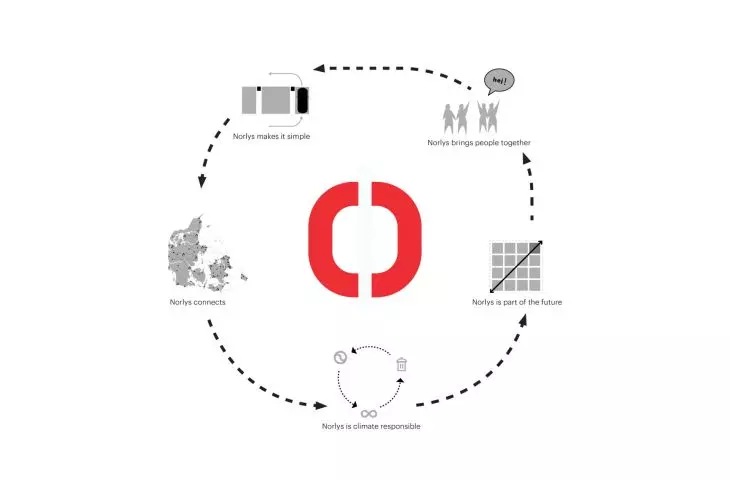
At Norlys, our goal is to make the transition to electric cars as easy as possible. To achieve this, charging an electric car on the road must be simple and attractive. Our charging parks are designed by ADEPT, who - driven by a concern for sustainability, biodiversity and a desire to express a design that reflects a green transition - created exactly the expression Norlys needed.
- Says Ellen Trolle,
Vice President of Customer Service, Norlys Energi
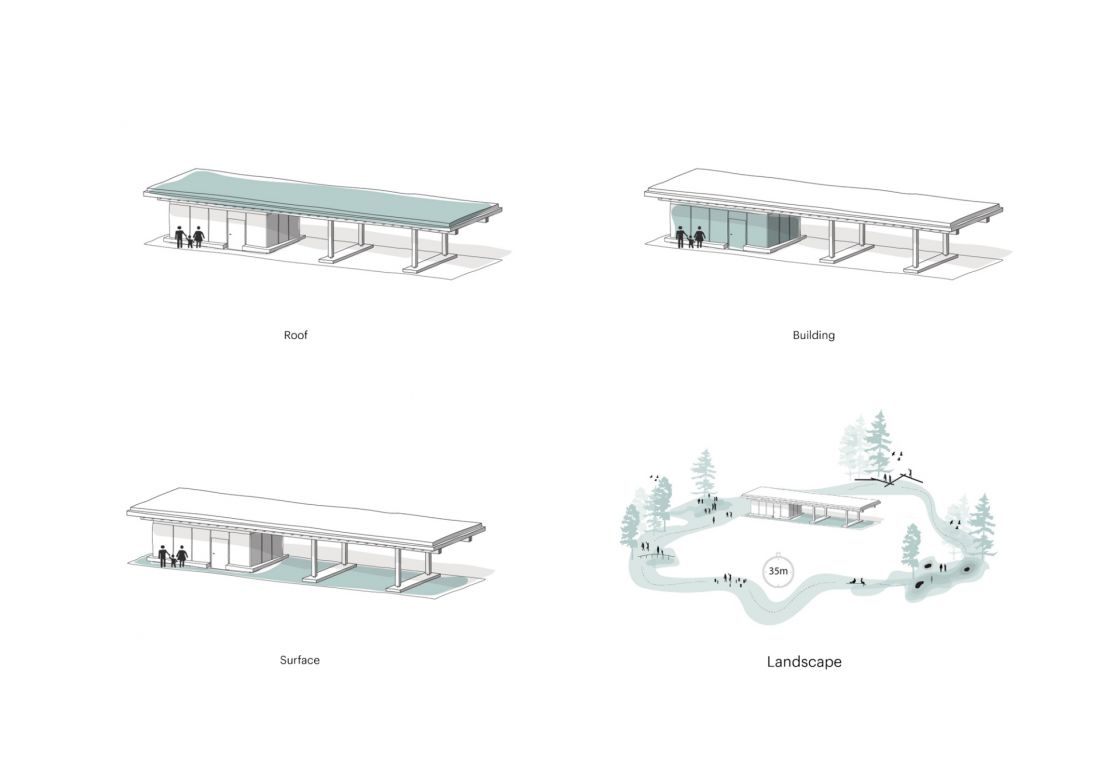
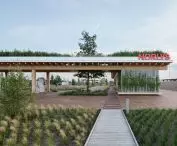
Electric vehicle charging station in Odense - project concept
© ADEPT
A station in dialogue with nature
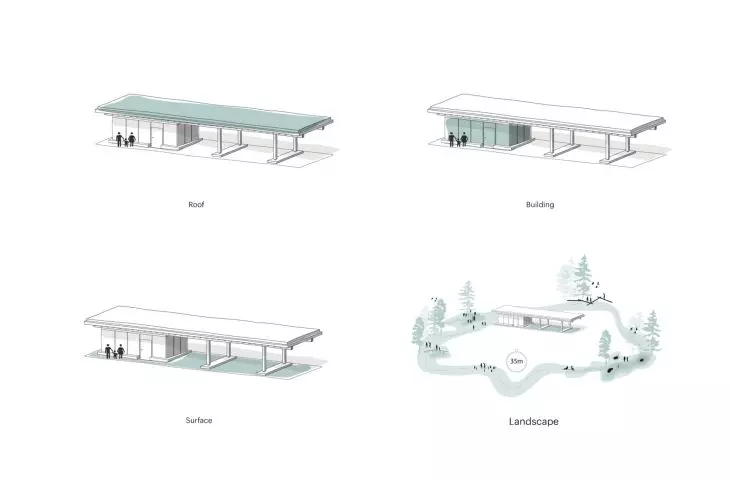
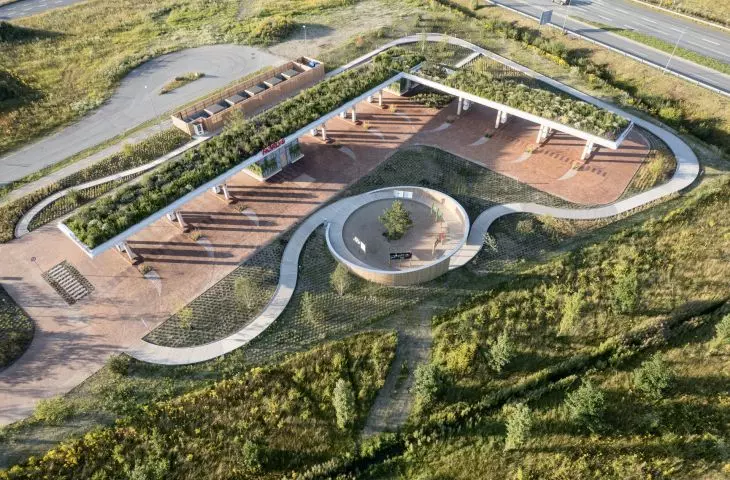
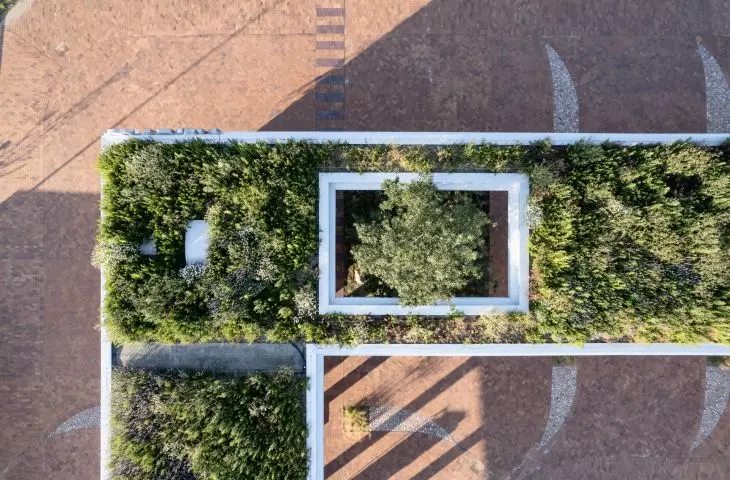
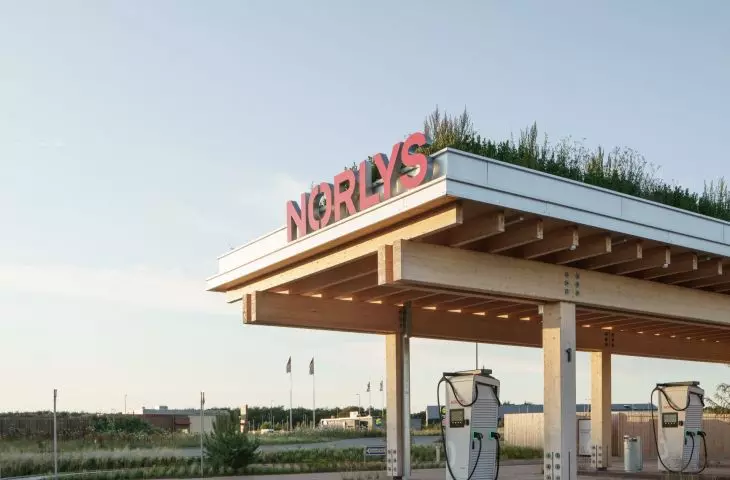
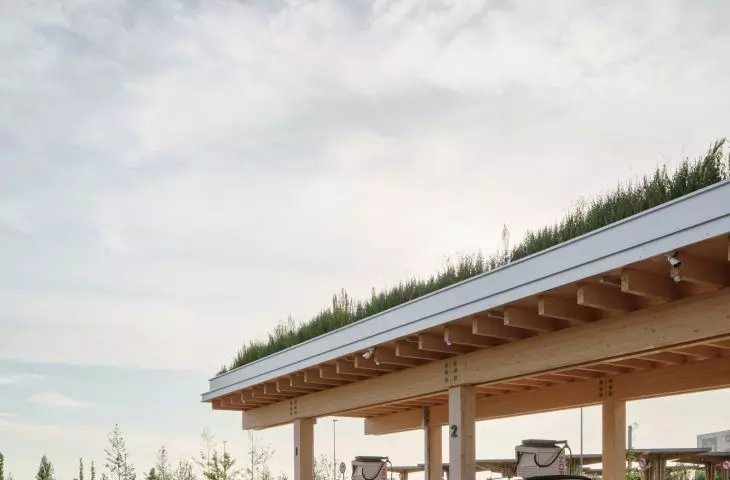
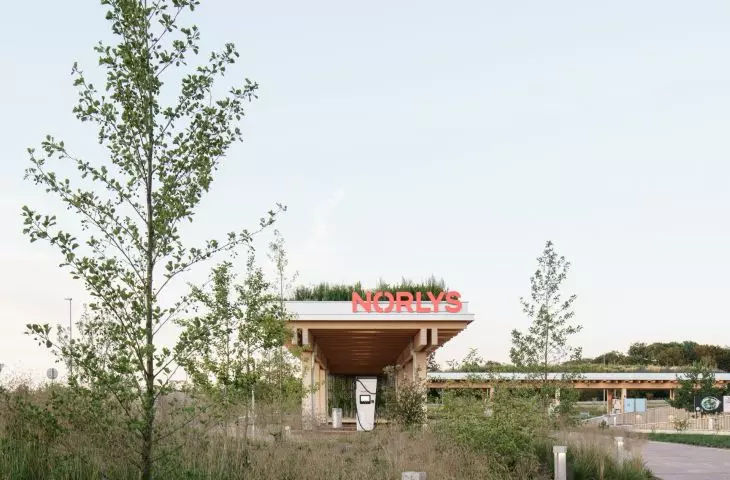
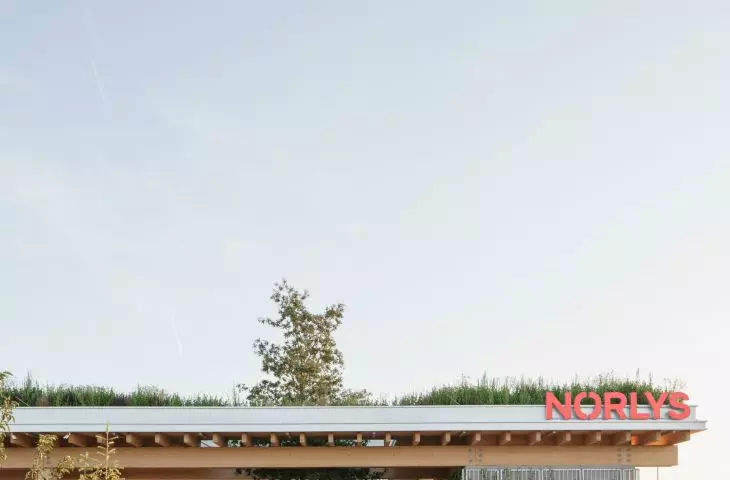
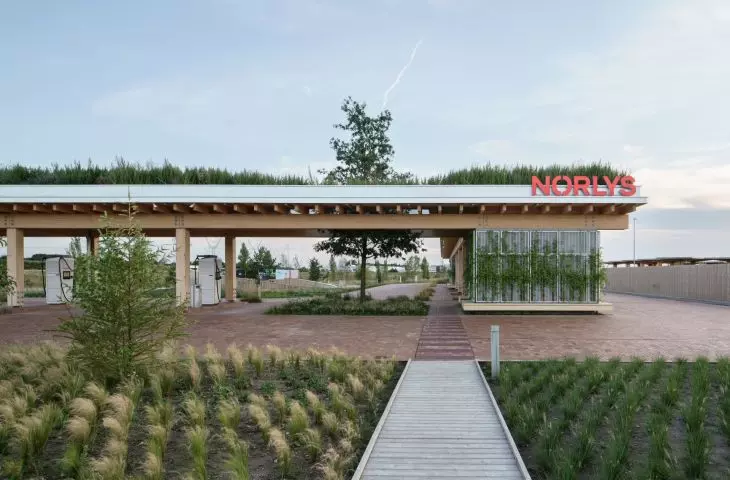
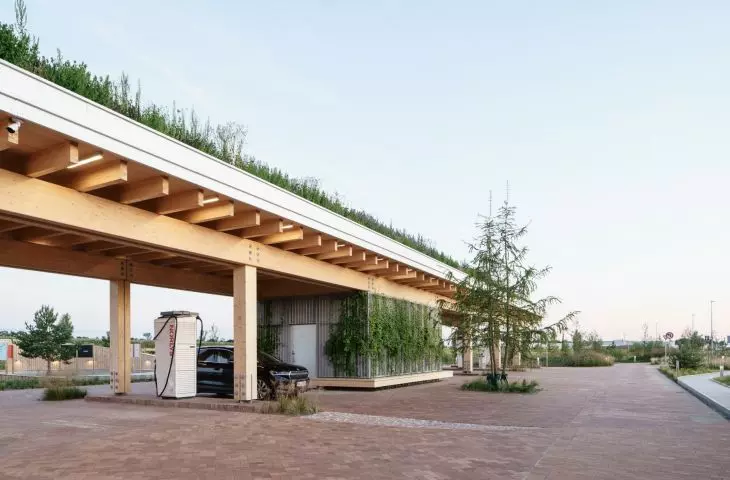
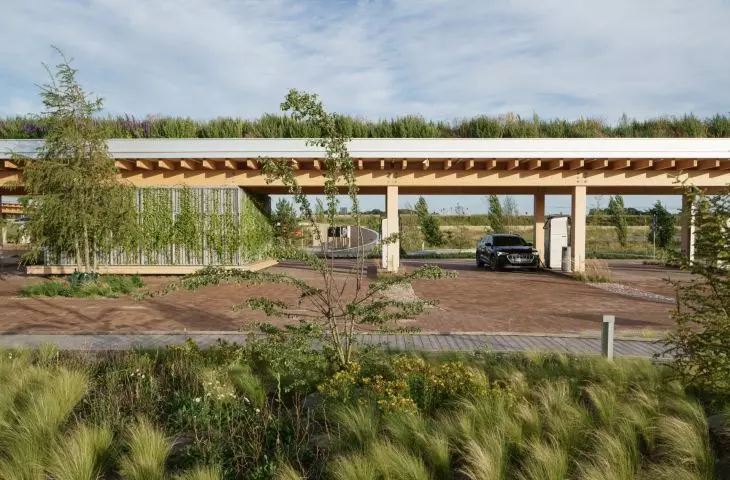
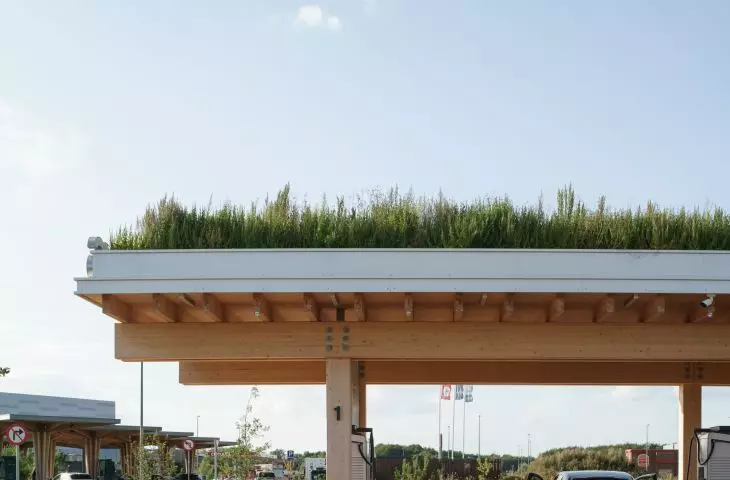
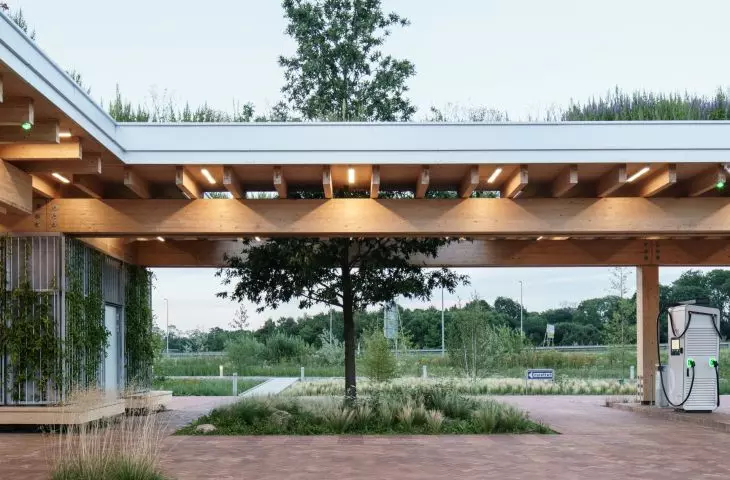
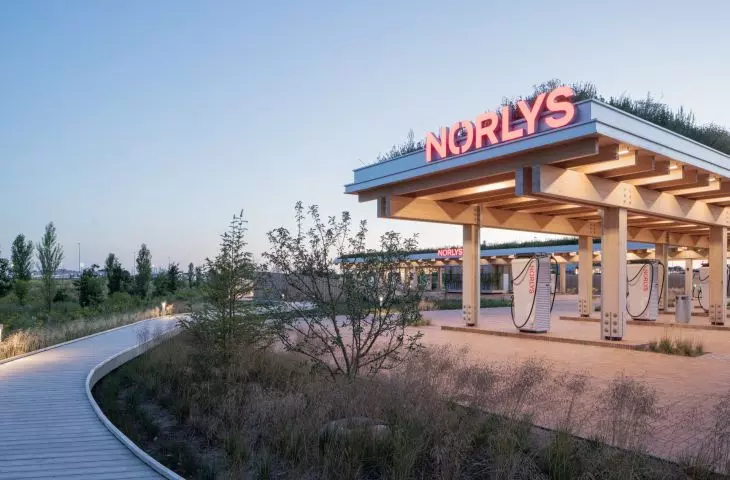
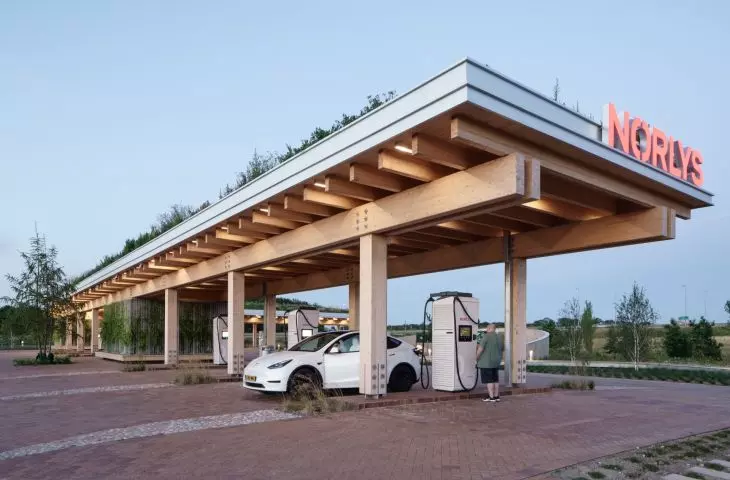
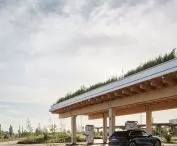
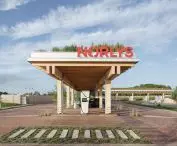
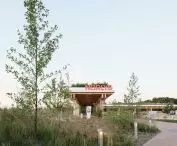
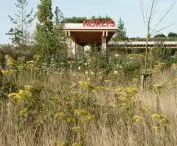
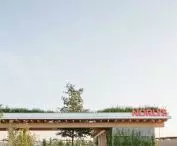
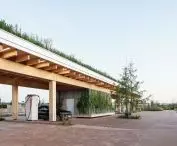
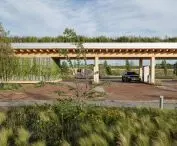
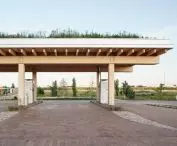
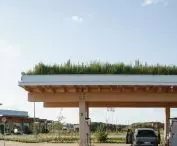
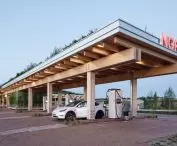
The station's floor plan is "L" shaped, which allows for a clear separation of functional zones - charging areas, service areas and landscaping. The structure, with a light, open form, is supported by slender pillars, which gives the impression of lightness and allows the space around the charging stations to flow freely. The roof, covered with lush greenery, serves an ecological and aesthetic function, integrating with the surroundings and emphasizing the sustainable nature of the project. From a bird's-eye view, there is a clear geometry, gentle curves of paths and a circular plaza with a centrally planted tree. Such a composition combines infrastructure functionality with attention to landscape and user comfort.
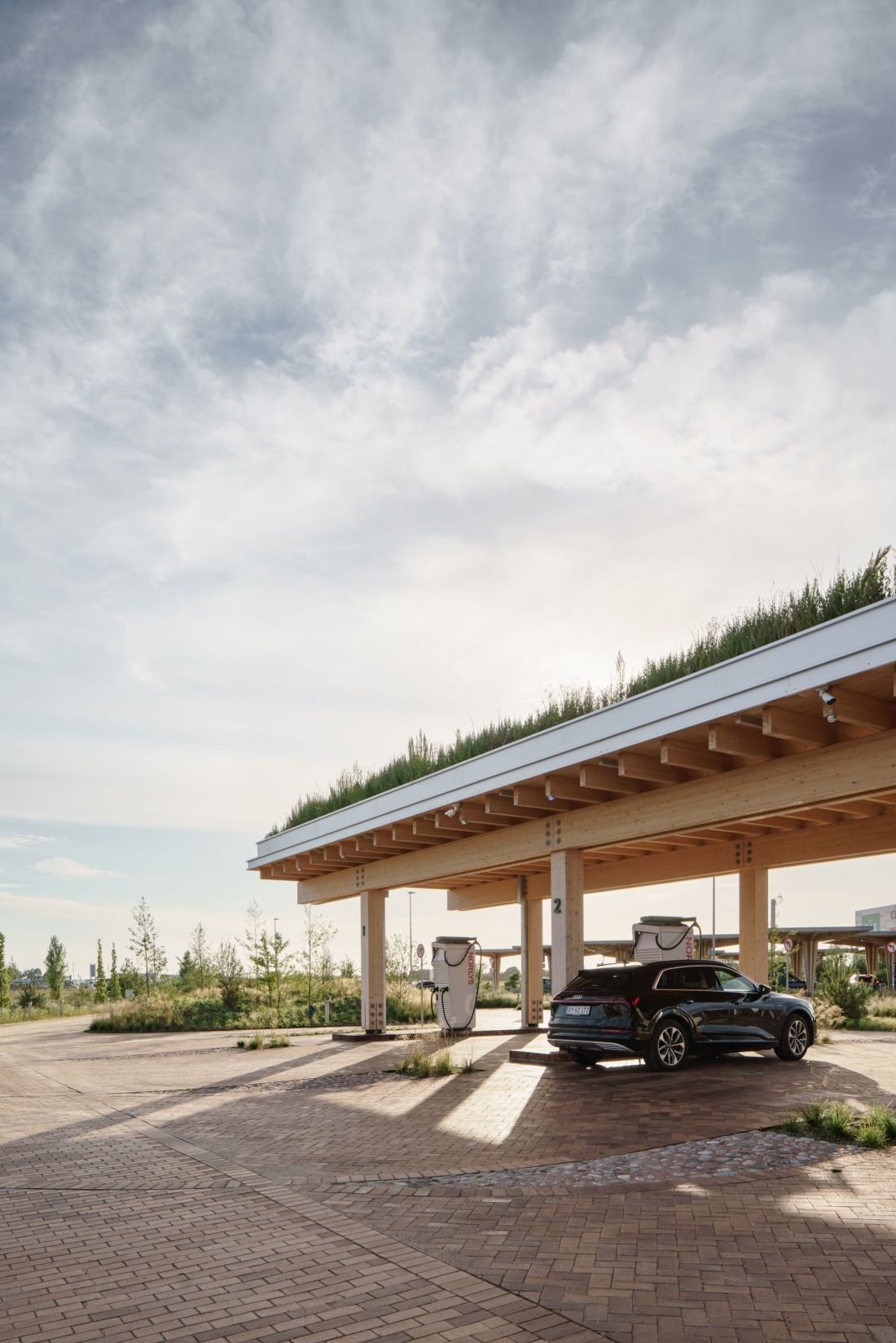
Electric vehicle charging station in Odense - the roof of the station is covered with lush greenery
Photo: Morten Aagaard Krogh © ADEPT
landscape instead of asphalt
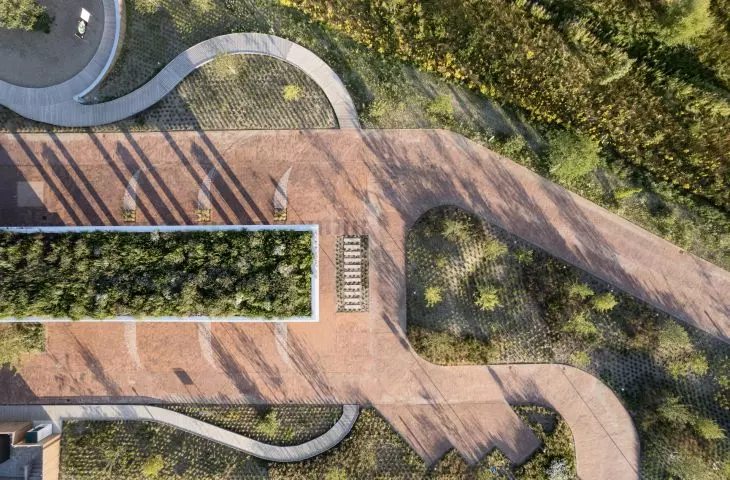
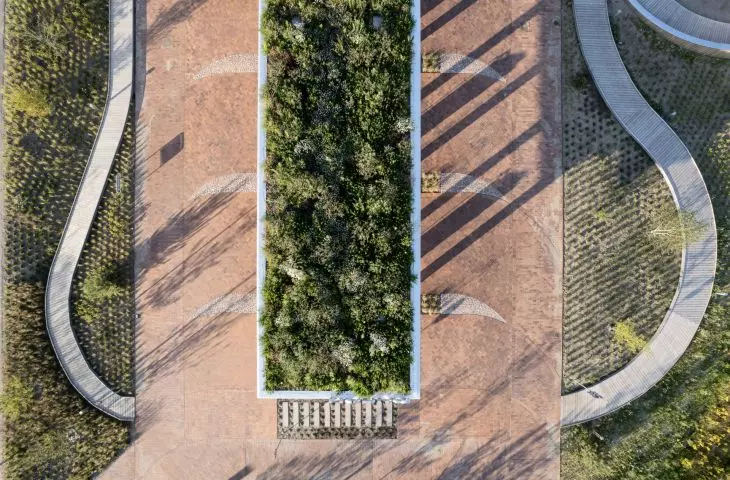
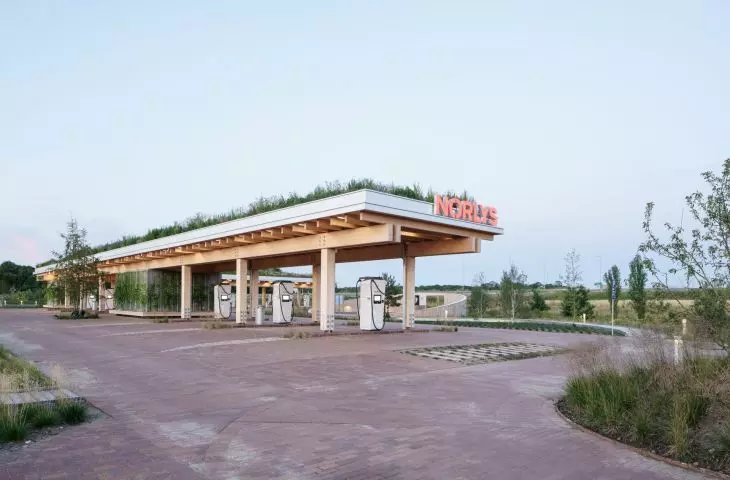
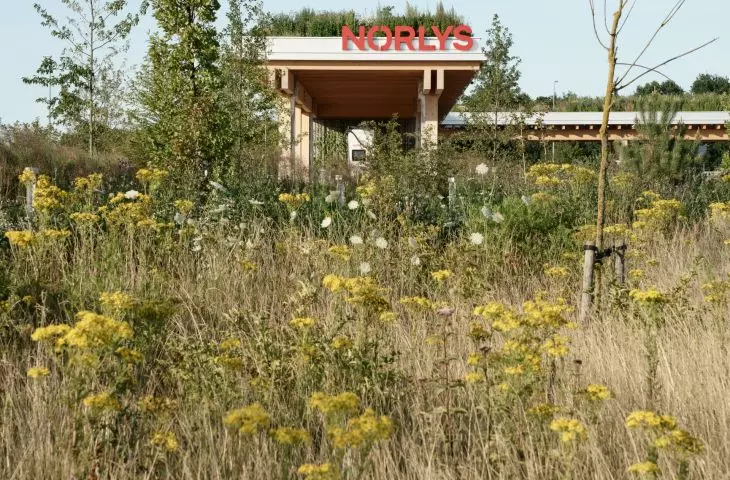
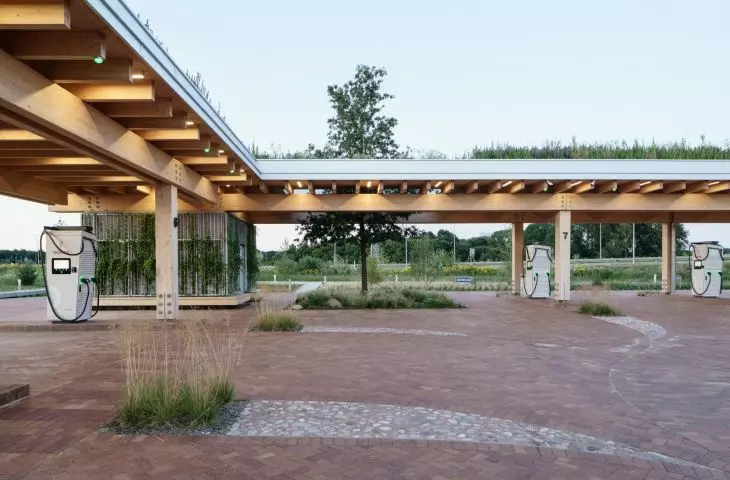
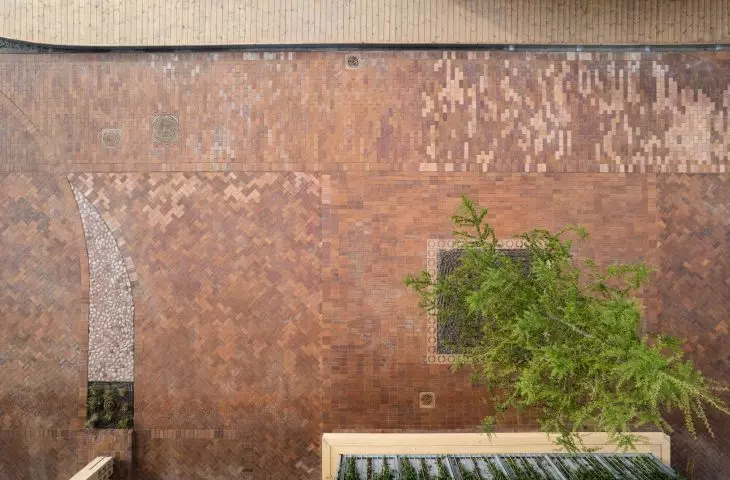
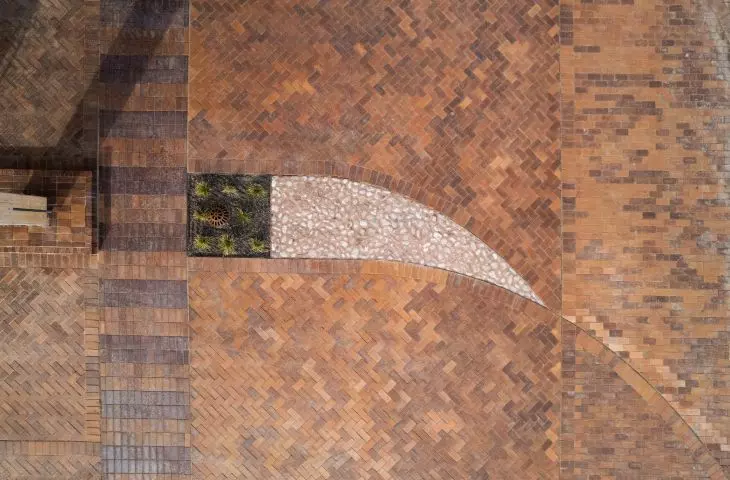
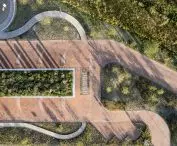
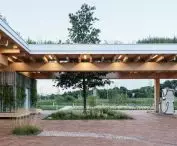
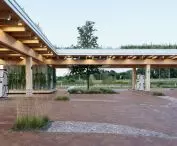
The most important element of the park is the landscape. Instead of uniform asphalt, there are brick pavements and permeable surfaces with a variety of patterns that guide users through the area. Greenery occupies more than 60 percent of the area, including trees, shrubs and green roofs. Walking paths, varied vegetation and open spaces allow users to take short walks and relax while charging.
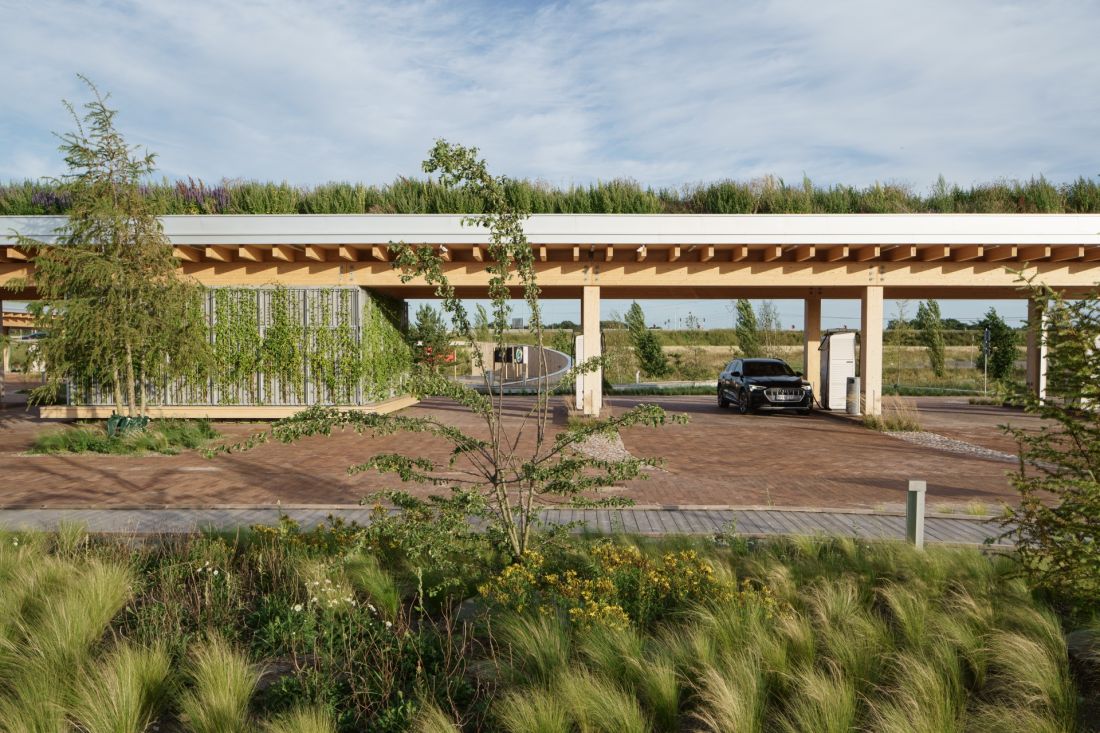
Electric vehicle charging station in Odense - instead of uniform asphalt, brick pavements and permeable surfaces with a variety of patterns appear
photo by Morten Aagaard Krogh © ADEPT
park as a meeting place
The project envisions more than just a technical charging function. Selected locations will include self-service cafes, playgrounds and interactive educational zones prepared in conjunction with the Danish Experimentarium. The park becomes a space for meeting, learning and recreation, integrating the community and promoting the conscious use of energy.
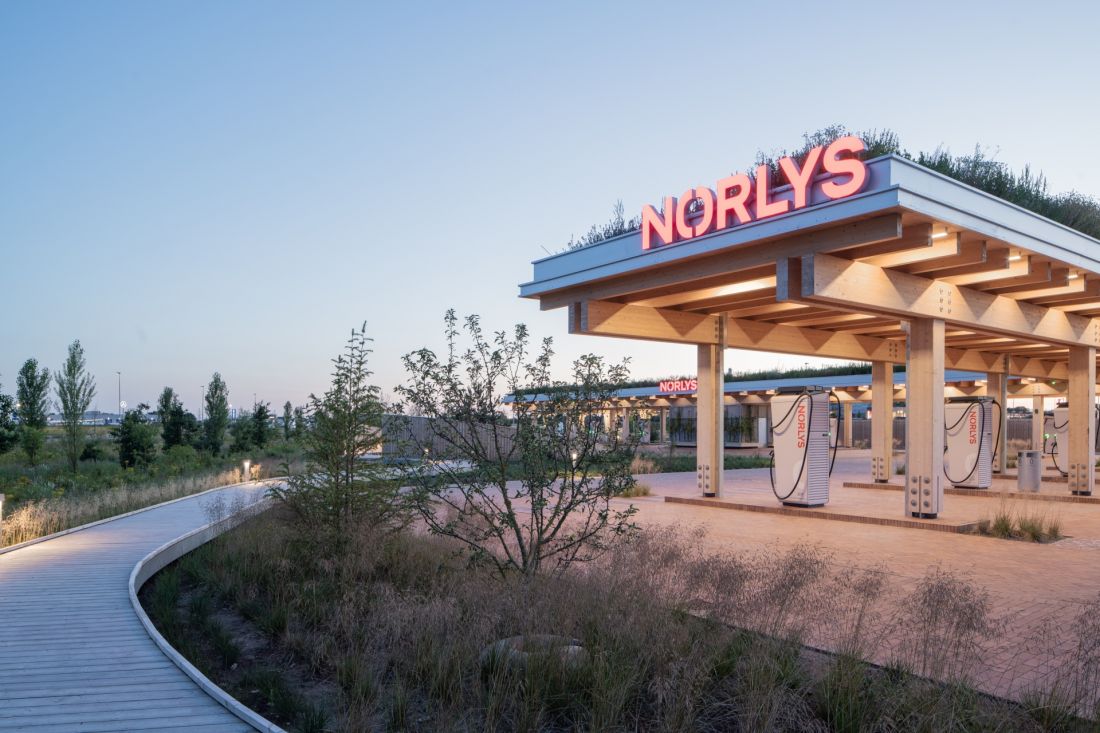
Electric vehicle charging station in Odense
Photo by Morten Aagaard Krogh © ADEPT
new role for charging stations
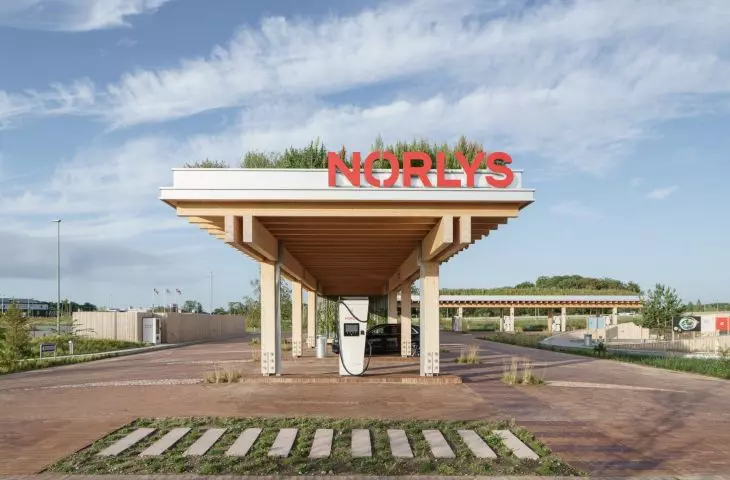
Norlys Charging Park Drejebaenken shows that a charging station can be more than technical infrastructure. It's a space that interacts with users, the landscape and technology to enable everyday experiences in the spirit of sustainability. Every detail - from materials to spatial layout - supports the idea of flexibility and environmental protection.
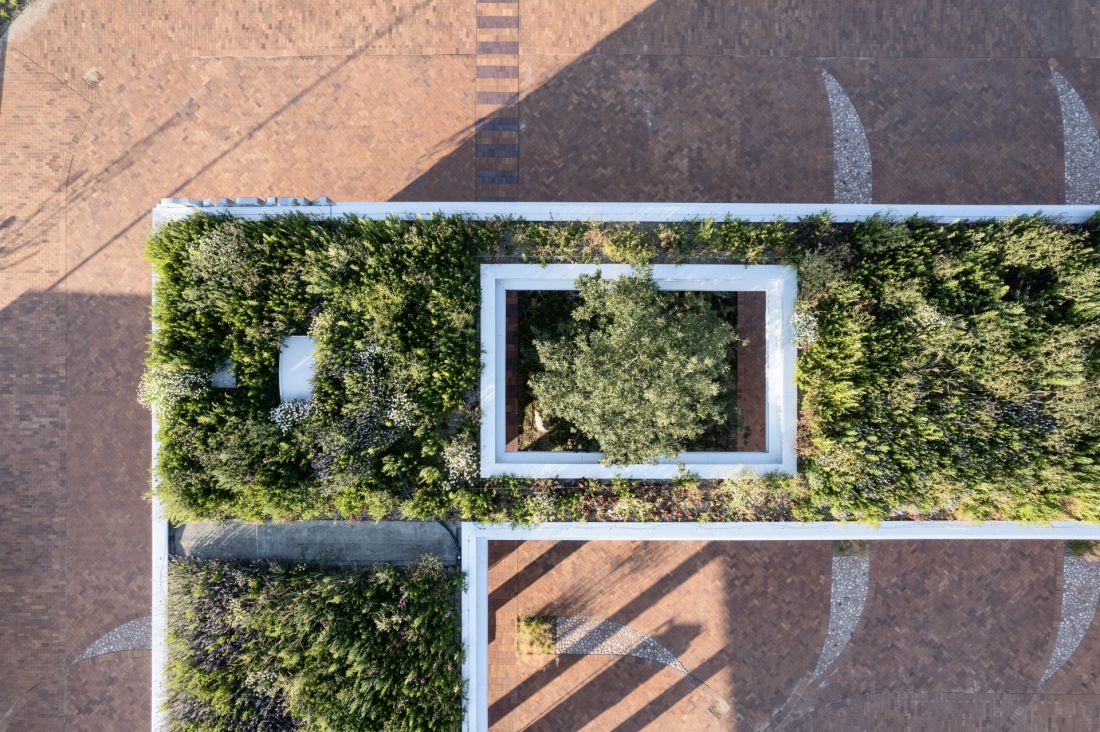
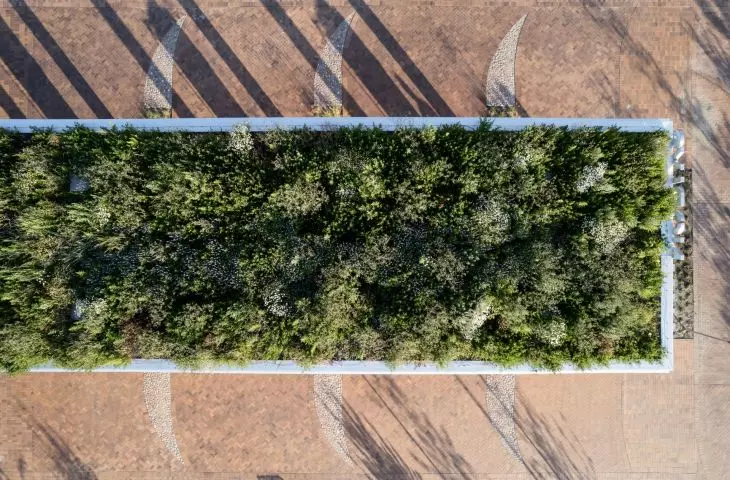
Electric vehicle charging station in Odense - the most distinctive element of the station is the green roof
photo by Morten Aagaard Krogh © ADEPT
Norlys charging parks are redefining the way we think about electromobility. A model has emerged in Odense that could become a model for the whole of Denmark, and in the future for other countries. Charging an electric car ceases to be a mere technical chore - it becomes part of a journey where technology, landscape and architecture co-create a complete experience.
Elaborated: Anastazja Gibas
Illustrations provided courtesy of ADEPT studio.