






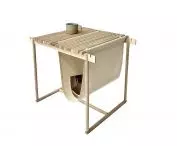
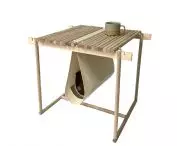


Natural and functional - such is the coffee table that {tag:studenci} of Wydział Architektury Politechniki Białostockiej designed. Thanks to the ingenious use of round wooden slats, her piece of furniture can be customized.
The name of the table "LIGNO" comes from Latin and means wood.
The main idea of the project was to look for contrasts in the structures and textures of materials while maintaining a simple, functional form
- explains the author.
multifunctional wood
Among the design guidelines was the use of natural materials.
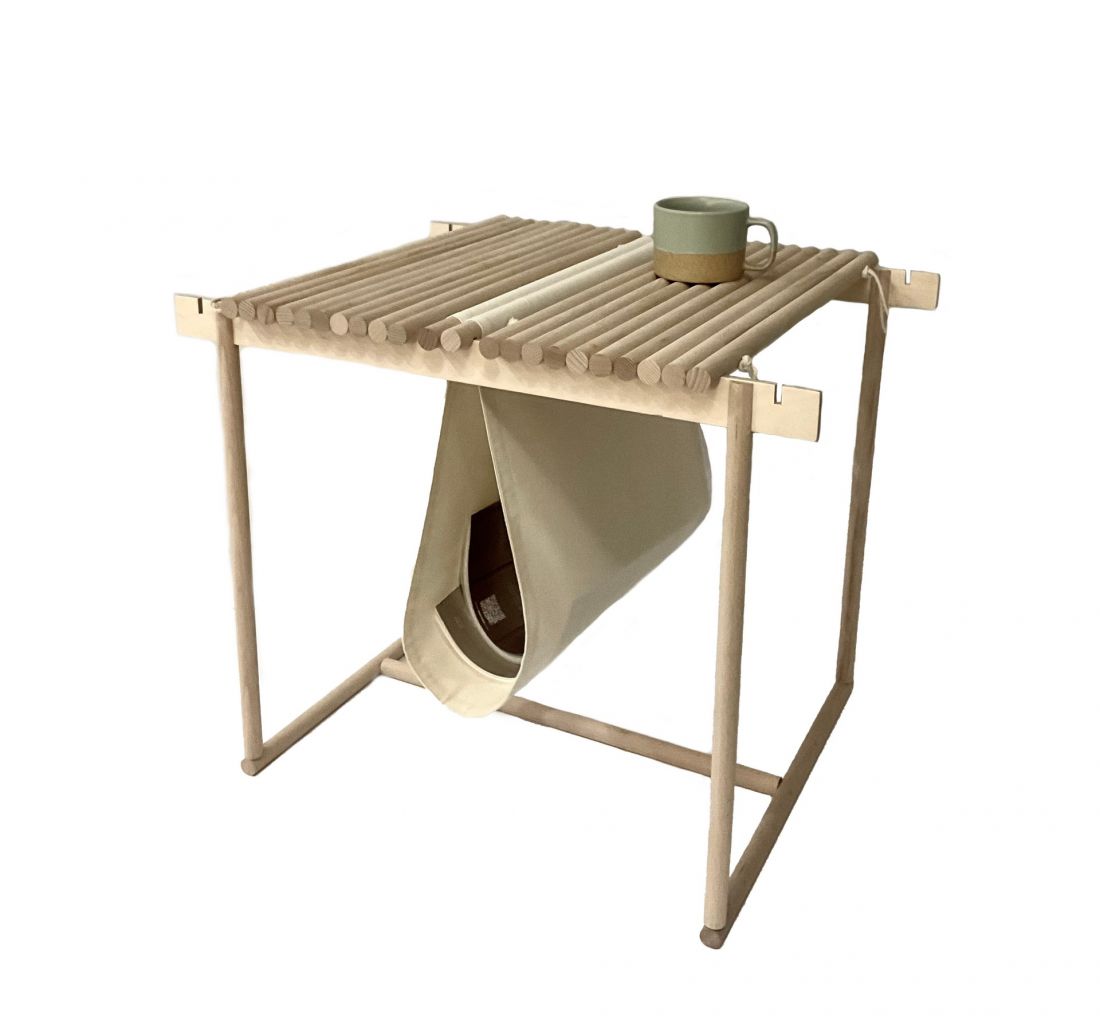
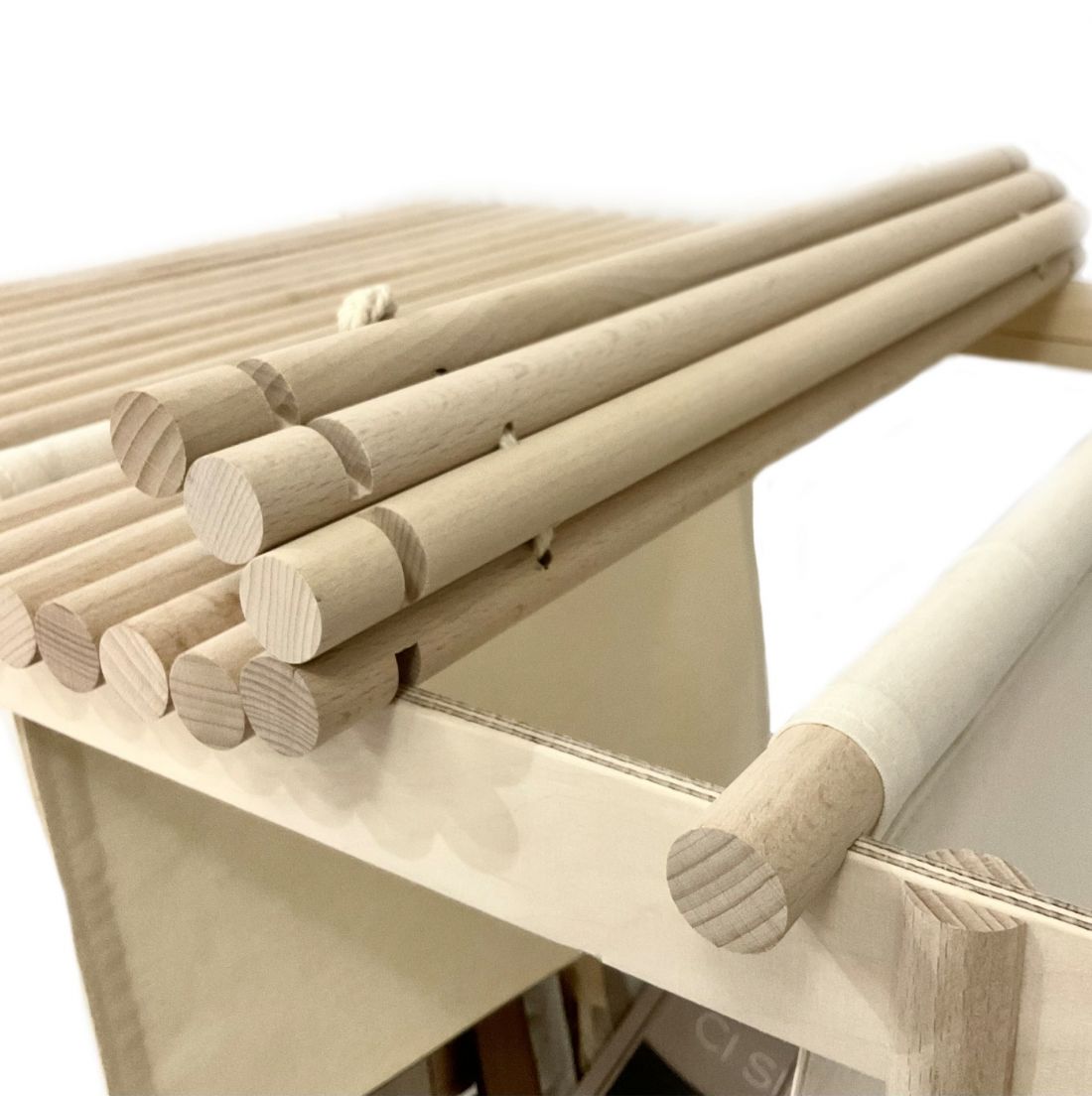
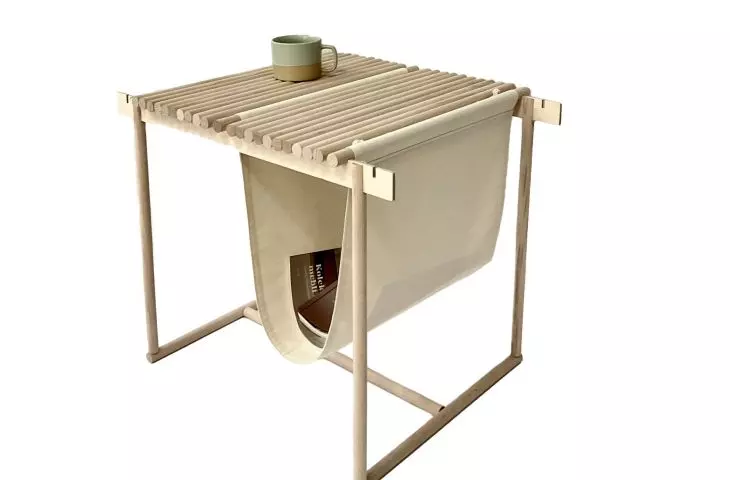
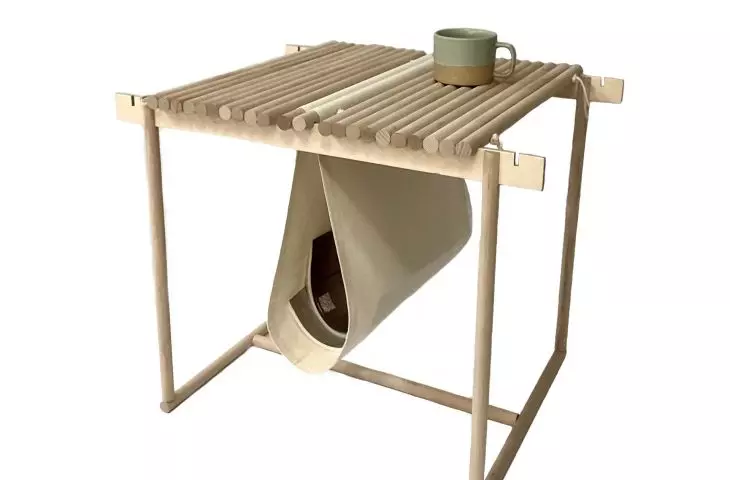
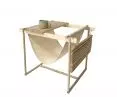
photo of the table
design: Zuzanna Polak
To make the table, the author used beech round slats, as well as birch plywood. The frame is complemented by cotton cord and raw cotton in the form of fabric.
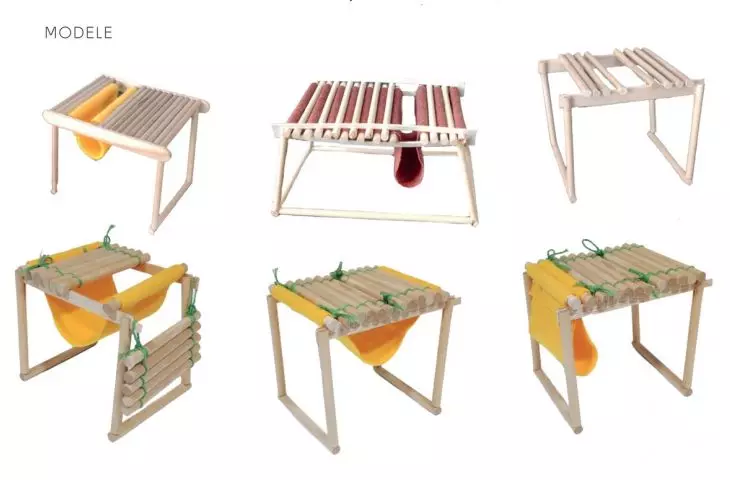
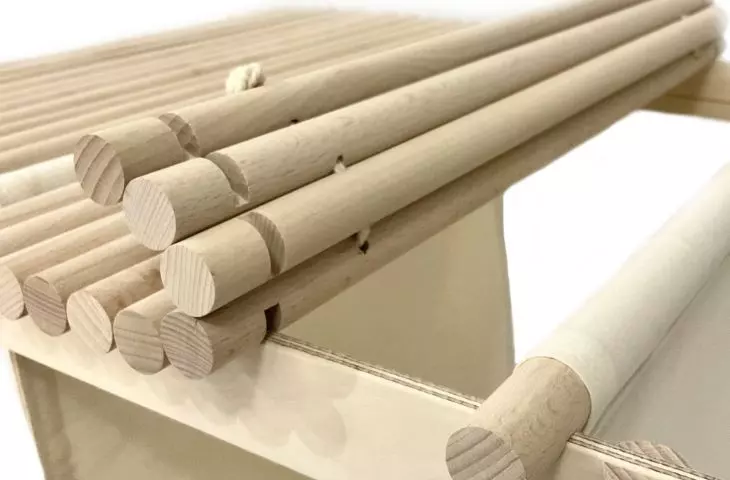
The structure of the table is based on two planes made of beech pegs. They are connected by bound strings. On the extreme pegs hangs a pocket of cotton fabric. Its primary function is storage - implicitly, for example, newspapers.
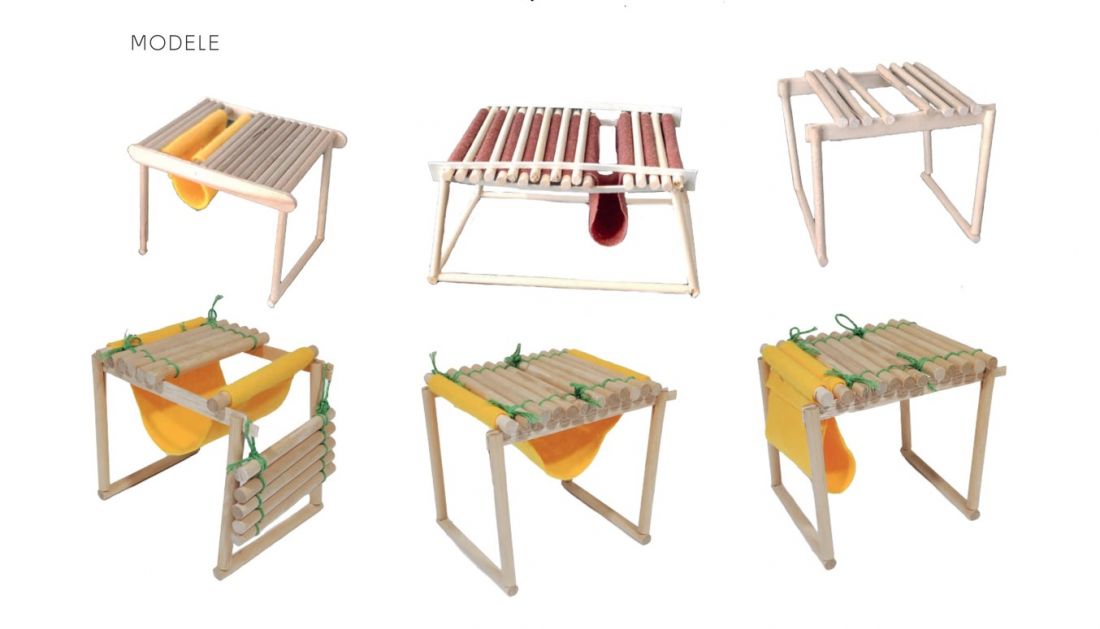
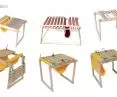
models
design: Zuzanna Polak
The table has an adjustable position for both the top and the cotton pocket. The round pegs that make up the top have notches - so it is possible to slide them on two plywood guides.
The planes of the top can be hung from the side of the structure - this is made possible by a notch in the guide. This allows it to be adapted to different user needs, while maintaining an aesthetic of lightness and naturalness.
modernism and vintage in one piece of furniture
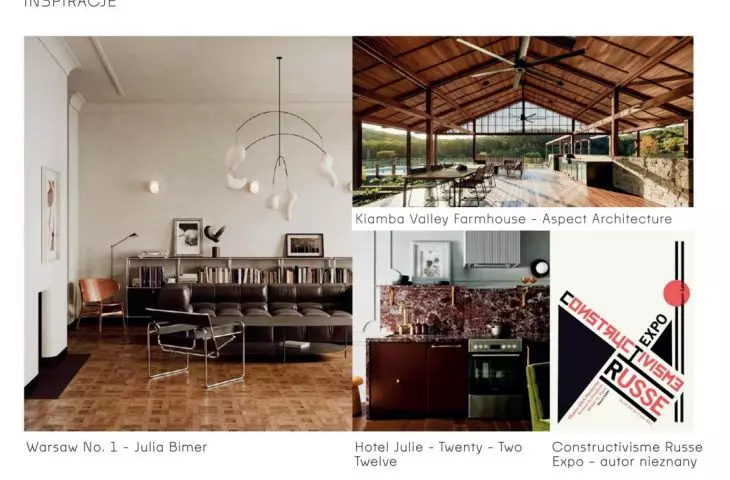
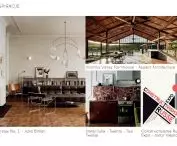
For her inspiration for the Ligno table, the author points to projects that combine features of modernism and vintage style, which also create compositions that are functional, but full of contrasts. That's why her board includes projects such as Warsaw No. 1 by Julia Bimer, Hotel Julie - Twenty - Two Twelve, and Kiamba Valley Farmhouse from Aspect Architecture.
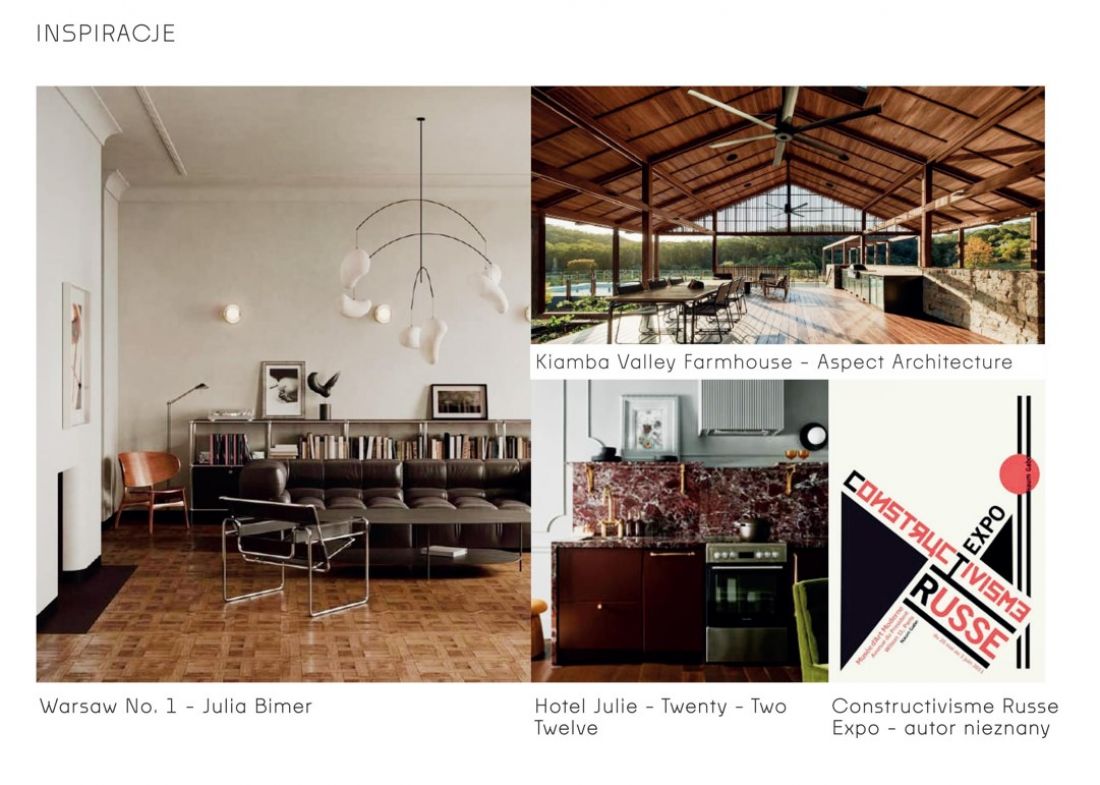
inspirations
proj.: Zuzanna Polak
In these projects, the juxtaposition of raw, often contrasting surfaces and structures, which, despite their differences, created a harmonious whole, proved particularly interesting. This approach became the basis for building my own furniture concept - based on a dialogue between heavy and light, smooth and rough, rigid and flexible
- explains the author.
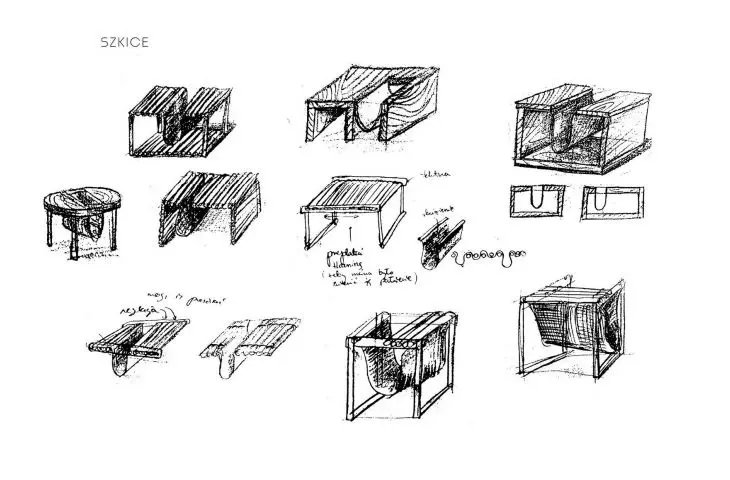
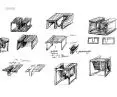
During the design process, the author searched for contrasting materials - she compared, for example, heavy wood with light fabric, and materials with rough and smooth surfaces.
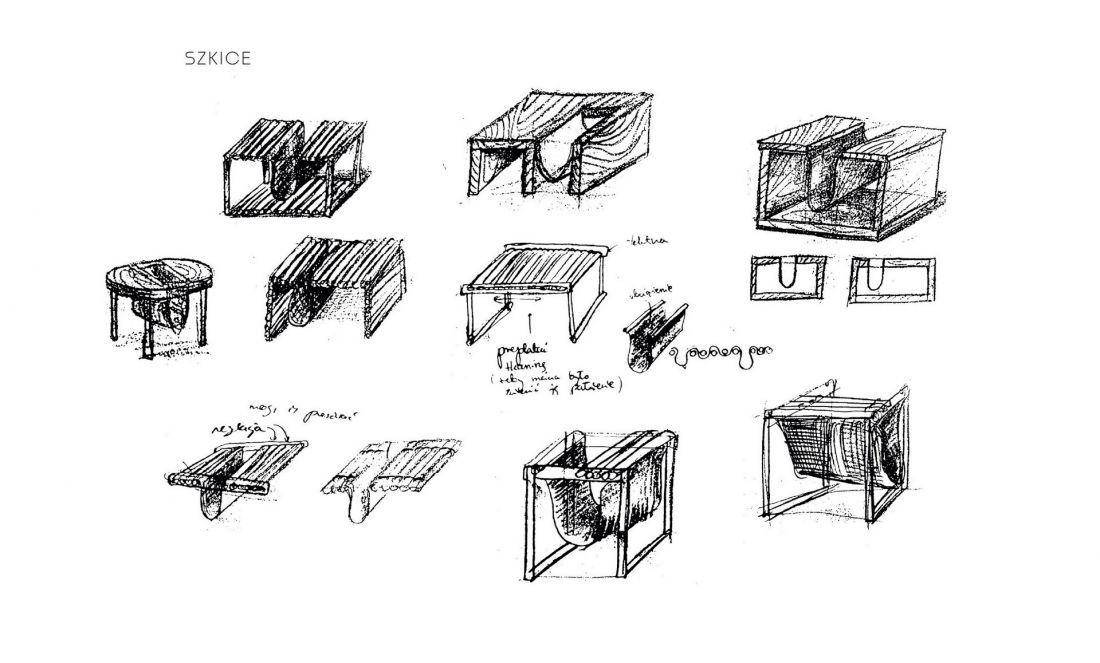
sketches
proj.: Zuzanna Polak
In order to maximize the furniture's function, a way was sought to adjust the planes of the tabletop and potential storage pockets. In the end, it was decided to use round beech slats and cotton
- adds the author.
The project was created as part of the Design course taught by Aleksandra Jakuć, a 4th semester interior design major.