



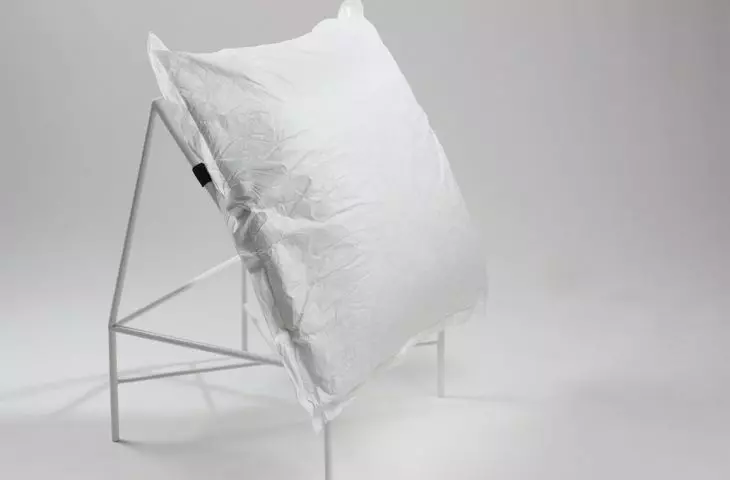
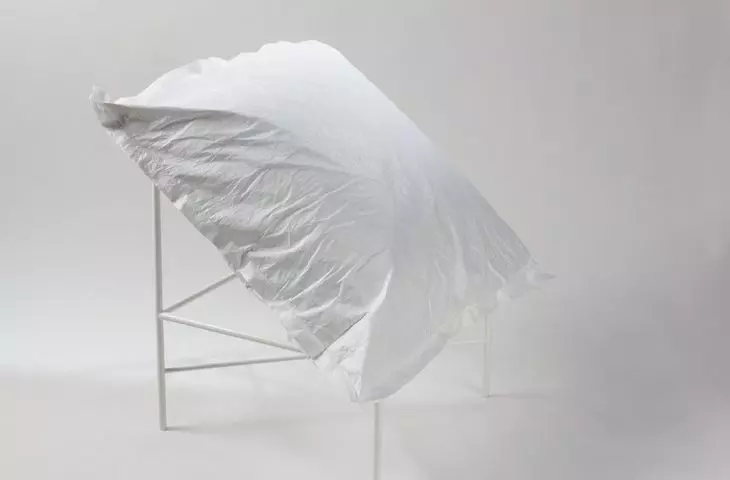
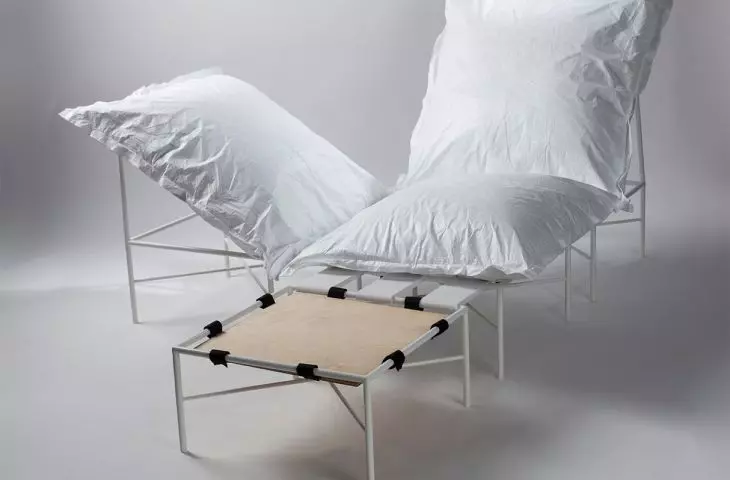

Can a piece of furniture influence the functioning of society? Antonina Dutkiewicz of Akademia Sztuk Pięknych w Warszawie created a design for a modular seat that, through the conscious use of materials, has become a versatile piece of furniture suitable for both private, public and outdoor spaces. She presented the work at the UpComing 2024 graduate exhibition .
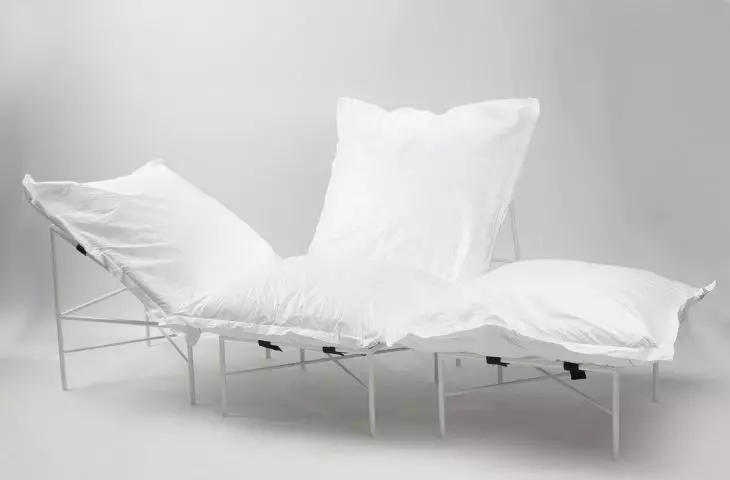
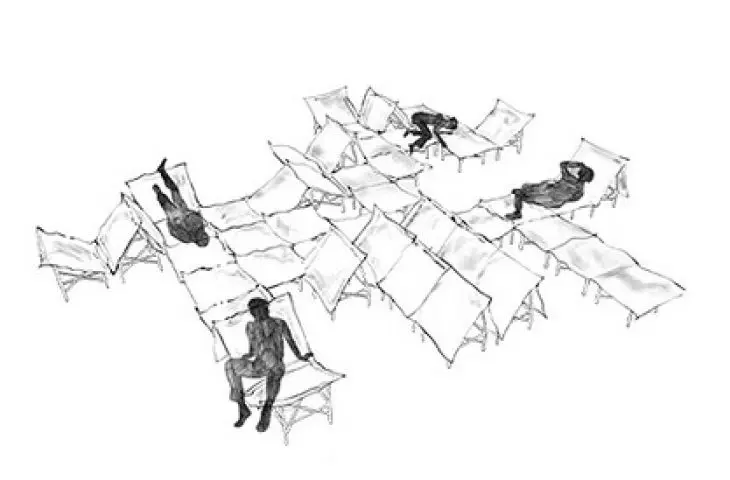
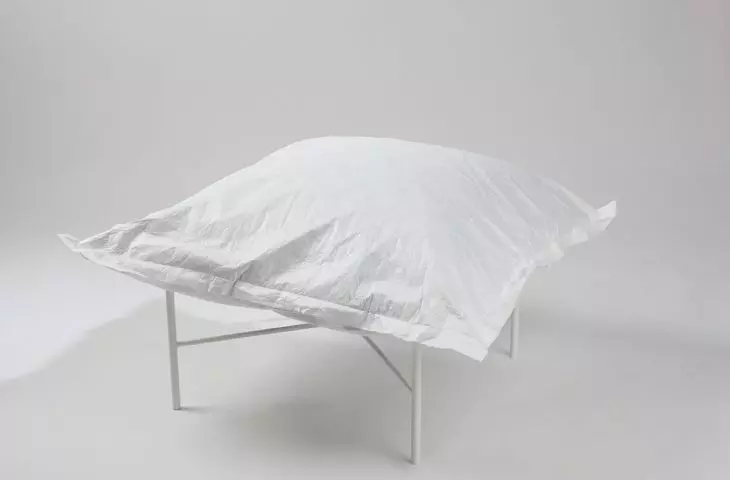
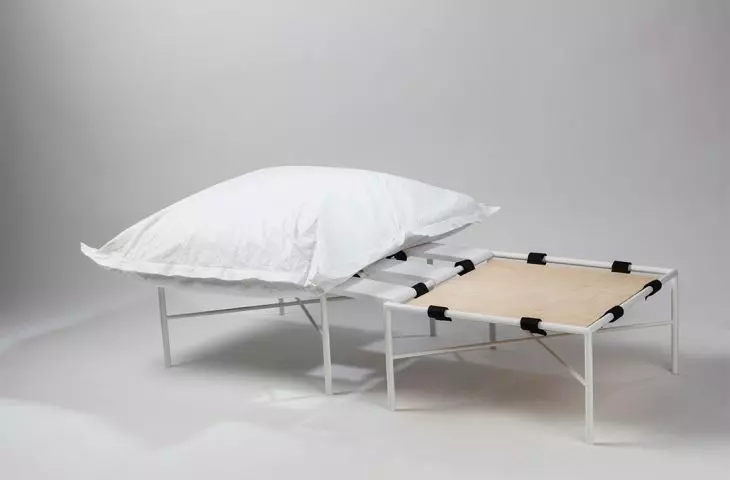
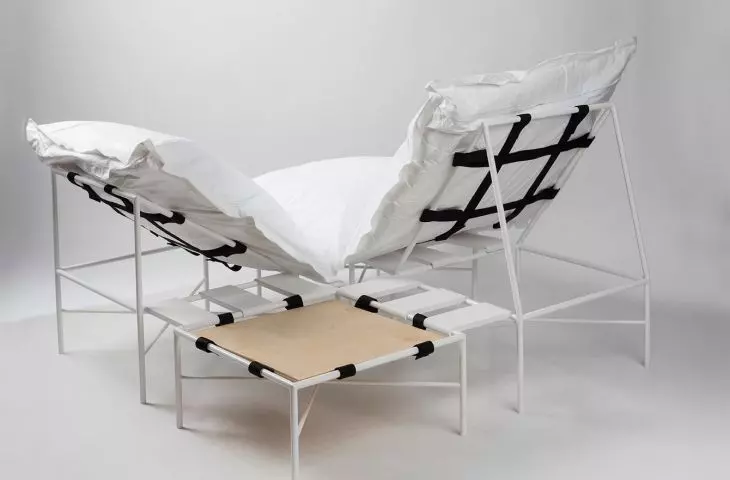
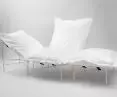
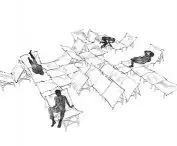
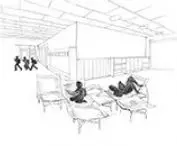
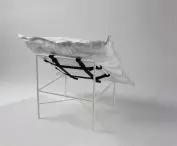
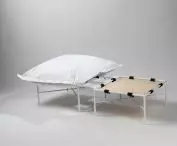
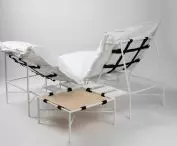
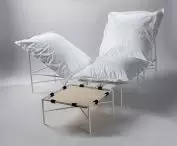
The BAST furniture set designed by Dutkiewicz is a lightweight modular piece that forms a seating system. The form of the furniture system, created from many repetitive parts joined together by a hidden bond, was inspired by organic forms observed in nature. This is where the name of the project comes from - bast in English means phloem, i.e. the tissue of trees and shrubs, which conducts organic substances. The elements can be freely combined and disconnected with each other, so they can be freely adapted both to small private spaces and to create large-scale forms in public spaces.
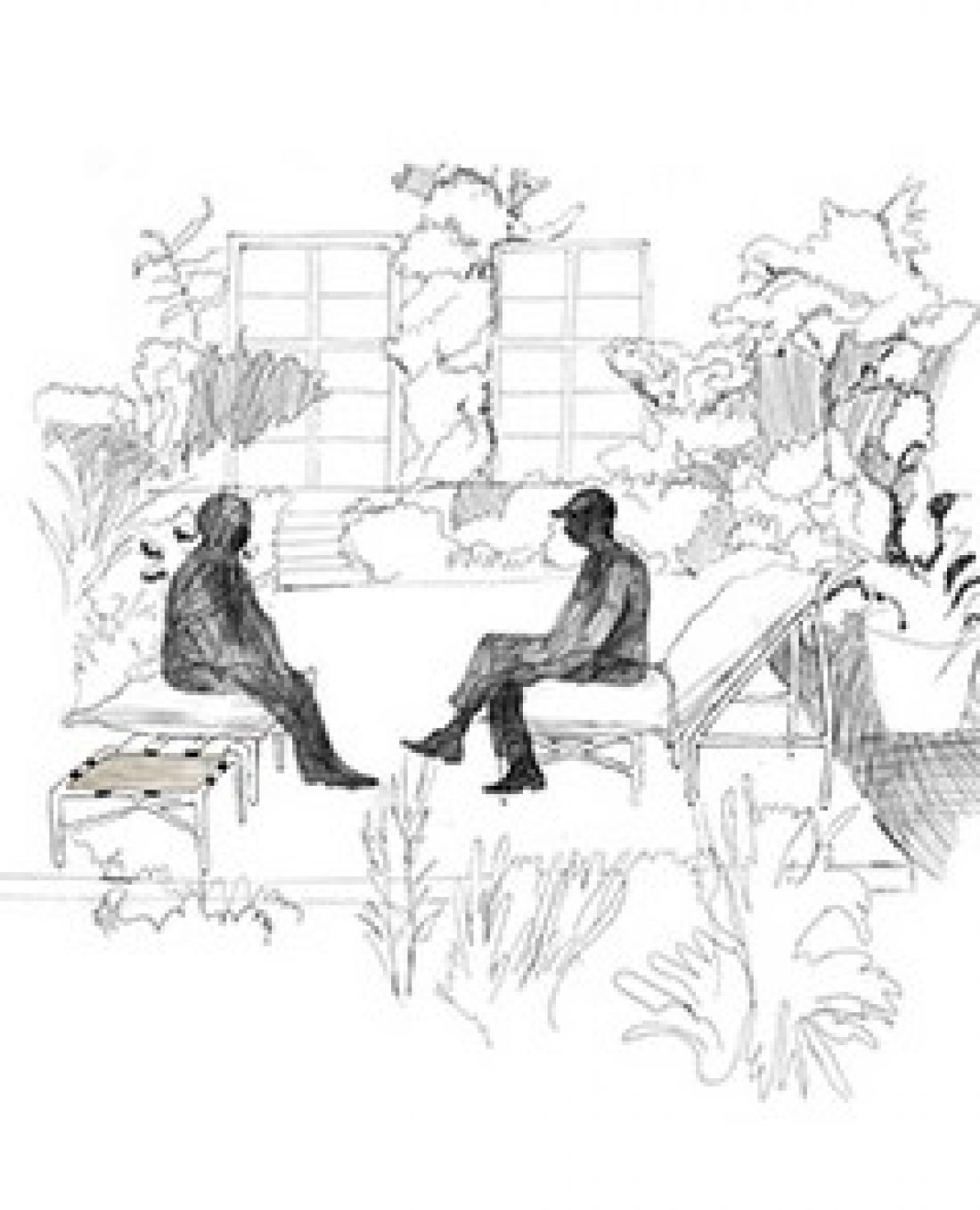
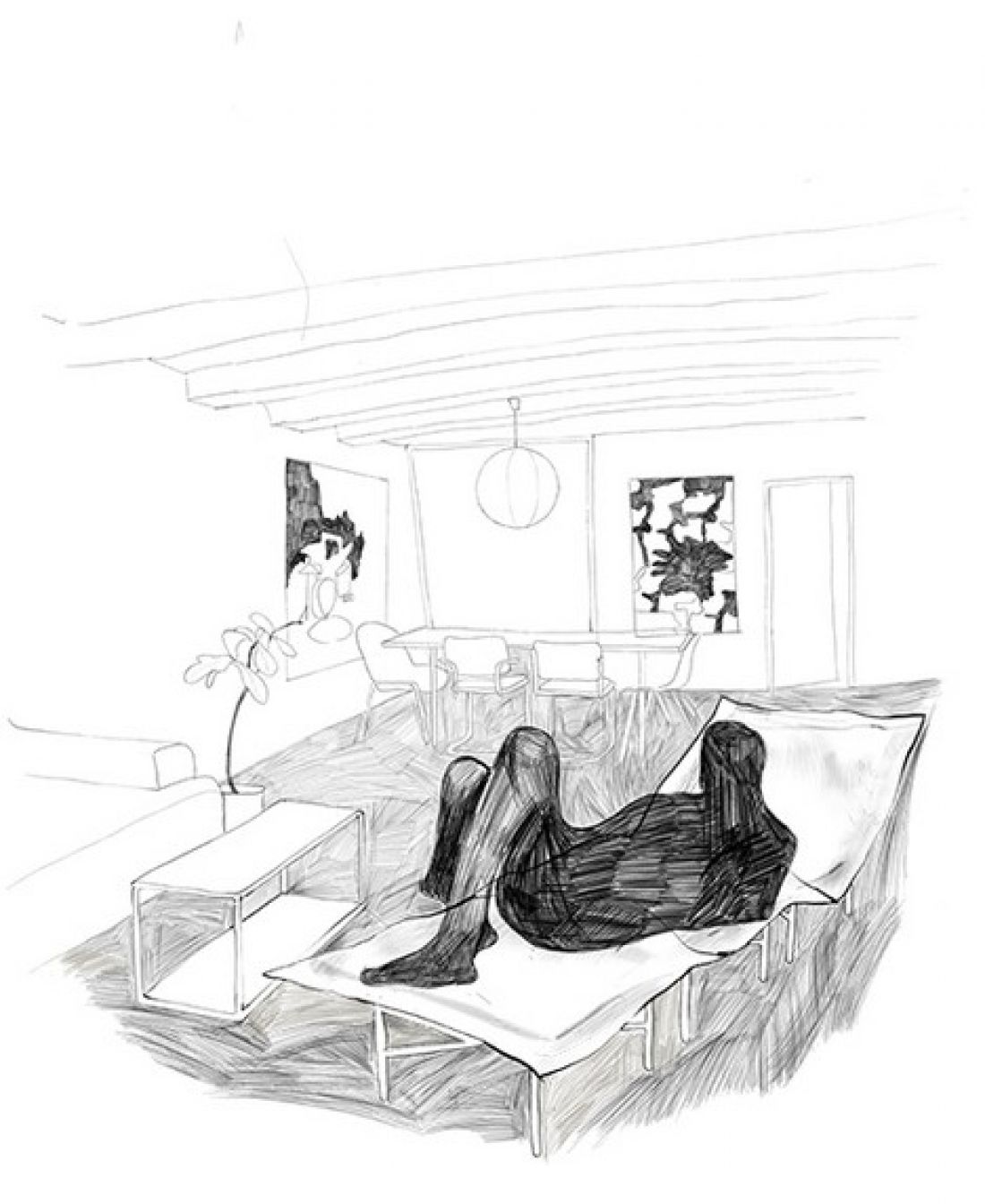
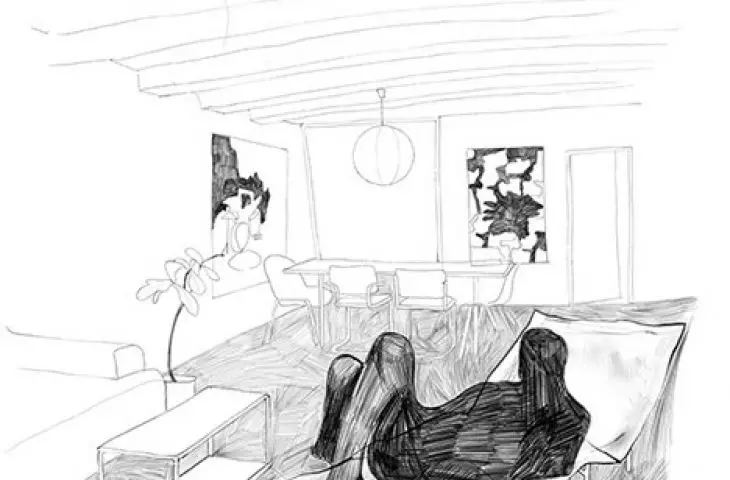
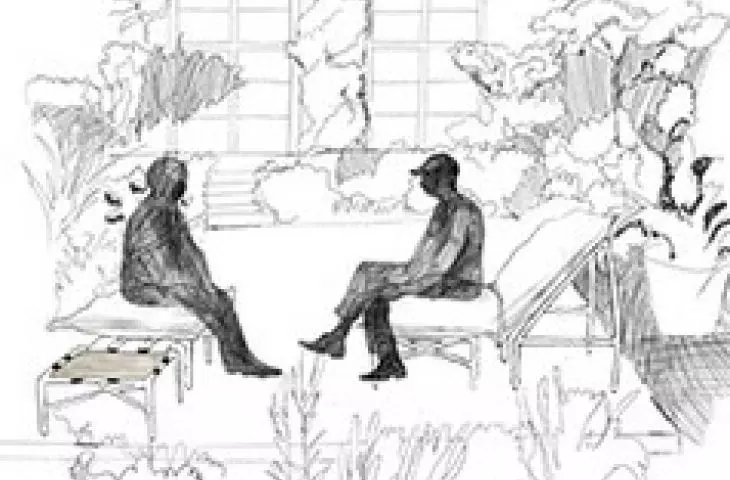
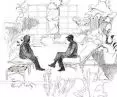
illustration - garden
design: Antonina Dutkiewicz
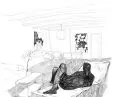
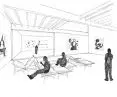
illustration - house
proj.: Antonina Dutkiewicz
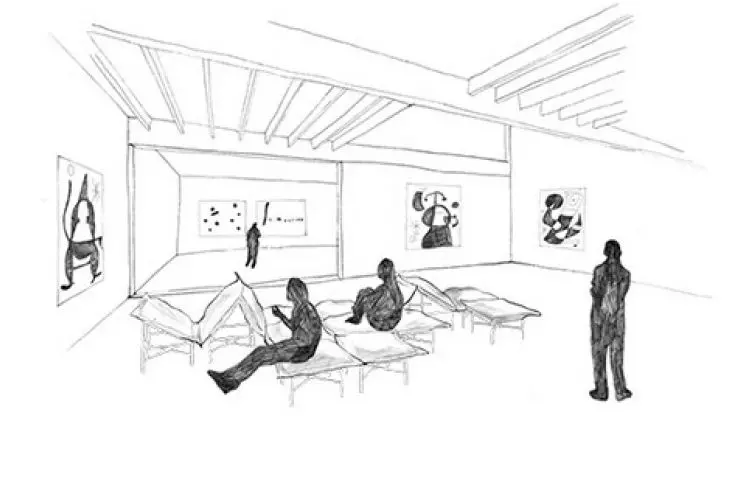
modular seating for home and gallery
The layout of the BAST set allows to adjust the seats in such a way that each user feels maximum comfort. The author proposed certain schemes for setting up the modules, but these are not the only possible combinations.
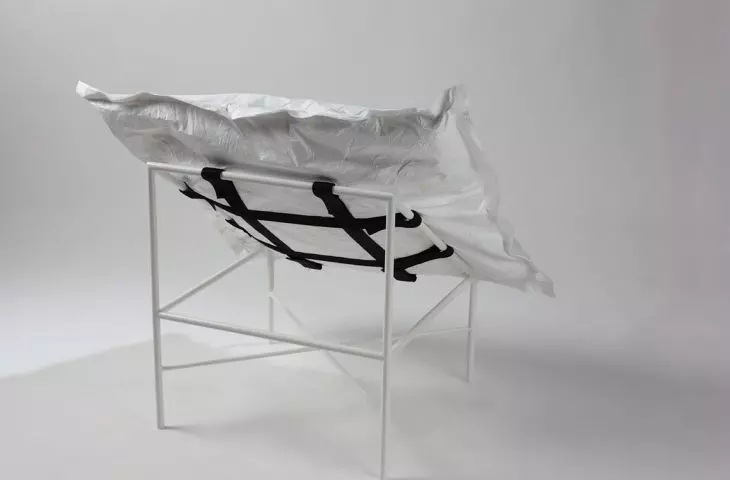
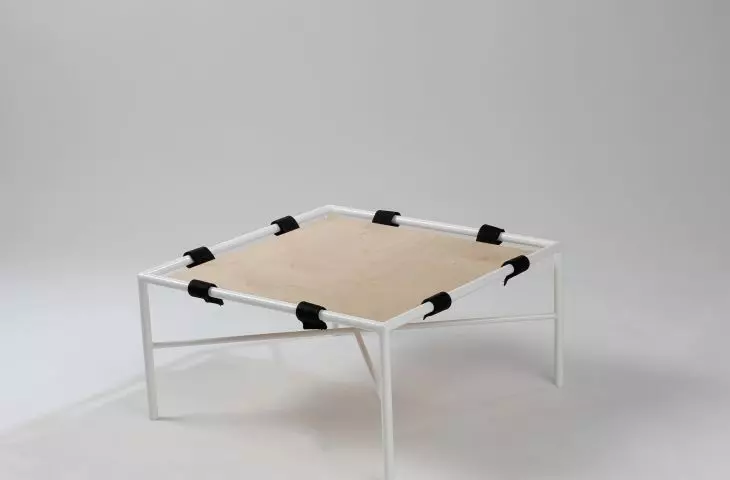
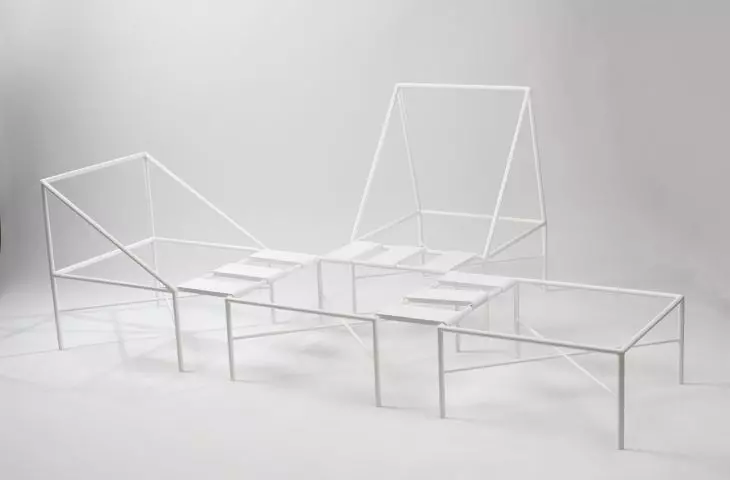
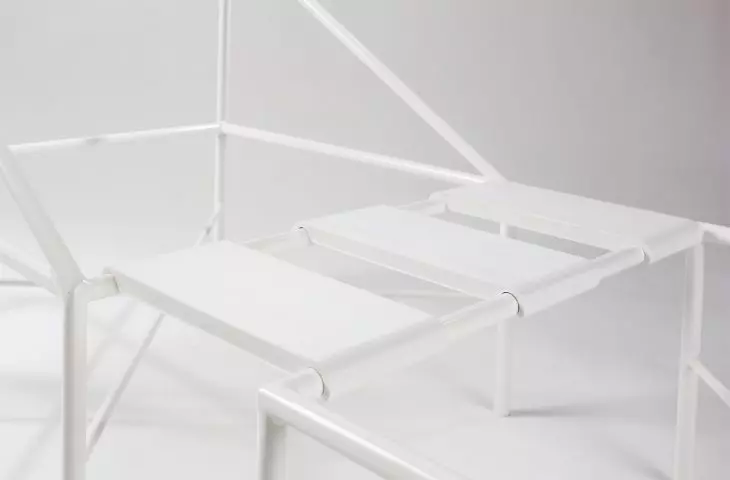
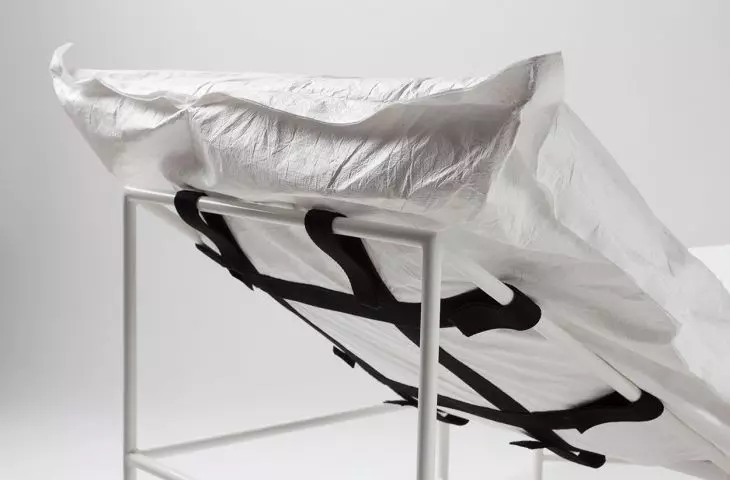
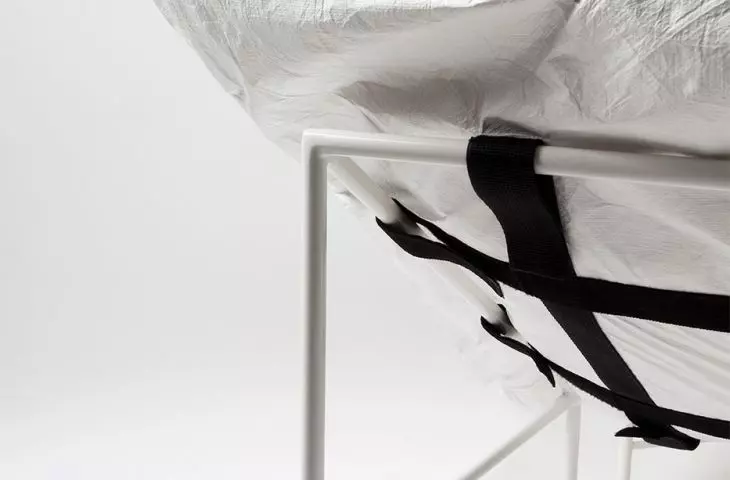
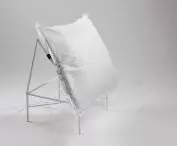
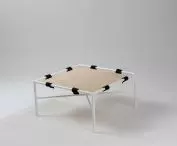
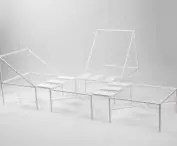
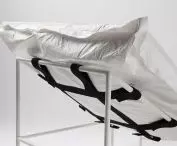
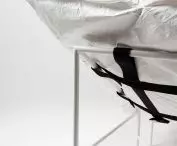
The frames of the furniture, in three dimensions, are made of stainless steel. A form of table made of three layers of plywood serves as the base of the seats. In its middle part the author cut holes for tapes, which connect the board to the frame, using Velcro. The lightness of the plywood allows for quick assembly and replacement of modules.
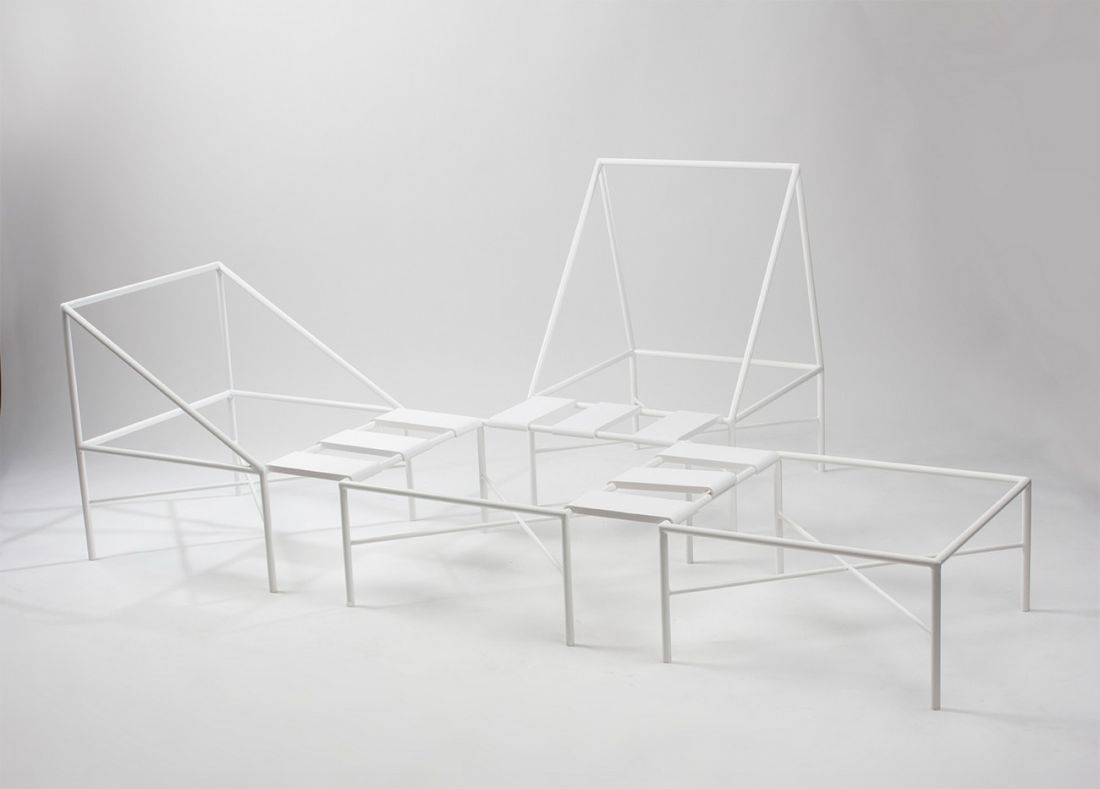
joined frames
proj.: Antonina Dutkiewicz
Great awareness and independent decision-making, black and white broken by the warmth of wood, lightweight metal frame, cushions upholstered with Tyvek, printed connectors gave, in my opinion, a great effect - a set of leisure furniture that allows you to configure any arrangement of them: from small to very large and complex
- describes Prof. Michal Kapczynski, the thesis supervisor.
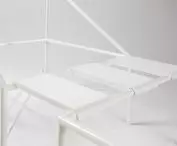
The modules are welded together using a connector made with the help of a 3D printer. It allows one "click" movement to connect and stabilize the racks with each other.
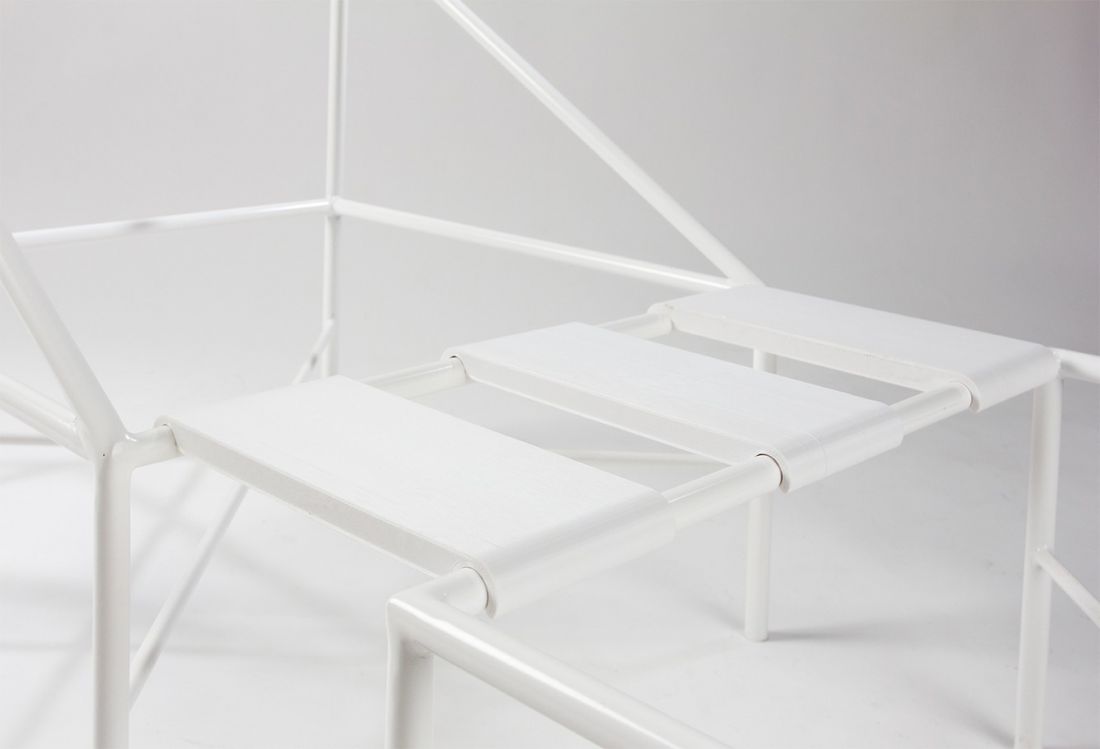
racks - connectors
designed by Antonina Dutkiewicz
A piece of furniture as a tool of social influence?
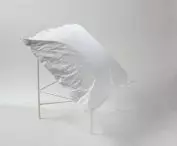
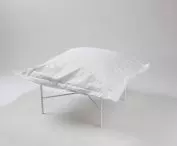
The final material chosen to cover the seats is Tyvek® - it's a white, technical material with high plastic qualities and a crumpled texture. It is both a lightweight and durable material that can be used both in public spaces and outdoors. It is used in medical care products due to its antibacterial properties. The interior of the seats is filled with upholstery sponge cut on a precision plotter. Its two parts are wrapped with nonwoven fabric, which makes the cushions soft and fluffy.
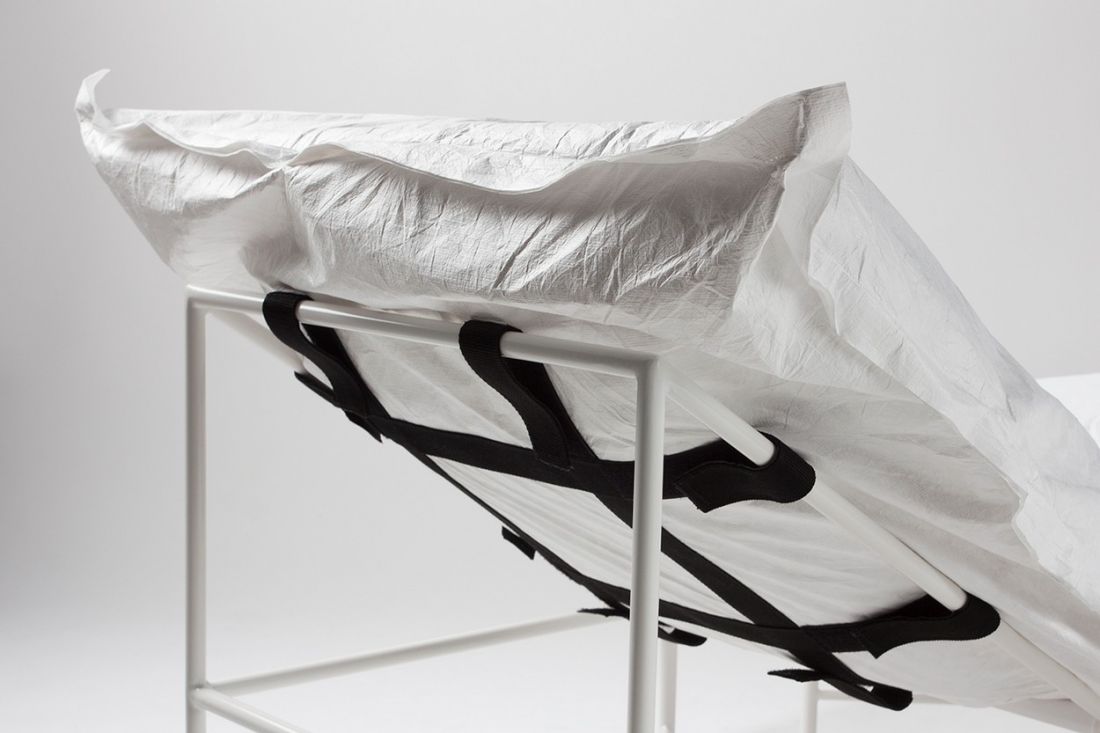
detail
proj.: Antonina Dutkiewicz
An element of Antonina Dutkiewicz's thesis is also an album, which is a record of the design process.
Knowing Antonina's inquisitive, exploratory nature, I had no doubt that an appendix to the diploma as a record of the design process was a good idea. The challenge was to select diverse material and give it a clear layout without losing the dilution that accompanies design. Antonina did this excellently
- commented Professor Basil Krasulak, dean of the Faculty of Interior Design, under whose supervision the album was developed.
Antonina Dutkieiwcz's project was dictated by a reflection on the social responsibility of contemporary design. As the author explains, the design process - as important as the final result - was constantly accompanied by the thought of the object's impact on users, social behavior and people's functioning.
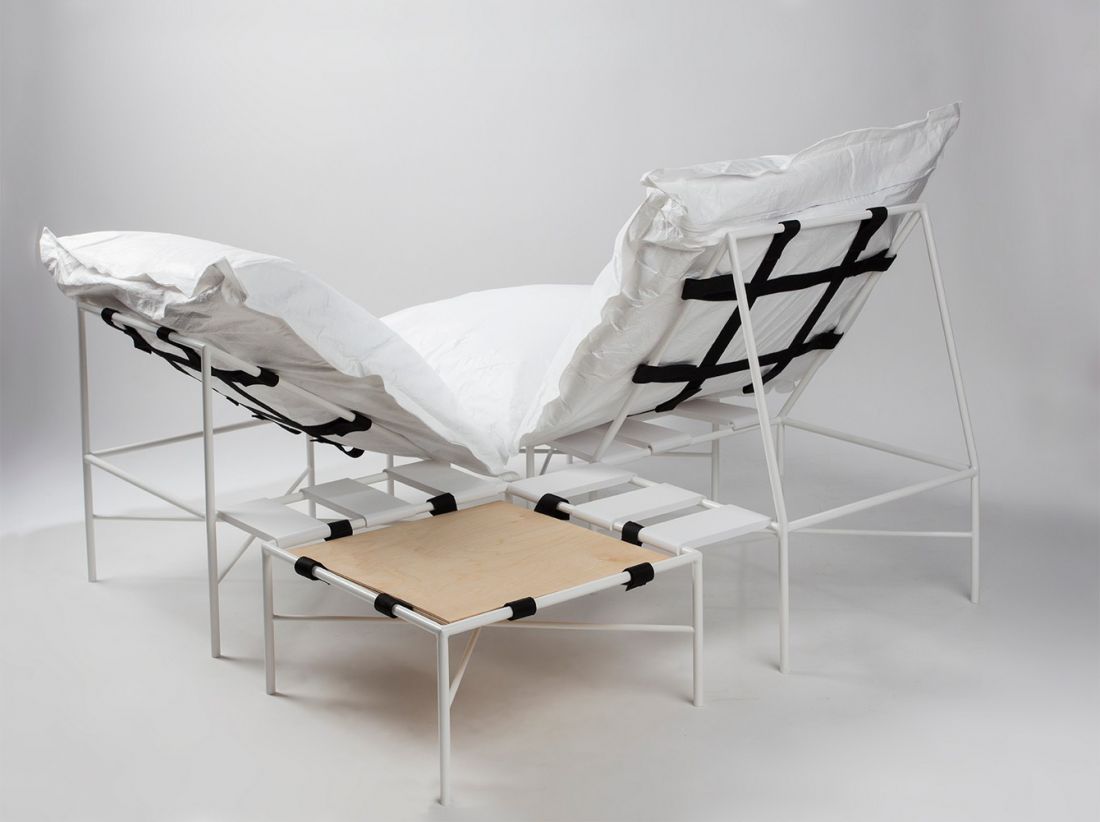
modules joined
proj.: Antonina Dutkiewicz
The project is one of the graduation works exhibited at the UpComing exhibition as part of this year's edition of the After school club project, which showcases selected graduation works by male and female graduates from nine faculties of the Academy of Fine Arts in Warsaw. The exhibition will run until June 22, 2025 at the Czapski Palace (Academy of Fine Arts in Warsaw, 5 Krakowskie Przedmieście Street).