








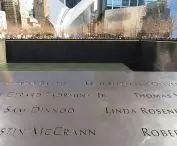
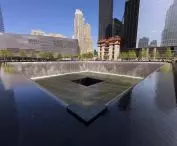

The September 11 memorial and museum in New York City,
designed by Handel Architects
The NationalSeptember 11 Memorial & Museumin New York is one of those places where architecture takes on a special meaning. It was built exactly where the silhouettes of the World Trade Center twin towers dominated for decades. Today, instead of soaring structures, we find here a space of silence, reflection and urban balance. Michael Arad is behind the concept, along with his team at Handel Architects and landscape studio Peter Walker and Partners. Their joint vision has created a place to commemorate the 2,977 victims of the September 11, 2001 attacks and the six people who lost their lives in the 1993 bombing.
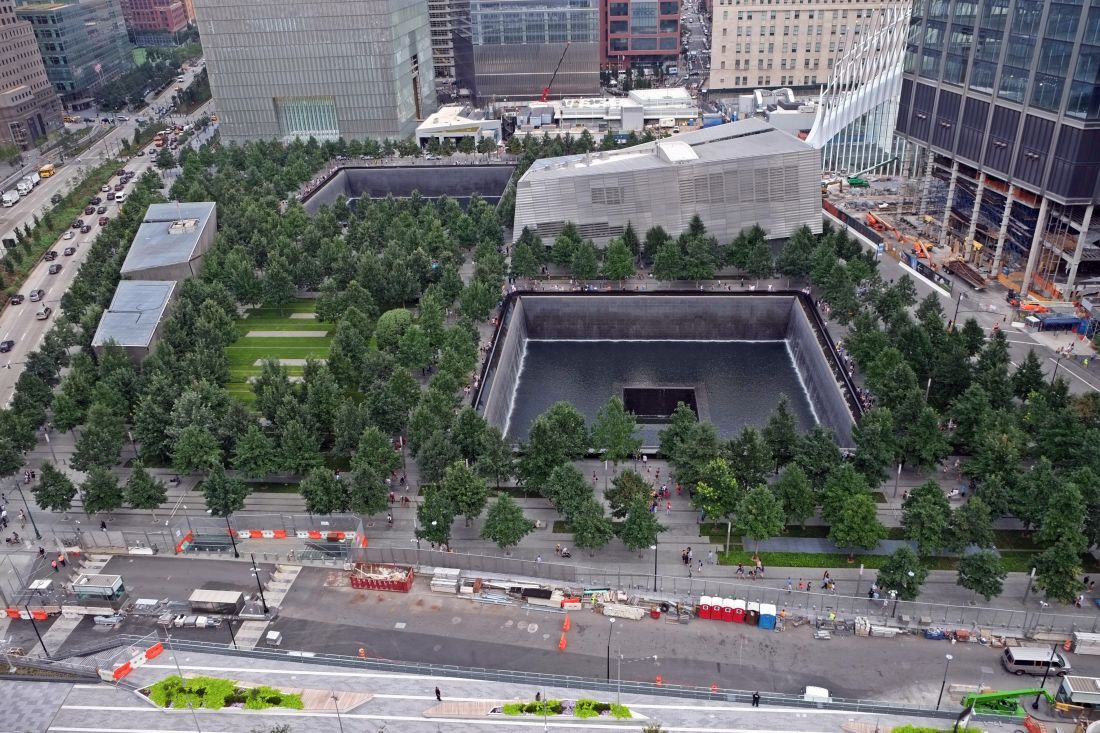
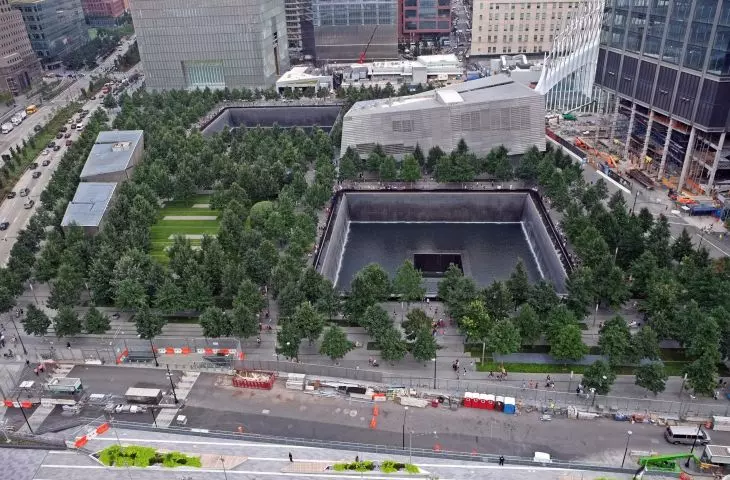
The September 11 Memorial and Museum in New York City - aerial view
photo by Paul Sableman | © CC BY 2.0
Birth of the project
- from uncertainty to a clear vision
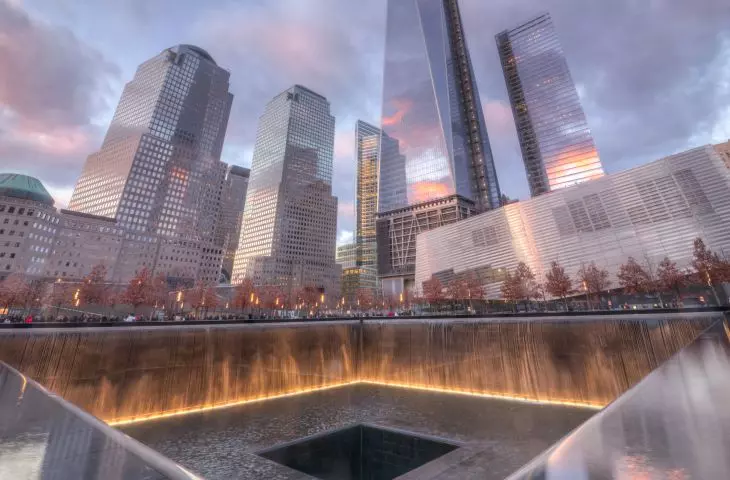
Shortly after the 2001 tragedy, discussion began about the future of the site, which in an instant became a symbol of global transformation. In the first months, when Lower Manhattan was still living in the rhythm of the rescue operation, there was a need to create a space to tame the trauma, organize the memory and restore the pace of everyday life. The memorial design competition turned out to be one of the largest of its kind. Out of nearly 5,200 submissions, Arad's proposal - "Reflecting Absence"- won . It is a concept in which water, rhythm and symbolic emptiness play a key role. The minimalist form attracted attention from the beginning. It did not dominate the city, nor did it impose an interpretation. Rather, it opened up a space where each visitor could find his or her own path of thinking about the place, which will forever remain in the collective memory.
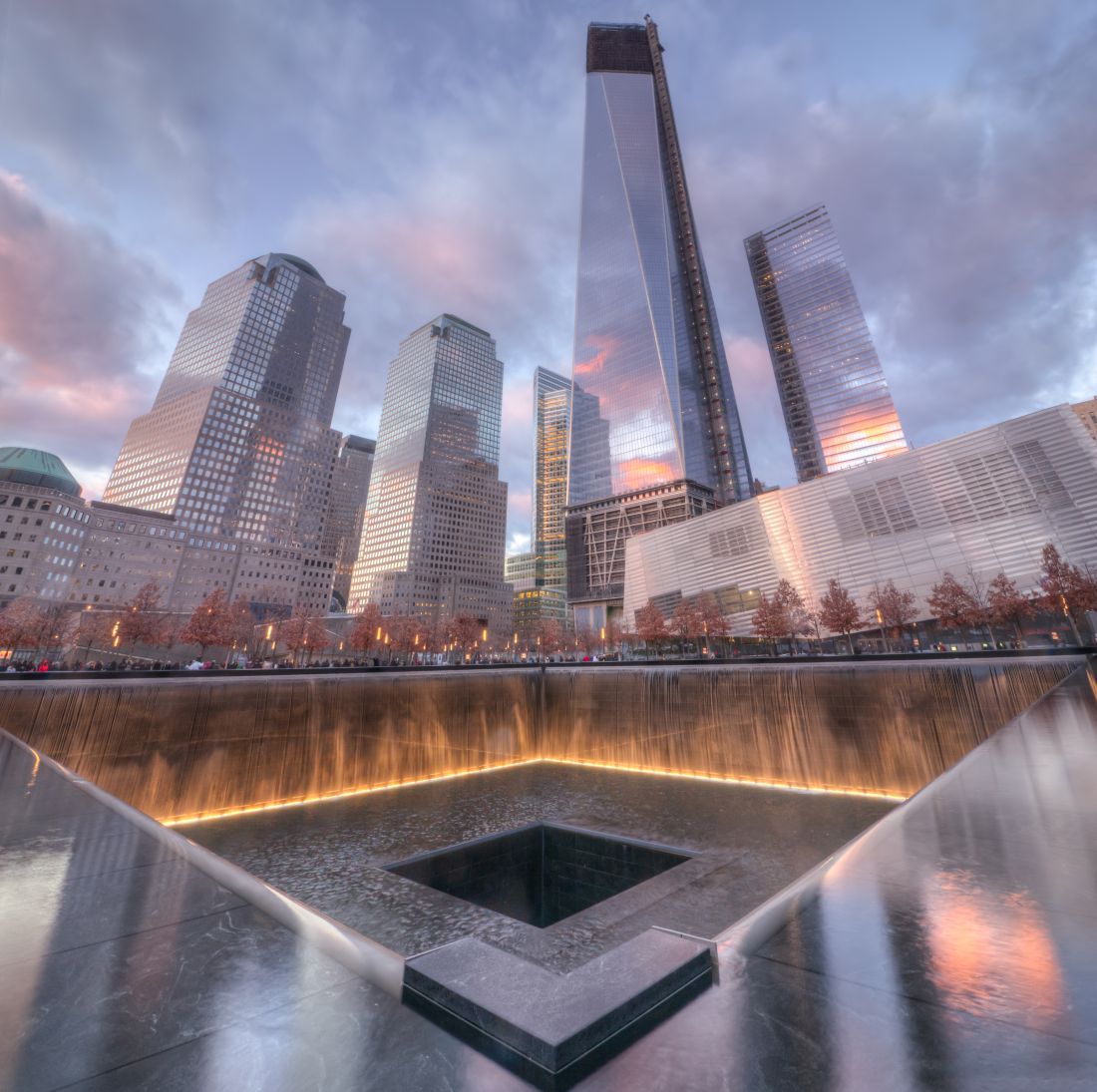
The September 11 Memorial and Museum in New York - the memorial was built exactly where the silhouettes of the World Trade Center twin towers had dominated for decades
photo by Dave Z | © CC BY 2.0
Implementation - a challenging project
in the heart of Manhattan
Not only the form of the project proved to be a challenge, but also its location. Construction work began in 2006 - at a time when the entire Ground Zero neighborhood was being rebuilt in parallel. The construction site, which was home to many teams and institutions, required meticulous coordination. However, the determination of the developers and the consistency of the city yielded results. On the 10th anniversary of the attack, September 11, 2011, the memorial space was dedicated, and a day later it opened to the public. The museum opened in May 2014, after a ceremony attended by Michael Bloomberg and Barack Obama, among others. Since then, the memorial has not only become an important point on the map of New York, but also one of the most visited places in the United States.
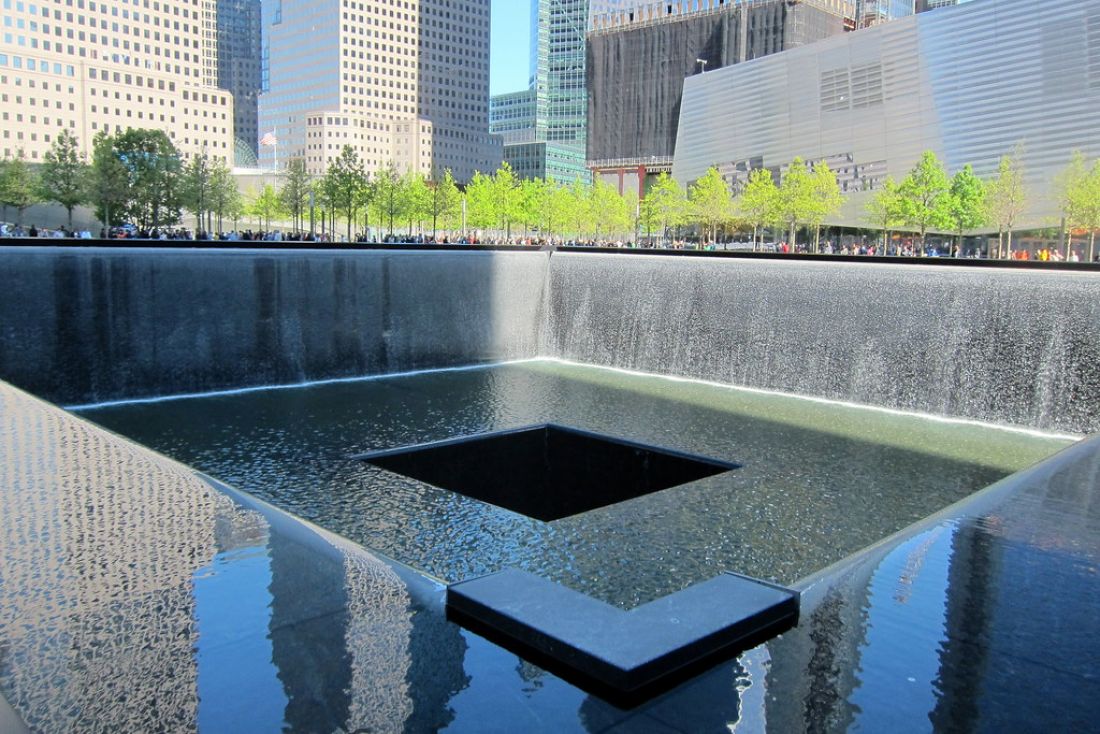
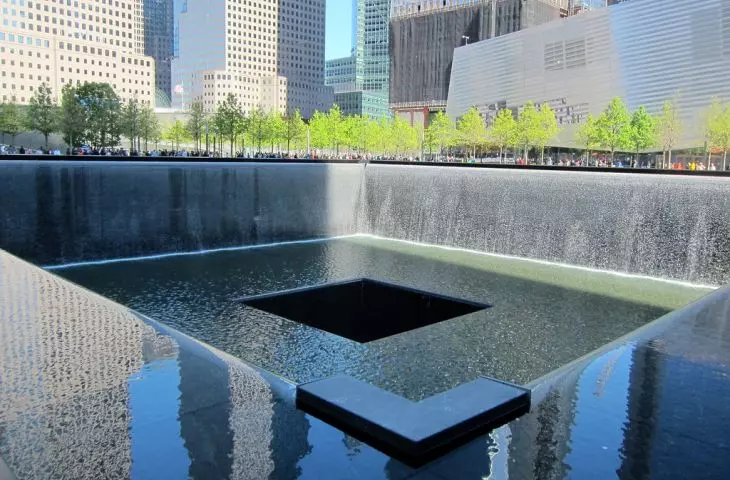
The September 11 memorial and museum in New York City
Picasa photo | © CC BY-NC-ND 2.0
Architecture guided by geometry
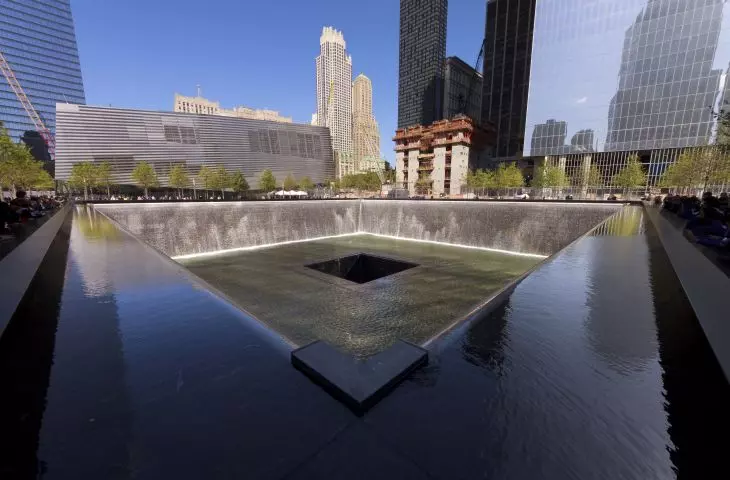
One of the project's greatest strengths is its clear, thoughtful geometry. Two square reflecting ponds set the rhythm of the entire composition. They are placed exactly within the contours of the former towers, creating a space that directly relates to the history of the site. The granite walls of the ponds lead the eye down toward the central openings, where the water fades away, as if constantly reminding us of the interrupted sequence of events. This gesture - simple, precise, repetitive - is the basis of the memorial's entire narrative. The plan of the square is subordinated precisely to these two squares. The layout of the avenues, the grove of oak trees and the arrangement of paths create a harmonious composition that allows visitors to move between the space of the symbol and the city park.
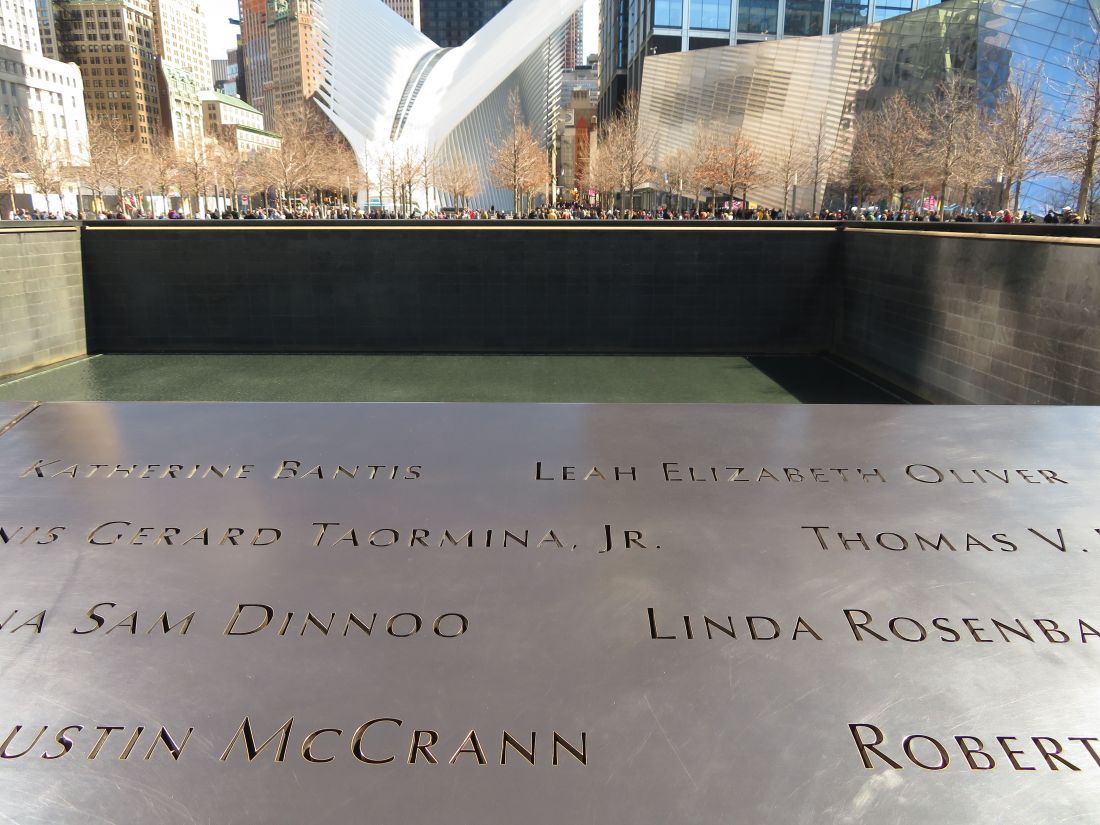
The September 11 Memorial and Museum in New York - the ponds are placed exactly within the contours of the former towers, creating a space that directly relates to the history of the site
photo by Ken Lund | © CC BY-SA 2.0
Experiencing the place
- between silence and the rhythm of the city
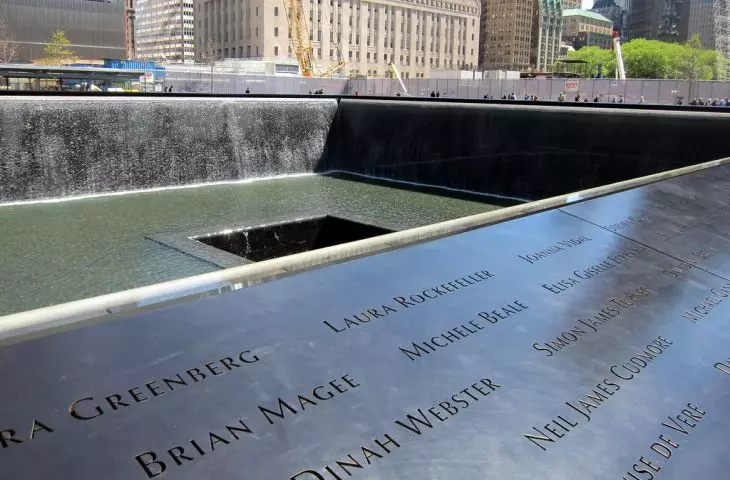
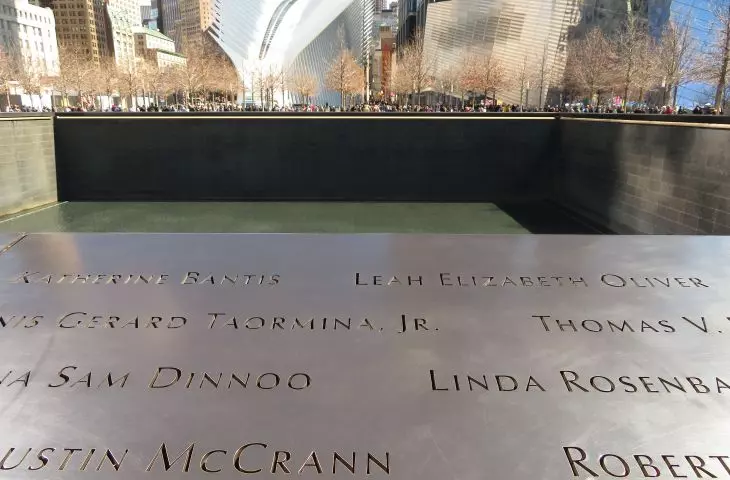
What sets the memorial apart in a special way is its atmosphere. Right next to one of the busiest parts of Manhattan, a space has been created that is distinctly different from the hustle and bustle of the city. Water flows down the walls of the ponds evenly and quietly, creating a subtle sound that fills the plaza. This allows visitors to calm down - even when the daily life of the metropolis is going on around them. The most personal feature, however, is the bronze parapets with the names of the victims cut out. It's an element that catches the eye and holds it for longer. The illumination of the letters and the possibility to touch them at any time of the year give the memorial a dimension that cannot be overstated - individual, close, tangible.
Next to the grove of oaks is the entrance to the underground museum, designed by Snøhetta. Its sculptural form is a contemporary touch, leading to a space where documents, witness accounts and fragments of the towers' construction are collected. The underground part of the complex completes the surface narrative - the more symbolic one, rooted in the form and rhythm of the space.
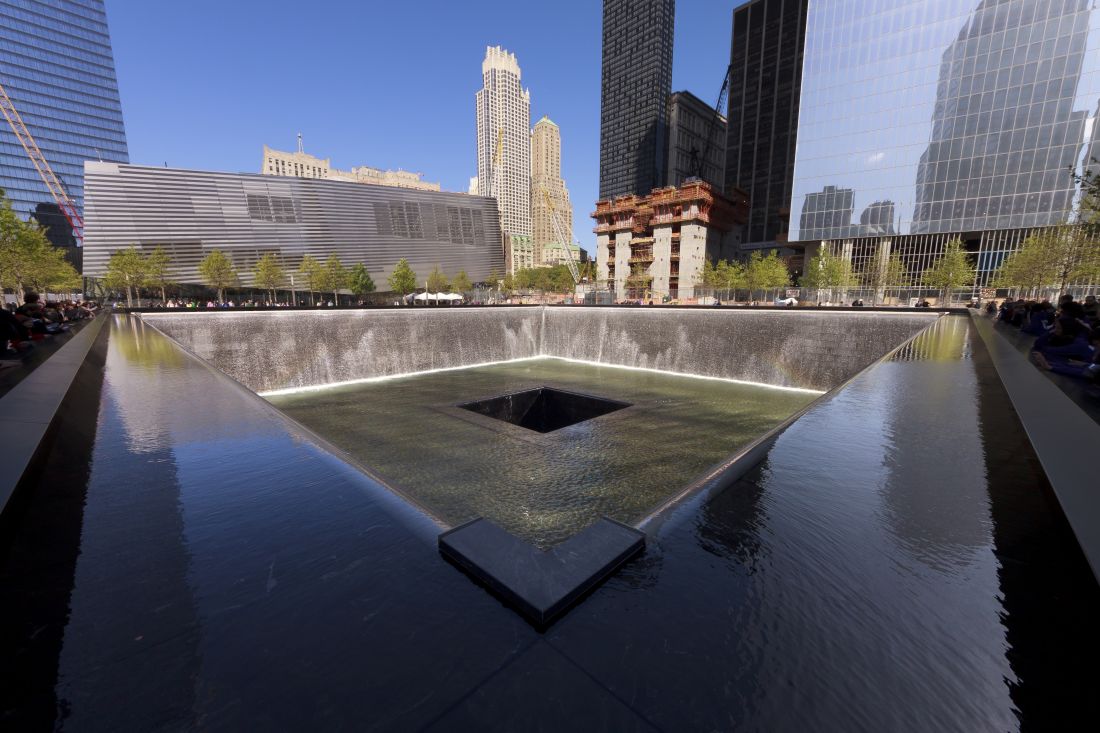
The September 11 Memorial and Museum in New York City
photo by NormanB | © CC BY-SA 3.0
The significance of the memorial
- a symbol that matures with the city
The September 11 Memorial and Museum in New York has, since its opening, become a place that combines educational, symbolic and social functions. Its strength comes not from monumentality, but from restraint. The architecture does not impose interpretations - rather, it creates conditions in which everyone can find their own way of experiencing history. On the scale of New York City, the memorial is today an integral part of the city's identity. On a global scale - one of the key examples of how contemporary architecture can talk about memory, loss and reconstruction.