





Students of the Faculty of Architecture at Poznań University of Technology: Antonina Grzechnik, Julia Retelewska and Natalia Kosik took part in one of the most prestigious international design competitions: Hospice for Terminally Ill IV. Their work, created under the supervision of Dariusz Stankiewicz, is a mature, empathetic approach to the topic of end-of-life care and the balanced relationship between architecture and nature.
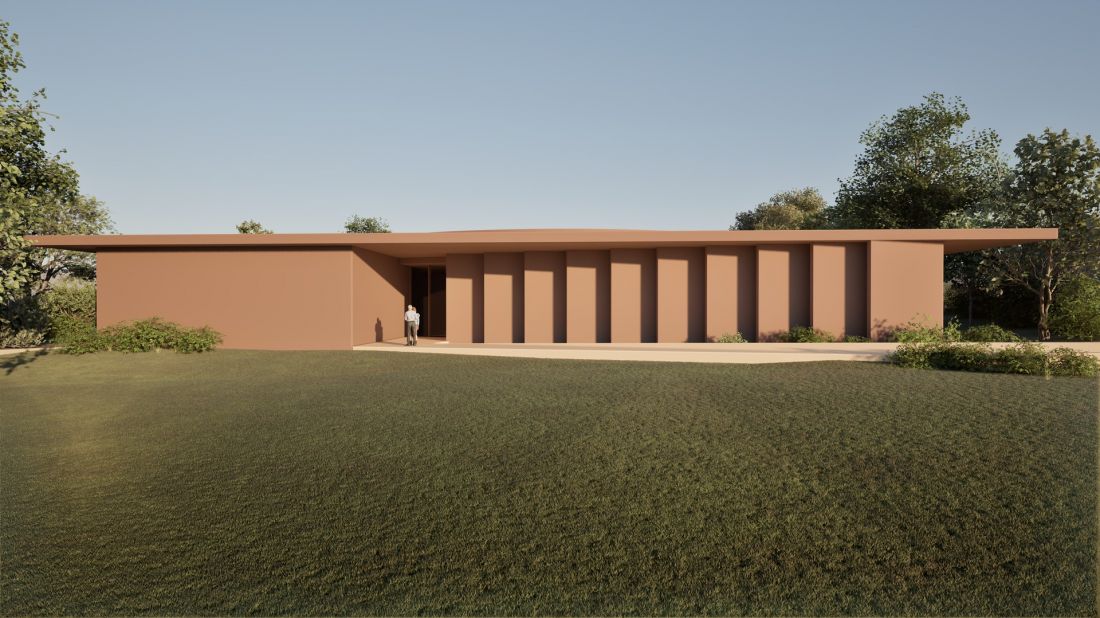
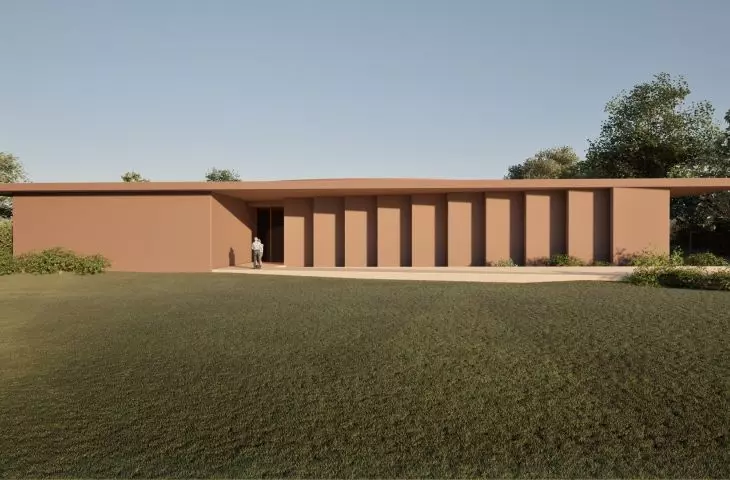
visualization
© Antonina Grzechnik, Juliaa Retelewska, Natalia Kosik
global platform for responsible architecture
The competition organized by the Buildner platform brings together projects from around the world every year, focusing on the search for modern, socially responsible solutions. The Hospice for Terminally Ill edition explored how architecture can support people facing terminal illness - not only physically, but also emotionally. The participation of Polish female students is part of a growing trend of young female designers making their presence felt on the international stage.
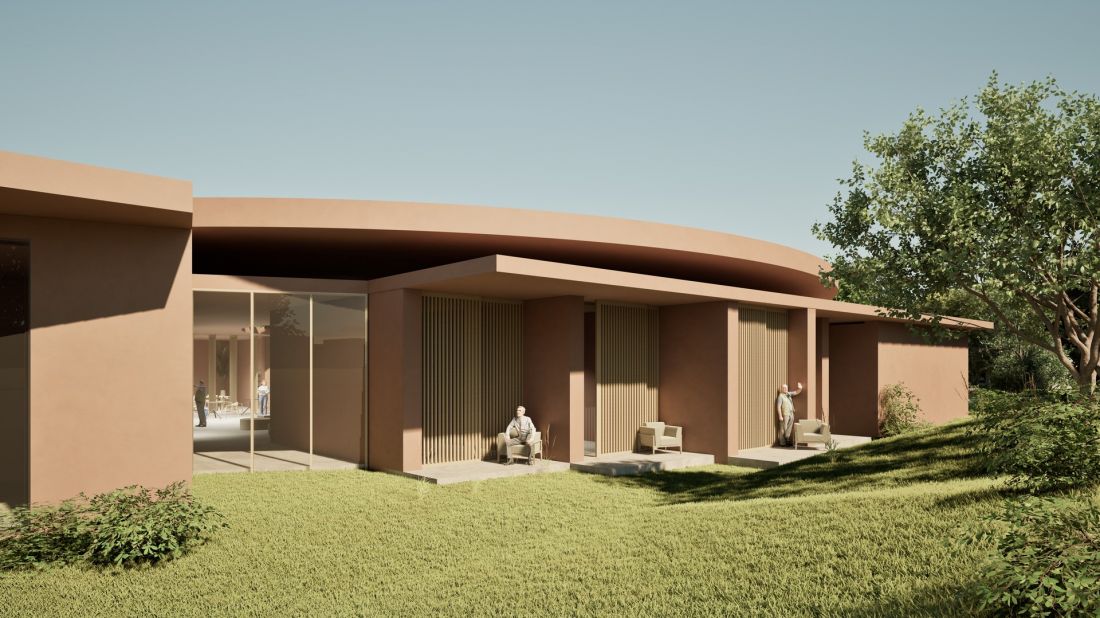
visualization
© Antonina Grzechnik, Juliaa Retelewska, Natalia Kosik
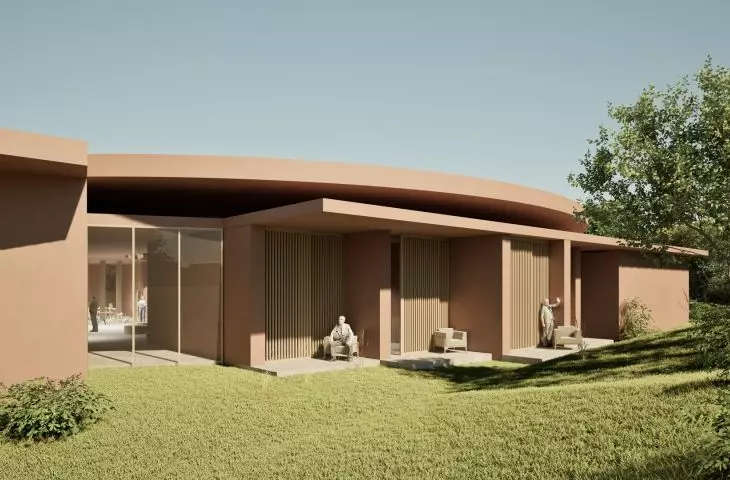
Veil & Vista - hospice as a sanctuary, not a medical facility
The Veil & Vista project is an attempt to redefine what a space designed for people experiencing the most delicate stage of life can be. The students based the concept on two intertwining ideas:
-
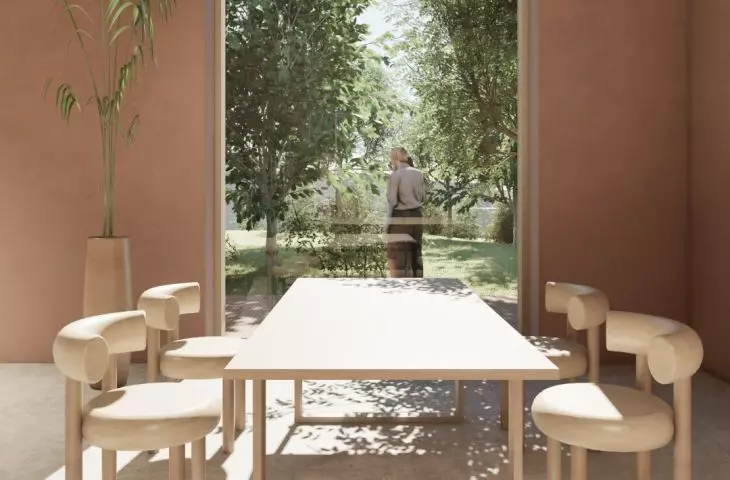
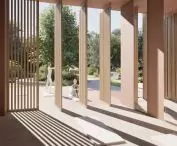
Veil - a veil, symbolizing intimacy, protection, the ability to withdraw.
-
Vista - view, meaning light, openness, contact with nature.
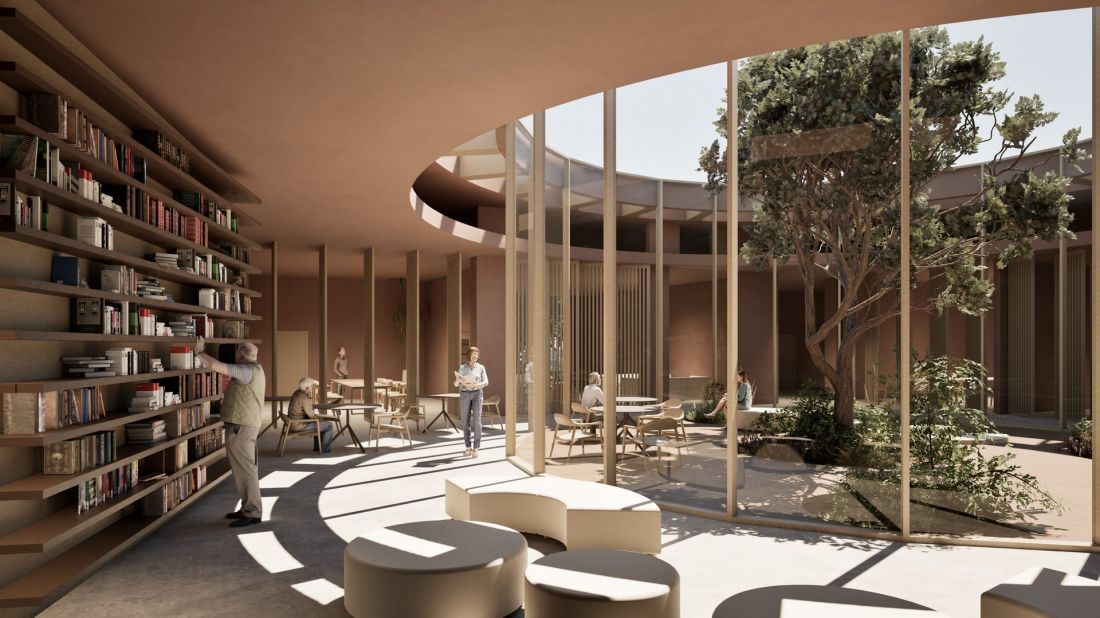
visualization
© Antonina Grzechnik, Juliaa Retelewska, Natalia Kosik
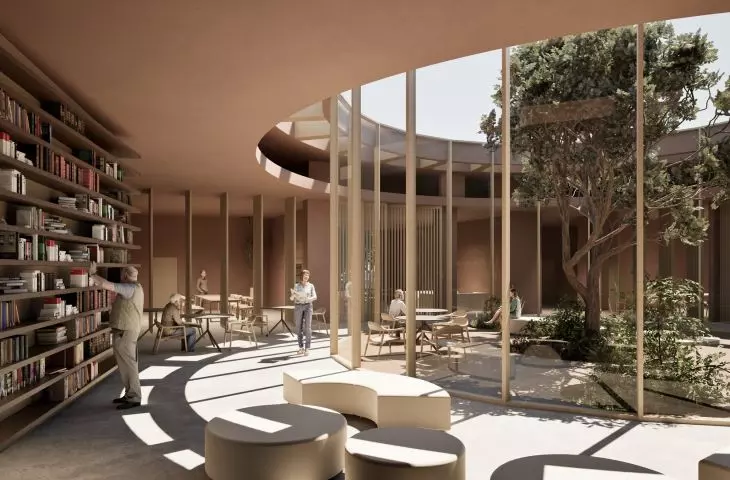
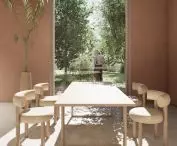
This duality creates an architecture that responds to emotions instead of imposing ready-made solutions. The hospice becomes a place where privacy and community coexist, and the user or occupant is free to decide the degree of proximity to the outside world.
composition based on the circle of life
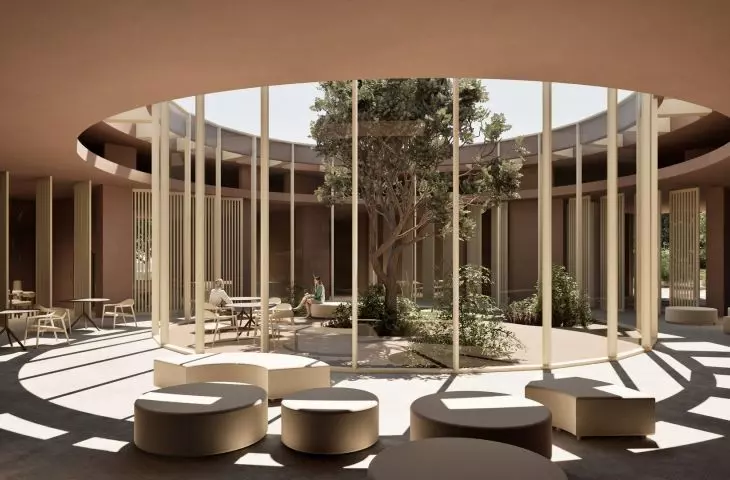
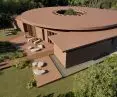
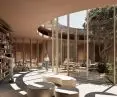
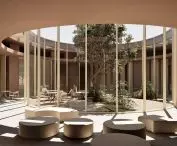
The building was planned as a set of intimate, low-rise modules arranged around a central courtyard, which facilitates orientation and builds a sense of security. The whole is tied together by a characteristic circular roof finial, interpreted by the authors as a symbolic circle of life.
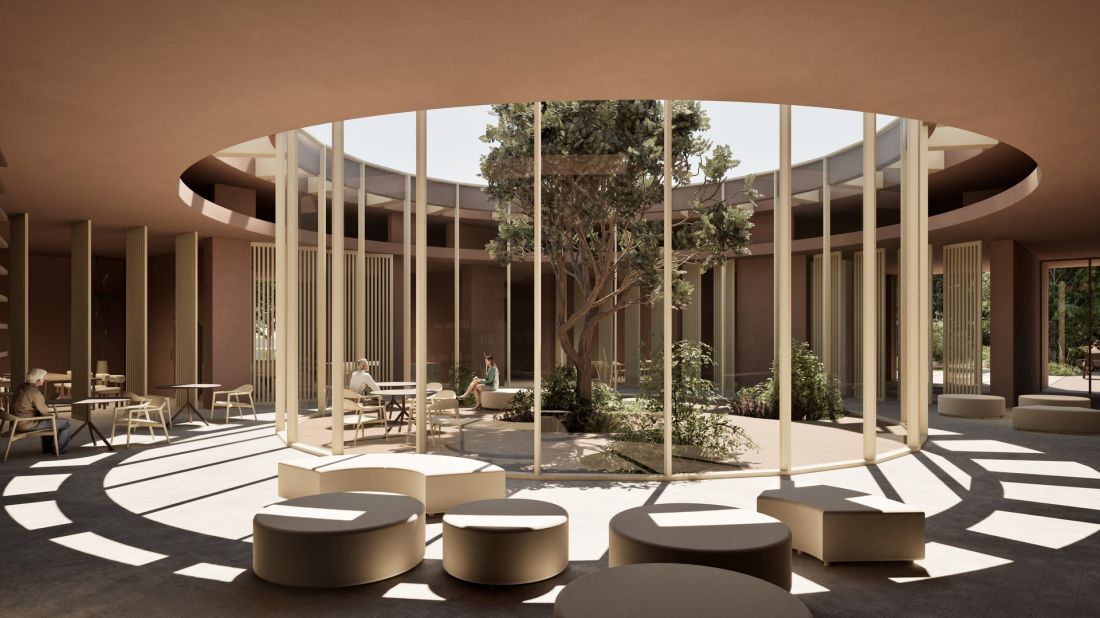
visualization
© Antonina Grzechnik, Juliaa Retelewska, Natalia Kosik
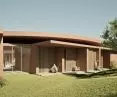
Connections between spaces are soft, fluid, while light and sliding panels create natural divisions. The architecture is not rigid - it follows the needs of the users.
Gardens, therapy and nature as equal elements of the project.
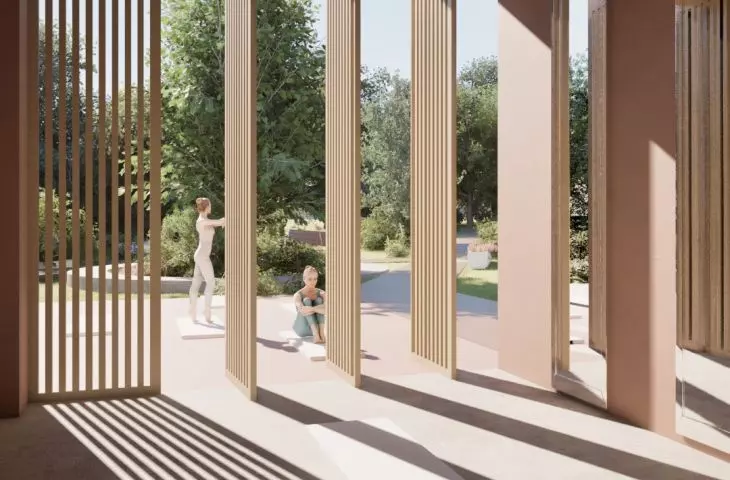
Landscape plays a key role in the project. Therapeutic gardens - sensory, meditative, social - create a network of intimate micro-worlds accessible directly from the art therapy studio or resting space.
Vegetation, light and varied material textures are intended to support:
-
stress reduction,
-
building a sense of empowerment,
-
improving mental well-being,
-
natural transition between activity and tranquility.
This is an architecture that recognizes nature as an indispensable part of the therapeutic process.
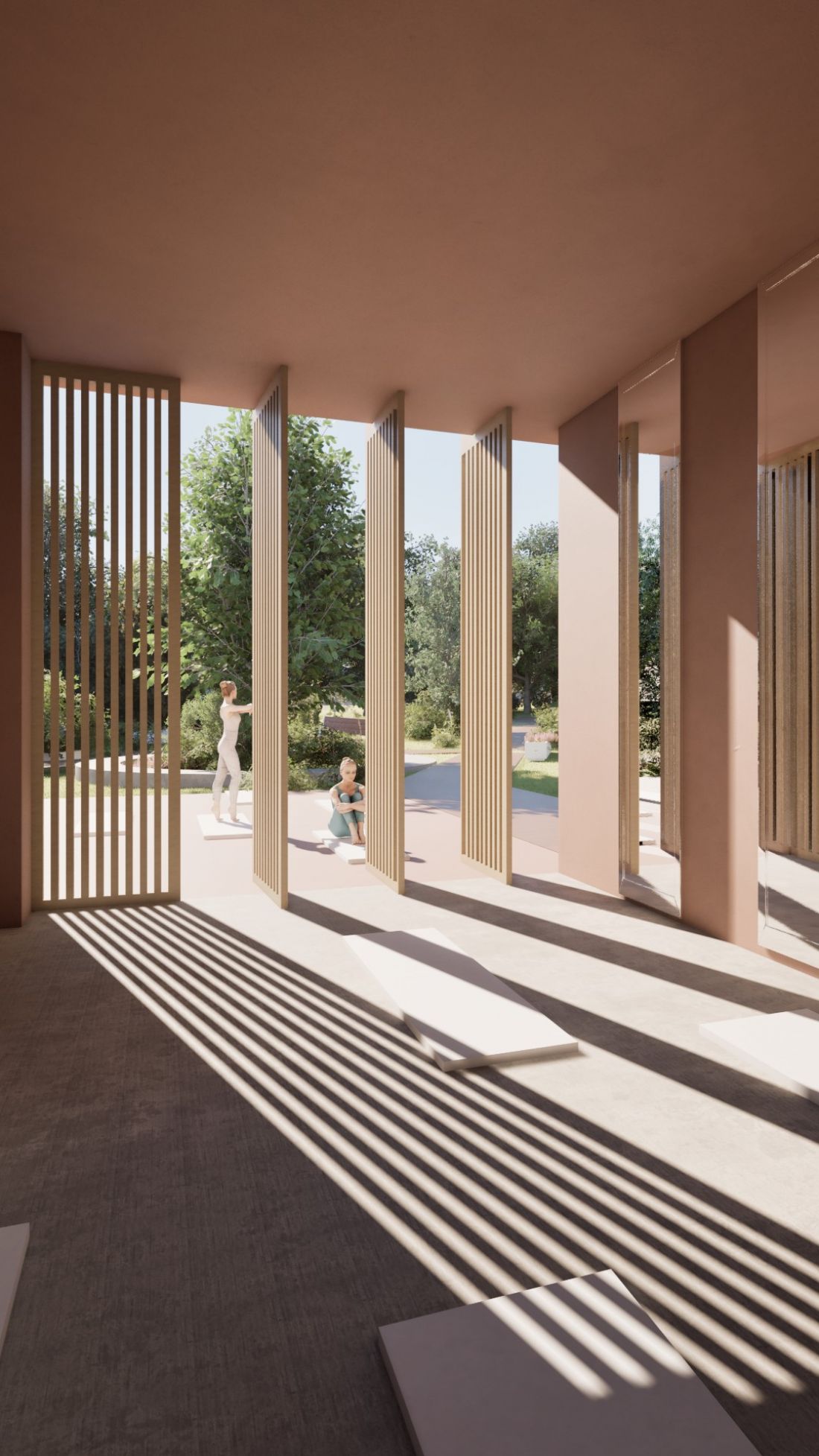
meditation
© Antonina Grzechnik, Juliaa Retelewska, Natalia Kosik
humanistic design - the voice of the younger generation
Veil & Vista addresses a fundamental question: How to design a place that does not take away dignity, but adds strength?
The students propose a space that does not stigmatize, does not isolate, allows choice, supports relationships and allows "being" - among people and among nature. The project shows that the young generation of female architects treats social responsibility as an integral part of the profession.