






Buildings from the communist era, and even more so those from the 1990s, are still quite commonly considered ugly. And since they are still valued according to aesthetic categories, the easier it is to get rid of them.
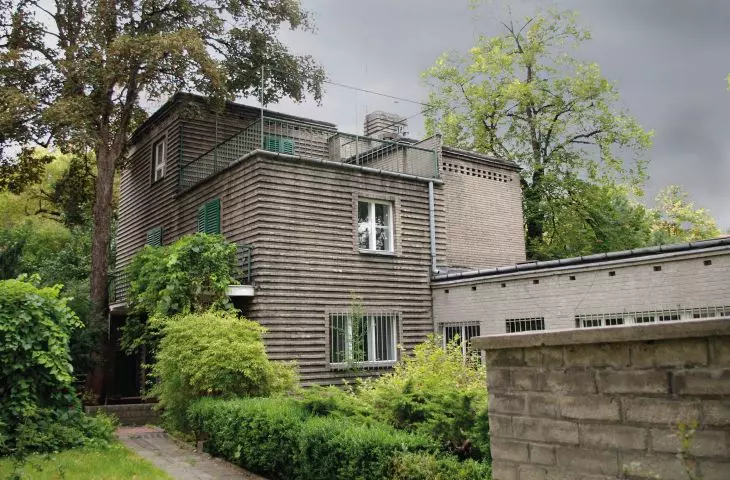
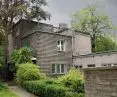
For 39 million zlotys one can now buy a house that was designed for himself in 1926 by one of the more important and influential architects of the first half of the 20th century, Romuald Gutt. The architect's achievements include not only his realizations, but also the next generation shaped by him as a lecturer and authority (his alumna and assistant was, for example, Halina Skibniewska). Gutt's villa on Józef Hoene-Wroński Street in Warsaw, although the interiors have been completely rebuilt, has retained its original exterior, modernist shape and elevations of gray cement brick, considered a hallmark of this architect. On the occasion of the publication of the announcement of the sale of the property , social media platforms were flooded with calls for the house to be bought by a public entity, preferably the Ministry of Culture. Supporters of the buyout of Gutt's villa referred to a petition that has been in existence for several months to the Ministry of Culture for the buyout of Dr. Książek's house, built in the 1970s in Tarnow, which was also put up for sale (for 5.5 million zlotys).
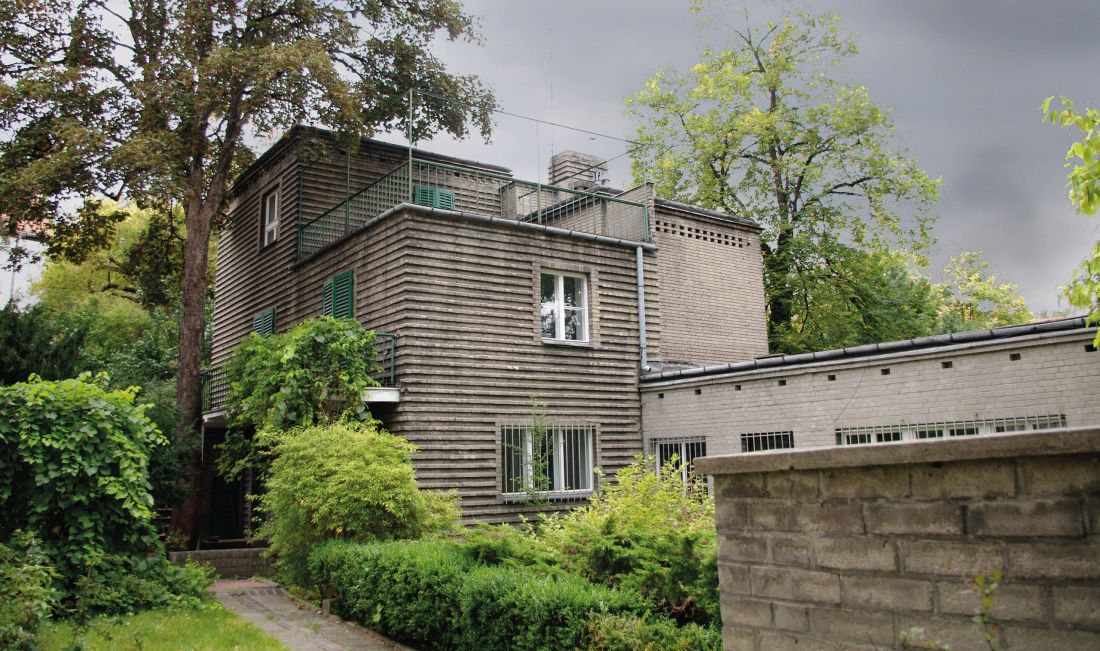
Gutt's villa, Warsaw, - designed by Romuald Gutt, 1925-1926
photo: Verdykrash | Wikimedia Commons CC BY-SA 3.0 en
But can both of these real estate offerings be treated the same? Gutt's house represents the widely loved interwar period, so it does not raise aesthetic controversies. It has been on the Register of Historic Places since 1977, its existence is not threatened, there are no plans to change its appearance, and the interiors have long been unoriginal. The house has always been private property, as are all the other villas with which it also forms the protected complex of the Professors' Colony. The situation of the Tarnów house is quite different. It is an object from the 1970s, not included in any conservation lists (the register or the municipal register of monuments), and is in real danger of being demolished if it is bought by an investor with his vision of developing a plot of land in the city center. Dr. Książek's house also retains intact its full furnishings, furniture and all details, which, as a coherent part of the project, were created by a single architect, Wojciech Pietrzyk. However, it will be hard to hold a grudge against a potential new private owner if he wants to get rid of them all.
These two examples perfectly illustrate the much broader, more complicated and difficult problem of protecting the heritage of architecture, especially that created more recently, during the communist or transition years. Only the most orthodox haters believe that no protection should be given at all to buildings built at that time; at the same time , clear criteria have not been formed, saying what features should characterize an object worthy of protection, methods of valuing them, arranging a hierarchy have not been created. So, since we do not know which buildings are worthy of protection, it is all the more difficult to create tools for effective such action.
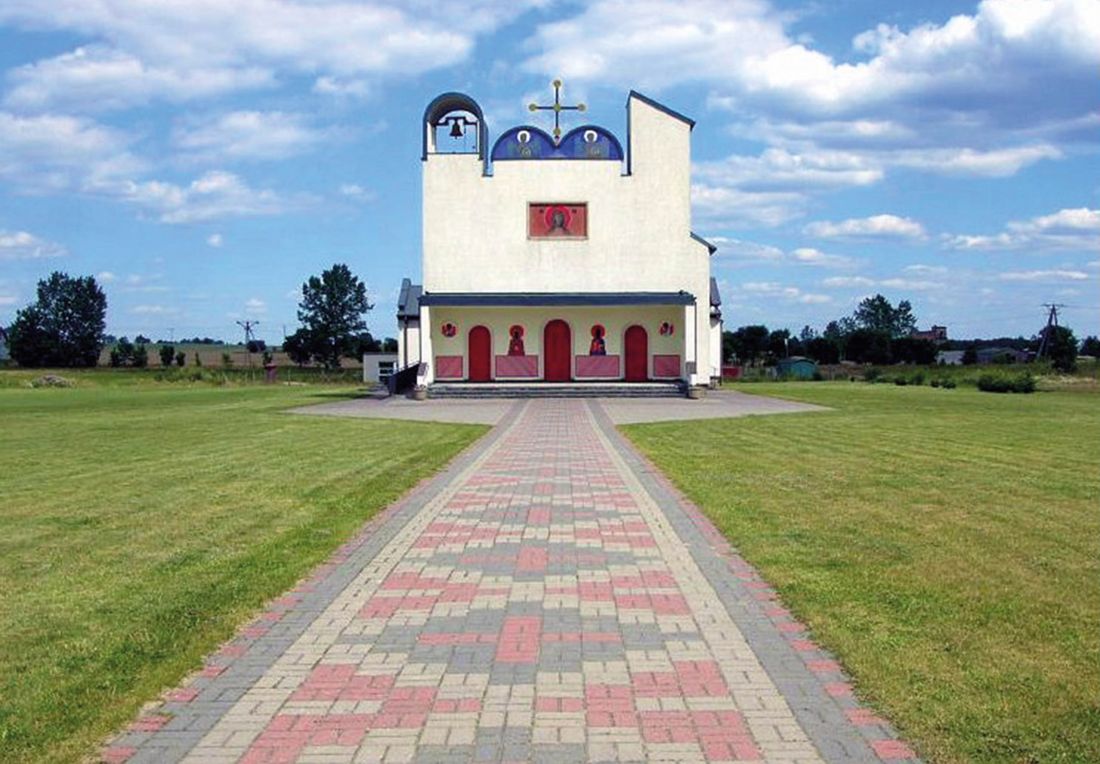
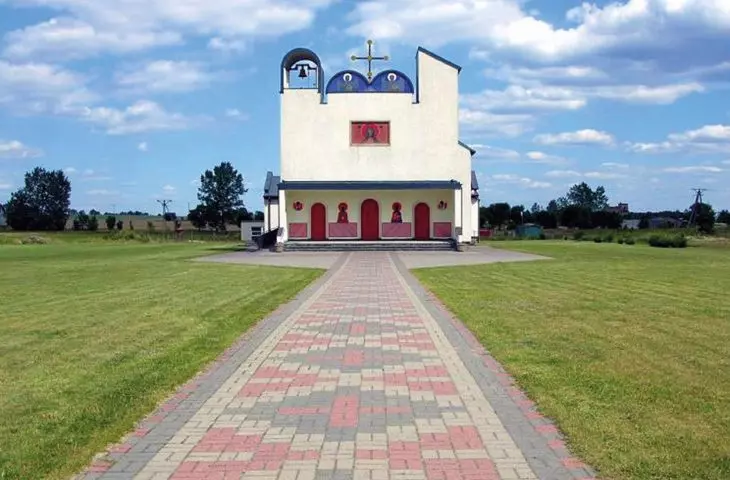
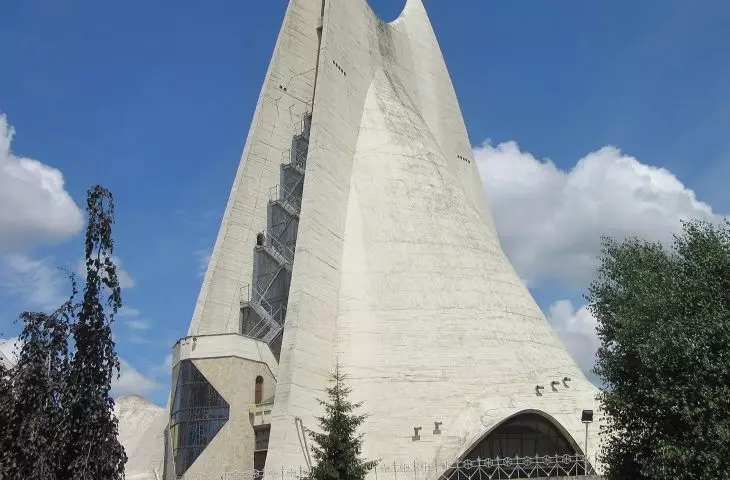
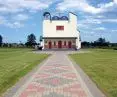
The Greek Catholic Church of the Nativity of the Holy Mother of God, Bialy Bor, entered in the register of monuments in 2019 - designed by Jerzy Nowosielski, Bogdan Kotarba, 1993-1997
photo: Jerzy (Jurek) Durczak | Wikimedia Commons CC BY-SA 2.0
Today, we actually only have an entry in the register of monuments, the most difficult to apply, because it causes controversy: it is still outrageous to recognize as a monument a building that is twenty, thirty, even fifty years old, to enter a colorful office building from the 1990s in the register. (The exception confirming the rule is the youngest Polish monument, the Orthodox church in Bialy Bor, built in 1993-1997. Why doesn't the young age of this monument outrage anyone? Probably because Jerzy Nowosielski, a widely loved painter rather than an architect, is behind its design; the Orthodox church is also far from big cities and their valuable land.
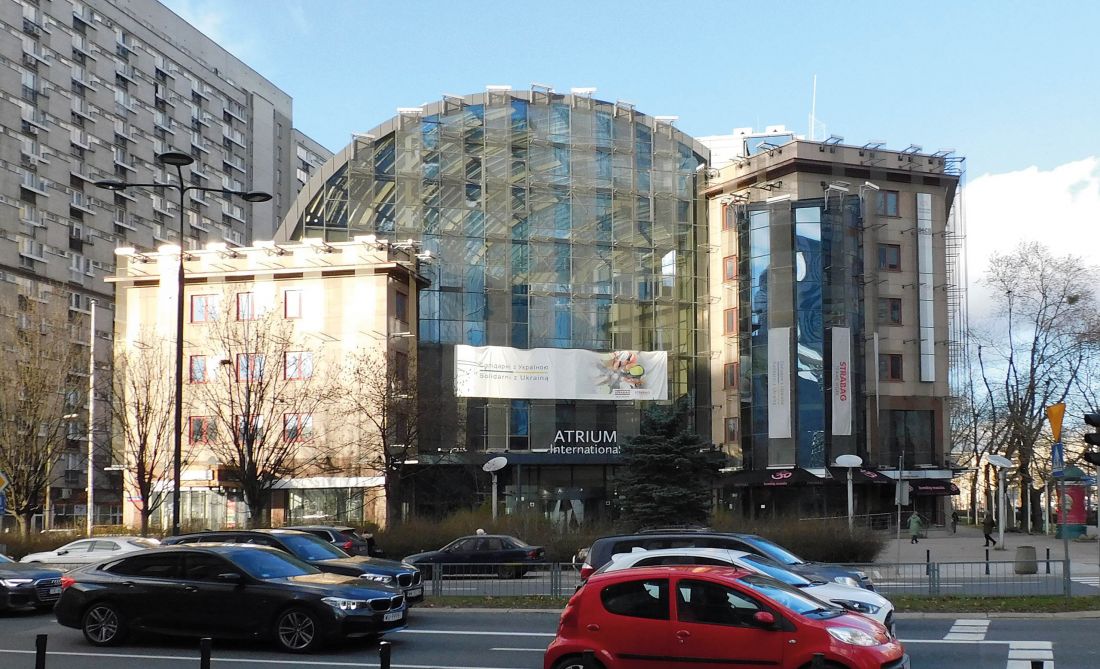
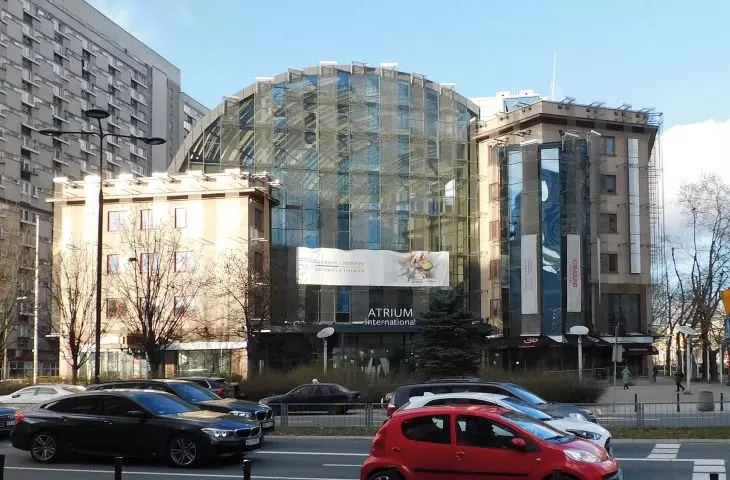
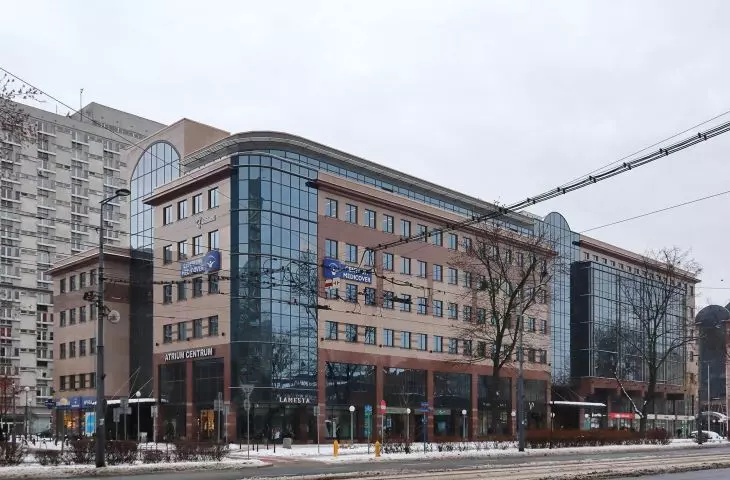
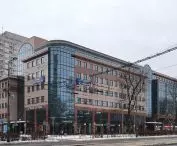
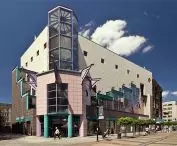
Atrium Business Center office complex, Warsaw, demolished in 2023, - proj.: Biuro Projektów Kazimierski i Ryba, 1994-2001
Photo: Panek | Wikimedia Commons CC BY-SA 4.0
Urban planners in the context of building preservation like to refer to general and local plans: if an object is included in such a document, it means its preservation. In theory, because the practice is grim. Many areas of Poland still do not have local plans, others were drawn ten or twenty years ago, when the debate on the protection of post-war architecture was in a completely different place, and do not take into account the valuable buildings of that era. Once SARP chapters, today more often organizations and local associations are trying to create, update and advertise yet another tool: the list of Contemporary Cultural Property (DKW). It exists in close connection with local plans, the list in itself does not give protection to the objects on it, but is an indication to planners of the need to take such buildings into account. It is therefore marked by the listed problem. Warsaw was a pioneer: the DKW list was created here by SARP almost twenty years ago, in 2006, the same year that the Supersam was demolished. Today, many of the buildings listed on it no longer exist. In 2019, on the initiative of the capital's conservator of historical monuments, among others, as part of the work of a team appointed by the mayor of Warsaw to deal with modern cultural assets, the second part of the list was created, consisting of fifty-eight items and including buildings from the 1980s, 1990s and even later. The urban layout of the Atrium Business Center office complex included on it no longer exists.
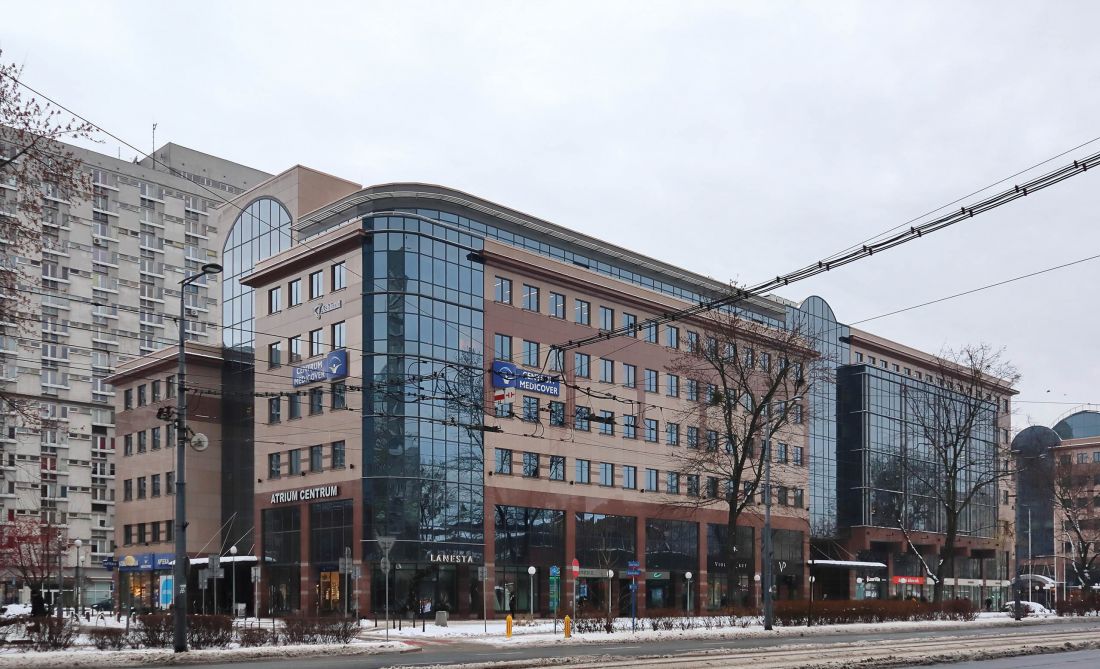
Atrium Business Centre office complex, Warsaw, demolished in 2023, - designed by Kazimierski and Ryba Design Bureau, 1994-2001
Photo: Panek | Wikimedia Commons CC BY-SA 4.0
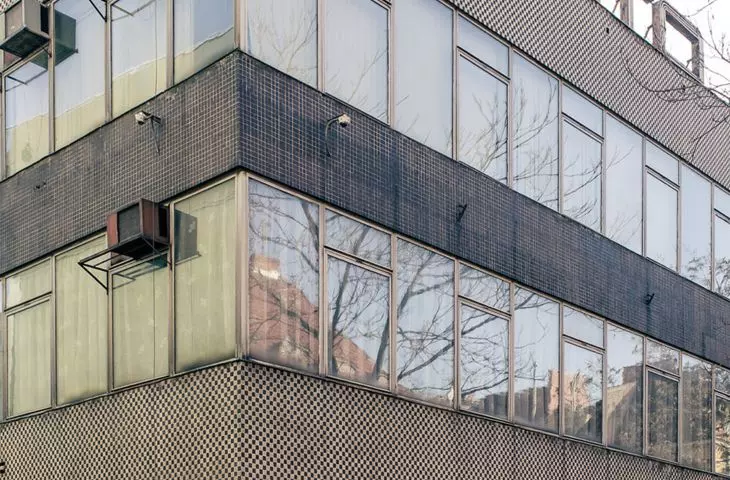
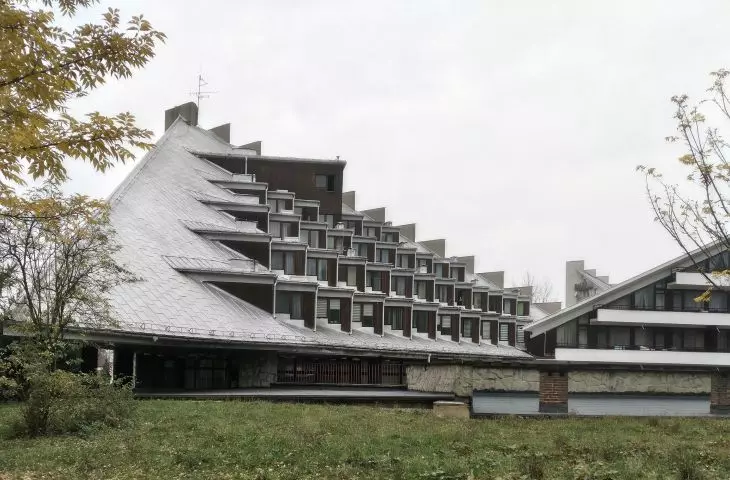
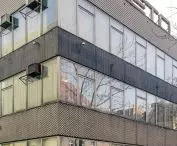
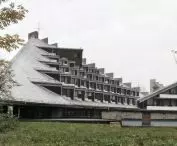
Is an entry in the register of monuments - if it can be pushed through - effective? Not always. In 2023, the work of Aleksander Franta and Henryk Buszko, the Ustroń-Zawodzie spa and medical district, was entered in the register of monuments; a year earlier, the owner of most of the buildings in this complex announced plans for its expansion, created by Maciej Franta and Robert Konieczny. Placing the complex under conservation protection was presented as an anticipated consequence of the investor's care for this heritage, understanding of its value and desire to respect the original project. Today, an appeal filed by one of the owners against the preservationist's decision is pending; the site is not protected. An analogous situation applies to the ZETO building in Wroclaw, whose misfortune is not so much the architecture itself, but the fact that a small, barely two-story building stands on a plot of land worth a fortune in the very center of the city.
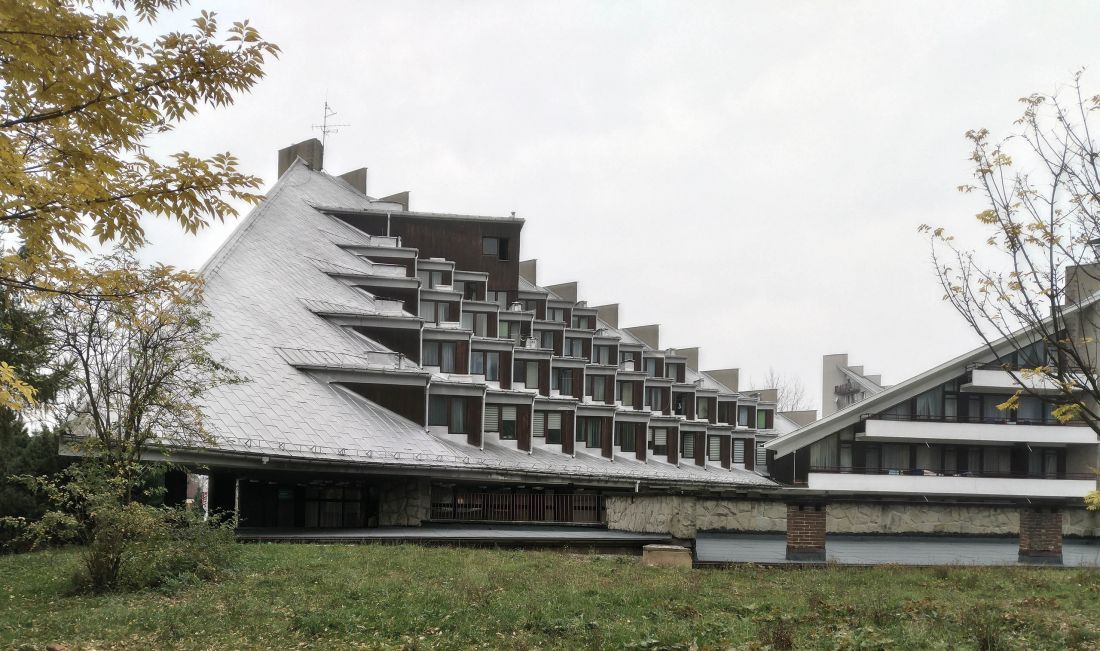
buildings of the sanatorium complex Ustroń-Zawodzie - designed by Aleksander Franta, Henryk Buszko, Tadeusz Szewczyk, 1960s
photo: MichalPL | Wikimedia Commons CC BY-SA 4.0
The big problem is legislation - on the one hand outdated (the current Law on Monuments dates from 2003, we weren't even in the European Union then!), on the other - imperfect. One of the weak points of the law is the status of the conservation office, whether municipal or provincial. It is the official who makes the decision to enter an object in the register of monuments. Although he is supported by expert opinions, the decision belongs personally to him. So if there are no clear, established criteria for evaluation, it is dictated by personal preferences, opinions, views. This is why there are cities in which buildings from the communist era end up on the register more often, in others - not at all. It is hardly surprising: the official performs his duties as he thinks best, it is not his fault that there are no categories by which his actions can be judged.
There is another challenge that comes with the preservation of modern architecture: using aesthetic criteria to evaluate it, which is rather unpracticed for "old" buildings. The notion of beauty and ugliness is widely used, non-objective, unverifiable, individual, and yet it is not only users, urban residents, but also experts who reach for it. There is no debate about post-war heritage devoid of arguments about architecture that has "aged badly," "has not stood the test of time," "is an unwanted souvenir of a justly bygone era," is made of poor-quality materials, in "difficult times," when "everything was of poor quality." To rebut arguments about the need for preservation, it is also often said that it is sentiment that drives defenders, not substantive evaluation, because one always sees through rose-colored glasses buildings that are "associated with the years of youth."
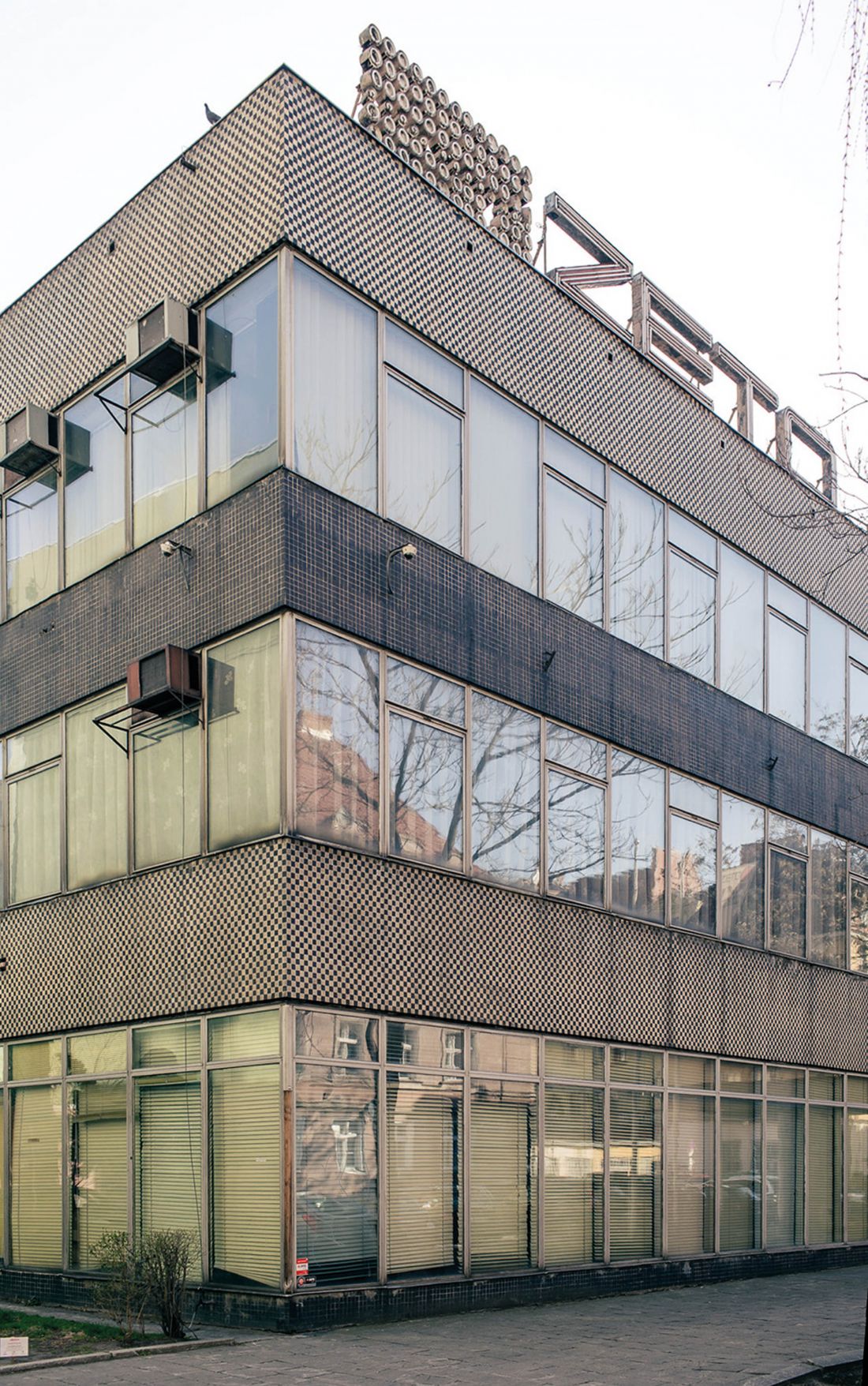
The building of the Department of Electronic Computing Technology (ZETO), Wroclaw - designed by Anna and Jerzy Tarnawski, 1969
Photo: Evidamii019 | Wikimedia Commons CC BY-SA 4.0
Neither in the years of transition, much less during the communist era, nor even in the zero years of the 21st century, was the scale of demolition and demolition as gigantic as it is today. This phenomenon primarily affects the largest cities, but it also does not bypass smaller centers, which are simply not targeted by the media spotlight, where valuable buildings from the 20th century are disappearing not only due to greedy developers, but also the tooth of time - abandoned, they fall into disrepair. The unprecedented pace at which the buildings of our cities are being "replaced" is also forcing a faster evolution of concepts and actions: we need to update the list of buildings worth preserving faster and faster, or they will simply cease to exist. This is one of the reasons why the criterion of "old age" no longer determines what we can consider a monument. Now, in fact, it would be best to include in the register any object that carries architectural value, but is realistically threatened by the greed of the market.
For it is not the poor state of preservation or the lack of an idea to function that is the main enemy of post-war architecture. That remains the "invisible hand of the market" and the "sacred right of ownership." The first building in capitalist Poland that was swept away by bulldozers not because it was in bad condition, but because of the desire for profit, was Warsaw's Moskwa cinema. This happened in 1996, and the Socialist Realist edifice was forty-six years old at the time. The systemic privatization of virtually every area of life - including architecture and construction - carried out in the 1990s had dire consequences. Planning (including urban planning) disappeared - a master plan is currently being created (in pain) for Warsaw, three decades after previous concepts for the city's long-term development were thrown in the trash. During this time, Poland's largest city has been expanding and developing at a rapid pace virtually without a coherent, approved, long-term vision, based on spotty decisions.
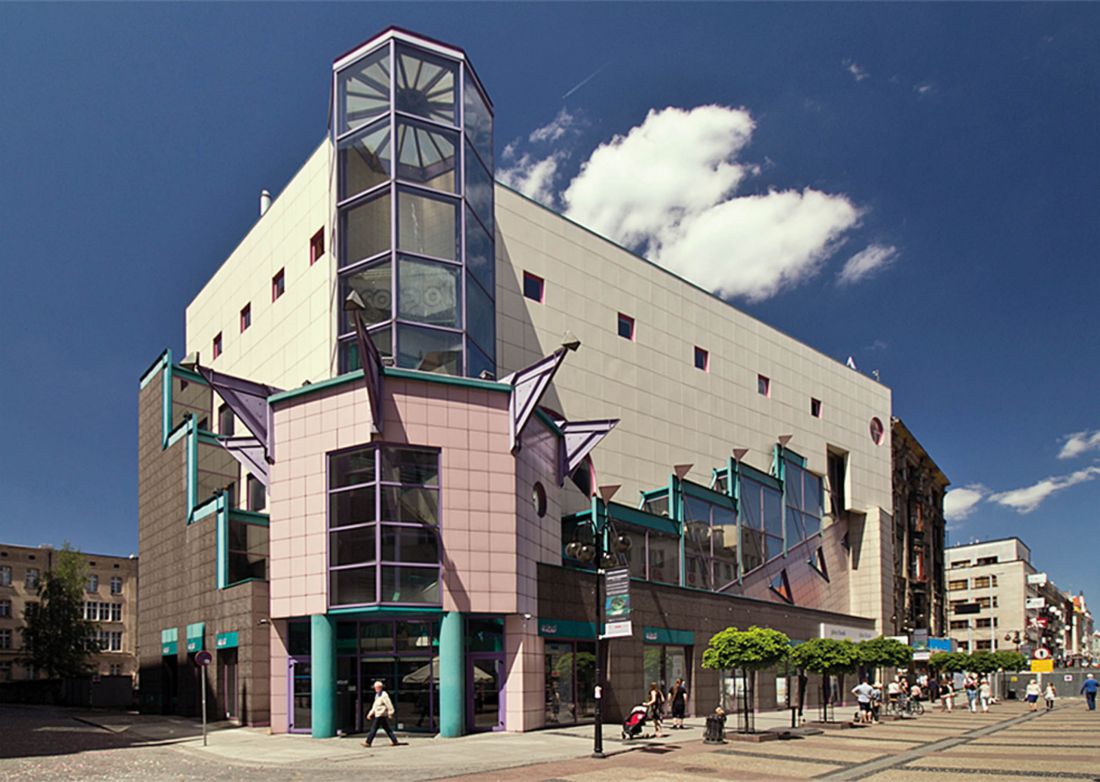
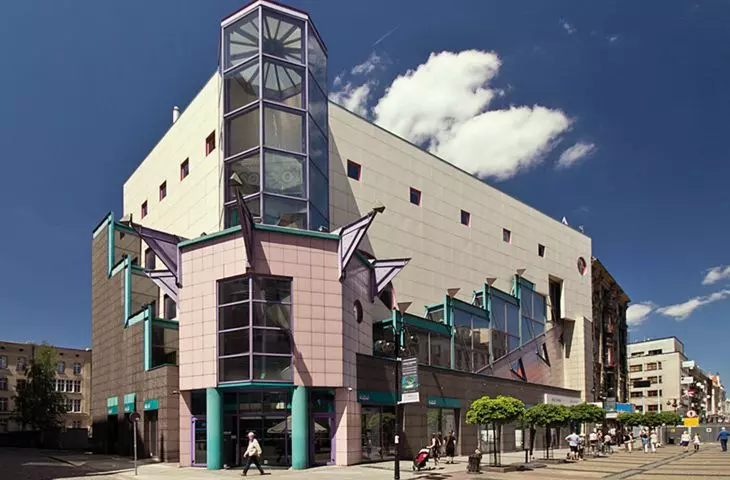
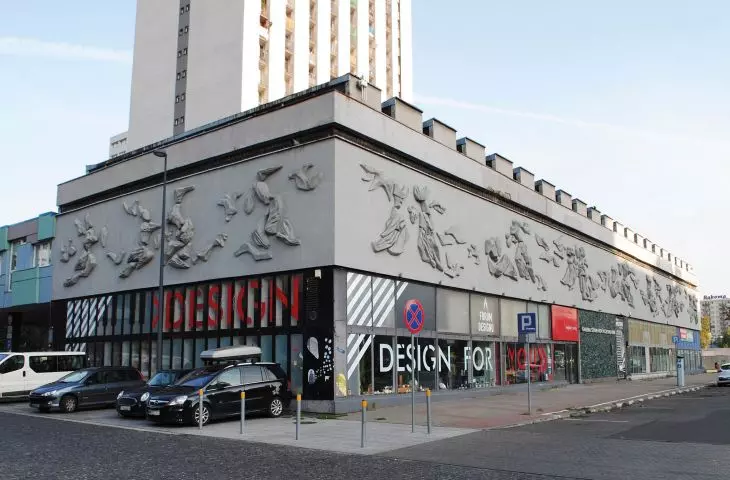
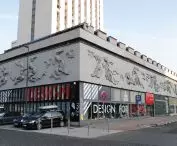
Solpol department store, Wroclaw, demolished in 2022 - design: Wojciech Jarząbek, 1992-1993
Photo: volens nolens kraplak | Wikimedia Commons C BY-SA 4.0
Architecture in the era of transformation was turned into part of the process of managing individual plots of land. In such realities, it is all the more difficult to create new, more adequate concepts for the protection of architectural heritage. Investment pressure is a strong enemy. And this is where petitions for the purchase of endangered buildings by public entities come from. There was talk of this when a private owner decided to demolish Solpol, and the historic preservation office refused to include the building in the register of historic buildings - it seemed that the only chance to save a work of postmodernism was for the local government or some public institution to buy it. As in the case of the Cracovia Hotel, whose salvation was ensured by the State Treasury buying back the edifice from a developer. The authorities of Katowice have recently followed a similar path, buying back from a private owner the 1960s building designed by Stanislaw Kwasniewicz, which houses the BWA Gallery and the Cepelia store, or the Domus shopping pavilion, the work of the same architect. In Warsaw, it is a private entity that has restored the Cepelia pavilion, which is already virtually in ruins (but also included in the register of monuments), while in Wroclaw private owners are also working to restore one of the pavilions in the residential and commercial complex at Grunwaldzki Square designed by Jadwiga Grabowska-Hawrylak to its original splendor.
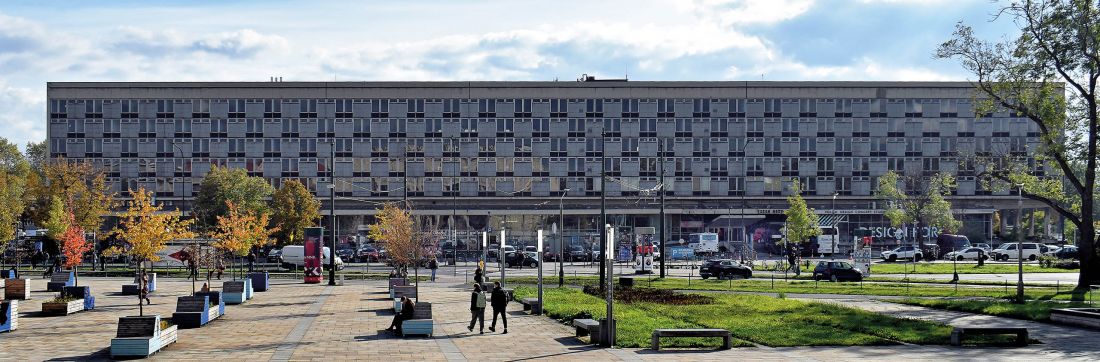
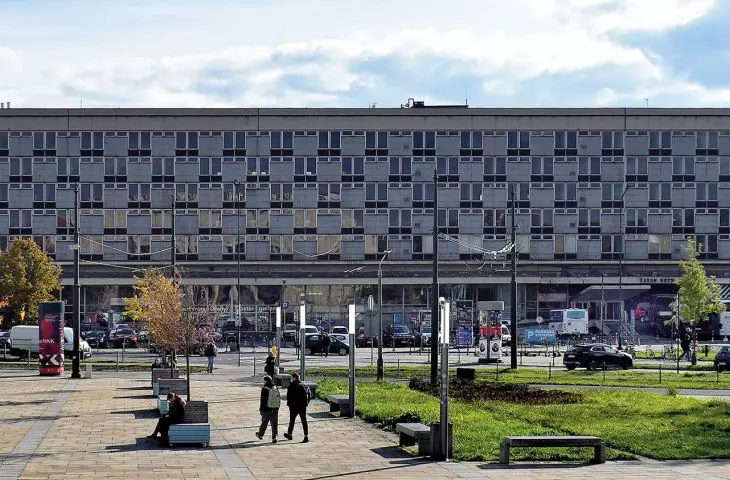
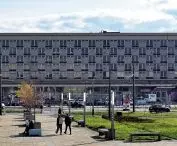
Hotel Cracovia, Krakow - designed by Witold Cęckiewicz, 1959-1965
photo: Zygmunt Put | Wikimedia Commons CC BY-SA 4.0
Are we doomed to turn the Ministry of Culture and local governments into real estate buying agencies? For now, this is probably the only way to effectively protect the valuable examples of newer architecture that still exist. Unless the private owner himself is a crazy architecture enthusiast, there is little chance that he will decide to finance the maintenance of an old building if he can erect a new and more profitable one in its place. Unless he would receive some incentives from the state. Financial support (in the form of tax breaks or renovation subsidies) for a private investor would certainly be less of a burden on the budget than buying back and then maintaining an architecturally valuable building. This, by the way, is already happening and proves the effectiveness of such a solution: for several years now, since the offer of subsidies for the renovation of historic buildings has significantly increased, it is the owners themselves who have been submitting applications to have their properties included in the register of historic buildings. This way, among others, Rybnik's 1974 Okrąglak, designed by Barbara Meisel and owned by the Crafts Guild and Small and Medium Enterprise in Rybnik and the Multibranch Craft Cooperative, or the Church of the Divine Mercy in Kalisz, have recently come under conservation protection. Divine Mercy Church in Kalisz, a project by Jerzy Kuźmienka and Andrzej Fajans from the late 1950s, executed until the early 1990s.
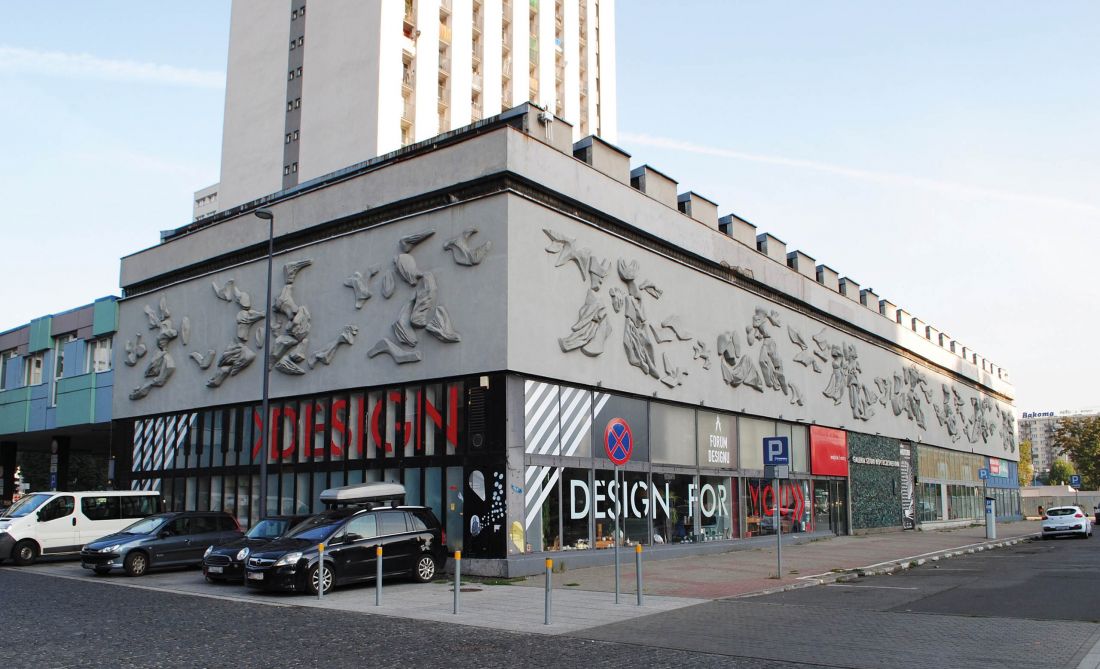
BWA Gallery of Contemporary Art, Katowice - designed by Stanislaw Kwasniewicz, 1965-1969
photo: Marek Mróz | Wikimedia Commons CC BY 4.0
Financial support in taking care of a valuable building is important and effective, but it does not solve all problems. Perhaps the example of Cepelia's Warsaw pavilion will help raise awareness that a post-war building can be made into an attraction, used for marketing and given a new life to benefit the company, including financially. Although the once pioneering and highly publicized example of transforming the ticket office pavilion of the Warsaw-Powisle cross-city line station into a fashionable pub may be clipping wings - today the pavilion is empty and its future is unknown (fortunately, it is included in the register of historical monuments). This was the idea of the PKO BP bank for a while: when the protests against the plans to demolish the Rotunda were alive, its owner assured that one of the goals of its "new" version would be a publicly accessible floor with a café, tourist information point and meeting place. The café in the Rotunda worked for maybe a few months, the floor of the mangled copy of the 1960s pavilion quickly became inaccessible again.
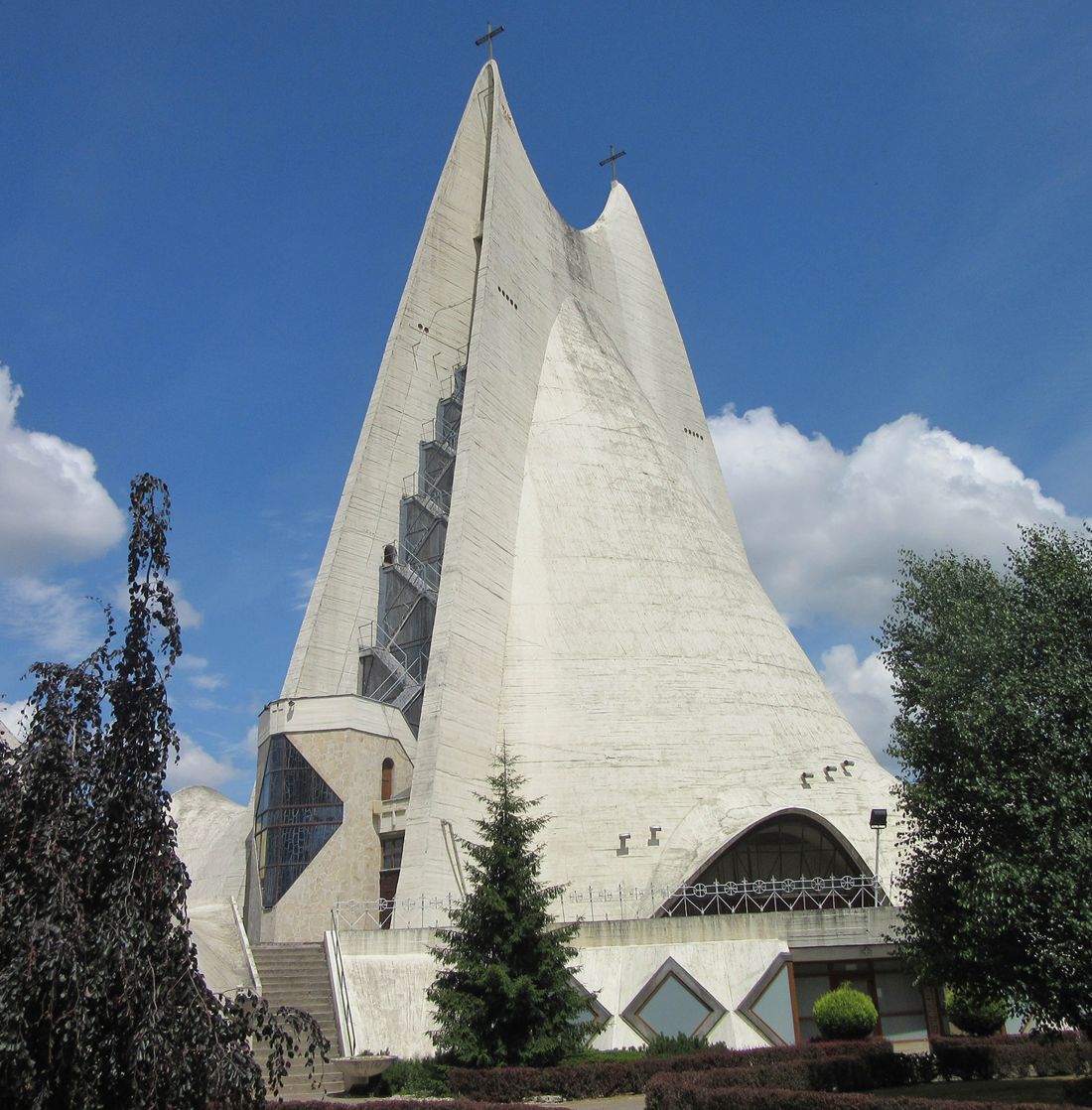
Sanctuary of the Divine Mercy, Kalisz - designed by Jerzy Kuźmienko, Andrzej Fajans, 1957, construction: 1993
photo: Peżot | Wikimedia Commons CC BY-SA 4.0
Only central and local governments and authorities have the tools both to support owners of valuable buildings and to require them to care for the buildings. However, it is not the state buying up every valuable building that should be the answer to the problem of the disappearance of the valuable heritage of modern times. Before it is possible to improve the methods of its protection, a set of clear criteria should be developed, according to which buildings are considered important, valuable, valuable, worth preserving. So that it is not the personal decisions of officials that determine their fate, but also not the criteria of mythical "old age", "bygone era" or "beauty".
Or are all these considerations already outdated anyway? In Warsaw, a building erected a decade ago is just about to be demolished. In the face of such fast-moving changes, shouldn't demolitions be banned altogether? For ecological and common sense reasons? To stop the speculative bubble in the real estate world reaching absurdity? Perhaps similar ideas should be evaluated by an independent, expert demolition commission, issuing permits for the removal of a building only as a last resort, if indeed the building does not offer a chance for adaptation? Wouldn't both the protection of architectural heritage and the environment be dealt with in this way?
Anna Cymer
Read more: A&B 11/2025 - Krakow from scratch,
download free e-publications of A&B