




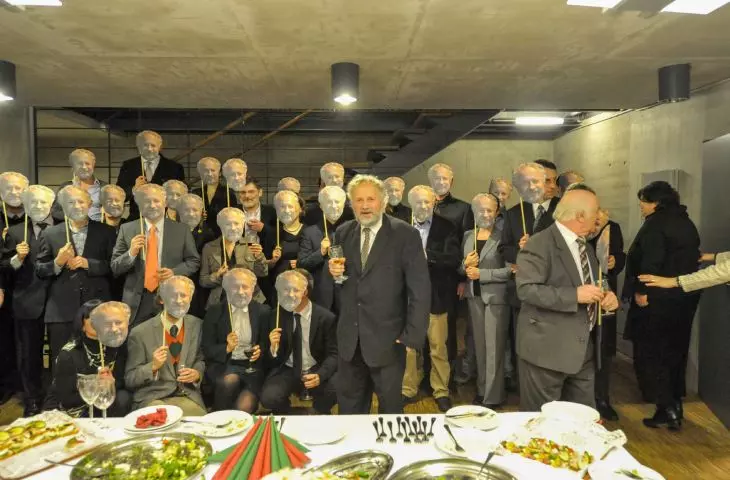



After nearly 40 years, Wojciech Zych, CEO of Warsaw-based JEMS Architekci, is saying goodbye to his team. How did it happen that the economist co-founded one of the first architectural studios in Poland? In an interview with A&B, Wojciech Zych talks about the beginnings, challenges, finances and plans for the future.
Ola Kloc: How did it happen that an economist became a co-founder of an architectural studio? This is probably not a popular solution.
Wojciech Zych: I don't think it is! In the 1980s, I was the director of the Art Establishments of the Association of Polish Artists (ART), where architectural projects were done from time to time. Jerzy Szczepanik-Dzikowski and Olgierd Jagiello were also active there. This allowed projects to be carried out outside the State Design Offices, which absolutely dominated at the time, and architects could be billed as visual artists.
At the time, colleagues Dzikowski and Jagiello competed in a competition to design a fairground inn in Poznań. When they won it, it turned out that, according to the rules for visual artists, the project could be considered an outstanding work, so they were paid 50 percent more than what had been agreed upon. This was completely unexpected for the architects!
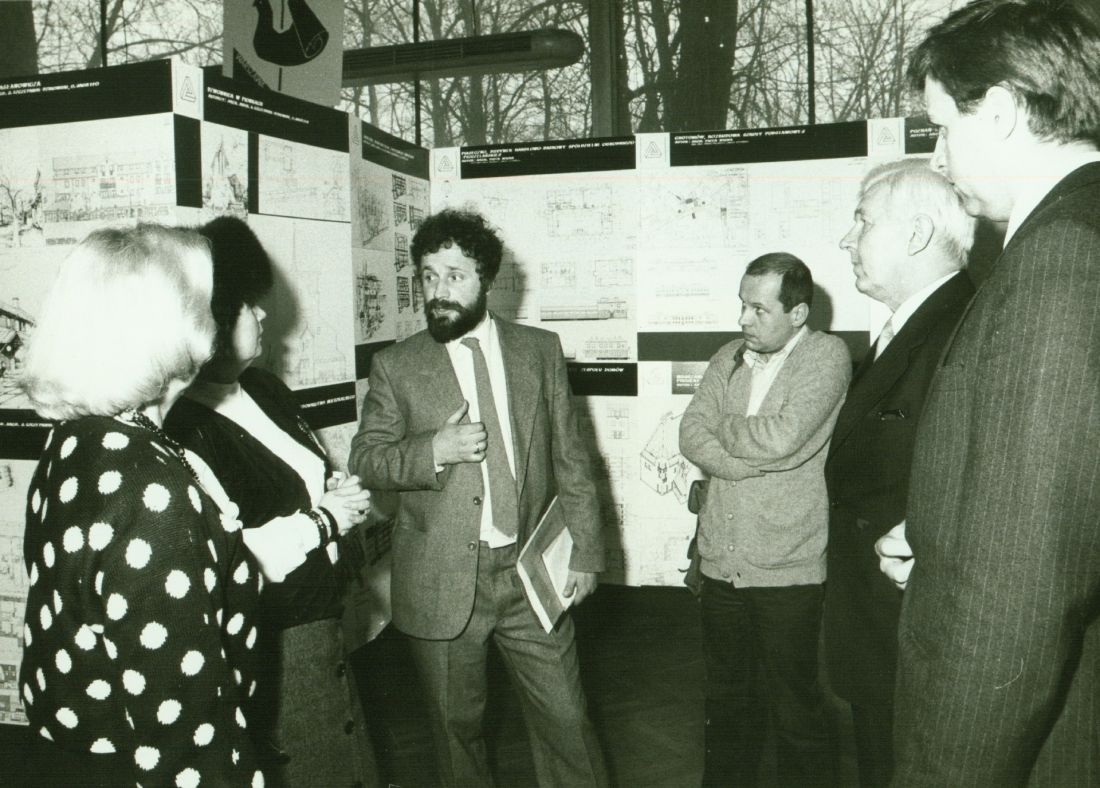
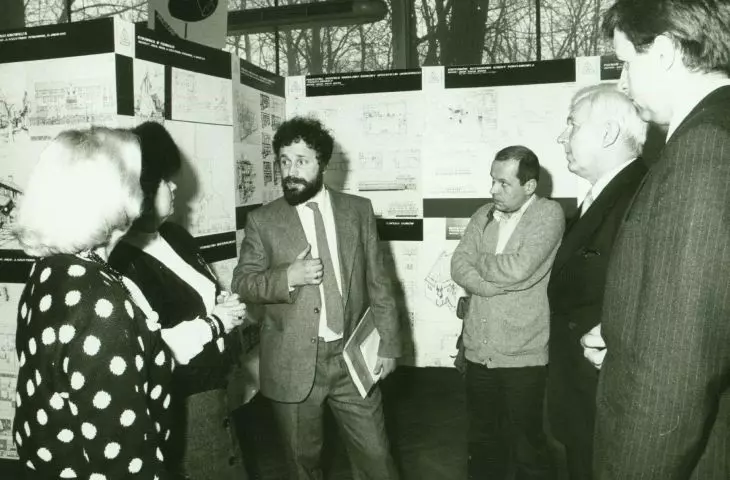
beginnings of the business
© JEMS Architects
Under martial law, the ZPAP was suspended, and the ART Works was taken over by the State Enterprise Sztuka Polska. On the initiative of SARP activists such as Zbigniew Zawistowski, Piotr Wicha, Jerzy Szczepanik-Dzikowski and Olgierd Jagiello, there was an attempt to conduct architectural activity in a different form than in state offices. At that time, it was possible to establish labor cooperatives - so together with a team from Gdansk, we founded the first independent labor cooperatives of architects in Poland. They had to be affiliated with some central association, we chose Cepelia. The cooperative operated for a while - a dozen years or so, but after Jagiello, Szczepanik-Dzikowski and Maciek Miłobędzki seemed to have won a competition in 1988 for a congress hotel on what was then Zwycięstwa Square, now Pilsudski Square, they decided that it would be inappropriate to carry out such a serious commission within a cooperative. So they decided to form a limited liability company, by which time organizations of this type had already begun to emerge, and offered me cooperation as chairman of the board. The first partners were Szczepanik-Dzikowski, Jagiello, Miłobędzki and the Cooperative of Creative Work of Architects and Artists ESPEA. And that's where it all started. The hotel was never realized, the political system changed, we created other concepts, until finally the Metropolitan office building designed by Norman Foster was built on the site with the active cooperation of JEMS architects.
Ola Kloc: The office has been operating in this form since 1988, what were its beginnings like? What challenges did you face? Where did you take examples of how such a company should function?
Wojciech Zych: We took examples from the solutions used in ART, i.e. individual studios with their own budgets and sharing a percentage with the administration. The essence was that most of the money earned went to the design team and not to the administration, or - as was the case in large state offices - that some 30 percent went to salaries and the rest disappeared into the administrative morass.
Ola Kloc: What was, and in fact still is, your role in the office?
Wojciech Zych: In both ESPEA and the JEMS Architects office, I was president until this year, when I relinquished that position. That is, 37 years.
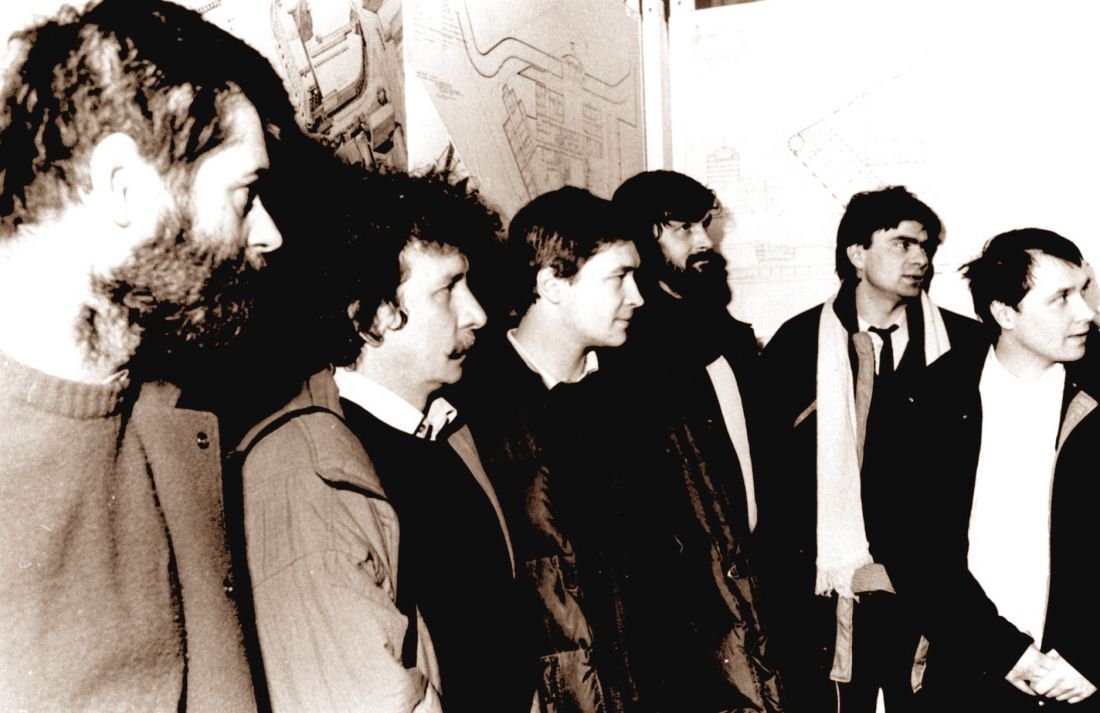
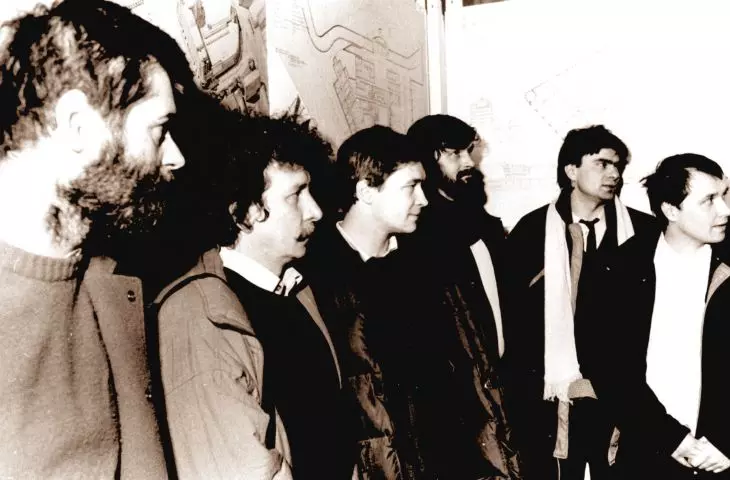
Pictured: Jerzy Szczepanik-Dzikowski, Wojciech Zych and Maciej Miłobędzki
© JEMS Architekci
Ola Kloc: What kind of matters did you deal with as president of an architectural firm?
Wojciech Zych: Mostly financial matters, contracts - everything, except design, which I don't know and which I never tried to interfere in, because I knew it was not my field and that I was working with outstanding architects.
Ola Kloc: What changed after the transformation? At that time many new studios started to emerge, how did you find yourselves in this competitive market? What was your business idea?
Wojciech Zych: Our first award-winning success was a residential complex next to a church in Żoliborz. We had a lot of problems with the implementation, because our neighbor was Mrs. Brukalska, then the capital's conservation officer, who definitely did not want to have this development next door. In the end, after many appeals and referring the project to the provincial conservator in Ciechanow, we managed to implement the project. Then other projects began to appear.
The contract with GTC for the Mokotów Business Park development was also very important. You can talk about it in different ways at the moment, but it was from it that the scale of our company began. In fact, all the building projects there were of our design, while the underground parking projects were not completed, which still causes problems today.
The market was changing, with time more and more clients reached us, we participated in competitions that resulted in wins. The Agora building was important for us, also the result of the competition. It was a very interesting time of cooperation, meetings, discussions, about how the building should look, in the evenings we would sit with wine - it had a very different character than now. We had to sense what the client had in mind, who was ultimately very satisfied. Anyway, this building, from what I remember, received a lot of awards and accolades.
Ola Kloc: As I understand it, the studio grew dynamically after the transformation, how did you ensure that this growth was sustainable and profitable?
Wojciech Zych: Profitability varied - we also have deficit projects, which we nevertheless wanted to do, such as the pavilion at Hoover Square.
Above all, we tried to accept interesting challenges, we discussed for a long time whether we wanted to tackle a particular topic or not. For example, we once got a proposal to redesign the building that is now called Blue City - we declined, because we didn't see ourselves on that premise. Although I, as an economist, saw it as a waste of money, the more important thing was that we didn't want to write ourselves into things that we thought were bad.
We also don't do small, individual buildings, due to the fact that we can't do such projects with a small amount of work from our architects and our tradesmen we work with, and even at a high price it doesn't pay off for us, as it requires too much work.
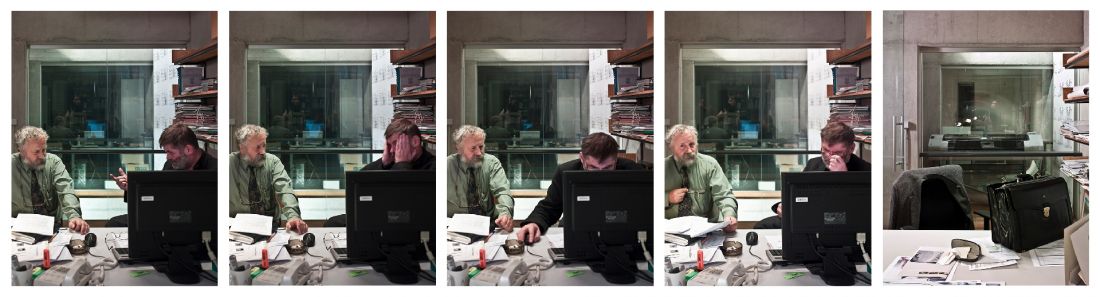
Wojciech Zych and Jerzy Szczepanik-Dzikowski
© JEMS Architects
OlaKloc: After how long did the office start earning for itself?
Wojciech Zych: From the beginning, otherwise we wouldn't function. At the beginning it was small money, salaries were small, but we managed to create a friendly working atmosphere, everyone felt comfortable, like in a family. At first we worked in Maciek Miłobędzki's apartment, then we moved because we didn't have enough space. We were in two locations on Andersa Street, in Żoliborz, until finally there was an office building on Gagarina Street, which was realized according to our design.
Ola Kloc: How has this partnership model of running the office worked out over the years?
Wojciech Zych: As president, I tried to be subordinate to all the partners. It was a difficult task, everyone has his or her own idea of architecture, and although they often coincide, there were differences. There were situations when we were working on a competition, one partner was leading it, and the other didn't like something and took over the project. Conflicts did and do happen, but somehow we manage to deal with them. I've worked with many architectural studios that fell apart very quickly, even if there were two partners, after a while they couldn't stand each other. We managed it, although I do not hide the fact that at times it was hot.
Ola Kloc: So there were moments of crisis, also financially?
Wojciech Zych: We divide the money equally among the partners. There are sometimes differences of opinion on projects, but serious crises, after which the company would fall apart, have not occurred.
Ola Kloc: What, then, is the secret of JEMS?
Wojciech Zych: Apparently, I am a stabilizer of emotions, when they grew, I tried to silence them, to bring the situation to normalcy.
Ola Kloc: And what advice would you give to young architects today who are thinking of setting up their own studio?
Wojciech Zych: First they should go through a large studio like ours. People who left us to start their own offices told me: "we didn't know it would be so hard". In a larger studio it's so much easier, because you run several projects at the same time, so it's not a problem if some stop. There are people who start a business after winning a competition, so they rely on only one leg. If a project stops, they can be in serious trouble.
In parallel to operating at the JEMS studio, I ran the Dawos office, a financial firm targeting architectural firms such as WXCA and Bulanda and Mucha. I tried to make sure that there were as few administrative and financial issues as possible in an architectural firm, perhaps this is a good recipe.
Ola Kloc: To delegate these non-architectural matters outside the office?
Wojciech Zych: Yes. I participated on behalf of these offices in various negotiations, such as the WXCA contract for the Museum of Polish History. In organizational, financial and legal matters, architectural knowledge alone is not enough.
Ola Kloc: An architect ceases to be an architect.
Wojciech Zych: He becomes a manager, he has little time for architecture, which becomes a problem.
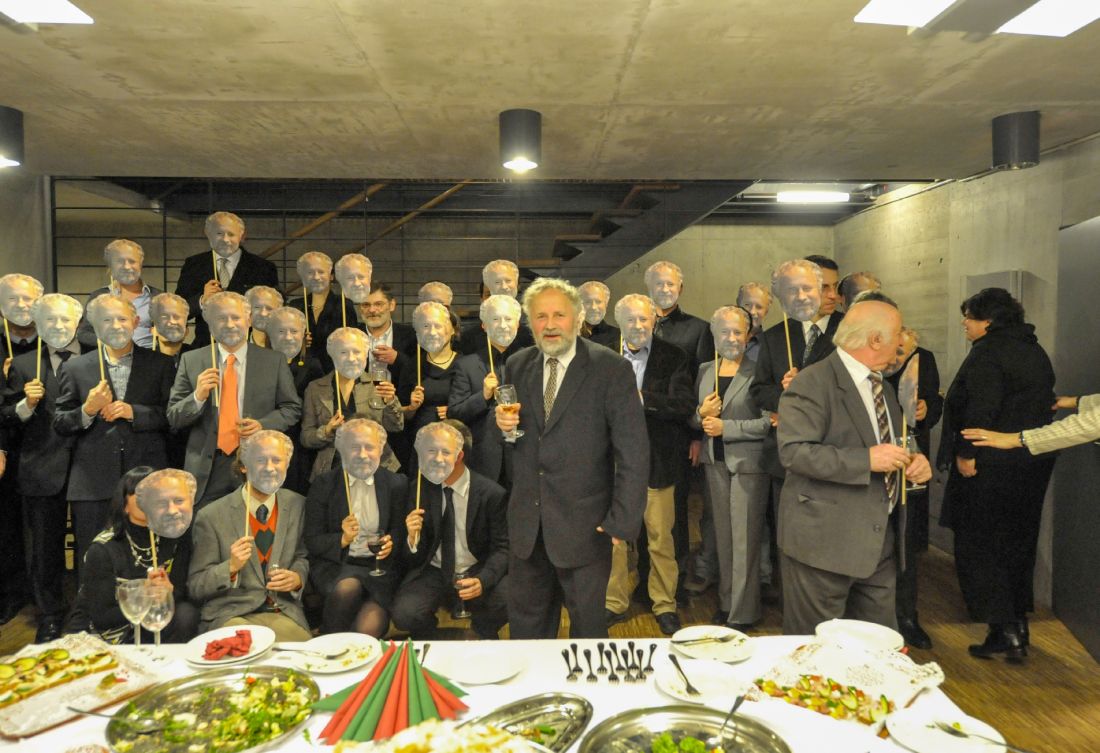
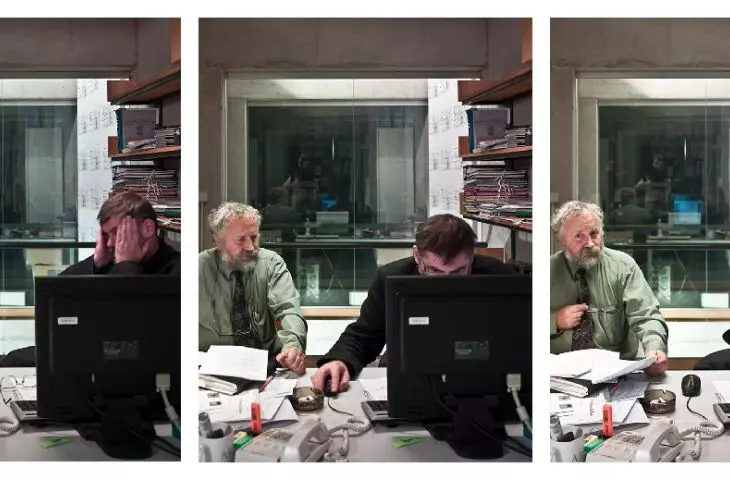
JEMS Architekci studio
© JEMS Architekci
Ola Kloc: In view of this, how do you take care of the financial security of the studio?
Wojciech Zych: It is assumed that the project will bring profits, but financial security is another matter - there were times when I didn't sleep at night myself, knowing that we have 60 people to whom we have to pay salaries every month.
Ola Kloc: How do you secure such a financial cushion from the beginning of the business? How do you negotiate contracts so you don't have to wait months or years for royalties?
Wojciech Zych: Unfortunately, this is very difficult. Few contracts include advances or phasing of work, for example, for a multi-discipline concept that takes four months to complete, 50 percent can be paid regularly every month, and the other 50 after the project is accepted. Unfortunately, this is not the norm. Nowadays, architects are plentiful, and as a result, salaries are relatively low, because there are colleagues who give low rates, and the terms of contracts are imposed by the investor. Larger corporations have a model contract prepared, in which little can be changed. The terms of contracts prepared in competitions are also not the best, the process of design and implementation is long, and the remuneration is received at the end. Sometimes collateral is also imposed, paid only after the contractor's warranty period is over, i.e. in some years.
There also used to be a lot of tenders with a 100 percent rate [i.e., where the main selection criterion is price - editor's note], we didn't go into such, because we didn't want to underpay. To win and have a contract that is unprofitable from the beginning - that's no way to operate. Maybe if we were completely out of money, we would enter such, but we think it is unethical.
Ola Kloc: What are your plans now?
Wojciech Zych: My function was taken over by my colleague, who was president of the Maćków Pracownia Projektowa company in Wroclaw for many years. I am retiring, but I still have a stake in the company and hope that it will make a profit, which she will share with me, and I will see the realizations in the newspapers! I think the nearest success will be a large investment on Towarowa Street in Warsaw - the first building has already been handed over and, in my non-professional opinion, it is very good.
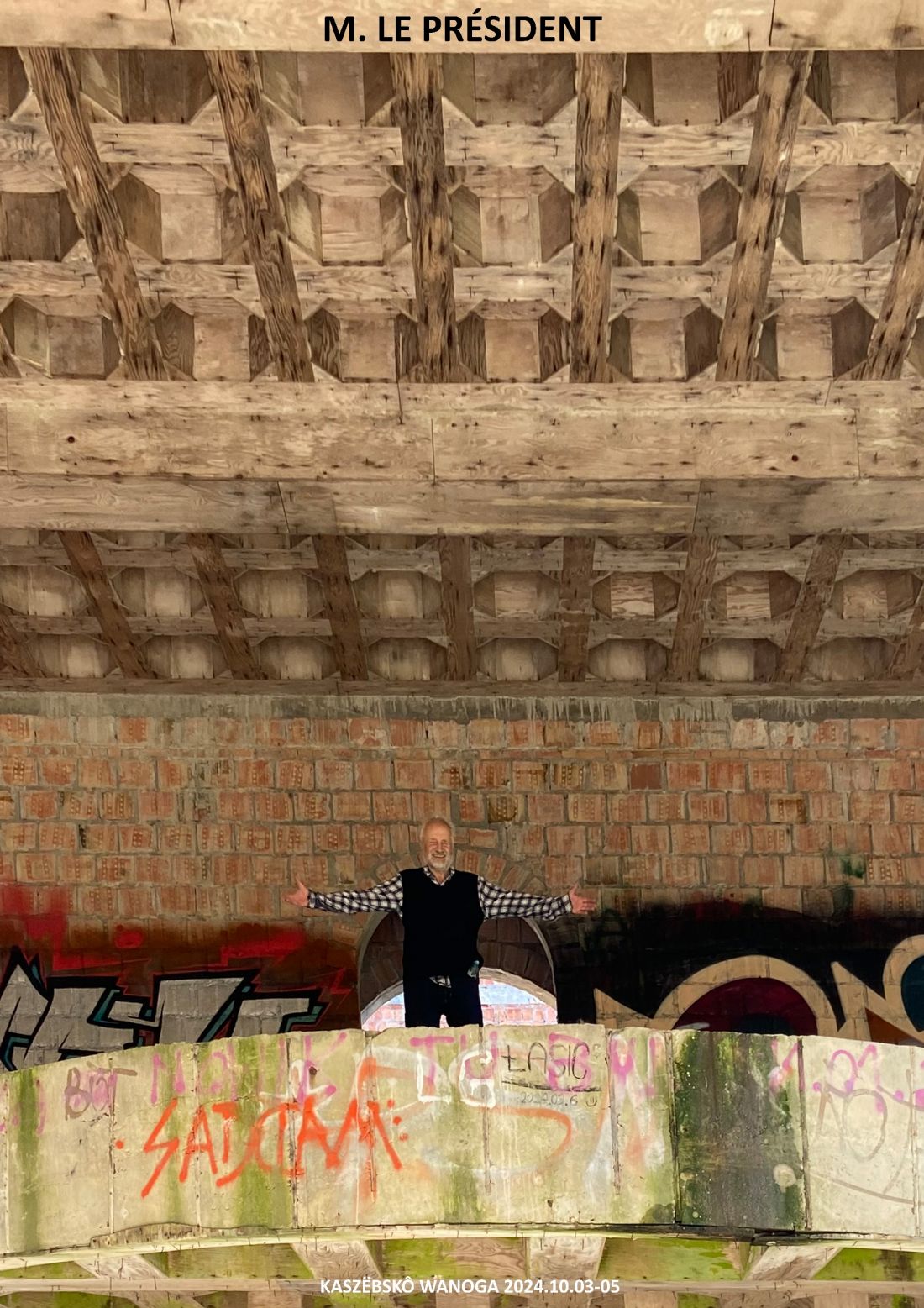
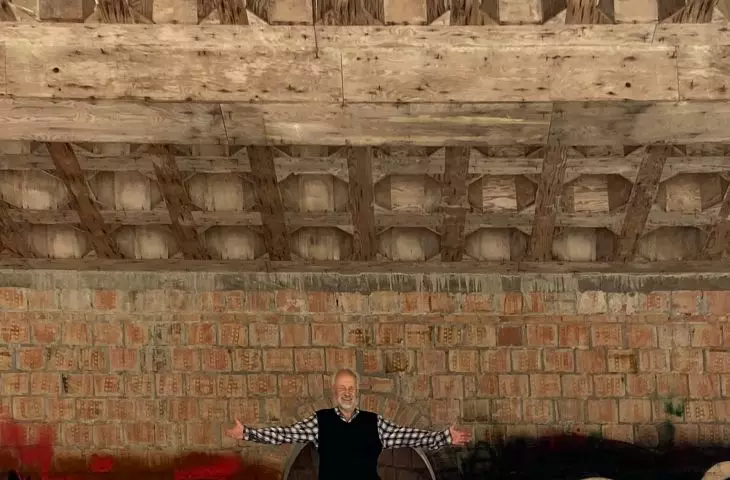
Wojciech Zych
© JEMS Architekci
OlaKloc: Thank you for the interview.