









#Artistic Education in Poland_Faculties of Architecture
Krakow University of Technology has been educating future architects and architects for more than eighty years - during this time, some aspects of education have remained unchanged, while others have completely transformed. However, the priority has always been to educate "broad-minded, creative and open-minded people." Przemek Ciępka talks about the role of heritage, the clash with the realities of the construction market, and interdepartmental cooperation and rivalry with Professor Magdalena Kozień-Wozniak, dean of the Faculty of Architecture at Krakow University of Technology.
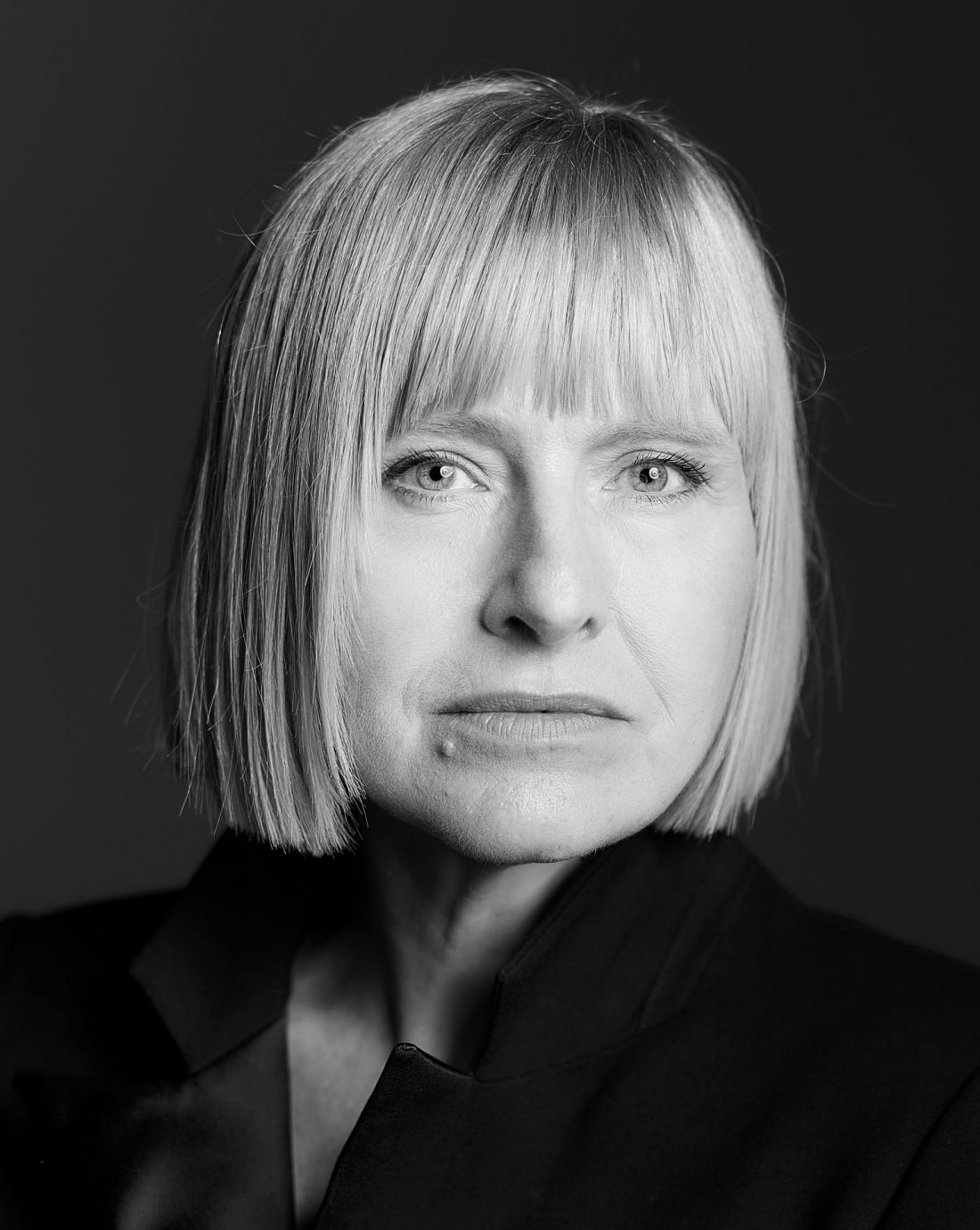
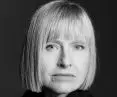
Magdalena KOZIEŃ-WOŹNIAK - dean of the Faculty of Architecture at the Cracow University of Technology. In her research and creative activity she focuses on issues in the field of shaping contemporary cultural objects and the importance of public buildings for the quality of space in the modern city. Member of SARP, MOIA - IARP, MKUA in Krakow.
Przemek Ciępka: Among those studying or applying to study architecture, it is said that each of the architecture departments at Polish universities has its own specificity. Some are described as more "artistic," while others are strongly "engineering". What is it like for the Faculty of Architecture at the Cracow University of Technology?
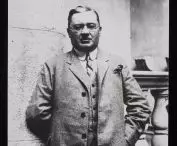
Prof. Magdalena Kozień-Woźniak: Indeed, each faculty has a certain specificity, which results from the profile of scientific research and teaching methods, and above all depends on the staff, both those working now and in the past. We are heirs to our eighty-year tradition. Professor Wiktor Zin taught in the Department of Architectural History and Historic Preservation, followed by Professor Andrzej Kadluczka. Residential architecture was taught by Professors Tomasz Mańkowski, Witold Cęckiewicz. These and other professors and lecturers built the character of the school. A unique element of our offer is landscape architecture - we are the only Faculty of Architecture in Poland that educates in this field, and it started with the Department of Landscape Architecture led by Professor Janusz Bogdanowski, which created a separate course under Professor Alexander Böhm. Today it is the best study of landscape design in Poland, previously such teaching was conducted mainly in agricultural academies and had a profile closer to horticulture. Of course, changes are taking place in each of the areas mentioned - new methods of education or research are emerging. However, they are occurring on an evolutionary rather than revolutionary basis.
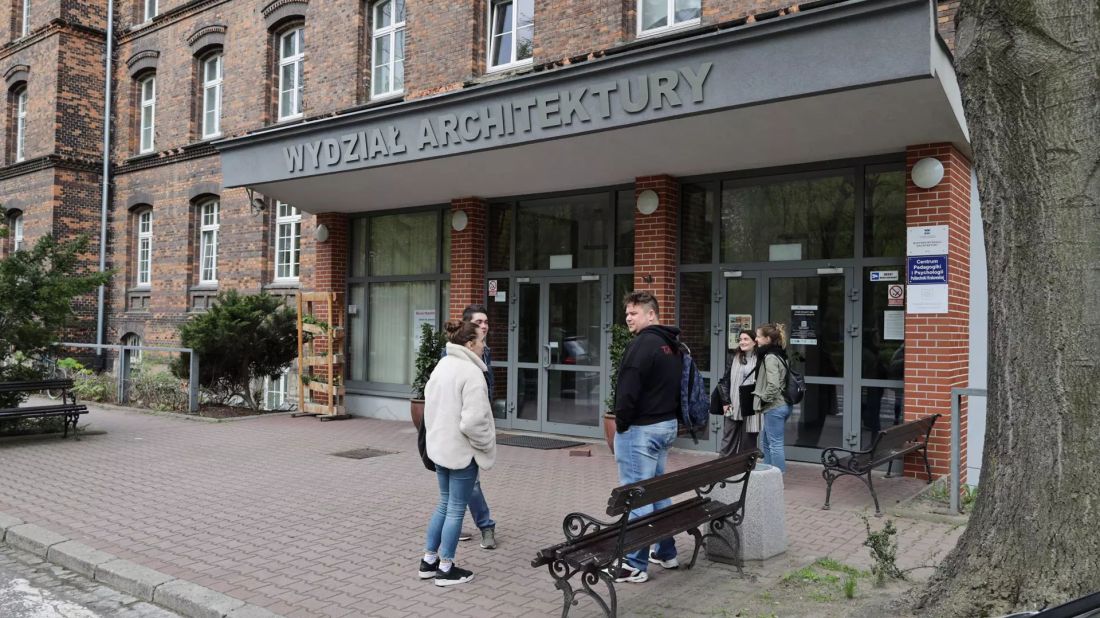
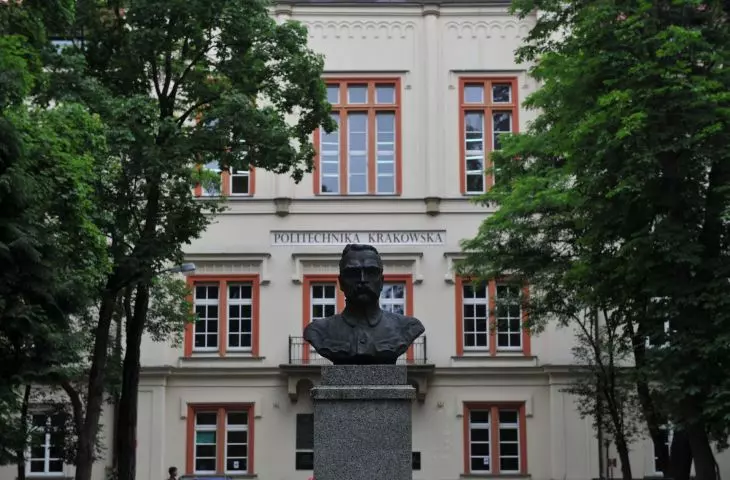
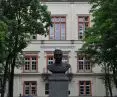
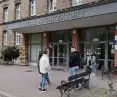
The building of the Faculty of Architecture at the Cracow University of Technology
Photo: Lubomir Nikolov
Przemek Ciępka: Why is it worth choosing architecture specifically at the Cracow University of Technology?
Prof. Magdalena Kozień-Woźniak: The Cracow Faculty of Architecture is worth choosing precisely because it is located in Cracow. Krakow is the most beautiful of Polish cities, you will find Romanesque architecture, as well as Gothic, Renaissance and Baroque. There is also modernist architecture, works of modern architecture. In addition, we are the largest Department of Architecture in the country, and we have extensive international exchanges - we have had contacts with the Department of Architecture at the University of Tennessee for more than thirty years; I was part of the first class to have the opportunity to go there for an exchange. In addition, we enable bilateral exchanges and participation in the Erasmus program, through which every year more than a hundred male and female students go to study in other countries.
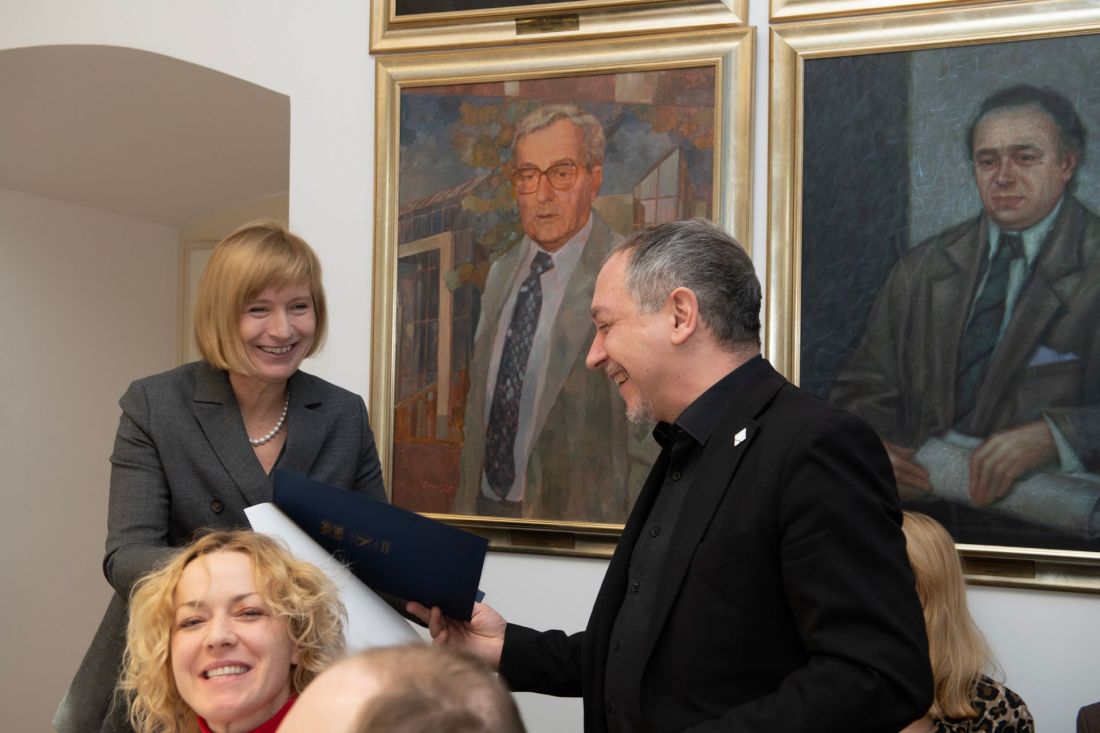
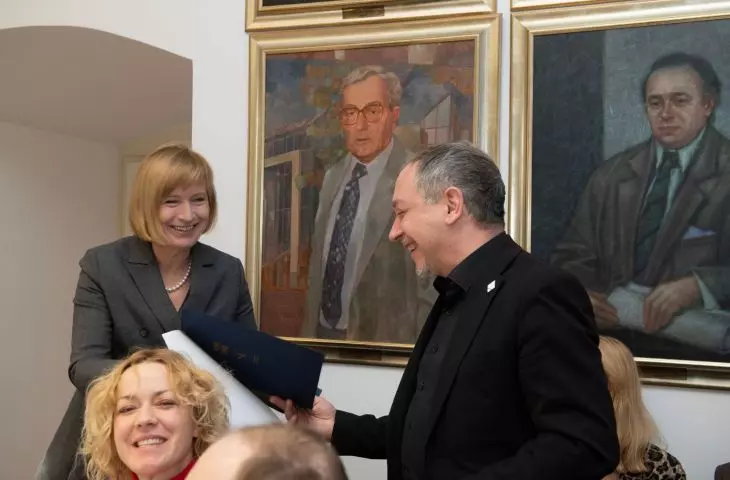
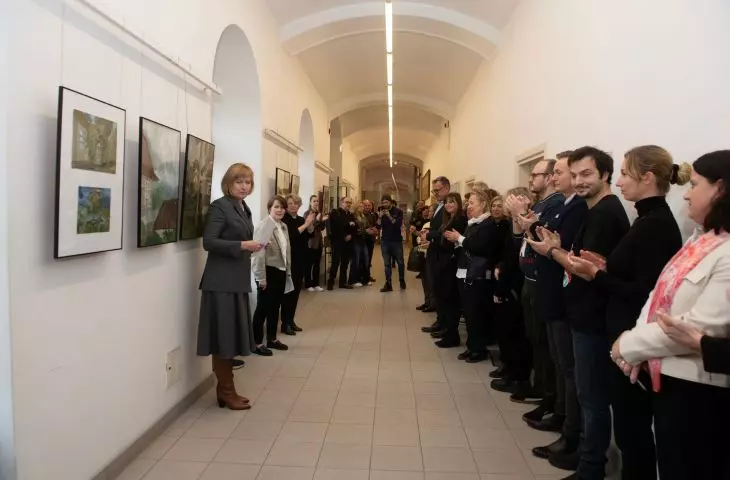
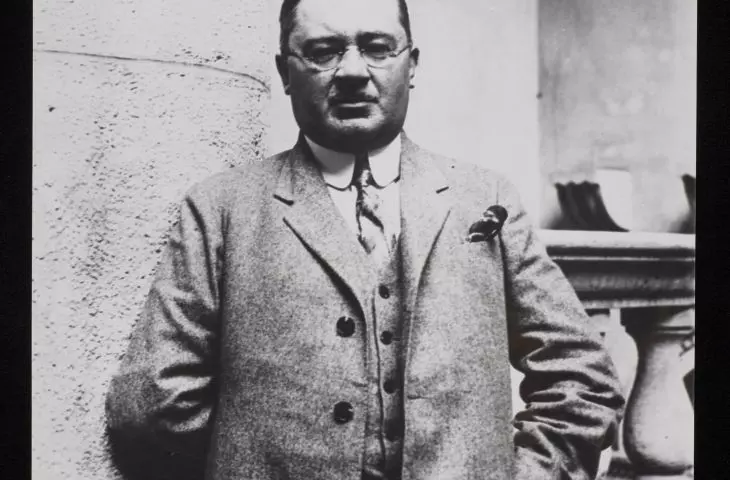
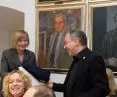
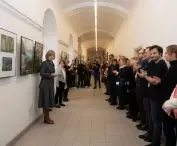
The opening of the exhibition "Viktor Zin - "Architect of Beauty", Professor who "never parted with his sketchbook"."
© Illustrations courtesy of the Cracow University of Technology
Przemek Ciępka: This is the largest Faculty of Architecture in Poland. Is such a large number of students a challenge for the functioning of the university?
Prof. Magdalena Kozien-Wozniak: A large number of students means a large staff. In higher education, there is a so-called availability ratio that regulates the number of students per academic staff member. In our case, this ratio is correspondingly low, so we maintain a high level of education. The problem of scale exists rather in terms of infrastructure. We have more than two thousand students, so we are not able to provide each of them with a permanent workstation, as is the case, for example, at the Royal Danish Academy of Arts in Copenhagen. Nevertheless, we are managing, helped by modern technology and new teaching methods. Design or laboratory classes require direct contact between students and instructors. In the case of lectures and even seminars, direct contact is not so important, so whenever possible we try to move these classes to a virtual space, thus freeing up space for smaller groups working virtually.
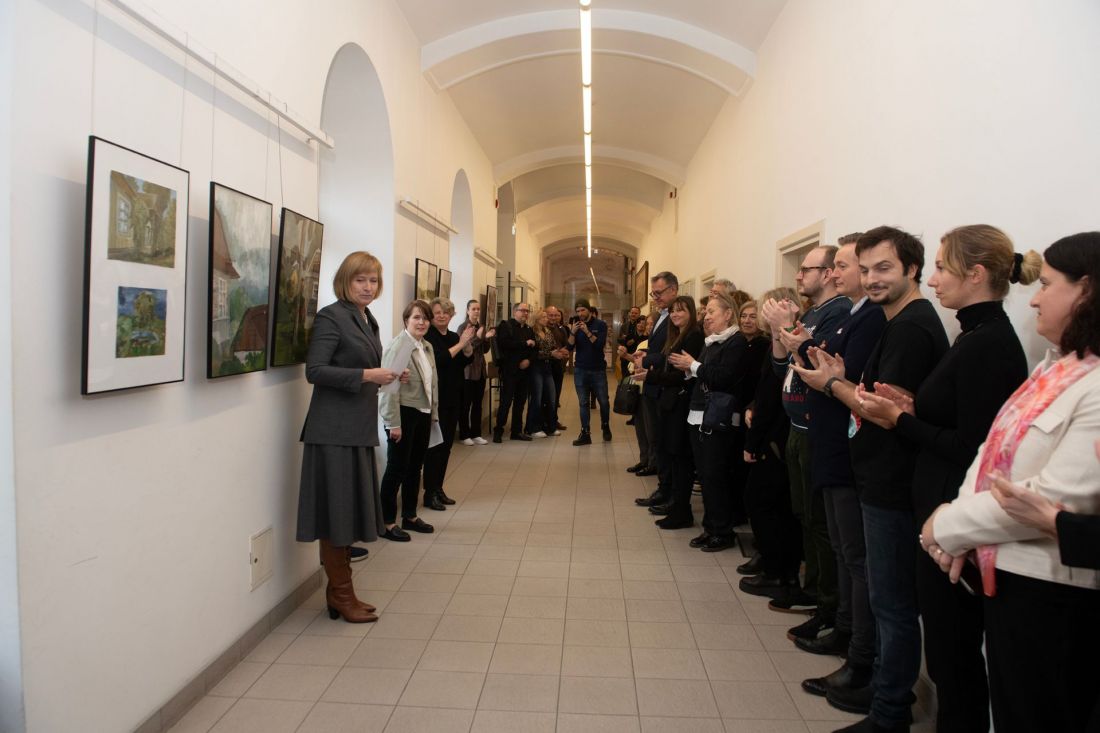
The opening of the exhibition "Viktor Zin - "Architect of Beauty", Professor who "never parted with his sketchbook"."
© Illustrations courtesy of the Cracow University of Technology
Przemek Ciępka: At art universities, a big role is played by the relationship between instructors and students, operating according to the master-student model. Is it similar at the Faculty of Architecture?
Prof. Magdalena Kozien-Wozniak: In a sense, yes. Design classes are taught in the form of corrections, so it is a kind of master-student relationship, although the instructor acts more as a person who supports the student's independent work and development. If we compare architectural education with other engineering studies, teaching by design, and at the same time contact between students and instructors, have the longest tradition and are the best developed in our country. What is a novelty at other polytechnic faculties today, has managed to take root at us. At the Faculty of Architecture of the Cracow University of Technology, the student learns through creative thinking and design, which is a process that integrates knowledge and skills.
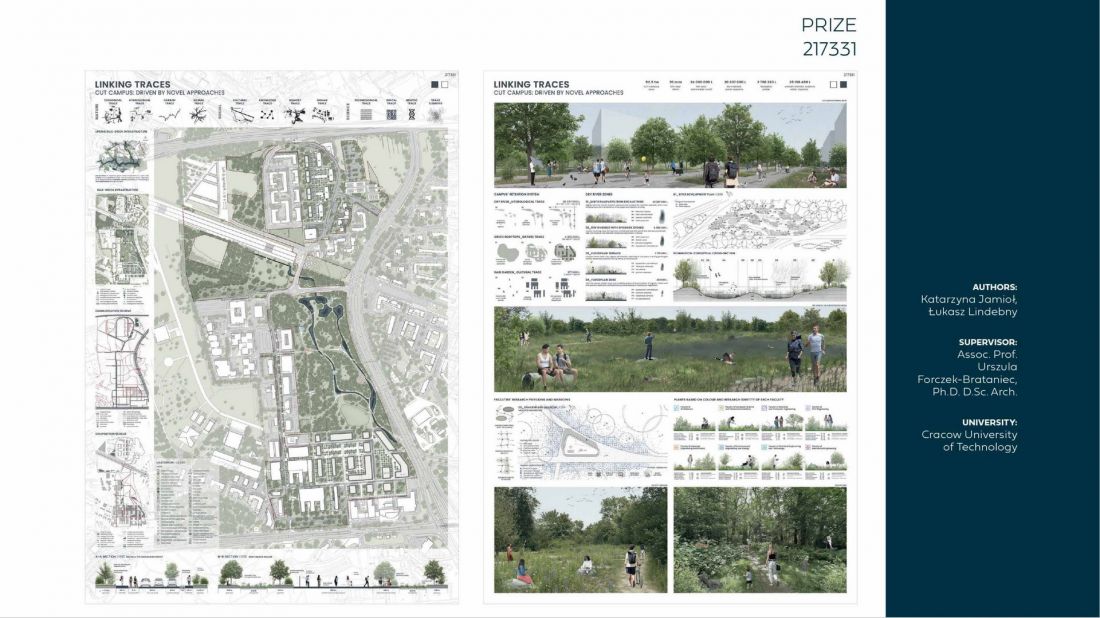
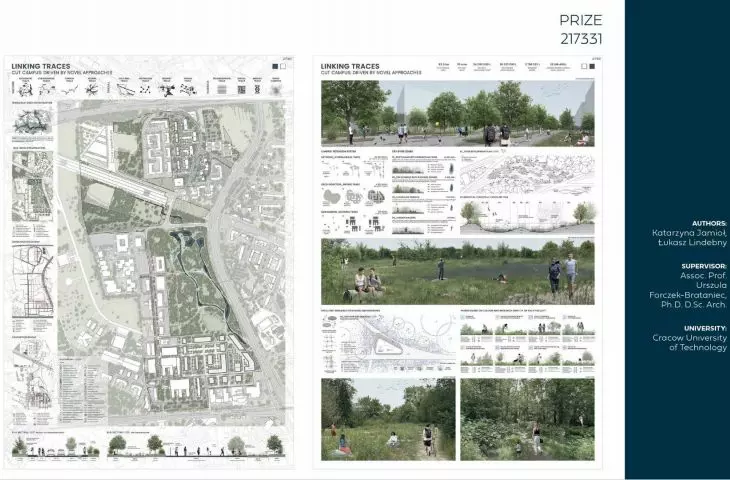
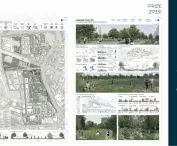
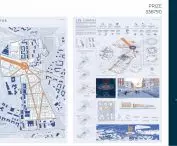
Selected boards of projects awarded in the international architecture and urban planning competition Cracow University of Technology (CUT) Campus, organized by the Cracow University of Technology and the Faculty of Architecture of Krakow University of Technology - CUT CAMPUS, award in the Landscape Architecture category
© Illustrations courtesy of Cracow University of Technology
In terms of the rules of contact with instructors, we follow the provisions of the standard, as do other Polish universities that educate in architectural design: a group of students consists of no more than fifteen people. This number was introduced with us as early as 2003, when the Faculty of Architecture at the Cracow University of Technology was the only one of the Polish centers of architectural education to be accredited by the Royal Institute of British Architects. When I started working at the Faculty of Architecture as an assistant, we didn't have such small groups, even though the number of students was twice as small. Today, despite the size of the department, we maintain standards at a high level.
Przemek Ciępka: Learning at WA PK is also at a high level. In a recent evaluation conducted by the Ministry of Education and Higher Education, Krakow's Faculty of Architecture received the highest category of A+. What contributed to this achievement?
Prof. Magdalena Kozień-Woźniak: The awarding of a scientific category is the result of an evaluation of the activities of a given university in several areas: publication in specific scientific journals, conducting research and winning grants, as well as carrying out research services, winning patents, and, finally, influencing the broader economic environment. All our research and teaching staff work for evaluation results, this is the strategy we have adopted. The faculty supports the scientific activity of employees, especially international contacts and grant applications. Despite the fact that we have the largest faculty, and therefore the largest number of employees, we have managed to maintain this level and have been awarded an A+ category.
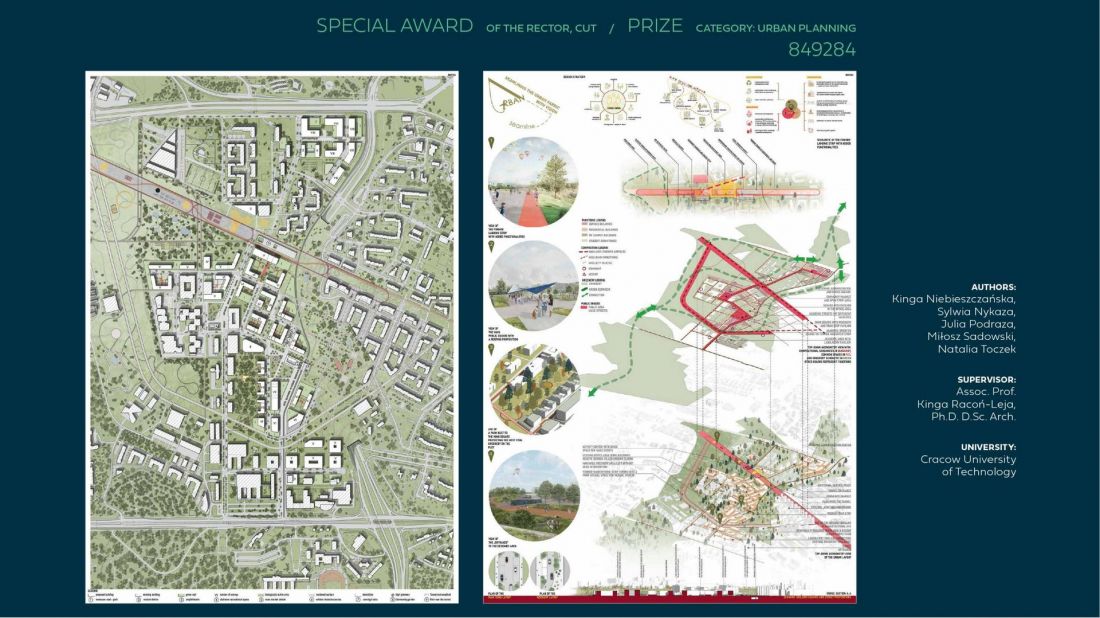
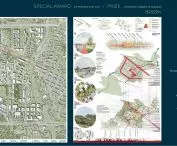
Selected boards of projects awarded in the international architecture and urban planning competition Cracow University of Technology (CUT) Campus, organized by the Cracow University of Technology and the Faculty of Architecture of PK - CUT CAMPUS, special award of the rector of PK
© Illustrations courtesy of Cracow University of Technology
Przemek Ciępka: What areas of research are the strengths of Krakow's Faculty of Architecture?
Prof. Magdalena Kozien-Wozniak: We are active in four basic areas. The first is related to the so-called Krakow school of architecture, which consists of theory, design principles and architectural and urban design. Practice has always been of great importance to us, and we employ architects who are active in the profession. I myself am already the third dean of the Faculty of Architecture in Cracow to receive the SARP Honorary Award for architectural work. Before me were Professor Witold Korski, co-author of the Grand Theater in Łódź, and Professor Dariusz Kozłowski, co-author of the Higher Theological Seminary of the Resurrectionist Fathers in Cracow. The second area of our scientific activity is conservation design and historic preservation. We have a very good team of theoreticians and practitioners in this field. We also conduct research in the area of urban planning and spatial planning and the aforementioned landscape architecture.
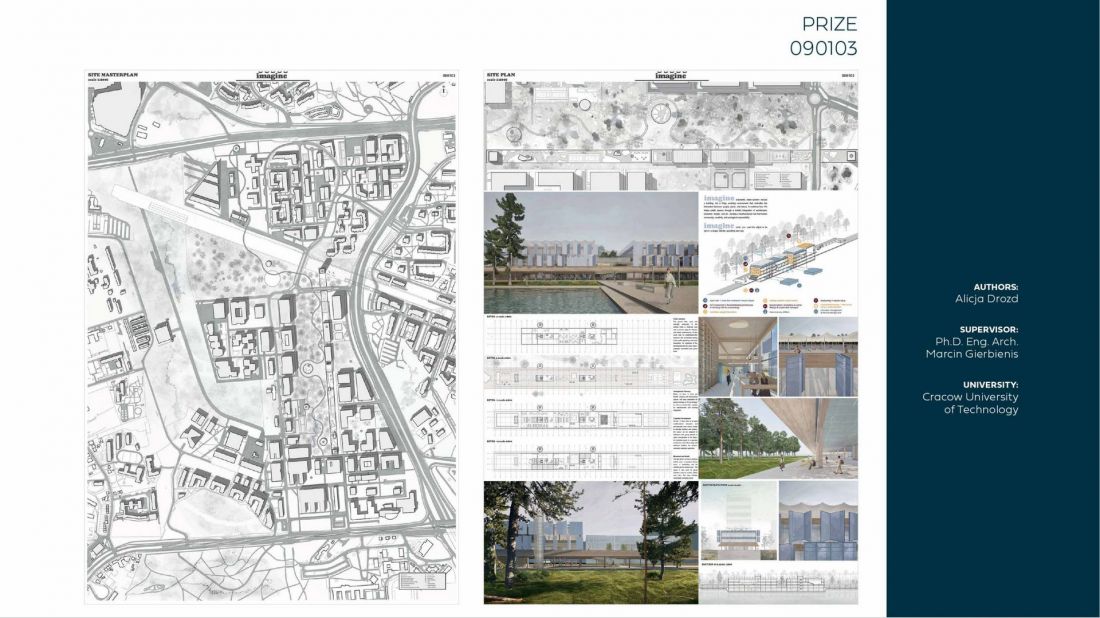
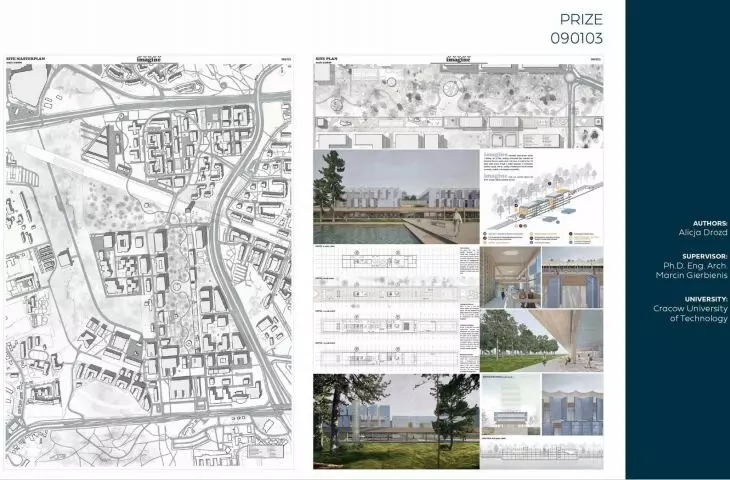
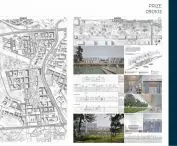
Selected boards of projects awarded in the international architecture and urban planning competition Cracow University of Technology (CUT) Campus, organized by the Cracow University of Technology and the Faculty of Architecture of PK - CUT CAMPUS, award in the Architecture category
© Illustrations courtesy of Cracow University of Technology
Przemek Ciępka: How does the scientific category and the research conducted at the university affect the methods and level of teaching?
Prof. Magdalena Kozien-Wozniak: The na ukowa category is not a direct reflection of the quality of teaching at a given university, but it can have a big impact on it. I think this influence is verified by the level of diploma projects. For several years we have been organizing the Diploma of the Year competition, which plays out precisely in the four categories mentioned above. Its results are the basis for us to appear in national and international competitions of student projects. We have a lot of successes in this field, for example, the diploma that received the 2024 Grand Prix in our competition recently received the Inspireli Award, awarded in Prague; our students' projects achieve success in the Mies van der Rohe Young Talent Awards. This impact is also measured by the level of aspirations of both instructors and students, who travel the world, get hired by foreign studios and the best Polish architectural offices.
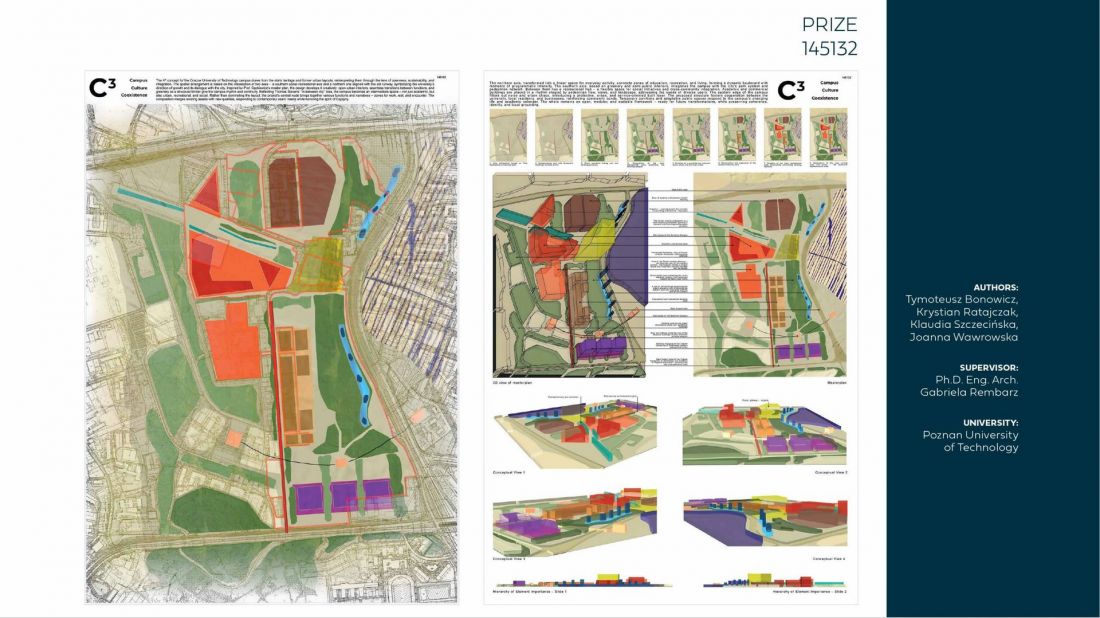
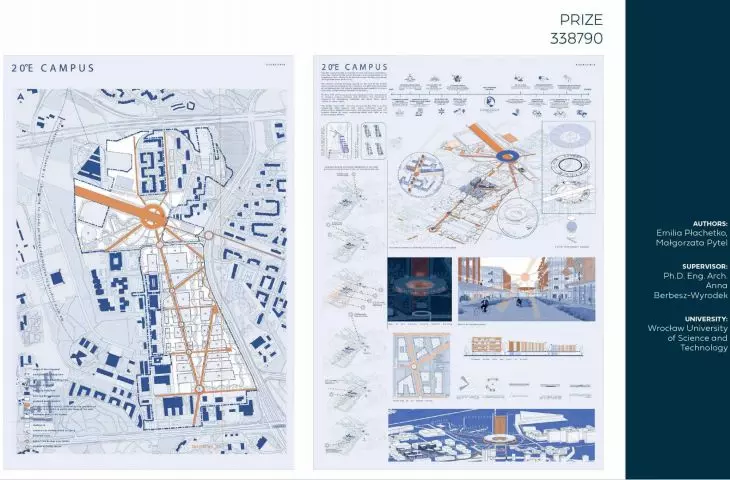
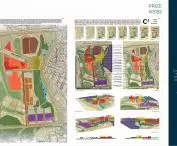
Selected boards of projects awarded in the international architecture and urban planning competition Cracow University of Technology (CUT) Campus, organized by the Cracow University of Technology and the Faculty of Architecture at PK - CUT CAMPUS, award in the Urbanism category
© Illustrations courtesy of Cracow University of Technology
Przemek Ciępka: So can we say that Krakow's Faculty of Architecture stands on a world level?
Prof. Magdalena Kozień-Woźniak: Undoubtedly, which is confirmed by visiting professors coming to us from all over the world. However, we still remain far behind in the world rankings. I am convinced that this is due to the way higher education systems are viewed in the West and the Far East. We are somewhere in the middle and are still waiting to be noticed. Or maybe we can't yet show ourselves well enough.
Przemek Ciępka: Evaluations, but also various rankings inevitably lead to rivalry between universities providing architectural education. Despite this, is there still room for cooperation between Architecture Faculties?
Prof. Magdalena Kozien-Wozniak: Of course! Just because we compete doesn't mean that we don't talk to each other or cooperate. There are very many areas where we can work together to strengthen our common position, especially in the international arena. We live in a world of dynamic change, moving forward, we sometimes have to make leaps that allow us to catch up with reality. And we try to do this together with other universities. A few years ago, the Forum of Deans of Architecture Faculties was established, which has recently transformed into the Academic Forum of Architecture and Urbanism. We are at the stage of signing a formal agreement between universities. The Forum will be open to all Polish universities that educate architecture: their deans and the chairs of their discipline councils. We will jointly discuss our problems, challenges and opportunities.
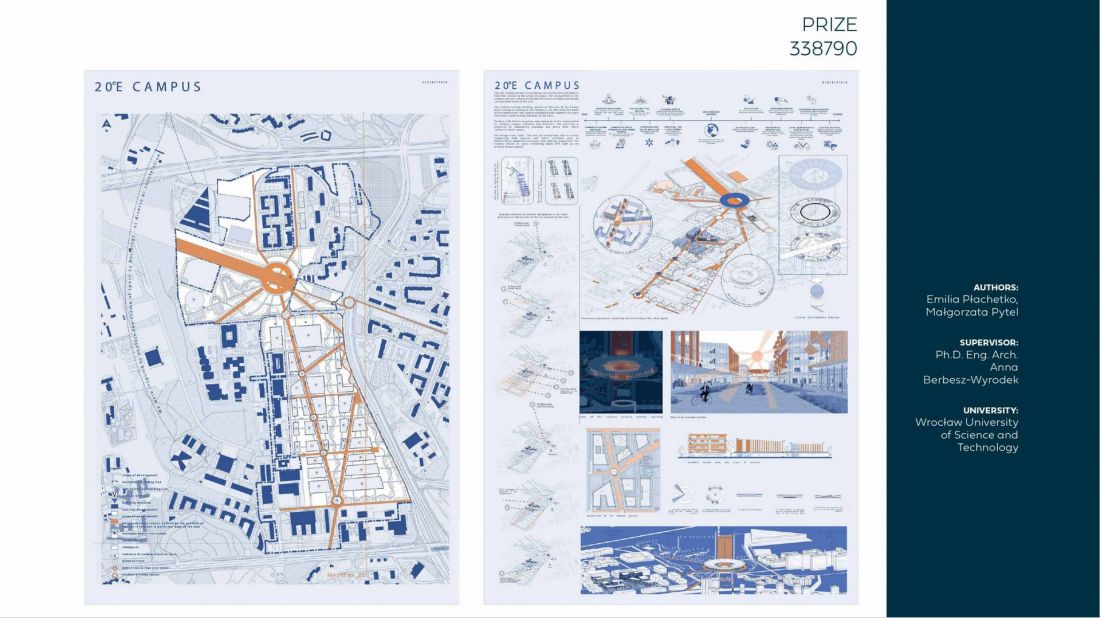
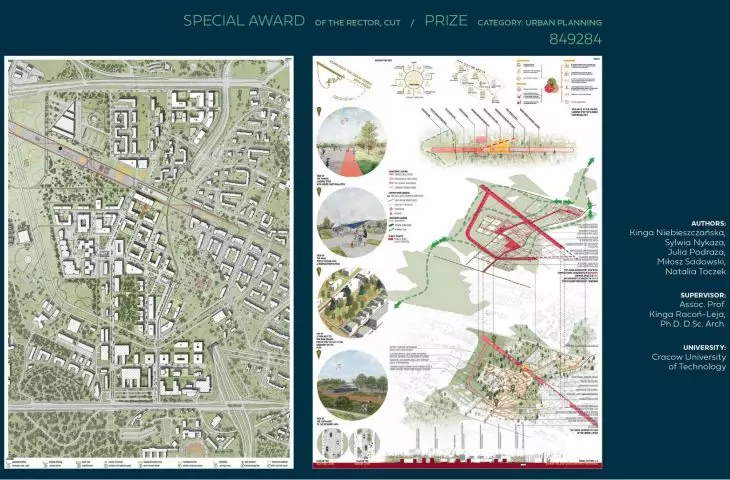
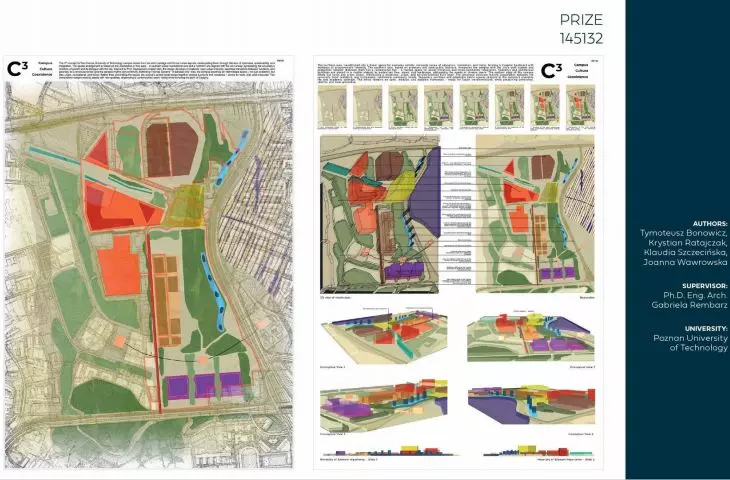
Selected boards of projects awarded in the international architecture and urban planning competition Cracow University of Technology (CUT) Campus, organized by the Cracow University of Technology and the Faculty of Architecture of PK - CUT CAMPUS, award in the Urban Planning category
© Illustrations courtesy of Cracow University of Technology
Przemek Ciępka: What does it look like in the case of international cooperation?
Prof. Magdalena Kozień-Woźniak: The Faculty of Architecture at Krakow University of Technology is a member of the European Association for Architectural Education (EAAE), an association of more than one hundred European universities and colleges. From our discussions, it seems that we all face very similar challenges, which we try to face together.
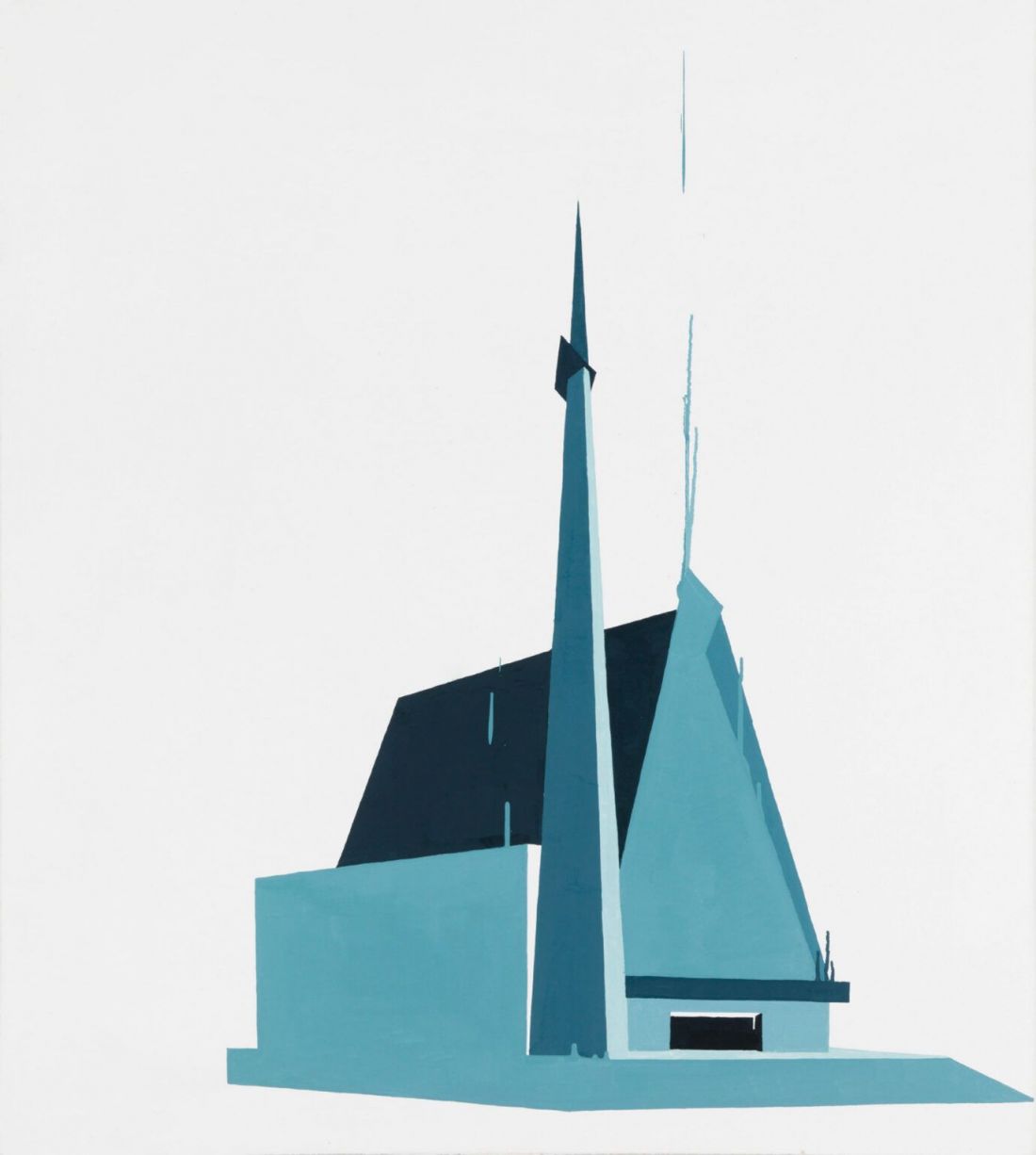
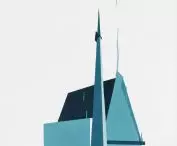
Wilhelm Sasnal, Untitled (Church), oil on canvas, 120×110 cm, 2001
© Illustrations courtesy of the Cracow University of Technology
Przemek Ciępka: What role does the Ambassadors of the Faculty of Architecture of Krakow University of Technology program play in the life of the university?
Prof. Magdalena Kozien-Wozniak: This program has several goals. First, we want to show off our graduates. We are happy that we can at least to some extent share their successes. At the same time, we show students what they can achieve by choosing our university. They have the opportunity to meet these people, to learn something about their path to success. Interestingly, it's not always architects - in 2024, painters Wilhelm Sasnal, Rafał Bujnowski and Marcin Maciejowski, founders of the Ładnie Group, became Ambassadors of the Faculty of Architecture at the Cracow University of Technology, and in 2025, painter and composer Jan Kanty Pawluśkiewicz became one. Not everyone knows that he also studied at our department.
Przemek Ciępka: What other avenues, besides architectural design, do studies at the Faculty of Architecture in Cracow open up?
Prof. Magdalena Kozień-Woźniak: We have always believed that we should educate not so much architects as people with broad horizons, creative and open-minded, because these are the qualities that this profession requires. An architect is an artist, he can express what he feels through empathy. Express not only through interpretation and design of space, but also awareness of responsibility. Added to this is the second pillar of the architectural profession - engineering. Mathematics, science subjects, building, construction or material science are the basis that allows us to create in a rational and economical way. The sensitivity built by closely linking these two elements directs our graduates into very different worlds. As a result, graduates of our university can deal with many things. It's not just virtual reality, but also fine arts and music. Some become managers at large construction sites, others realize themselves as engineers or become civil servants. Graduating in architecture from our department really gives you a lot of opportunities.
Przemek Ciępka: Are there any people who already know during their studies that they will not be designing in the future?
Prof. Magdalena Kozien-Wozniak: Very many students starting their studies at our faculty are not fully aware of what awaits them. Of course, we have children of architects at our university, these people are in contact with the specifics of the profession from an early age. However, very many students have certain ideas about the work of an architect, which do not necessarily coincide with reality. Such people try to find themselves in this department. Importantly, they usually continue their studies, relatively few drop out. A large percentage of graduates of the first, four-year degree stay on to study for a master's degree. In discussions with colleagues in other departments, we see the need to shape the curriculum so that it provides the necessary core of knowledge and skills, but also gives students as much freedom as possible to choose their path. Of course, such an approach requires a certain maturity from students. However, I assume that a person who has made a decision about his or her future on his or her own will be more willing to educate himself or herself in the chosen field.
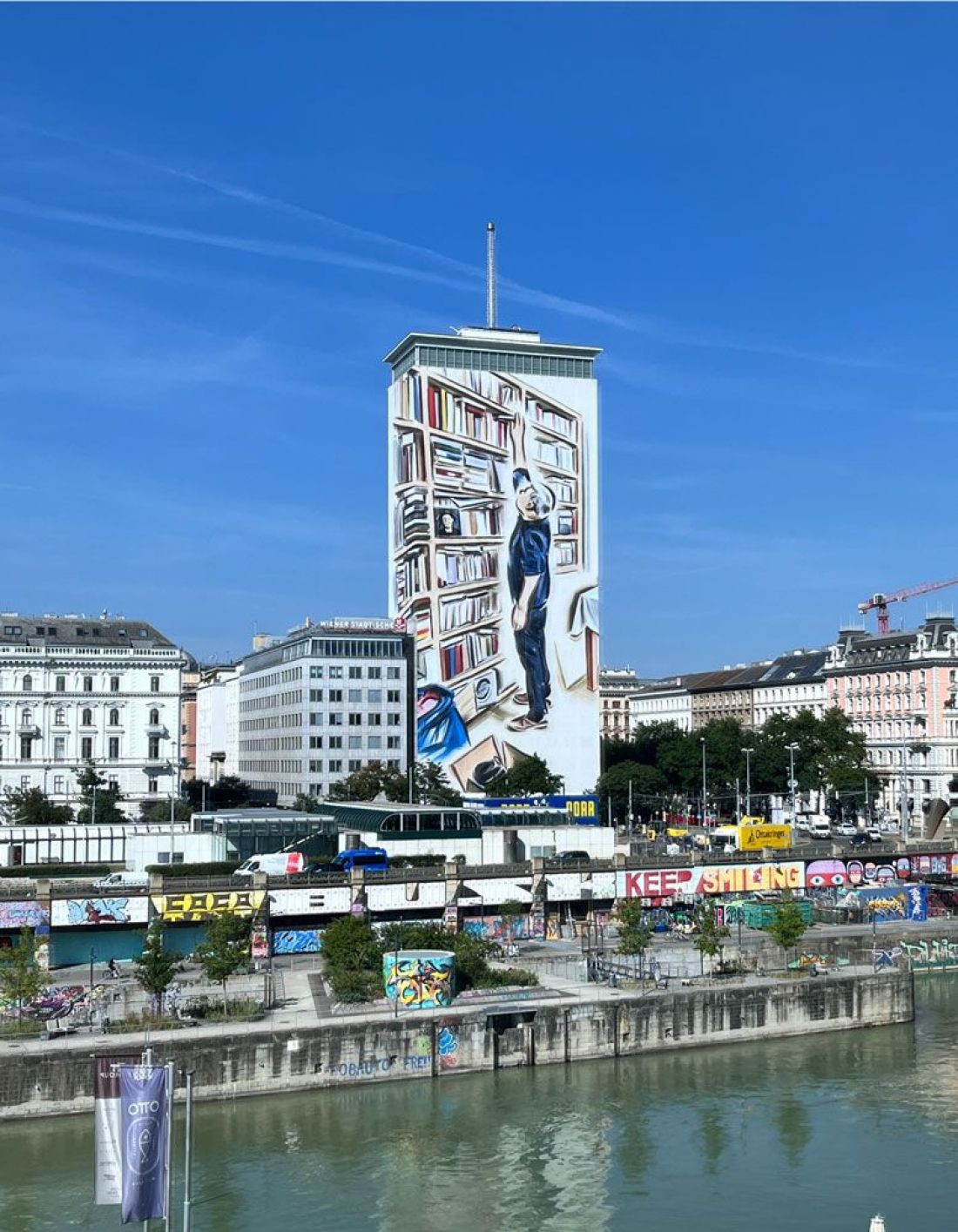
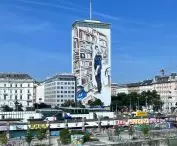
Marcin Maciejowski, "packaging" of Linking Tales, the Ringturm skyscraper in Vienna, 2025.
© Illustrations courtesy of the Cracow University of Technology
Przemek Ciępka: We are living in a time of great change, with more and more talk of re-use, designing for future adaptations, and even moving away from new construction. Added to this are contemporary technologies, materials and construction solutions. How does the teaching staff cope with keeping up with these changes?
Prof. Magdalena Kozien-Wozniak: As a cadre, we develop primarily through learning: participation in conferences, publication of articles, meetings and cooperation with domestic and foreign universities. It is much more difficult to translate this into the didactic process, because any changes to the curriculum are characterized by considerable inertia. We are limited by strictly defined standards, with little flexibility in the teaching cycle. We can act within individual classes, for example, by choosing topics for assigned projects. Instead of requiring students to design a new building, we show them an existing, currently useless facility and ask them to prepare an adaptation for new functions. The problem, however, is the point at which our students collide with reality.
Przemek Ciępka: That is to say?
Prof. Magdalena Kozien-Wozniak: Despite our efforts to educate in the spirit of new ideas and to seek answers to current challenges, we are confronted with completely different expectations of the market, which continues to build on a massive scale, and introduces passive technologies only if necessary. In fact, we shouldn't build, but in order not to build, we have to realize that we don't need it anymore. This is also our role as architects, we should ask: what for, for whom? Do people really need it? Or maybe they just shouldn't need it, because we are already in a climate and migration crisis.
Przemek Ciępka: So education is not always the answer to current market needs?
Prof. Magdalena Kozien-Wozniak: We strive to ensure that our graduates are best prepared for their profession. As academic staff at the university, we are aware of the need for change, and at the same time we realize that we are acting against some of today's beliefs. However, we assume that we must act in this way because we are educating people for the future, architects who must be aware of these challenges. In this context, we are very pleased with the attitude of today's youth - students are beginning their education familiar with other, alternative ways of thinking and functioning. Nevertheless, unrestrained consumption is ever present.
Przemek Ciępka: What role does the professional practice of instructors play in teaching architectural design?
Prof. Magdalena Kozien-Wozniak: Our staff is very diverse. We have great architects on our team teaching design. But the best instructor will not always be a practicing architect. There are also theoretical subjects, drawing or painting, which are taught by specialists in these areas. However, since the core of teaching is design, it should involve people who design. Standards require that it be a licensed person. In the case of master's theses, the supervisor should be a designer with both a license and a doctoral degree, or an academic with a doctoral degree. After all, it should be remembered that master's theses are design responses to the research problem posed.
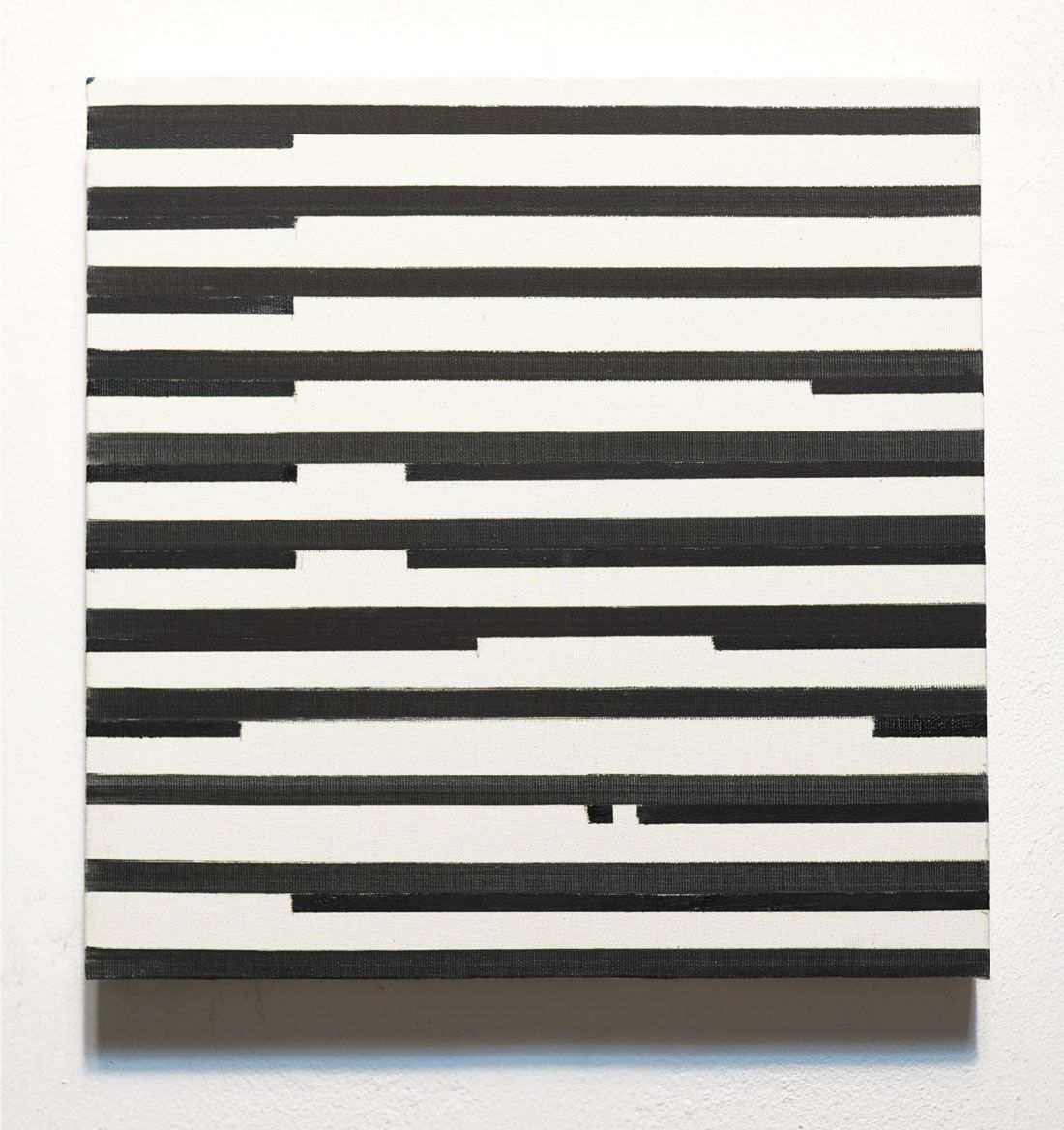
Rafał Bujnowski, Parking Blinds, oil on canvas, 40×40 cm, 2021
© Illustrations courtesy of the Cracow University of Technology
Przemek Ciępka: Along with the entire Cracow University of Technology, the Faculty of Architecture recently celebrated its 80th anniversary. Ms. Dean has been professionally connected with the place for roughly twenty-five years. How has the teaching of architecture changed during that time?
Prof. Magdalena Kozien-Wozniak: I teach architectural design, in which some things never change and other things undergo constant transformation. Some constant, basic method is three-dimensional modeling understood by building physical models. Although new technologies continue to emerge, we believe that this skill is essential for developing the right sensitivity. At the same time, the aforementioned technologies are playing an increasingly important role. Our students are very eager to draw on computers, knowing that today this is necessary to work in the profession.
An important change is also the possibility of cooperation with the economic environment, we are doing this on an increasingly large scale. In the past, we used to look for such issues, asking local governments for the opportunity to design in response to real needs. Today, topics come to us on their own. There are a lot of benefits from such cooperation, designing in student groups, even at the studio level, allows us to broaden our horizons and look at an issue from multiple perspectives.
We have also changed our approach to the topics we ask - they have become very contextual, site-specific. We no longer ask students a ready-made functional program of the building, today they look for themselves what is needed in a given building or place.
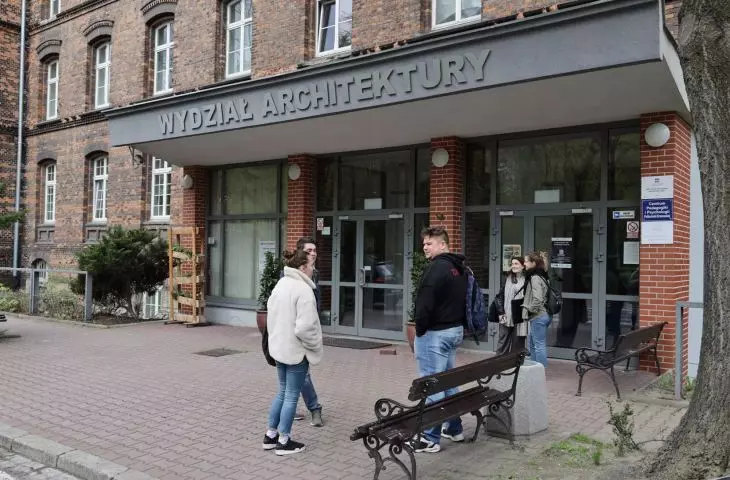
The building of the Faculty of Architecture at the Cracow University of Technology
photo: Lubomir Nikolov
Przemek Ciępka: Have students also changed during this time?
Prof. Magdalena Kozien-Wozniak: There is no clear answer to this question. Young people are a reflection of their reality, and modern students live in a completely new world. We used to get our knowledge from books and magazines, now young people use the resources of the Internet with great efficiency. They are also citizens of the world, they travel a lot.
Przemek Ciępka: Will the Faculty of Architecture at the Cracow University of Technology be changing in the near future?
Prof. Magdalena Kozien-Wozniak: The faculty operates in three facilities: in the Podchorążówka in Łobzów, in the campus on Warszawska Street and on Kanonicza Street. This causes a lot of problems, so we want to move most of the classes to the Łobzów Palace, which is awaiting expansion. We want to concentrate the students of our faculty primarily at this address, as it helps to create a community and maintain the character of the place. We already have a design ready for the front of the building, which will be an open place for residents and students to interact, managed by the City. Since the historic palace lacks adequately large spaces, we intend to build a modern multipurpose hall at the back of the building. At the same time, we want to think about how to make the most effective use of the spaces we have. Of course, our headquarters on Kanonicza Street, in the oldest part of historic Krakow, will continue to be a meeting place for our students with the history of architecture.
Przemek Ciępka: Thank you for the interview!
Przemysław Ciępka
more: A&B 2/2026 - Education,
download free e-publications of A&B