



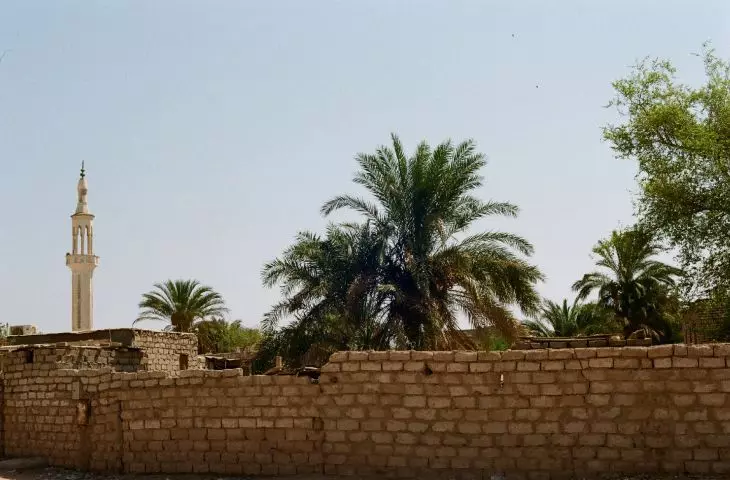
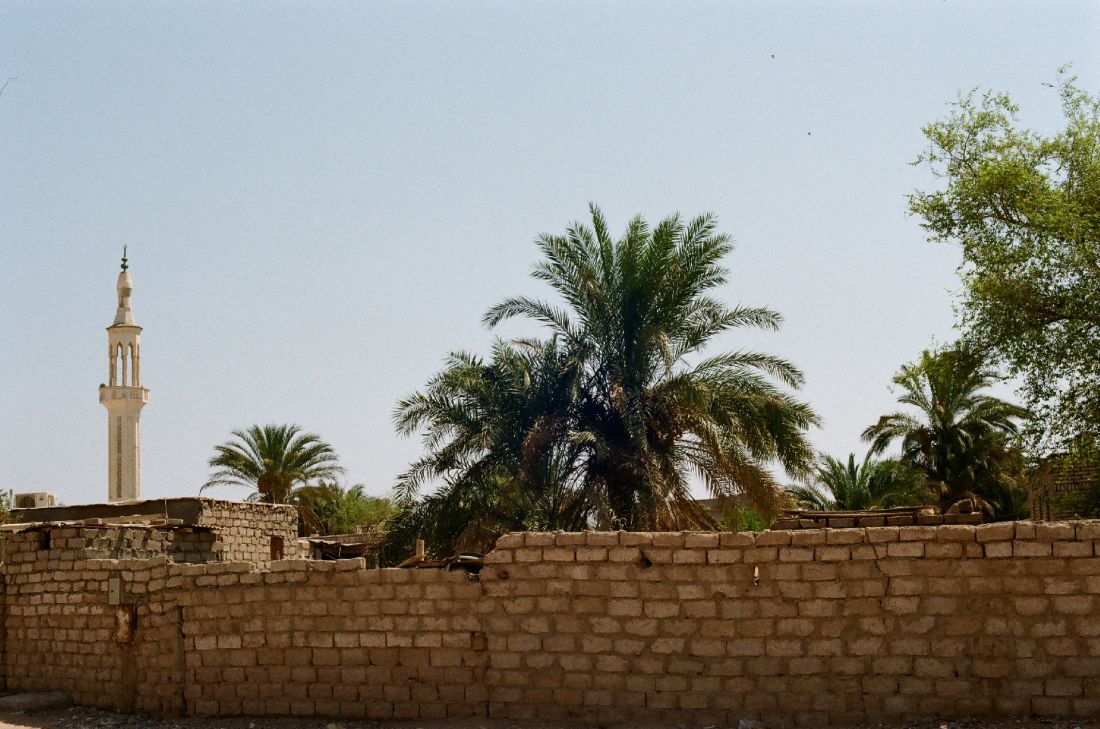
We are constantly looking for modern materials that will reduce the environmental impact of construction, while being durable and long-lasting. However, it is worth looking at those that have been successfully used for centuries to erect natural, architectural structures. The protagonist of the international workshop to be held in Egypt in September will be earth - "a carrier of tradition, identity of place, and at the same time a material that responds to the challenges of the 21st century: climate crisis, localism, low carbon," the organizers write.
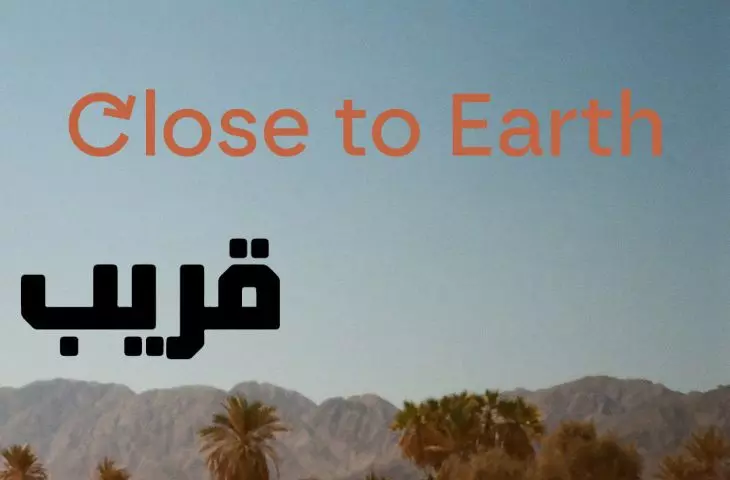
From 16 to 22 of September,Close to Earth, an international design workshop on contemporary forms of design based on natural materials, will be held at an organic farm in Sinai, Egypt. We talk about the idea of the event and earth as a building block with one of the initiators of the workshop - Katarzyna Domagalska from the National Institute of Architecture and Urbanism.
Ola Kloc: How did the idea for the workshop and the cooperation between Polish and Egyptian architecture researchers and architects come about?
Katarzyna Domagalska: The initiative was born in the heads and hearts of three girls - mine, that is, a person who deals with education, architectural heritage, exploring the identity of a place through architecture in the context of phenomena in the past and simulating the future, that is, what may await us; Malwina Gruszecka, an architect, who is close to design related to sensory design, reversing the idea of thinking about the physicality of a building and taking an emotional approach to the structure we live in; and Marta Akinczy, a landscape architect with whom I have long collaborated on educational projects and projects related to combining architecture and landscape.
I travel a lot in the Middle East, where the heritage of architecture built with dried bricks and rammed earth is very rich, with both historical and contemporary projects. Malwina, on the other hand, has experience of contemporary European realizations using this probably a bit strange and exotic material for us, and Marta experiences the earth every day, working with the landscape.
Ola Kloc: Poland and Egypt have different climatic conditions, but also different building traditions and experience of building with earth. How do you want to combine these two worlds at the workshop?
Katarzyna Domagalska: The most interesting thing is how the material of the earth can respond to climatic needs, reduce heat in the building and protect from the cold. We want to test this, see how it works, work with laboratories so that in the future we can say that earth is a good building material.
Close to Earth workshop will be held in Sinai, Egypt
© organizers archive
Ola Kloc: What are the possibilities of using this material? What are the advantages, and what are the disadvantages?
Katarzyna Domagalska: This discovery is probably ahead of us, laboratory studies are being conducted on its strength, structural possibilities. Currently, if we want to put up a building from the ground, we need to obtain all permits and individual approvals. In France, standards are already being developed for earth building, including public ones. Such things are already happening. Likewise in Belgium, as shown by BC architects.
Malvina and I recently traveled to Pomerania to see historic rammed earth buildings, these are frame, half-timbered, earth-filled structures. Although they were built at the turn of the 20th century, the material holds up very well there. In farm buildings it is used without insulation, in residential with internal insulation, and nothing happens to the material over the years.
Ola Kloc: So why did they stop building with earth?
Katarzyna Domagalska: Globalization of the market - on the one hand it is good, but on the other it cuts off individual solutions. Building from the ground is something individual, because this mixture has to be prepared each time, although there have already been ideas for mass production - the Austrian architect, Martin Rauch, started producing blocks from the ground.
The idea of designing from the earth is that we use what we have dug up for foundations, for example, and is firmly rooted in the context of locality and sourcing material from where we are - what we take away from the earth, we give back to the earth.
Ola Kloc: It can also be a cheaper solution.
Katarzyna Domagalska: It's faster and more convenient to go to the construction market and buy hollow blocks, the globalization of the market makes what is more individual and demanding, what you have to put more effort and a non-commercial approach, disappear. We model ourselves on Hassan Fathy's architectural practice, although his book "Architecture for the Poor" made people not want to live in his buildings, they didn't want to be considered poor.
Ola Kloc: I wonder if it had been "Architecture for the Rich" everyone would have reached for these solutions.
Katarzyna Domagalska: There is something about it, people are ashamed of the term. And he shows with his realization in the village of New Gourna near Luxor that dried brick can be used to build a modernist estate.
Ola Kloc: The key may be accessibility and the right - so that building from the ground becomes just another option to choose from.
Katarzyna Domagalska: There is also a challenge for the architectural community to decode thinking about the physicality of a building, to start looking for context in the place where we create, not just in the surrounding buildings, but in the landscape.
Ola Kloc: The trap may also be that when building with rammed earth becomes fashionable, we will stop returning to the earth what we have taken from it, but start importing this material from some distant corners.
Katarzyna Domagalska: Yes, I have even heard such ideas that it will be possible to sell our land to Germany. And that, after all, is not the point! Architecture is a profession of public responsibility, ethics, so that what we build actually serves the people, and not just profit. In theory, it's a simple solution - what you dig up to build roads or infrastructure stays, so we can use that land later to build housing infrastructure, but we don't do that.
Ola Kloc: Does building with soil have a chance to prove itself in Polish realities?
Katarzyna Domagalska: Ogólnopolskie Stowarzyszenie Budownictwa Naturalnego (The All-Poland Natural Building Association) is working to establish pan-European standards for buildings made of natural materials, i.e. hemp, earth, wood. We also found an example of 1950s construction in Pruszkow, which is described more extensively by architecture researcher Teresa Kelm - after the war, blocks of land were erected here, during a campaign to quickly rebuild and provide housing. This shows that it is a cheap material from which to build quickly. Such standards existed in Poland after the war, now, due to legal changes after joining the European Union, they do not function, although this topic is starting to be raised more and more.
Ola Kloc: Let's go back to the workshops - who are they aimed at?
Katarzyna Domagalska: Mainly to upper-year students of architecture, design, but also art majors. We also invite architects and people already working who want to be inspired in their work. We are not closed only to the architectural community, we also invite people who want to experience the place and construction practices.
Ola Kloc: How will the workshops work? Will it be possible to actually touch the ground on them, get your hands a little dirty?
Katarzyna Domagalska: We will be building! We are collaborating with Cairo-based AHS and MUD Studio, who are conducting research related to how to bring earth architecture into contemporary practices. We are also keen to preserve the heritage, so that new developments are not created completely out of context, but that this natural material is actually used in the Sinai, where the workshops will take place.
Furthermore, we place great emphasis on cooperation with the local environment, so in addition to using our hands and building with them, we will be working in a Bedouin village, which on the one hand has a tradition of building with earth, and on the other hand, nowadays, its inhabitants prefer to reach for hollow blocks, because they simply don't know how to build with earth.
We have been working with Habiba Organic Farm for some time, so we decided it was high time to do something together in practice. These farms are being built in the Sinai region, wanting to work from the bottom up to revitalize and organize spaces. An educational center for kids has also been established there, and our goal during the workshop will be to create a concept and build a new facility there.
Ola Kloc: Eight days is enough for implementation?
Katarzyna Domagalska: Sure! To experience the land and get your hands dirty? Certainly. But these won't be the only workshops. We are just beginning the adventure of being Close to Earth and building architecture from the earth.
Ola Kloc: Thank you for the interview.
Ola Kloc
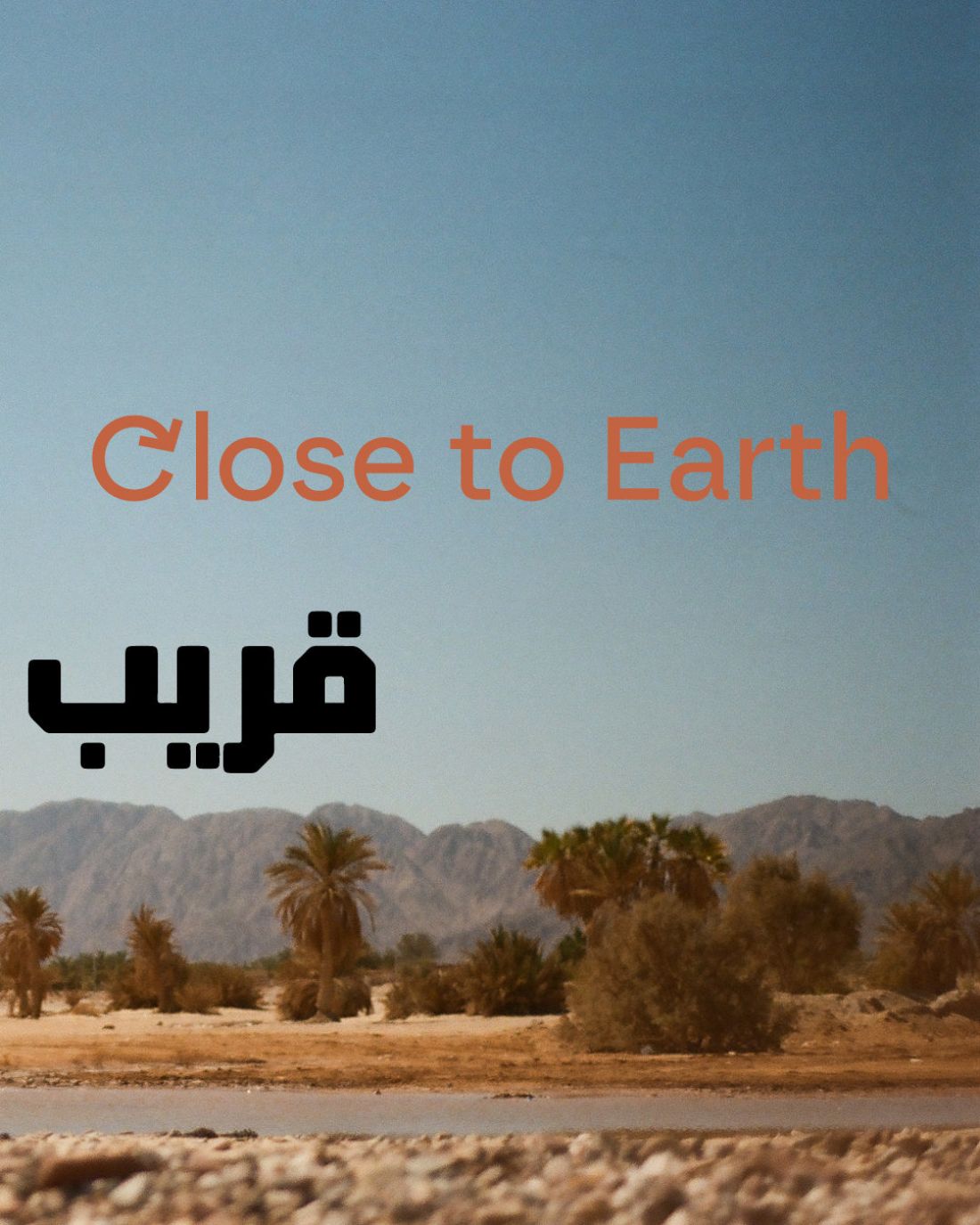
Close to Earth workshop
© organizers archive
more information:
Cost of the training workshop including accommodation and meals: 600 euros, price does not include transportation to the workshop site.
The workshop will be led by practitioners representing various design disciplines:
- Ahmed Hossam Saafan (Mud Studio, AHS Collaborative, Cairo) - architect, earth building specialist
- Karim Maged - co-founder of Habiba Community, coordinator of local cooperation
- Katarzyna Domagalska - architectural historian, researcher of the language of metaphor and cross-cultural design (NIAiU, Warsaw)
- Malwina Gruszecka - architect (Salon), educator
- Marta Akincza - landscape architect, researcher of landscape heritage (UWM Olsztyn)
Application form
Contact