



























Photorealistic visualizations accompanying architectural developments are a way to tell the story of a project, to capture the imagination of the audience. However, the line between fantasy, idyllic imagery and visual storytelling is quite thin - how not to cross it? And does the creation of architectural visualizations still have a raison d'être in times of AI availability? We talkabout the role of visualization in the design (and marketing) process and the upcoming 2nd edition of thevisualizationfestival - World Visualization Festival- with one of the event's organizers, Michal Nowak of Nowak Studio.
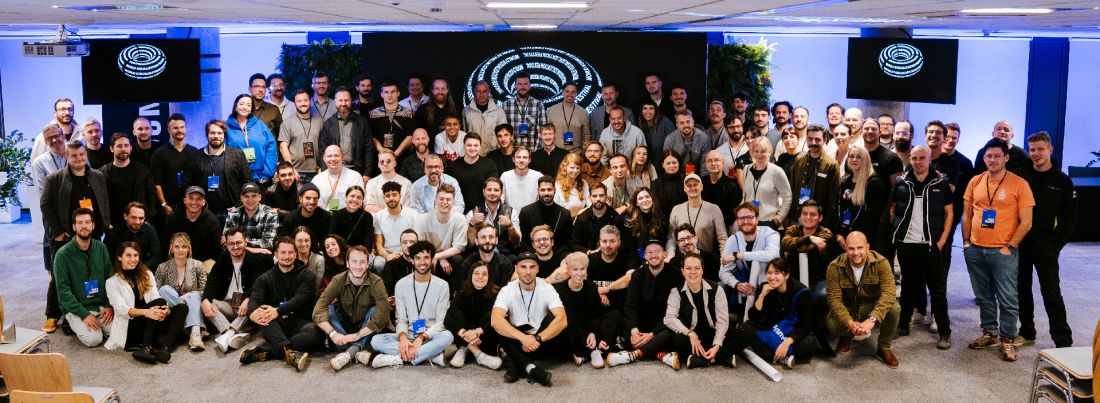
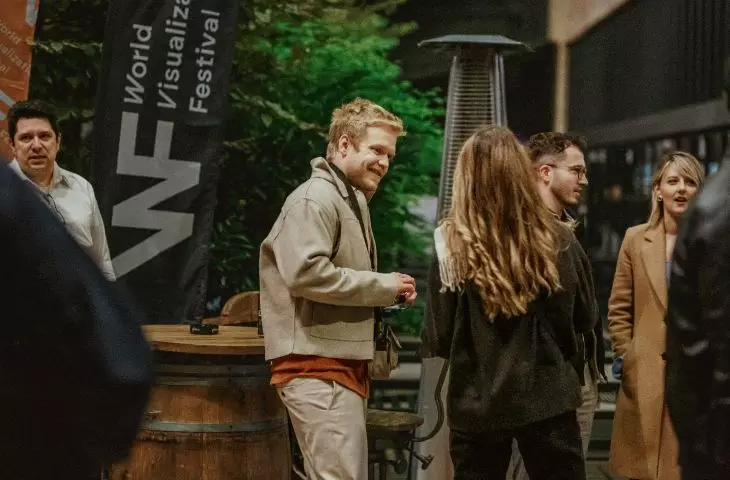
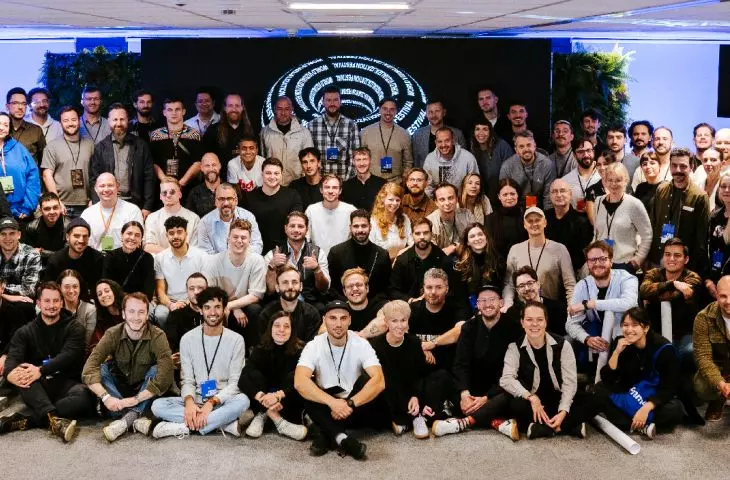
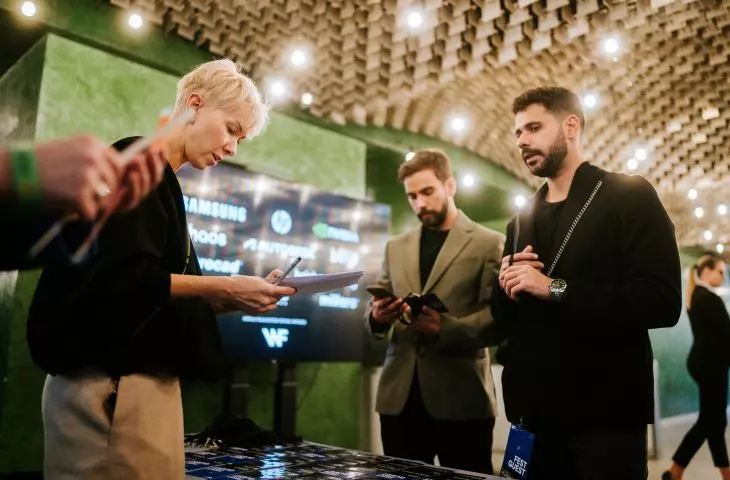
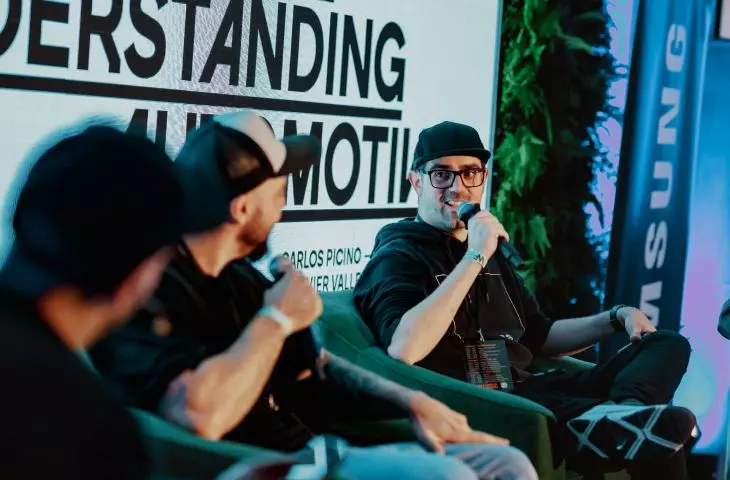
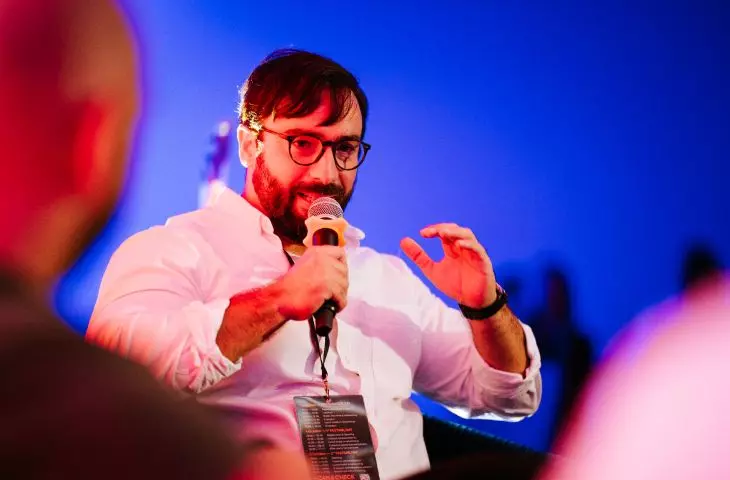
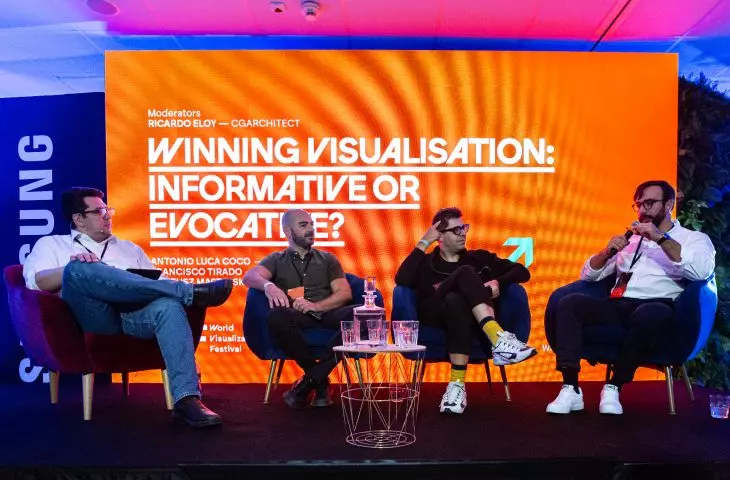
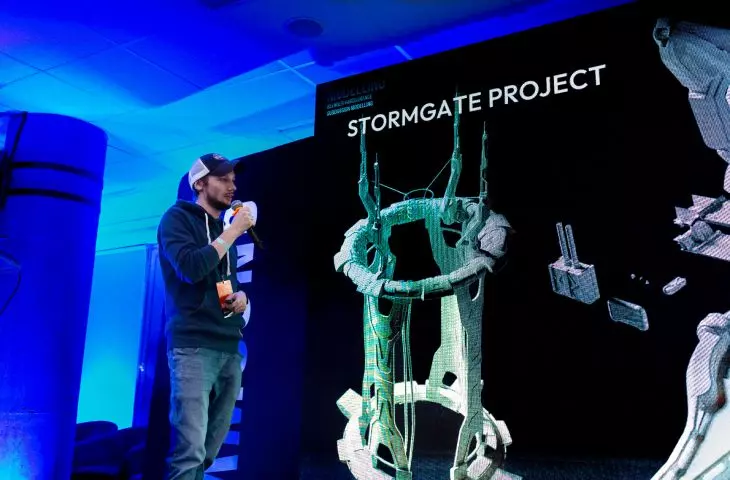
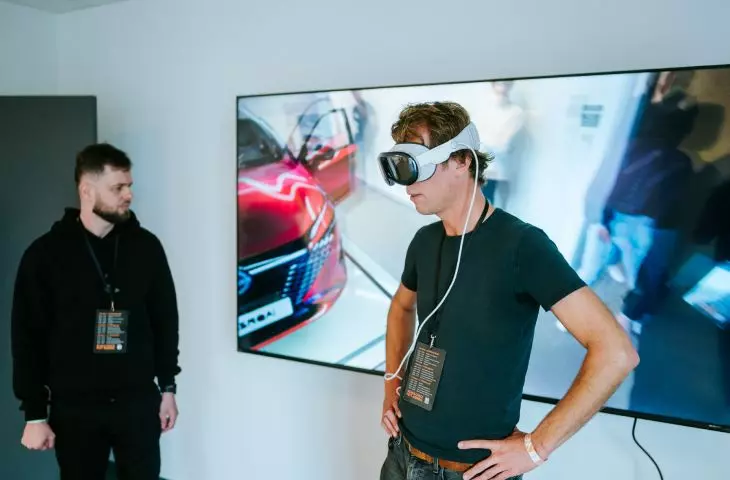
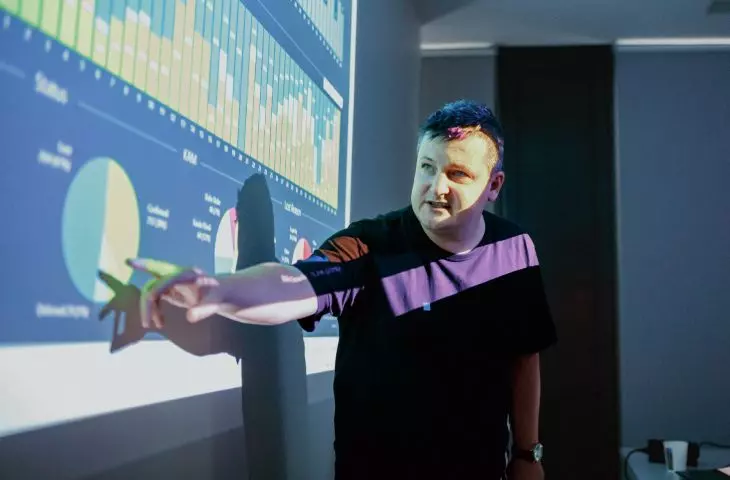
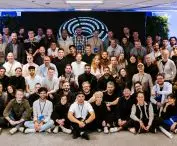
Photo report from World Visualization Festival 2024, participants.
© organizers' archives
Ola Kloc: How did your adventure with creating visualizations begin?
Michal Nowak: The beginnings were not very concrete and there was a lot of chaos, exploration and chance. I have always felt attracted to light and solids, and when architecture appeared on my 3D path, I realized that my passion found a key complementary element. The opportunity to create something non-existent, but all the time real, was and, despite the passing years, continues to be a very enticing process for me. The passion and hobby gradually turned into an obsession, and the obsession into a profession.
I went through various stages of my career and the industry - from my first renders on flimsy units for friends, to working in large studios, until I decided to go my own way with Nowak Studio a decade ago. On a daily basis, we help designers and companies gain a competitive edge and turn their visions into effective visualizations and a sales instrument. The most valuable thing about it all is the thought that despite the passing years, I still feel the same thrill when I see a design come to life on the screen. I can confidently say that I chose the right direction.
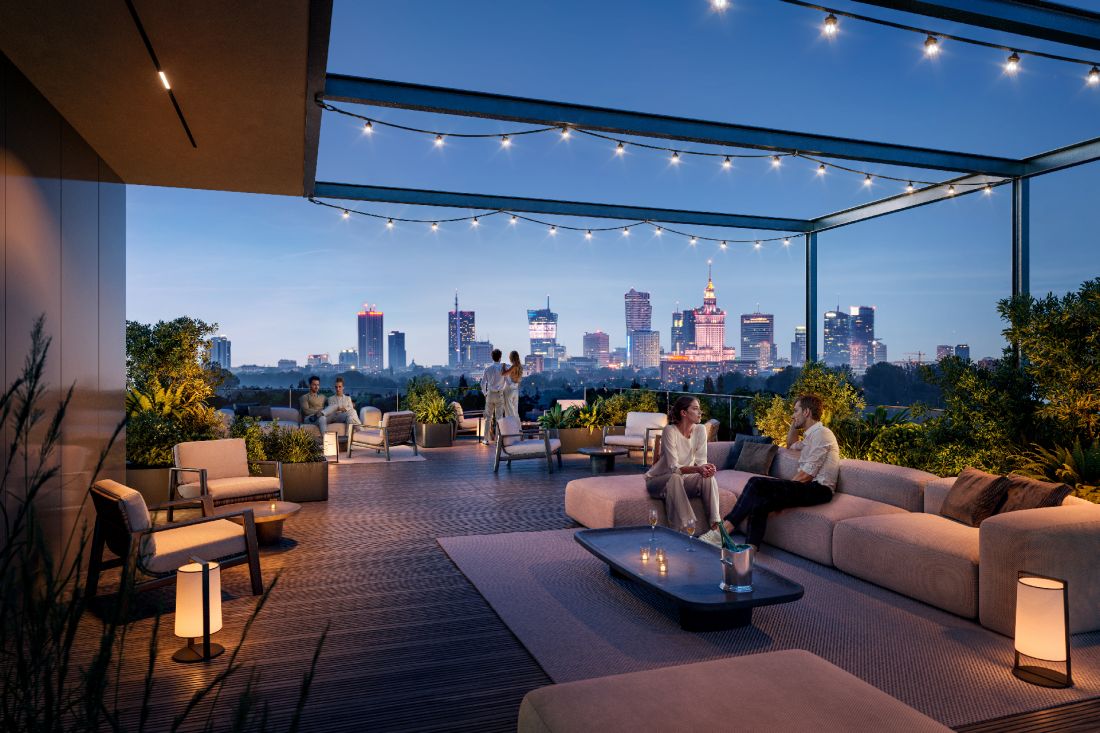
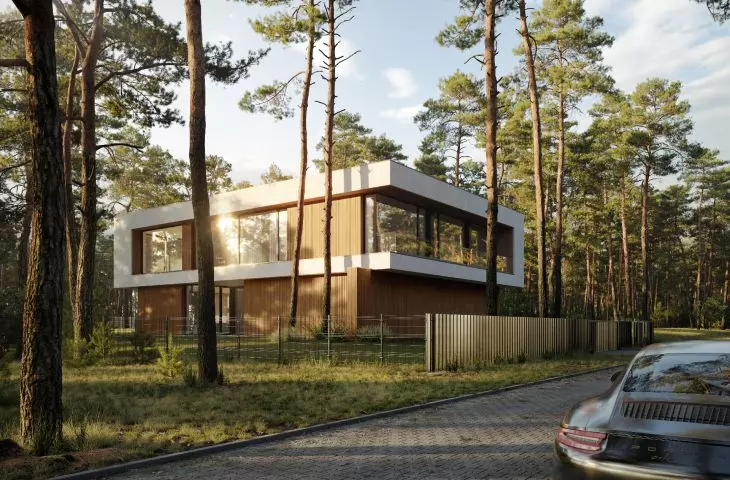
Visuals, according to Michal Nowak, are supposed to tell a real story, to evoke emotions, but within the framework of credibility
© Nowak Studio
Ola Kloc: What does your cooperation with architects look like when creating visualizations for their projects?
Michal Nowak: I believe that the key is to listen and understand. I feel that first and foremost it is important to listen to the client's needs, understand their vision, expectations and evaluation framework from the final audience. It is very easy to create "colorful illustrations" without context and ultimately without a message and understanding of what the client really needs. I firmly believe that my work is to ennoble an existing project, and the creative knowledge and skills are to serve the target client, not my ego or fantasy.

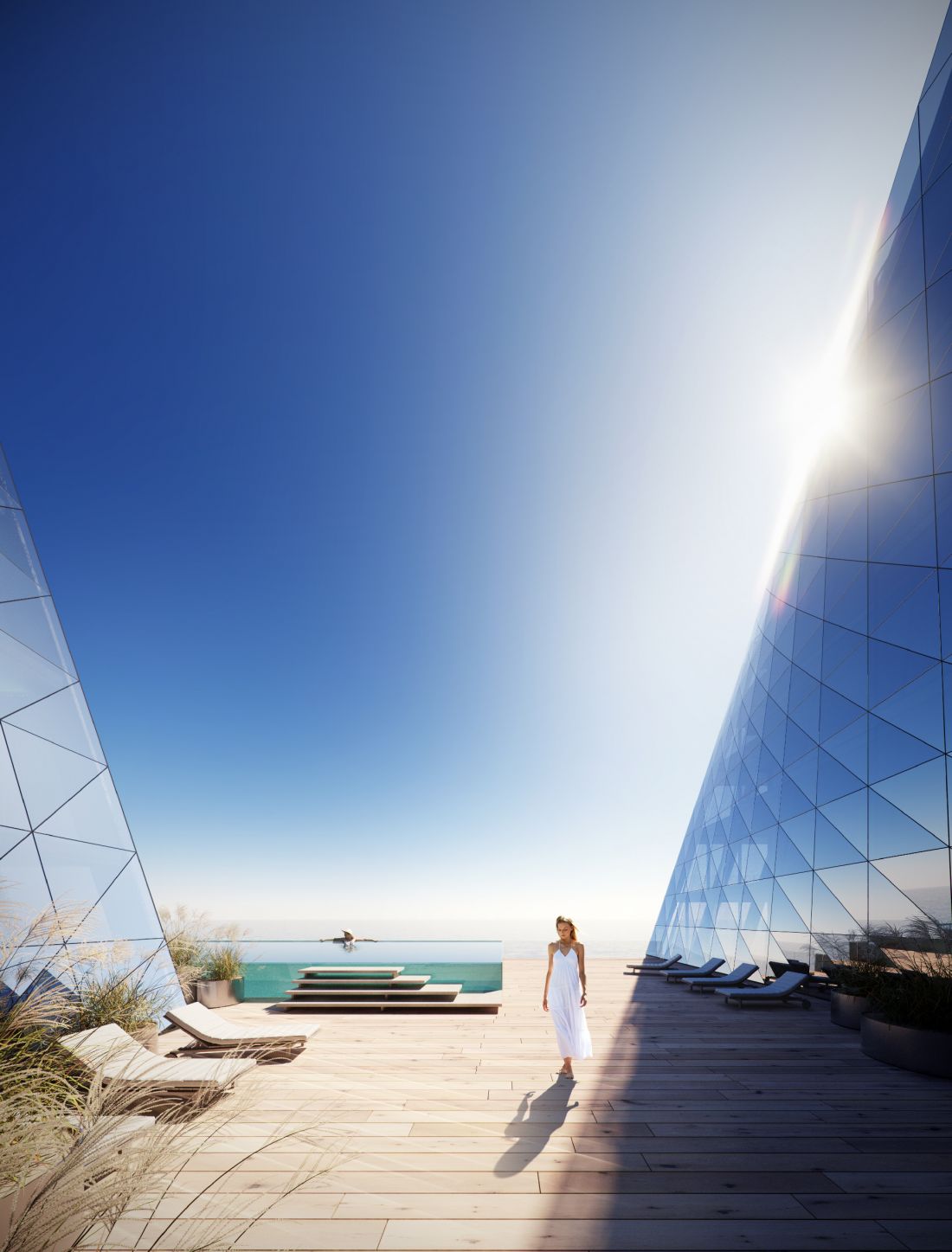
"Visualization today is not just a pretty illustration. It's a strategic tool that can determine the success or failure of an investment worth millions."
© Nowak Studio
We work with clients from Poland, Europe, sometimes we reach wider. Each project is a different story. For example - an architect designing an exclusive hotel thinks in terms of harmony with the landscape, a developer of the same building - in terms of lifestyle and prestige. This doesn't mean that one is right and the other is wrong. It means they need two different keys to tell the same story, and I know what techniques to use to achieve both goals and support the commercialization of this development.
I've learned to move smoothly between the design world and the marketing and sales world - these are two different segments, judged by different aspects. Different aesthetics, different frames, different assumptions, but a convergent goal - to show the project in an original phenomenal way and "win" it in the market.
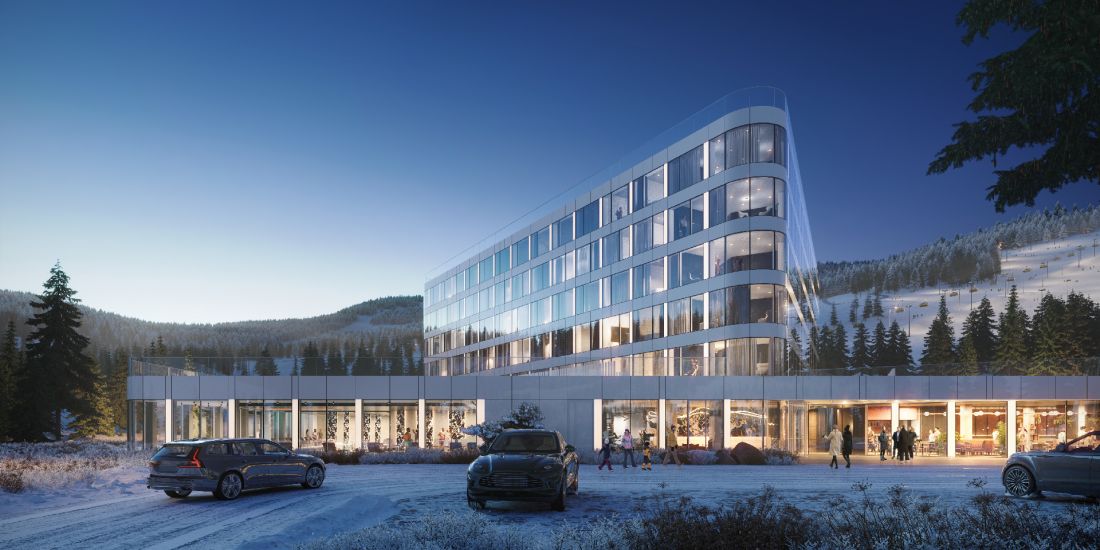
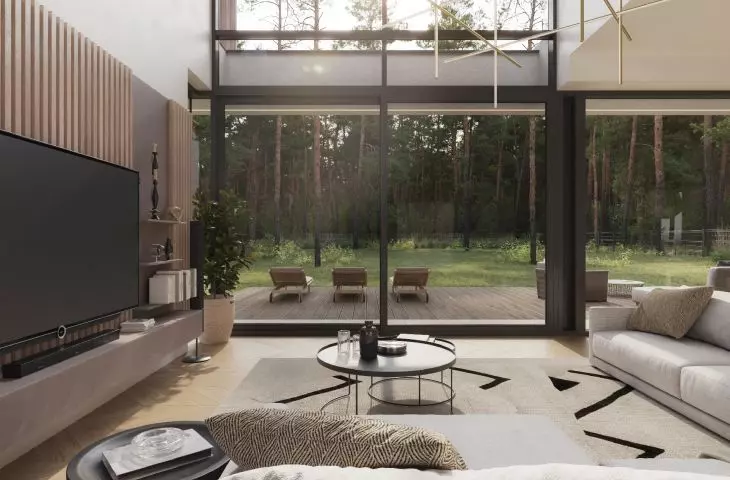
The visualization is to show the project in an original way
© Nowak Studio
Ola Kloc: What do you think is the role of visualization in the design and marketing process of an investment? How not to overdo it, not to create an overly idealized vision?
Michal Nowak: Visualization today is not just a nice illustration. It is a strategic tool that can determine the success or failure of an investment worth millions. Many times I have witnessed situations where a thoughtful and effective visualization helped the design process and sales, and vice versa - where a poor presentation killed a great architectural design.
The key is to understand that we are not creating a fantasy, but the future. Every element in the image must be justified - from the color of the facade, to the type of vegetation, to the way the light falls. I work with the assumption that my work is meant to arouse desire, and to use a platitude, but it is true - one picture can represent a thousand words. This is what my work is all about.
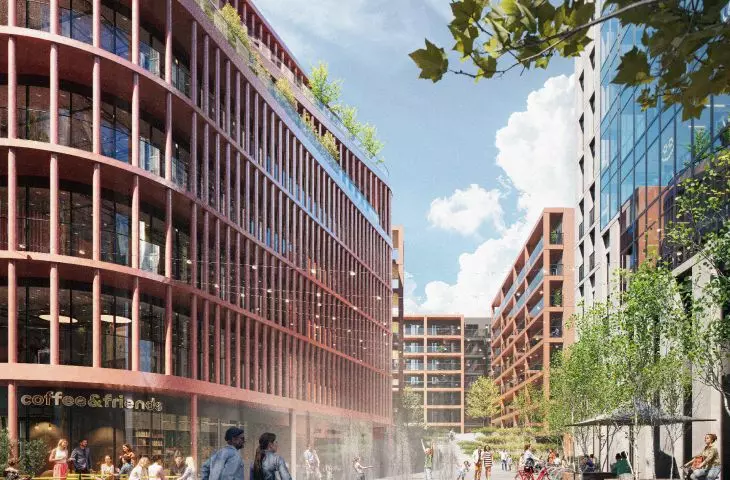
This does not mean that visualization is supposed to be a lie. On the contrary - it is supposed to skillfully tell the real story, to arouse emotions, but within the framework of credibility. When we designed a presentation for a new housing development in Krakow, we didn't just show buildings. We showed life - children riding bicycles, neighbors chatting by the gardens, lights in the windows after dark. Realistic details that build trust.

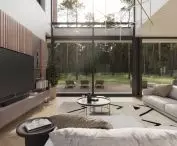
Nowak Studio visualizations
© Nowak Studio
Ola Kloc: What do you think people don't know about the process of creating visualizations?
Michal Nowak: That 70 percent of the work is not sitting at a computer, but strategic thinking. Before the first pixel appears on the screen, I spend hours analyzing the project, understanding the target audience, establishing the hierarchy of the message. The tools are available to everyone today - the real difference is in what you want to say and how to say it.
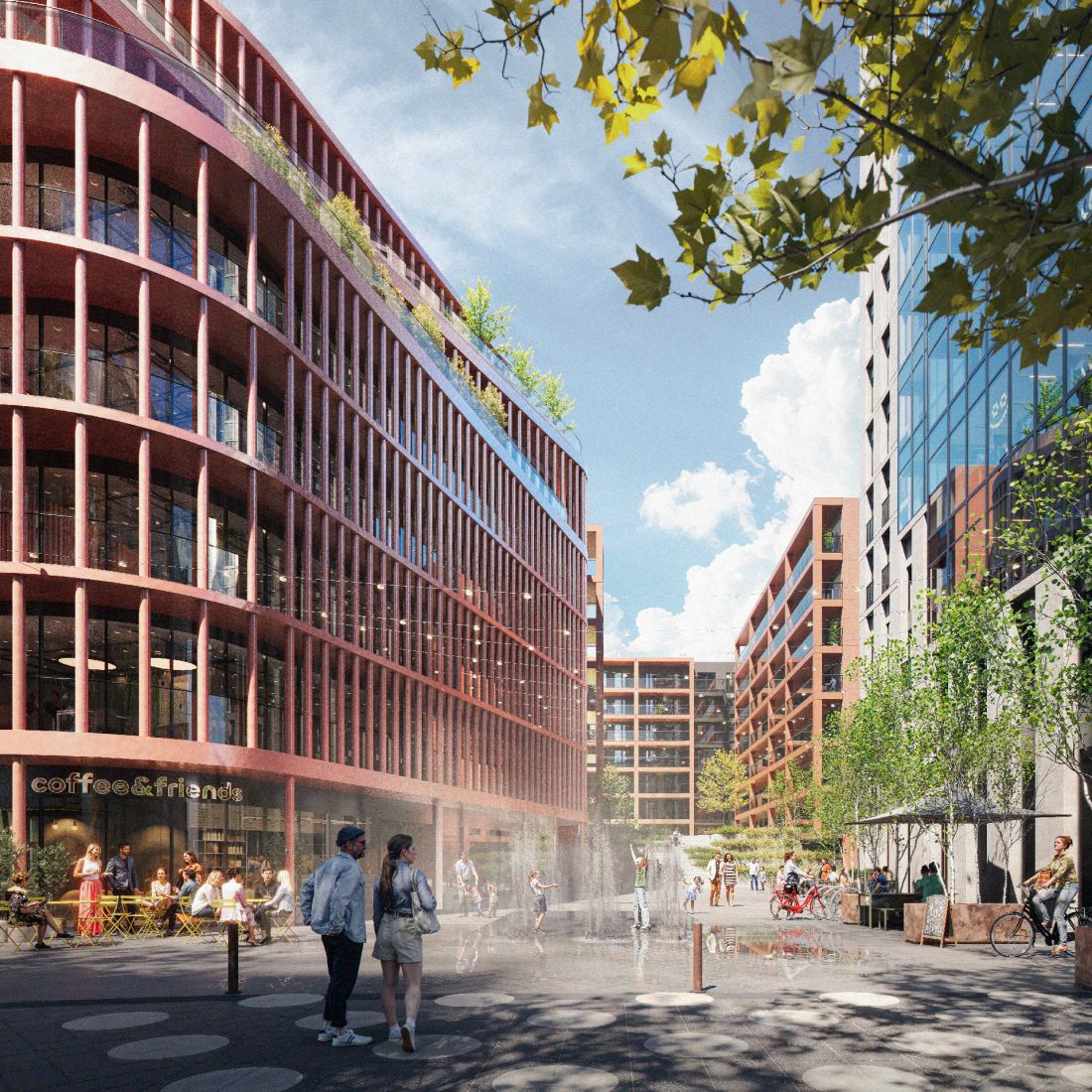
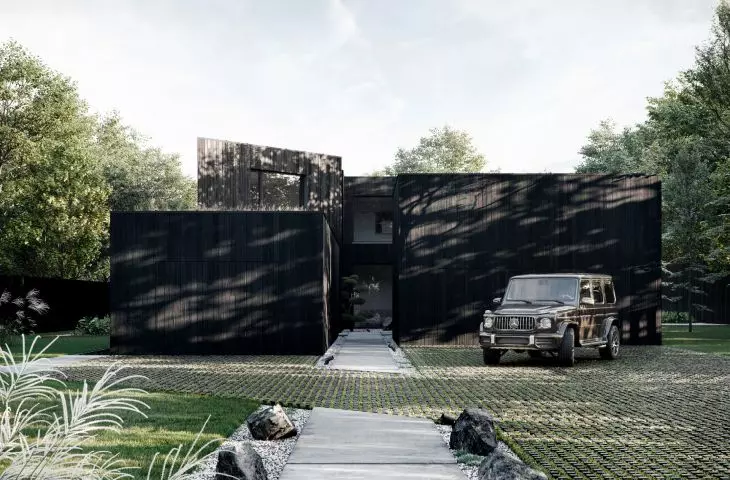
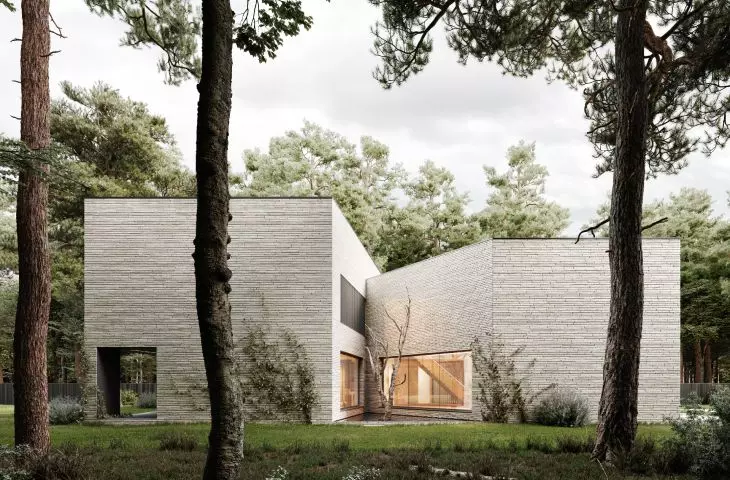
Visualizations, according to Michal Nowak, are meant to refine an existing project
© Nowak Studio
People think that visualization is a technical issue. Meanwhile, it's pure psychology. How to direct the viewer's gaze? In which order should he perceive information? What emotions to evoke in the first three seconds? Good visualization is like a well-written novel - each element has a function in the larger narrative.
I often tell clients: "You are not buying renders from me, you are buying a way to sell your project." This is the fundamental difference between a simple service and a strategic partnership.
Recent years and the awareness of clients and the market as a whole is increasing. In these overdriven realities, designers and developers understand that they need more effective and expressive forms of presentation and marketing. My role is to develop and keep up with these trends - because the time is running out, the simple inquiry "we need visions".
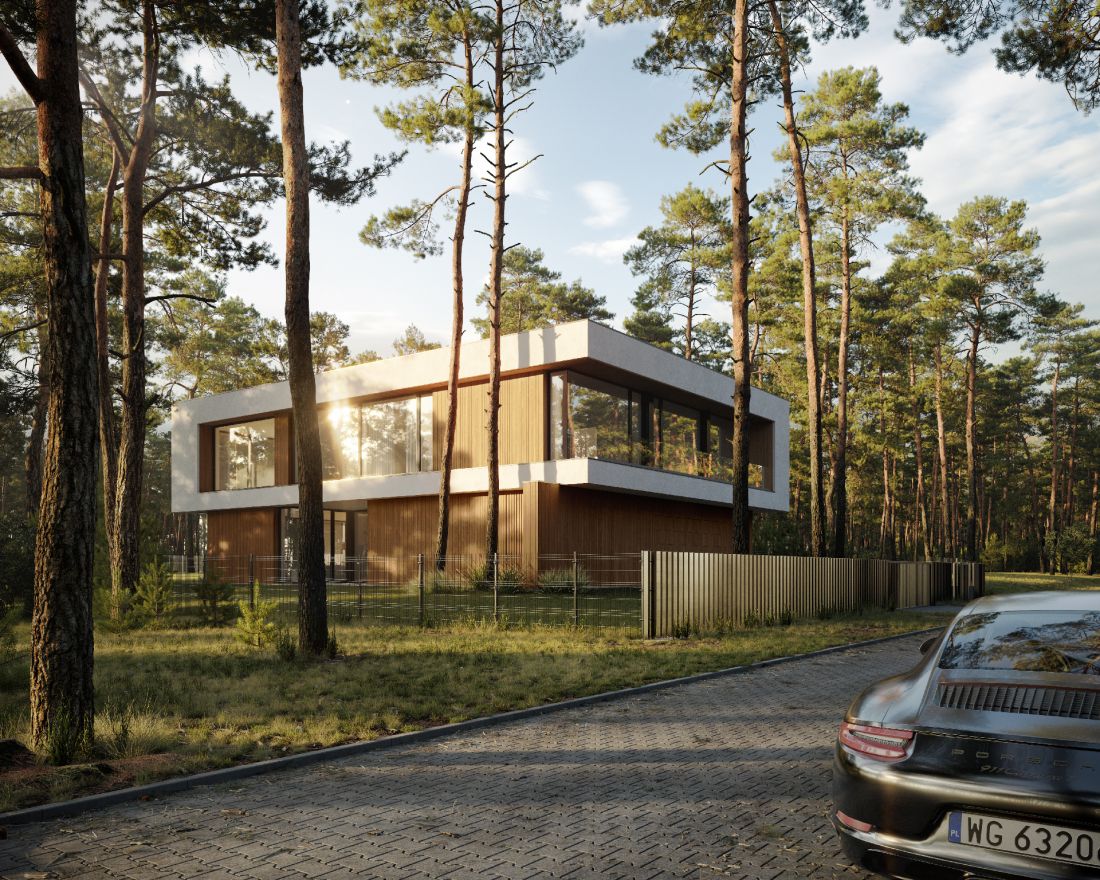
Nowak Studio visuals
© Nowak Studio
Ola Kloc: How do you see the role of AI in the industry? Can it pose a threat to visualization developers?
Michal Nowak: AI is a fascinating direction that changes the rules of the game, but does not change the game itself. I can already create in a dozen minutes elements that would have taken me all day a year ago. These are not yet final marketing materials, but solid production support. This means that the quality ceiling is moving up dramatically - what was premium yesterday will be standard tomorrow.
But is it a threat? It depends on who you are and how you approach it. If you're a strategist, psychologist, storyteller - then AI becomes your best assistant. Technology can replace narrow technical specialties and an executive, but it can't replace a visionary and broader perspective on the whole process.
I invest a lot of time in understanding AI, but even more in developing skills that a machine doesn't have - empathy, understanding human nature, the ability to build relationships. In business, especially premium business, trust matters. The customer needs to feel that someone understands their problems and has the experience to solve them effectively.
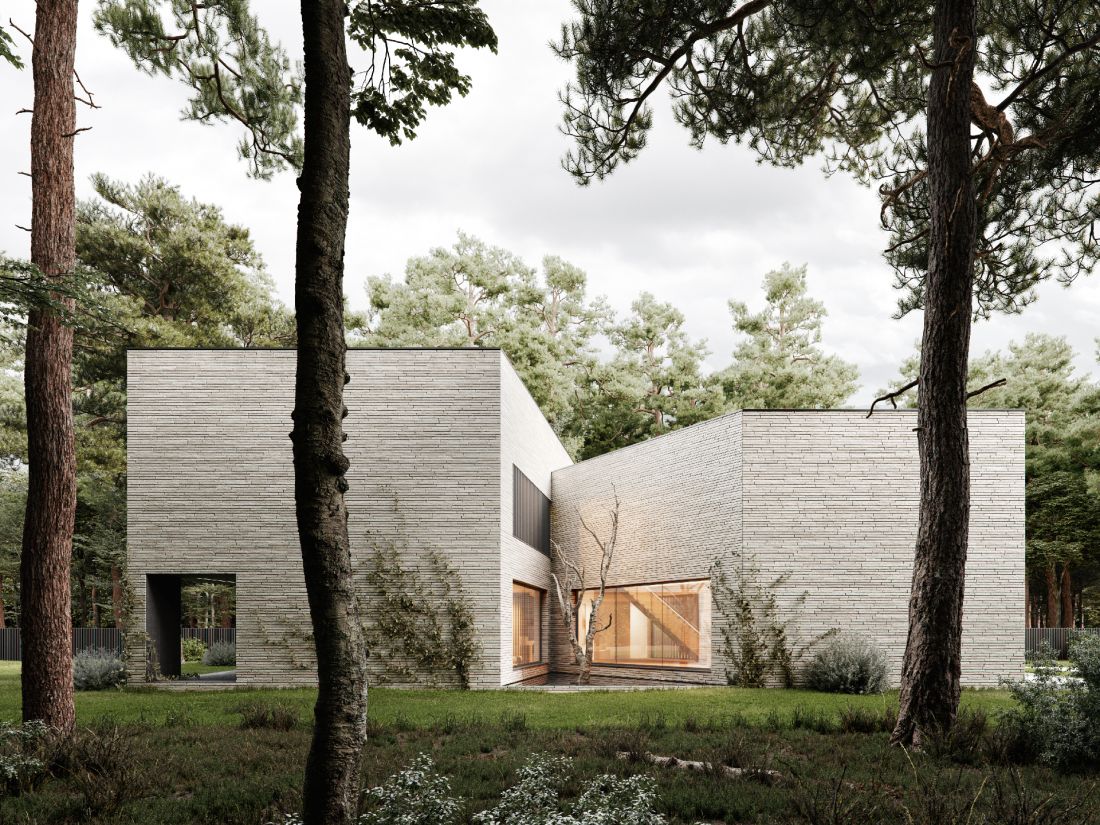
Nowak Studio visualizations
© Nowak Studio
Ola Kloc: You are one of the organizers of the World Visualization Festival. Who is this event aimed at and why is it worth attending?
Michal Nowak: World Visualization Festival is my brainchild, which grows out of the belief that Poland has the potential to be a global leader in the visualization industry. We have world-class talent here - people who create for the biggest architecture, automotive or gaming companies. The problem is that they often work in a dispersed way, do not exchange experience and lack courage.
WVF is the answer to this problem. On October 2-4 we are bringing almost 40 top specialists from around the world to Warsaw. It won't be theorizing - this is pure and caloric knowledge straight from the production and business background. We want to show what the industry looks like from the inside, what are the trends, challenges, opportunities. We want to catch the wave that has been created by the development of technology and help Poland get to the forefront of this course.
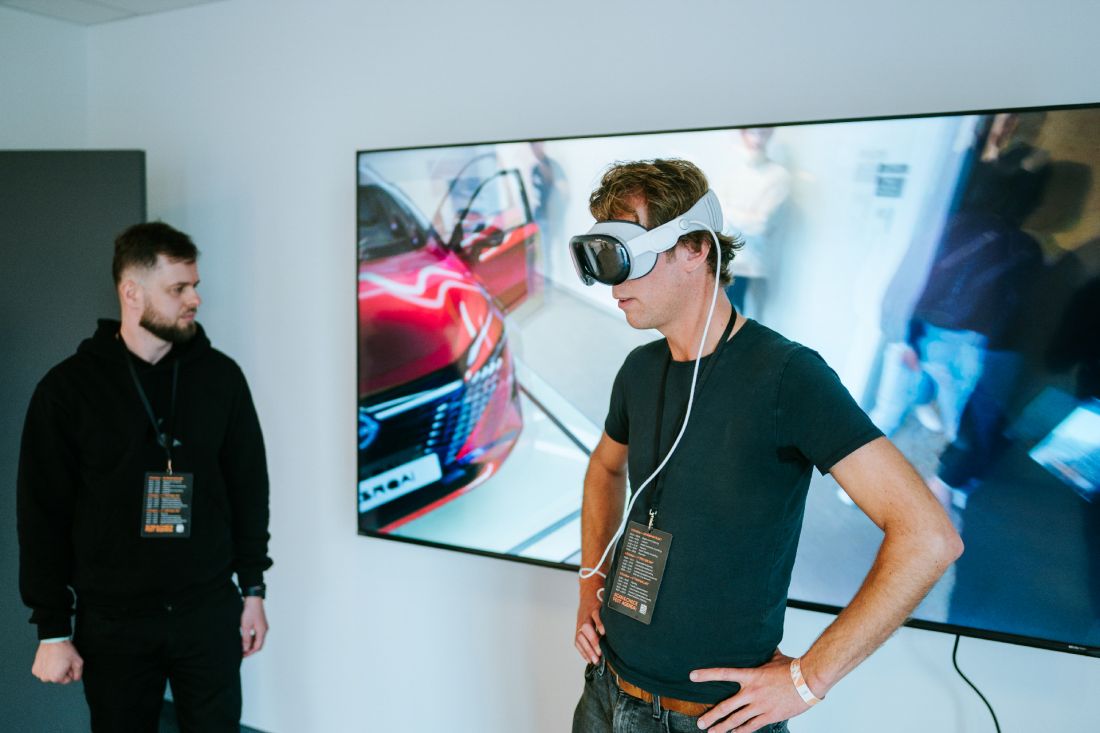
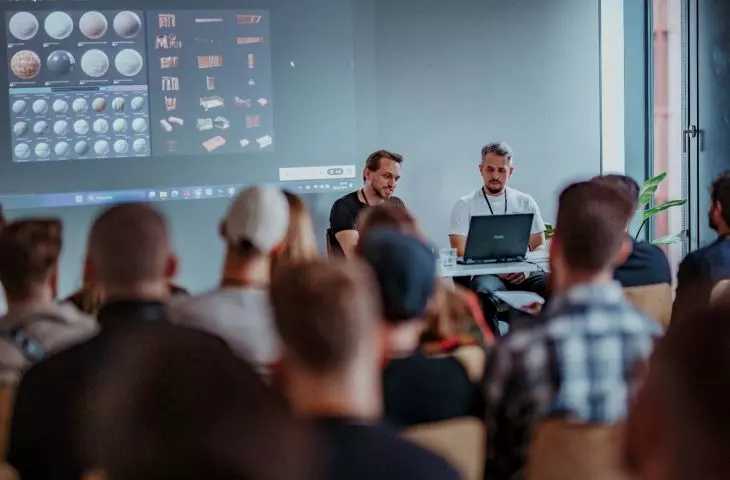
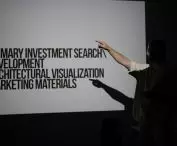
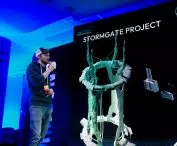
photo report from World Visualization Festival 2024
© organizers archive
What sets our festival apart? We think broadly. We are not limited to architectural visualizations. We have an art scene, a business scene, workshops combining arch-viz with AI and automotive, marketing and much more. The world is changing so fast that we can't be stuck in ossified silos. The biggest breakthroughs occur at the intersection of different fields and during technological revolutions - at WVF we guarantee all of this!
Who do we do it for? For anyone who doesn't want to be left behind. For architects who want to better communicate their designs. For visualizers looking for inspiration. For developers who need new ways to present investments. For the entire creative industry that is looking for people, ways of expression and innovation. These days, an open mind is not an option - it's a necessity for survival.
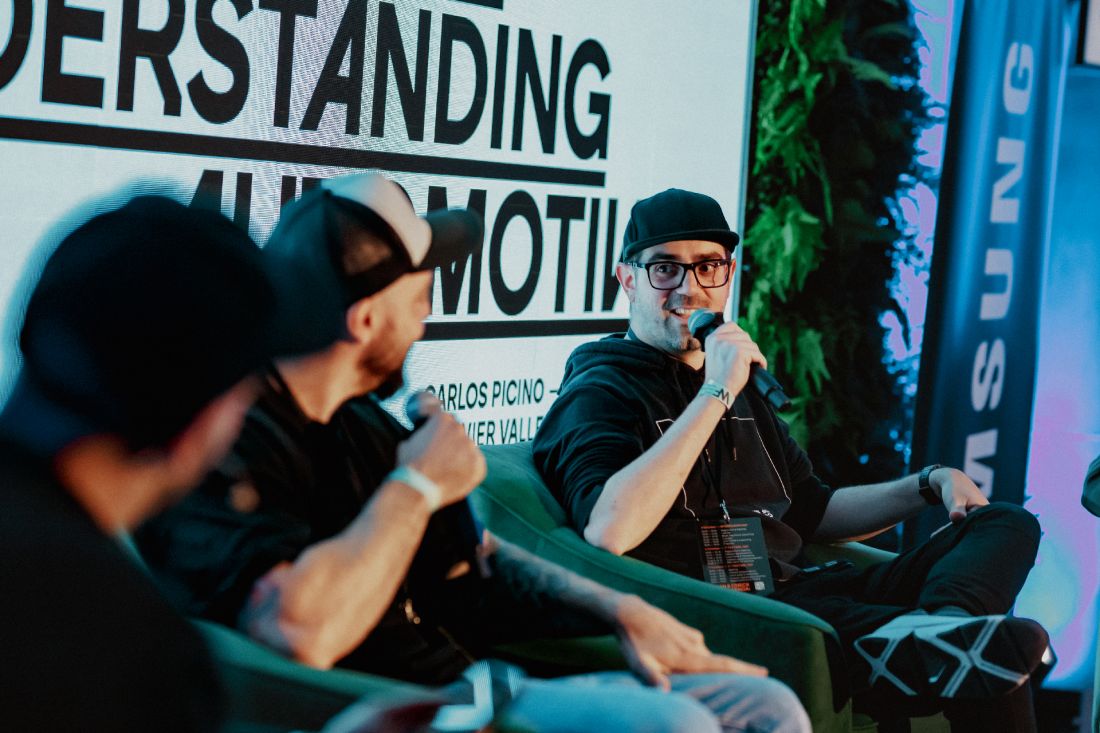
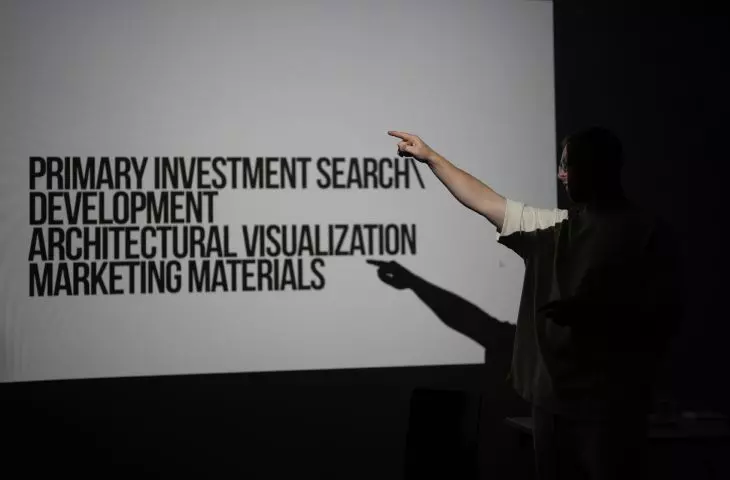
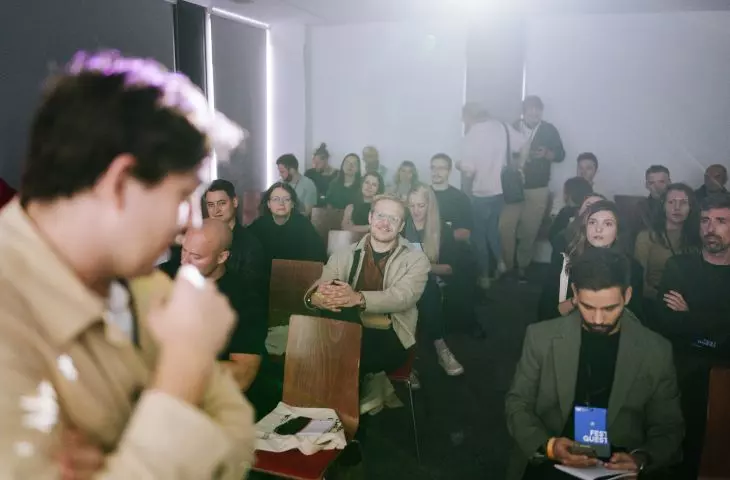
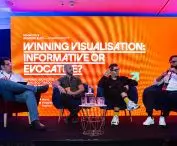
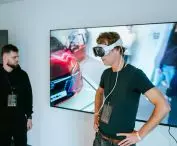
photo report from World Visualization Festival 2024
© organizers archive
Ola Kloc: Thank you for the interview.
World Visualization Festival 2025 will take place from October 2 to 4 at the Warsaw Breweries. The program includes 9 workshops, 16 presentations and 5 panel discussions. For more information: www.worldvizfest.com