




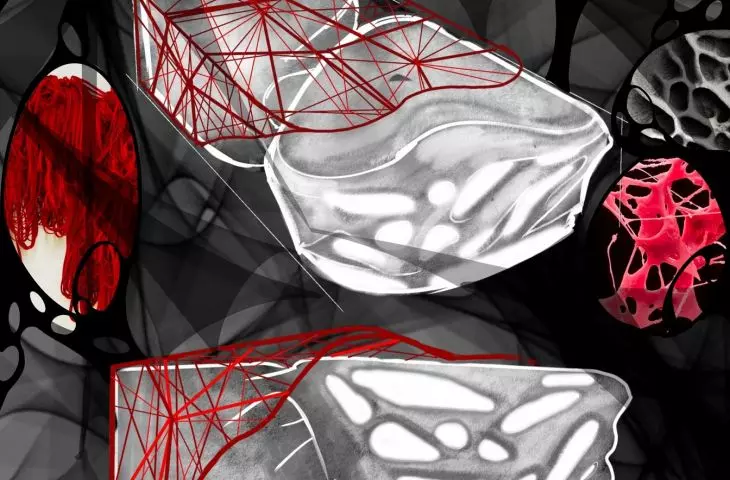
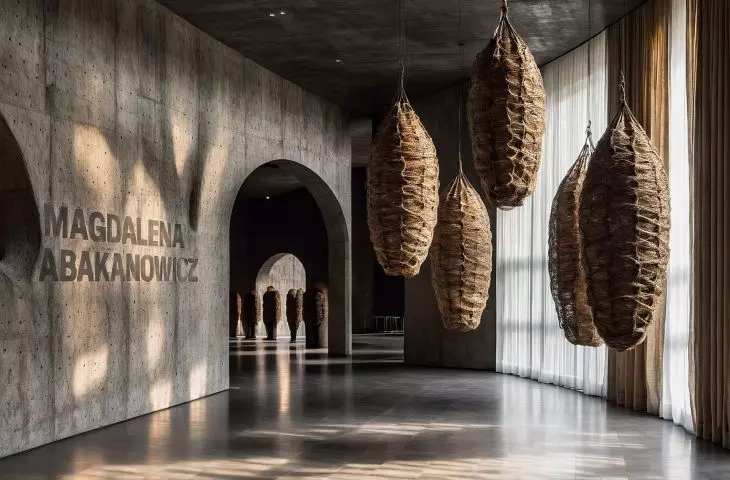


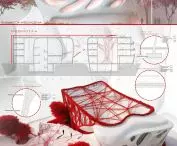
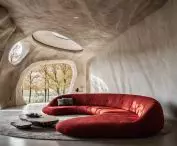
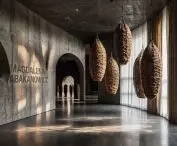

The graduation project by Mikołaj Hewelt of the Sopot Academy of Applied Sciences, under the direction of Dr. Grzegorz Pęczek, is a deeply personal and materially honest story about creating architecture from emotion, memory and reclaimed matter. In a time of acceleration and projects tailored to calculation, "Abacardia" becomes an architectural meditation - a reflection on what a building can be when it starts not with a technical projection, but with touch. It was inspired by the work of Magdalena Abakanowicz, whose fiber sculptures, huge but human, became the starting point for the language of this space.
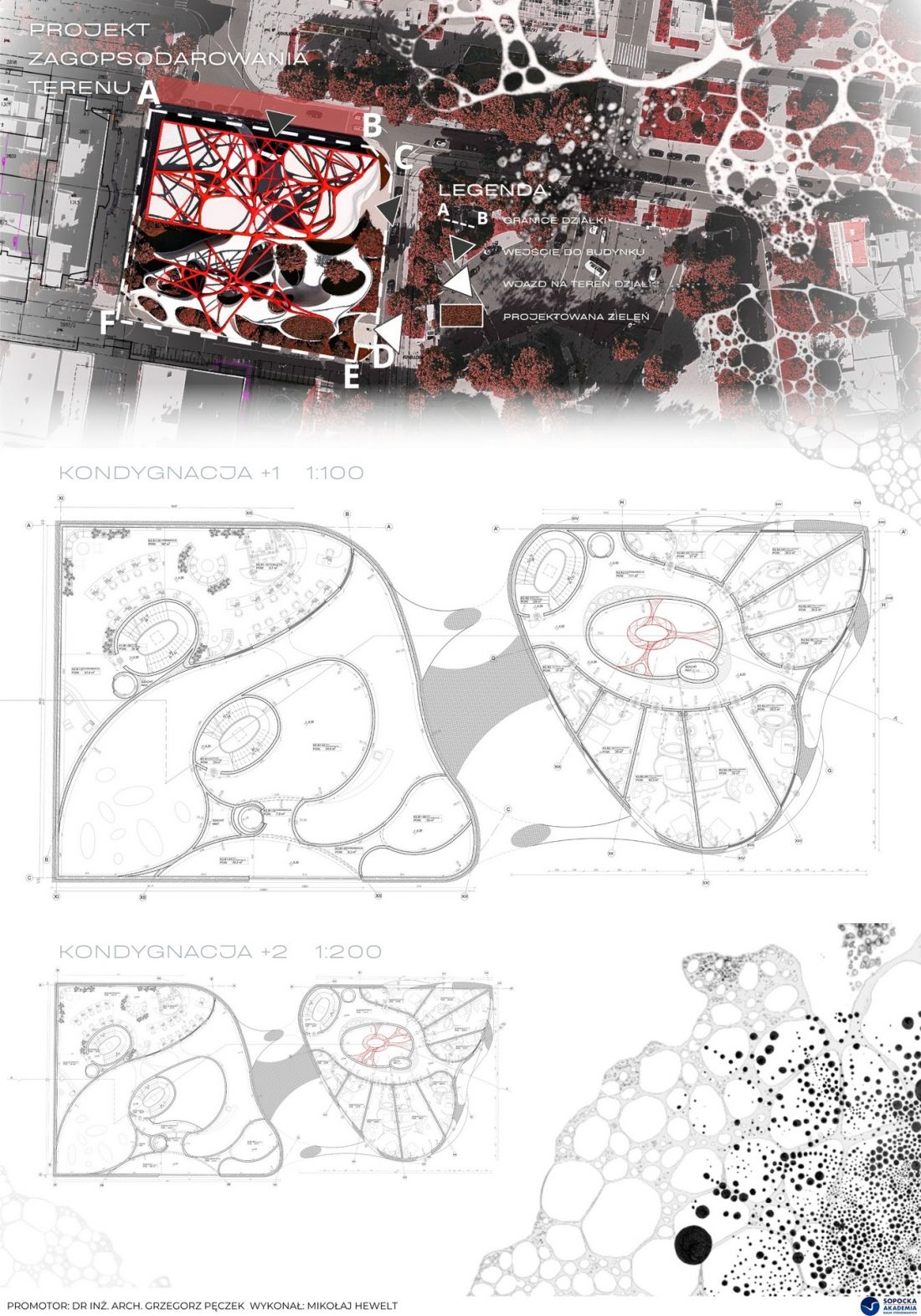
landscaping project, floors
© Mikolaj Hewelt
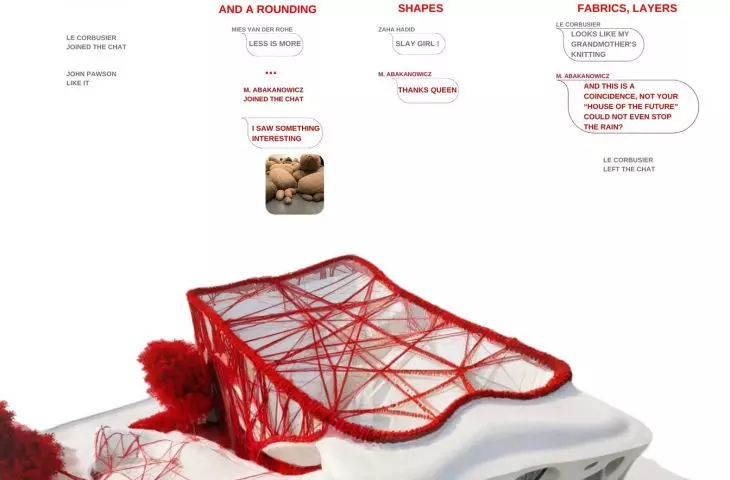
fabric that creates space
Not from a construction grid, but from working with form - this is how the author describes his creative process.
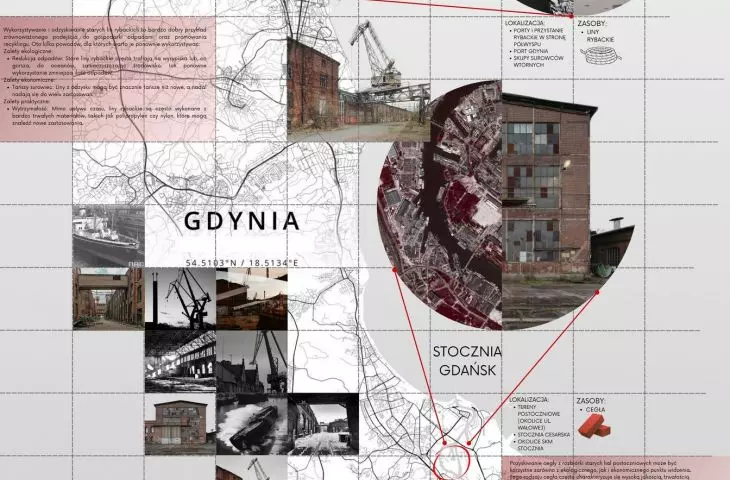
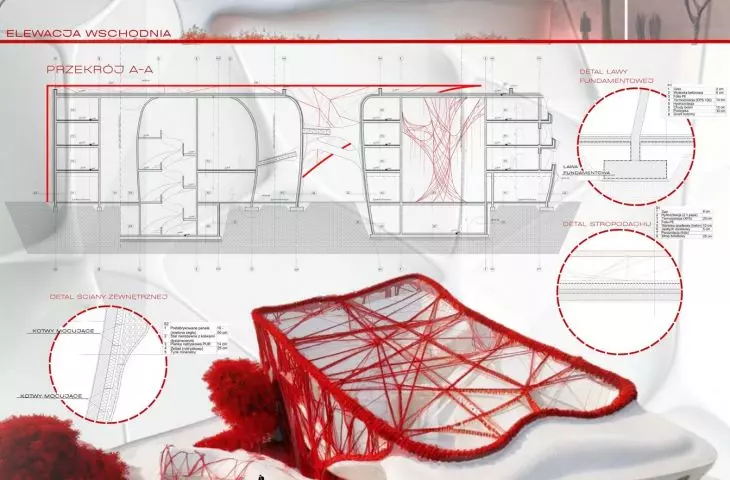
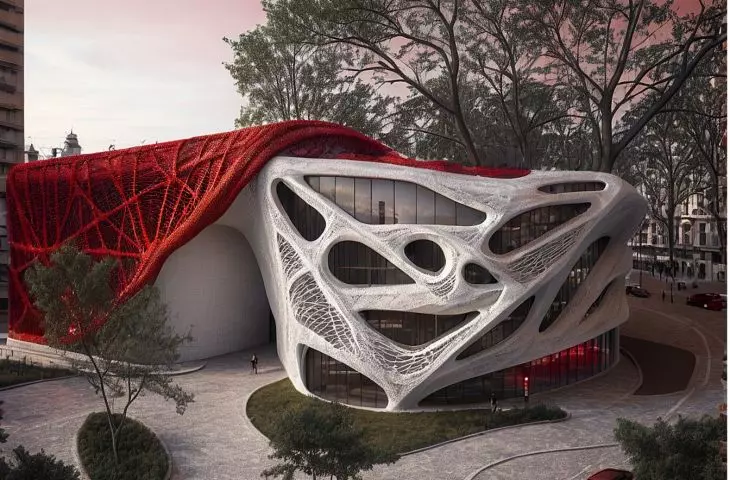
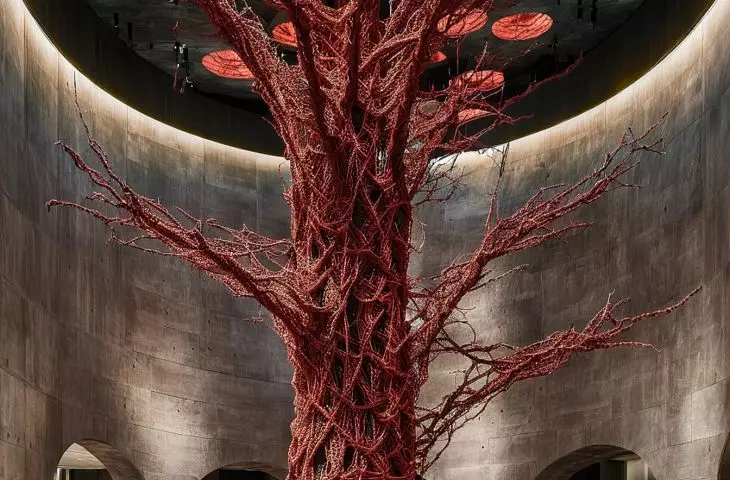
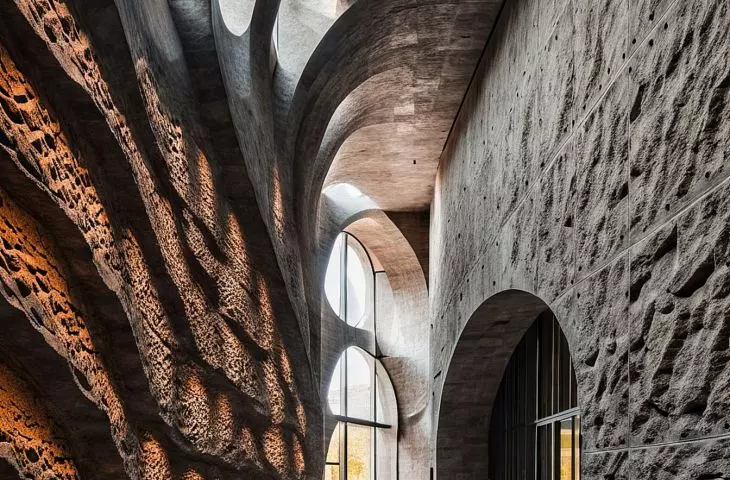
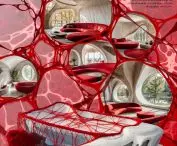
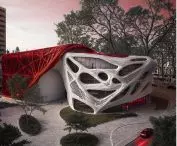
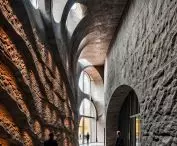
And indeed - the project does not try to copy, but listens. The facade of the hotel and gallery was woven from ground brick from demolitions and red fishing lines from Tricity ports. The resulting form is not only material, but also narrative - it tells a story about the place's past, the environmental crisis and the need to redefine luxury.
There is no aestheticizing pastiche here. The rough, irregular block does not pretend to historicism, but brings out Gdynia's portly, corporeal character - not as an image, but as a texture, smell and memory of touch.
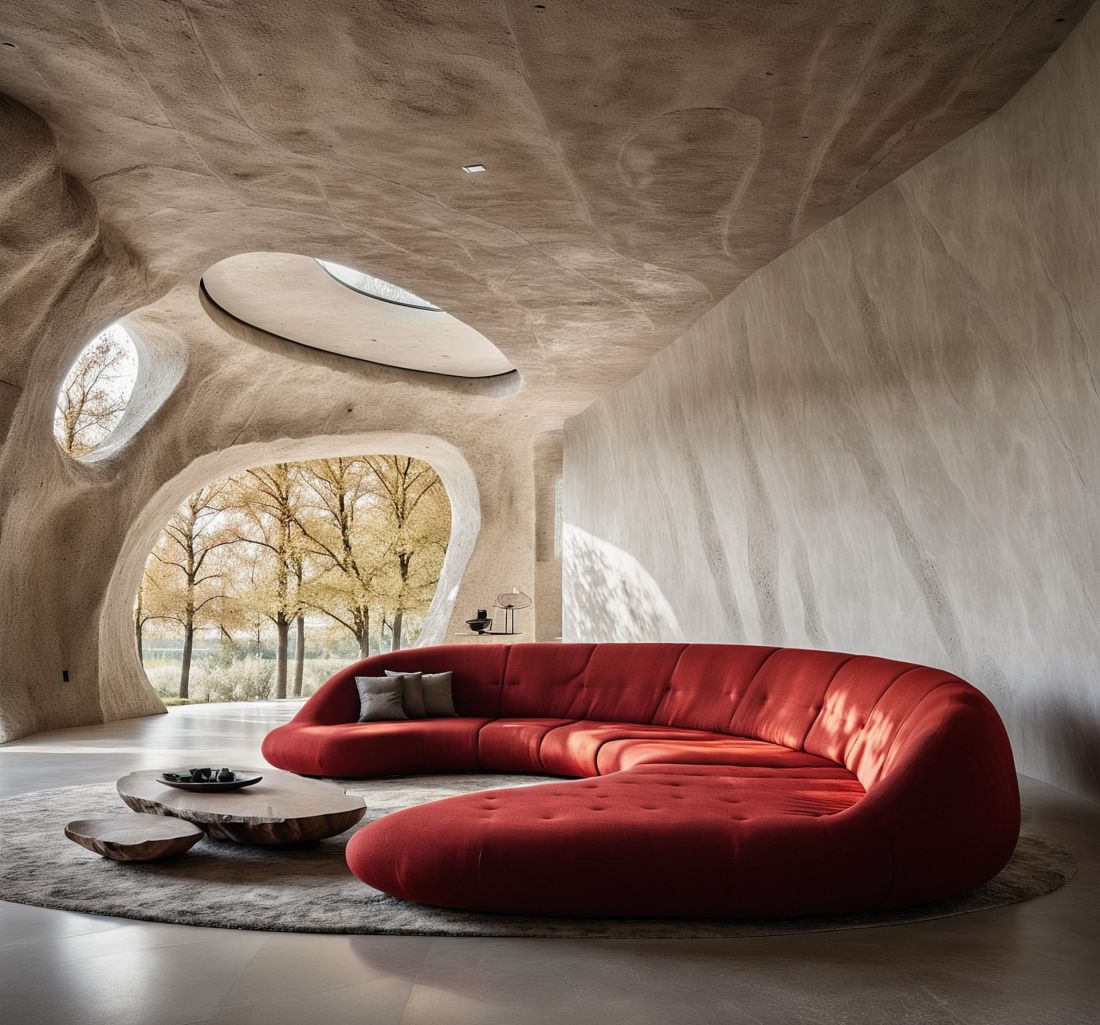
visualization
© Mikolaj Hewelt
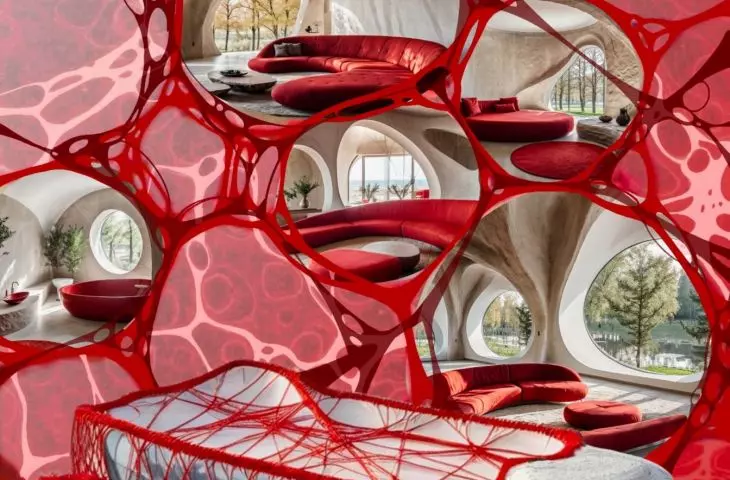
not a hotel - an organism
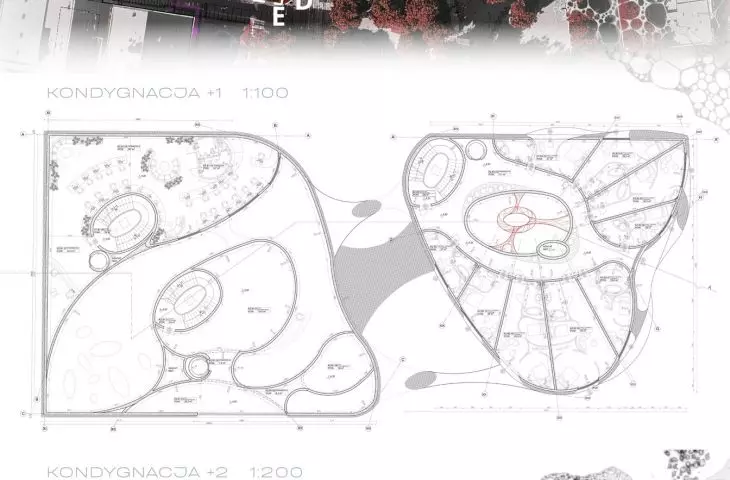
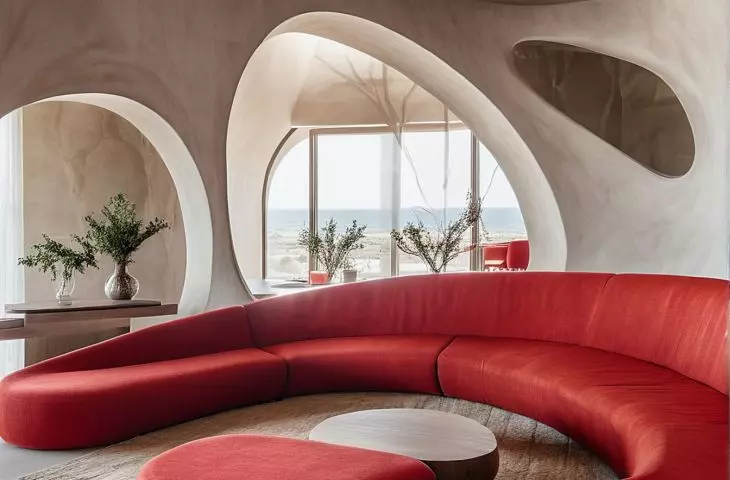
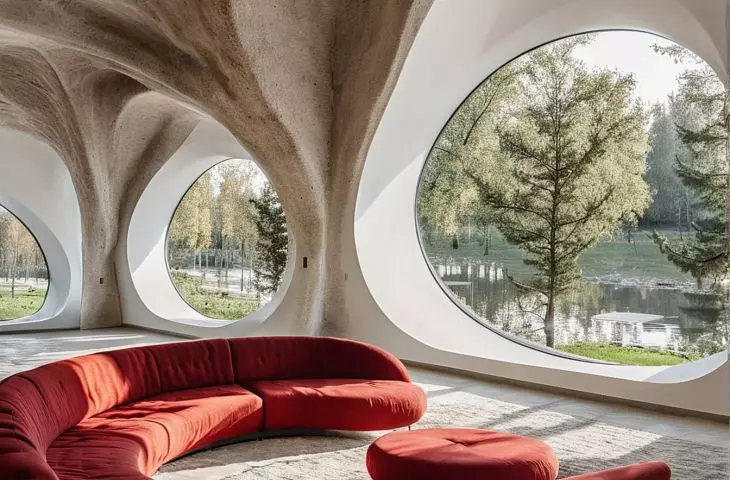
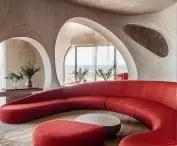
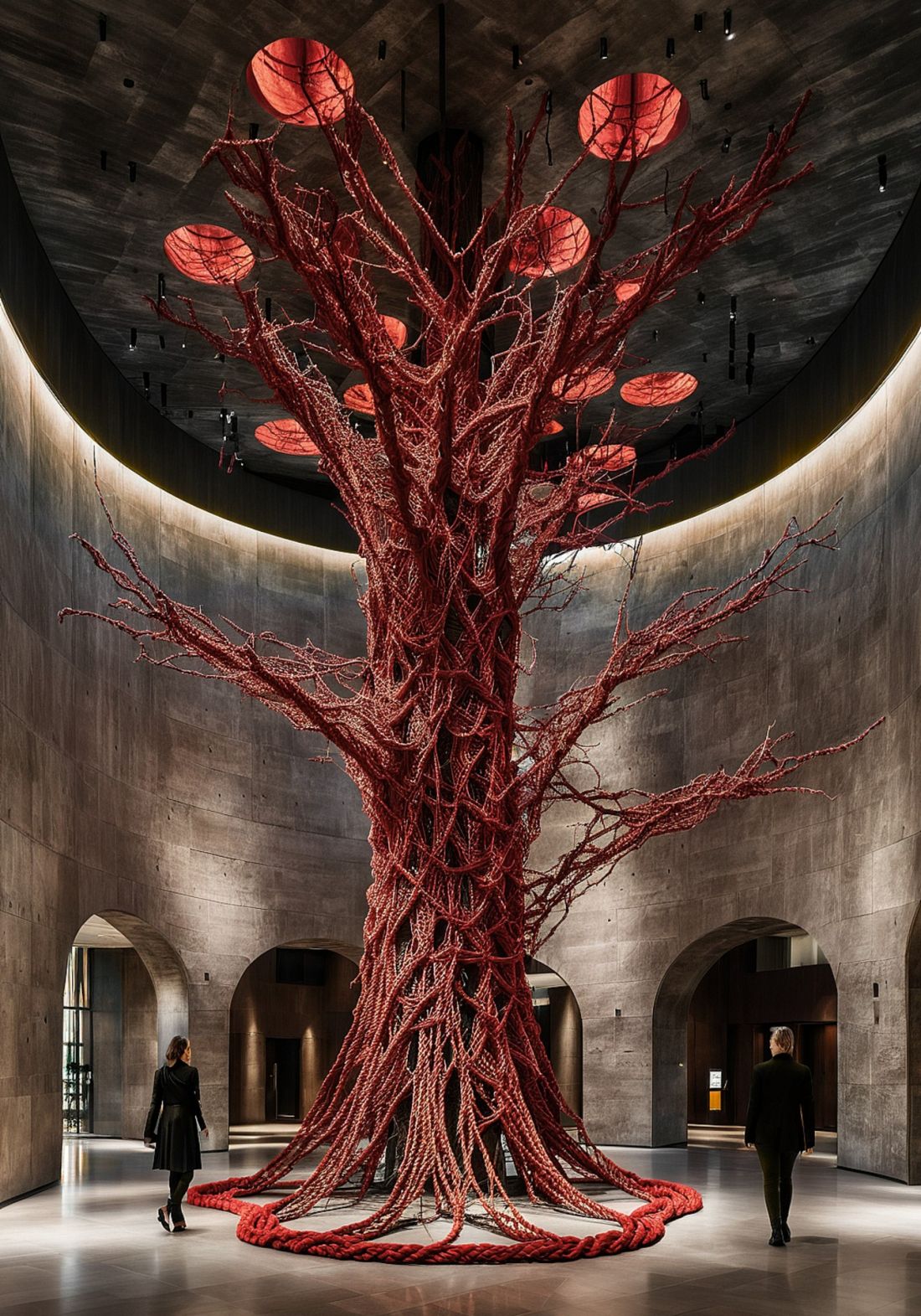
"Abacardia" is not just a hotel - it is an experience of survival. Contemporary art permeates the architecture here, and the exhibition spaces are an integral part of the daily functioning of guests. The gallery, the corridors, the dining room - everything is one weave, whose structure resembles an organism more than a building.
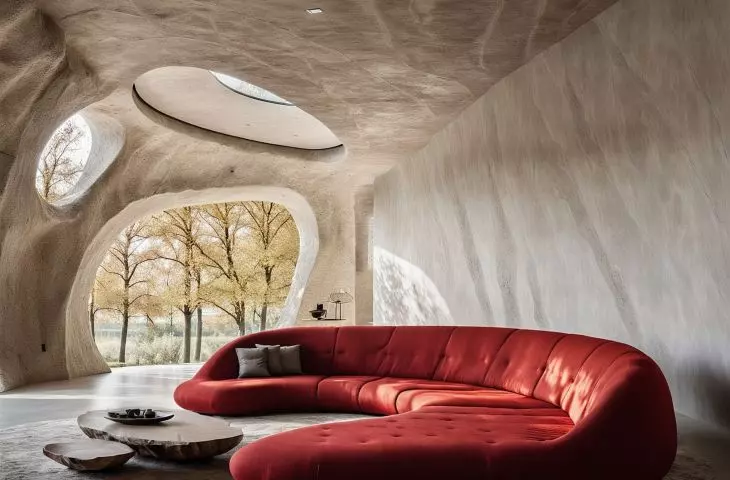
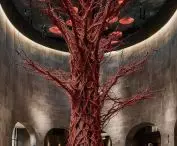
The central atrium - open, bright, sculptural - acts as the heart. From there, functions are "distributed" like veins in the body. The layout of the space resembles a biological rhythm - flexible, soft, adapting to life rather than trying to tame it.
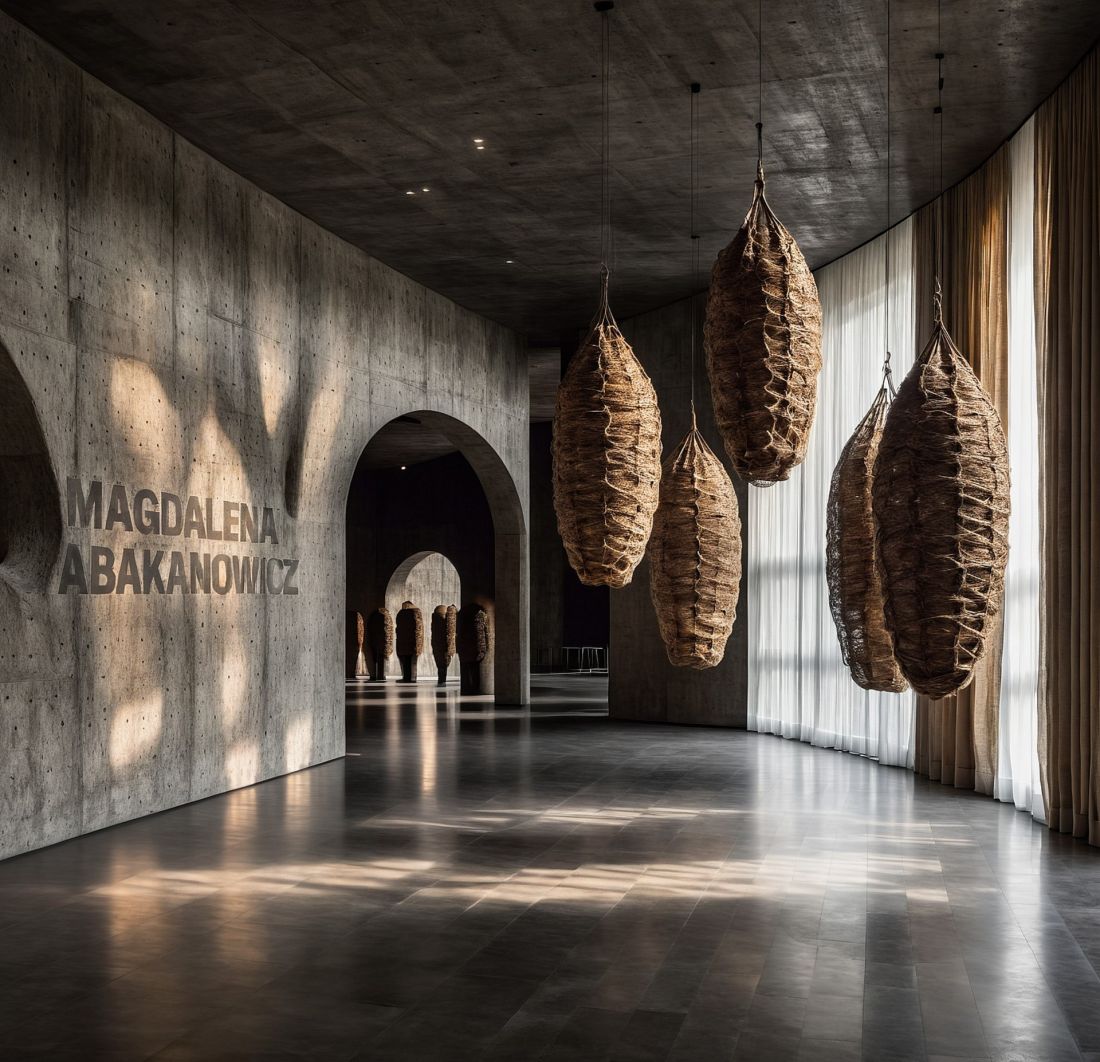
visualization
© Mikolaj Hewelt
The project refers to arboreal architecture - natural, "growing" forms that not only organize the space, but give it meaning and rhythm.
responsibility as aesthetics
In a world overloaded with overproduction, Abacardia proposes recycled design as an aesthetic and an ethic at the same time. Materials are local, recycled, and technical solutions - such as a facade that acts as a filter or rainwater retention - are integral to the design. The architecture here becomes a manifesto of care, not only for the user, but also for the planet and material memory.
visualization
© Mikolaj Hewelt
This is not a showroom. It's not another design hotel. It's a space designed with sensitivity and attention, which does not impose itself with form, but invites relationship.