













From the series “Heating, Air Conditioning, Ventilation — Trends for 2026”
Year after year, heat pumps are becoming an increasingly popular and informed choice for heating single-family homes. This comes as no surprise. The growing efficiency of these systems, their compatibility with solar panels, and their increasing independence from fossil fuels make them a natural choice for many homeowners when building or renovating a home.
The numbers don’t lie. A well-designed heat pump system can significantly reduce heating and domestic hot water costs while ensuring a high level of comfort for residents year-round.
However, in practice, one often encounters a seemingly puzzling situation. Two identical heat pumps with the same capacity, installed in very similar—and sometimes even identical—homes, can result in completely different energy bills. Where do these differences come from? Is it due to the quality of the unit, how it’s used, or perhaps mistakes made as early as the design and installation phases?
Experts at NORDIS, a European brand developed based on Scandinavian experience, have been emphasizing for years that the heat pump itself is just one component of the entire system. Dozens of other factors, which often go unnoticed by homeowners, also determine the final efficiency.
In this article, we’ll explain why seemingly identical installations can yield completely different results, what mistakes most often lead to higher bills, and what to look out for to ensure your heat pump actually operates economically for many years.
© NØRDIS
Efficiency begins even before the first startup
Every day, a heat pump processes enormous volumes of air, recovering the energy needed to heat the building and provide hot water. If the outdoor unit is installed in the wrong location, the efficiency of the entire system can drop significantly.
Experts point out that many service calls are not due to equipment defects, but rather to design and installation errors.
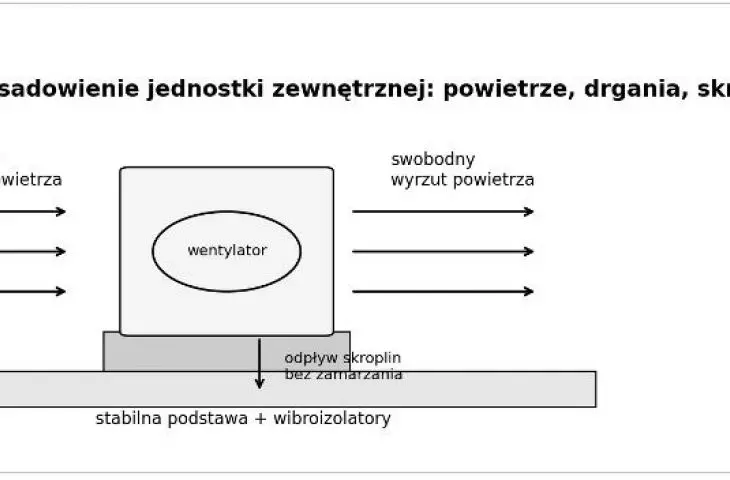
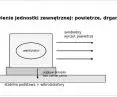
Key guidelines for installing the outdoor unit:
-
maintaining adequate distances from walls and obstacles,
-
ensuring unobstructed airflow,
-
installing the unit on a stable foundation or a bracket with vibration dampers,
-
proper drainage of condensate,
-
ensuring convenient service access,
-
taking acoustic considerations into account as early as the design stage.
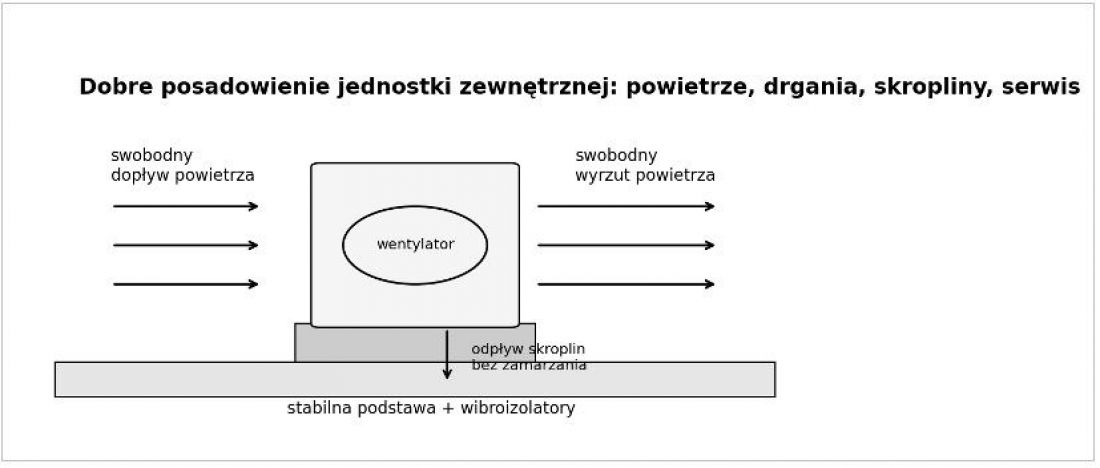
Unit foundation diagram
© NØRDIS
A well-planned location means not only higher efficiency but also quieter operation and greater comfort for residents.
A low-temperature system allows for maximum efficiency
Heat pumps achieve their highest efficiency when used with low-temperature systems, particularly underfloor heating operating at a temperature of approximately 30–35°C.
In practice, this means lower energy consumption and more stable operation of the unit.
It is worth noting, however, that modern NORDIS heat pumps—especially the ULTIMA 2 series—can operate with a supply temperature of up to 75°C, making them suitable for many retrofitted buildings equipped with appropriately selected radiators.
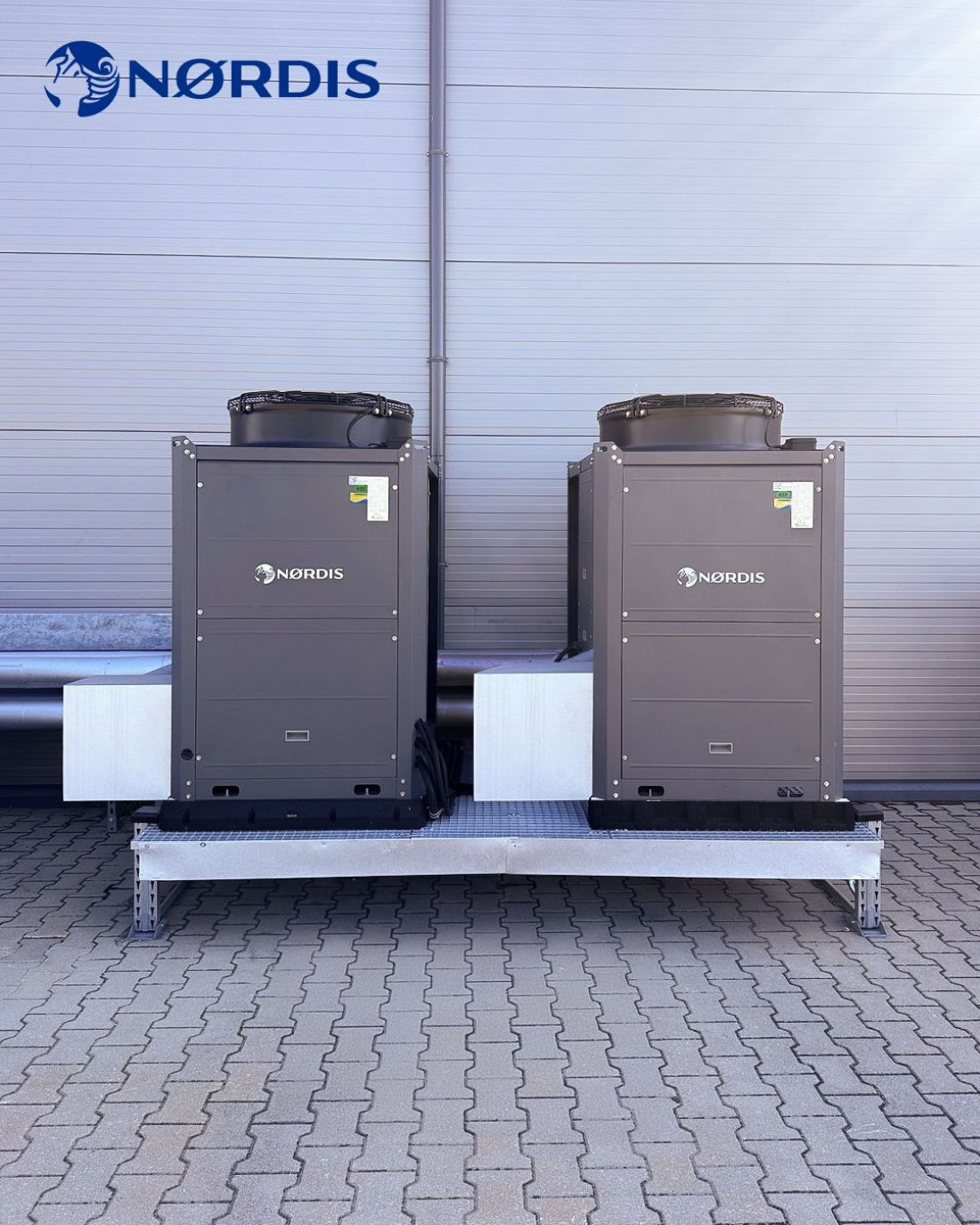
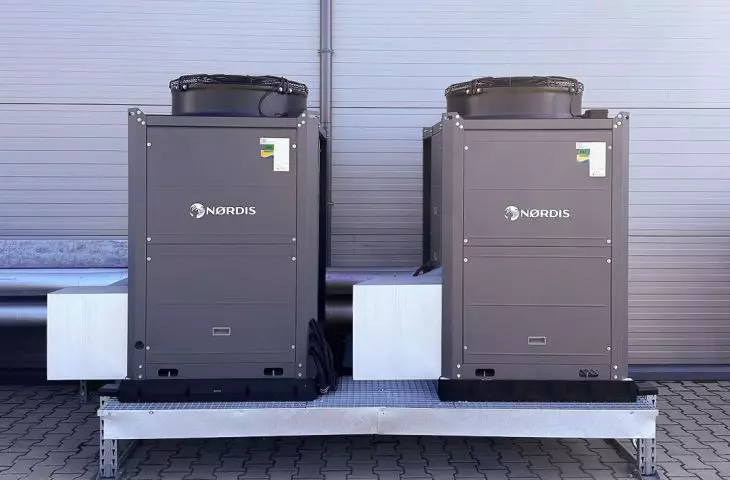
NØRDIS Commercial Heat Pumps
© NØRDIS
How much can you realistically save?
This is the question investors ask most often.
A well-designed heat pump with a seasonal coefficient of performance (SCOP) of around 4 delivers an average of 4 kWh of thermal energy for every 1 kWh of electricity.
This means that a home requiring 12,000 kWh of energy annually for heating can consume about 3,000 kWh of electricity. By comparison, a traditional gas boiler must derive nearly all of its energy from fuel.
In practice, the differences in operating costs can reach as high as several dozen percent per year, especially when the heat pump is integrated with a photovoltaic system and a smart energy management system.
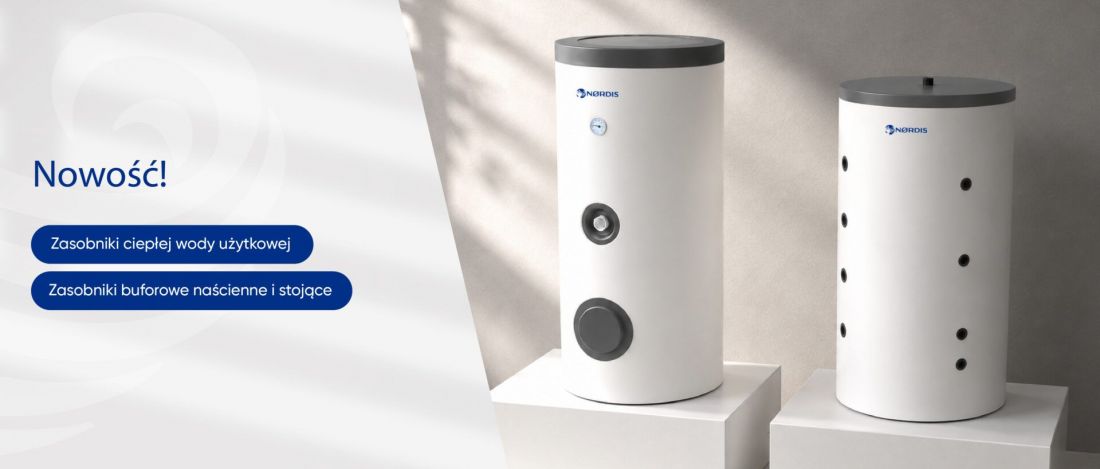
Buffer Tanks and DHW
© NØRDIS
Hot water also requires an appropriate strategy
Many users focus exclusively on heating the building, forgetting about domestic hot water (DHW) production, which can account for a significant portion of annual energy consumption.
Therefore, it is advisable to use:
-
DHW production schedules,
-
integration with solar PV,
-
smart temperature control,
-
automatic tank disinfection programs.
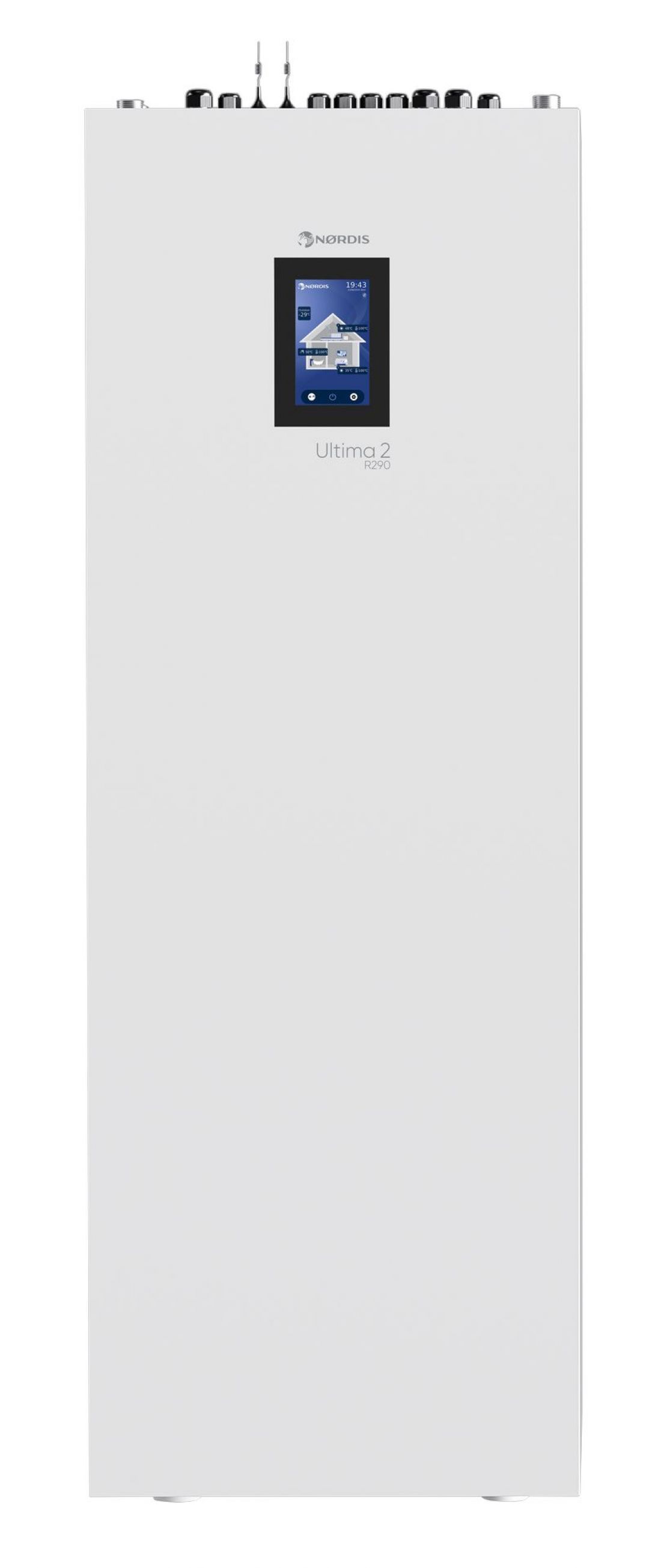
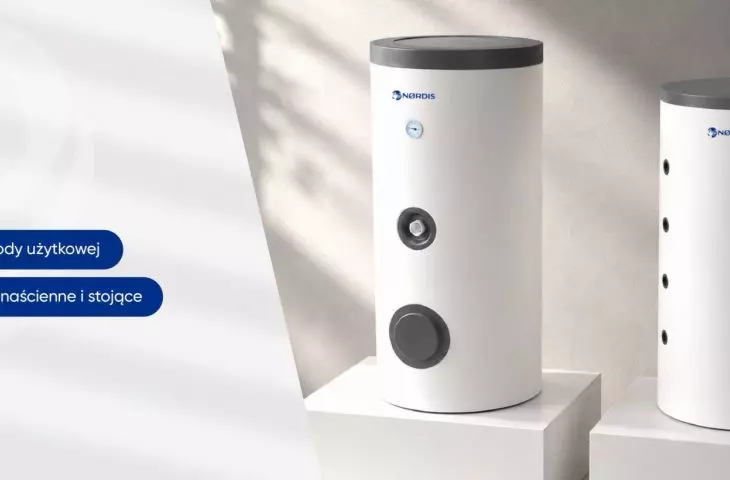
NØRDIS Ultima 2 pump with DHW tank
© NØRDIS
Proper configuration allows you to combine high user comfort with optimal energy consumption.
System configuration is of utmost importance
After installation, a phase begins that often determines the actual operating costs.
The following factors have the greatest impact on efficiency:
-
heating curve settings,
-
the configuration of operating schedules,
-
flow regulation,
-
proper hydraulic balancing,
-
the correct selection of the buffer tank,
-
operating logic for individual heating zones.
Even minor adjustments to the settings can result in noticeable savings over the course of the entire heating season.
Higher power doesn’t always mean a better choice
One of the most common mistakes is oversizing the unit.
A pump that is too powerful operates outside the optimal range for most of the season, which leads to the compressor cycling on and off frequently.
This can result in:
-
lower seasonal efficiency,
-
faster wear and tear on components,
-
higher energy bills,
-
a shorter service life for the unit.
Therefore, the power rating should always be based on the building’s actual energy needs.
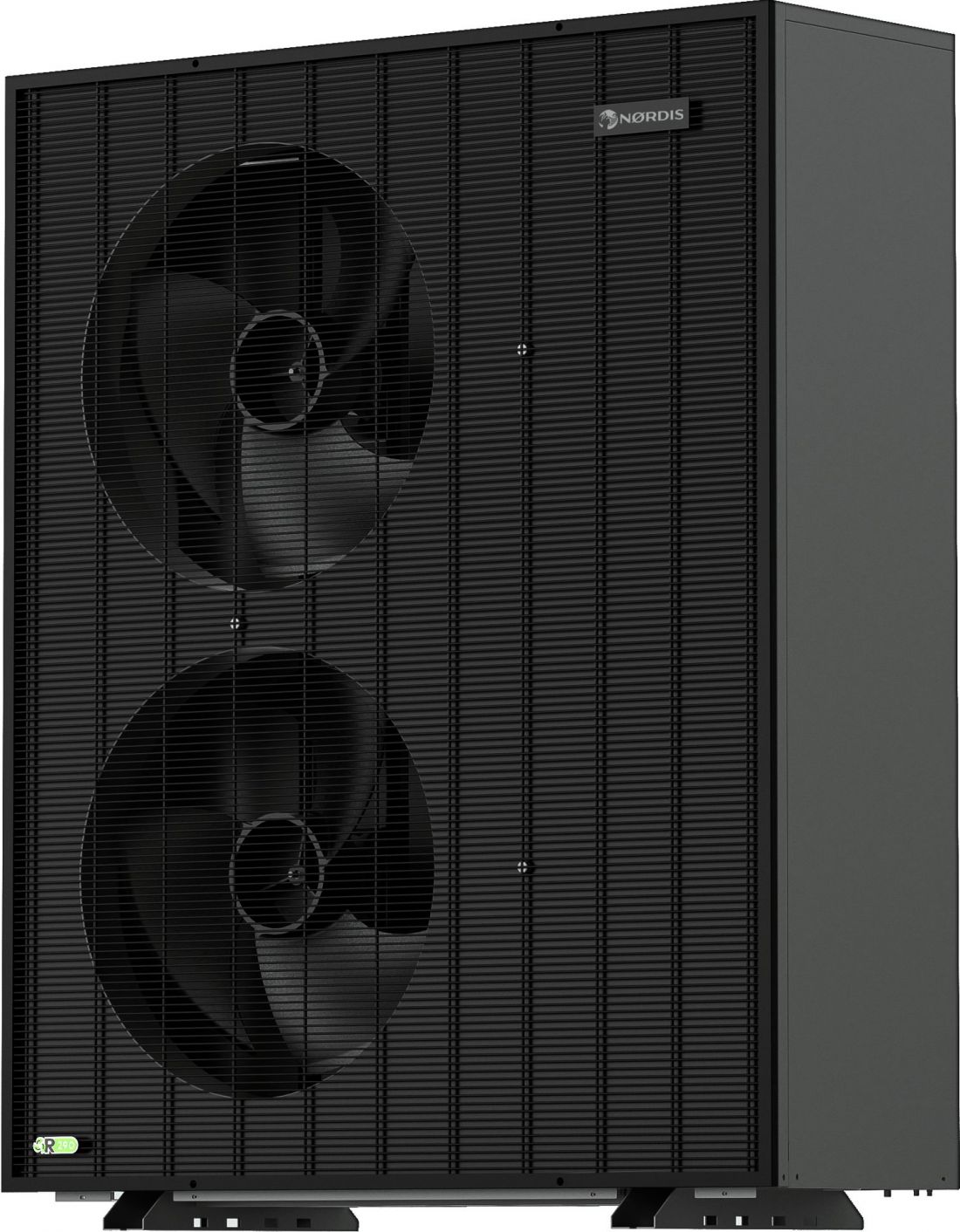
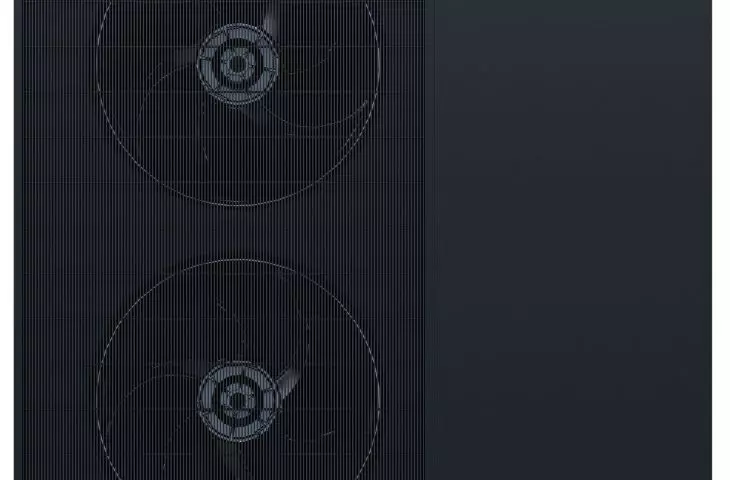
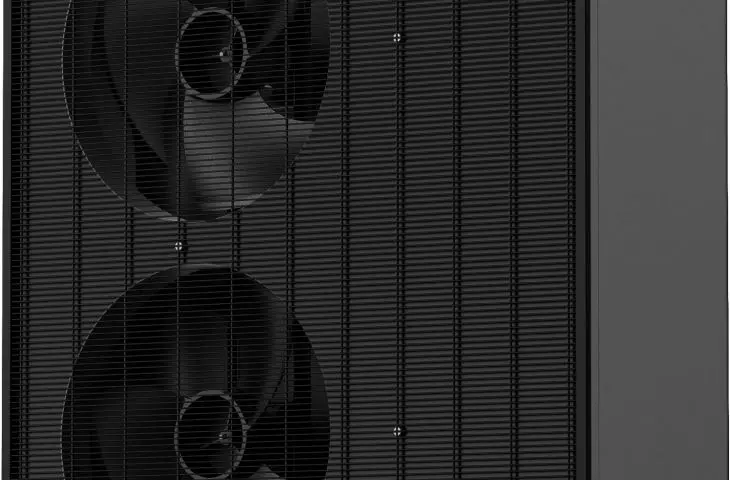
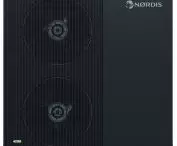
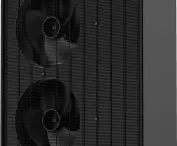
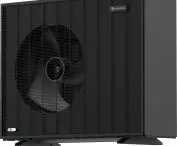
Ultima 2 Dual-Fan Pump
© NØRDIS
A design that leaves a lasting impression
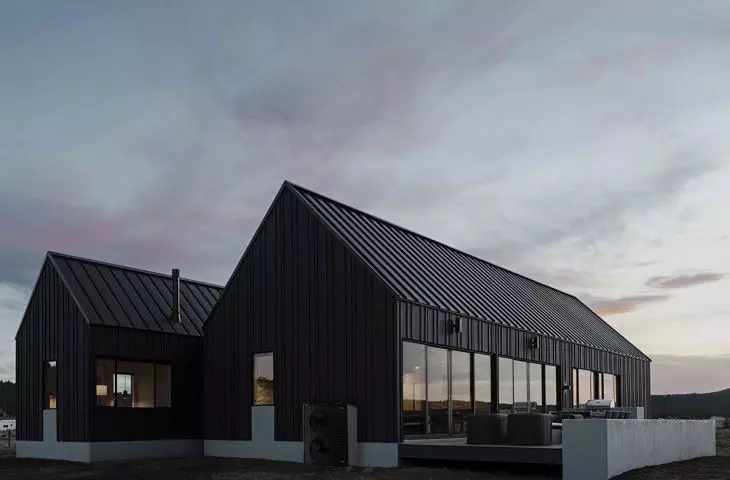
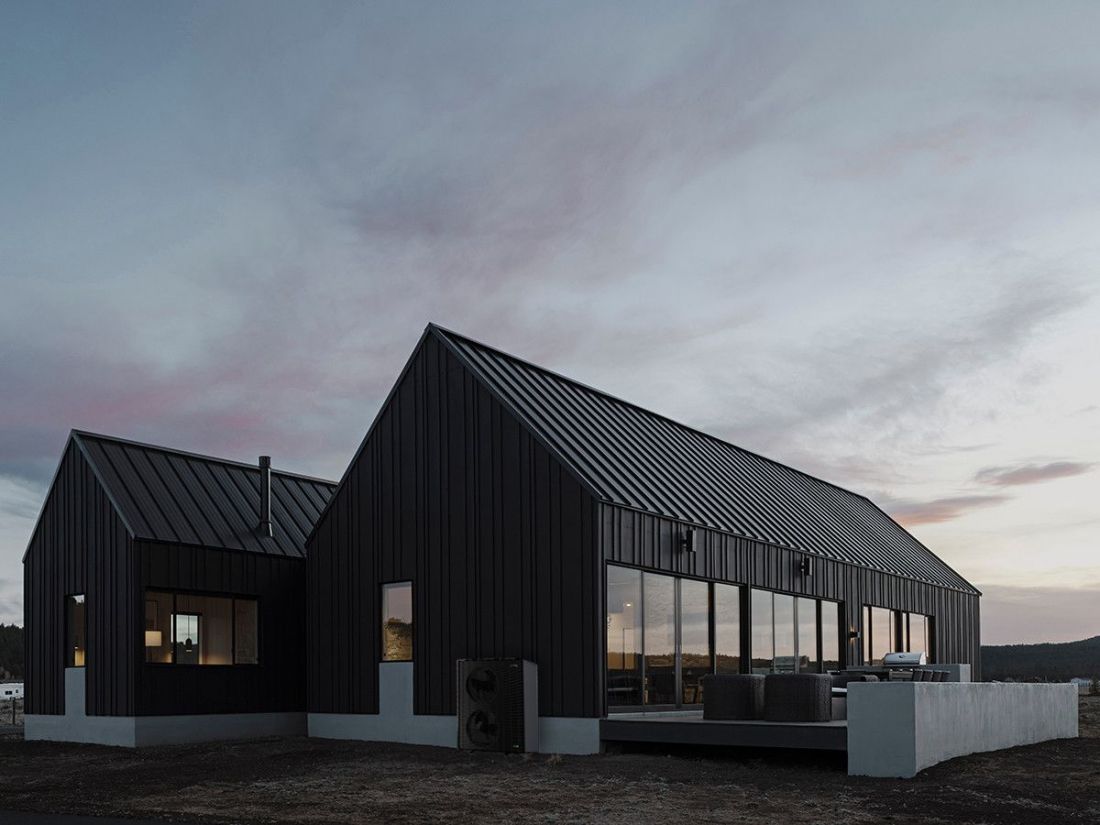
Just a few years ago, a heat pump was viewed solely as a technical device. Today, it is increasingly becoming an integral part of the overall architectural concept.
From the very beginning, NORDIS has focused not only on performance parameters but also on the design of its units. The distinctive styling of these units makes them easily distinguishable from competing solutions.
It’s a design that leaves a lasting impression, while at the same time blending harmoniously with both modern, minimalist structures and more classic single-family homes. Thanks to their understated aesthetics and refined proportions, the units do not dominate the facade but naturally complement it.
For many architects today, this is just as important as technical specifications.
Flexibility of use and user safety
A modern heat pump should offer the user maximum flexibility in configuration.
NORDIS solutions are compatible with:
-
underfloor heating,
-
radiators,
-
fan coil units,
-
photovoltaic systems,
-
Smart Grid systems,
-
multiple heating zones.
Advanced automation allows you to schedule the system’s operation with high precision, adapting it to the household’s daily routine, PV energy production, or variable energy rates.
Equally important, the system is also designed to handle emergencies. If the pump were to stop working during severe frosts, an electric heater automatically activates to serve as a backup source. Thanks to this, residents maintain heating and access to hot water for up to several days, until a service technician arrives.
This solution is particularly appreciated during the holiday season, long weekends, or New Year’s Eve, when prompt technical assistance may be difficult to obtain.

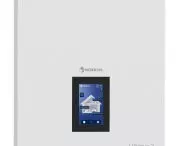
The NØRDIS Ultima App
© NØRDIS
NORDIS IoT. Full control over the system
Remote monitoring of device operating parameters is playing an increasingly important role.
The NORDIS IoT platform allows users, installers, and service technicians to remotely monitor the system’s operation in real time, enabling them to detect anomalies more quickly, perform diagnostics, and optimize settings without the need for an on-site visit.
This means:
-
faster service response,
-
easier diagnostics,
-
greater operational safety,
-
greater user comfort.
NORDIS ULTIMA and OPTIMUS PRO
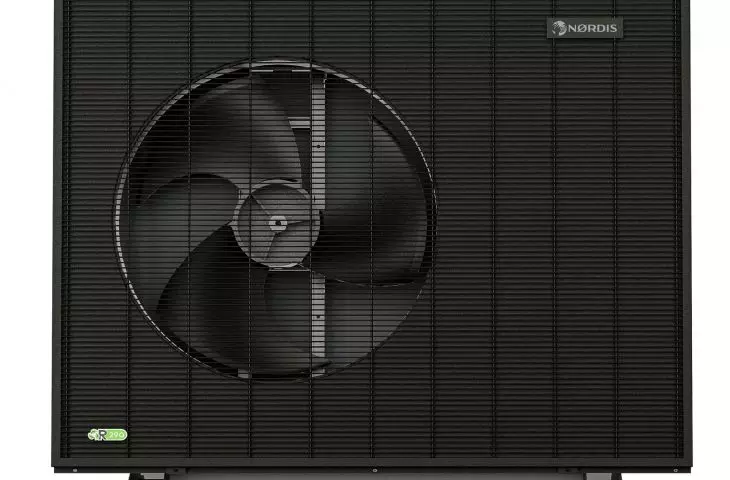
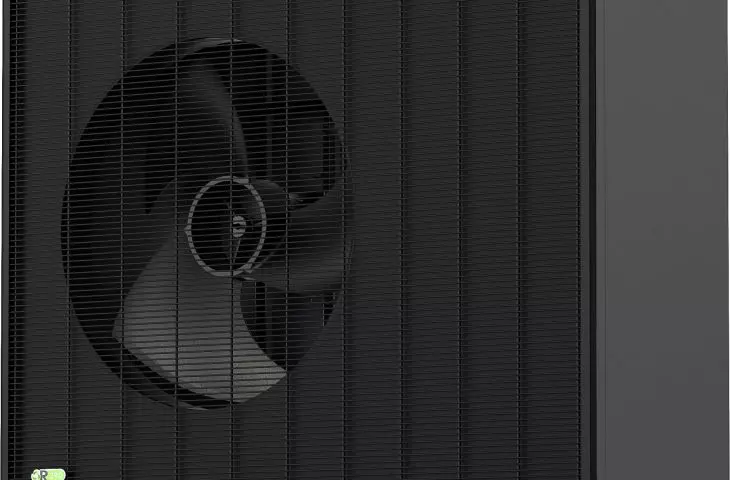
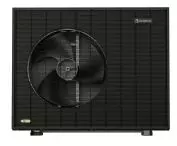
The brand’s product line features the NORDIS ULTIMA and ULTIMA 2 heat pumps, which use the eco-friendly R290 refrigerant, as well as the NORDIS OPTIMUS PRO R32 units designed for both residential and commercial buildings.
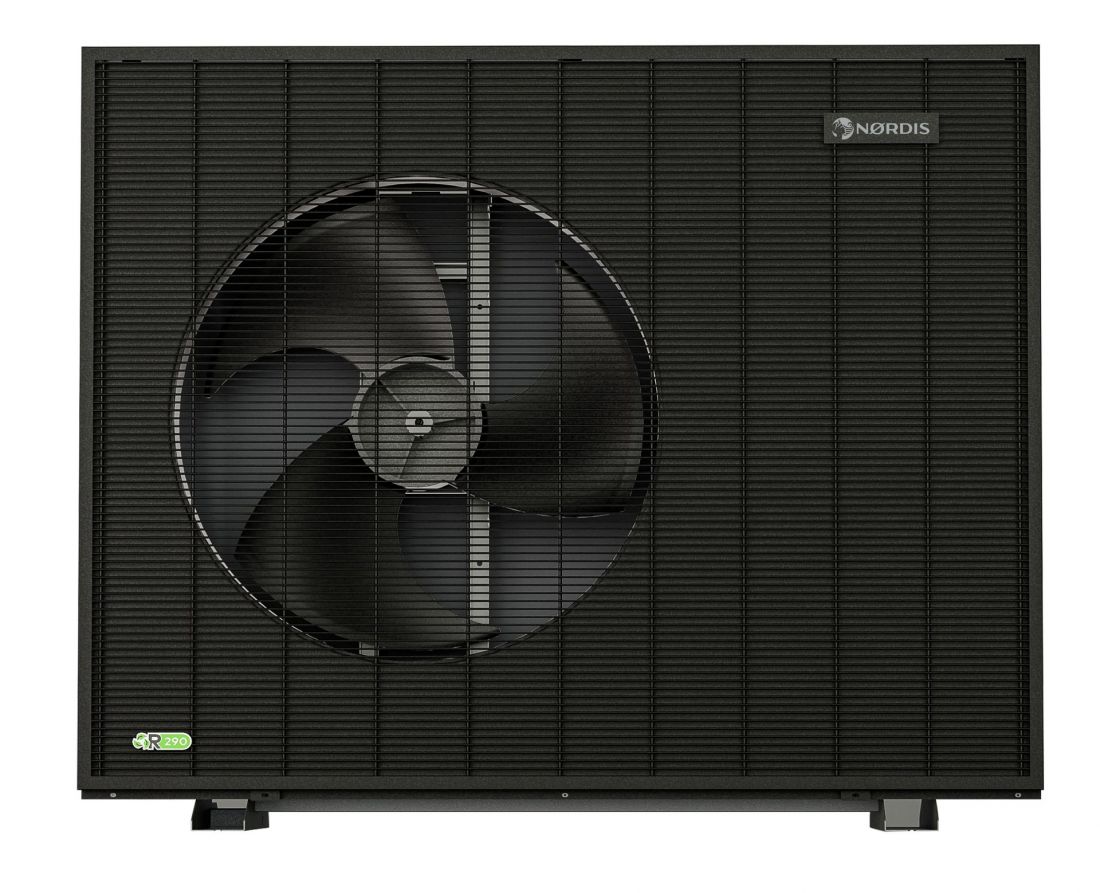
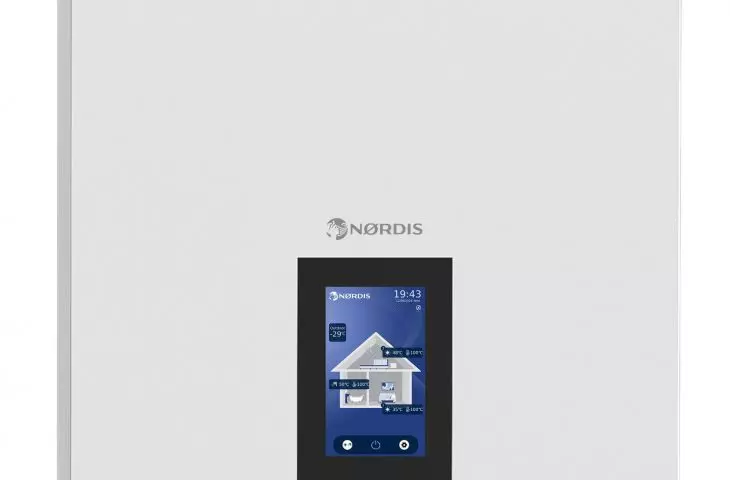
NØRDIS Ultima 2
© NØRDIS
Key advantages include:
-
energy efficiency class A+++,
-
inverter technology,
-
operation at temperatures as low as -25°C,
-
smart Wi-Fi control,
-
weather-compensated control,
-
compatibility with many types of heating systems,
-
suitable for both new and retrofitted buildings.
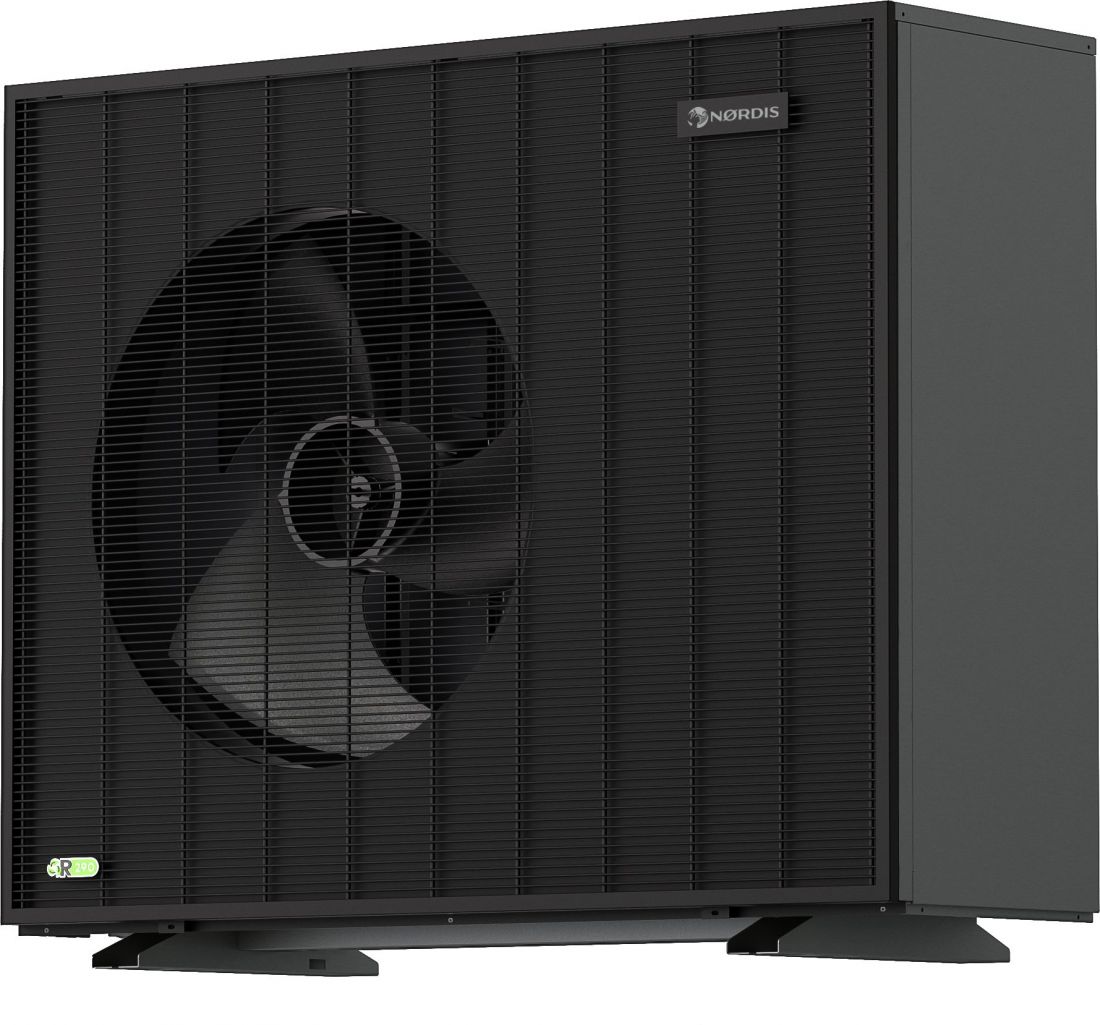
NØRDIS Ultima 2
© NØRDIS
Summary
A modern heating system should be evaluated as a whole. Final energy bills are determined not only by the heat pump, but also by the quality of the design, the building’s insulation, the system’s hydraulics, automation, and subsequent maintenance.
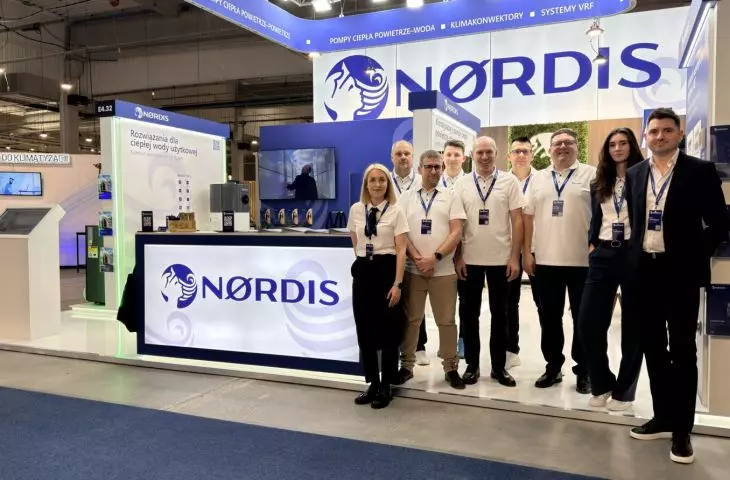
The NØRDIS Team
© NØRDIS
NORDIS demonstrates that a heat pump can simultaneously serve as an efficient heating source, a smart energy management hub, and an aesthetically pleasing architectural element. Its distinctive design, extensive configuration options, advanced controls, and solutions that enhance user safety mean that the units from this European brand—developed based on Scandinavian expertise—are suitable for use in both modern, energy-efficient homes and retrofitted buildings.
Because the best heat pump is more than just a device. It’s a well-thought-out ecosystem of technology, comfort, safety, and support that allows you to fully harness the potential of modern heating.
For more information, visit the {tag:Manufacturer} company page on the PdA portal.