




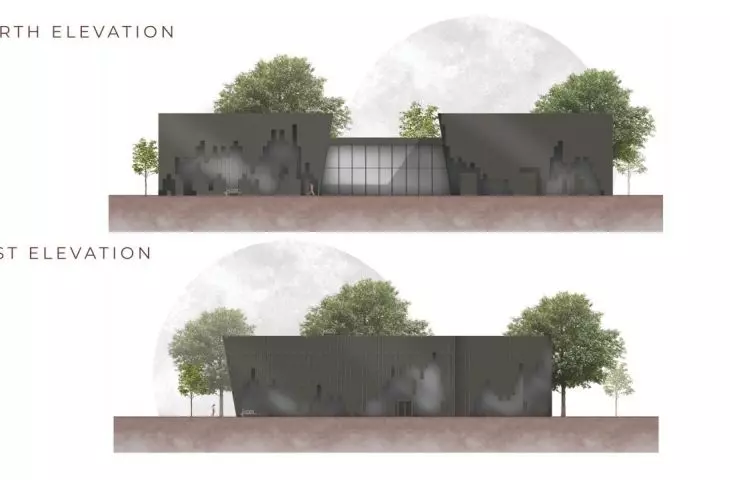
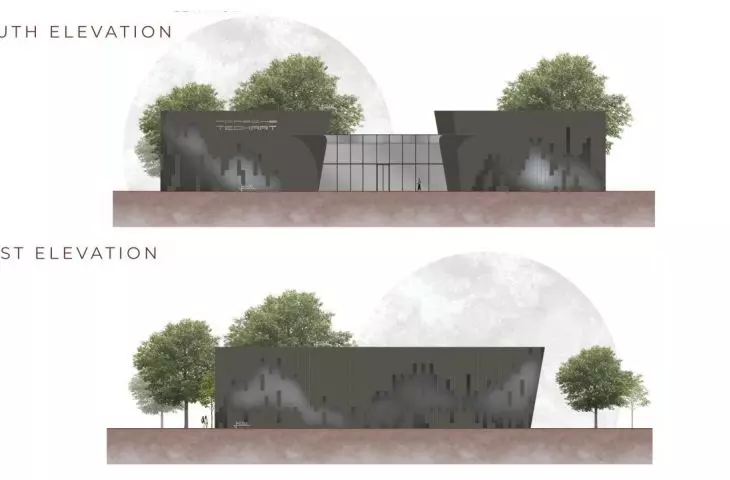
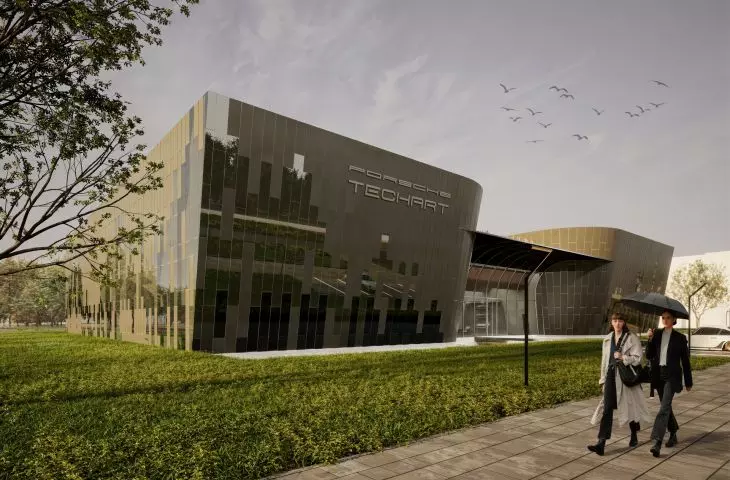
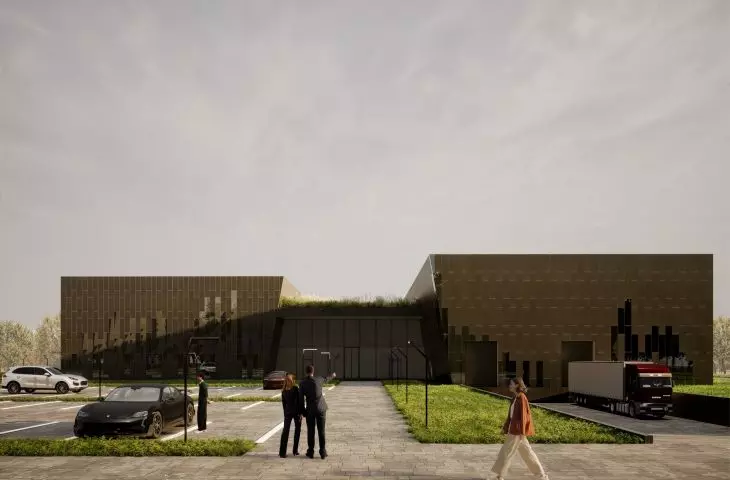
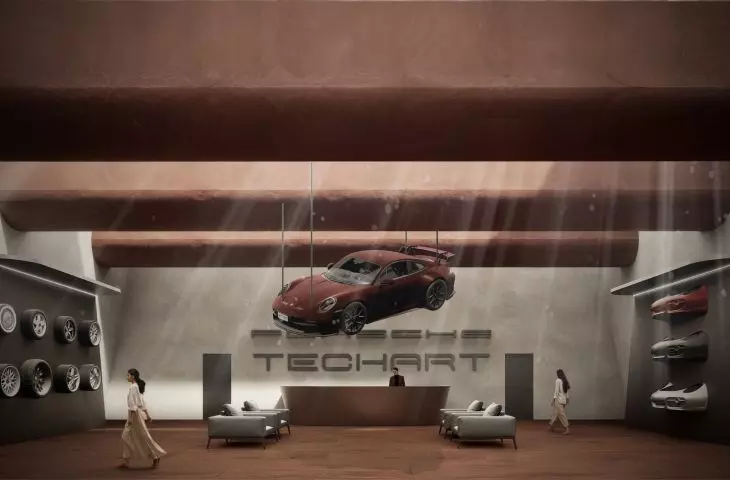
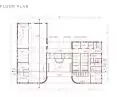
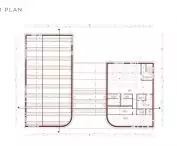
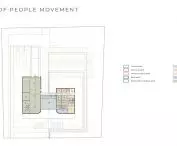

The student project by authors Jakub Pietruszka and Maksymilian Pawlak from the Faculty of Achitecture at Poznań University of Technology, inspired by processes occurring in nature, shows how biological mechanisms can become a starting point for creating innovative architecture. The concept of cultural theater is based on the principles of biomimicry, or the conscious transfer of patterns and strategies observed in the world of living organisms to the design of space. The premise of the project was not only to create a building with a distinctive form, but above all to seek new ways of thinking about architecture through analogies to nature - its structure, development processes and ways of adapting to the environment.
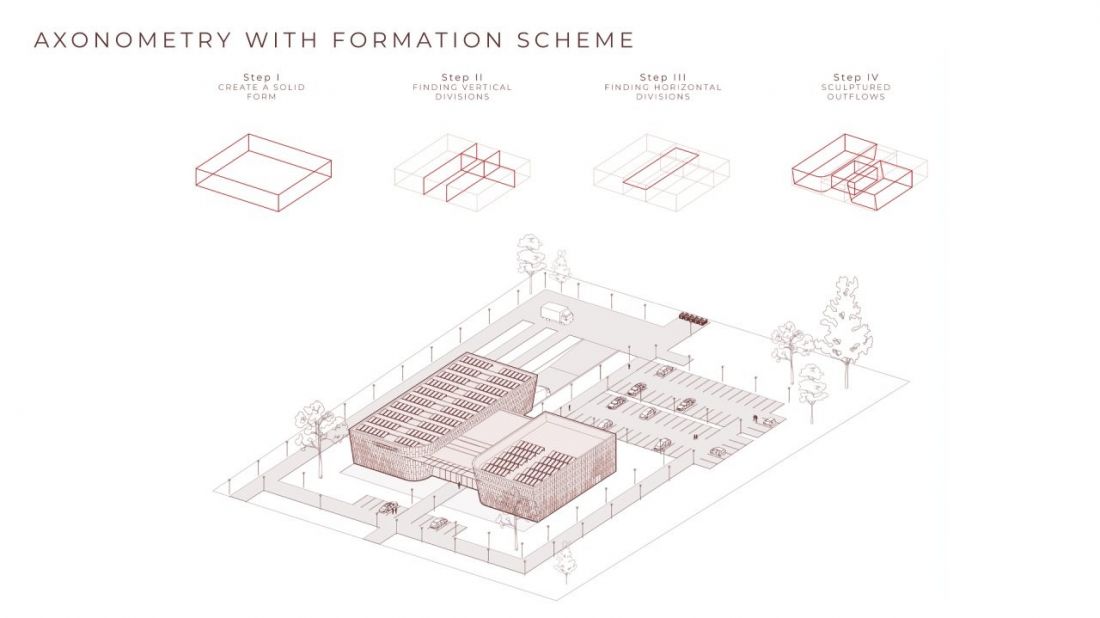
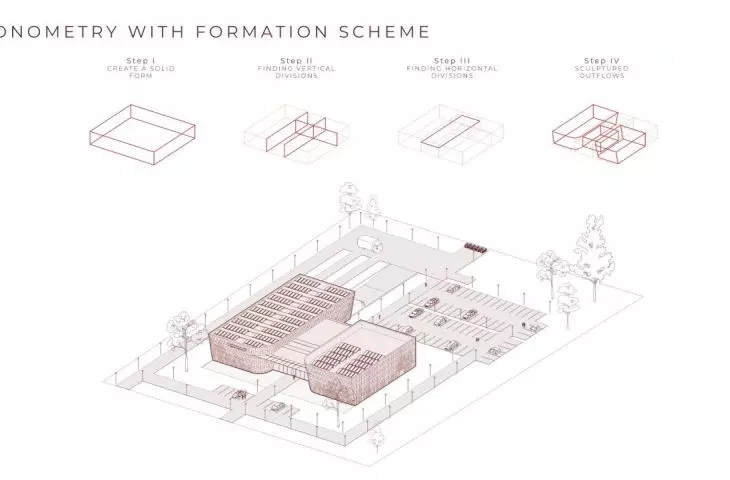
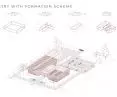
axonometry
© Maksymilian Pawlak, Jakub Pietruszka
nature as a design tool
In design, nature is not just an aesthetic inspiration. It constitutes a method of design work that leads to the discovery of new spatial and technological solutions.
The lump of the building, its structure and the way it functions were developed based on the analysis of natural processes. This approach allows the creation of architecture that not only refers to organic forms, but also responds to contemporary environmental challenges.
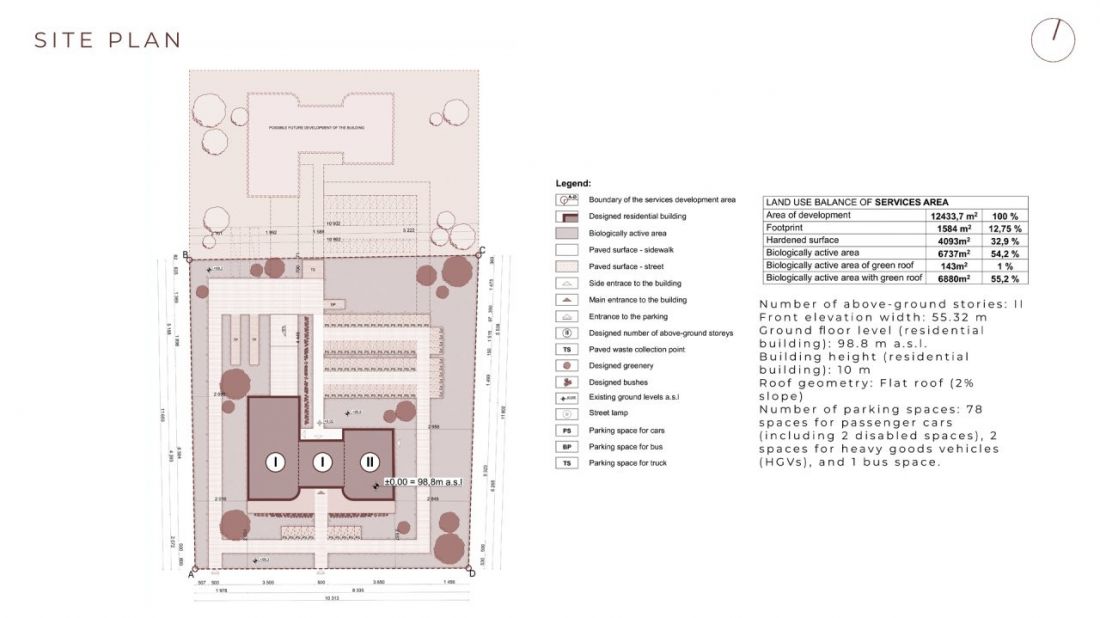
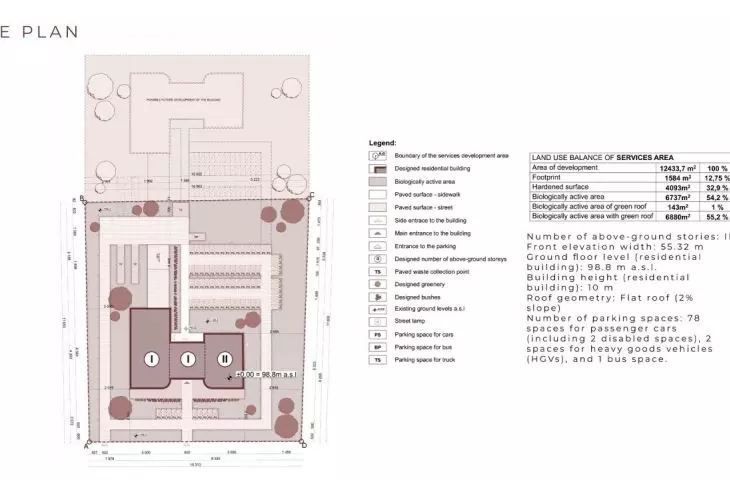
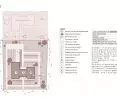
site development plan
© Maksymilian Pawlak, Jakub Pietruszka
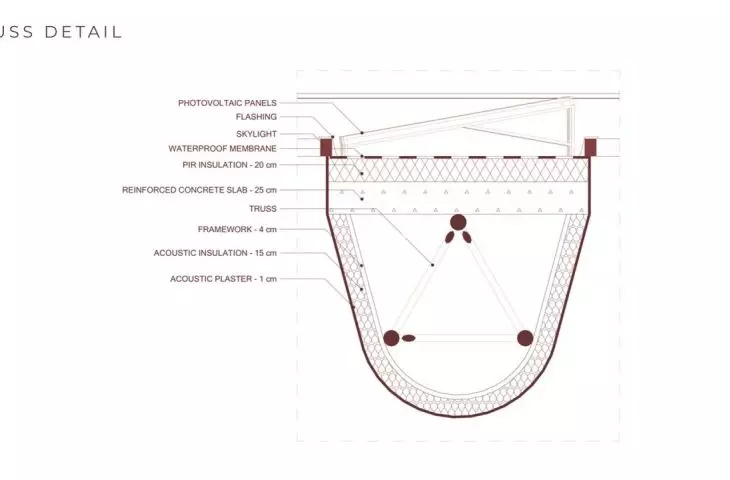
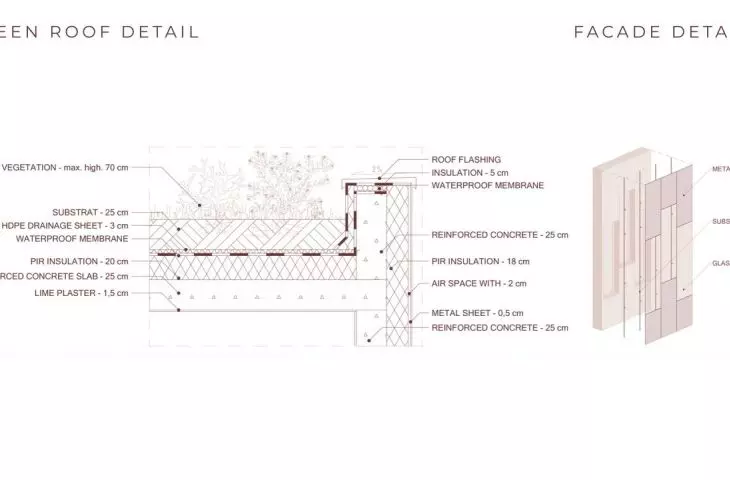
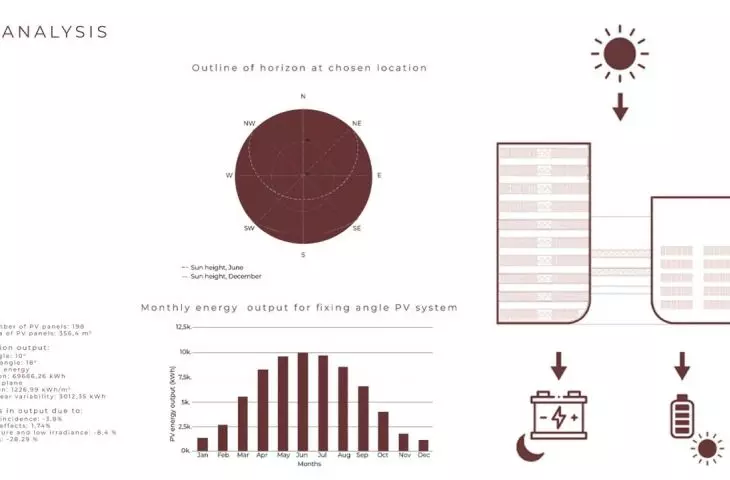
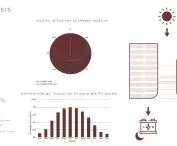
Solutions used include strategies related to energy efficiency and integration of the building with its surroundings, among others.
designing by analogy
The creative process involved searching for analogies between natural phenomena and architecture. The structure of organisms, their way of growth or adaptation to the environment became the reference point for shaping the building's form and function.
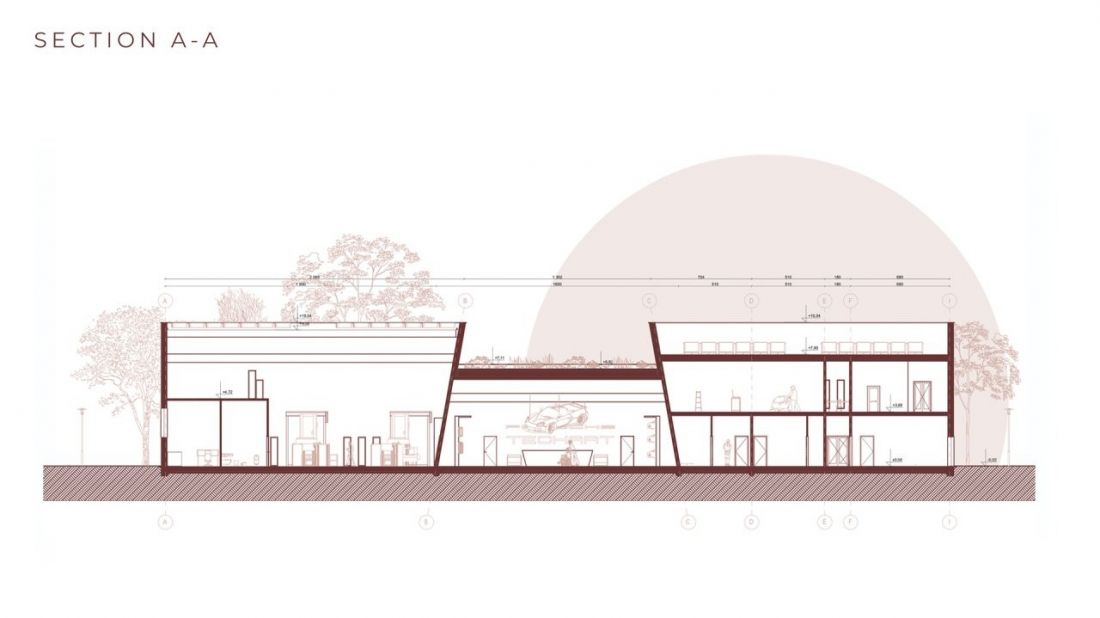
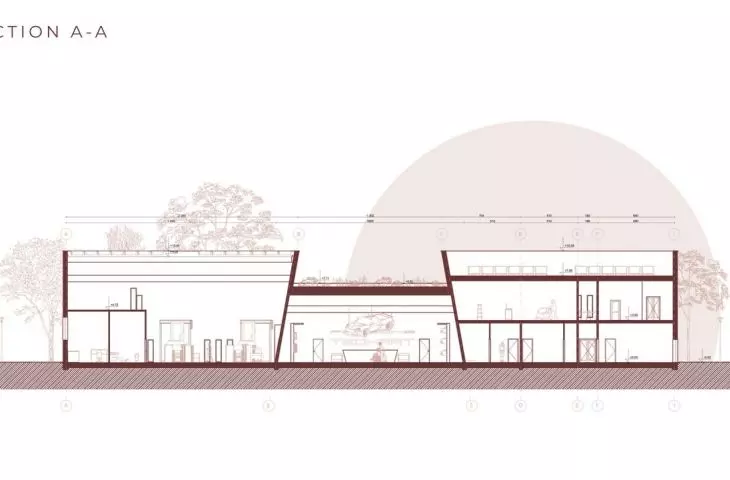
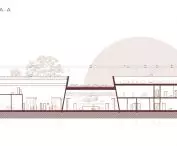
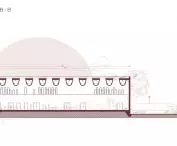
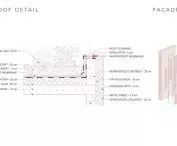
cross-section A-A
© Maksymilian Pawlak, Jakub Pietruszka
This approach allows us to look at architecture as a dynamic system, capable of responding to the context and needs of users.
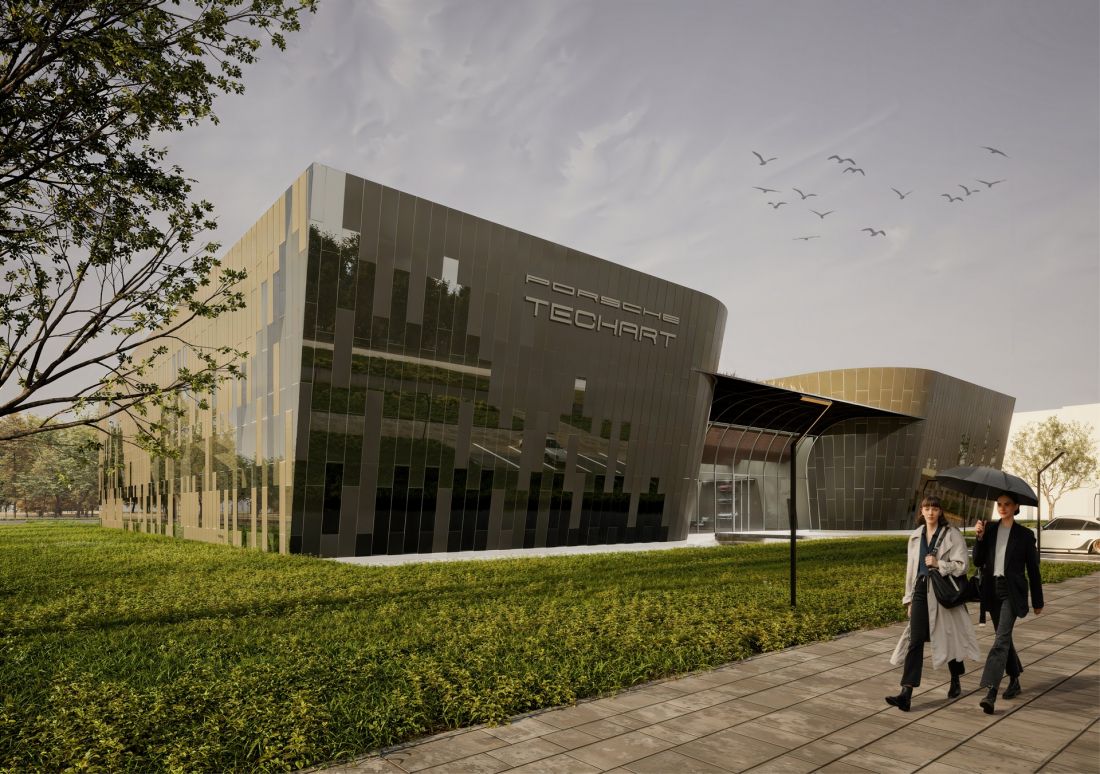
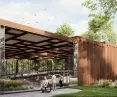
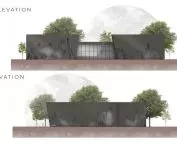
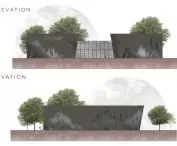
slant
© Maksymilian Pawlak, Jakub Pietruszka
As course leader Mo Zhou emphasizes, the idea of the class is based on developing intuitive and creative design processes:
The aim of the course is to enhance subconscious creative processes by using metaphorical associations related to the appearance, structure, functioning, development and evolution of living organisms. It involves finding and adapting analogies relating to nature to achieve innovative design solutions, according to the methodology for finding innovative design solutions. It is an opportunity to design an innovative architectural solution based on the belief in the natural environment and the most important factors for success in the field of architecture.
The presenter also draws attention to the nature of the student project itself:
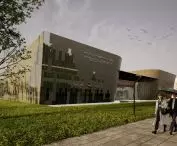
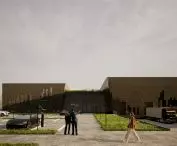
The project proposes a cultural theater inspired by natural forms and processes, using the principles of biomimicry and sustainable energy solutions. The project translates patterns drawn from nature into the form, structure of the building and the surrounding environment. This approach encourages innovative architectural solutions through creative thinking based on nature.
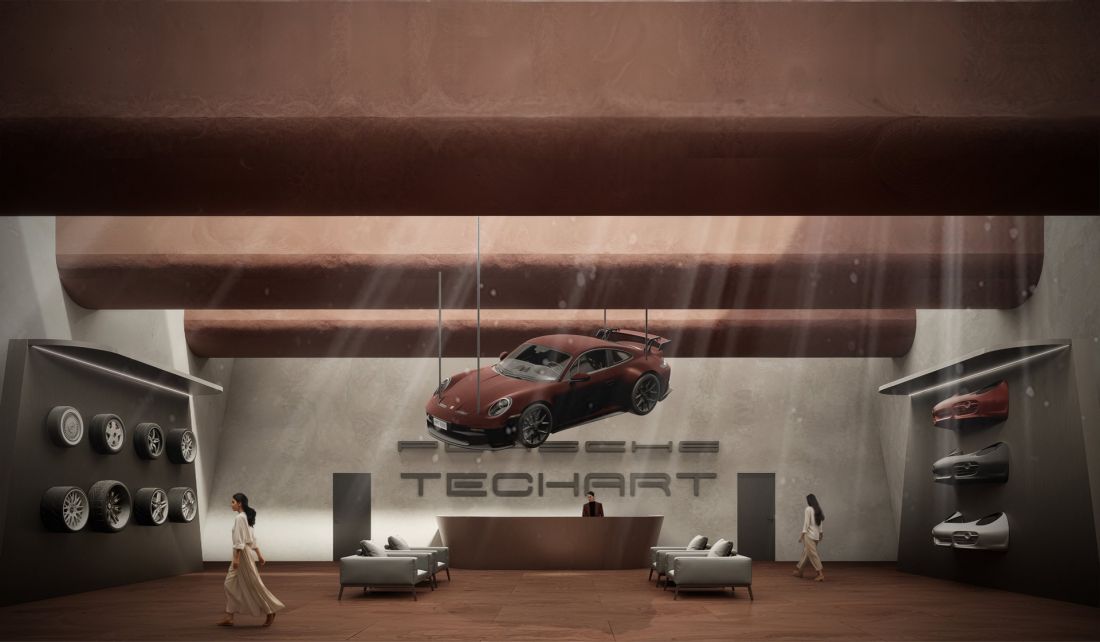
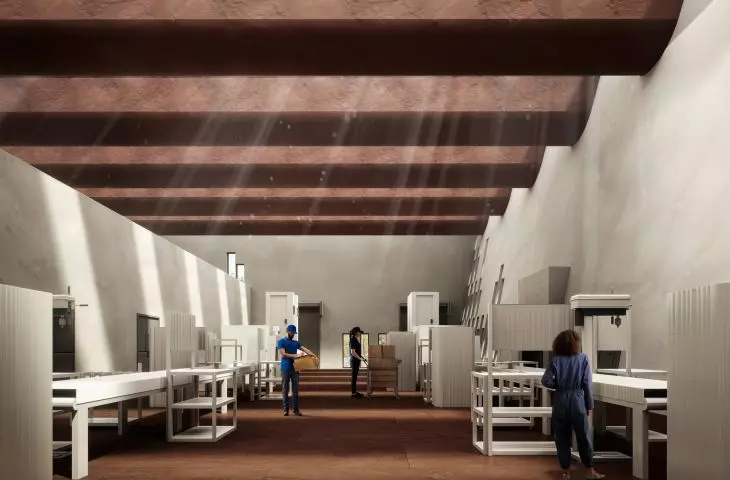
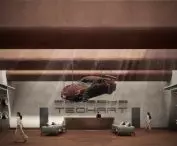
main hall
© Maksymilian Pawlak, Jakub Pietruszka
architecture as a dialogue with nature
The project shows that biomimicry can be more than an aesthetic reference to the natural world. In this case, it becomes a design strategy to create architecture that is more aware of the environment and its processes.
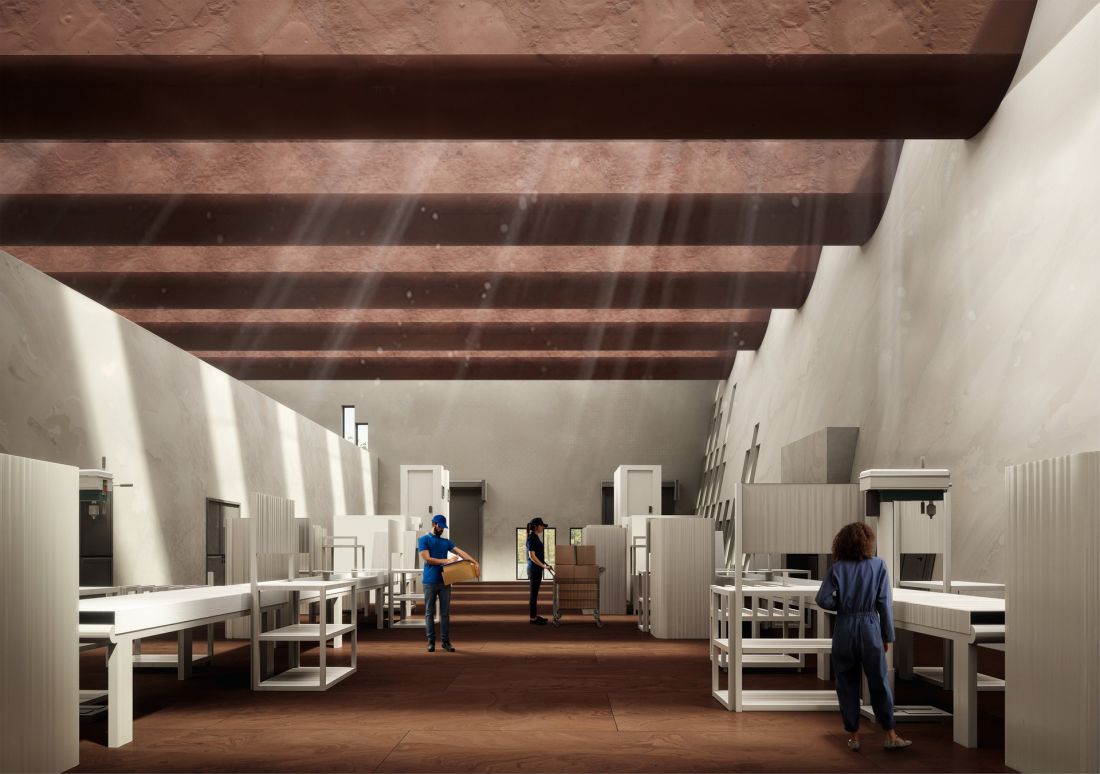
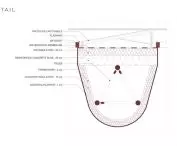
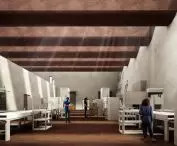
production
© Maksymilian Pawlak, Jakub Pietruszka
This approach opens up new possibilities for contemporary design - showing that inspiration from nature can lead to solutions that are simultaneously innovative, functional and environmentally responsible.