




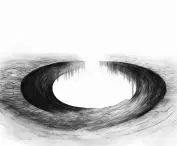


Modern architecture, with its enormous impact on people's lives, is not just a tool for creating physical spaces. It is a complex art whose task is to create spaces for people, becoming their home, their part. In the doctoral dissertation of Wojciech Ciepłucha from the Faculty of Architecture at the Cracow University of Technology , the issue of habitation is treated as a phenomenon deeply connected with human experience, full of emotions, traditions, personal search and references. The young researcher attempted to capture this complexity by examining how building structure affects the space we inhabit, and how the design of space can shape our experience and sense of identity.
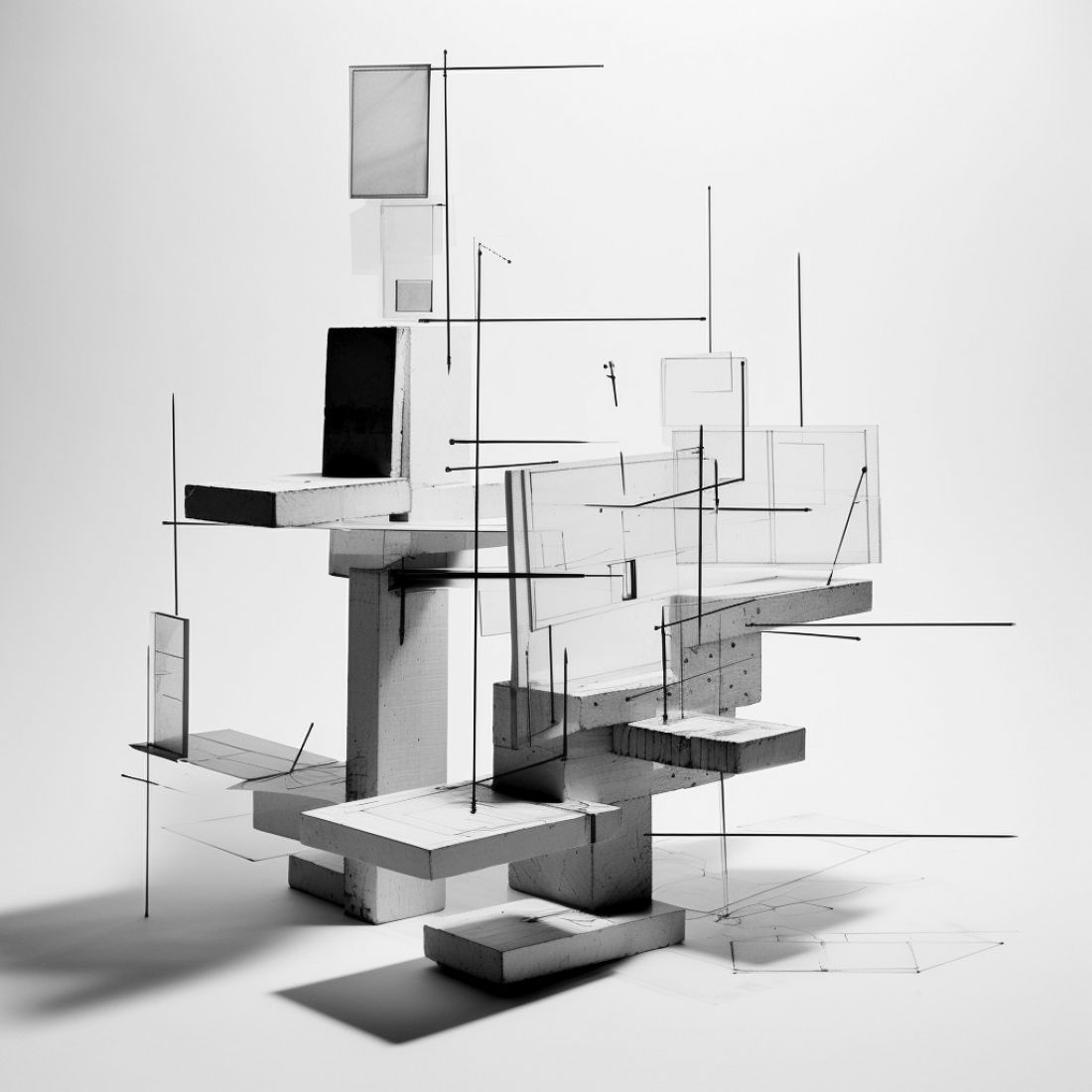
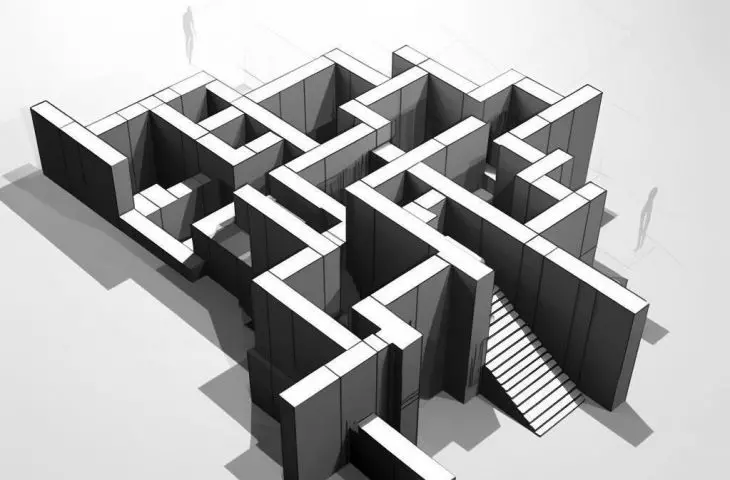
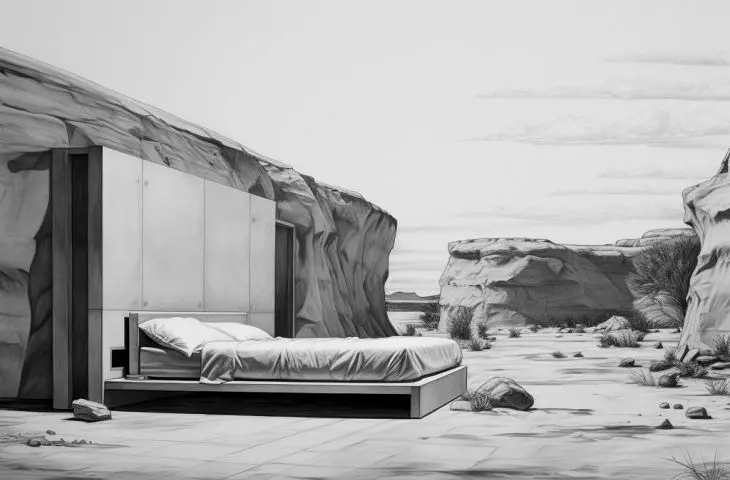
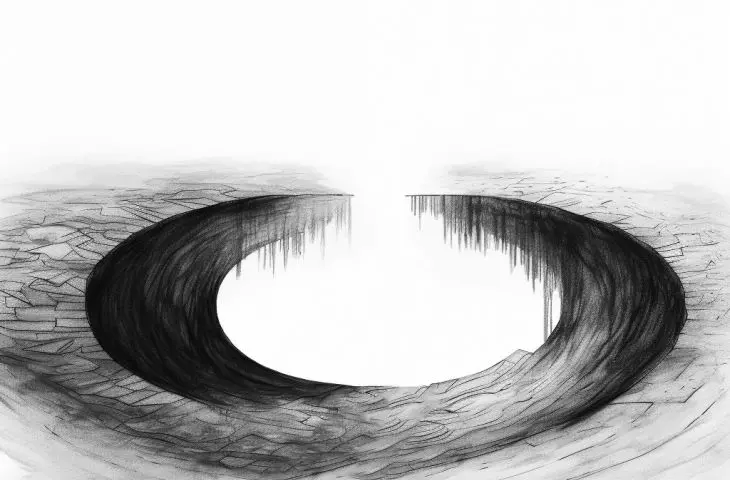
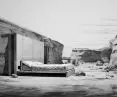
Form - not yet a building, 2023
© Wojciech Ciepłucha
architecture as a space for inhabitation
Inhabitation in the context of human experience is a phenomenon that goes far beyond mere utilitarian needs. For on the one hand, we have elements that have a purely utilitarian function, such as bridges, hangars or power plants, which are not habitable spaces in the traditional sense. On the other hand, architecture, which becomes a space in which people live, is not only a response to functional needs, but is also a response to emotional, social and cultural needs. Wojciech Ciepłucha considers what it is that makes an object a habitable space, and how architecture has the ability to express and shape human needs in this regard.
In his doctoral dissertation, the author examines in detail the relationship between architecture and what we call inhabitation. Inhabitation, then, is not just a matter of being physically embedded in a given space, but the process by which a space begins to gain meaning for its users. It's a place where we feel safe, it's a space that has emotional value for us, and its aesthetics and functionality are inextricably linked to our individual needs. The key question Ciepłucha poses is when a space ceases to be just a "space" and becomes a "home" that the viewer treats as part of himself.
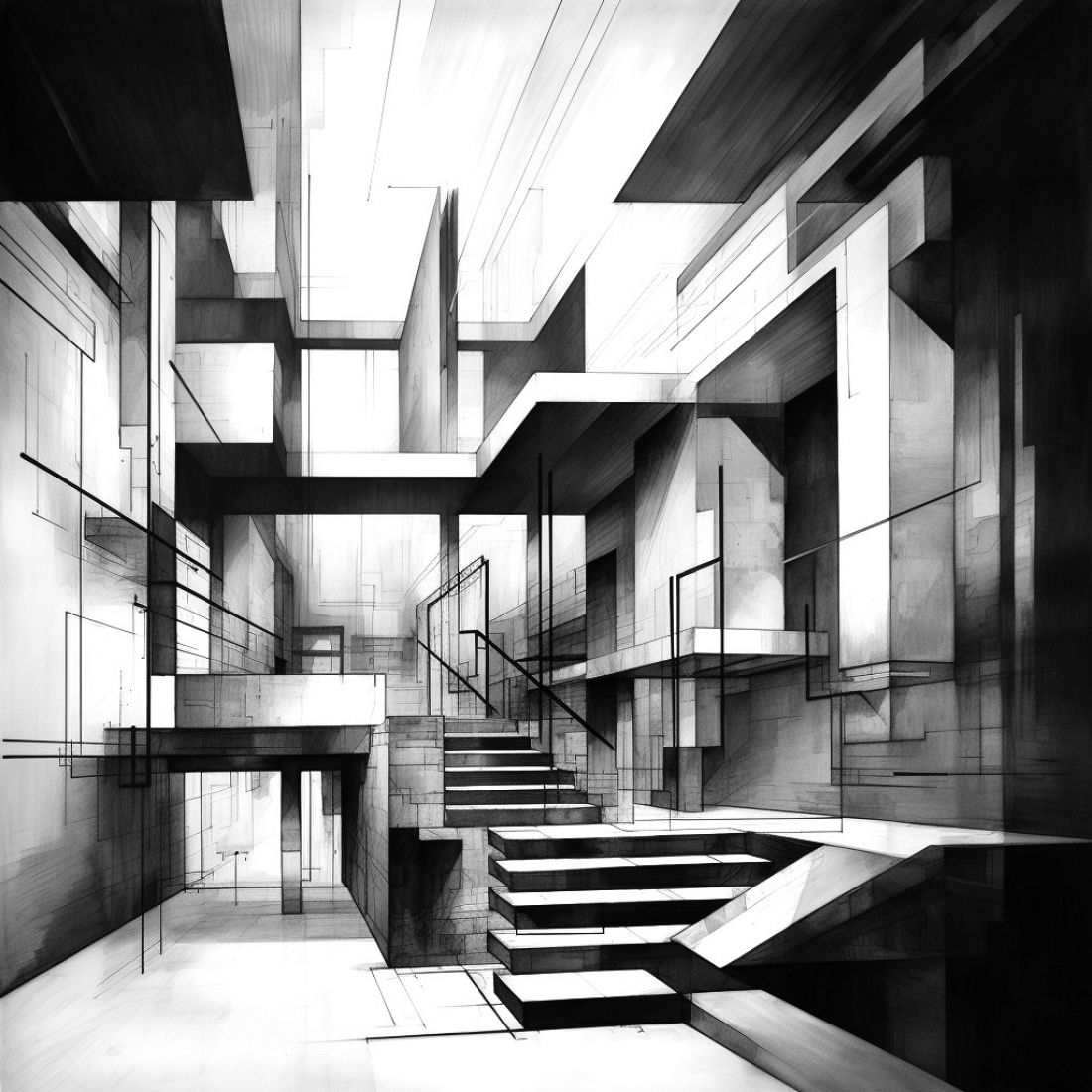
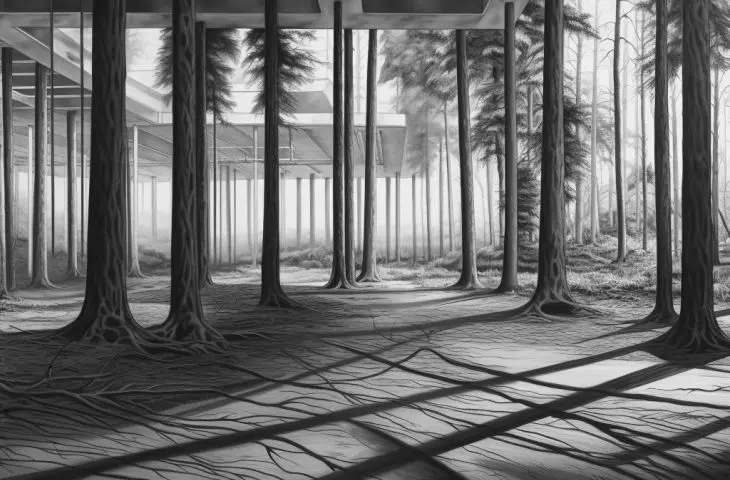
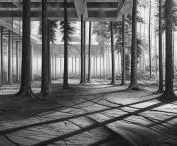
A note on inhabitation, 2023
© Wojciech Ciepłucha
Building structure versus inhabitation - the theory of Franz Brentano
Reflecting on what makes a space inhabitable, Wojciech Ciepłucha refers to the philosophy of Franz Brentano, who argues that inhabitation is not a simple process, and that a space becomes inhabitable only when we assign it an appropriate function and meaning. According to Brentano's thinking, the building structure itself - for example, poured concrete - is merely a raw material that has no function or value assigned to it yet. It is only when a person begins to judge and become emotionally involved in a space that it acquires meaning for him or her. What will be a work space for one person may be a place of rest or relaxation for another.
Thus, inhabitation is a dynamic process in which both judgment and emotion influence how we perceive and experience a space. In this sense, not only the architectural form of a building, but also our emotions and needs for the space shape its function and value. The researcher emphasizes that the inhabited space is the one with which we engage emotionally, which acquires meaning for us as a result of our interaction with it.
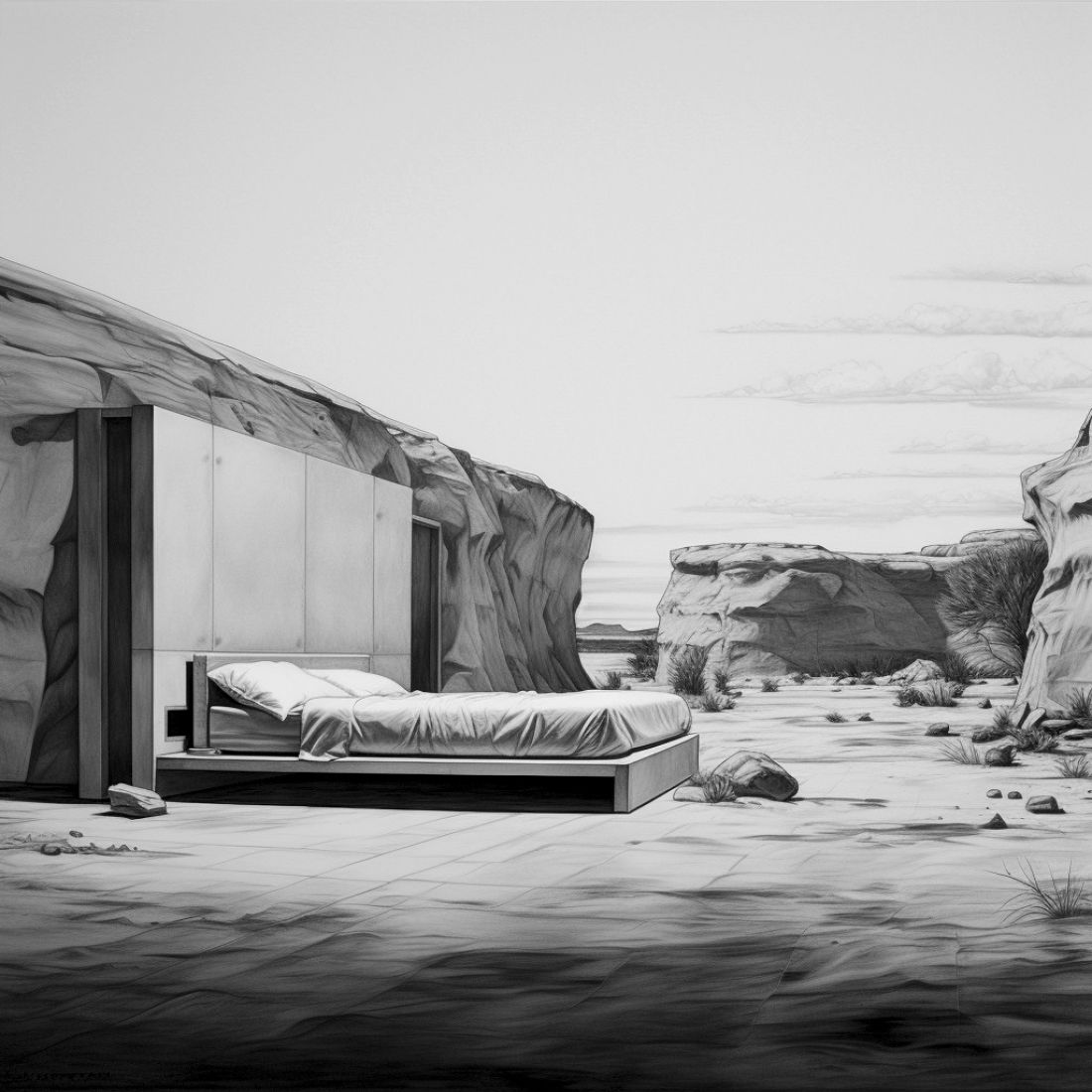
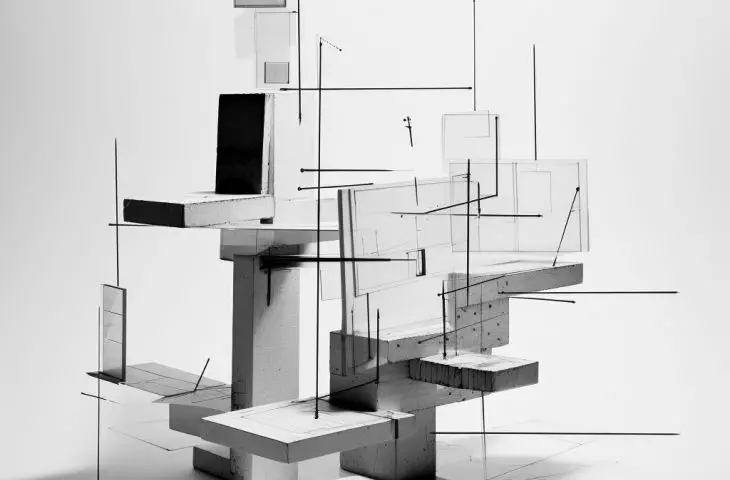
Possibility in space, 2023
© Wojciech Ciepłucha
The importance of understanding user needs in design
Wojciech Ciepłucha also focuses on understanding individual user needs in the design process of inhabitable spaces. He stresses that each space should respond to the specific needs of the people who will use it. Therefore, architecture must be flexible, allowing for different scenarios of space use depending on the needs of the users.
One example illustrating this thesis is the Glass House project, which offers users great flexibility in shaping the space according to their individual tastes and requirements. Wojciech Ciepłucha points out that contemporary architecture must be dynamic, and the design of habitable spaces should take into account the changing needs of users, which may change over time. In this way, a space that was initially planned with one function in mind can become a place for other activities over time, depending on how users' needs change.
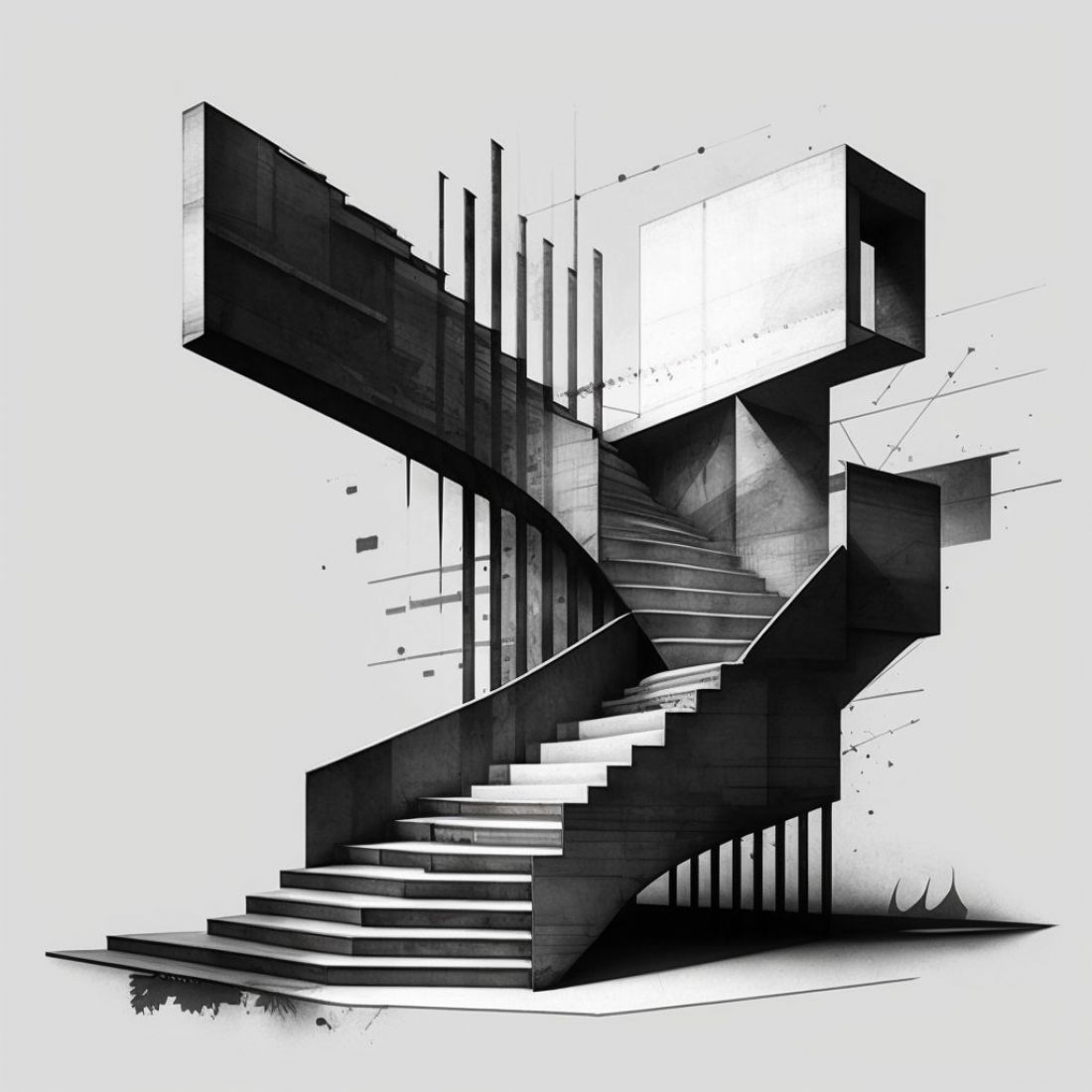
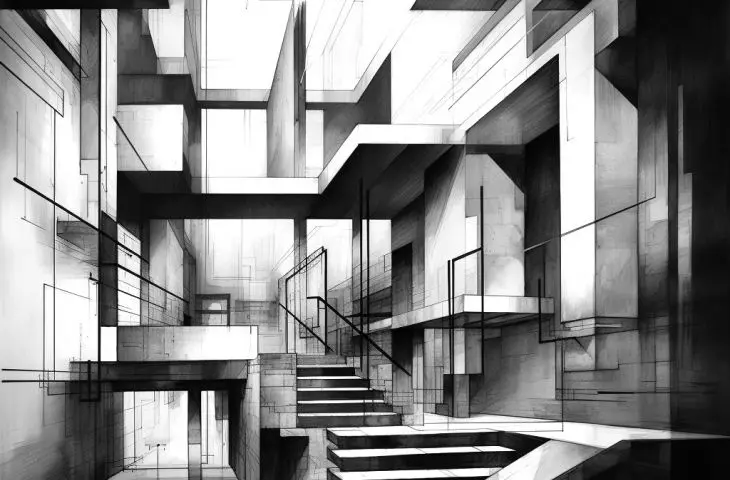
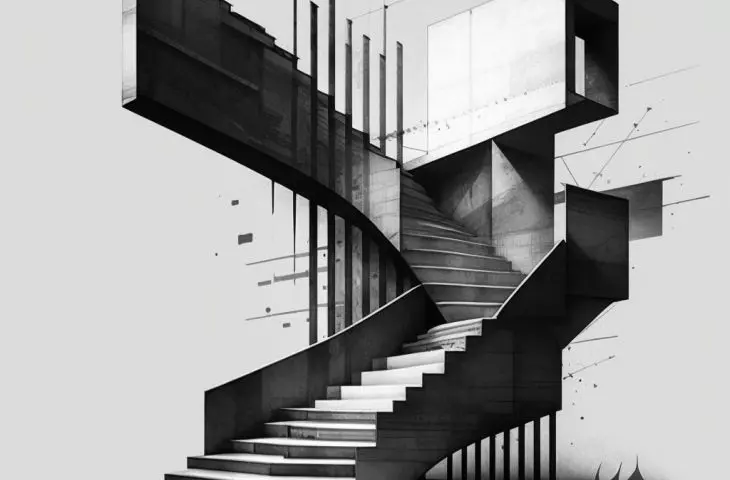
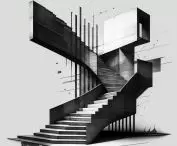
Stairs or wall, 2023
© Wojciech Cieplucha
The researcher draws attention to the dilemmas of contemporary architecture, including a phenomenon he describes as the dominance of an aesthetic approach in design. Contemporary approaches to architecture, while dominated by aesthetics and form, often neglect functionality and social context. In this context, the author emphasizes the need for a balance between aesthetics and functionality. Modern architecture should respond to the various needs of users, and not merely constitute an artistic work. Wojciech Ciepłucha points out the importance of flexibility and openness of architectural solutions that take into account the variability of needs and the changing social context.
Heidegger and the philosophy of inhabited space
Wojciech Cieplucha refers more than once to Martin Heidegger's philosophy to explore the meaning of "dwelling" - that is, being in space. The space in which people dwell not only influences their well-being, but also shapes societies. The researcher suggests that architecture is not only a physical structure, but also an expression of the expectations and understanding of a place by its users. However, the modernist approach to architecture, which relies heavily on functionalism and aesthetics, does not fully take into account the emotional and social aspects associated with space.
The young researcher discusses methods that support the design process. He emphasizes that design is not just the recreation of an existing state, but also a creative process that requires the use of new tools and methods. Heuristic decision-making techniques, which can be applied to the design process, help to go beyond the usual thought patterns and generate new and innovative solutions. This type of approach is particularly important in the context of architecture, where decisions have long-term consequences.
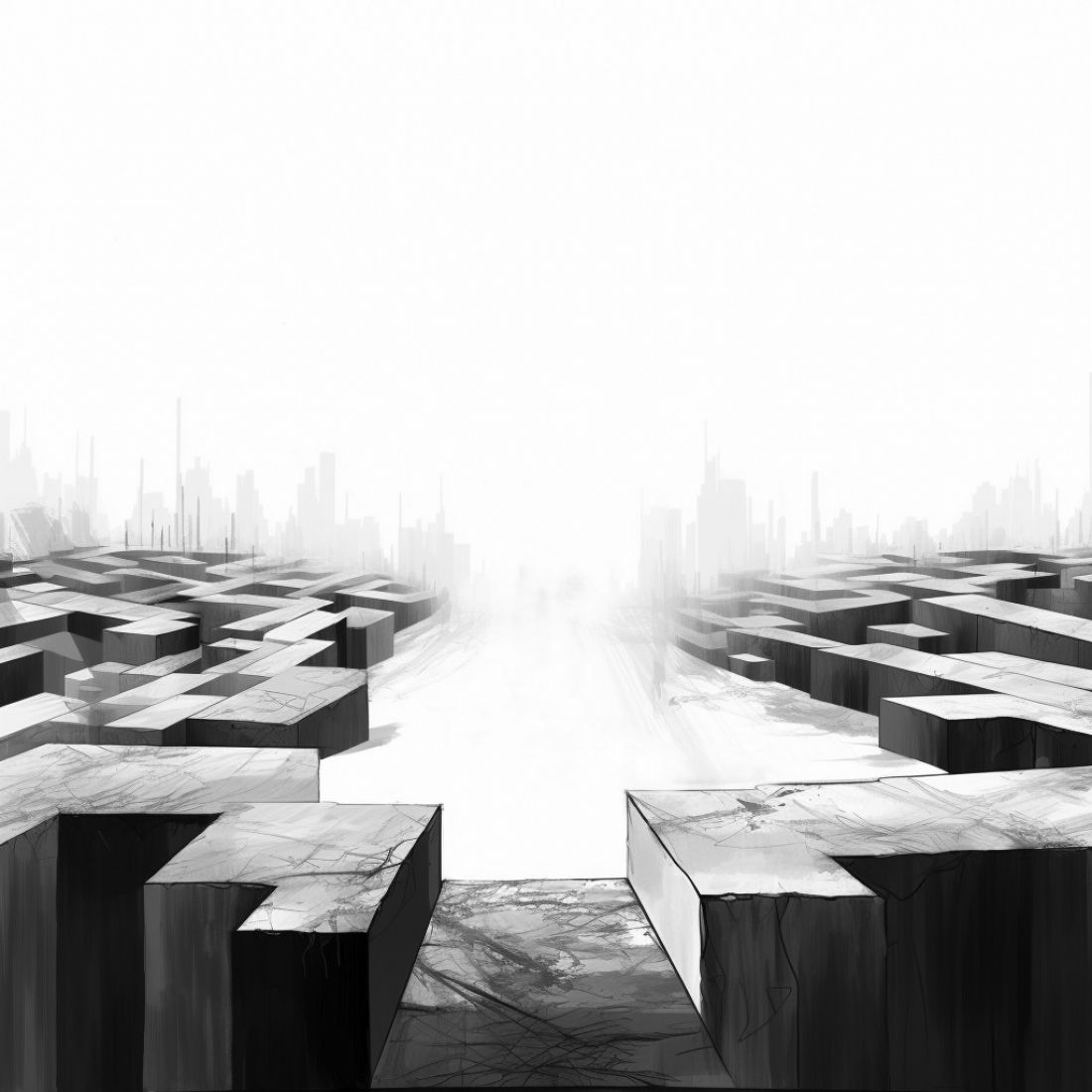
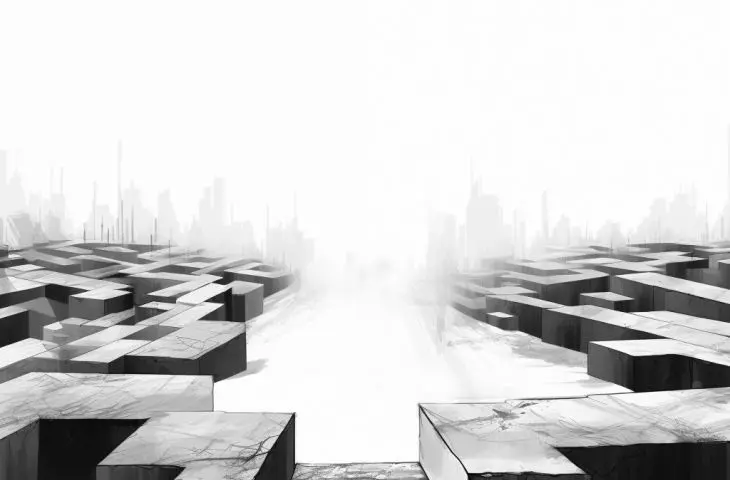
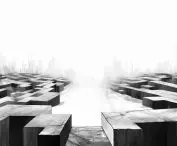
Unknown in architecture, 2023
© Wojciech Cieplucha
Wojciech Cieplucha's PhD thesis is an in-depth analysis of the process of inhabitation and the role of architecture in shaping this process. He points out thatarchitecture is not just a physical space, but a dynamic process that shapes our emotions, identity and social relations. Architects must therefore consider both the needs of users and the social and cultural context to create spaces that are truly inhabitable.