











Eden Project,
designed by Sir Nicholas Grimshaw
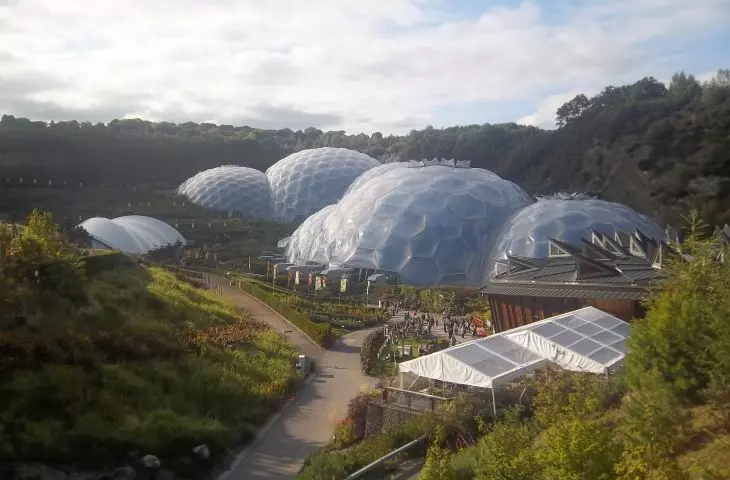
On September 17, 2025, sir Nicholas Grimshaw, a British architect, one of the most important representatives of the high-tech trend, died at the age of 85. During his long career he created projects that changed the face of modern architecture, and one of his most recognizable works remains the Eden Project in Cornwall. This remarkable botanical garden, which opened in 2001, attracts more than 1.2 million people every year, becoming a symbol of new thinking about man's relationship with nature.
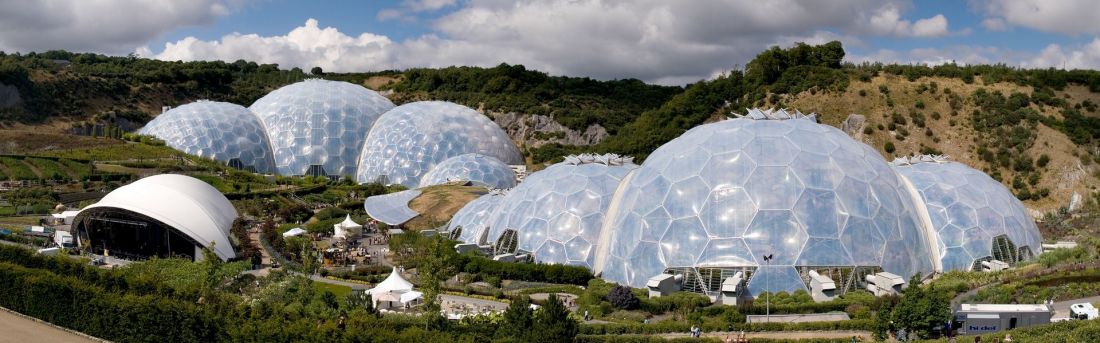
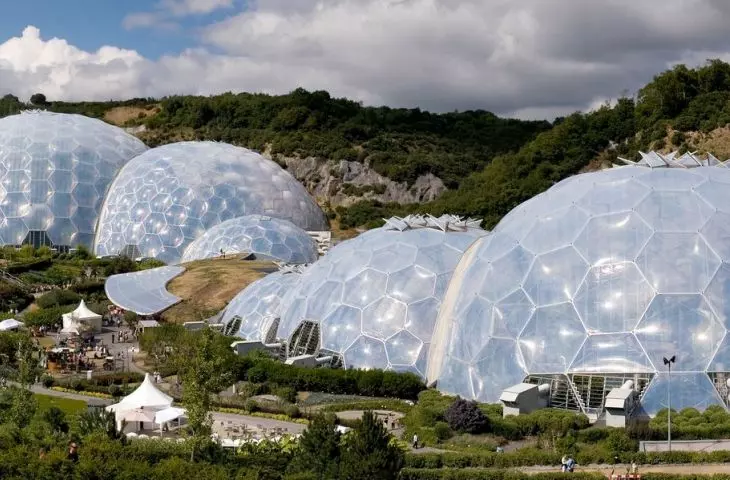
Eden Project in Cornwall -,
Photo: Jürgen Matern © CC BY SA 2.5 | Wikimedia Commons,Photo: Jürgen Matern © CC BY SA 2.5 | Wikimedia Commons
From an industrial landscape to a vision of the future
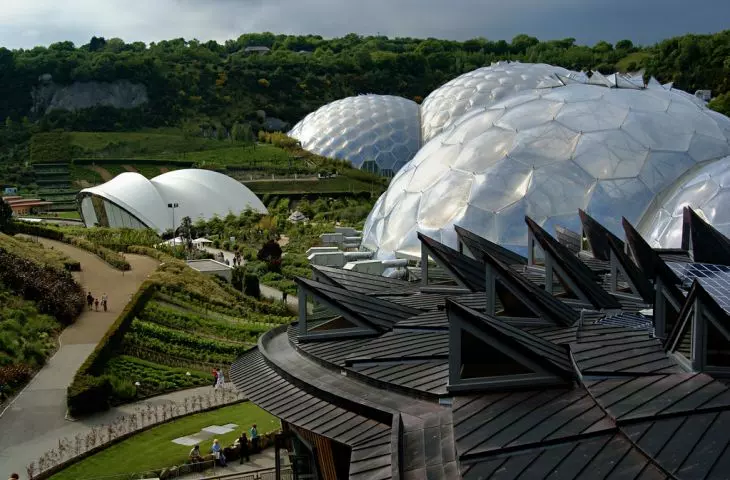
The place that is bustling with life today was for years nothing more than a kaolin pit. Exploitation left behind a vast, empty basin that was easily considered a lost space. However, the originator of the project, Tim Smit, decided to give it a new meaning. He invited Nicolas Grimshaw, an architect known for his boldness in finding new structural solutions and his ability to create buildings that fit harmoniously into the context of the place. Grimshaw developed a vision that transformed the Cornish landscape into one of the most interesting educational and tourist spaces in modern Europe. Construction took just two years and three months, and the Eden Project opened to the public on March 17, 2001.
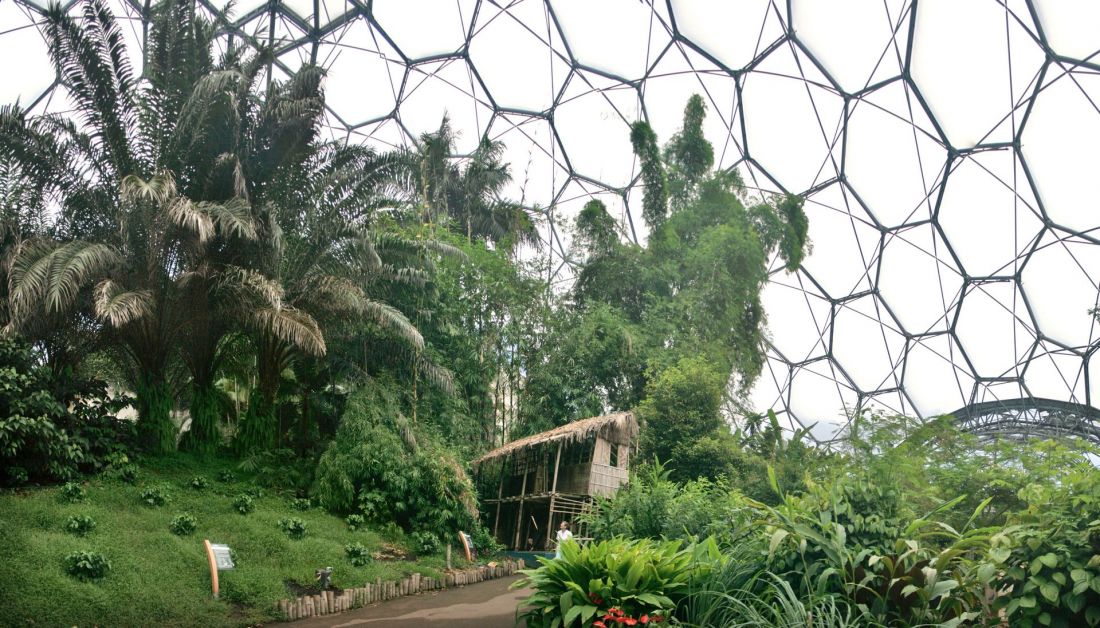
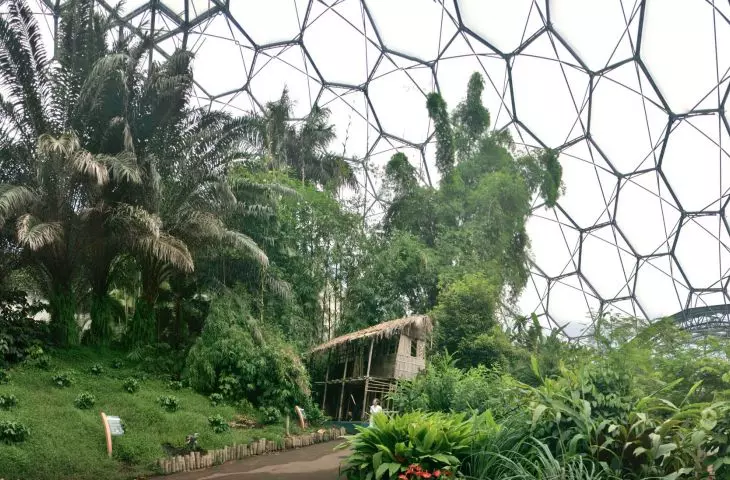
Eden Project in Cornwall -,
Photo: Julian Vernot © CC BY-SA 3.0 | Wikimedia Commons,Photo: Julian Vernot © CC BY-SA 3.0 | Wikimedia Commons
Domes - architecture inspired by nature
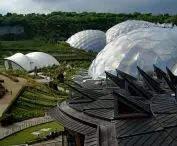
The most recognizable elements of the Eden Project are the huge, translucent geodesic domes, which are shaped like bee patches. They consist of hundreds of hexagonal modules made of a special material permeable to light, air and moisture.
Two worlds have been created under the domes:
-
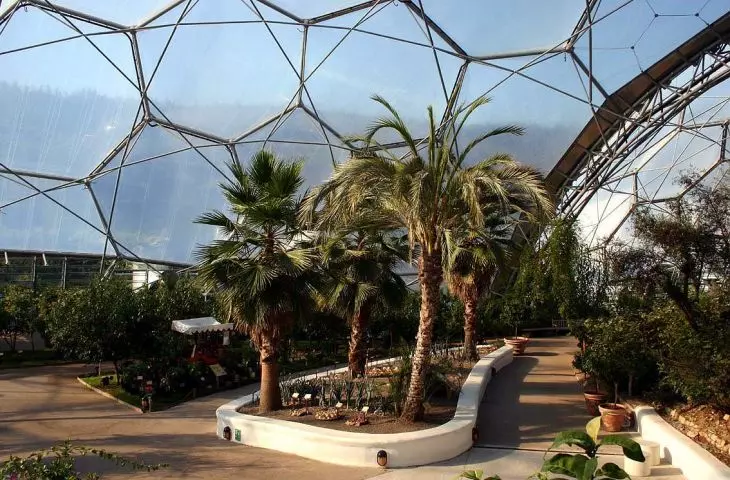
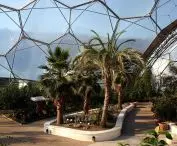
The humid biome - a greenhouse of 1.3 hectares and 55 meters high. There is a tropical climate conducive to the growth of banana trees, palms or bamboos.
-
Dry biome - occupying 0.6 hectares, presents Mediterranean and desert landscapes. Olives and vines, among others, grow there.
-
The outdoor biome - an open-air garden, where Cornwall's mild climate allows growing plants typical of the Mediterranean zone, such as lavender and tea.
Grimshaw's architecture not only protects the plants from the weather, but also creates an opportunity for visitors to travel through different climatic zones of the world - within a single space.
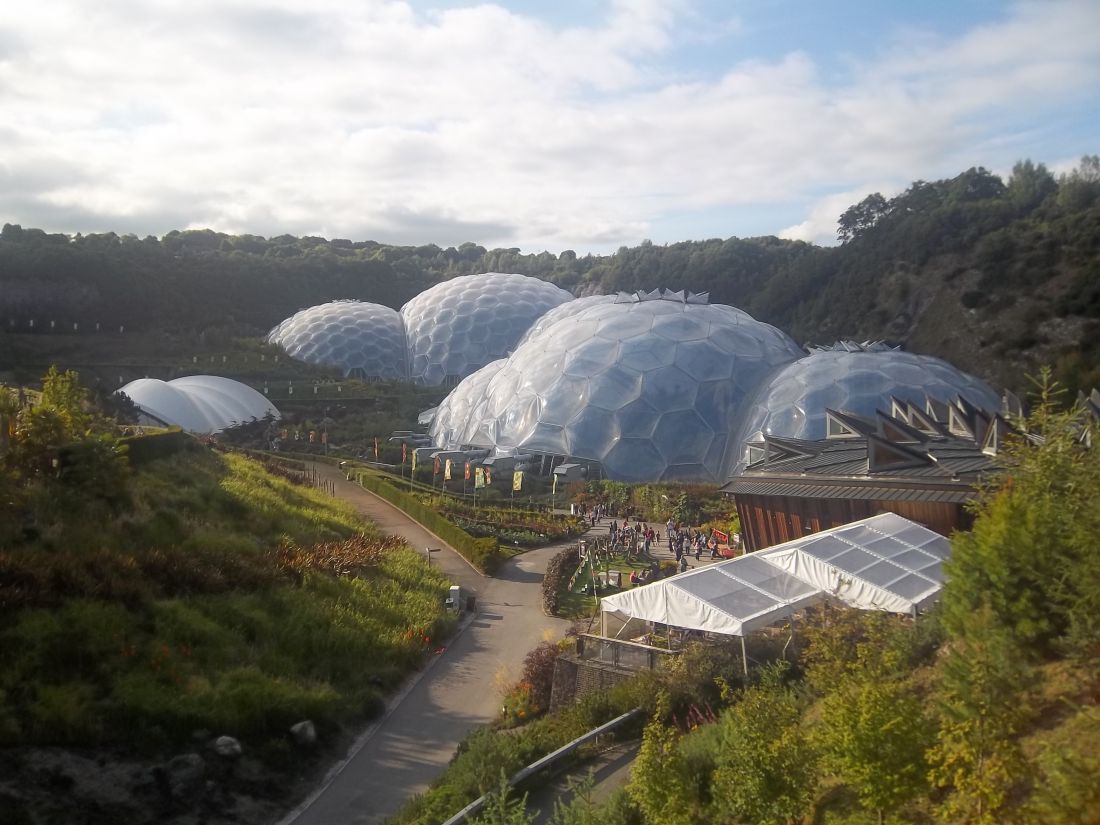
One of his most recognizable works by sira Nicolas Grimshaw remains the Eden Project in Cornwall
photo by JulesNotebook © CC BY-SA 3.0
Architecture and ecology in one stream
The Eden Project is a project that proves that architecture can be a restorative tool. In a place degraded by industry, a space has been created that attracts life - plants, people and new ideas. The domes allow the maintenance of stable microclimates with minimal energy consumption, and the whole concept is part of the sustainability thinking that is increasingly important today.
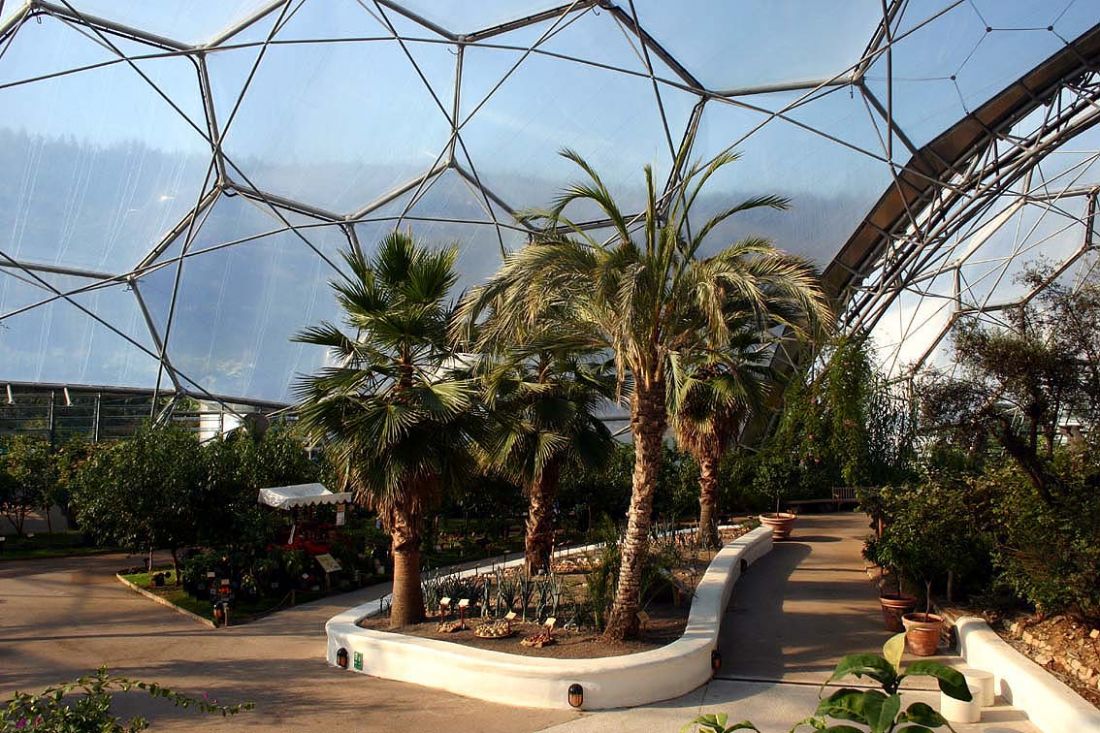
Eden project is not only a garden, but also a laboratory of ecological knowledge
photo by Si Griffiths © CC BY-SA 3.0
Education at the center
From its inception, the Eden Project was intended to serve an educational role. It is not only a garden, but also a laboratory of ecological knowledge. In 2007, the complex was enhanced with the addition of The Core building, which features exhibitions on the relationship between humans and nature. The installations are often provocative in order to make people think - an example is the "plant-machine," showing how plants have a fundamental impact on life on Earth.
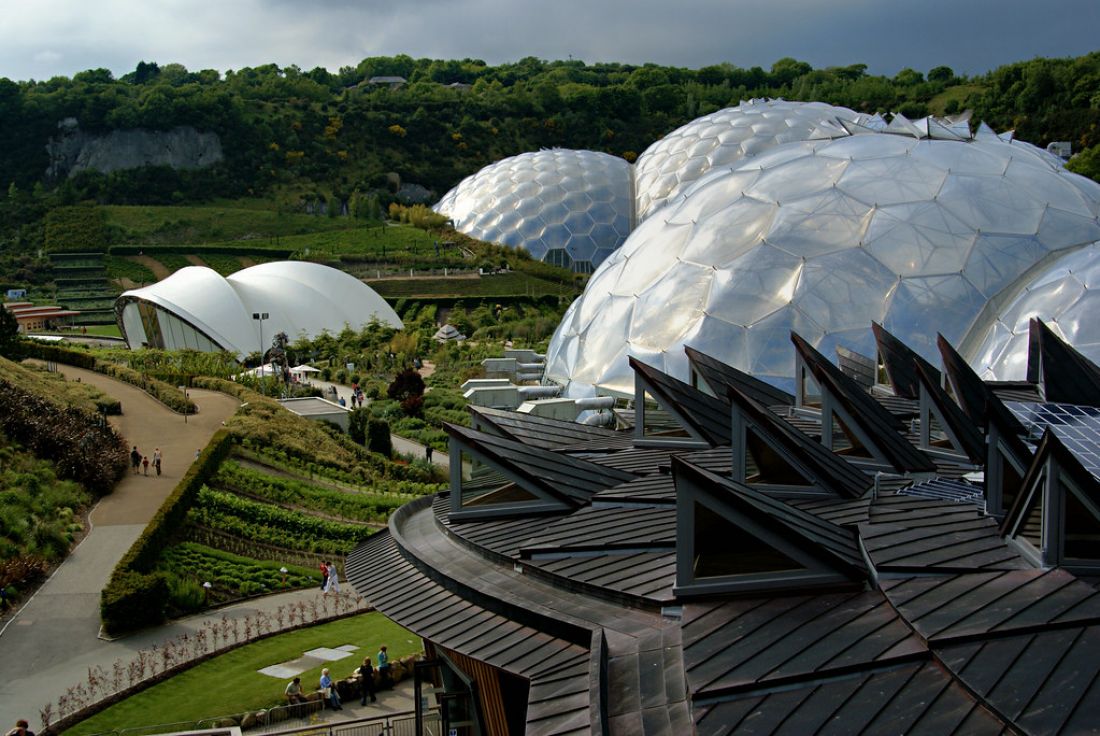
Eden Project is a project that proves that architecture can be a restorative tool
photo by Barry Enor © CC BY-NC-SA 2.0
Grimshaw's legacy
Sir Nicolas Grimshaw went down in architectural history as one of the most important creators of the high-tech trend. His designs are distinguished by their pursuit of functionality, openness to new technologies and ability to create spaces that become an integral part of the landscape. The Eden Project remains one of his most outstanding works - a symbol of the harmony of architecture and nature and an example of how architecture can restore meaning to spaces that seemed lost.
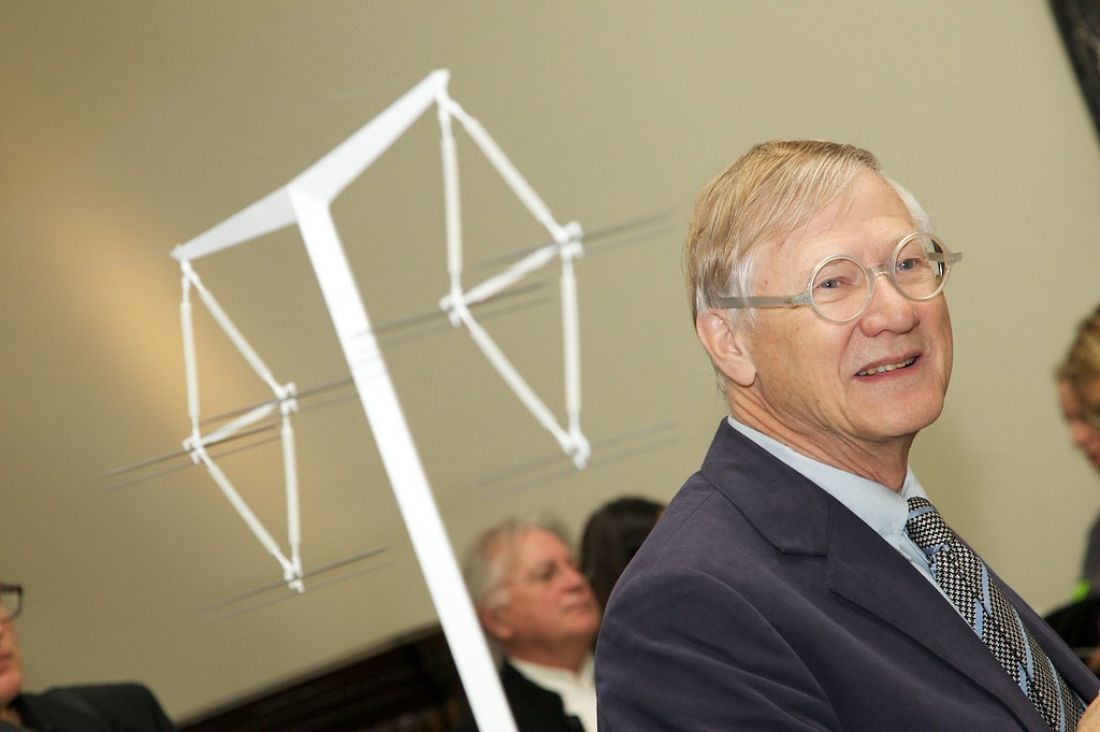
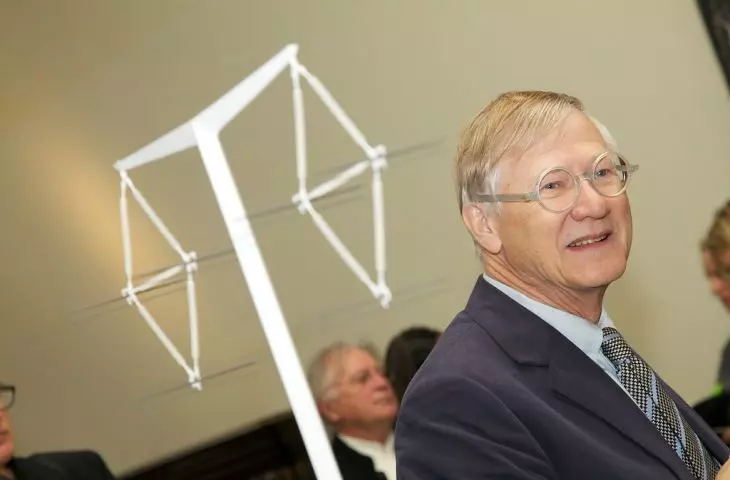
Sir Nicolas Grimshaw
Photo: Department of Energy and Climate Change © CC BY-ND 2.0 | Flickr
Eden Project - the garden of the future
Today, the Eden Project is not only a tourist attraction, but also an inspiration and a lesson in responsibility. Hundreds of thousands of people visit every year to immerse themselves in diverse ecosystems, experience extraordinary architecture and understand how fragile yet powerful nature is. Nicolas Grimshaw's death closes a chapter in architectural history, but his work in Cornwall lives on, reminding us that it is possible to create a vision of the future in even the most degraded space- beautiful in its idea and strong in its message.