





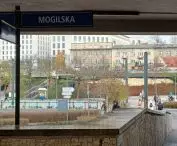
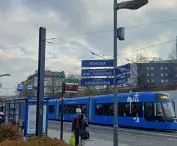
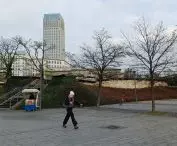
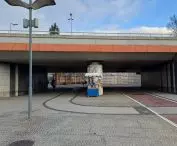

The Mogilskie Roundabout is one of the largest interchanges in Krakow. Every hour, more than a hundred streetcars pass through it, with countless crowds of pedestrians shuffling between them. Despite the role it plays in the city's transportation system, the Mogilskie traffic circle has been facing three "burning" problems for more than a dozen years - lack of shade, unintuitive signage and neglect of the historic ruins. Will the "green Mogilskie traffic circle" project help fix this space?
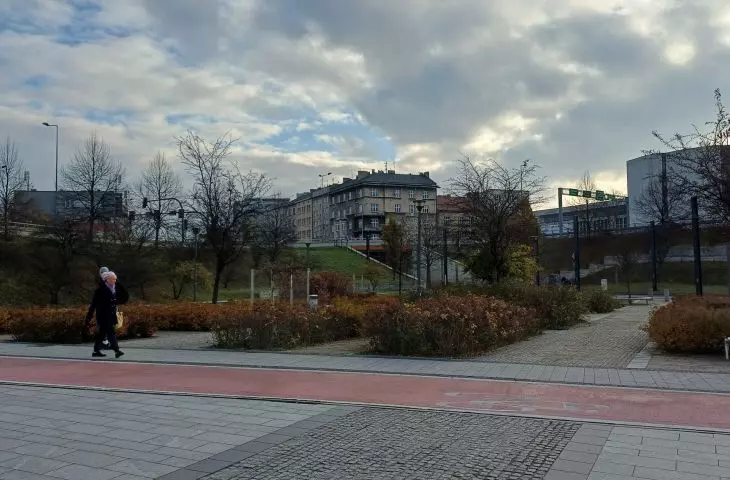
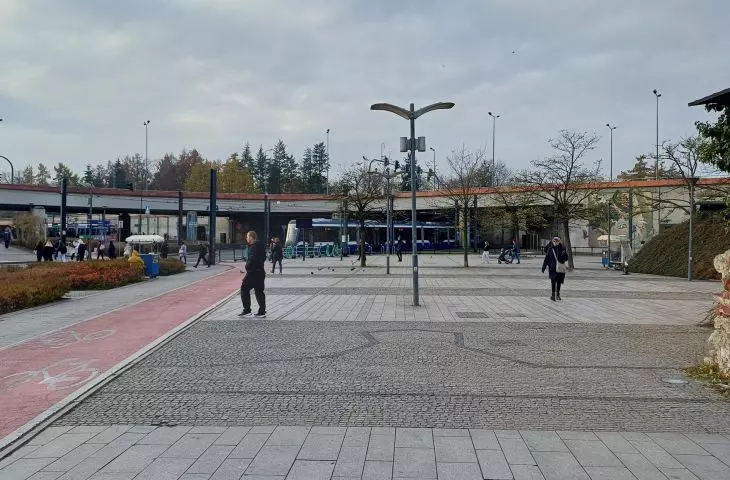
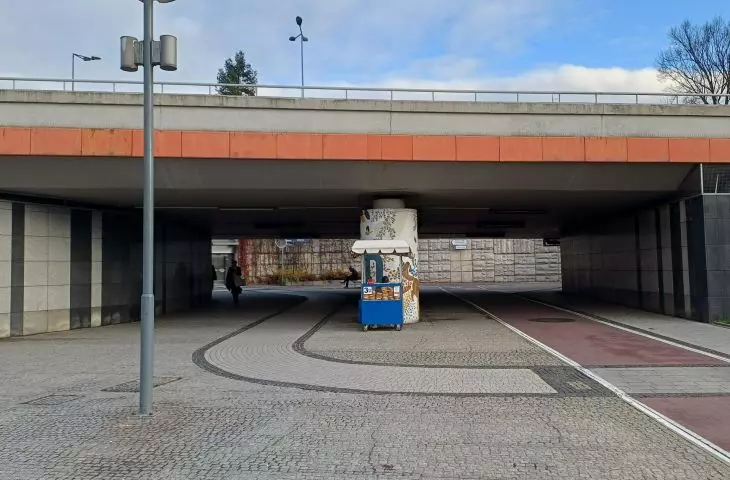
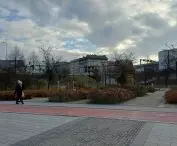
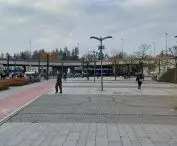
When representatives of Rescue Action for Krakow decided to check the temperatures that prevail at the Mogilskie traffic circle in 2023, it was an overcast, albeit hot, day. Despite the lack of sunshine, the Mogilskie traffic circle's pedestrian surface temperatures reached a ceiling of 41 degrees Celsius. When the sun's rays directly fall on the streets, sidewalks and bike paths, it probably gets much hotter. It doesn't help that the exposed "frying pan" on Mogilski is exceptionally large - moving on foot from Lubicz Street to Colonel Belina-Prażmowskiego Avenue, one has to cover 250 meters. Almost the entire road then runs in full sun. Worse, when it turns out that we are waiting for a streetcar in the direction of the Old Town, and space at the stop begins to run out. Then we are doomed to wait in full sunlight.
Green Mogilskie Roundabout project
© mat. UMK | Garden Team of the City of Krakow | with permission from the UMK Press Office
Green Mogilskie traffic circle
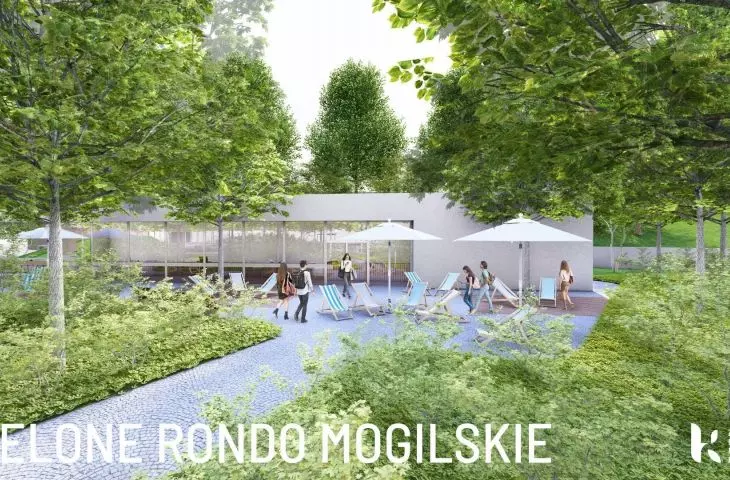
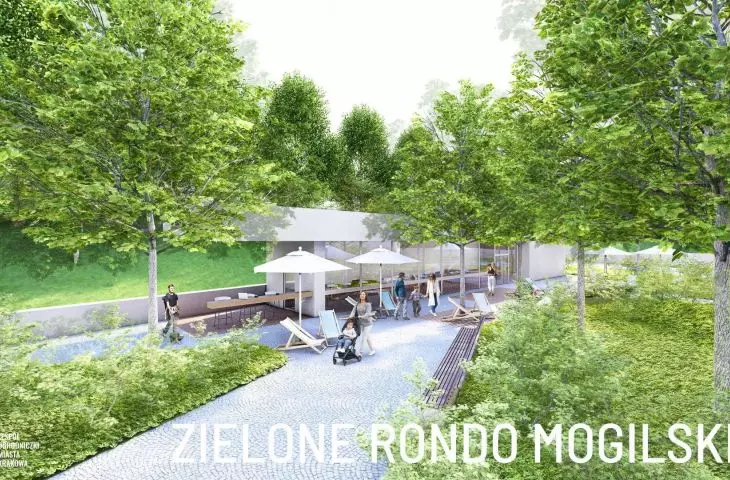
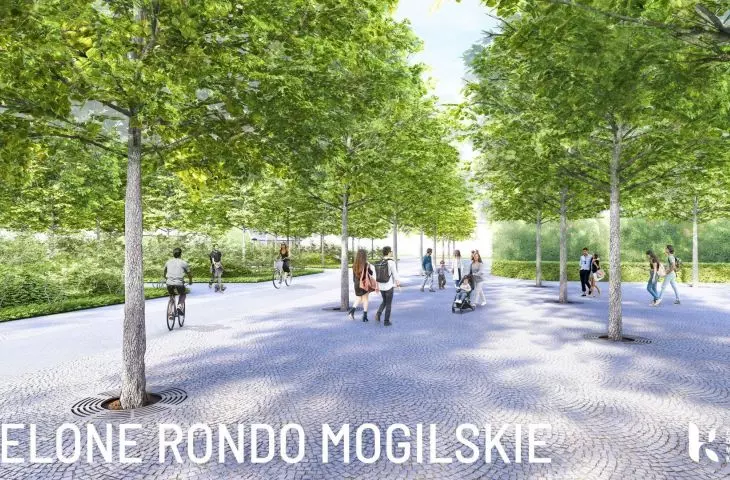
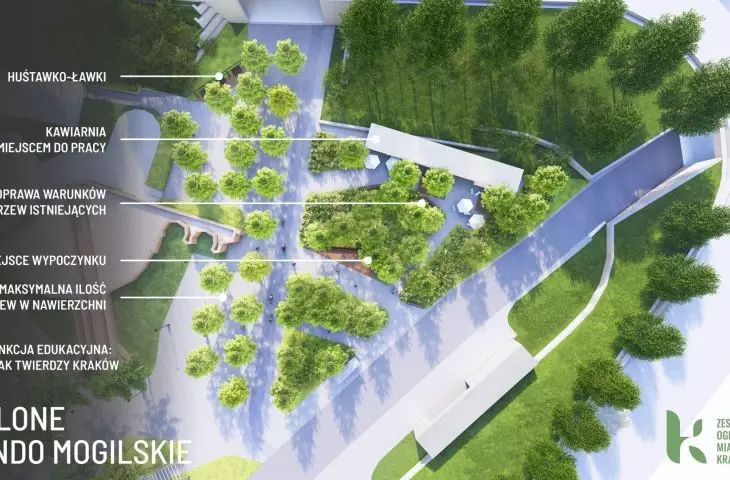
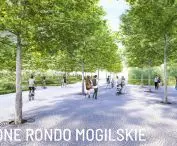
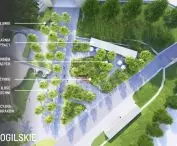
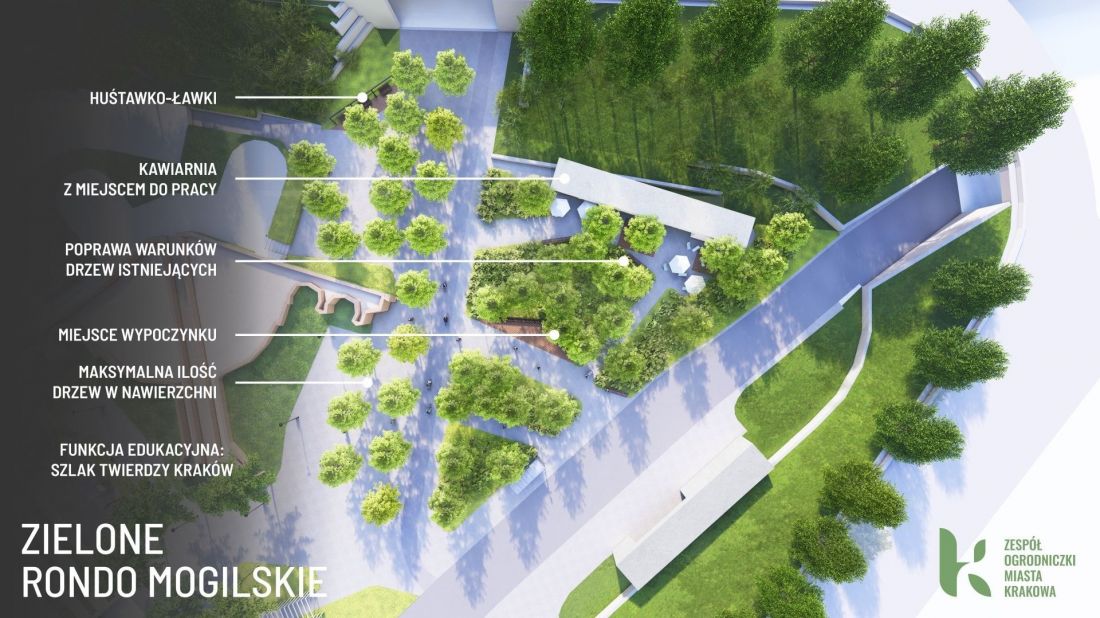
This state of affairs is set to change thanks to a new initiative by the Krakow Magistrate and the Krakow City Gardening Team, with plans to green the Mogilskie Roundabout in Krakow. According to the magistrate, the plan is to "deconstruct over 600 sq m of pavement and plant about 50 trees." According to the presented visualizations, prepared by the Garden Team of the City of Krakow, the new greenery would appear primarily in the central part of the traffic circle, along the pedestrian route and the bicycle path connecting the crossing near the stop on Mogilska Street with Pułkownika Belina-Prażmowskiego Avenue.
Green Mogilskie Roundabout project
© mat. UMK | Garden Team of the City of Krakow | with permission from the UMK Press Office.
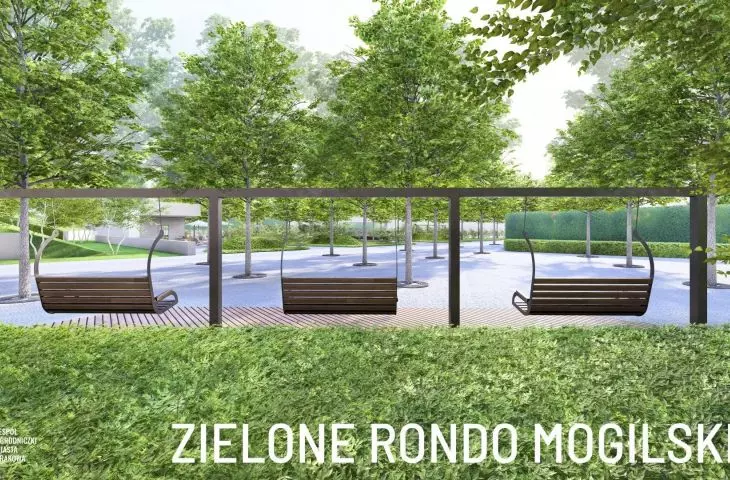
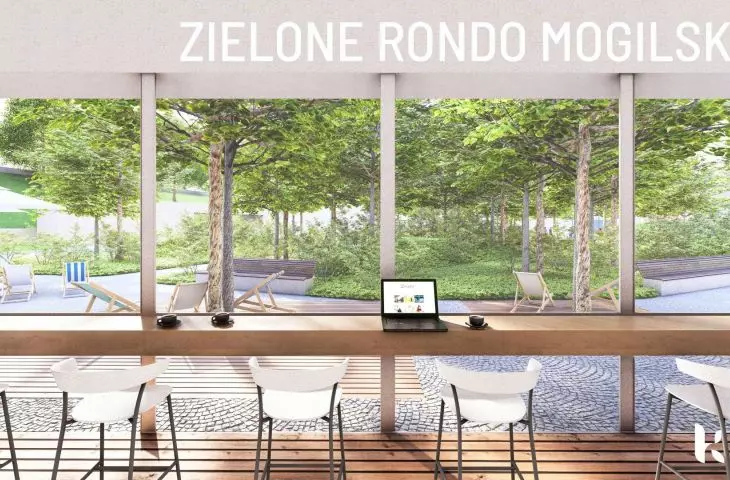
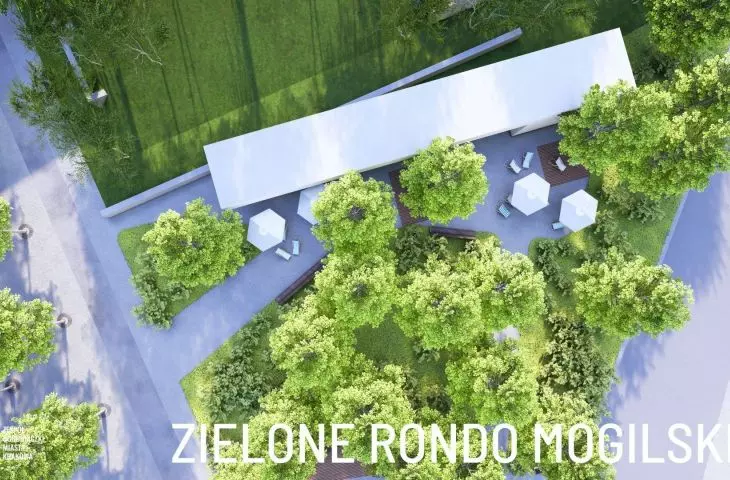
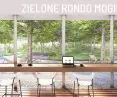
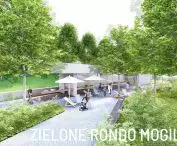
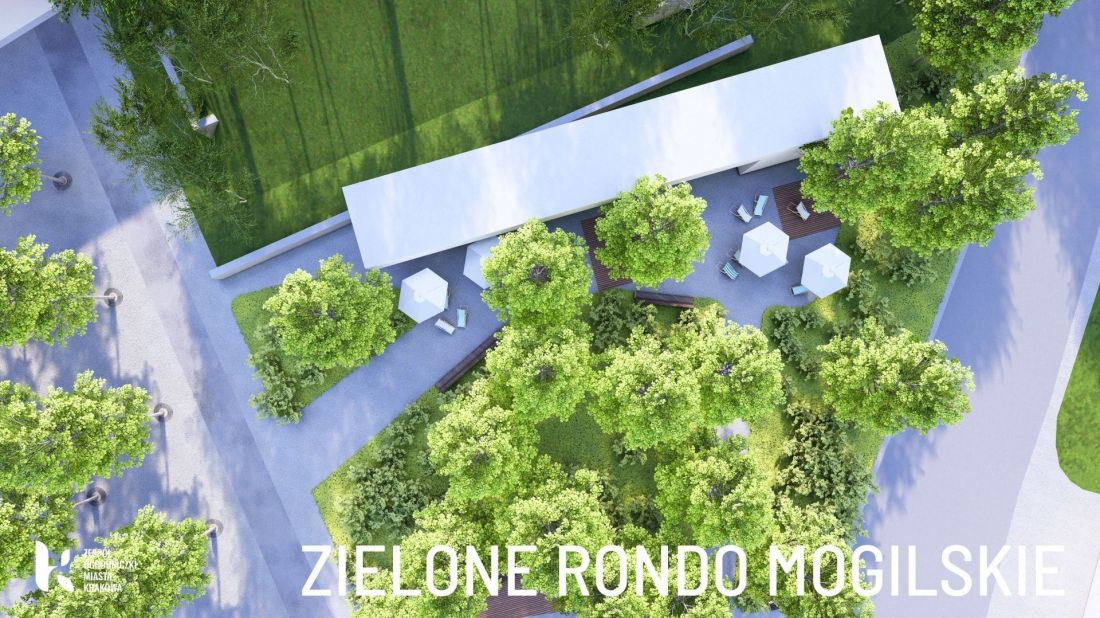
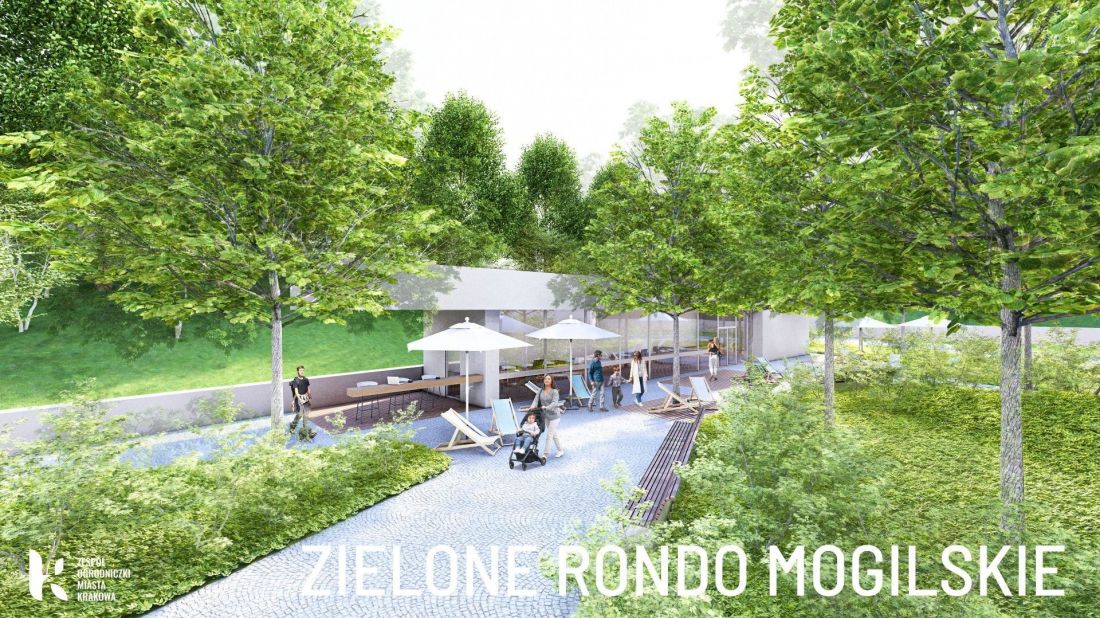
In addition to the aforementioned rows, greenery is also planned in the place of today's "Relax Zone". Currently, there is mainly a geometric arrangement of sidewalks, low plantings and small architecture. The redesign of this space will create several "oases" that will form a green wedge in this part of the traffic circle with places to rest and wait for streetcars and buses. In the northern part of the premise, it is planned to build a small pavilion with a café and a work area, as well as swinging tables.
Green Mogilskie Roundabout project
© mat. UMK | Garden Team of the City of Krakow | with permission from the UMK Press Office.
According to the magistrate, the relatively low cost of the works, amounting to PLN 7,200,000, will be achieved by maximizing the use of existing materials and improving conditions for the greenery that is already there. Several trees currently grow in the central part of the Mogilskie traffic circle, but despite several years of growth, they are still rather small specimens that provide only a little shade during hot weather.
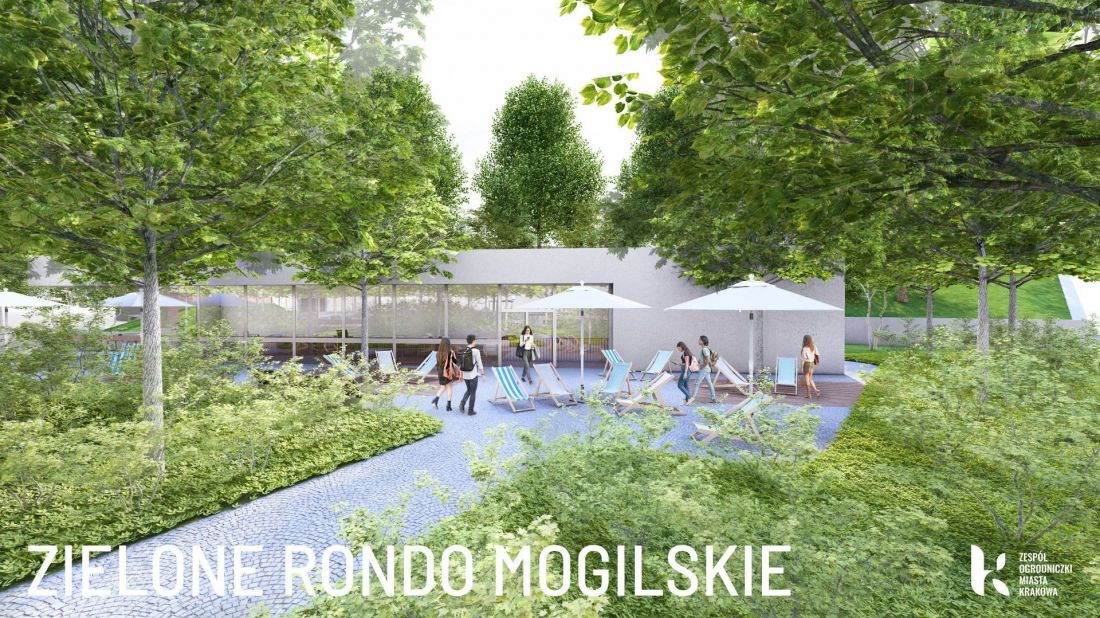
Green Mogilskie Roundabout project
© mat. UMK | Garden Team of the City of Krakow | with permission from the UMK Press Office
cutting down on the mogilskie
The Mogilskie traffic circle has been green before. Before the reconstruction completed in 2008, the center of the Mogilskie traffic circle was a wooded area with lots of vegetation and a few trampled alleys. However, as a result of the work on the traffic circle, more than 350 trees and shrubs were cut down. The Mogilskie area was then deepened by 6 meters, paving the way for streetcars, lowering it to the level of the tunnel under Krakow's train station, which had been planned for years, and in the process exposing the ruins of the Lubicz Bastion.
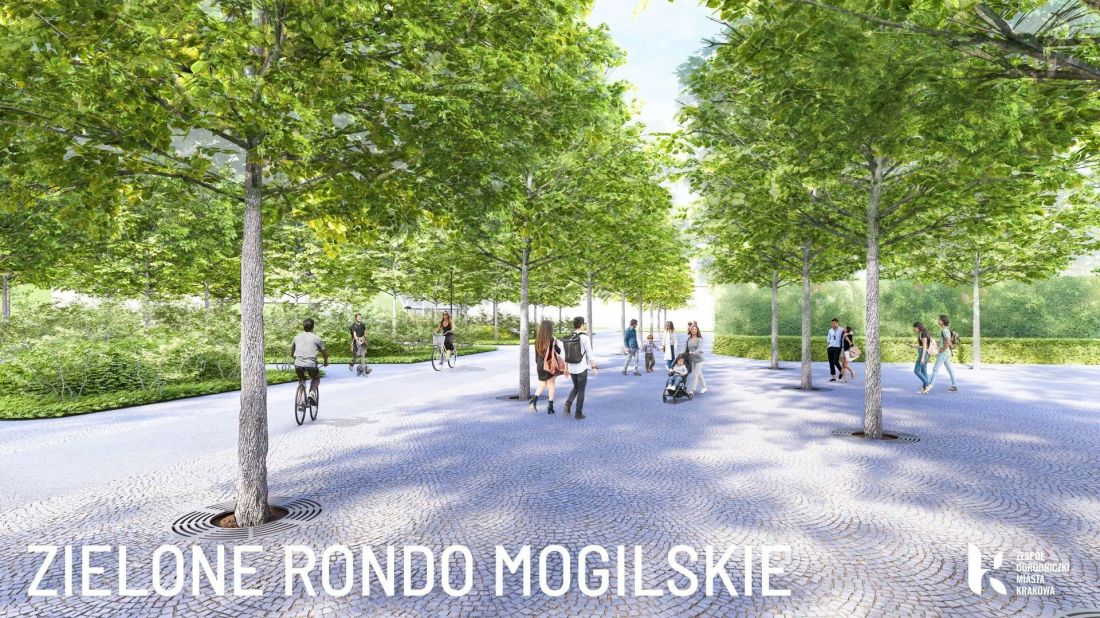
Green Mogilskie Roundabout project
© mat. UMK | Garden Team of the City of Krakow | with permission of the UMK Press Office.
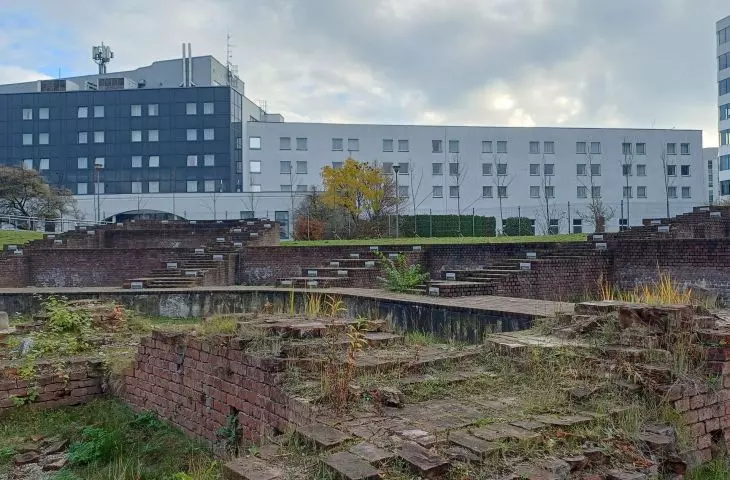
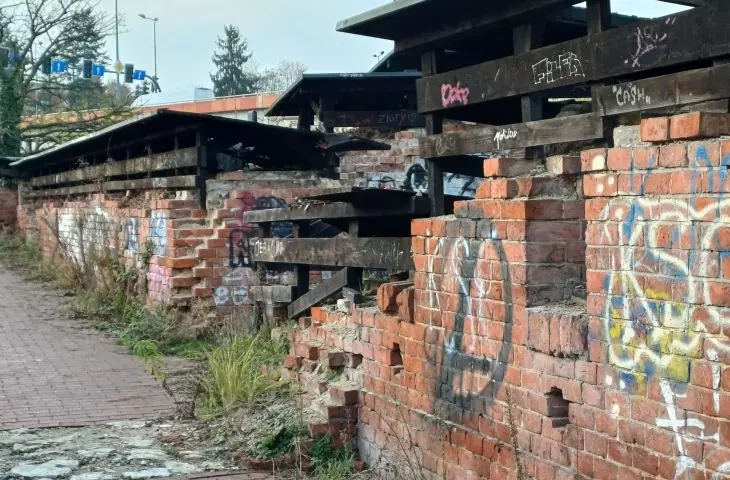
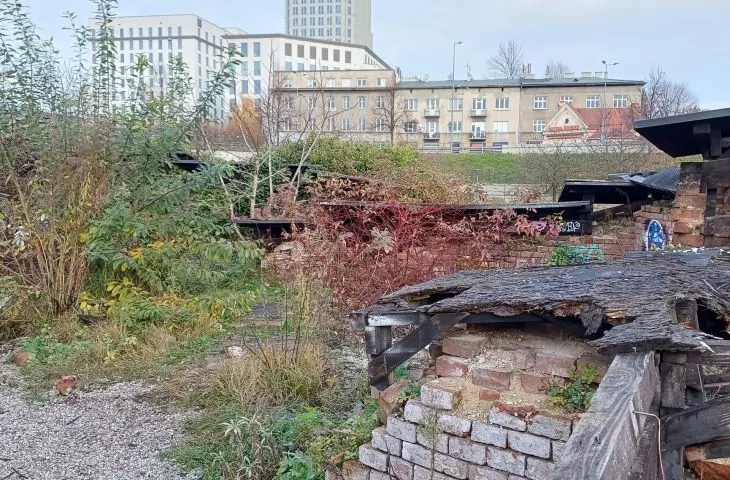
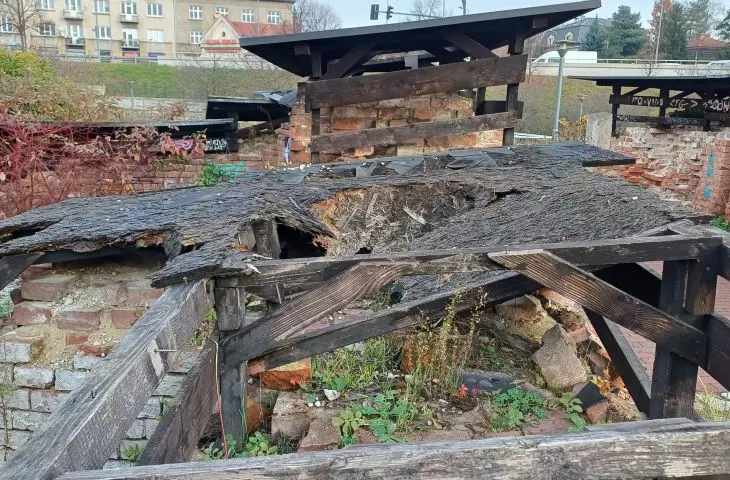
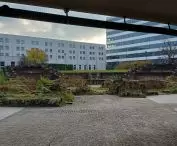
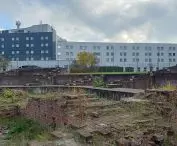
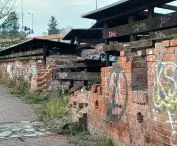
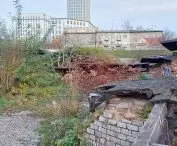
Although a dozen years ago the remains of fortifications became a kind of attraction, today they are one of the three - besides the lack of greenery and proper organization of the area - main problems of the Mogilskie traffic circle. As a result of the work on the traffic circle, the ruins of the bastion have been exposed and enclosed with small architecture. The remains of the fort, located on the south side of the Mogilskie traffic circle, were surrounded by benches and covered with wooden canopies to protect the 19th-century walls from erosion due to atmospheric phenomena.
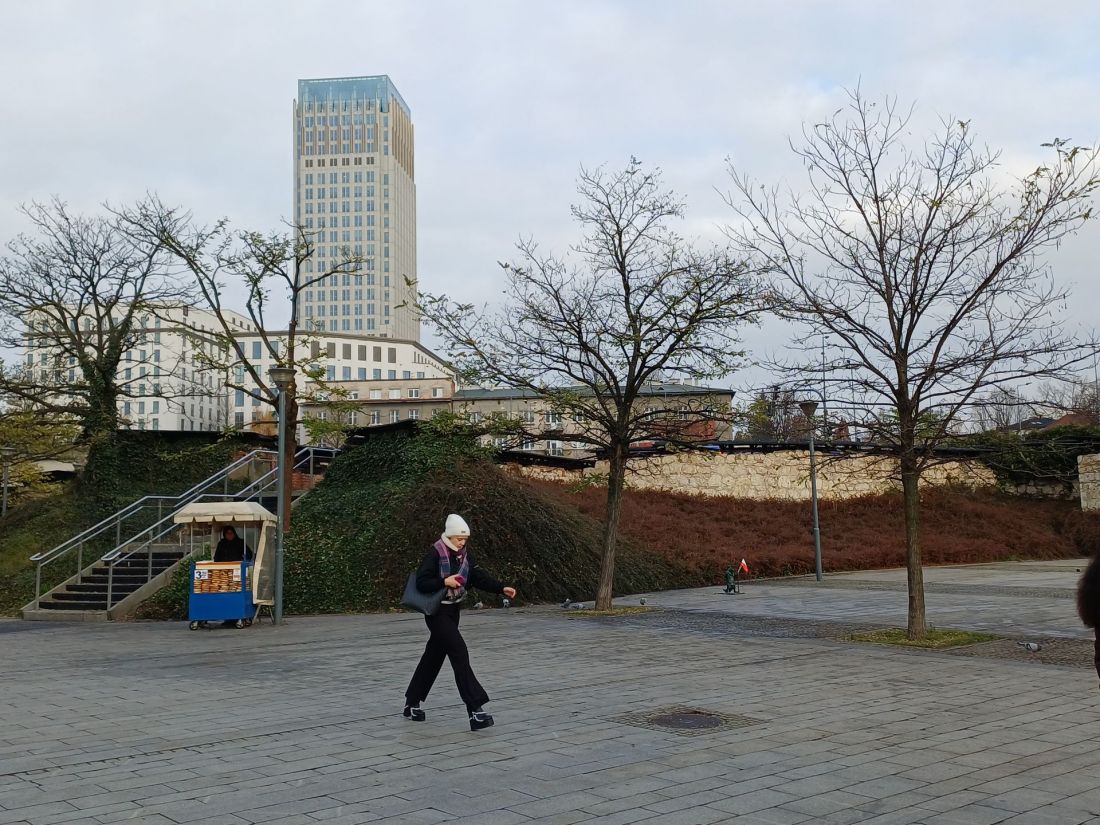
The ruins of Fort Lubicz at the Mogilskie Roundabout
photo: ed. Architektura&Biznes
ruins of Fort Lubicz
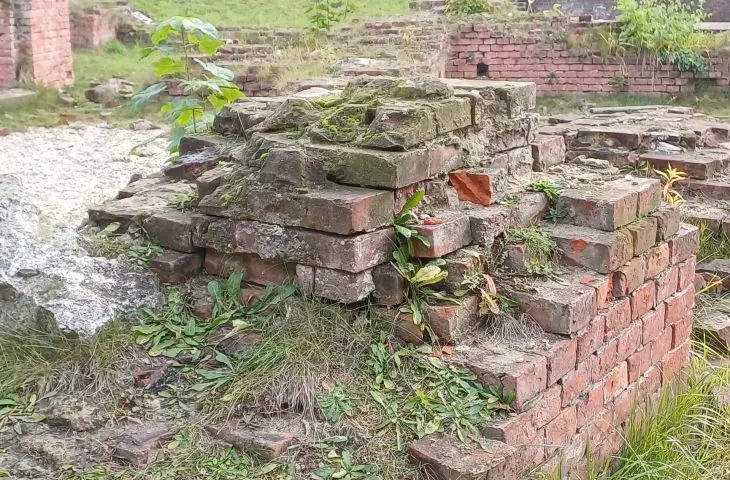
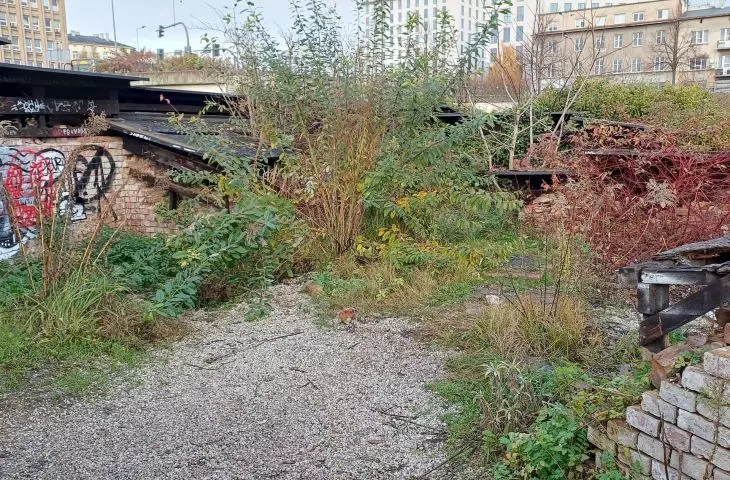
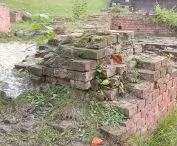
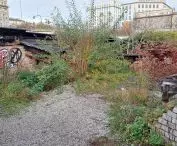
The unattended space has begun to undergo transformations over the years. Some of them can be interpreted as positive - the bastion has overgrown with vines, and the areas between the walls, as well as the resulting cavities in the pavement or in the walls themselves, have become enclaves of wild, fourth nature. Today this place is certainly the most biodiverse corner within the Mogilskie Roundabout.
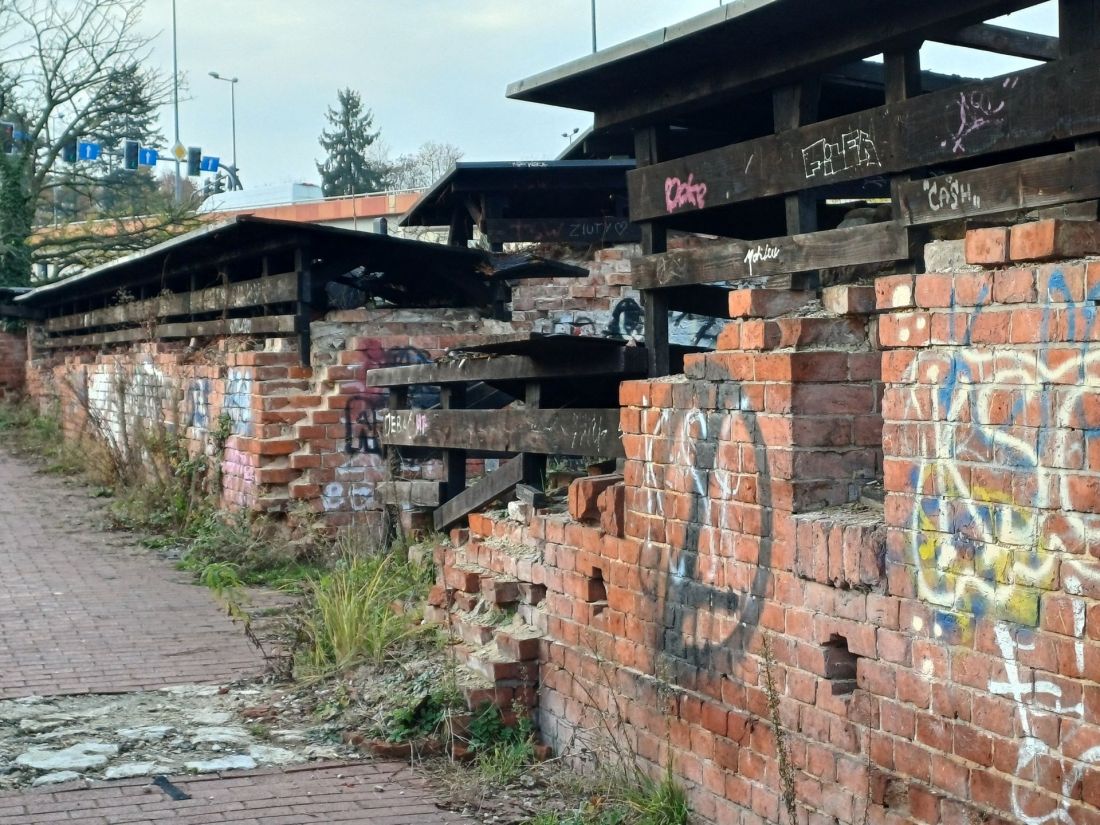
Fourth nature in the ruins of the Krakow Fortress at the Mogilskie Roundabout
photo: ed. Architecture&Business
It also turns out that a fragment of the Fortress of Krakow is a "bastion" of downtown street culture. Hundreds of square meters of graffiti have appeared on the brick walls over the years. Conservation issues aside, this can be read as a symptom of the neglect of this space by the city, which apparently has no idea how to activate it.
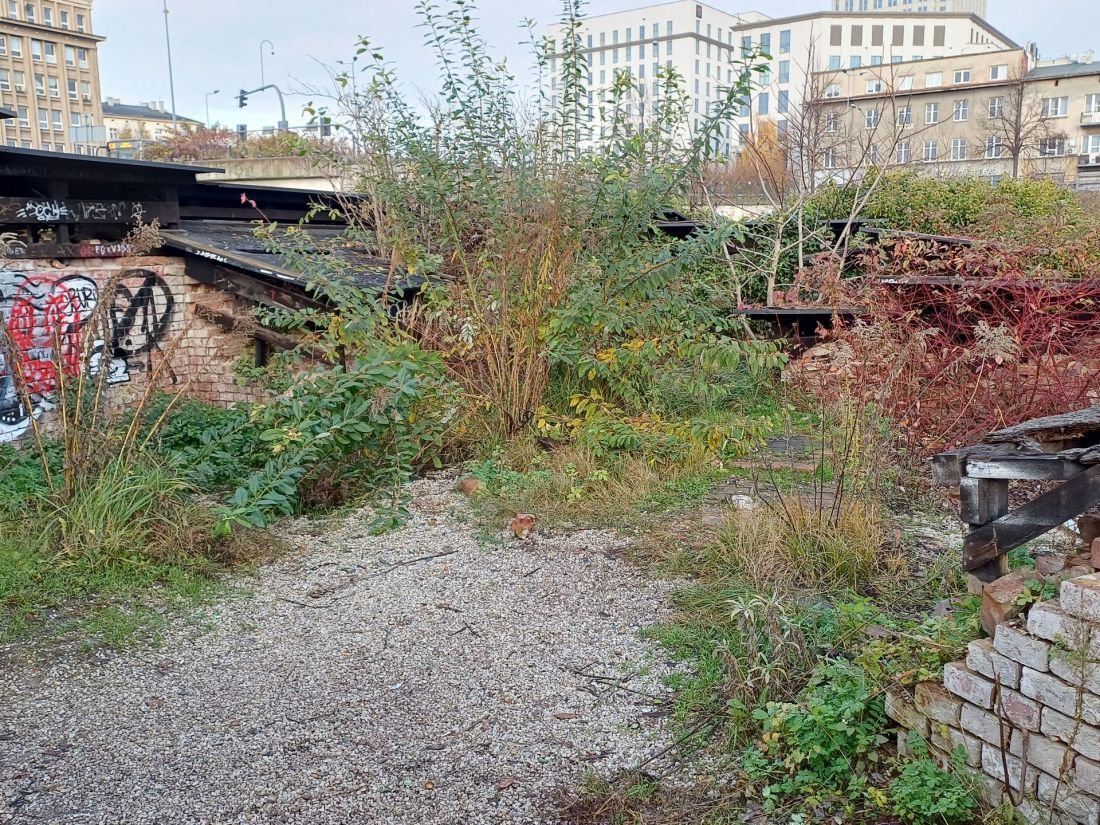
The fourth nature in the ruins of the Fortress of Krakow at the Mogilskie Roundabout
photo: ed. Architecture&Business
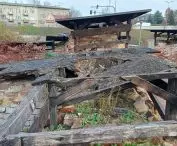
As a result, the ruins of the 19th-century Fortress of Krakow resemble a dilapidated garbage shed, filled with cans, broken glass and an unpleasant smell floating in the air. The wooden canopies that once protected the structures are now rotting, adding no extra charm to the space. In 2022 What's more - not everyone knows what the ruins at the Mogilskie traffic circle actually are, as the city has not taken care to properly mark the site. Perhaps this is the reason why there is so little respect for the place among residents?
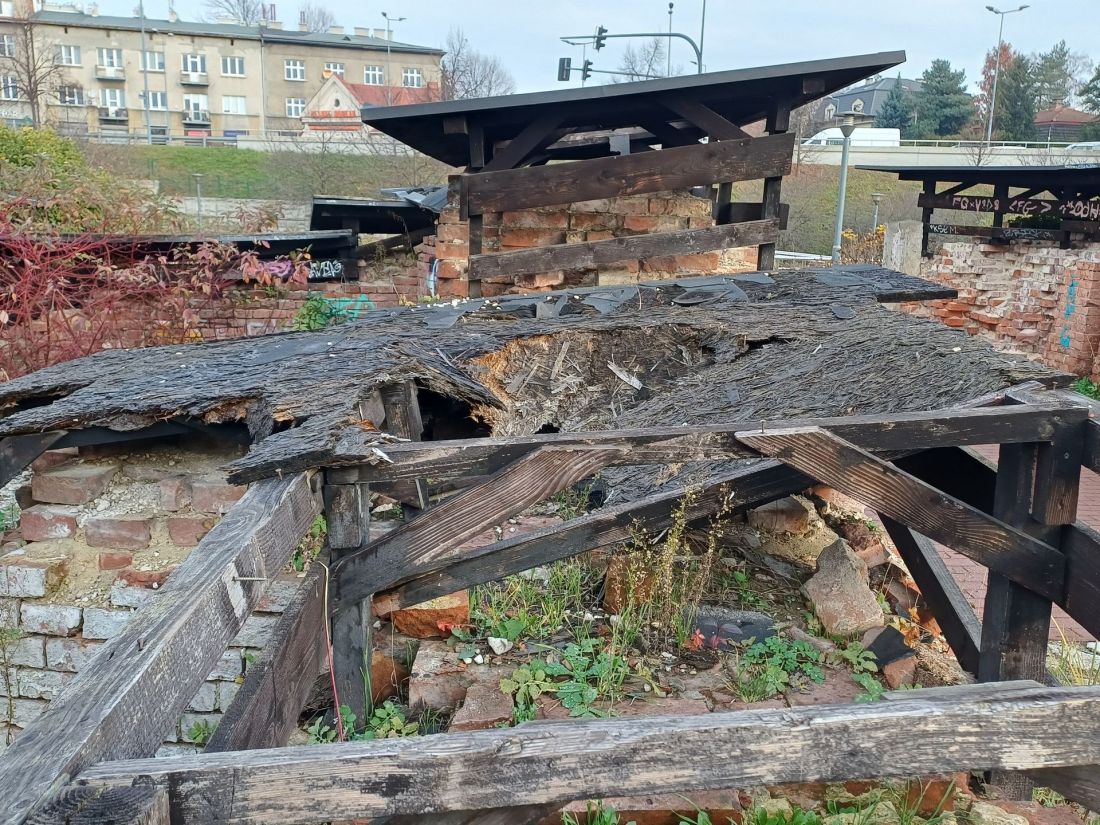
Broken canopies in the ruins of the Fortress of Krakow at the Mogilskie traffic circle
photo: ed. Architektura&Biznes
Fourth nature in the Mogilski Fort ruins
The Mogilski Fort has not been left out of plans for the greening of the Mogilski traffic circle. According to UMK, the work includes the construction of new canopies and the creation of educational infrastructure to inform about the history of the site. It can also be expected that conservation repairs will be carried out within the heavily damaged walls of the fort. More details on the planned work were not provided.
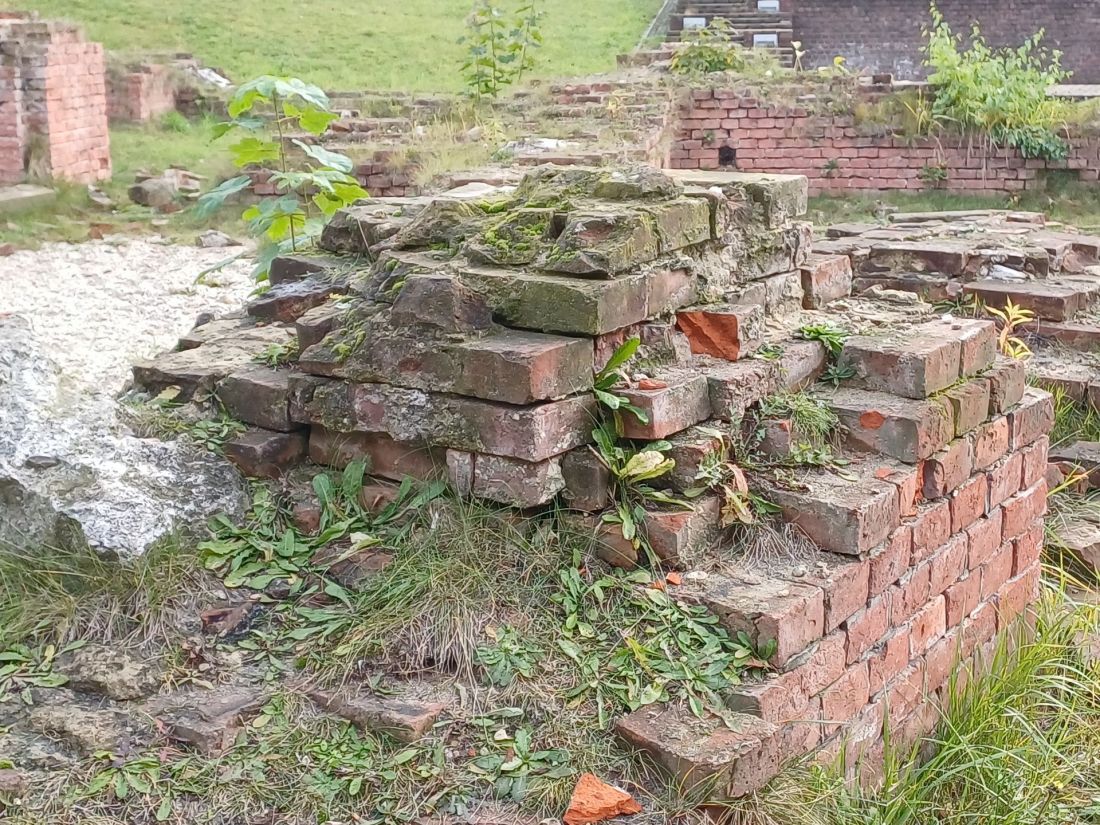
Fourth nature in the ruins of the Krakow Fortress at the Mogilskie Roundabout
photo: ed. Architecture&Business
It is to be hoped, however, that the small ecosystem that has formed over the years in the ruins of the fort will not be completely destroyed, especially since, in addition to the greenery, there is also a population of bats living there. Examples are coming from the capital, showing that neglected spaces, which were then "developed" by nature, can become valuable areas of harmonious coexistence between nature and city dwellers.
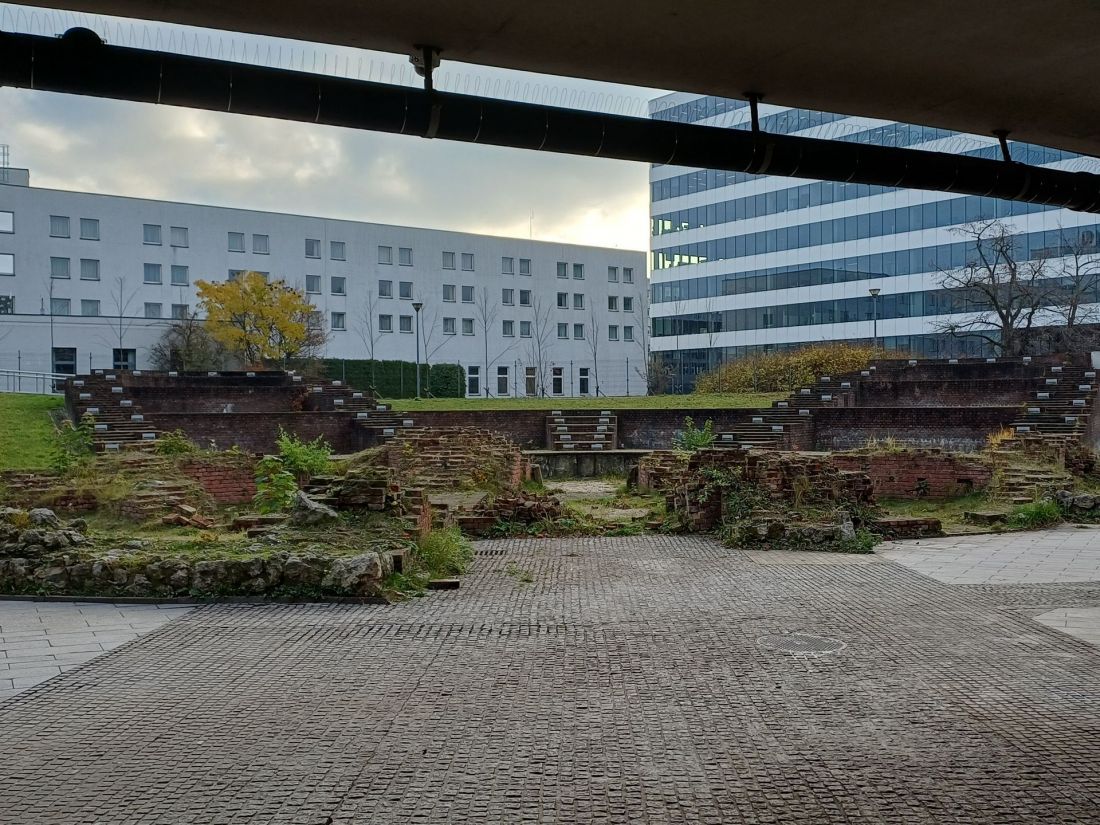
The ruins of the Fortress of Krakow in the southern part of the Mogilskie traffic circle
photo: ed. Architektura&Biznes
abandoned amphitheater on Mogilskie Street
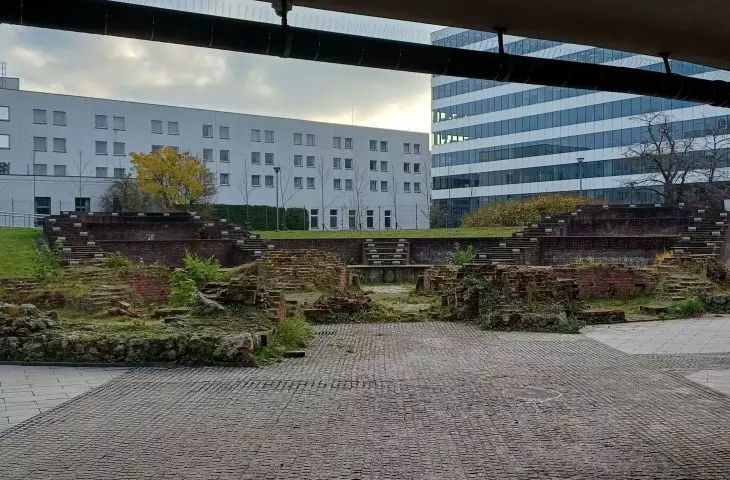
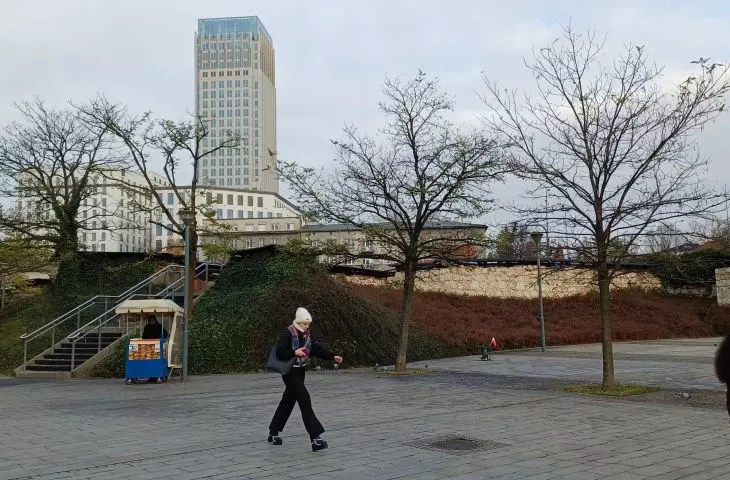
Instead, the presentations did not include any plans to revitalize the second set of historic ruins within the Mogilskie traffic circle. The 19th-century buildings, located at the southern end of the traffic circle, were developed as relics surrounded by a brick amphitheater. Unlike the buildings in the center of the traffic circle, their space is rather open, so they have avoided littering. However, this does not mean that they are a functioning place in the consciousness of residents - regardless of the weather, it is difficult to encounter people using the seats designed there. Perhaps this place needs not so much new trees or architectural interventions, but simply "activation". There have already been ideas in the public space about organizing outdoor events within the ruins, but they never came to fruition.
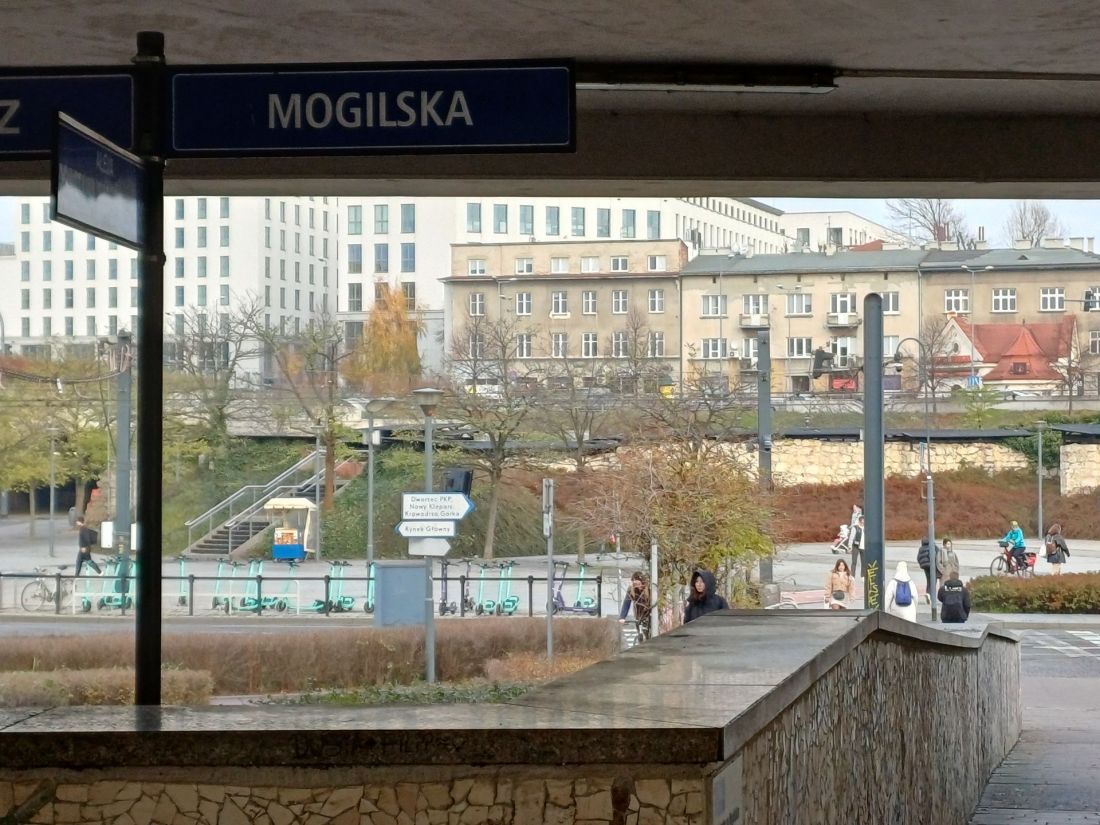
Mogilskie traffic circle lacks intuitive signage for pedestrians and cyclists
photo: ed. Architektura&Biznes
it's easy to get lost at the Mogilskie traffic circle
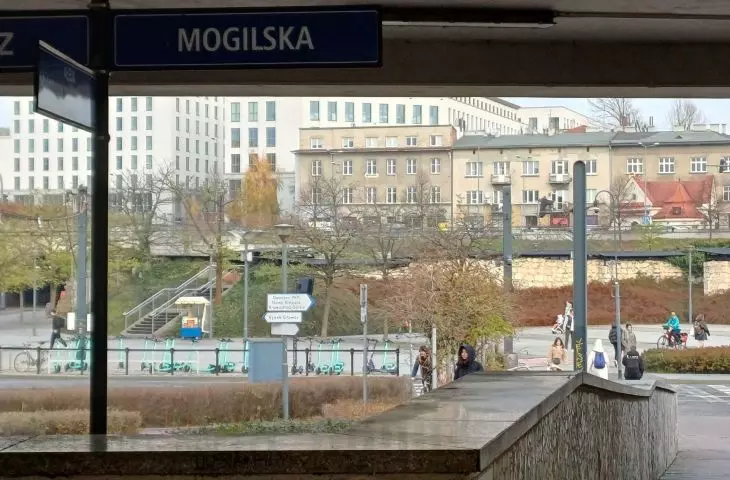
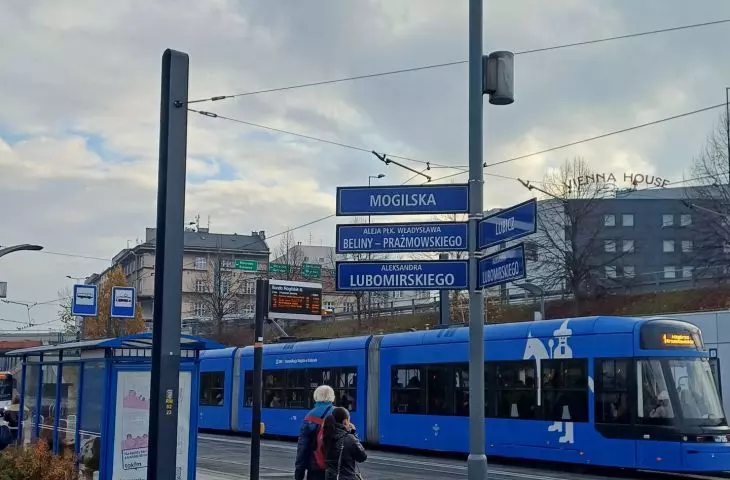
The third of the Mogilskie traffic circle's problems, as noted in the introduction to the article, is the lack of proper signage. Although in the course of its design it was possible to avoid pedestrian tunnels, dangerous and problematic from the point of view of accessibility, this does not at all mean that the Mogilskie traffic circle is a space that is actually accessible. The entire pedestrian traffic system at the site consists of six exits by which pedestrians and cyclists can access Lubicz, Mogilska or Aleksander Lubomirskiego streets, as well as Powstania Warszawskiego and Pułkownika Beliny-Prażmowskiego avenues, among others. In total, there are as many as eight bus and streetcar stops within the Mogilskie traffic circle.
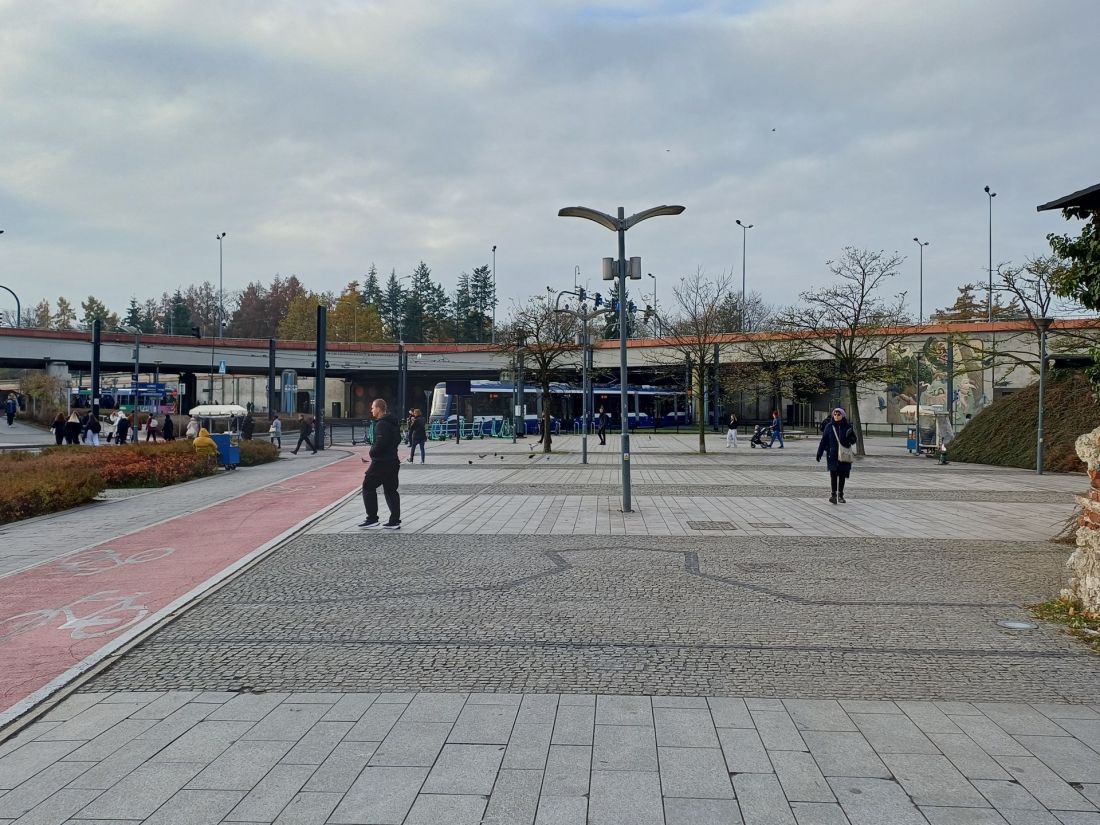
The Mogilskie traffic circle lacks intuitive signage for pedestrians and cyclists
photo: ed. Architecture&Business
Despite the empty square in the center, the Mogilskie traffic circle can resemble a labyrinth with few hints of walking direction. There are two signposts in the square (one completely shaded, located where pedestrian and bicycle routes intersect) covered with small inscriptions and looking as if they are aimed at drivers rather than pedestrians. There is an arrow at the intersection of the streetcar tracks, but it is of little use in the maze of paths. On the north side of the traffic circle there are three exits to street level - but only two arrows have been placed there , which are moreover not adequately visible. There is also little information for those transferring from streetcar to bus. In 2011, the city put up two boards informing about departures from individual stops, but today, unfortunately, there is no trace of them.
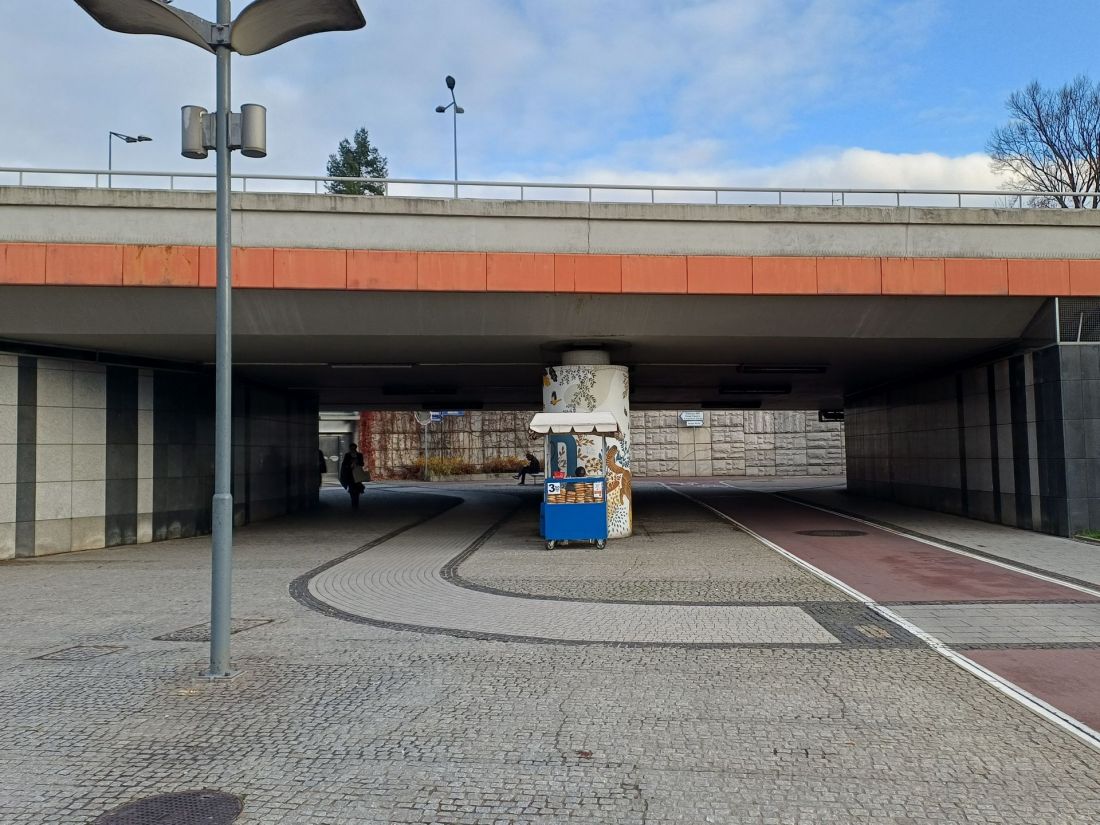
The Mogilskie traffic circle lacks intuitive signage for pedestrians and cyclists
photo: ed. Architektura&Biznes
There is a lack of more visible markings, placed, for example, on the edges of flyovers above the square in the center of the traffic circle, similar, for example, to those in the underpass near the Słowacki Theater. Additional tall greenery on Mogilskie, while necessary, could further exacerbate the problem, for example, by obscuring the nearby PKP Construction Board Office Building, ABB or Unity Tower office buildings, which help many people better orient themselves in this space. In view of this fact, improving signage at the Mogilskie traffic circle seems extremely important.
Is it possible to change Krakow?
The project to green the Mogilskie traffic circle in Krakow is one of eight initiatives that the Cracow City Hall boasted about during a conference held on November 6 this year. As part of the "It's possible" program to crack down on the problems of several of Krakow's public spaces, a total of eight investments were presented, which residents have been waitingfor for years.
New footbridges in Krakow
Several of the changes will be transportation-related. The earliest to be implemented is the relatively easiest project - the creation of a new pedestrian crossing at Bohaterów Getta Square, allowing people to get to the streetcar stop along Na Zjeździe St. Currently, to get to the stop one has to head toward Kącik St., where the only crossing leading to the stop exists. A new pedestrian crossing will be created on the side of Lwowska Street. In the longer term, it is planned to build two new footbridges in Krakow - between Zabiniec Street and 29 Listopada Avenue, which will finally help to cross the railroad line number 8, as well as a bridge over the Bialucha River at Niepołomska Street.
Trees in the Old Town
Some of the projects involve spaces that are difficult from the perspective of historic preservation. In the near future, the magistrate's office is expected to gain a bit of greenery through additional plantings and the removal of parking spaces next to City Hall. The concept for the "Green Square in front of the magistrate's office" has already received the approval of the Provincial Historic Preservation Officer.
Much more uncertainty surrounds the changes planned for Maria Magdalena Square, located between Grodzka and Kanonicza Streets, near the churches of St. Peter and Paul and St. Andrew, as well as the Art History Institute. Although just after the war this place was full of greenery, even earlier there were buildings there. The architectural form of the square, moreover, recalls the location of the Church of St. Mary Magdalene, whose outlines protrude above the level of the pavement in the form of a stone-lined slab. According to the Cracow City Hall, the project is to be selected through an architectural competition. The date of its announcement has not yet been announced.
Vistula River Museum and changes near Wawel Hill
Big changes are in store for the surroundings of Wawel Hill. After many years of "lying fallow," the pavilion at 11 Powiśle Street, designed by ATP Asymetria studio, originally serving as a Tourist Service Center, will finally be developed. In the future, it will house the Vistula River Museum, where - in addition to an exhibition on Krakow's rivers and the history of their development - a "dialogue space" and a boat house, where ships will be built, are planned.
The nearby Napoleon's Grand Army Square, which currently ranks as one of Krakow's top pans, will also undergo a metamorphosis. A retention basin is planned, the "New Square of Napoleon'sGrand Army" will also be equipped with additional greenery and small architecture. At this point, the city has not presented a visualization or design that would reveal the scope of the changes planned for the site. The potential for changes that are possible in this location was expressed in the idea competition for the design of the Wawel Hill surroundings, which was decided during this year's edition of the Architecture Biennale in Krakow. Will the city benefit from the ideas proposed by the authors of the awarded works?
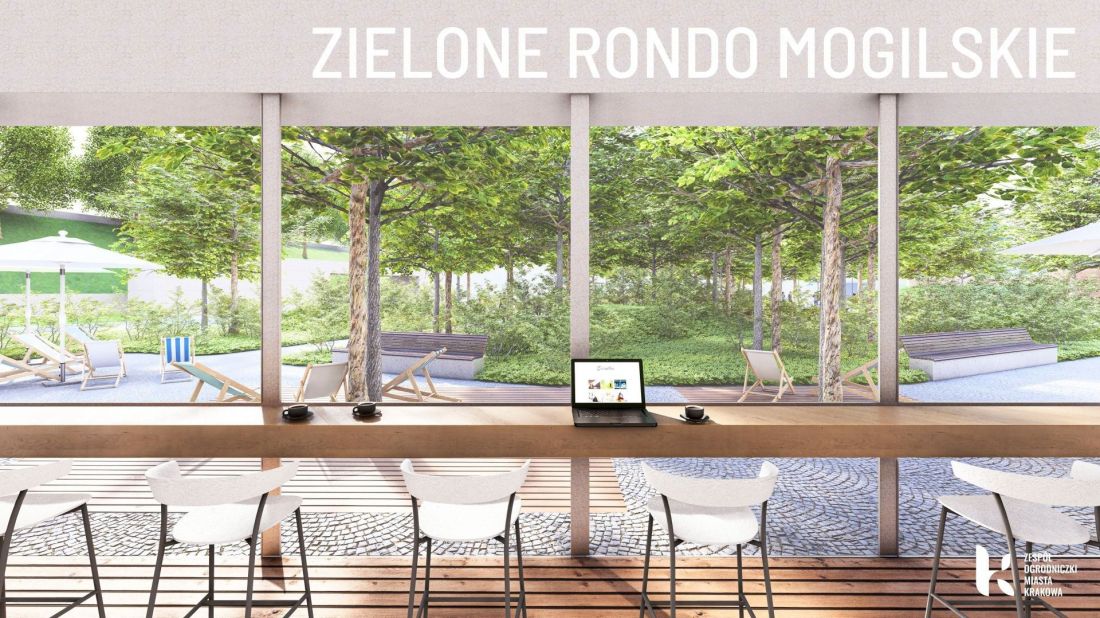
Green Mogilskie Roundabout project
© mat. UMK | Garden Team of the City of Krakow | with permission from the UMK Press Office
Green remedy for Mogilskie's problems?
The concept of greening the Mogilskie traffic circle, which the City of Krakow presented as part of the "It's possible" campaign, has a chance to solve one of the pressing (literally!) problems of one of the largest interchanges in the capital of Małopolska. However, the investment, which is expected to cost more than 7 million, will not be a cure for all the ills of the place. While a thorough reconstruction of the traffic circle is not necessary, there is a need for a more comprehensive approach to locating small interventions at this location. Importantly from the point of view of the municipal budget, interventions that do not require huge financial outlays and a complicated construction process.