








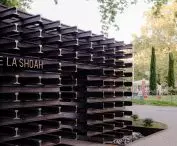
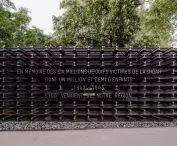


The monument titled. "Rails of Remembrance."
design: Blaising Borchardt Studio
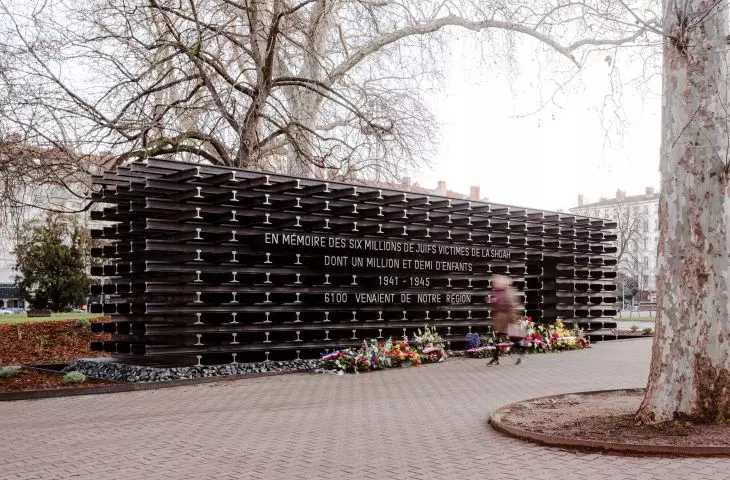
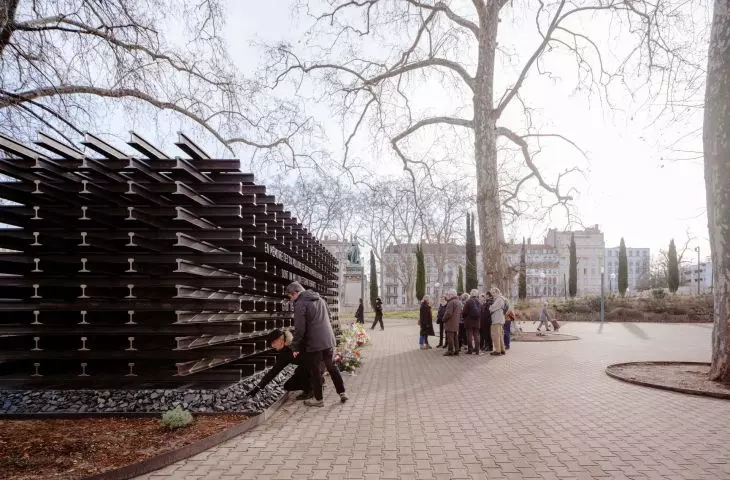
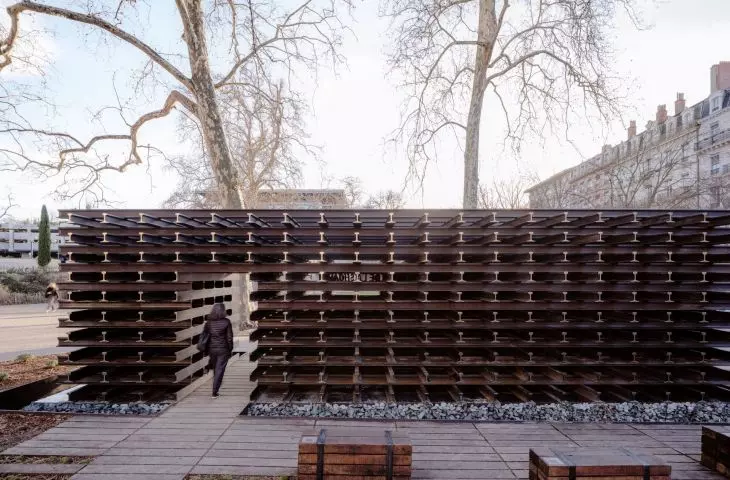
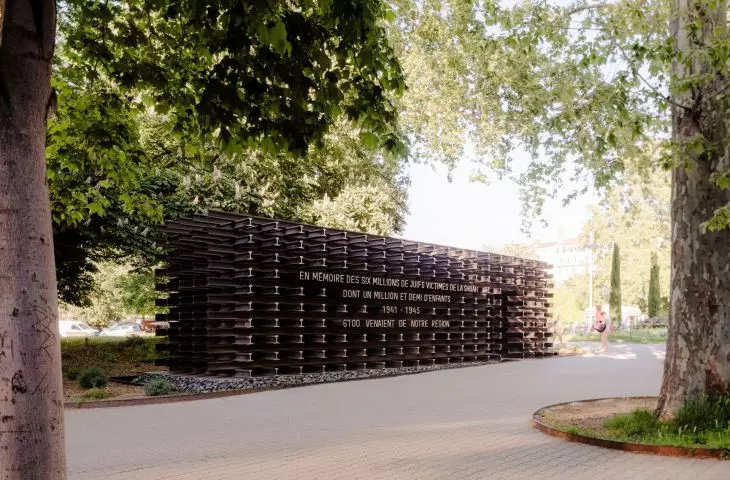
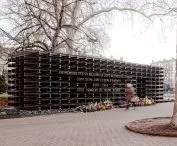
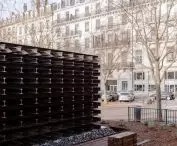
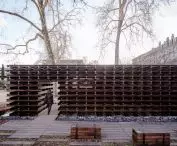
In the heart of Lyon, right next to the Perrache train station, a place has been created that does not allow us to forget the tragedy of World War II. "Rails of Remembrance" (French: Les rails de la mémoire), designed by Blaising Borchardt Studio, is more than a memorial. It's a space that tells the story of Holocaust victims in a tangible and symbolic way. The project was selected in an international competition and will be officially unveiled in January 2025.
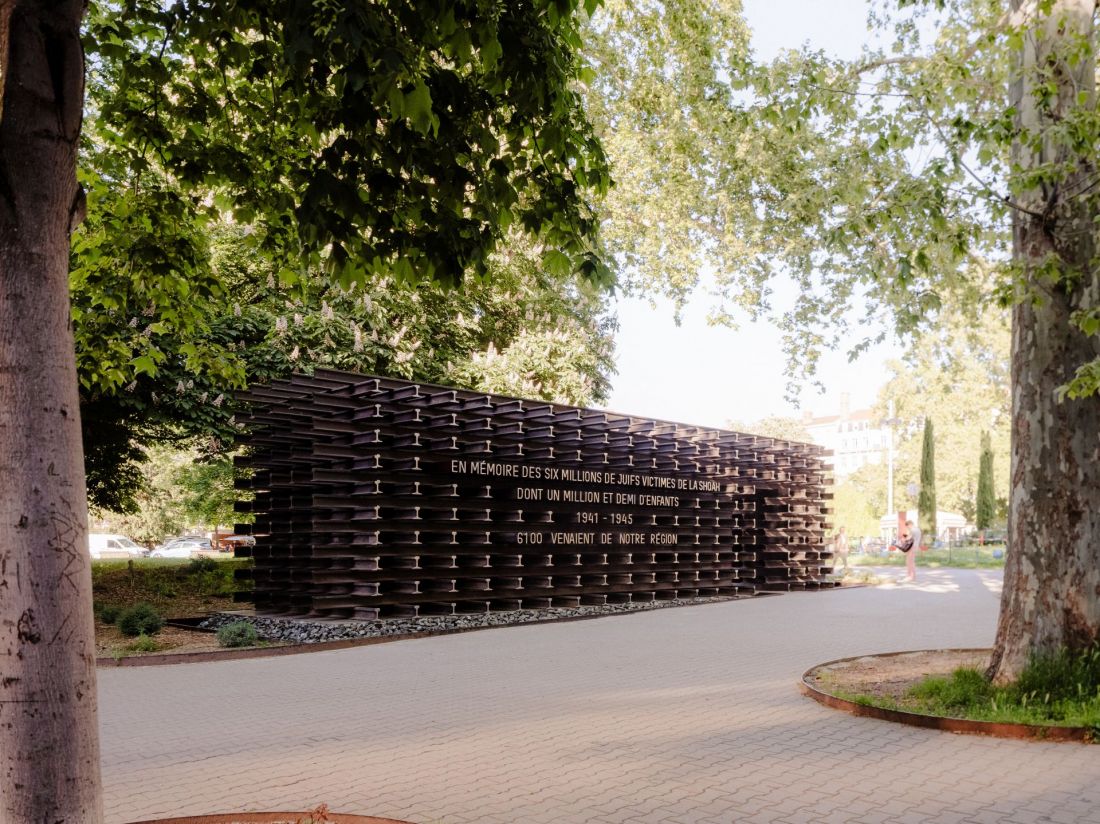
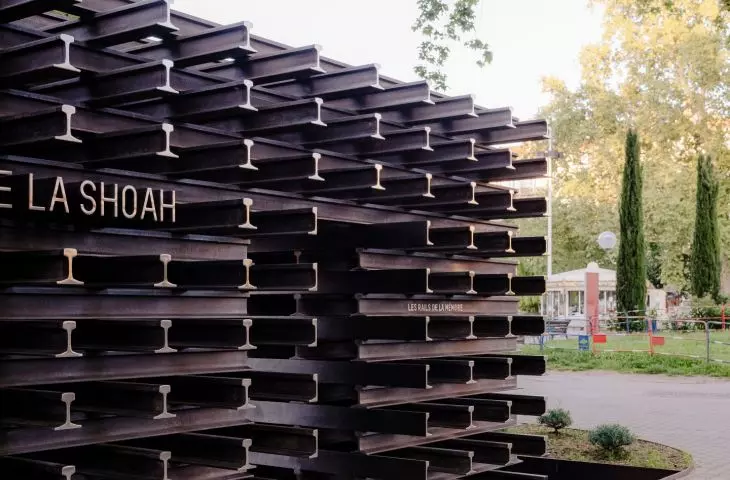
The monument titled. "Rails of Remembrance" in Lyon - a view of the site
photo by François Baudry © Blaising Borchardt Studio
the story that led to the creation of the monument
The idea to create a memorial in Lyon was born among former deportees and Auschwitz survivors. It was they who spent two decades trying to ensure that the city would have a space where history would not only be remembered, but also felt. An international competition was held in 2023. Out of 96 designs from 25 countries, the jury selected the work of duo Quentin Blaising and Alicia Borchardt. Their design stood out for the simplicity and power of its message, and the construction was financed to the tune of 500,000 euros.
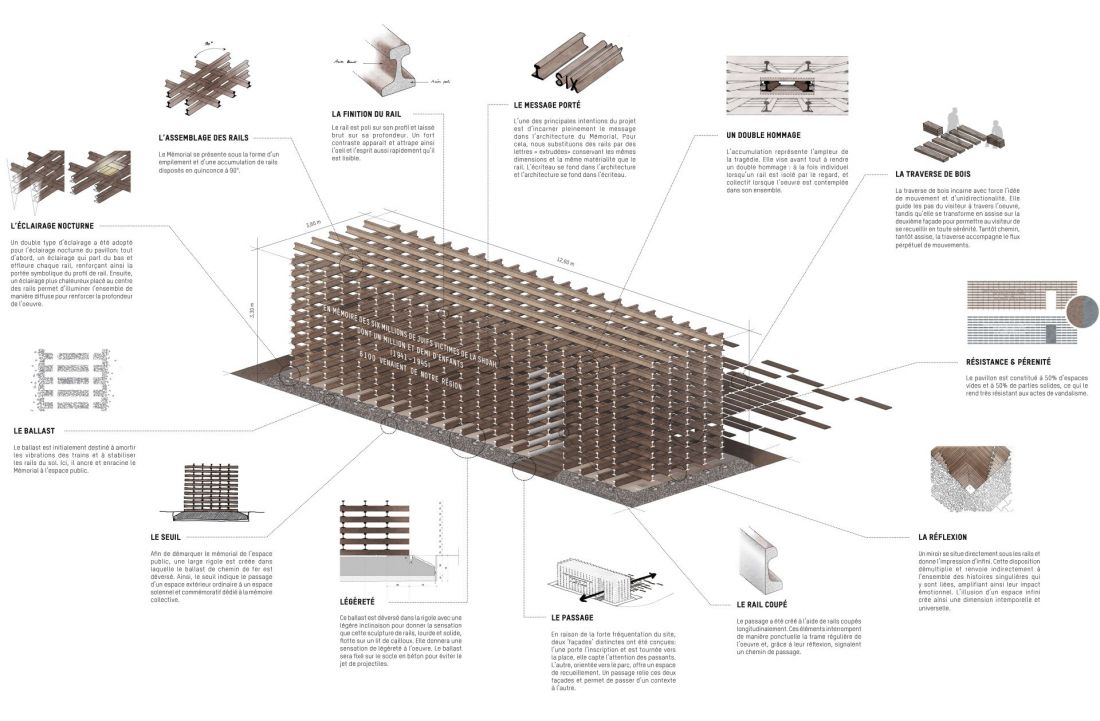
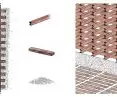
The monument titled. "Rails of Remembrance" in Lyon - model.
© Blaising Borchardt Studio
materials that speak
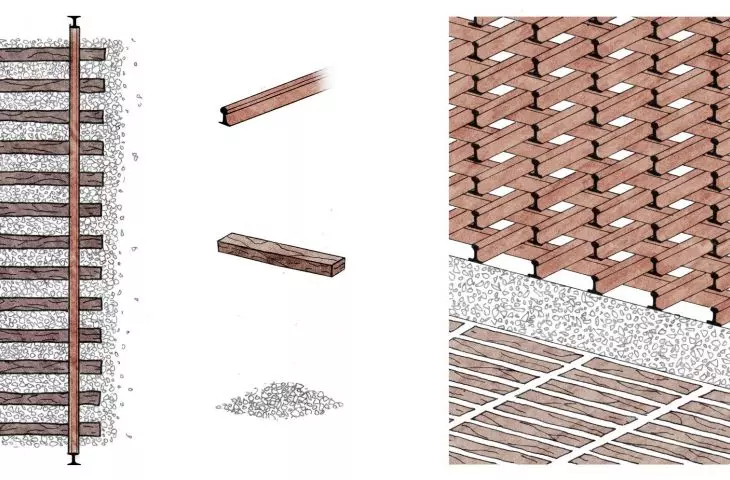
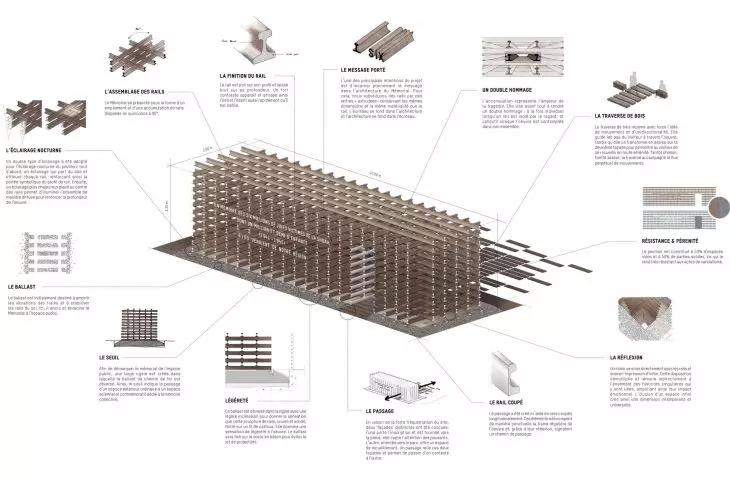
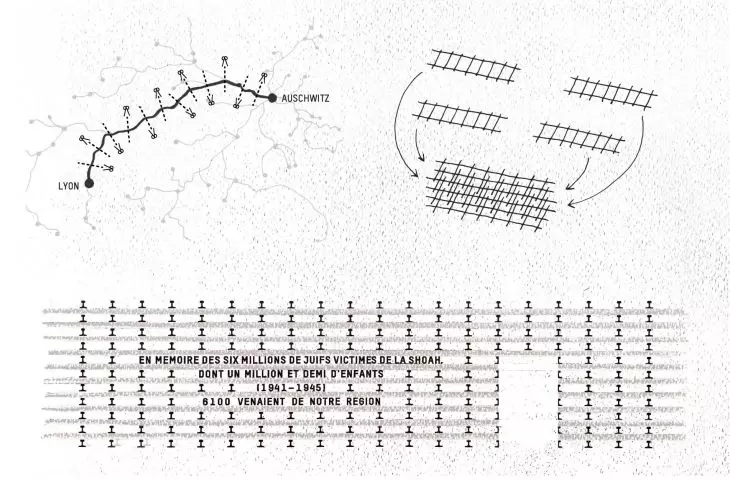
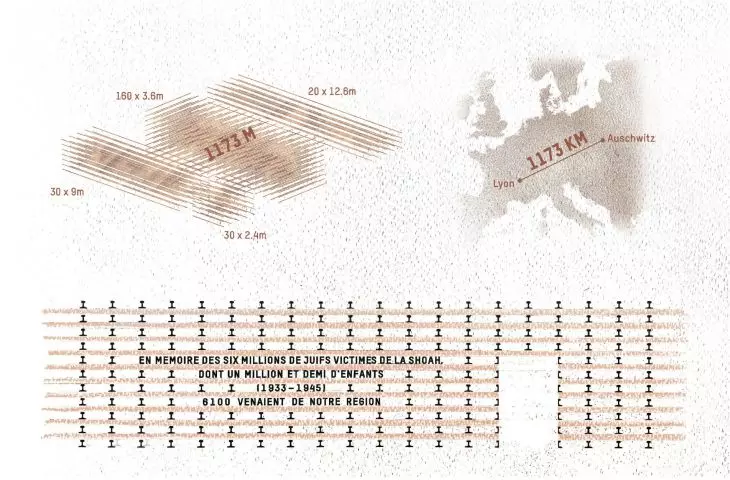
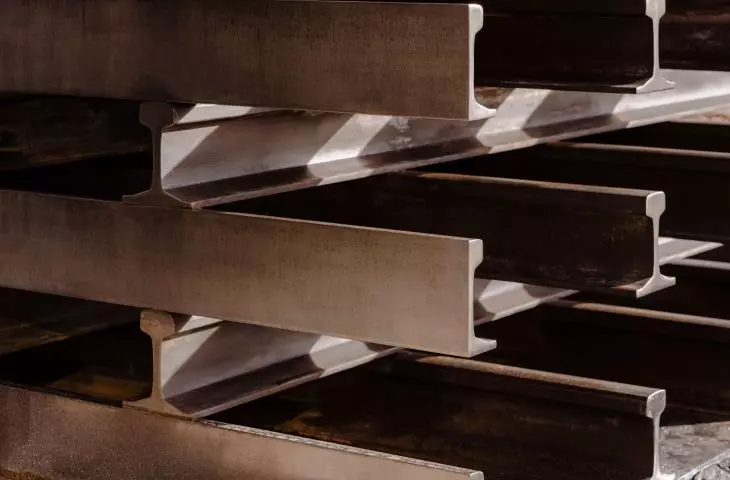
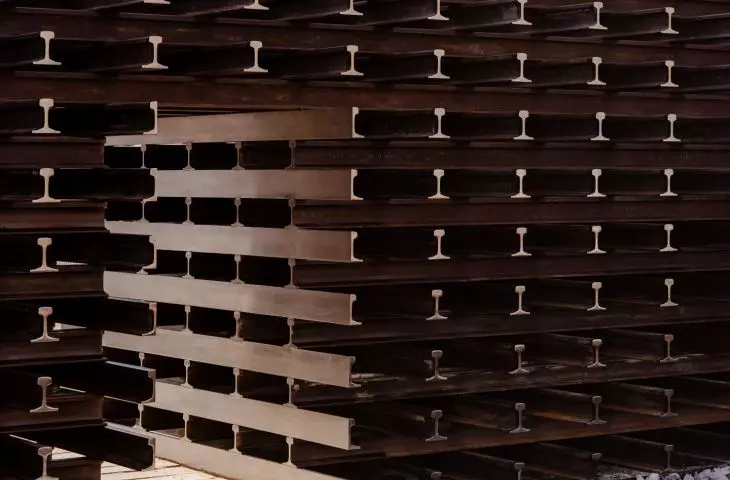
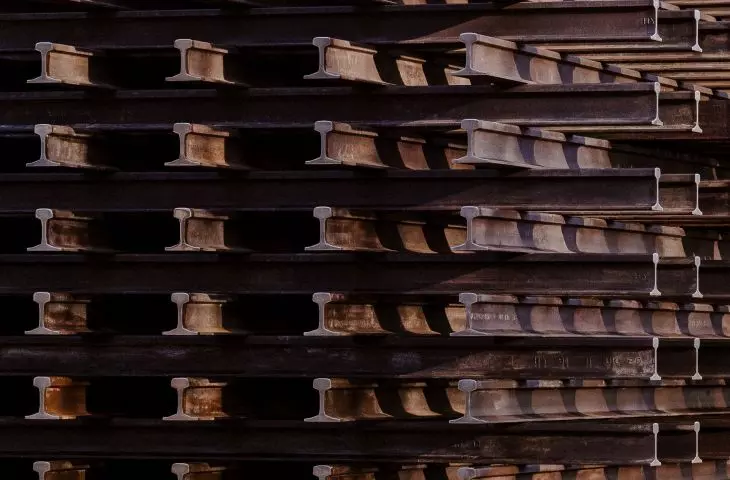
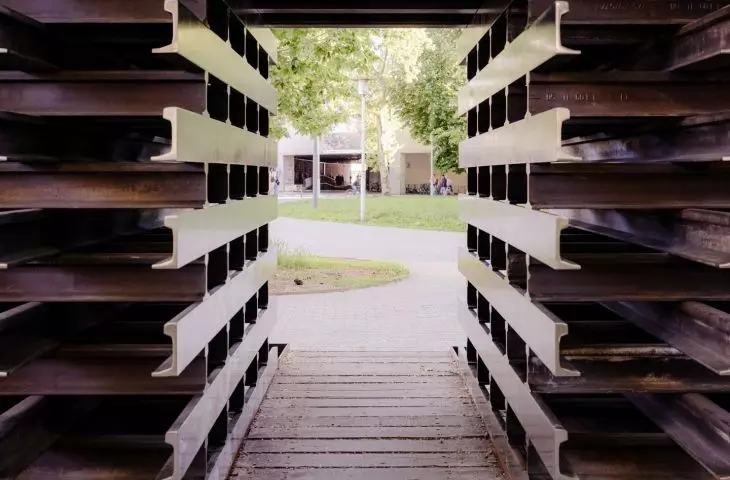
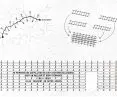
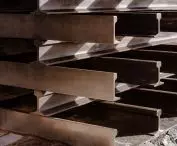
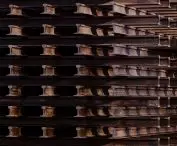
The most important elements of the monument are authentic railroad rails, wooden sleepers and ballast. These materials, previously used in actual transports, now symbolize the weight of history and the memory of the people who made their last journey from here. The length of the 1173 meters of rails corresponds exactly to the 1173 kilometers separating Lyon from Auschwitz-Birkenau. It's not just a symbol - it's a tangible dimension of the tragedy that everyone can see and touch.
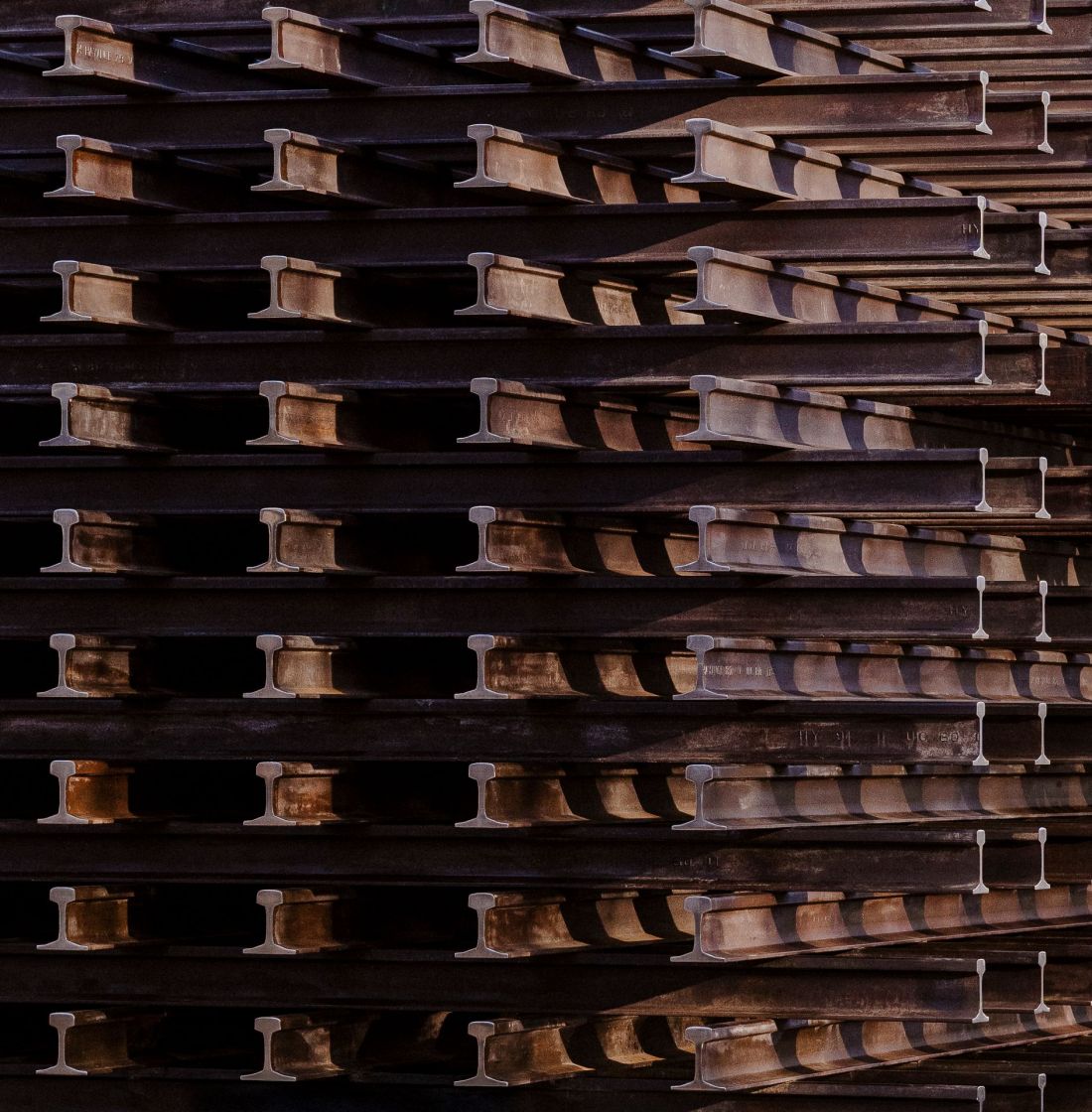
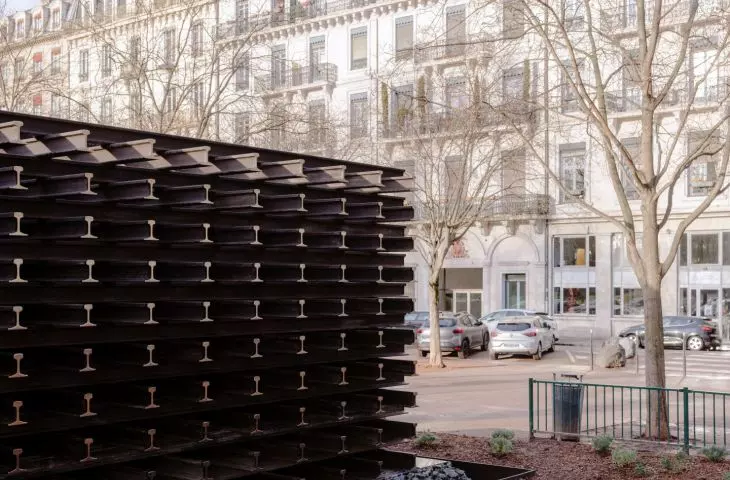
The monument entitled. "Rails of Remembrance" in Lyon - close-up on the details
photo by François Baudry © Blaising Borchardt Studio
simplicity with great meaning
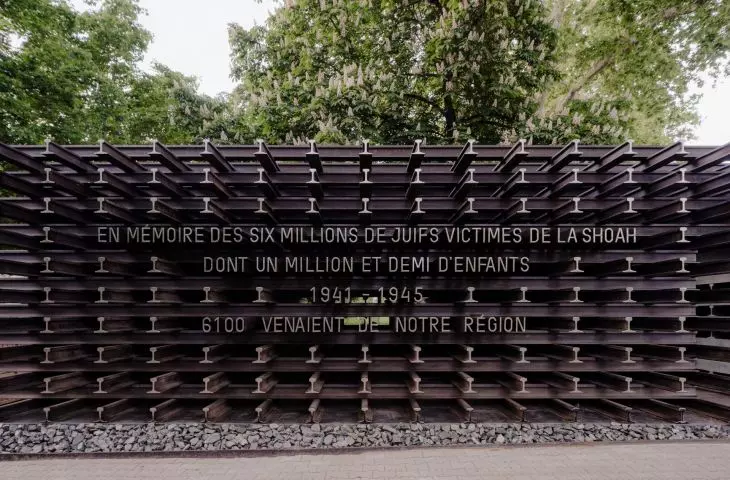
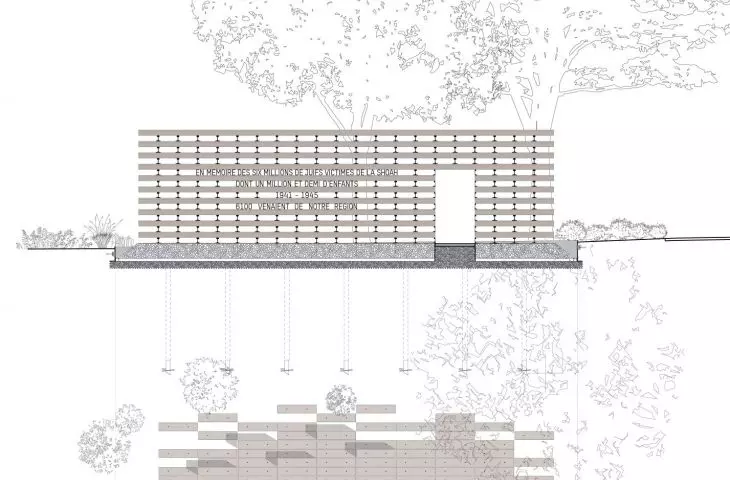
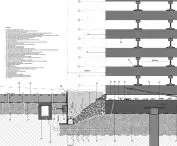
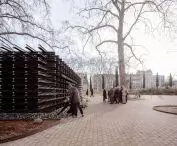
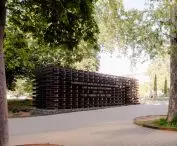
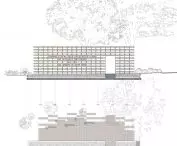
"Rails of Remembrance" is an installation with a clear form: 14 meters long, 5 meters wide and 3.44 meters high. The linear arrangement of the tracks sets the rhythm and guides the eye, while the simple shape allows the viewer to focus on the message. The monument fits into Carnot Square - a place heavily used by residents and travelers. It is not separated from city life, but enters into a dialogue with it. One can walk around it, touch it and feel the history it symbolizes.
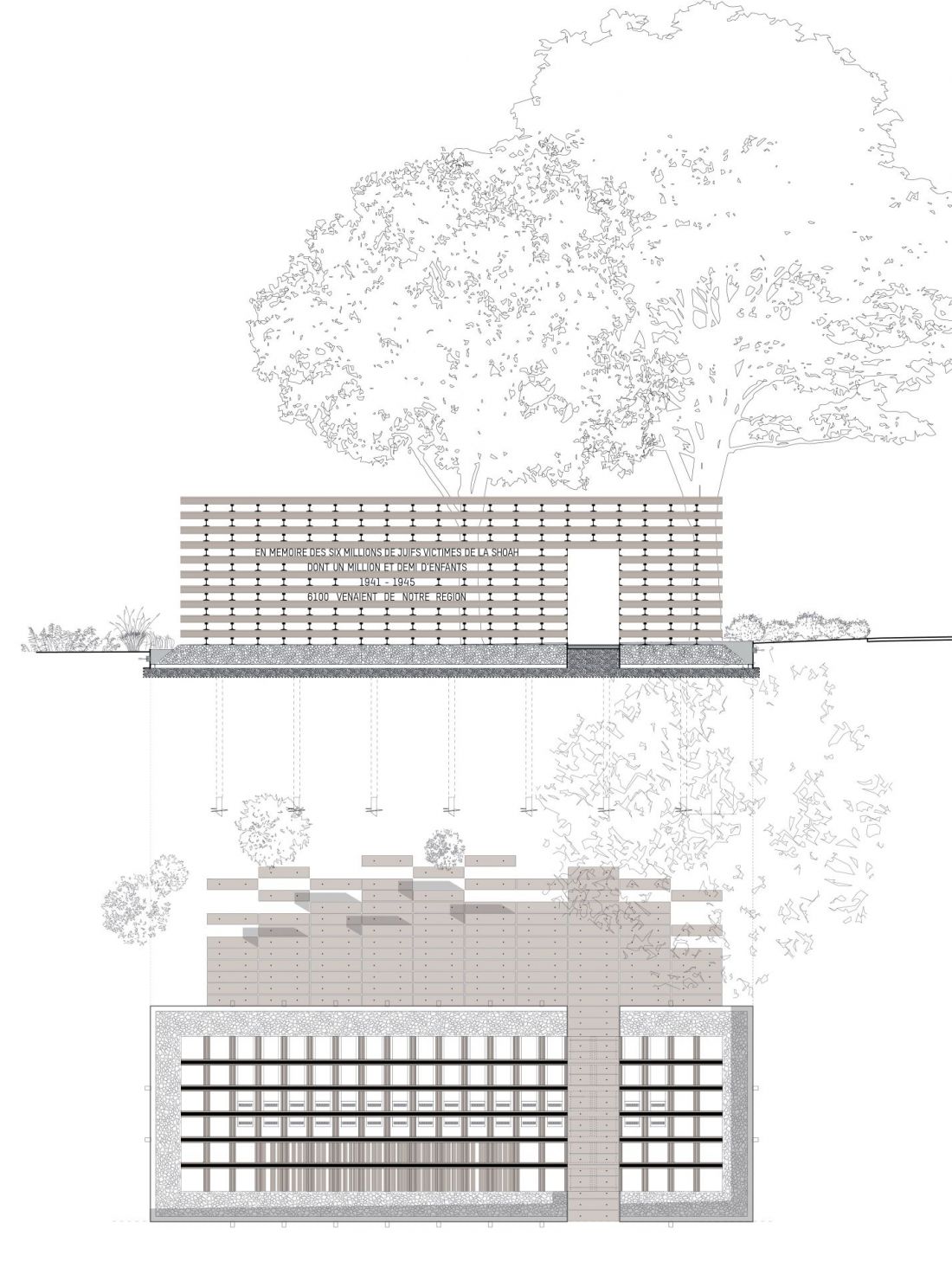
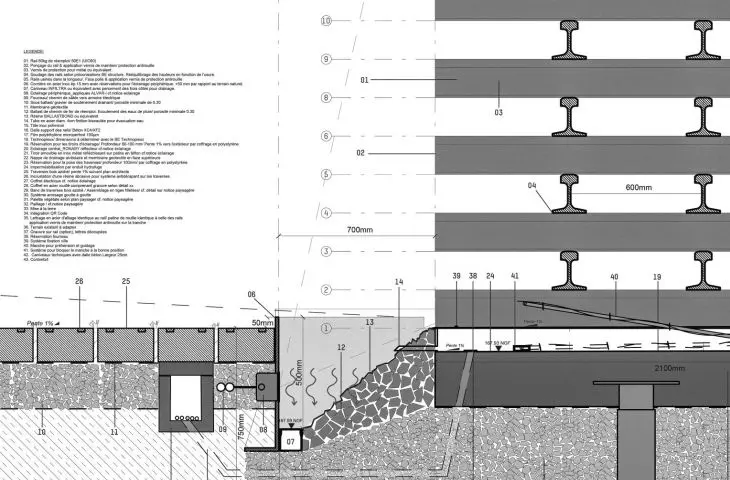
The monument titled. "Rails of Remembrance" in Lyon - cross-section and elevation drawing
photo by François Baudry © Blaising Borchardt Studio
education in the city space
The monument also has an educational function. QR codes embedded in the benches allow you to quickly access information about the history of the deportation and the activities of the association that led to the creation of the site. This is an example of how tradition and modernity can work together to create a memorial space accessible to everyone.
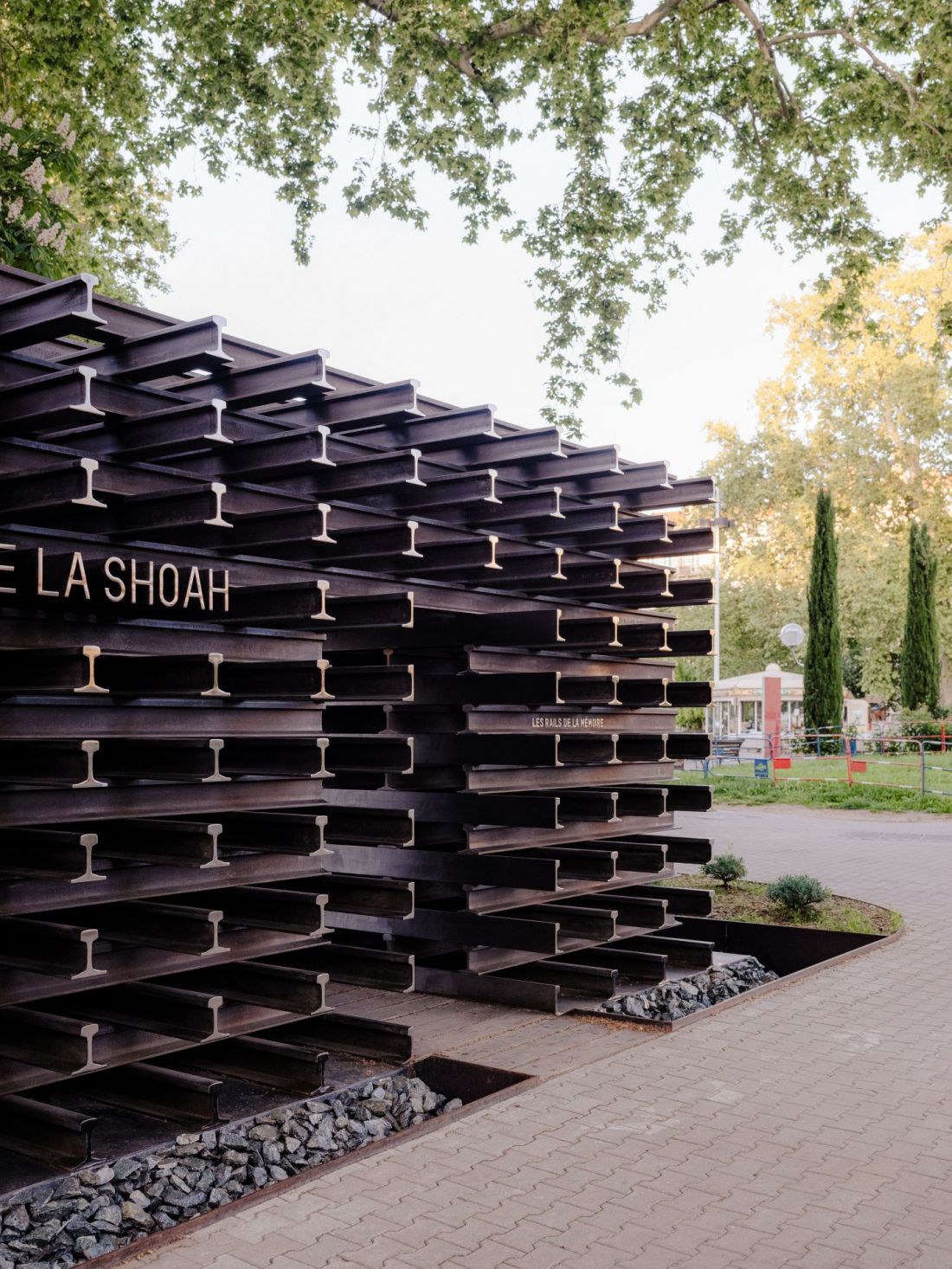
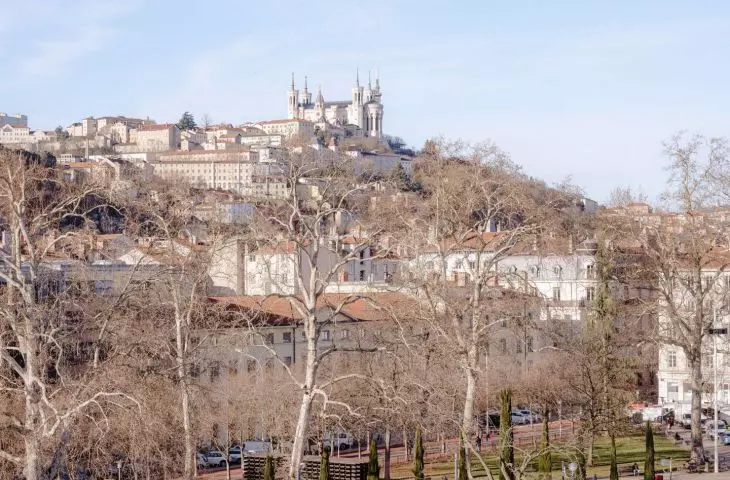
The monument titled. "Rails of Remembrance" in Lyon
photo by François Baudry © Blaising Borchardt Studio
everyday life meets history
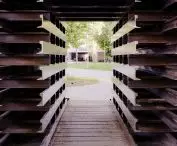
The location next to the Perrache train station makes the monument more than just a place visited occasionally. Passers-by end up here by chance, and each contact with the installation can become a moment of reflection. Steel and wood, which once led towards death, now mark the path of remembrance.
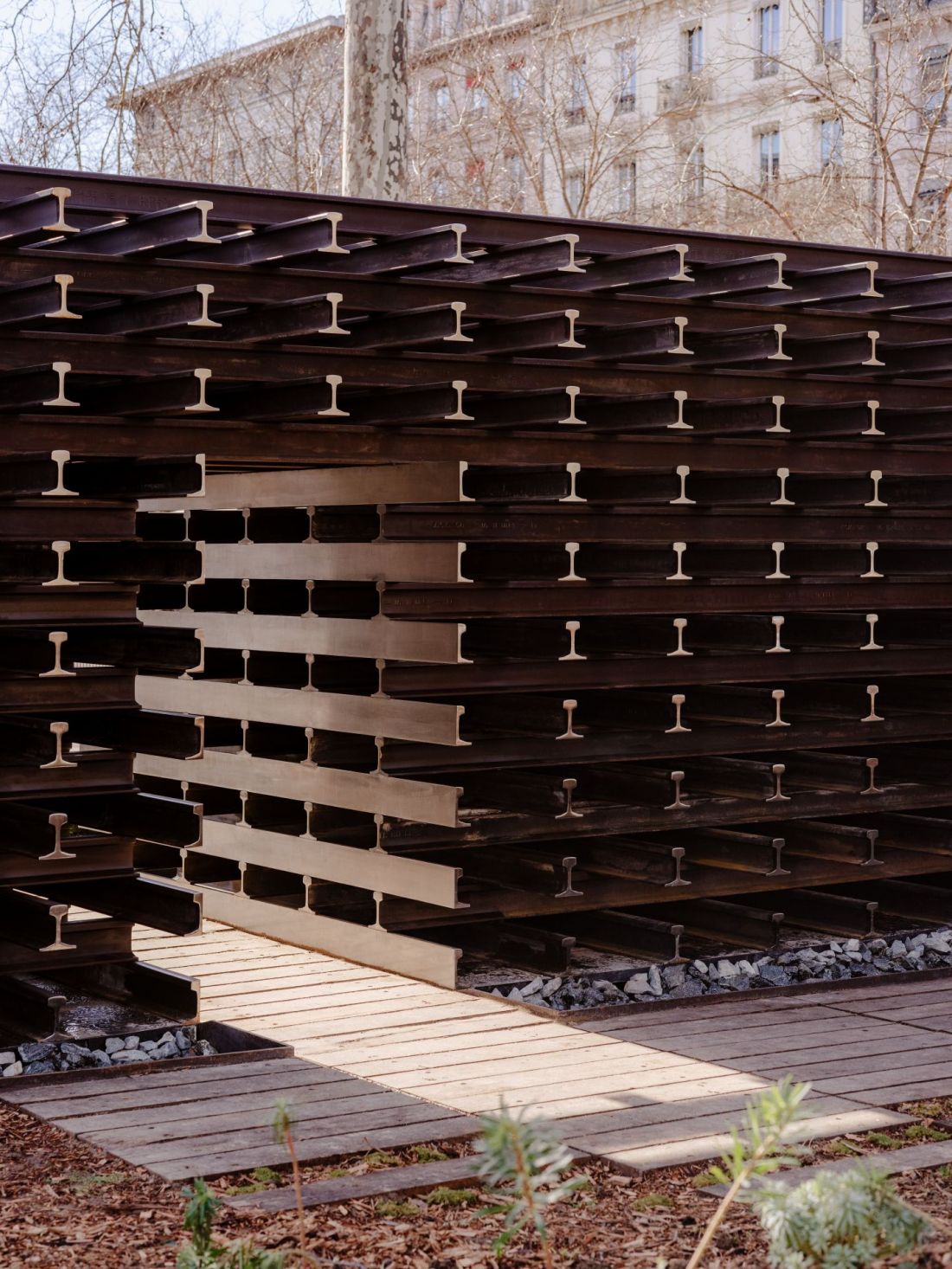
The monument titled. "Rails of Remembrance" in Lyon - the object consists of authentic railroad rails
photo by François Baudry © Blaising Borchardt Studio
why visit the "Rails of Remembrance"
The memorial in Lyon is an example of architecture that not only commemorates, but also educates and engages. It is a place that lives together with the city, drawing passersby into a dialogue with history and making them reflect. With simplicity of form, authentic materials and technology, the "Memorial Rails" become a bridge between the past and the present. The steel rails speak with silence, and their presence in the urban space reminds us that the memory of tragedy is the responsibility of every generation.
Elaborated: Anastazja Gibas
Illustrations provided courtesy of Blaising Borchardt Studio.