







A cardboard cathedral in Christchurch,
designed by Shigeru Ban Architects
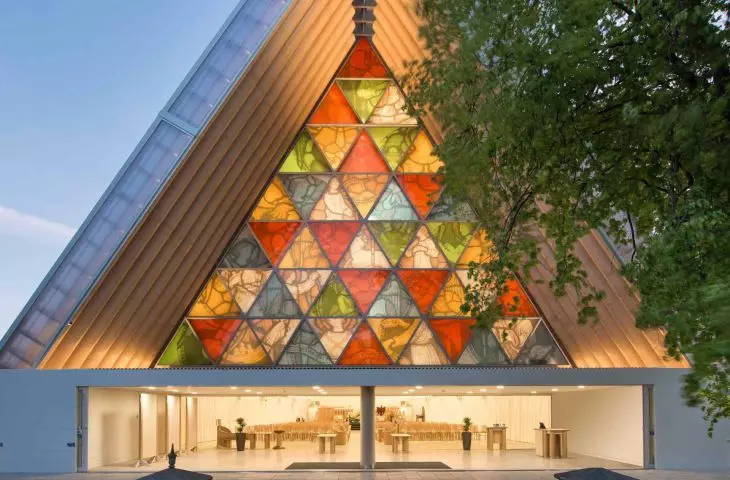
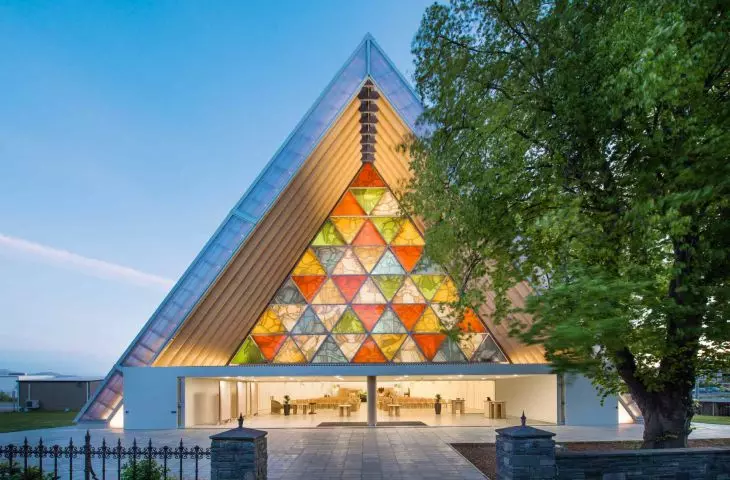
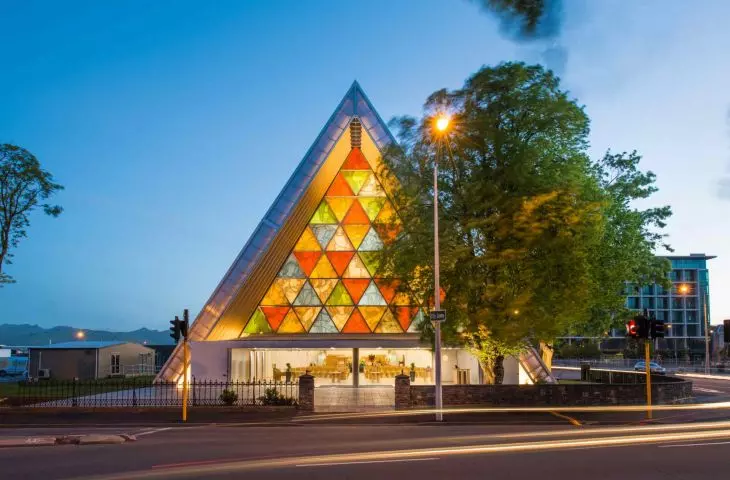
Christchurch, a city in southern New Zealand that in 2011 experienced one of the largest earthquakes in its history, has seen the construction of a building that no one expected. The Cardboard Cathedral, or Cardboard Cathedral, designed by Japanese architect Shigeru Ban with his studio Shigeru Ban Architects, was meant to be a temporary structure - a solution for the reconstruction of a destroyed Anglican church. Today, more than a decade later, it is one of New Zealand's most recognizable buildings, and an example of how architecture can heal emotions.
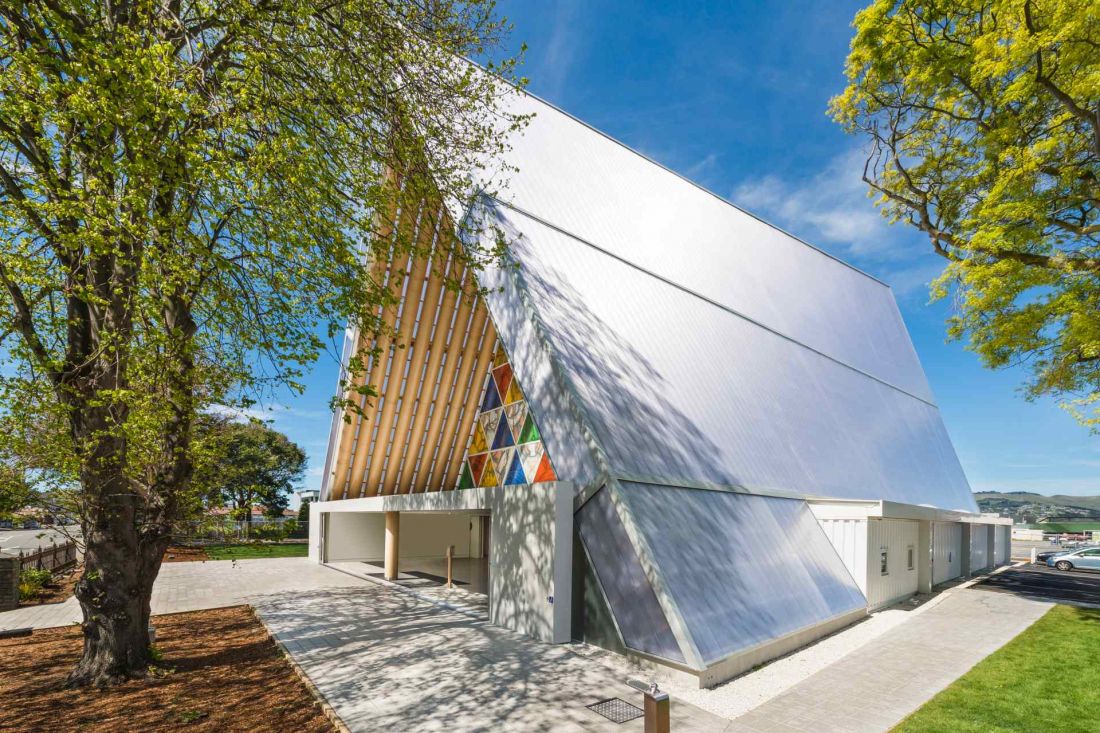
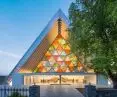
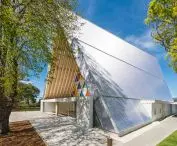
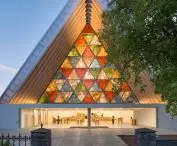
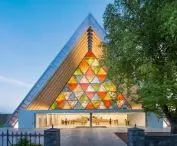
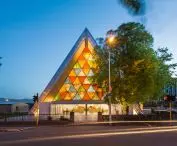
Christchurch cardboard cathedral - a view of the block
© Shigeru Ban Architects
An architect who builds from empathy
Shigeru Ban has been going his own way for years. In a world where most architects race for height, momentum and technological excellence, he chooses paper, cardboard and bamboo. There is no room for spectacle in his designs - instead, there is sensitivity and humanity. From Rwanda to Japan, Ban has designed shelters for disaster victims, creating spaces that restore a sense of security. When the ground shook beneath Christchurch and rubble was left of the city, Ban was not indifferent. He offered to design a new cathedral pro bono - with materials that were accessible, cheap and easy to rebuild. His gesture quickly evolved into something more than architecture: a symbol of community revival.
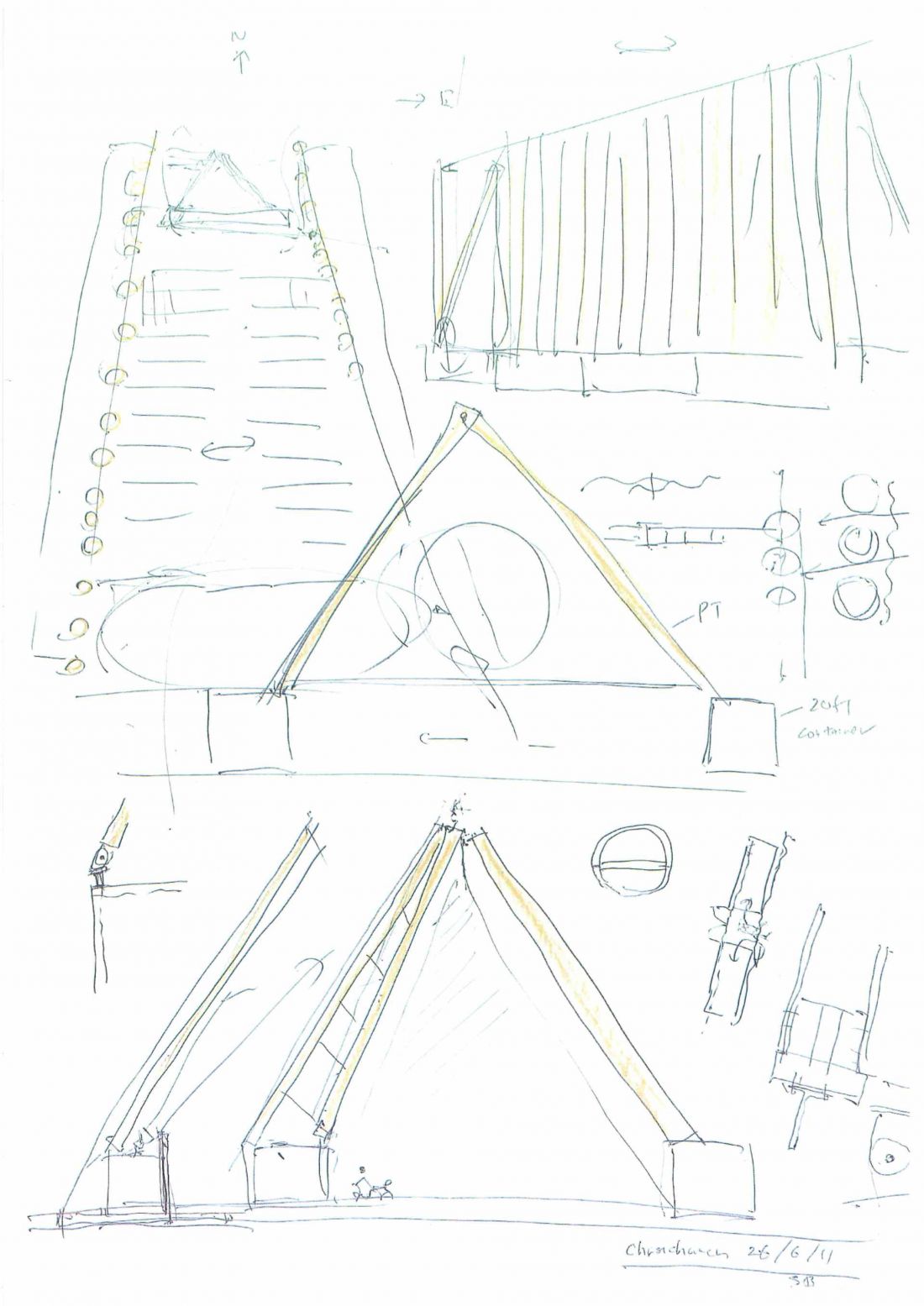
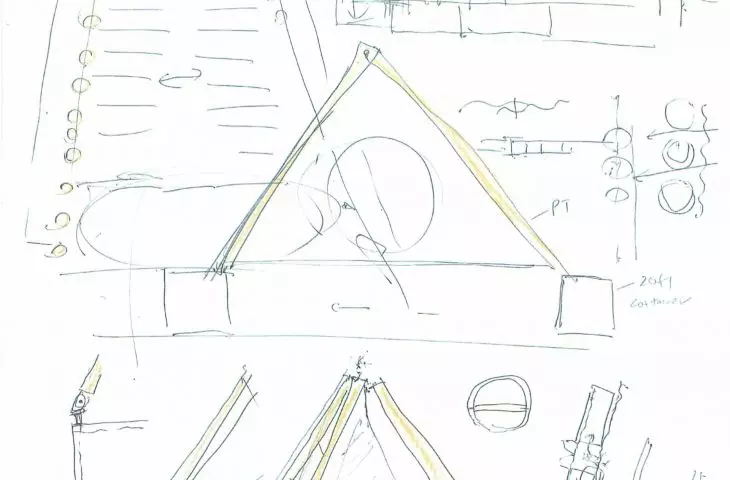
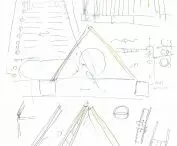
Christchurch cardboard cathedral - sketches
© Shigeru Ban Architects
A city after tragedy
On February 22, 2011, Christchurch experienced an earthquake measuring 6.3 on the Richter scale. About 150 people were killed and most of the downtown area was destroyed. One of the most painful blows was the collapse of the historic Anglican Cathedral, a site that had been the spiritual and social center of the city for generations. That's when Shigeru Ban's project came into play. With the help of the New Zealand office of Warren and Mahoney, he created a concept for a new, temporary temple to help residents regain a sense of community. It was not a reconstruction, but a new interpretation of the city's symbol - simpler, more modest, but carrying the same meaning.
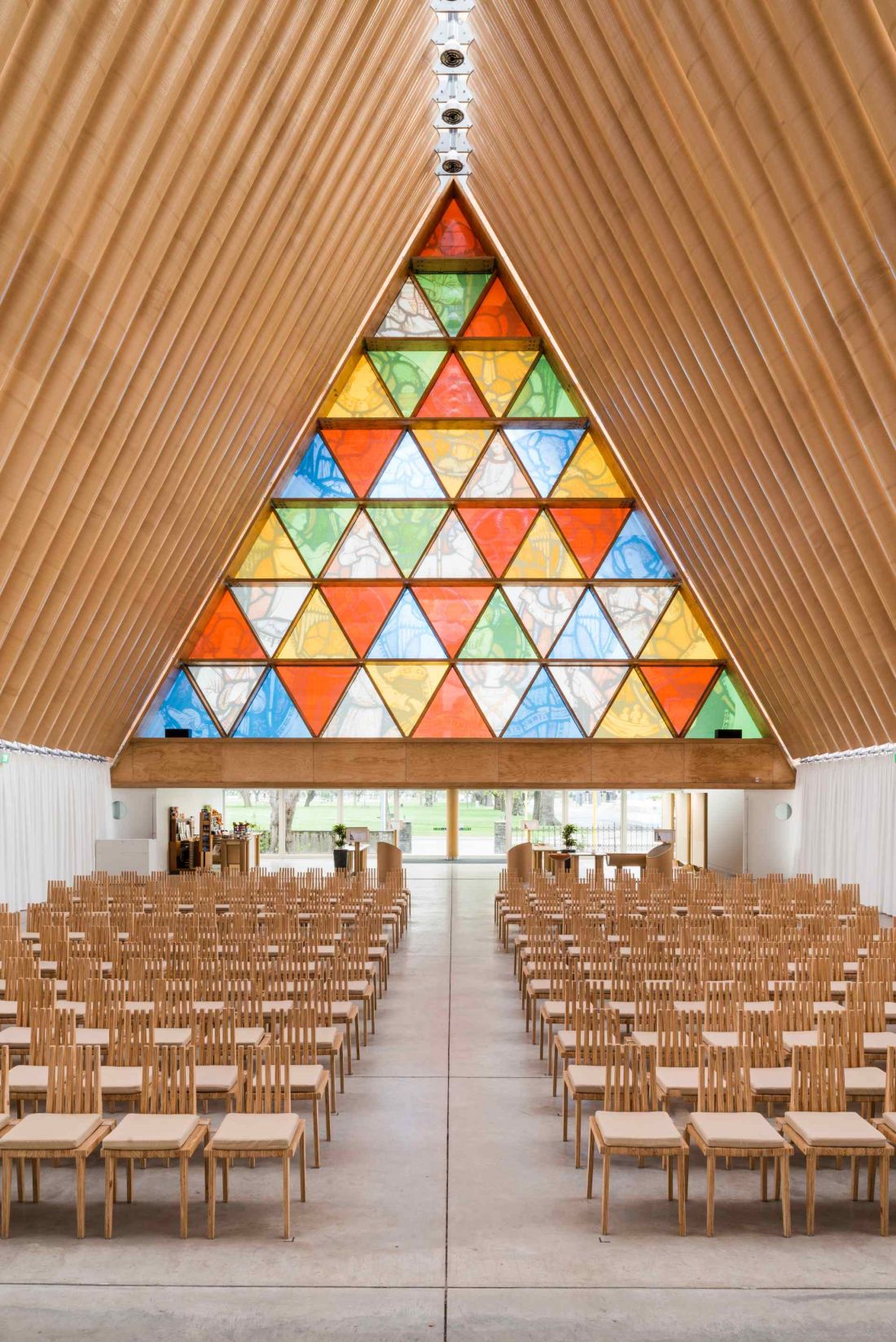
Christchurch's cardboard cathedral
© Shigeru Ban Architects
Lump, projection, idea
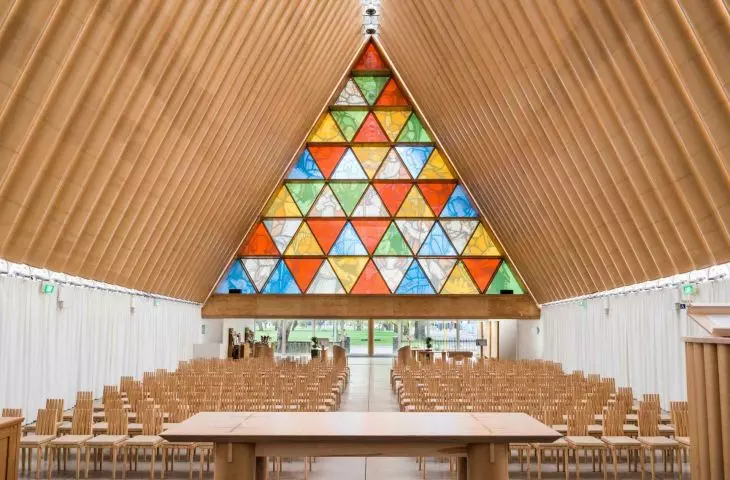
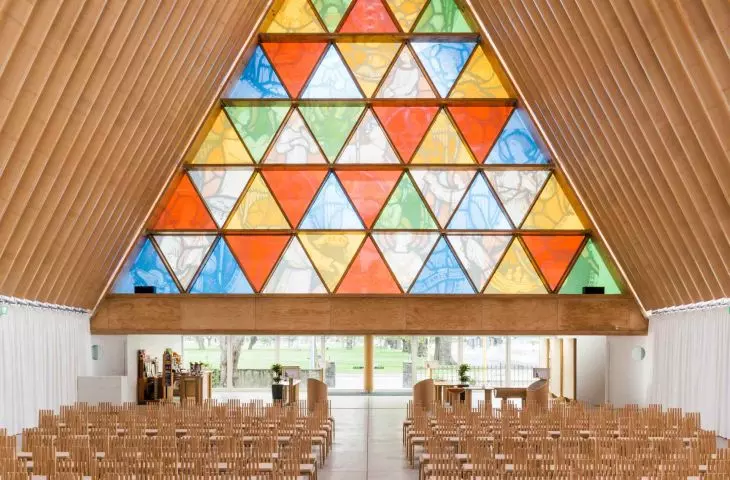
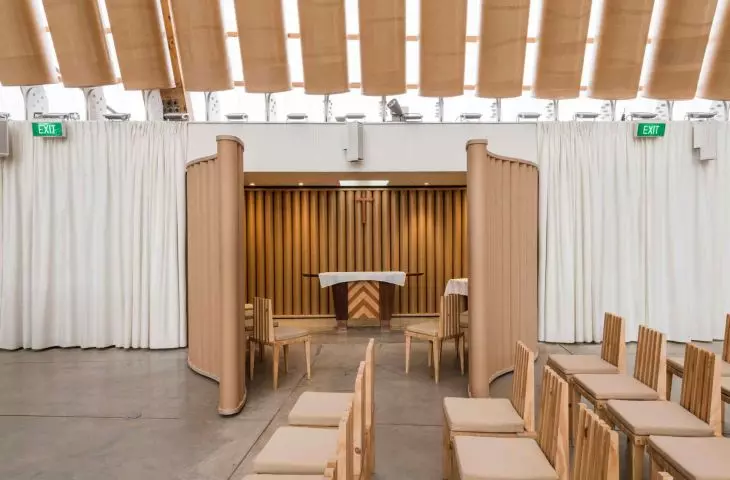
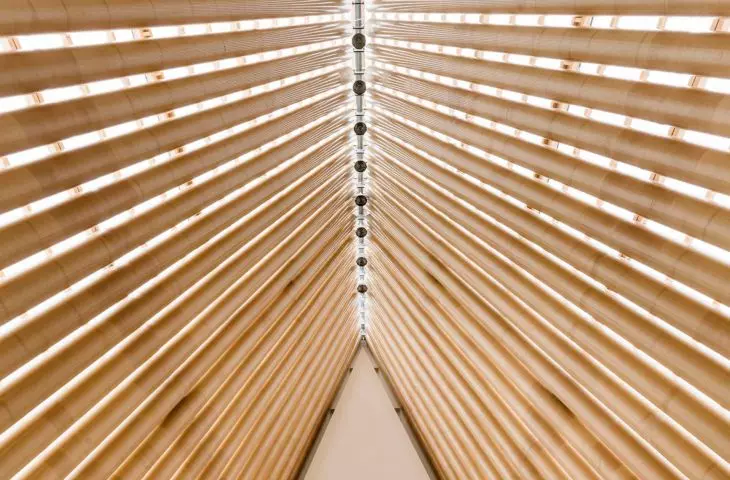
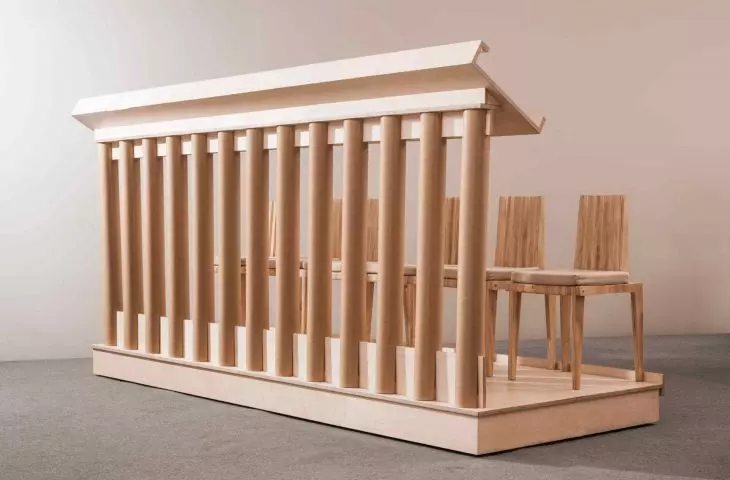
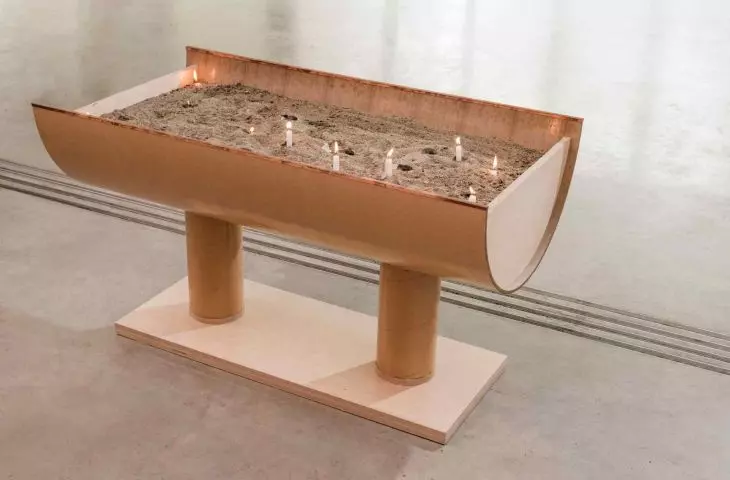
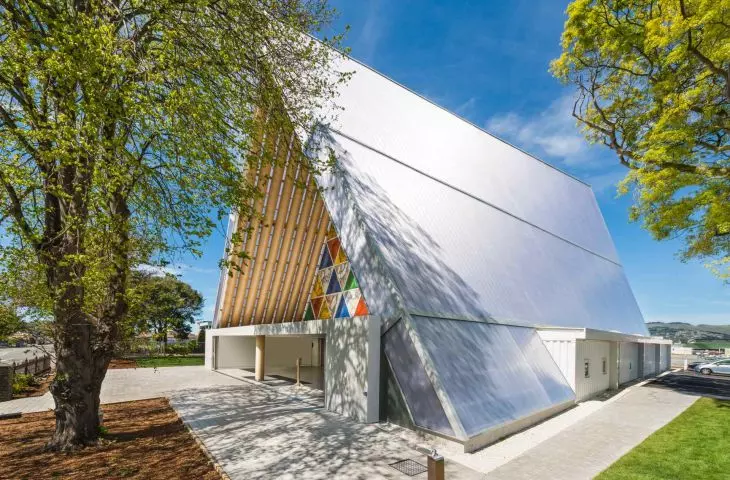
At first glance, the building appears almost minimalist. It has a triangular cross-section and a steep A-shaped roof formed by 98 paper tubes - all of equal length. From the outside, the structure is stabilized by shipping containers. The entire structure is based on a rectangular plan, with a clearly demarcated nave and altar.
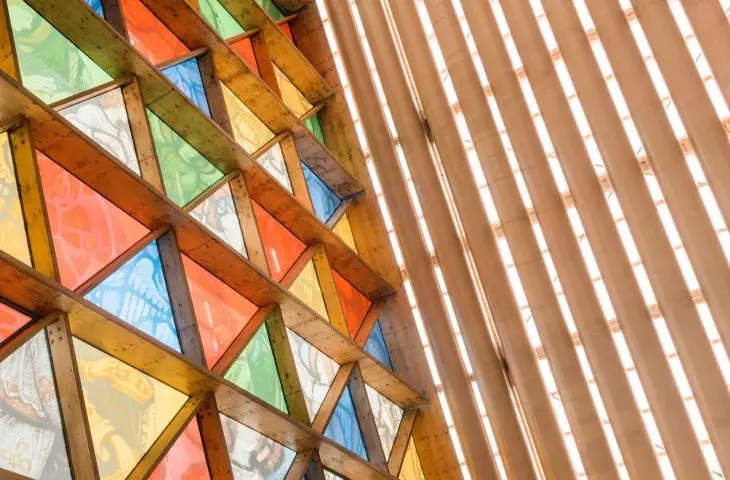
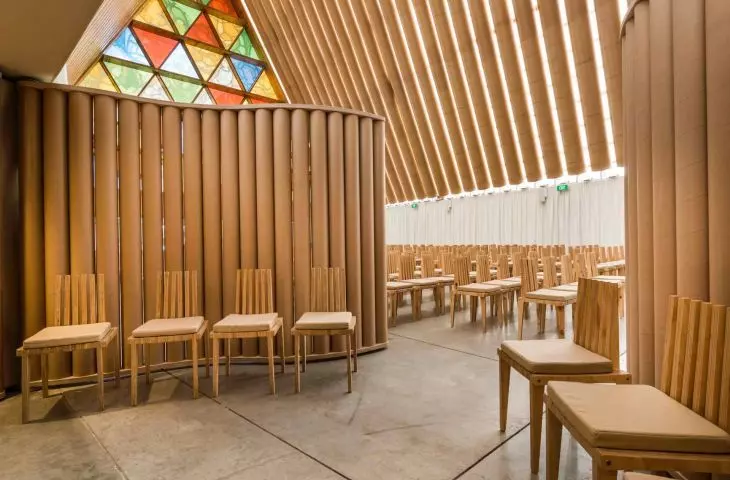
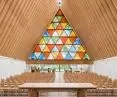
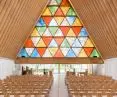
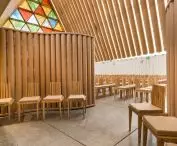
What is most interesting happens inside. Light enters through translucent polycarbonate walls, spilling over the interior with a soft, even glow. The angles of the tubes change subtly, so that the whole is not static - rather, it resembles a pulsating structure, responding to the rhythm of the day. The effect? An impression of lightness and openness that is rarely seen in sacred architecture. Although the materials are unusual, the structure is fully secure and shockproof. Ban - known for his perfect craftsmanship - has proven that temporariness does not preclude durability.
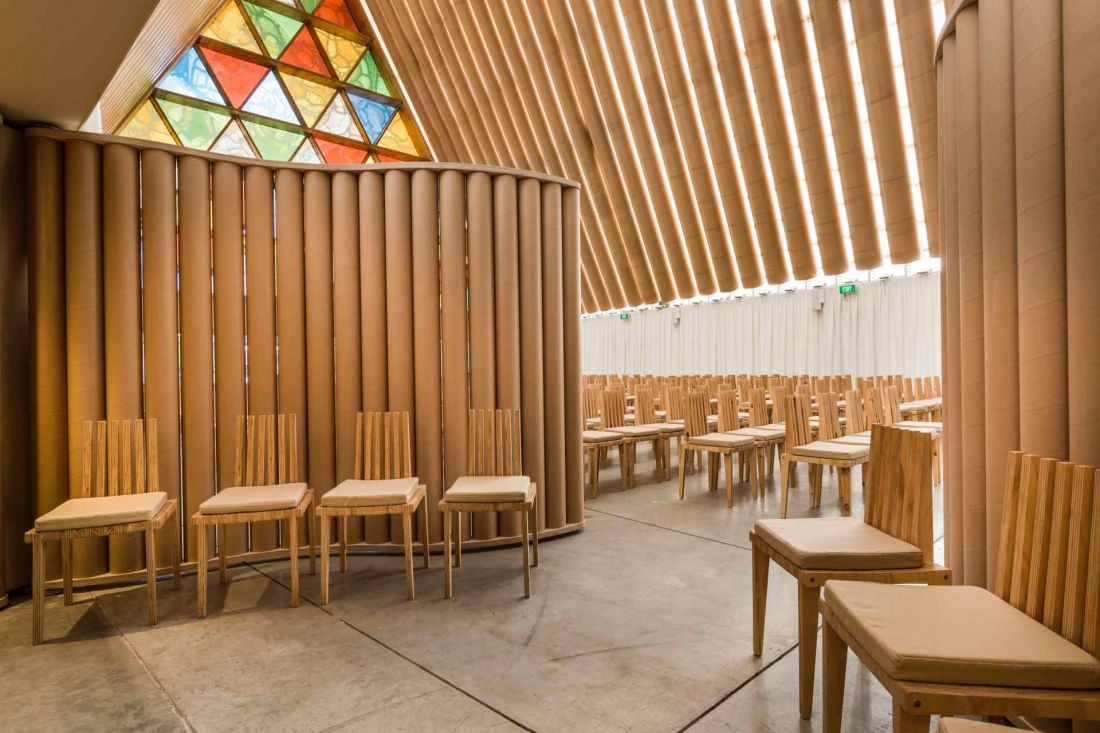
Christchurch cardboard cathedral - interior view
© Shigeru Ban Architects
A space for meetings and sounds
The cathedral seats about 700 people and was conceived from the beginning not only as a place of prayer. It hosts concerts, lectures, community events - anything that promotes gatherings. In Christchurch, where common spaces have been lacking for years, the Ban building has filled the void left by the lost heart of the city.
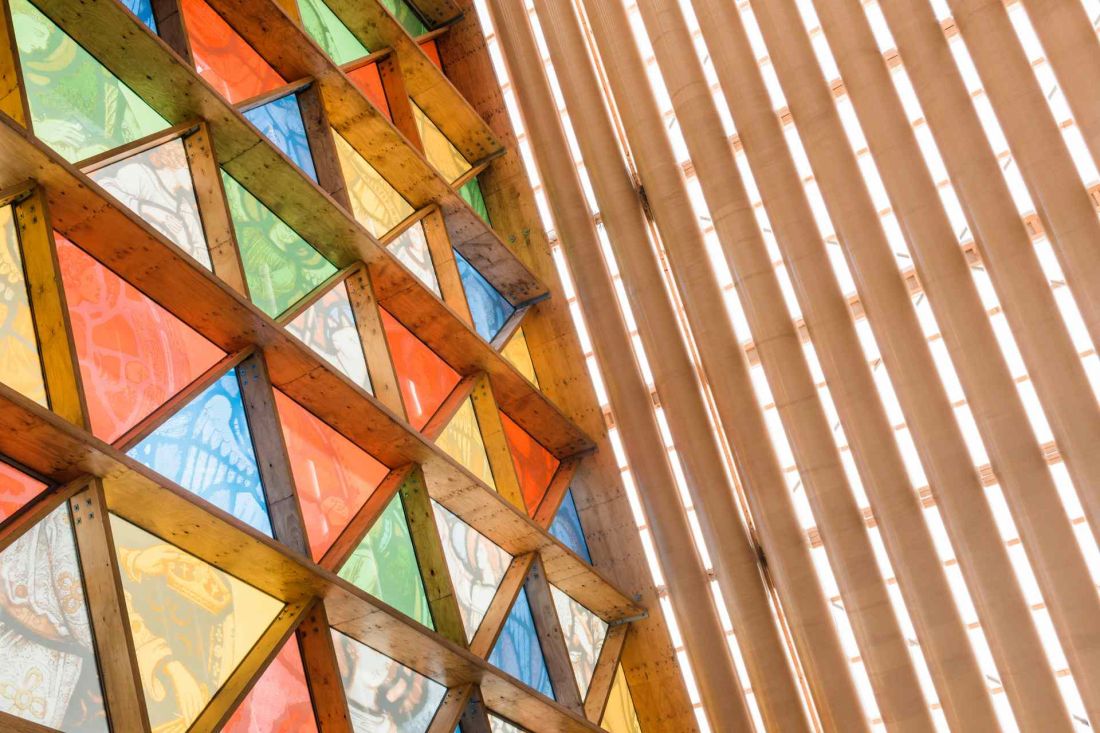
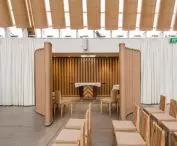
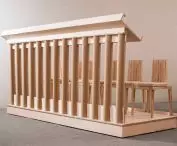
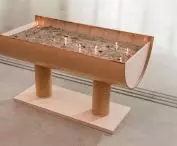
Christchurch's cardboard cathedral - close-up of details
© Shigeru Ban Architects
A temporality that extended
According to the plan, the Cardboard Cathedral was to remain in use until the original cathedral was rebuilt. However, time has shown that residents are unwilling to part with it. For many, it is this building - not the stone original - that has become the true symbol of Christchurch. Discussions about its future are ongoing, but one thing is certain: the architecture, which was created out of the need of the moment, has taken permanent root in the city's consciousness.
Architecture that speaks the language of the people
In a world full of projects that want to impress, this cathedral impresses with something different - humility and sincerity. It doesn't try to dominate space, it doesn't pretend to be monumental. It is a place that connects - people, emotions, memories. It shows that architecture can be a gesture of empathy, not just an aesthetic experiment.
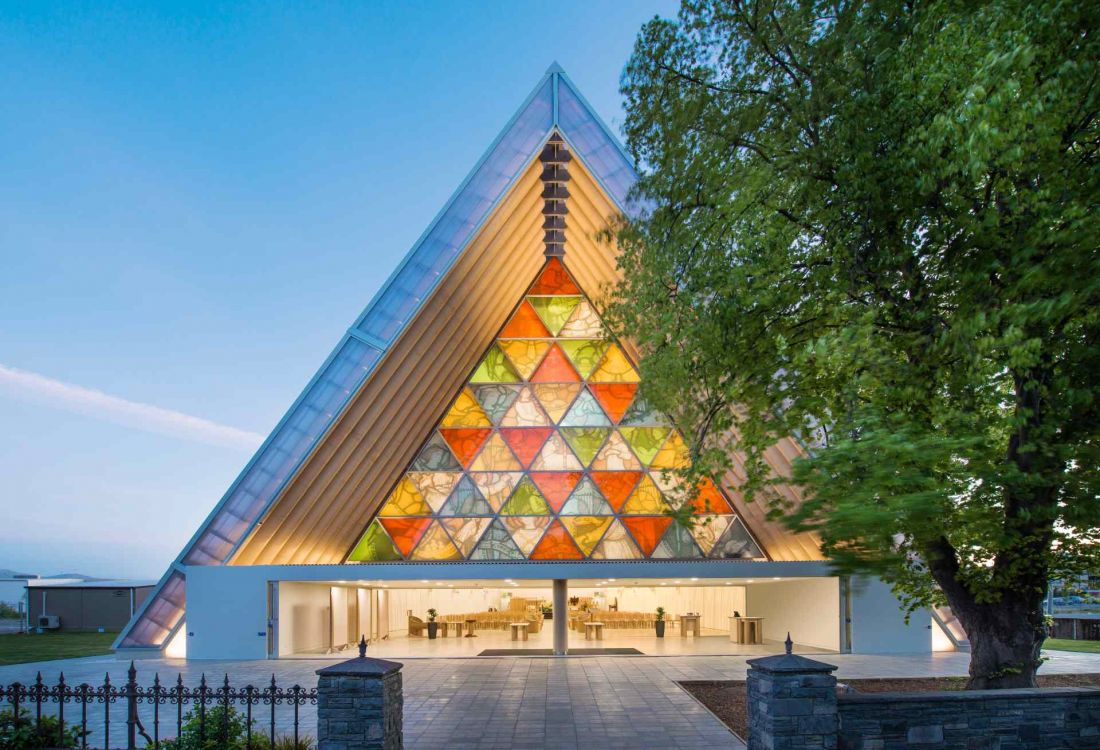
Cardboard cathedral in Christchurch
© Shigeru Ban Architects
Cardboard that has become a symbol
The cardboard cathedral is not the largest or most impressive. Instead, it shows what we really build for. From simple tubes and containers, a building was created that can lift the weight of memory and give a sense of hope. In Christchurch, where it all began with ruins, the Cathedral of Cardboard is a reminder that even the most fragile materials can become the foundation of something lasting - if accompanied by a shared will to rebuild and faith in one another.
Compiled by Anastazja Gibas
Illustrations provided courtesy of studio .