




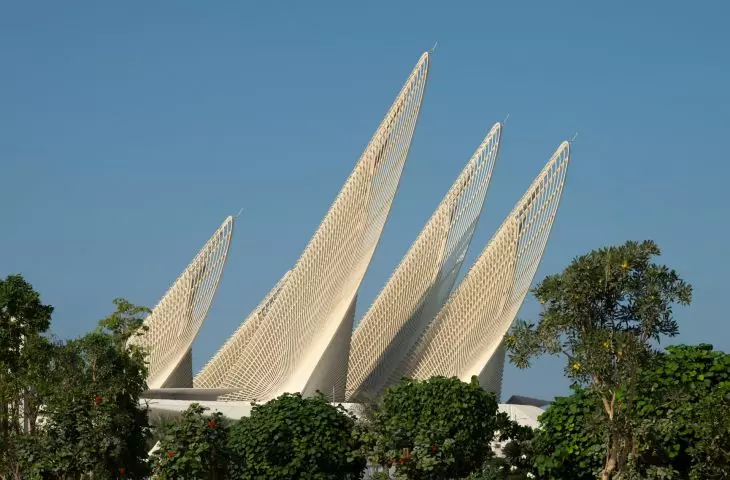
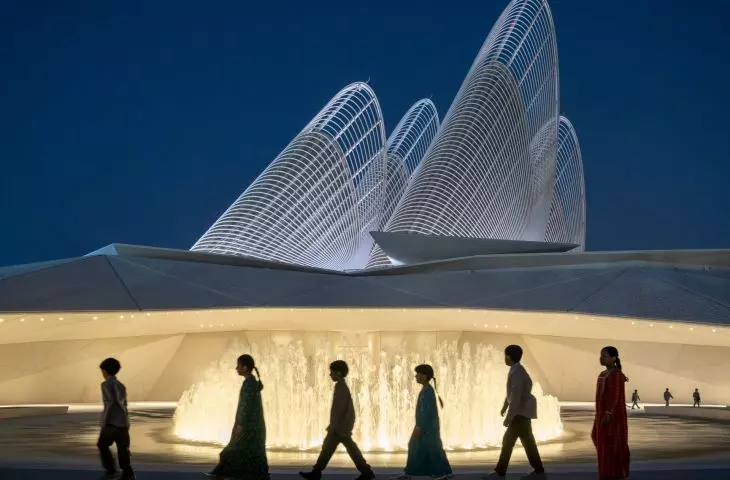
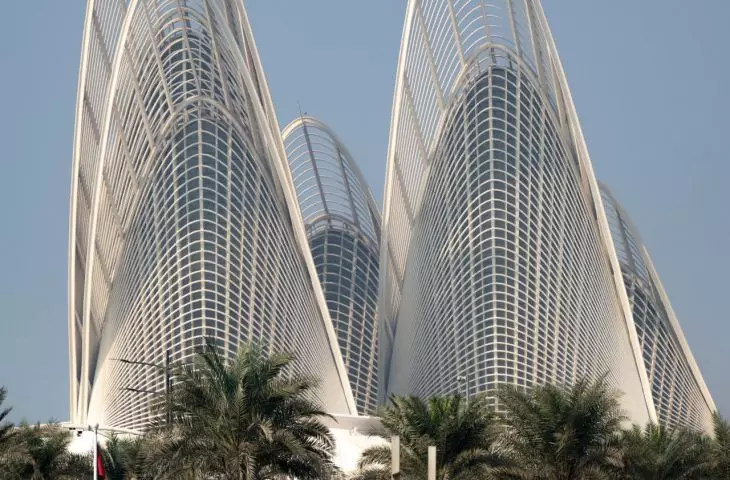
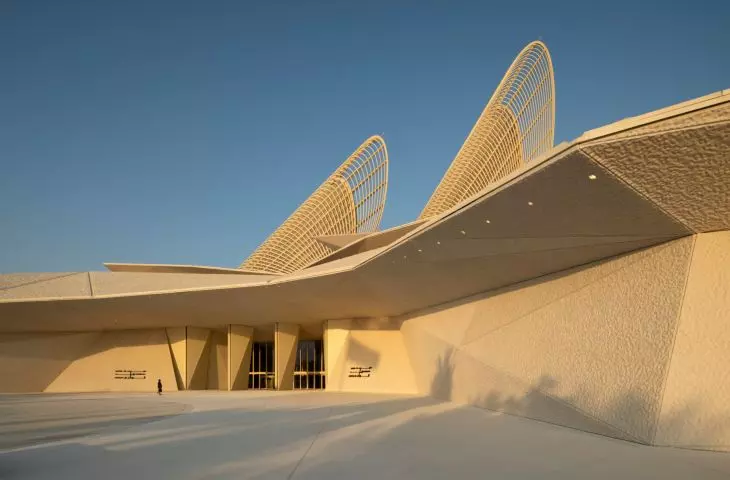
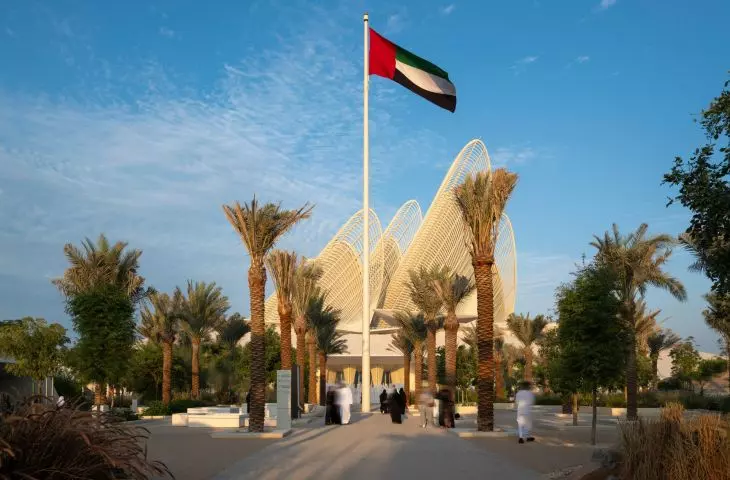
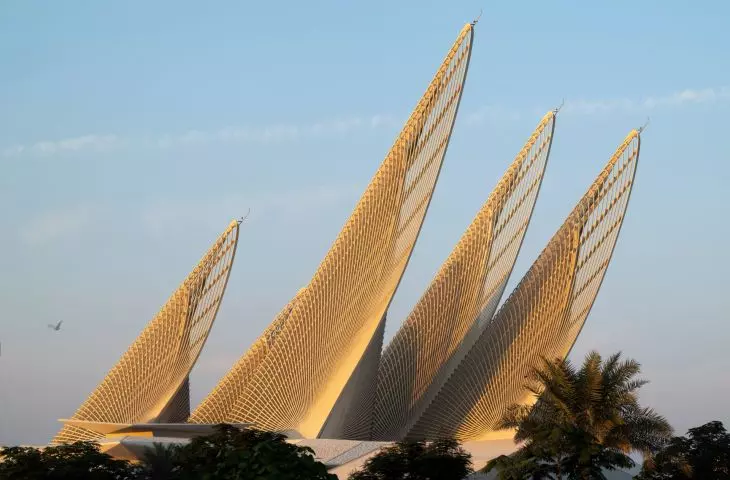

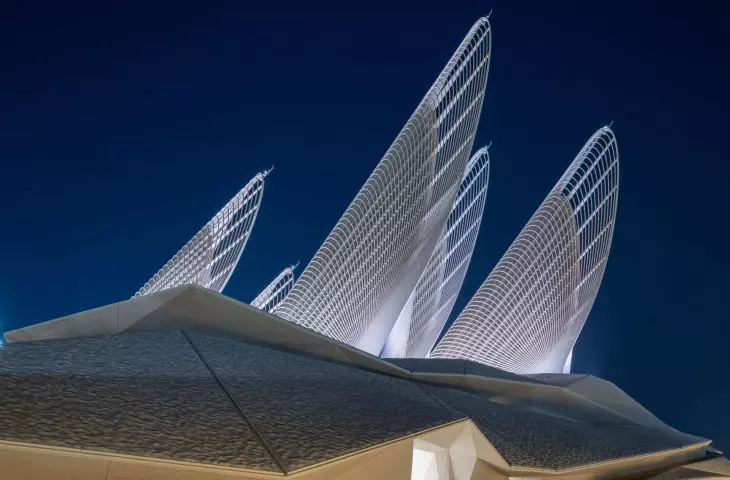
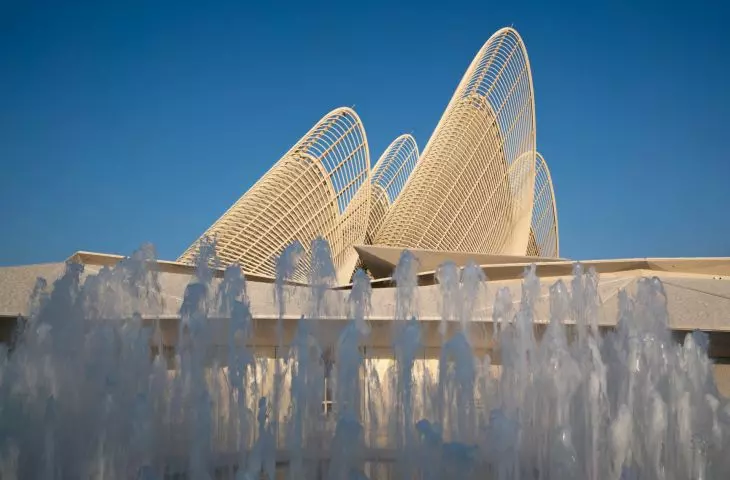
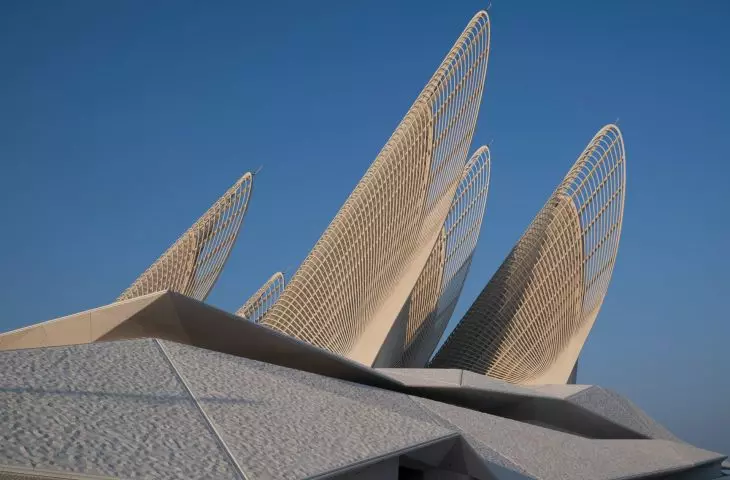
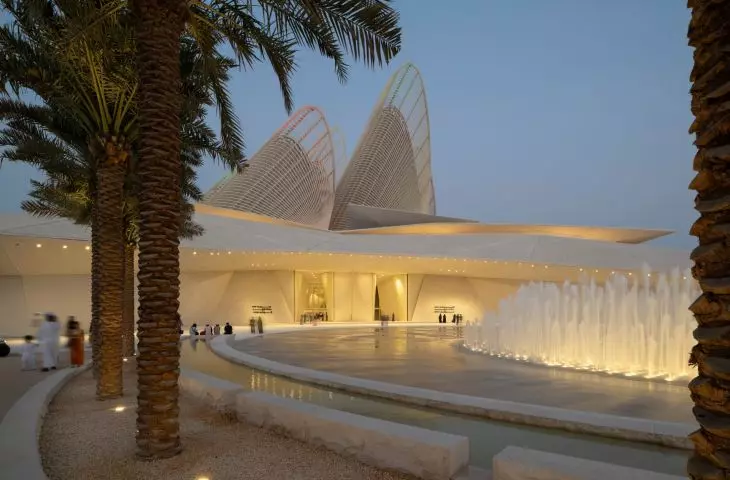
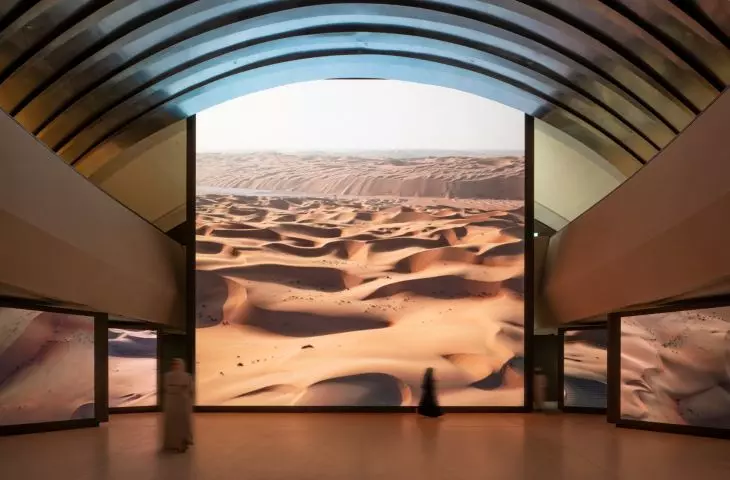
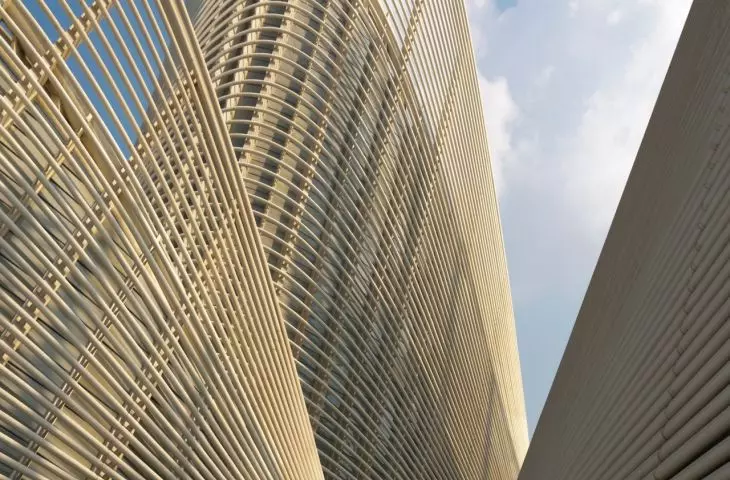
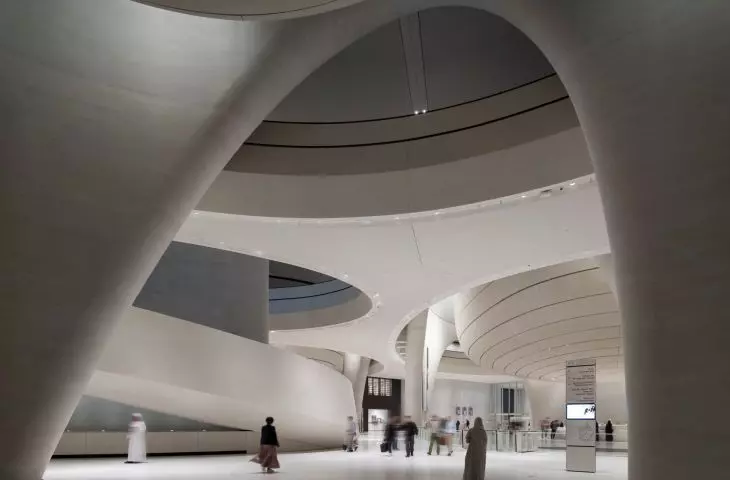
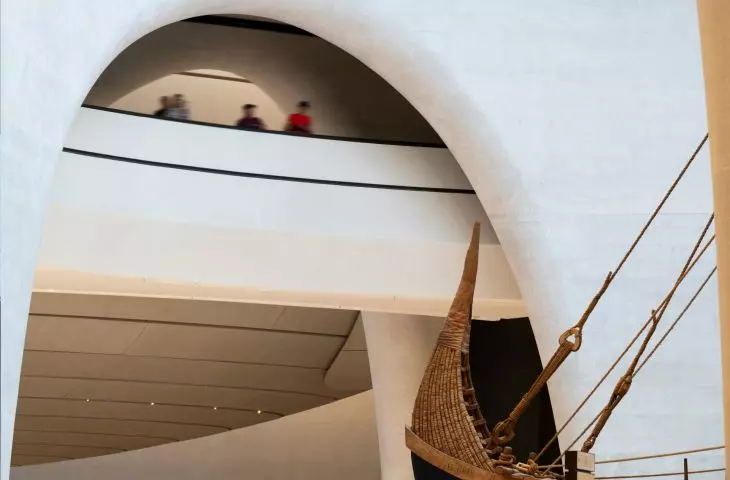
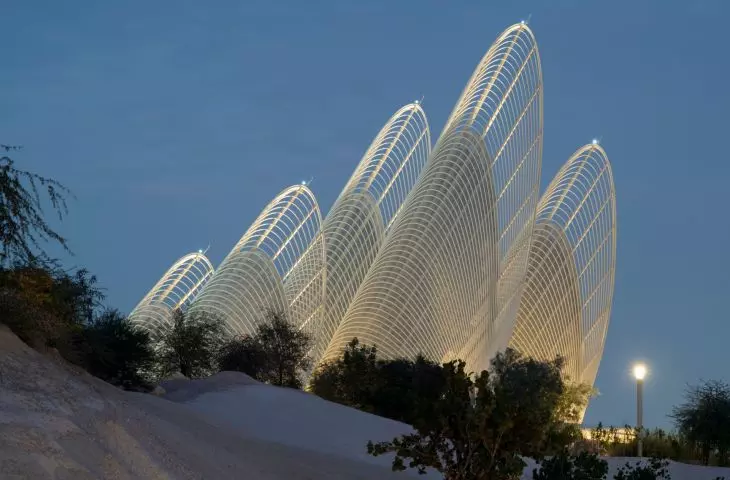
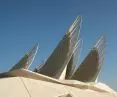
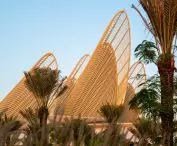
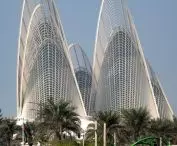
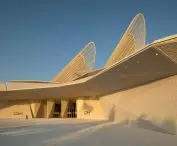
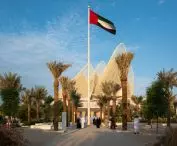


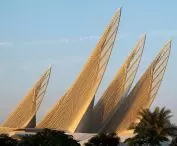

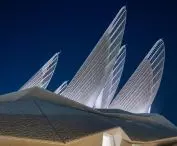
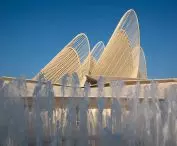
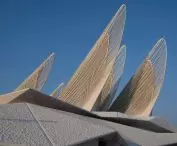

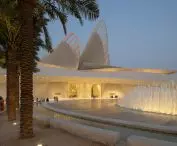


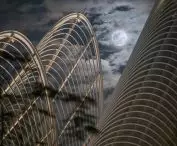
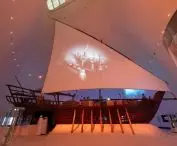
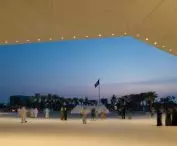
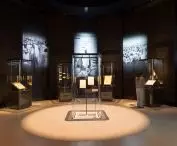
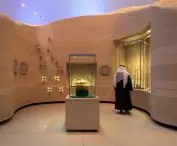
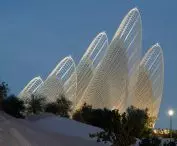
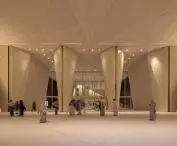

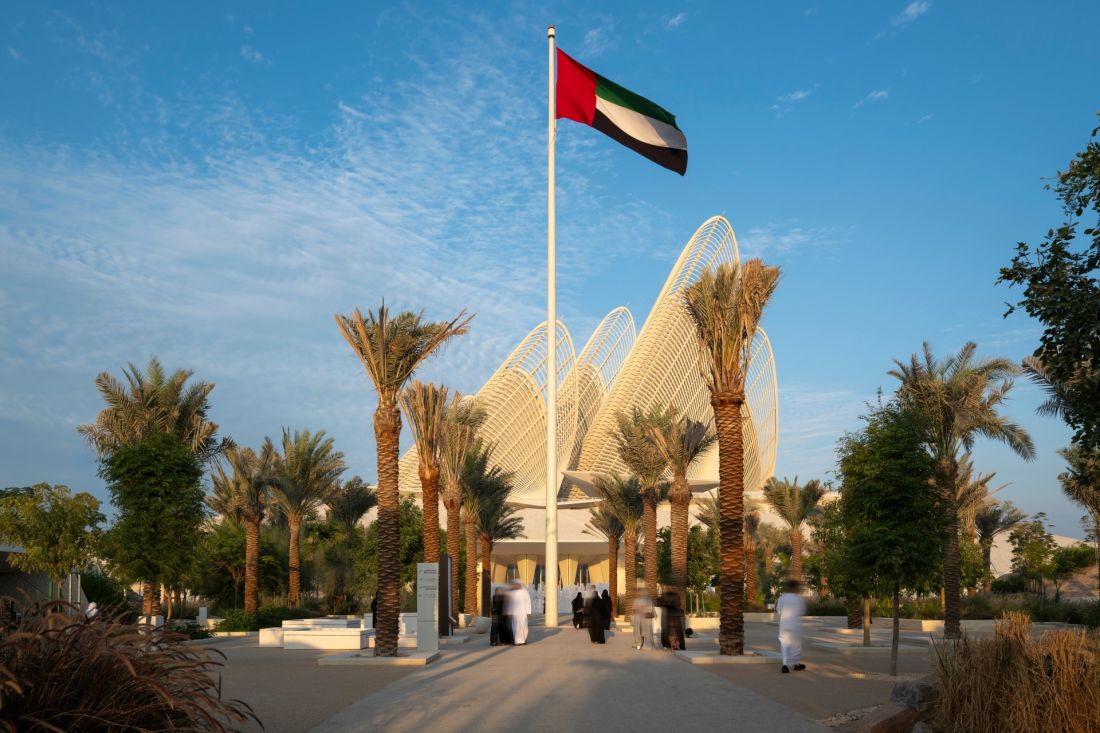
The Zayed National Museum in Abu Dhabi opened in the heart of the Saadiyat Cultural District—a neighborhood that is becoming one of the most important cultural hubs in the Middle East. Foster + Partners designed the museum to tell the story of the United Arab Emirates, but also as a building deeply connected to the desert climate. Five steel towers, resembling the wings of a falcon, rise from the light-colored structure and help naturally vent hot air from the interior.
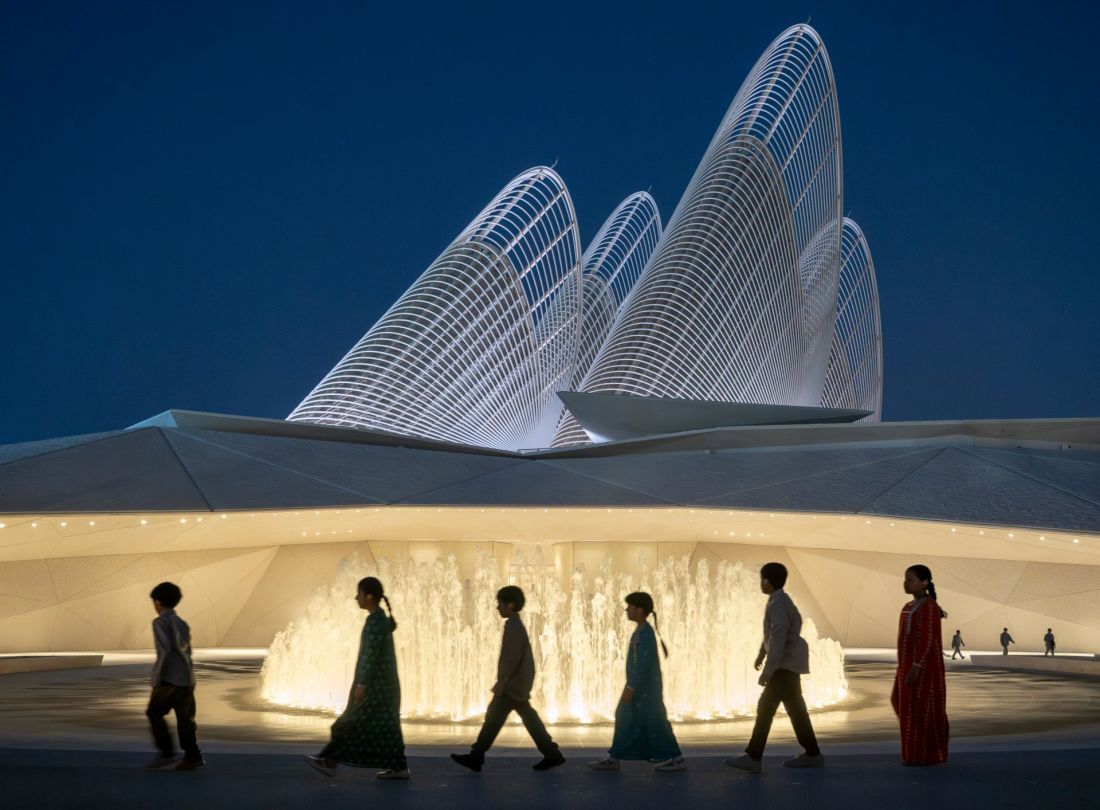
Zayed National Museum, Abu Dhabi — © Nigel Young / Foster + Partners
a national museum in the heart of Saadiyat Island
The Zayed National Museum is the new national museum of the United Arab Emirates. The institution chronicles the region’s history —from the earliest traces of human presence to the civilizations that shaped the country’s culture and identity. The building is located on Saadiyat Island in Abu Dhabi, in the vicinity of the most important cultural institutions being developed in this part of the city. Foster + Partners designed it as a place of remembrance, education, and gathering, centered on the history of the Emirates and the figure of Sheikh Zayed bin Sultan Al Nahyan.
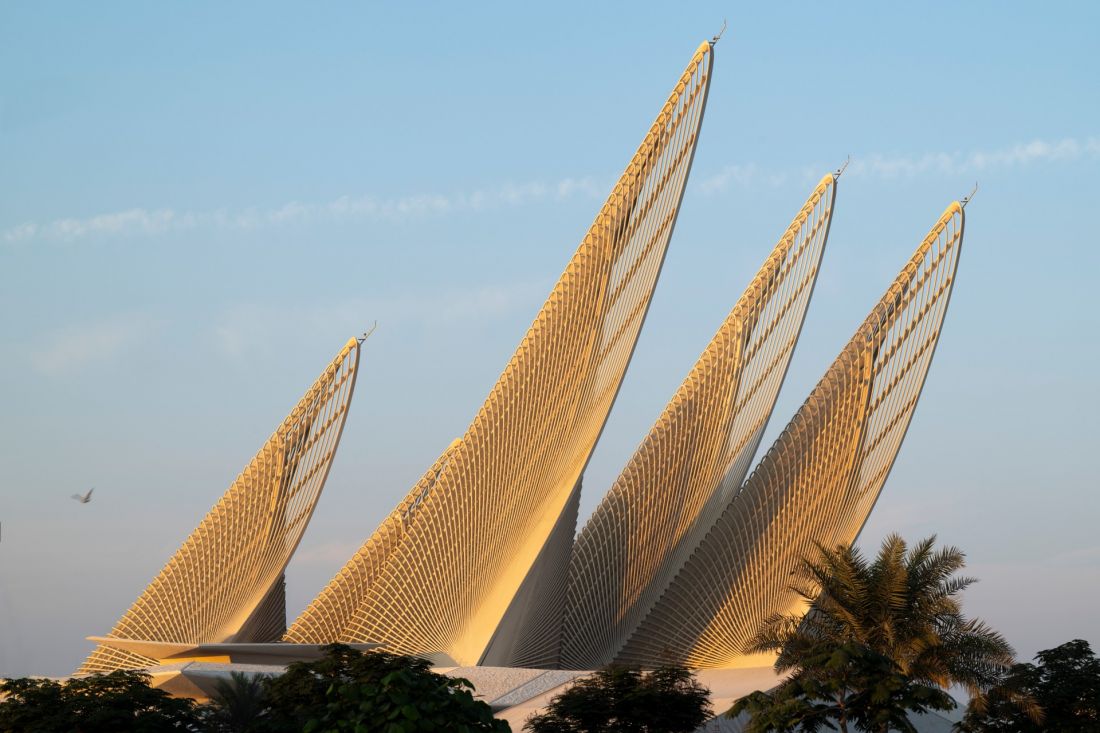
Zayed National Museum, Abu Dhabi — © Nigel Young / Foster + Partners
five towers that cool the interior
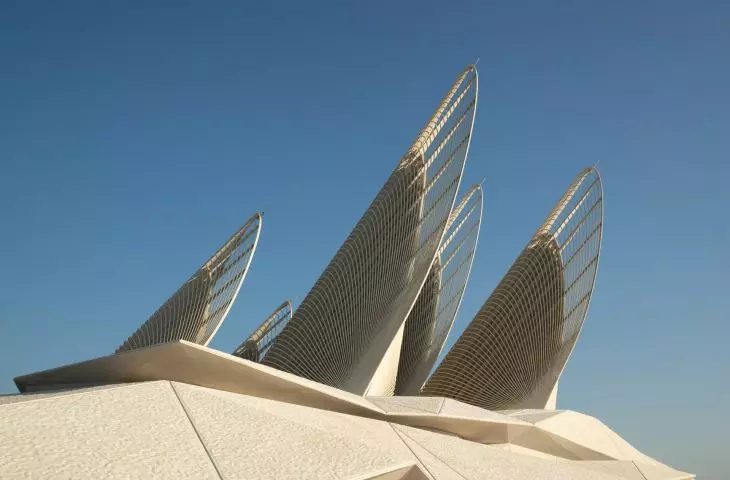
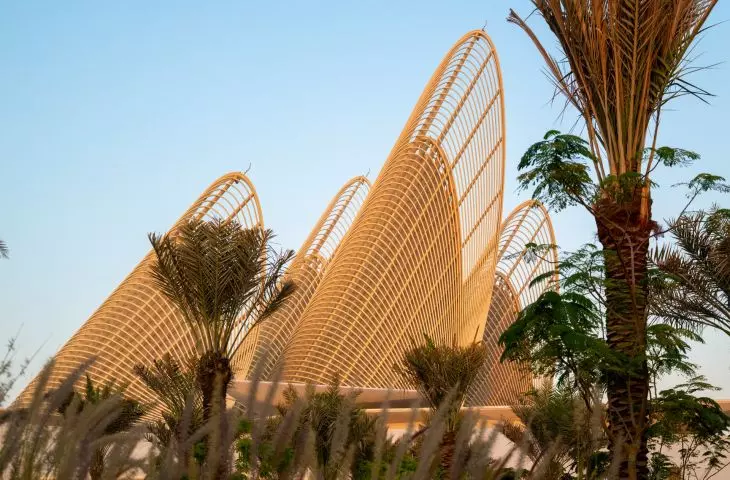
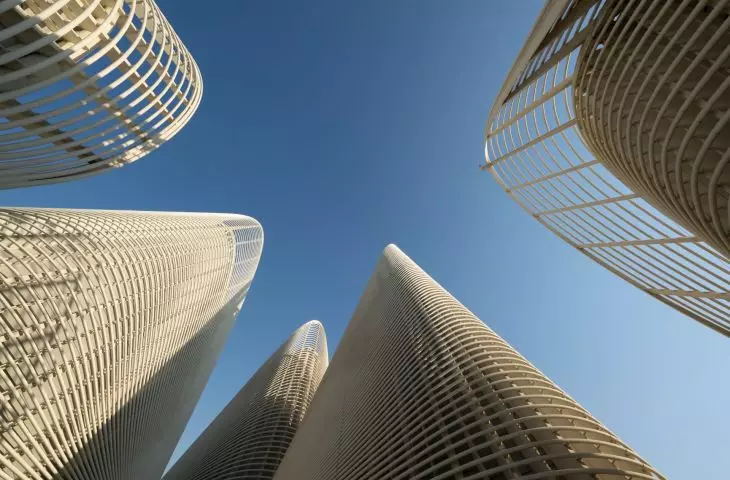
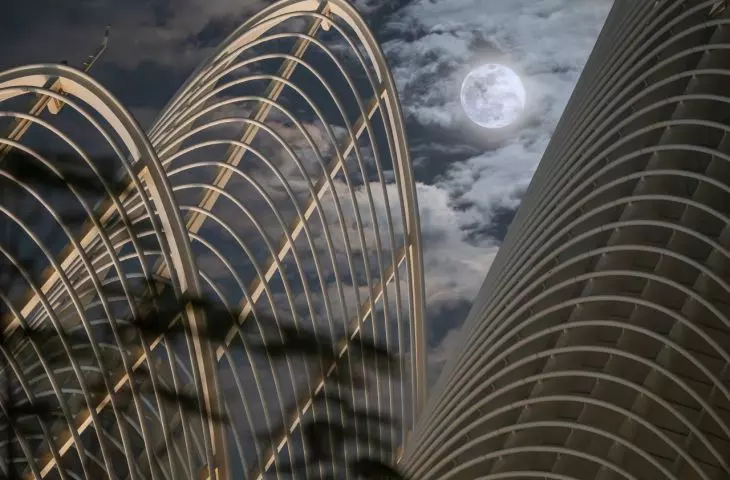
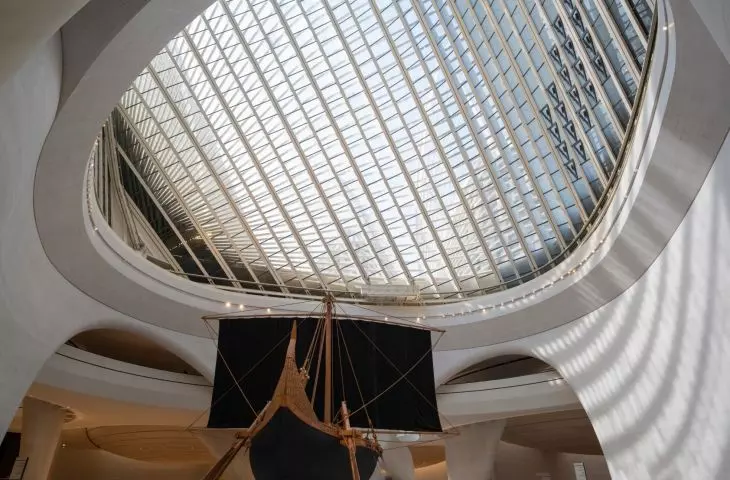
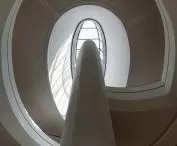
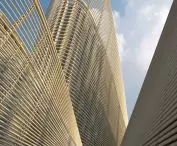
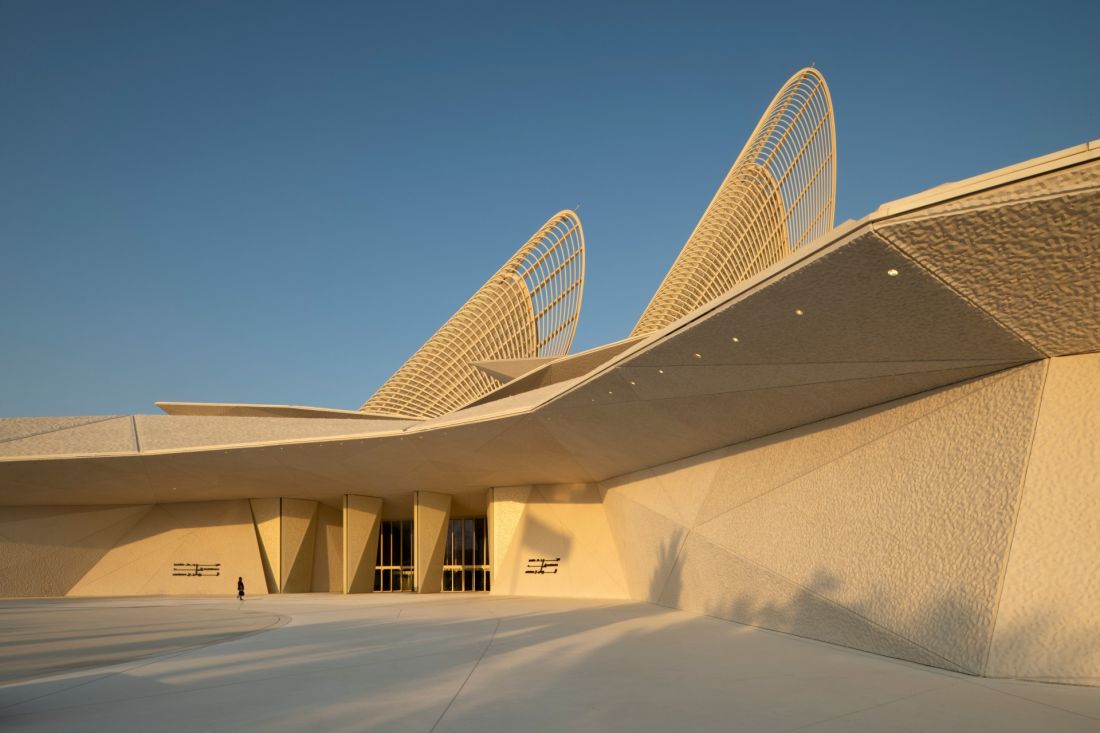
The most recognizable element of the design is the five lightweight steel towers rising above the museum’s main structure. Their form evokes the wings of a falcon—an important symbol of Emirati culture—but they also serve a very practical function. The towers are part of a natural ventilation system. Openings in their upper sections help remove hot air from the central atrium, while air that has been pre-cooled in channels running deep beneath the desert ground is drawn into the interior. In this way, the architecture not only references the local climate but also effectively harnesses it to enhance the building’s functionality.
Zayed National Museum, Abu Dhabi — © Nigel Young / Foster + Partners
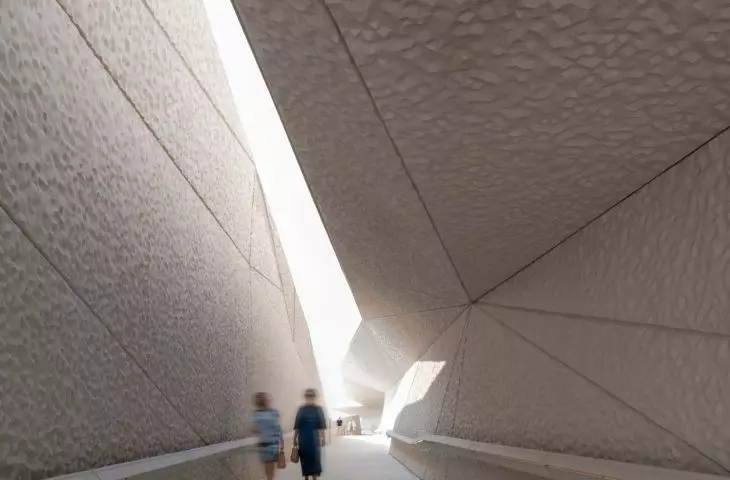
Beneath the light-colored structure of the Zayed National Museum
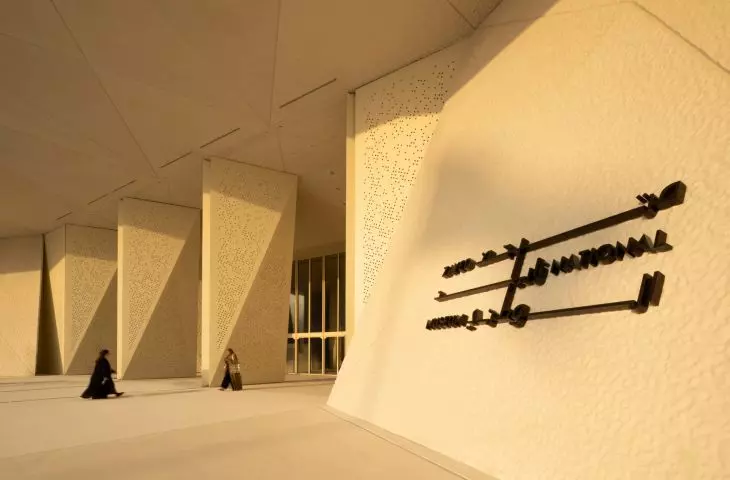
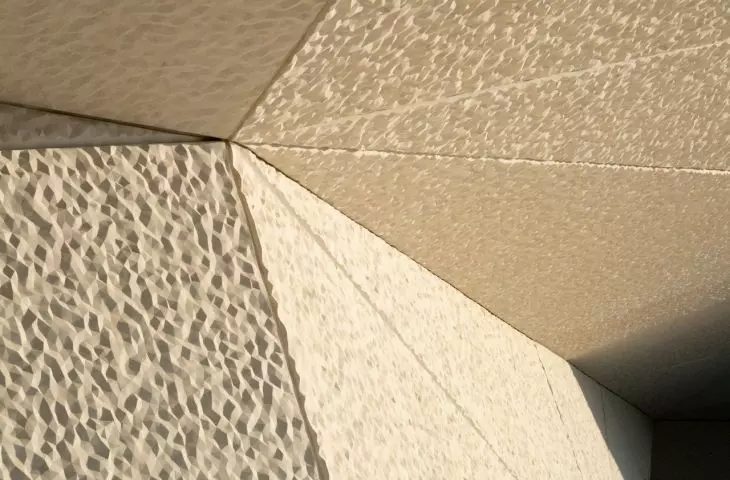
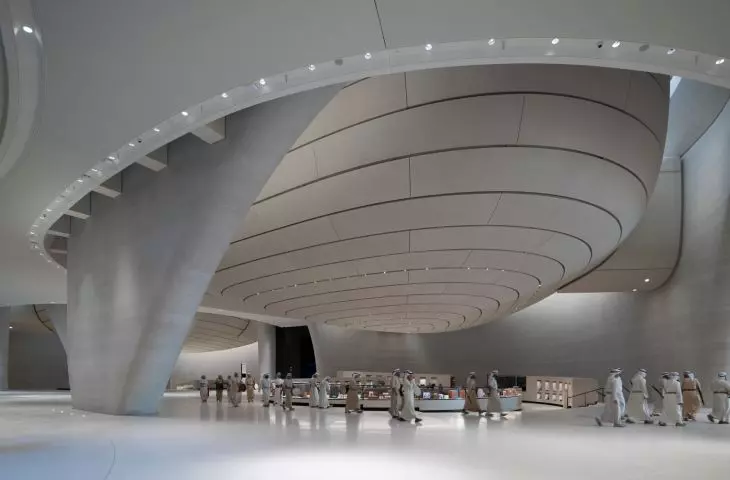
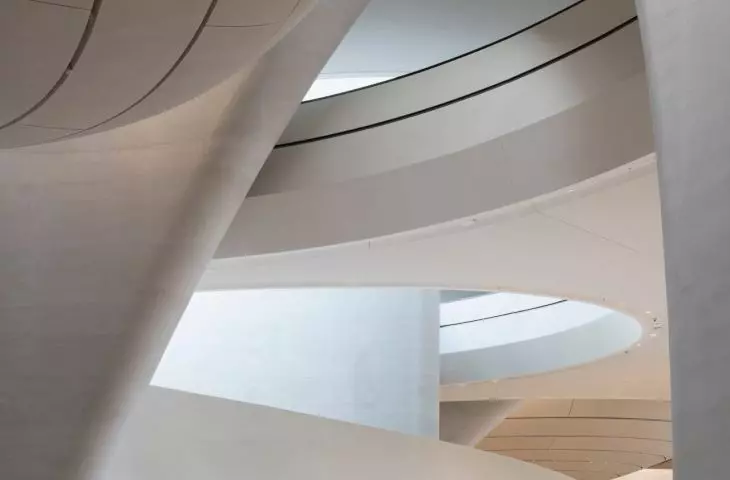
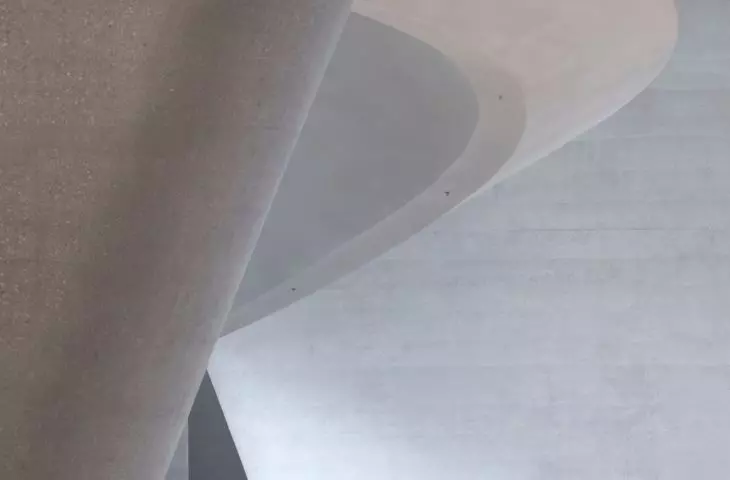
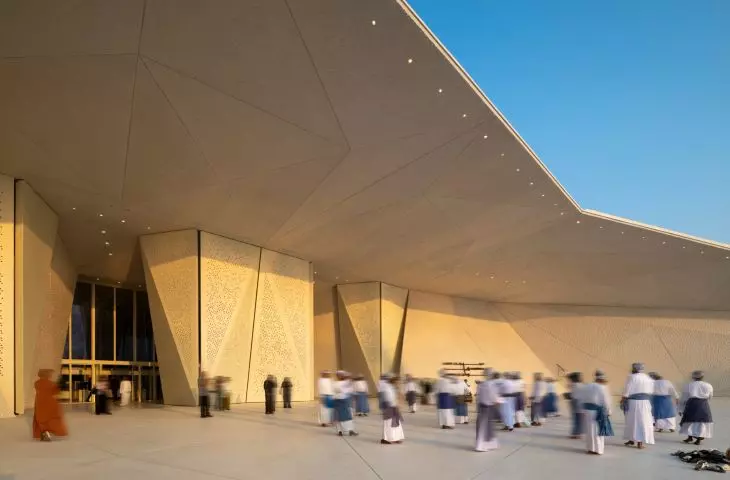
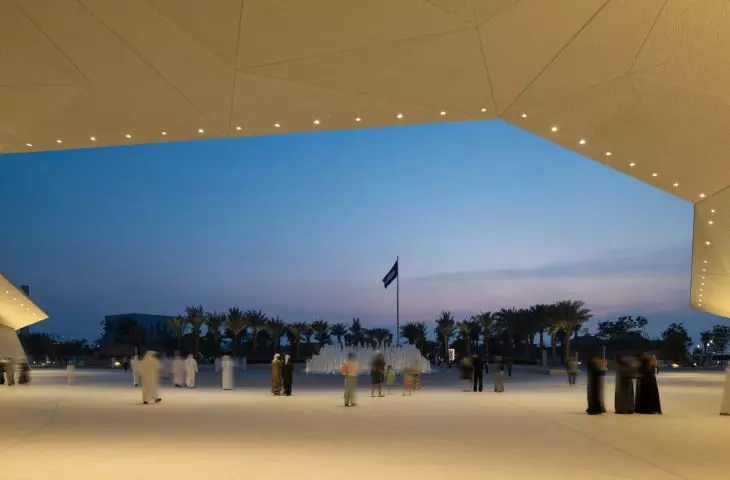
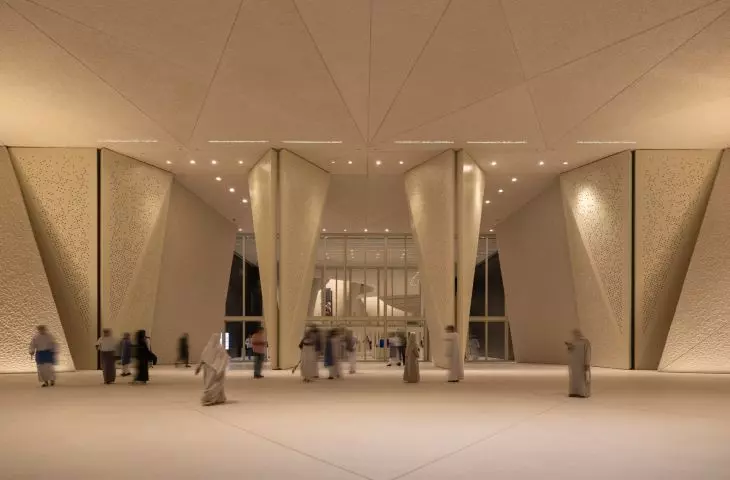
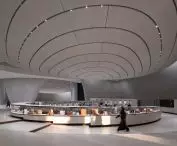
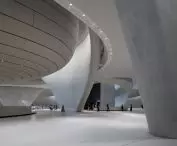
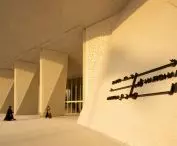
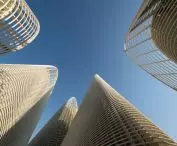
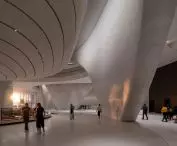
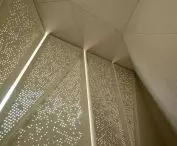
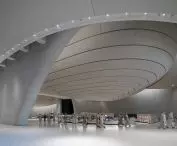
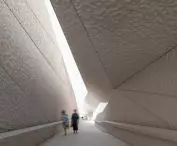
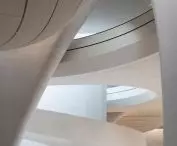
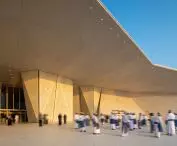
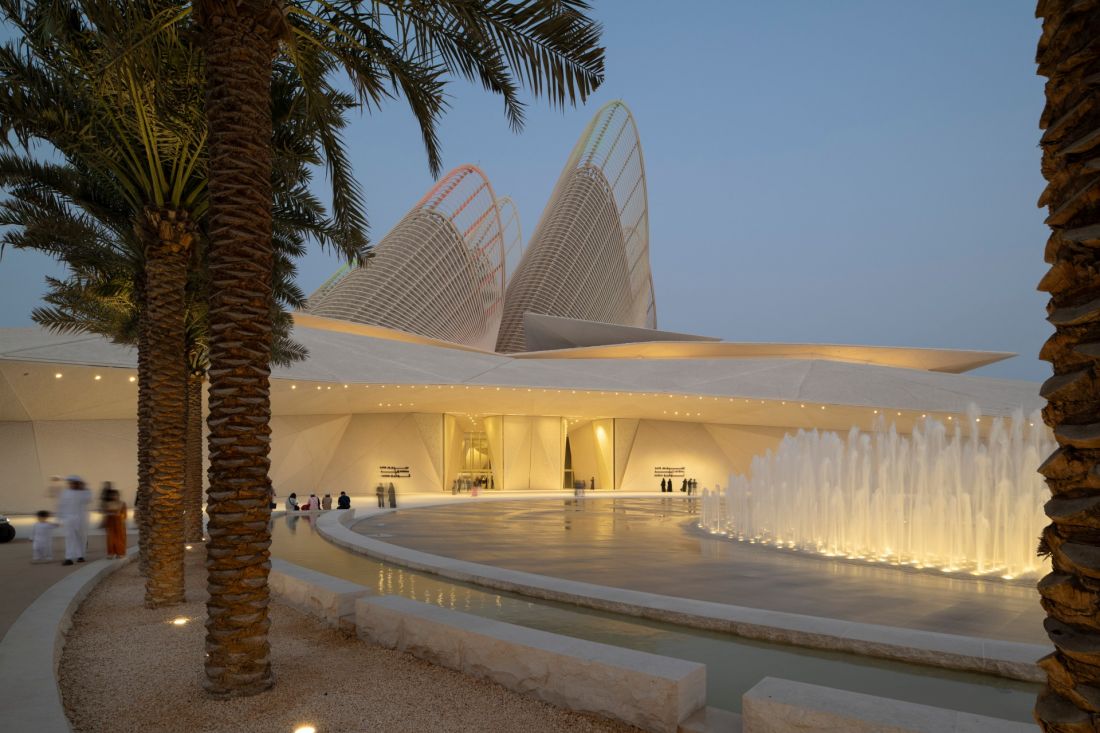
The main museum spaces are concealed within an elevated, faceted structure whose textured panels evoke the topography of the United Arab Emirates. The light color palette of the facade and interiors evokes the hue of the sand on Saadiyat Island, making the building appear to grow out of its surroundings. This form also serves an environmental purpose. It protects the interiors from excessive heat and reduces direct sunlight. In Abu Dhabi, this is not merely a technical detail but one of the fundamental design decisions.
Zayed National Museum, Abu Dhabi — © Nigel Young / Foster + Partners
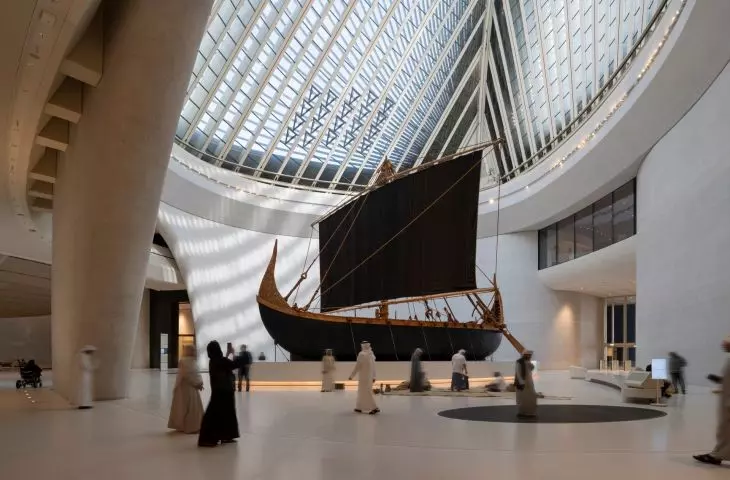
Al Liwan, the Heart of the Museum
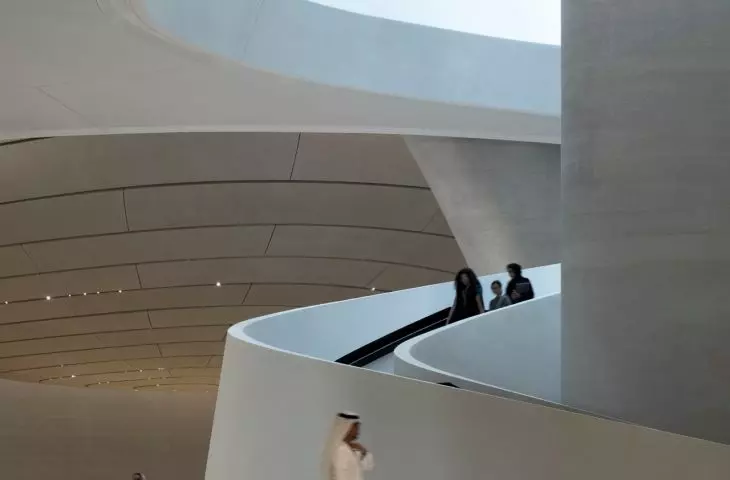
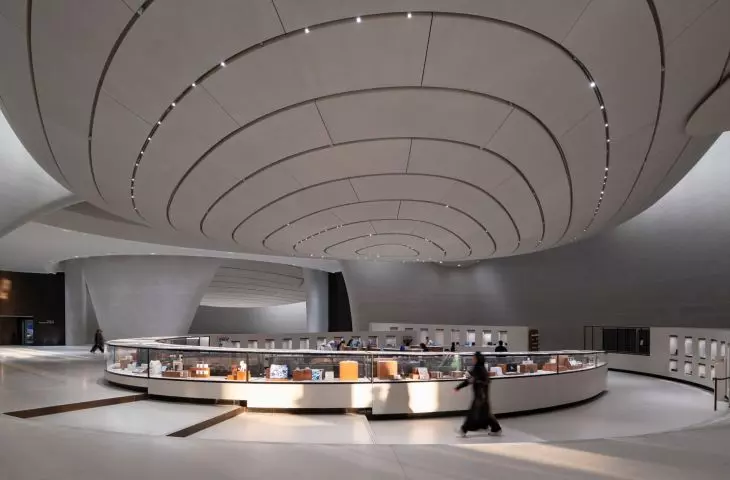
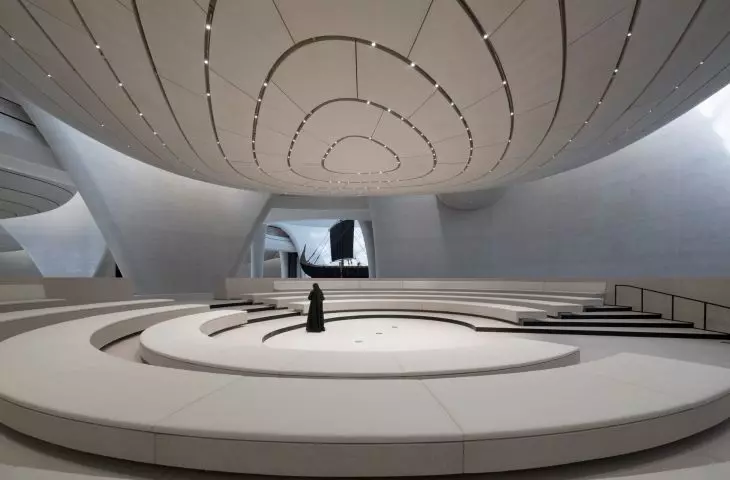
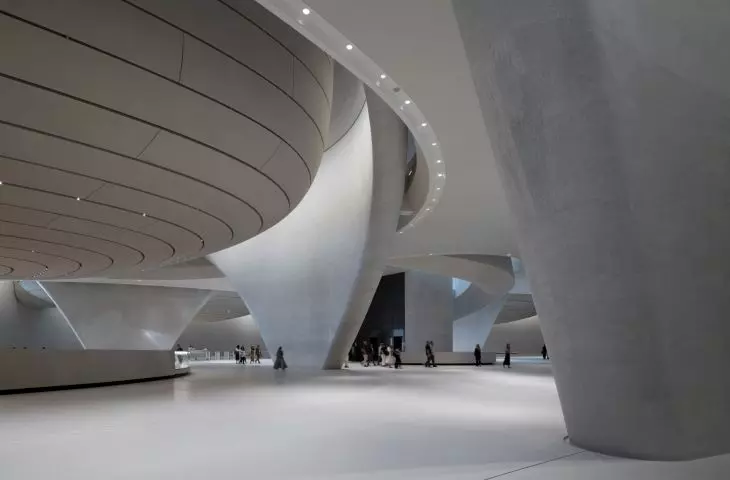
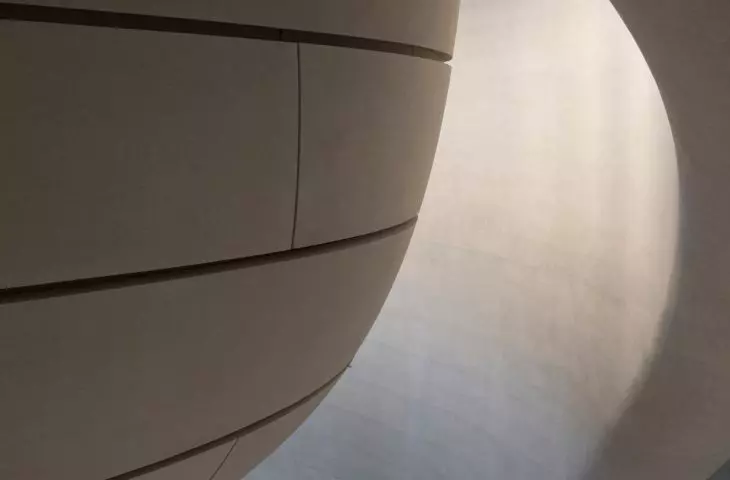
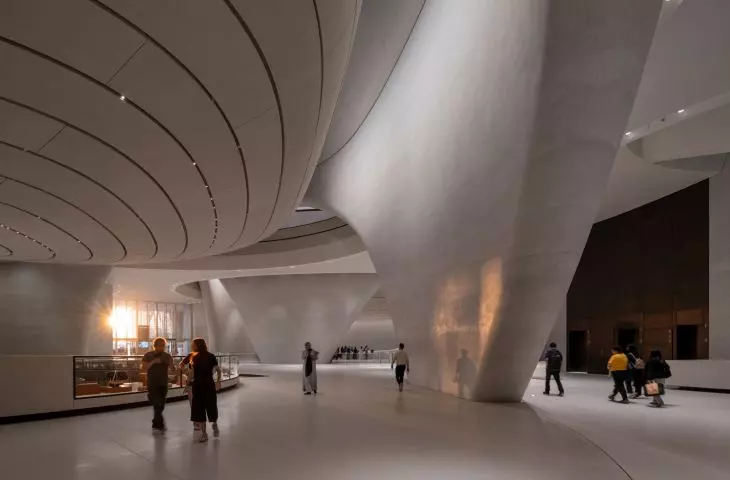
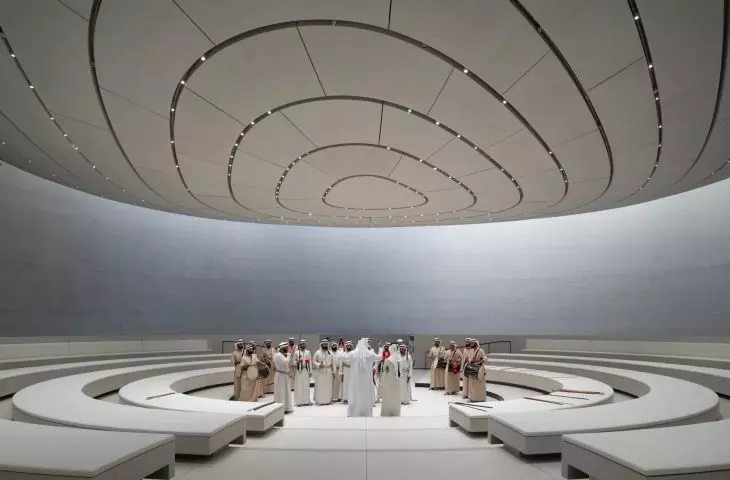
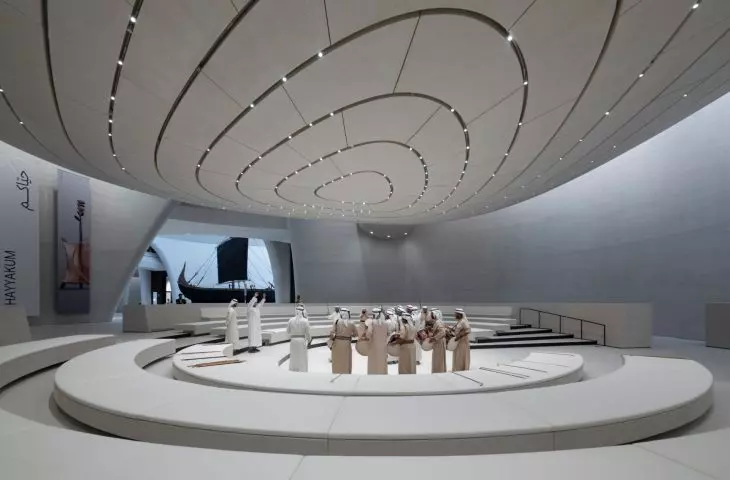
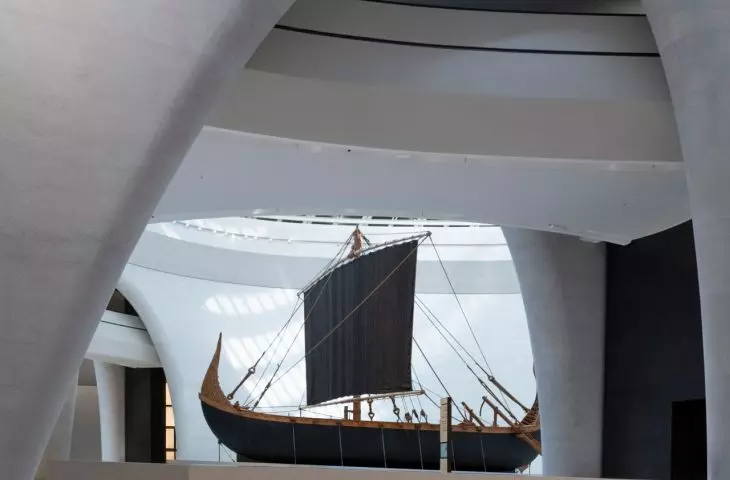
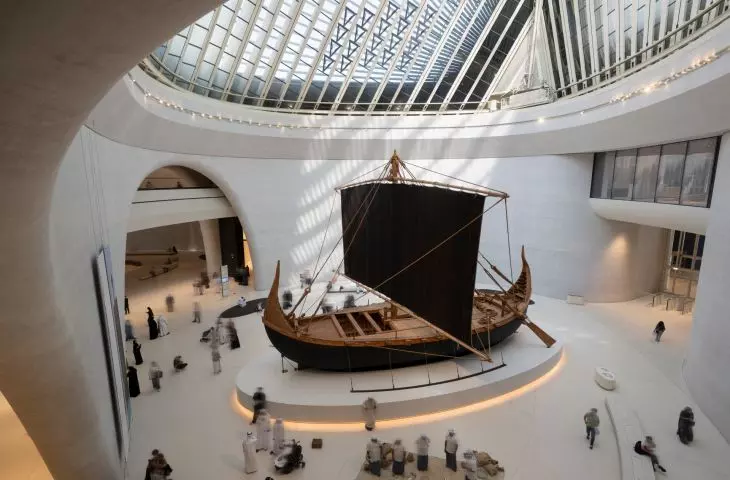
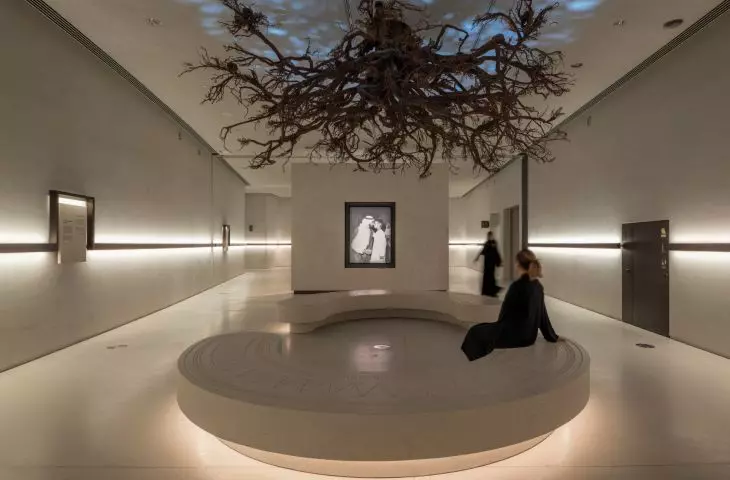
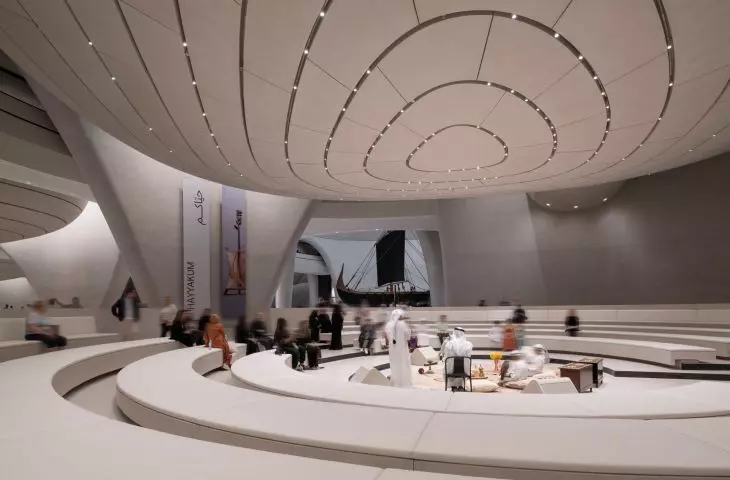
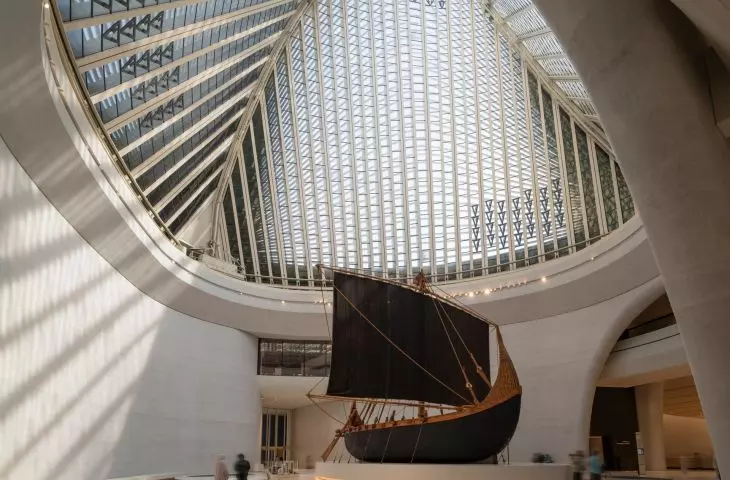
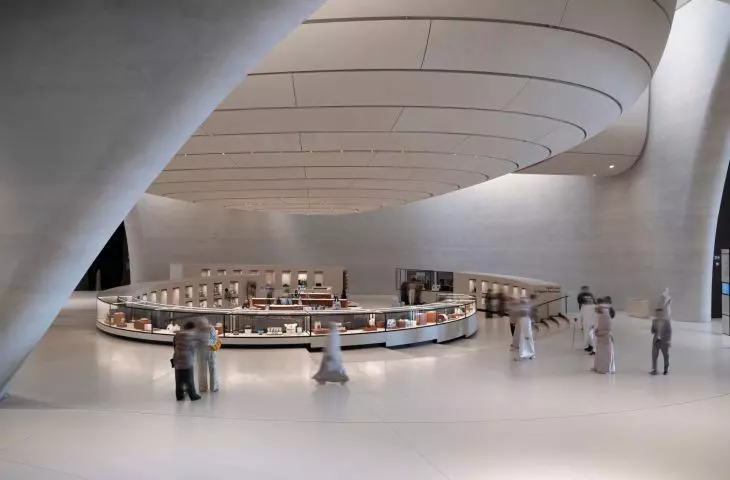
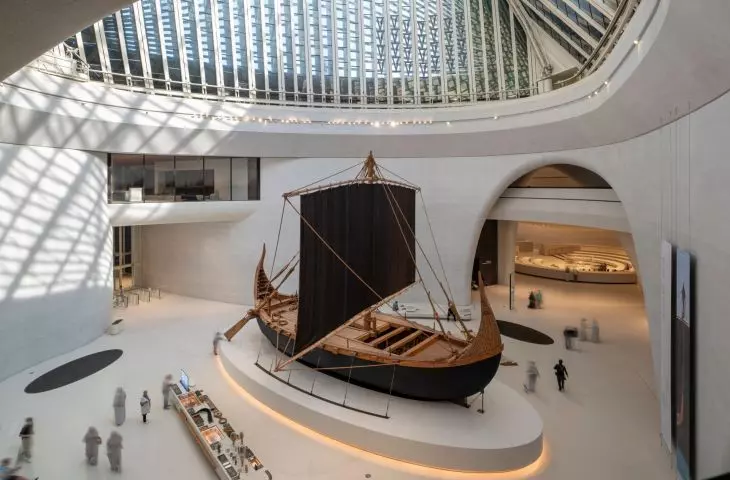
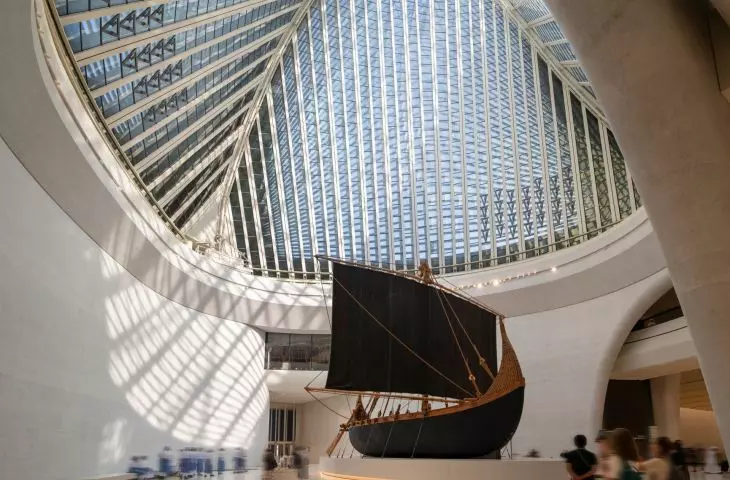
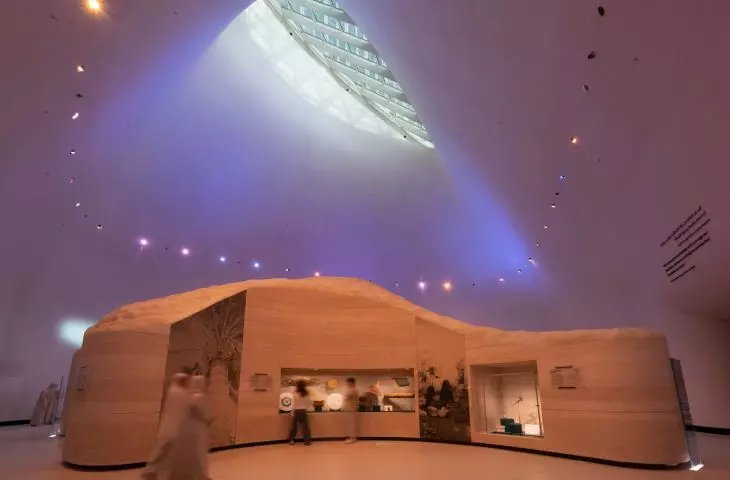
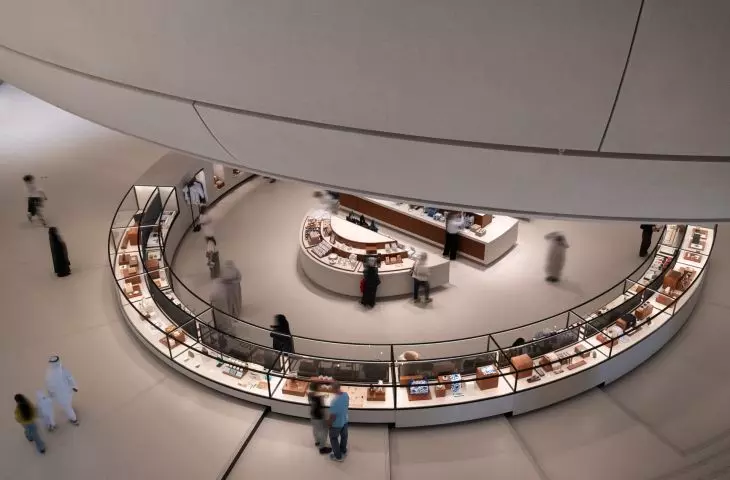
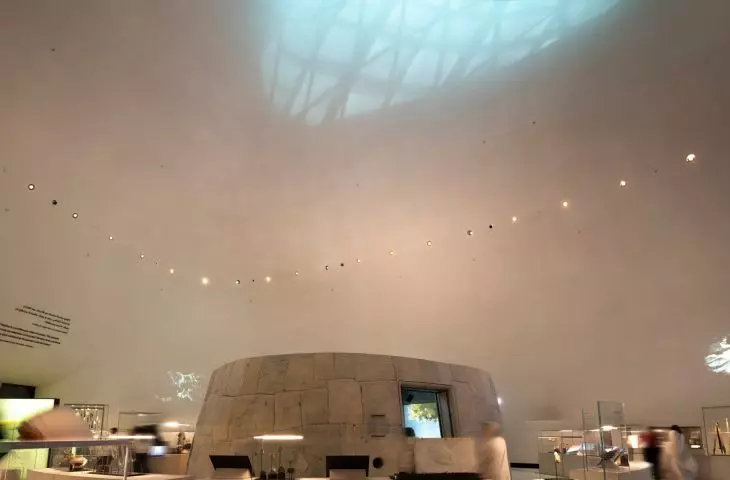
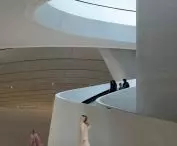
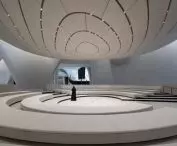
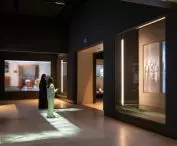
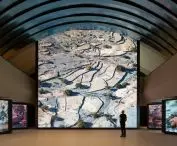
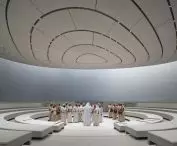
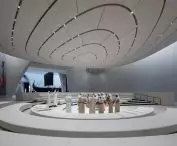
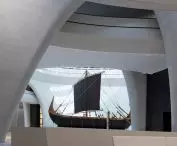
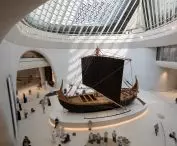
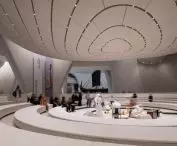
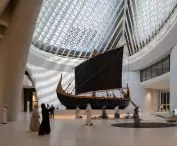
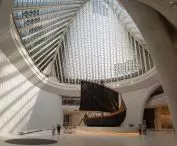
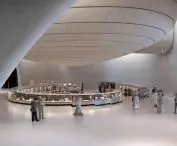
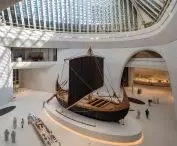
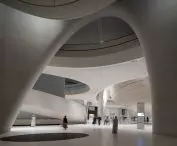
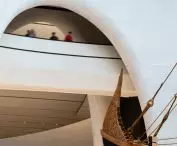
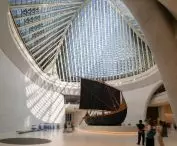
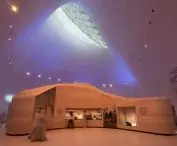
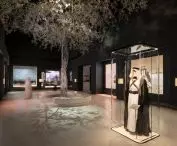
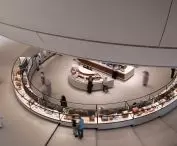
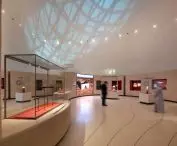
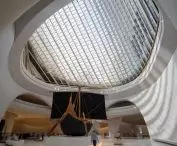
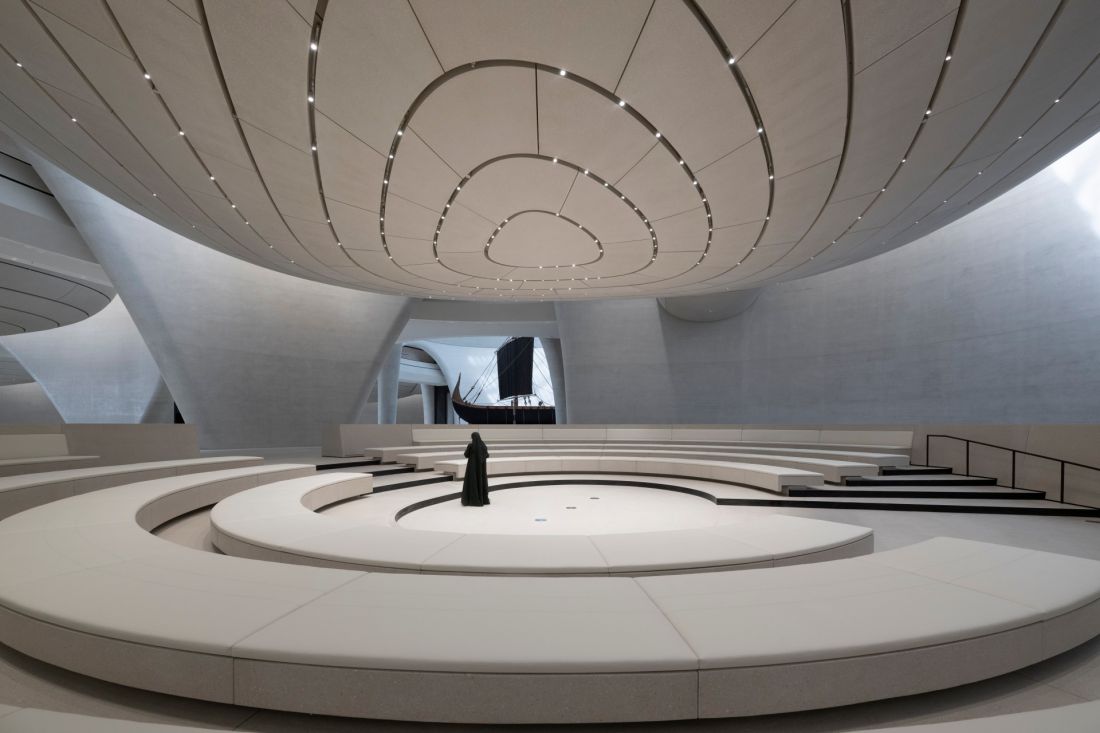
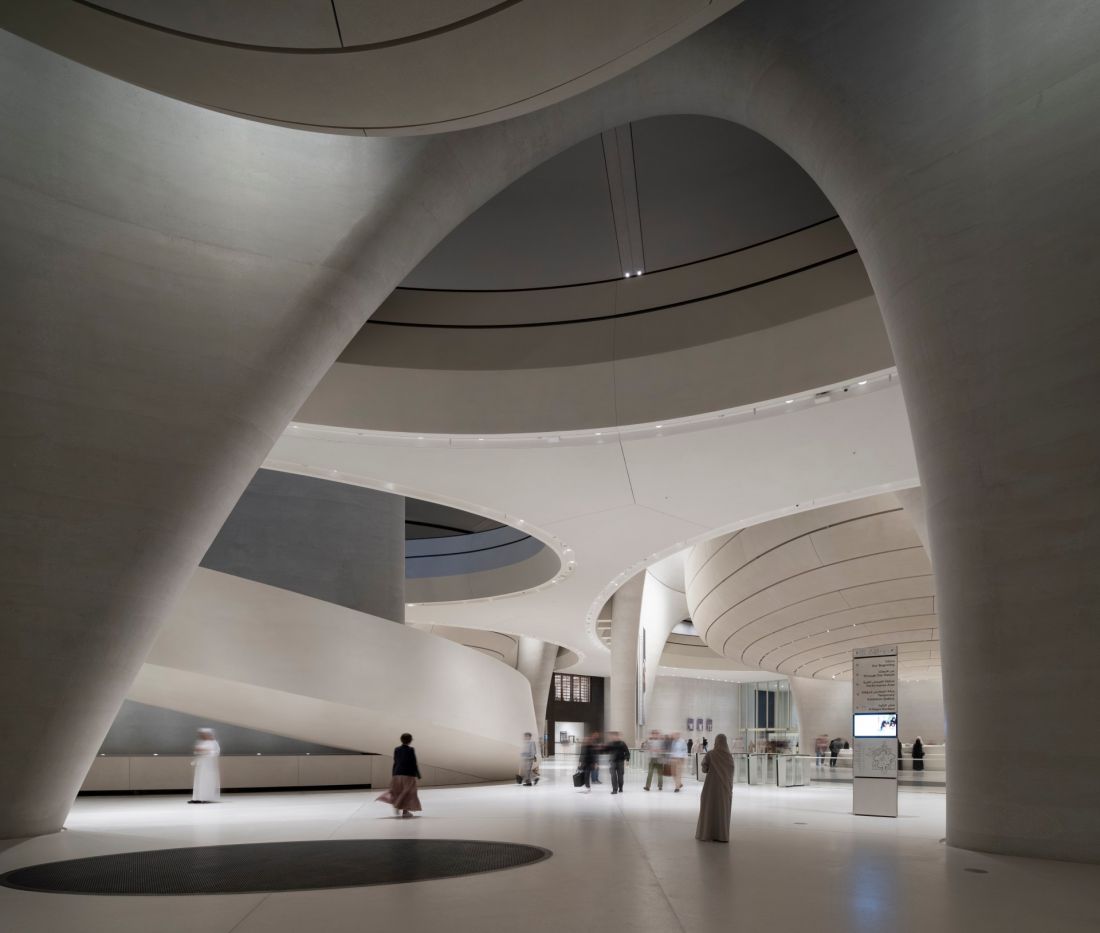
Upon entering the building, visitors arrive at Al Liwan —a tall, light-filled atrium that organizes the flow of visitors through the museum and serves as a communal gathering space. This is where the tour begins, but the space serves more than just an orientational function. It can also become a stage for events, traditional dance performances, or poetry readings. Suspended above the atrium are four galleries with organic, capsule-like shapes. Their design maintains stable conditions for sensitive exhibits while creating a distinct contrast between the monumental scale of the interior and the more intimate experience of the exhibition.
Zayed National Museum, Abu Dhabi — © Nigel Young / Foster + Partners
Galleries without a single predetermined route
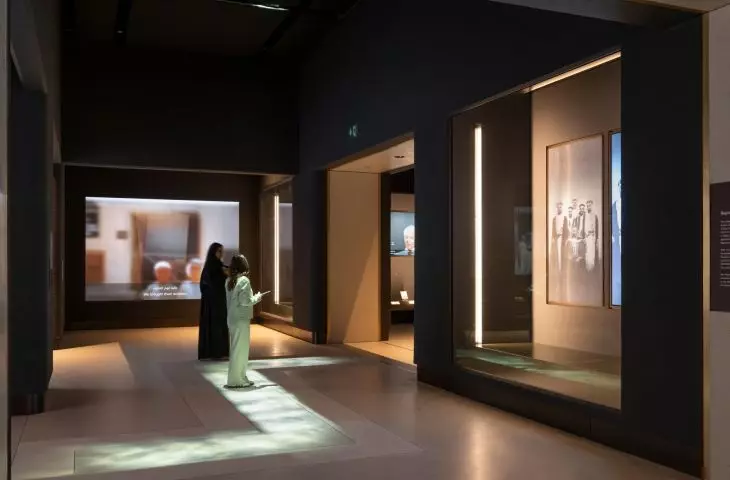
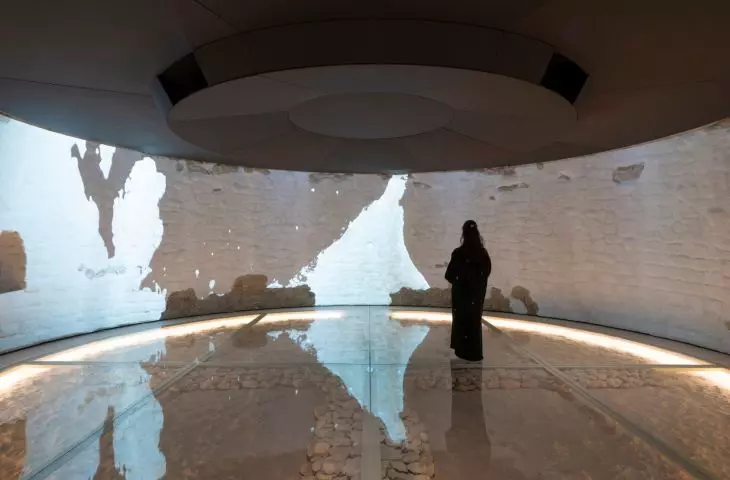
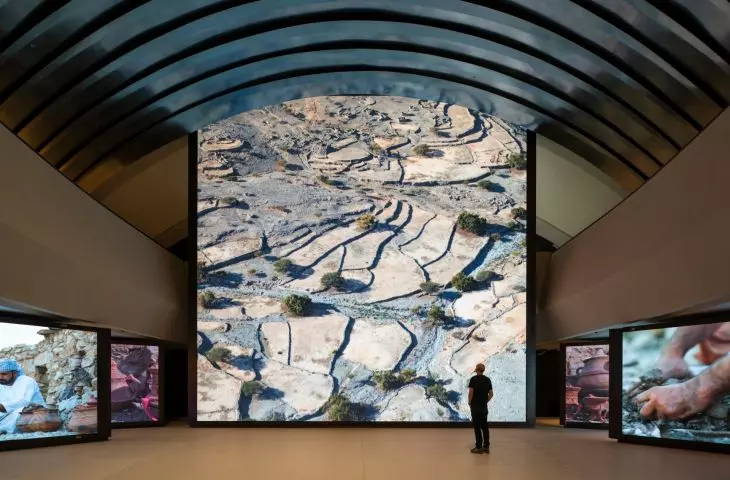
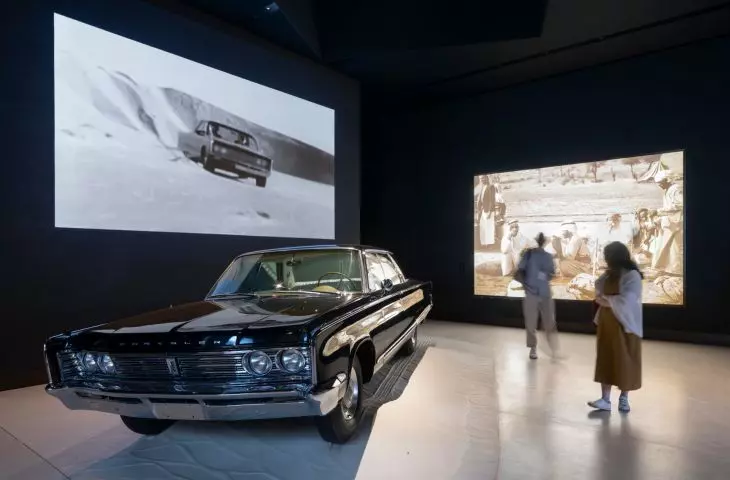
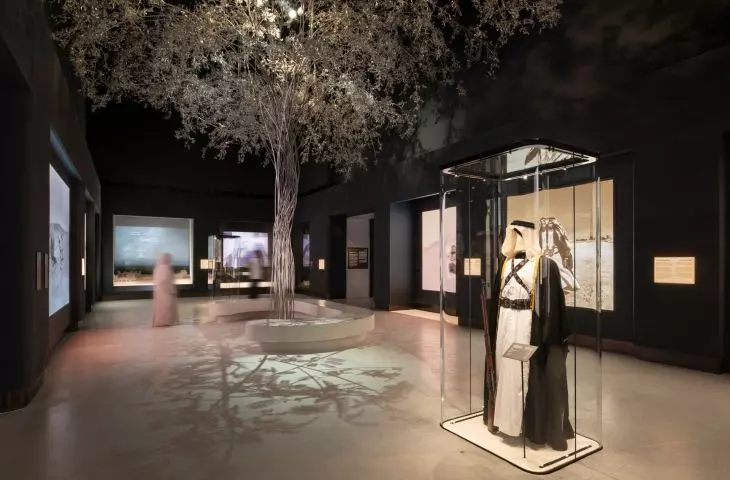
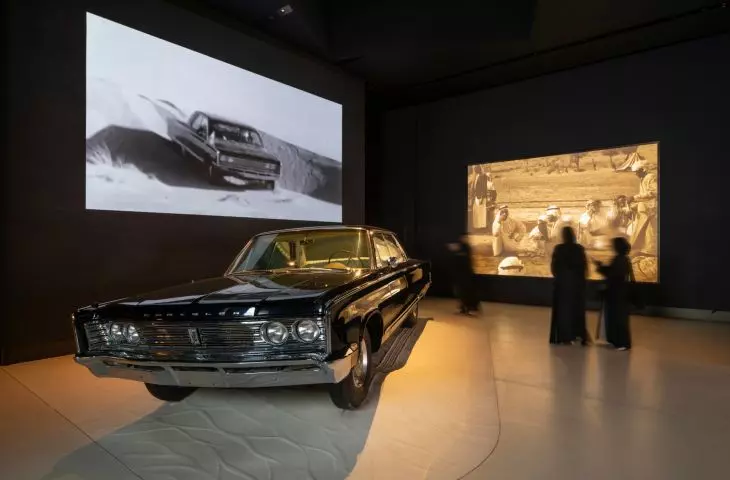
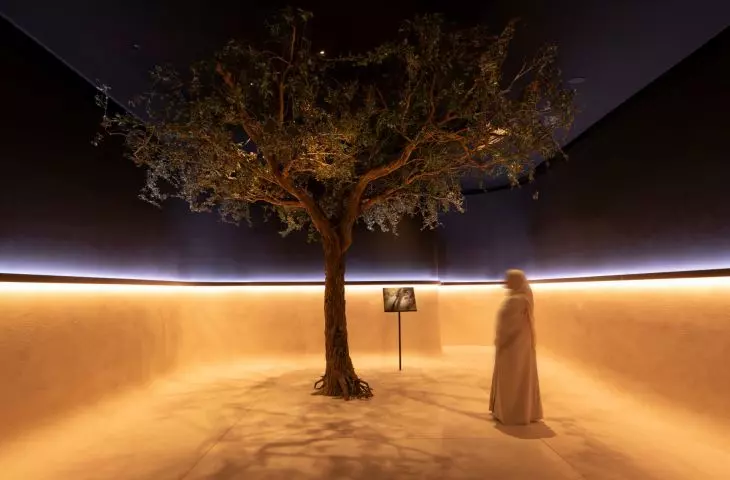
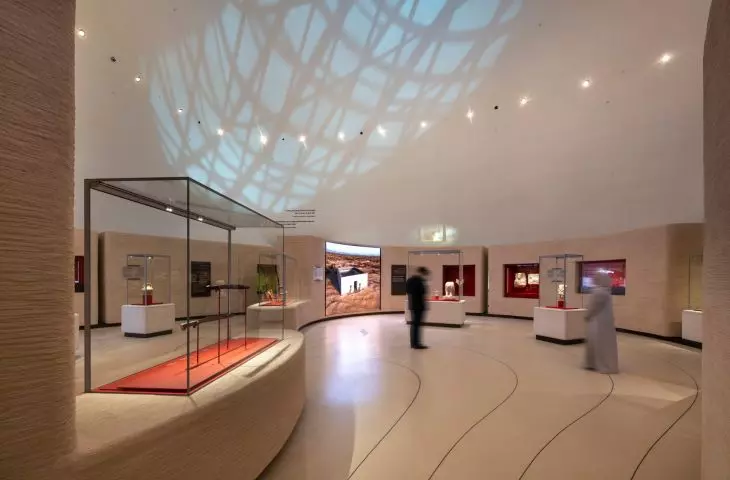
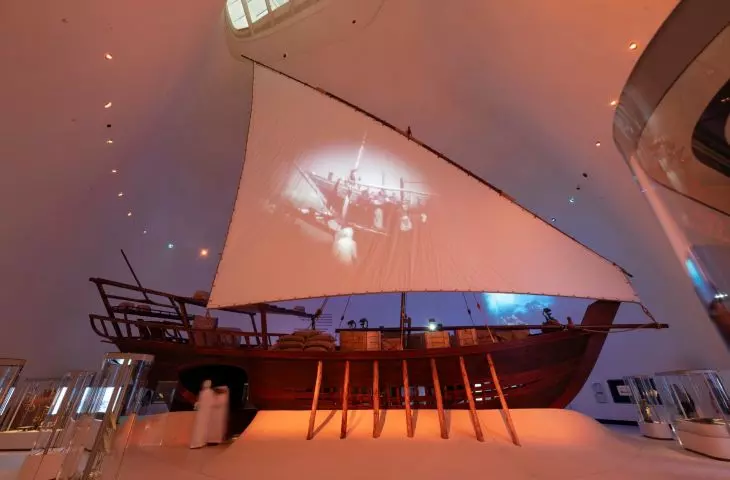
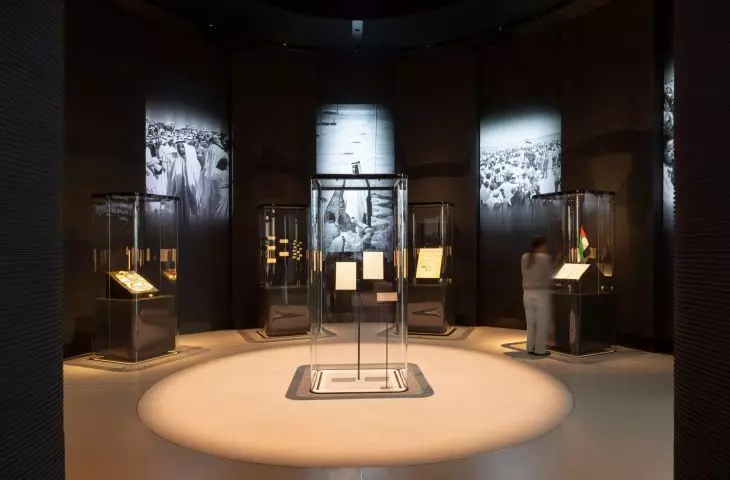
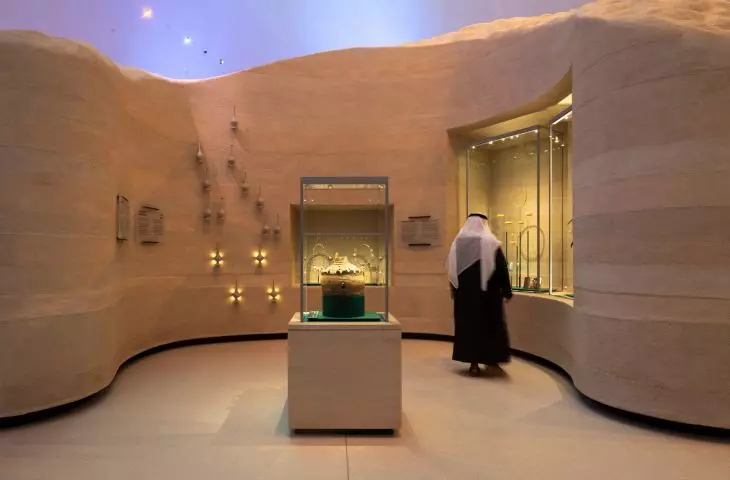
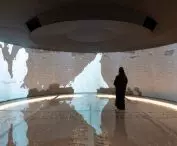
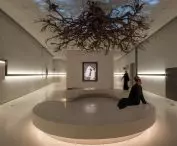
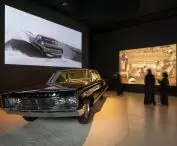
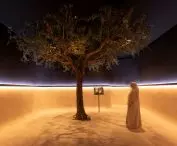
The museum houses six permanent galleries and one space for temporary exhibitions. Four galleries are suspended above the atrium, while the other two are located at the building’s entrances. Each gallery explores a distinct theme, and the passageways between them help weave them into a broader narrative about the history and culture of the Emirates. Visitors can choose their own route, move between galleries, and reach higher levels via a spiral staircase or elevators. The museum thus combines the control necessary to protect the collections with the freedom to explore history.
Zayed National Museum, Abu Dhabi — © Nigel Young / Foster + Partners
Light Admitted in Moderation
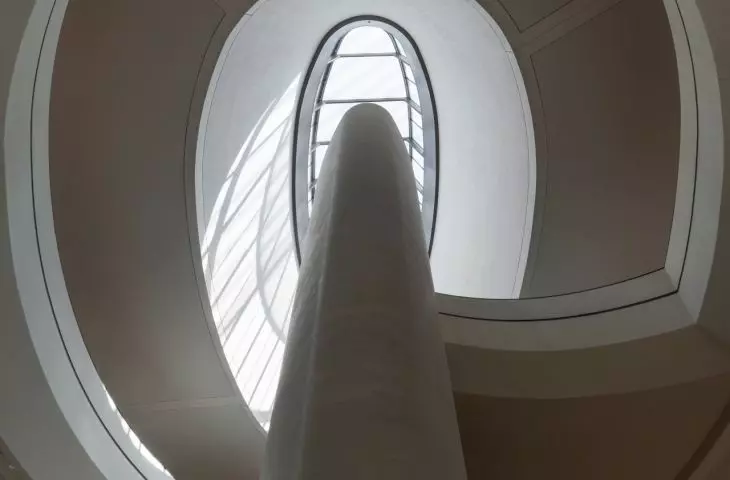
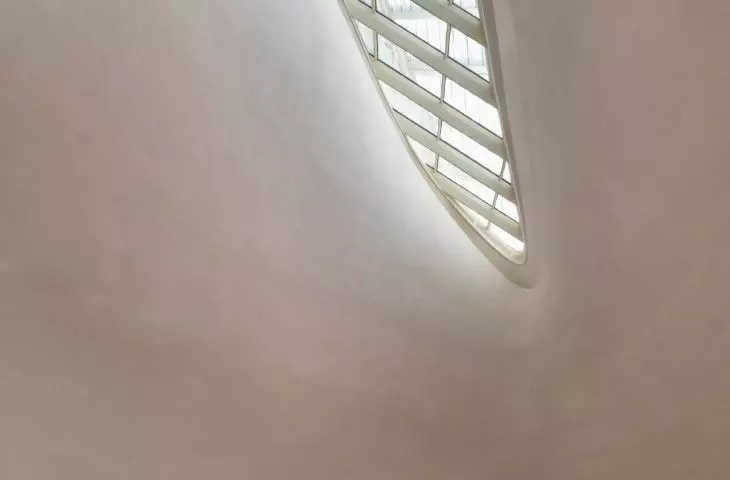
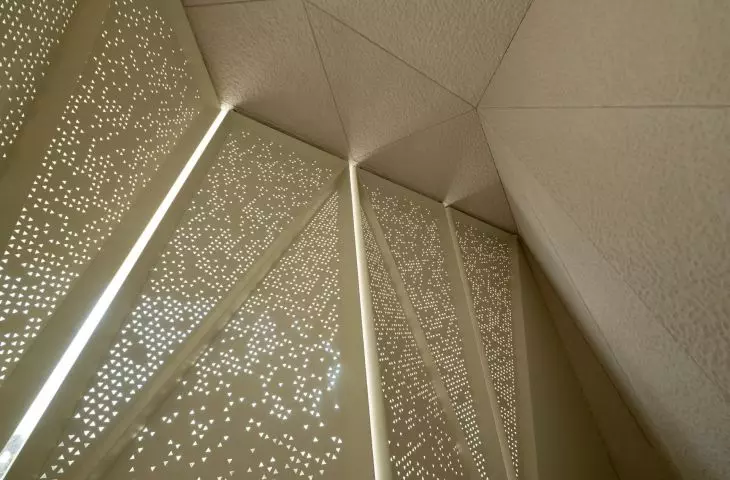
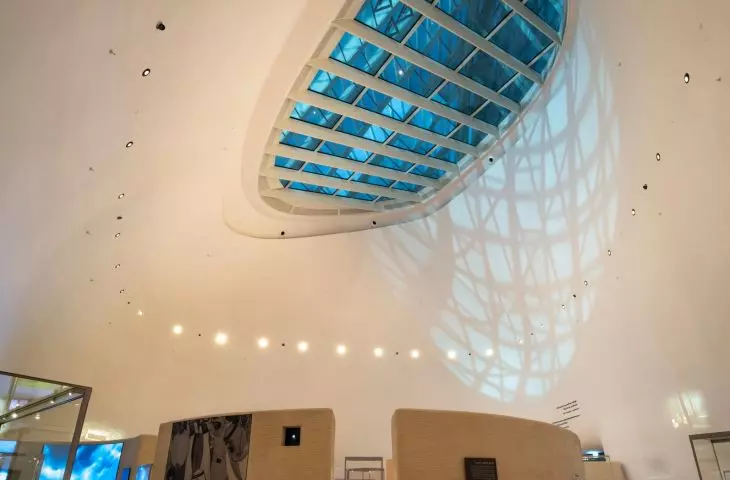
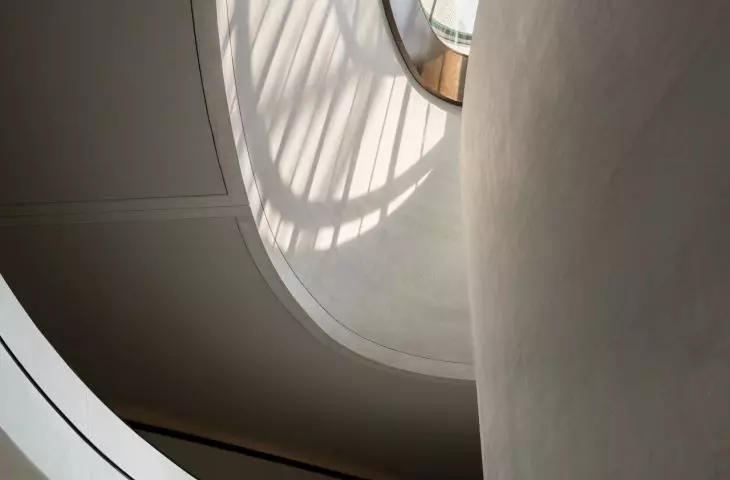
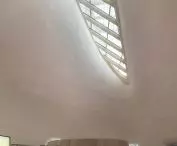
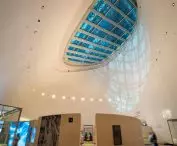
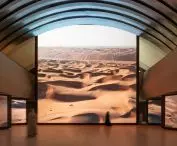
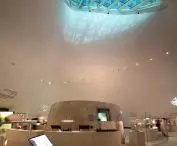
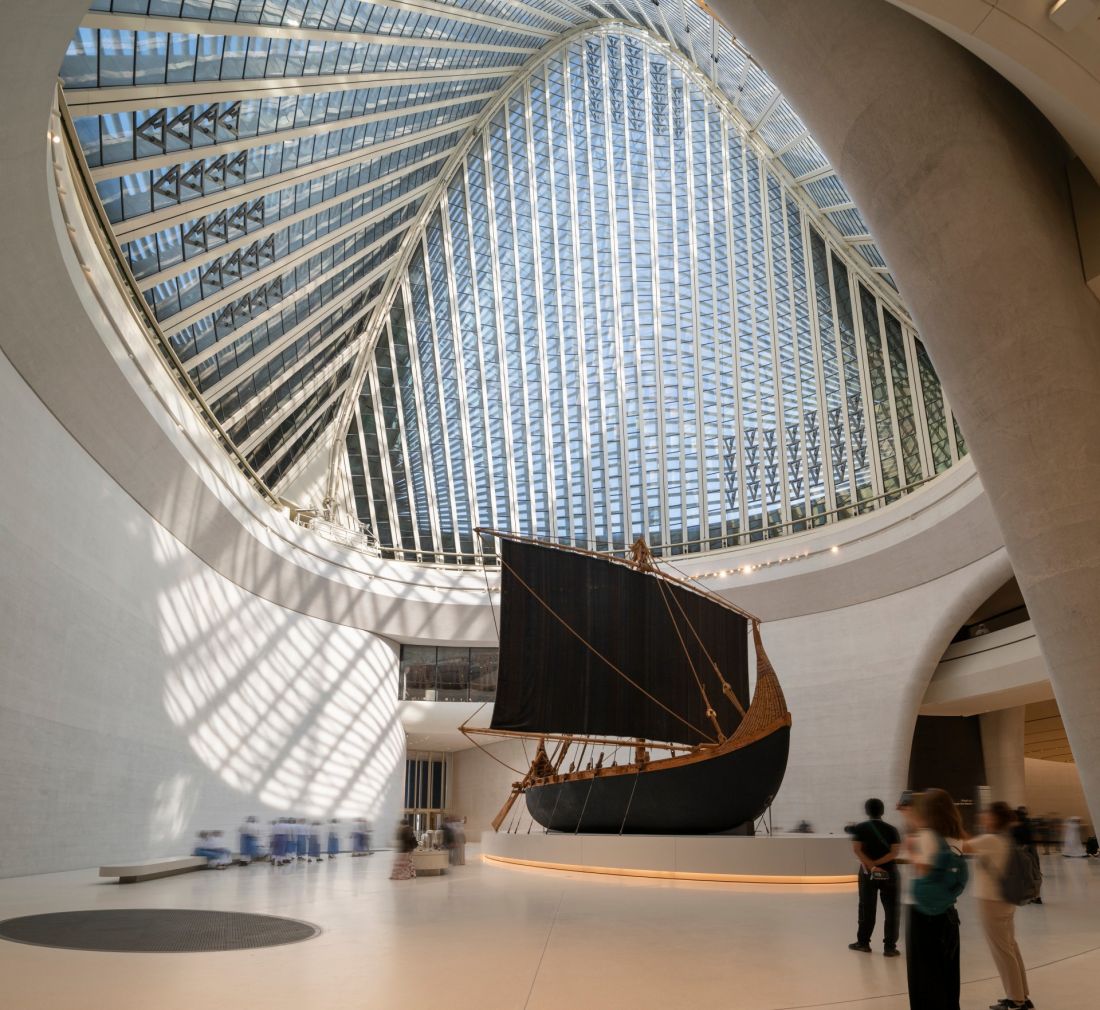
In the museum , light is not merely an architectural effect. The glass towers illuminate the lobby and galleries, but the intensity of the light is carefully controlled. As a result, the interiors remain bright, while the exhibits are protected from excessive sunlight.This is particularly important in a building that must simultaneously make use of natural light and ensure appropriate conditions for the collections. Foster + Partners do not isolate the museum from the climate, but rather precisely regulate the relationship between the interior, the sun, and temperature.
Zayed National Museum, Abu Dhabi — © Nigel Young / Foster + Partners
a garden leading toward the coast
Outside the museum lies Al Masar Garden, which extends toward the coast and continues the narrative begun inside the building. The garden reflects Sheikh Zayed’s connection to nature, but it also serves a very contemporary function—it is a public space for relaxation, socializing, and recreation. The landscape was designed using plants native to the region and traditional water management methods, including falaj canals. As a result, Al Masar Garden is not merely a green setting for the museum, but part of a broader narrative about life in a desert climate.
Zayed National Museum, Abu Dhabi — © Nigel Young / Foster + Partners
Architecture Between Memory and Technology
The Zayed National Museum demonstrates that monumental museum architecture need not rely solely on the effect of scale. In Abu Dhabi, the most important aspect is the relationship between memory and the present, the desert landscape and technology, and light and the preservation of the collections. The Foster + Partners design is a striking symbol of a national institution, but its power does not stem solely from the five steel towers visible from afar. More important is how the building harnesses the local climate, tradition, and topography to create a museum deeply rooted in its location.