




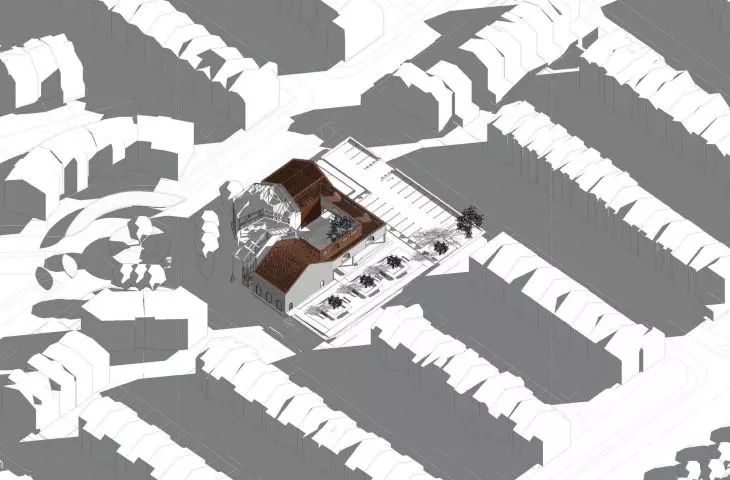
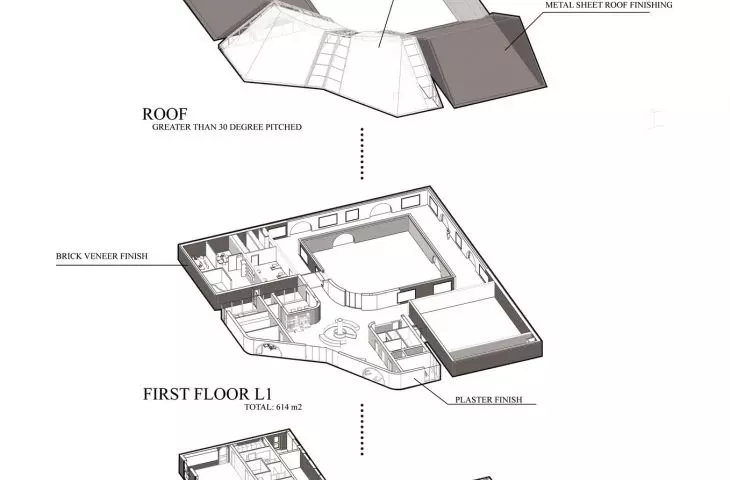
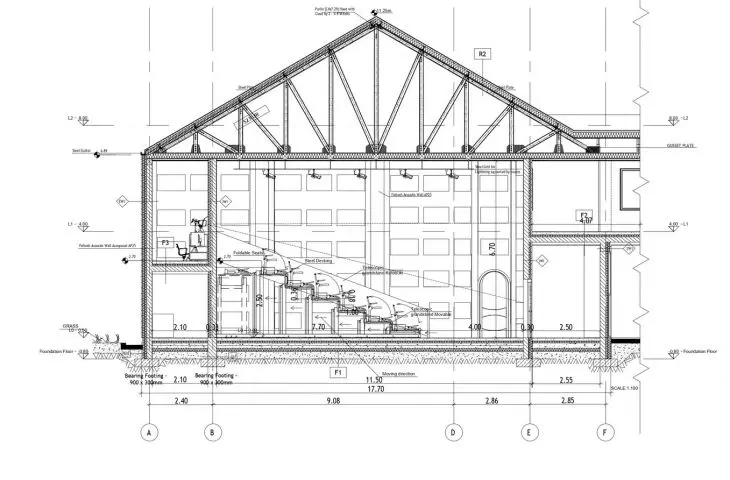
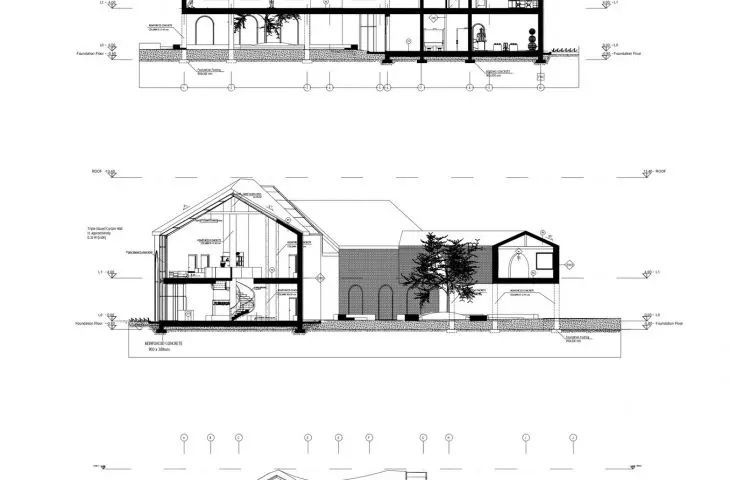
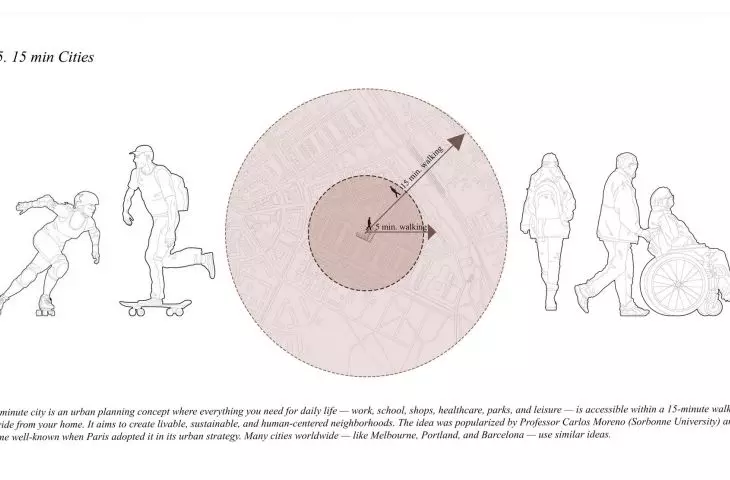
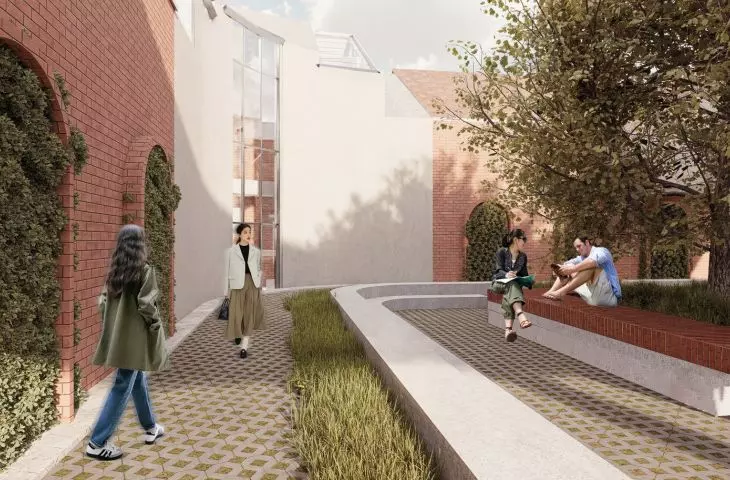
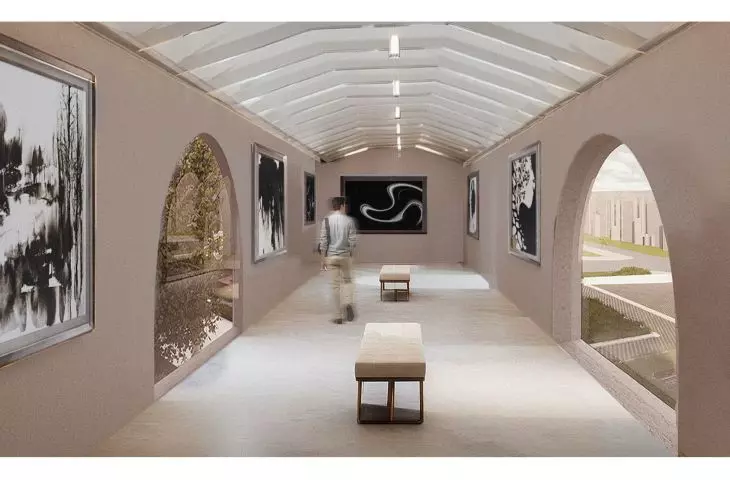
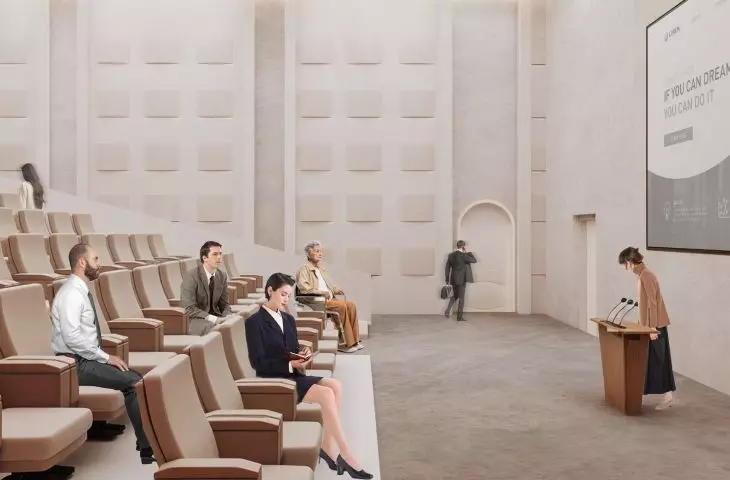
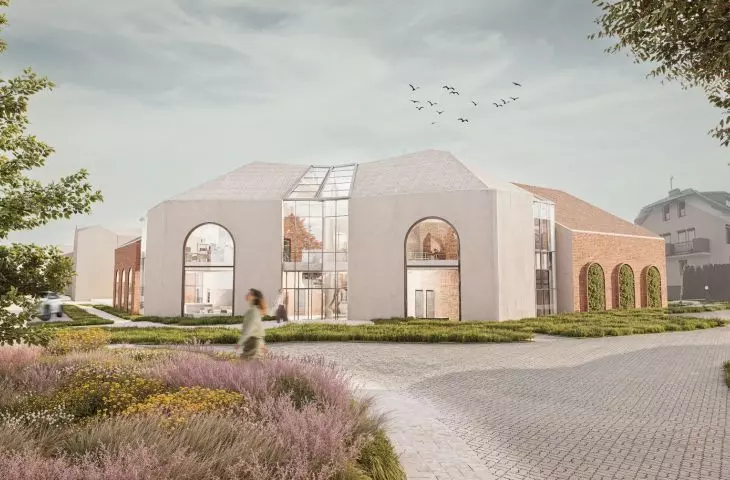
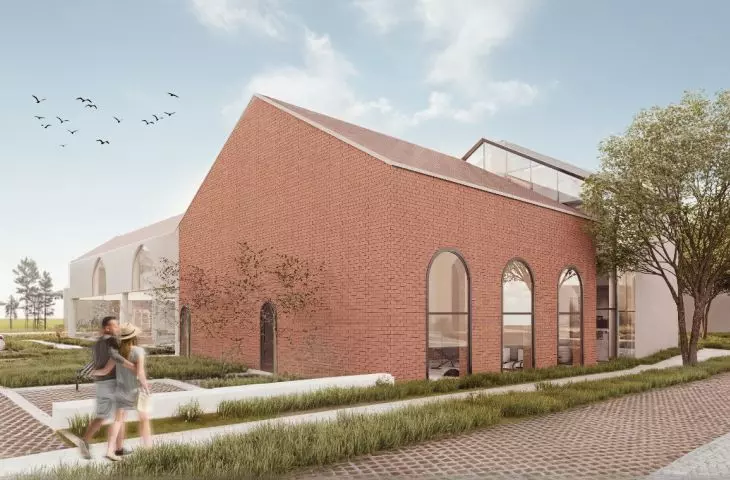
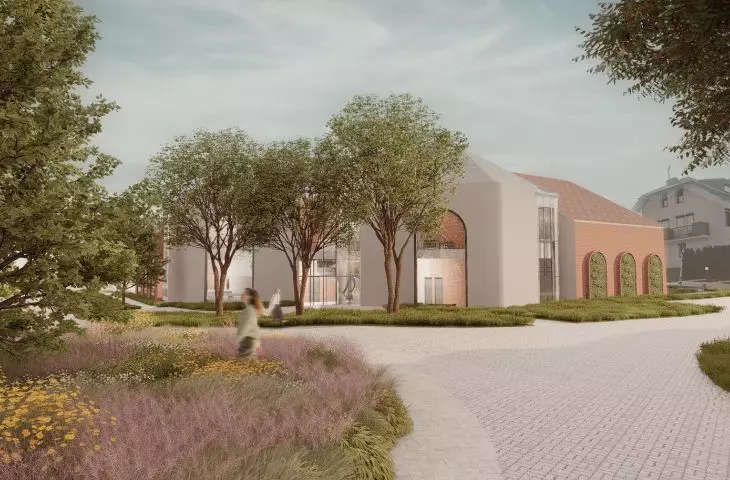
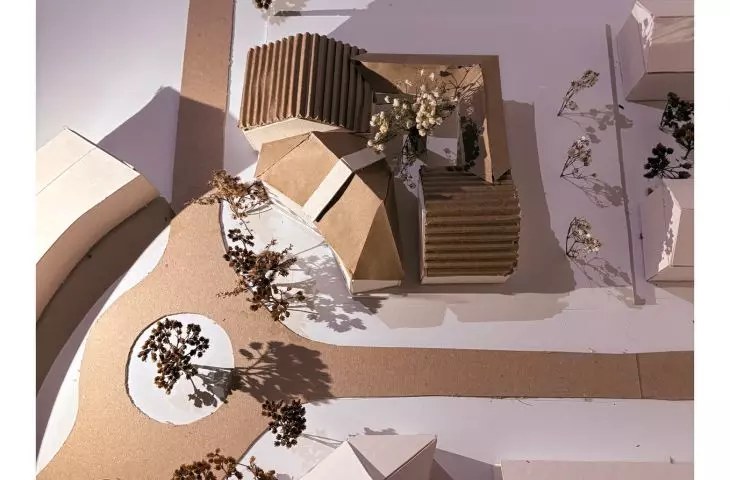
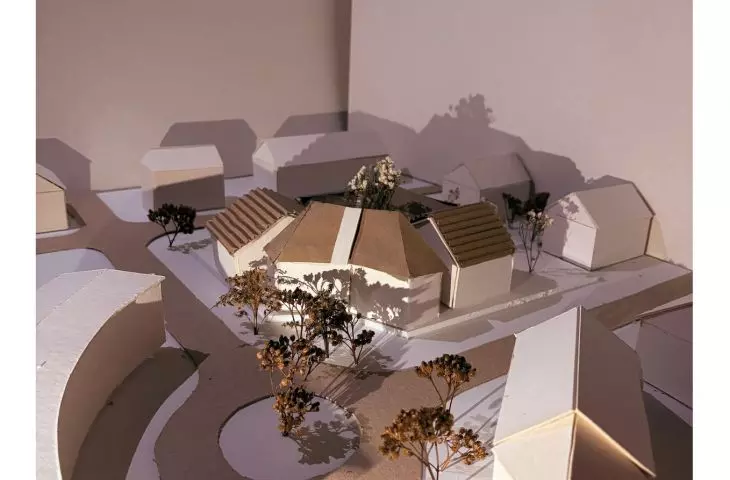
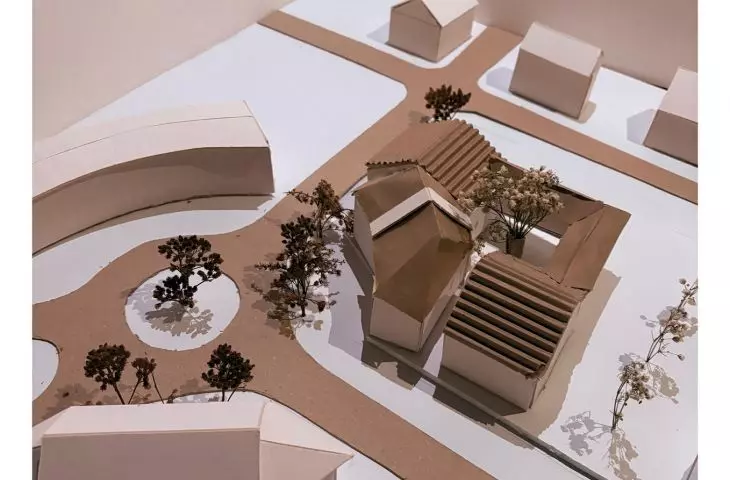
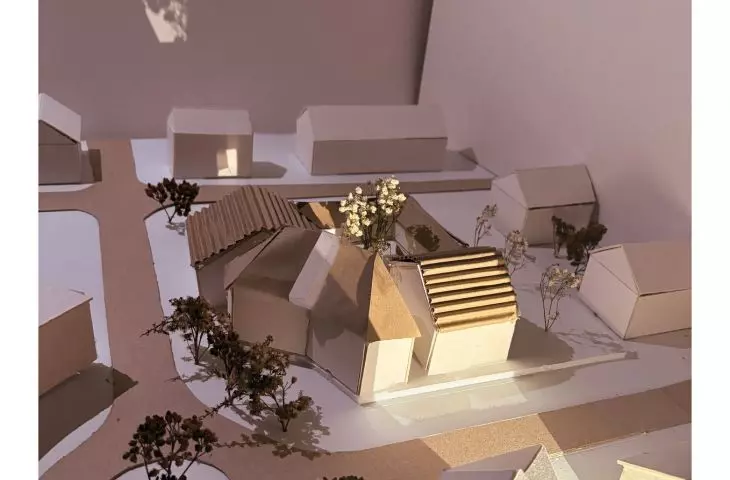
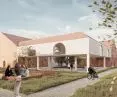


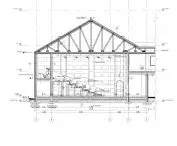
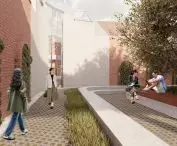
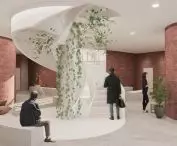
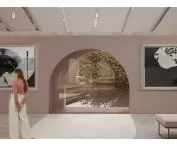
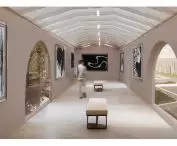
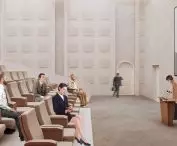
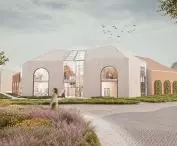
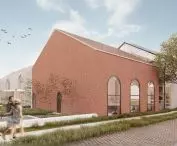
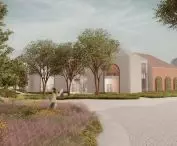
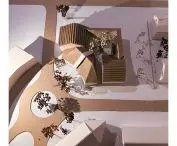
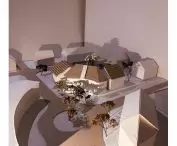
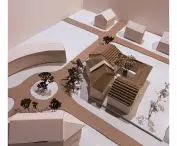
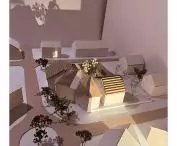

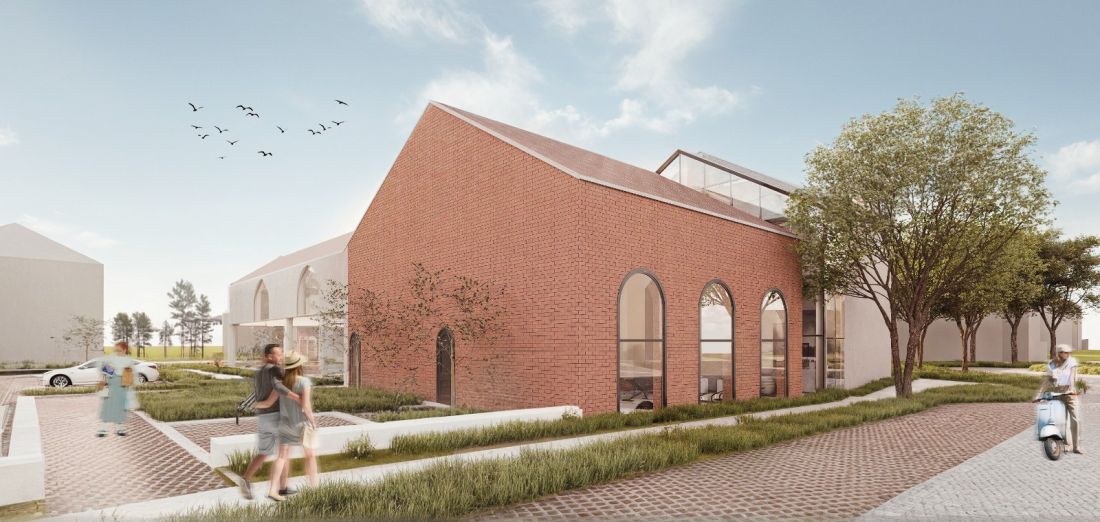
The Community Center project by {tag:studenci} is an attempt to redefine the role of community architecture in the modern city. The premise is not limited to the creation of a public building - it is a conscious concept of space that actively promotes interpersonal relations, integration and local identity. The author treats architecture as a tool for building community. The designed center is not a closed or monumental object - on the contrary, its structure remains open, accessible and legible to users of different ages and needs.
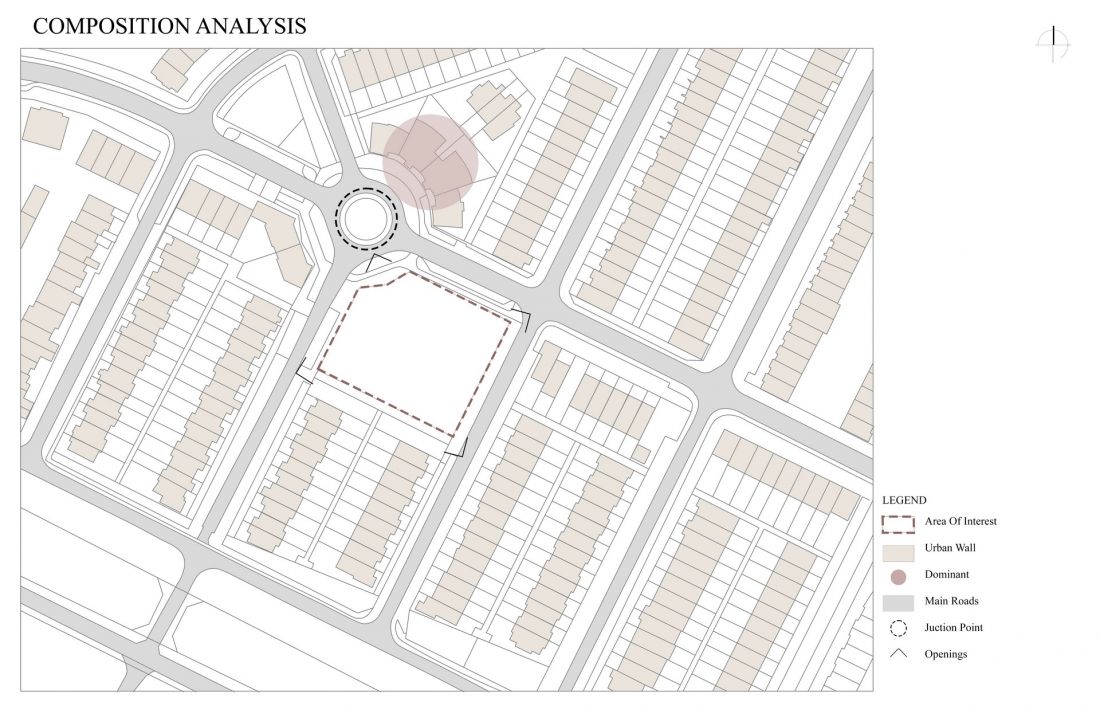
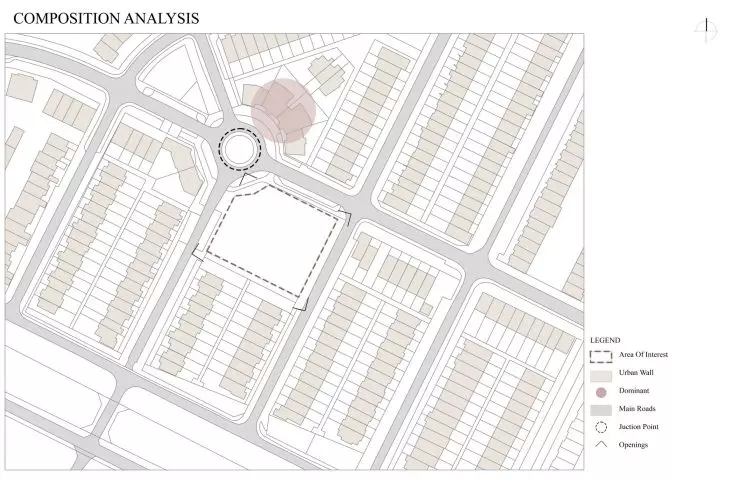
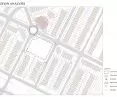
analysis
© Aylin Karakurt
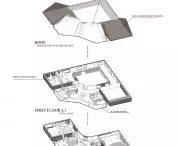
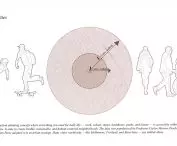
architecture as a system of relationships
The key idea of the project is to create a place that combines social, educational and recreational functions into one coherent structure. The building is organized around communal spaces that foster spontaneous meetings and group activities.
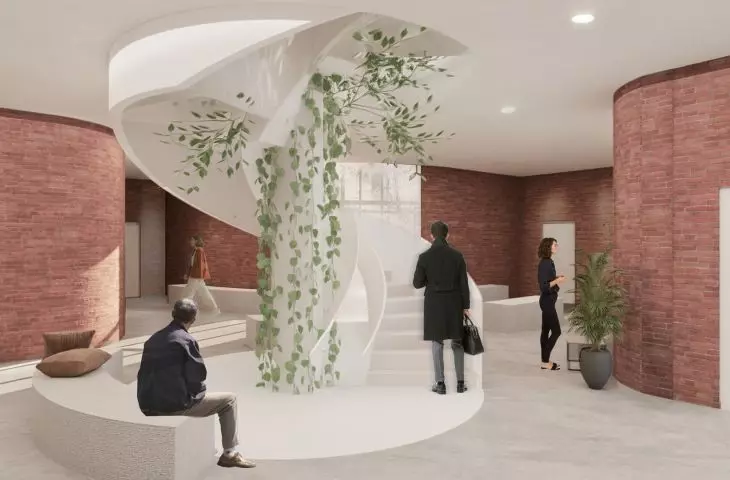
Central integration zones act as the social core of the building - it is where users' paths cross, where workshops, events and daily interactions take place. The space is not just a background, but becomes an active participant in social life.
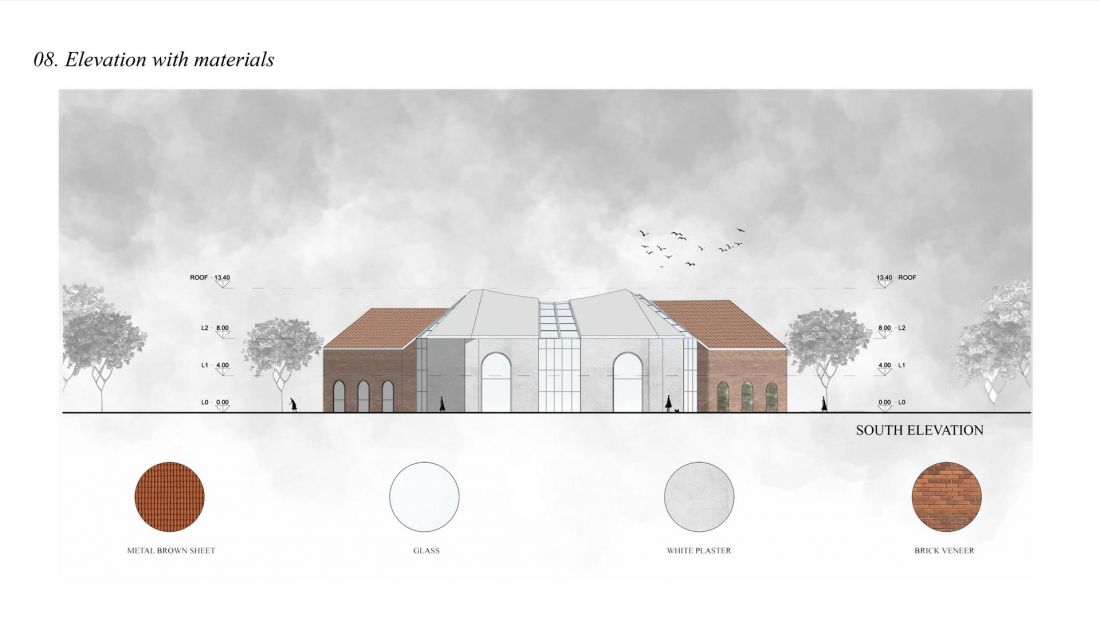
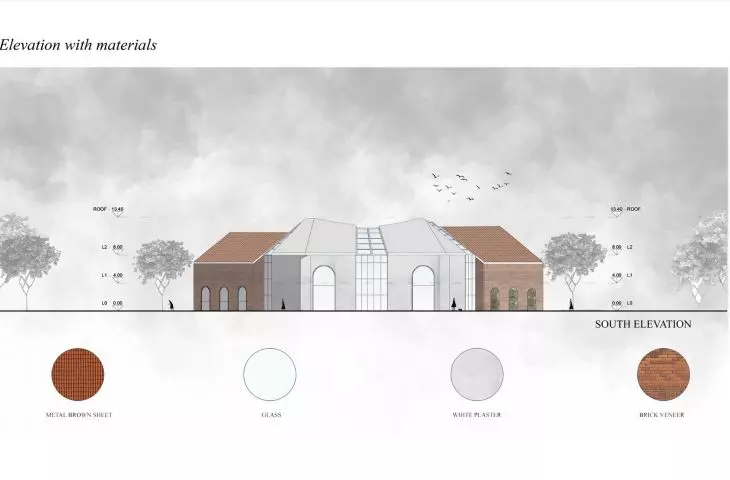
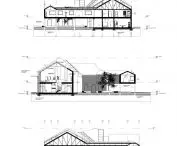
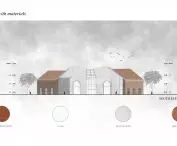
elevation
© Aylin Karakurt
The functional solutions used assume flexibility. The rooms can change their purpose depending on the needs of the local community. Such adaptability increases the sustainability of the project over time and allows it to respond to changing usage scenarios.
light, openness, accessibility
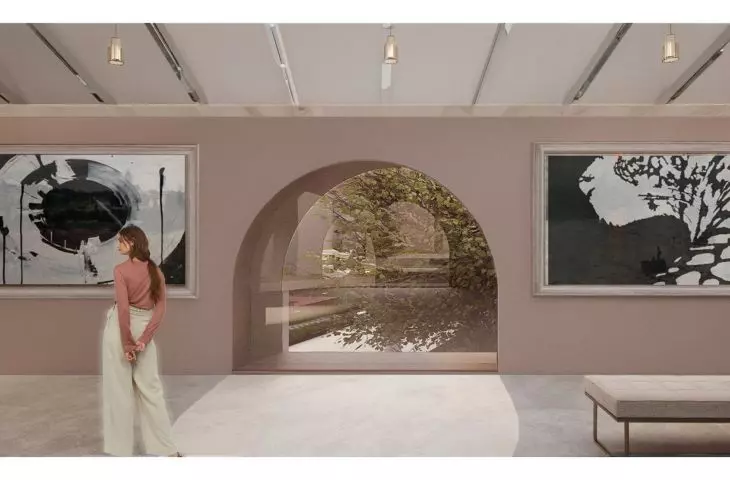
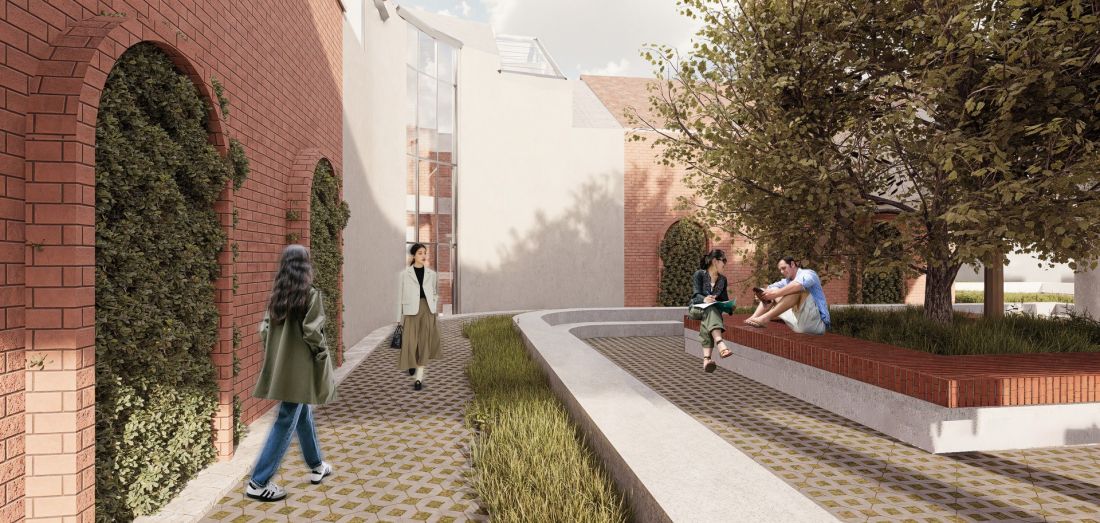
An important element of the concept is access to natural light and visual connections to the surroundings. The transparency of the selected zones emphasizes the idea of the institution's openness - the center does not isolate itself from the city, but remains an integral part of it.
The design also assumes a high level of accessibility - both spatially and socially. The communication layout is intuitive, and the functional divisions are clear. The architecture does not intimidate, but invites.
© Aylin Karakurt
sustainable approach
Community Center is part of the responsible design trend. The author takes into account environmental aspects, such as optimization of lighting, rational space management and solutions that promote energy efficiency.
Sustainability is not an add-on here, but one of the foundations of design decisions. Architecture is intended to serve not only current users, but also future generations.
Aylin Karakurt's design shows that a contemporary social center can be more than a set of functions under one roof. It is an architecture of relationships, in which form is subordinated to the idea of community.
© Aylin Karakurt
The Community Center becomes a platform for dialogue - a place where different groups, generations and needs meet. In times of increasing individualization, such a space takes on special importance.