




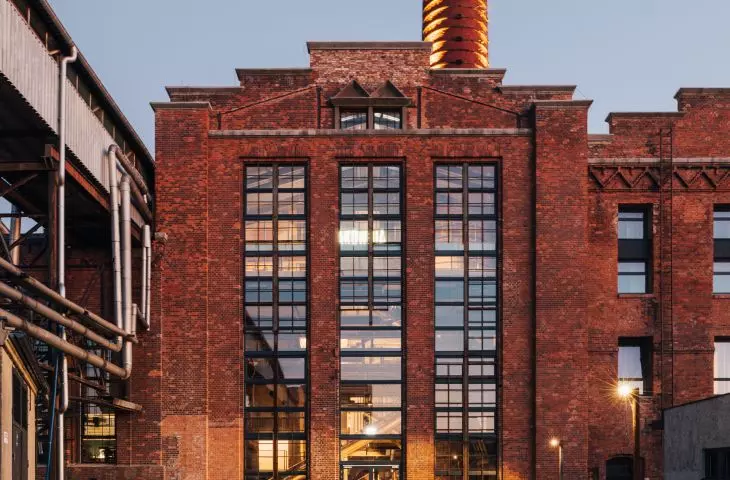
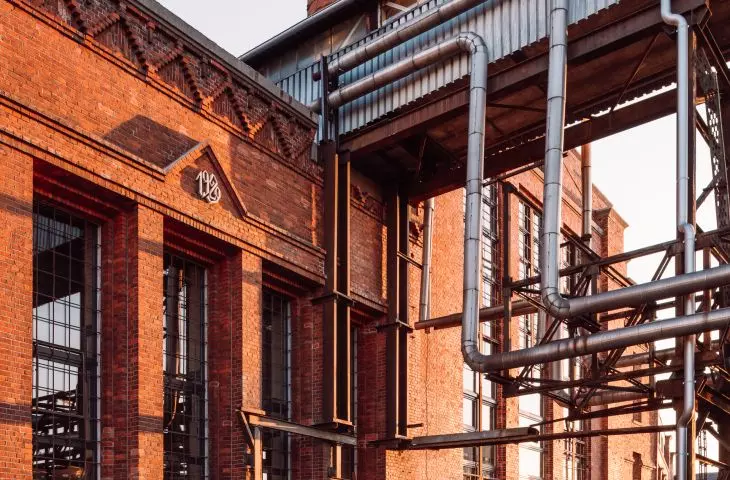
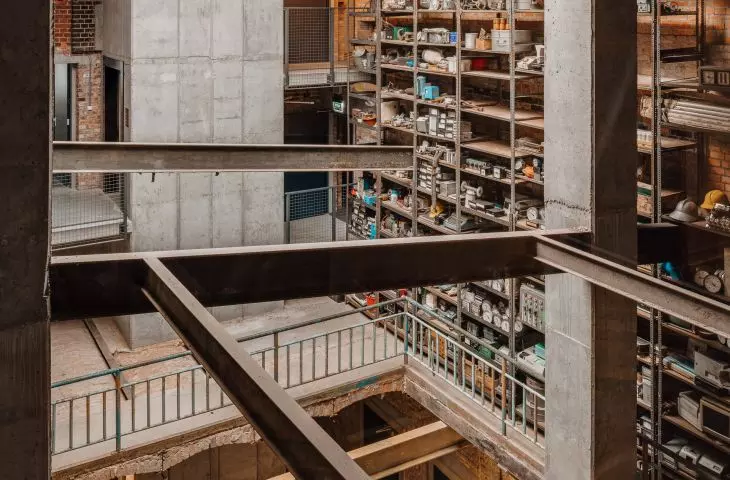
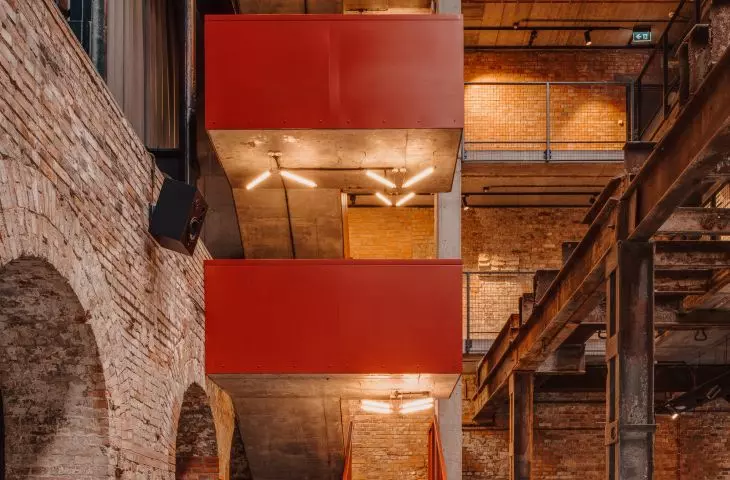
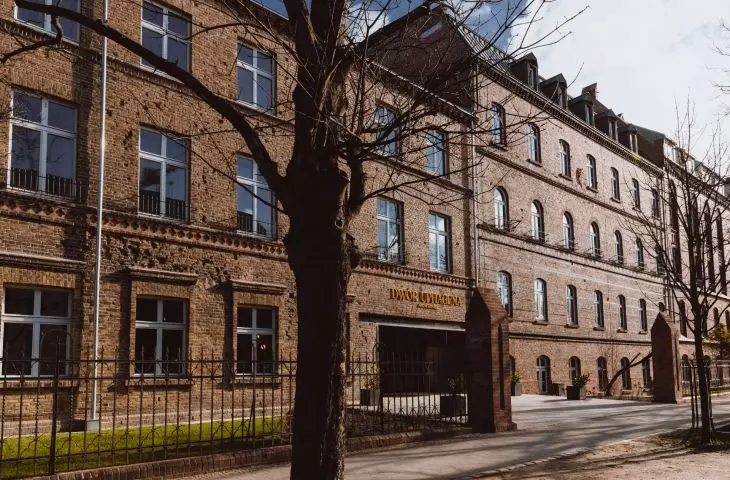

"Architects scare their children with conservationists, and conservationists.... architects." What if everyone played to one goal, and took as a priority the creation of barrier-free spaces? This is the idea behind the third edition of the Accessibility Forum in Poznań, whose guest this year will be architect Piotr Grochowski, representing the Arche Group, co-author of numerous projects for the reconstruction and adaptation of historic structures, including the Uphagen Manor in Gdańsk and the award-winning Żnin Sugar Factory.
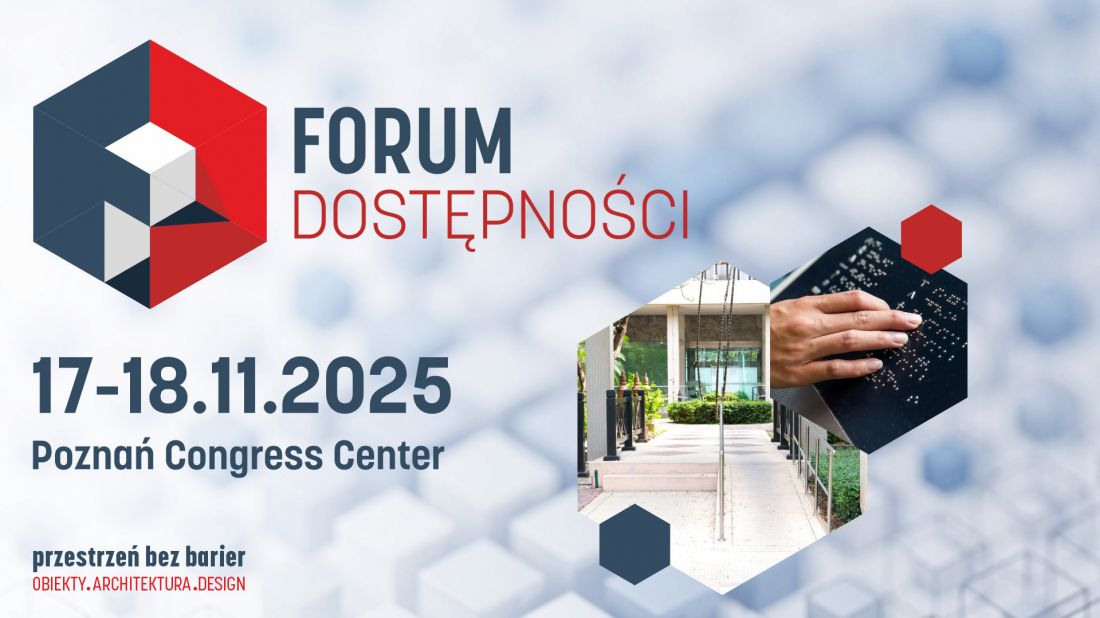
Accessibility Forum
© organizers archive
Ola Kloc: You deal with historic fabric - what are the challenges of adapting such developments to accessibility guidelines?
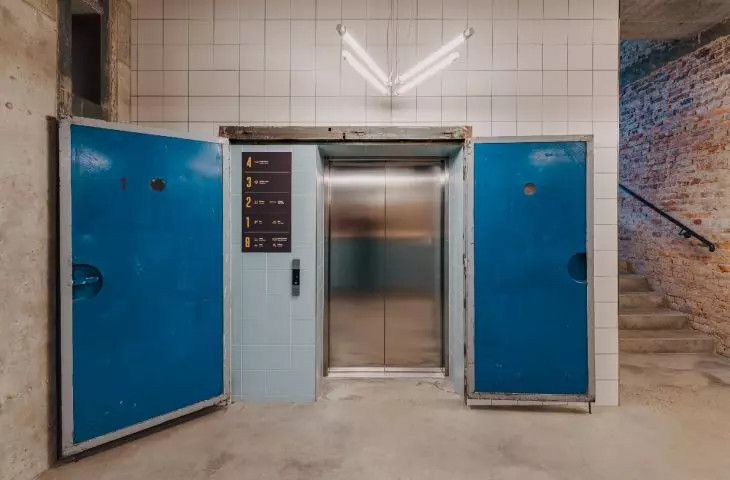
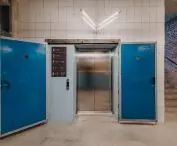
Piotr Grochowski: There are many challenges, mainly related to the fact that accessibility was not thought of in historical buildings. So sometimes we have to modify certain elements, adjust the structure of the building so that these objects become accessible both from the public space and in the interiors. It is not always possible to do this without collisions, sometimes we have to assist with elevators, elevators or other devices, look for a compromise. However, accessibility comes first for us, sometimes it is even more important than the historic structure of the building.
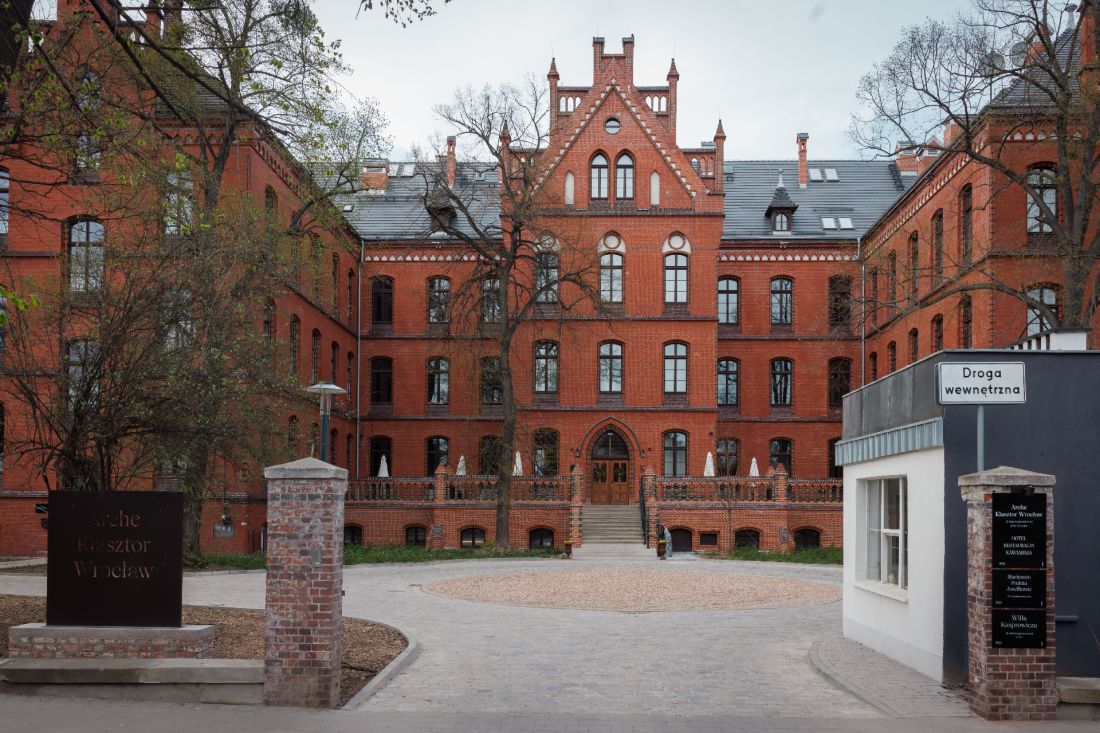
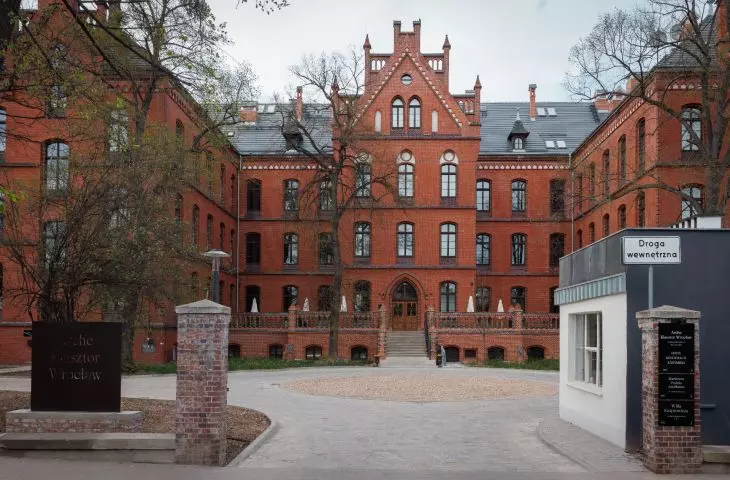
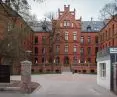
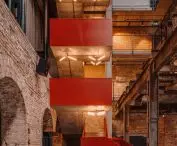
Arche Monastery Wroclaw
© Arche
OlaKloc: What do conservationists have to say about this?
Piotr Grochowski: The conservators are also looking through this prism more and more often, and they allow certain changes and modifications to be made in order to make the building accessible. However, we are trying to make sure that all public rooms - restaurants, lobby or reception - are at the level of public space, so that they can be easily used, entered without the use of additional facilities. We are also separating hotel rooms on the ground level of the building.
OlaKloc: And what about in situations where you are dealing with conservation guidelines that do not give much room for maneuver? How do you negotiate accessibility-related changes in such cases?
Piotr Grochowski: It is necessary to discuss this from the very beginning. Already at the stage of conception, before the conservator's recommendations, draw attention to the fact that it is necessary to take care of the accessibility of the building, and not only in terms of removing architectural partitions, thresholds, stairs, but also in terms of simplified communication, because disability is not only about physicality. It is also important to have a simple architectural layout, appropriate interior design, so as not to get lost in a given space.
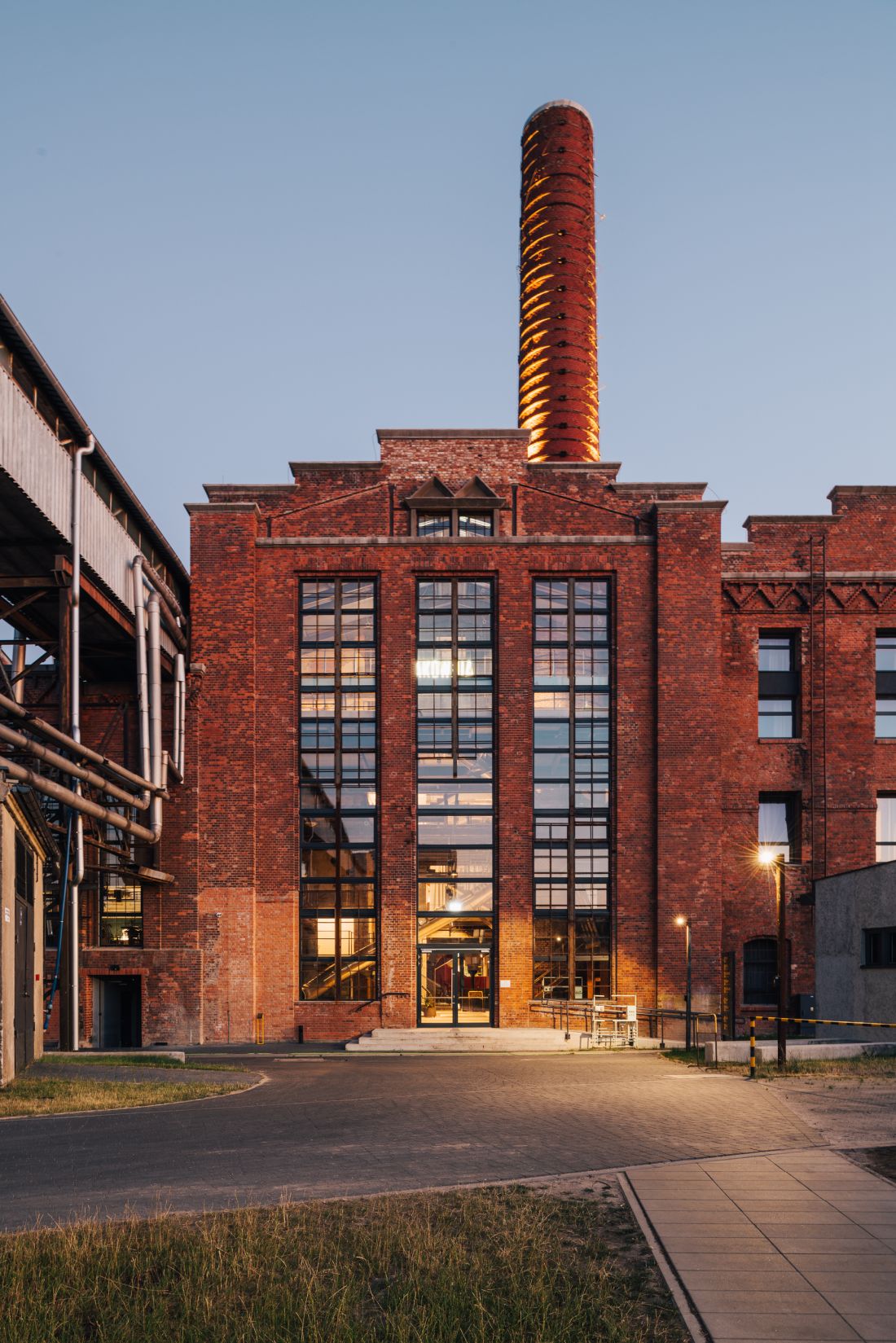
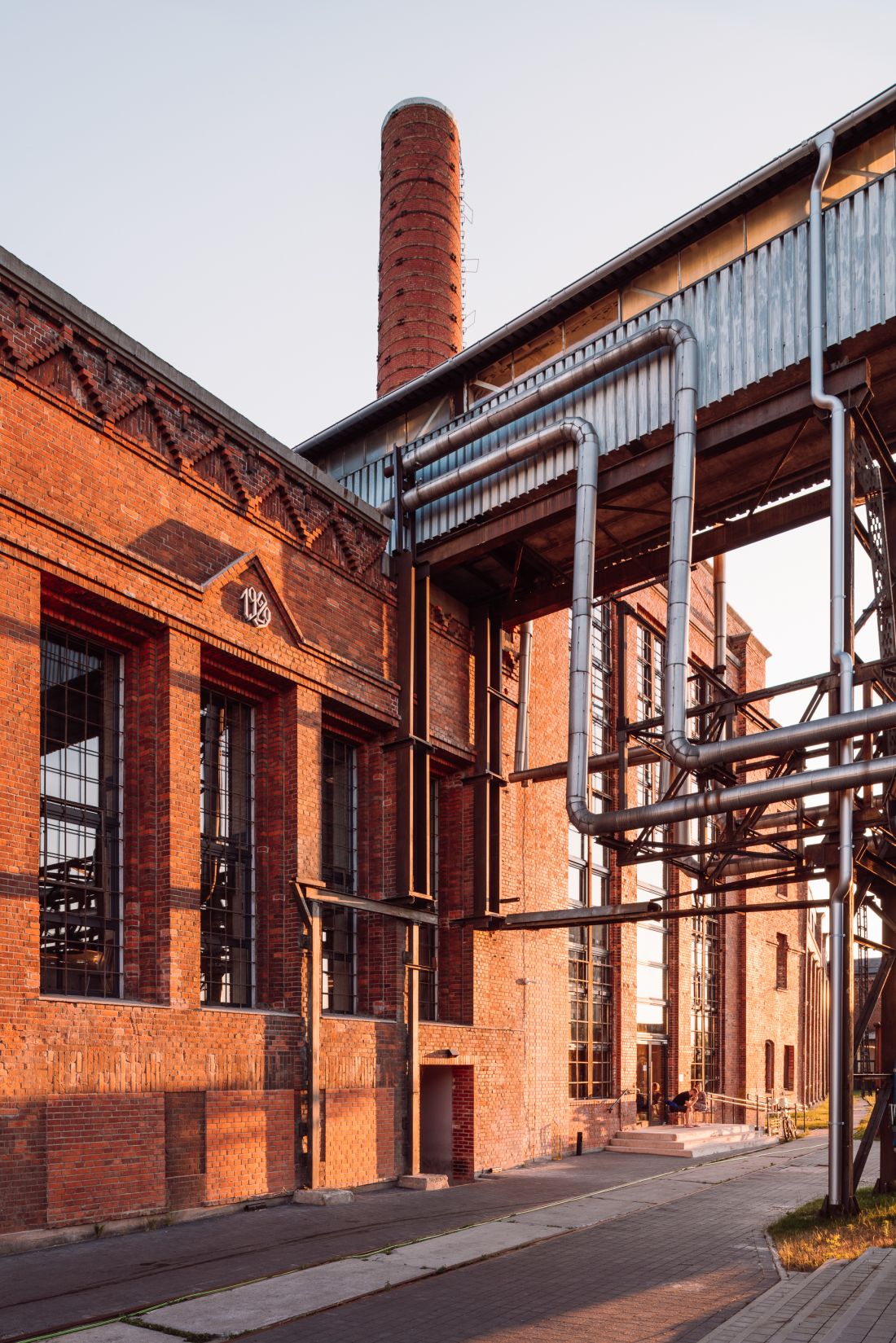
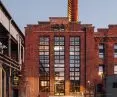
Sugar factory in Znin
Photo: ONI Studio
OlaKloc: In your opinion, what changes are required by law in matters related to historic fabric, so that adapted buildings have a chance to both preserve their historical value, meet the expectations of the investor, and become a place accessible to all users?
Piotr Grochowski: I think this applies not only to historic buildings, but to construction in general - the law in this regard is quite general, there is a lack of regulations that would clearly define what spaces should be accessible and how these facilitations should be done. Independent organizations or foundations, events such as the Accessibility Forum are helping.
Another social group to which more attention should be paid is seniors, who often use public facilities. The design of new housing is also an important issue, the regulations do not specify or impose on developers any measures or solutions that can help with accessibility.
When it comes to historic buildings, accessibility should be one of the determinants when adapting buildings, as should ensuring energy efficiency or appropriate performance of the facility.
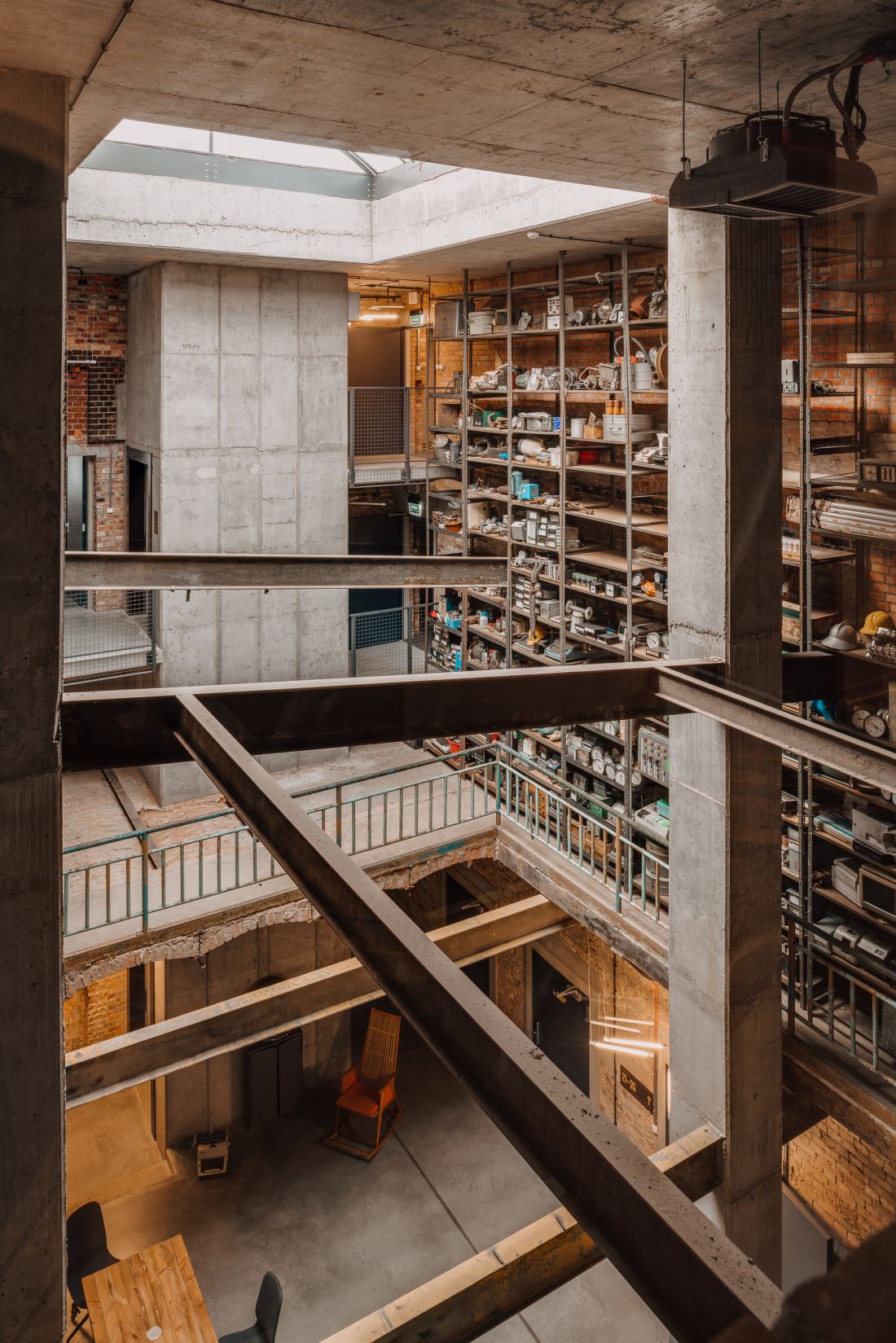
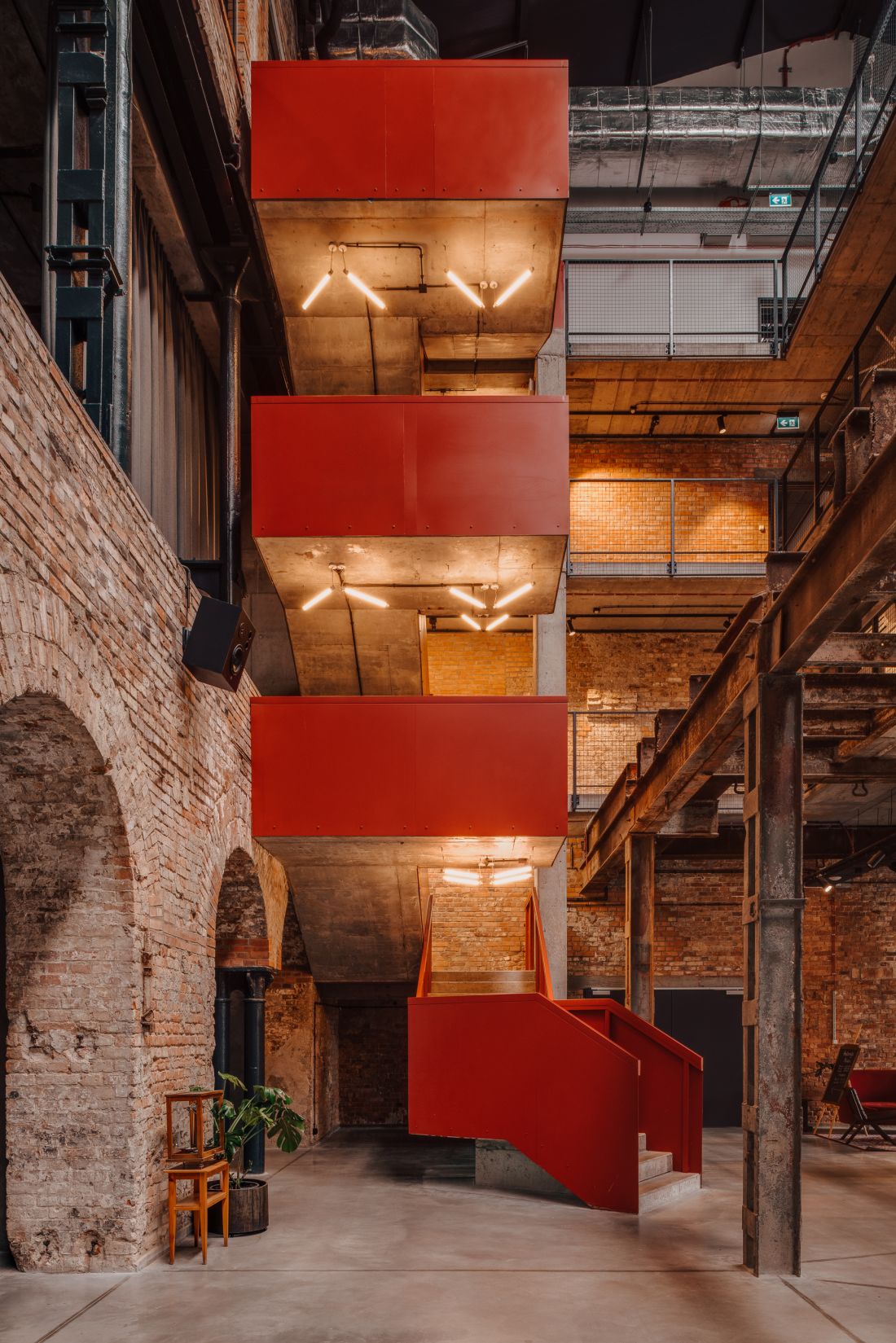
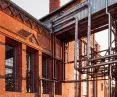
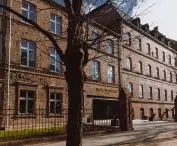
Sugar factory in Żnin
Photo: ONI Studio
OlaKloc: You have taken care of people with disabilities in the project of the farm in Wólka Konopna, please tell us more about this idea.
Piotr Grochowski: The farm in Wólka Konopna is a training home for people with disabilities, where they live for several months and learn to function independently. For us, this is the first project of its kind, and we are discovering just this lack of precise information or guidelines. Because we have the opportunity to work with people with disabilities on a daily basis, we see more quickly how we can make it easier for them to work, live and function in the community.
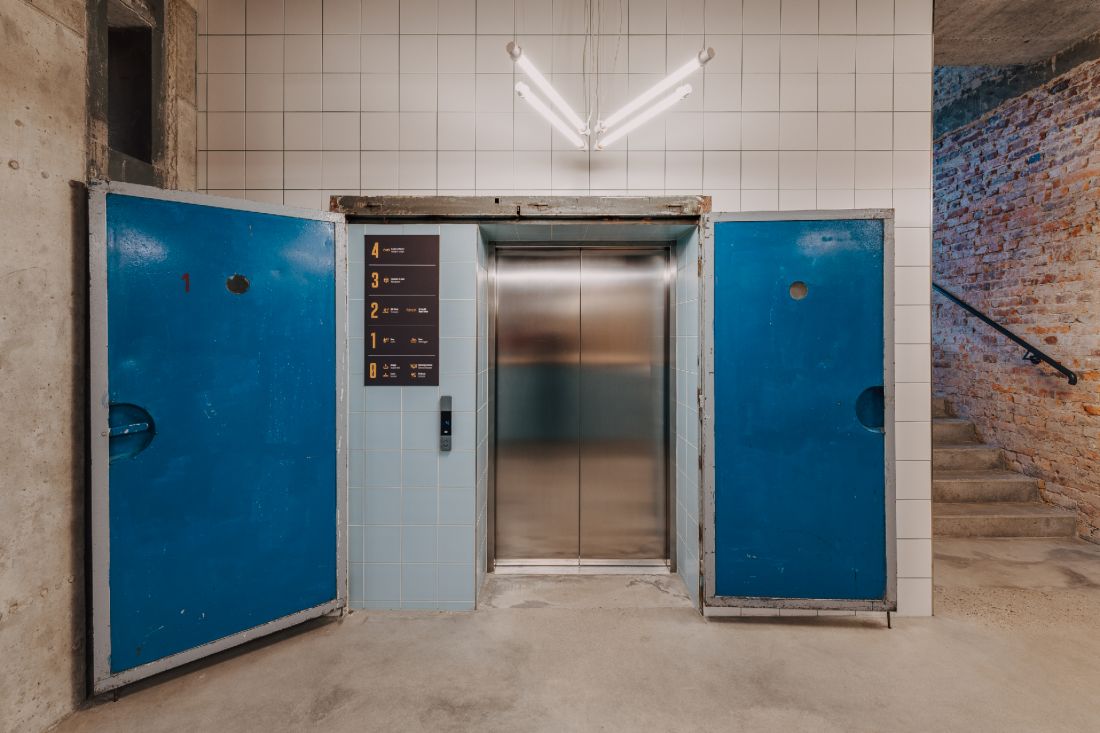
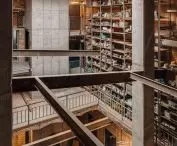
Sugar factory in Znin
Photo: ONI Studio
OlaKloc: Was there anything during this implementation that particularly surprised you in terms of the needs of people with disabilities? Things that go beyond the standard guidelines for an elevator, wider doors or bathroom dimensions.
Piotr Grochowski: We are dealing with people whose disabilities relate to mental dysfunction, and in such cases slightly larger common spaces, such as the kitchen, are important. Doors can be standard, this is not a problem even for people with a wheelchair, but you need to pay attention to the entrance area of the building - in one of the facilities the problem turned out to be a revolving door, this is a significant barrier for people with disabilities.
The guidelines for quiet space have changed somewhat in the regulations, especially in workplaces, in public places, where there are often many stimuli that distract or even cause anxiety. Such a space doesn't have to be an enclosed room without a window, as is often the case, but simply a separate area in a public area, so that this person still feels that he or she is a part in the community, but has a place where he or she can calm down and relax.
Ola Kloc: Thank you for the interview.
interviewed: Ola Kloc
The 3rd edition of the Accessibility Forum will be held on November 17 and 18 at the Poznań Congress Center. The event is dedicated to universal design and architectural accessibility, it is a space for the exchange of knowledge, inspiration and contacts, fostering the creation of solutions accessible to all - regardless of age, fitness or life situation.
More information: www.forumdostepnosci.com.pl