





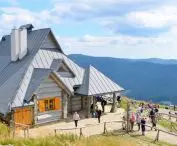

Podhale is an architectural wild west. Although there are sometimes projects that respect mountain tradition or creatively reinterpret it in the spirit of modern construction, Tatra architecture in the vast majority is governed by its own rules. Among the many construction projects, there are also renovations, often carried out in historic buildings. One of these included the hostel on Hala Kondratowa. But in this case, is "renovation" the right term?
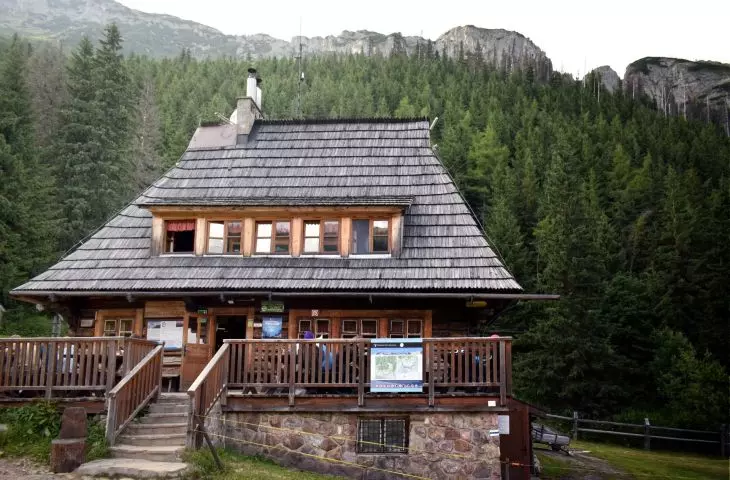
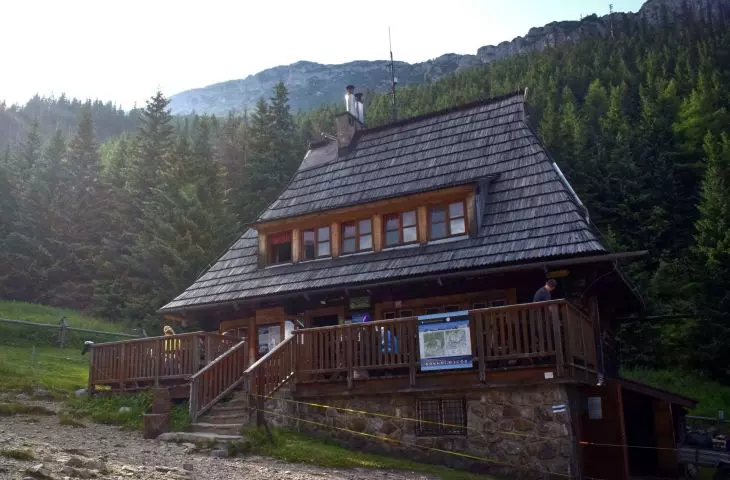
The Władysław Krygowski hostel on Hala Kondratowa was built in 1947-1949, in the trend of new regionalism in the architecture of Tatra mountain hostels. Its designer was Bogdan Laszczka, son of the famous Cracow sculptor Konstanty Laszczka. His architectural achievements included the Laszczka Tenement House at 7 Komorowskiego Street in Cracow or the Scout House in Górki Wielkie, where Alek, Zoska and Rudy - heroes of Kamienie na Szaniec - spent their last vacations. Bogdan Laszczka was also co-author of the extension of the campus of the AGH University of Science and Technology in 1951 and the Astronomical Observatory of the Jagiellonian University at 171 Orla Street in Cracow. His most recognizable work, however, remains the Zakopane hostel on Hala Kondratowa - the smallest of the four new Tatra hostels completed in the Tatras after the war until 1953.
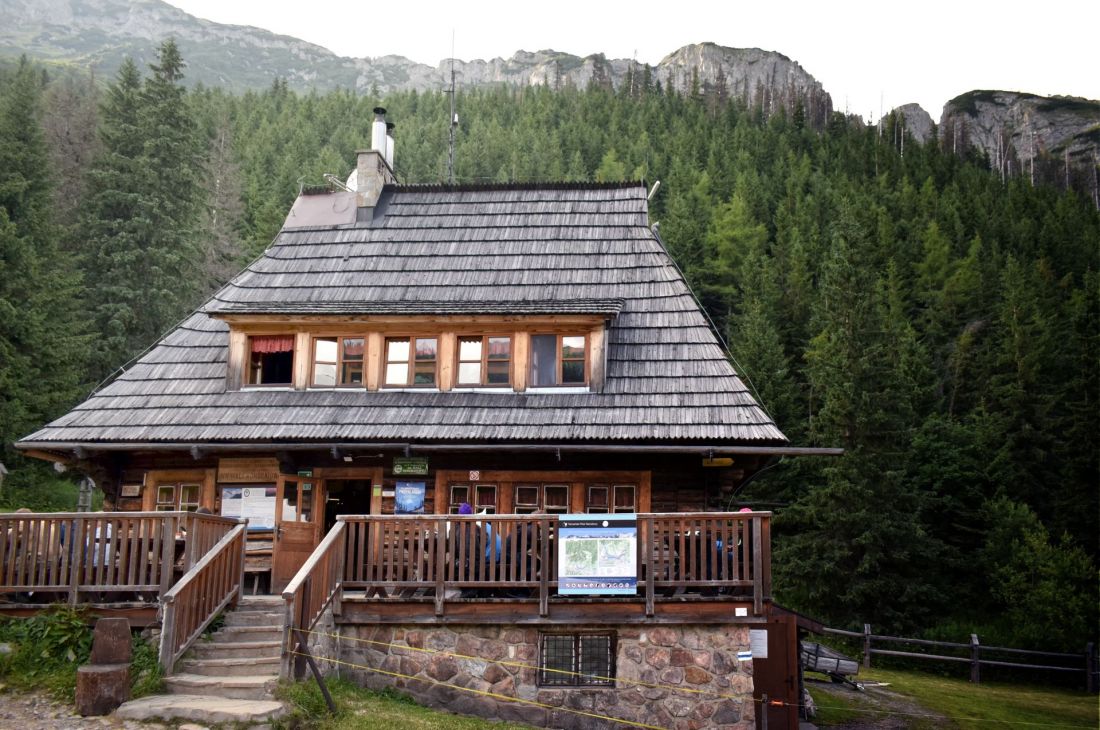
Władysław Krygowski's hostel on Hala Kondratowa, view before renovation
photo: Maria Cipinska
rock and fire don't scare him
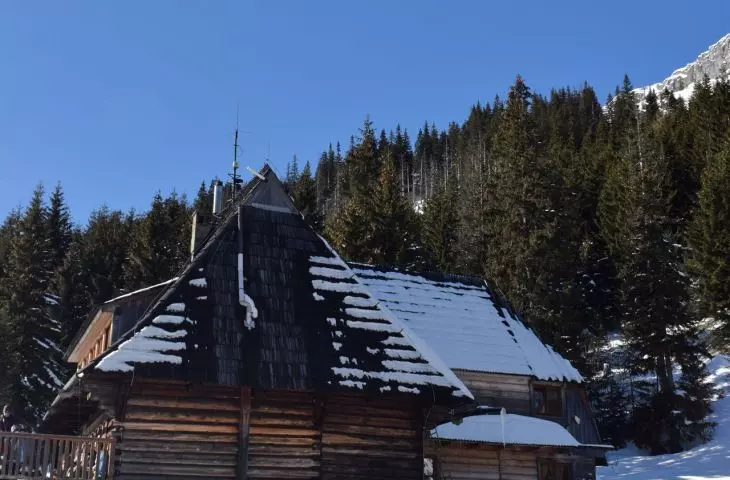
Although small, the hostel on Hala Kondratowa was very popular with tourists heading to Giewont and Kopa Kondracka. It also went through some difficult moments. Shortly after it was expanded to include an additional kitchen complex, located at the rear of the building, a rock avalanche collapsed toward it in 1953. One of the boulders, weighing 30 tons, hit the chalet - it landed in the kitchen, while several others, equally large, fell right next to it. After repairs, the facility quickly returned to use, and the ridge of the Long Giewont was protected from further rockfalls.
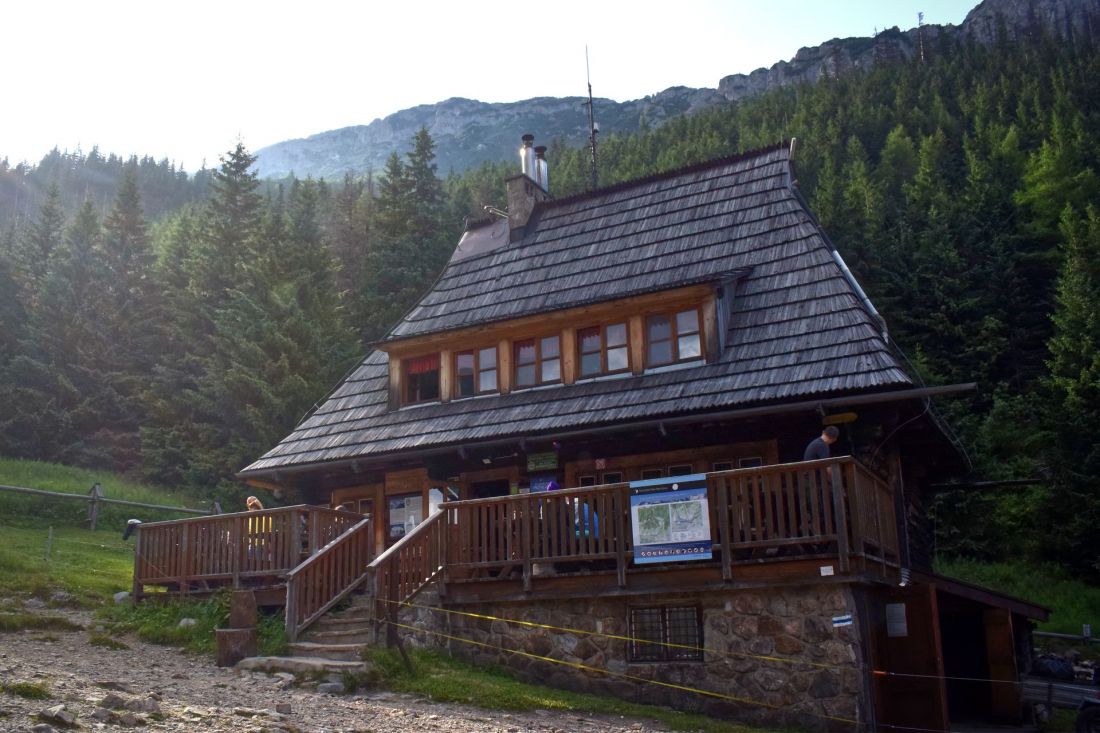
Władysław Krygowski's shelter on Hala Kondratowa, view before renovation
photo: Maria Cipinska
However, this was not the last difficult episode in the history of the smallest hostel in the Polish Tatra Mountains. In late May 2022, a fire broke out in the building. Thanks to the efficient action of tourists and staff, the fire was extinguished even before the arrival of the fire department, and the damage turned out to be minor - about 20 m² of the roof structure burned down. The very next day the hostel resumed operations. Unfortunately, not for long - the most difficult moment in its history was yet to come.
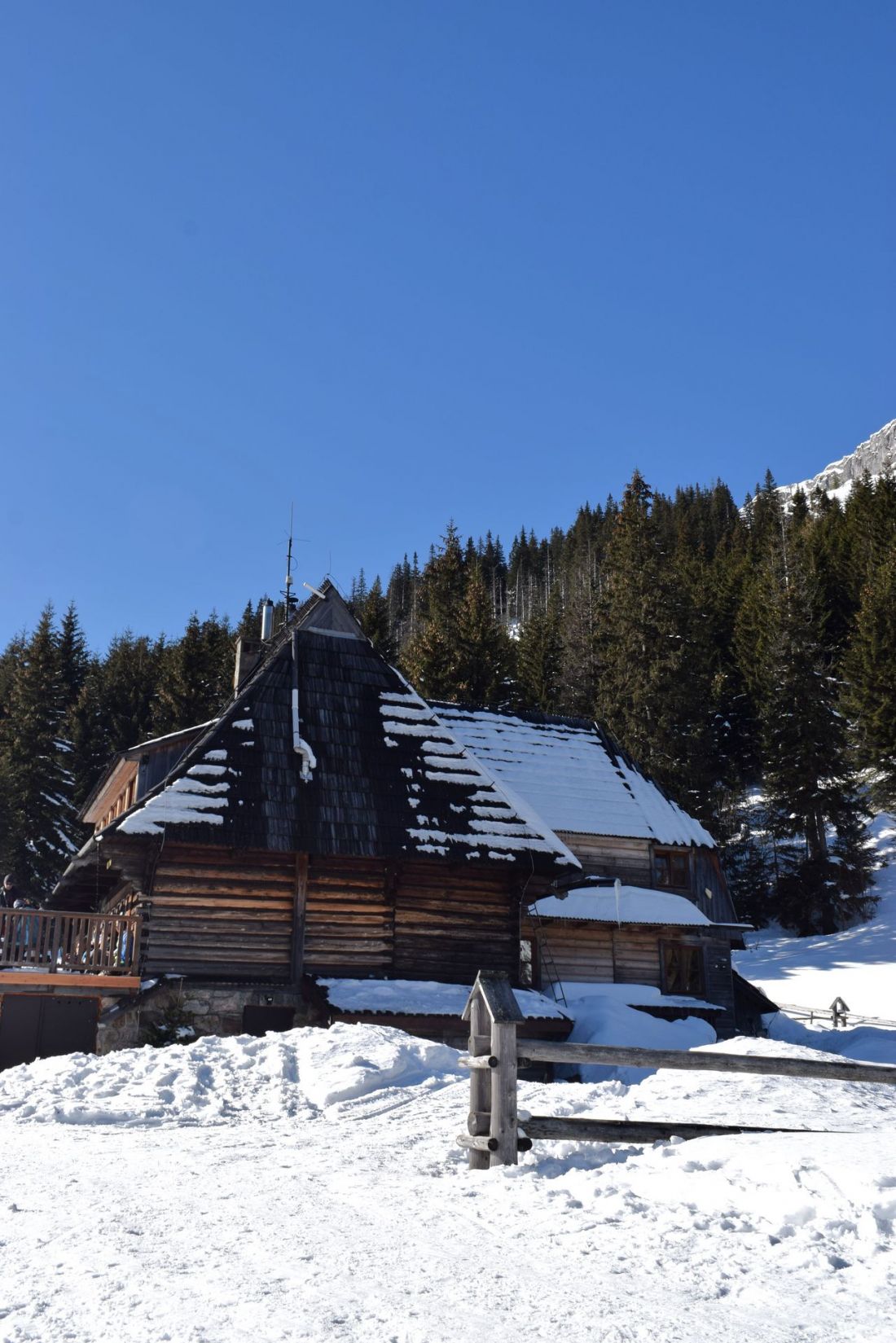
Władysław Krygowski's hostel on Hala Kondratowa, view before renovation
photo: Maria Cipinska
renovation...
On September 4, 2023, the Wladyslaw Krygowski Shelter on Hala Kondratowa was closed. The reason? Renovation and modernization of the post-war wooden building:
Kondratowa is the last Tatra mountain hostel, which, for objective reasons, has not yet lived to see the necessary major renovation, including thermal modernization. We have been preparing for this task for several years. The start of the necessary expansion, including the part related to facilities enabling the preparation of meals, was preceded by the reconstruction of the power supply and the sanitation of the shelter
- said Jerzy Kalarus, president of PTTK "Karpaty" in autumn 2023.
An excerpt from the project revealed by Gazeta Krakowska revealed the scope of the planned work:
"The investment primarily includes the expansion and reconstruction of the hostel in the part of the catering and administrative facilities (the annex), as well as renovation and reconstruction within the basic building to the extent necessary to adapt the facility to current regulations, in particular regarding the fire resistance class of the building's structural elements.
... Or demolition of an iconic hostel?
The facility's managers assured that "thecharacter and mass of the shelter were to remain unchanged." The work was scheduled for two years, which caused concern in the community around the shelter. As it soon turned out - not unfounded.
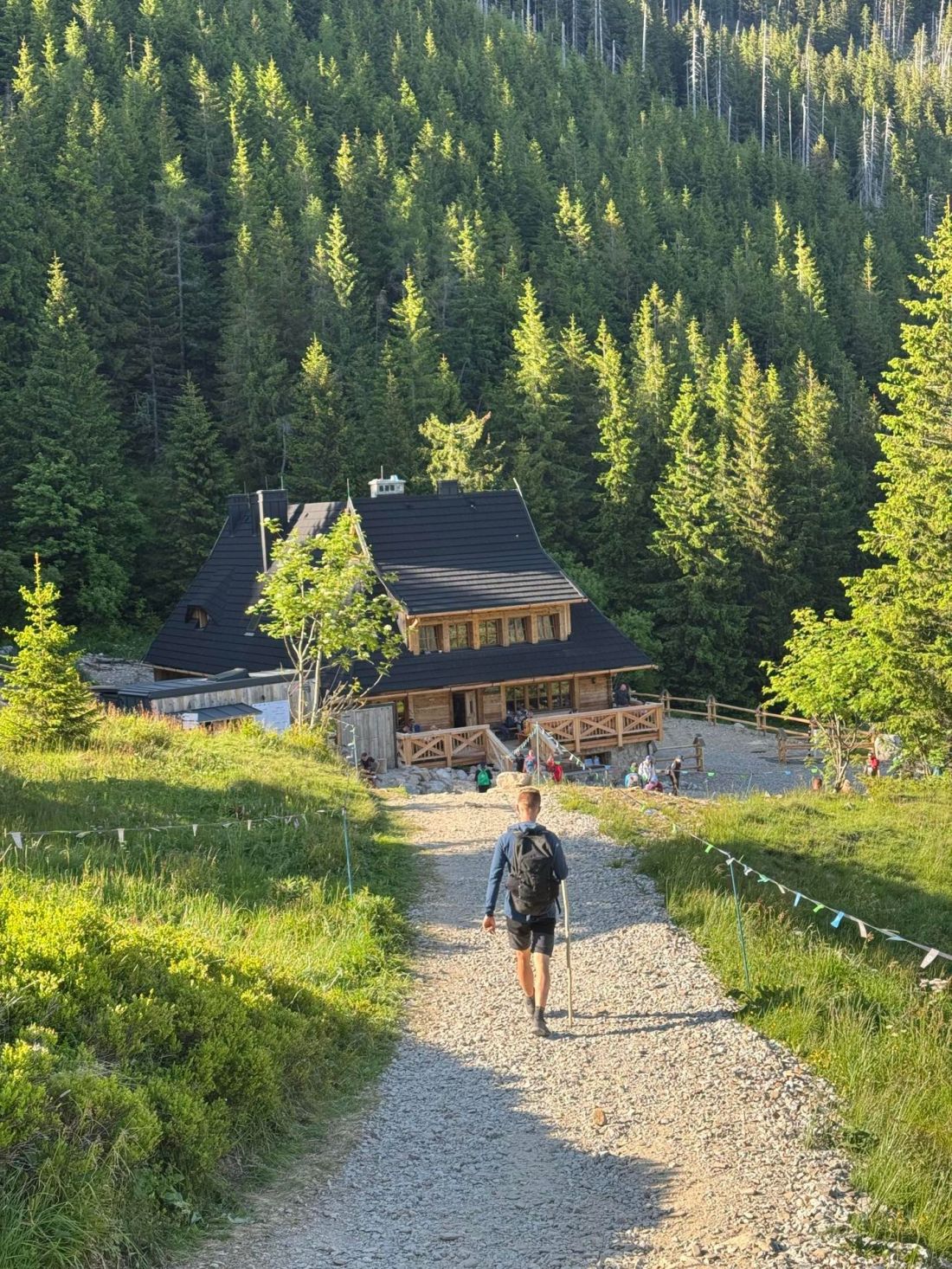
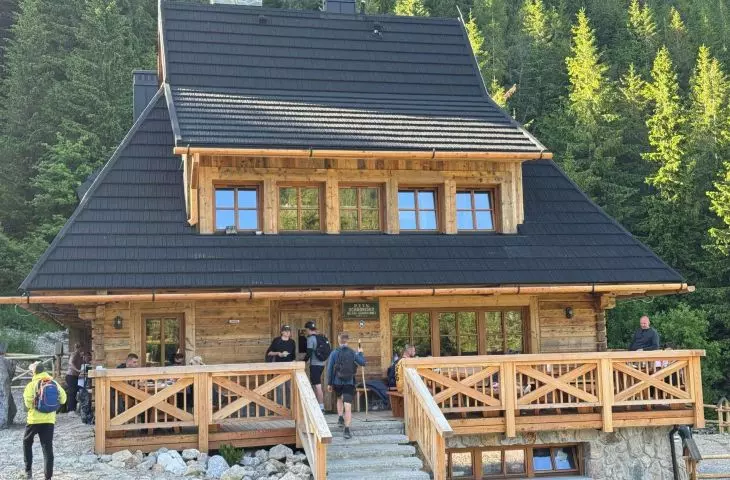
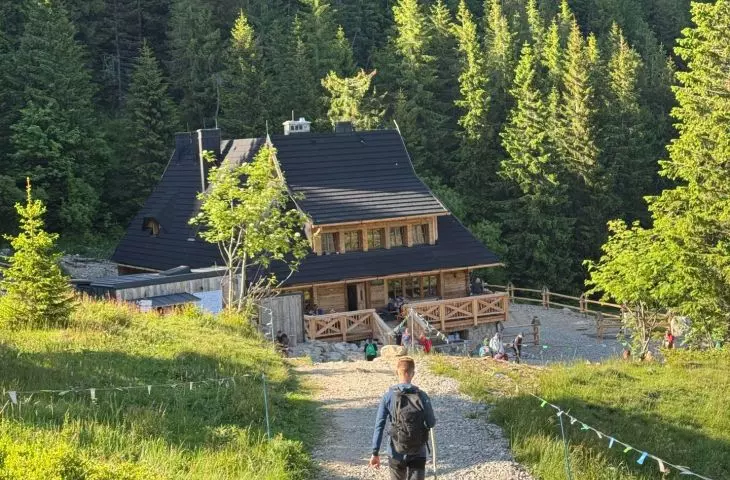
Władysław Krygowski's hostel on Hala Kondratowa after reconstruction
photo courtesy of the author
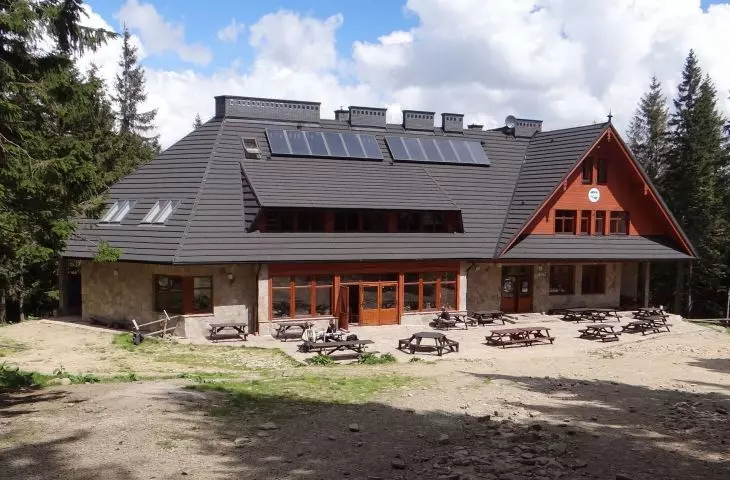
Already in 2024 it became clear that the announced "renovation" was in fact a demolition. It started with the rear part of the building, and soon after, the front was demolished as well. The wooden shelter began to take on concrete foundations. It turned out that the modernization consisted of erecting a new brick block, probably made of cellular blocks or silicate blocks. The original amphibians, from which the walls were previously erected, made their way to the facades of the new building, masking its mineral structure. Instead of traditional shingles, tile appeared in an attempt to imitate wooden roofing.
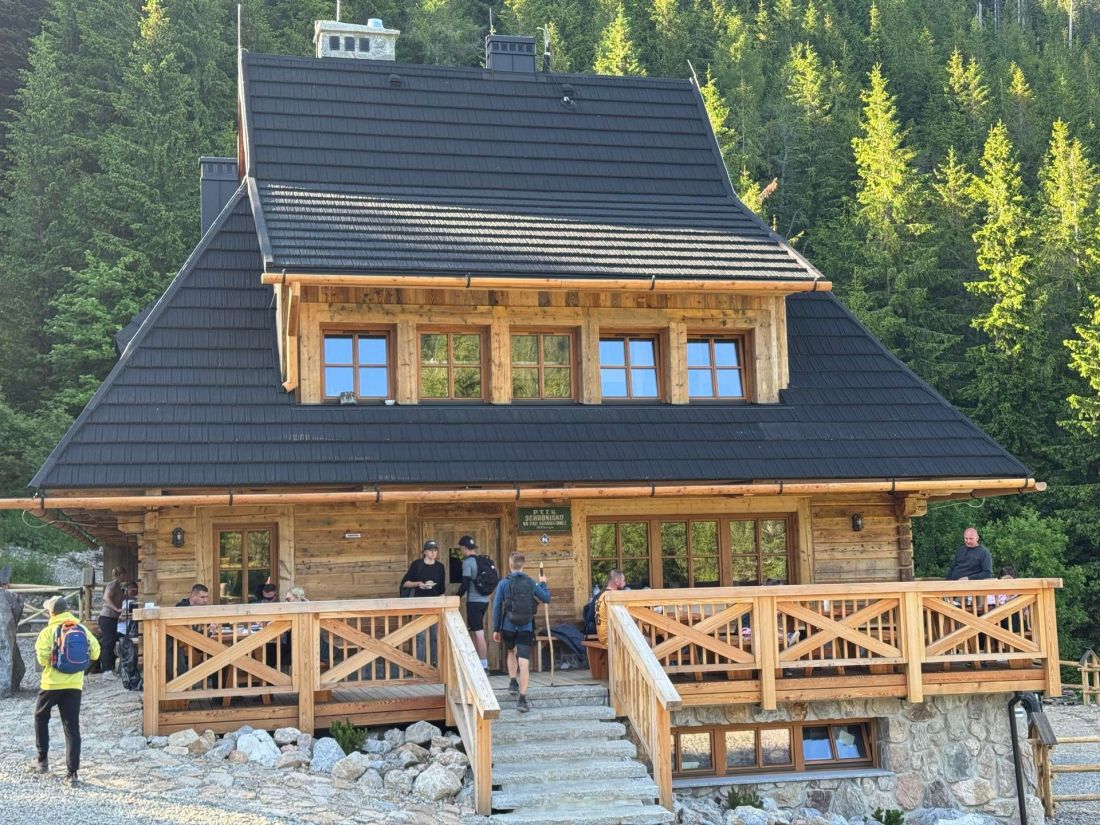
Hostel on Hala Kondratowa after renovation
photo courtesy of the author
However, these are not the only changes - fundamental differences are also visible in the body of the building, which has a changed roof geometry. The bay window, whose expression depends precisely on the shape of the roof, also looks completely different. Now it tightly fills the width of the roof slope on the side of the front elevation, previously the roof break was much closer to the gable.
unpleasant surprise
The changes are surprising for several reasons. First - they differ significantly from the visualizations presented by the investor, in which the building after renovation looked almost identical to the original from the late 1940s. Second - at the stage of announcing the investment, not a word was mentioned about the demolition of the building. A facility that, significantly, had historic value.
Although the hostel was never entered in the register of monuments, it was included in the Municipal Register of Monuments of Zakopane, adopted by resolution in 2021. Any changes (including demolition) would therefore require arrangements with the relevant conservation office. To date, nothing is known about possible arrangements - we have sent a letter to the Zakopane MKZ, asking for access to the decisions issued for this investment.
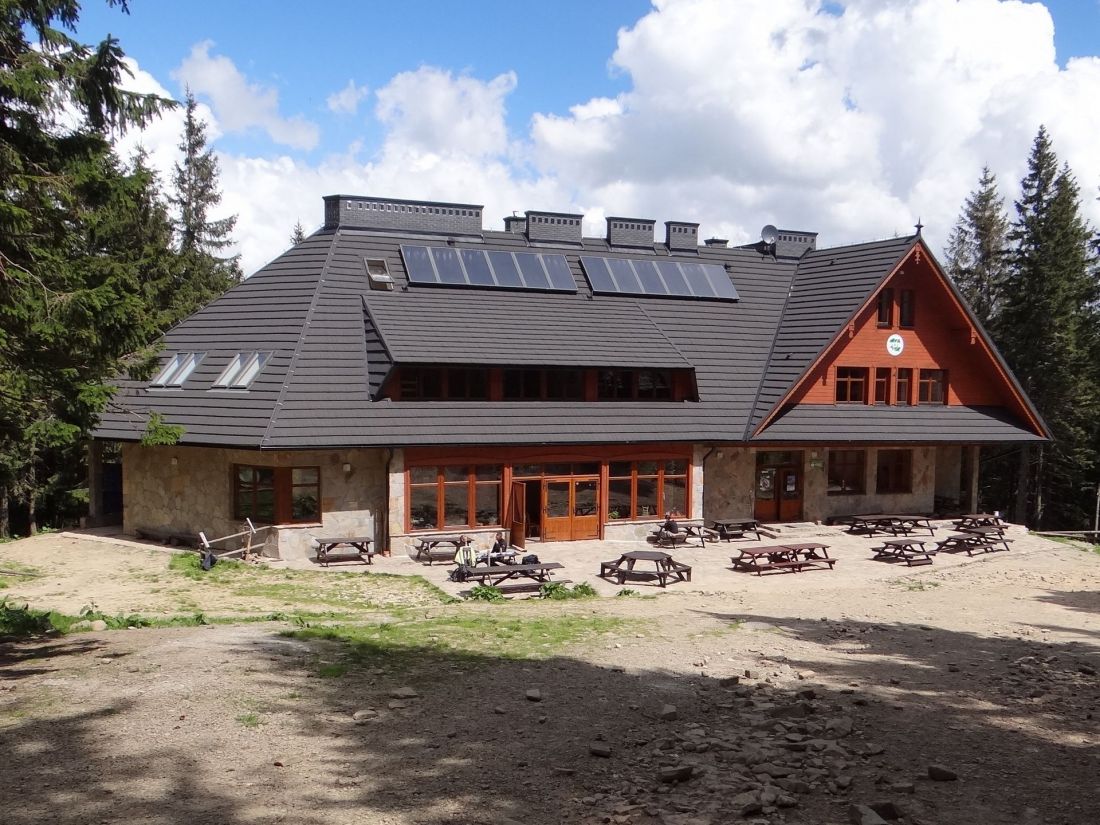
PTTK Markowe Szczawiny mountain hostel after reconstruction in 2009
Photo: Jerzy Opioła © CC BY-SA 3.0 | Wikimedia Commons
Is it an isolated incident or an infamous practice?
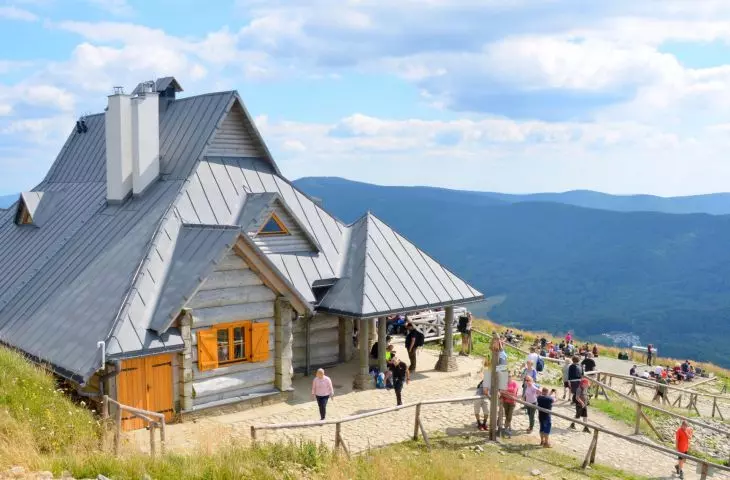
Regardless of the answer, the original, historic hostel building on Hala Kondratowa will not be restored - along with its history, materials, technology and mass. This is not an isolated case, by the way - demolitions of historic hostels in the Polish mountains are becoming more frequent. A similar fate has befallen, for example, "Chatka Puchatka" on Połonina Wetlińska in the Bieszczady Mountains or Schronisko "Markowe Szczawiny" on Babia Góra.
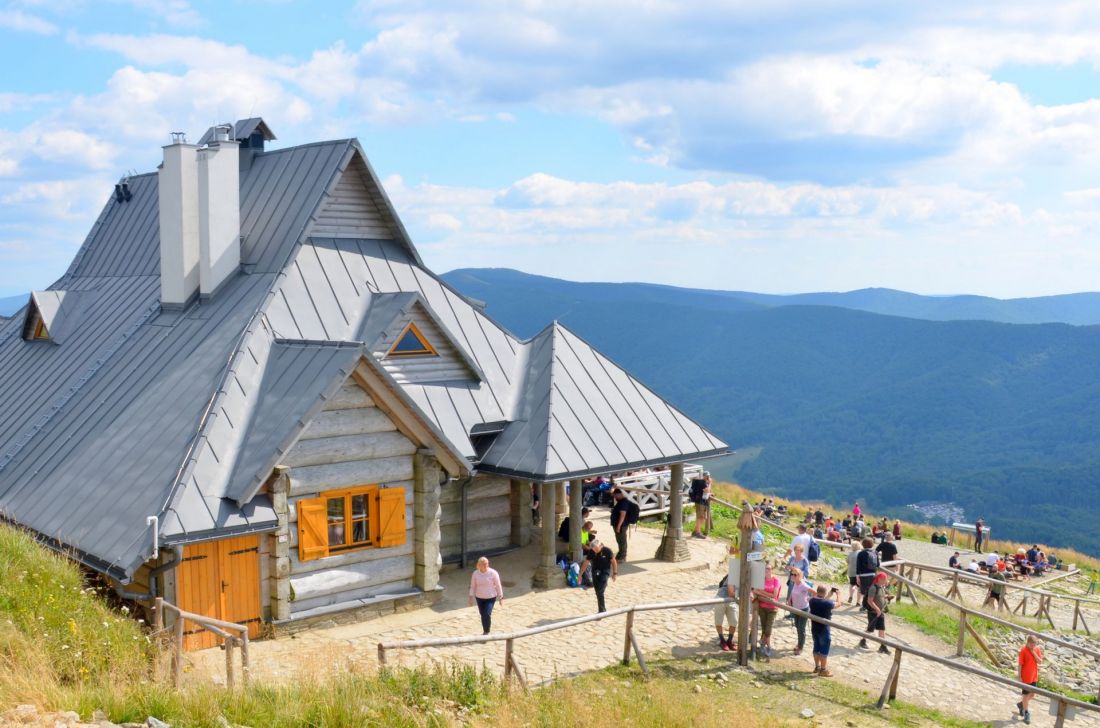
Shelter "Chatka Puchatka" on Połonina Wetlińska in the Bieszczady Mountains after reconstruction in 2022.
Photo: Silar © CC BY-SA 4.0
As a result of such decisions, two opportunities are lost: the chance to preserve the material heritage and, if it cannot be saved, the chance to create new, valuable architecture. Although the stock of modernist examples is rich, and the topic of mountain chalet design often appears in the works of architecture students, in practice the most common route is an intermediate one - buildings that safely fit into the archetype of the "mountain chalet", which, apart from the steepness of their roofs, have little in common with it.